Natural World
In the Presence of Giants: Katmai’s Coastal Brown Bears (Draft)
Photos & Writing // Giulia Ciampini
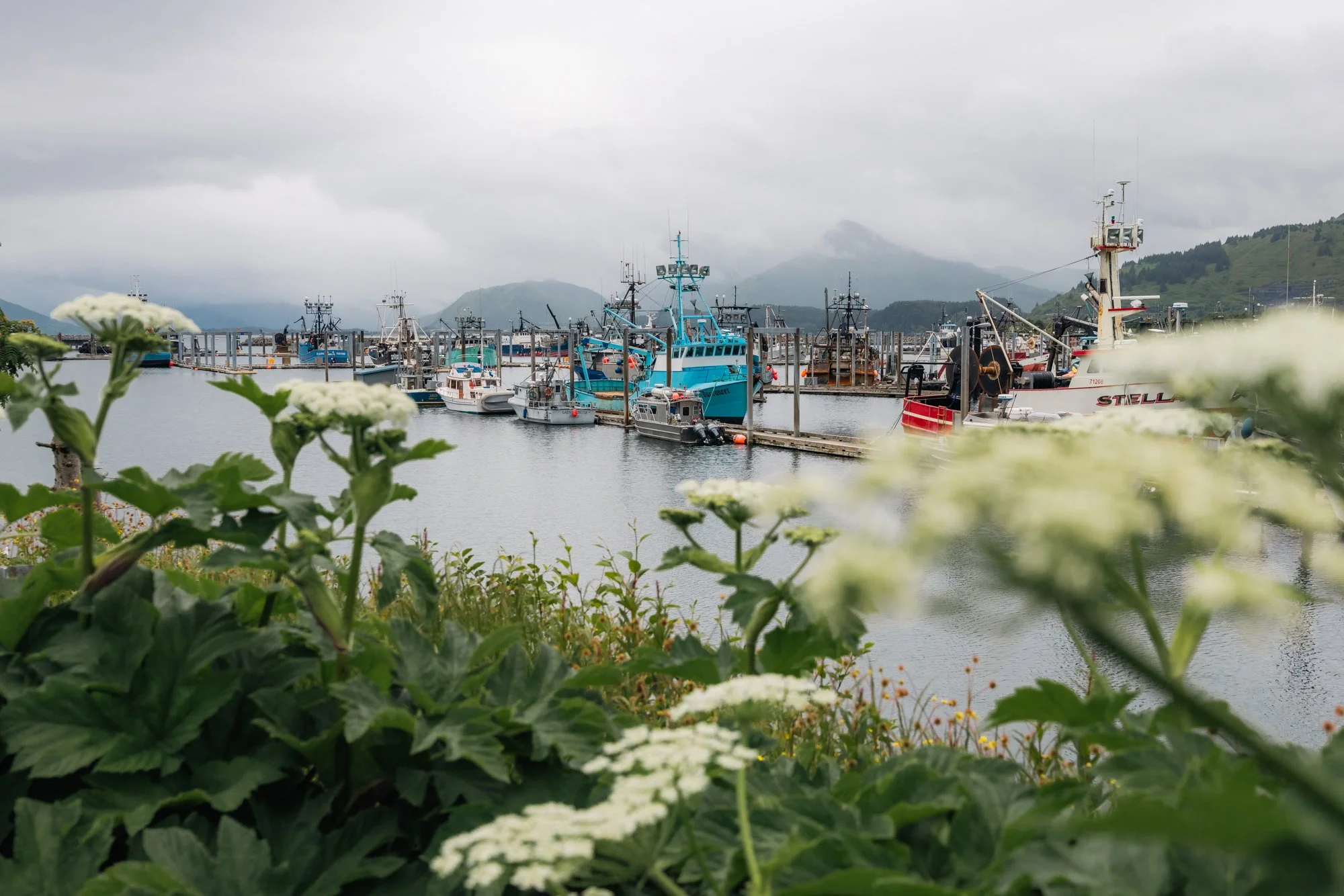
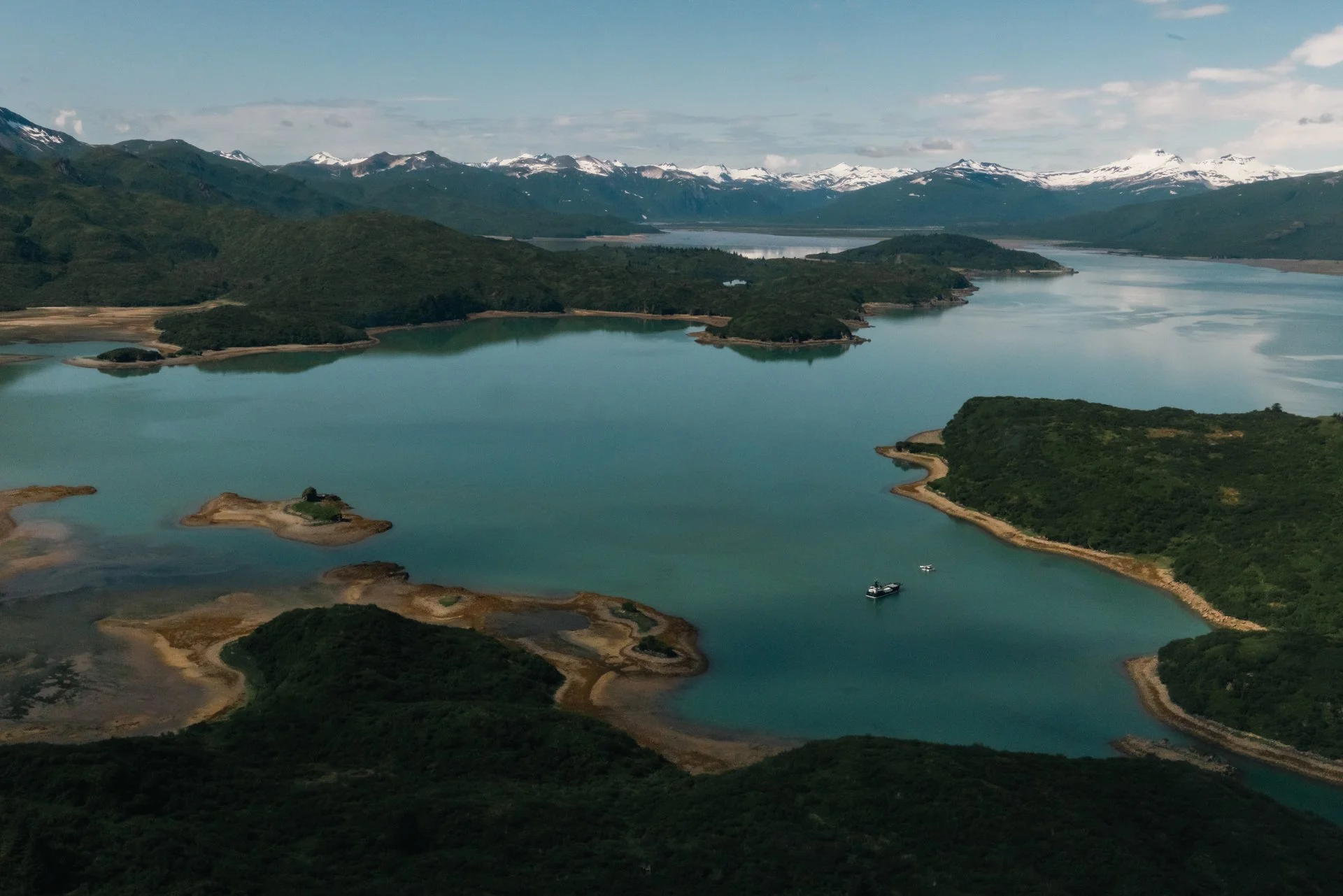
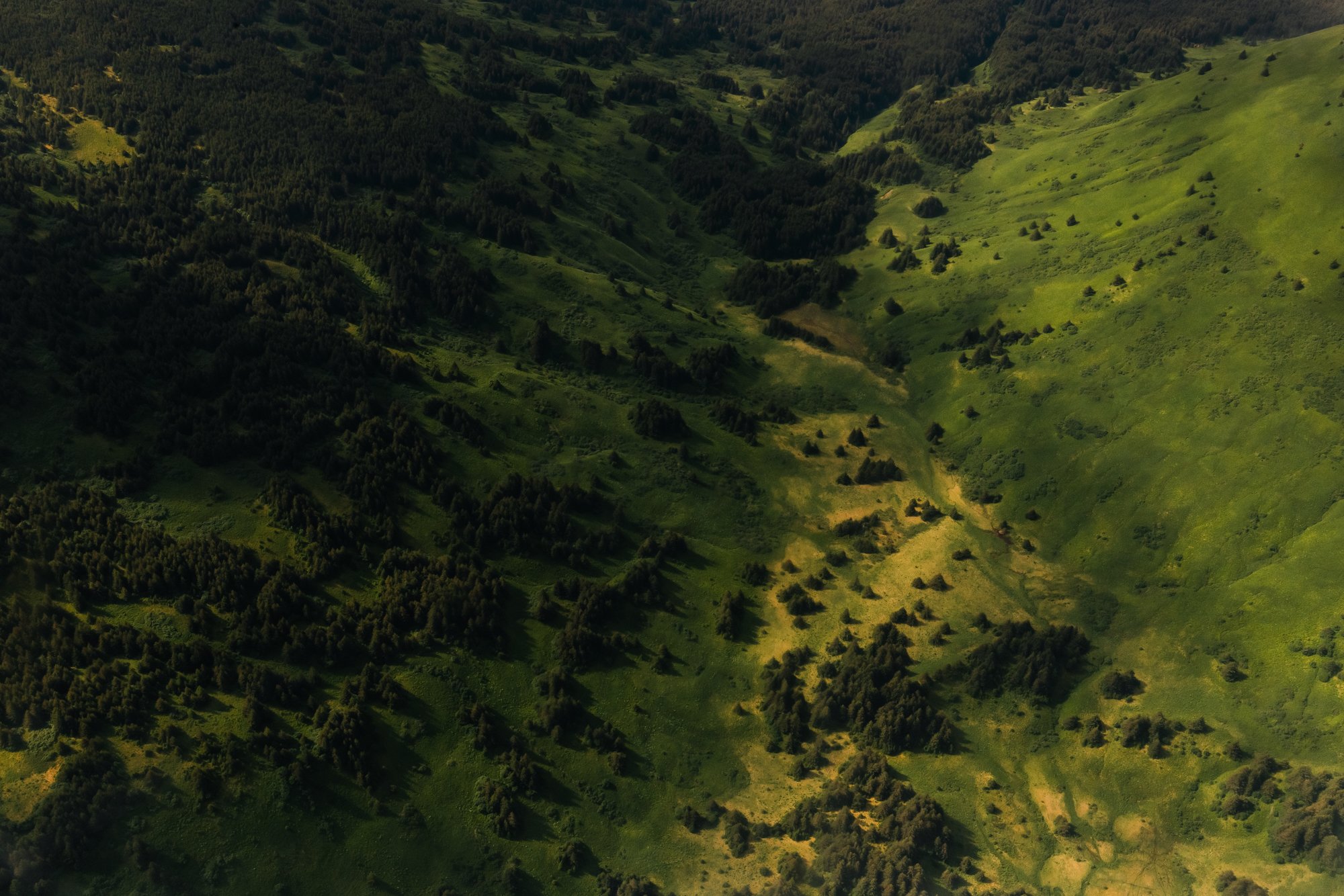
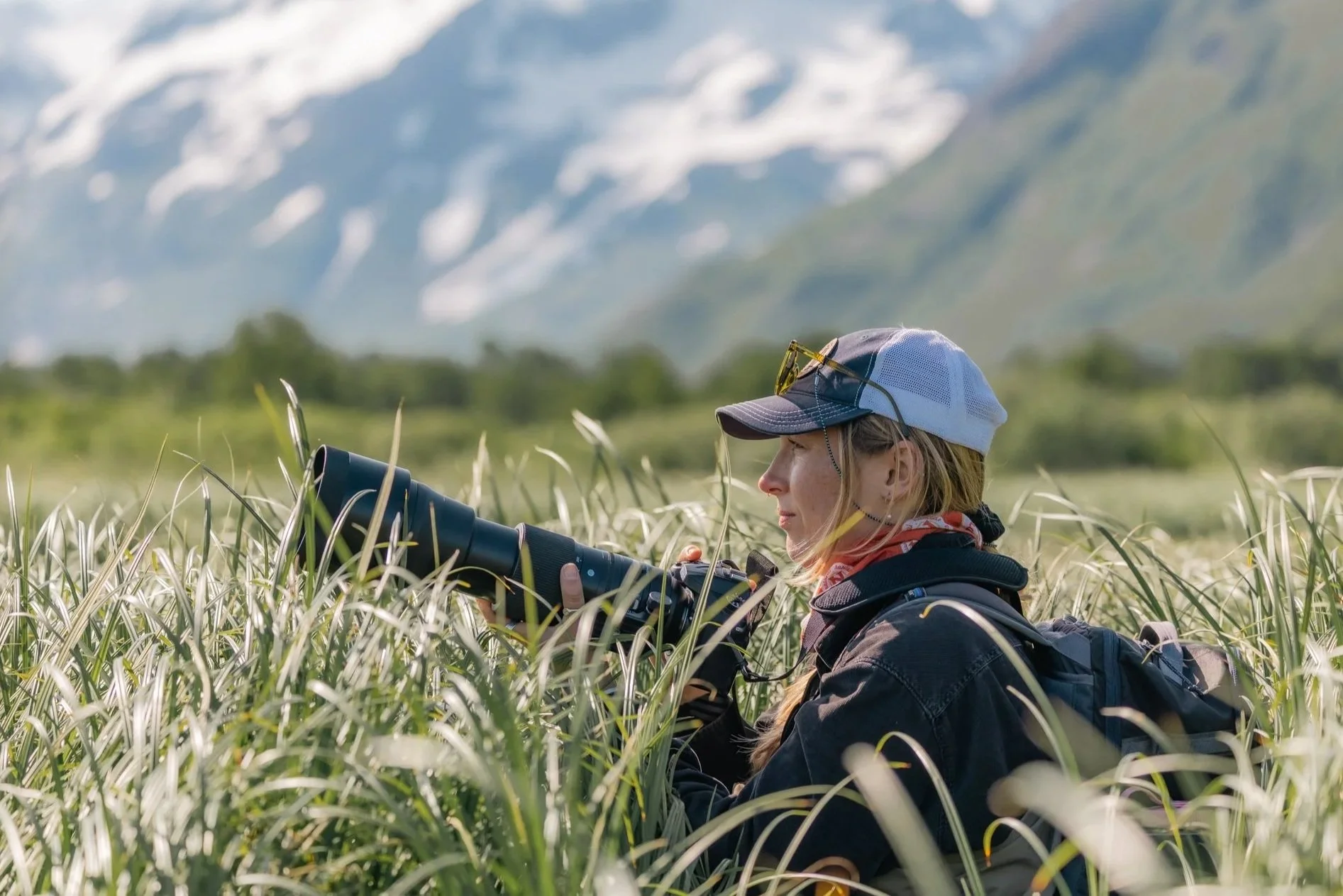
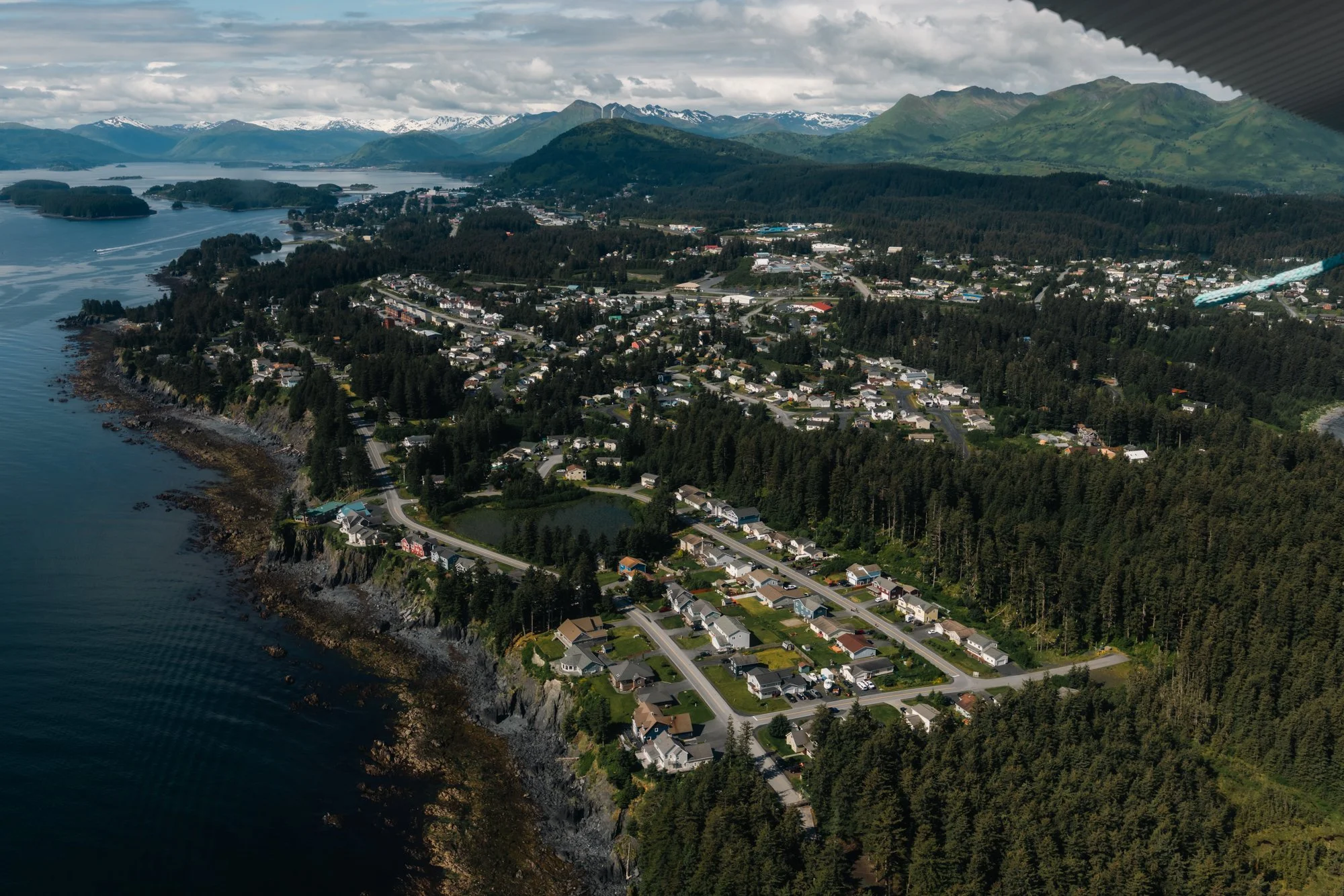
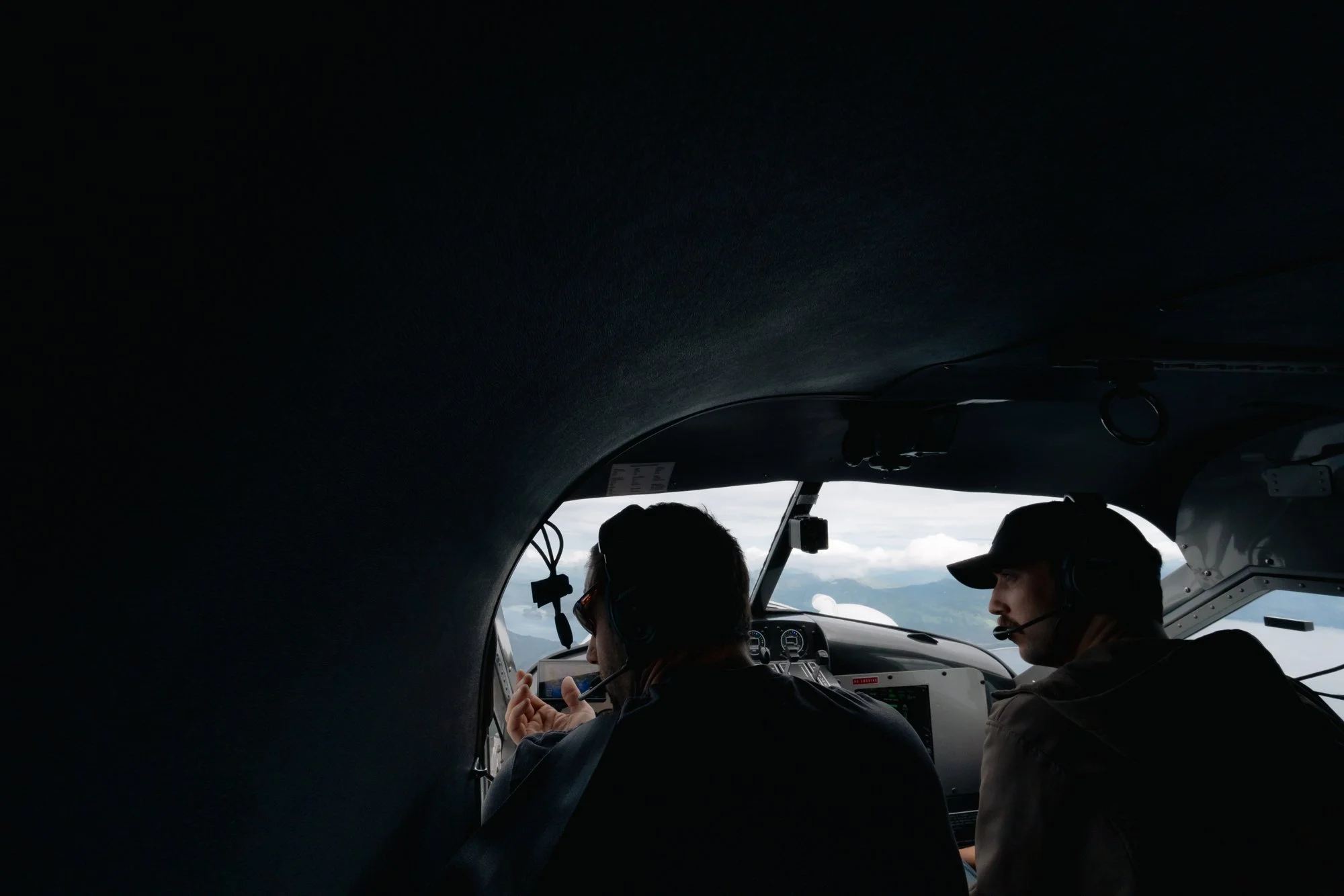
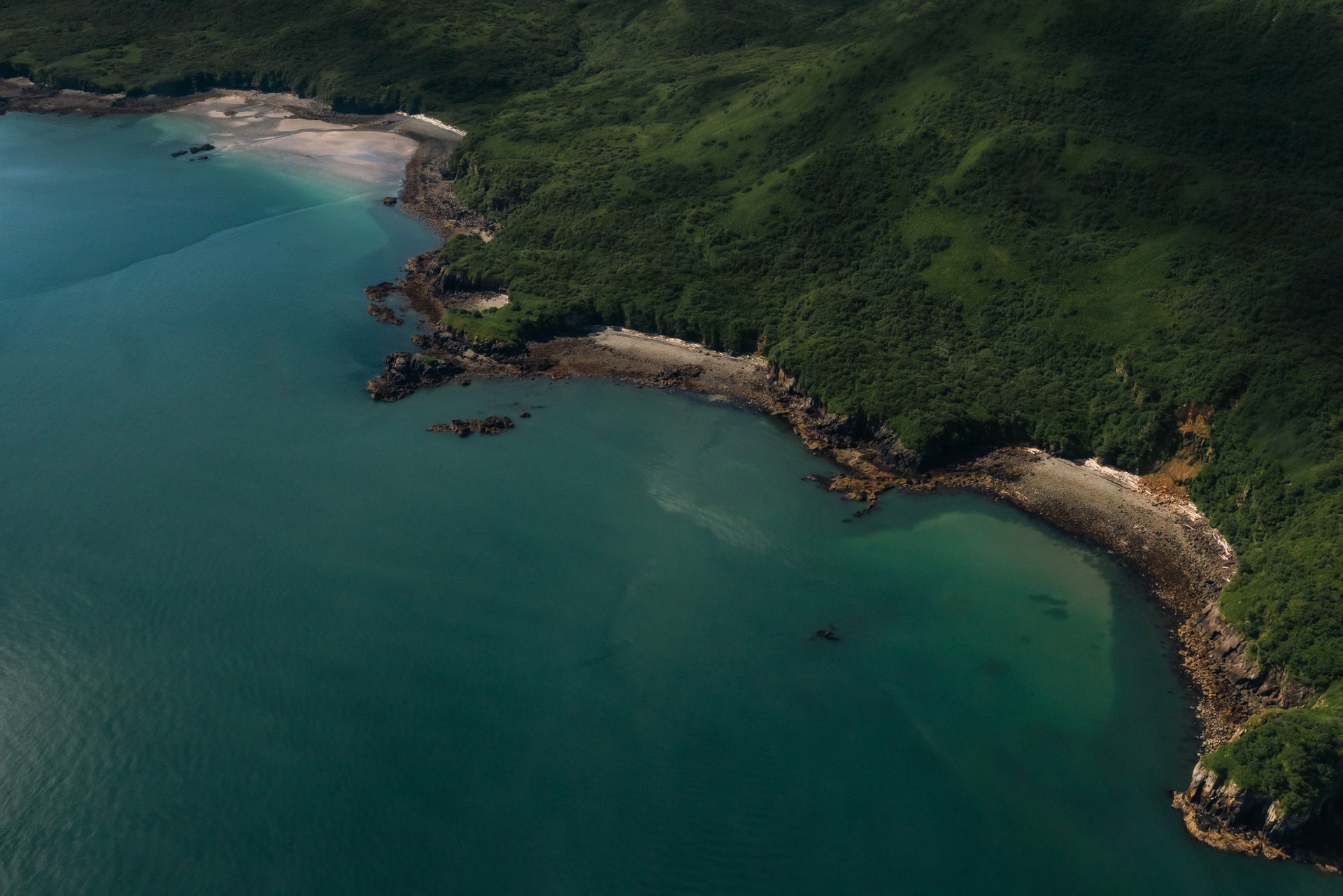
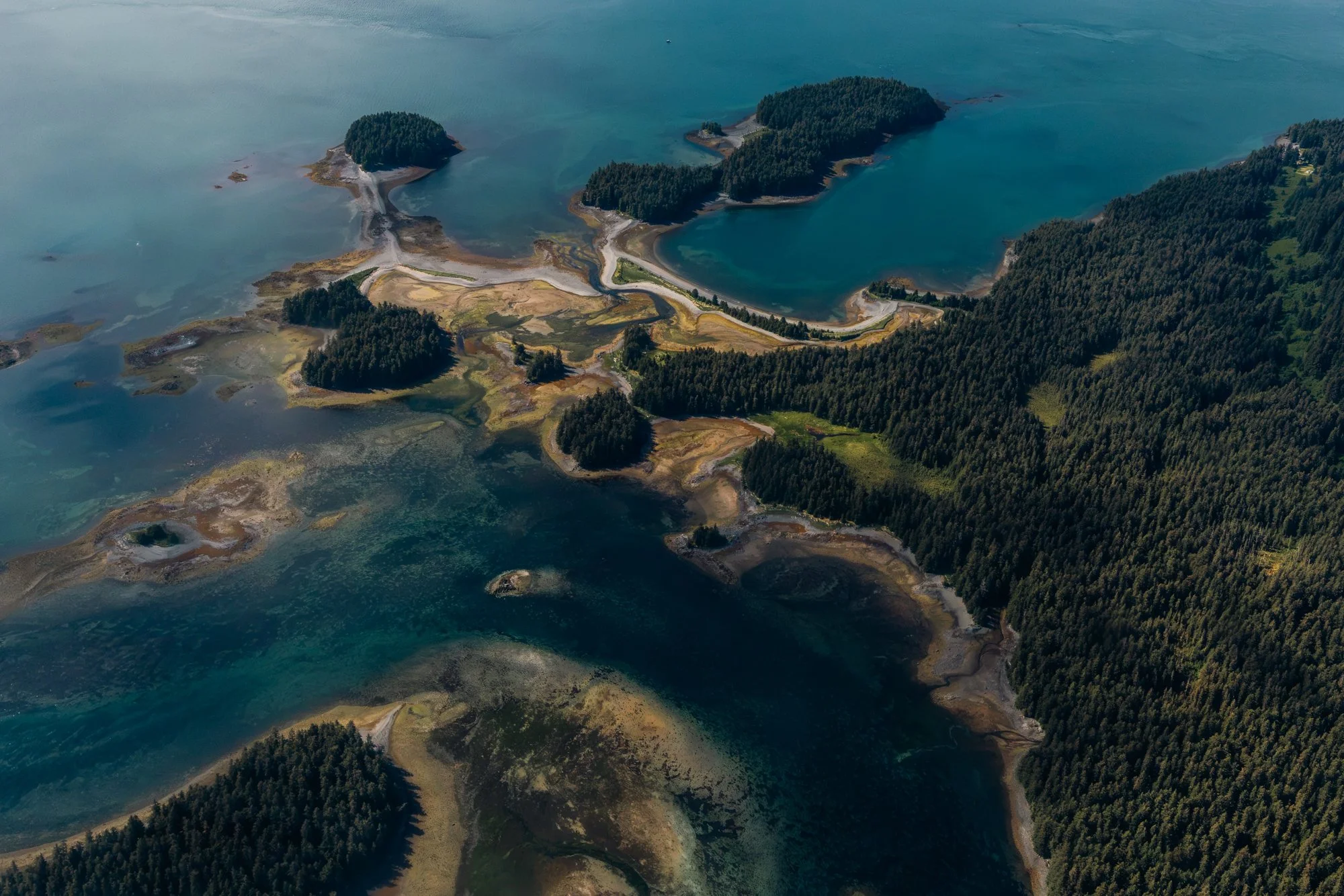
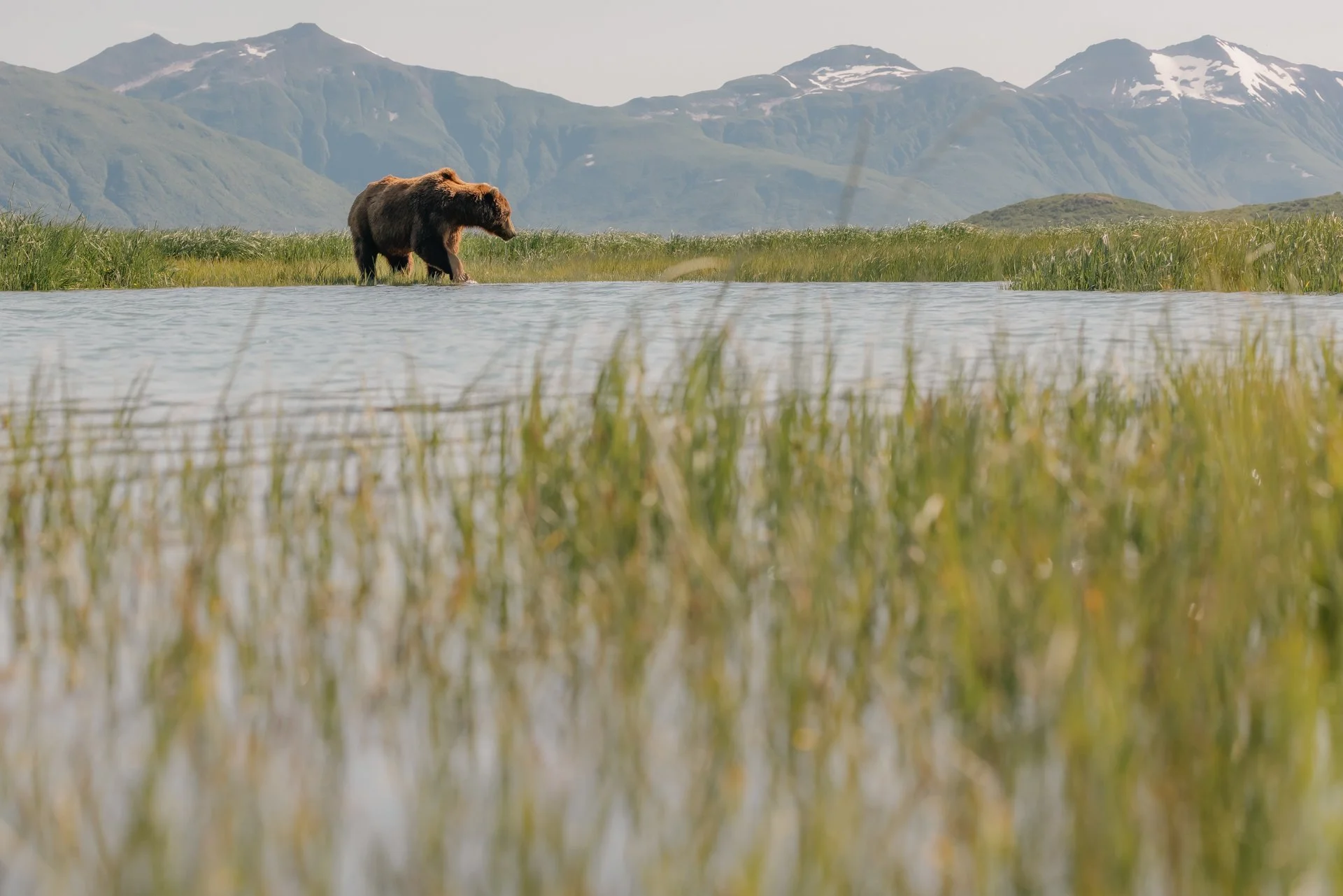
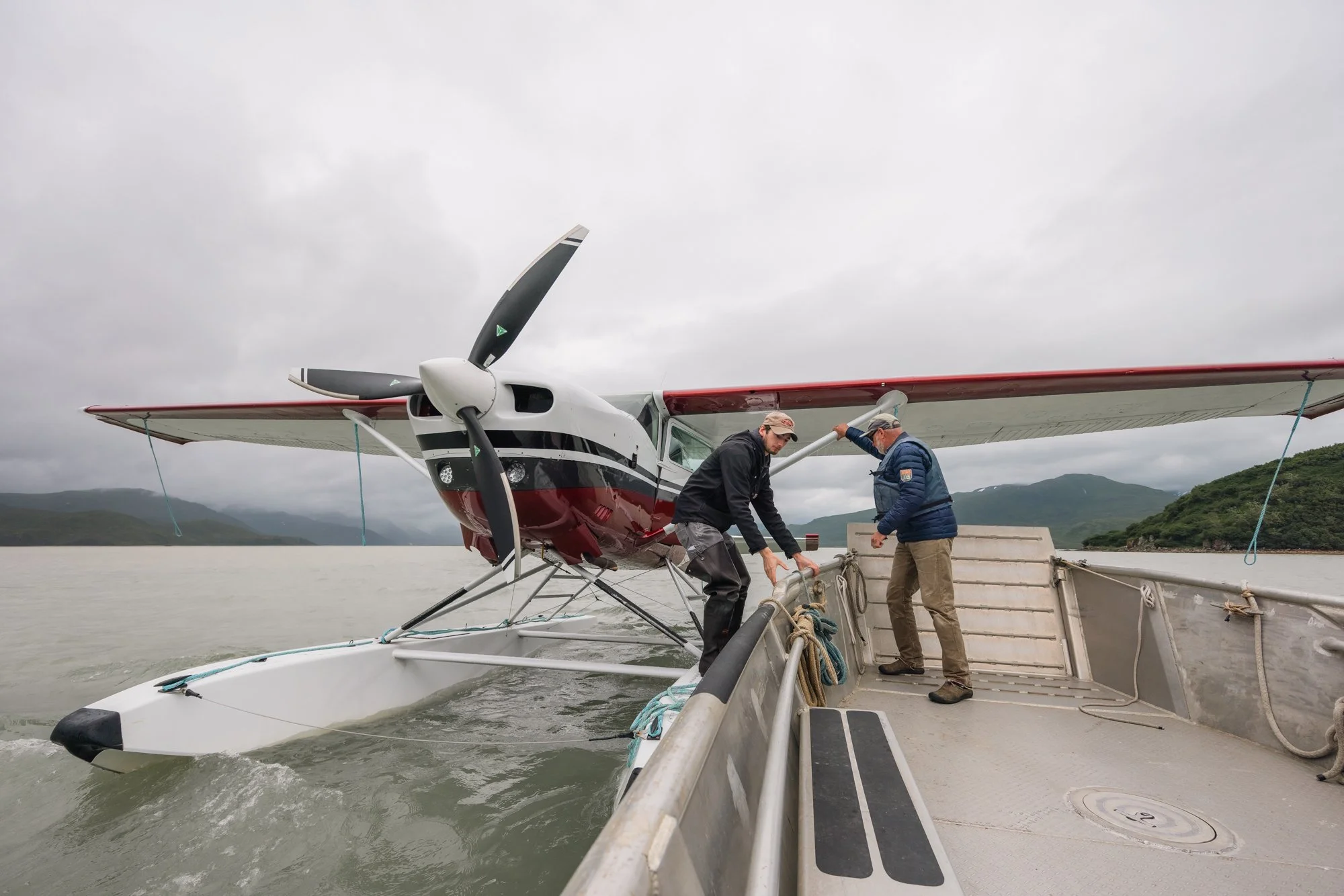
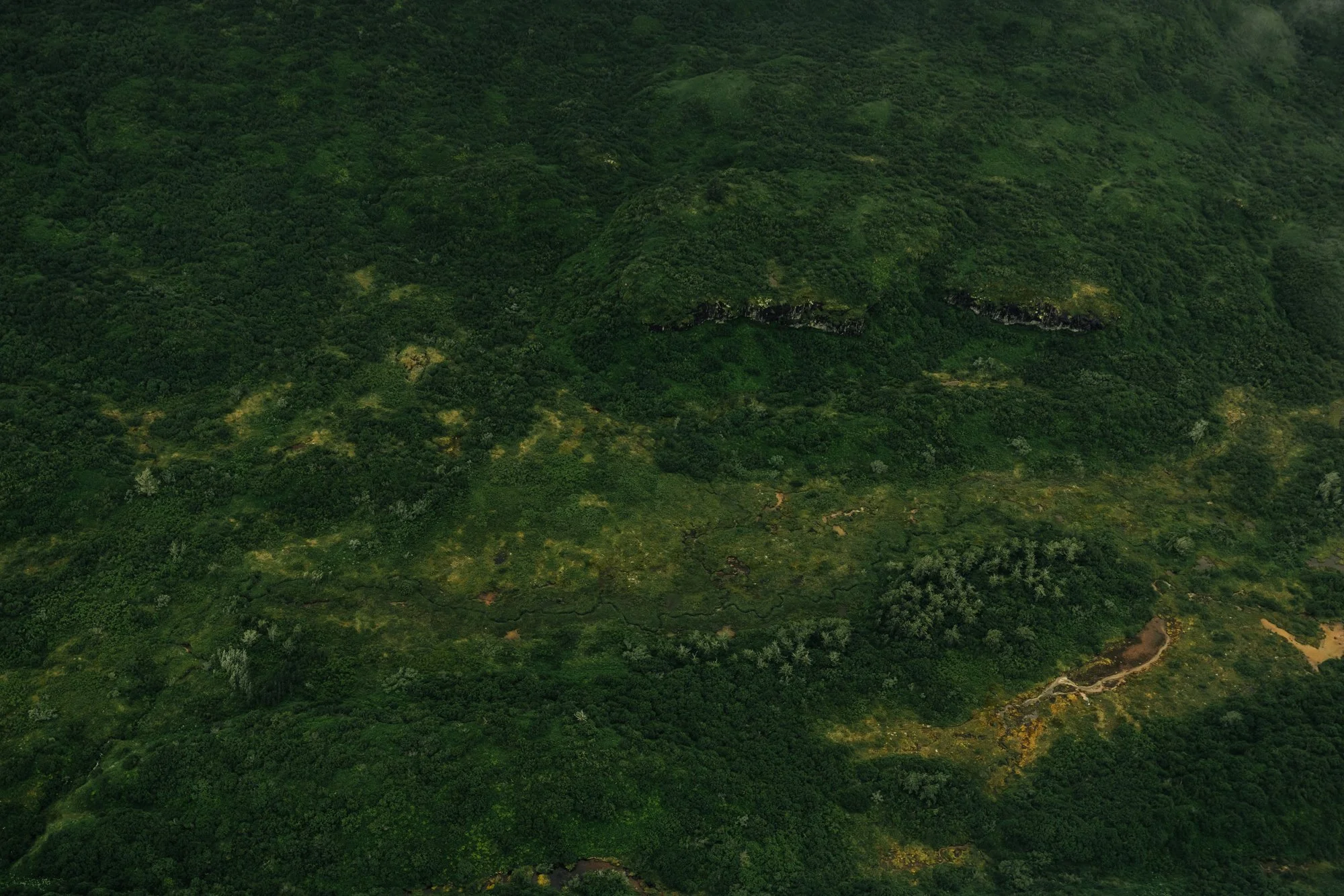
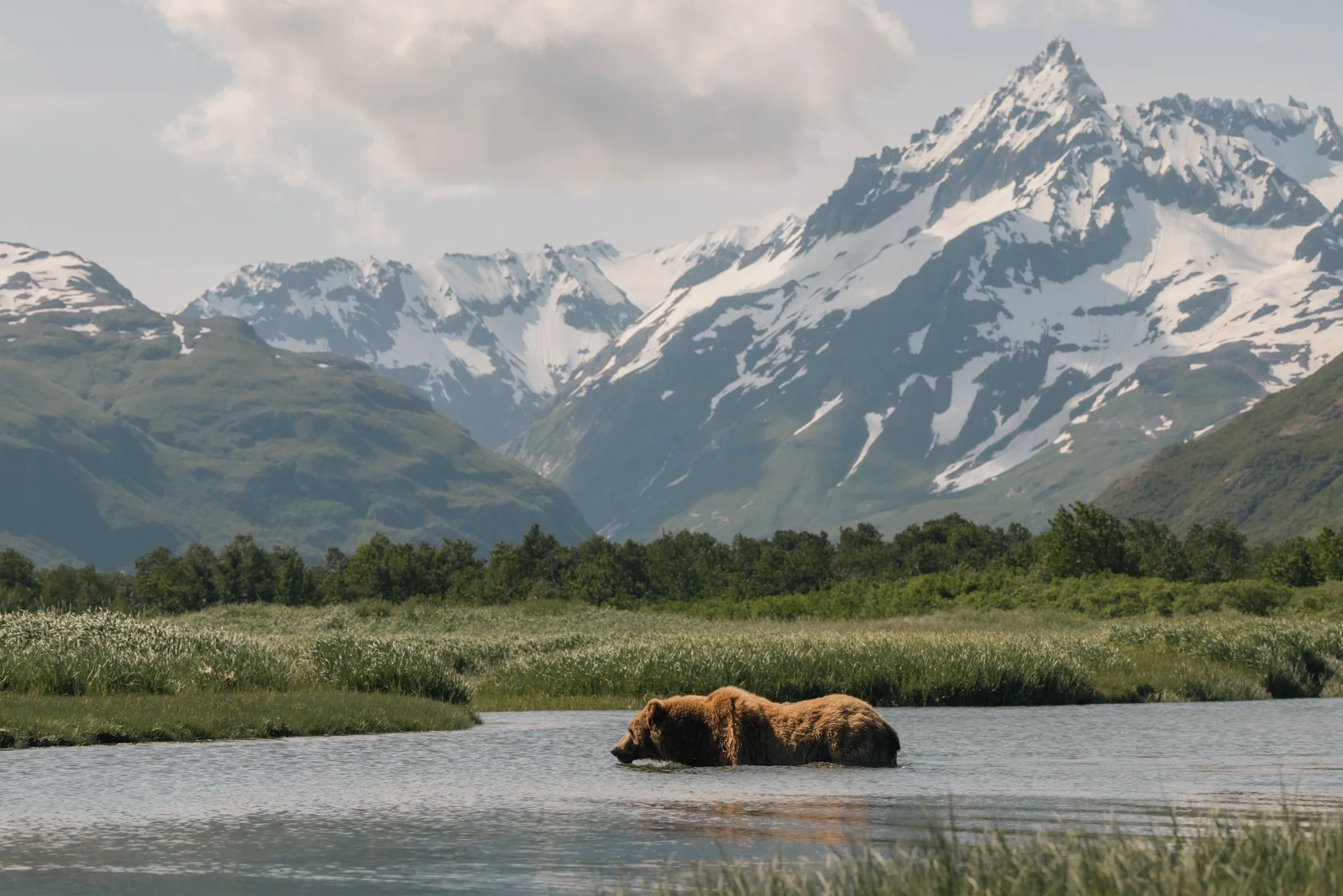
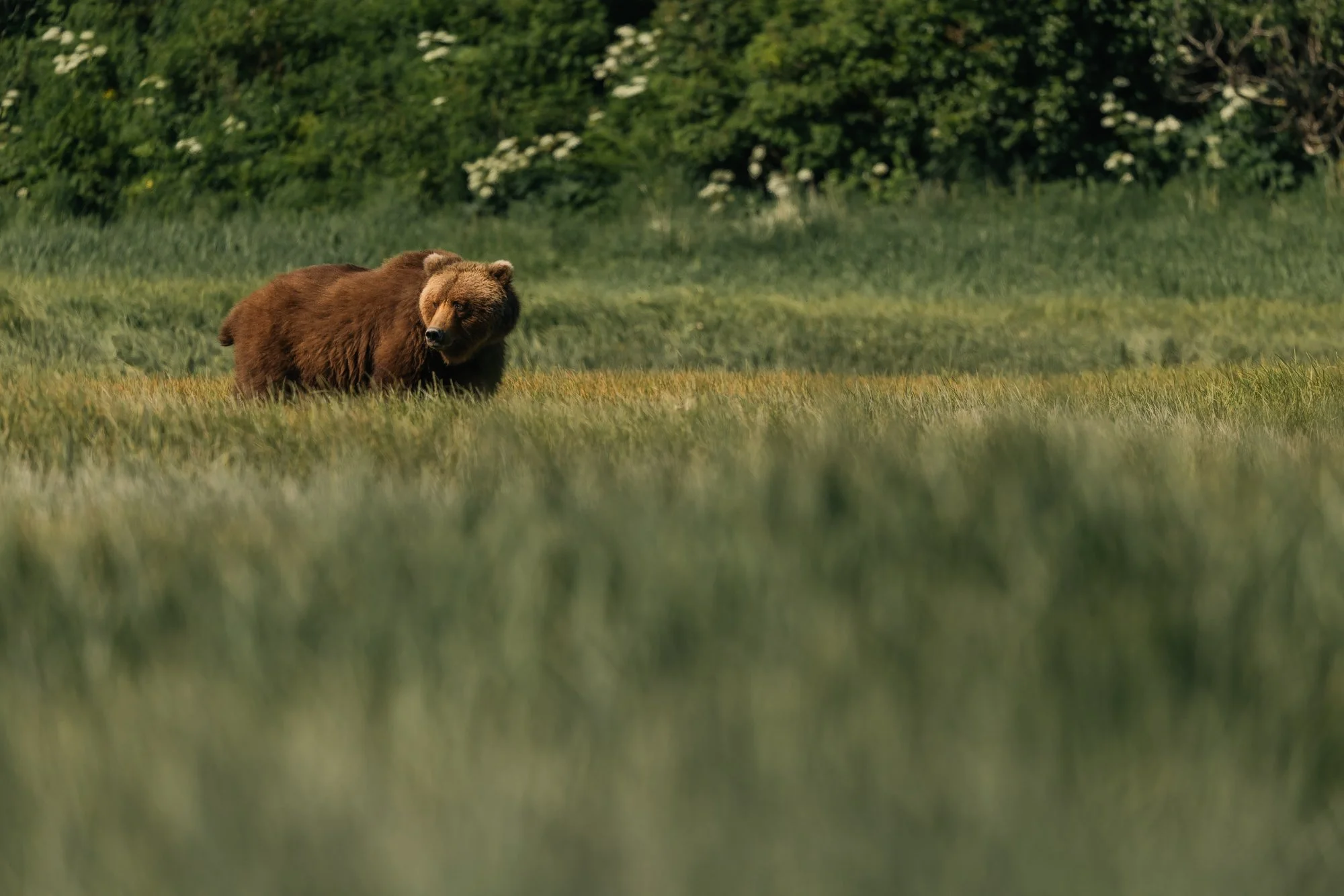
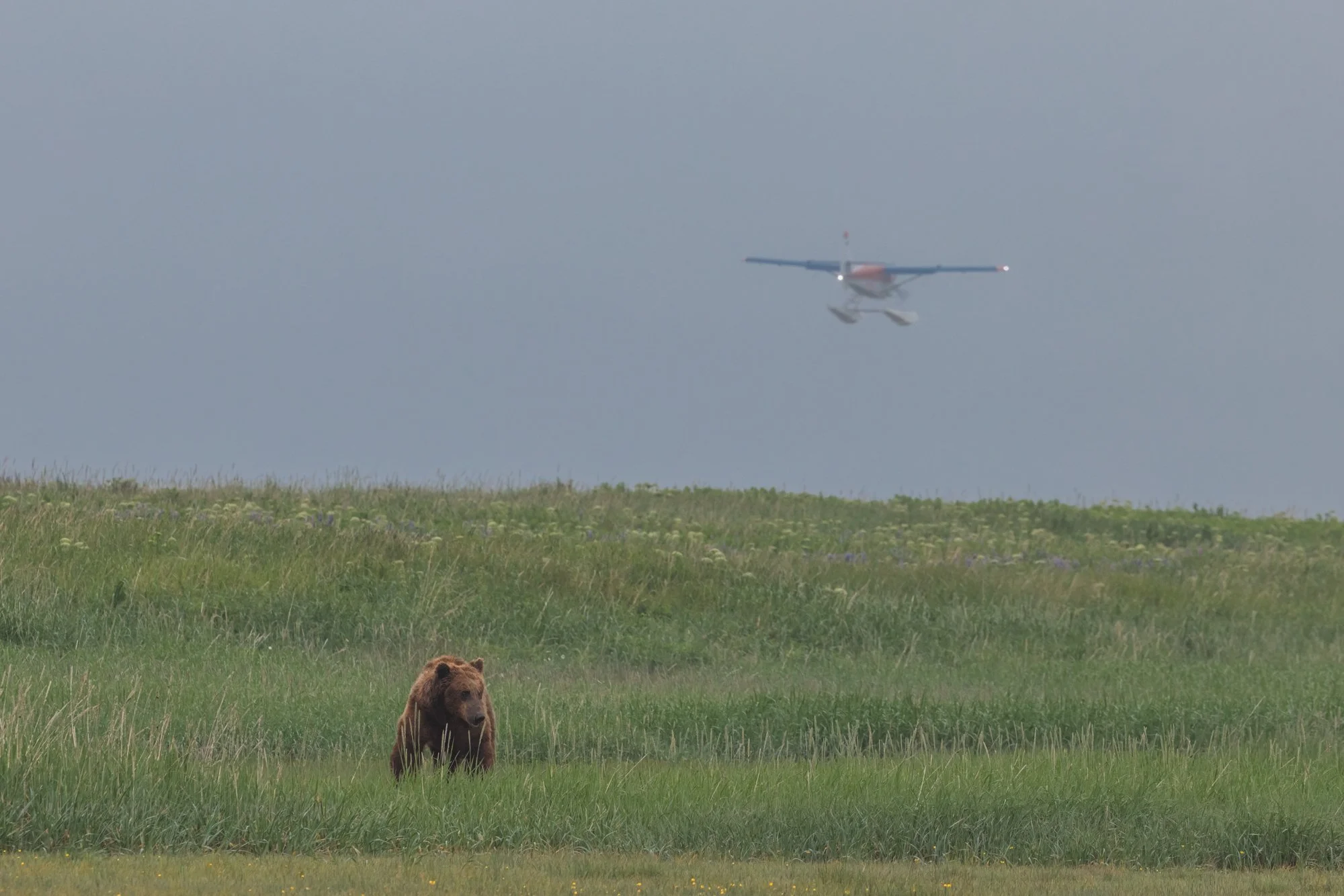
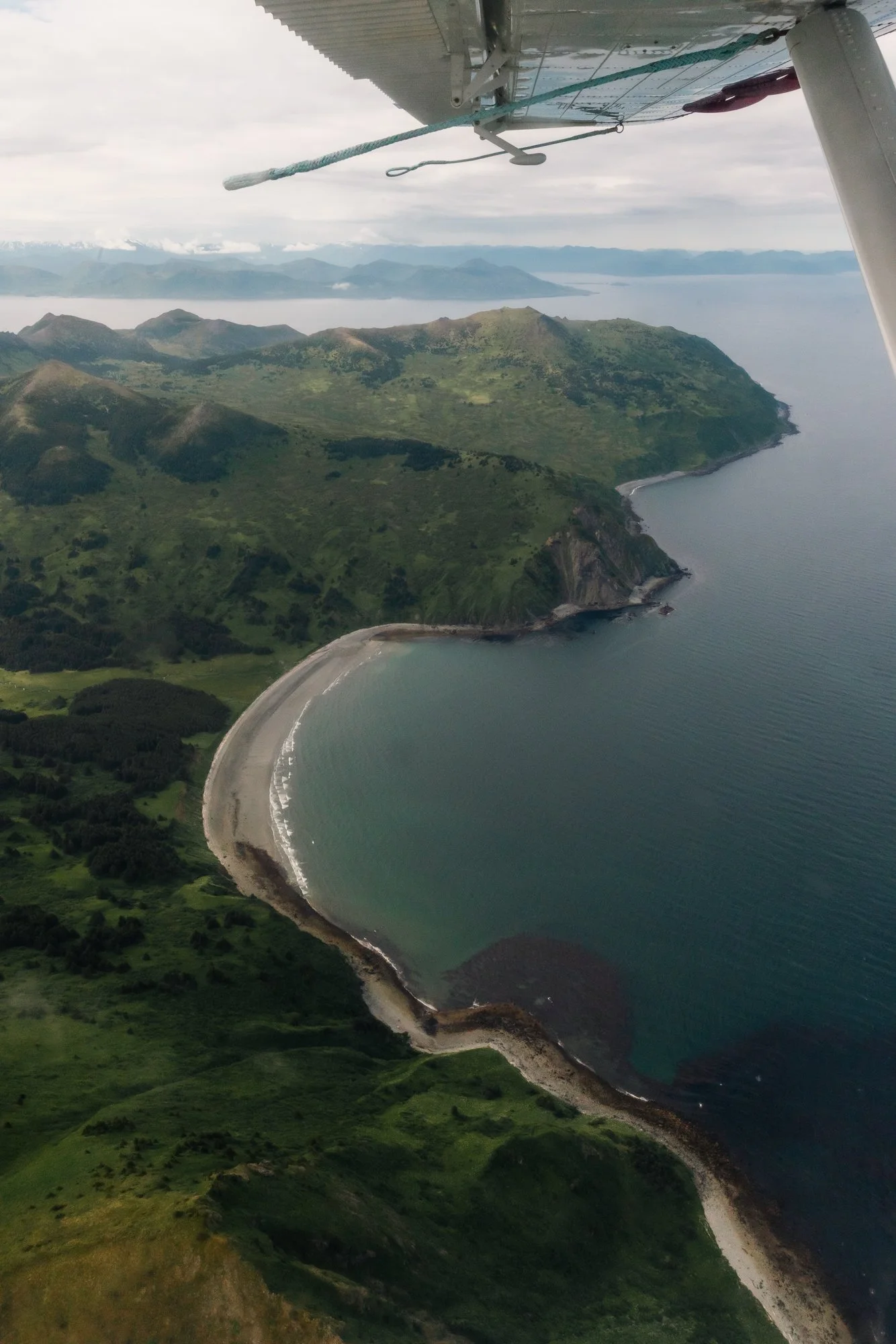
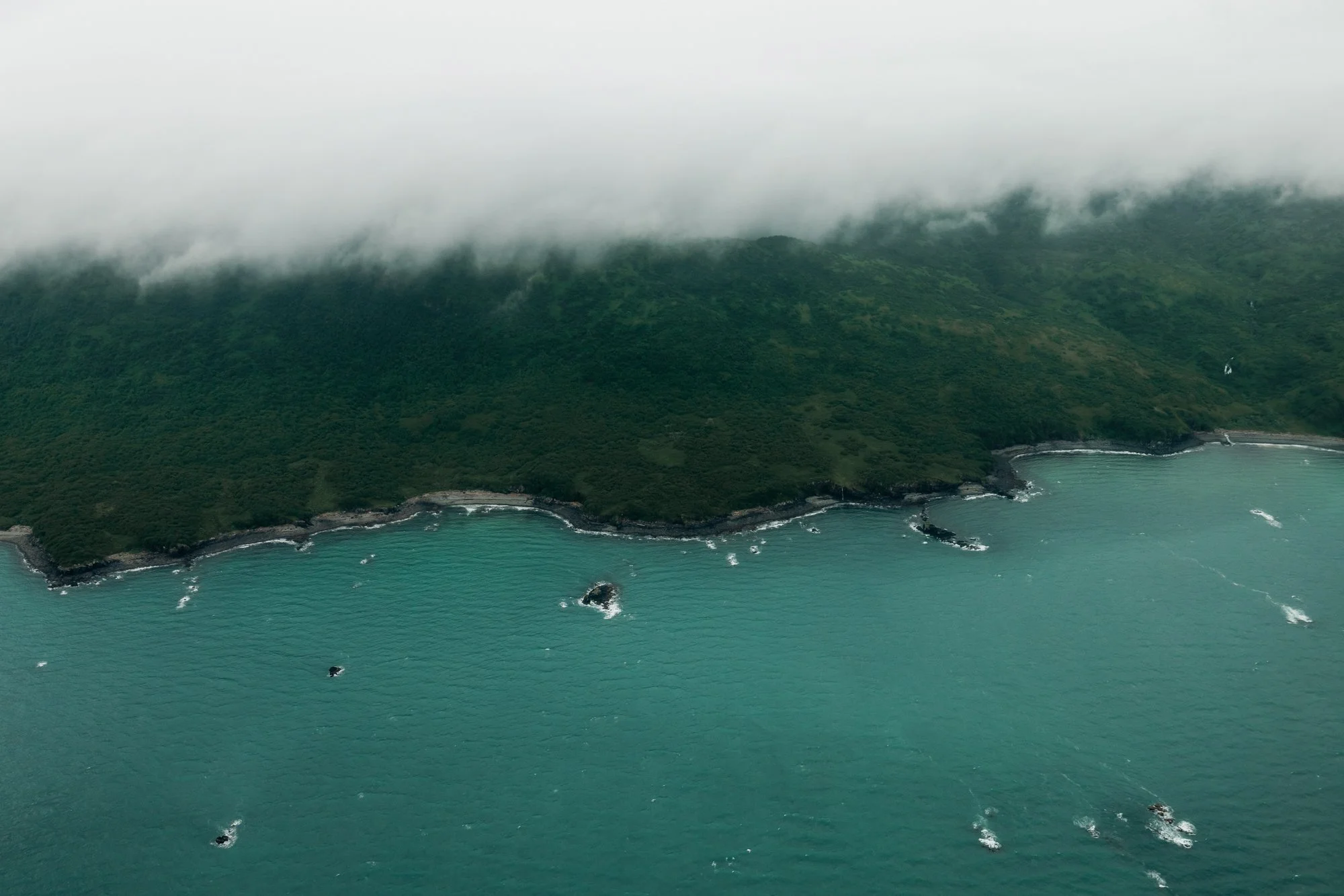
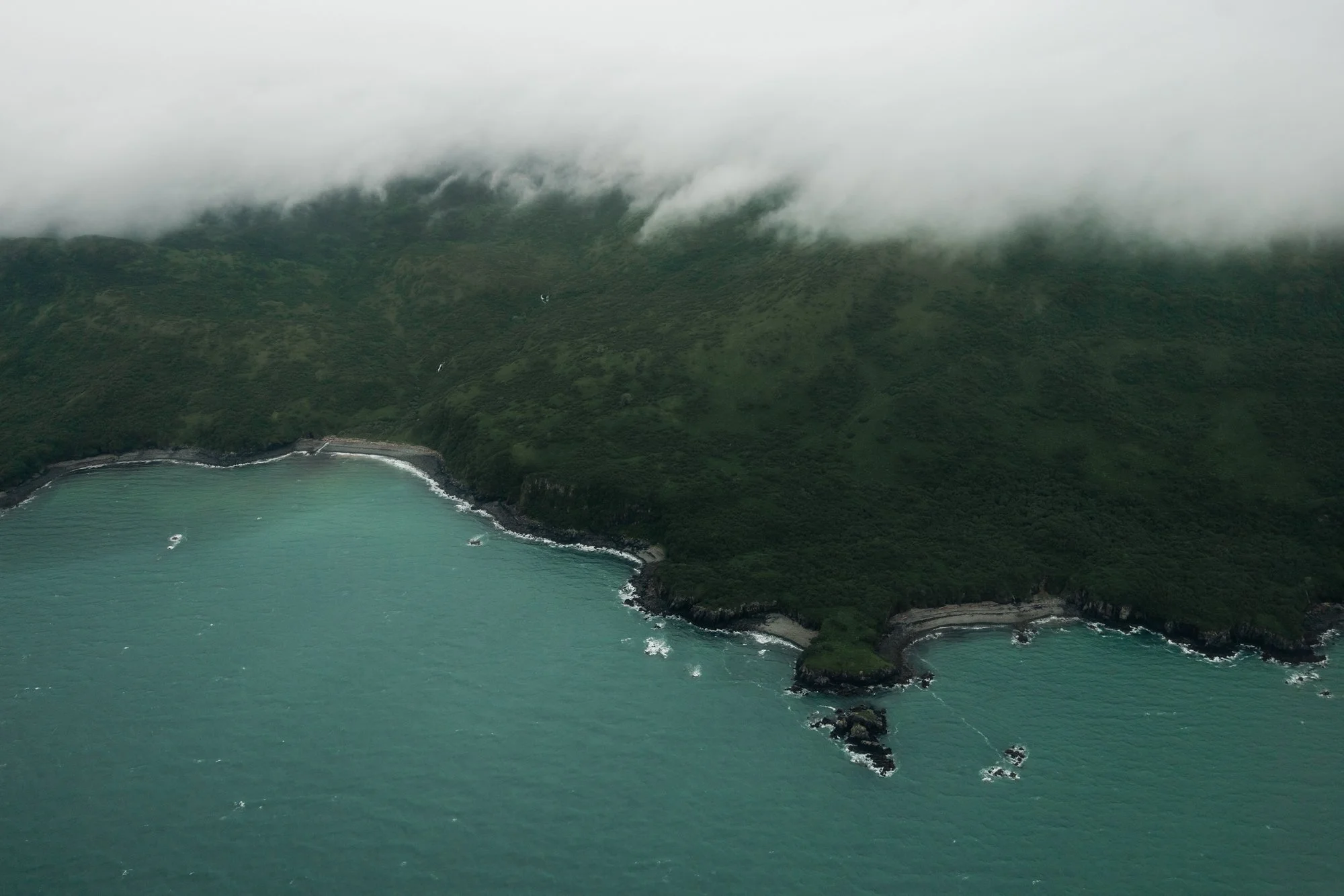
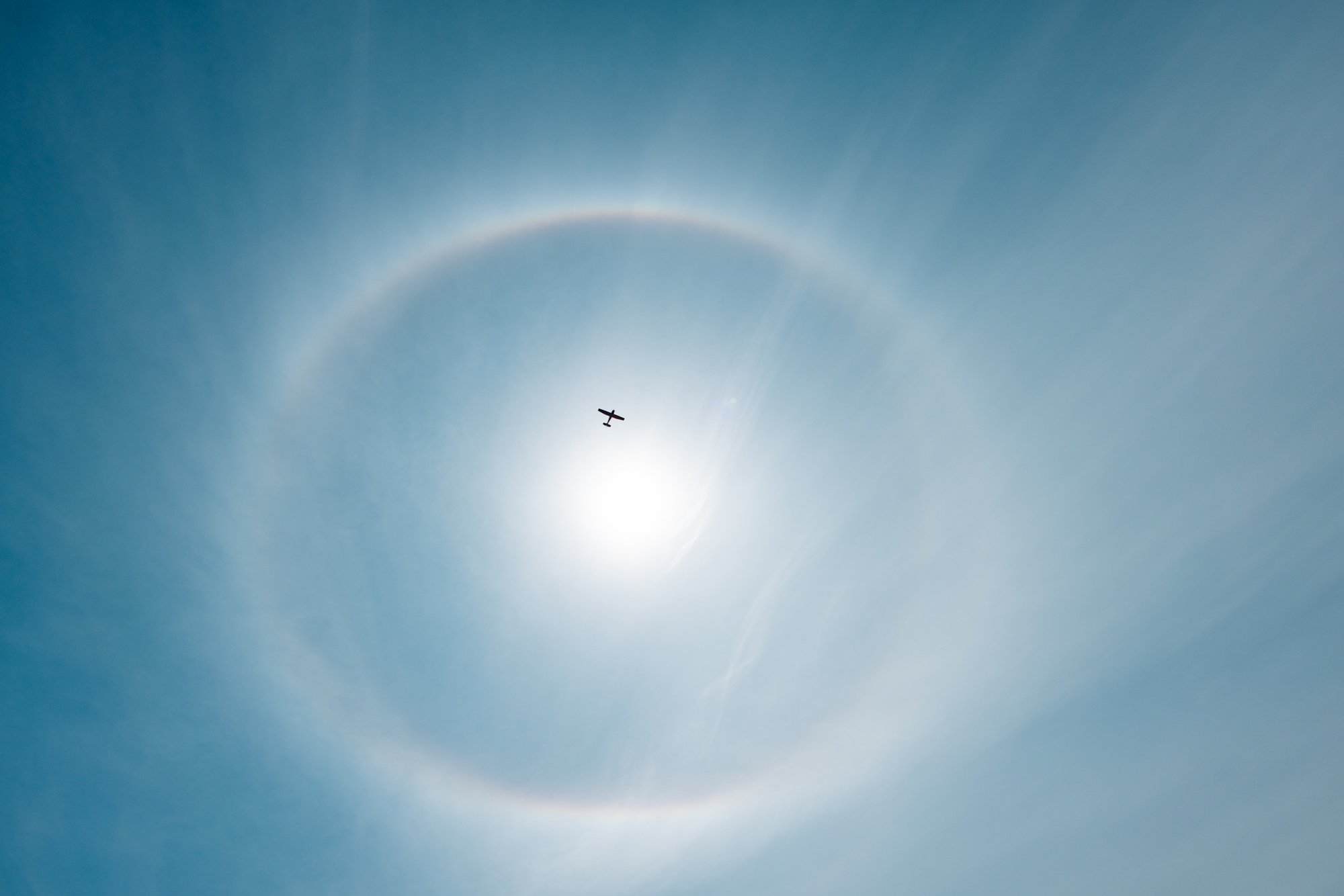
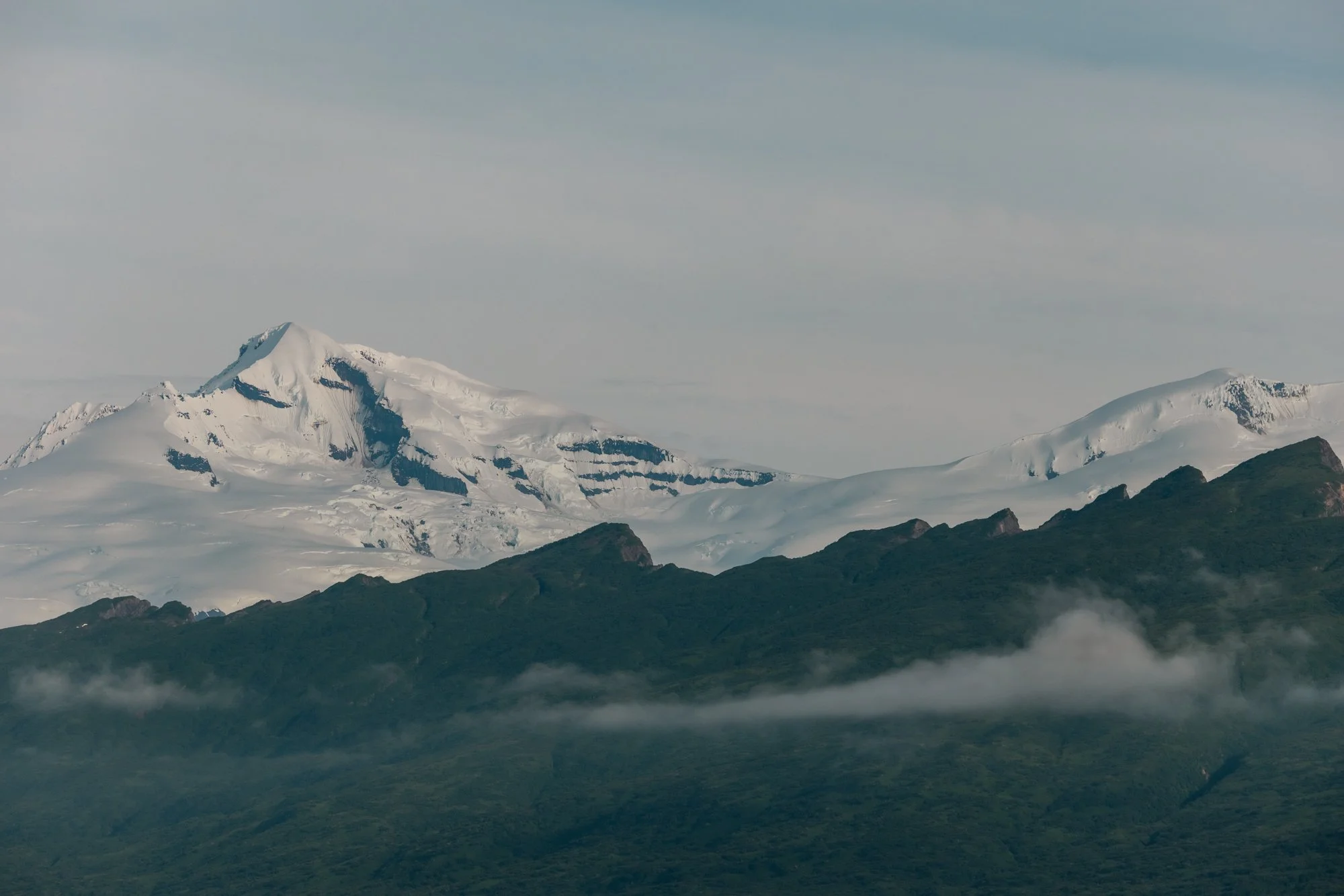
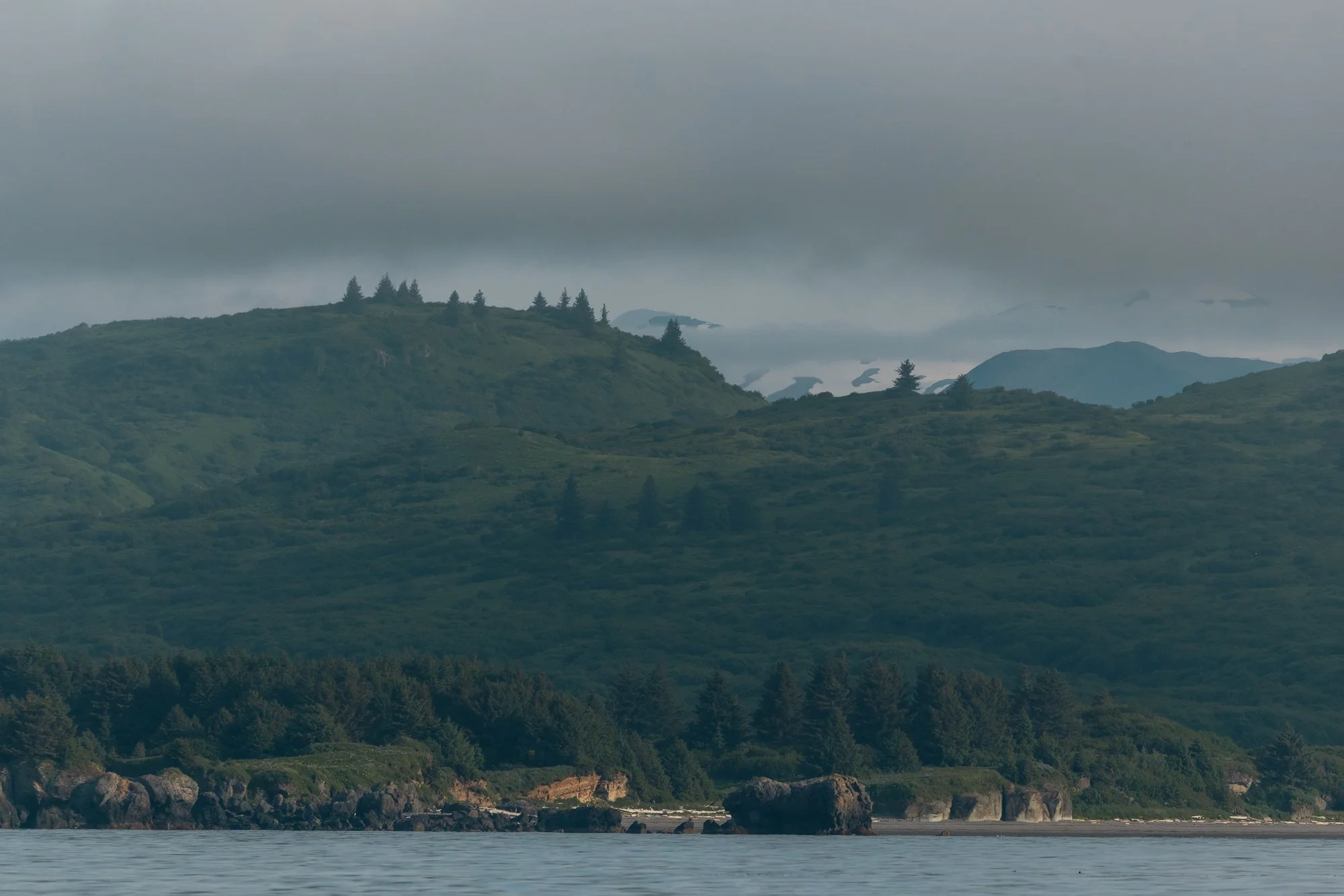
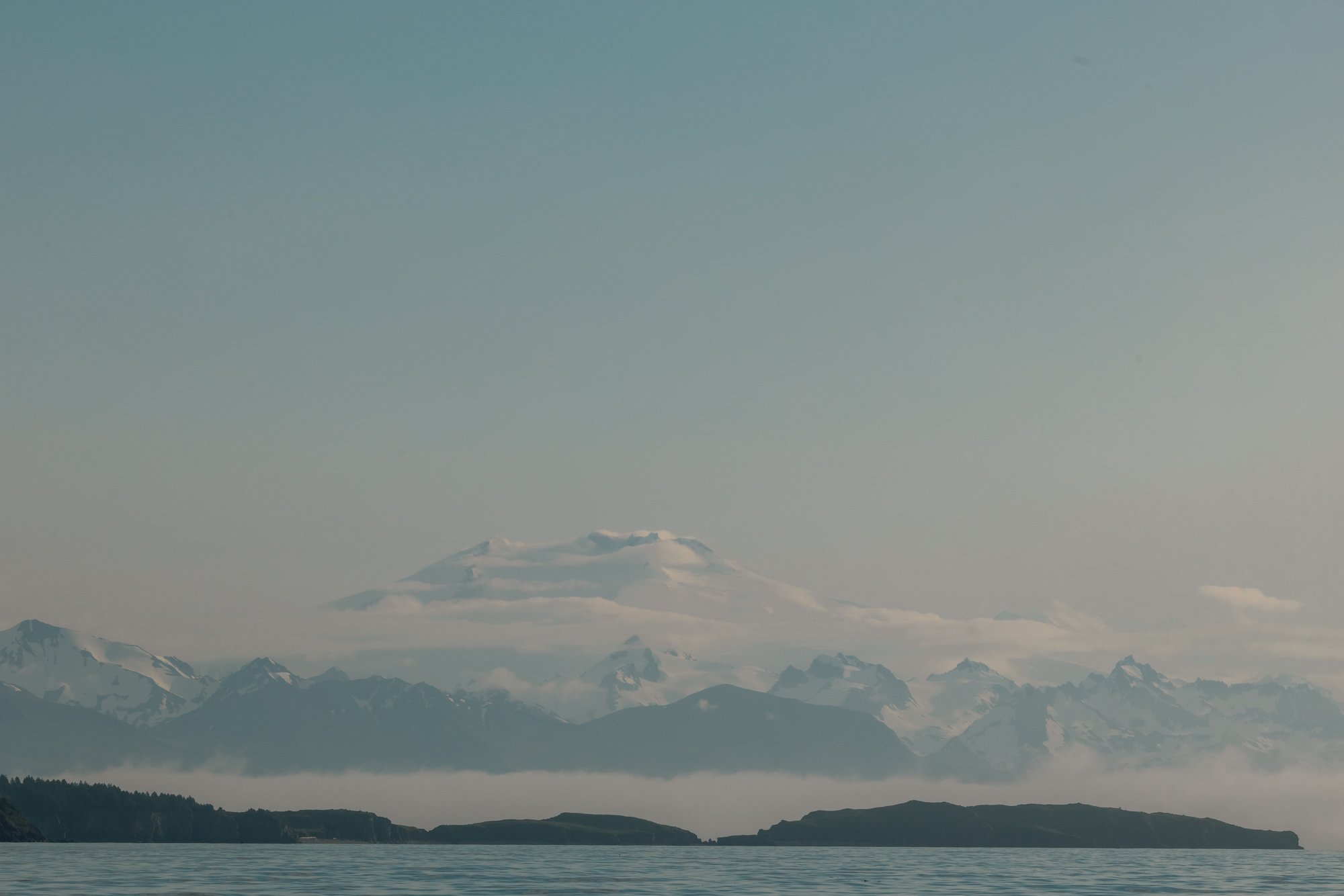
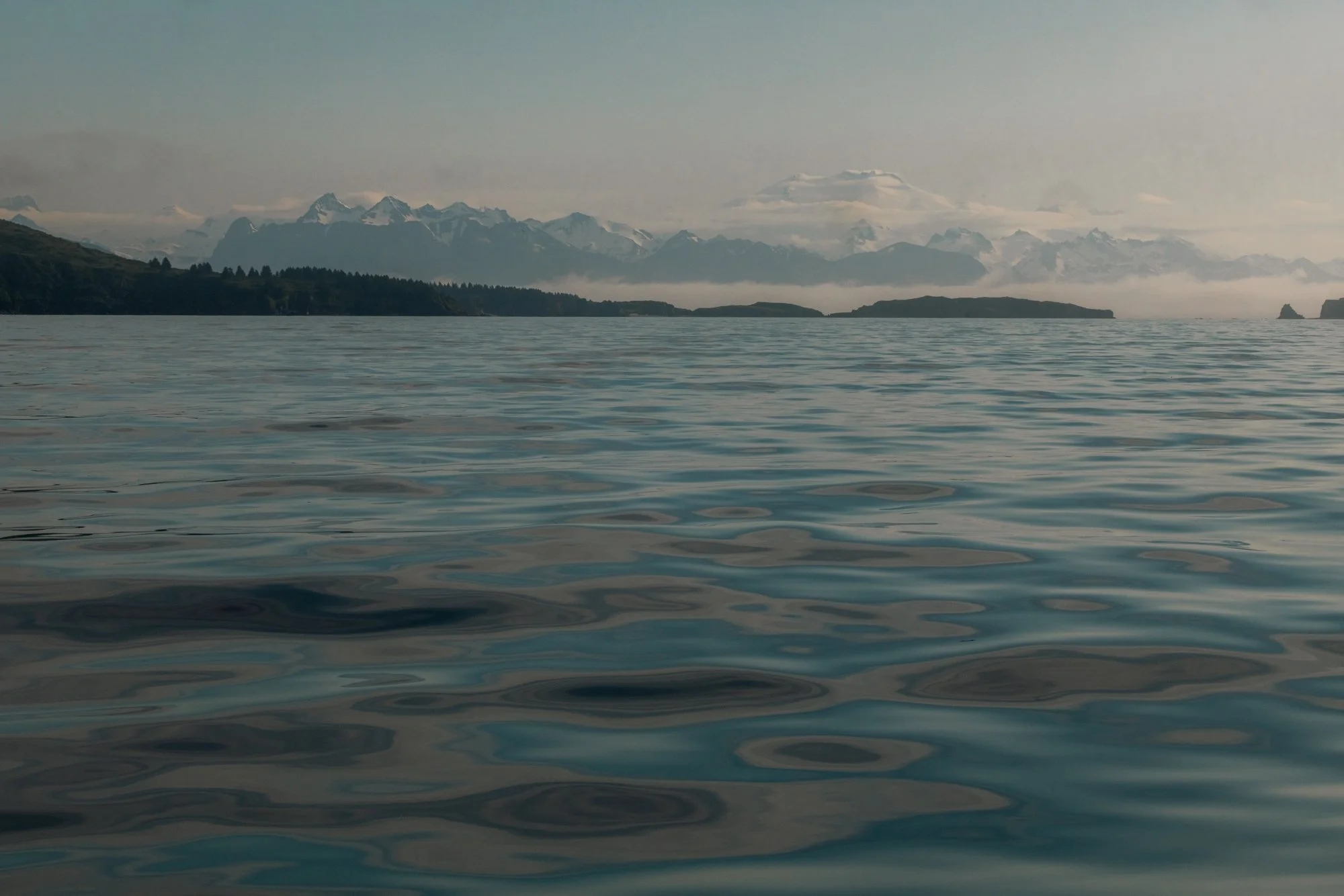
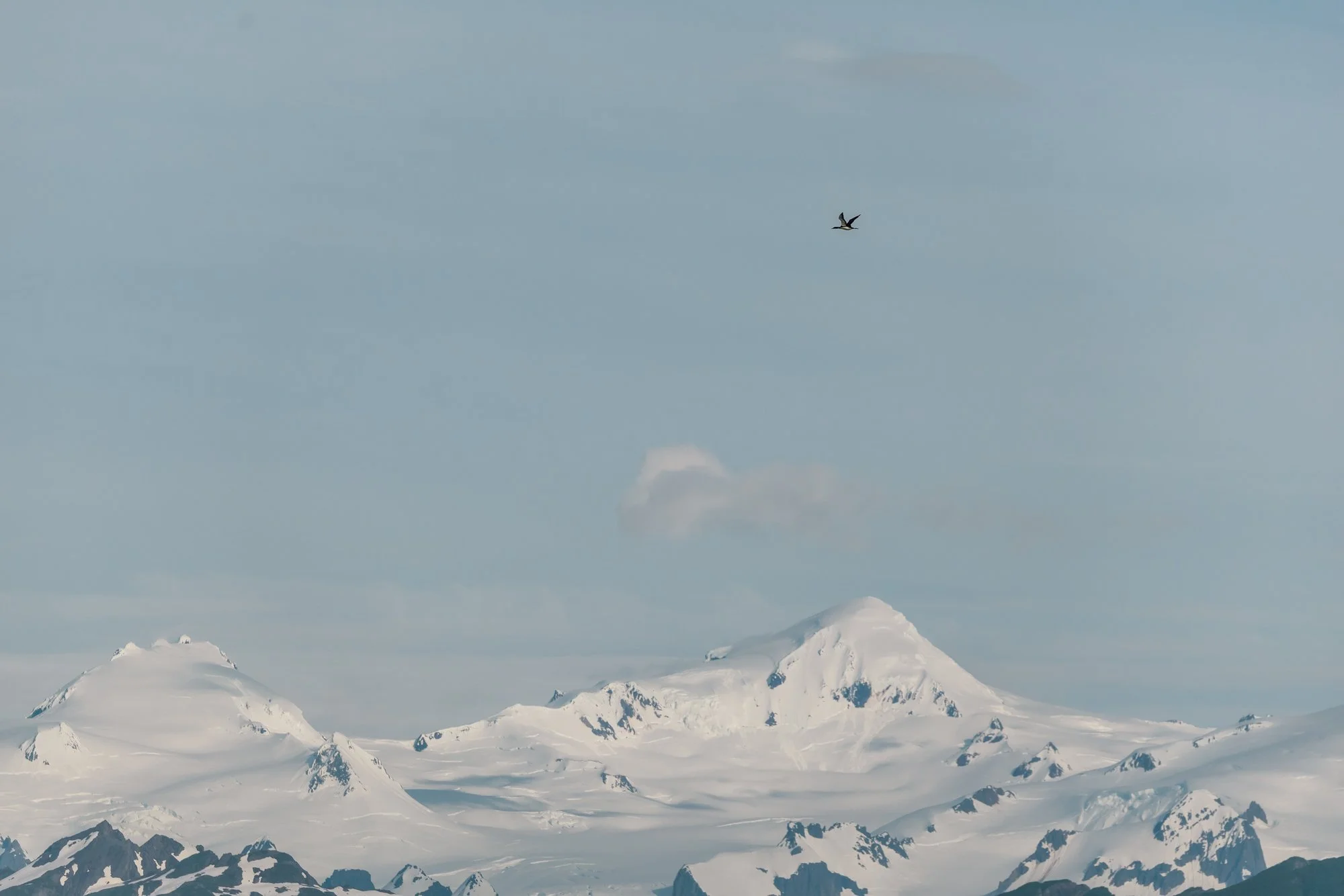
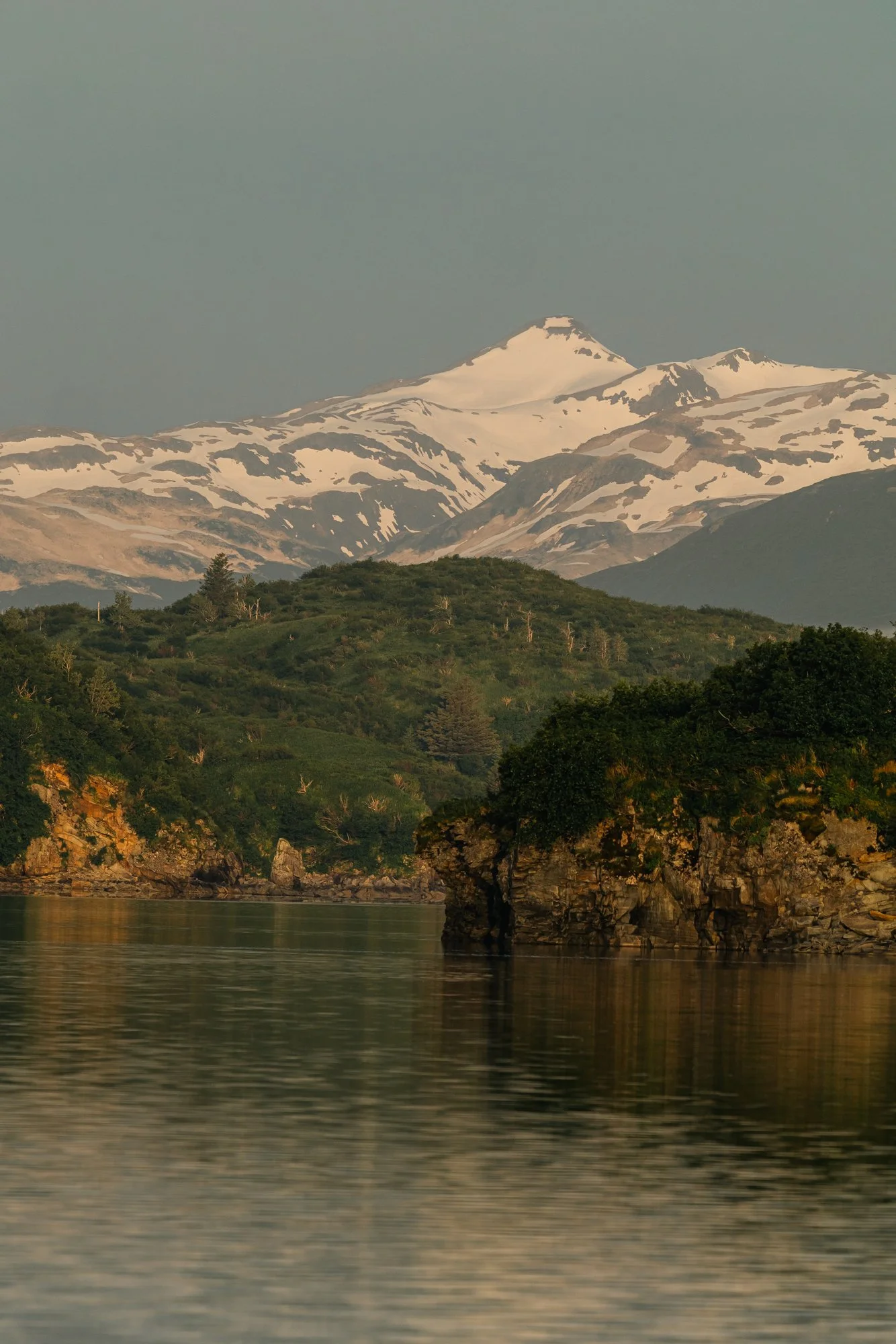
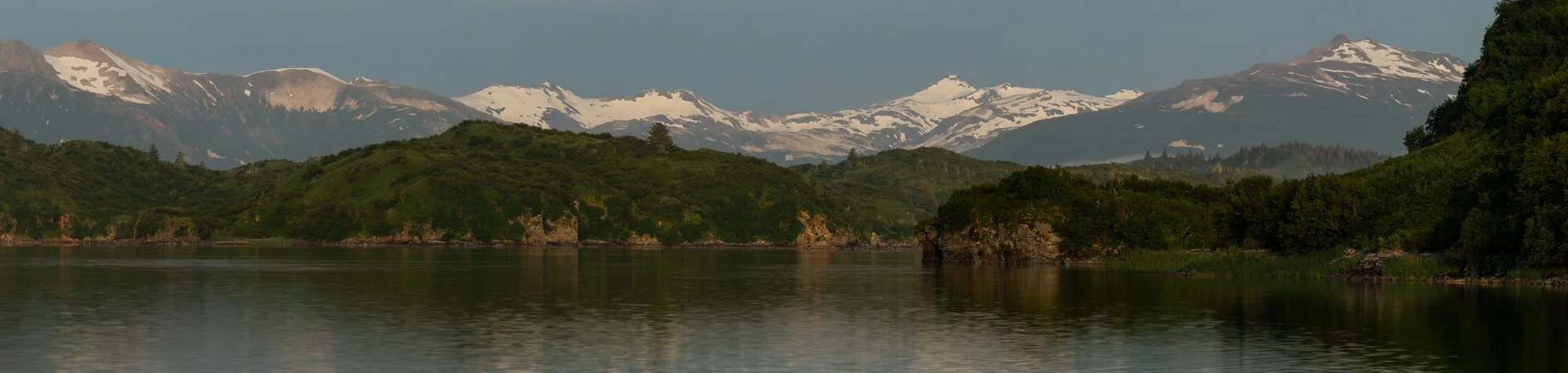
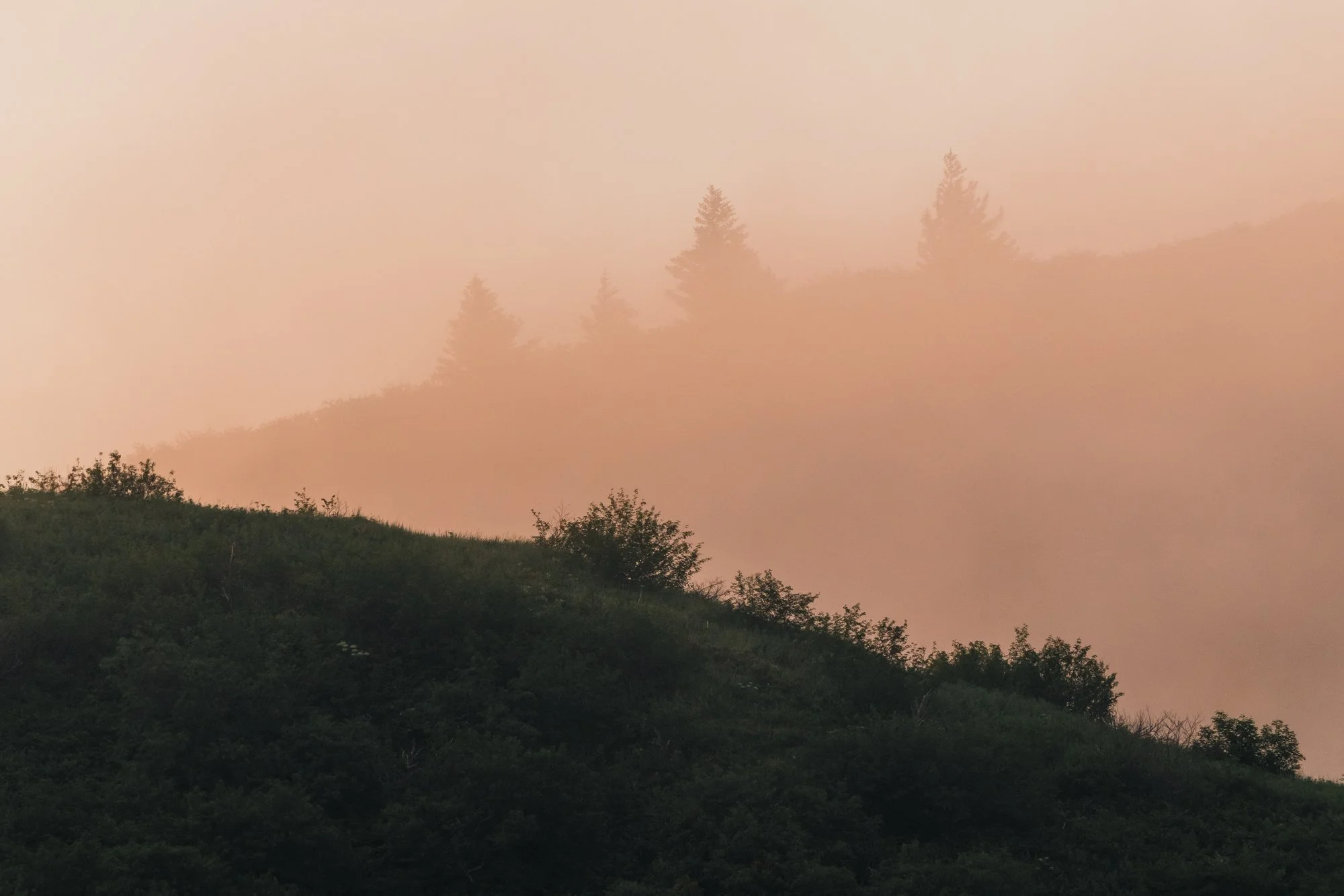
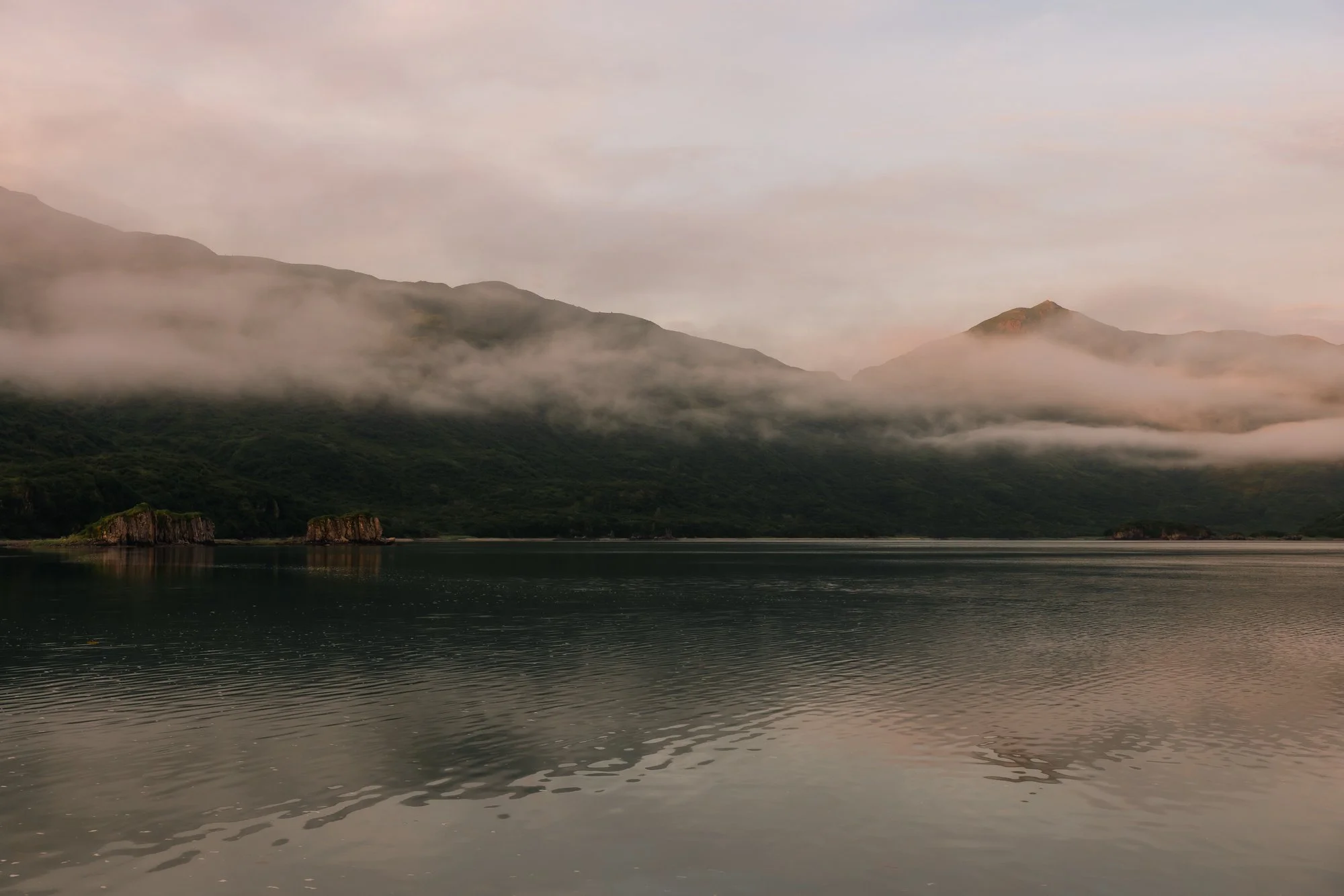
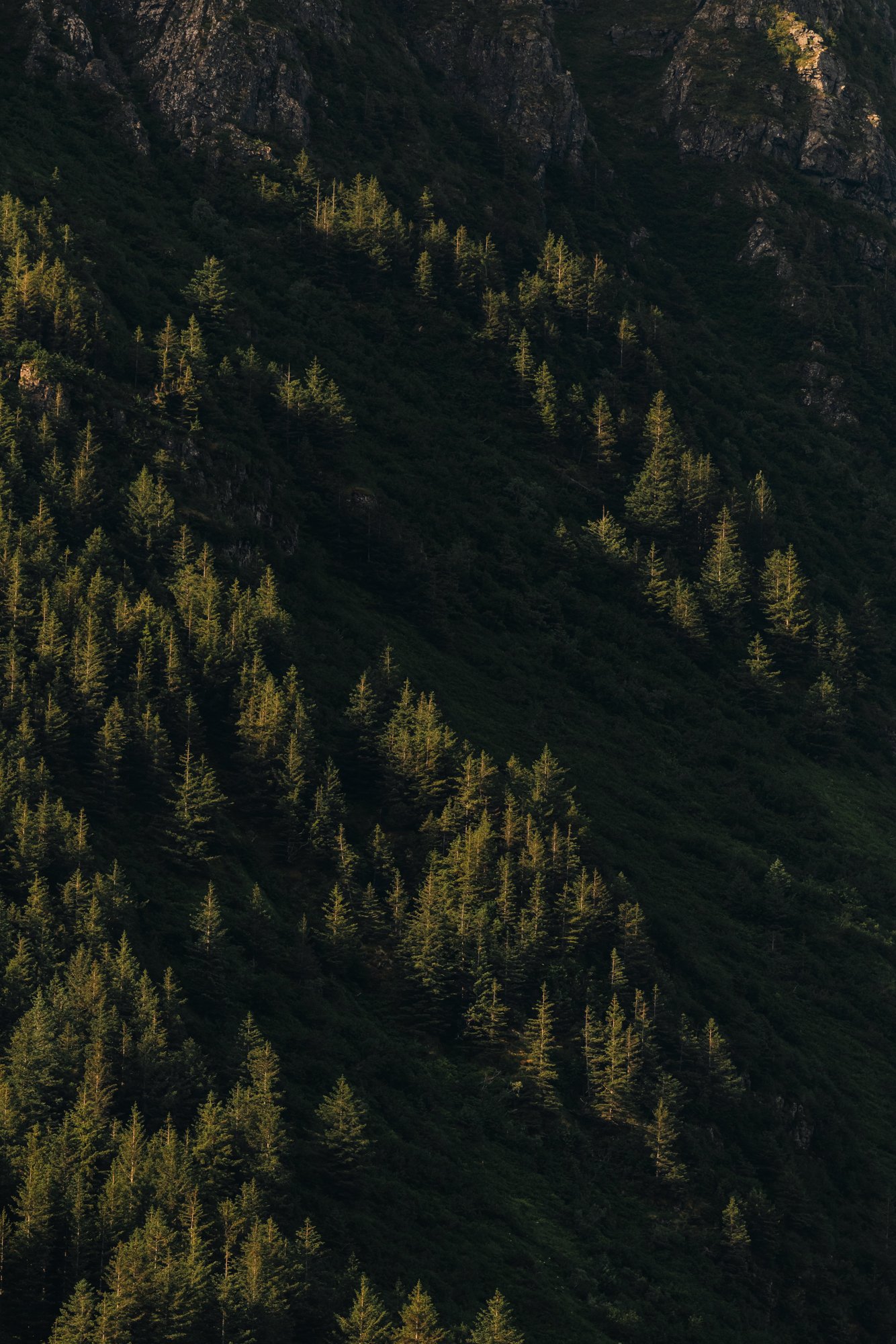
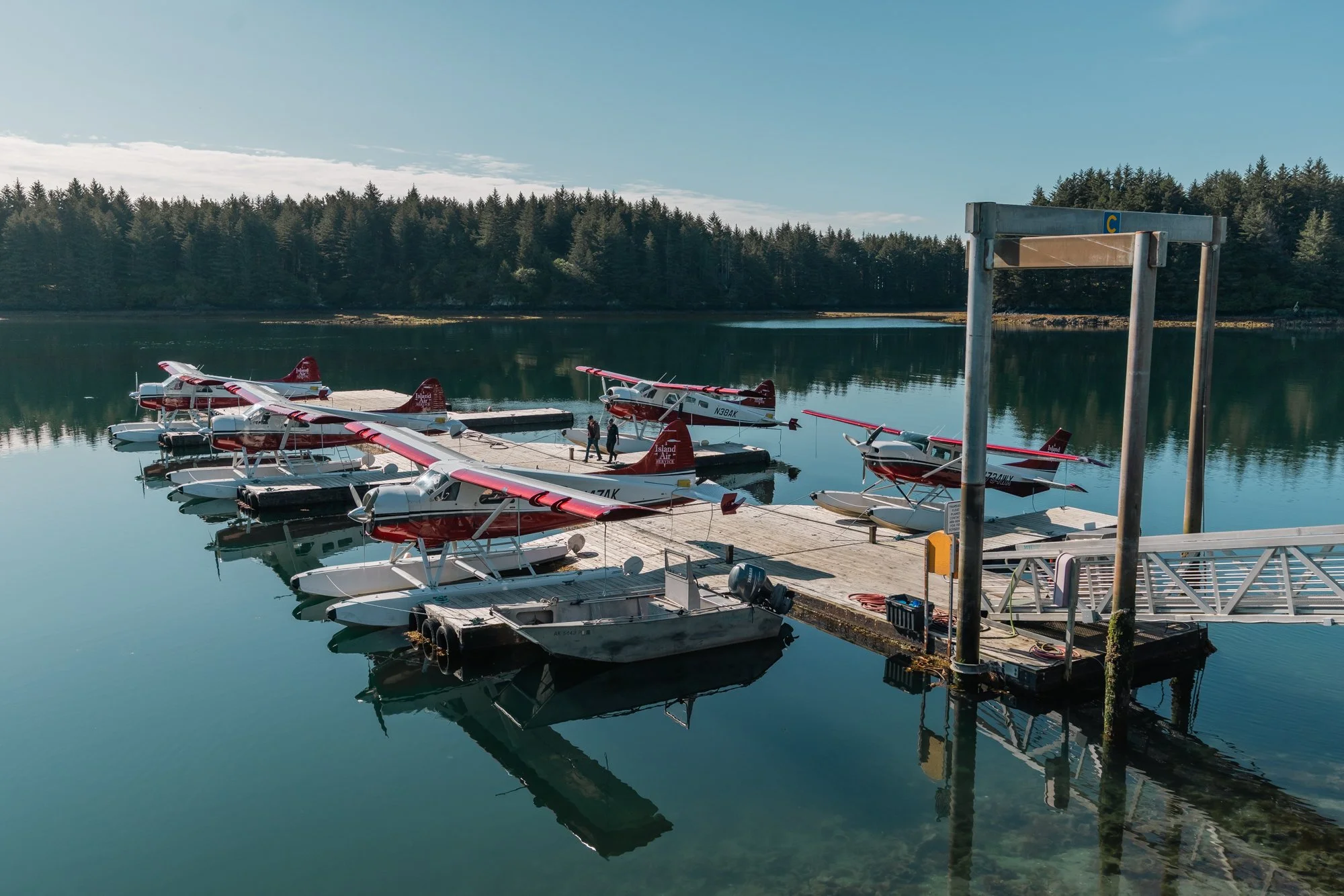
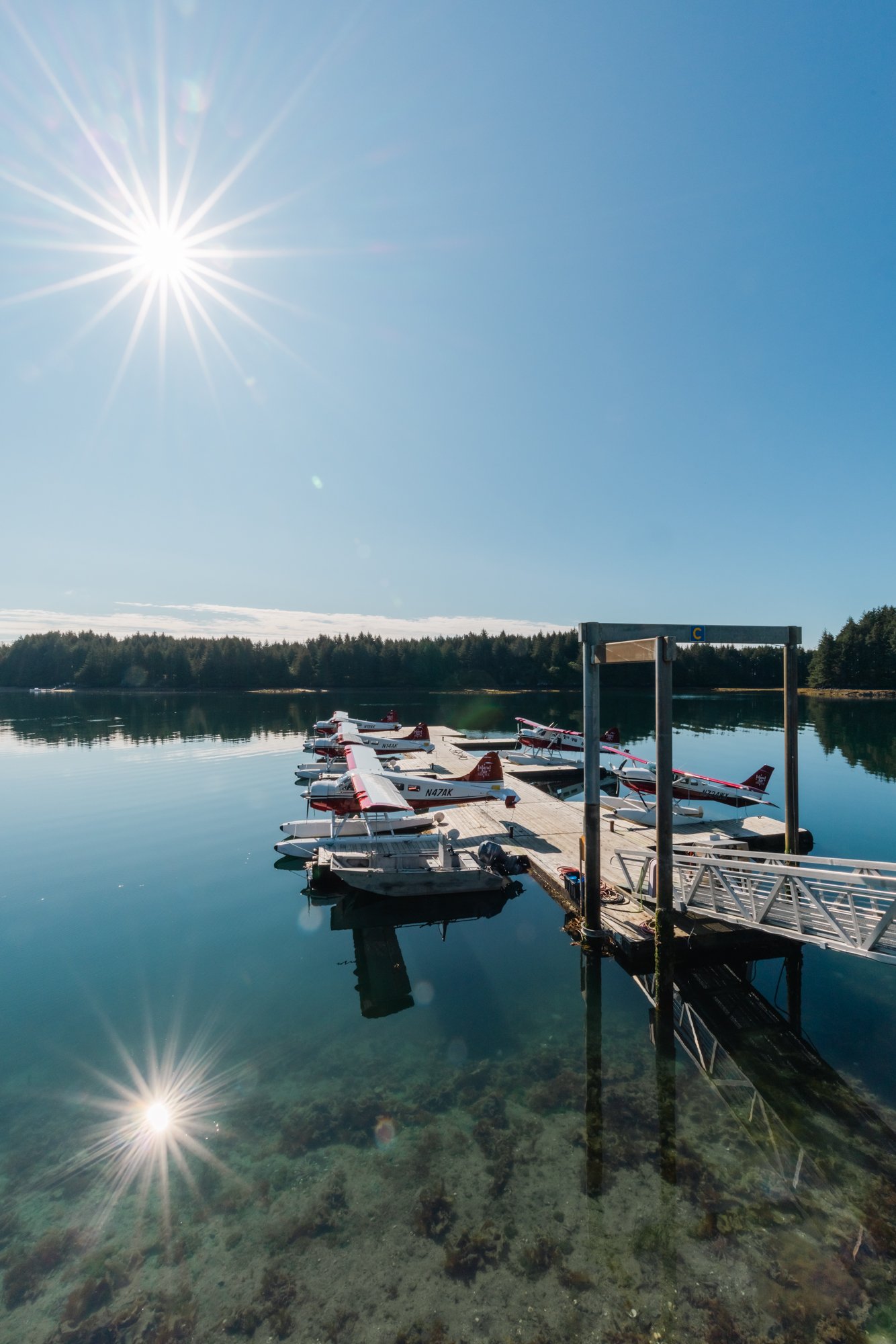
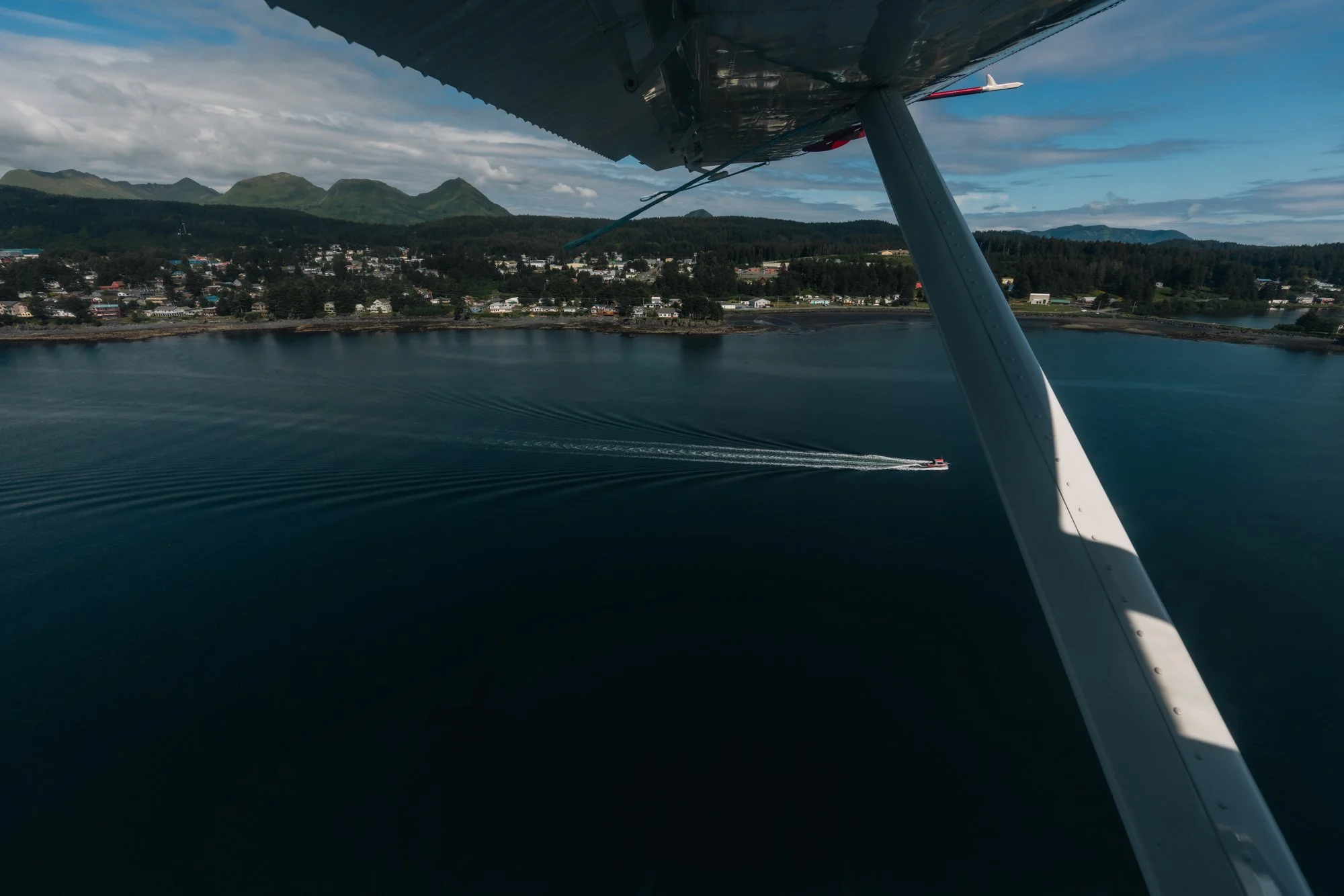
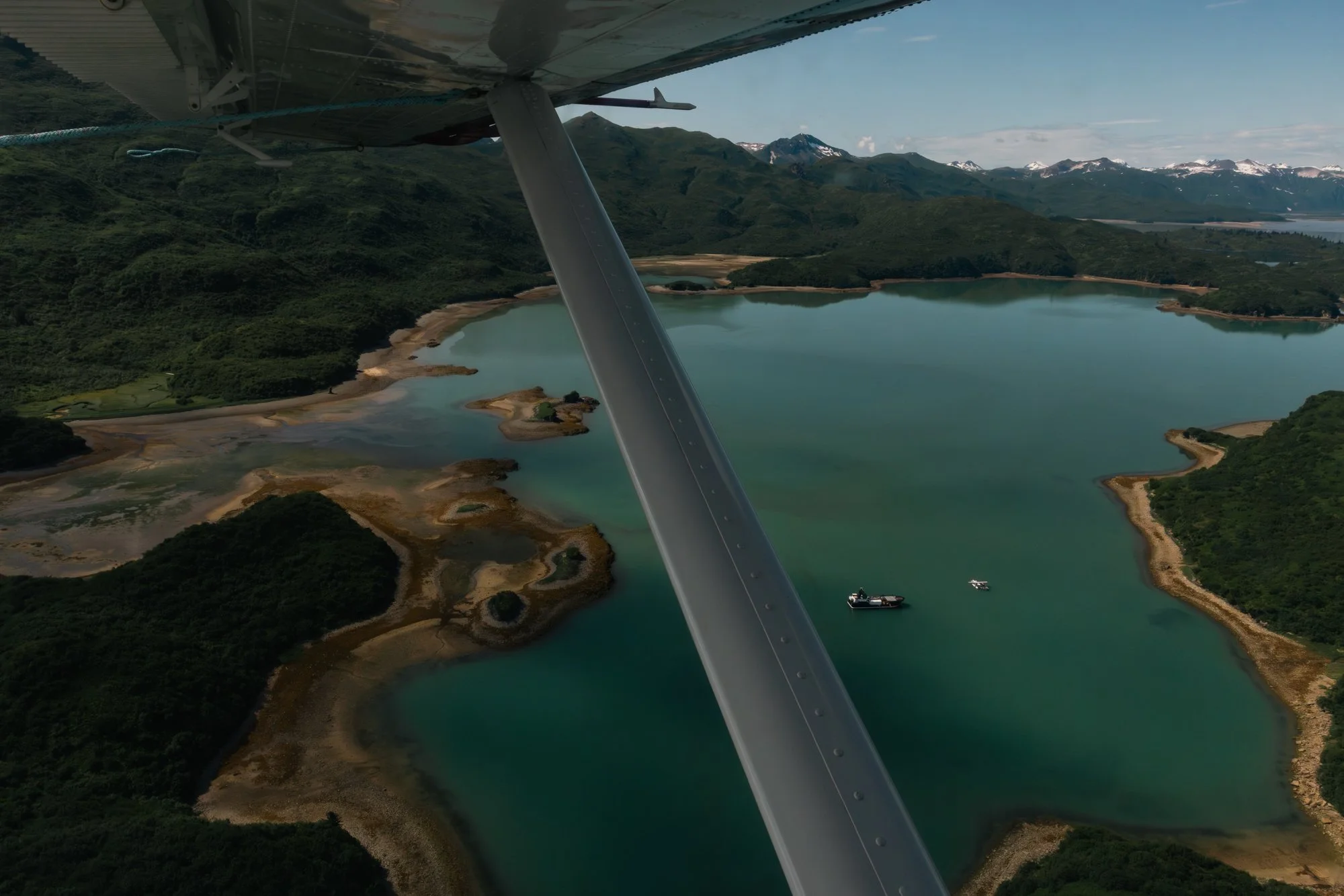
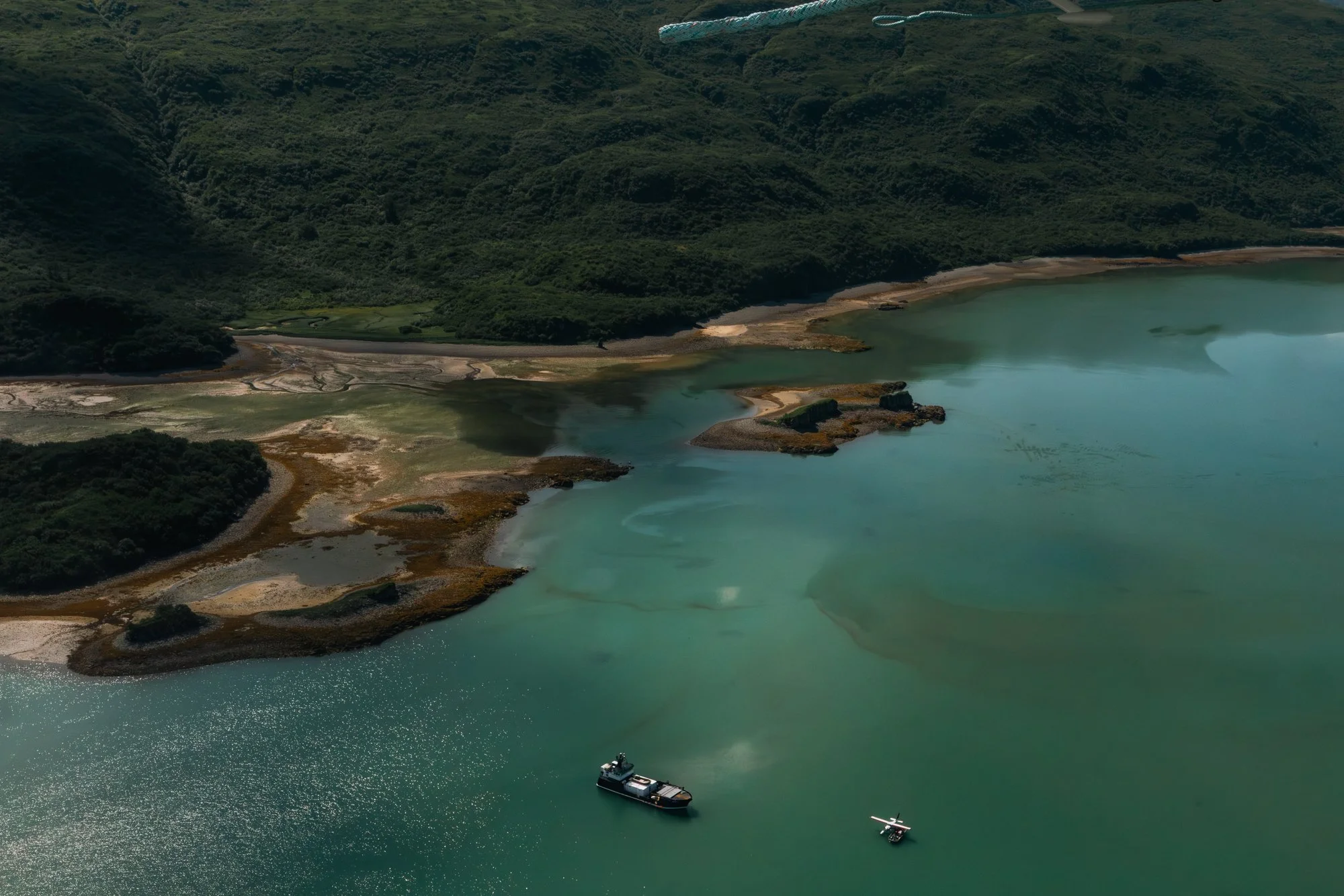
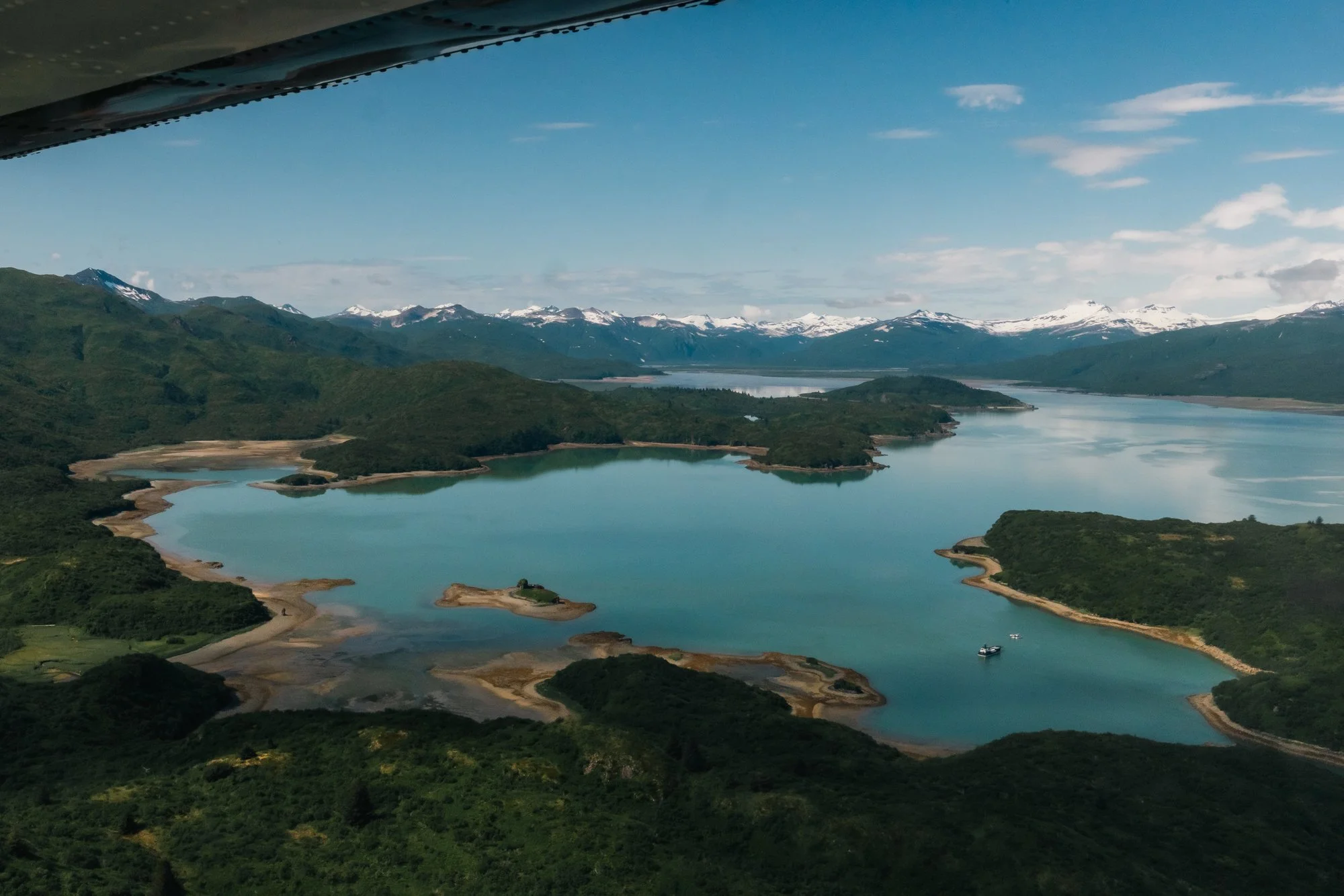
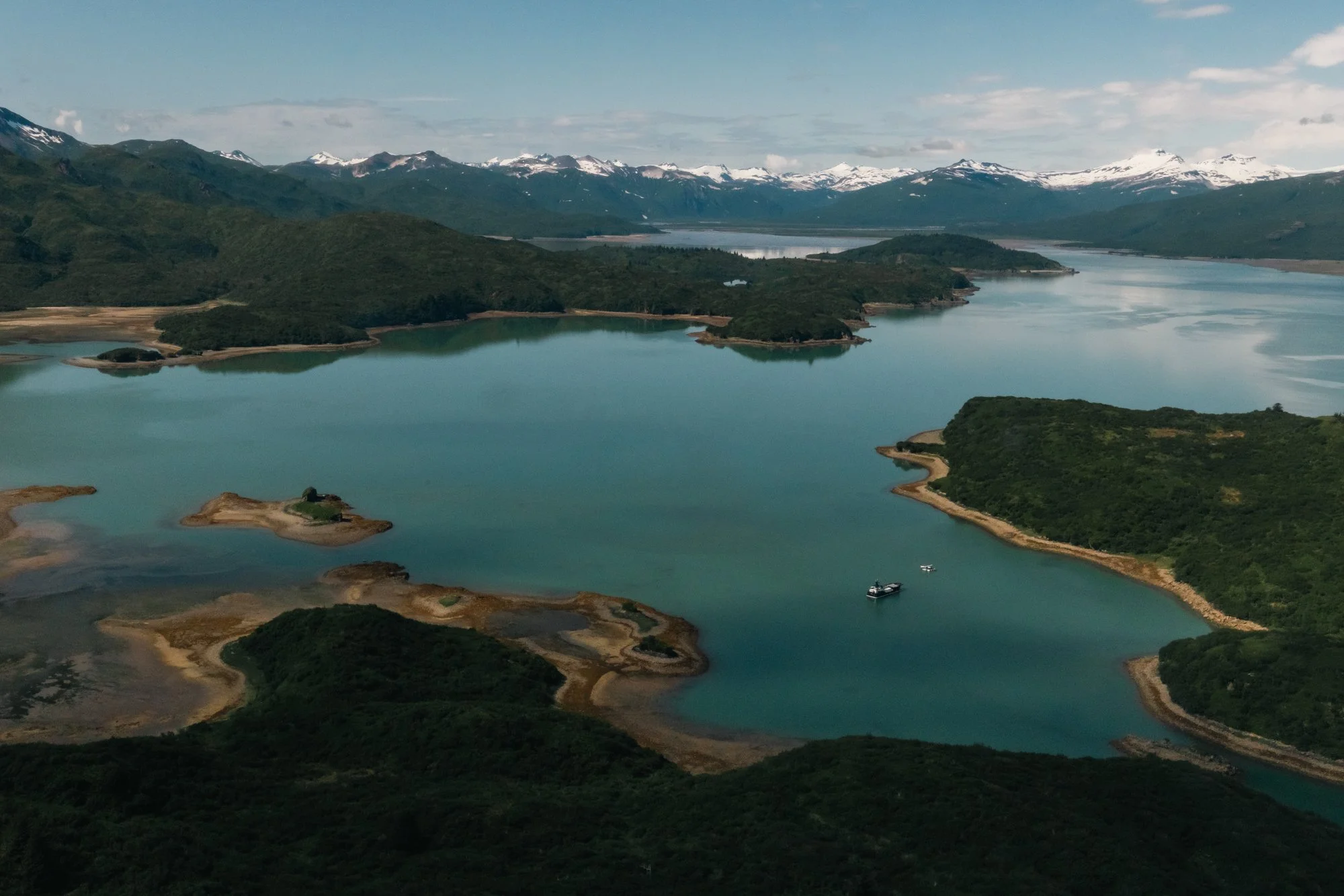
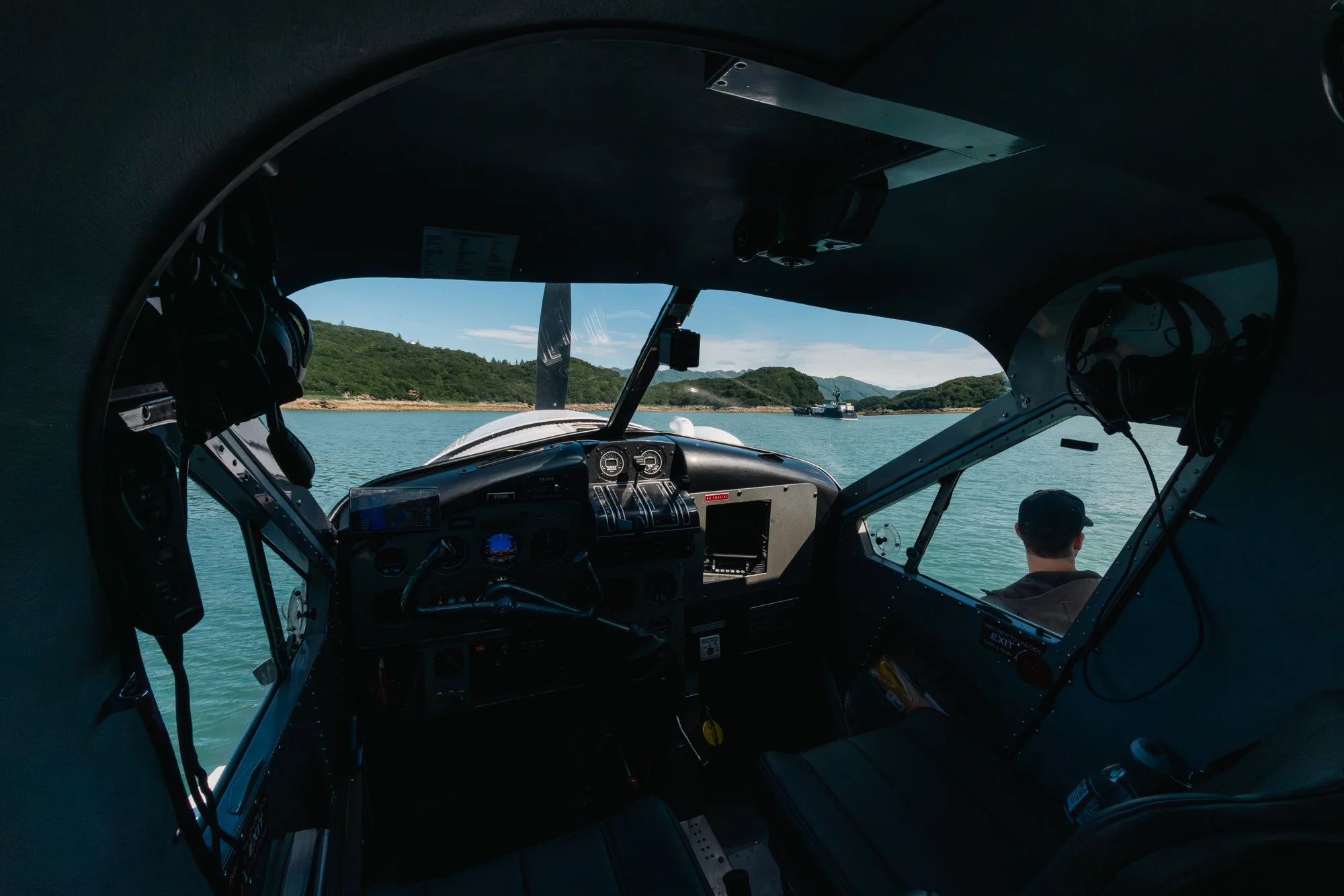
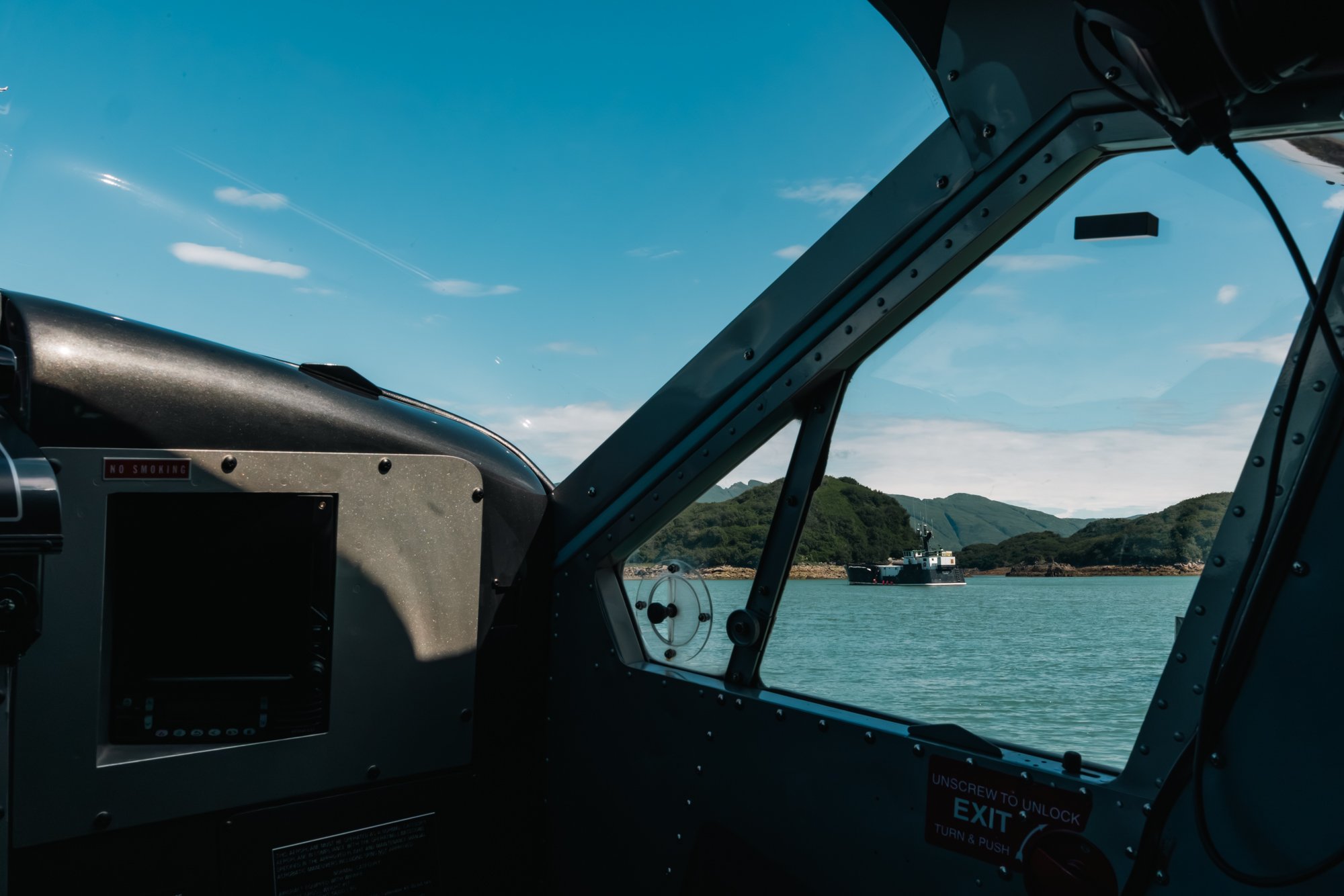
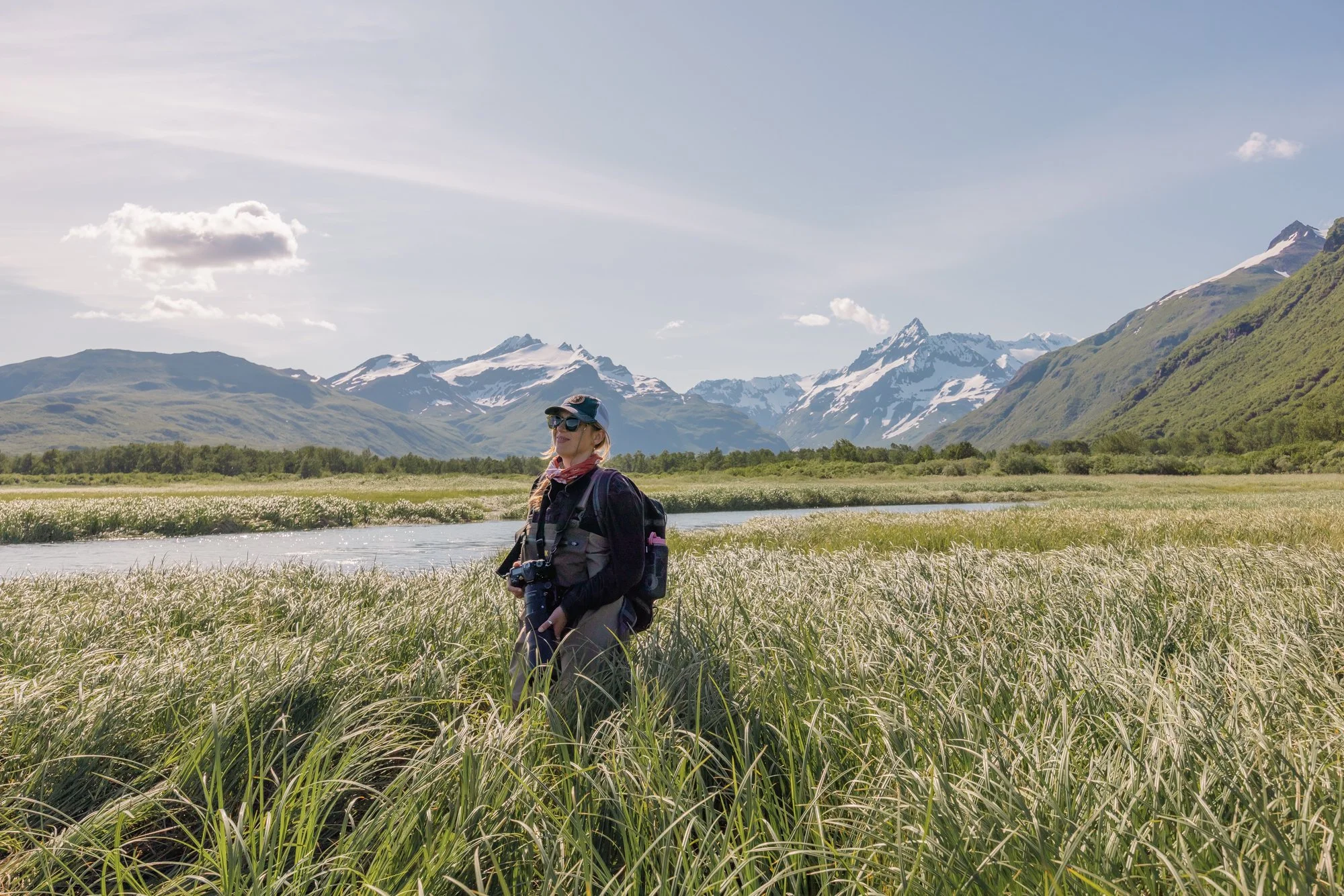
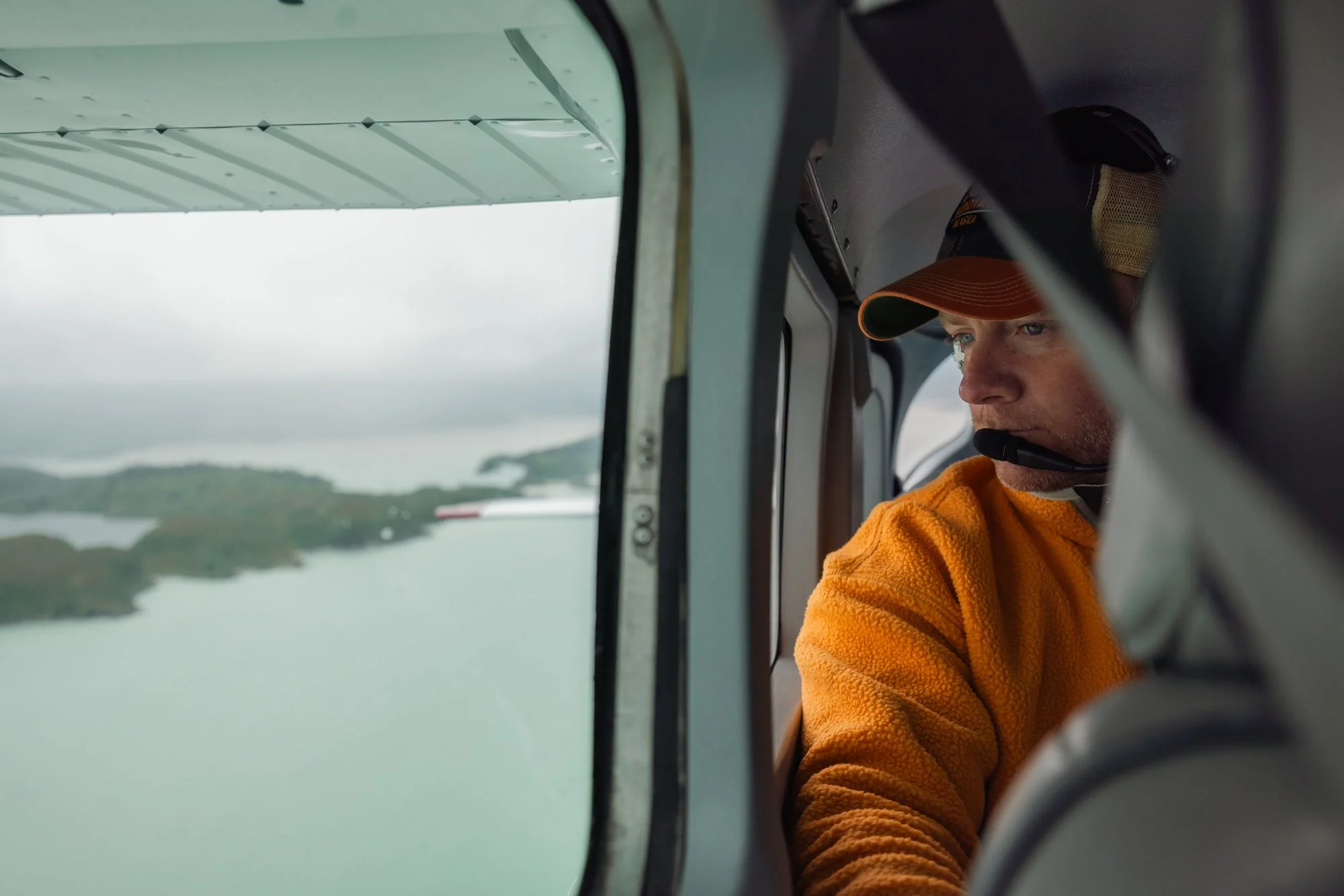
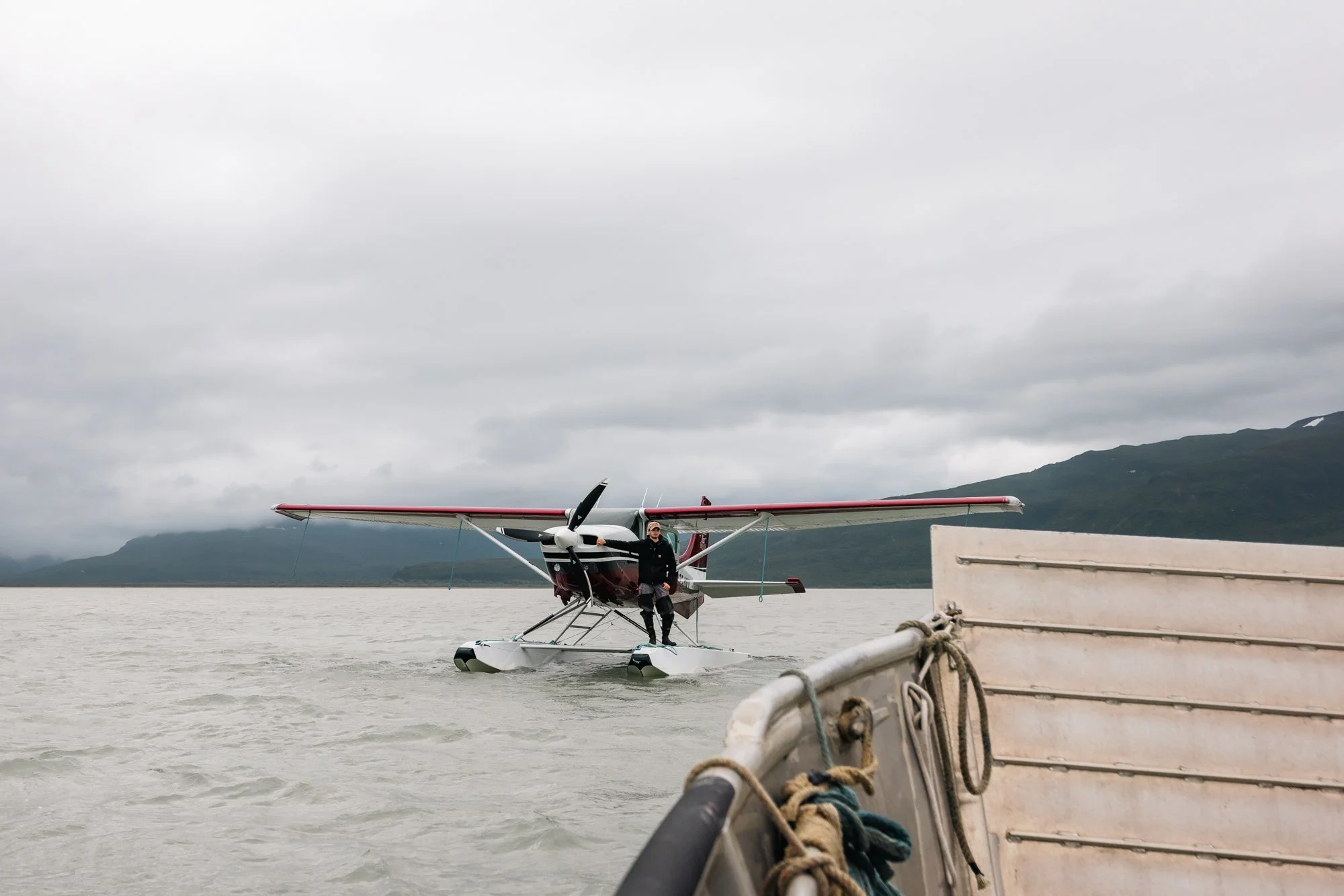
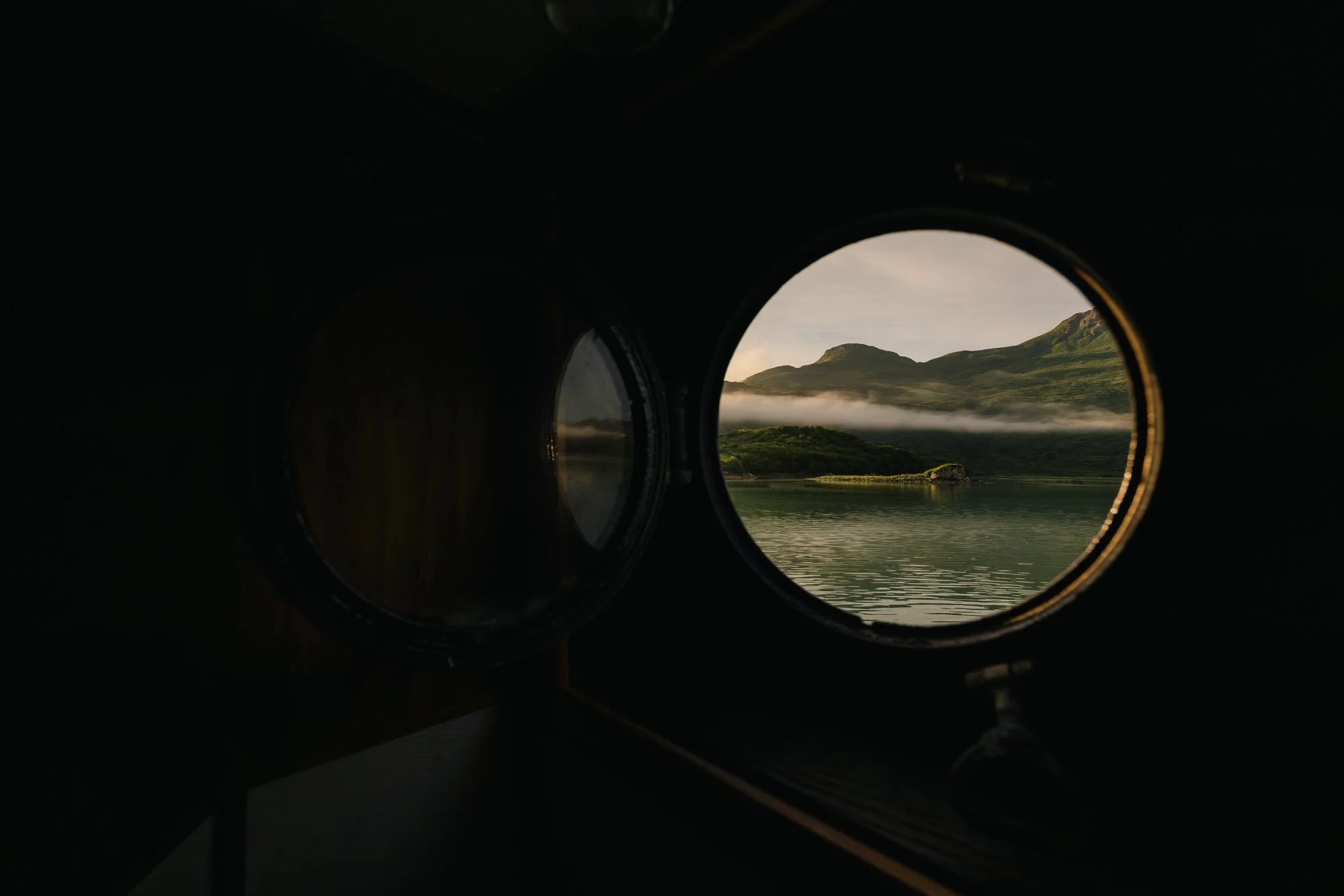
Our four-seater floatplane lifted from Kodiak’s harbor with a shudder. Below, the town dissolved into a patchwork of fishing boats, spruce-fringed ridges, and tidewater coves. The engine’s hum was constant, but my mind drifted into silence as we crossed the Shelikof Strait as I pressed my nose and camera to the cool glass window. Green gold mountains fell away into snaking rivers pouring toward the sea, we were leaving one world behind and entering another - trading pavement and powerlines for a wilderness few people ever touch. Somewhere below, the brown bears of Katmai, the largest coastal grizzlies on Earth, were waiting.
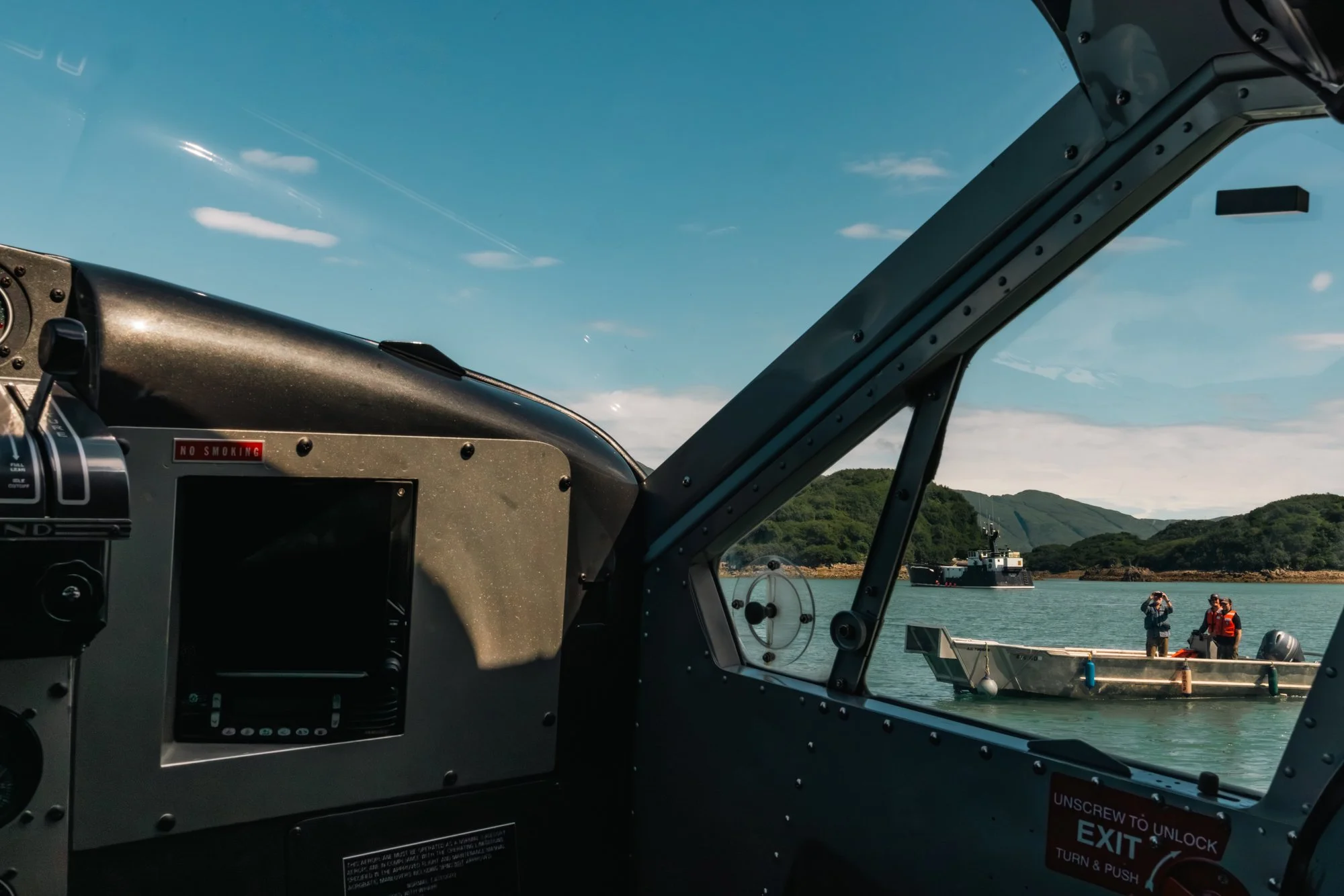
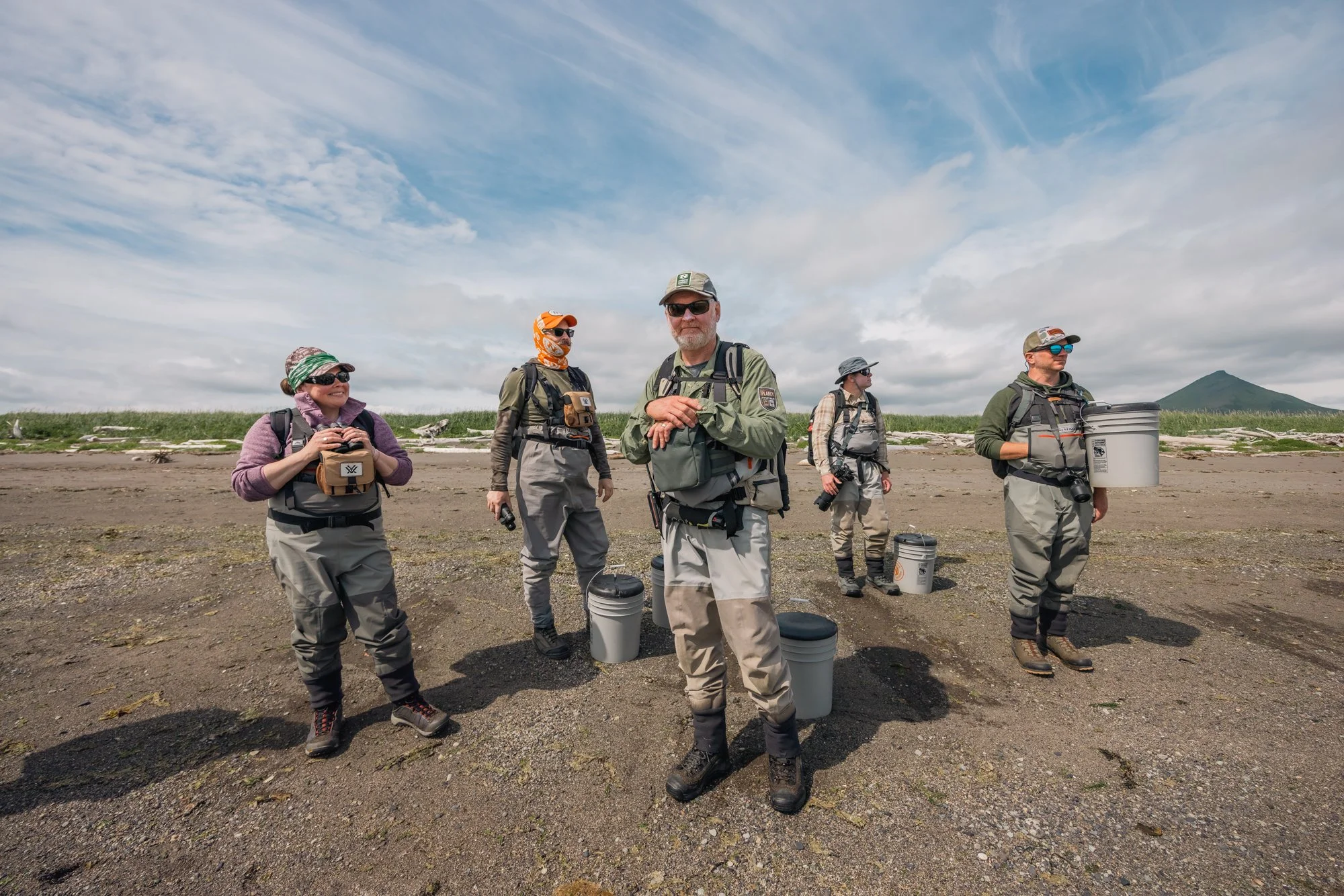
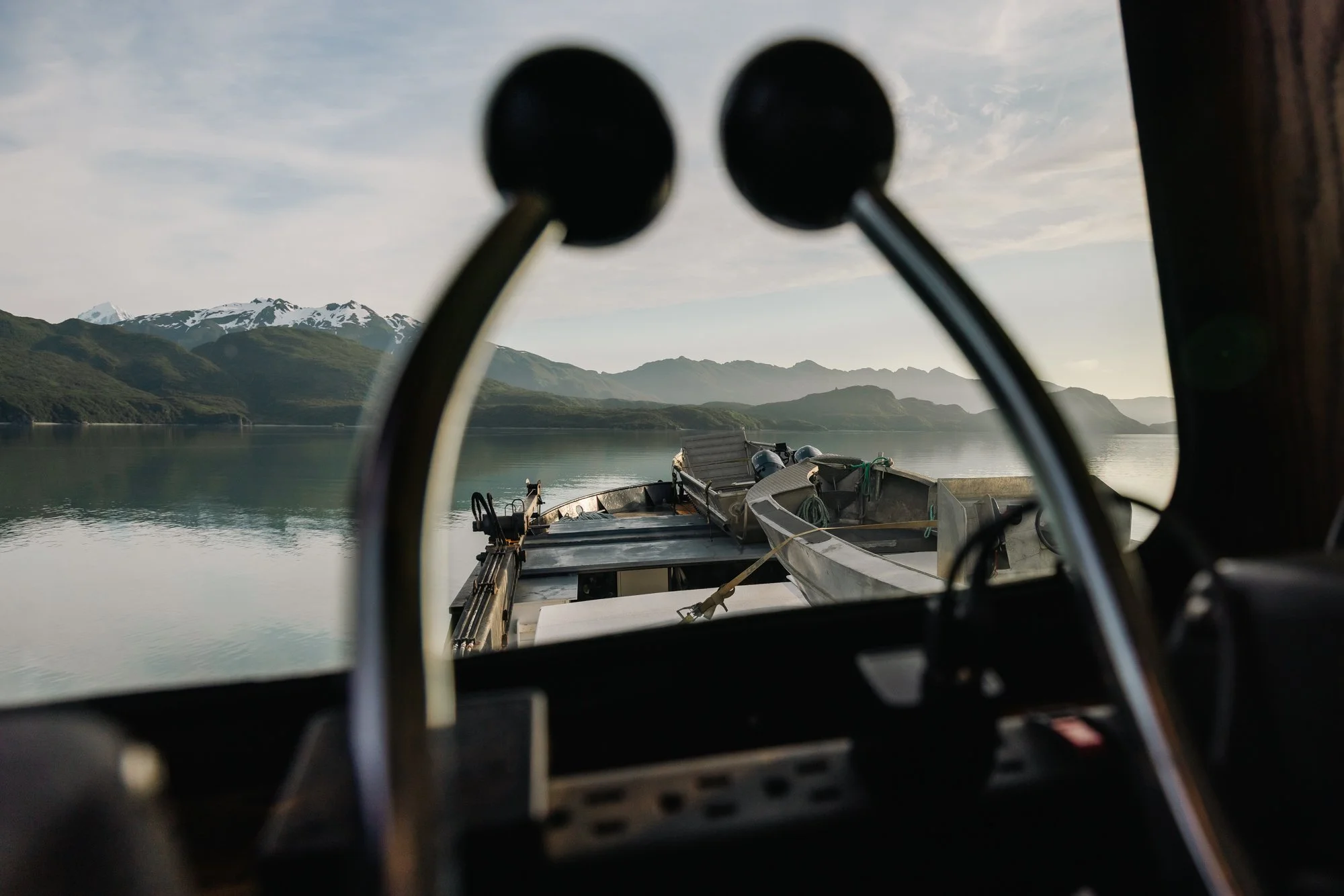
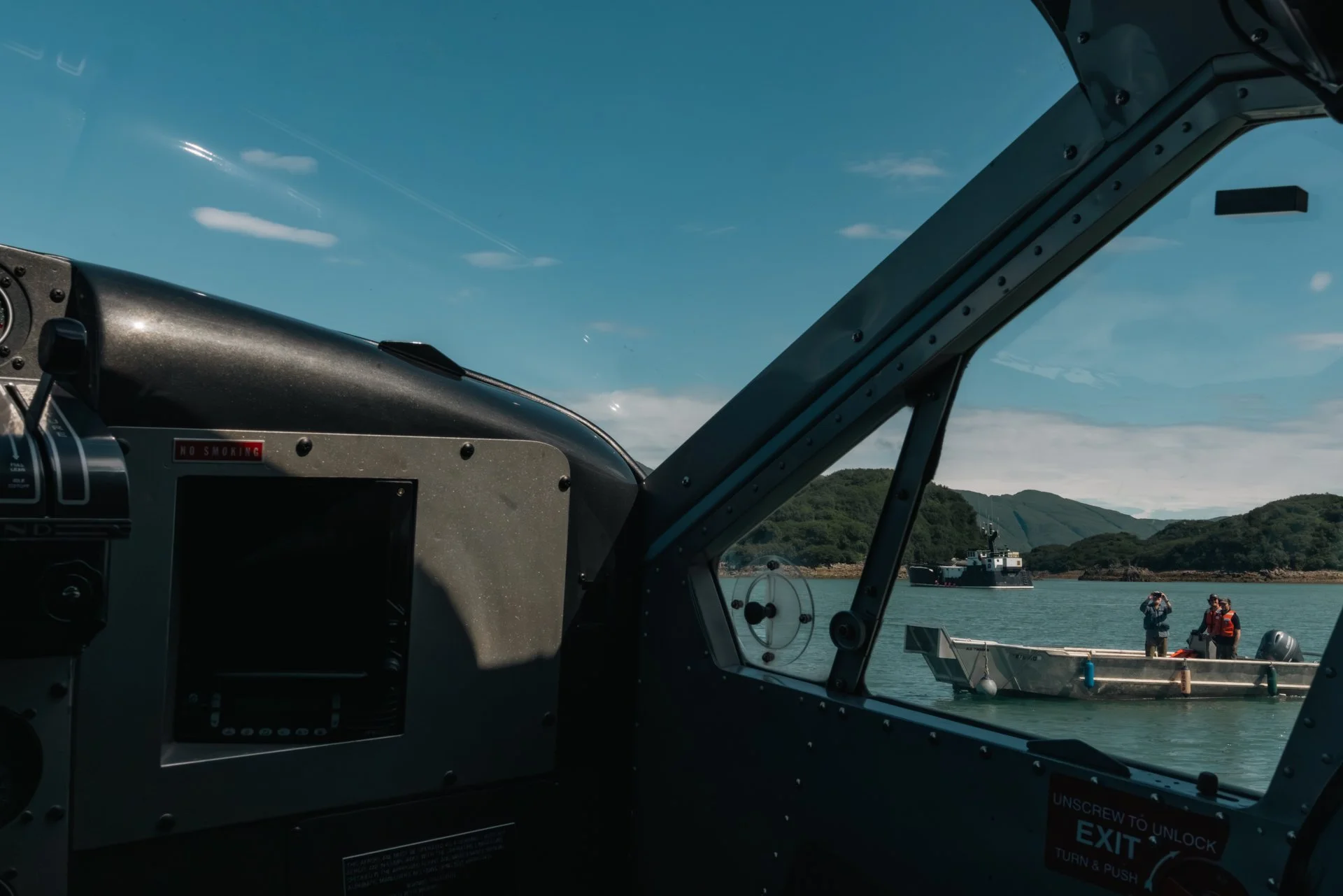
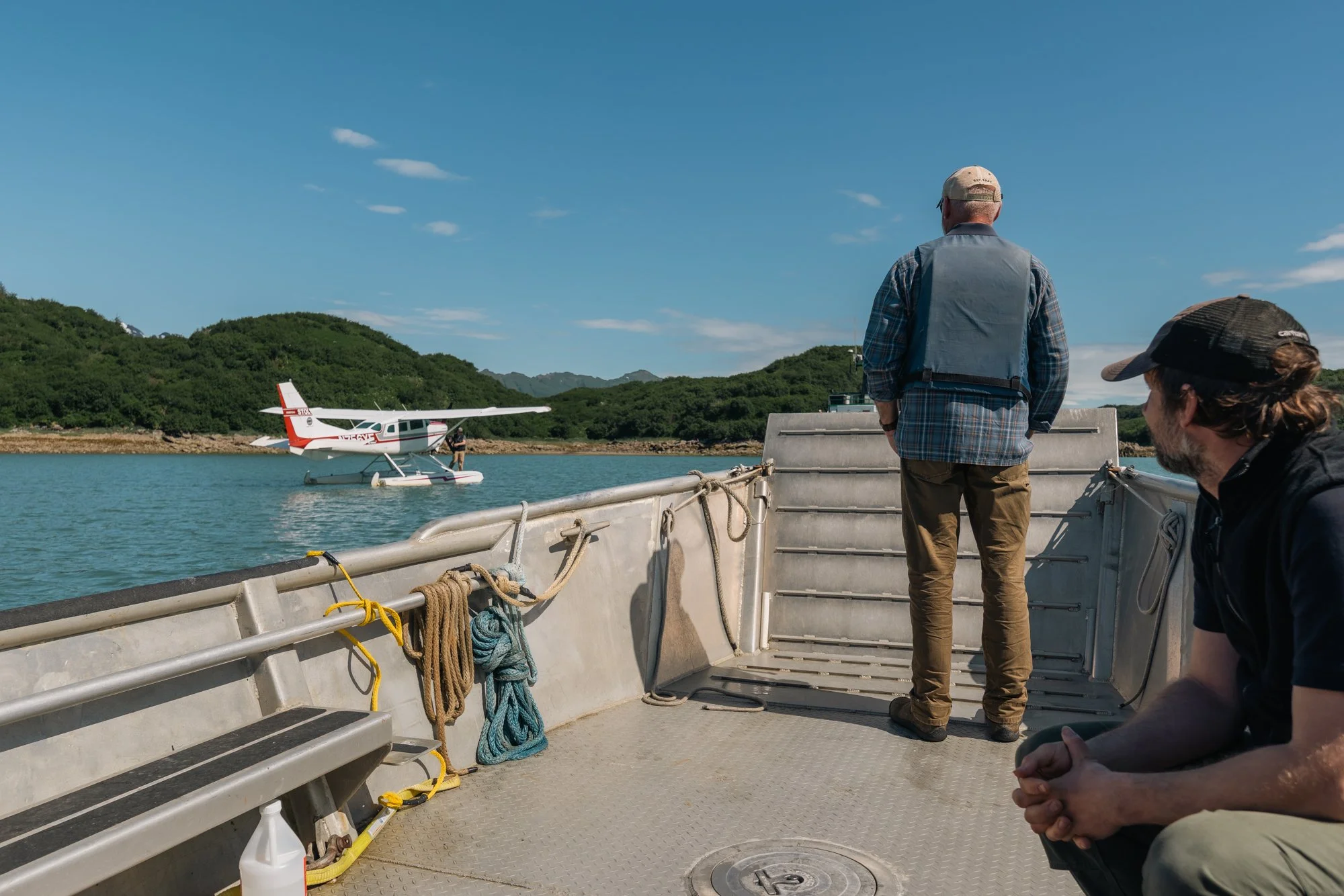
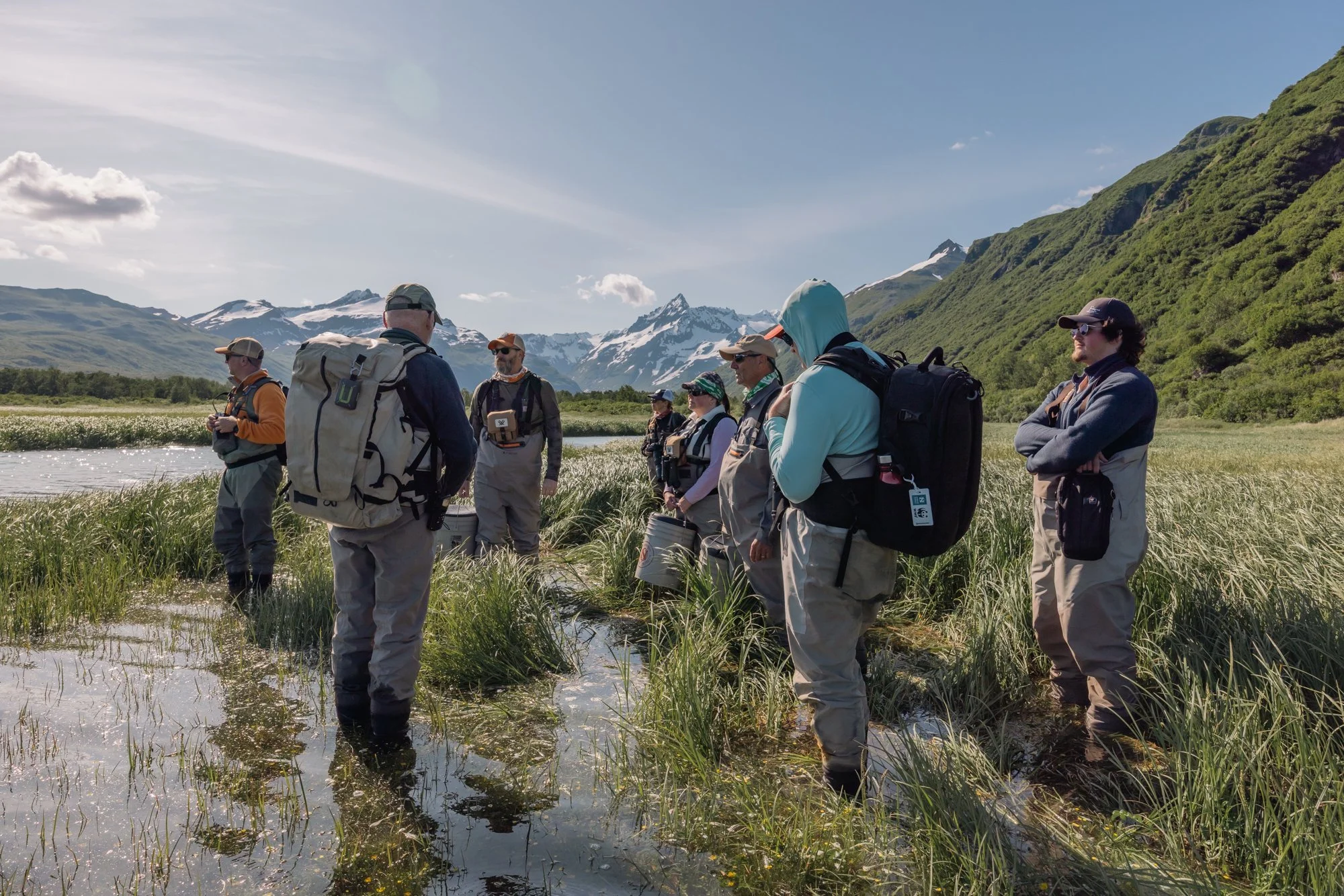
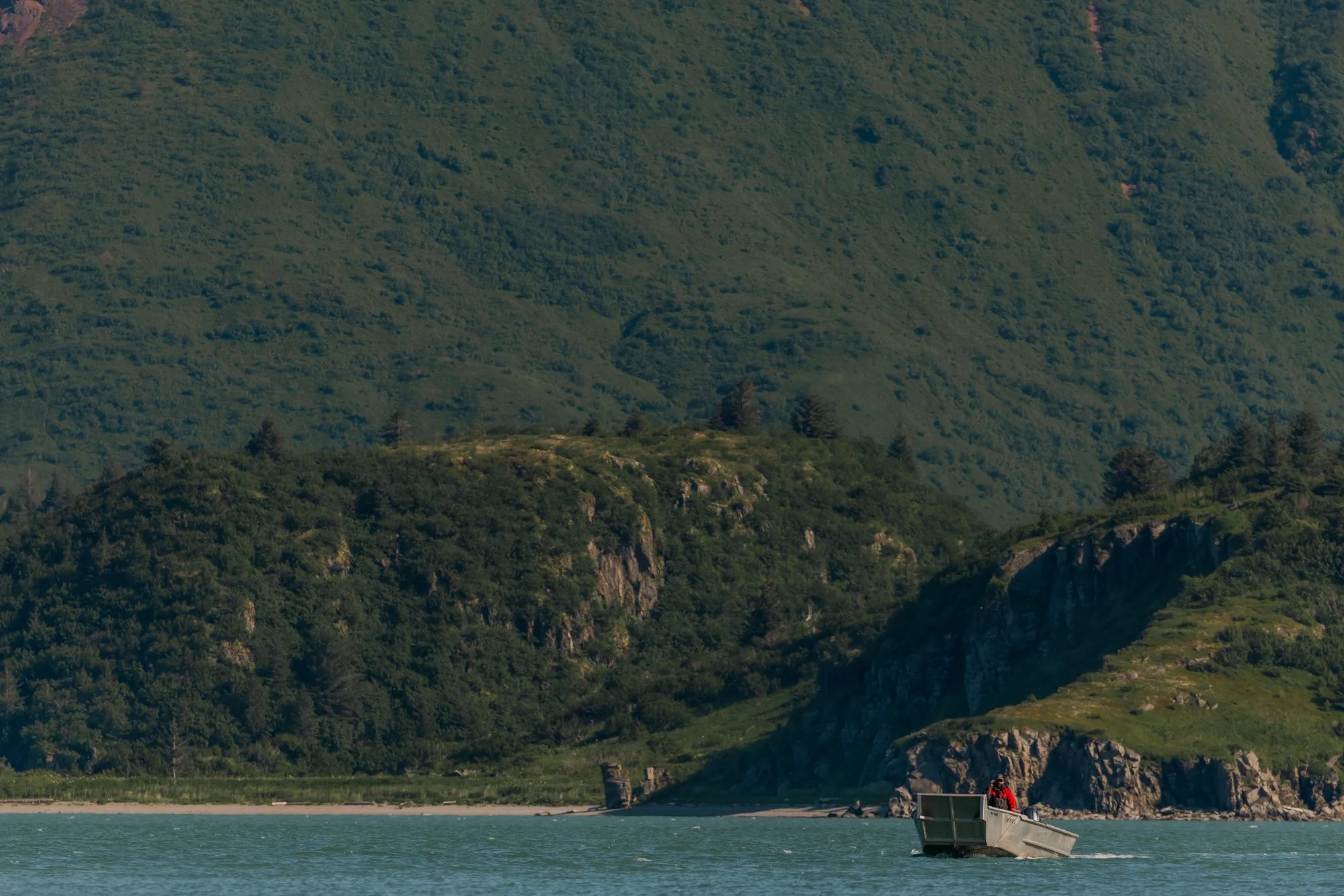
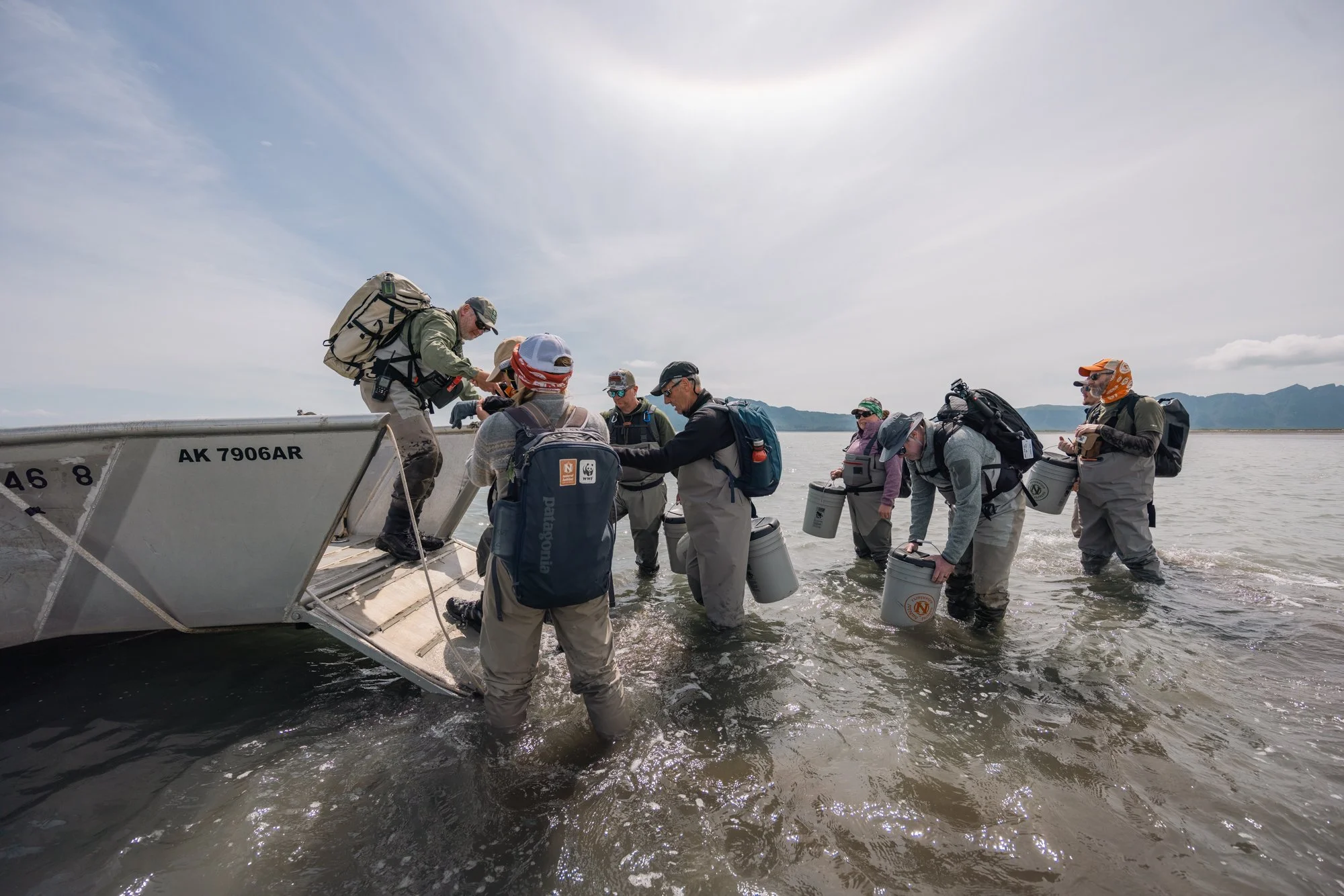
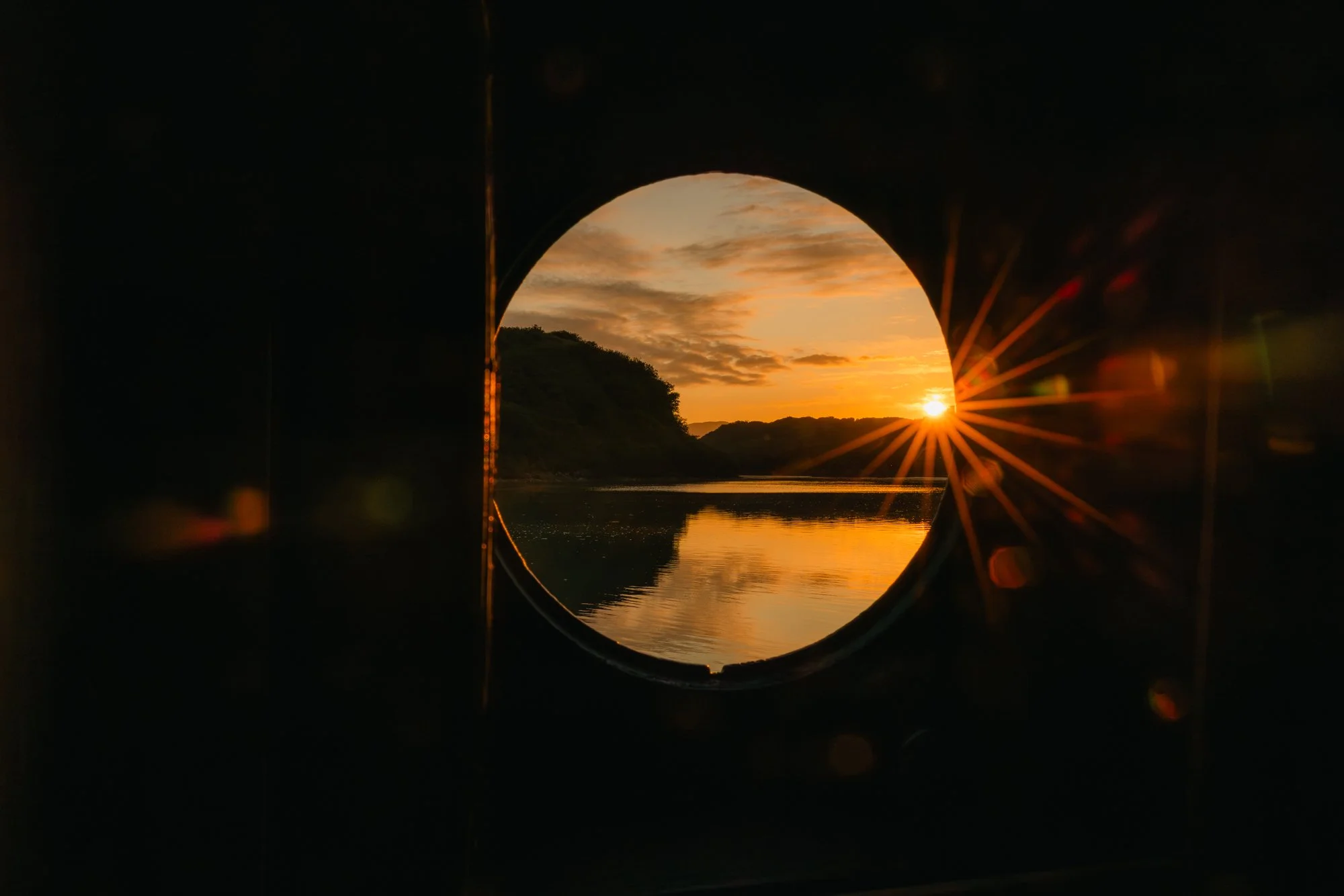
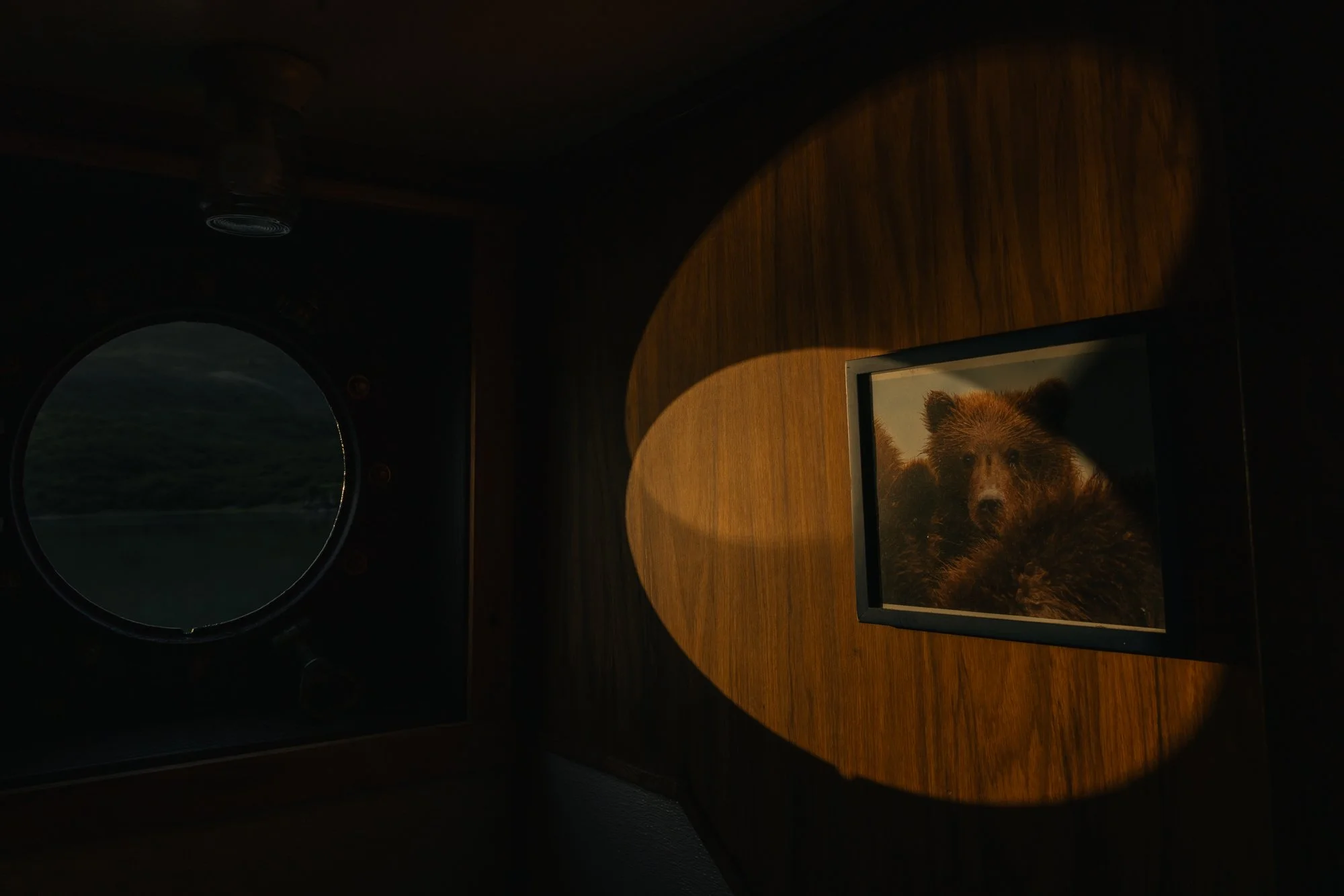
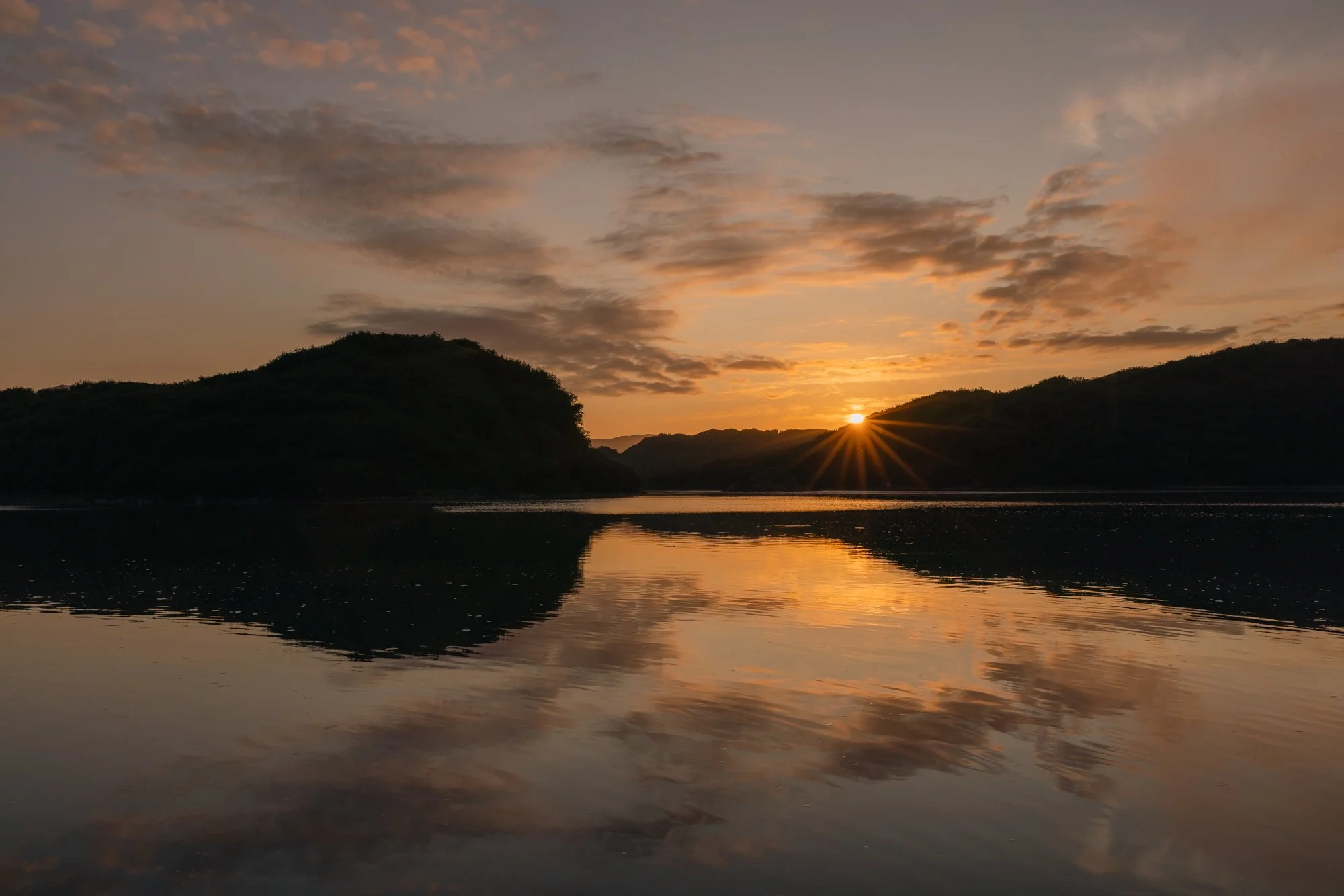
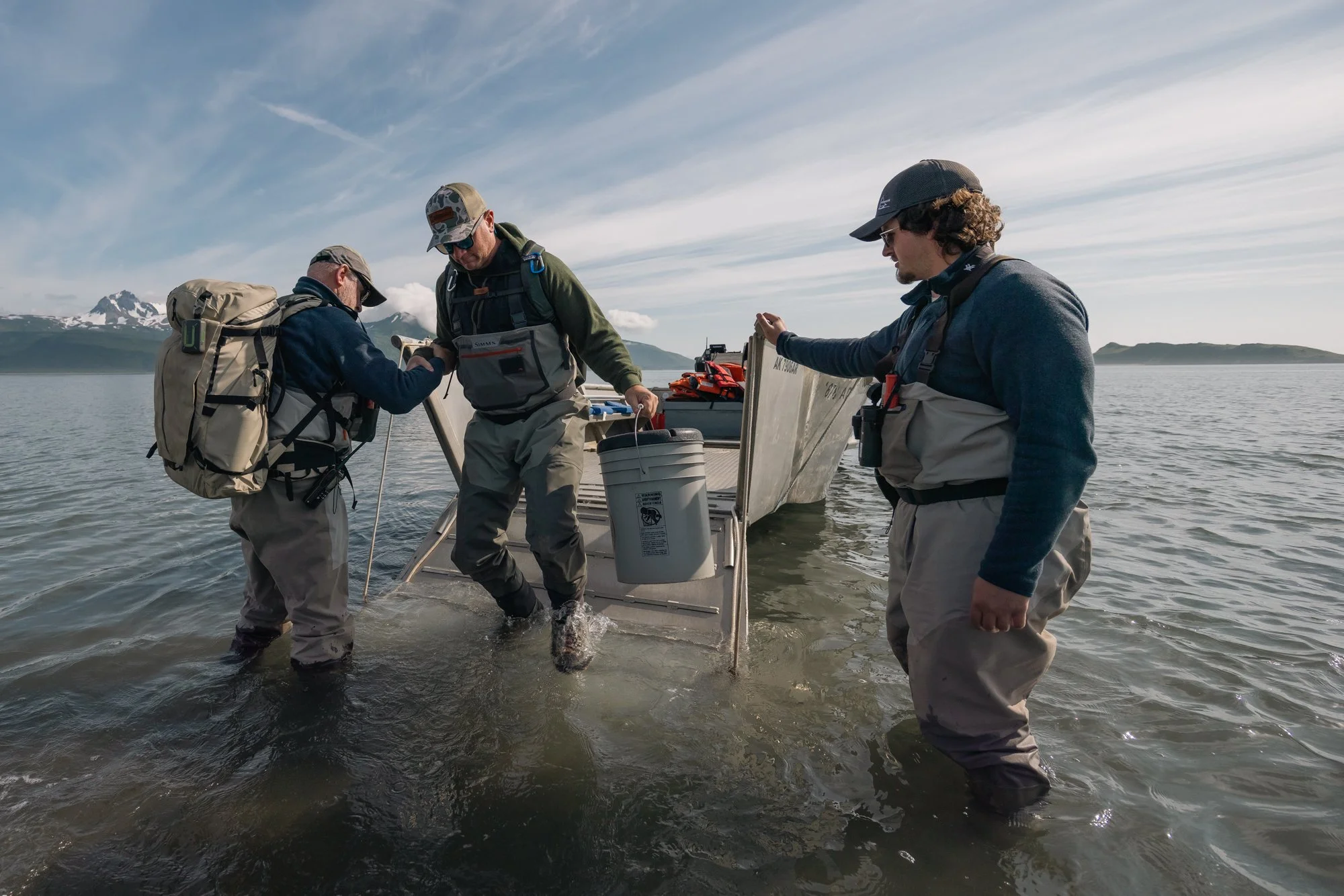
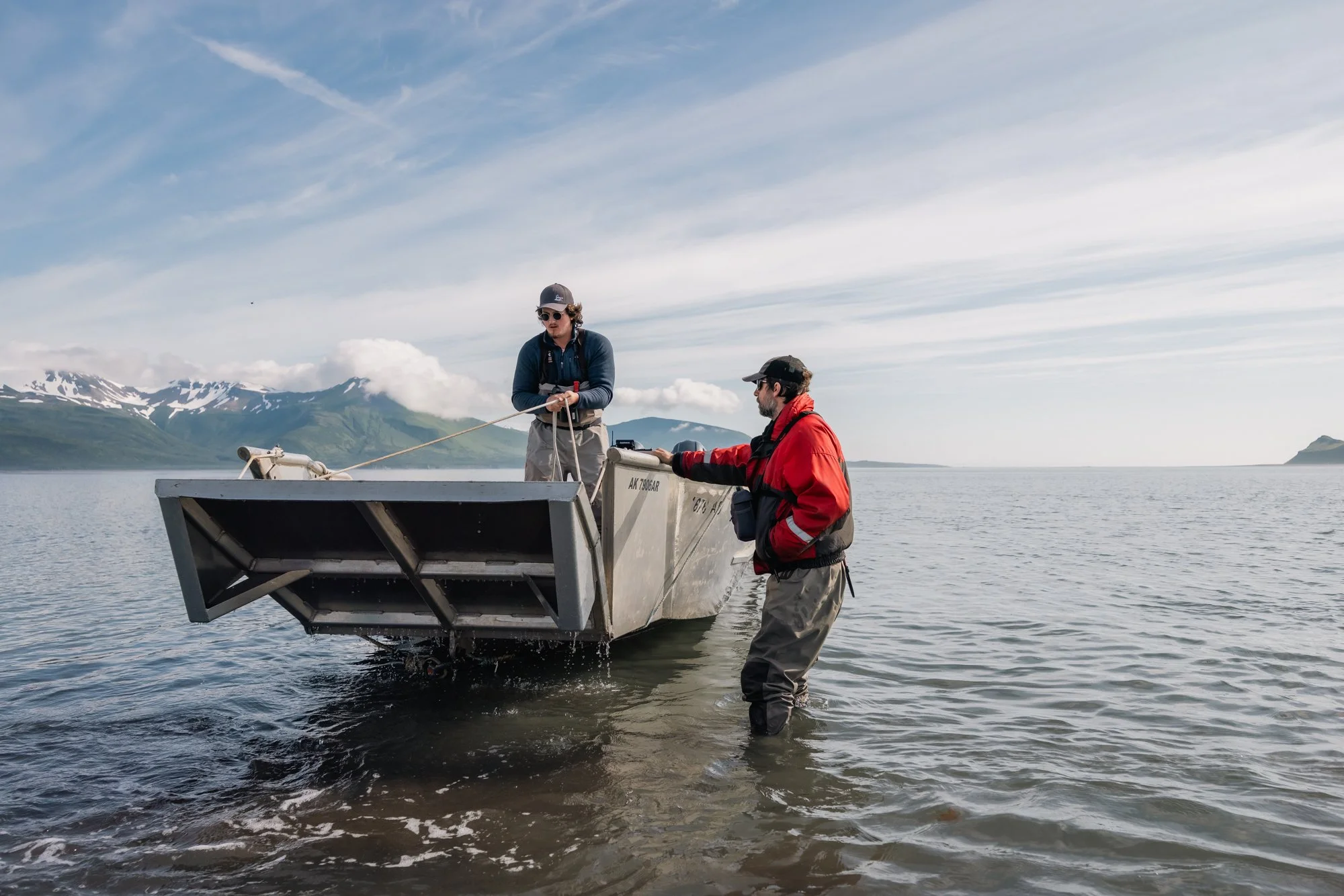
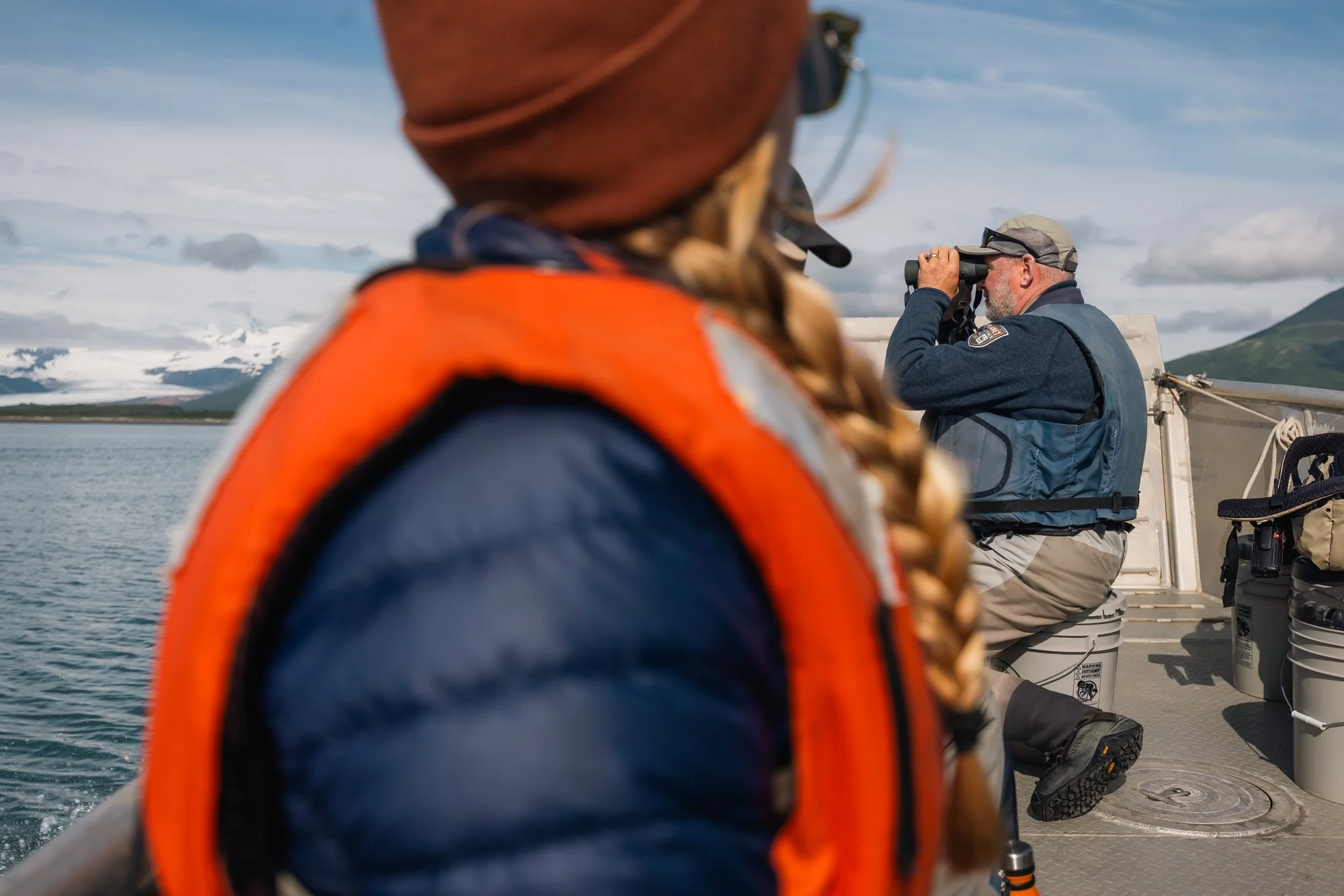
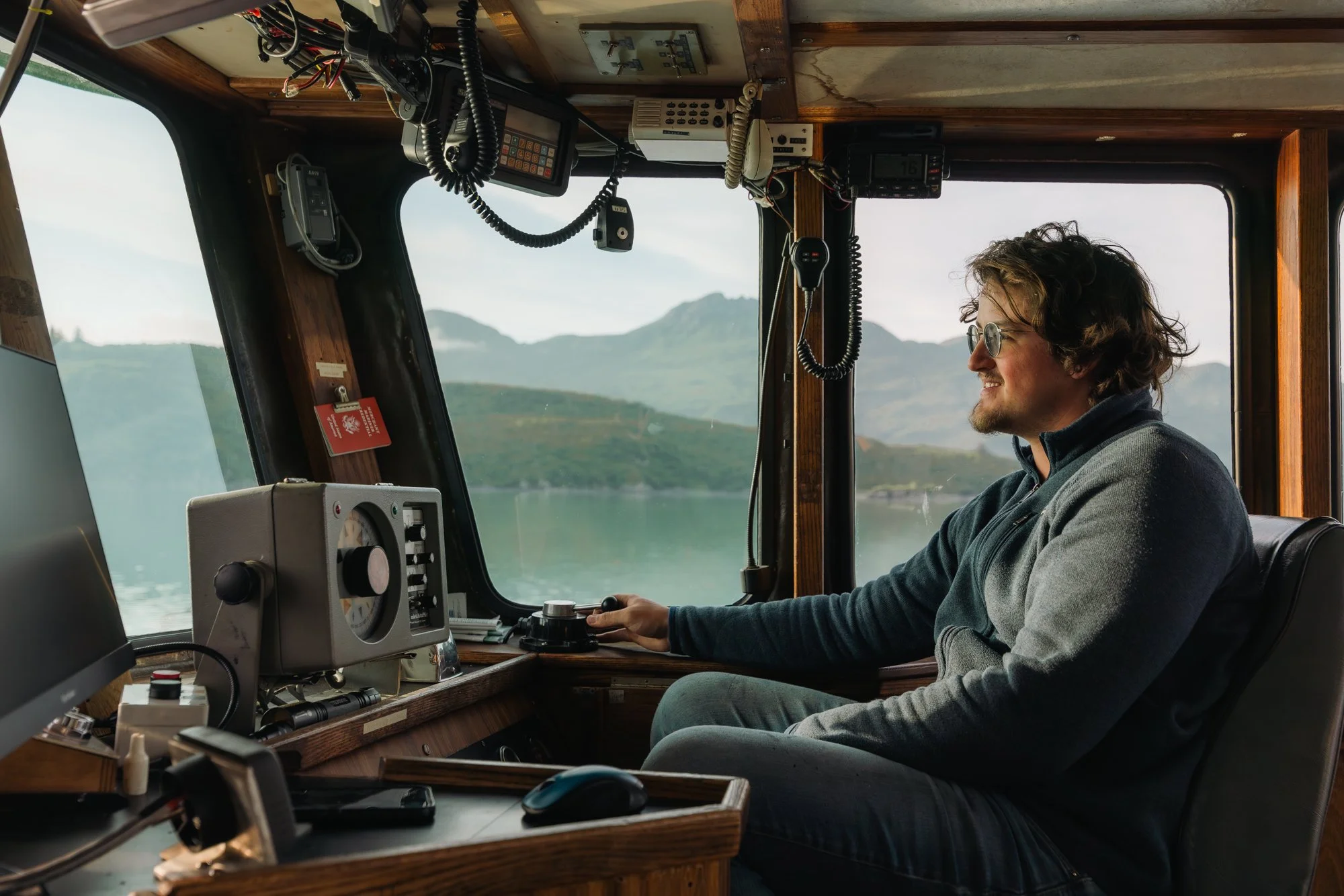
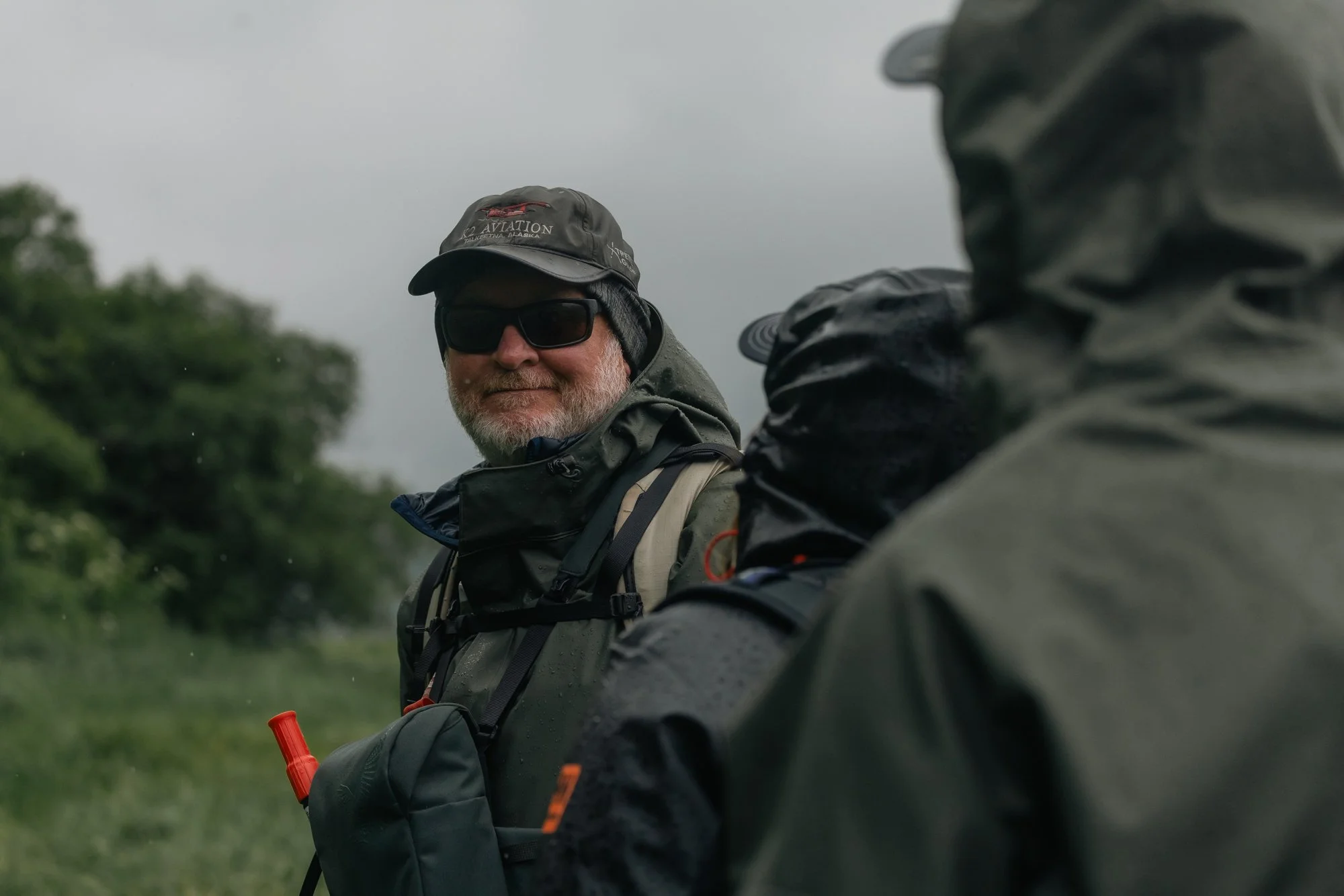
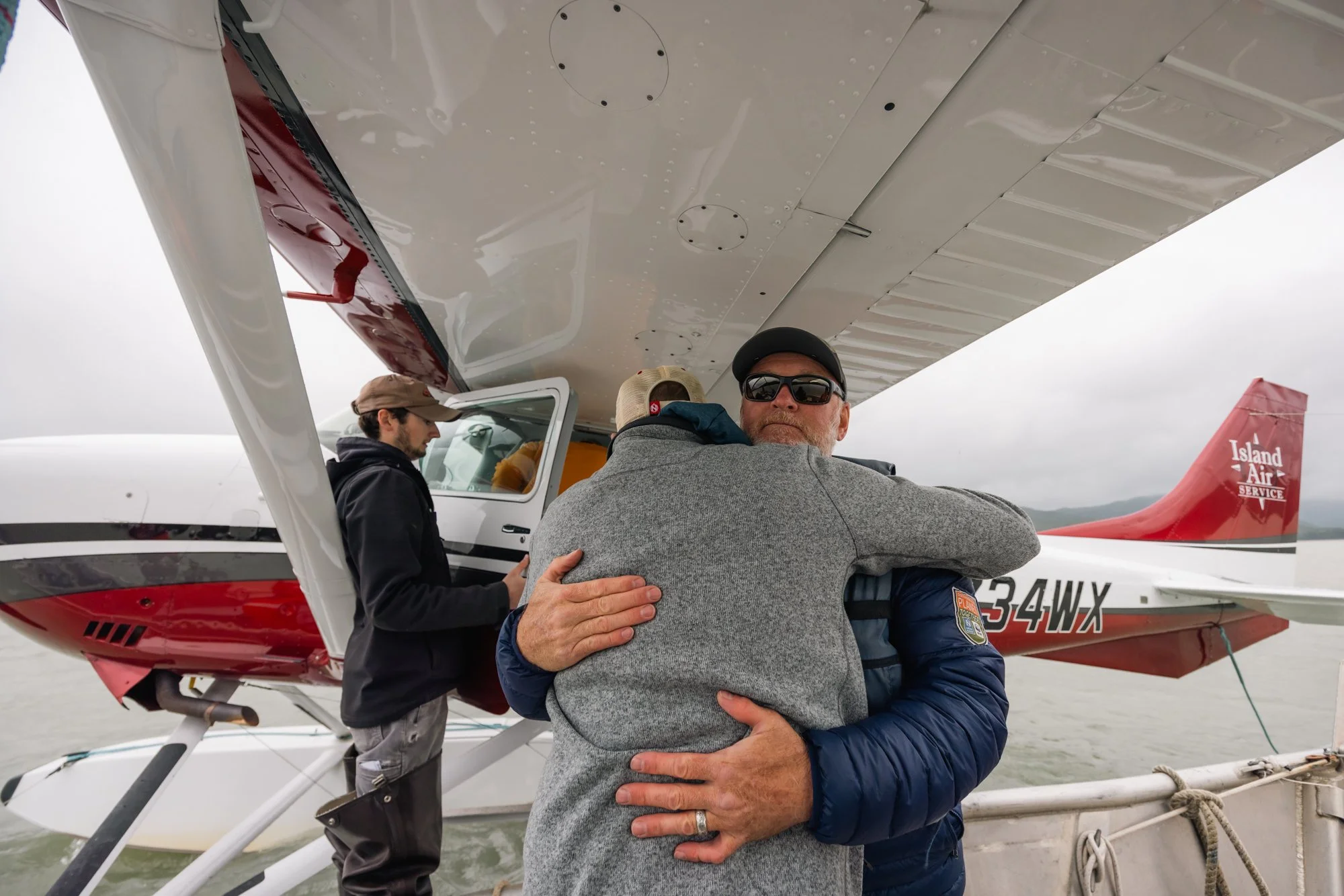
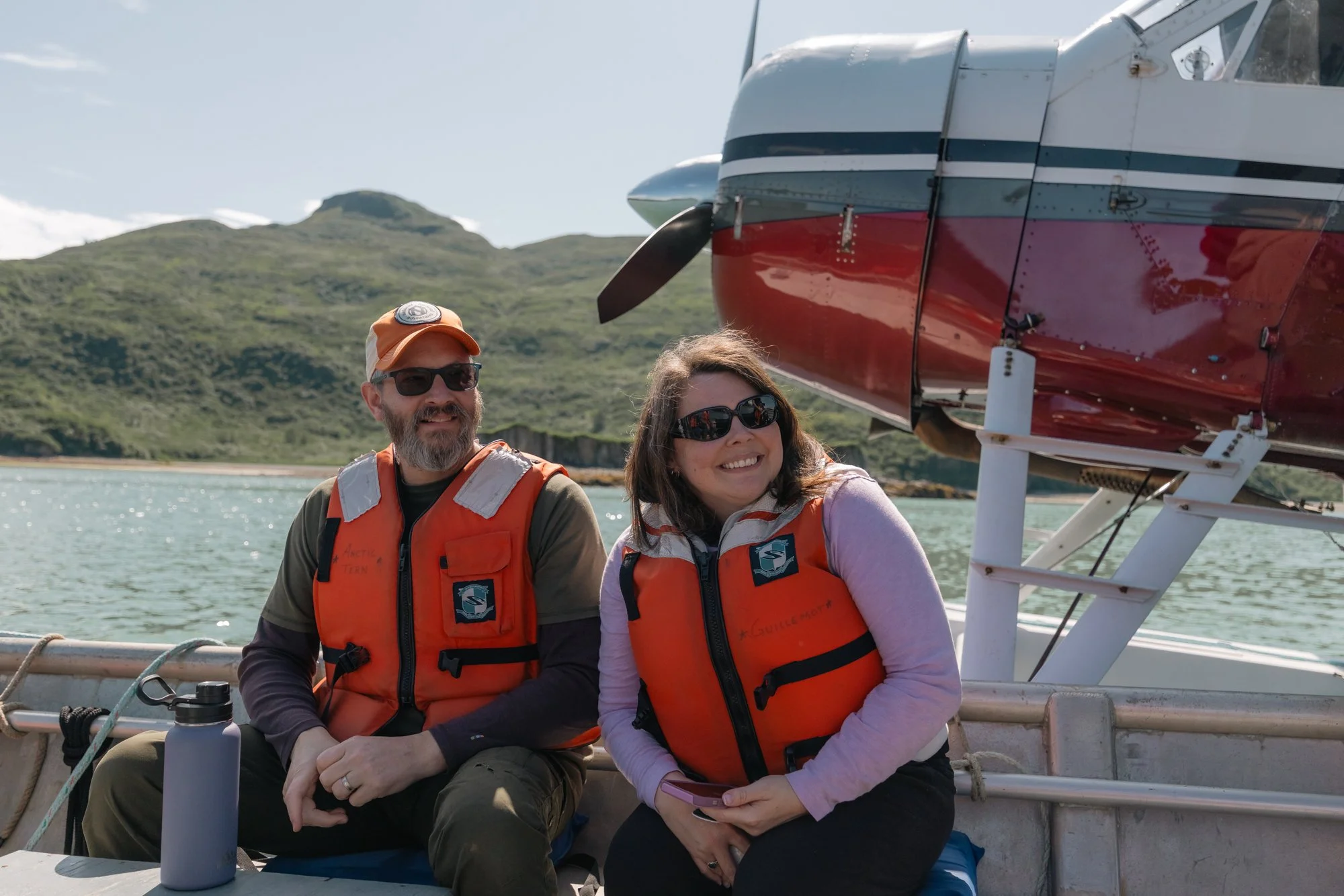
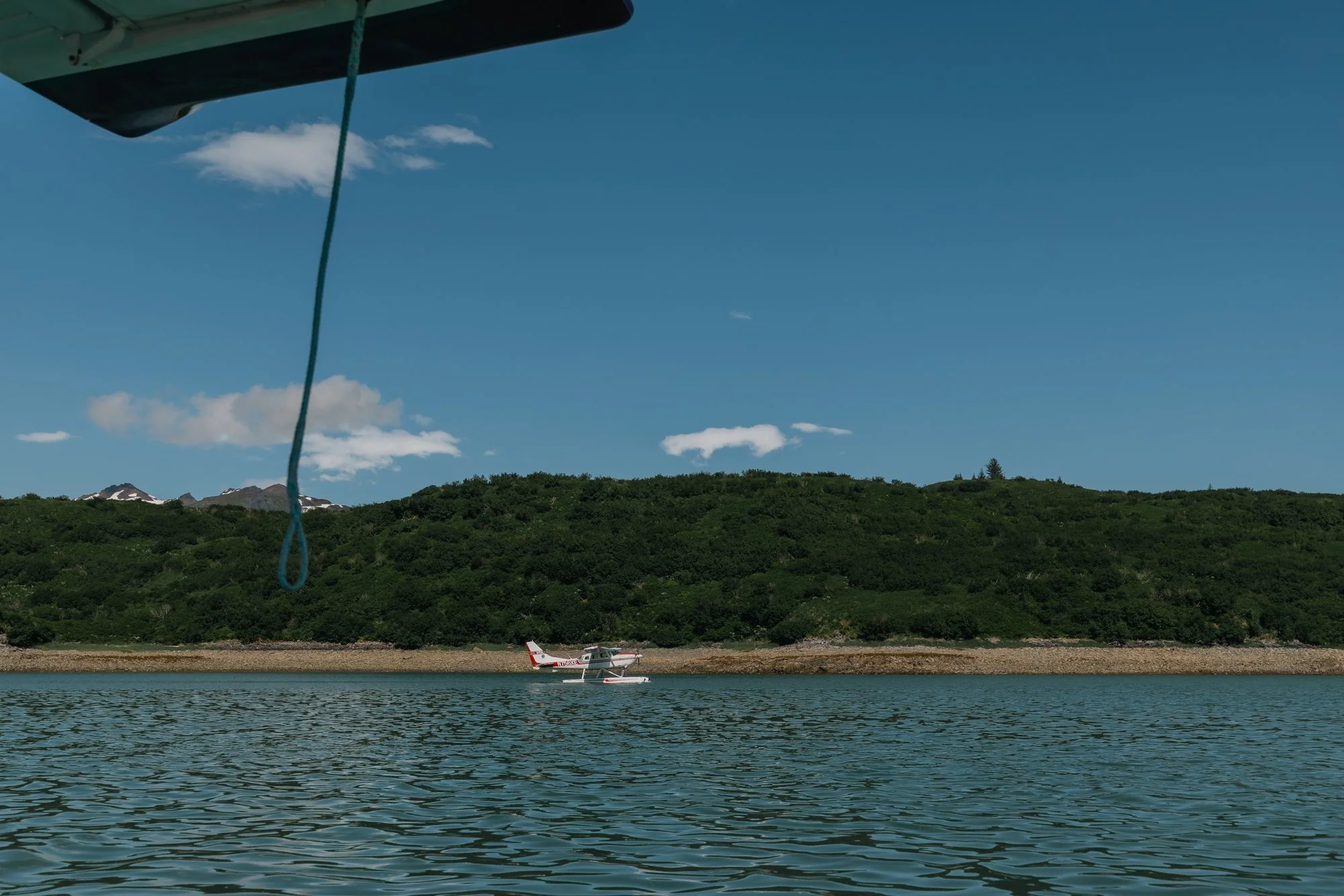
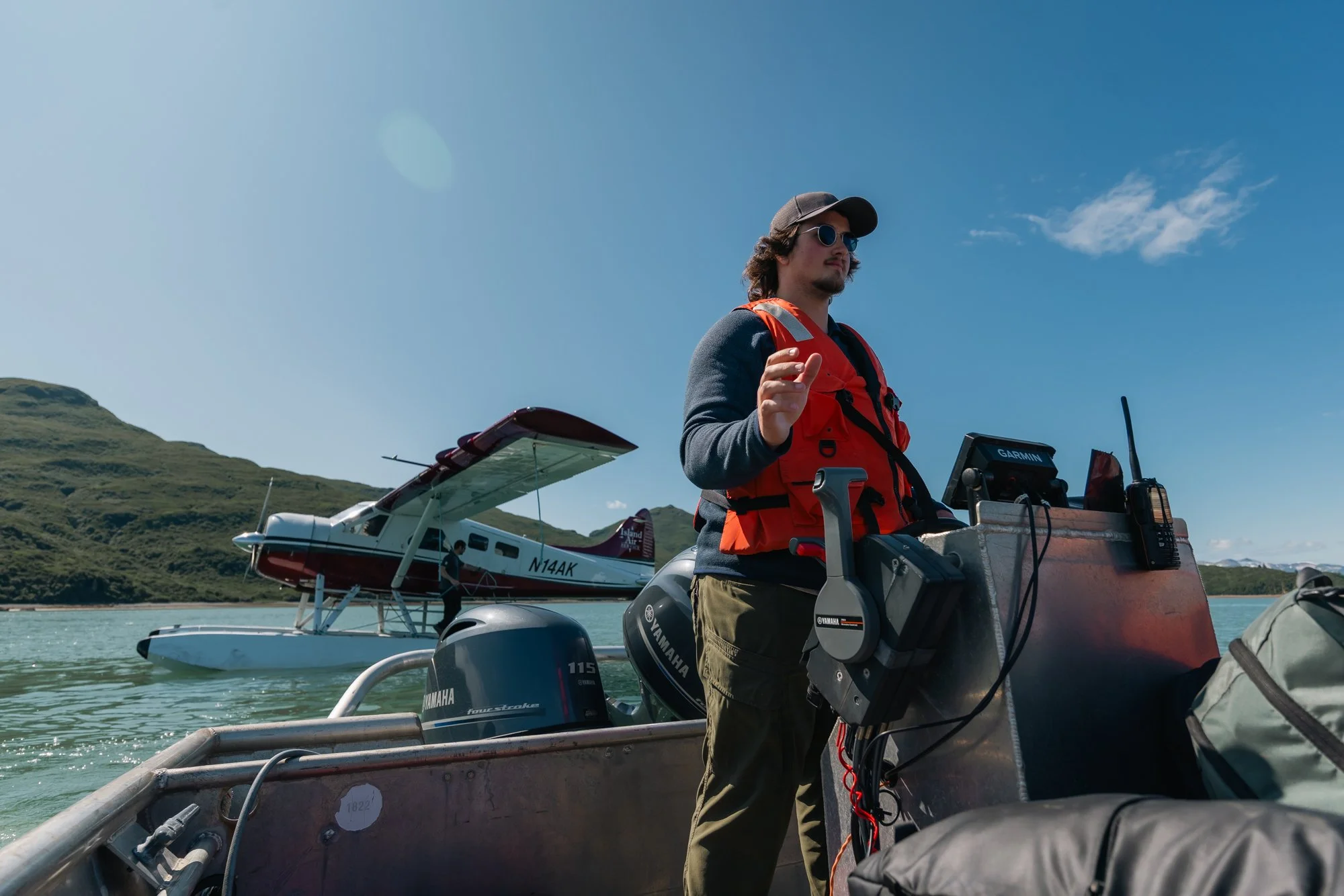
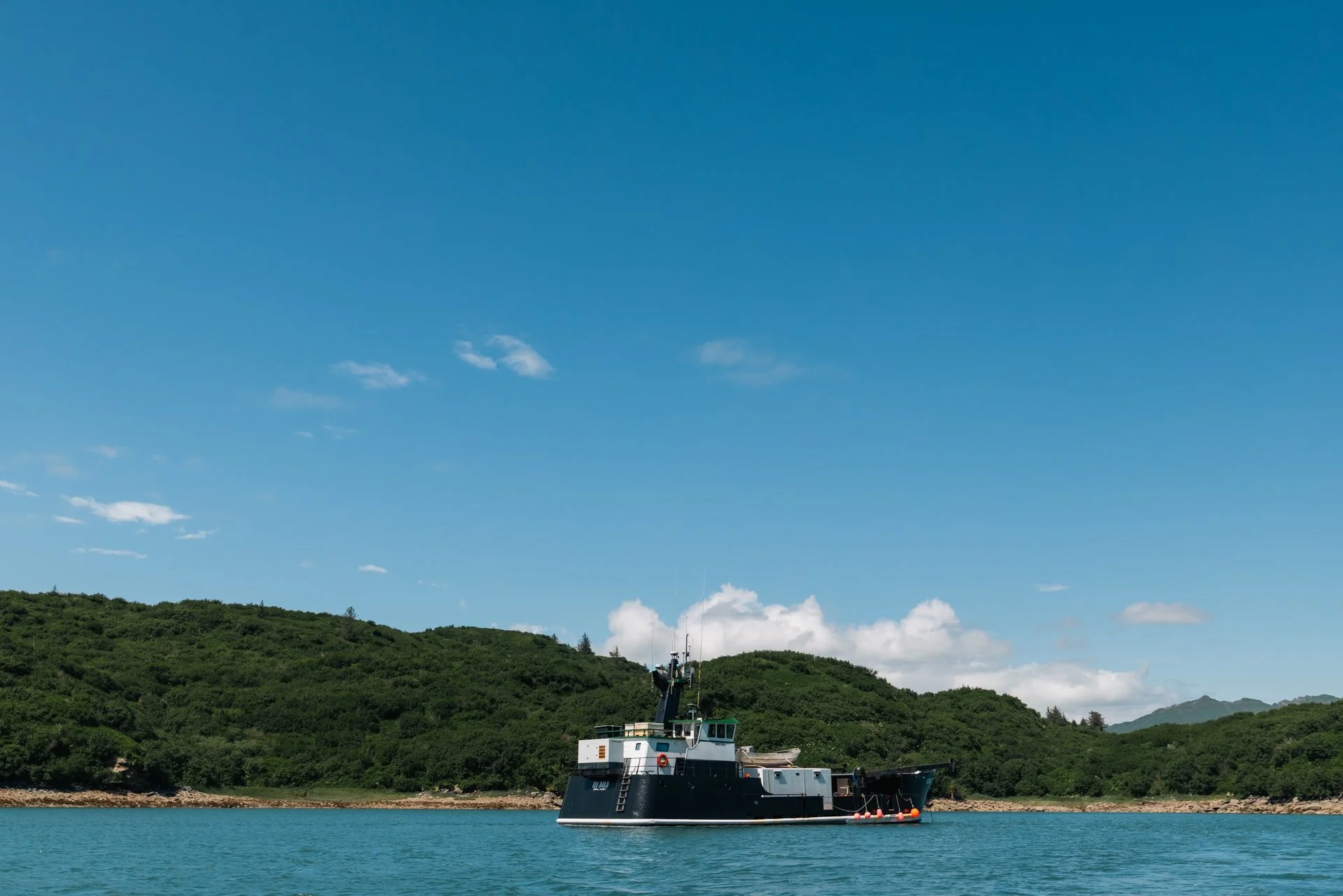
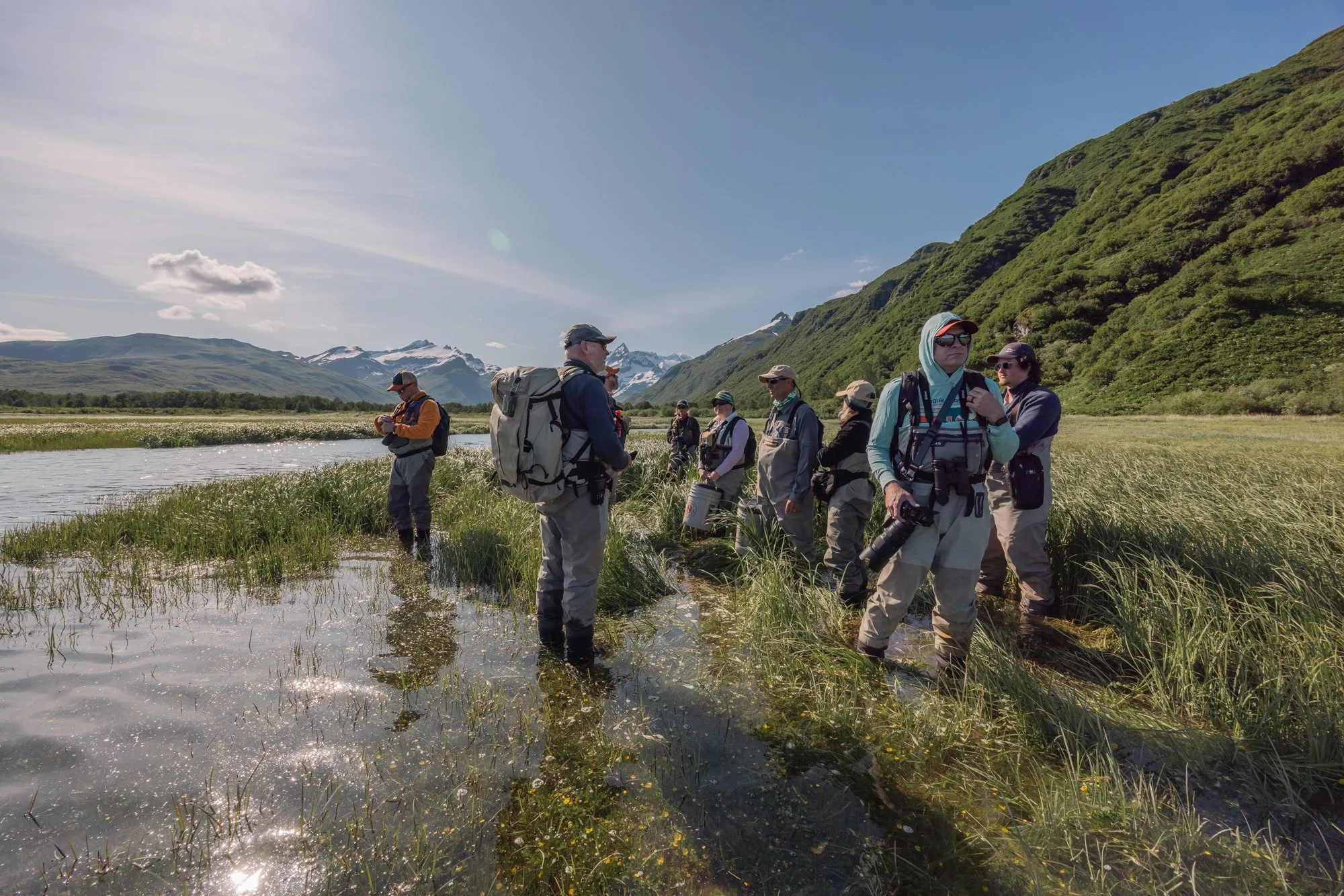
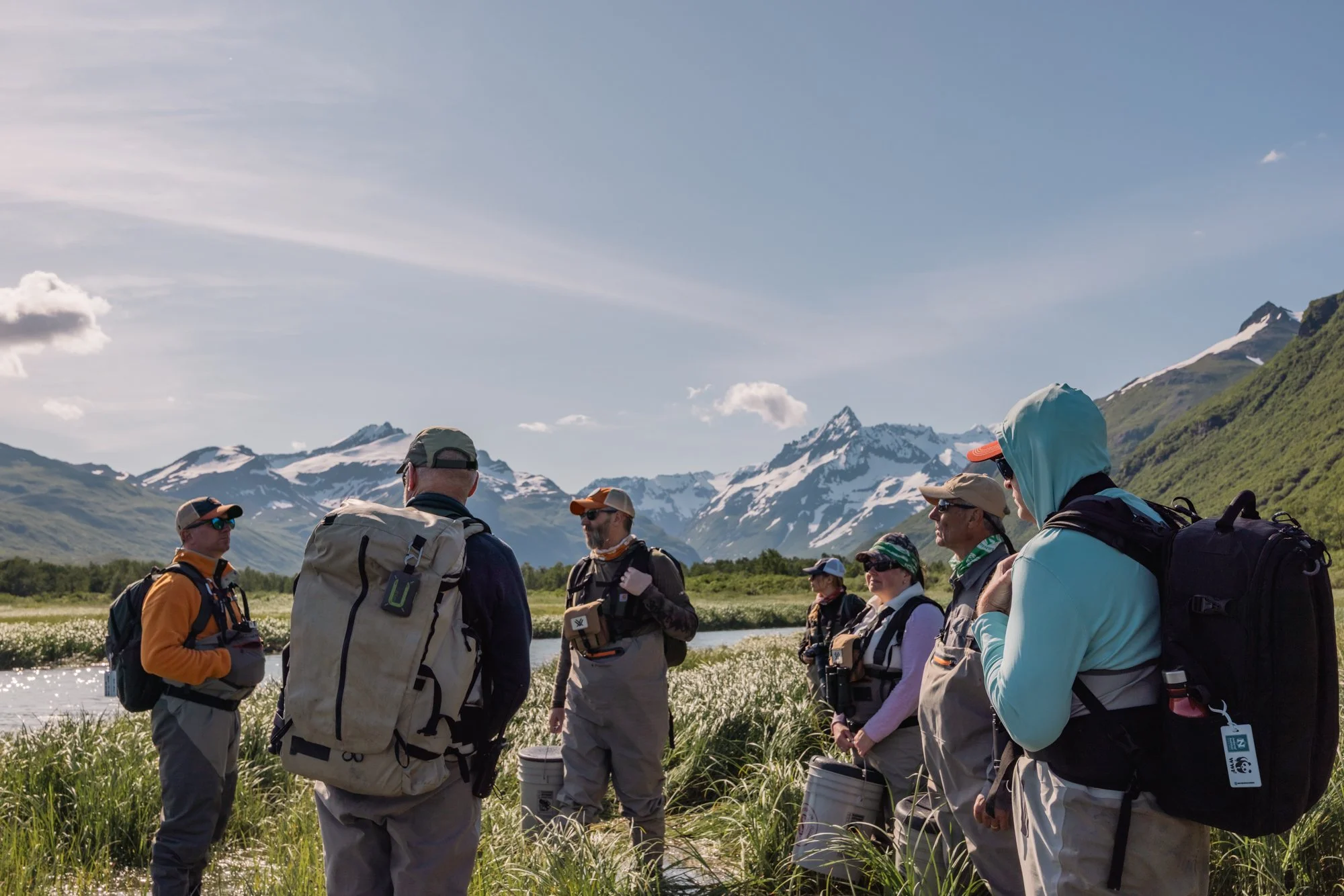
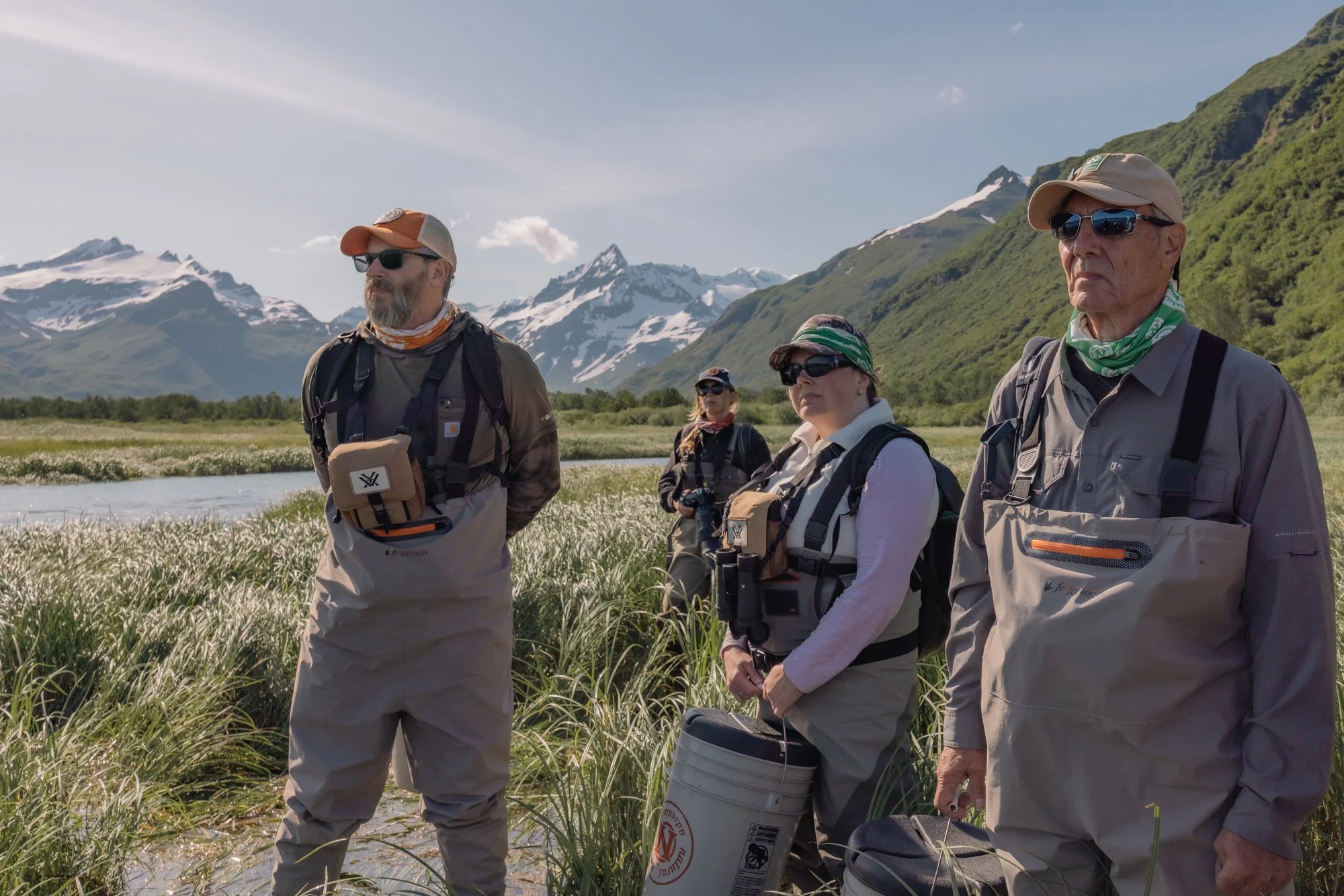
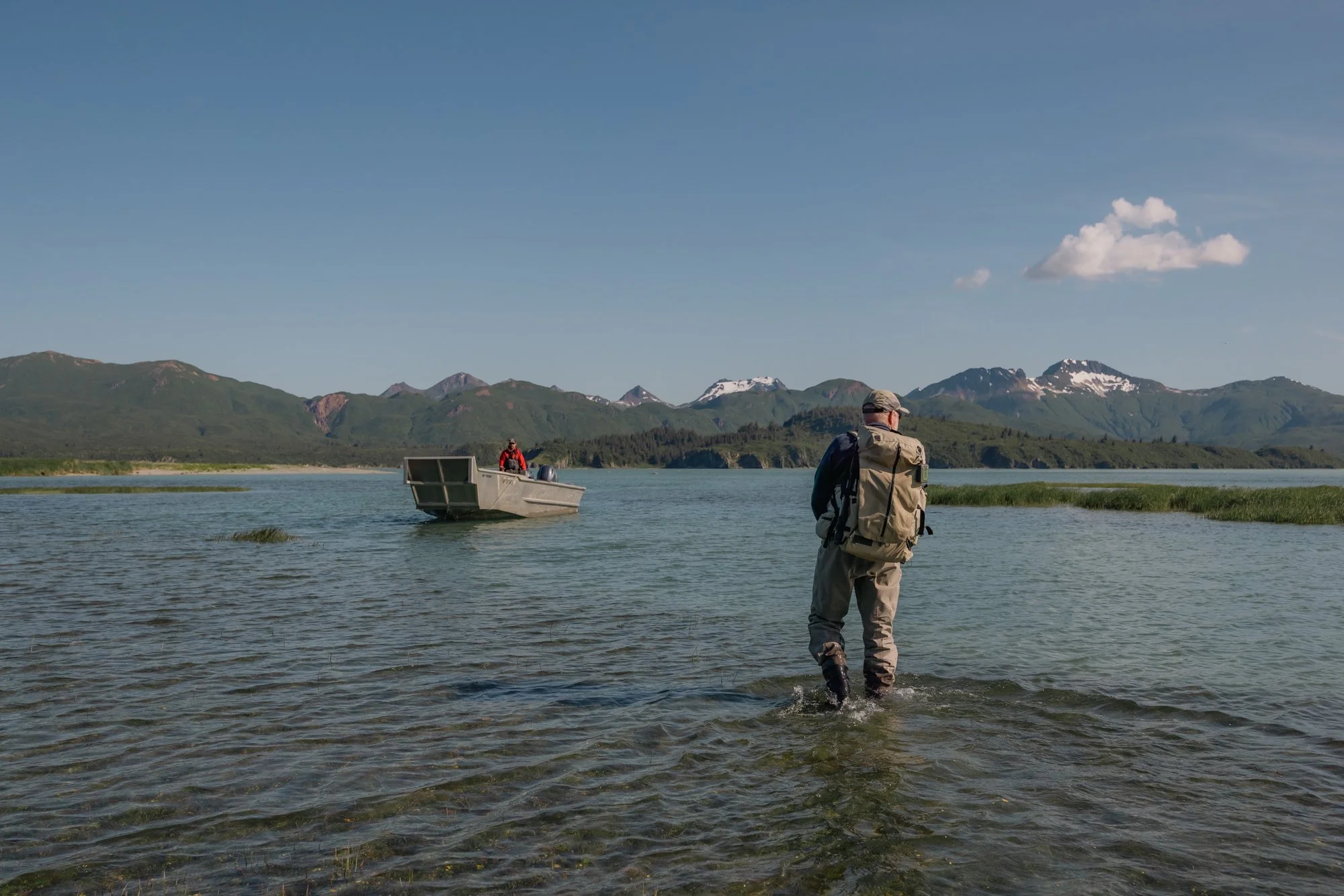
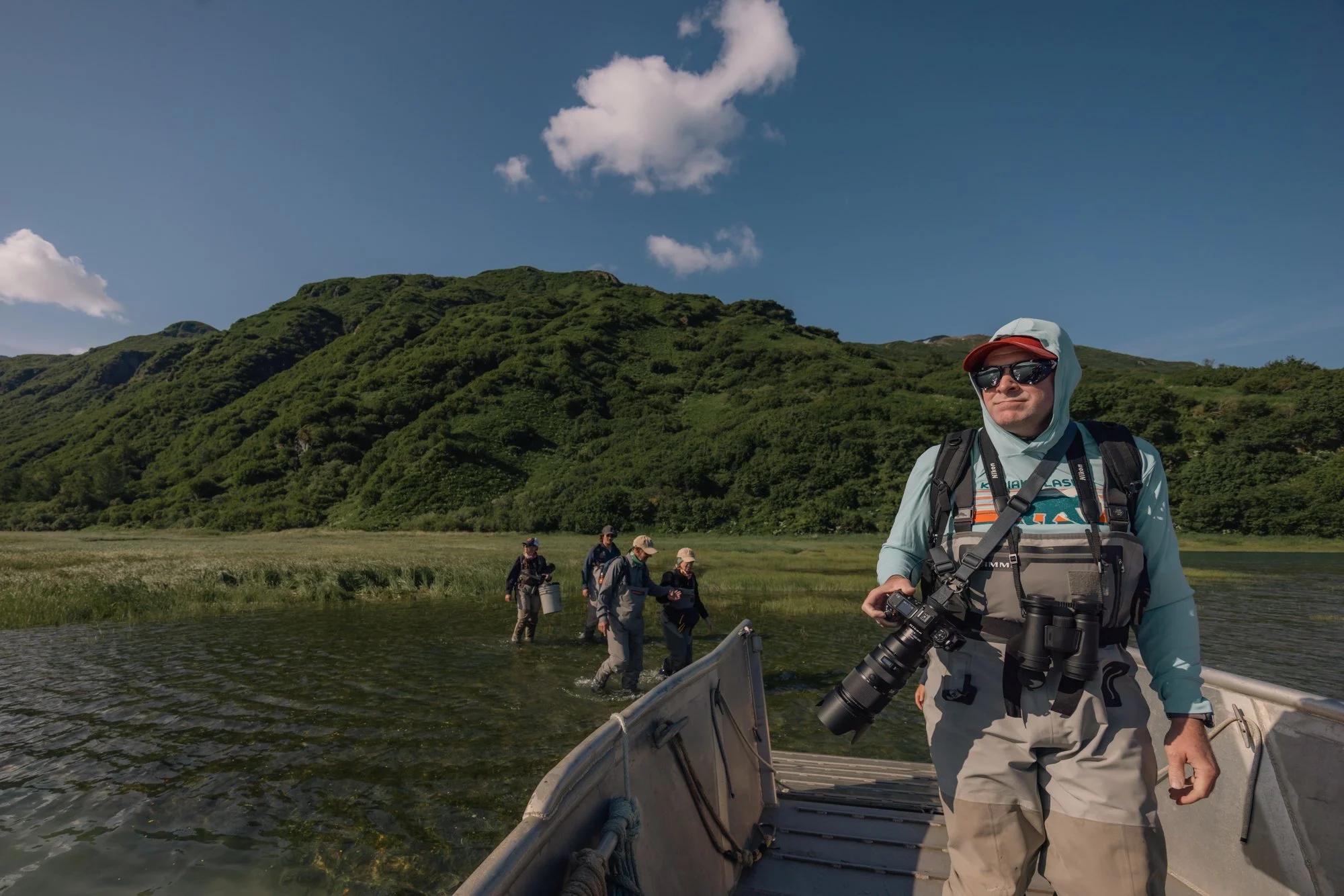
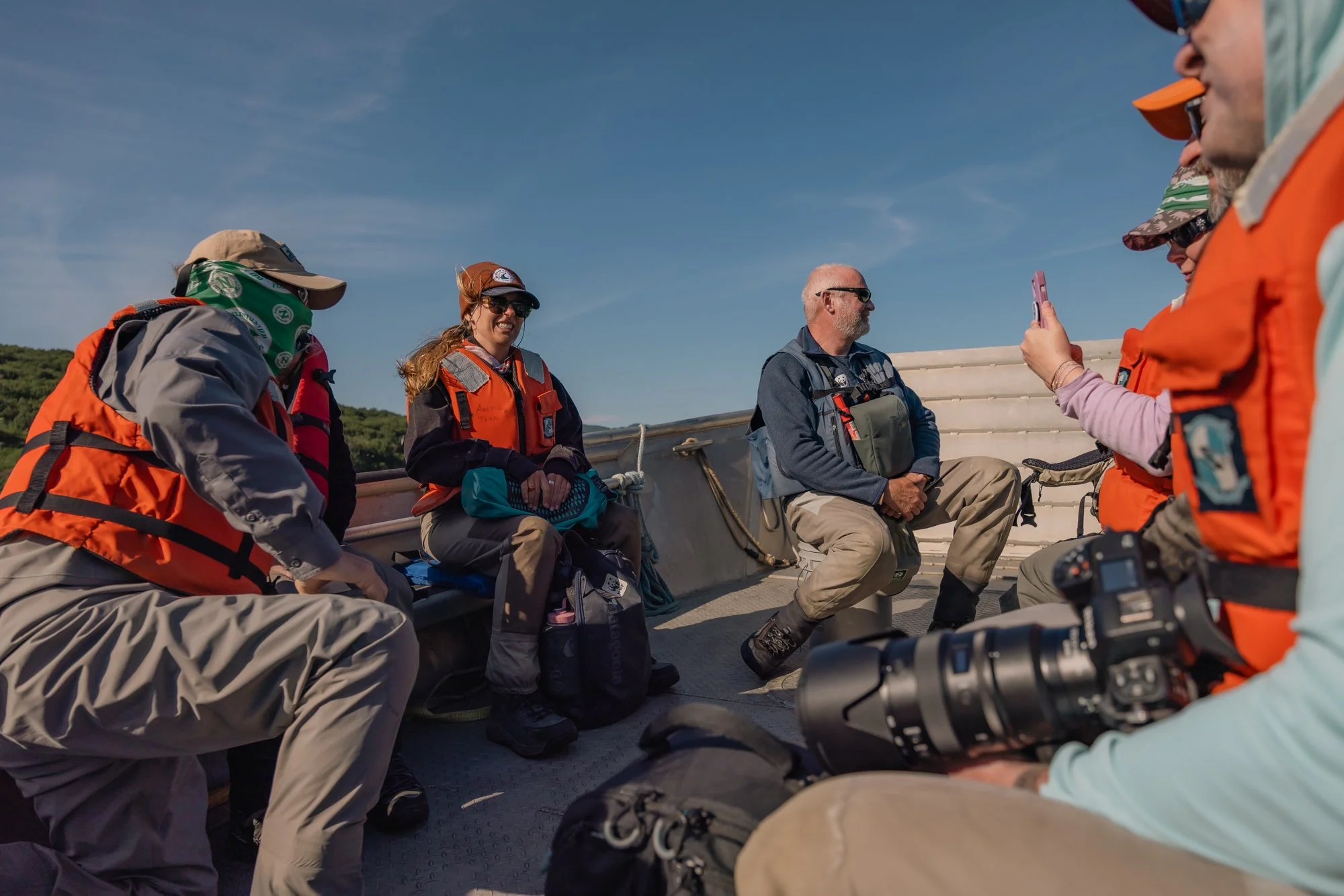
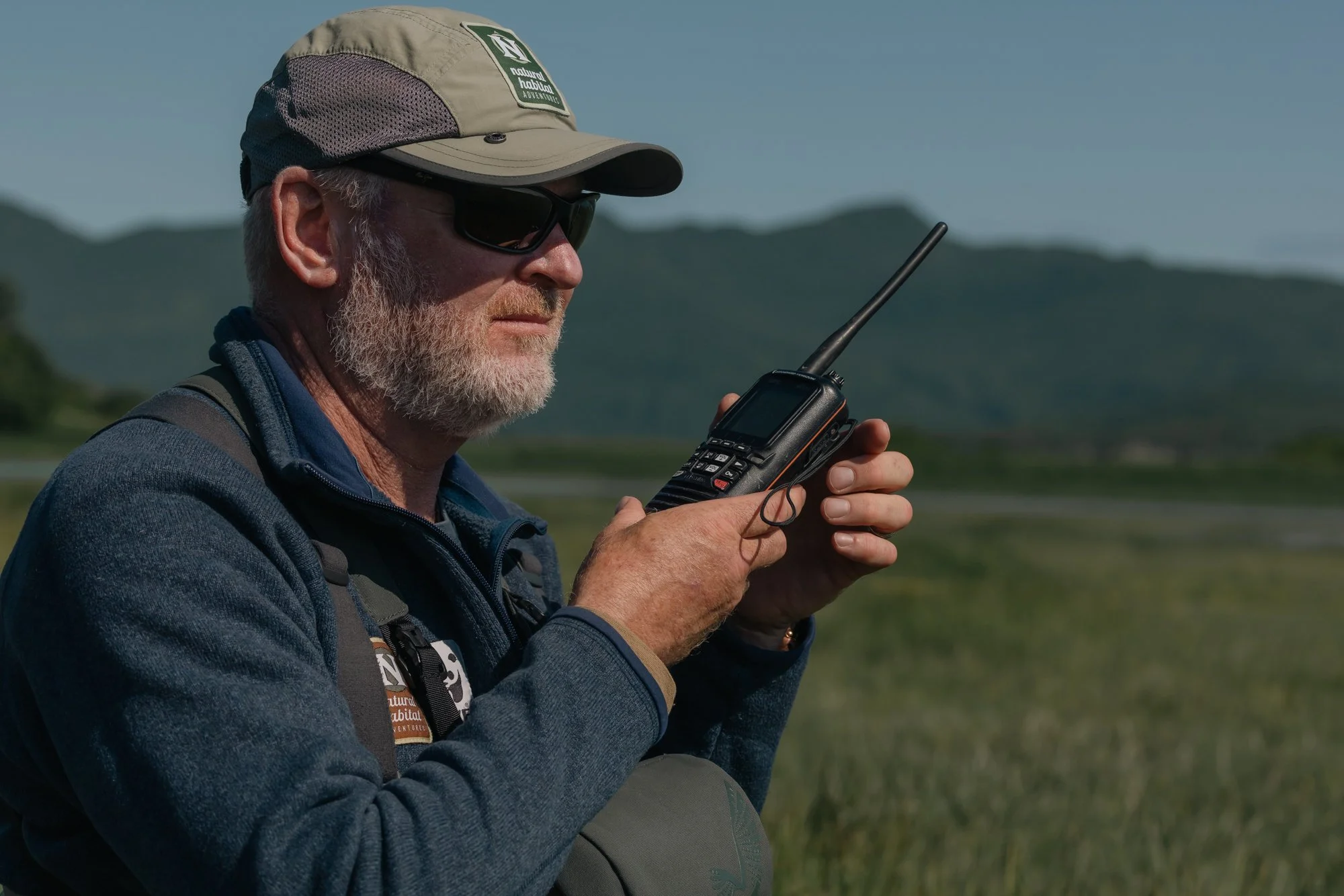
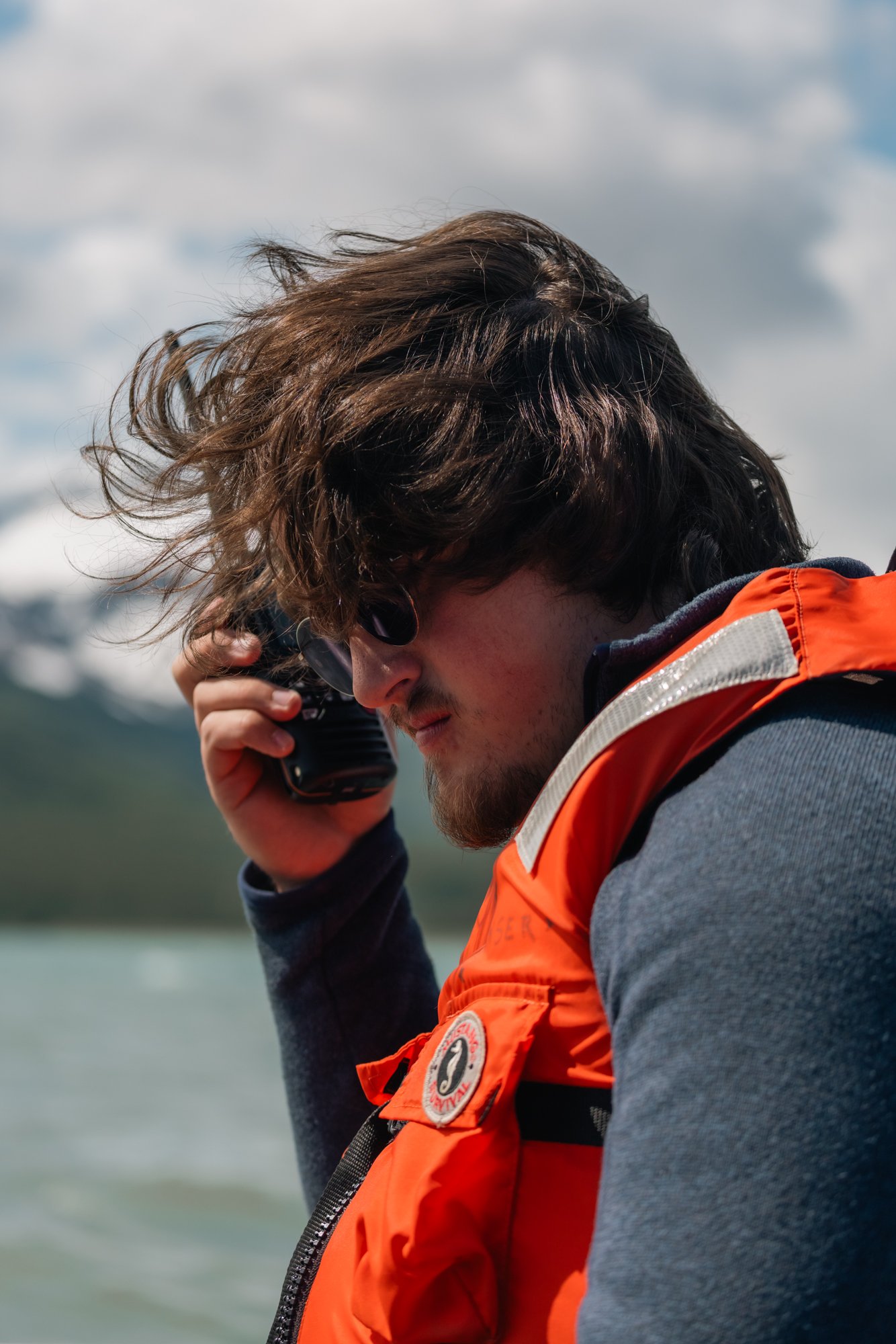
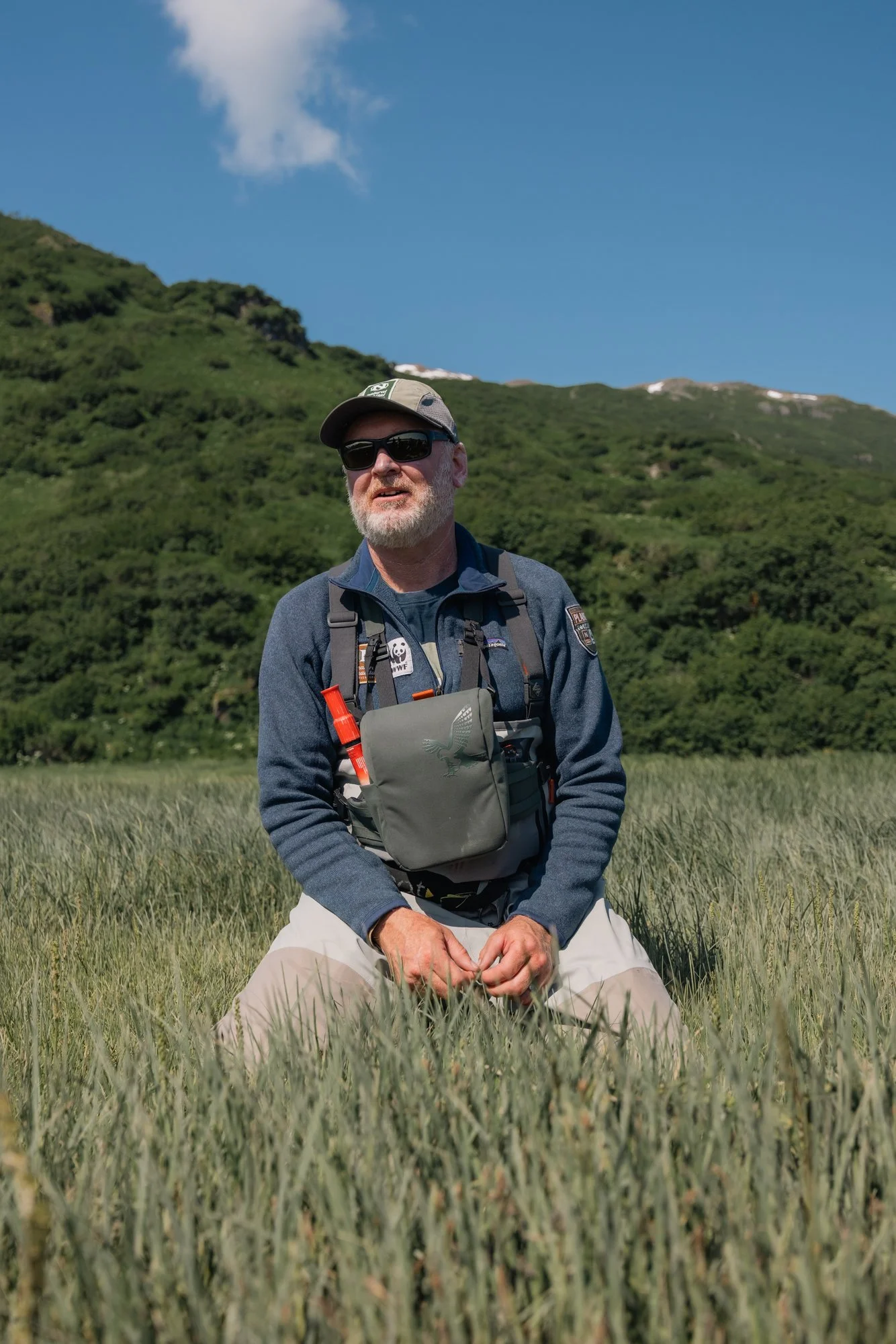
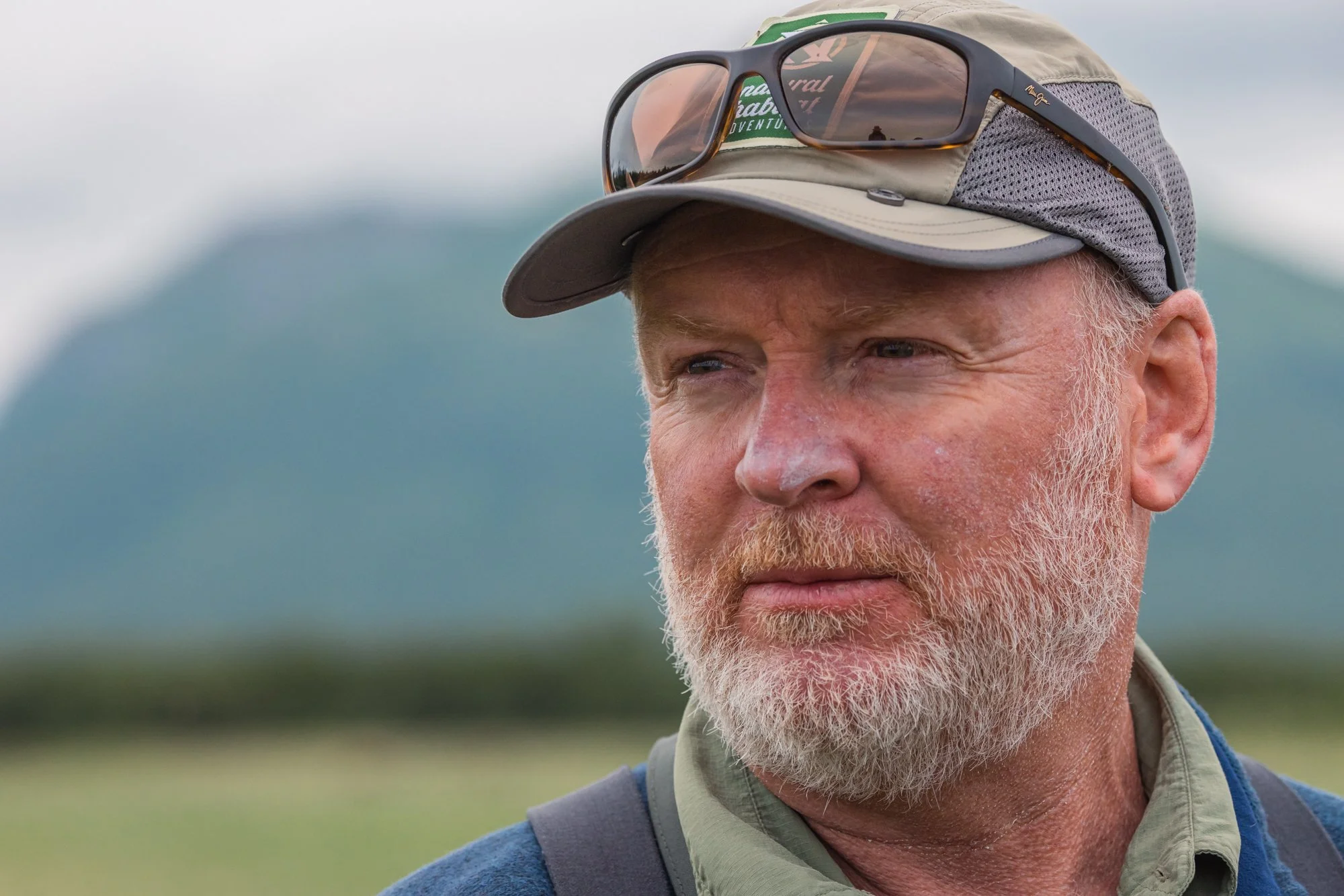
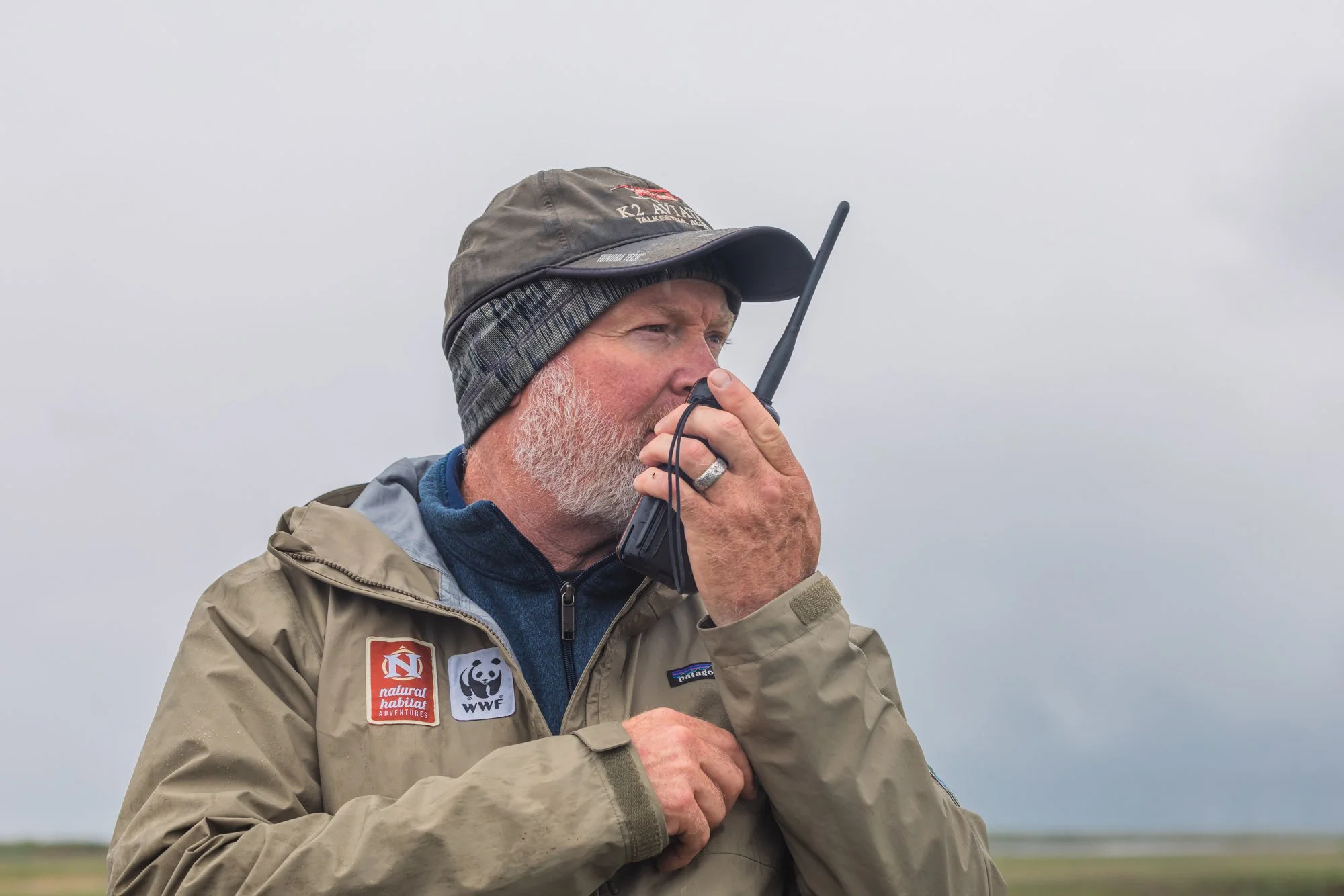
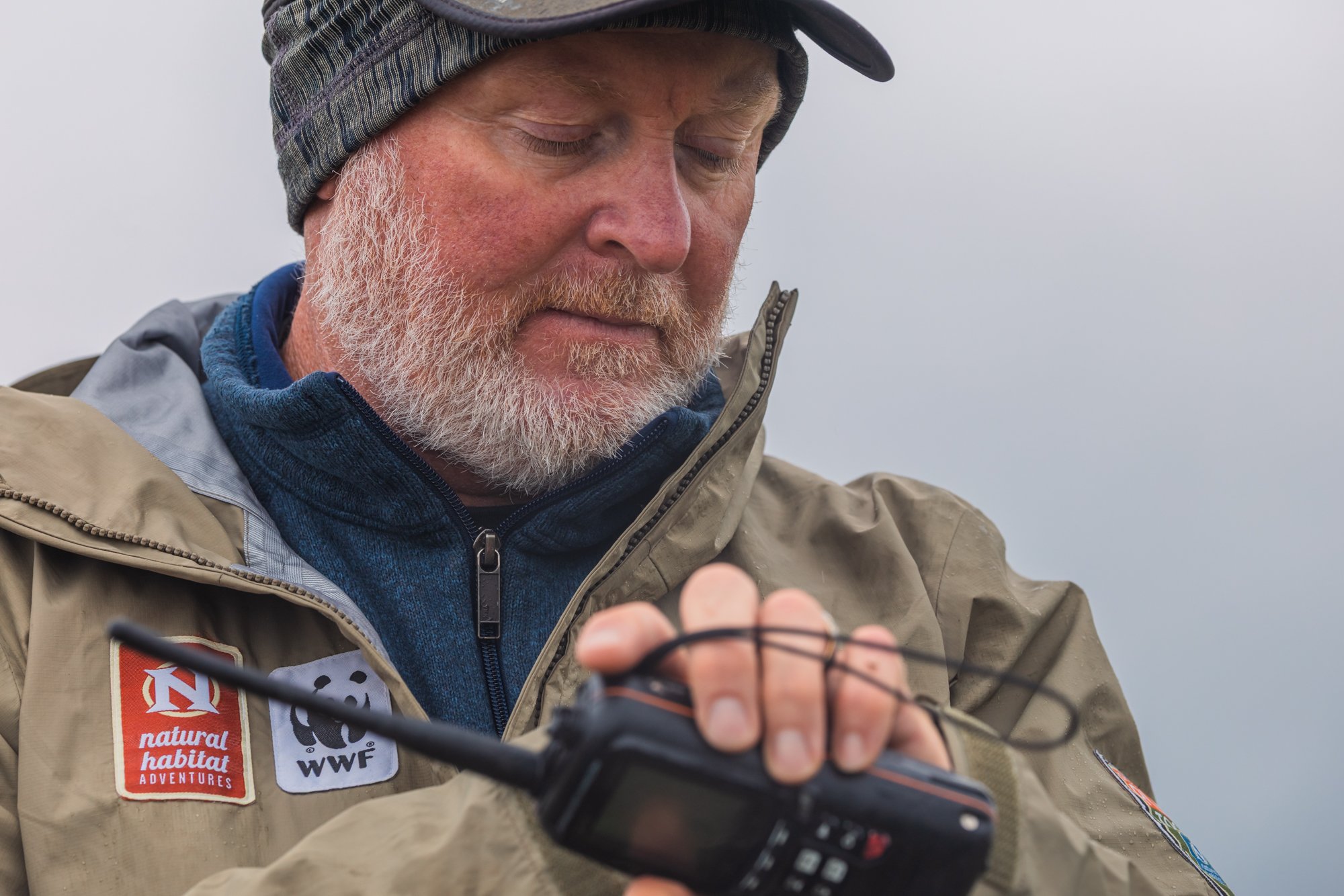
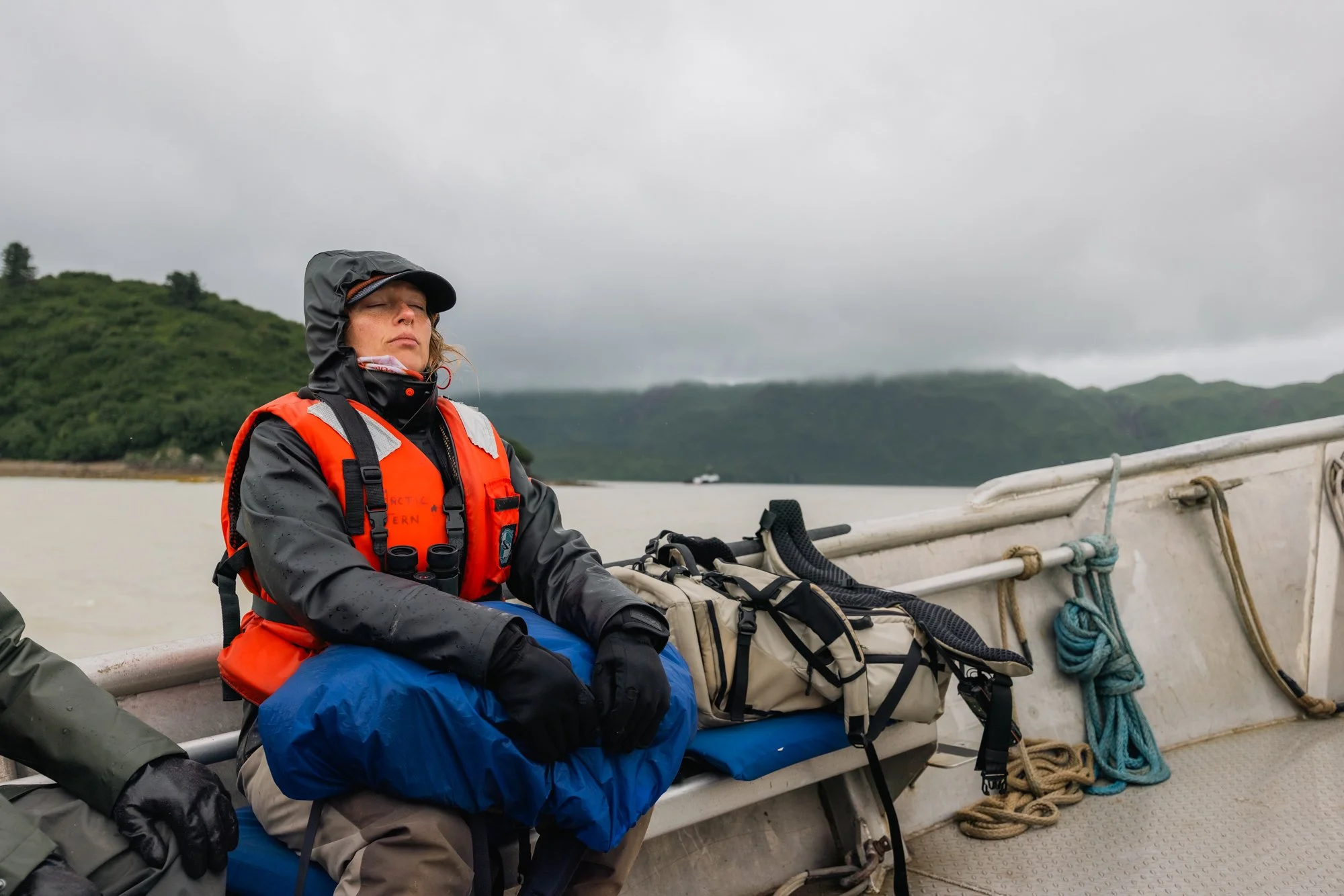
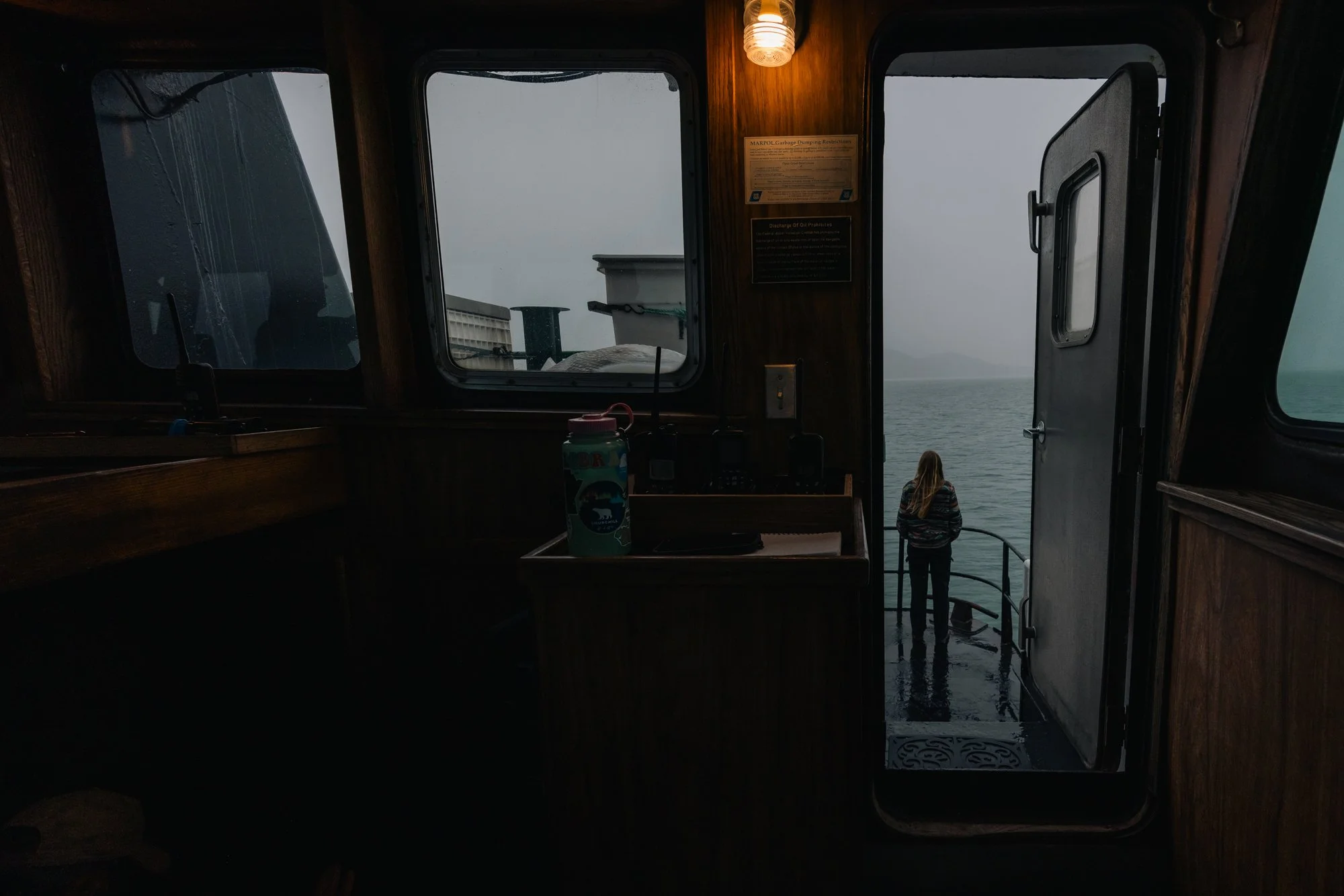
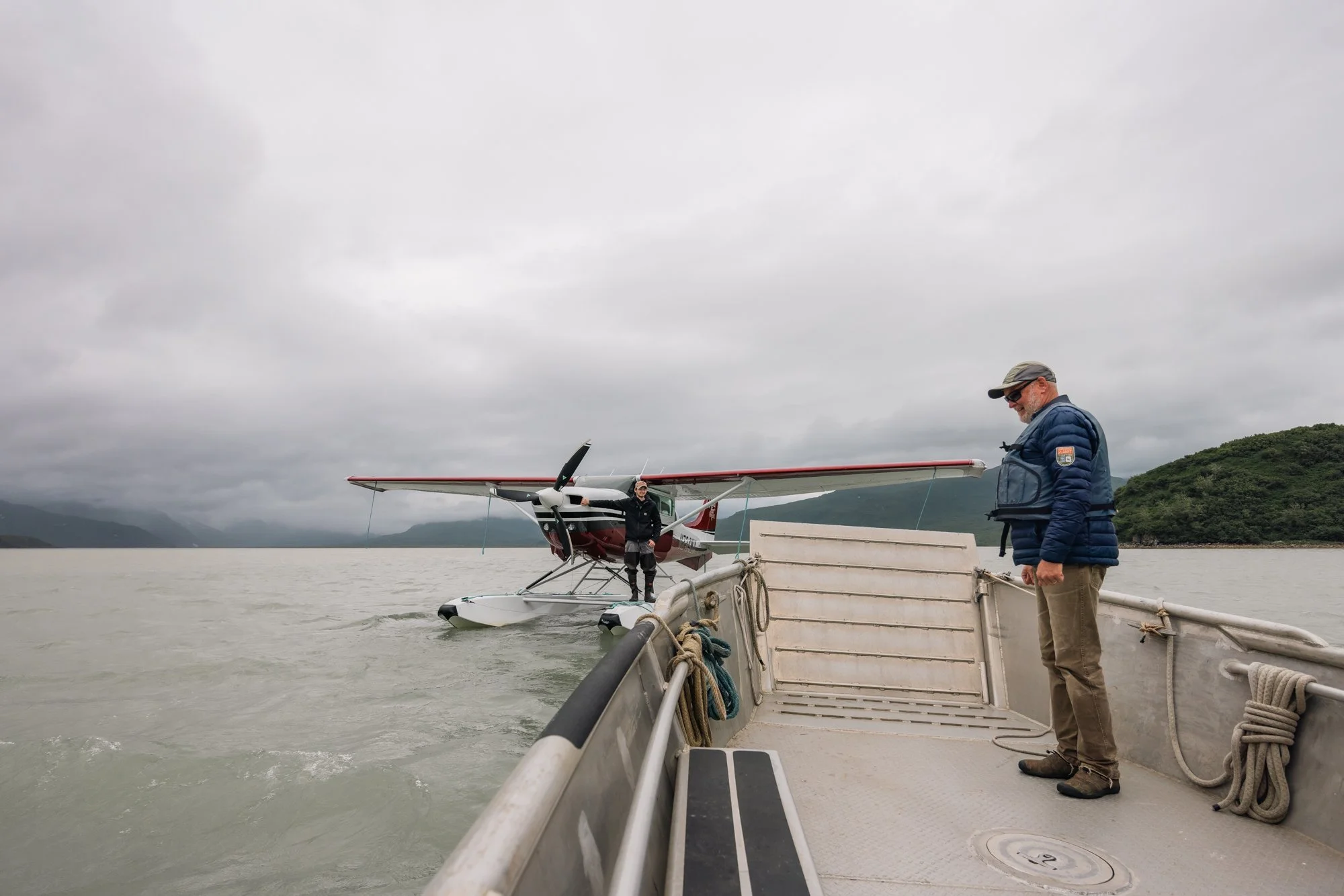
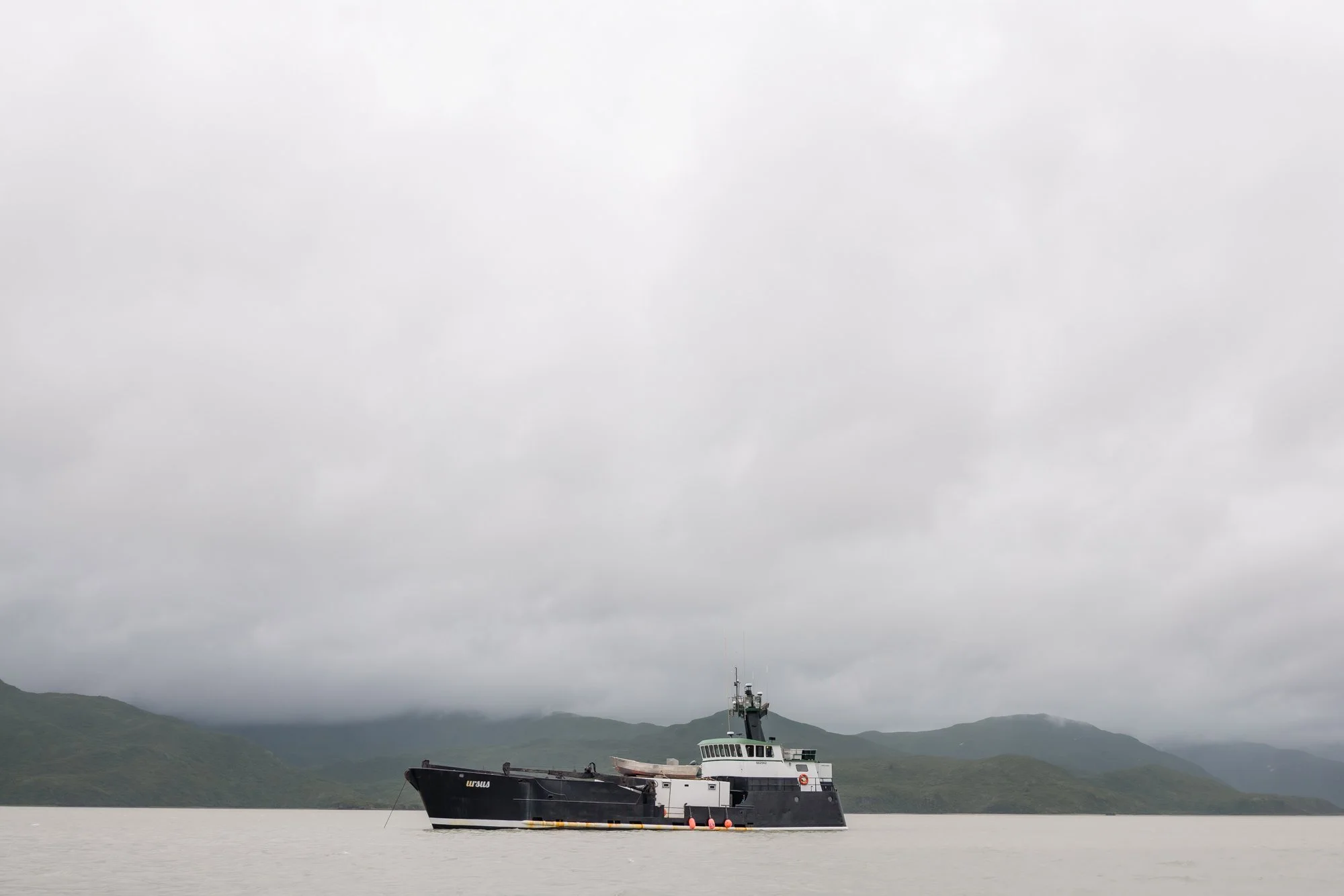
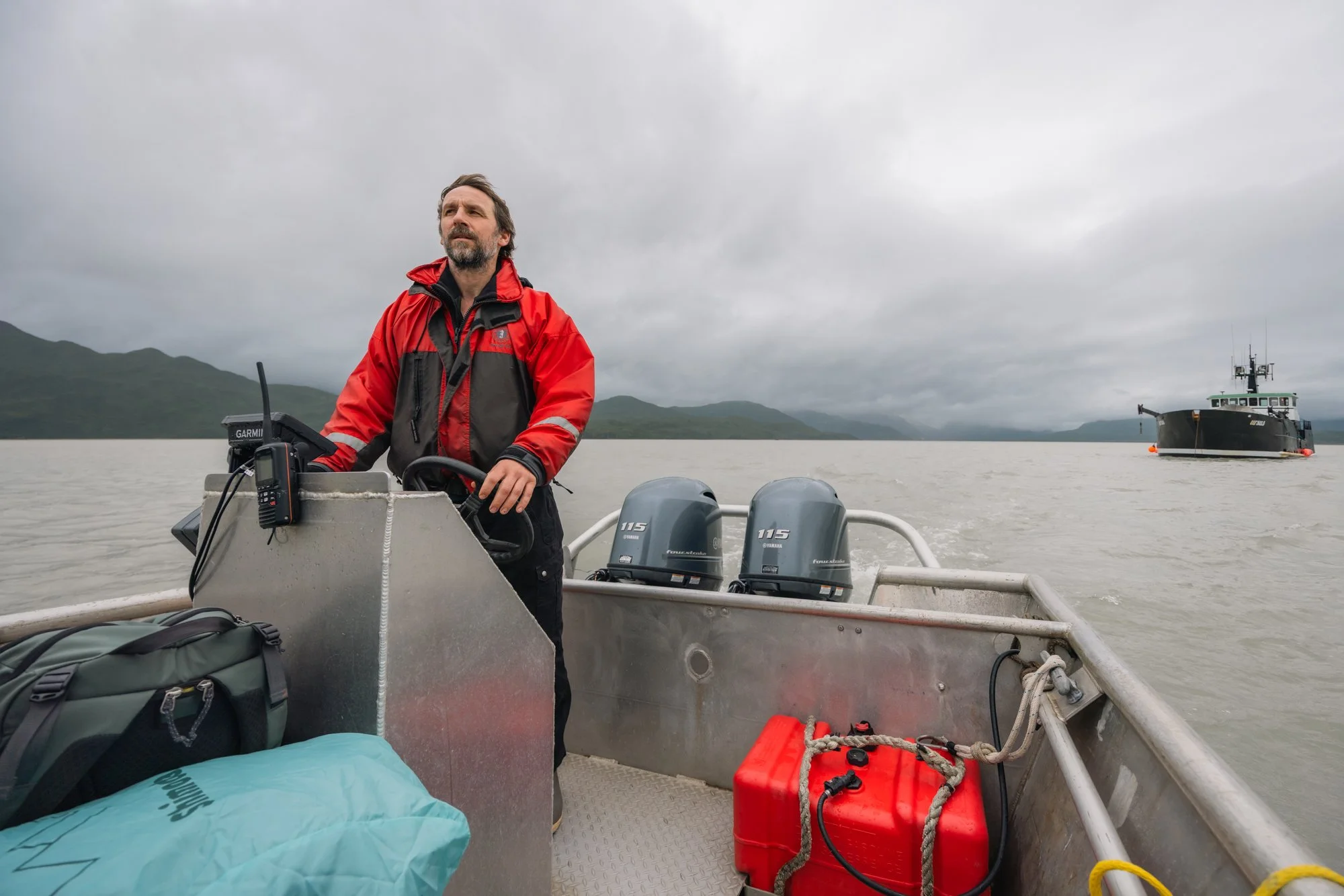
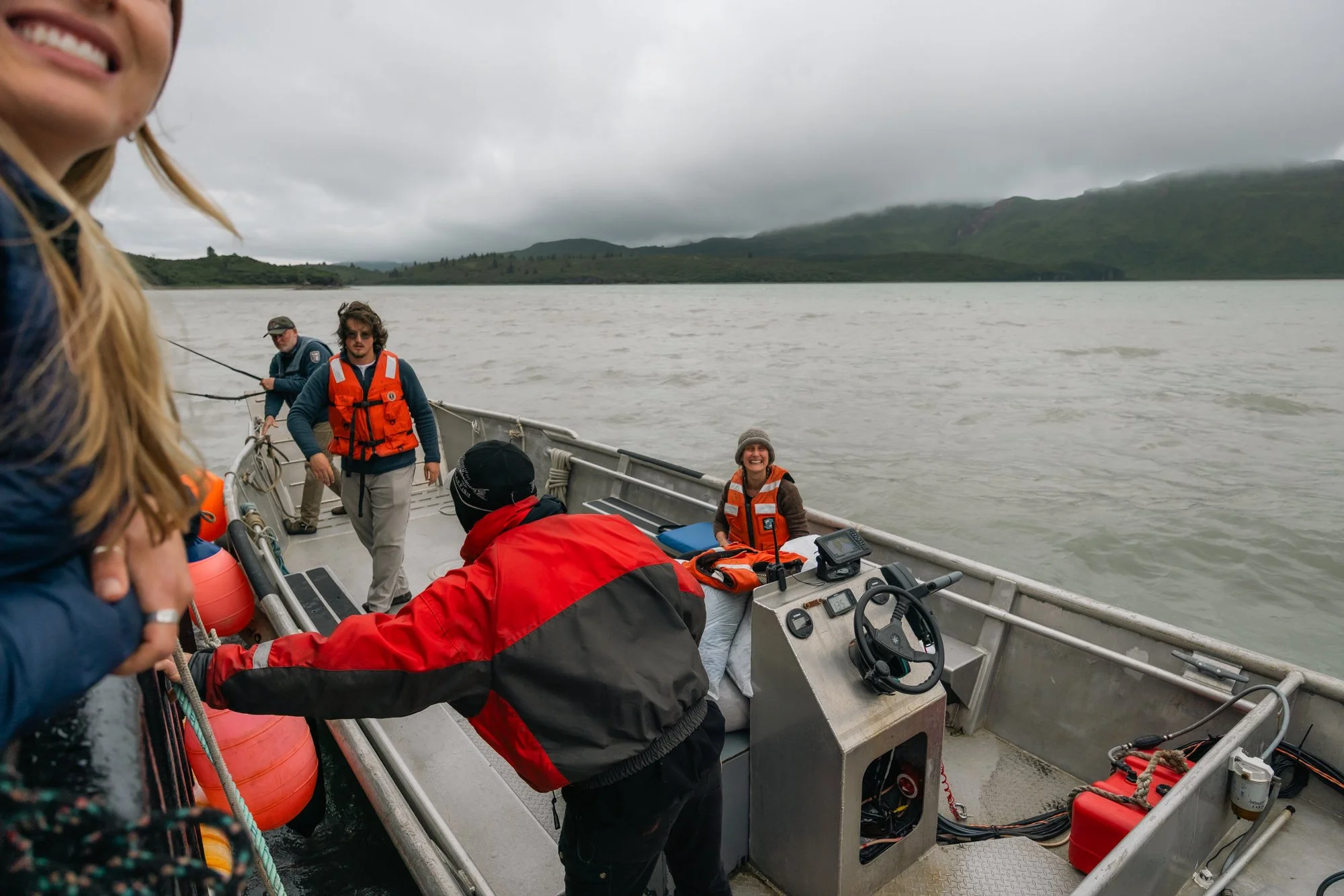
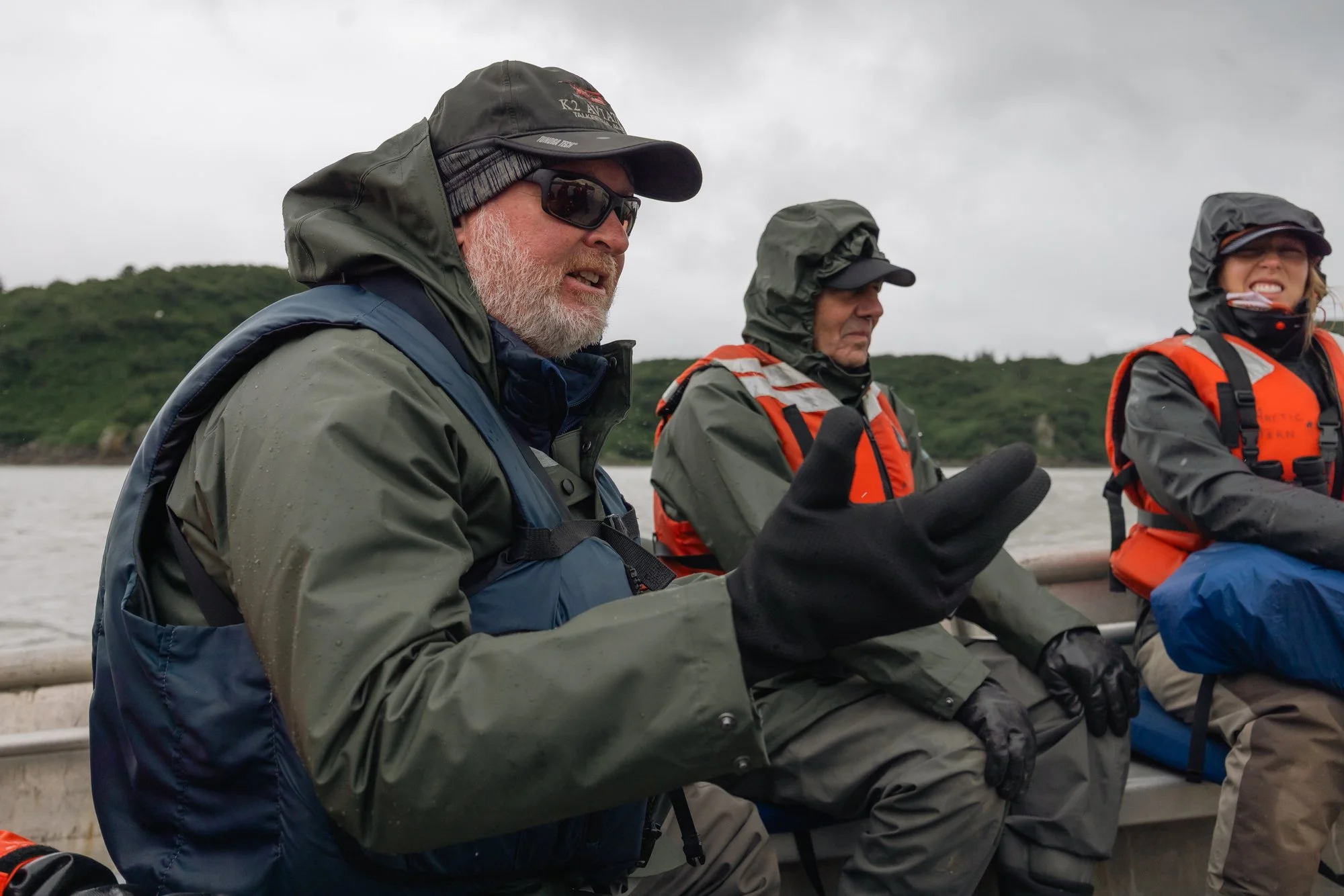
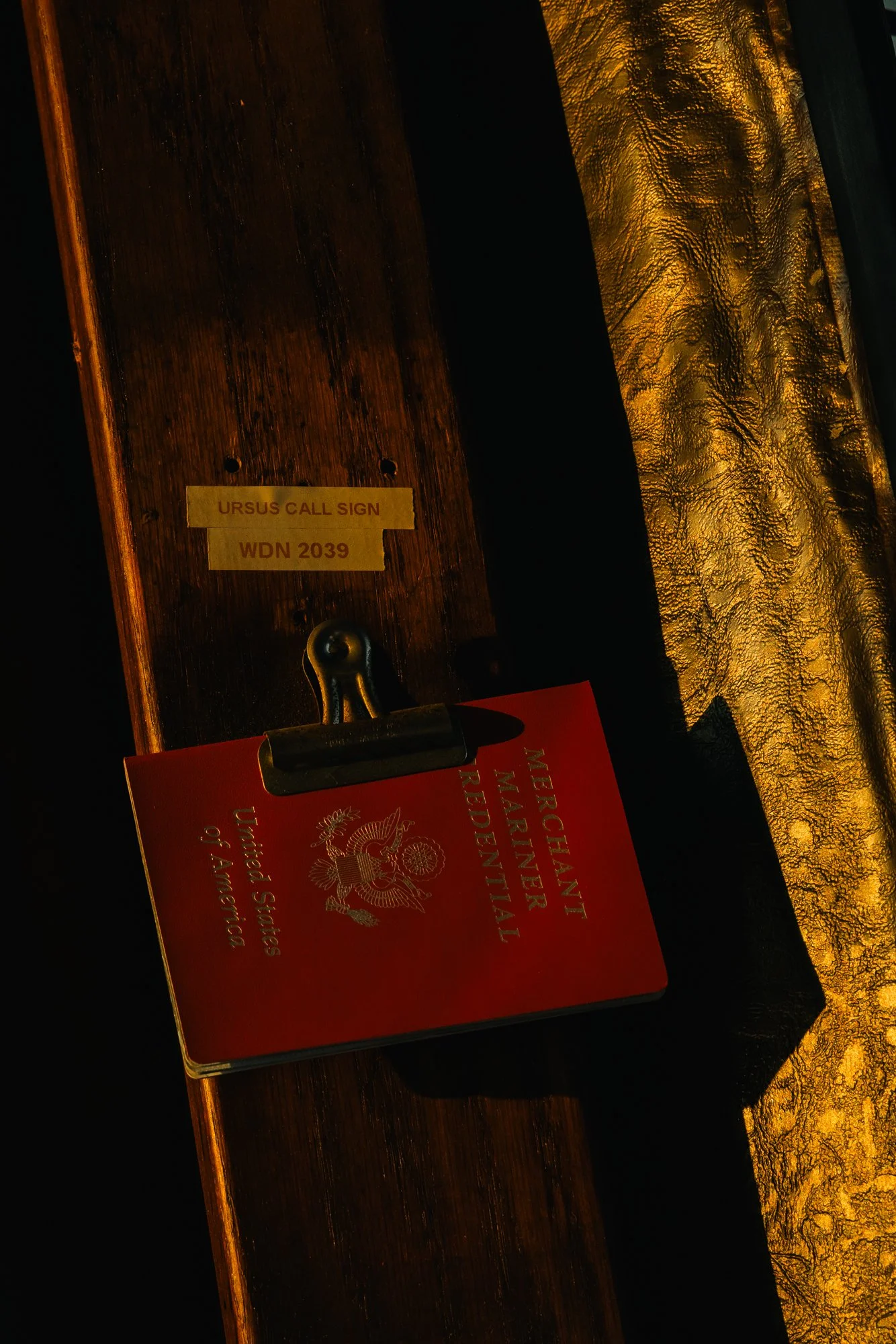
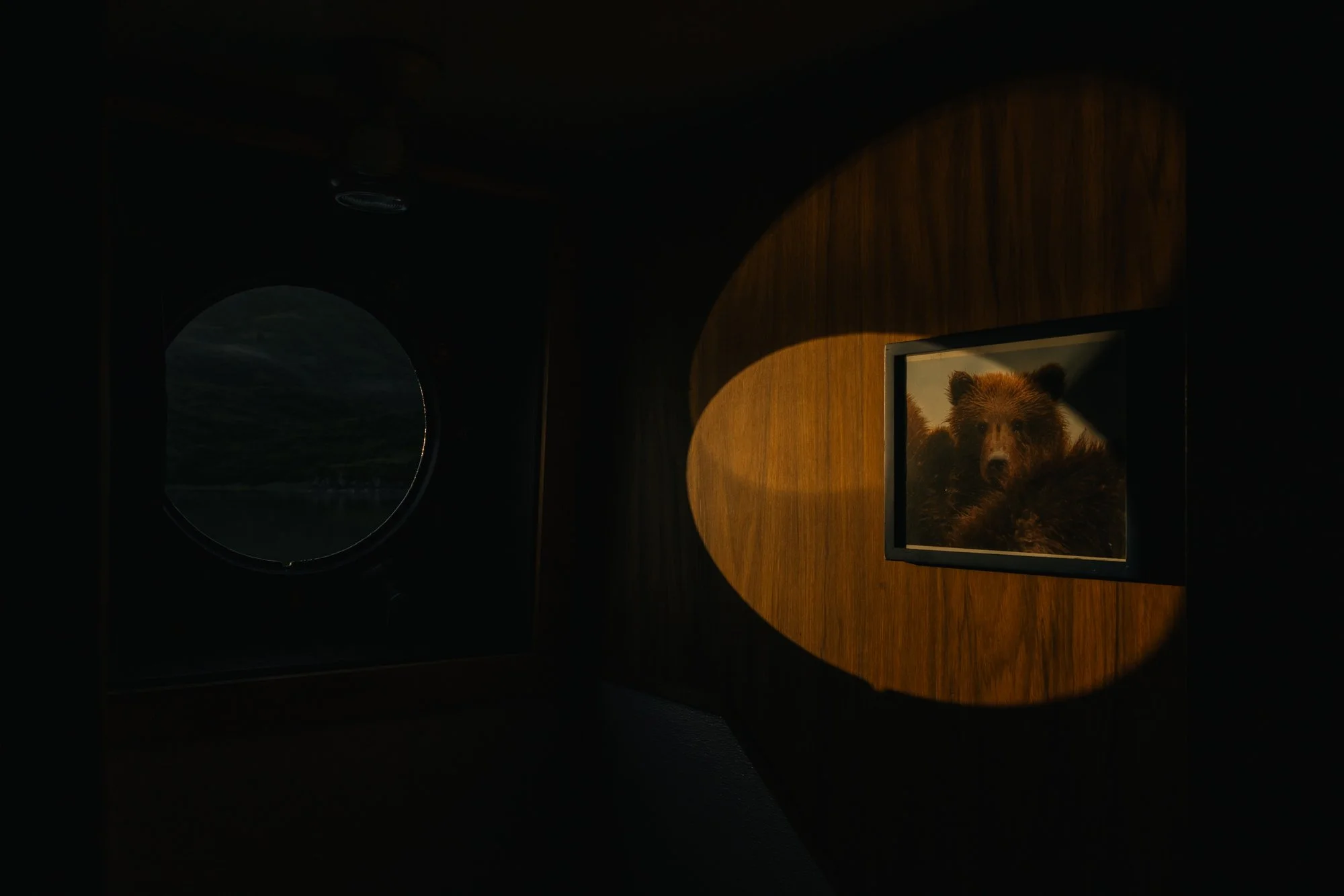
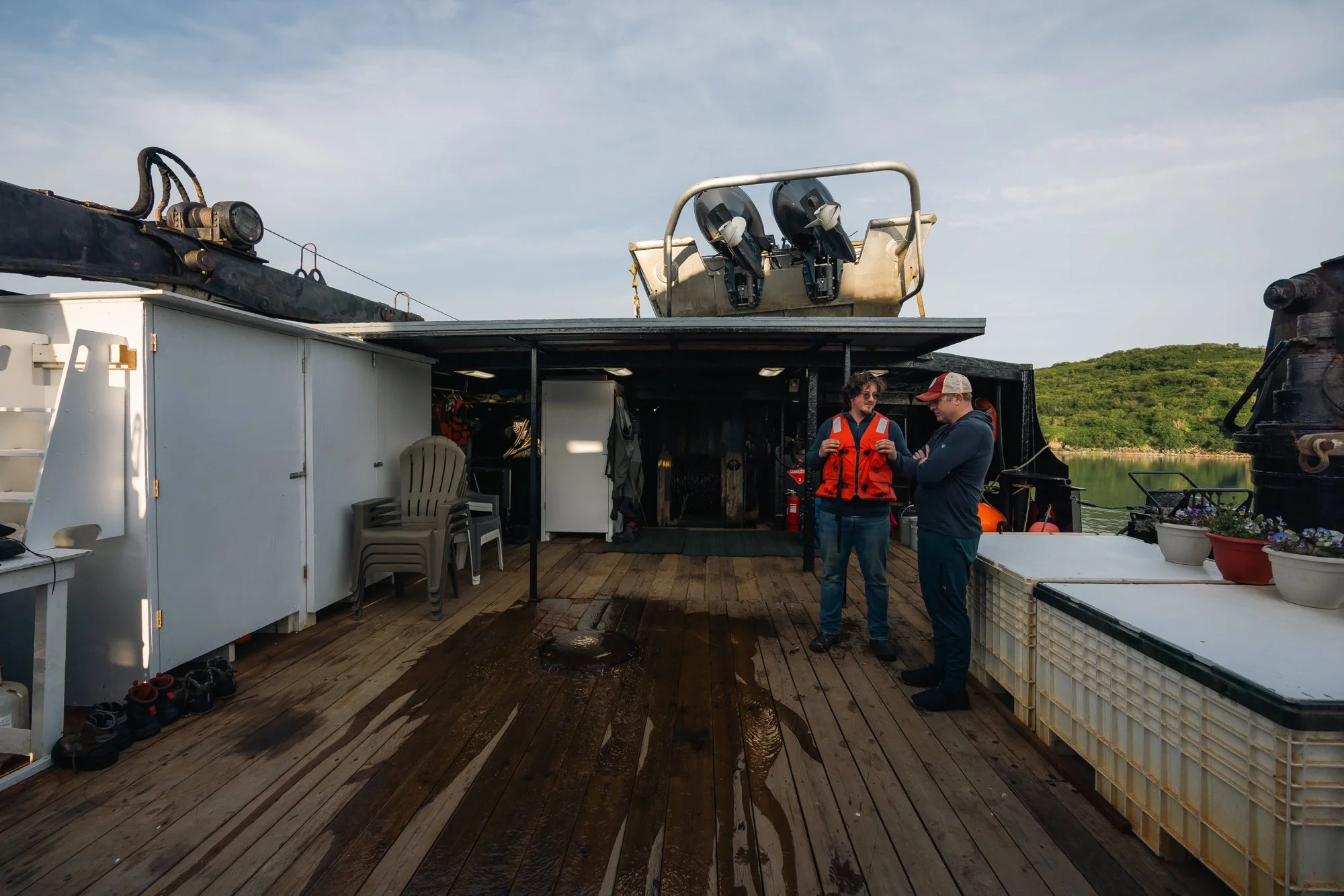
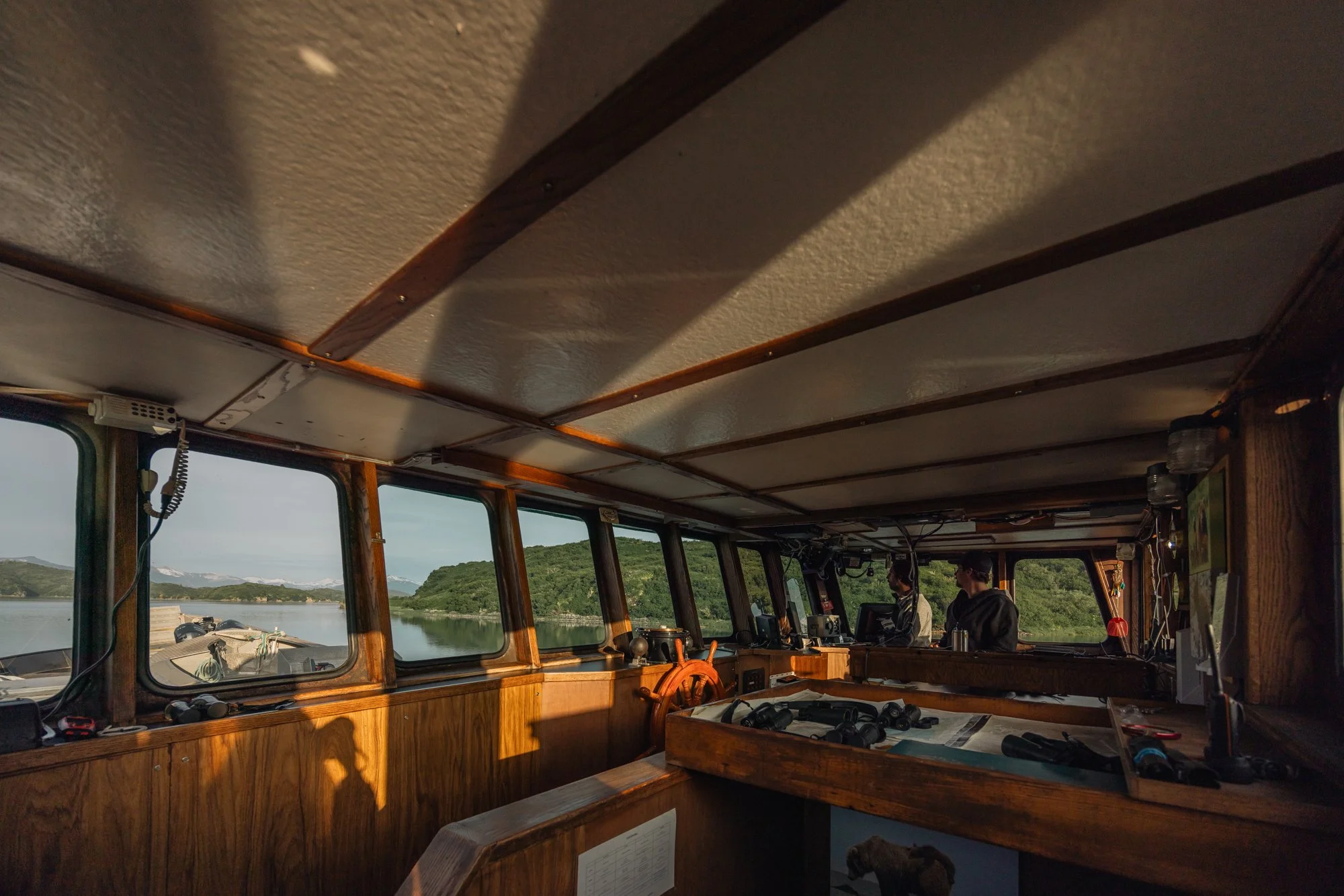
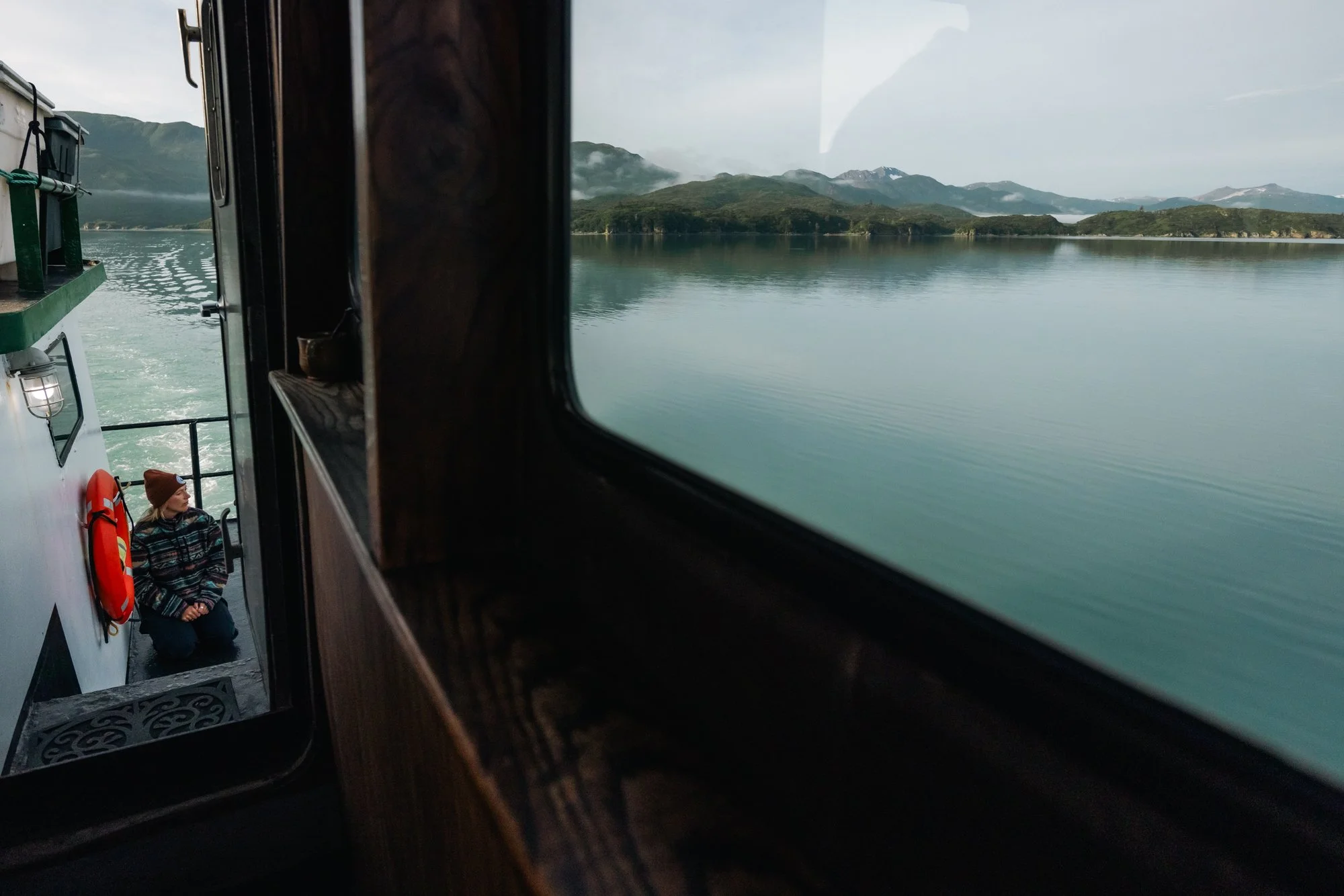
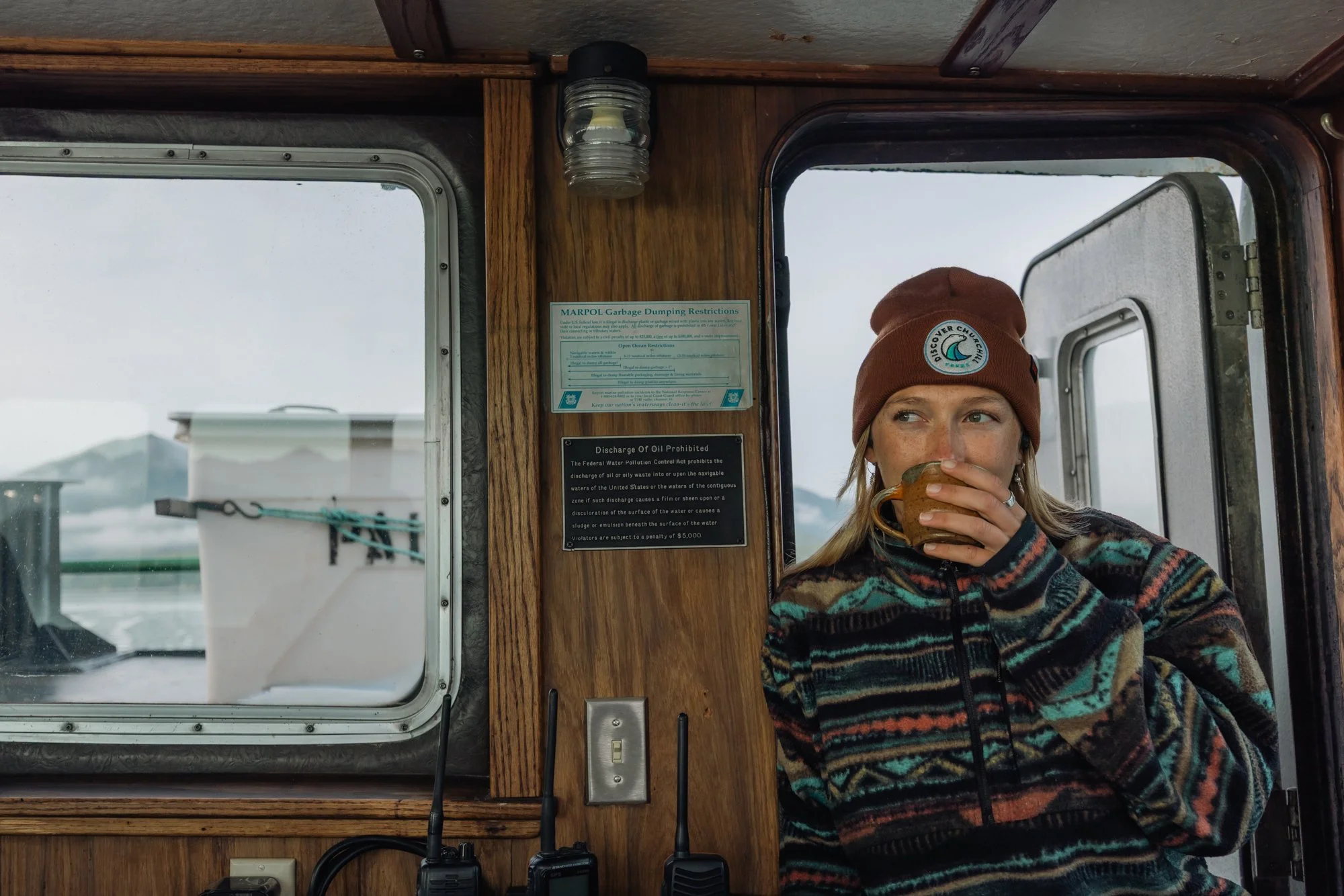
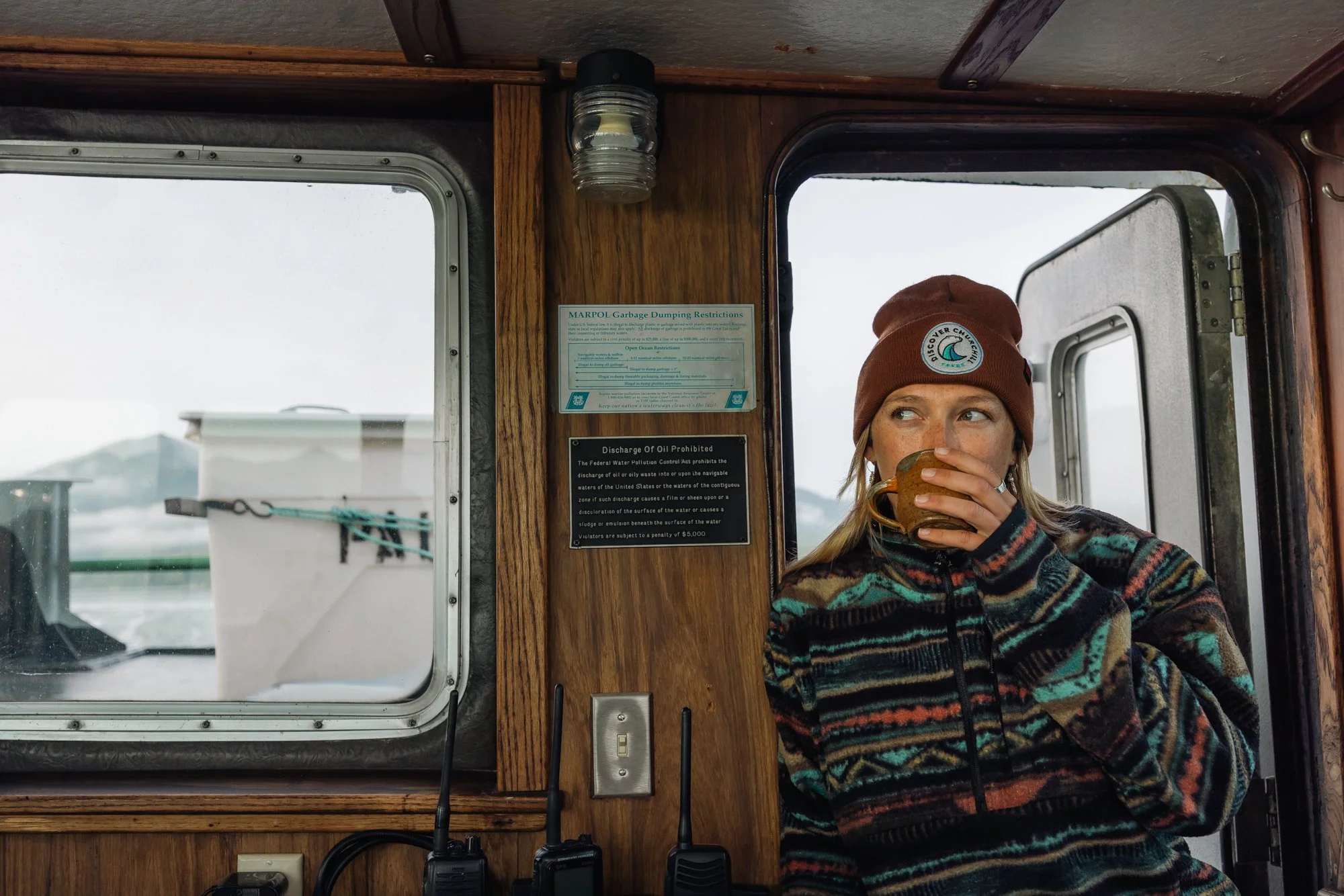
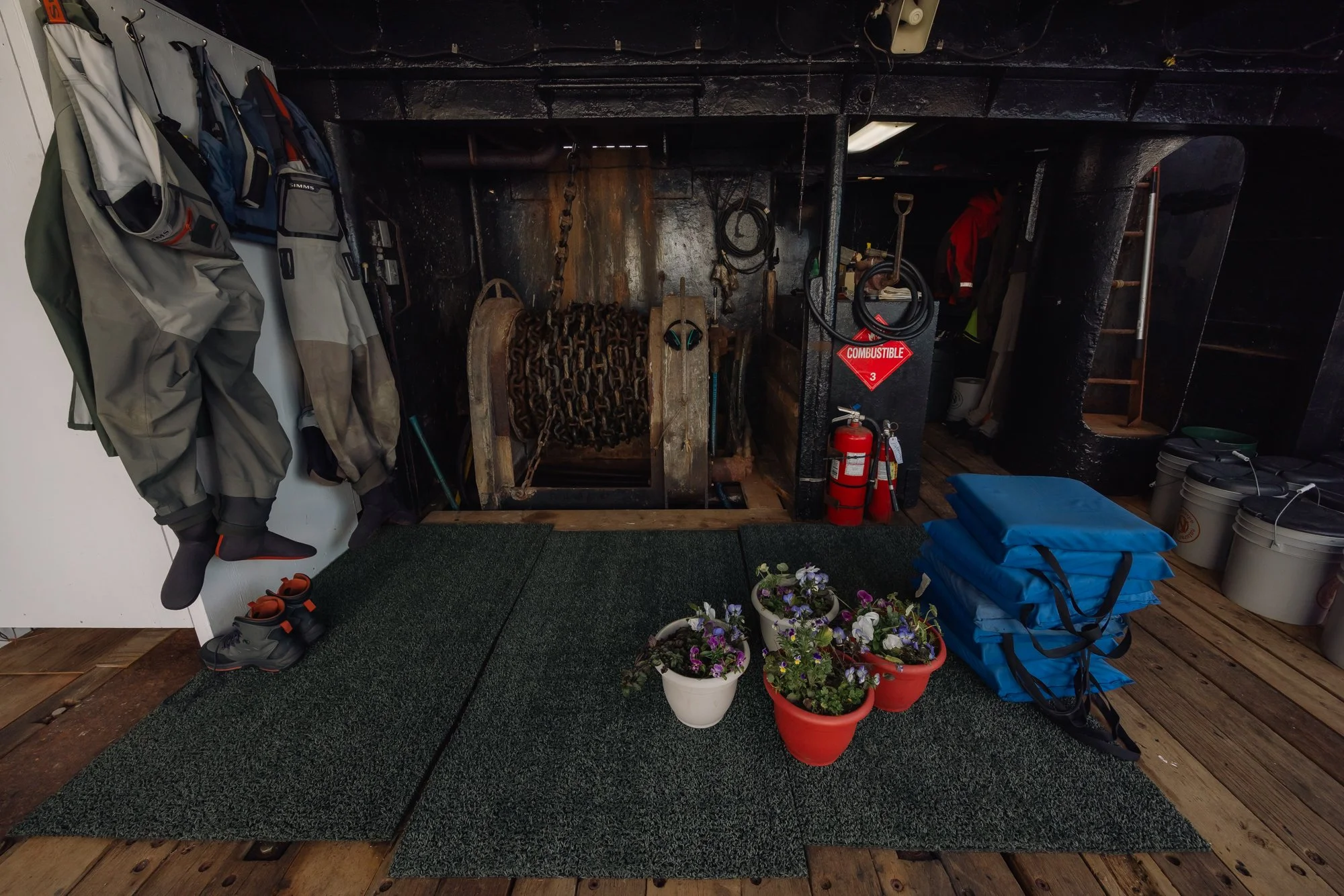
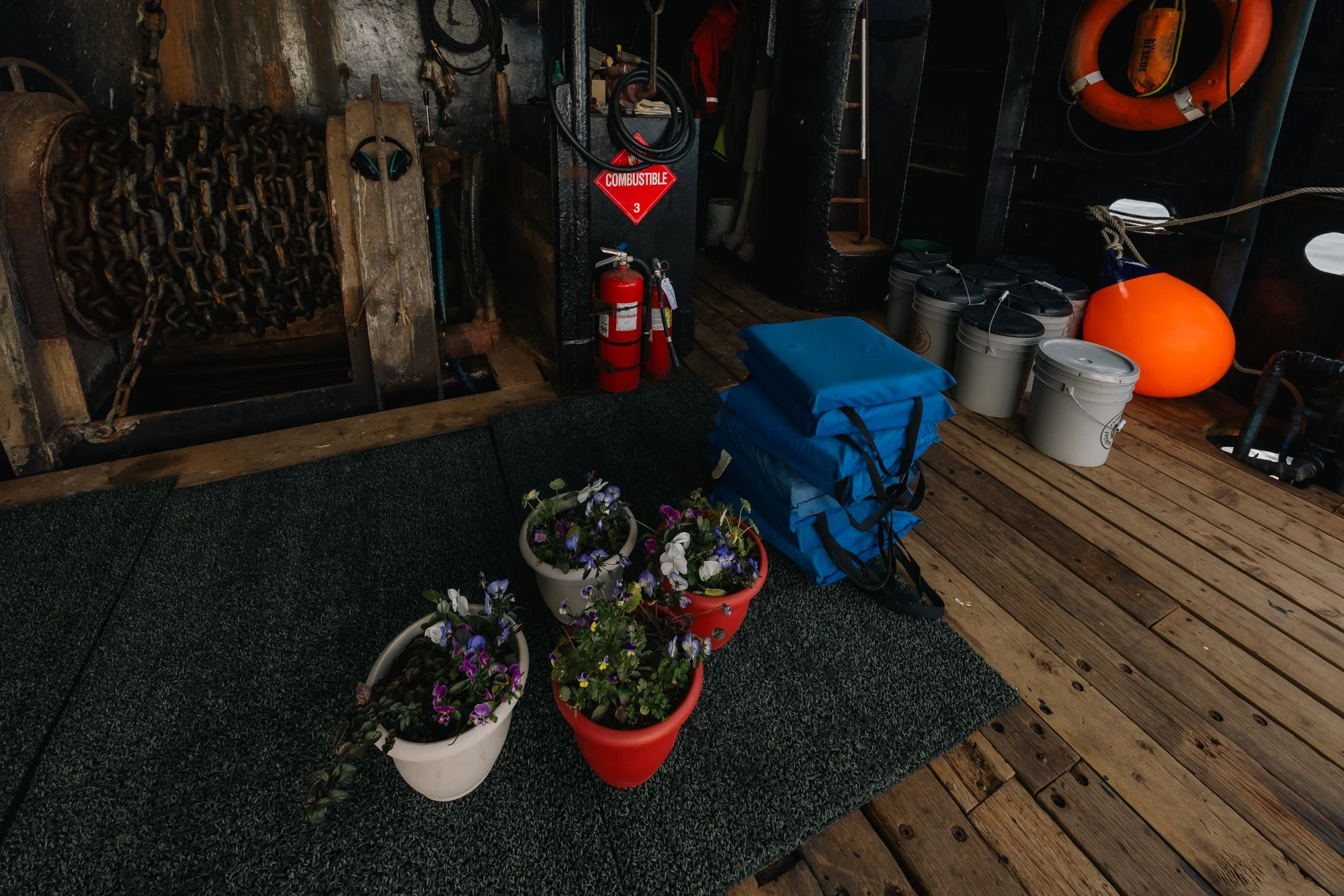
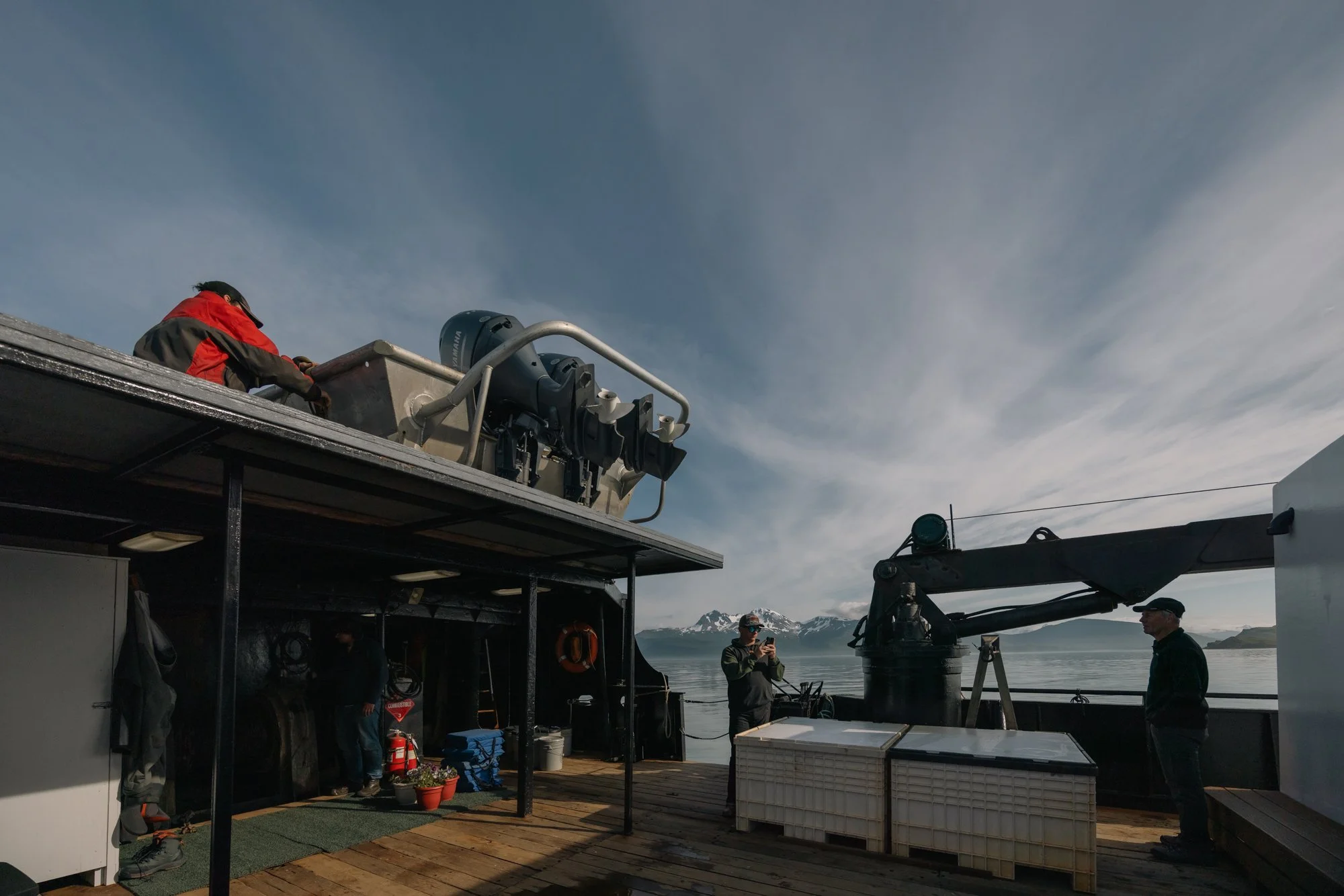
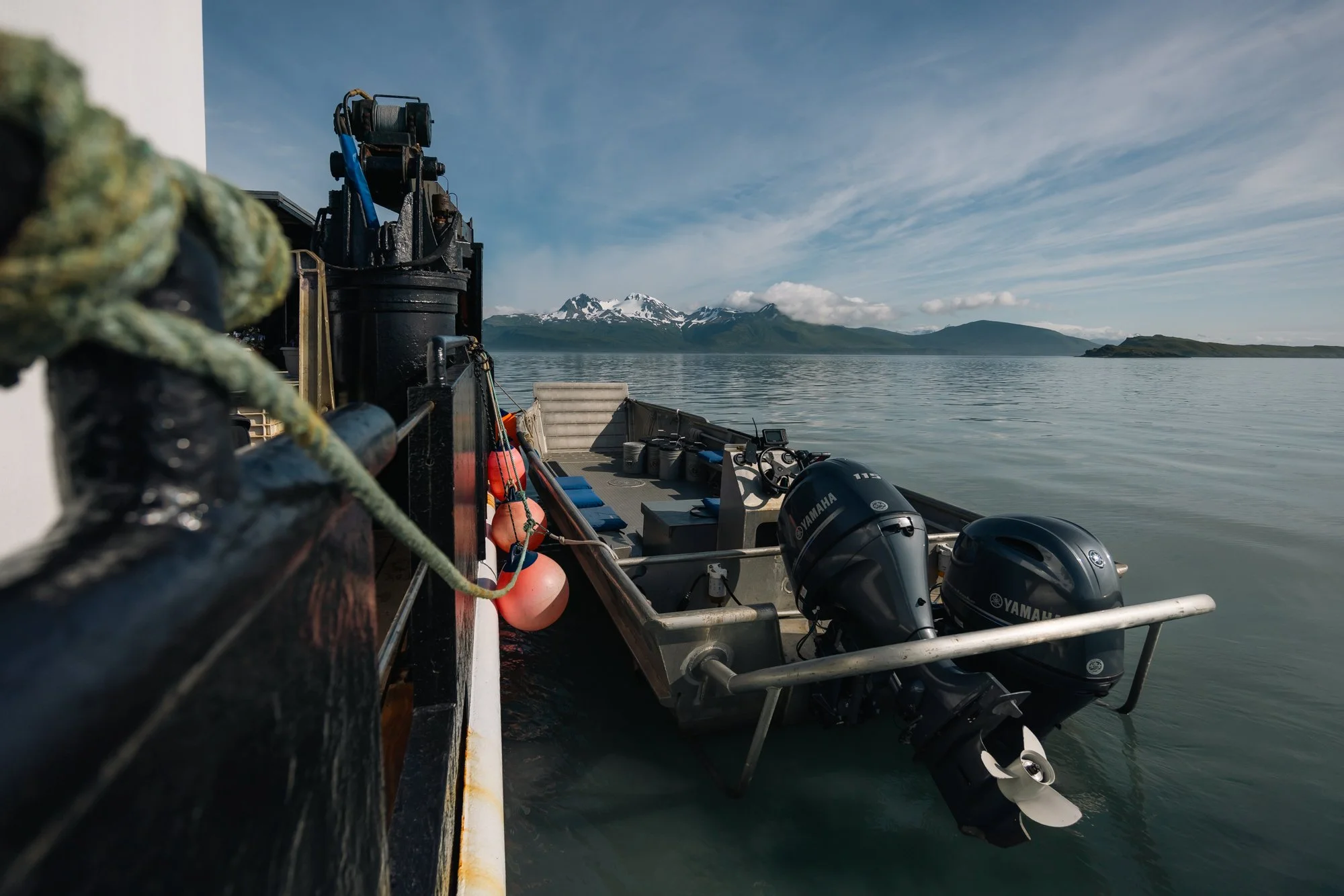
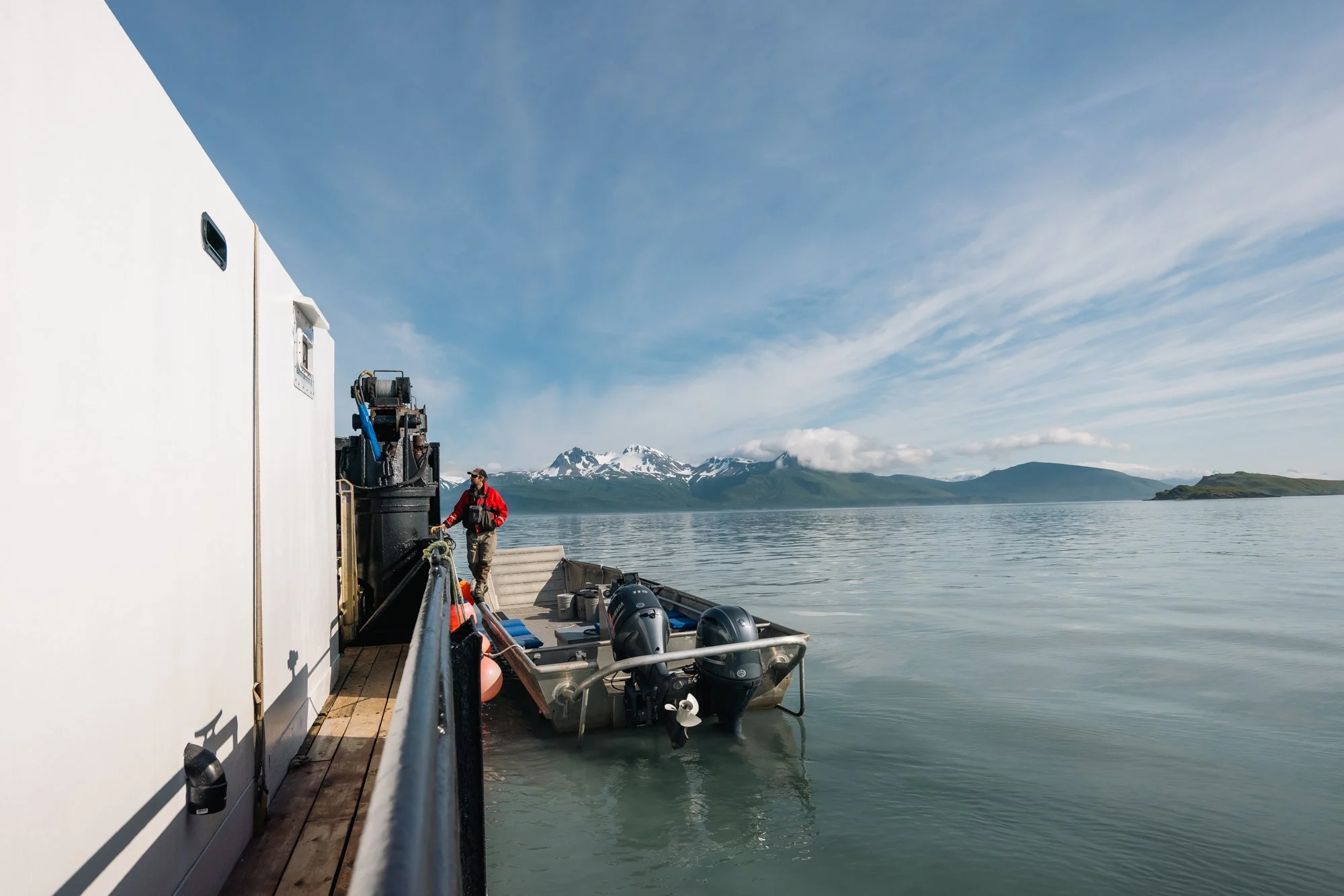
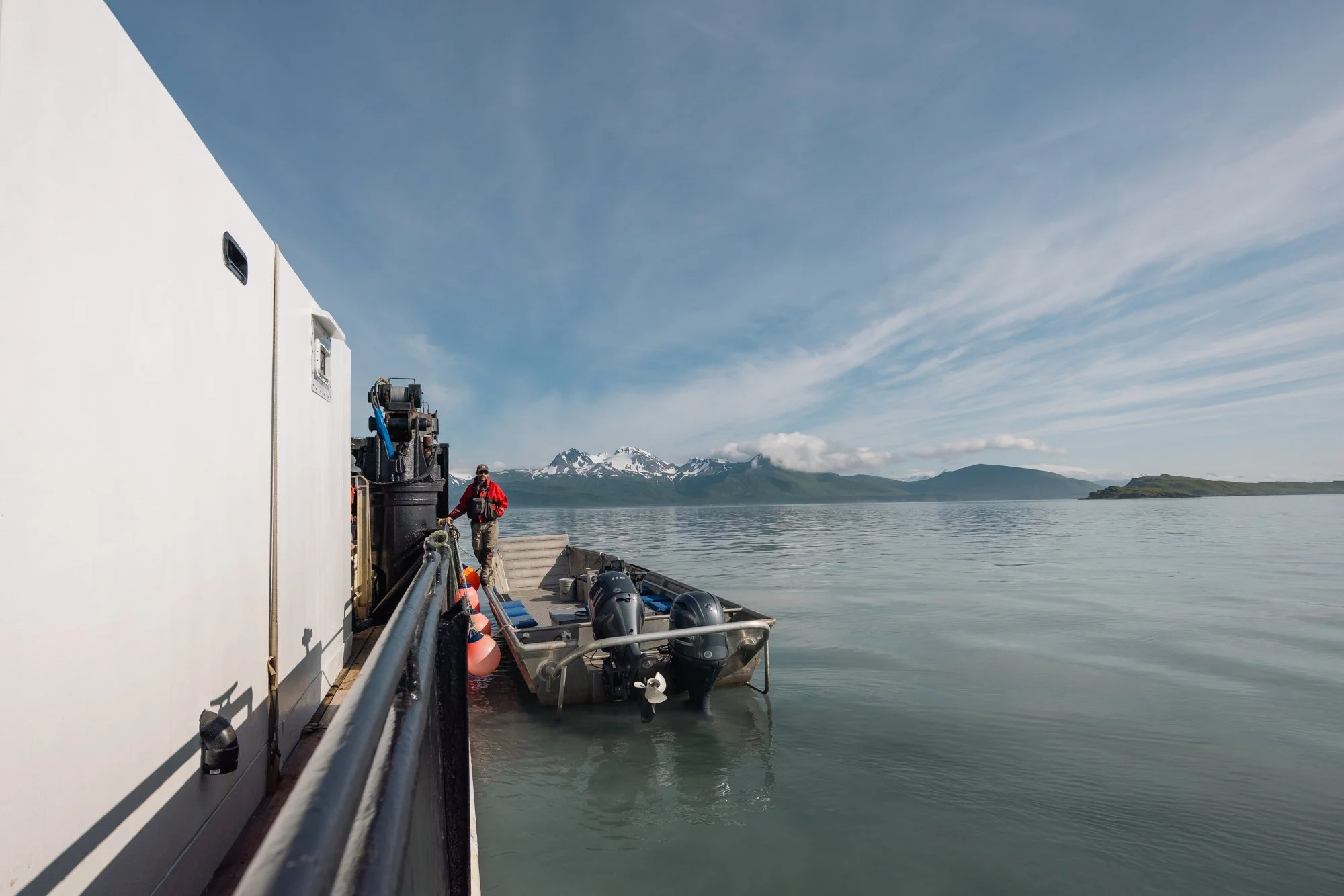
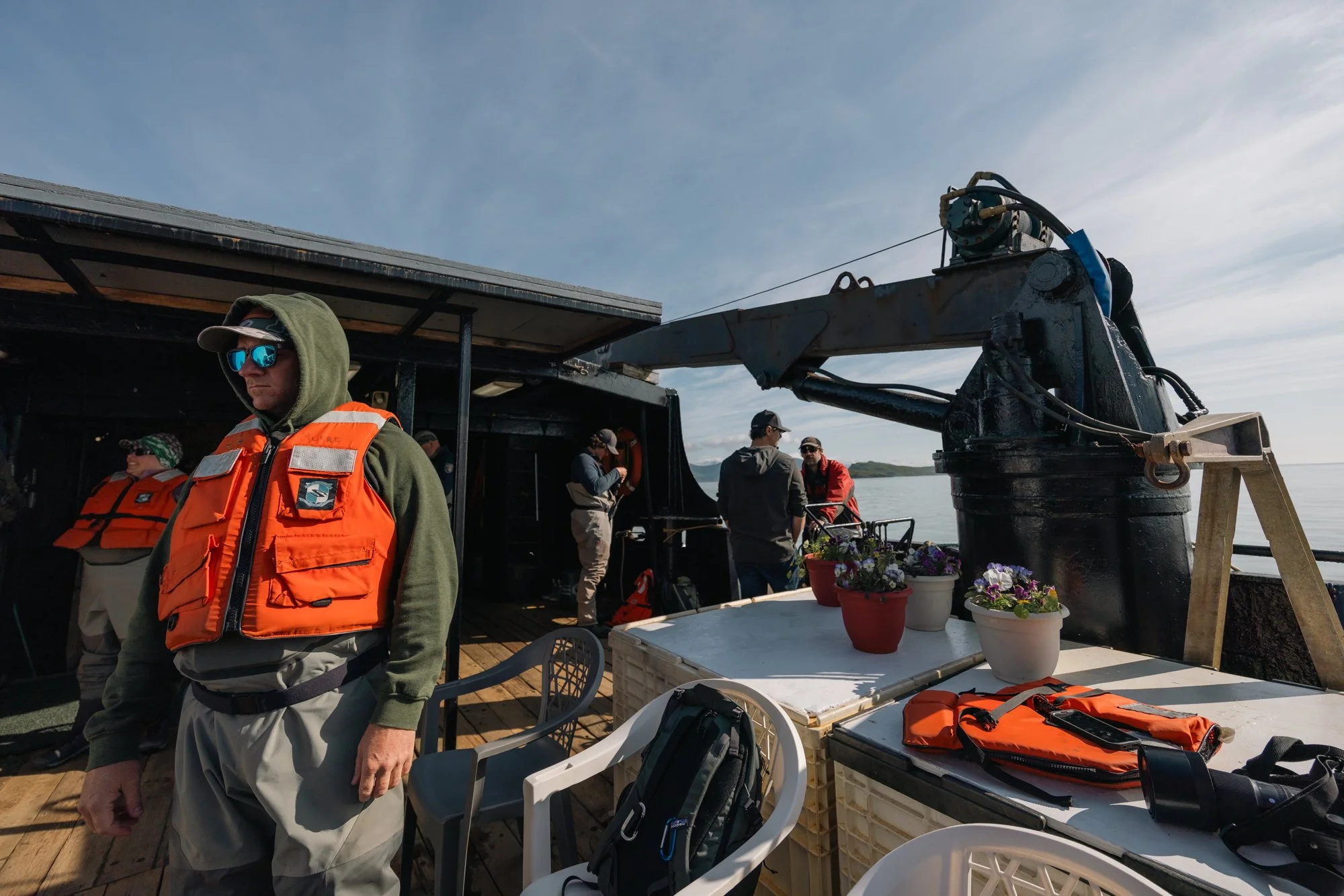
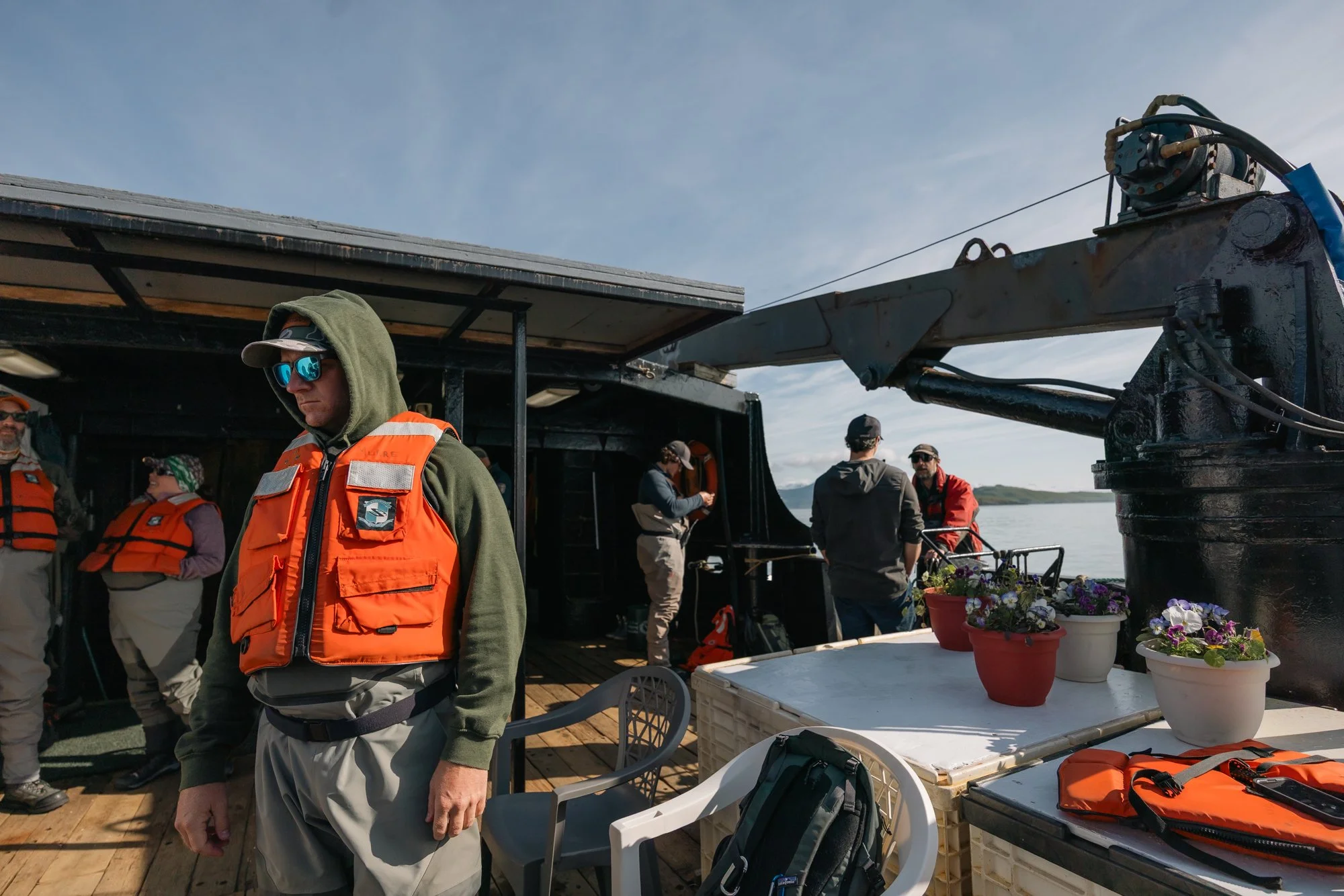
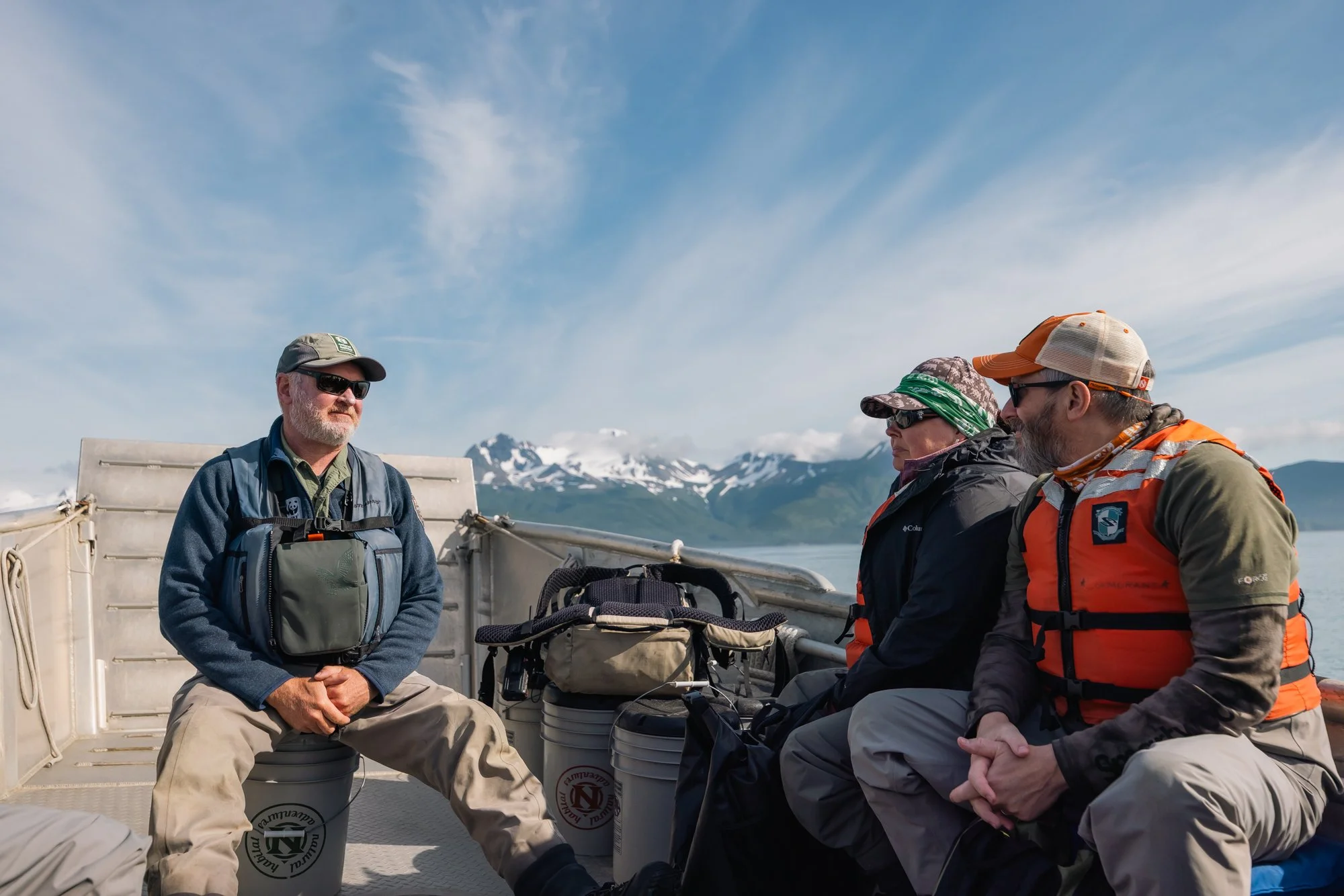
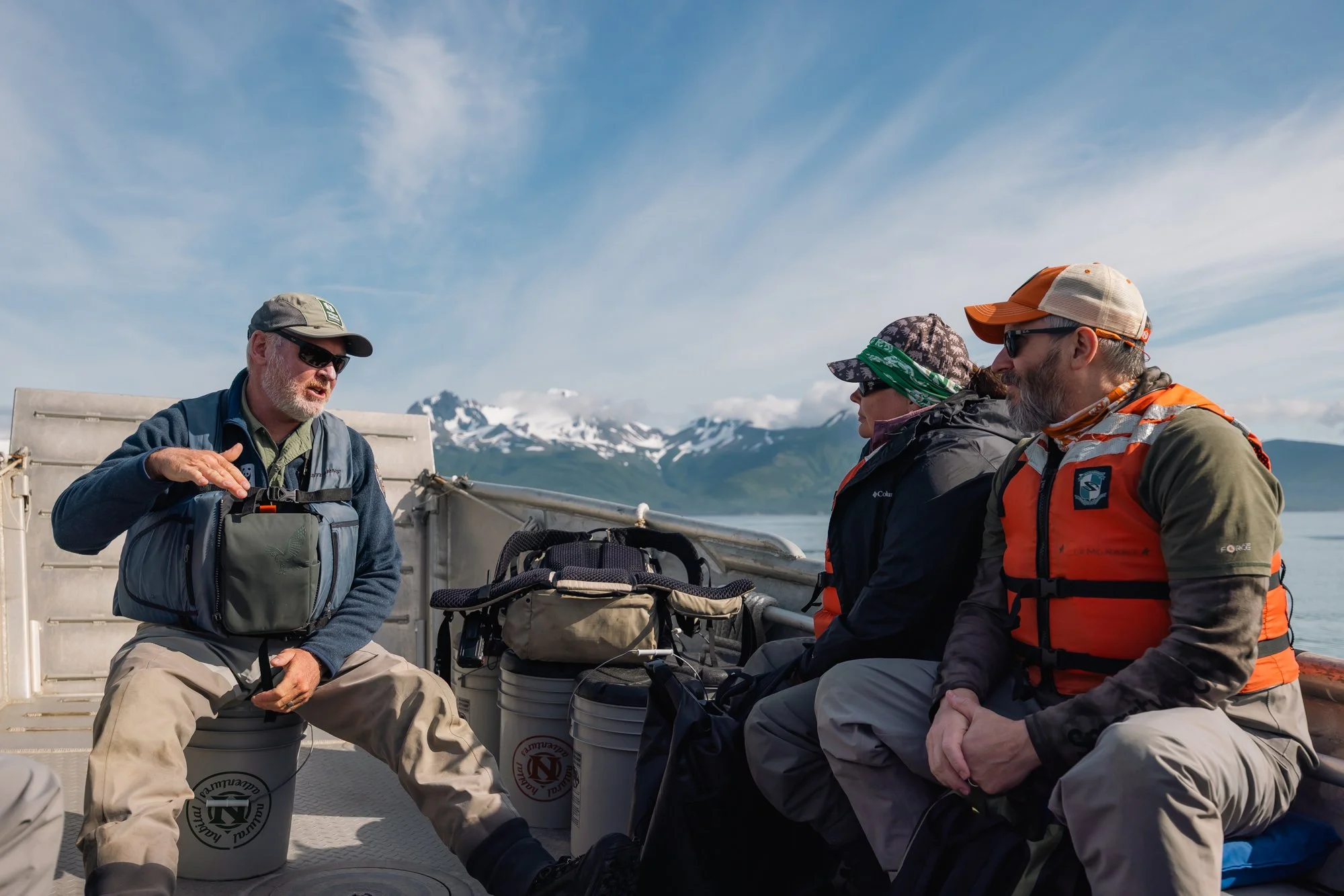
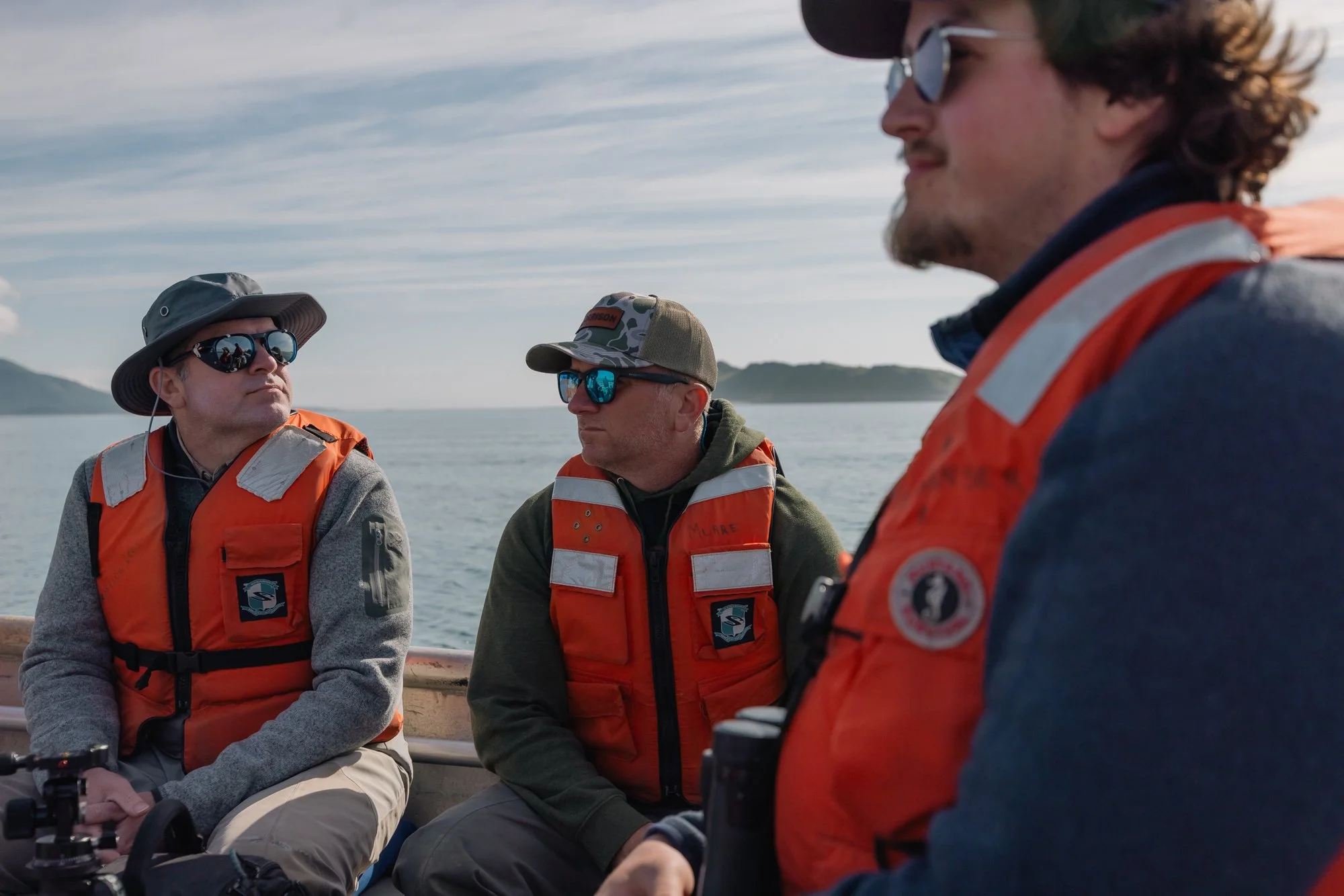
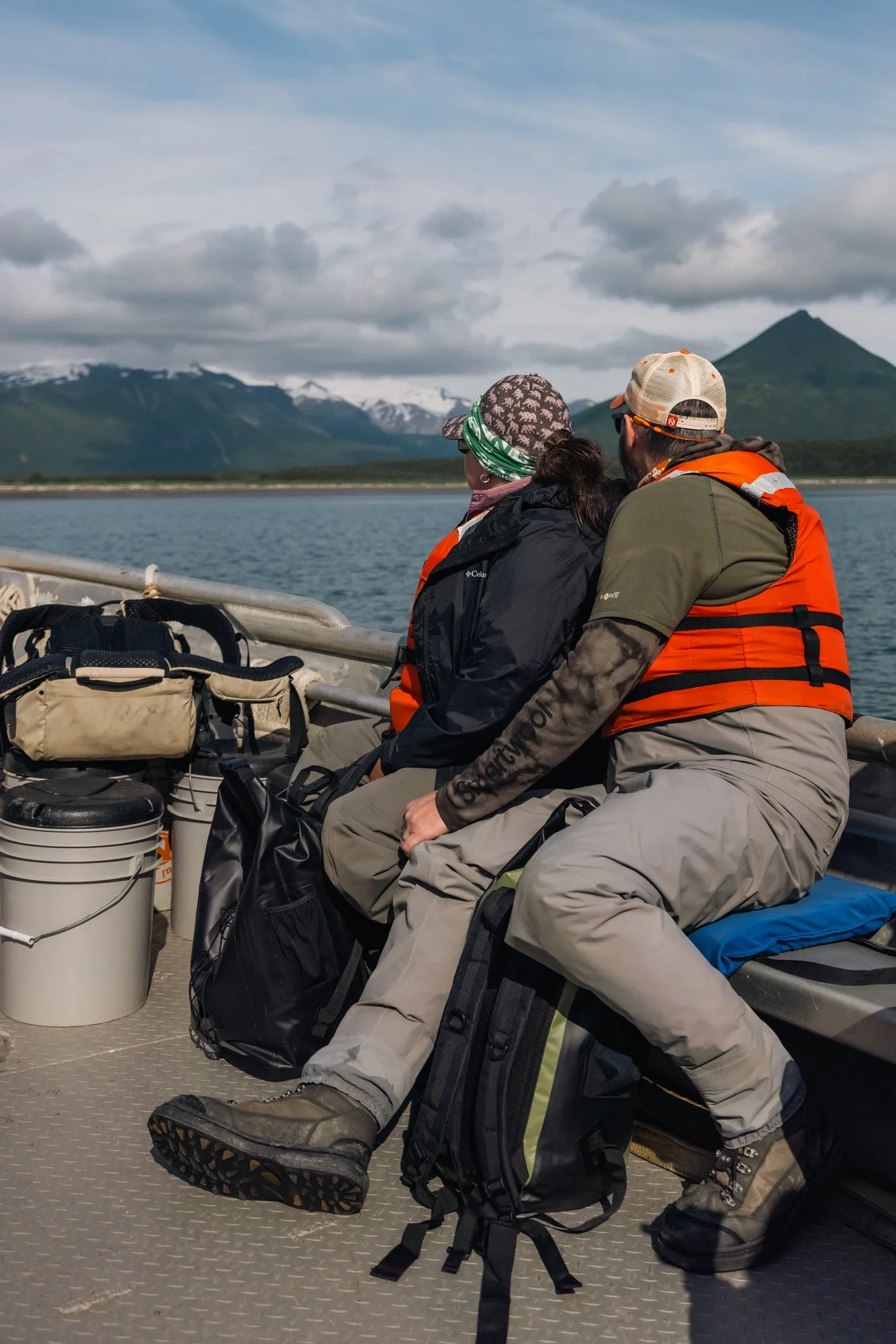
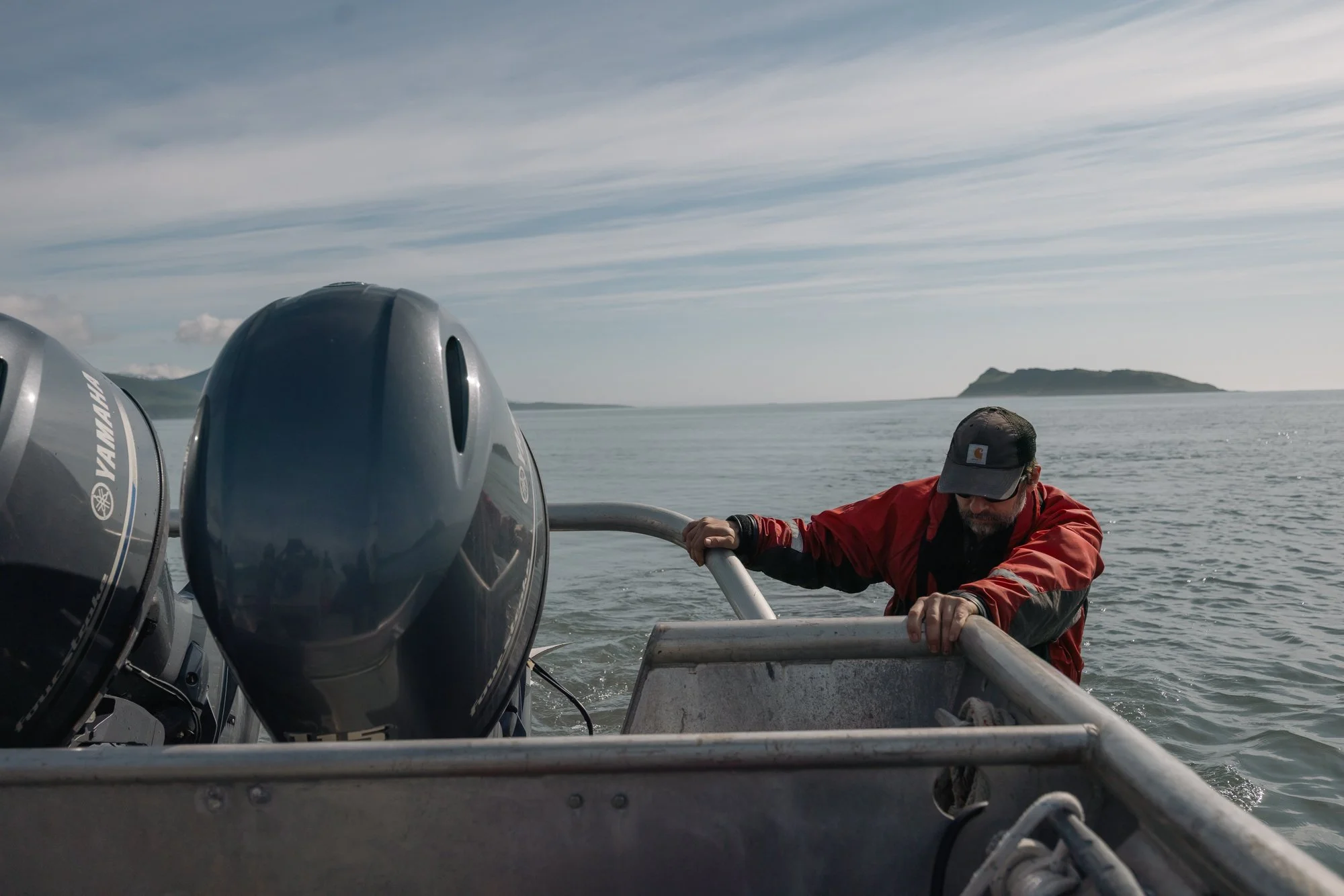
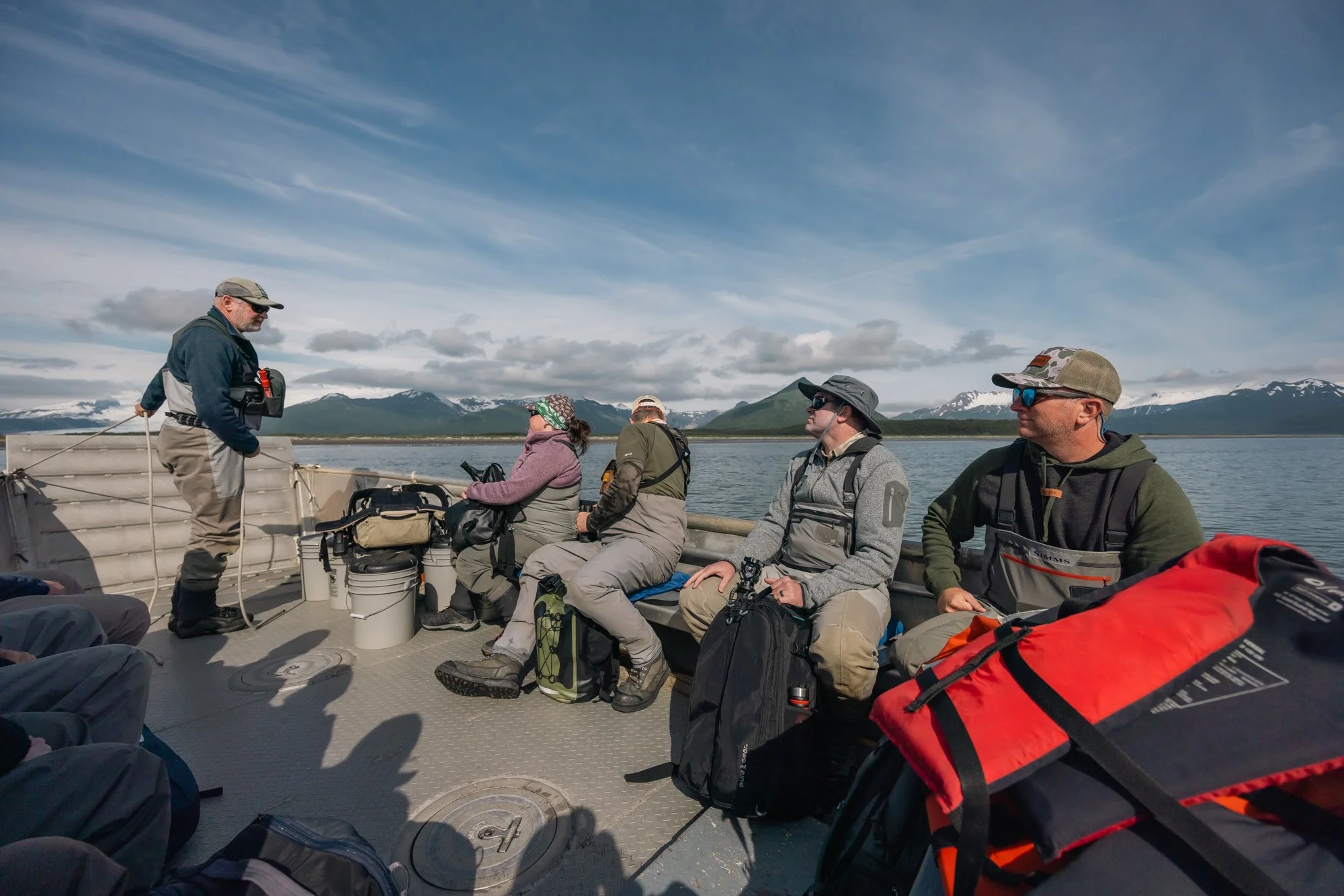
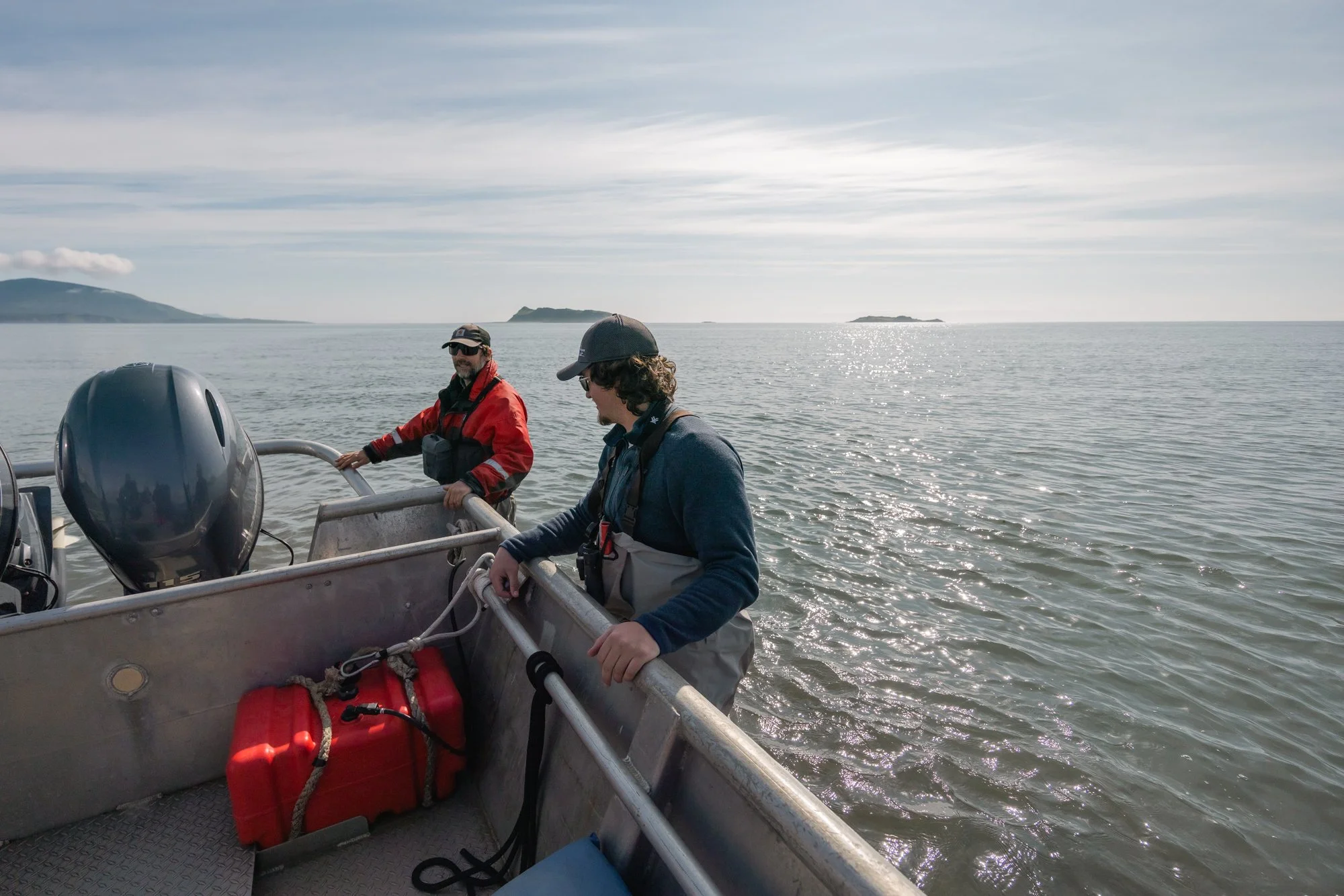
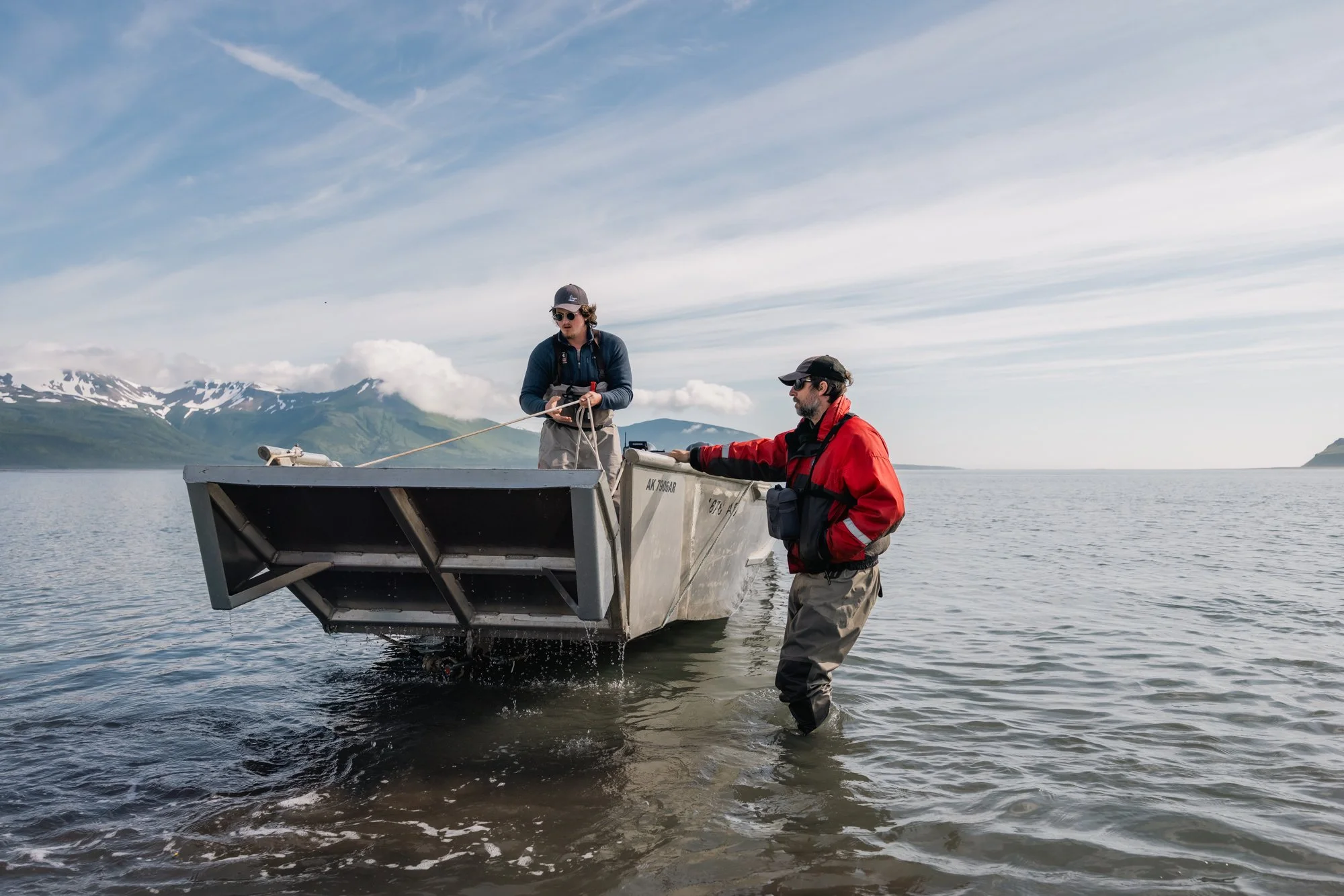
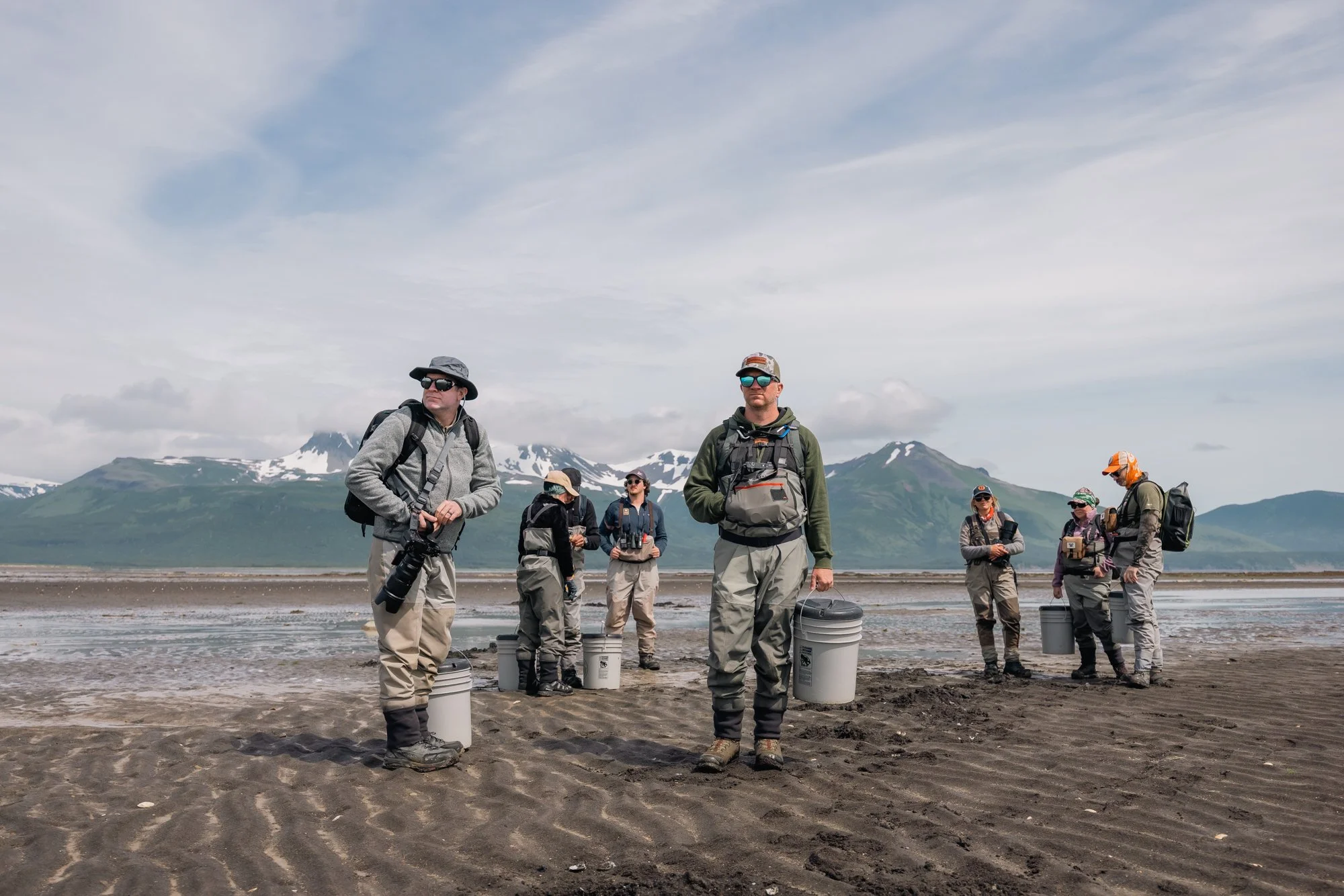
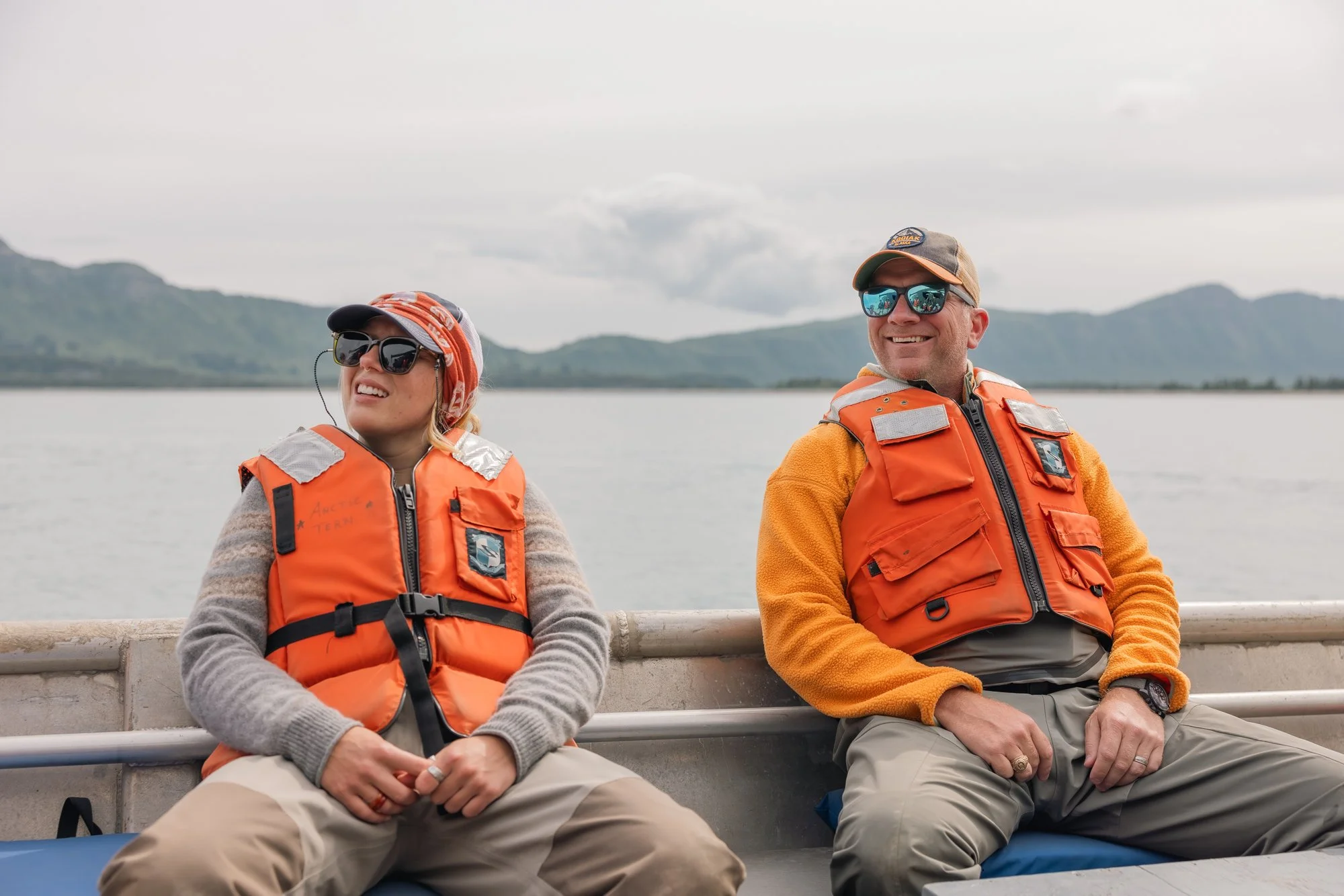
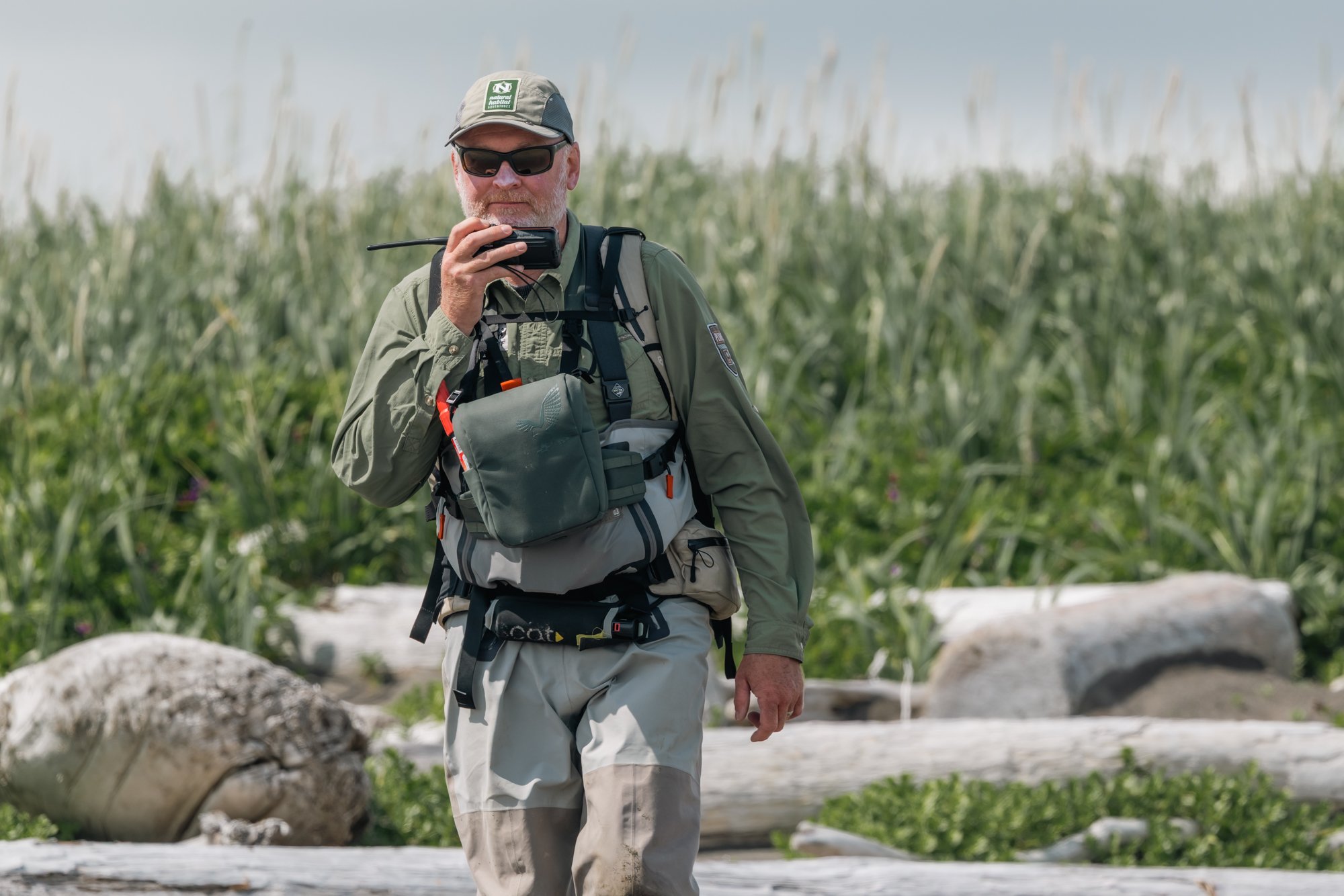
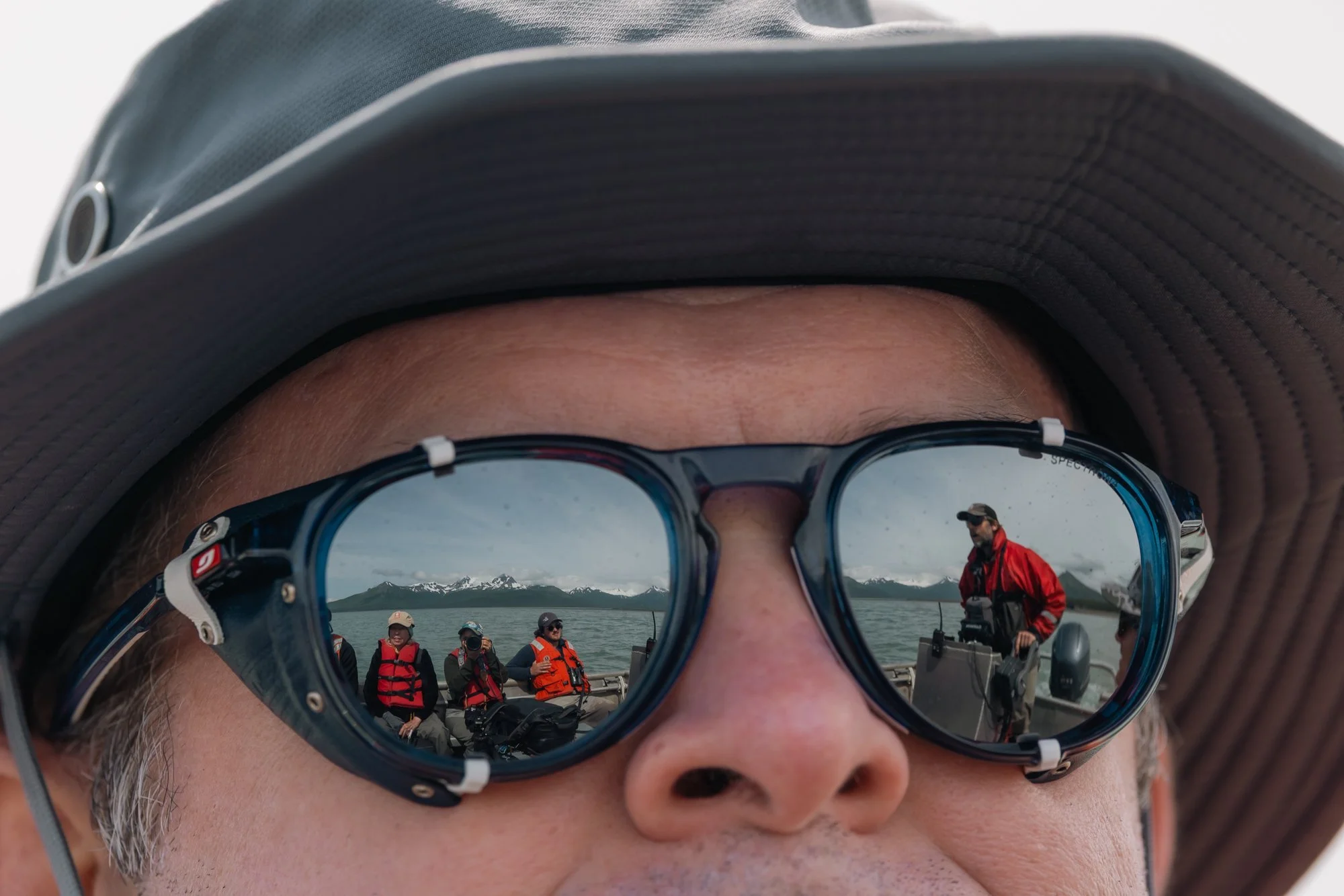
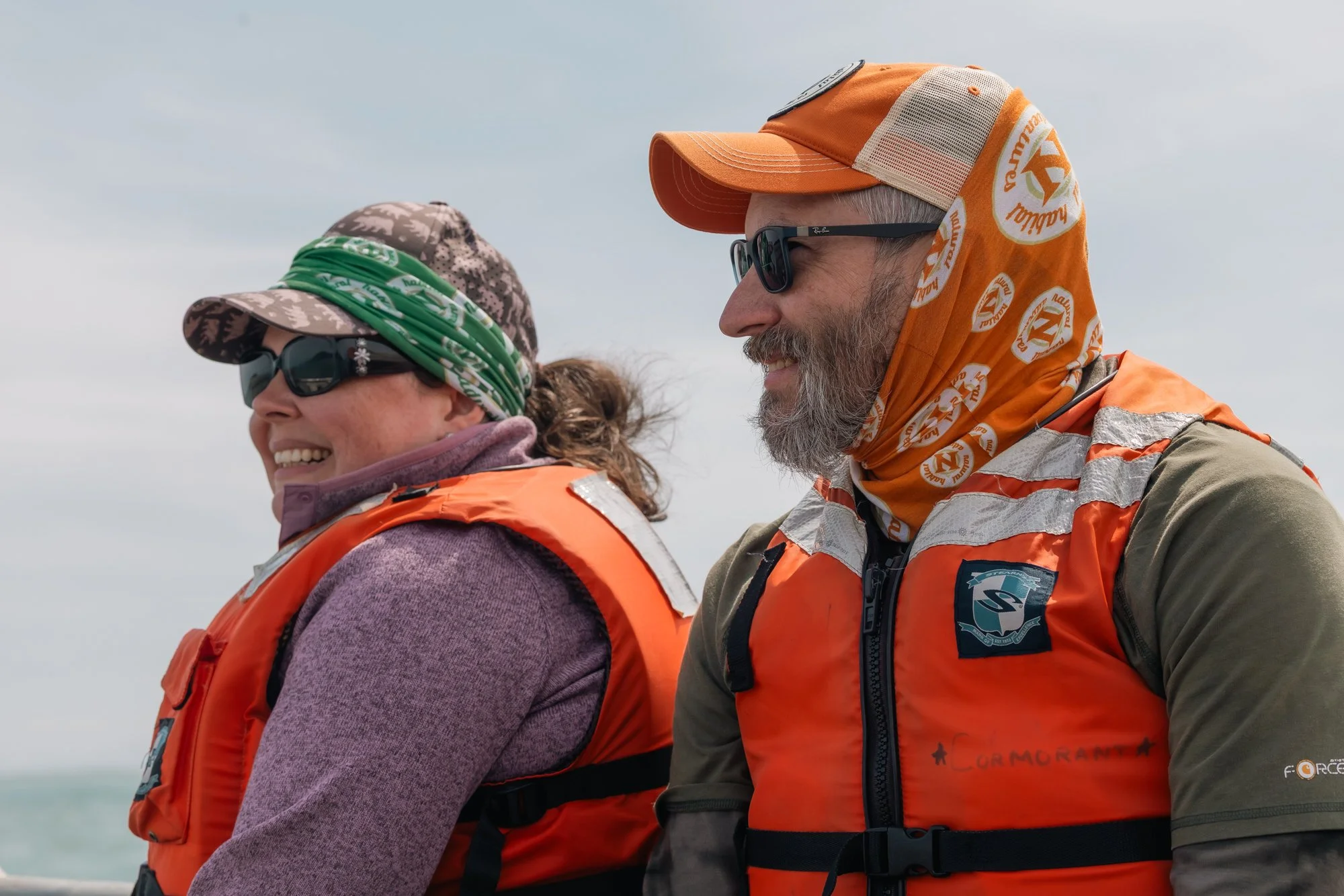
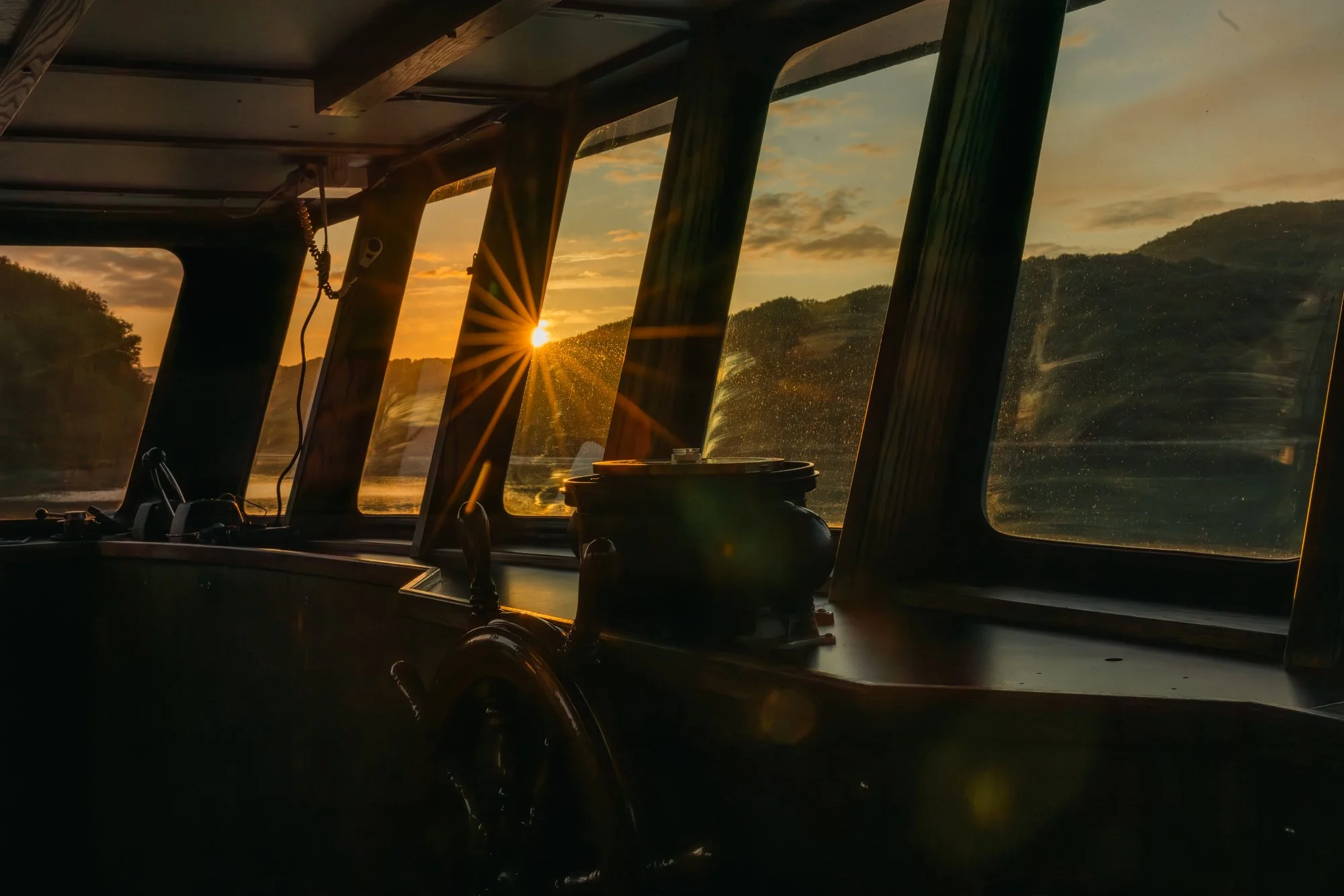
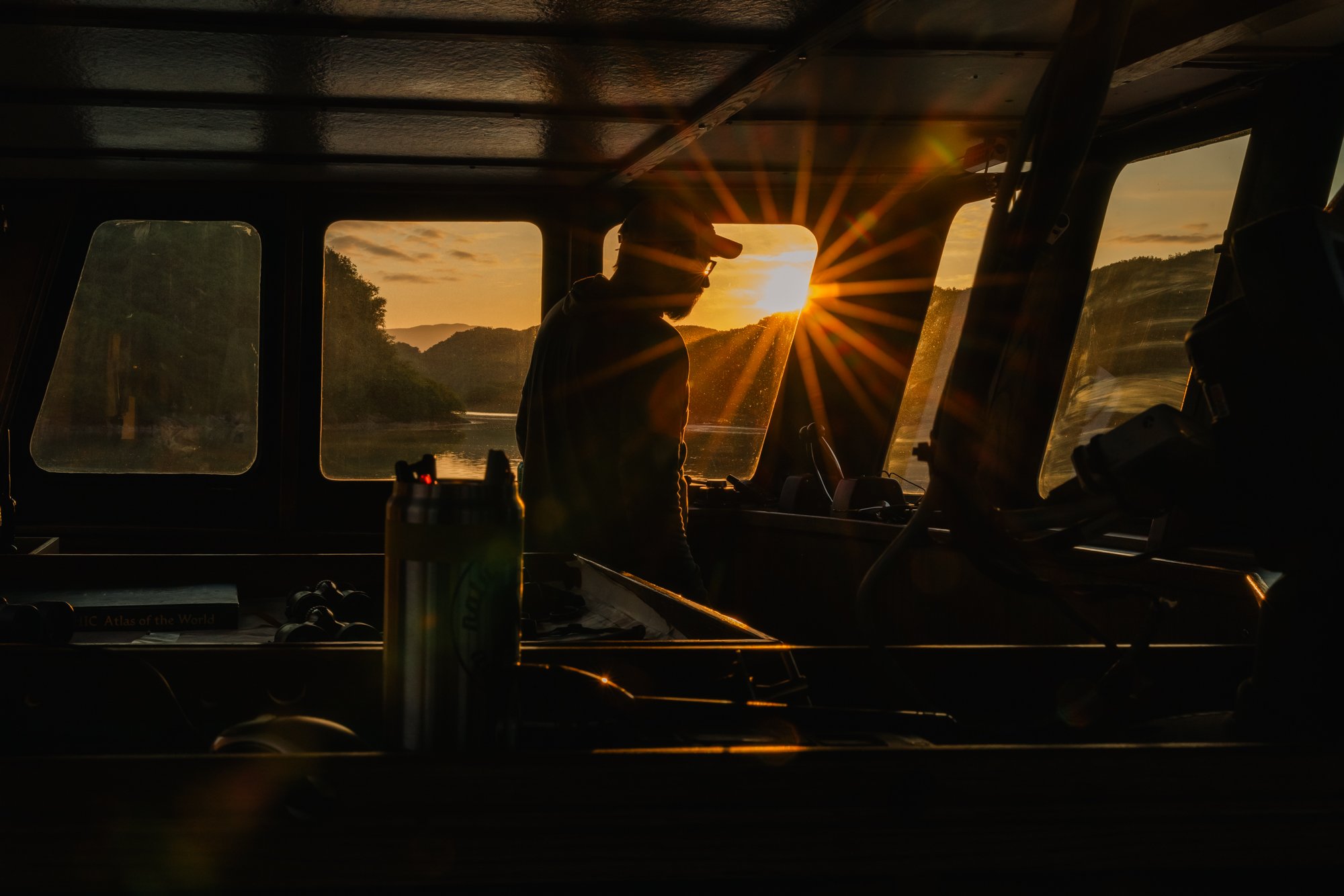
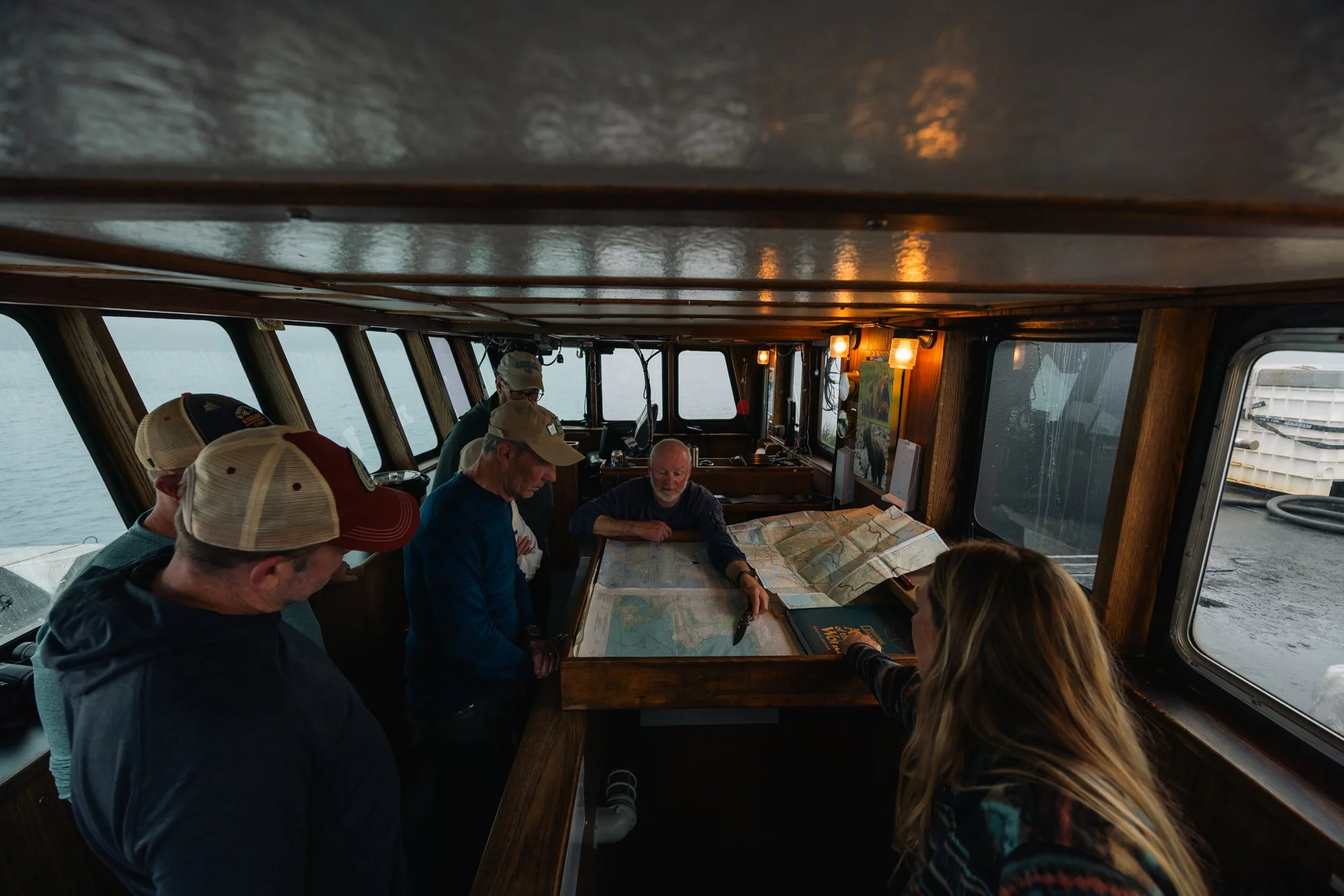
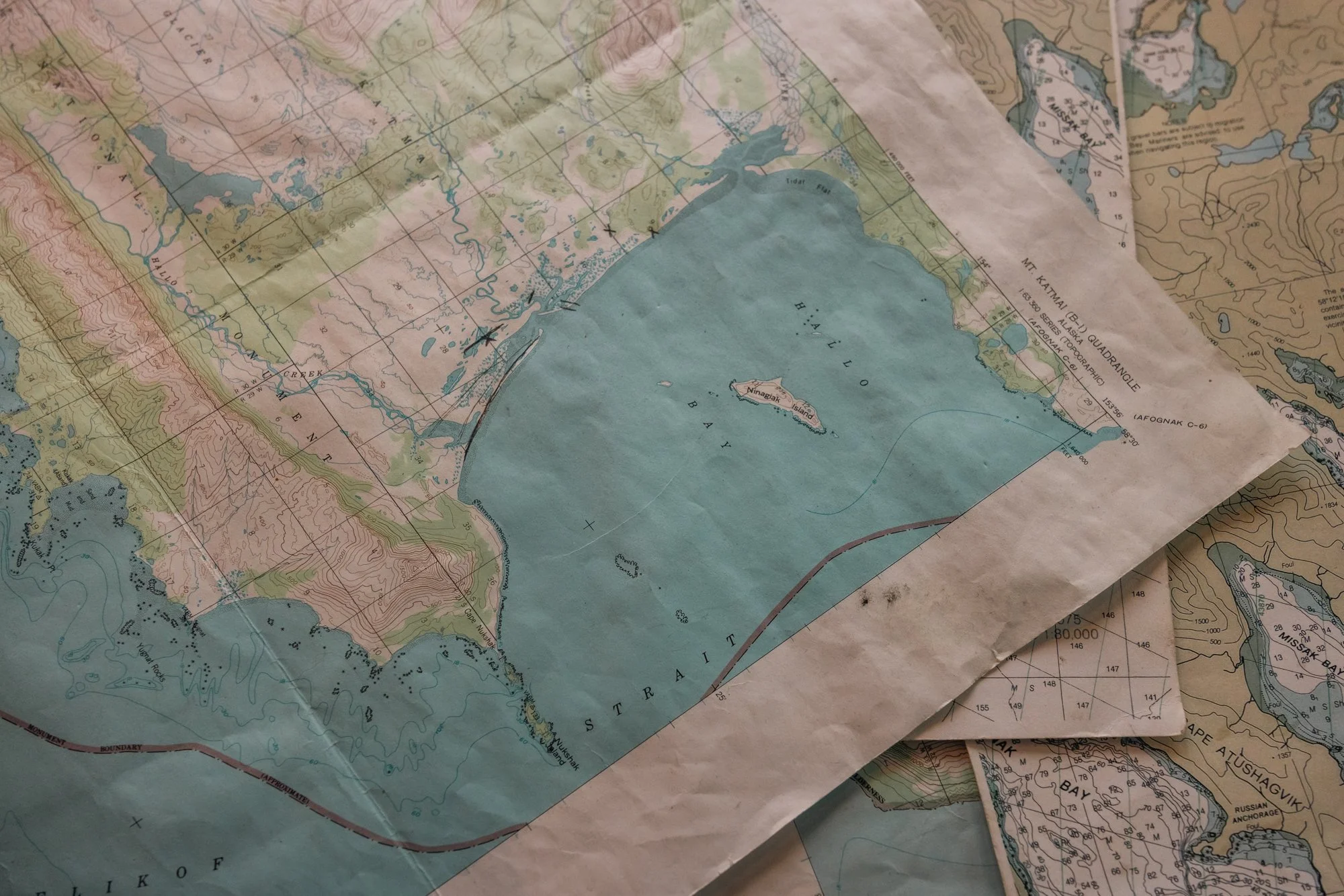
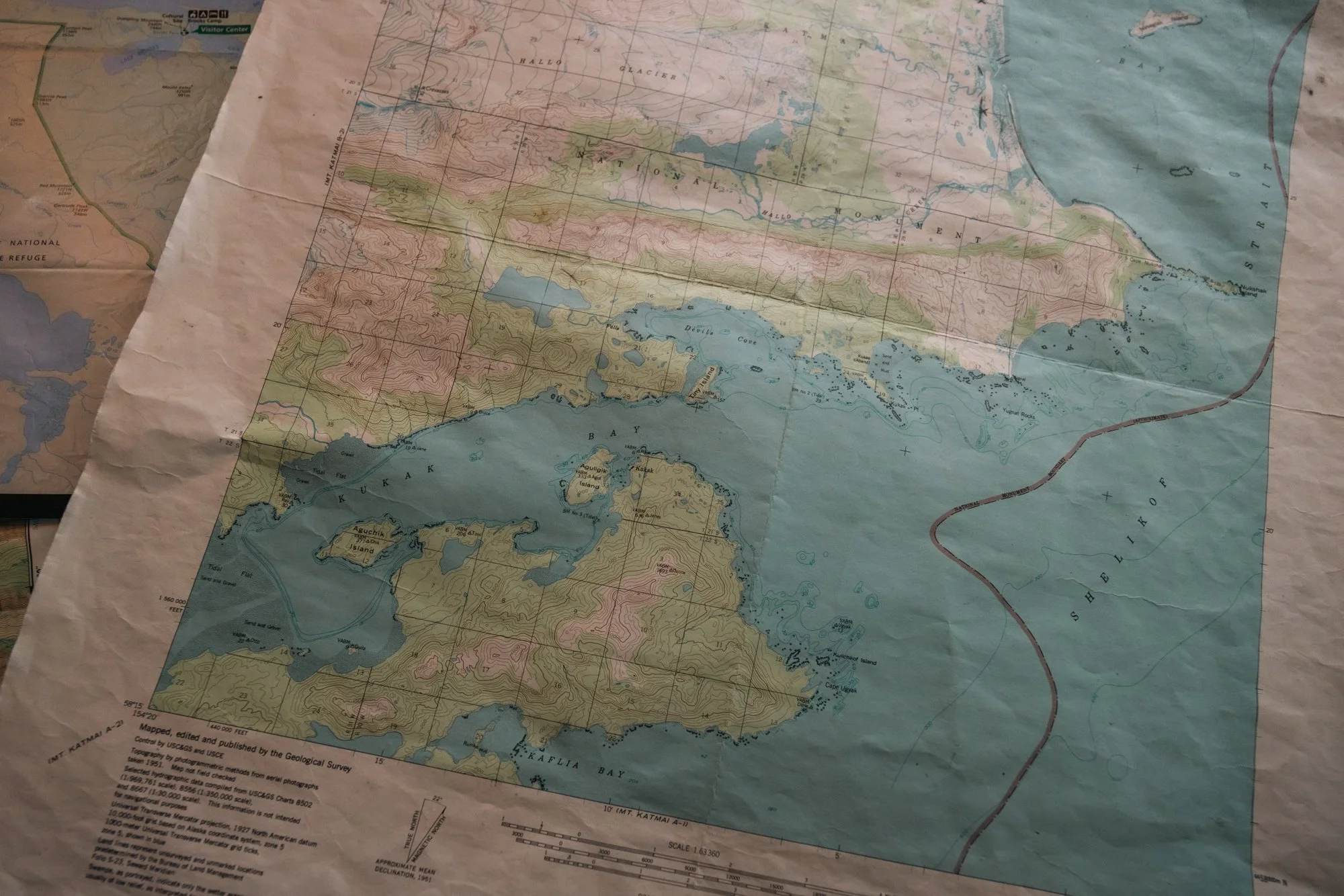
The float plane landed gently on the water in Kukak Bay. Our guide, Shawn Eggleston, a firefighter-turned-bear-guide from Colorado met us by skiff and took us to the Ursus, an eight-passenger ship that would be our home for the next four nights. Five staff, eight guests, a steel hull, and the wild. In our orientation he struck a careful balance of humor and gravity: how to board the skiff, what to do in case of a man overboard, how to work the life raft, and – critically - how to make coffee. “Drink from the sink water, but avoid the toilet water,” he said with a grin. Then his voice grew serious. “We are two hours from the nearest Coast Guard here. Tides, weather, and bears—we can’t control them. We can only manage our choices. Safety for us, and safety for the bears, comes first. Please no running. Slow, deliberate movements always. This will be a peaceful trip. We’ll leave politics and religion in Kodiak. Out here, we are in the church of nature.”
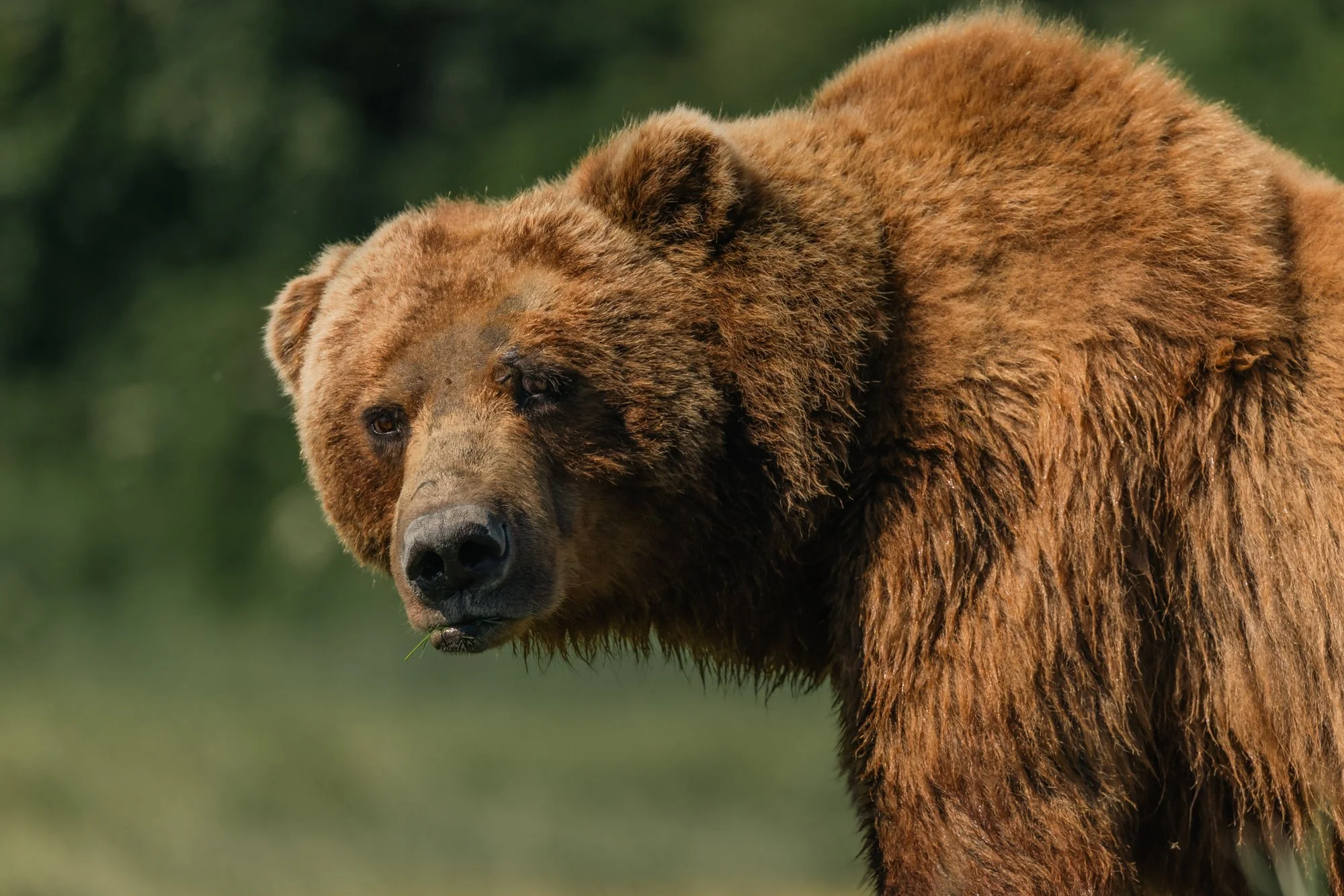
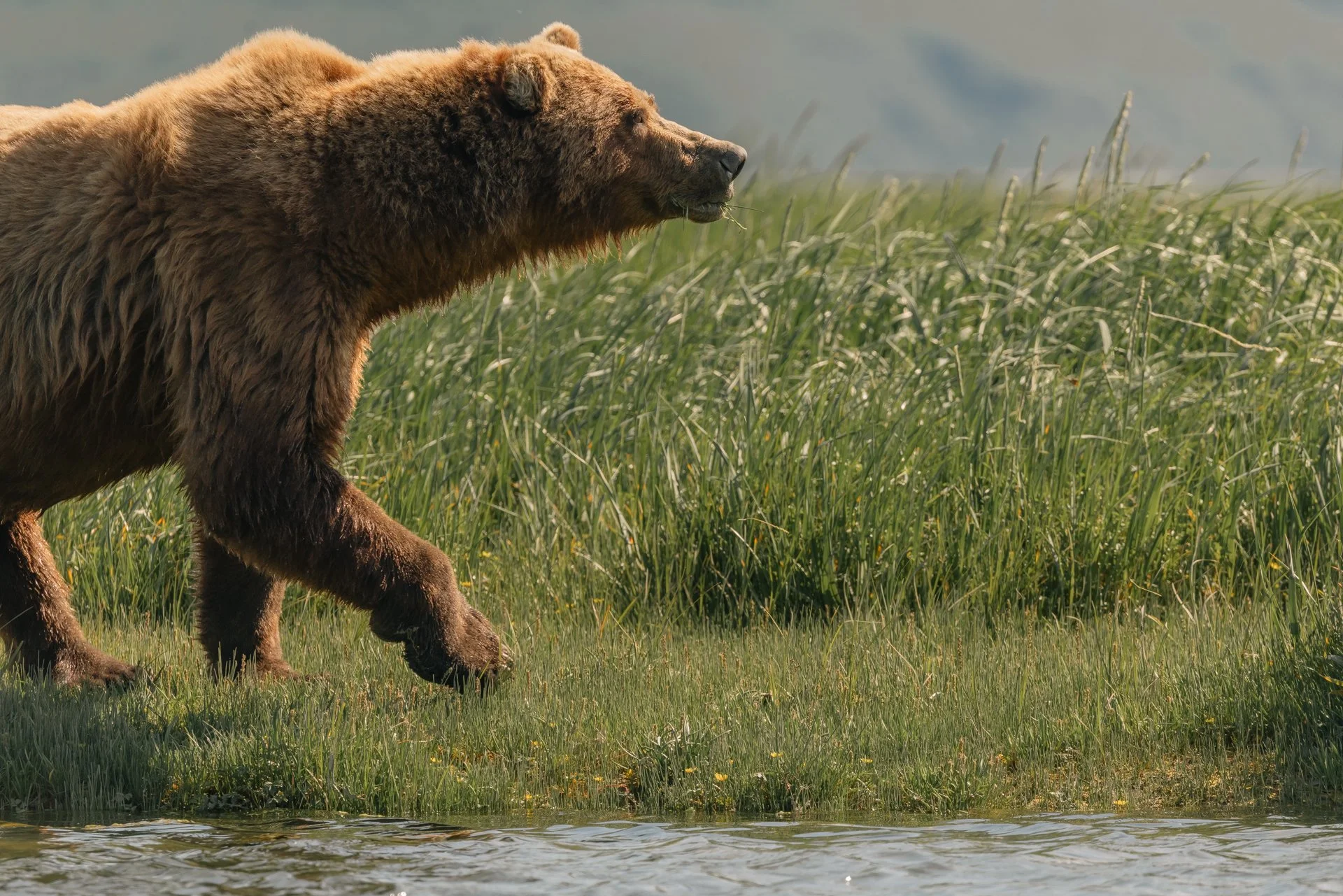
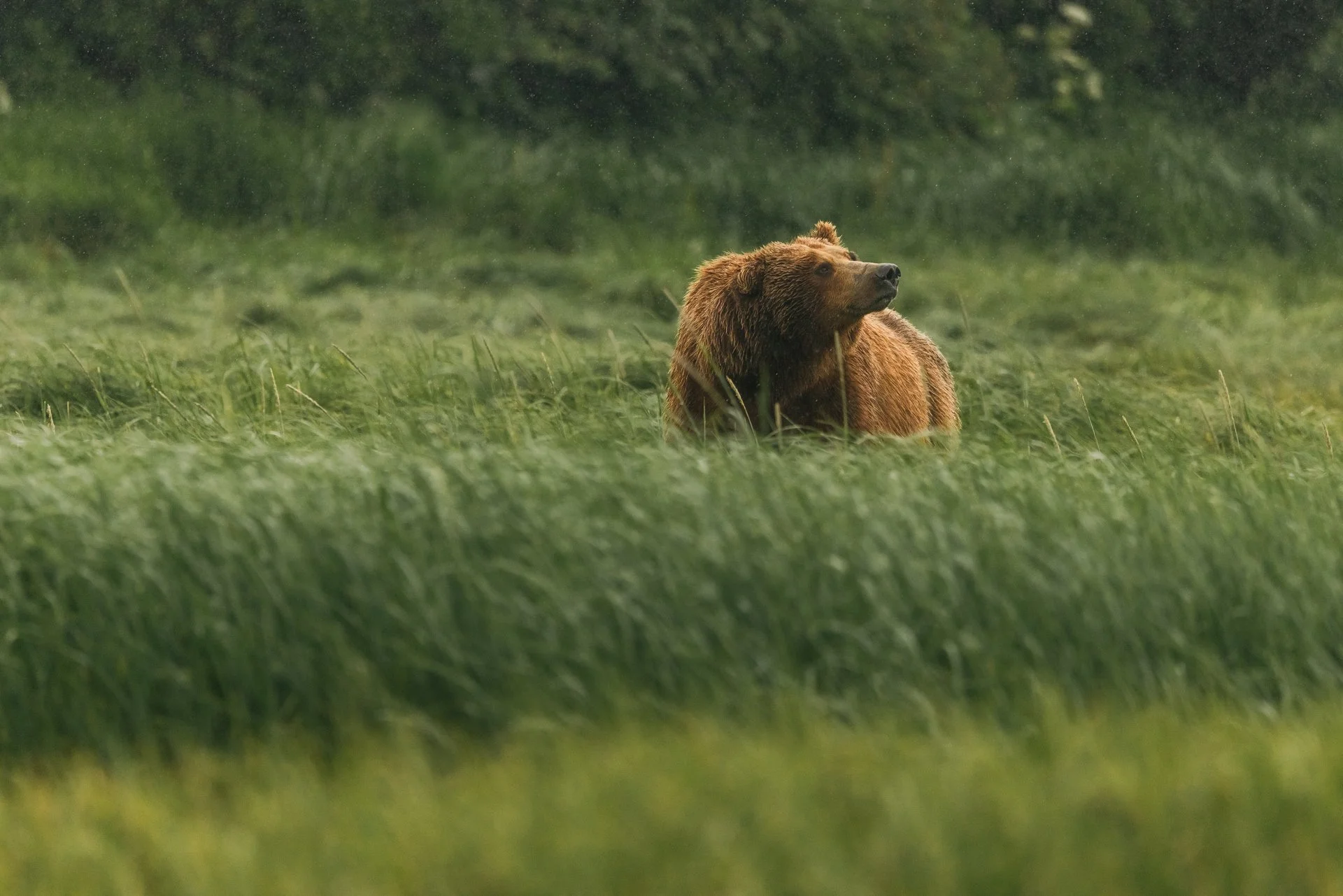
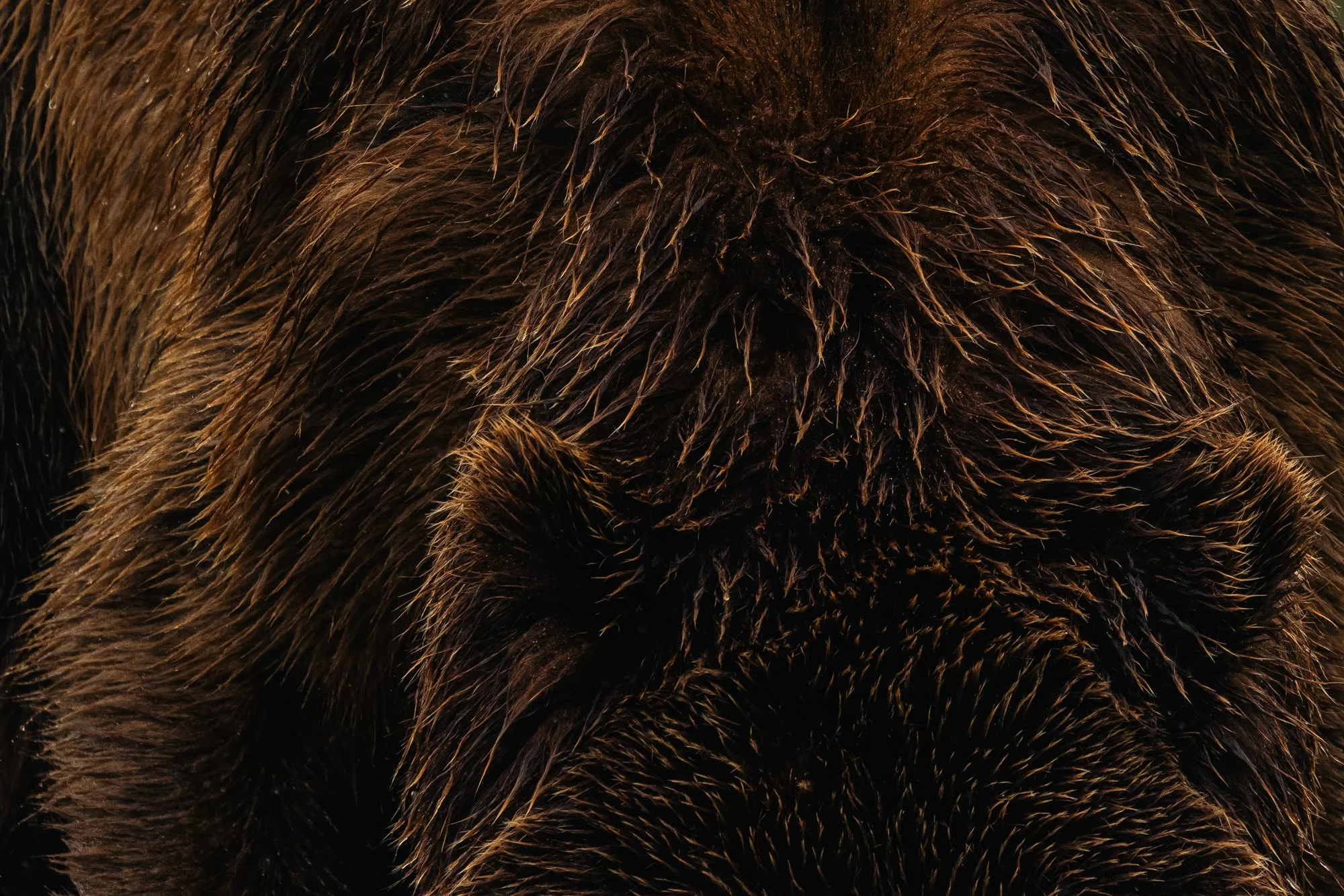
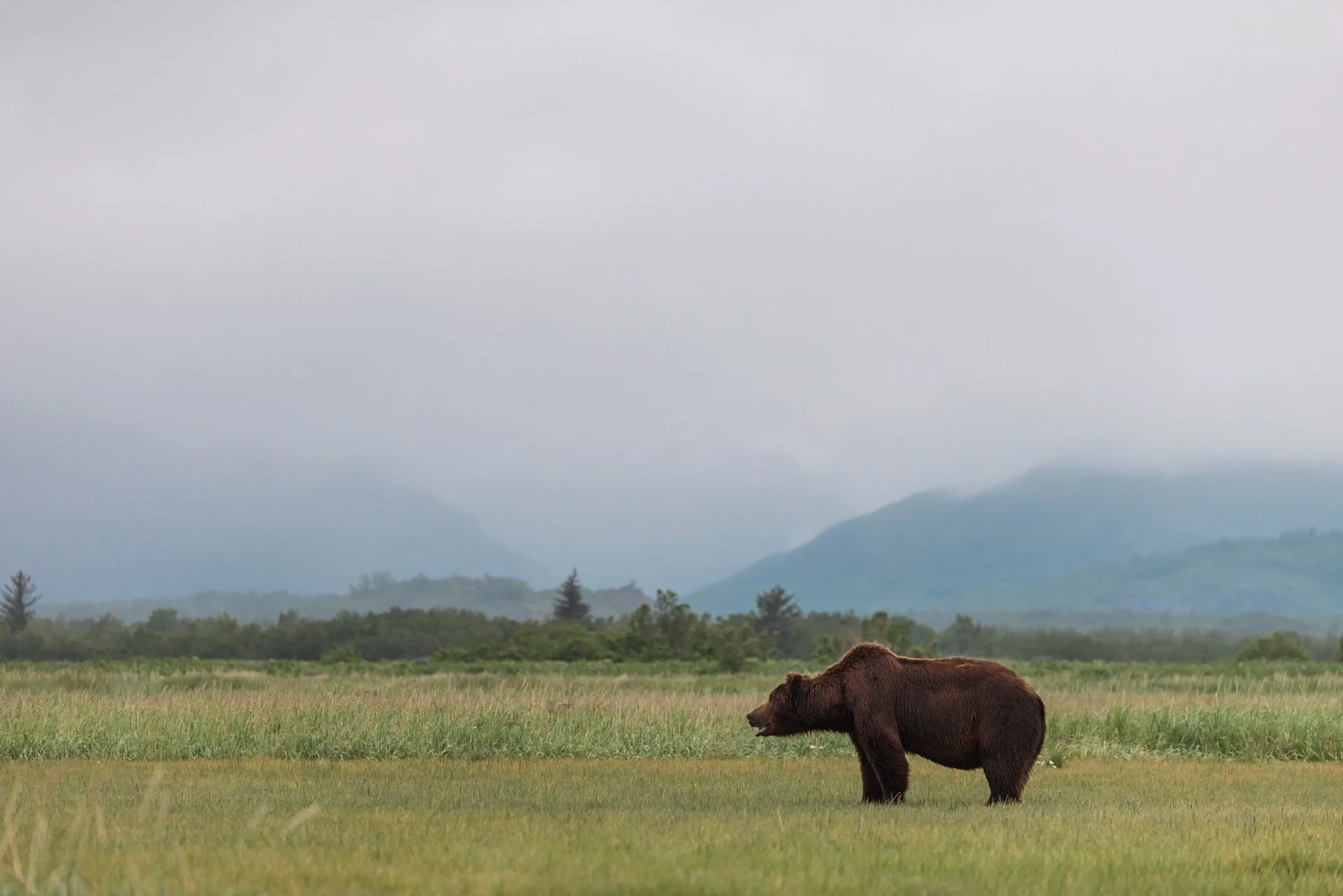
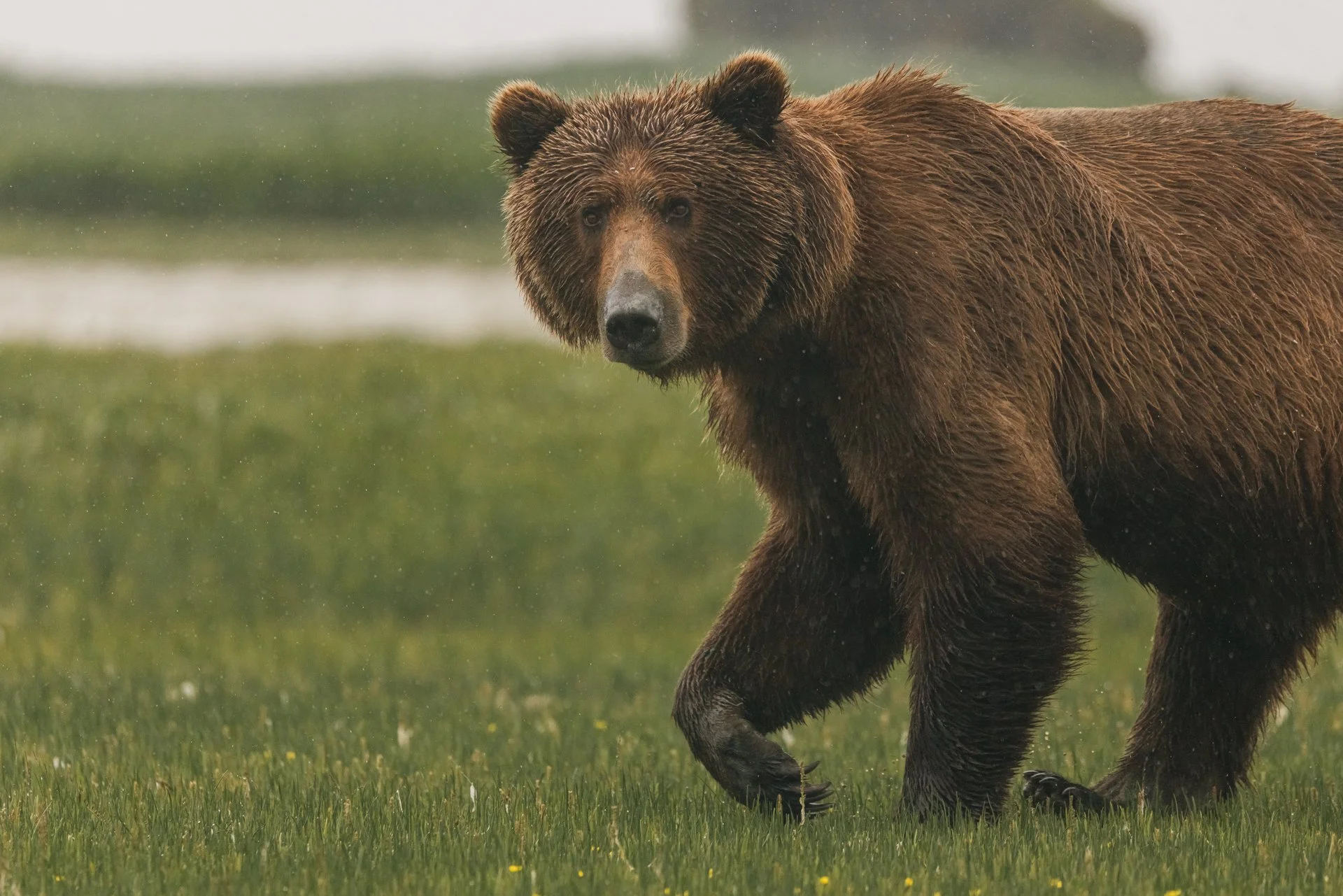
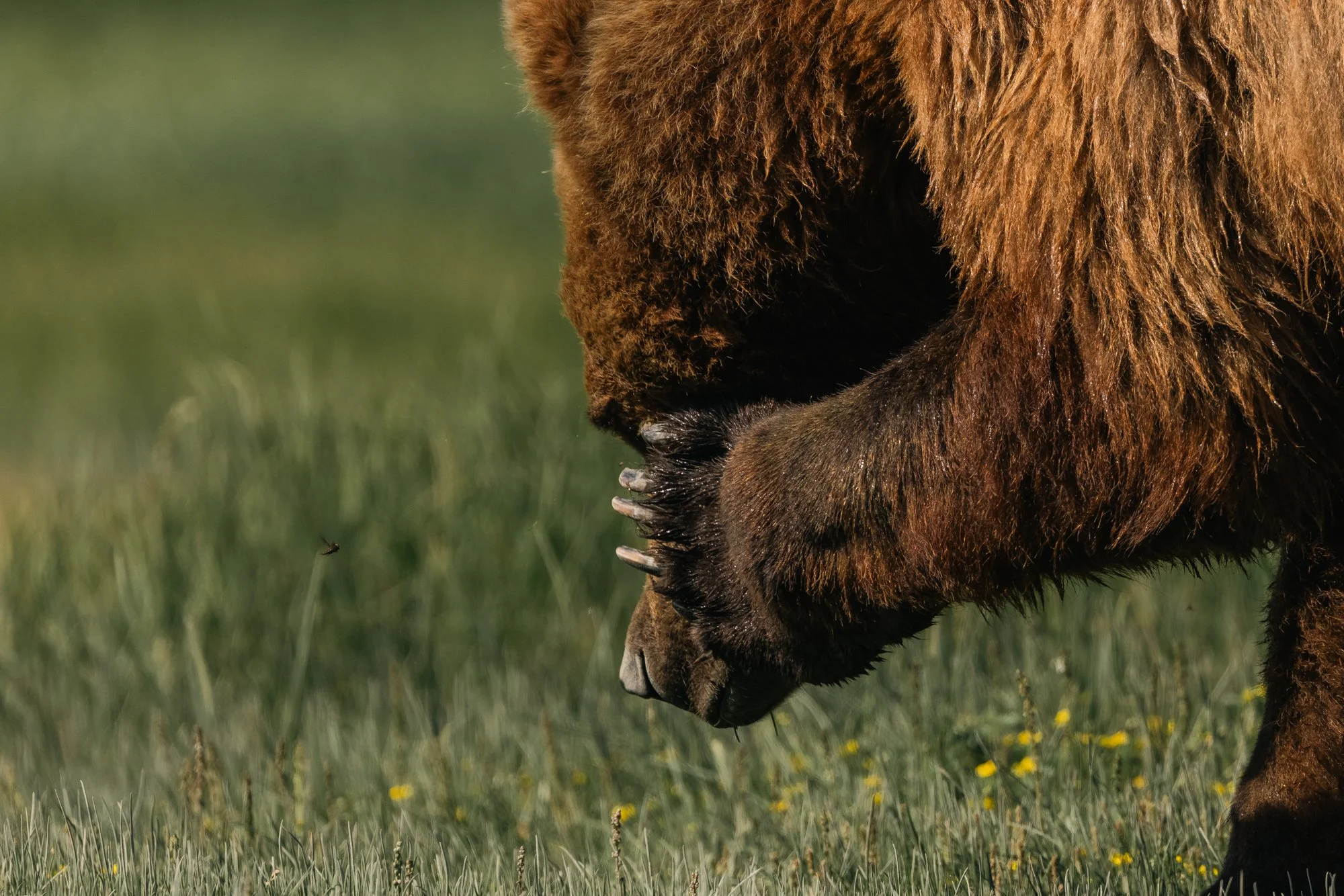
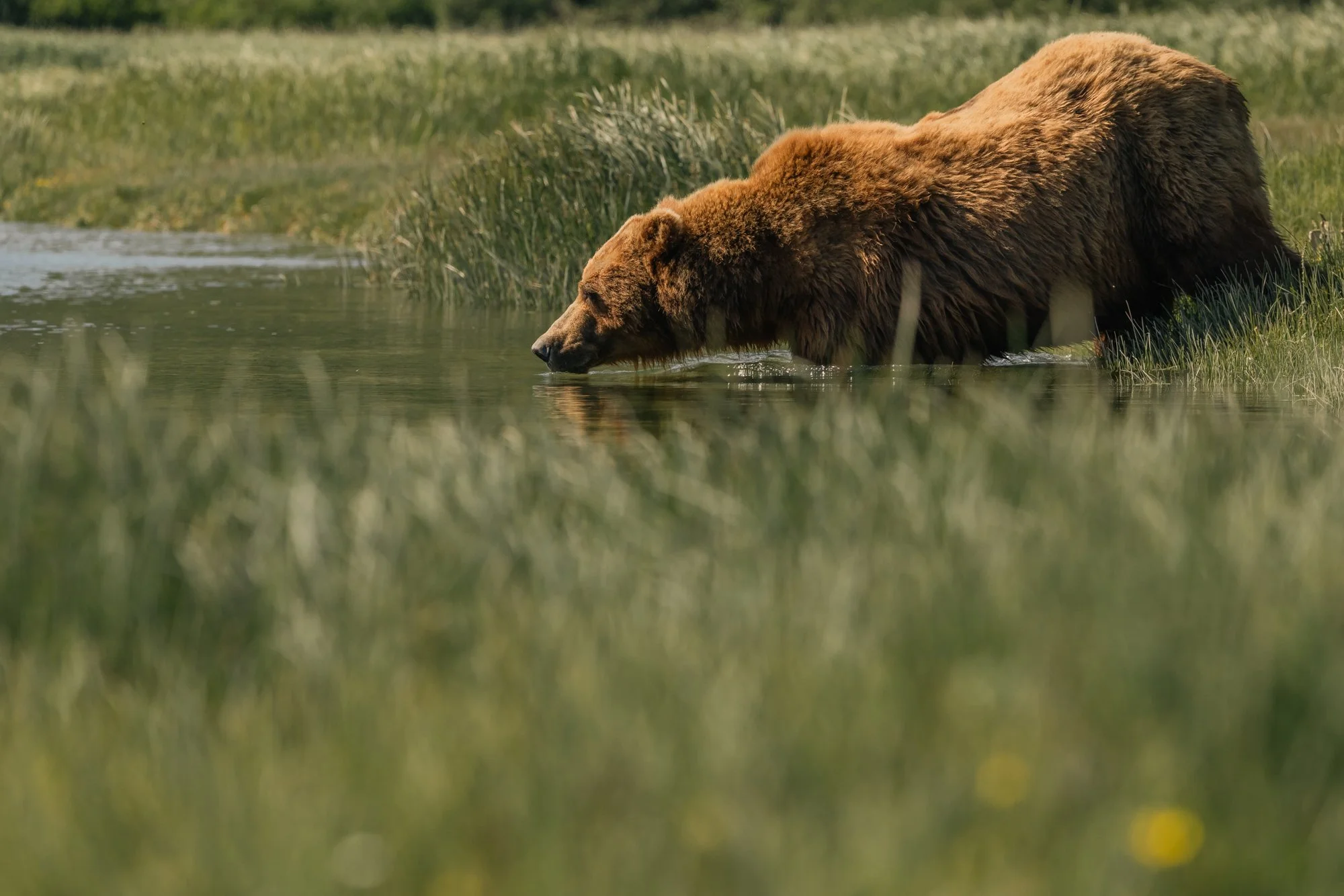
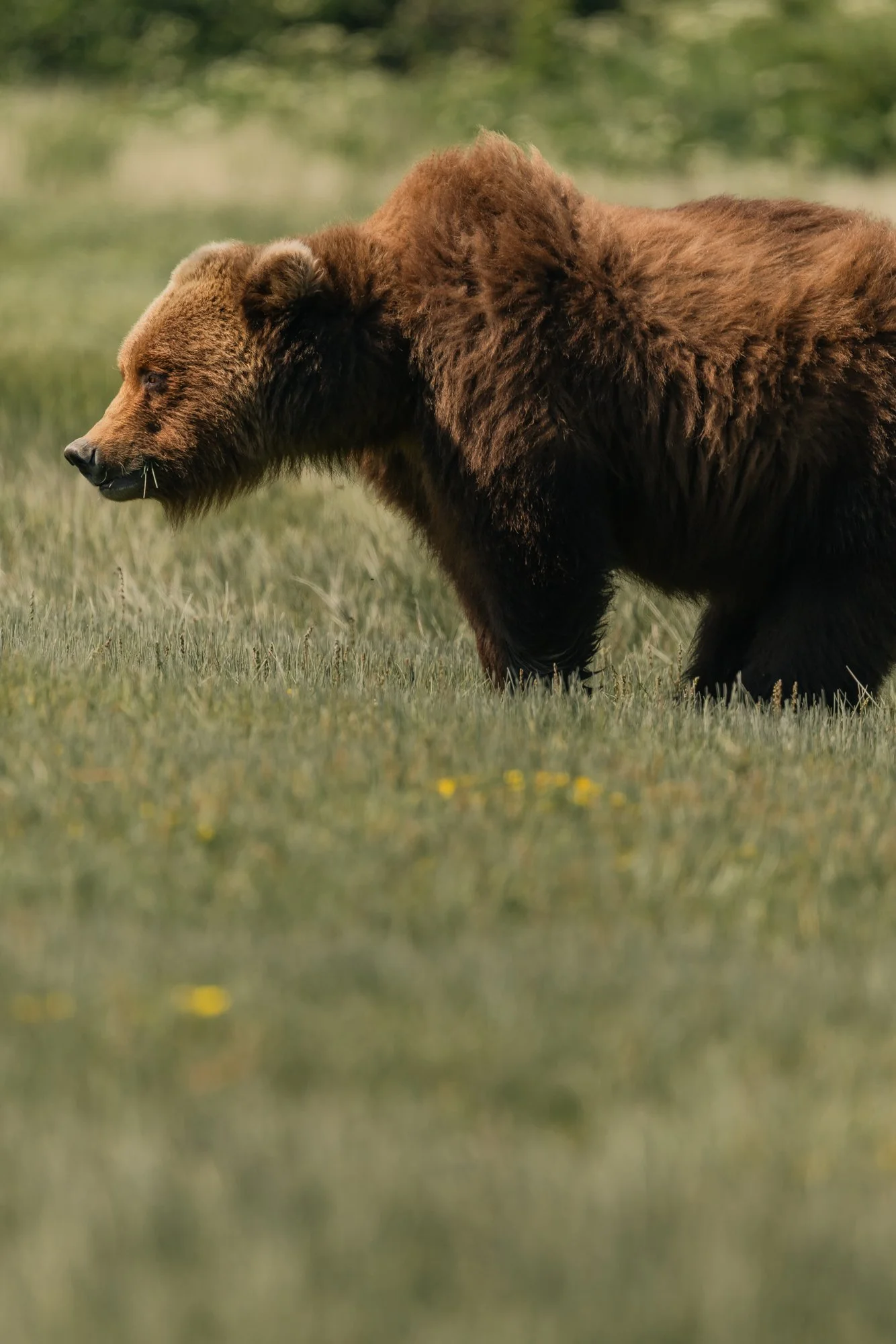
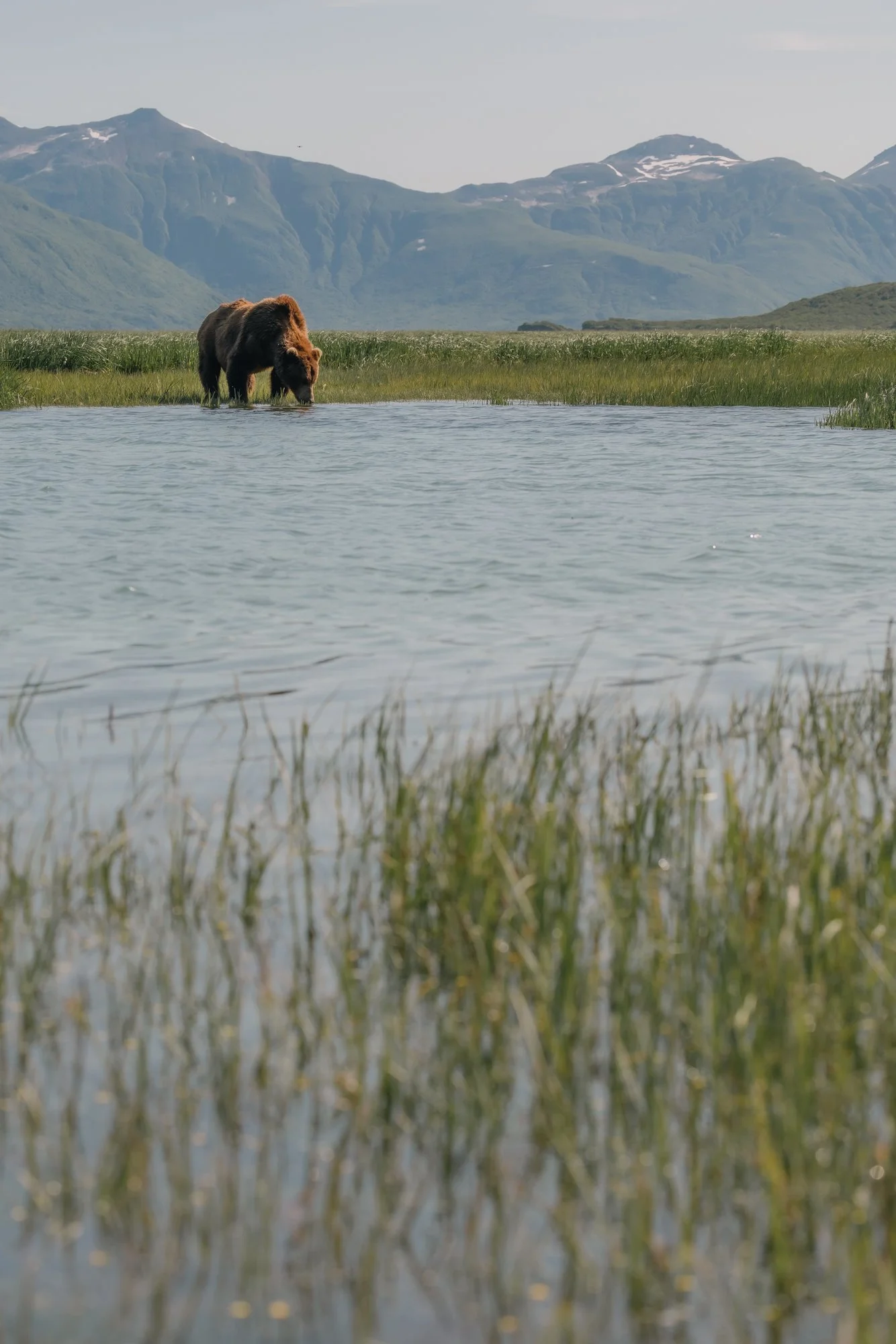
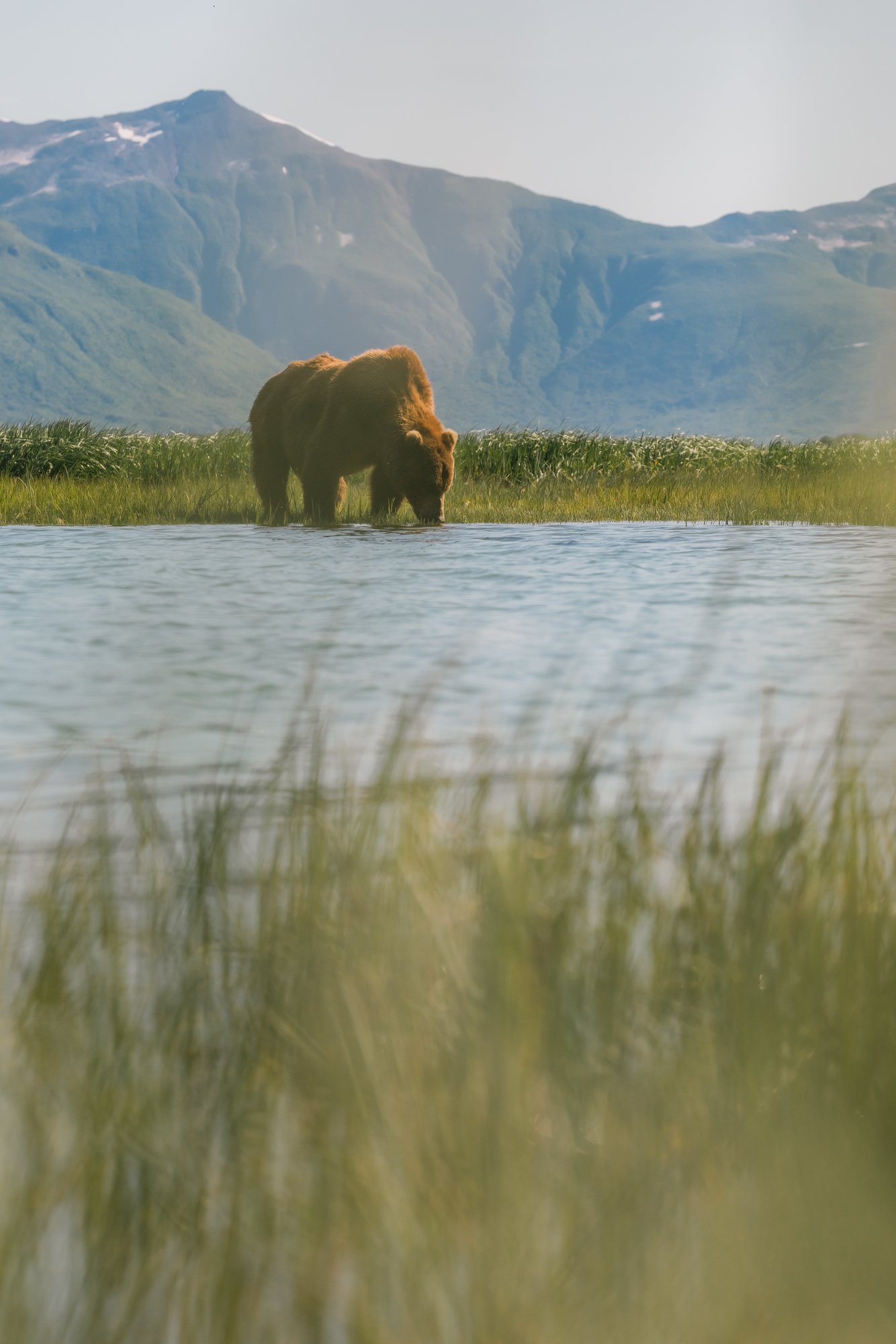
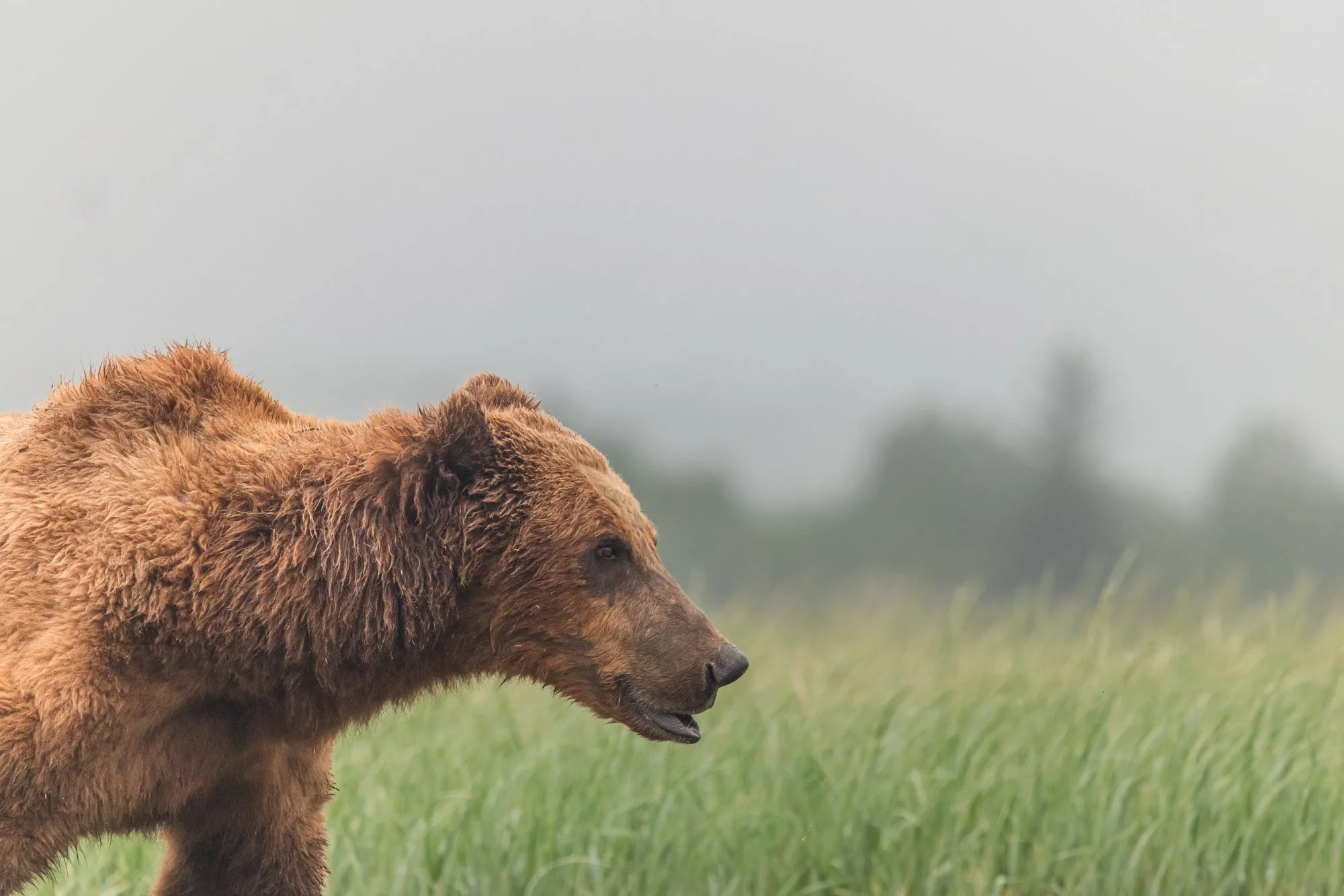
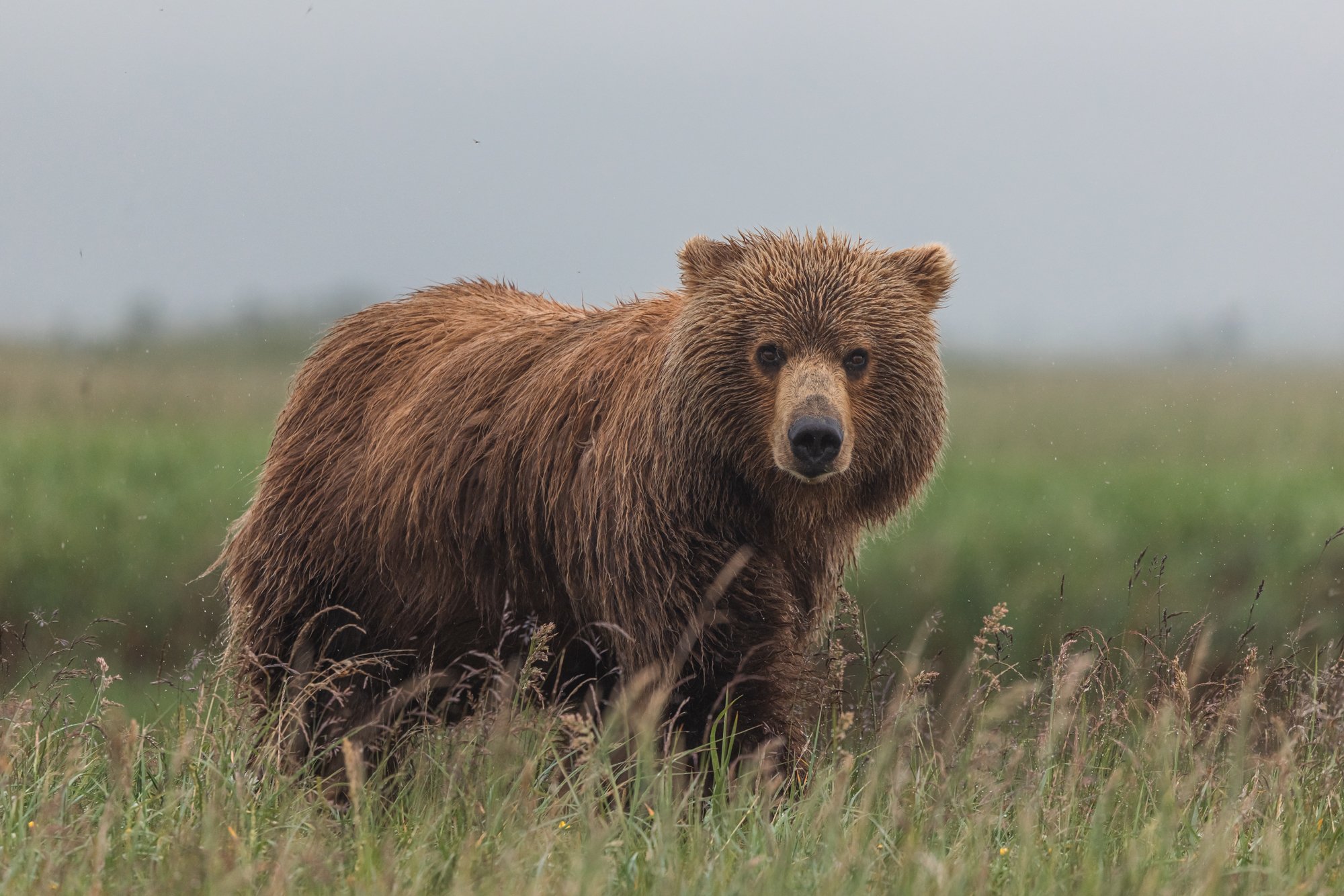
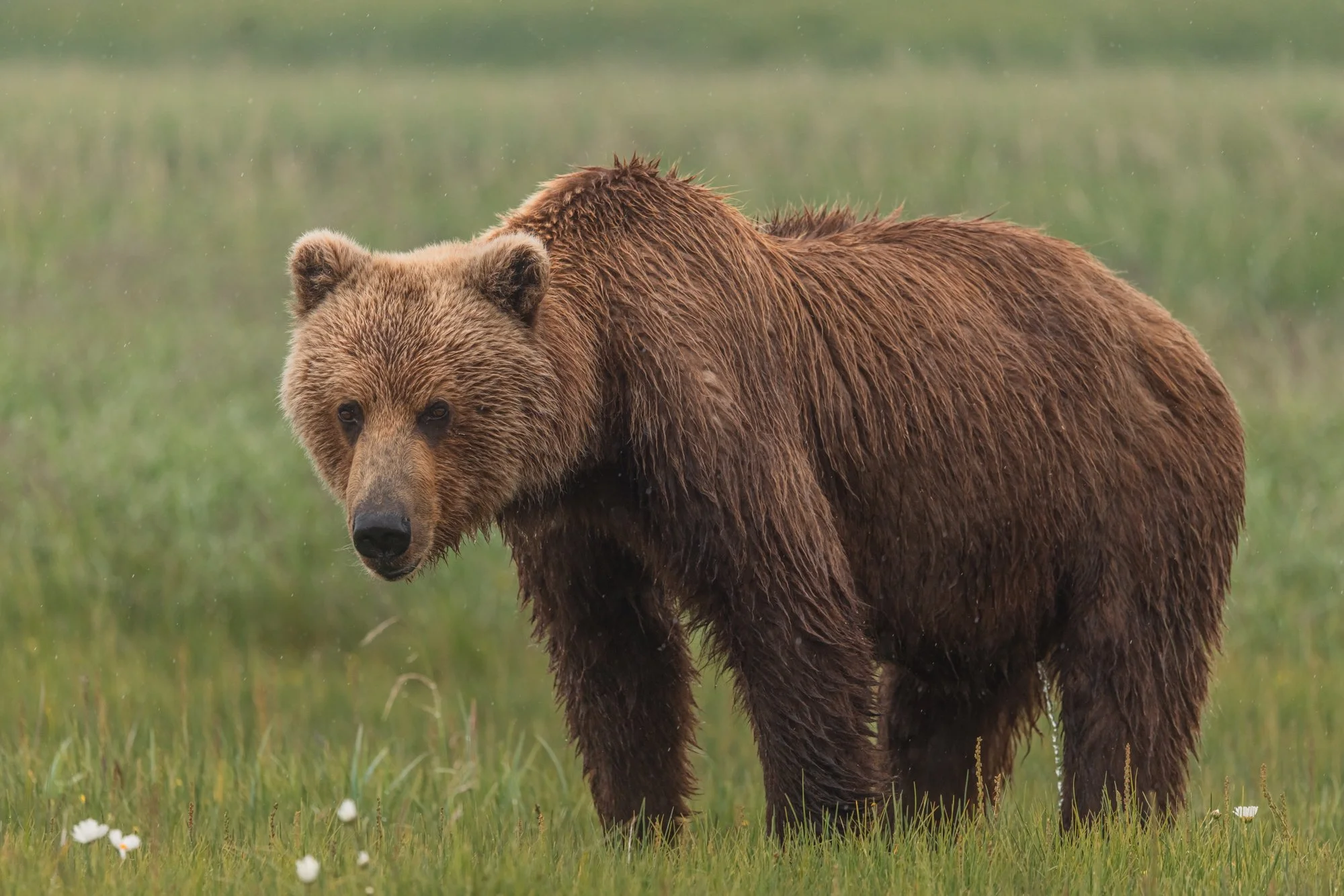
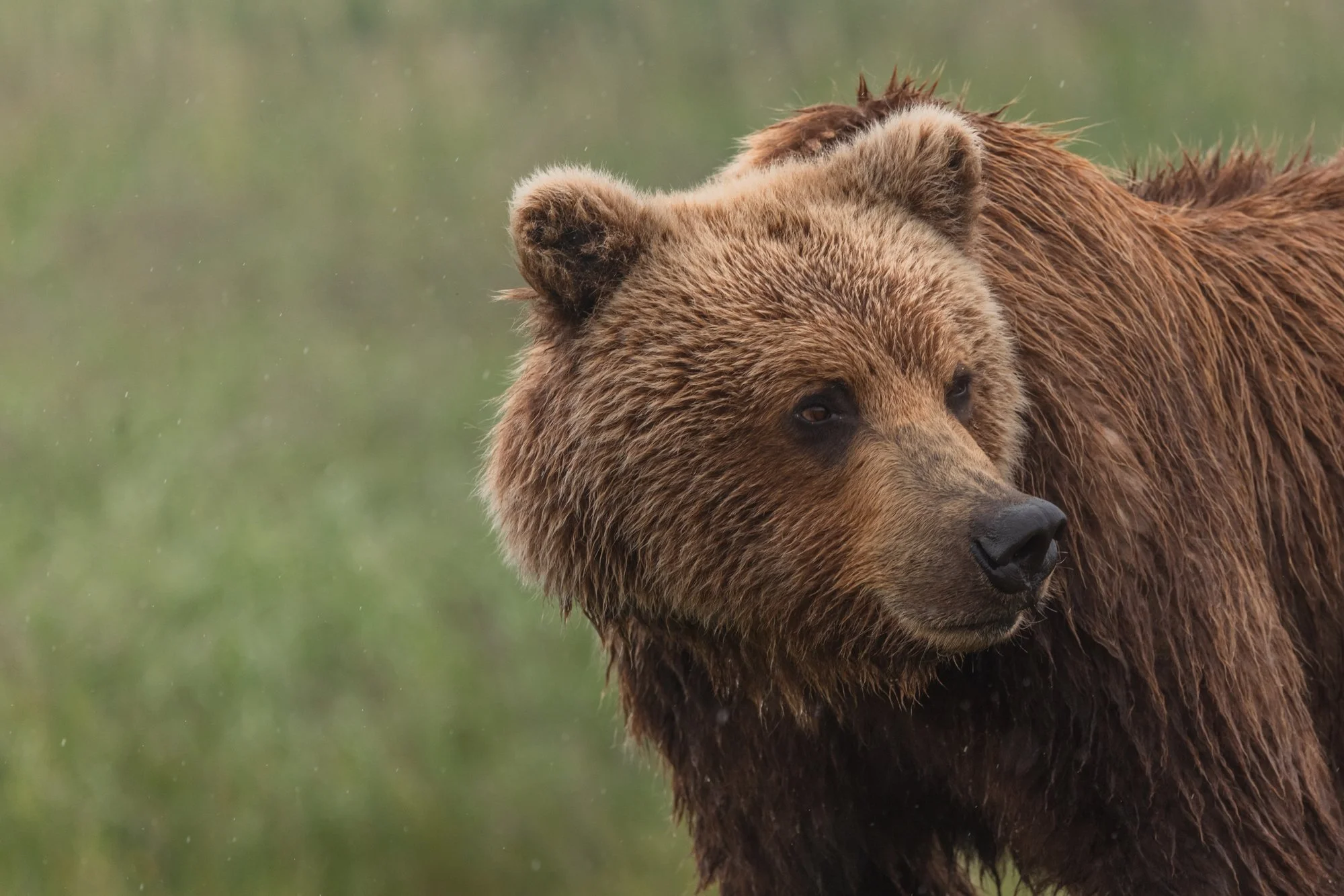
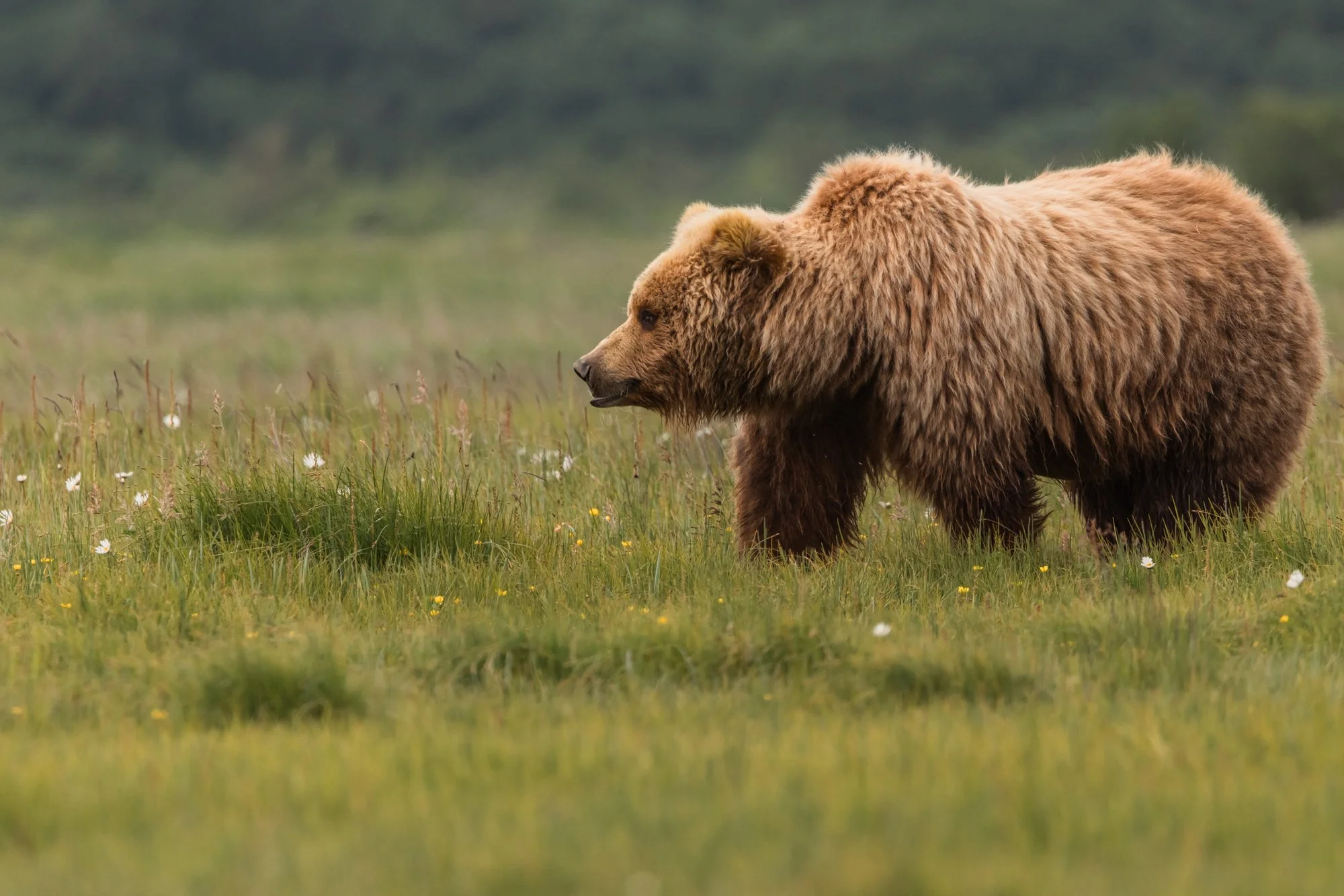
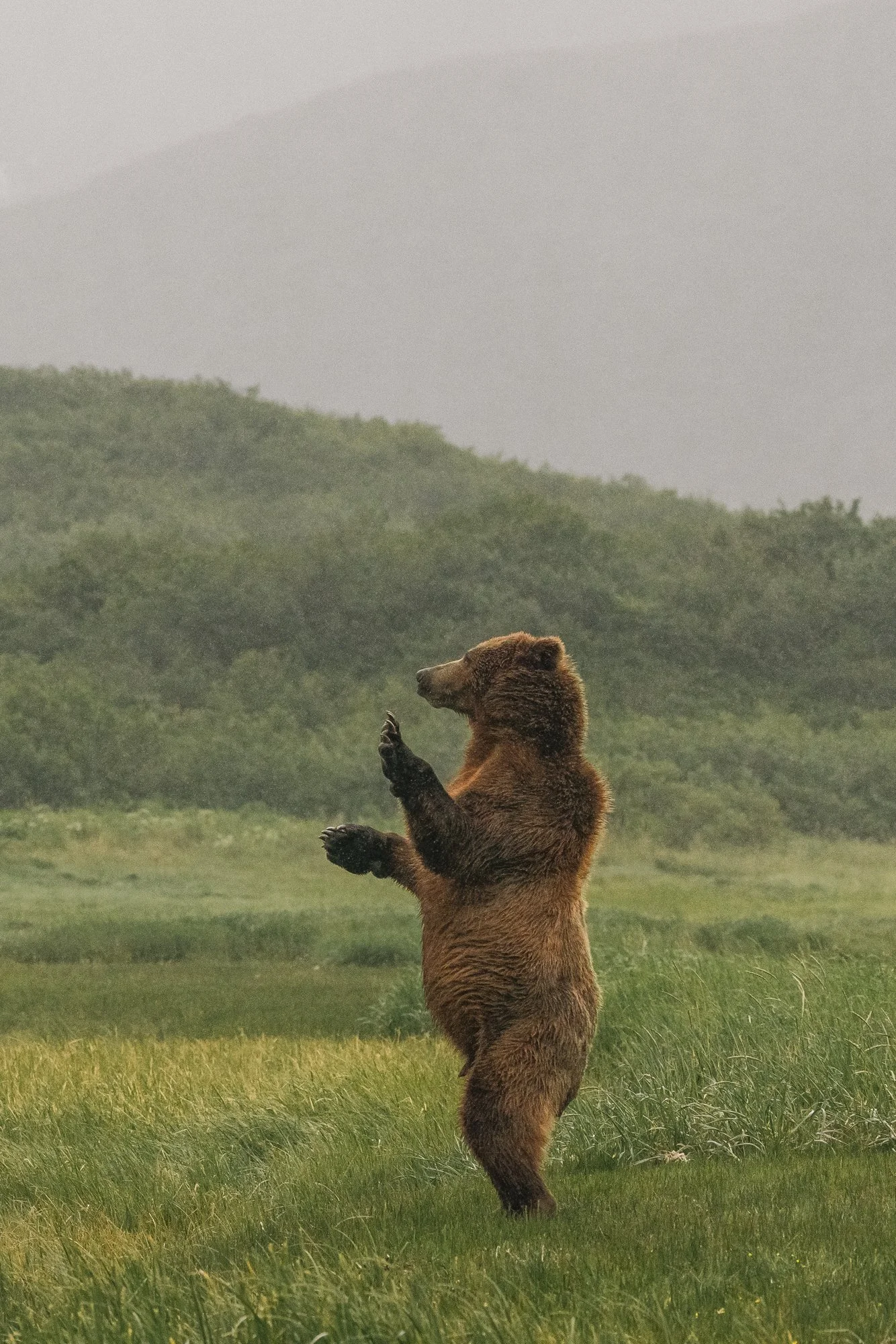
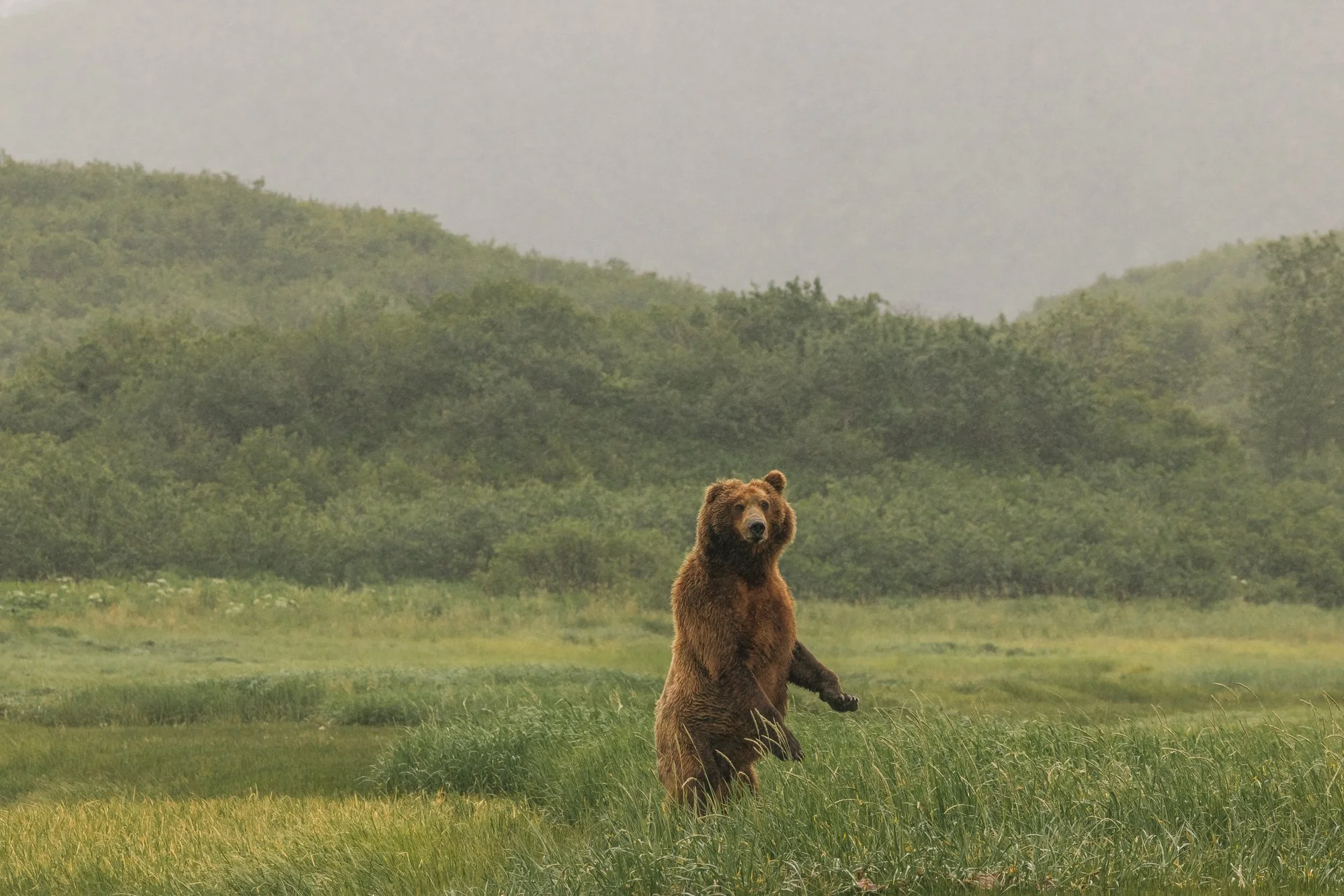
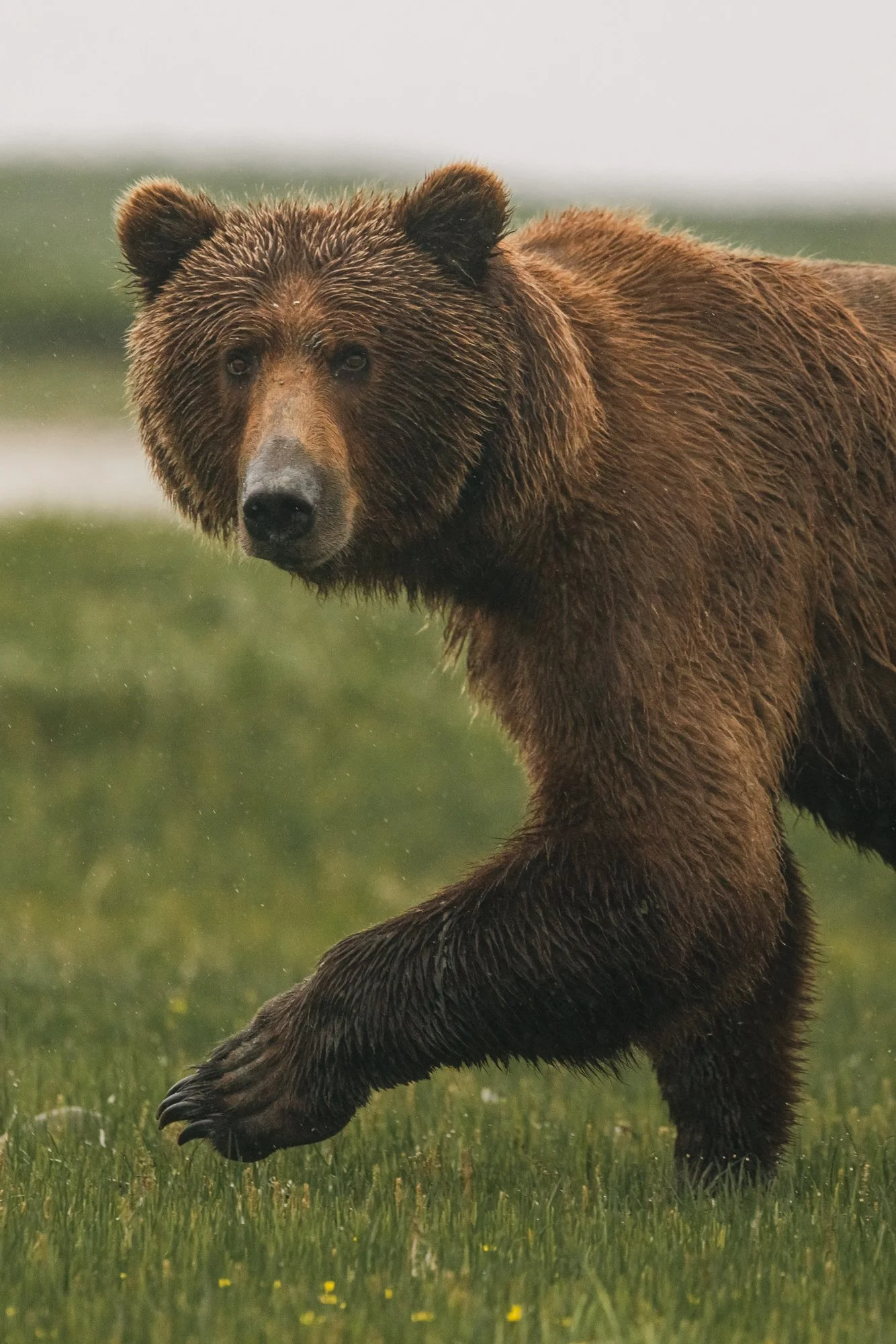
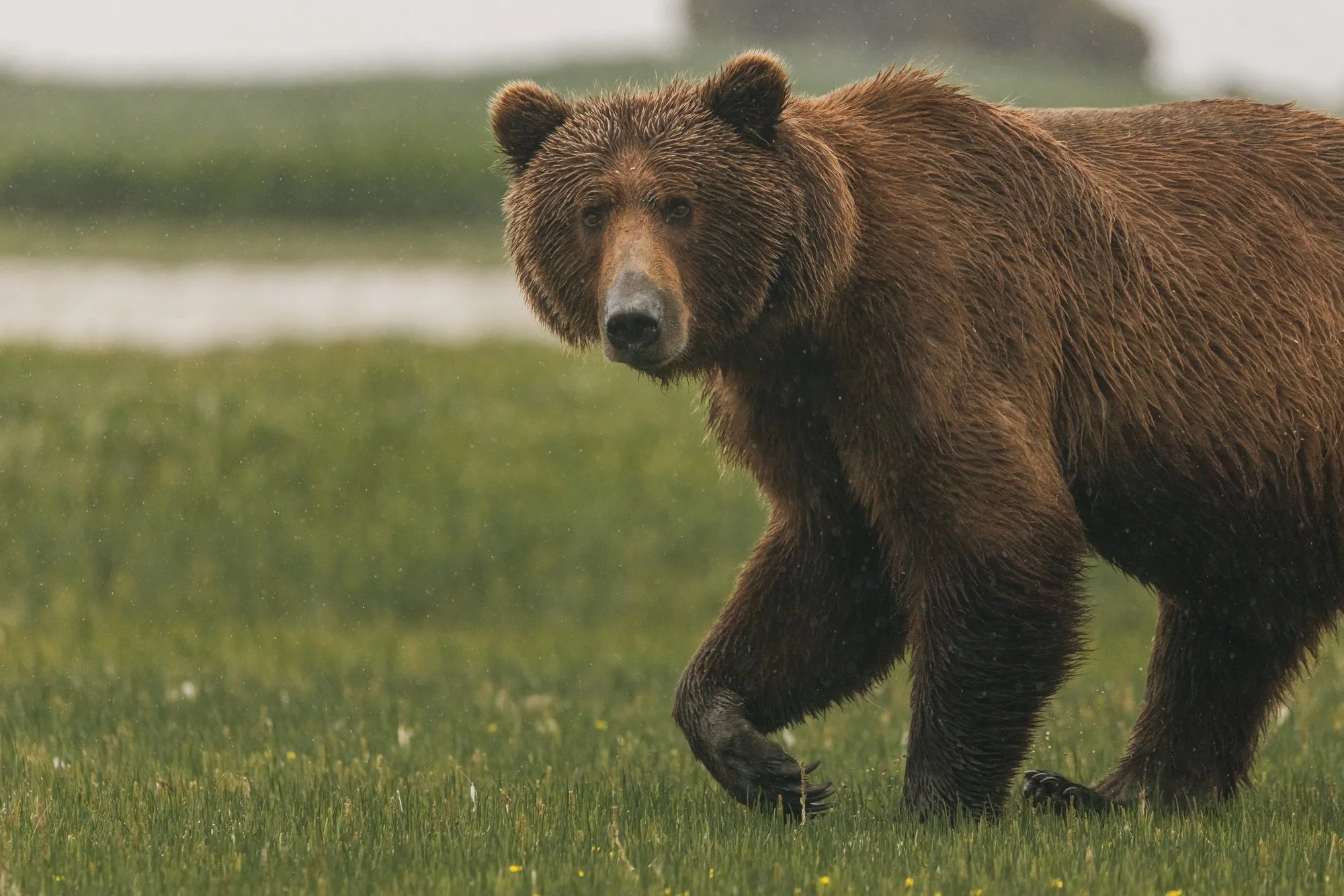
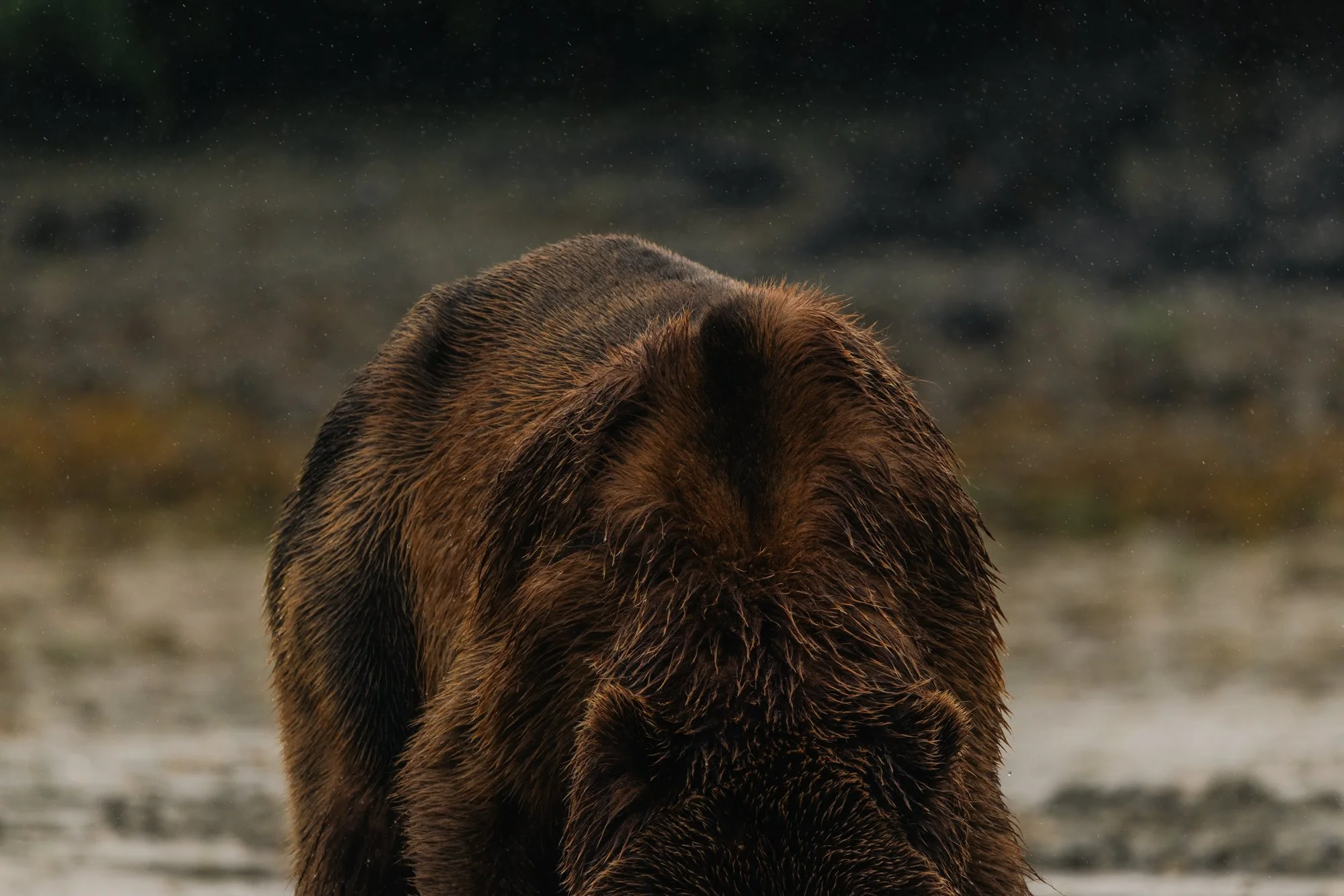
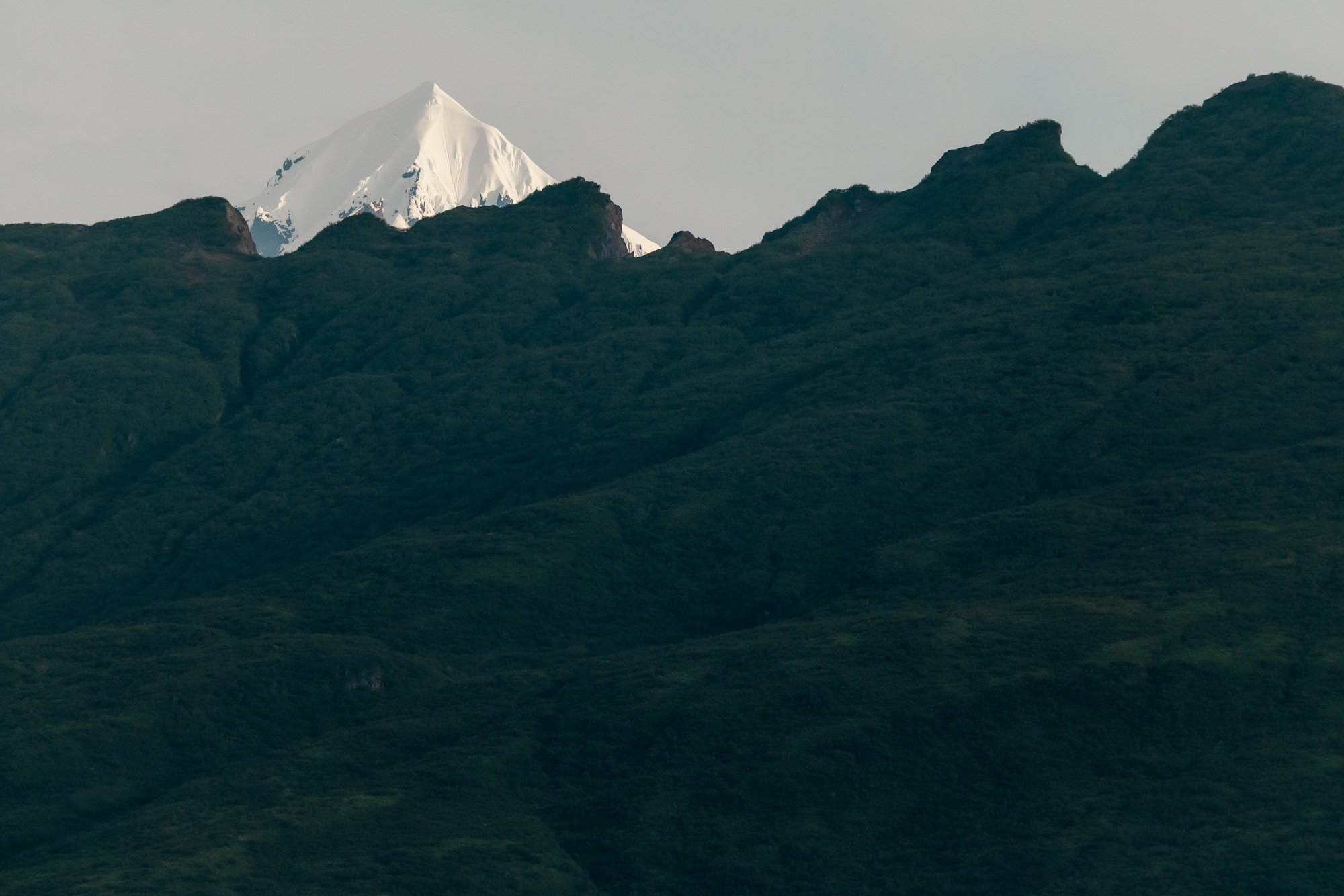
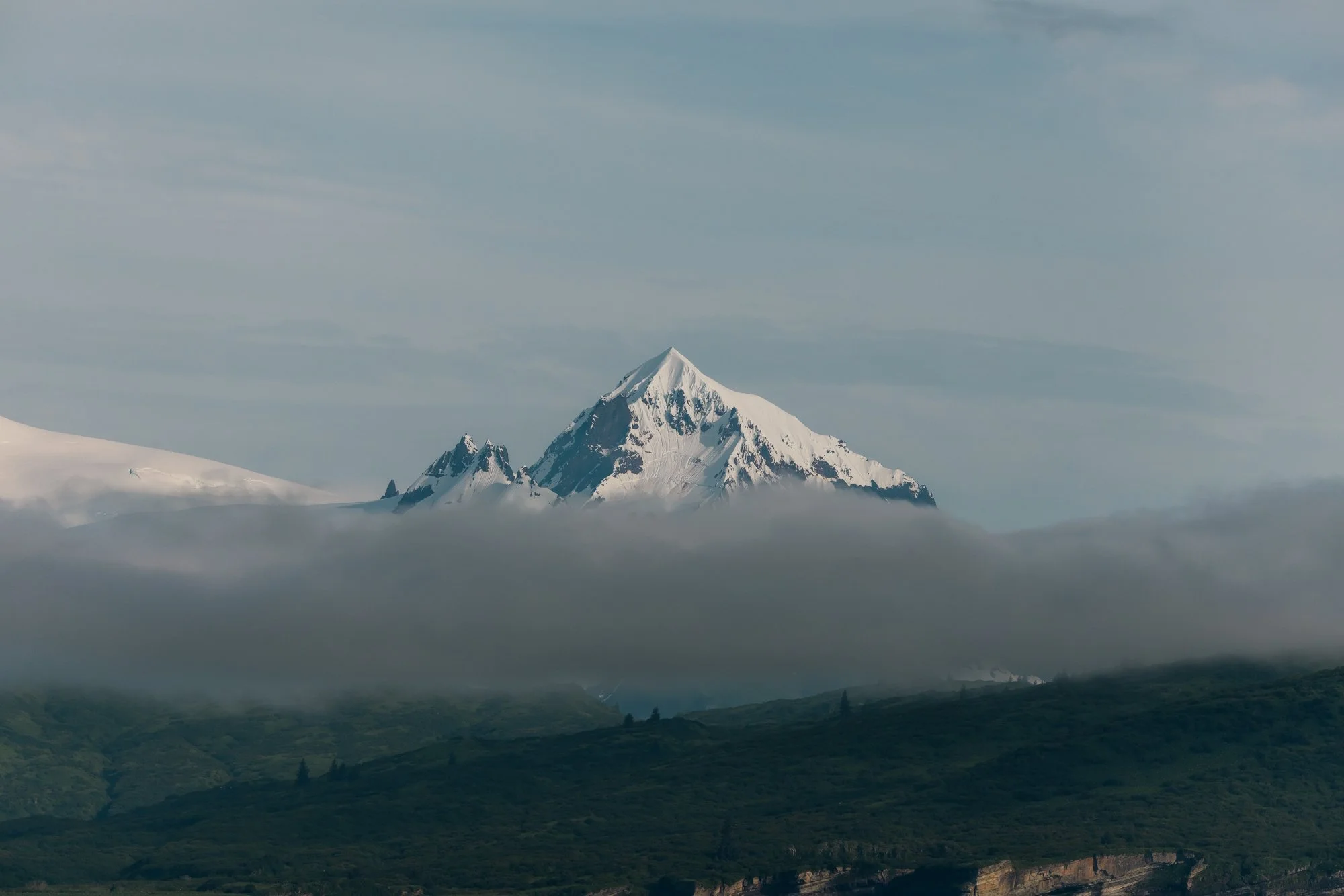
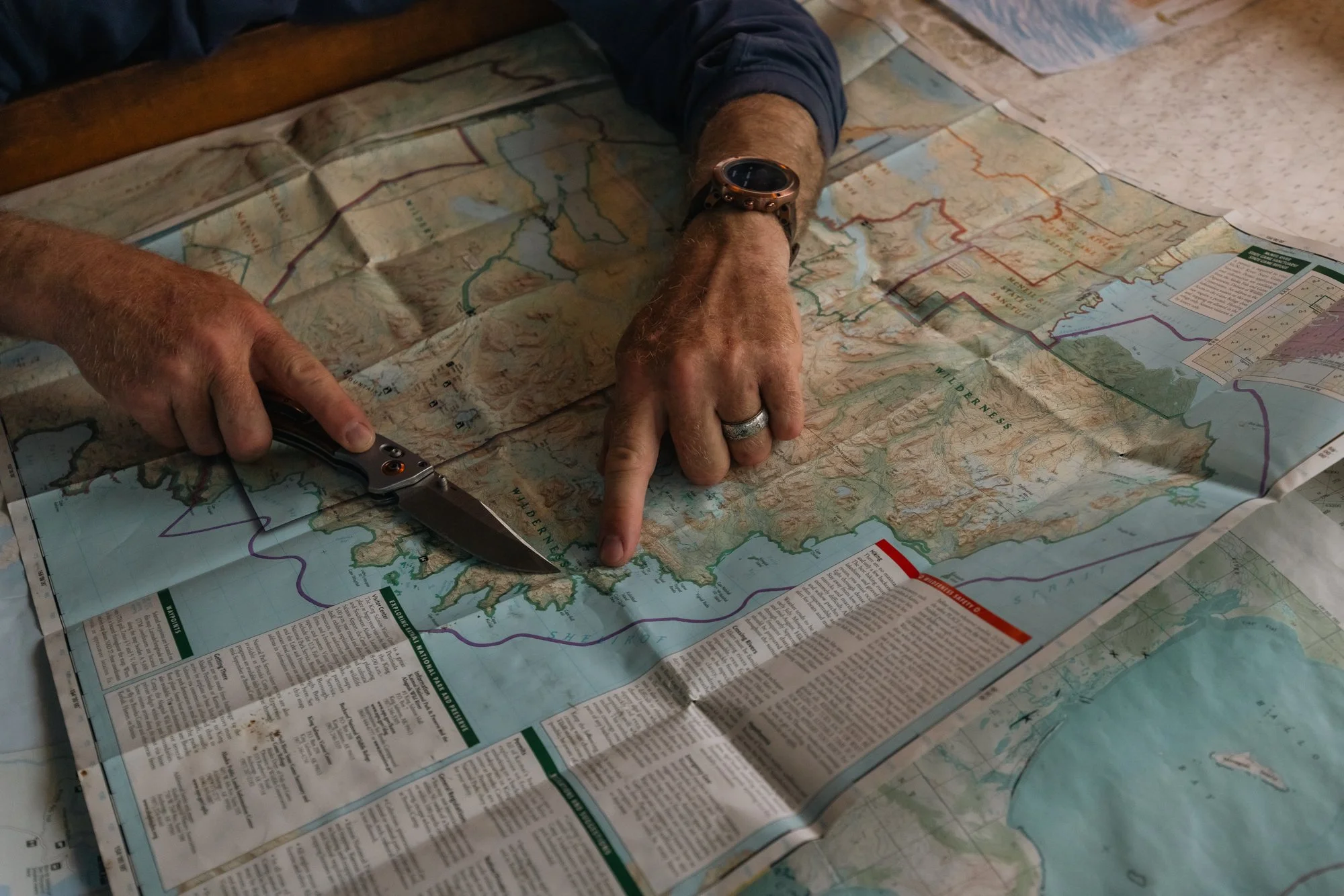
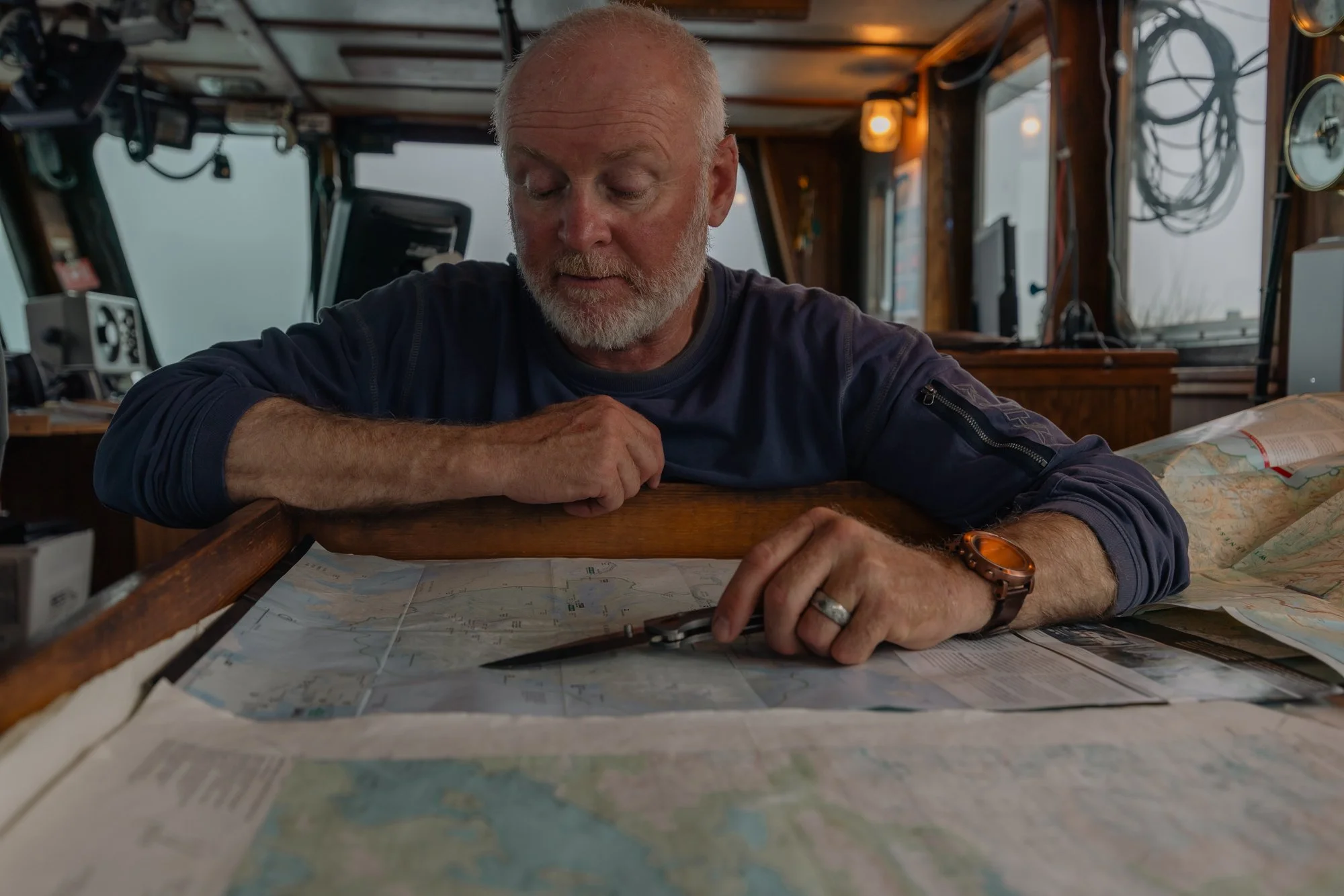
He traced a finger over a map, circling an expanse labeled simply “wilderness.” Katmai National Park, he explained, stretches across 16,564 square kilometers - one of the largest in the United States. Established in 1918 to protect the volcanic Valley of Ten Thousand Smokes, today it holds more than 700 species, from salmon and eagles to caribou and wolves. But the bear reigns supreme here - there are around 2,200 coastal brown bears, among the highest densities on Earth. Fed by salmon, clams, and sedges, these bears grow to sizes unmatched anywhere. Males swelling past 1,200 pounds in late summer, females will be smaller but bear the responsibility of raising cubs during their years of dependence. And unlike most of their bear cousins elsewhere, Katmai’s bears have never been hunted. Here, they move with complete indifference to people, a kind of mutual trust that feels almost sacred.
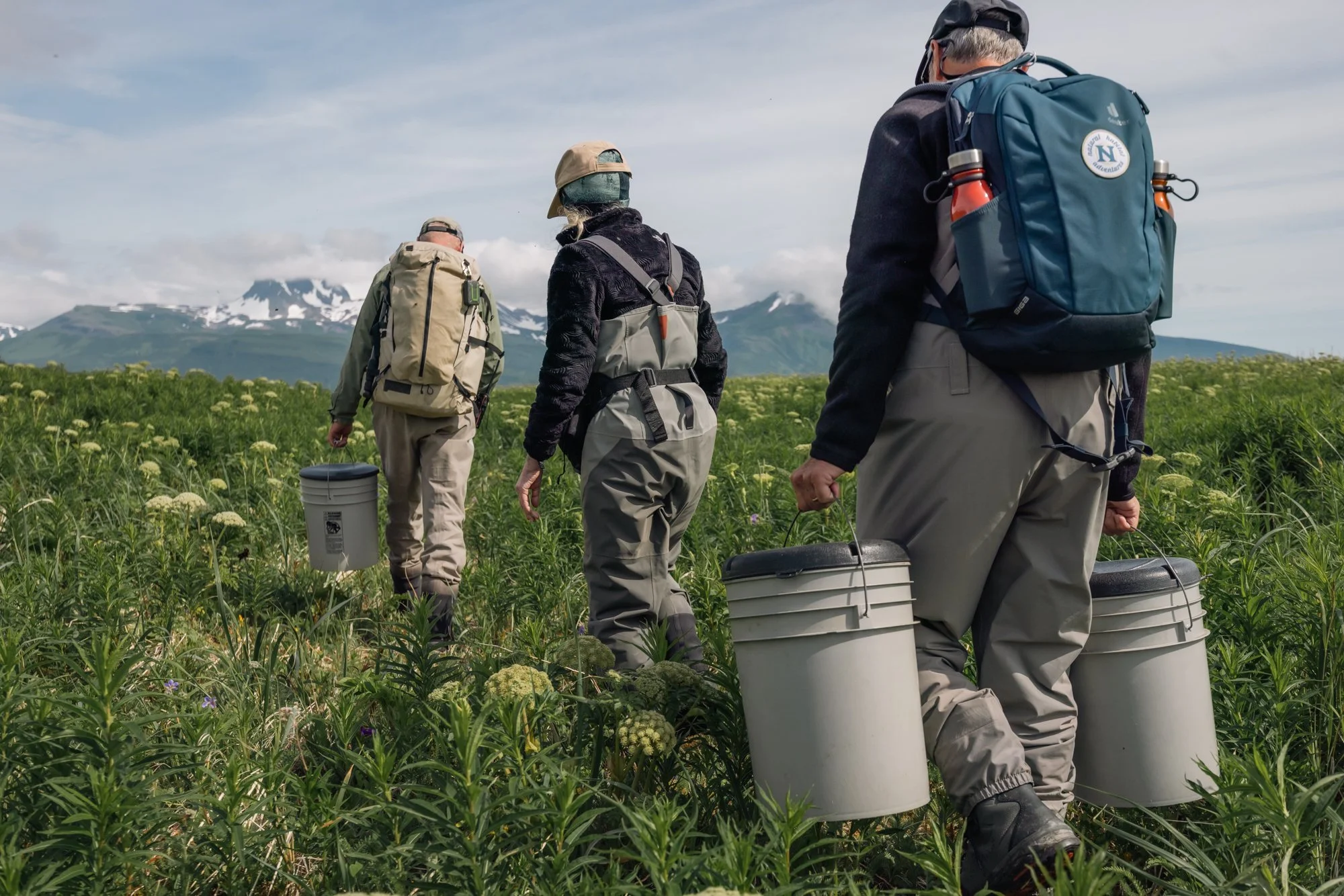
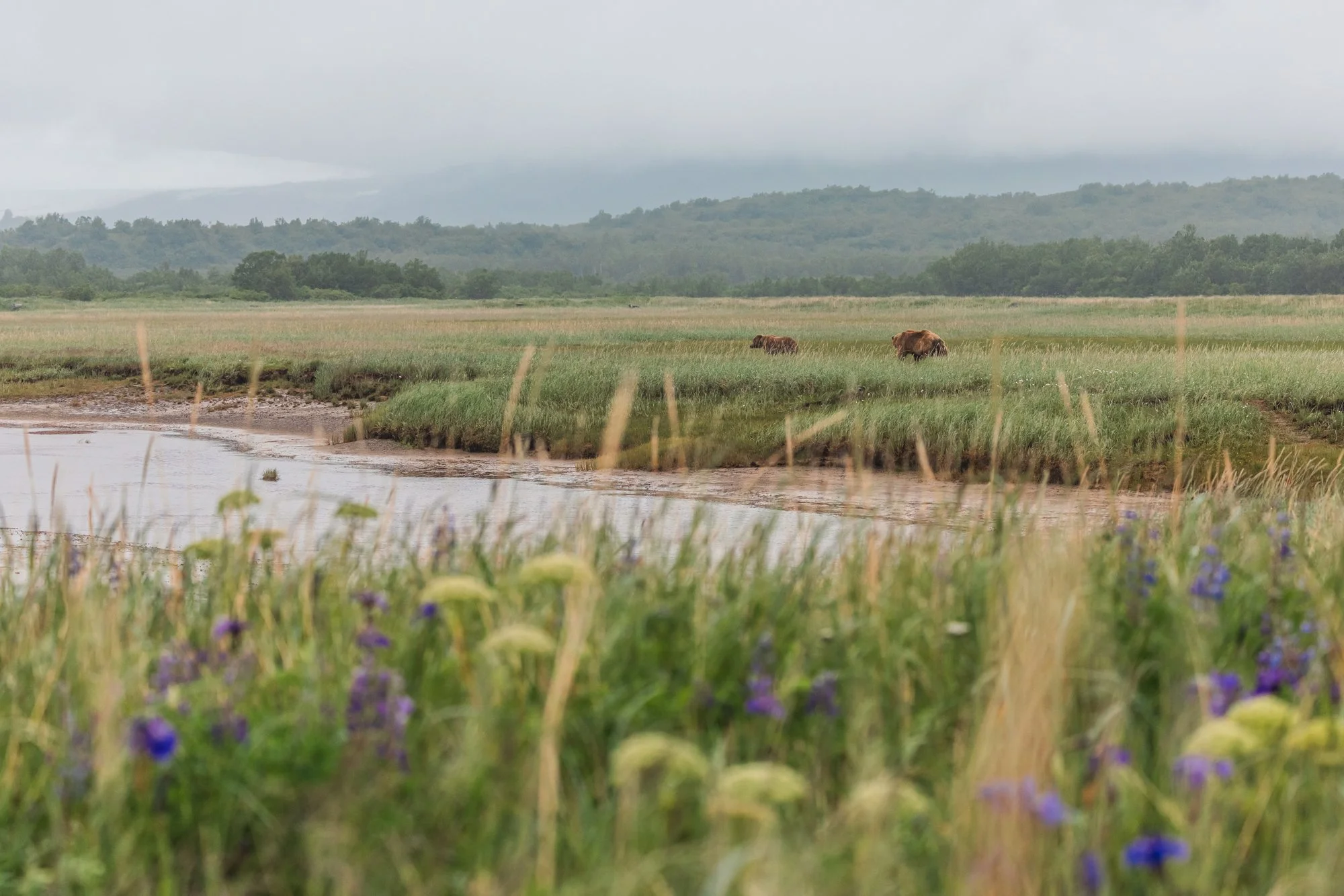
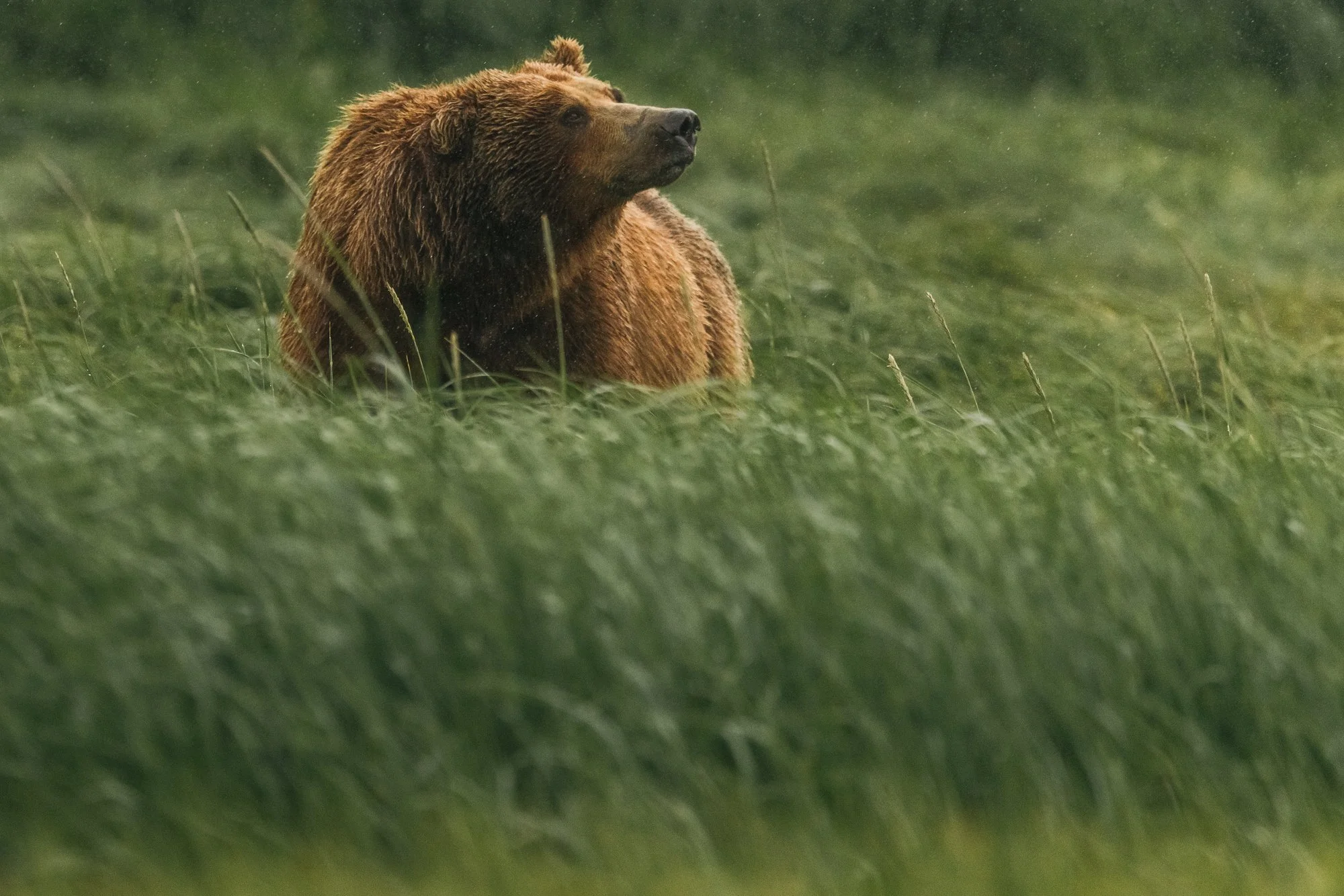
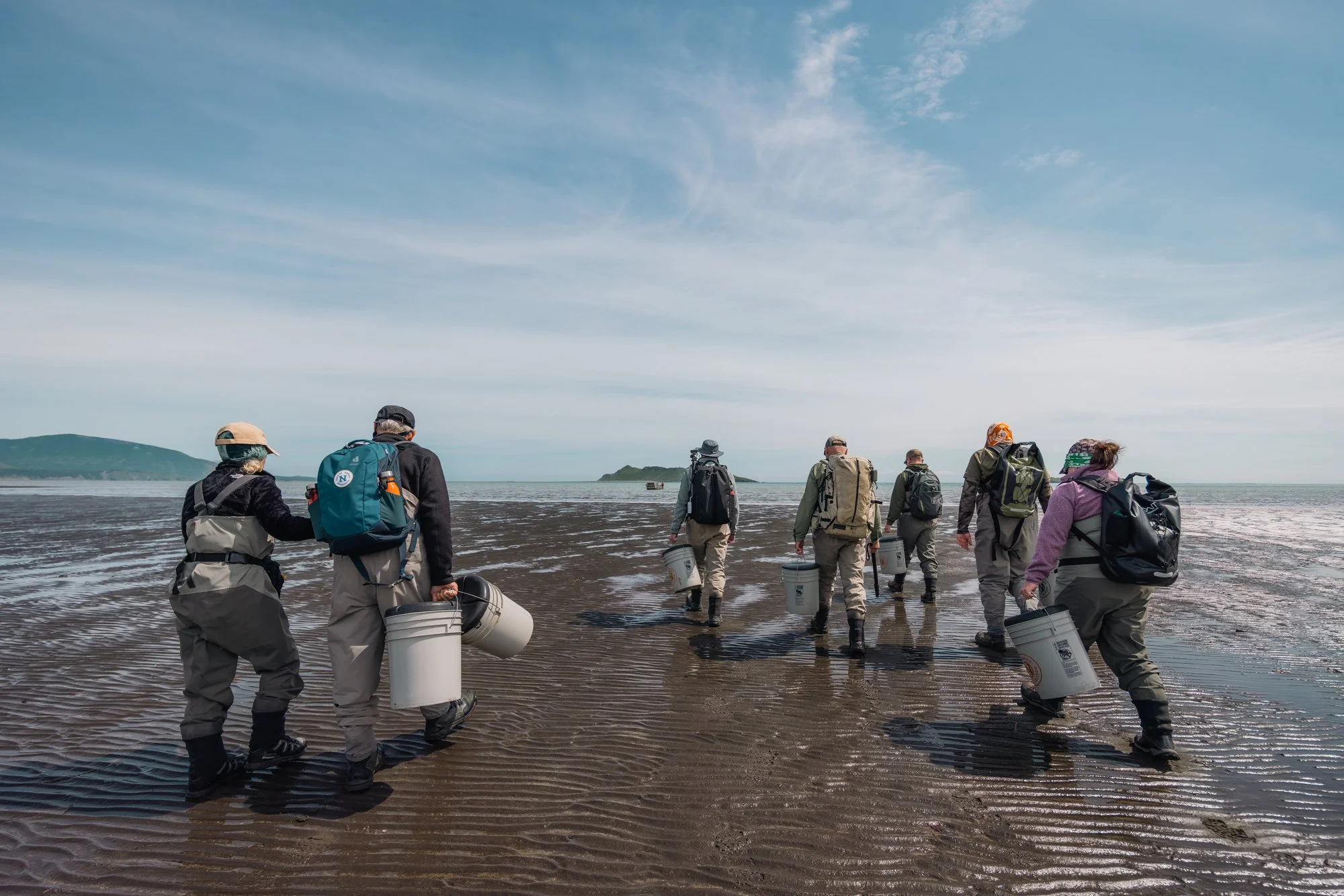
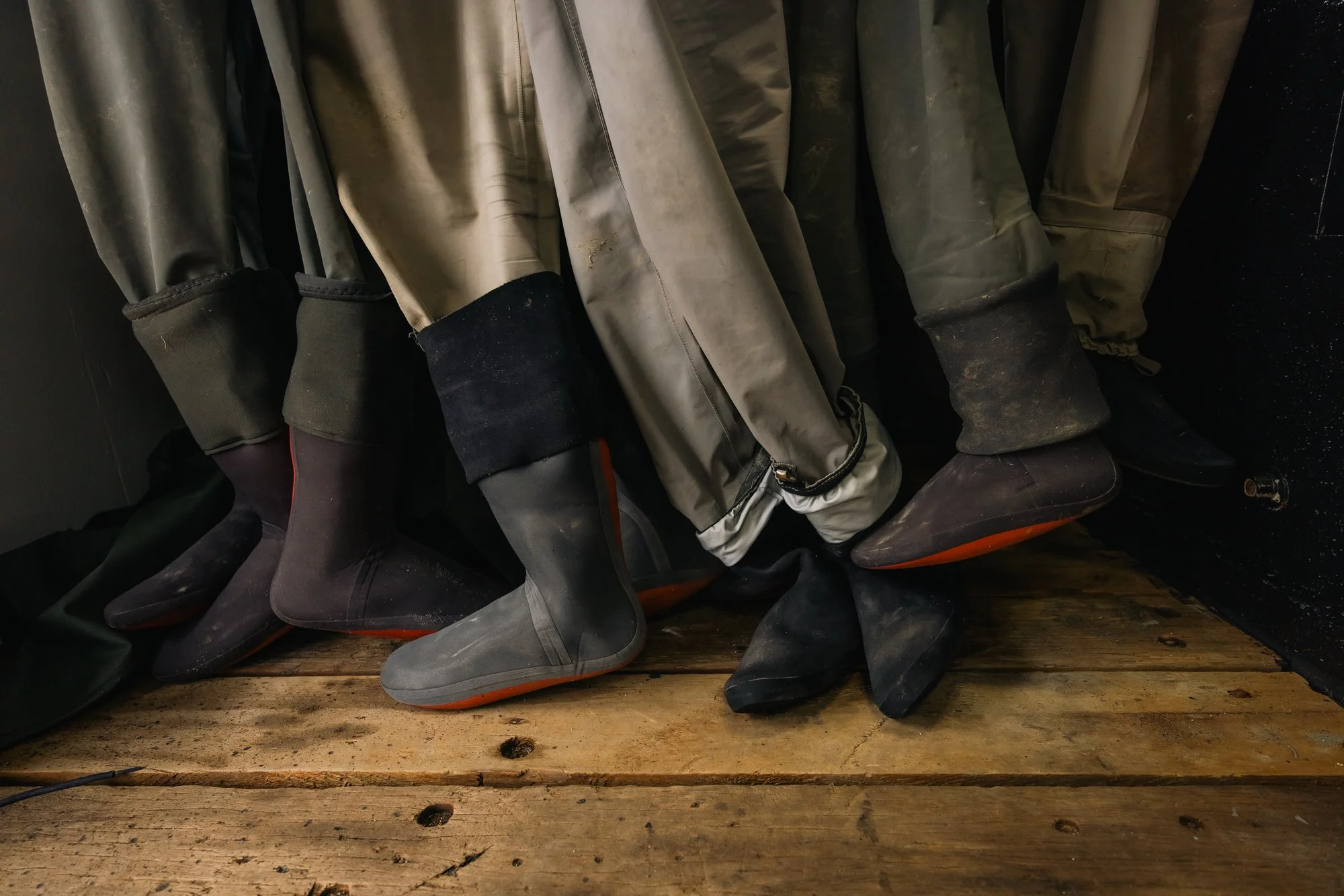
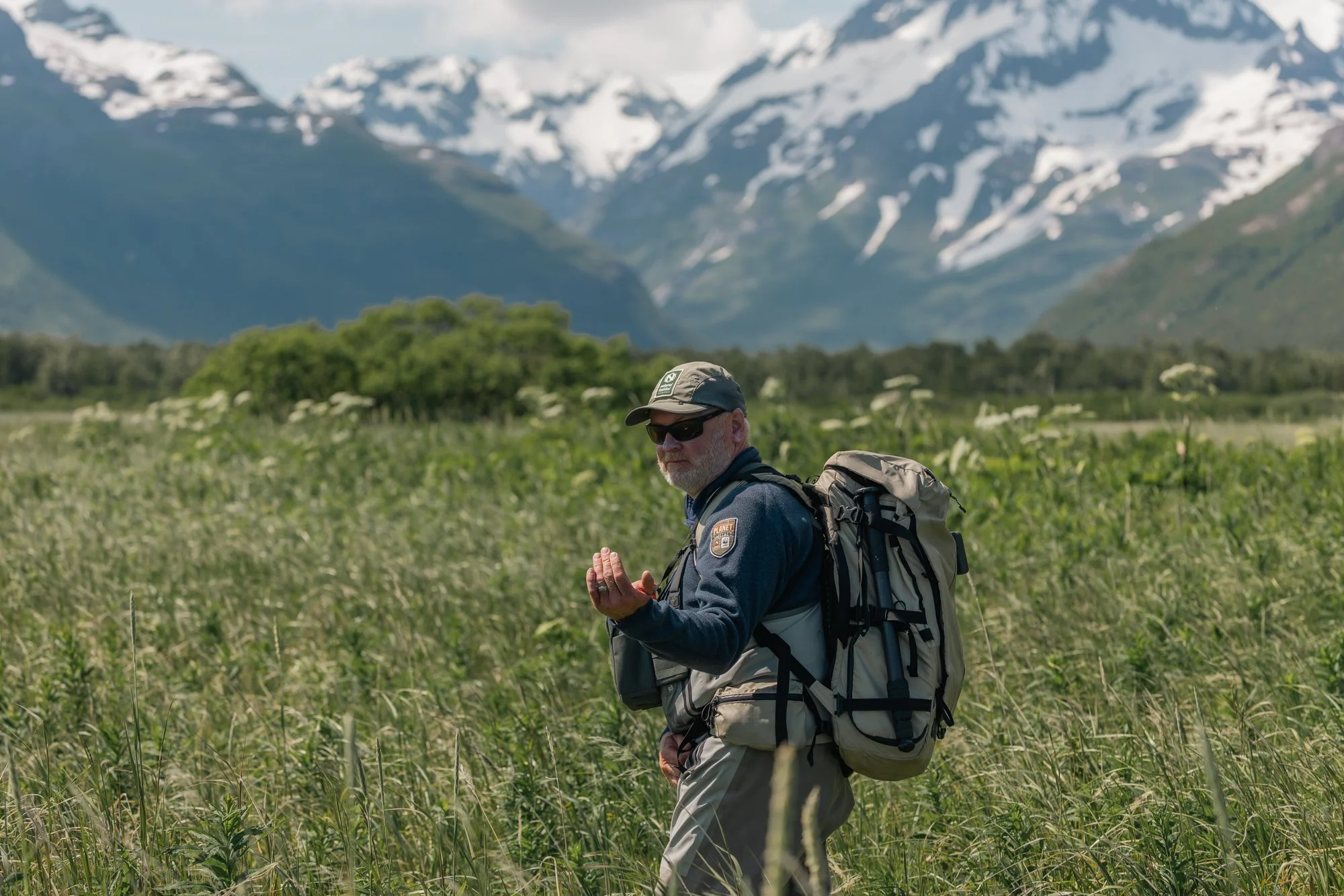
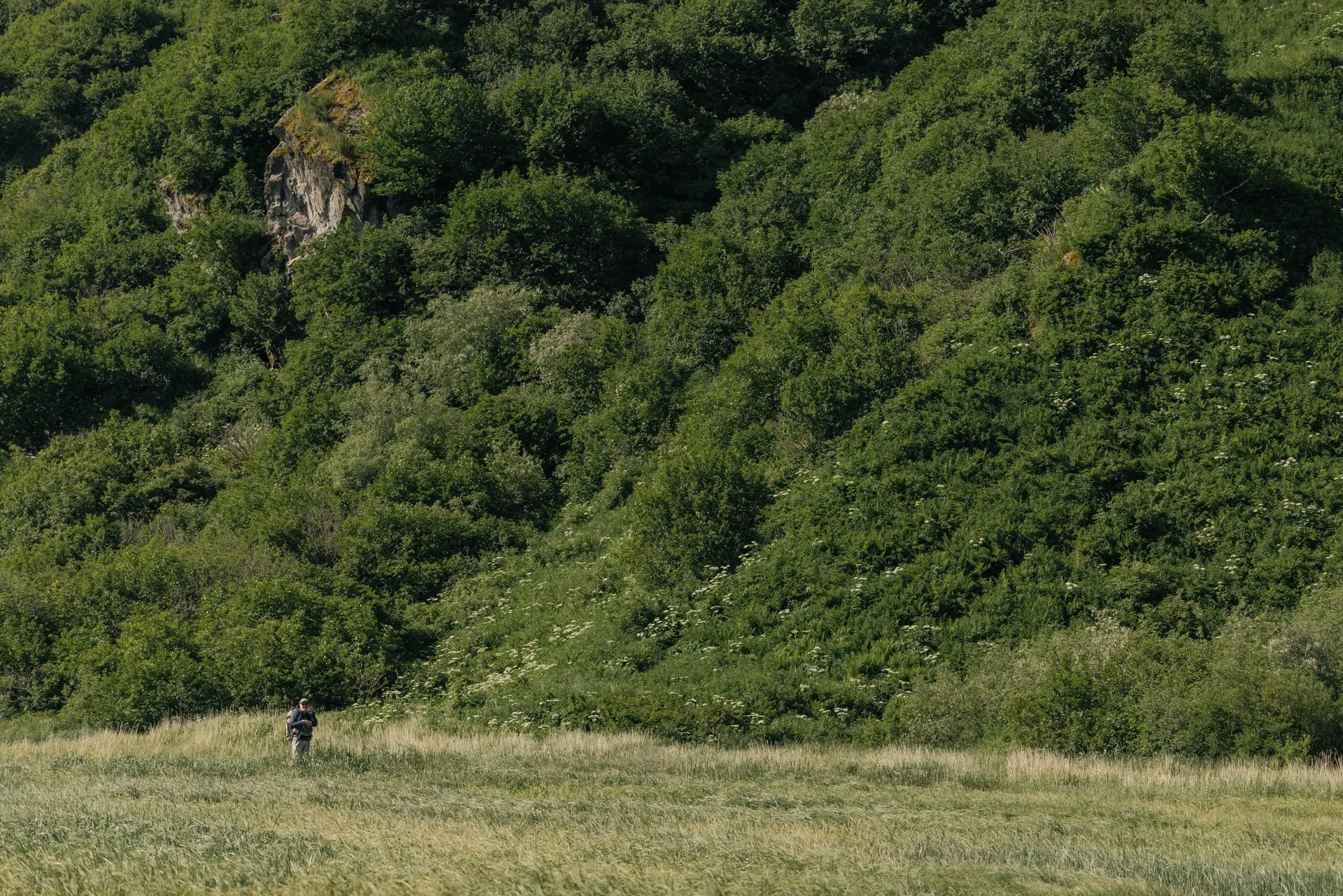
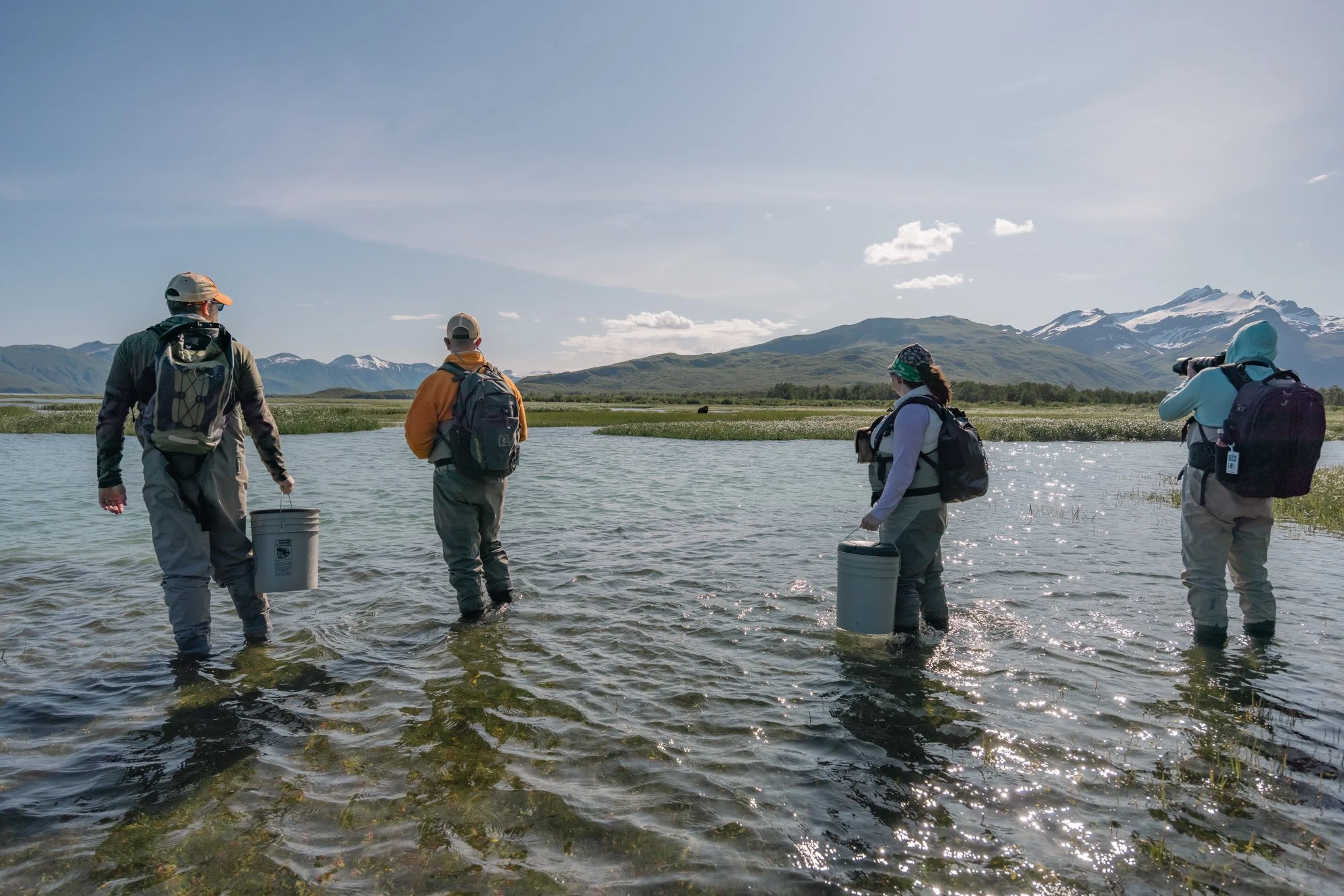
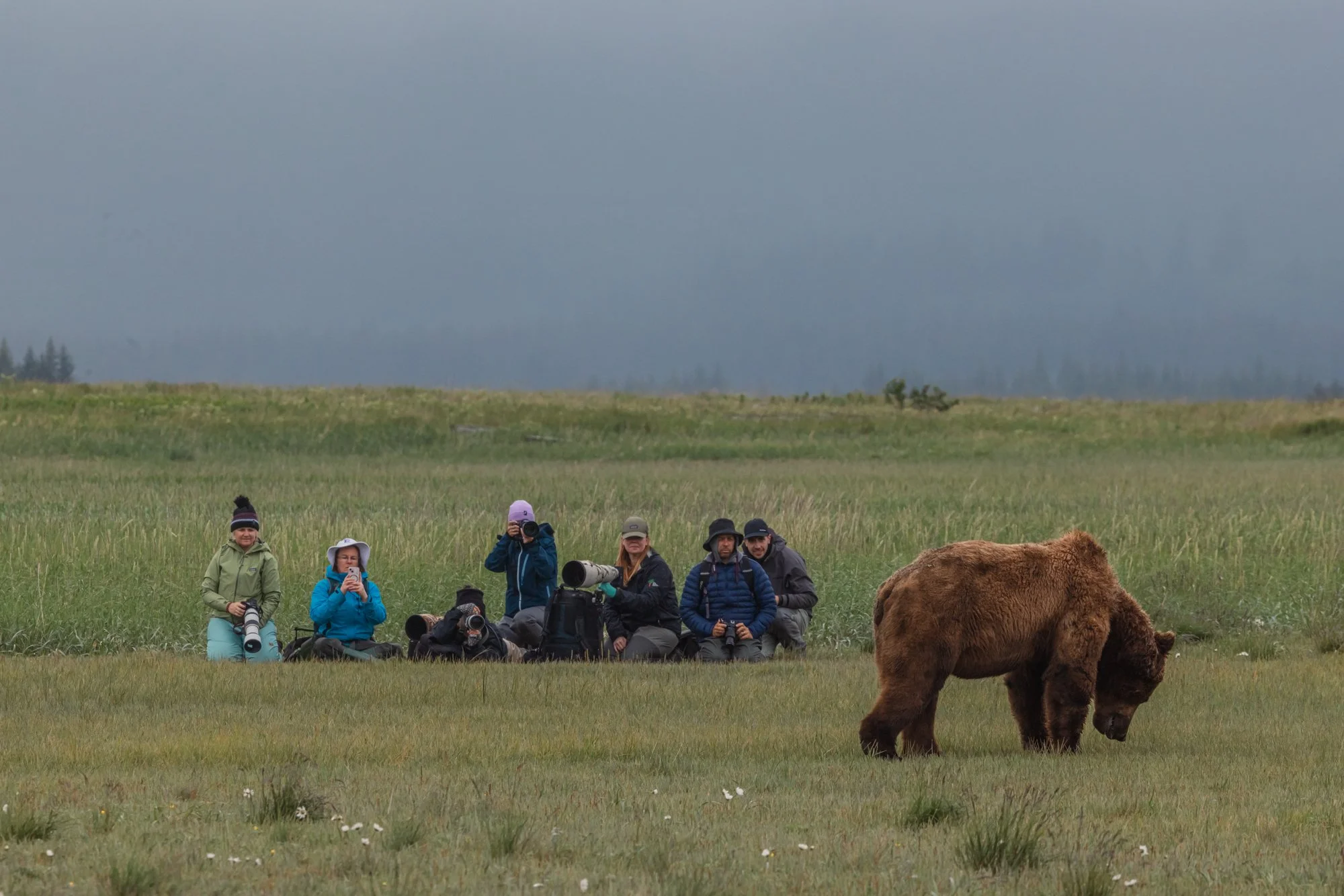
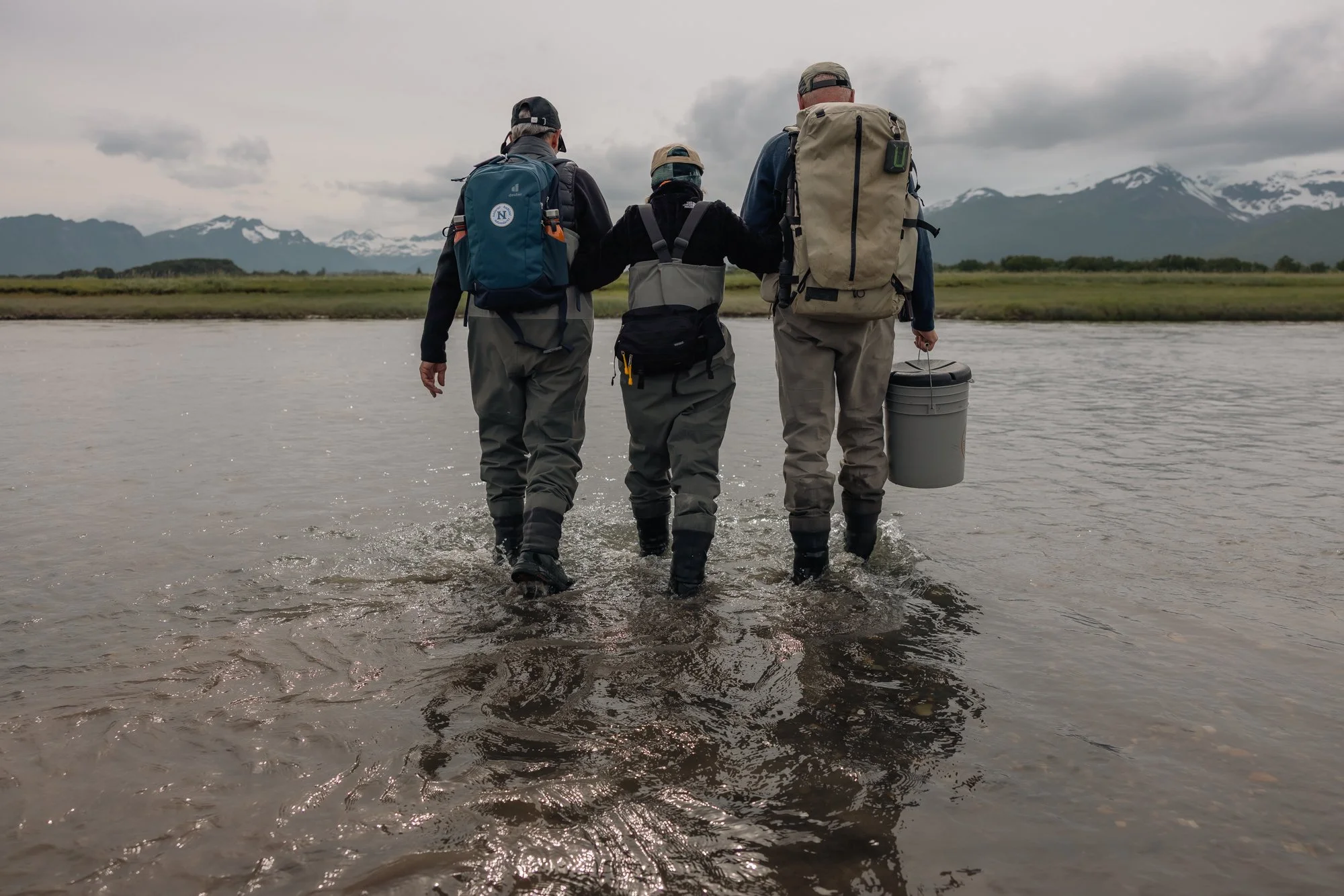
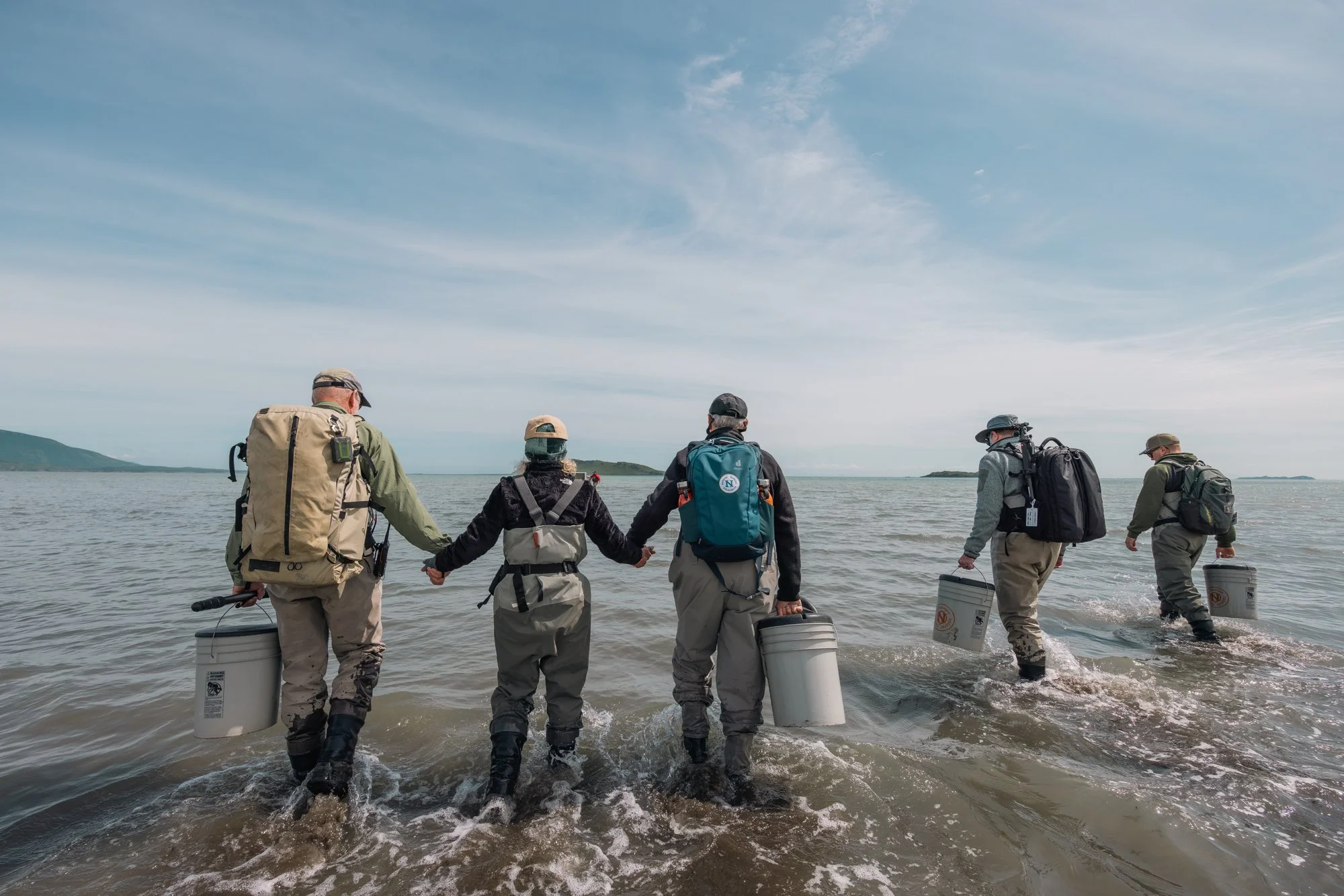
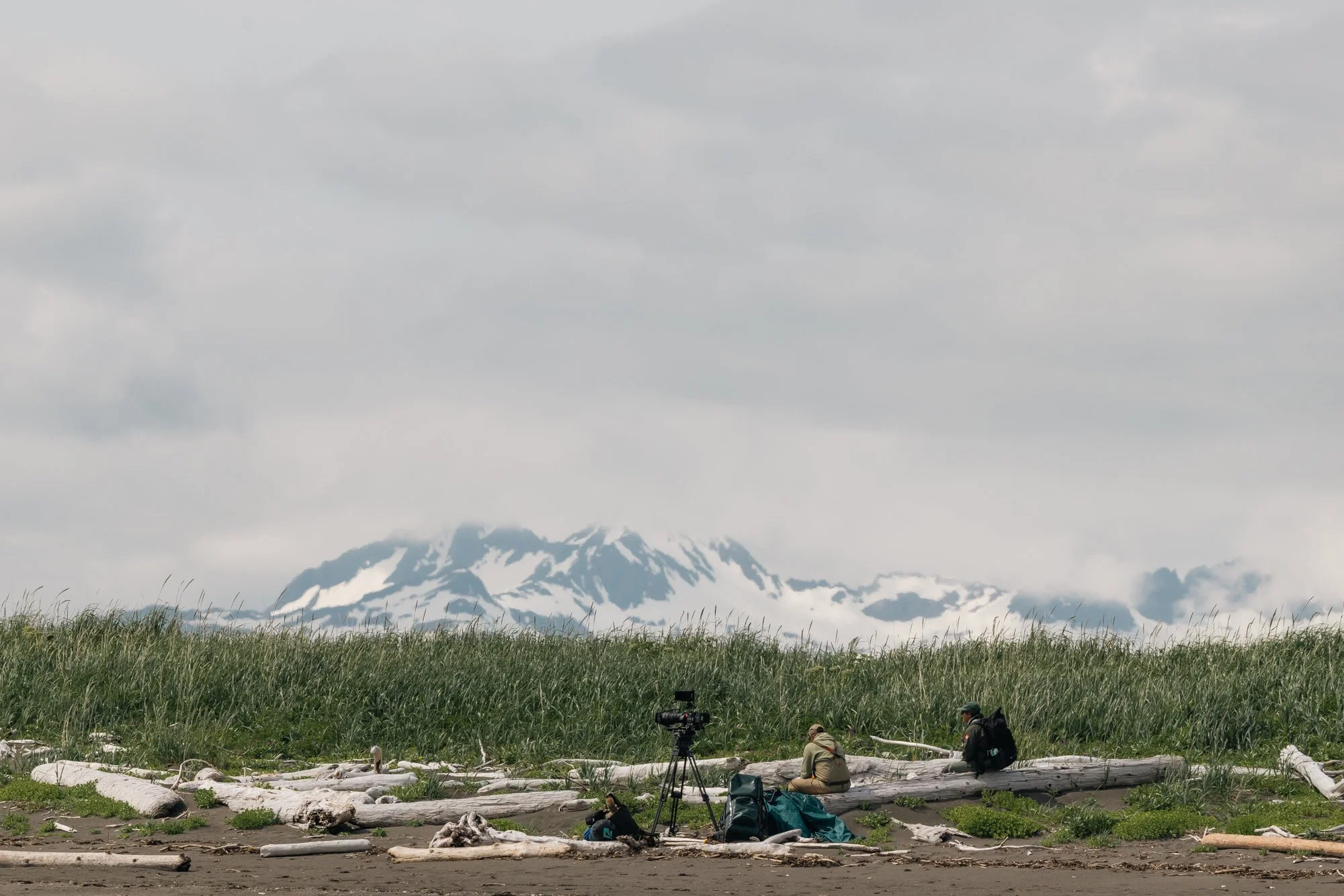
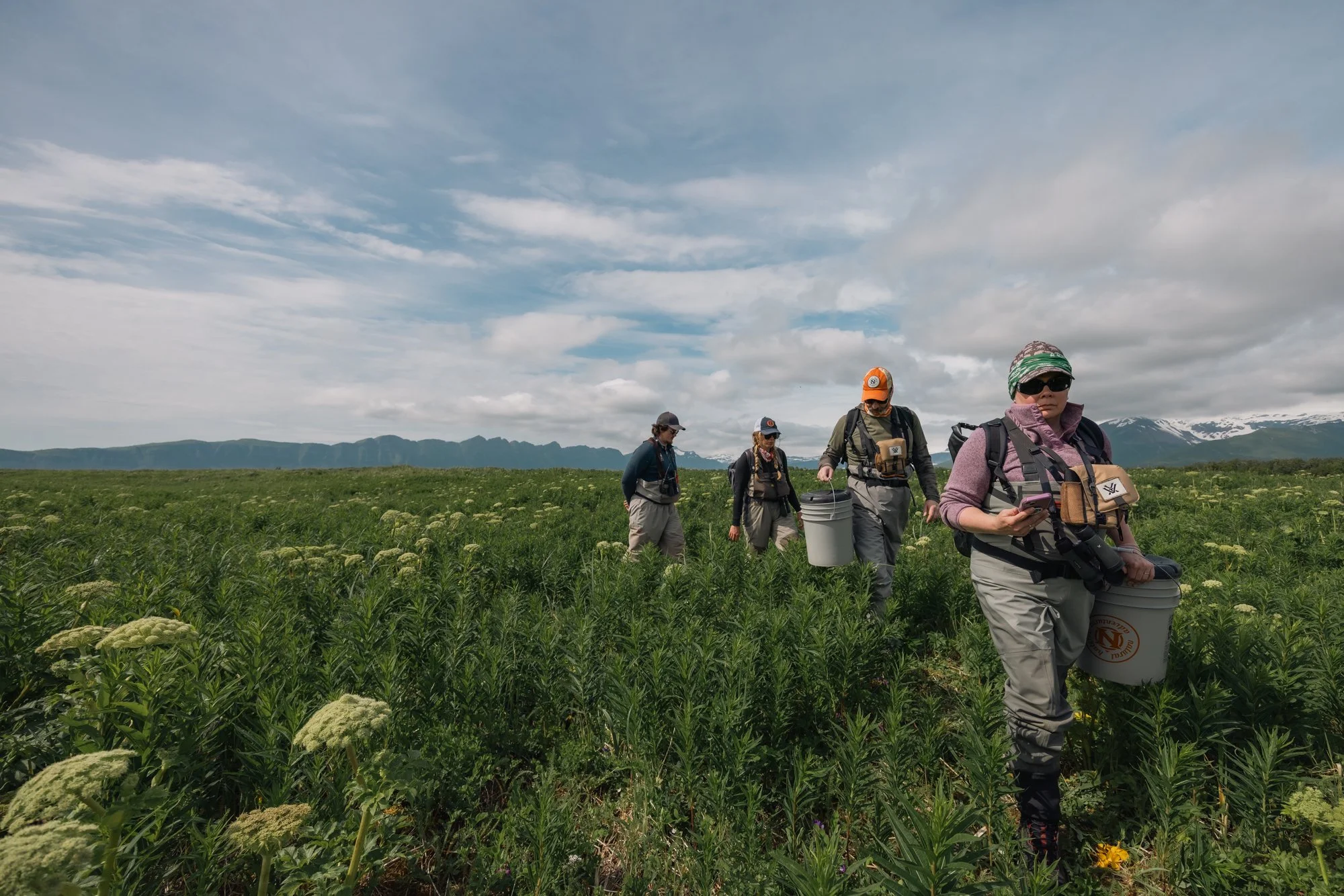
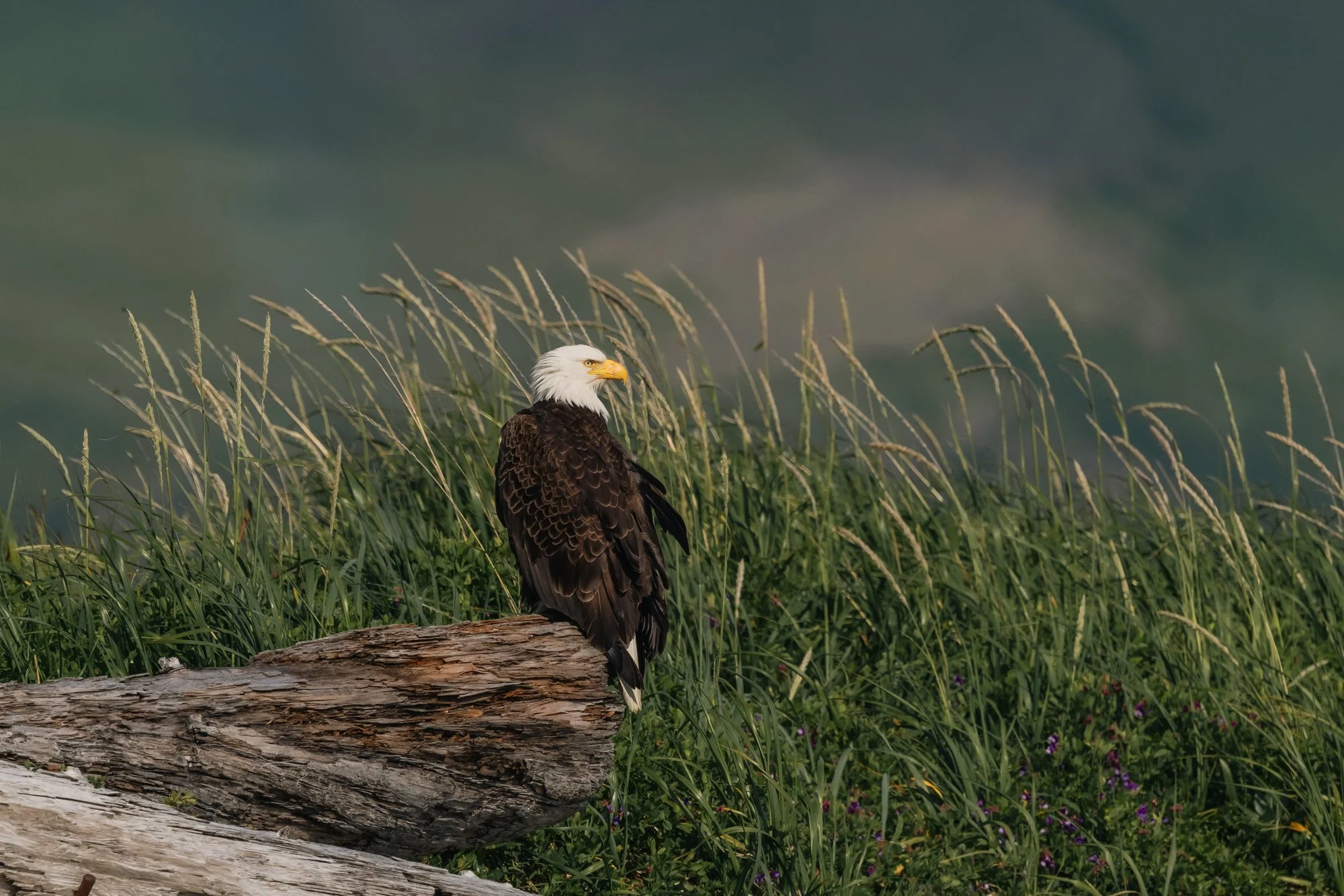
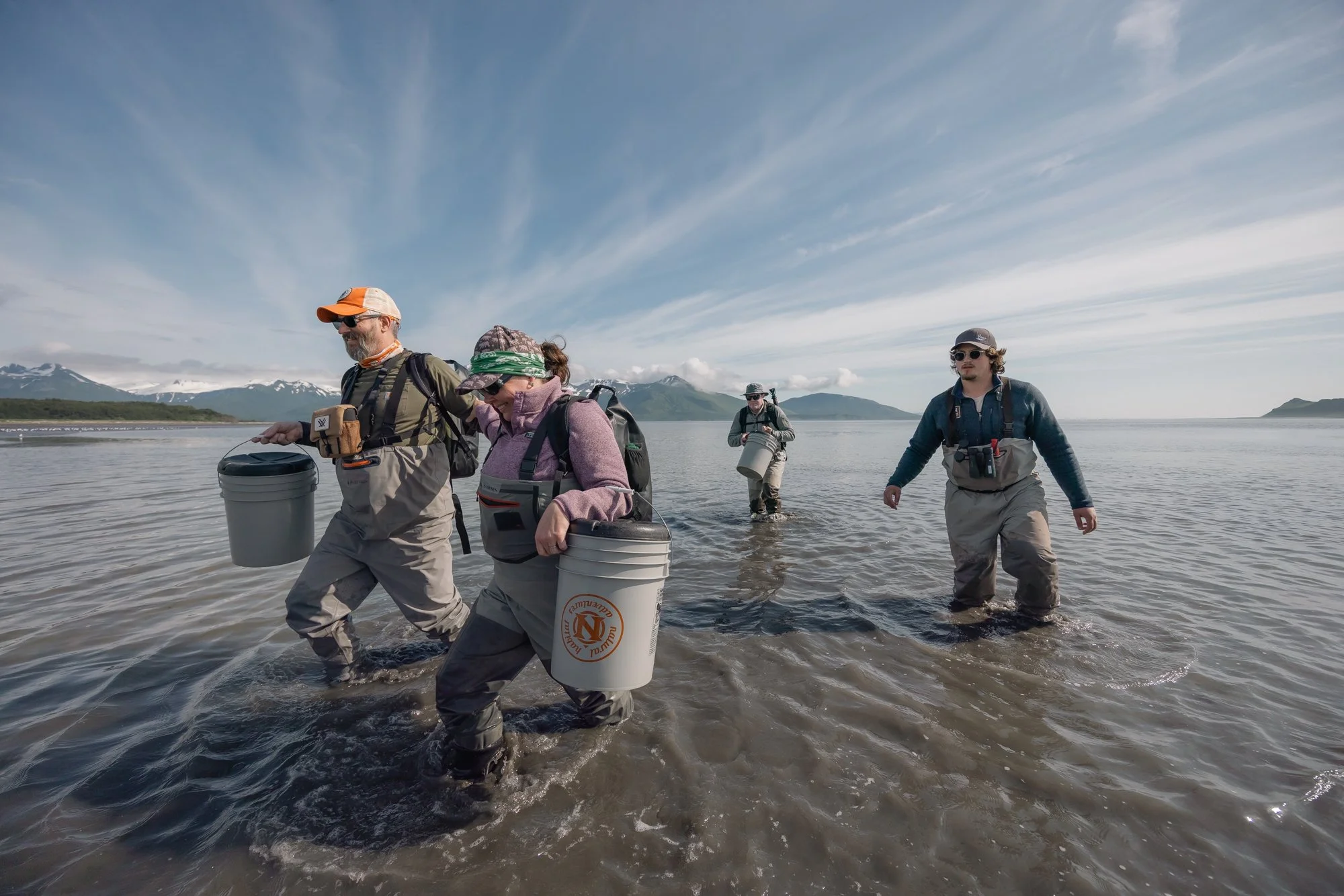
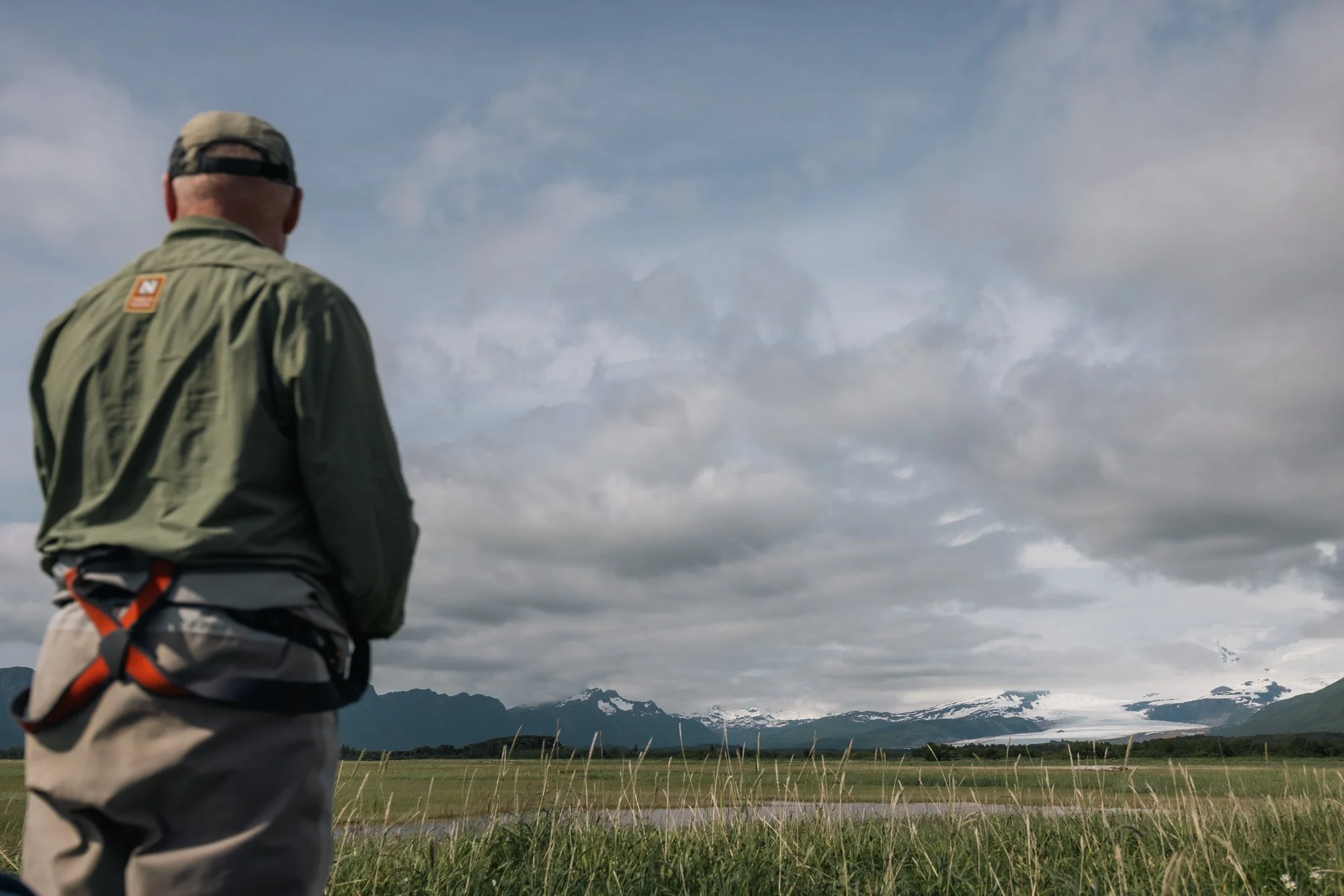
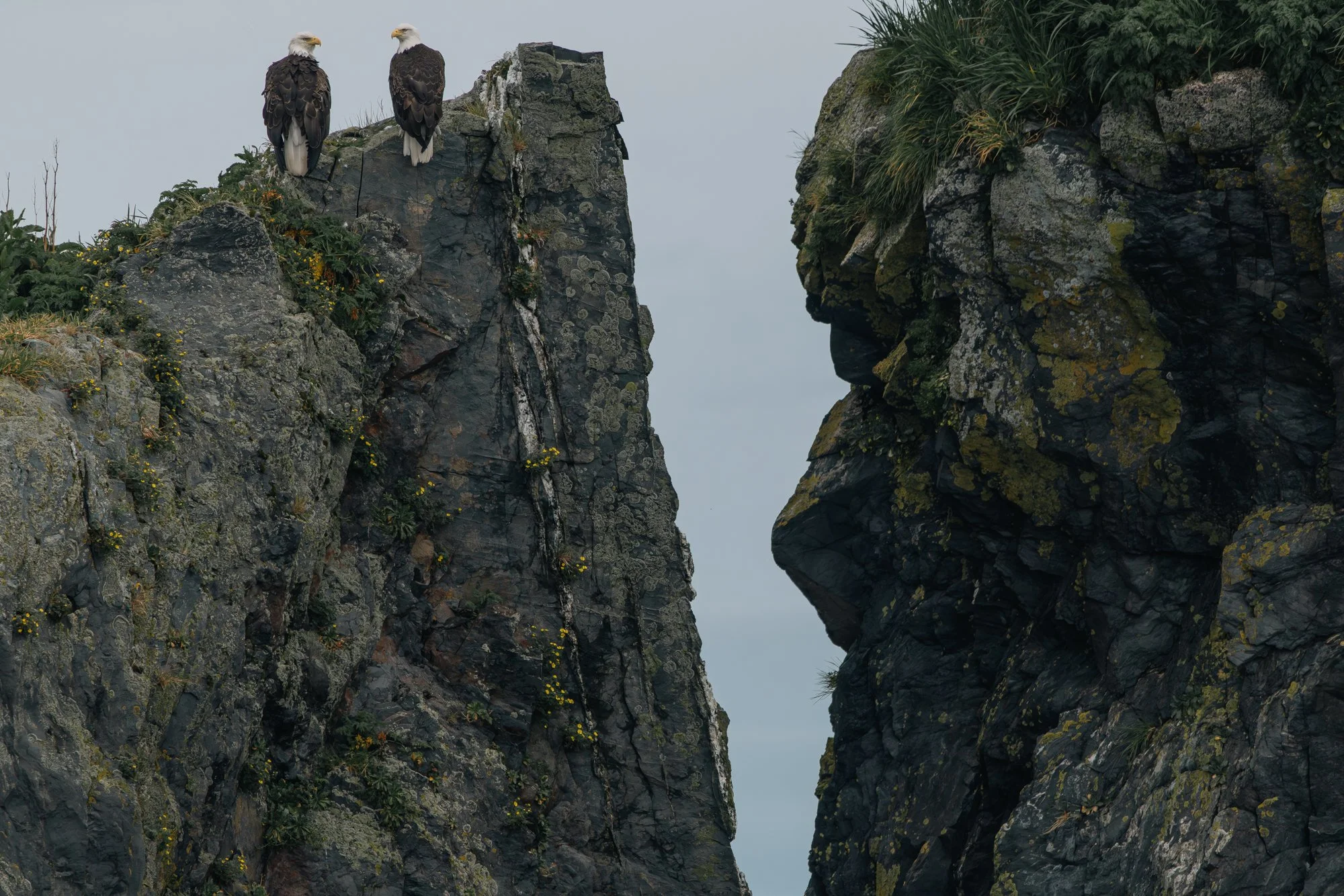
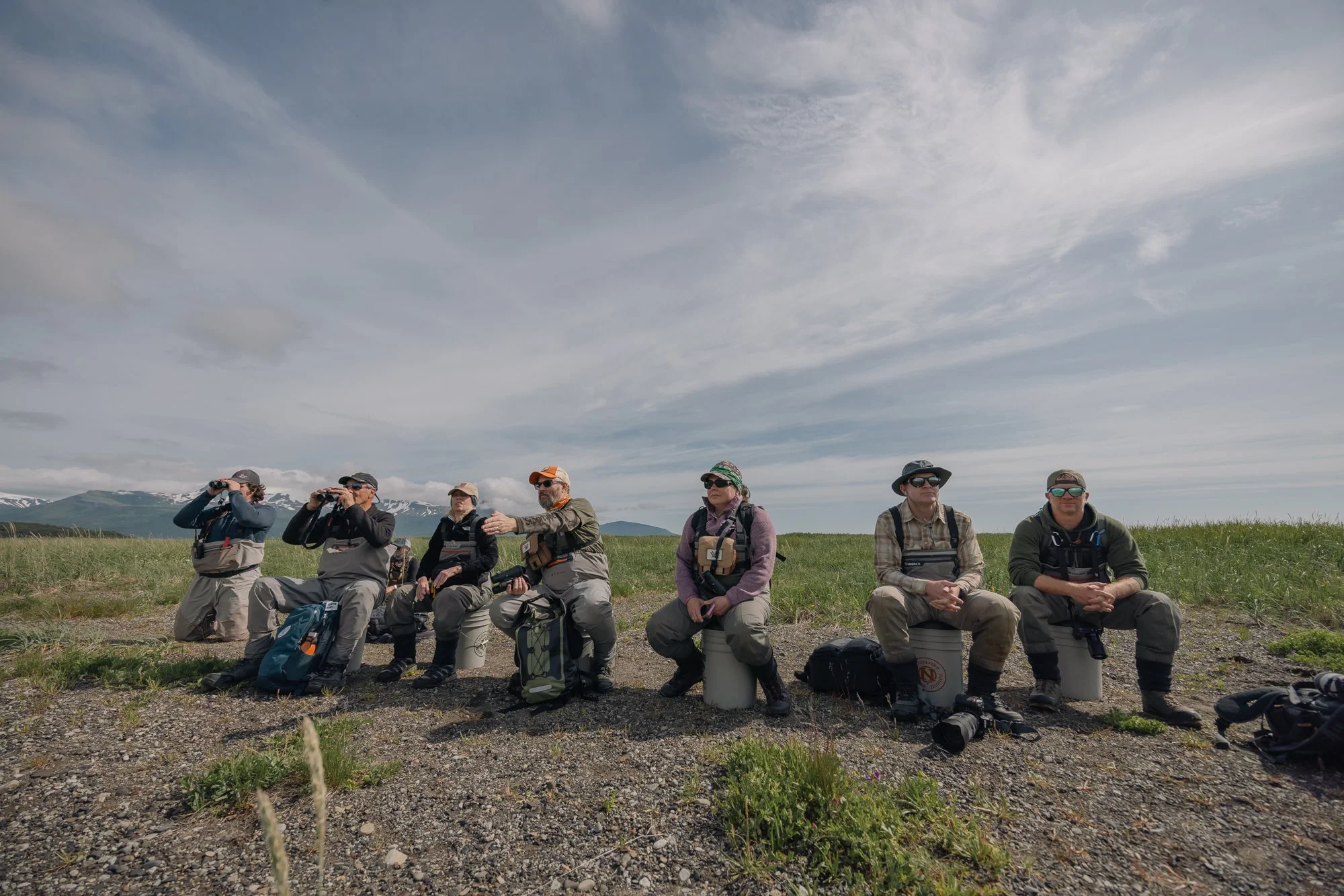
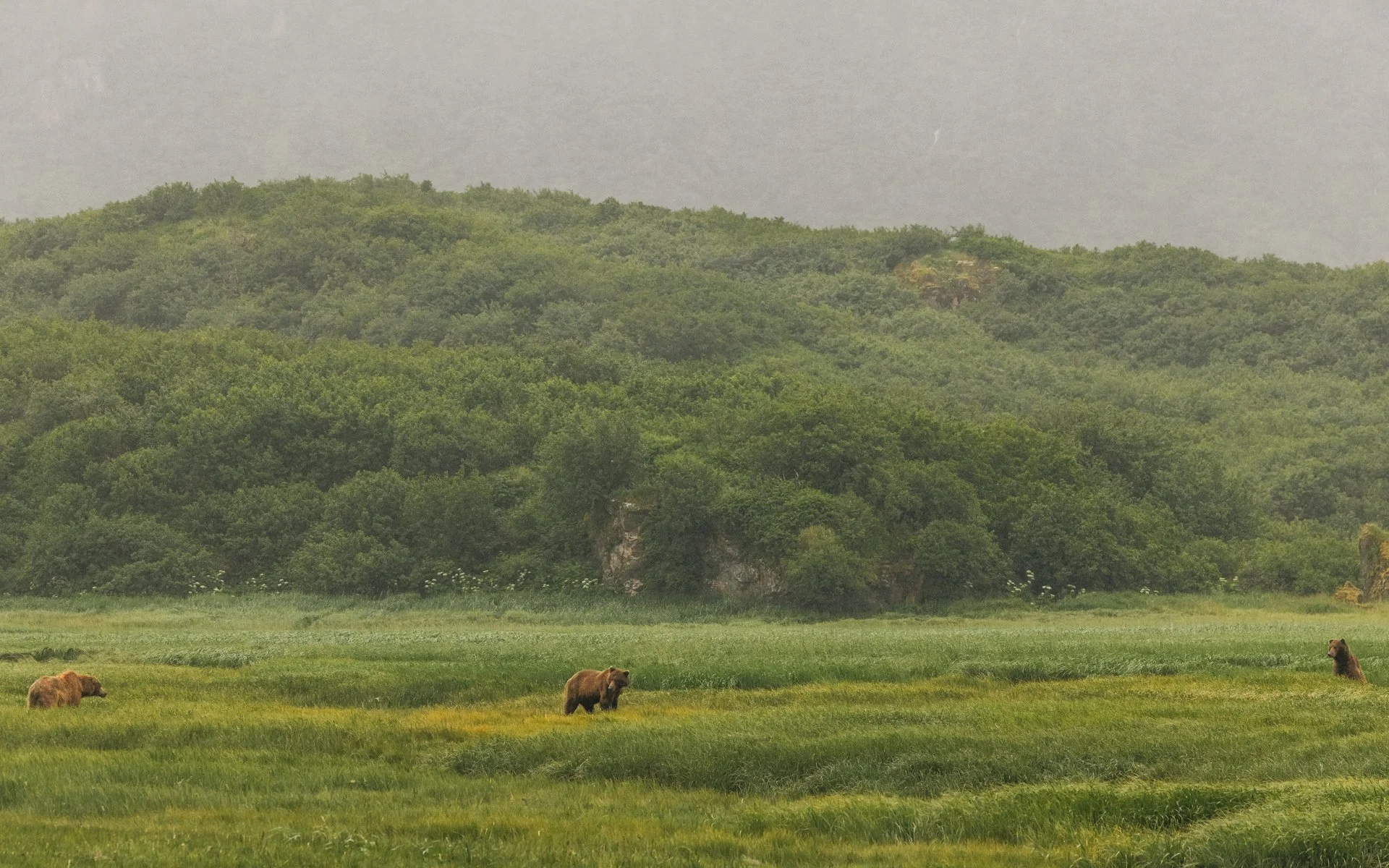
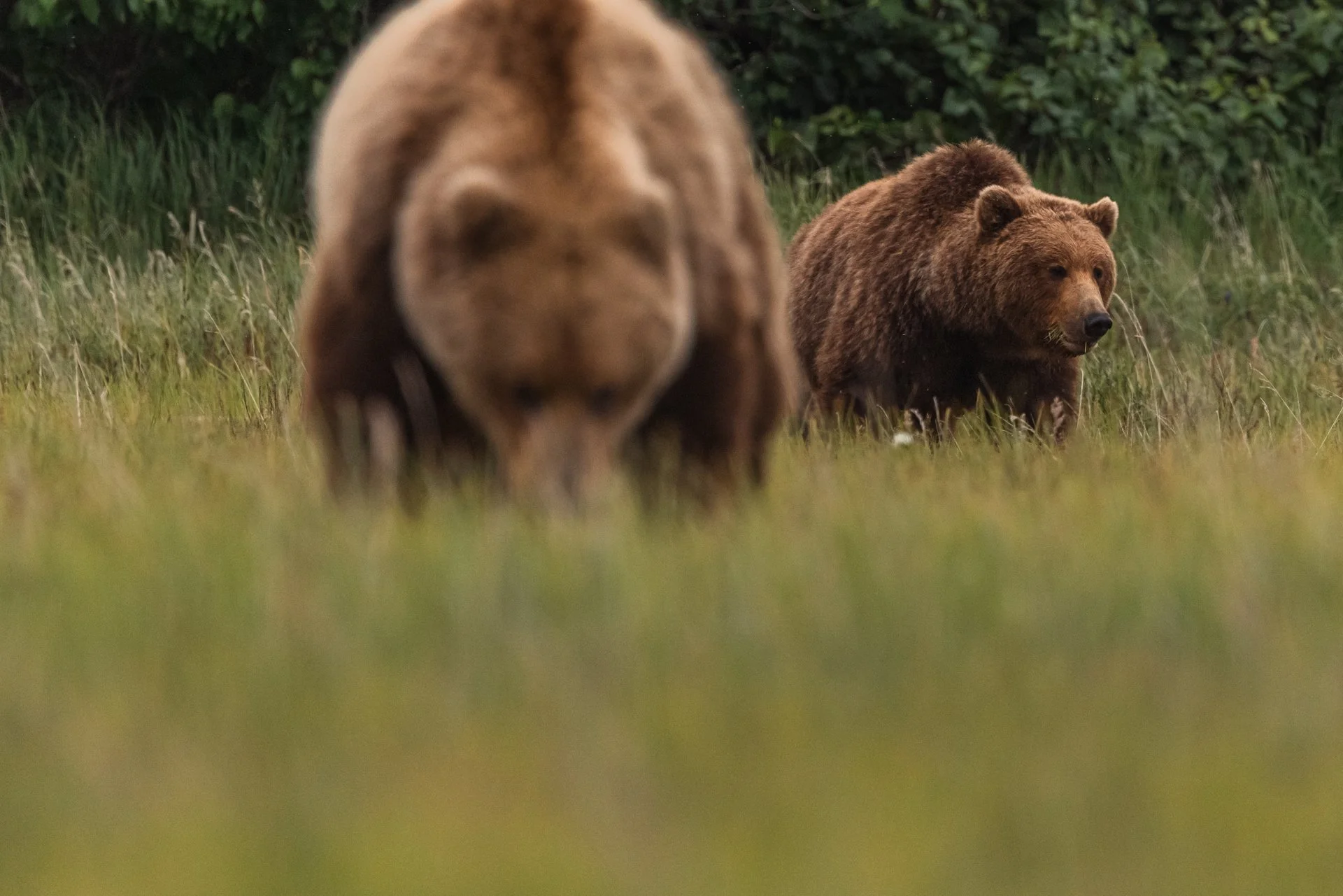
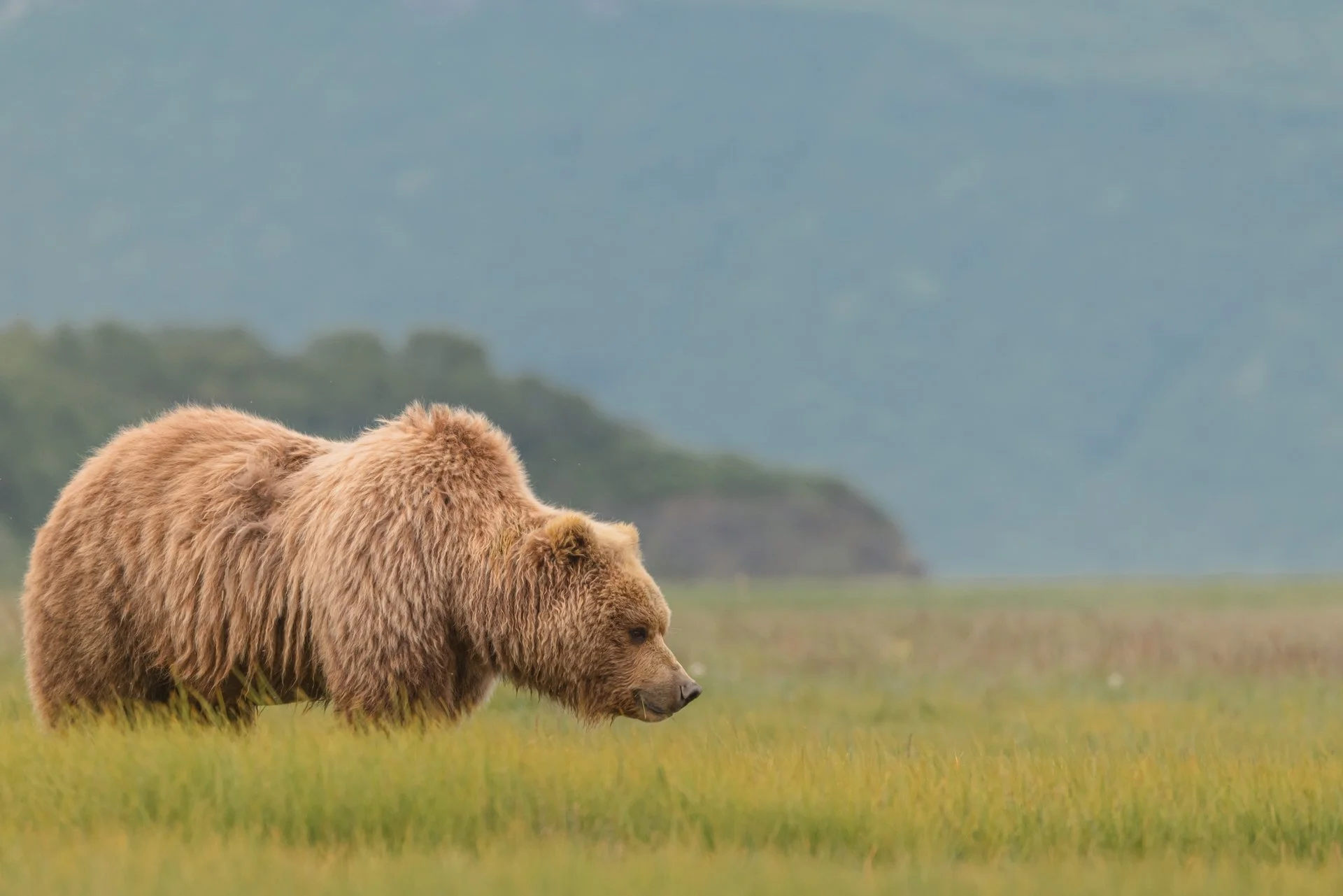
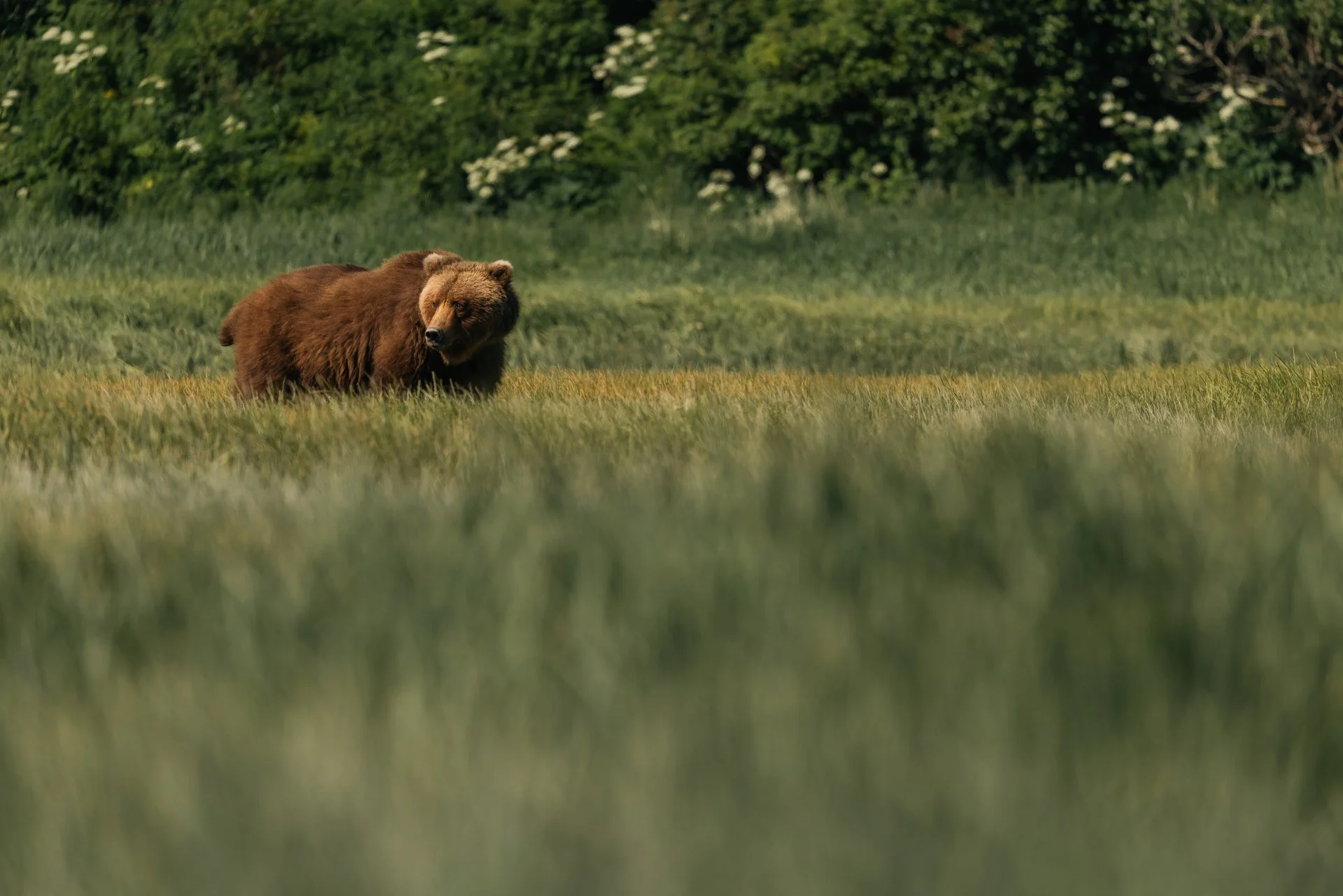
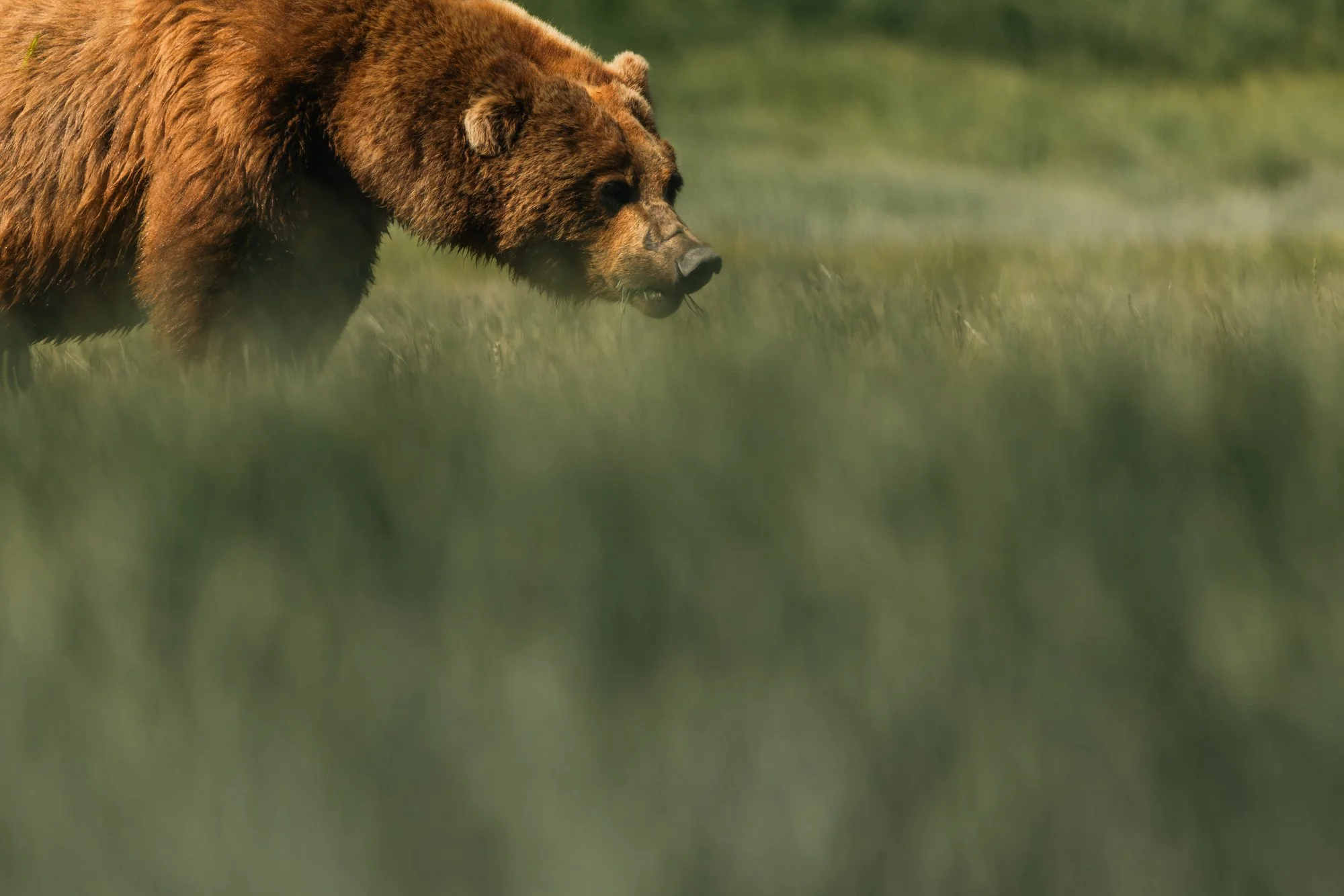
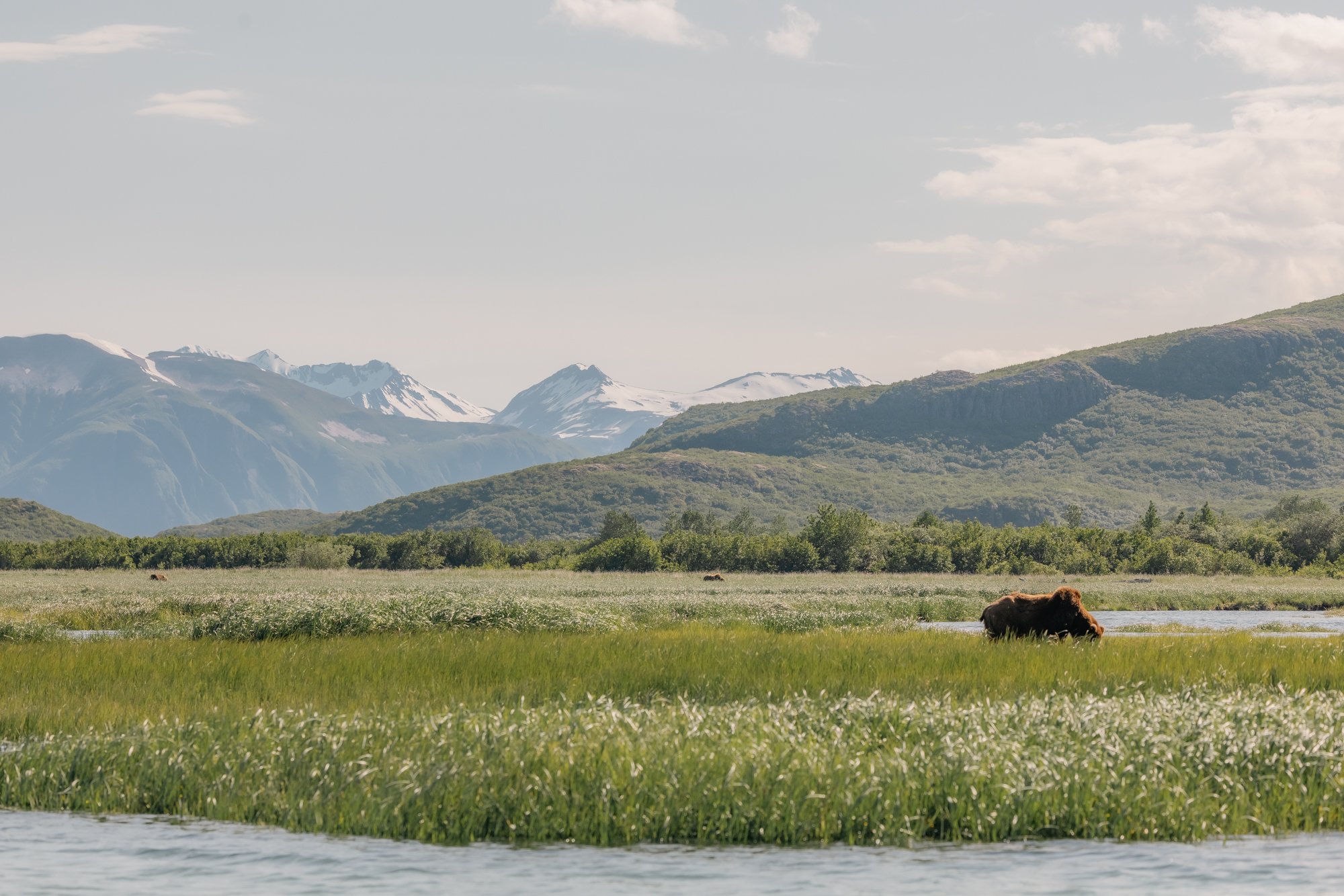
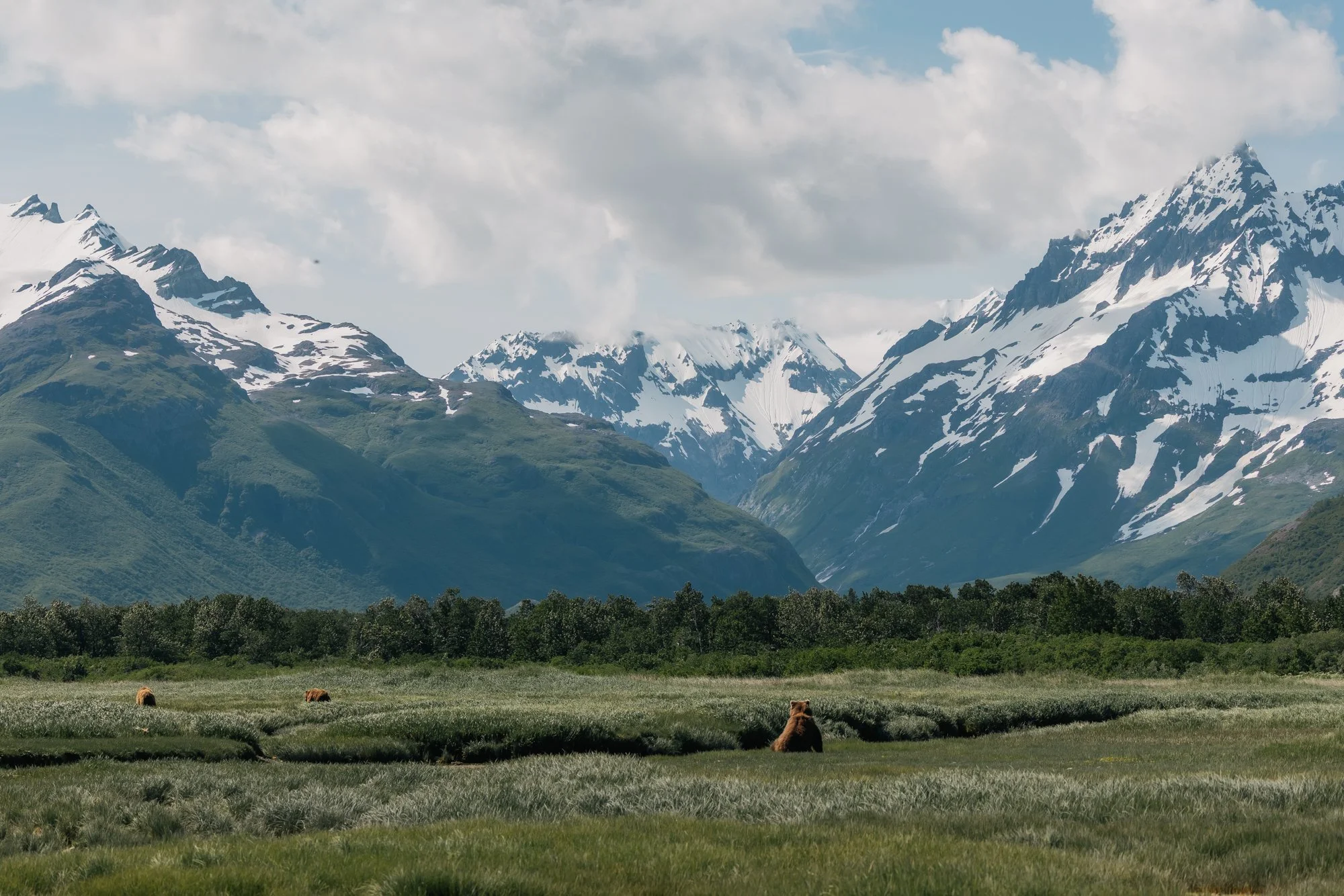
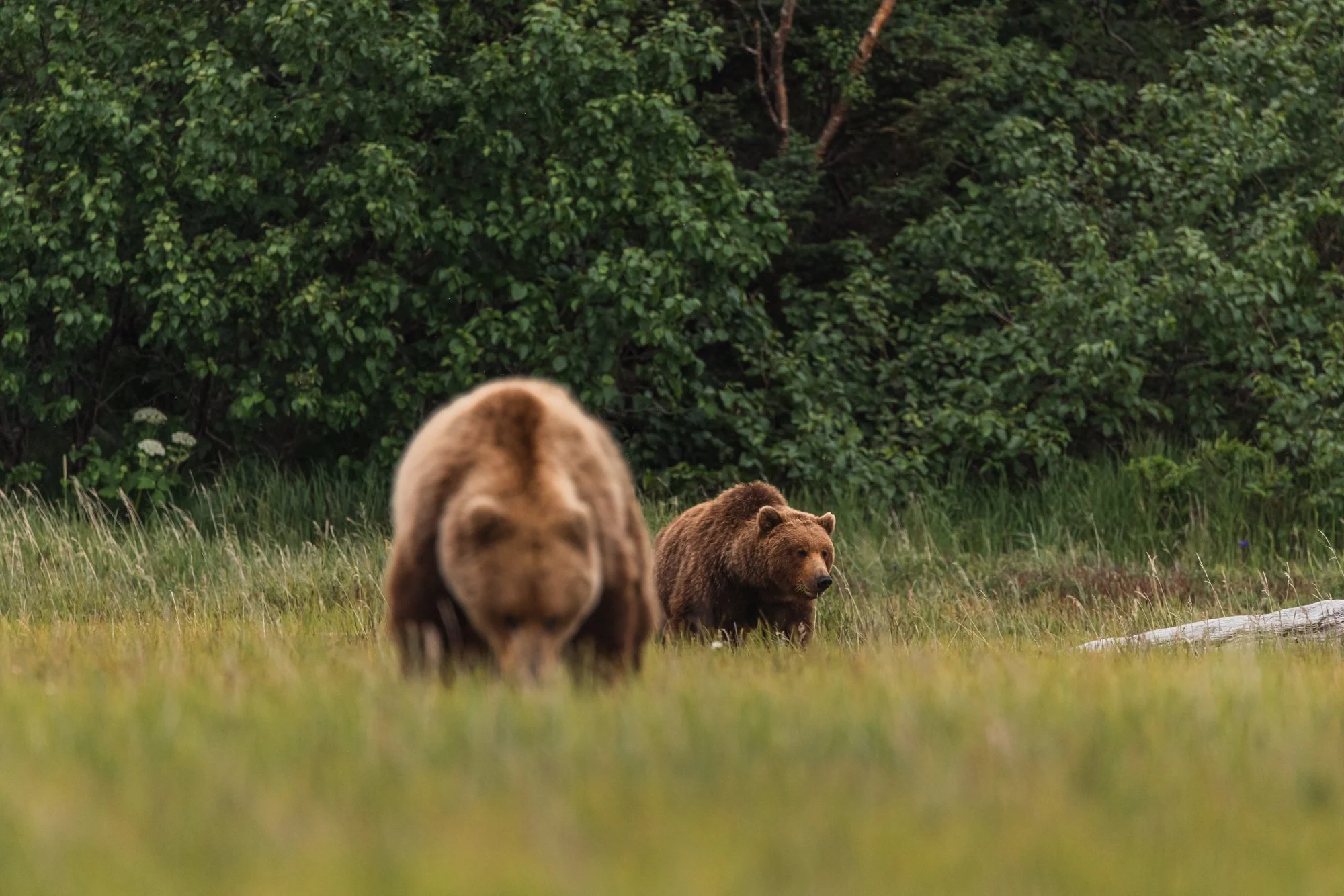
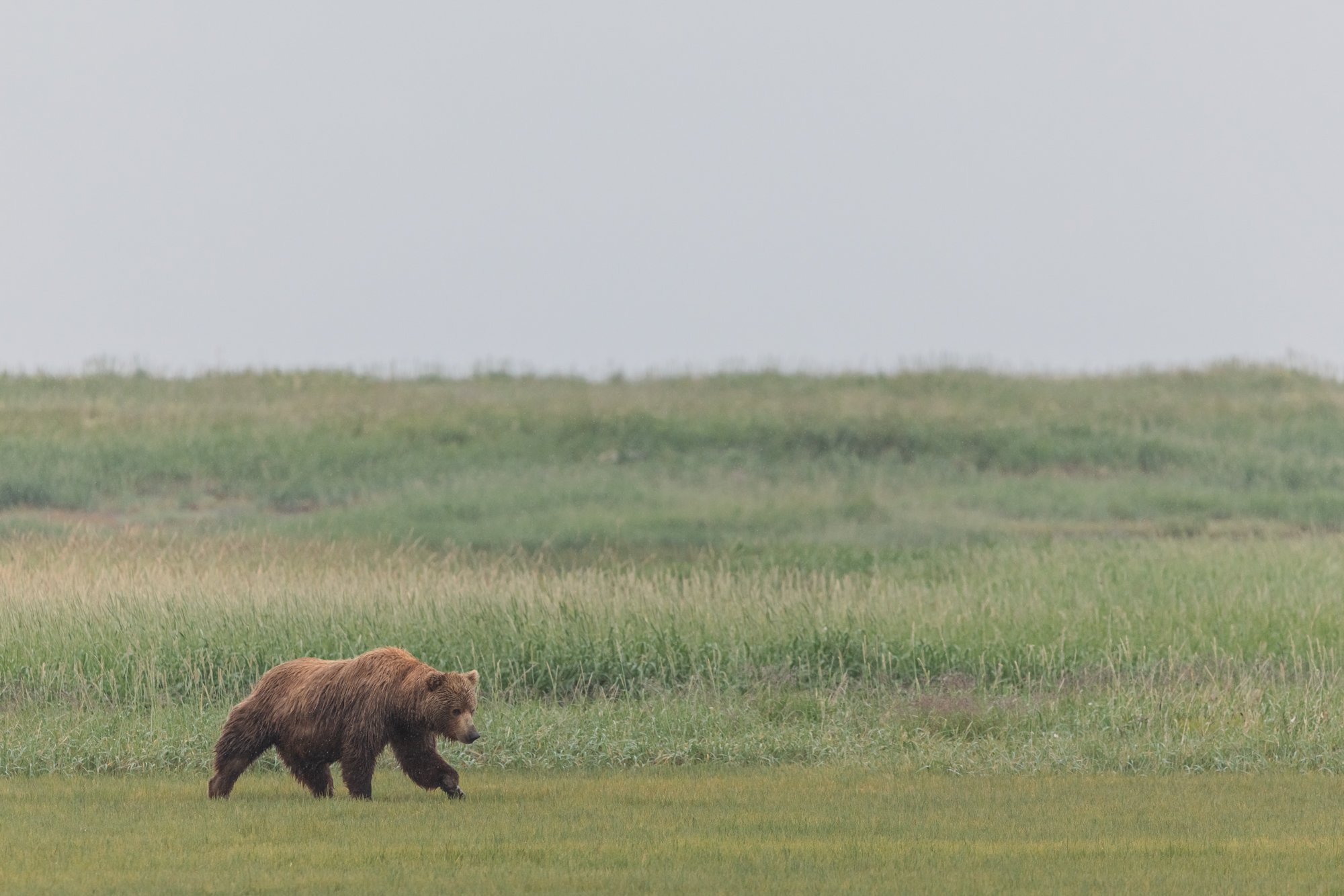
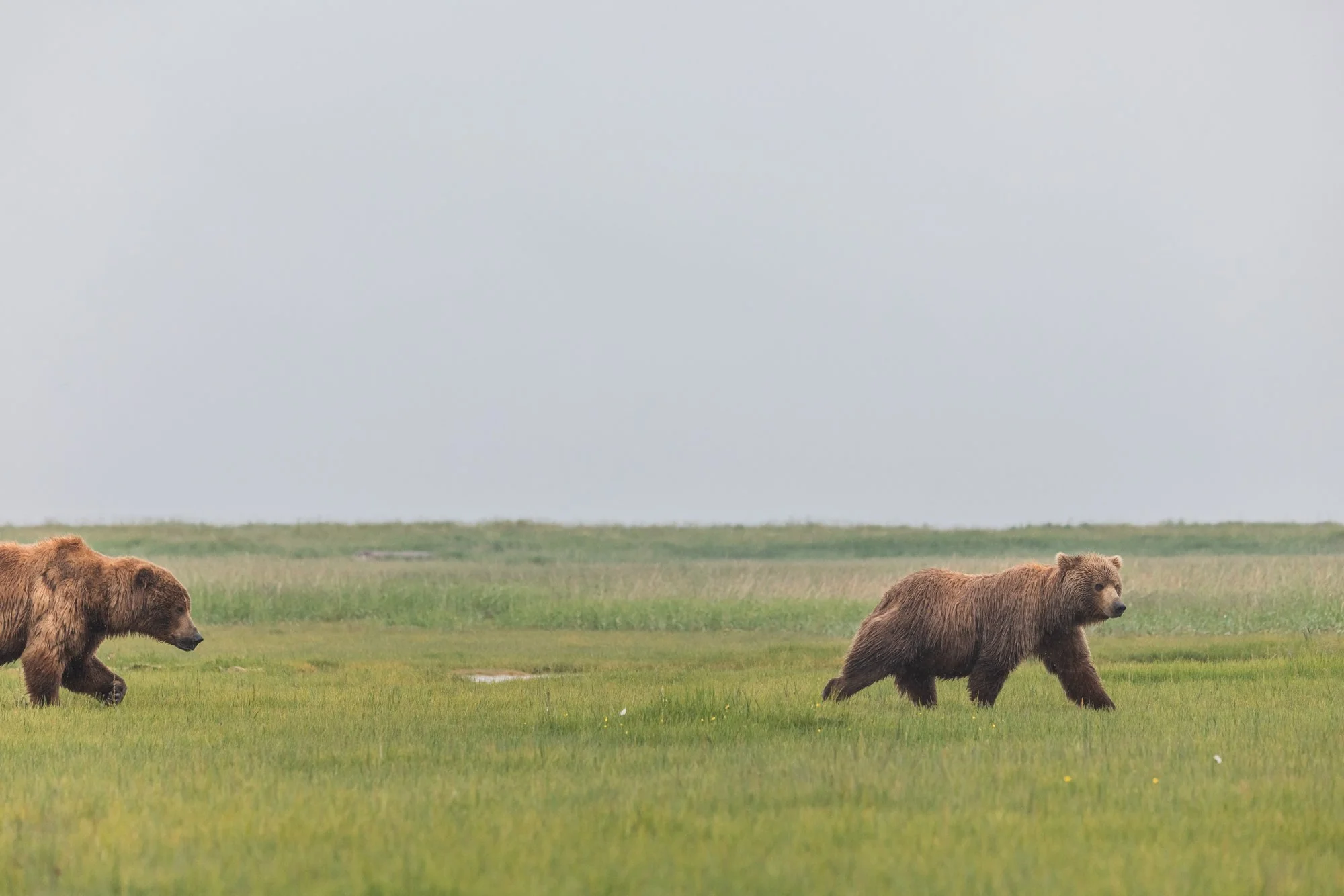
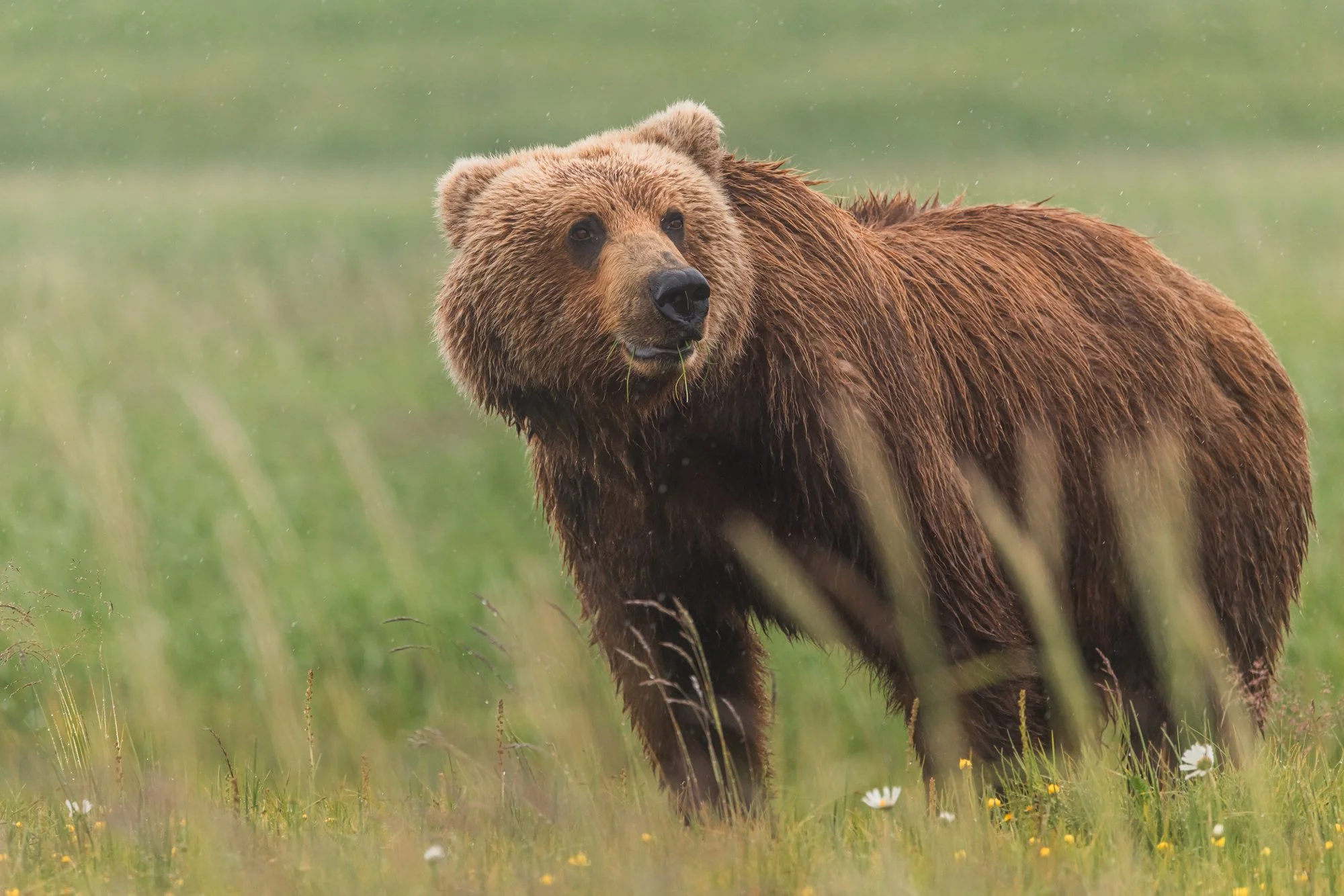
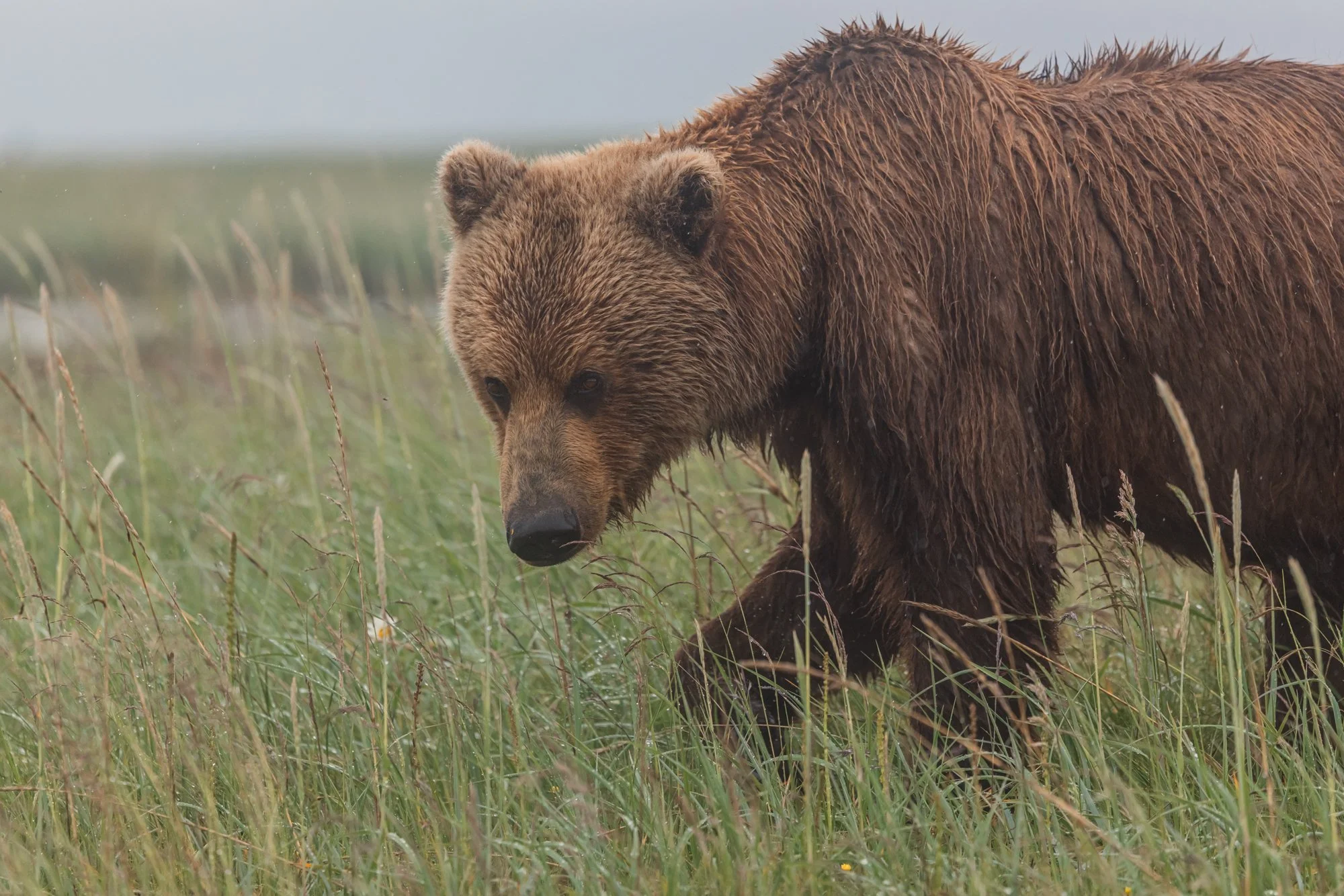
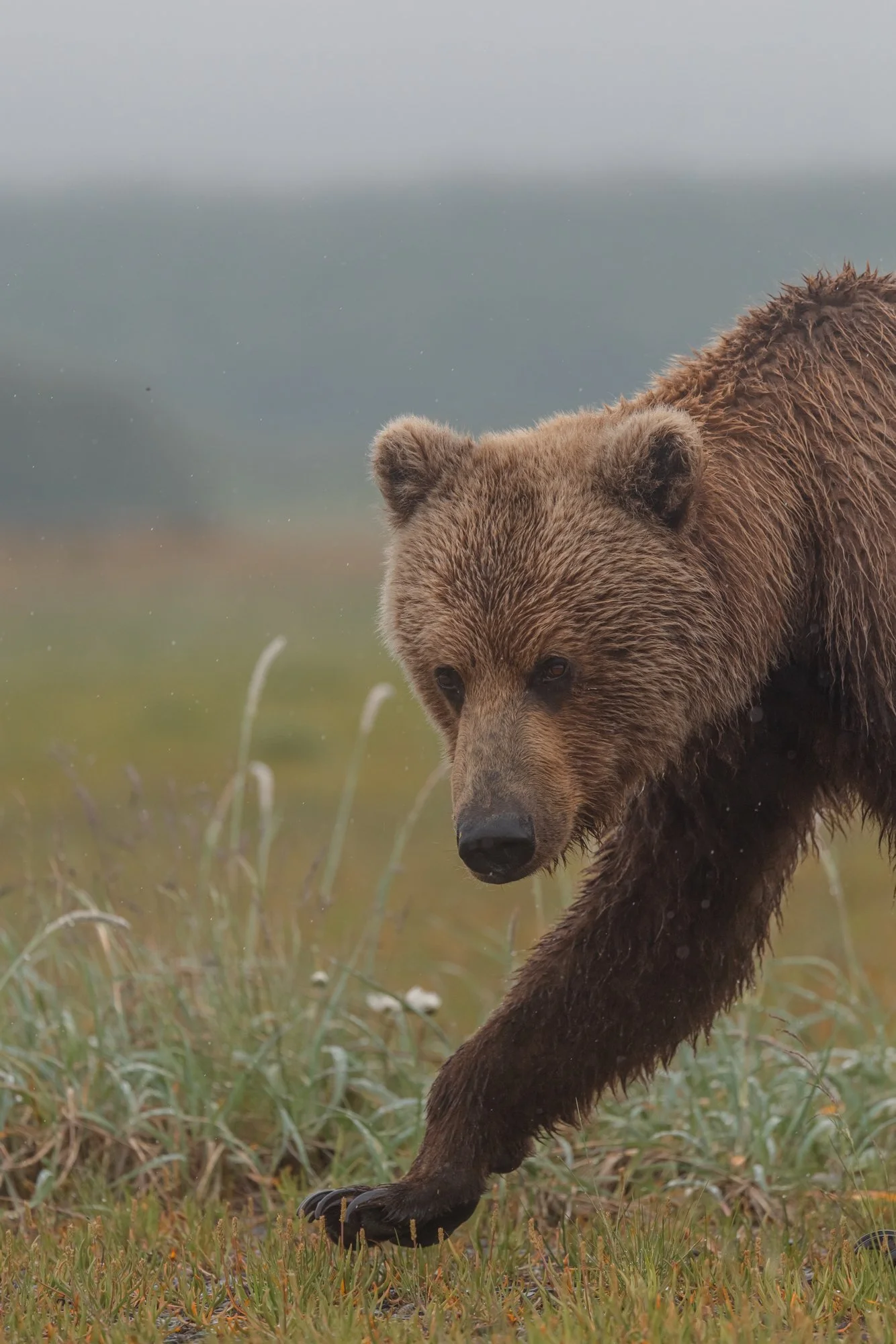
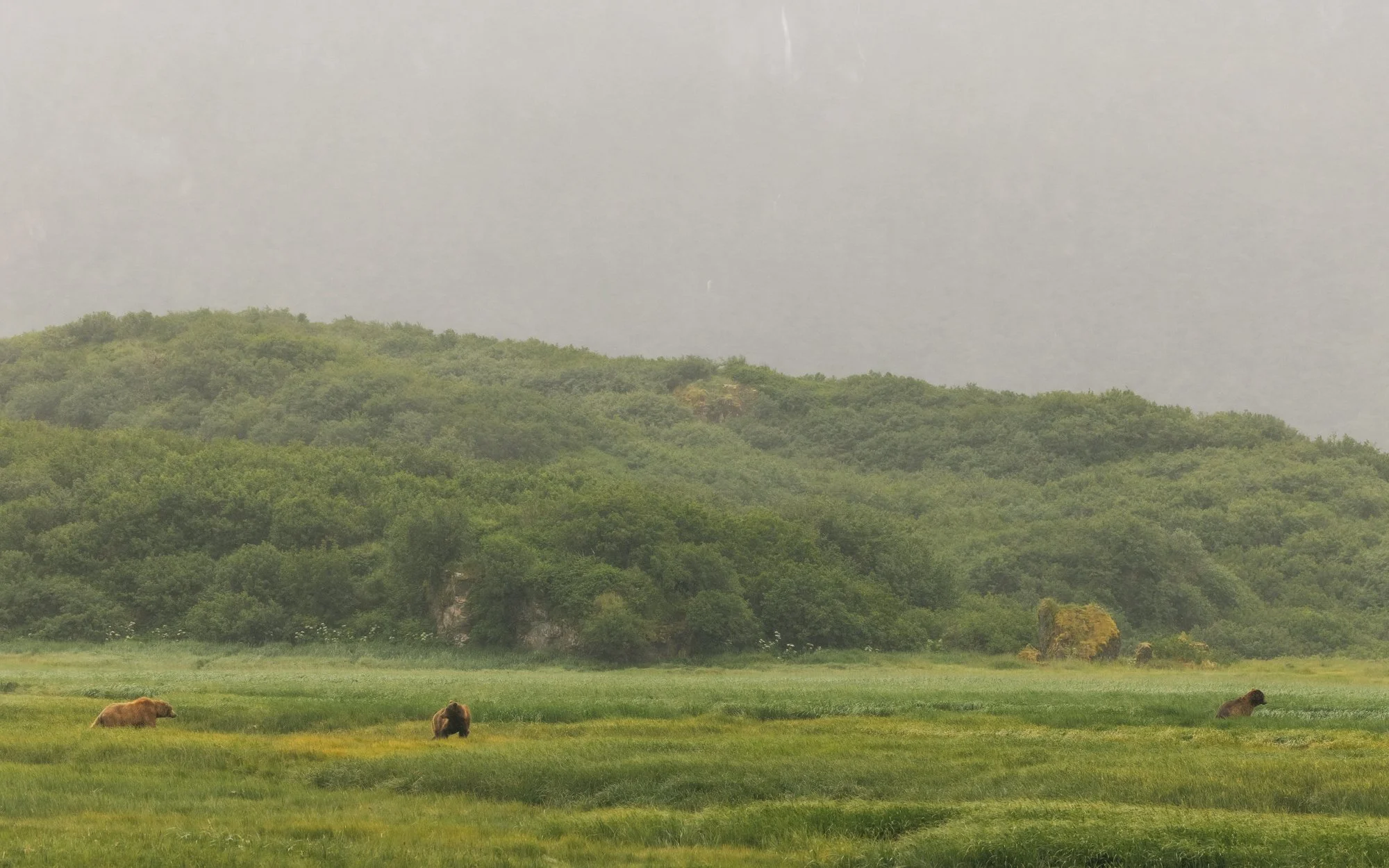
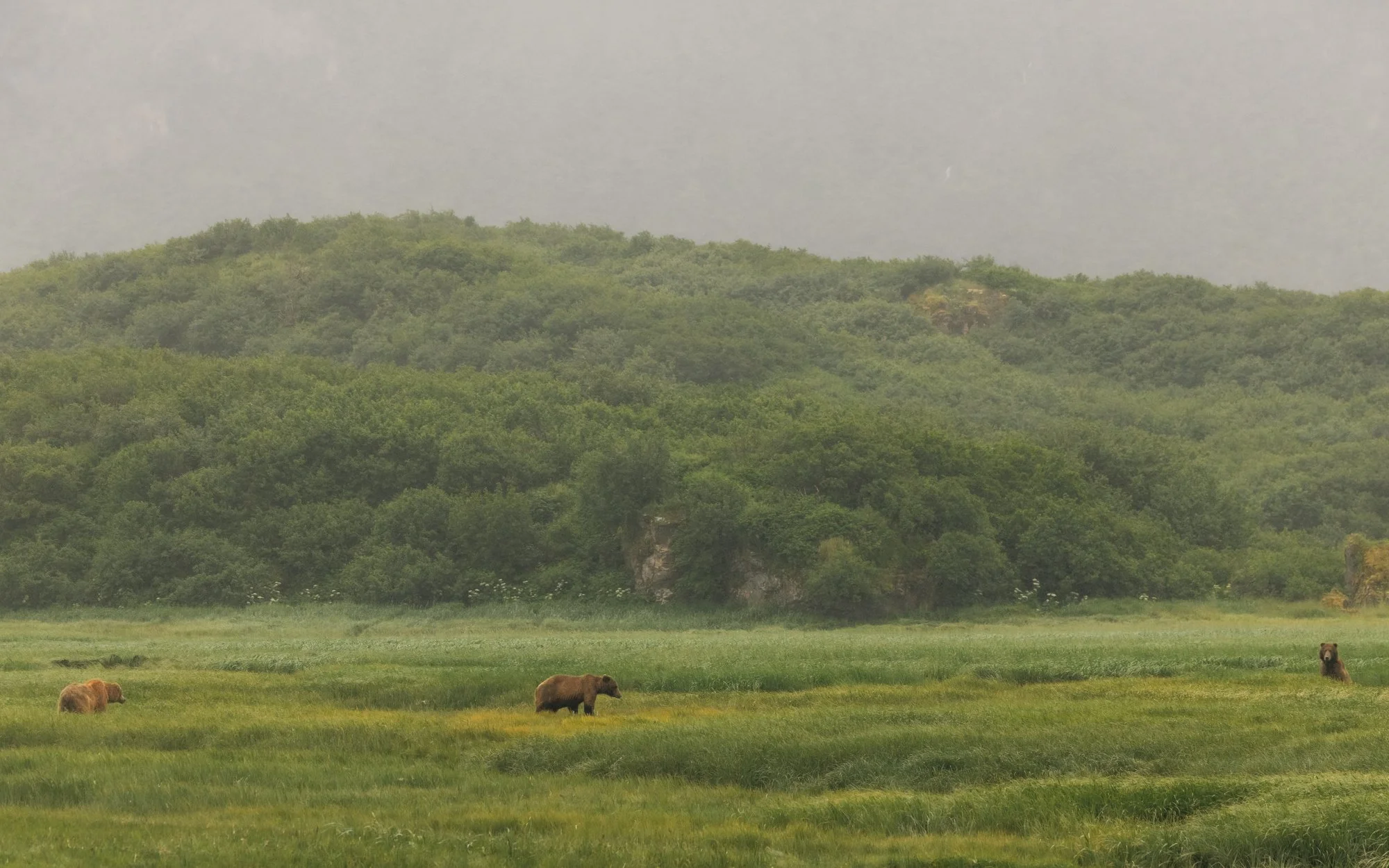
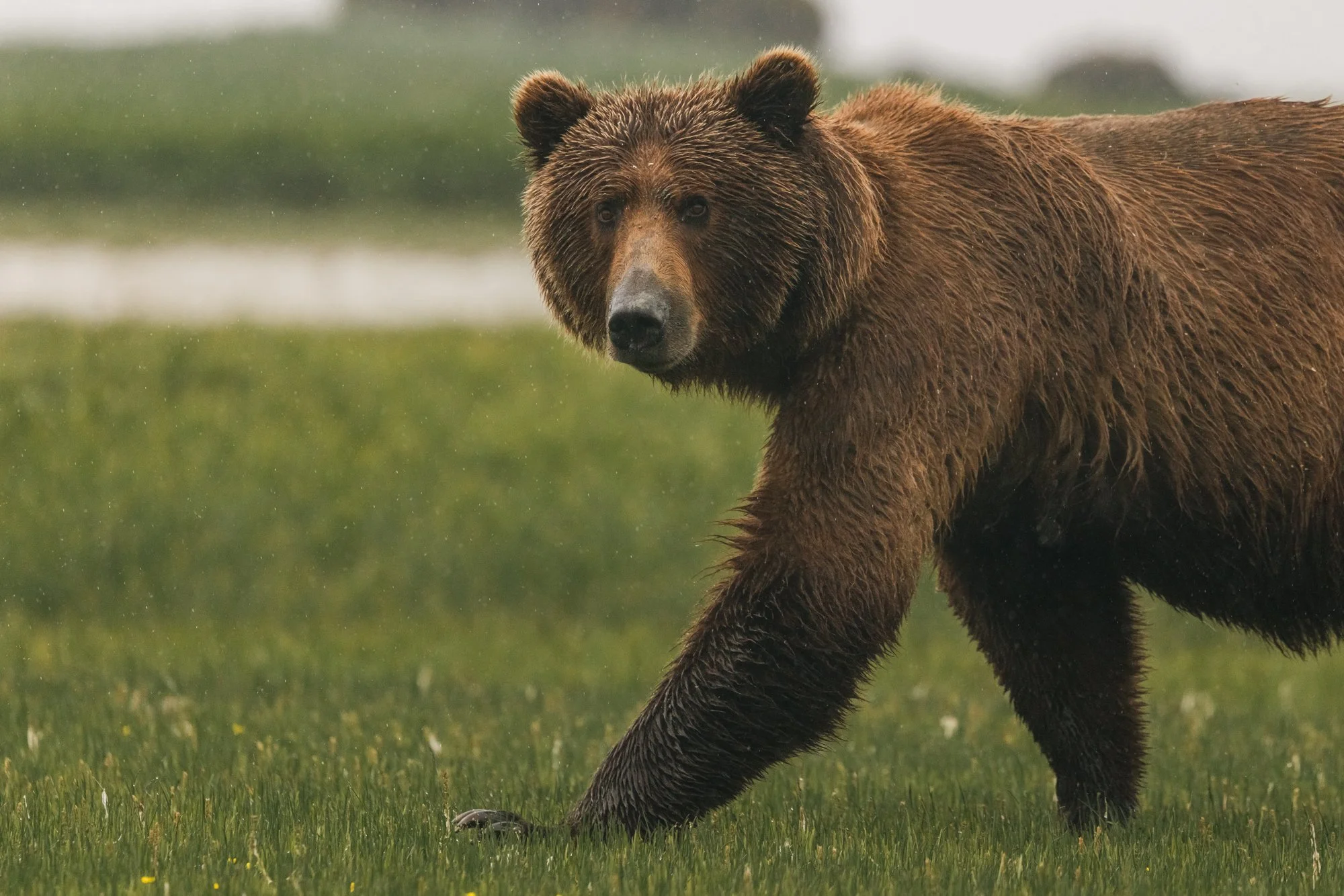
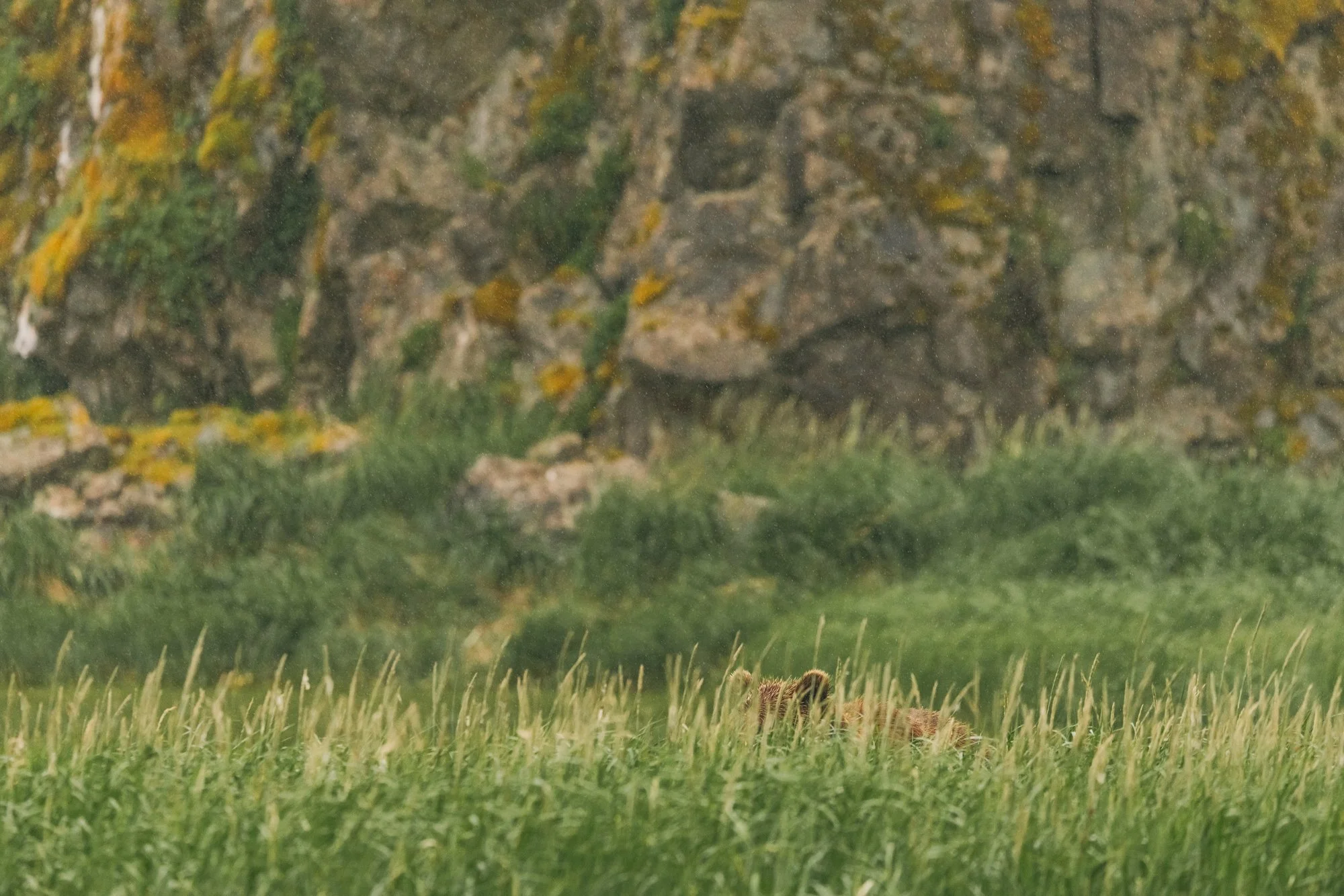
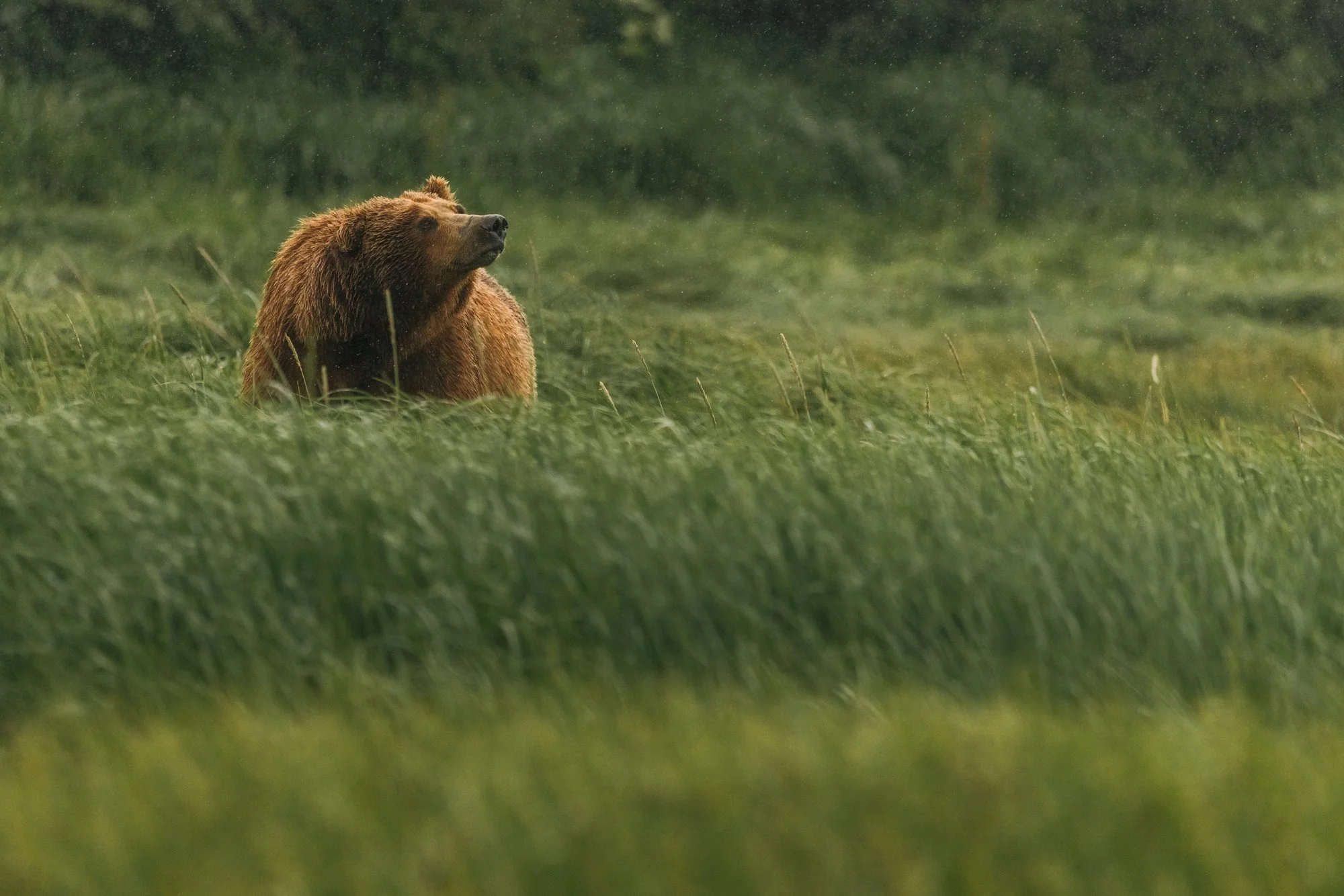
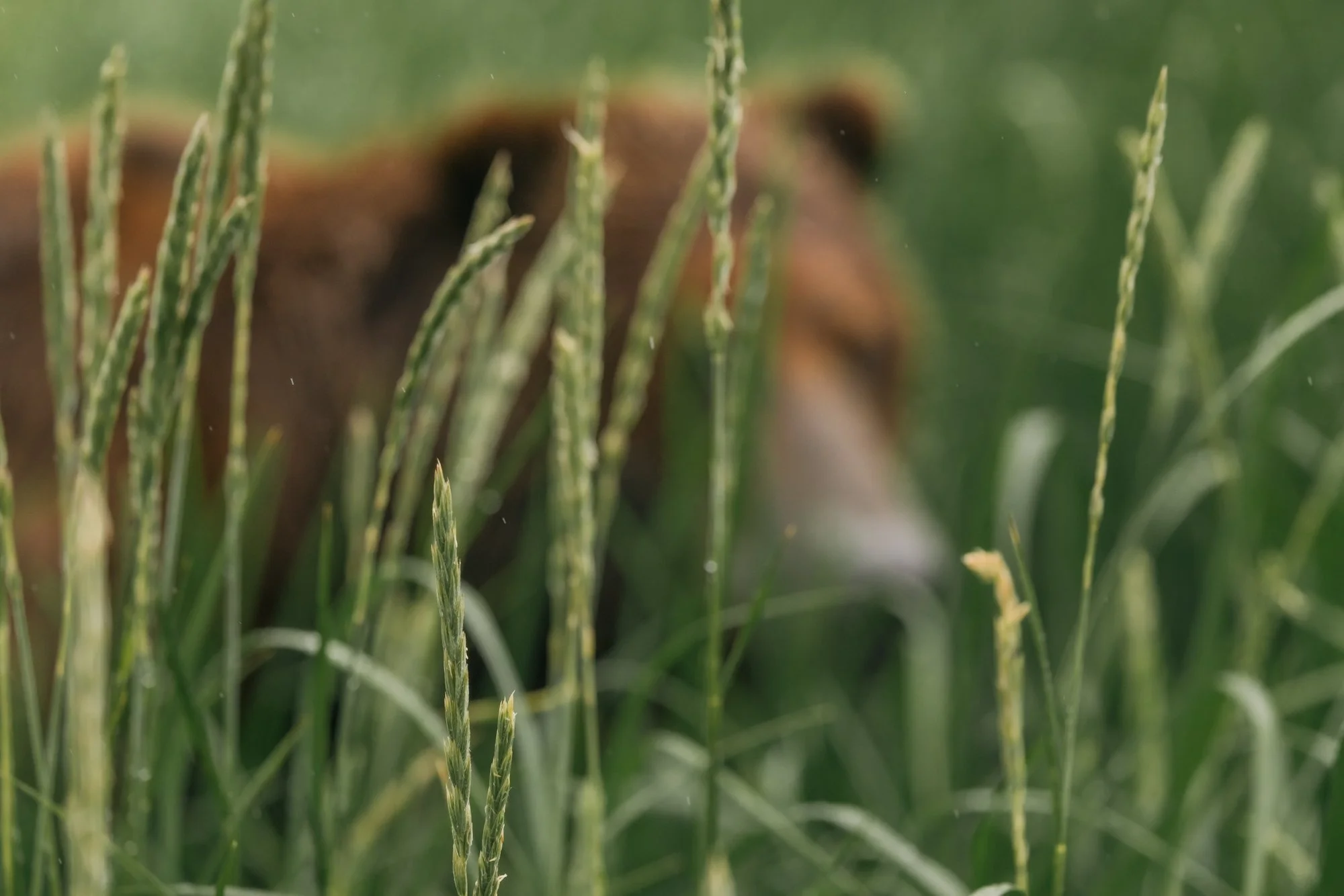
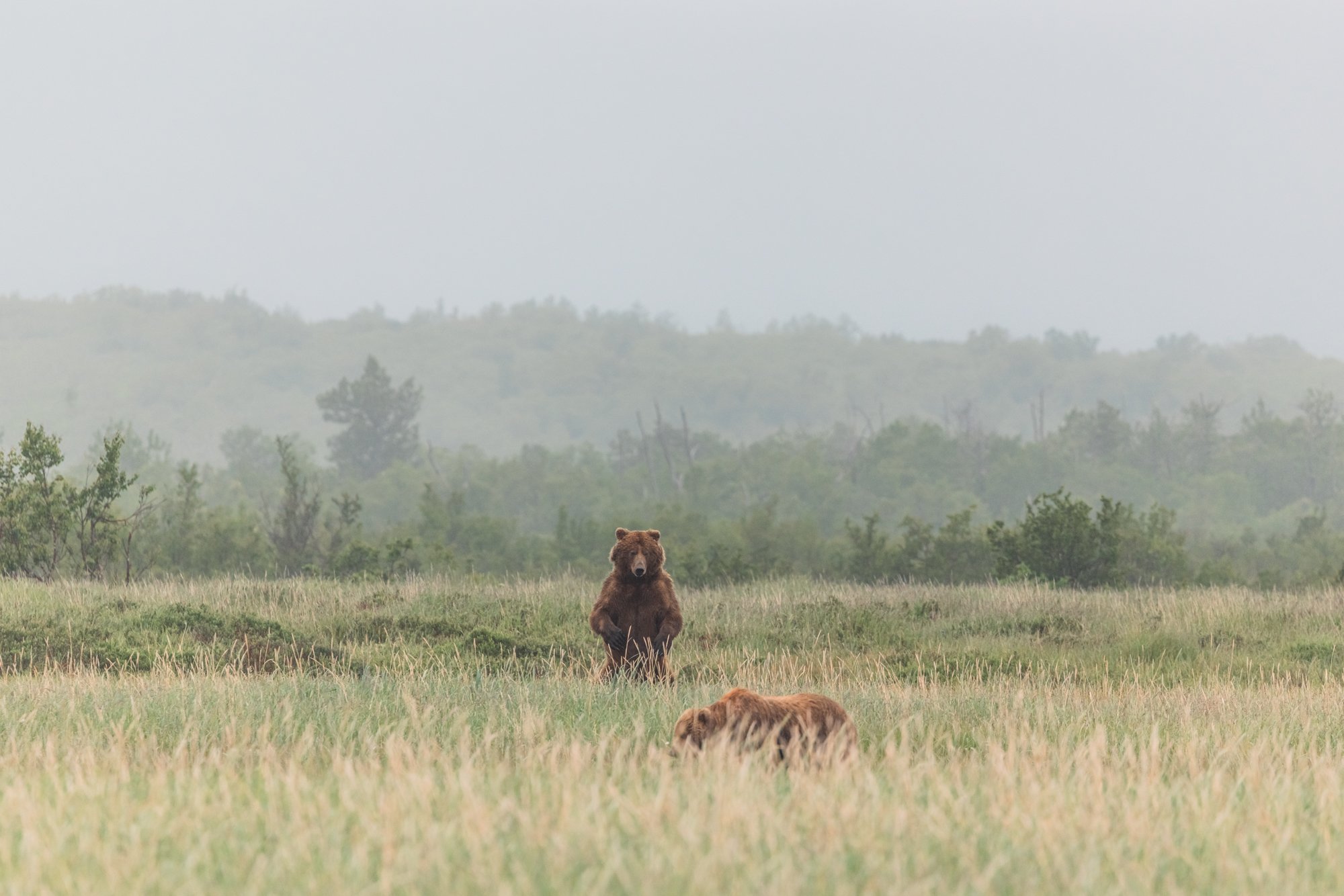
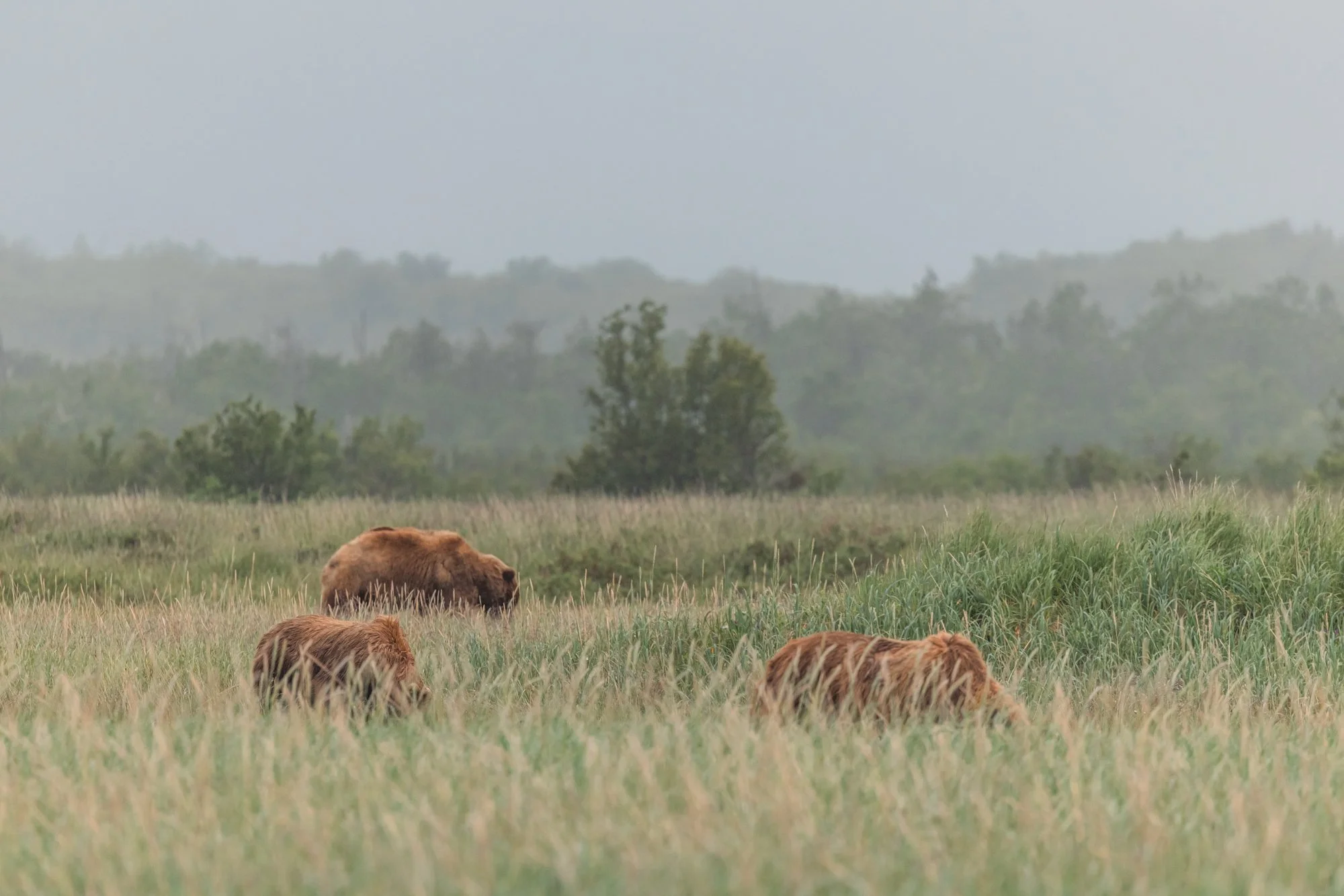
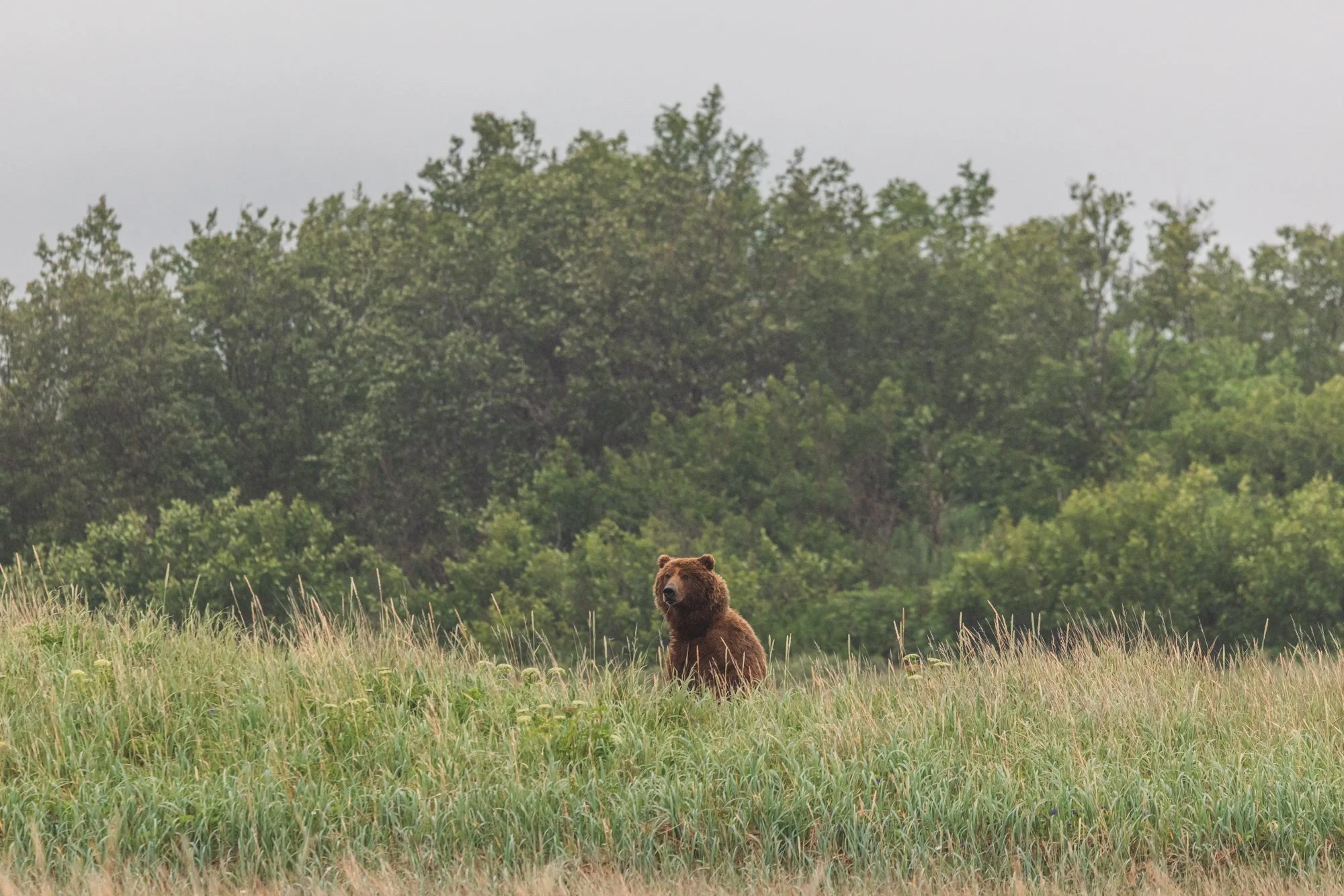
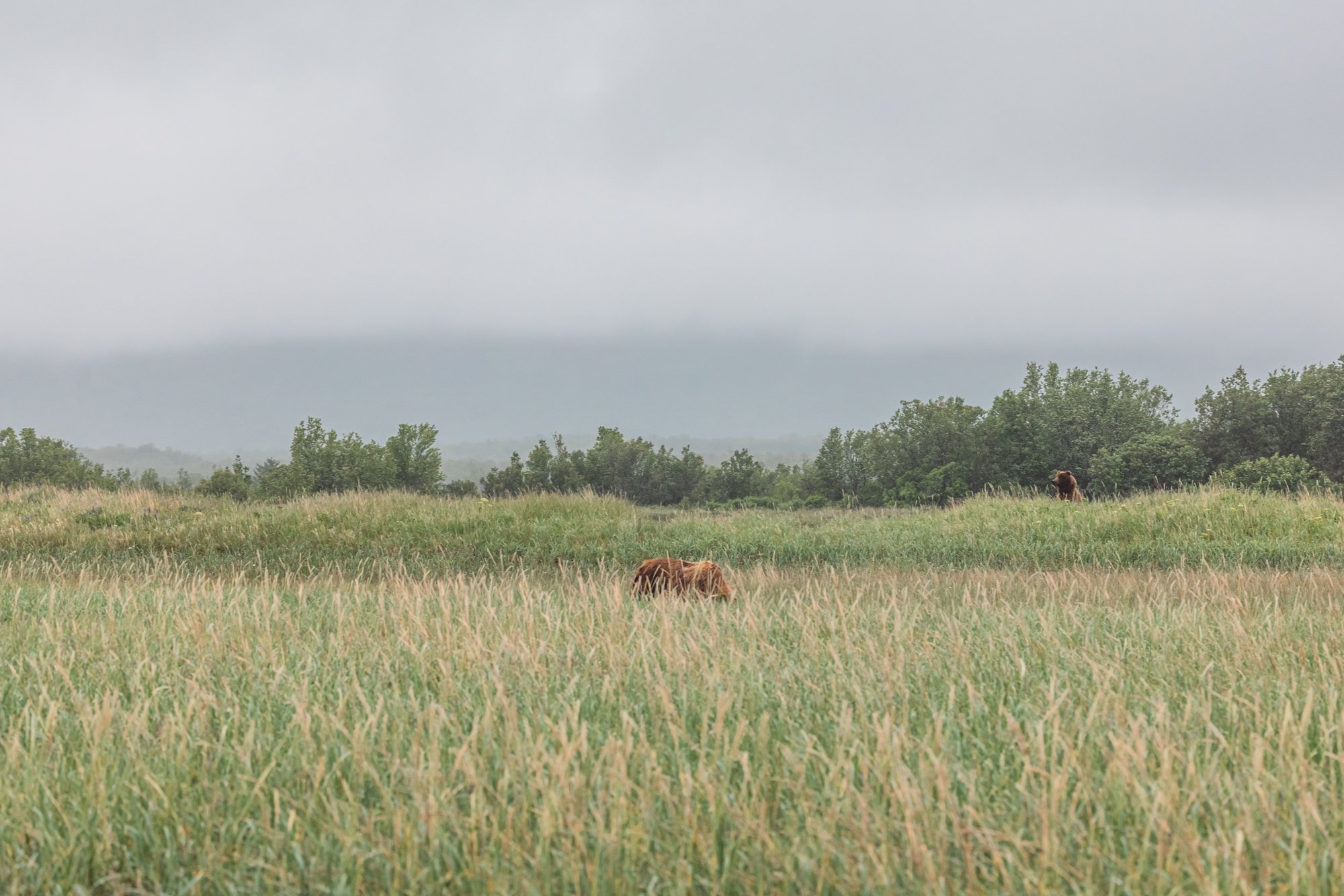
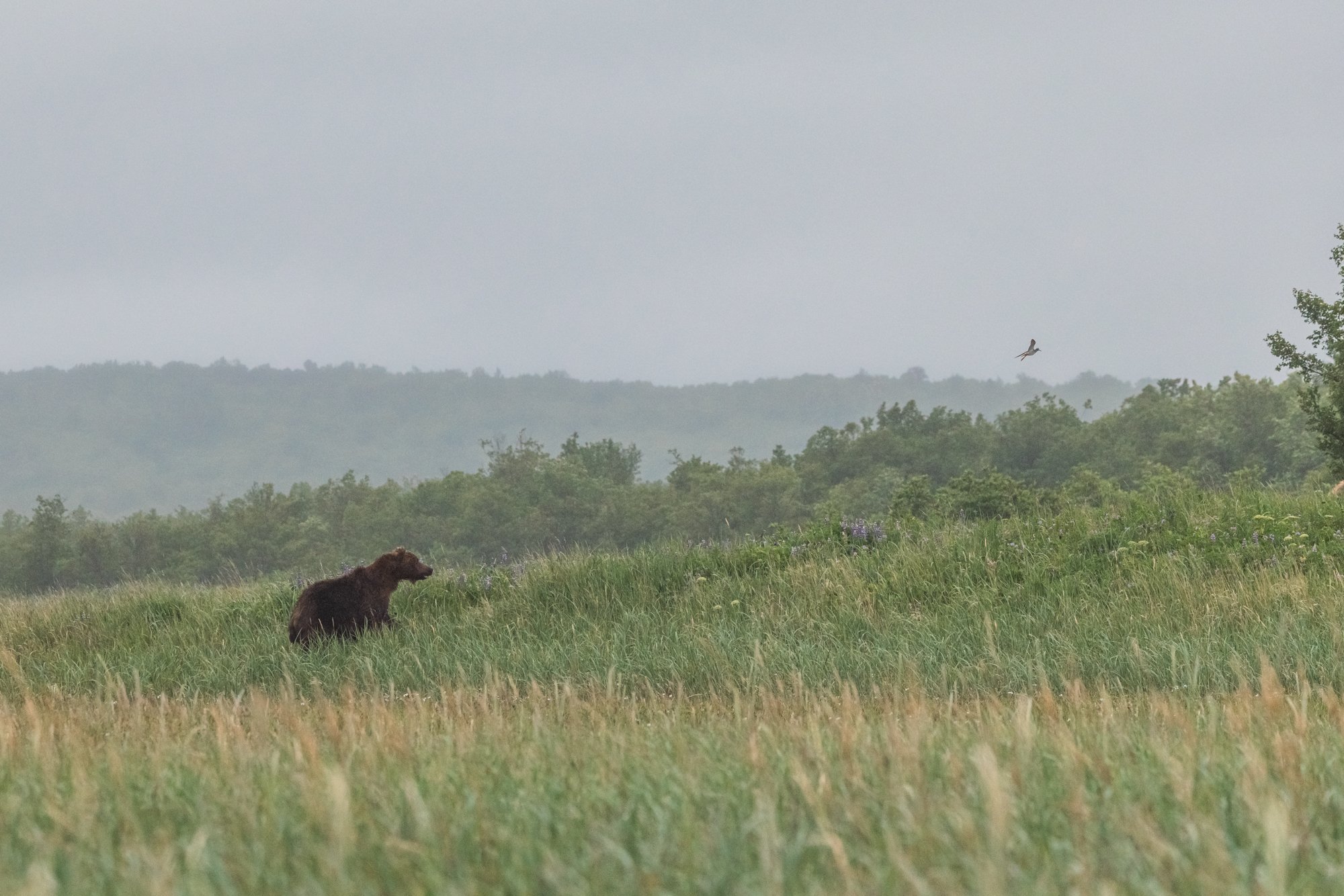
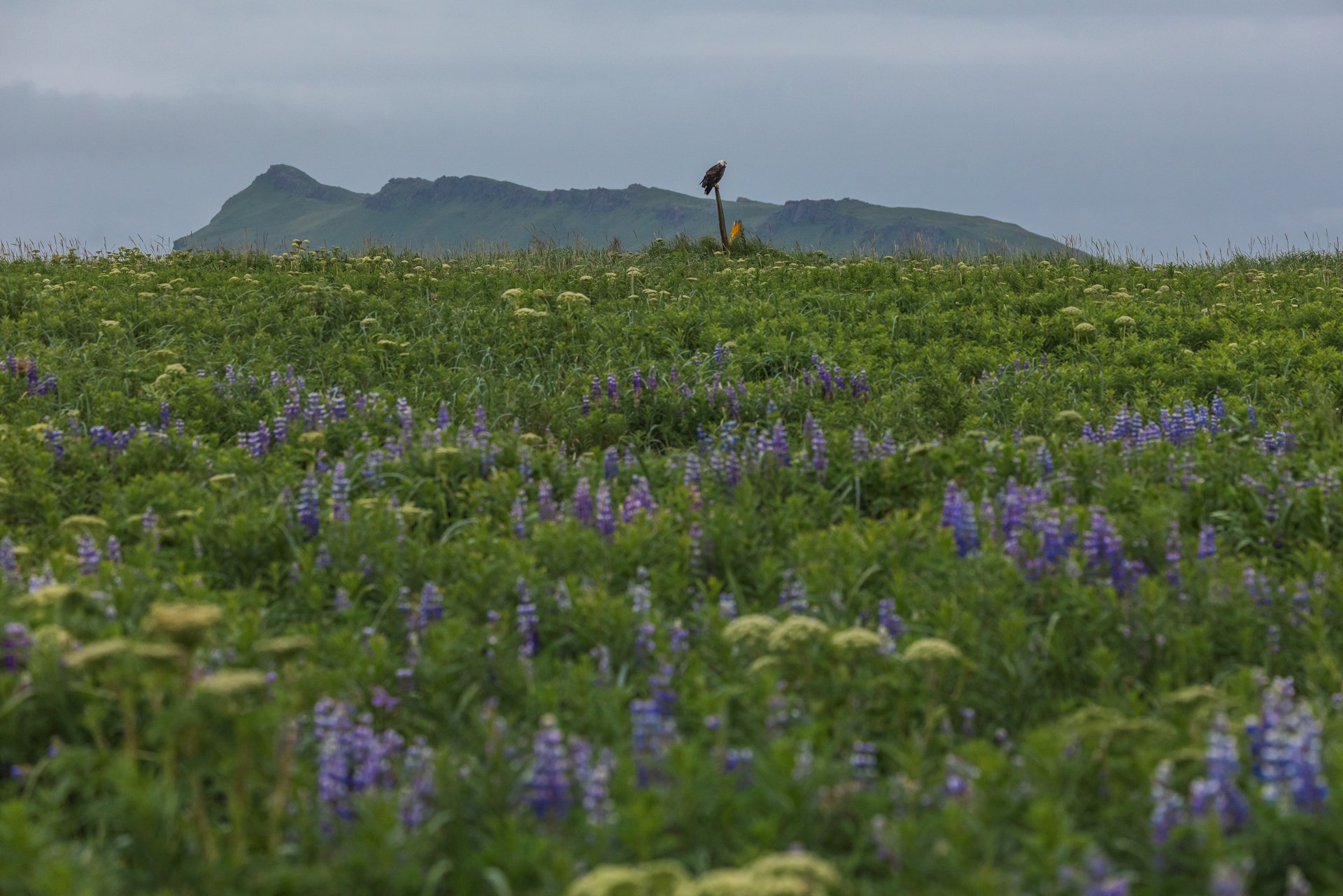
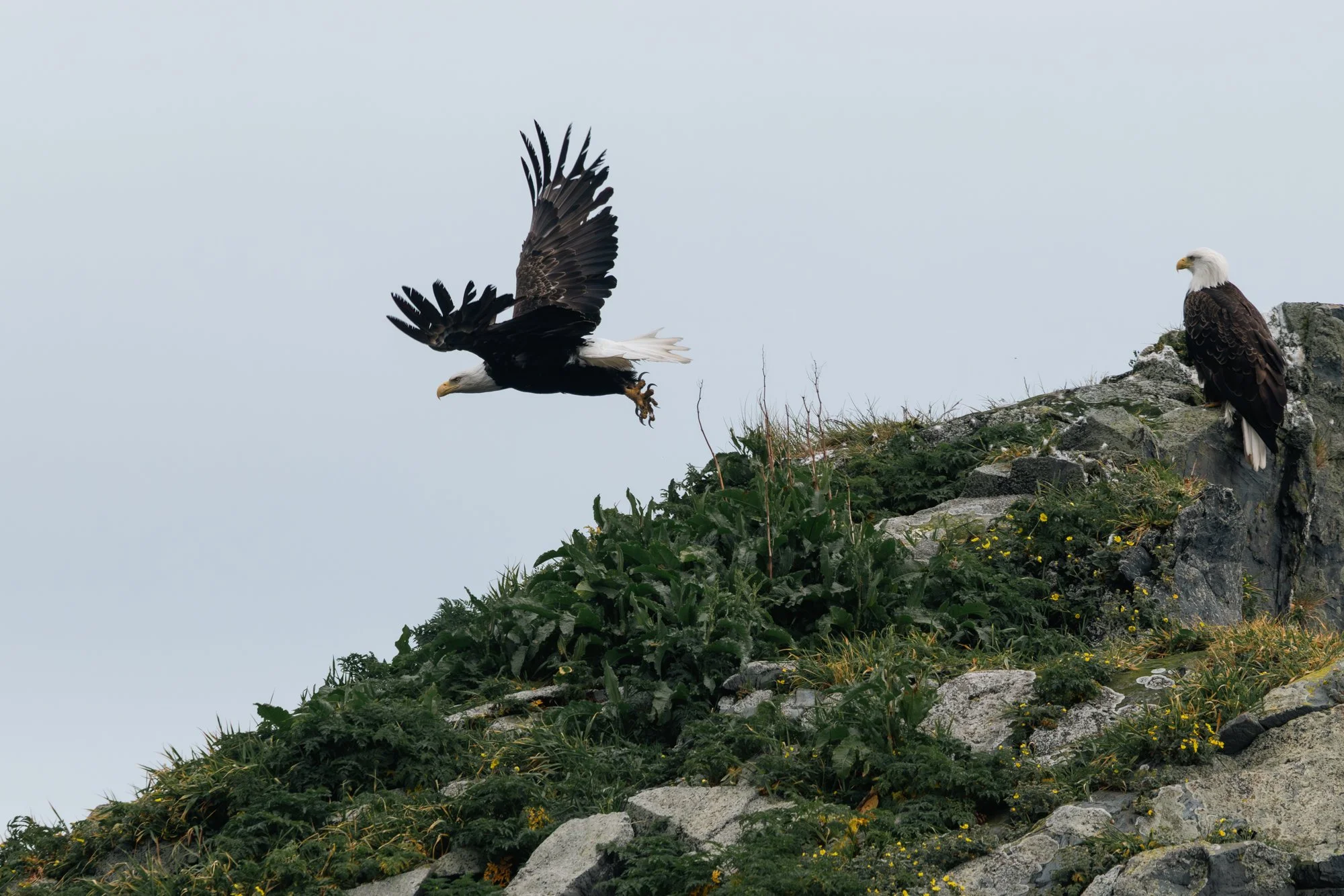
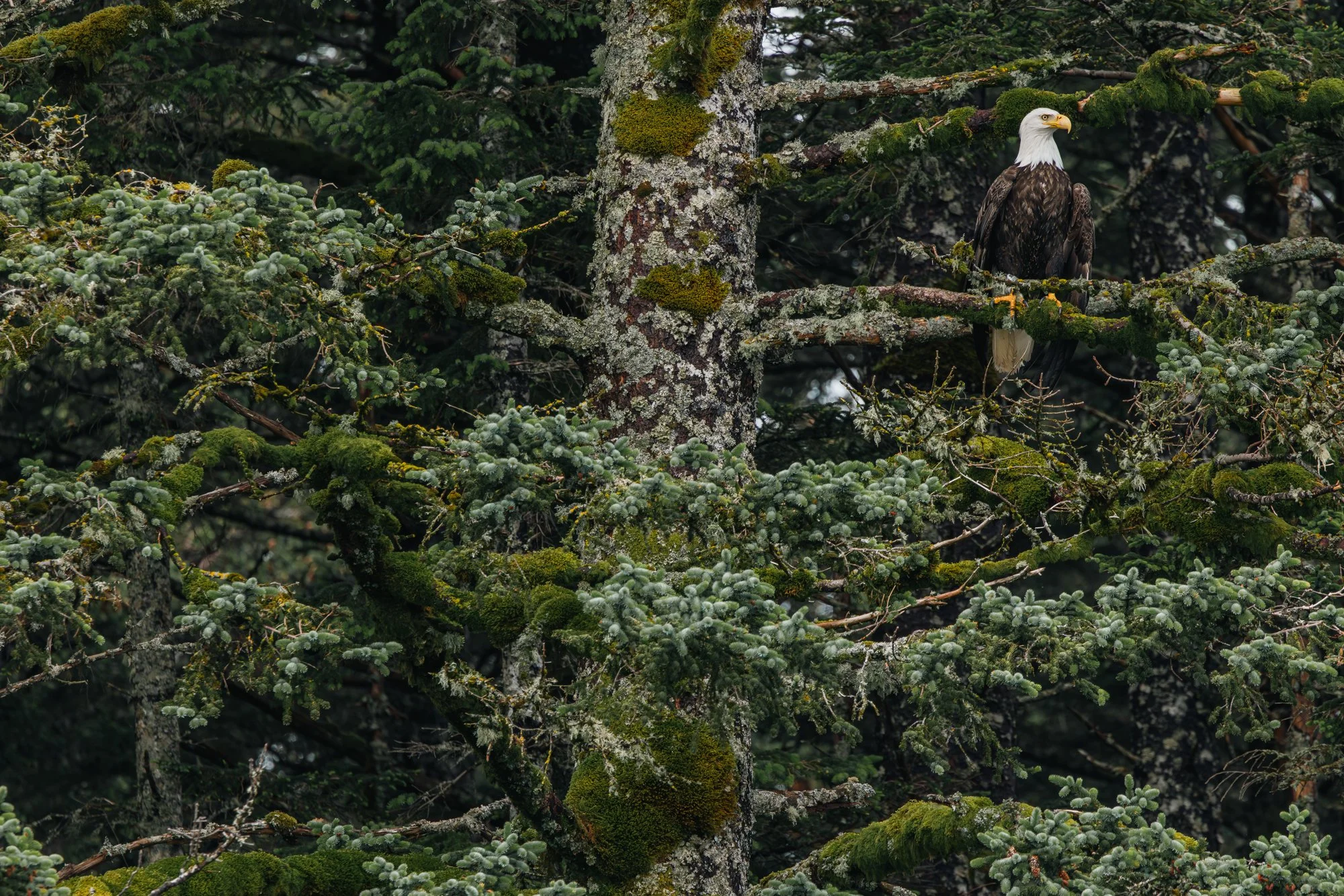
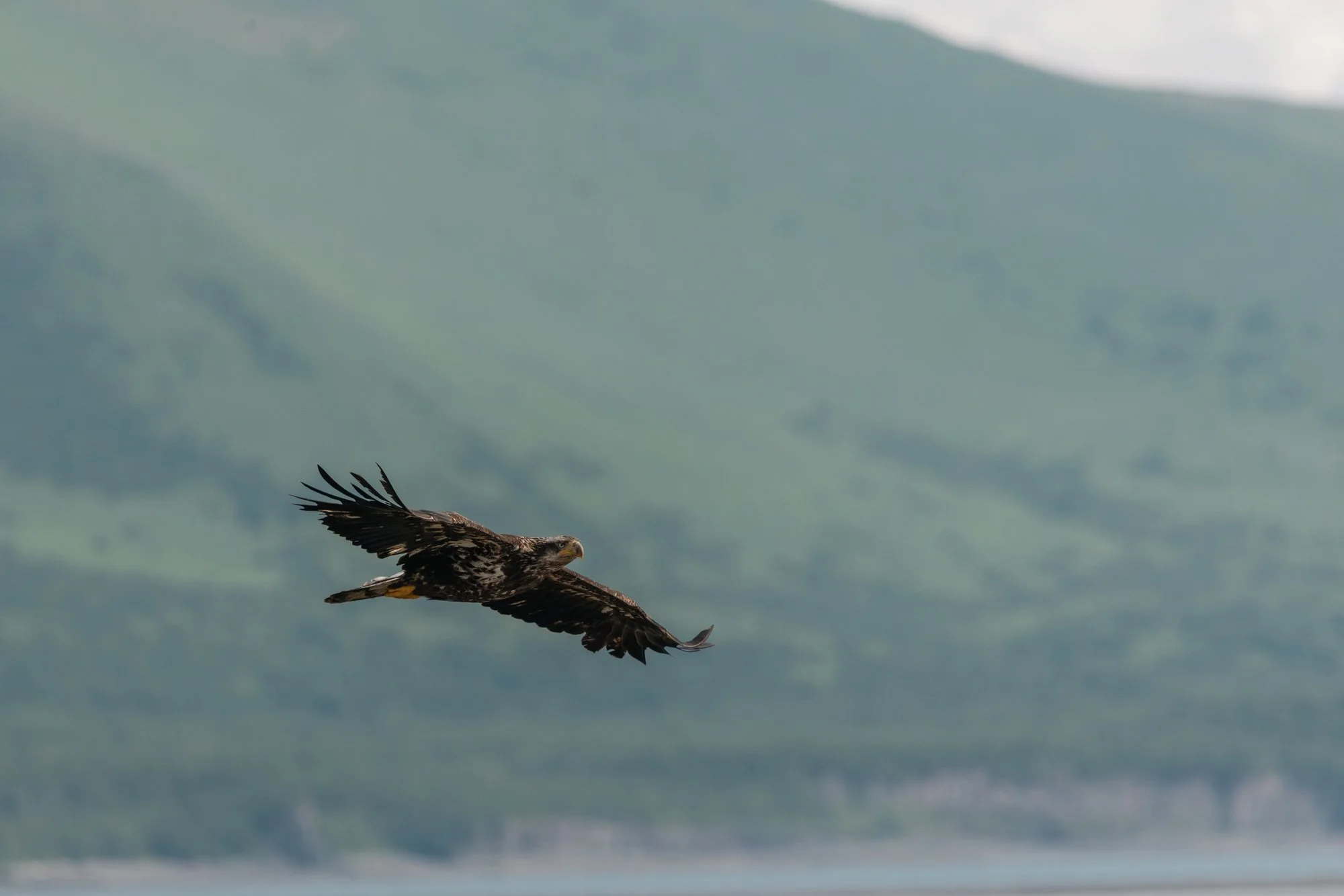
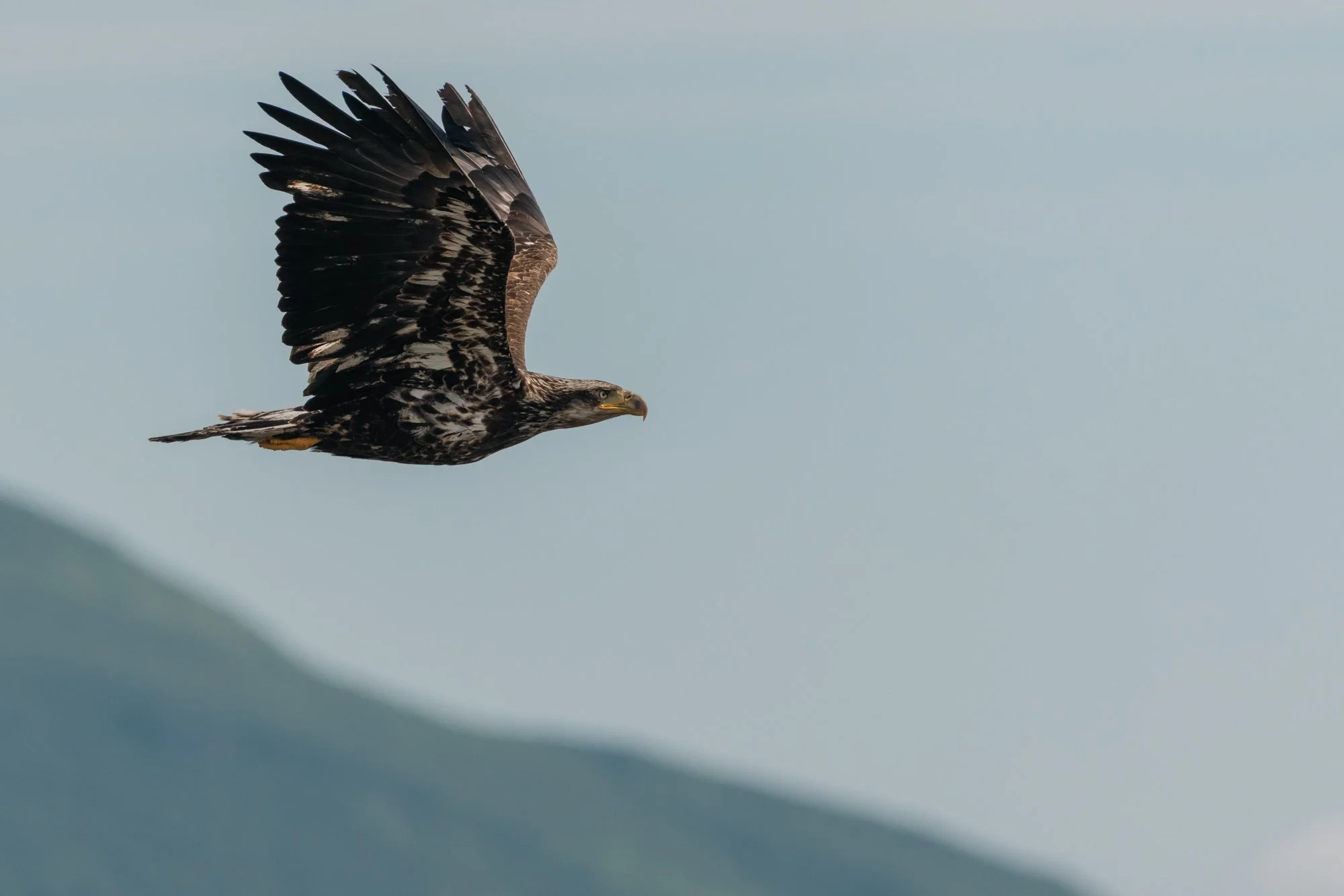
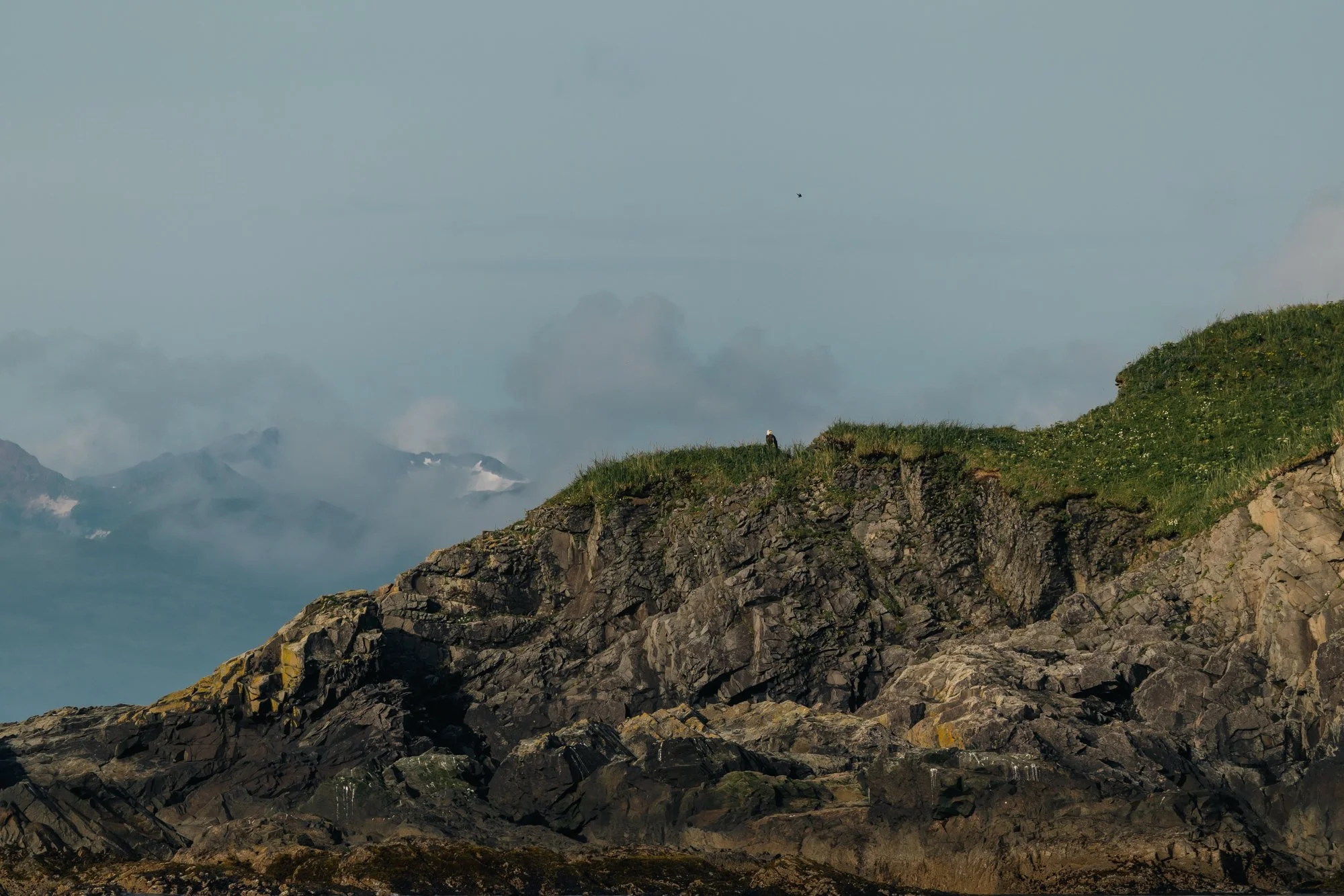
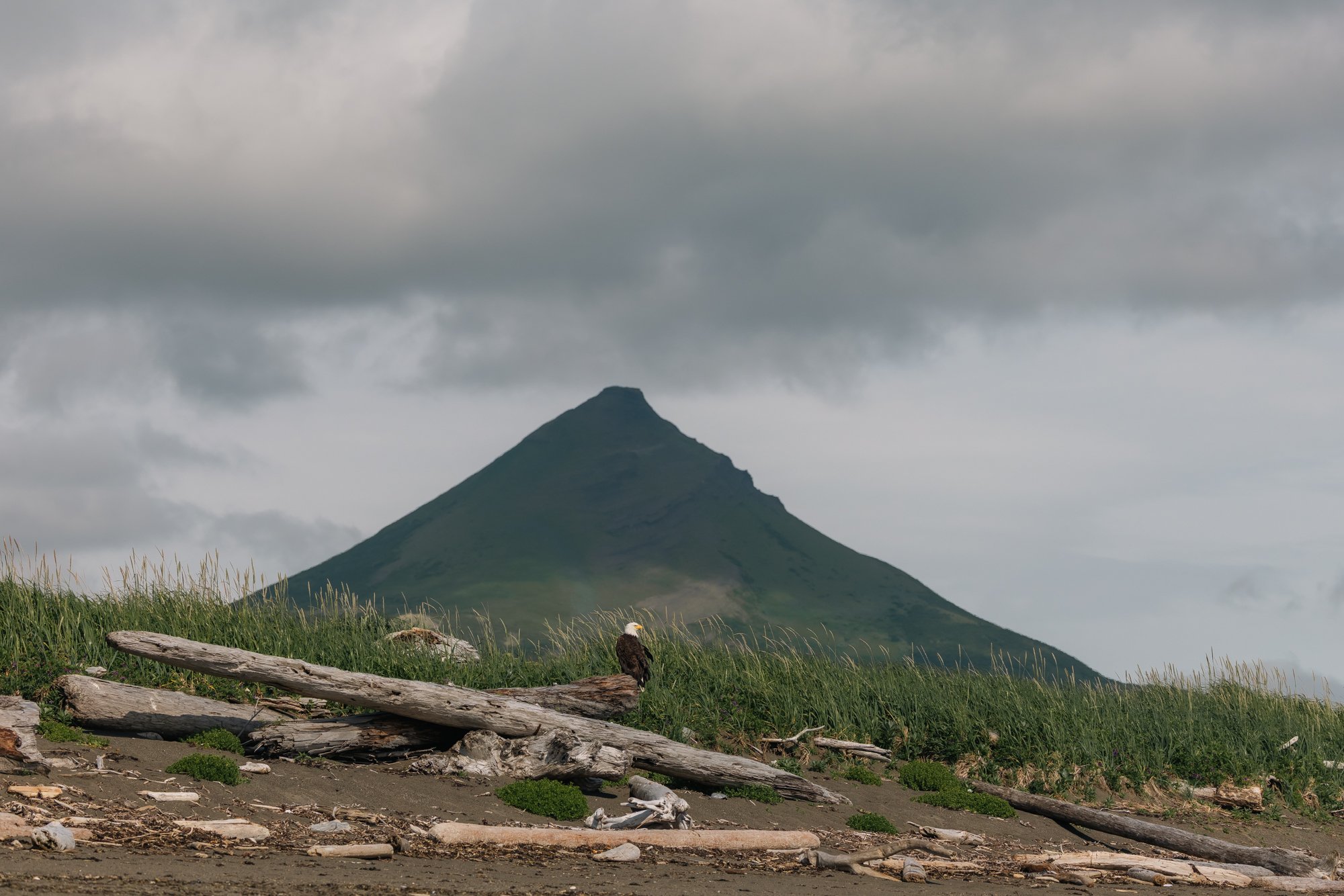
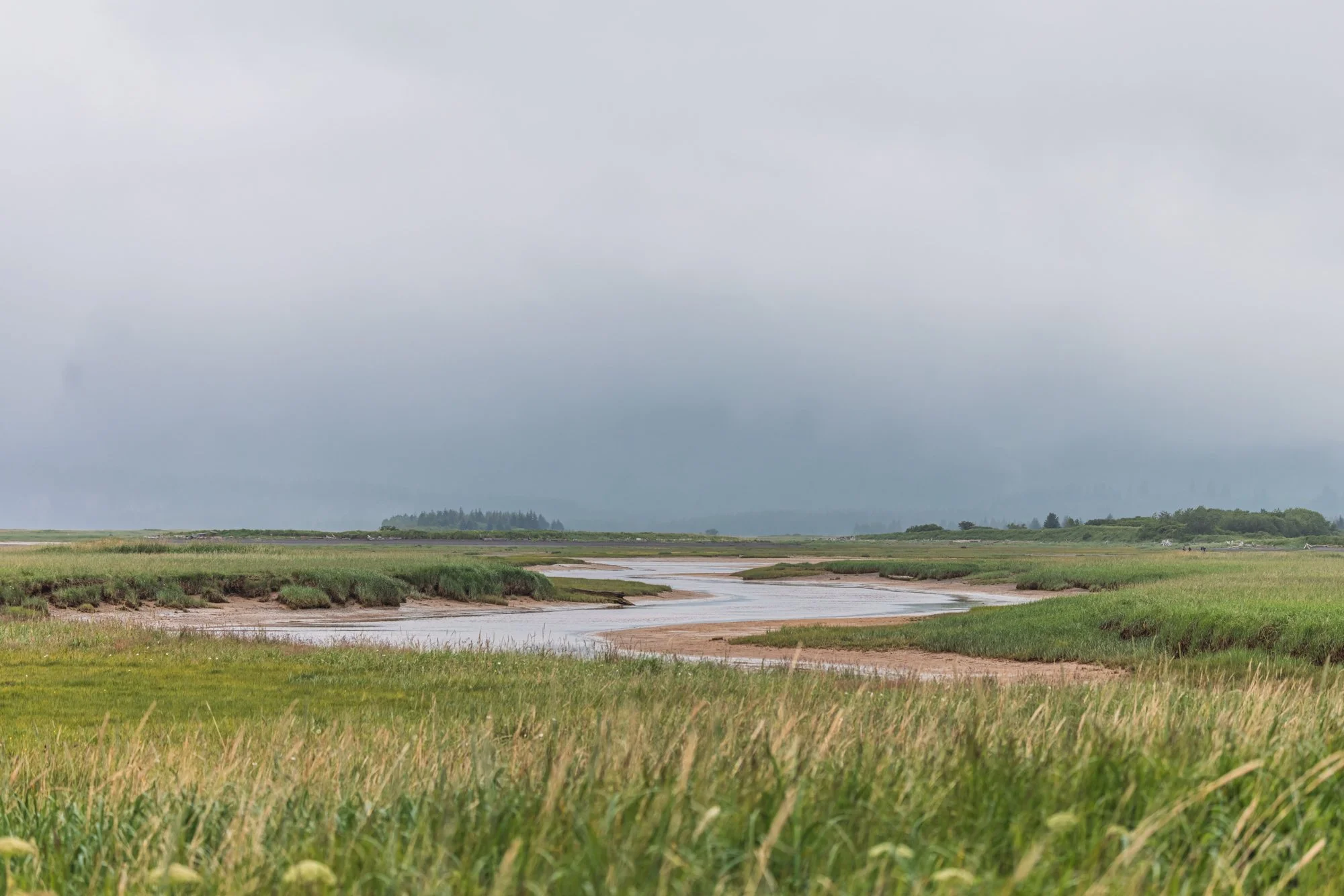
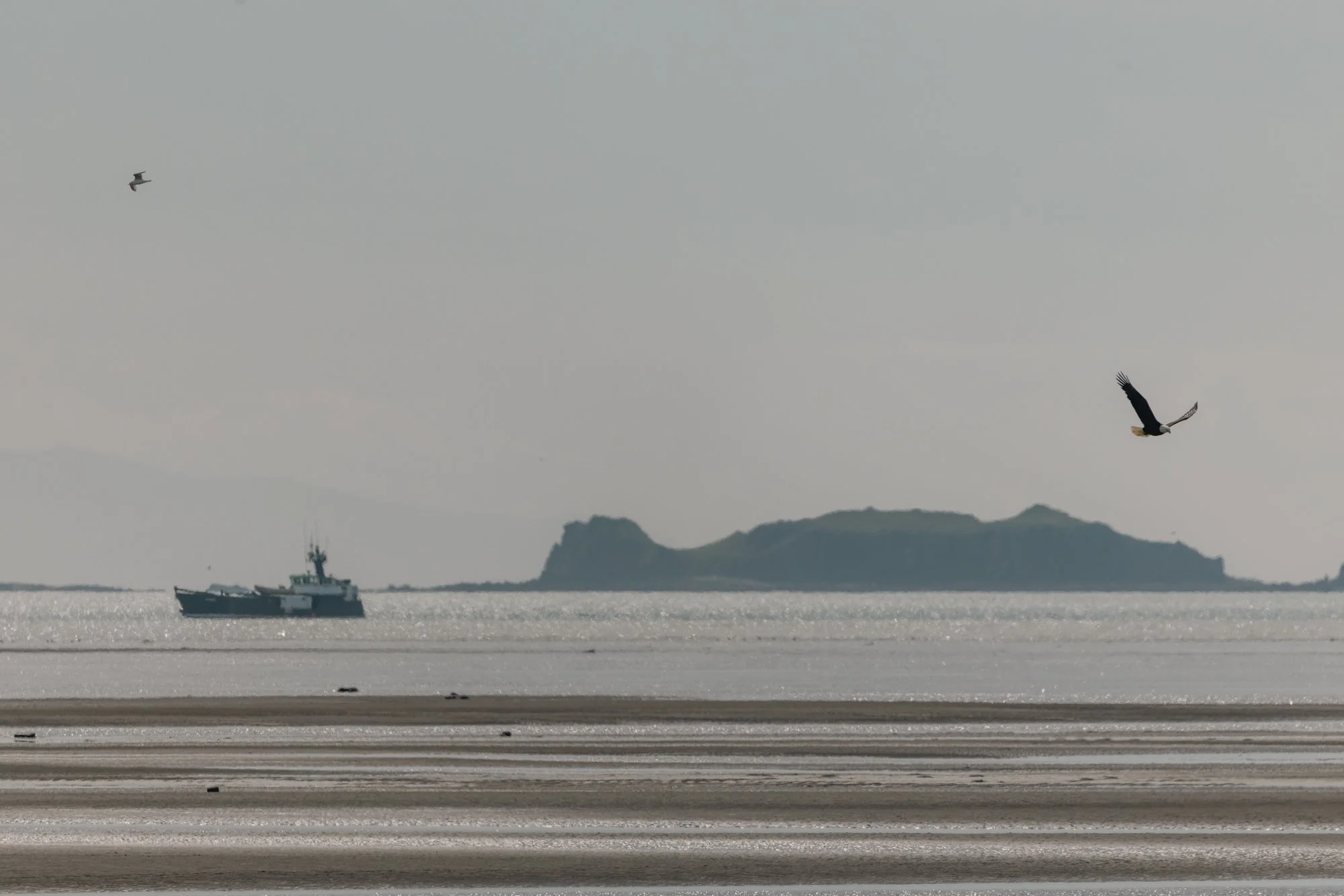
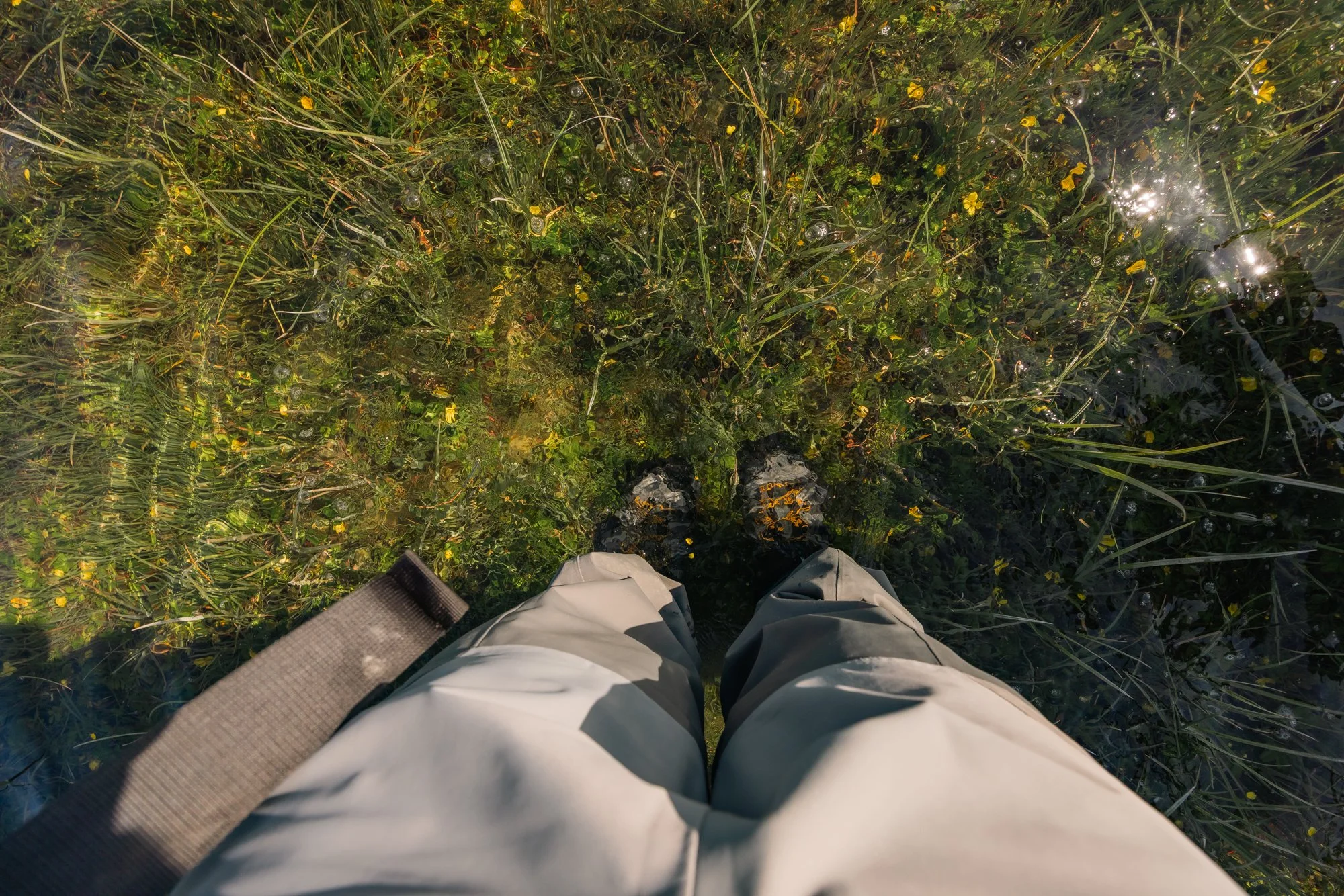
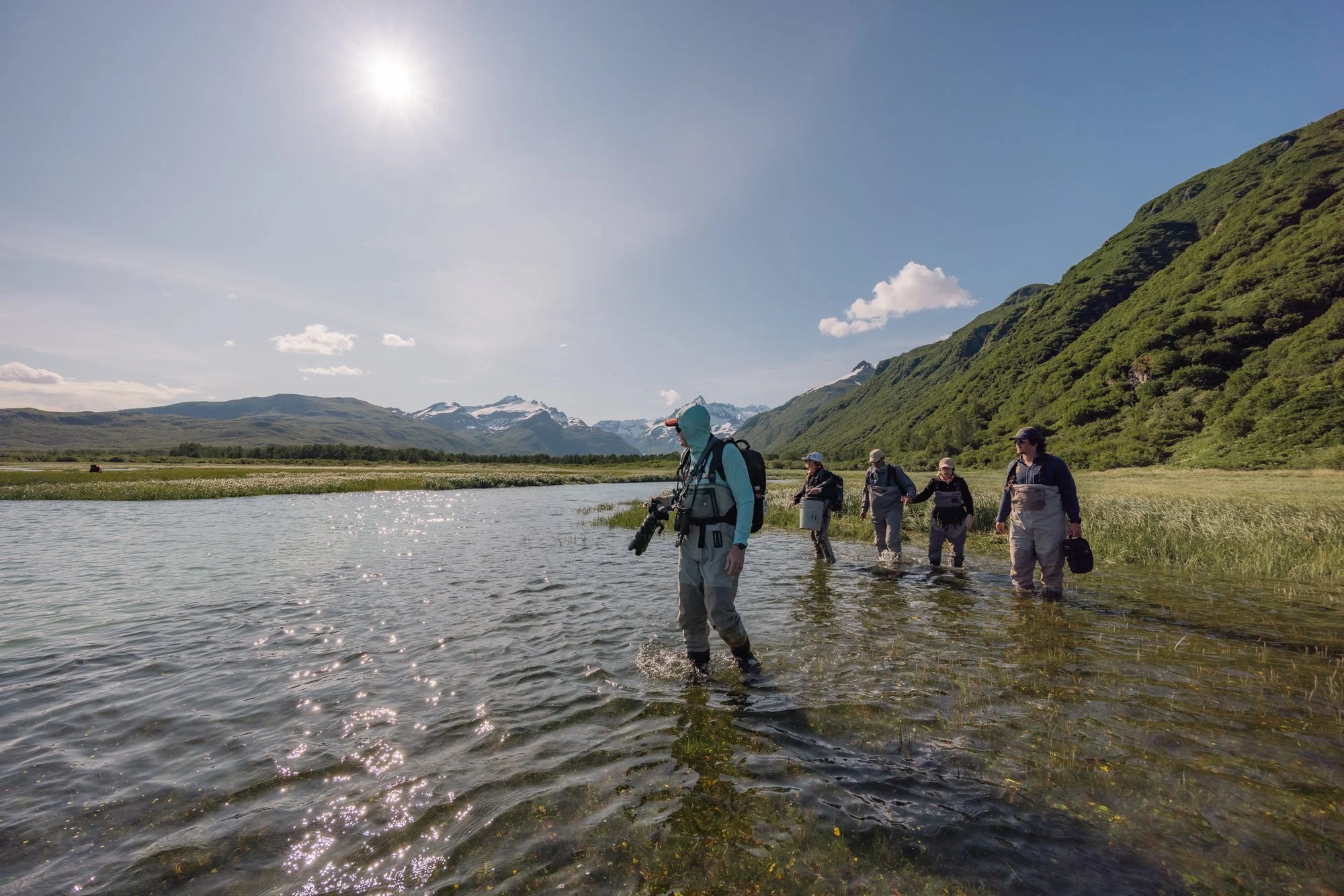
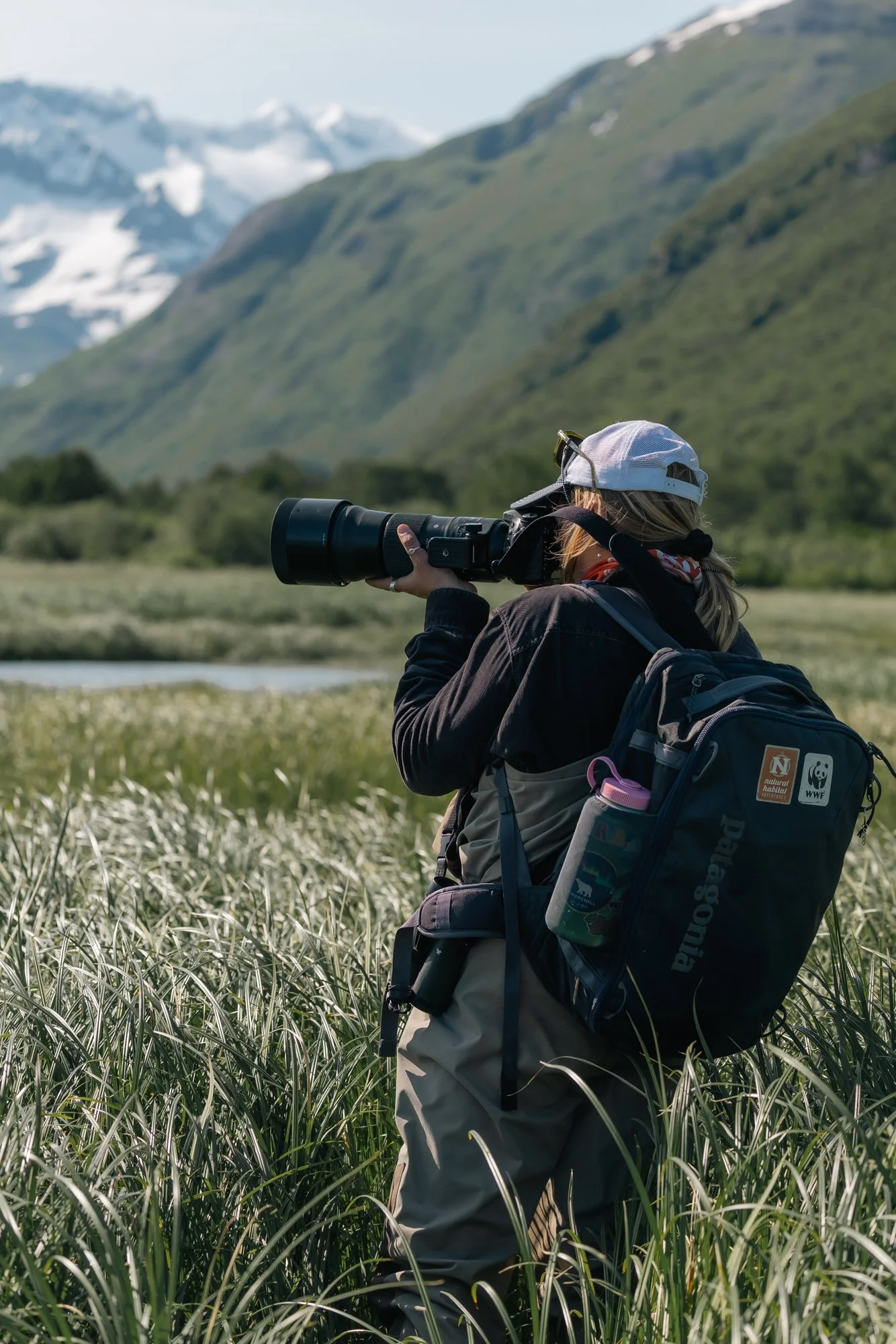
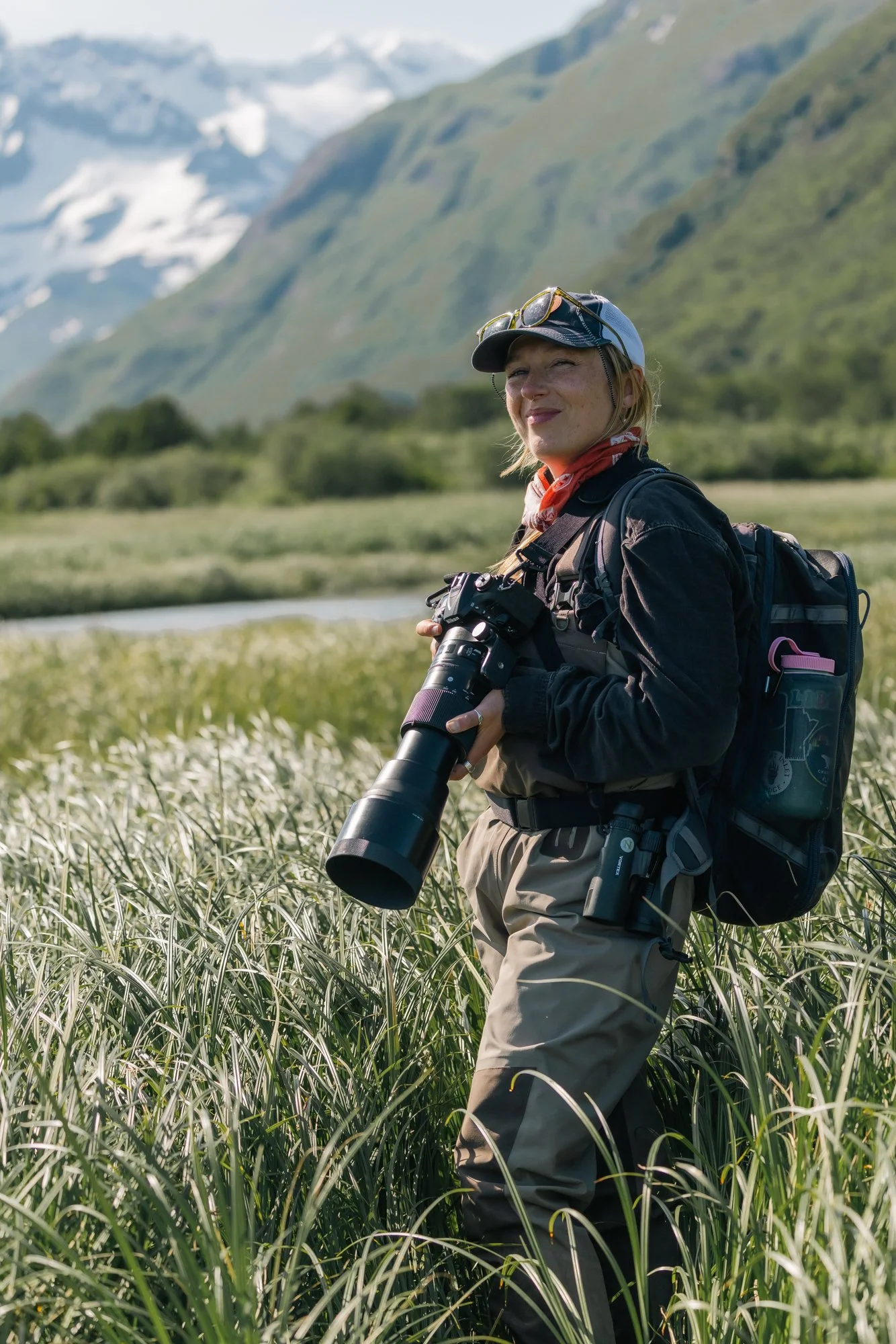
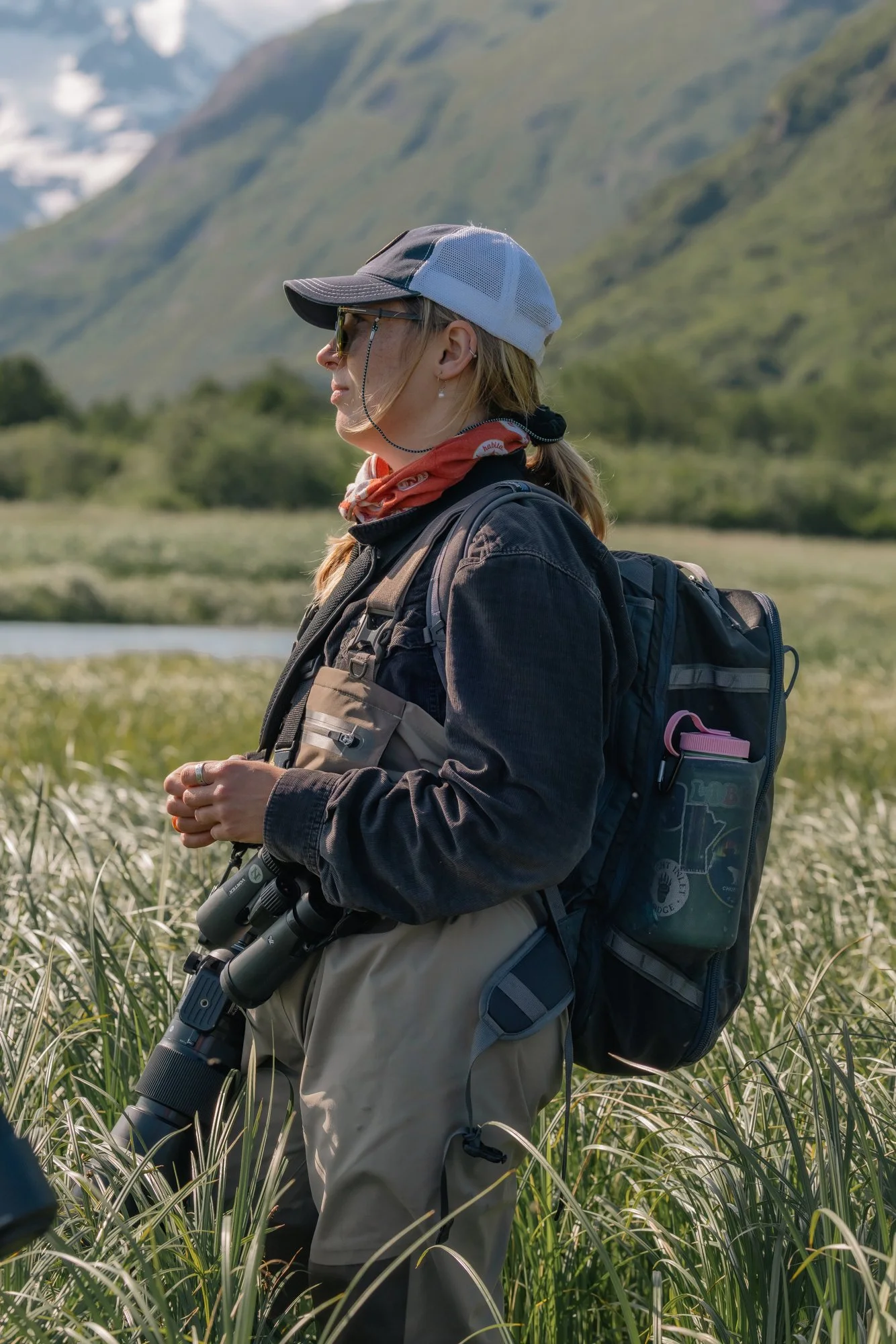
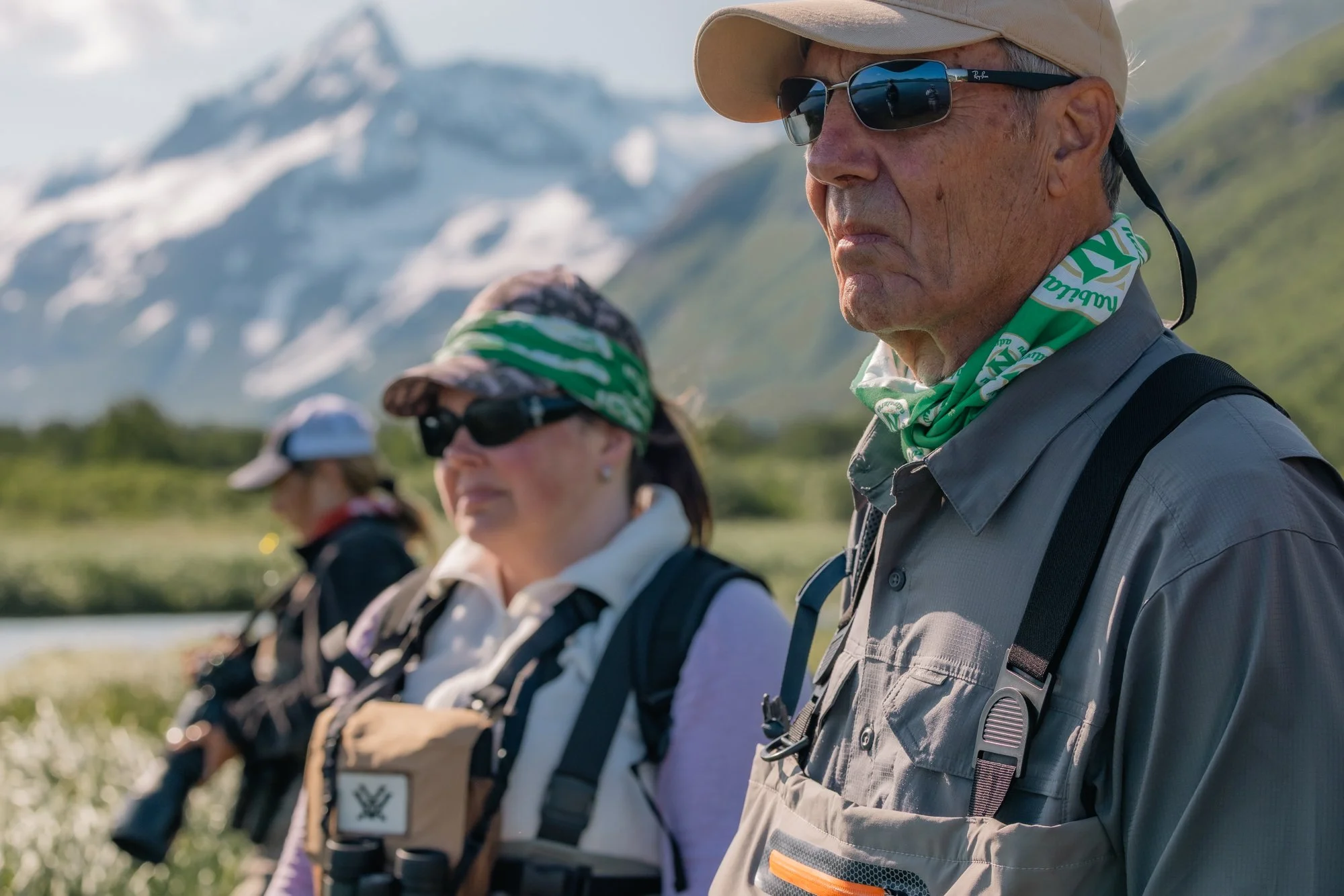
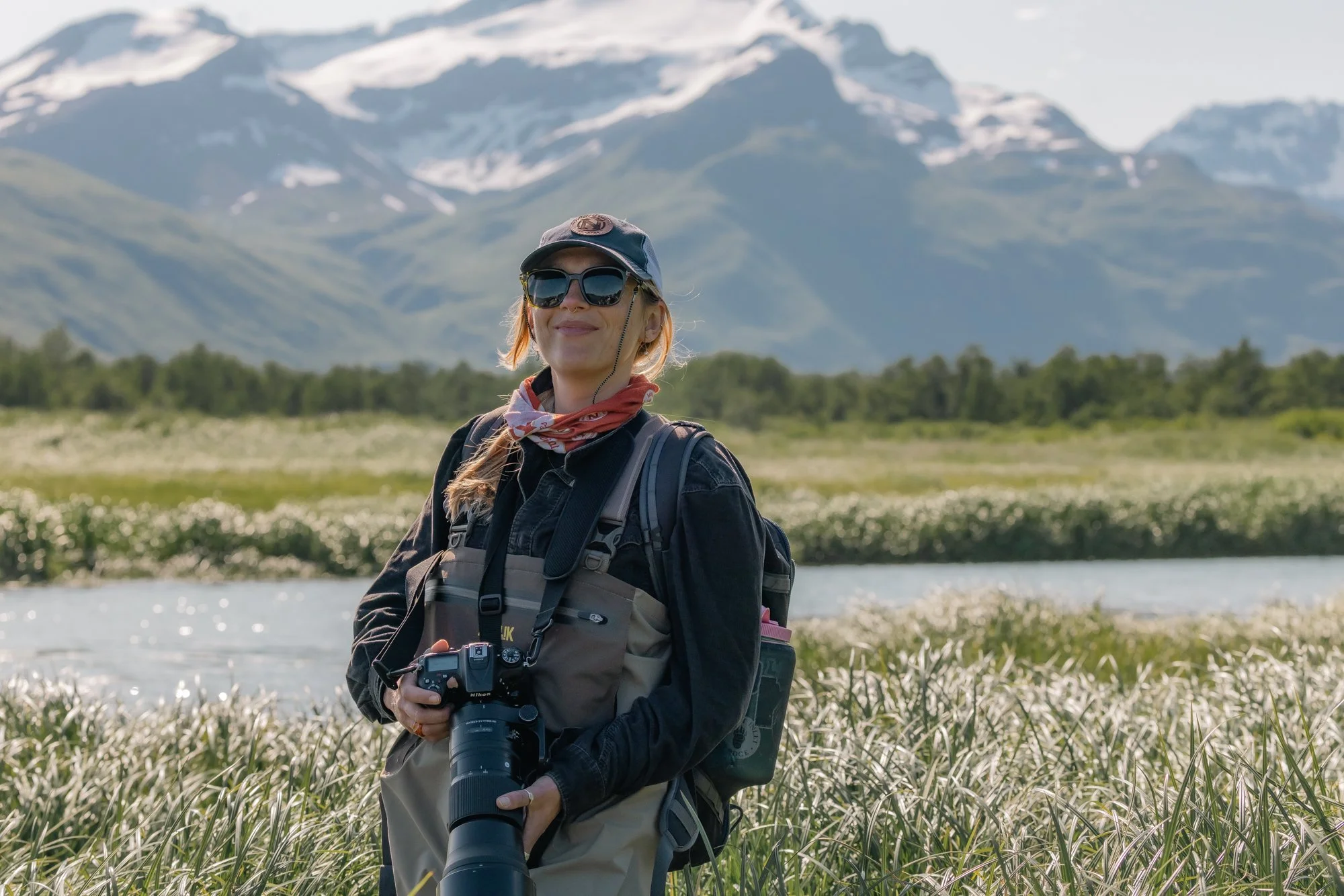
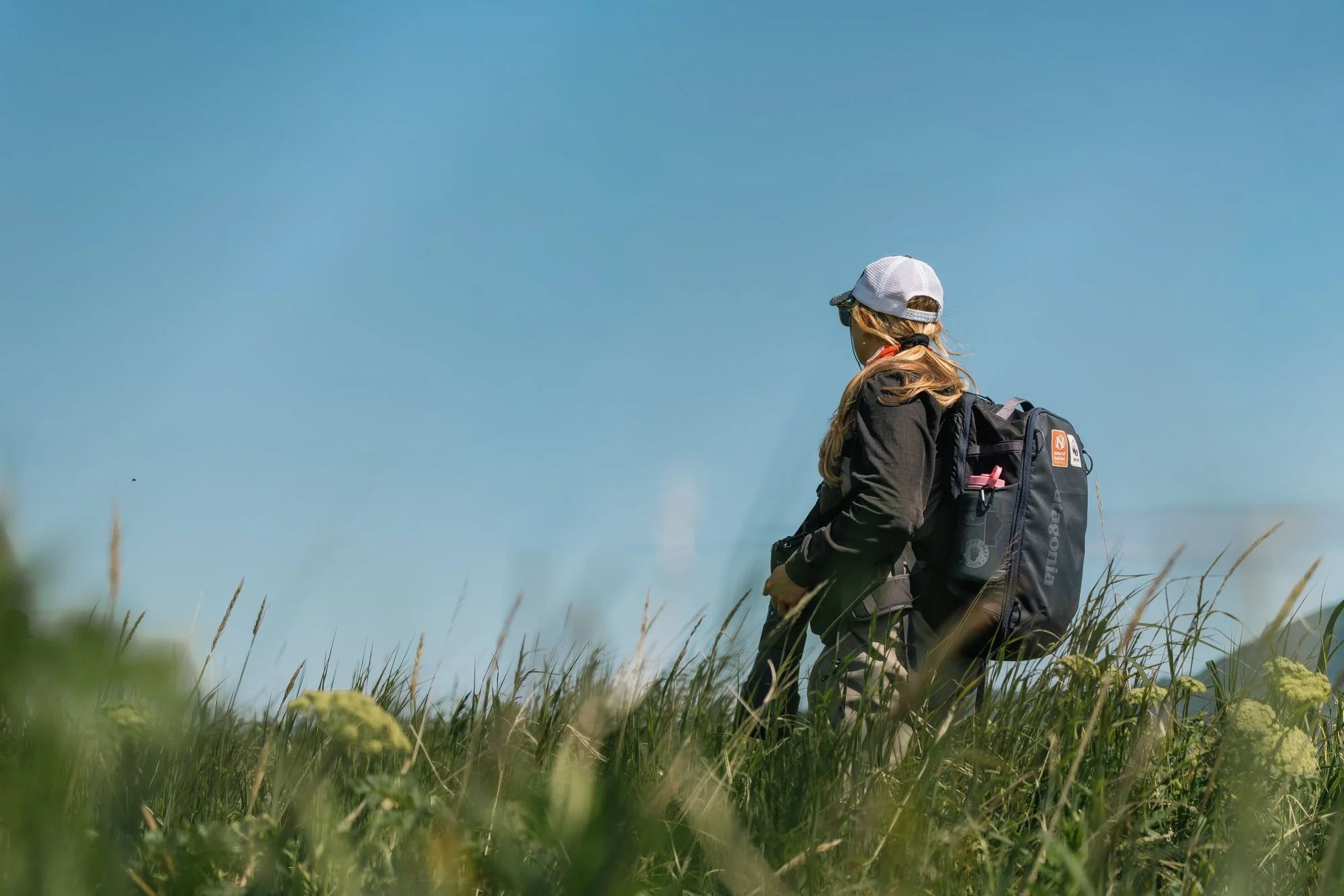
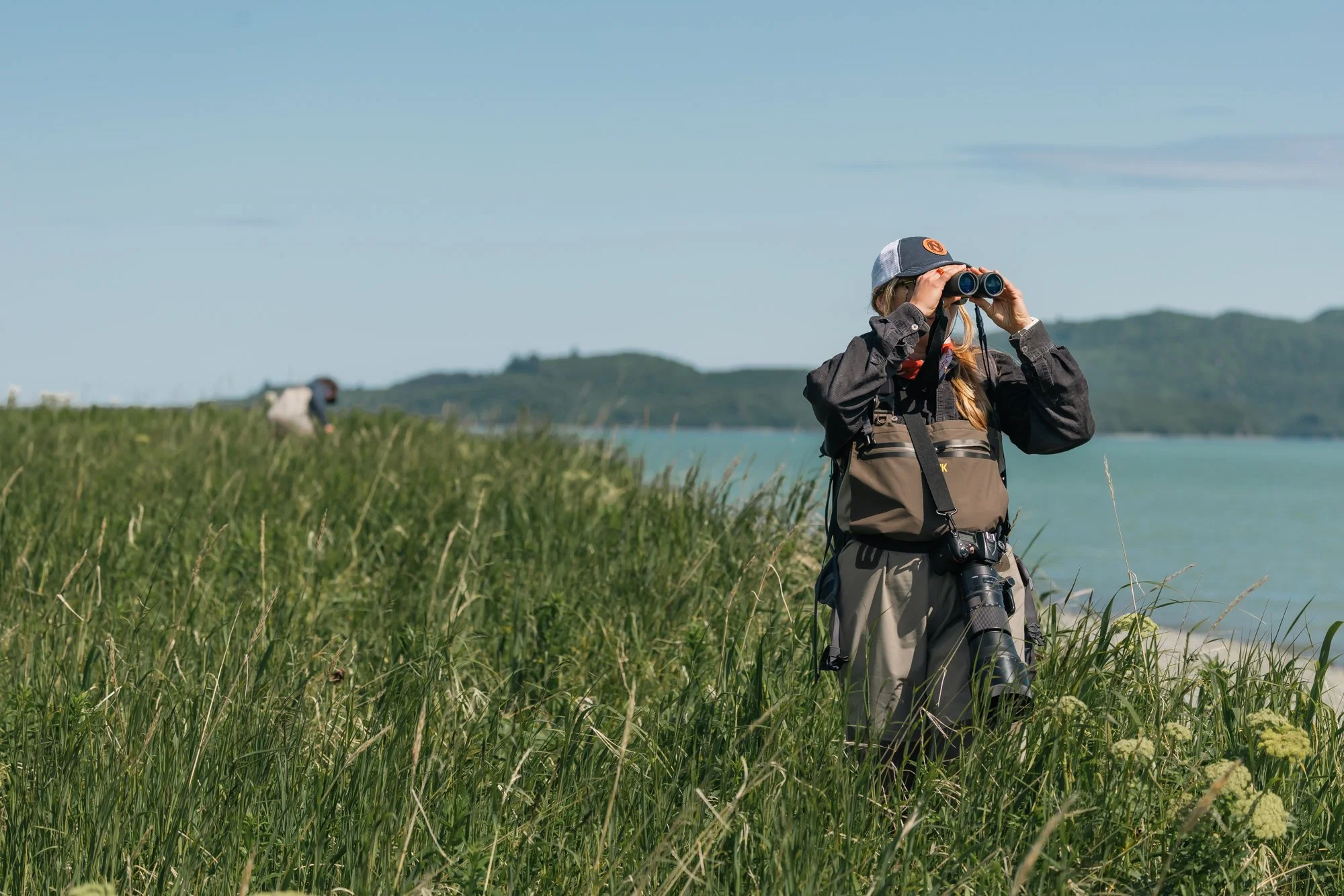
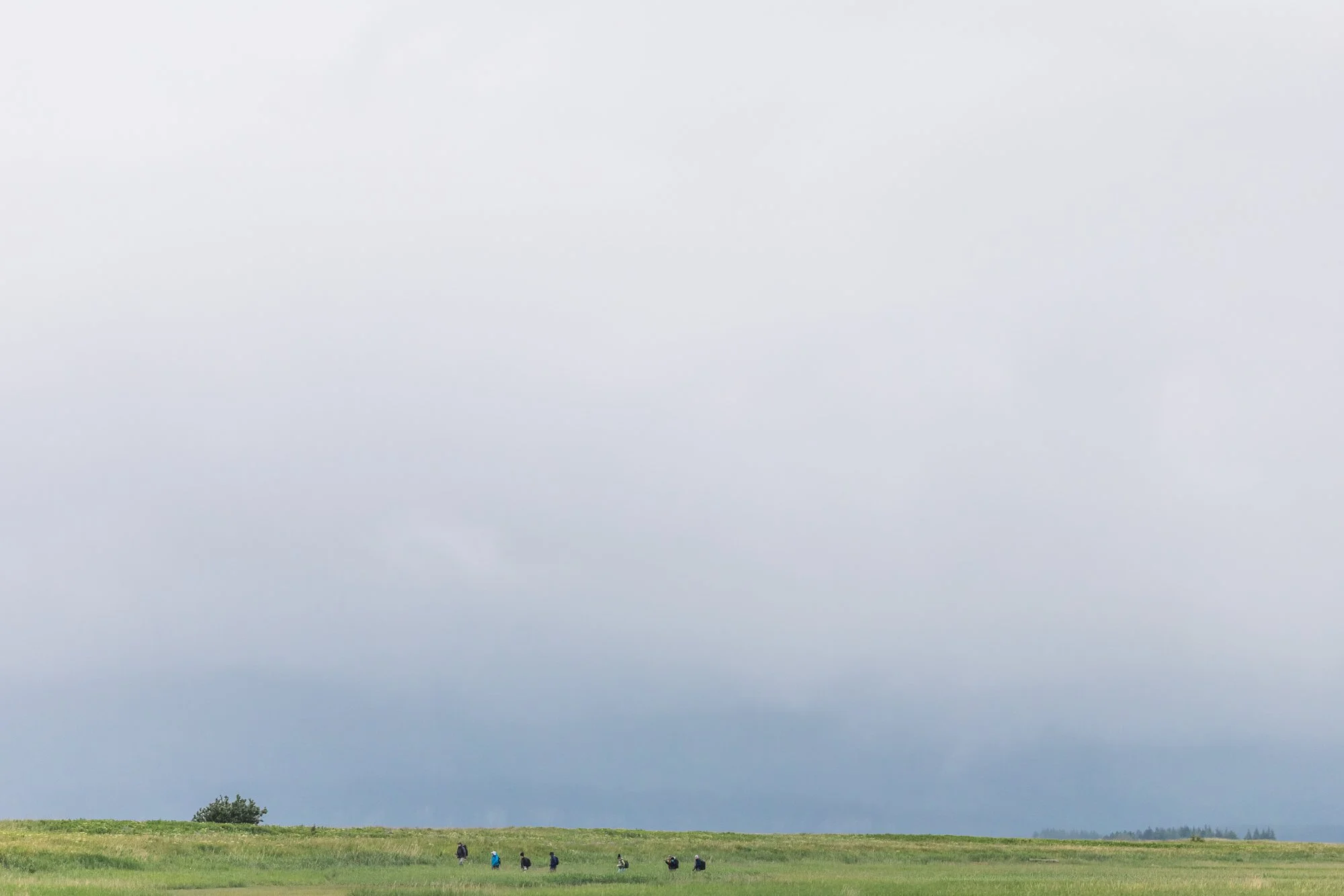
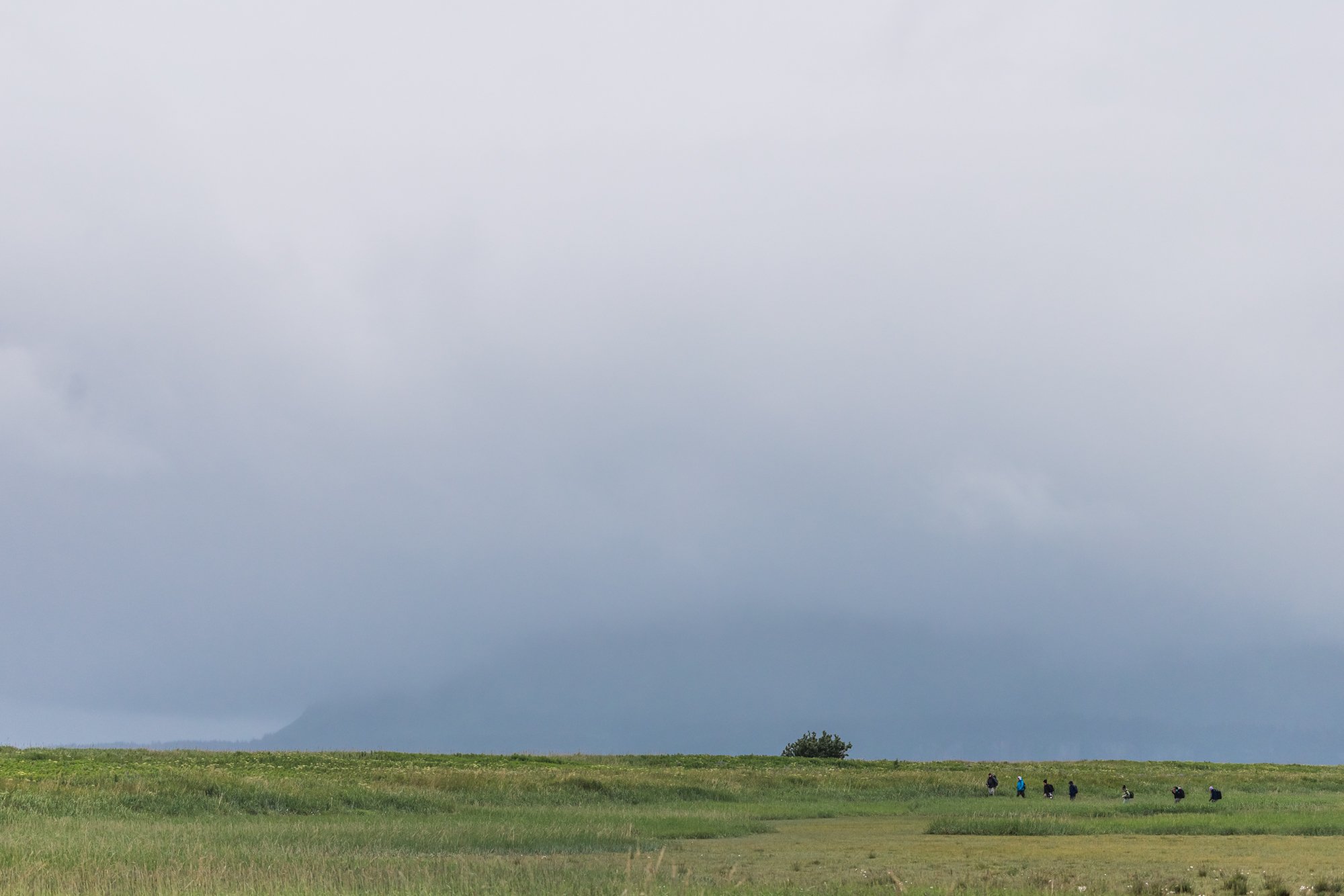
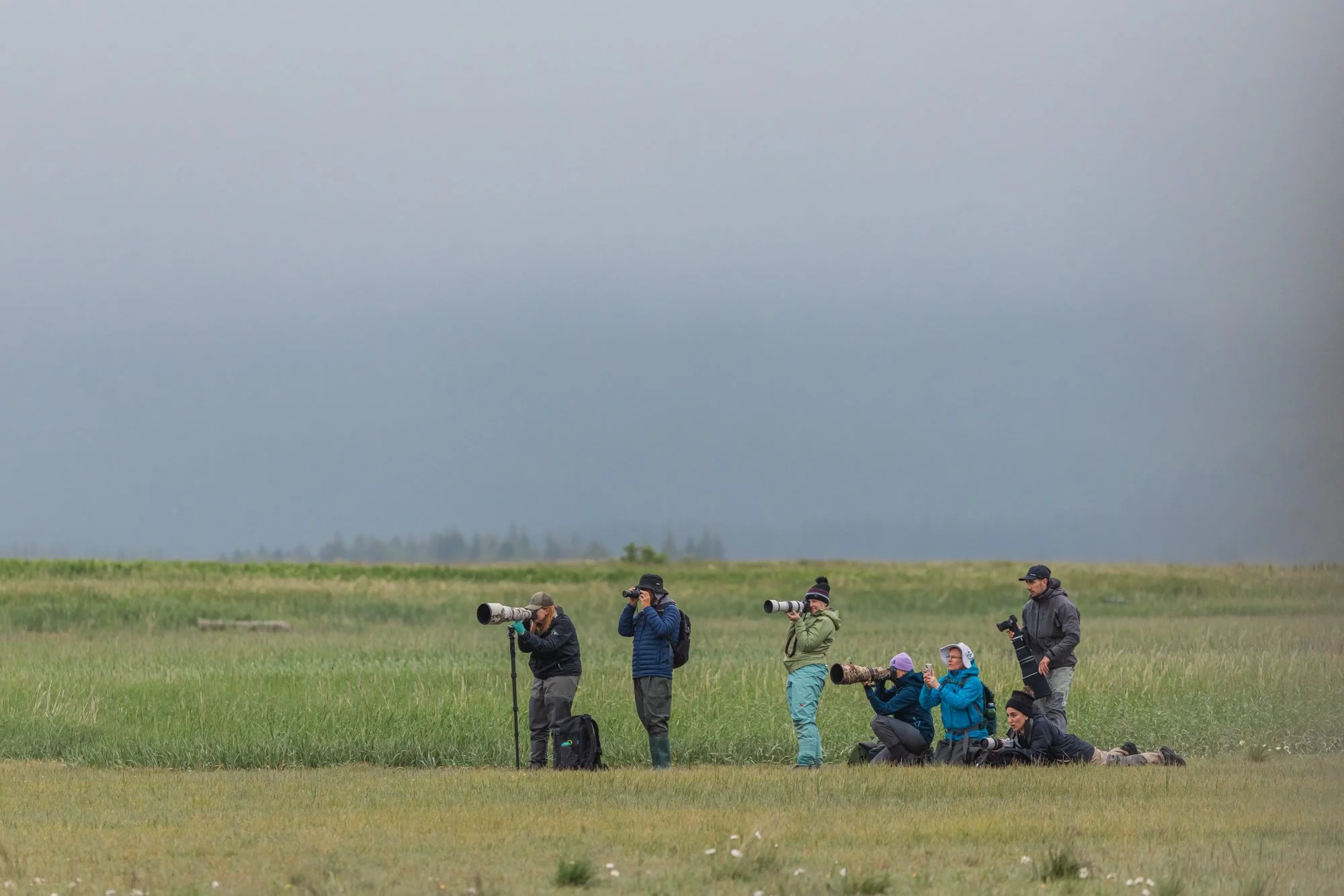
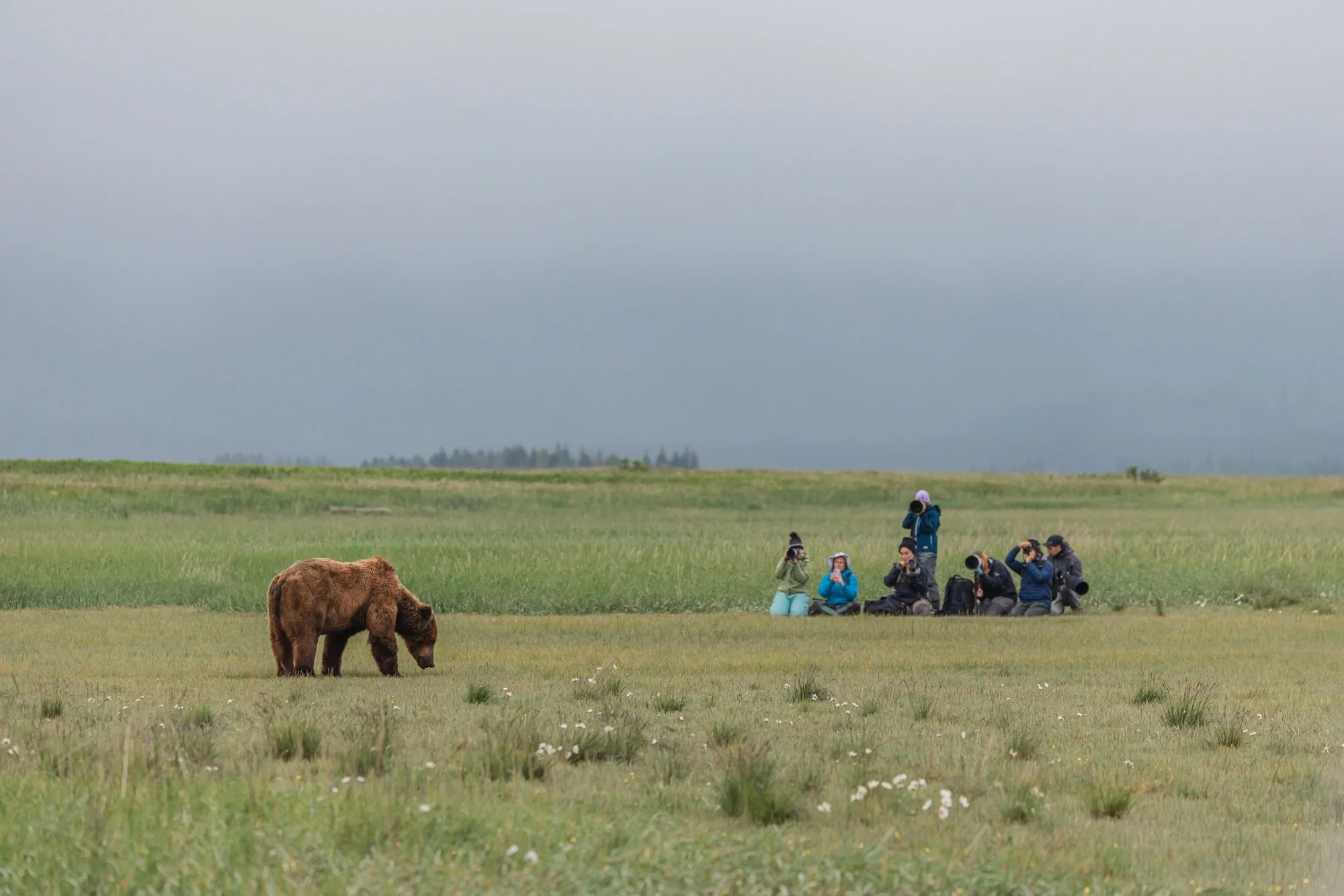
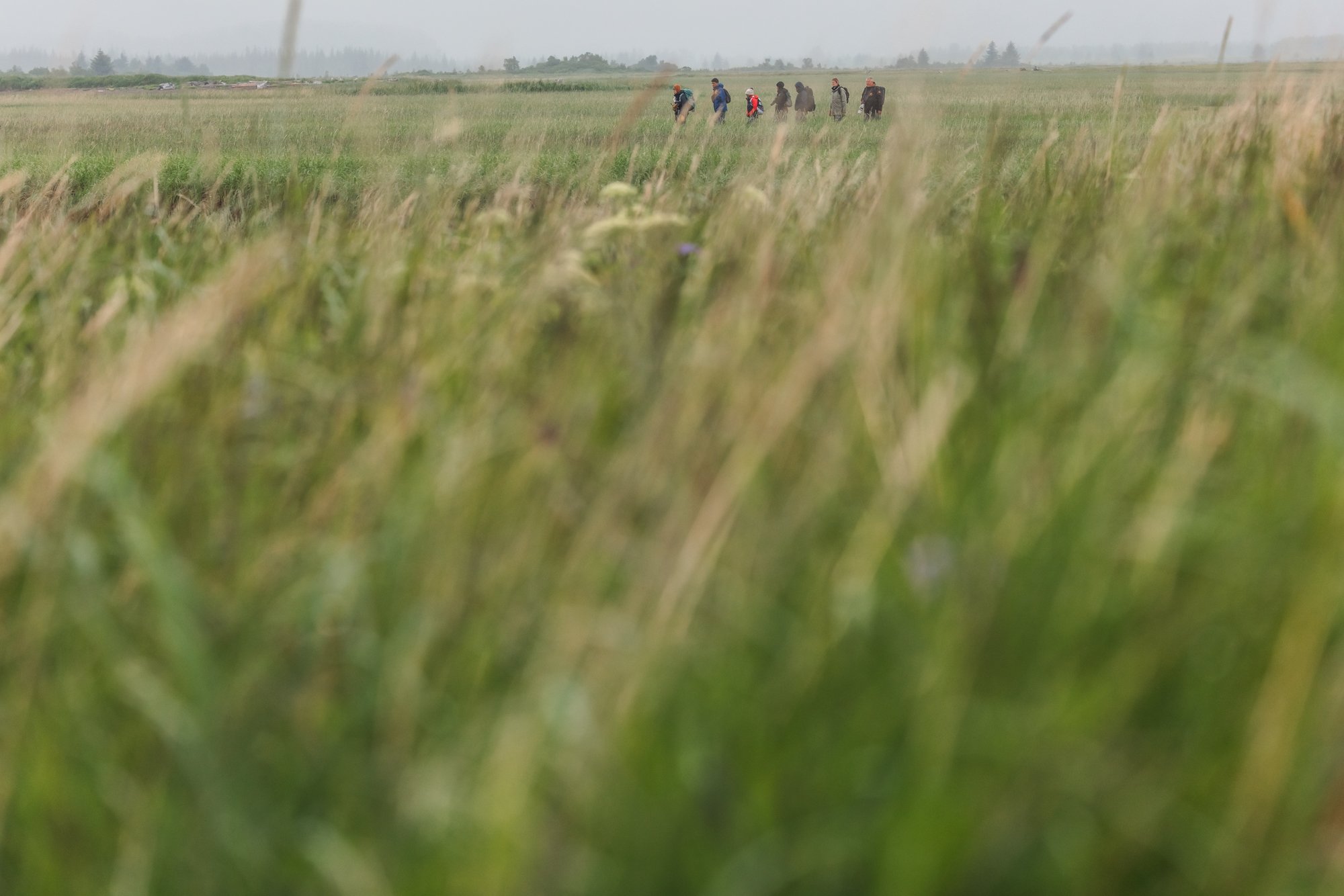
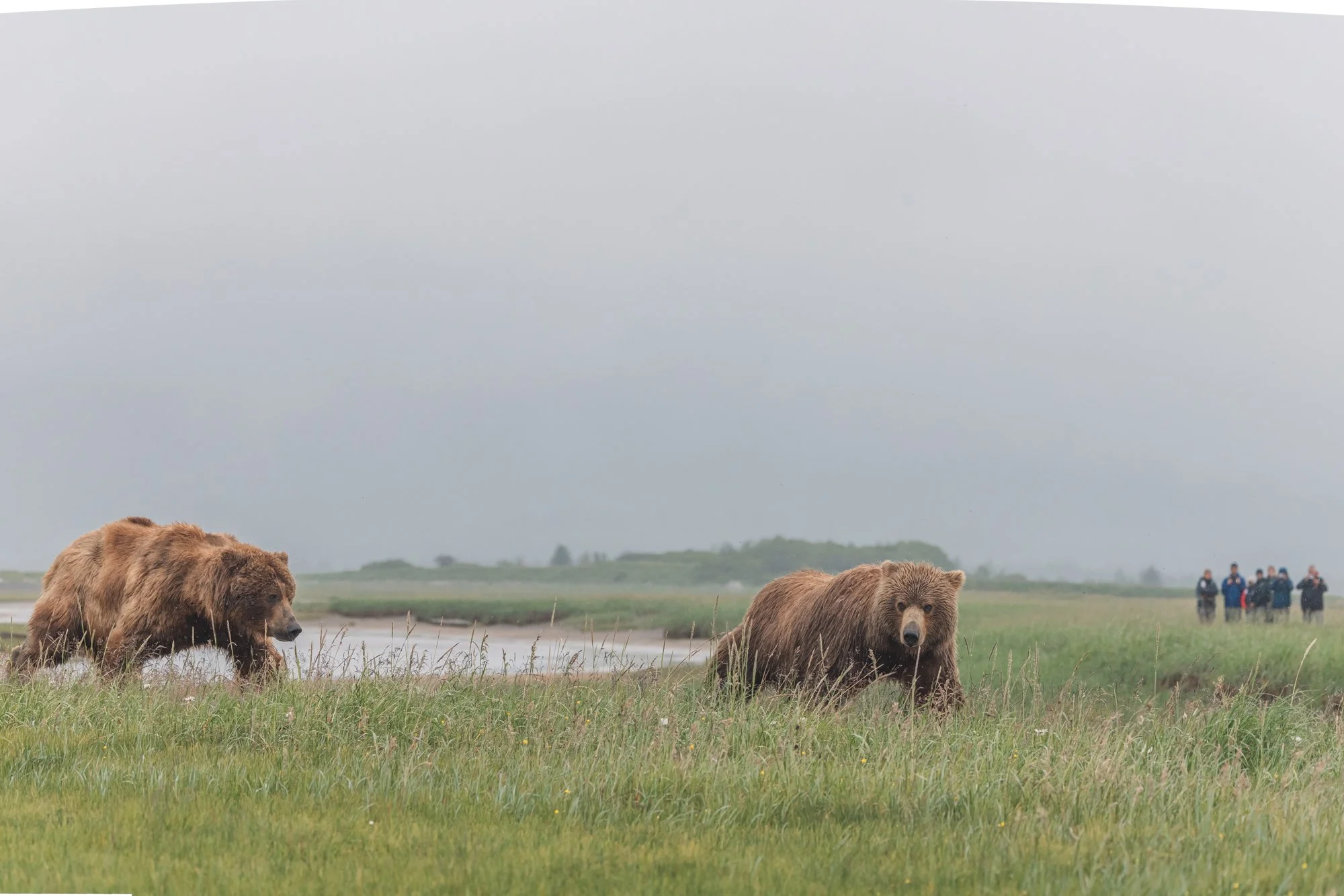
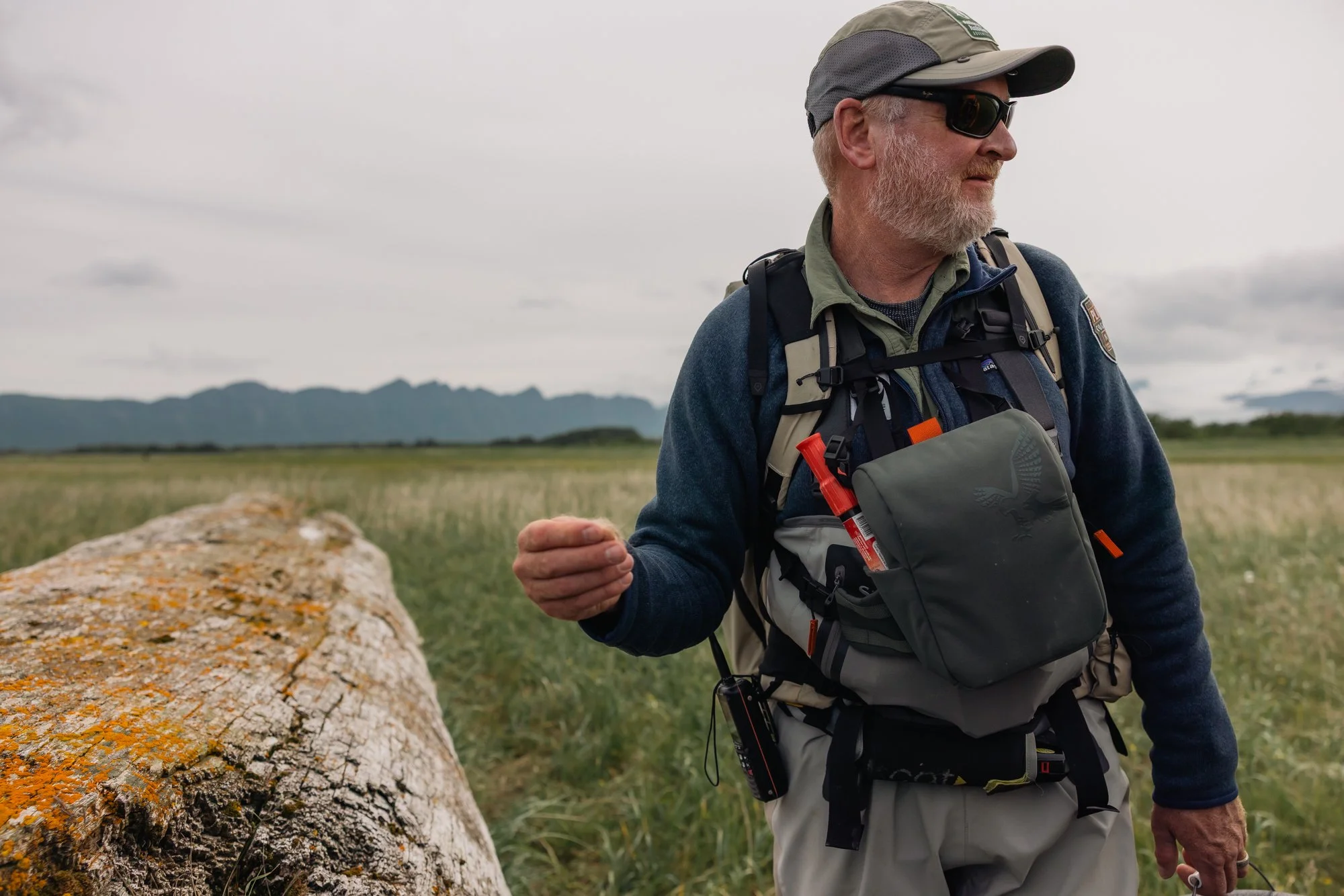
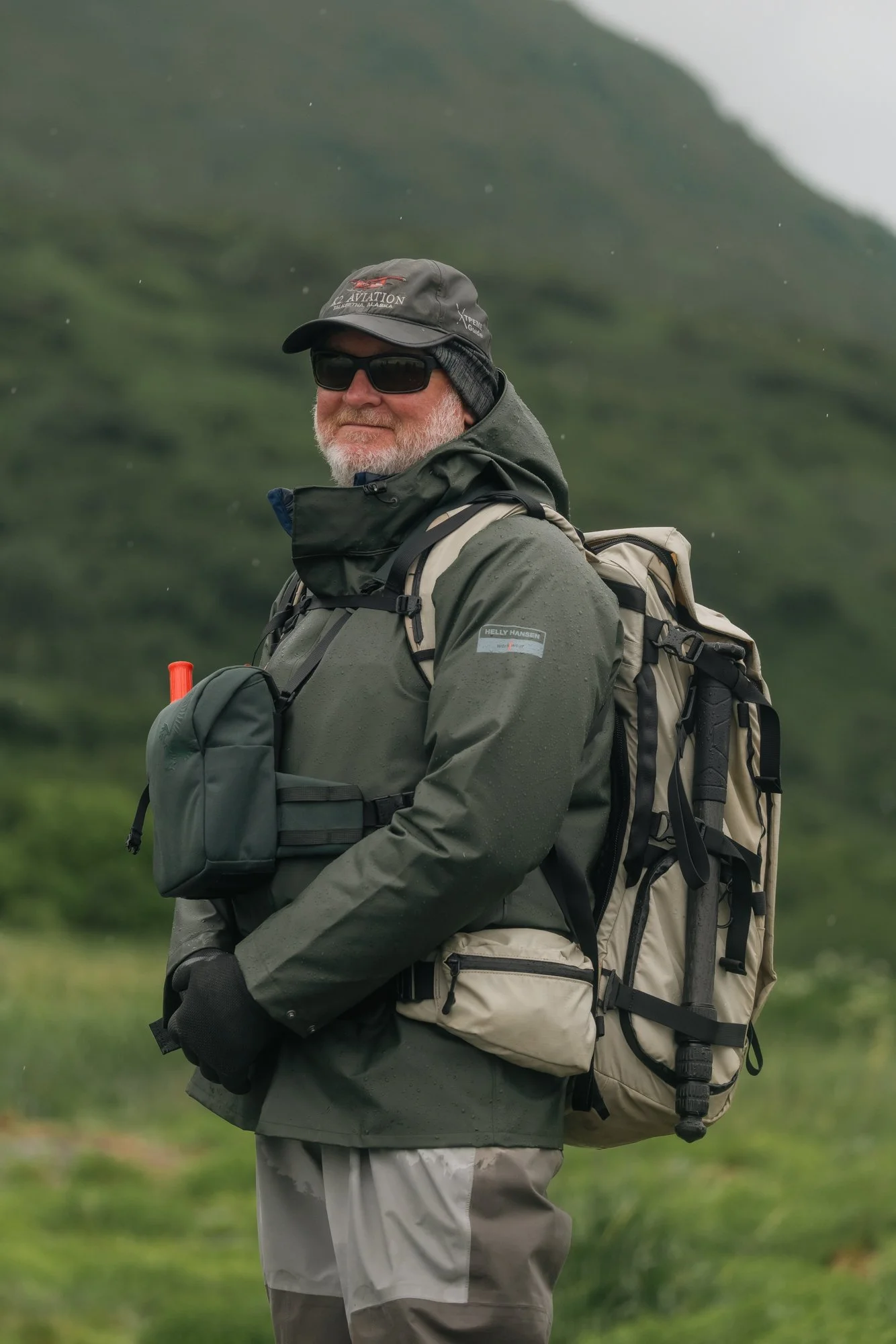
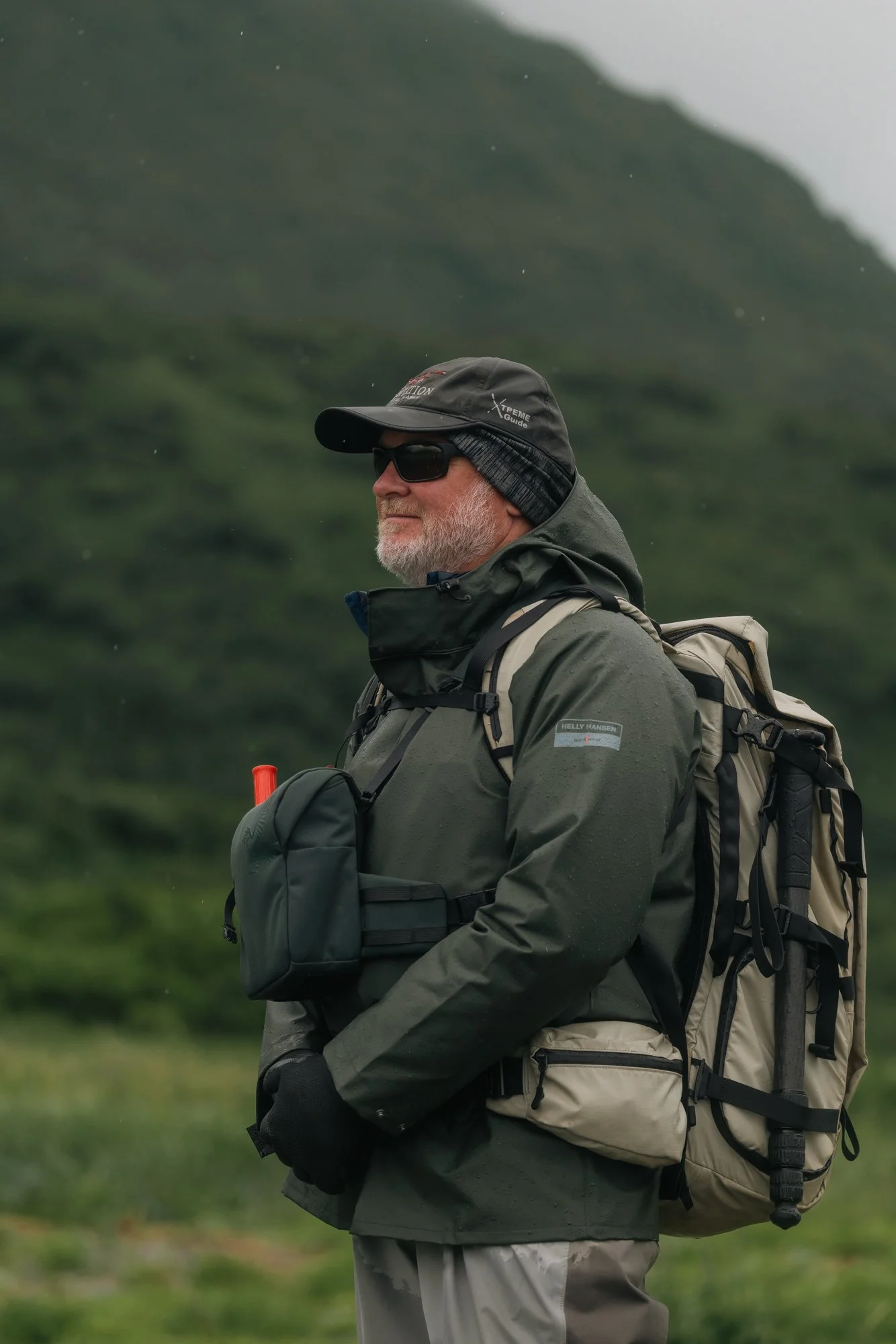
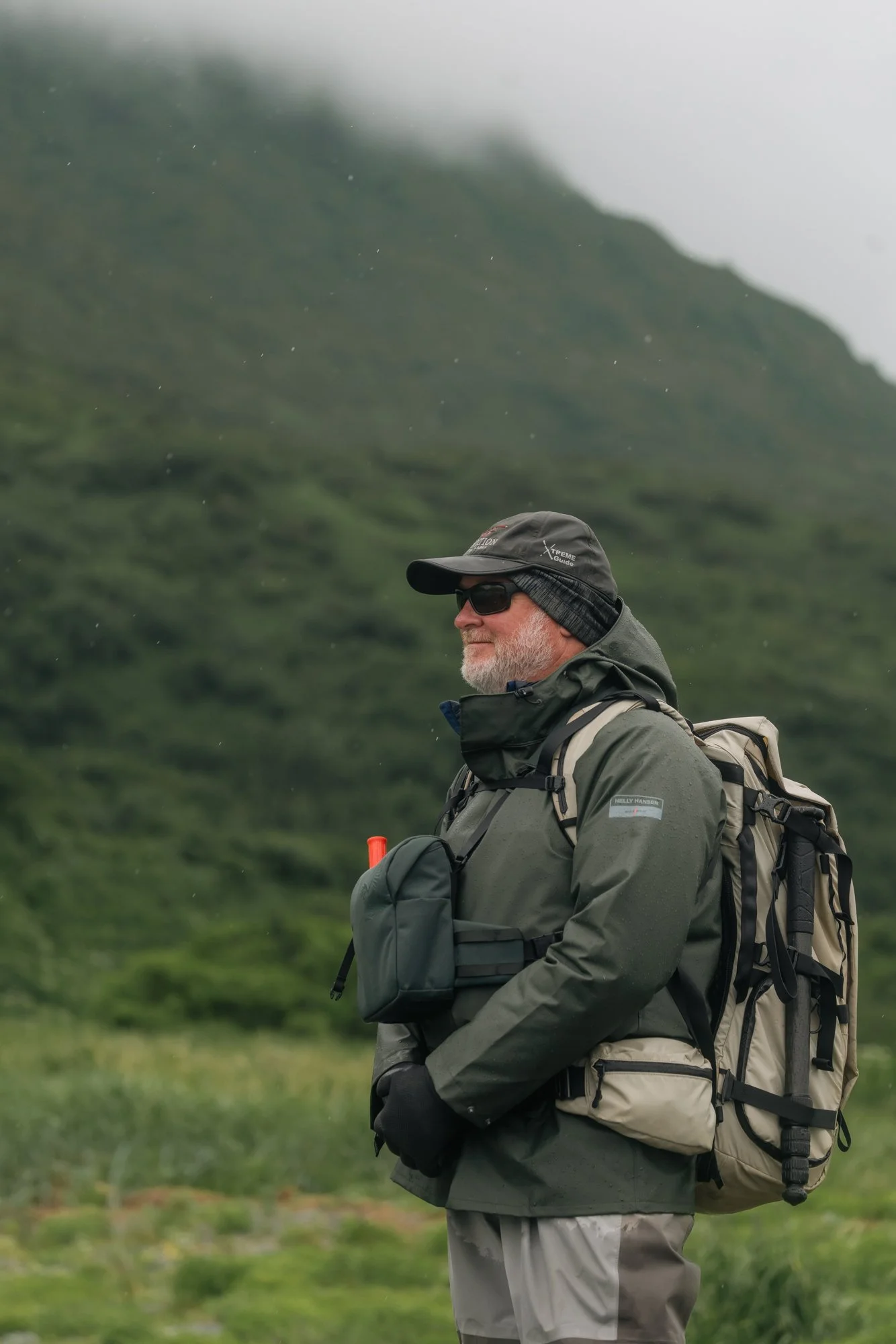
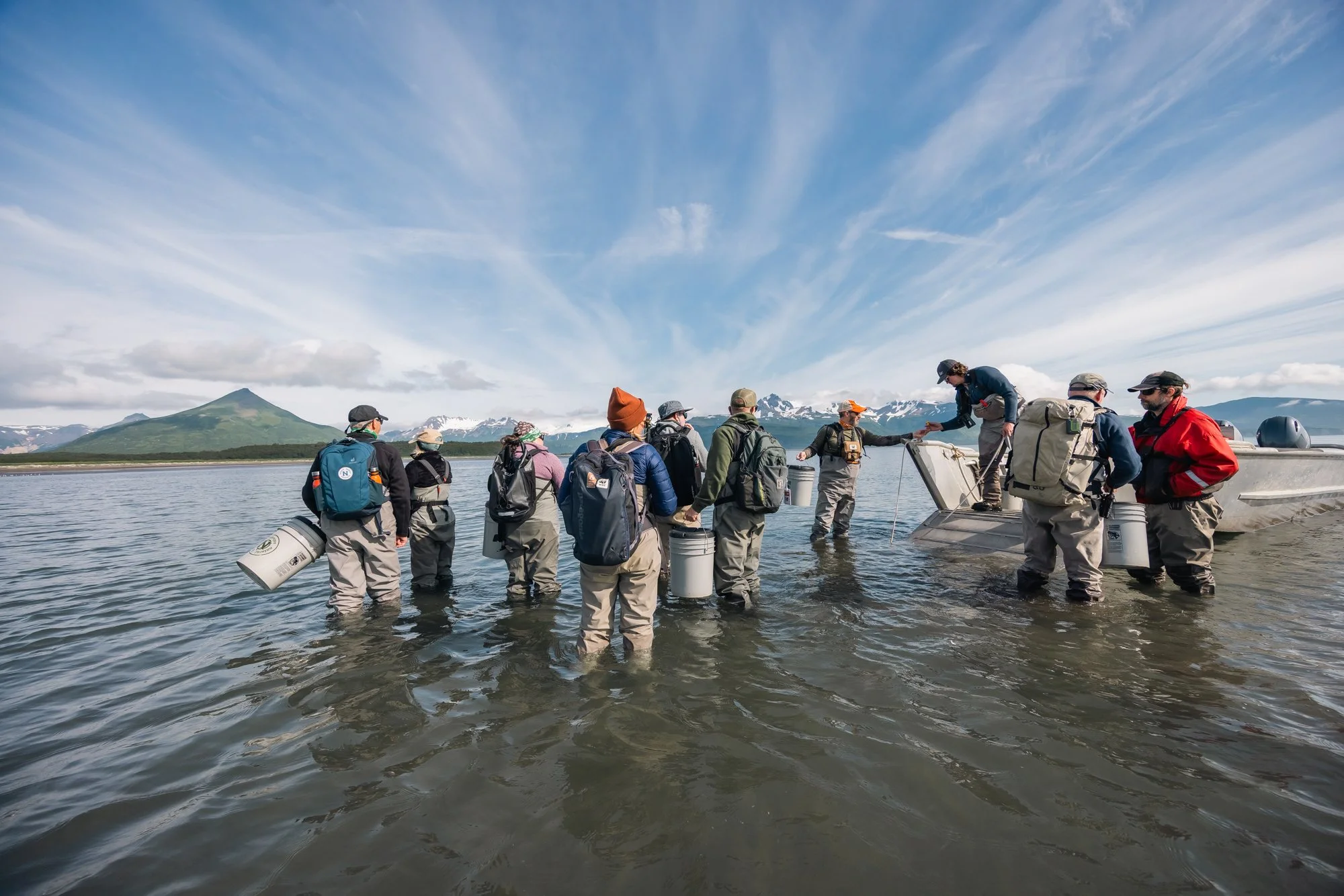
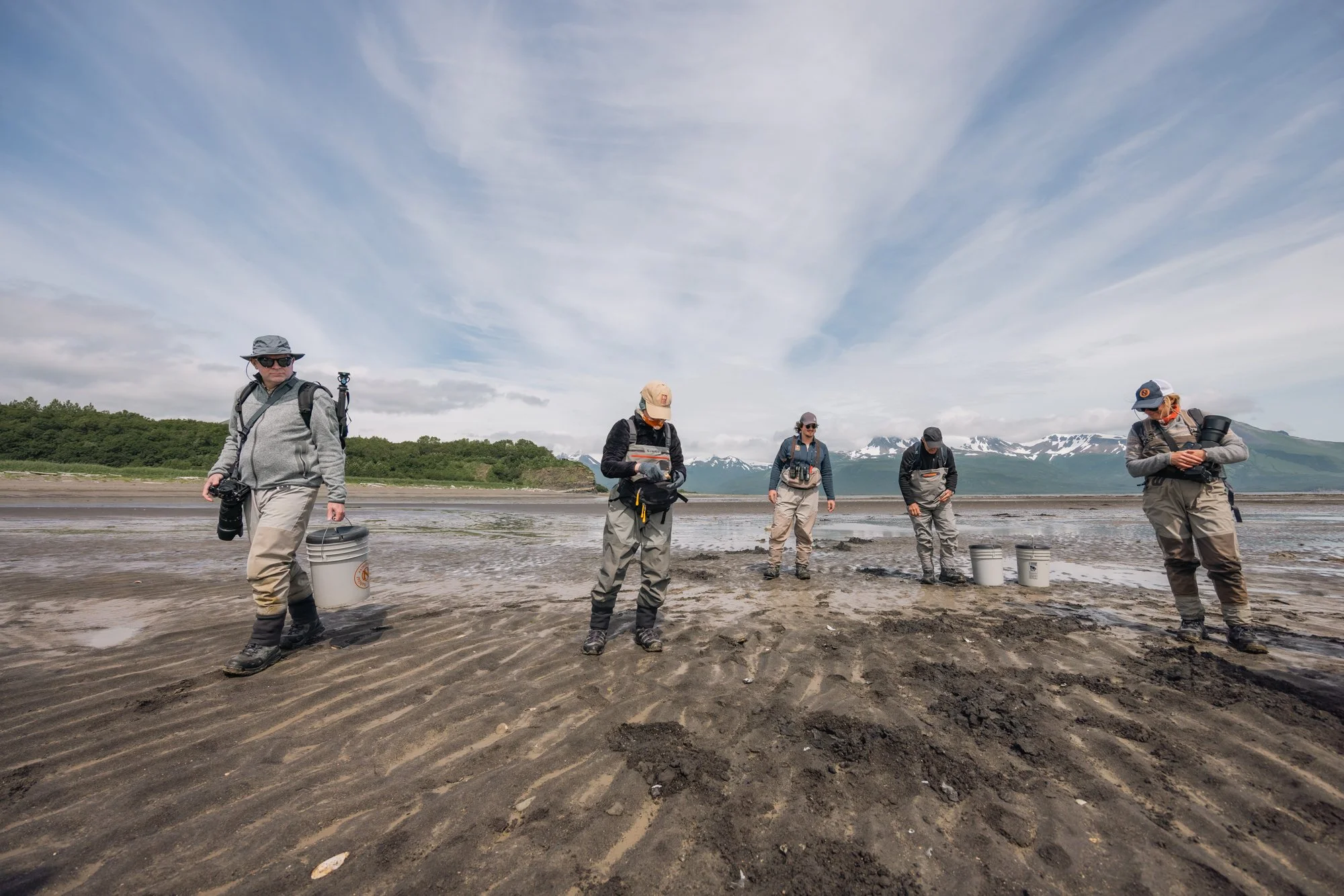
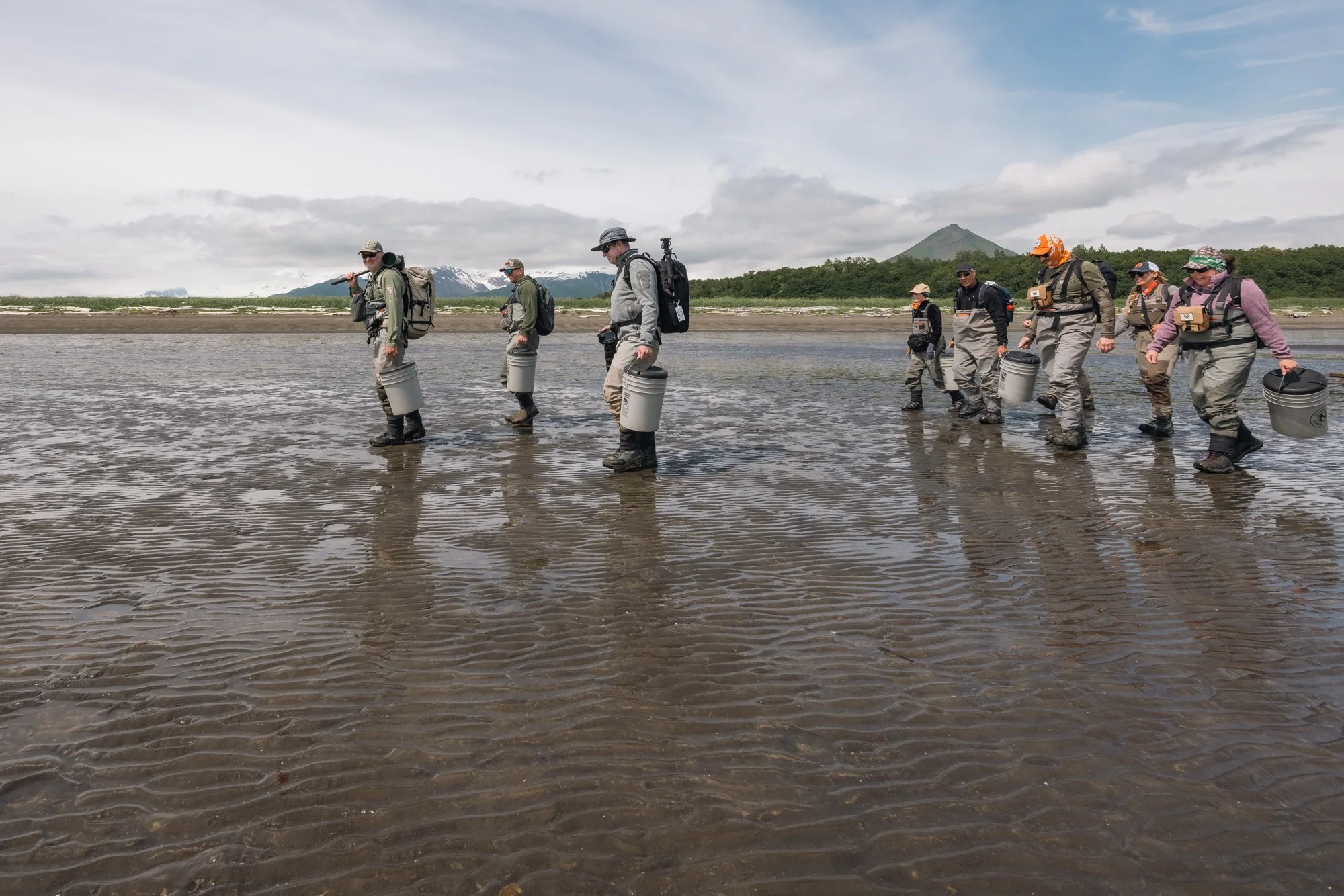
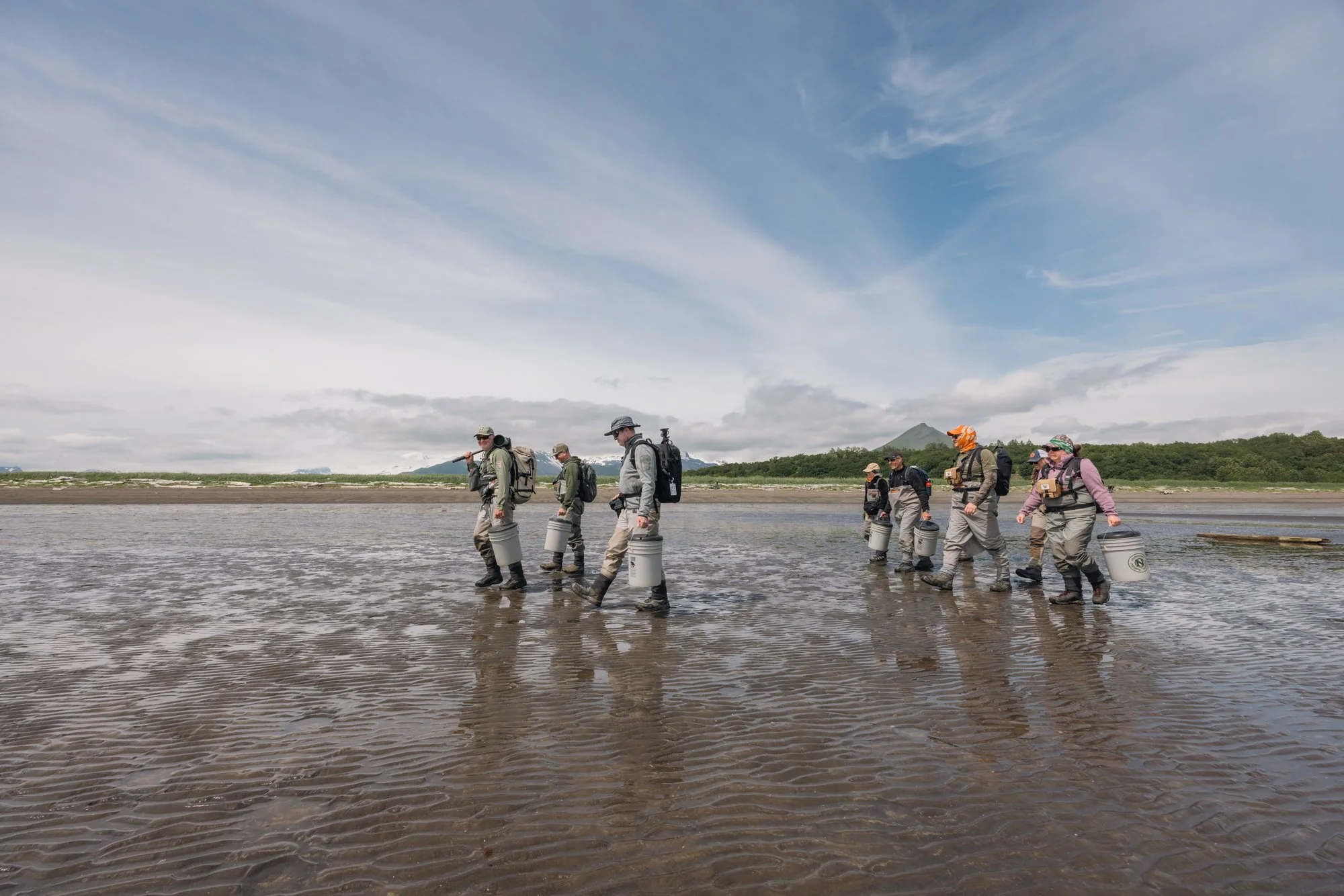
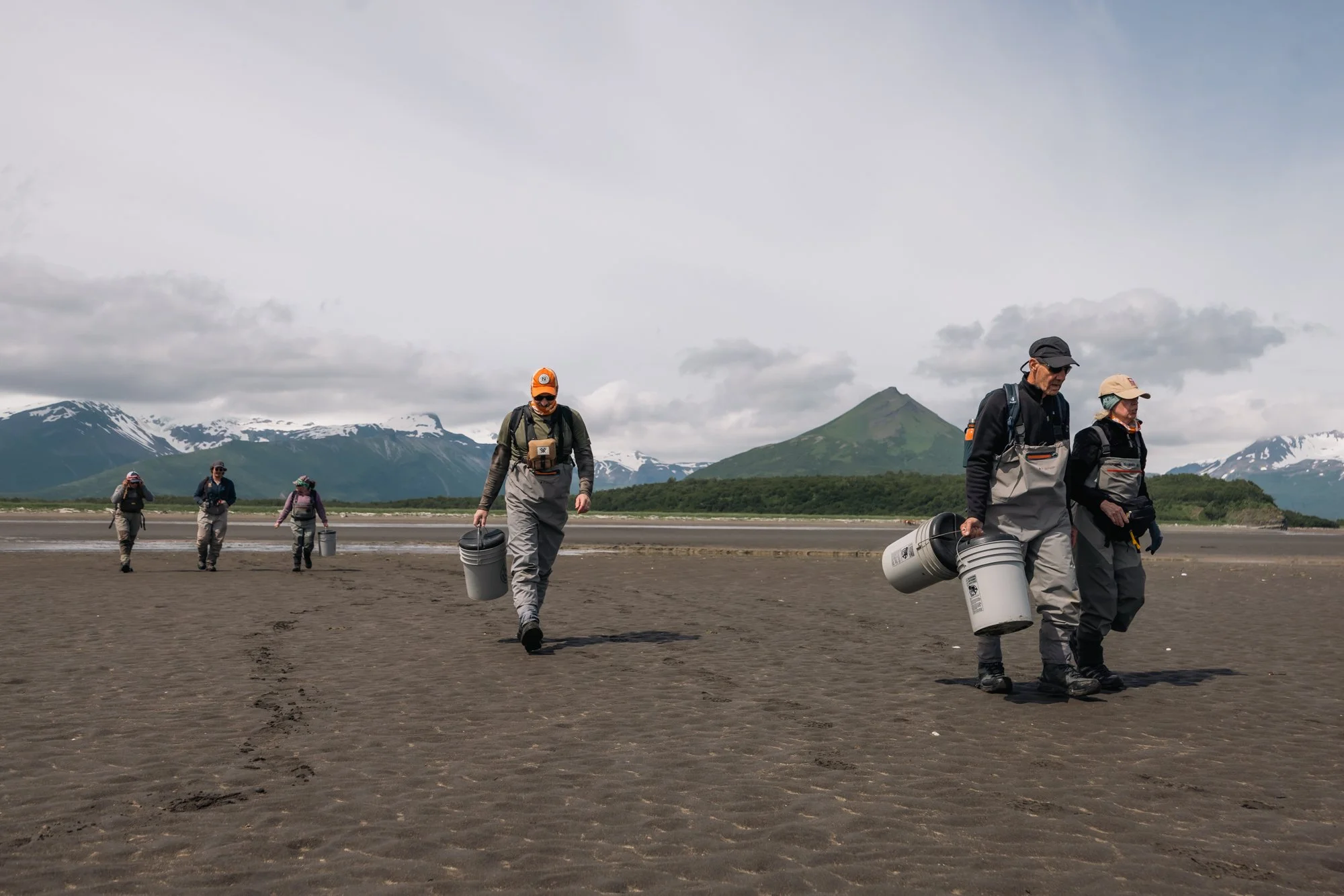
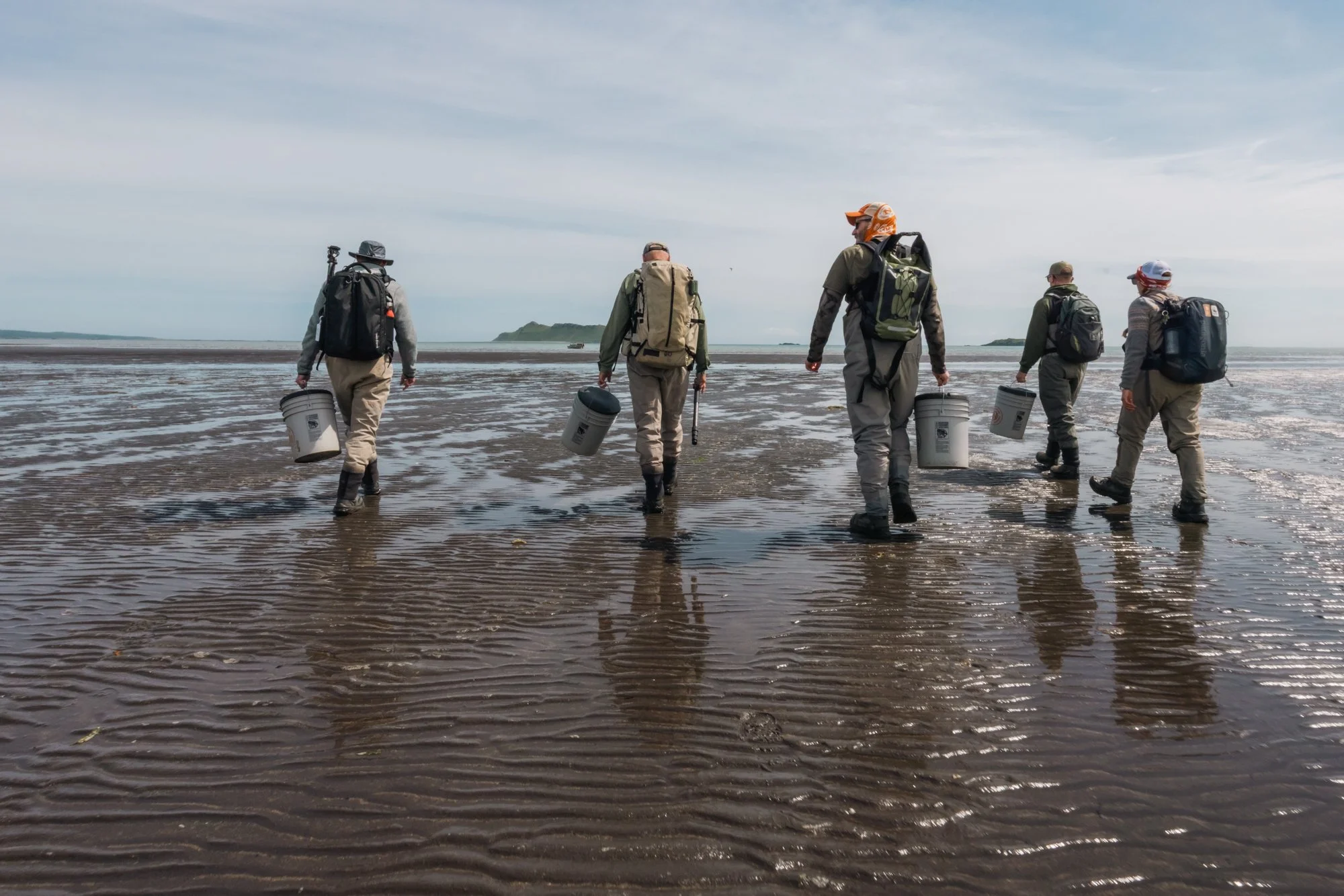
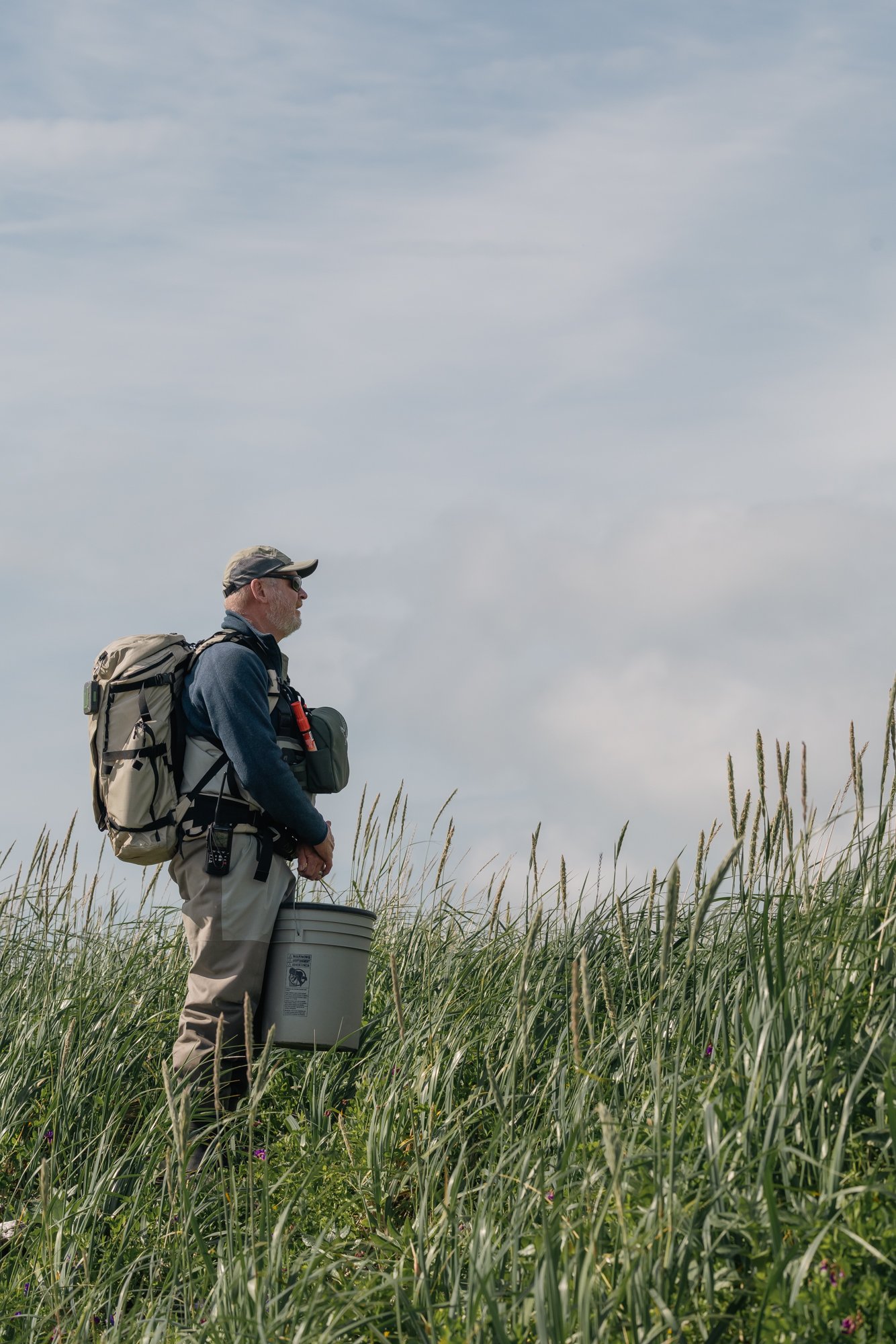
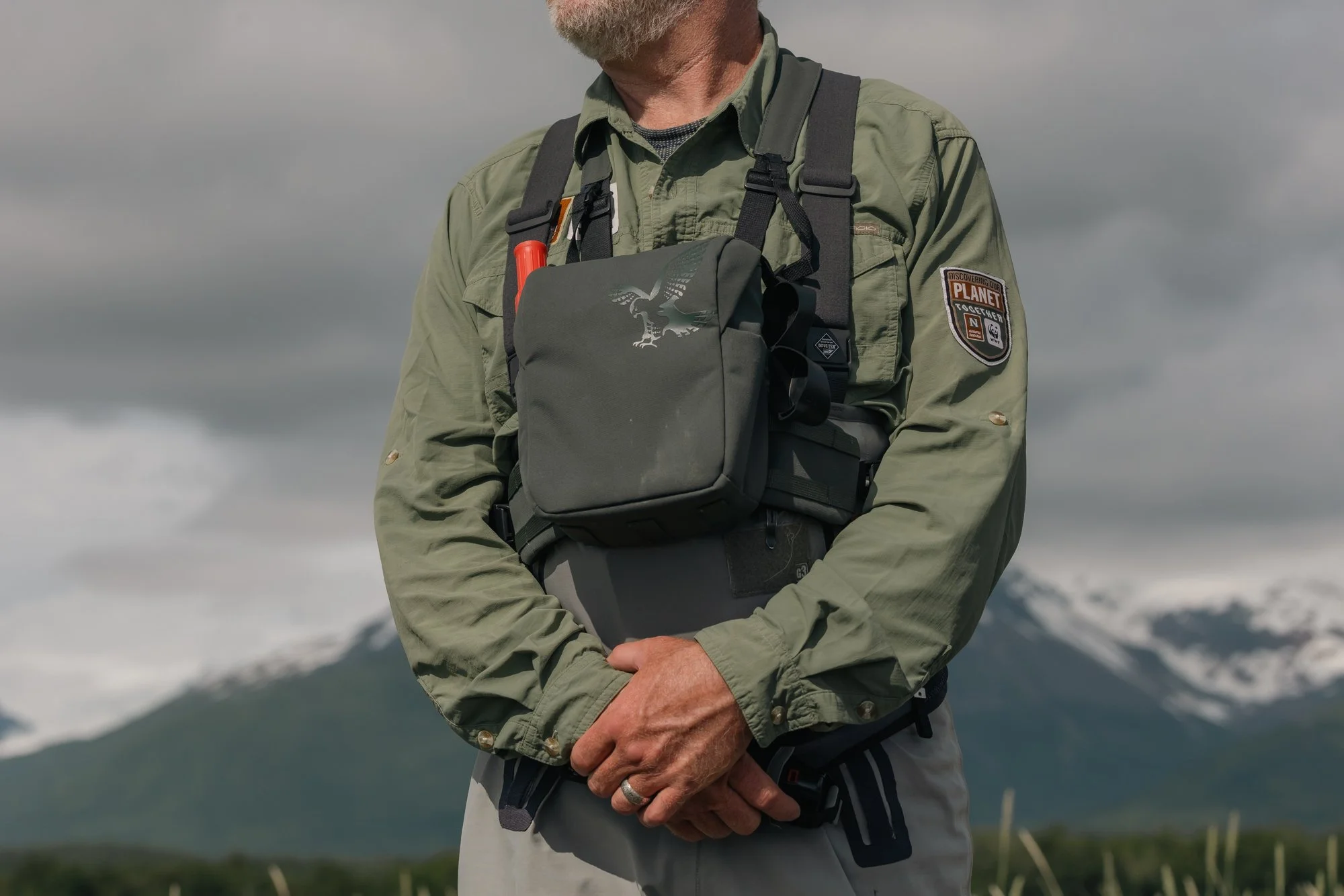
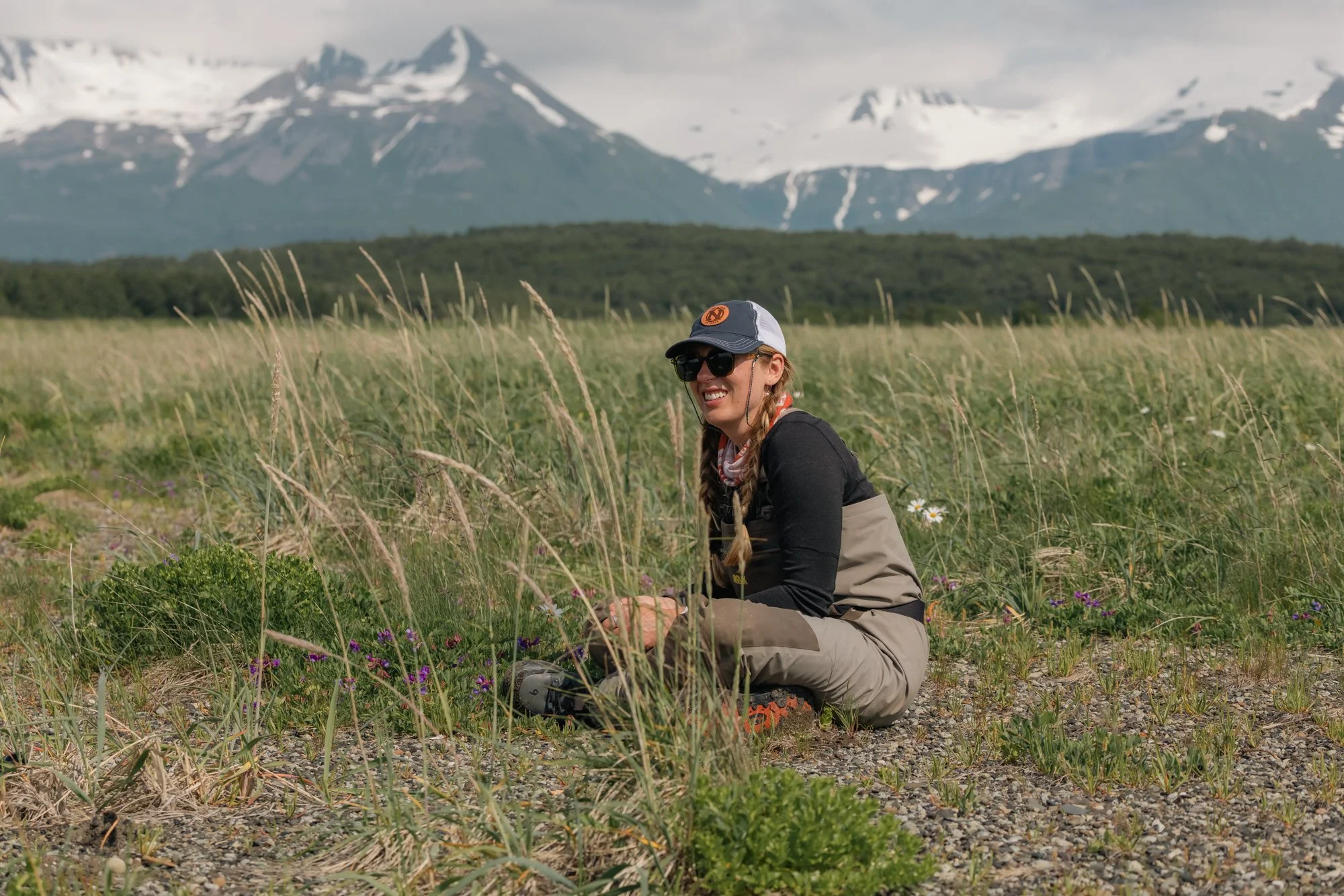
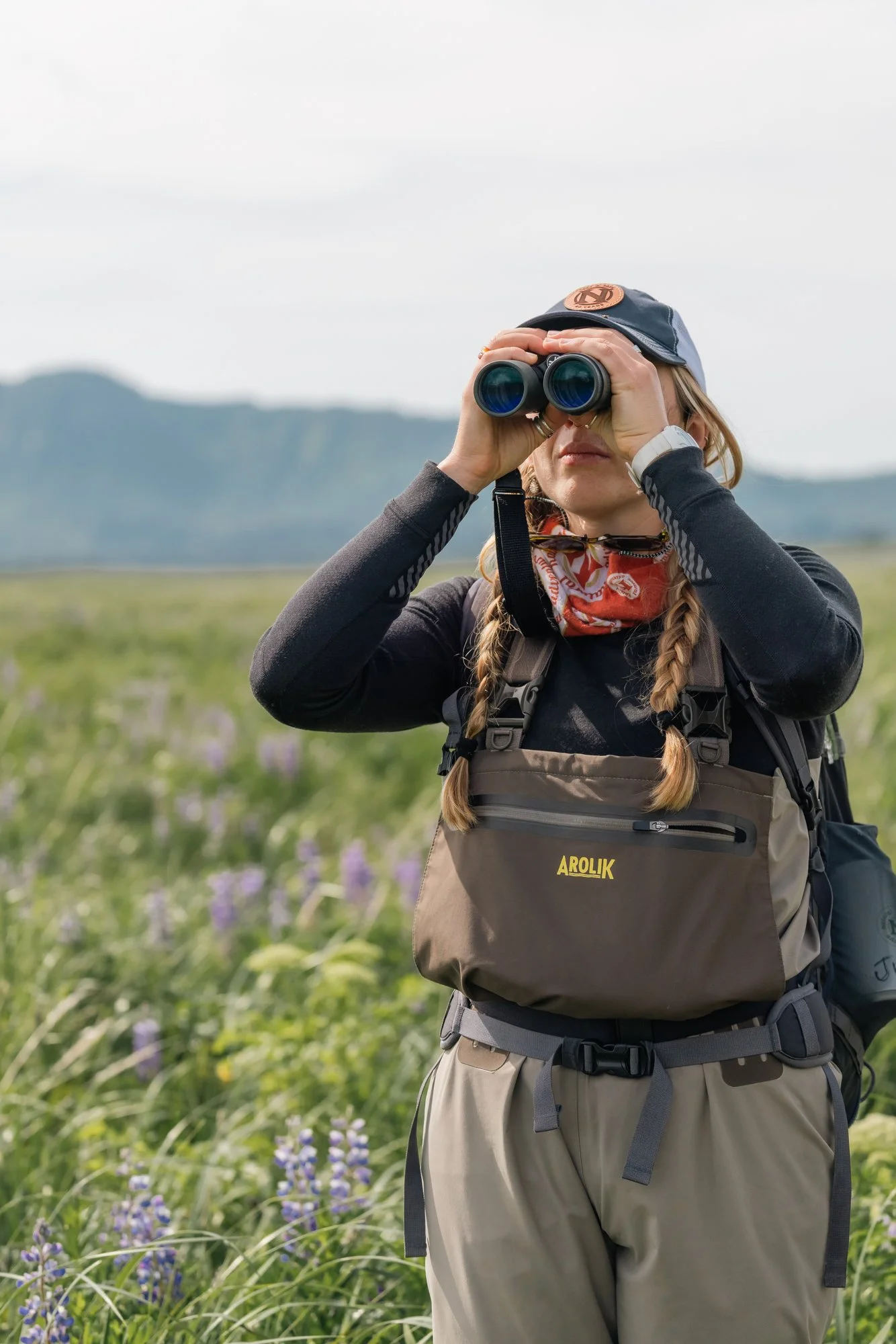
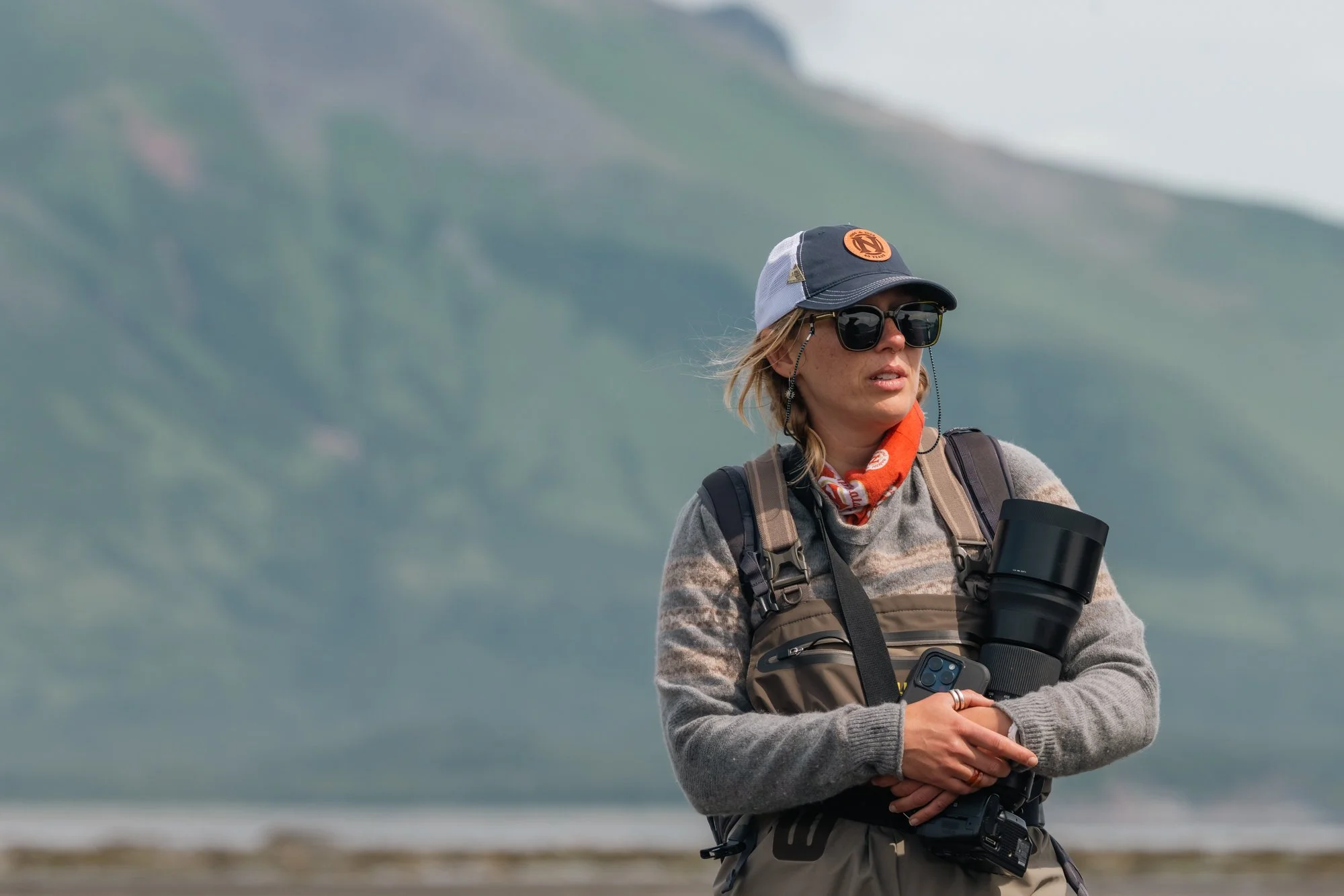
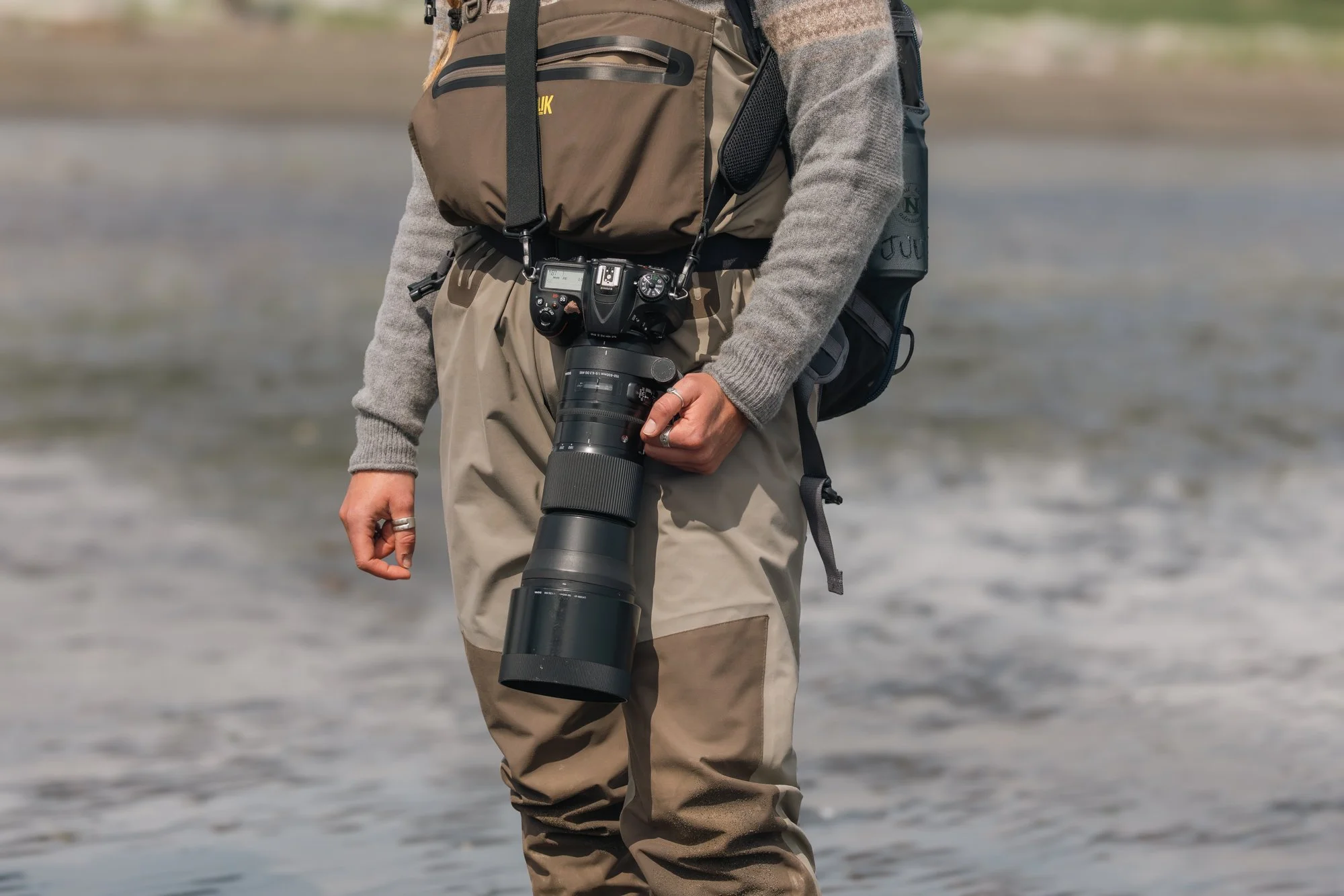
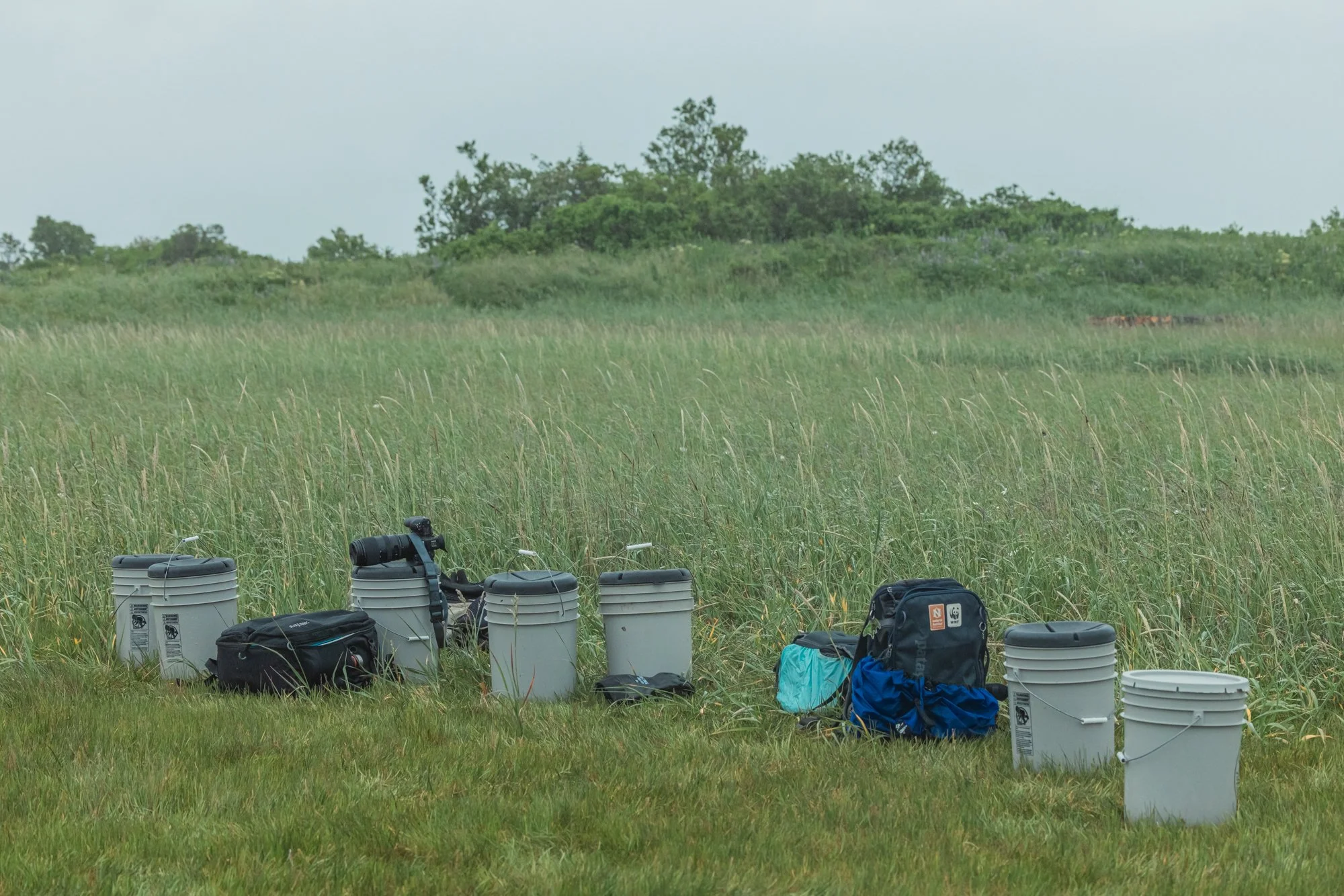
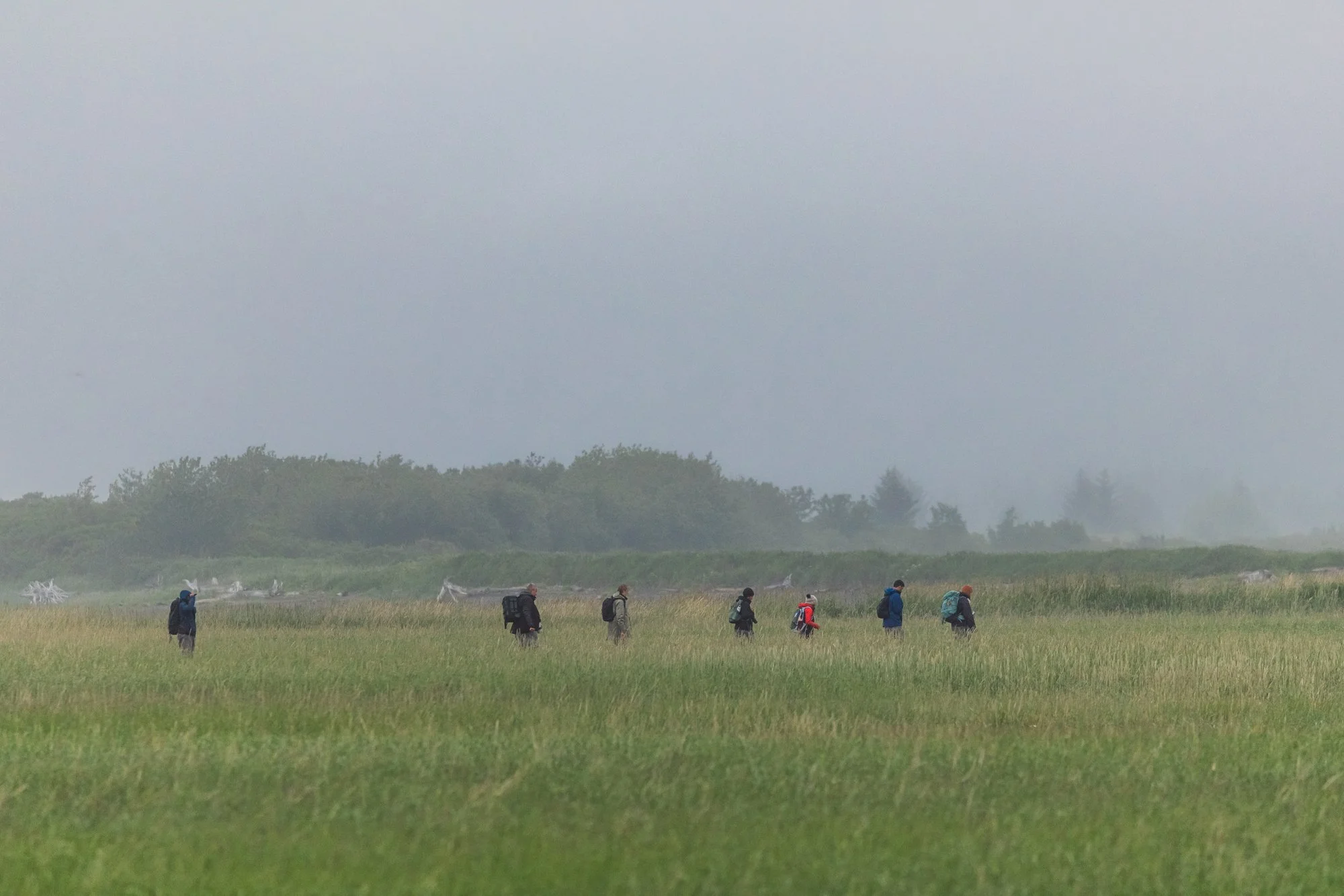
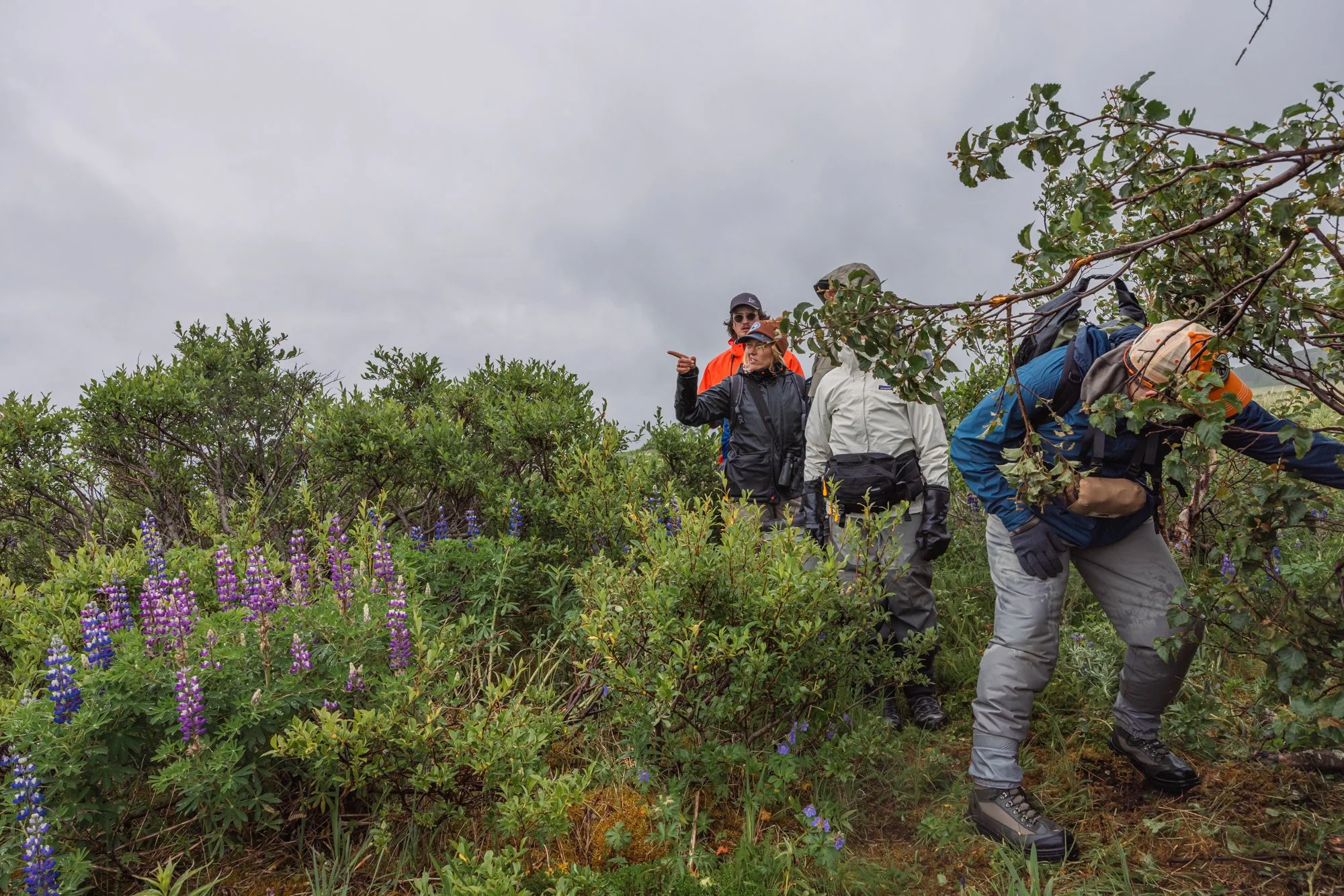
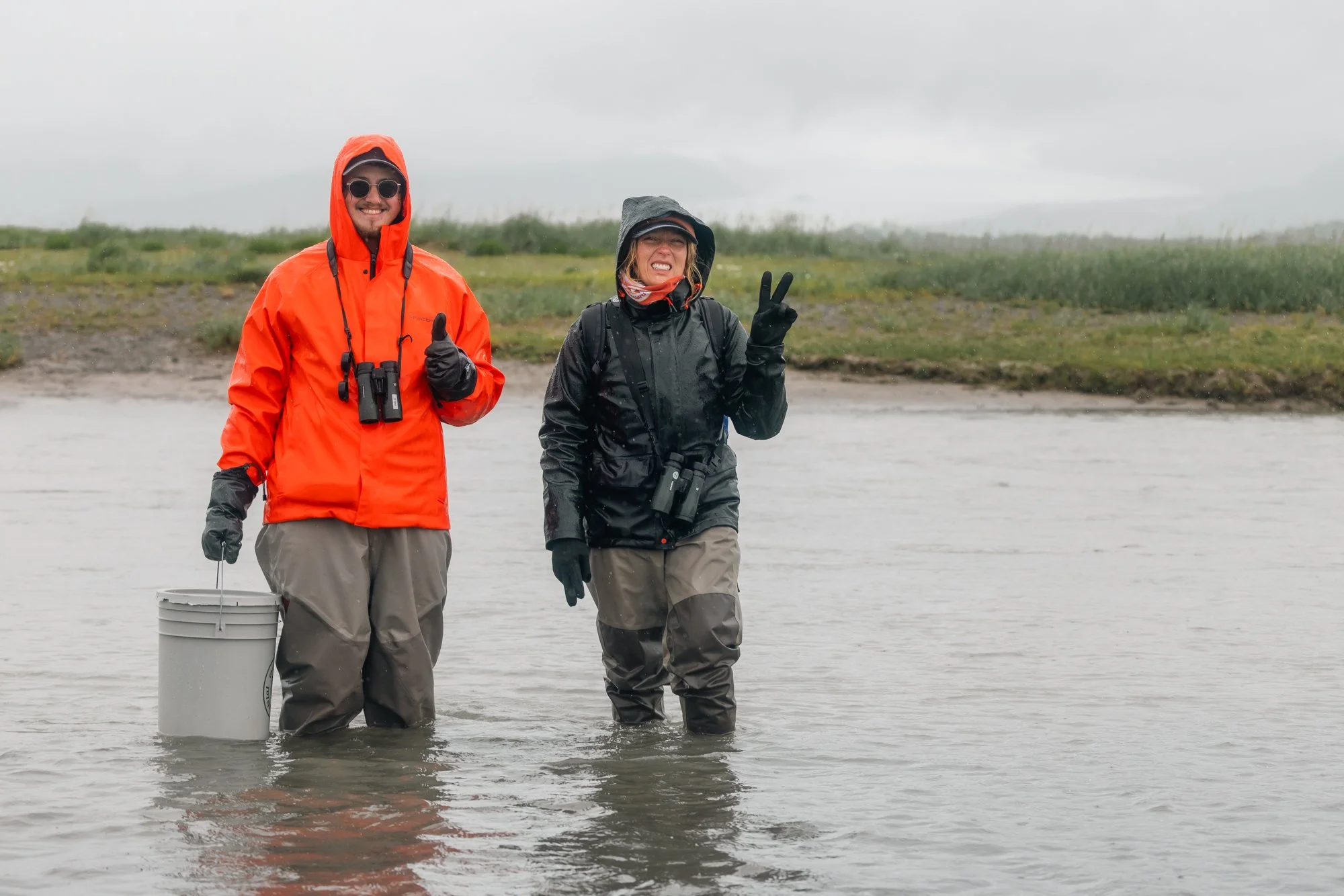
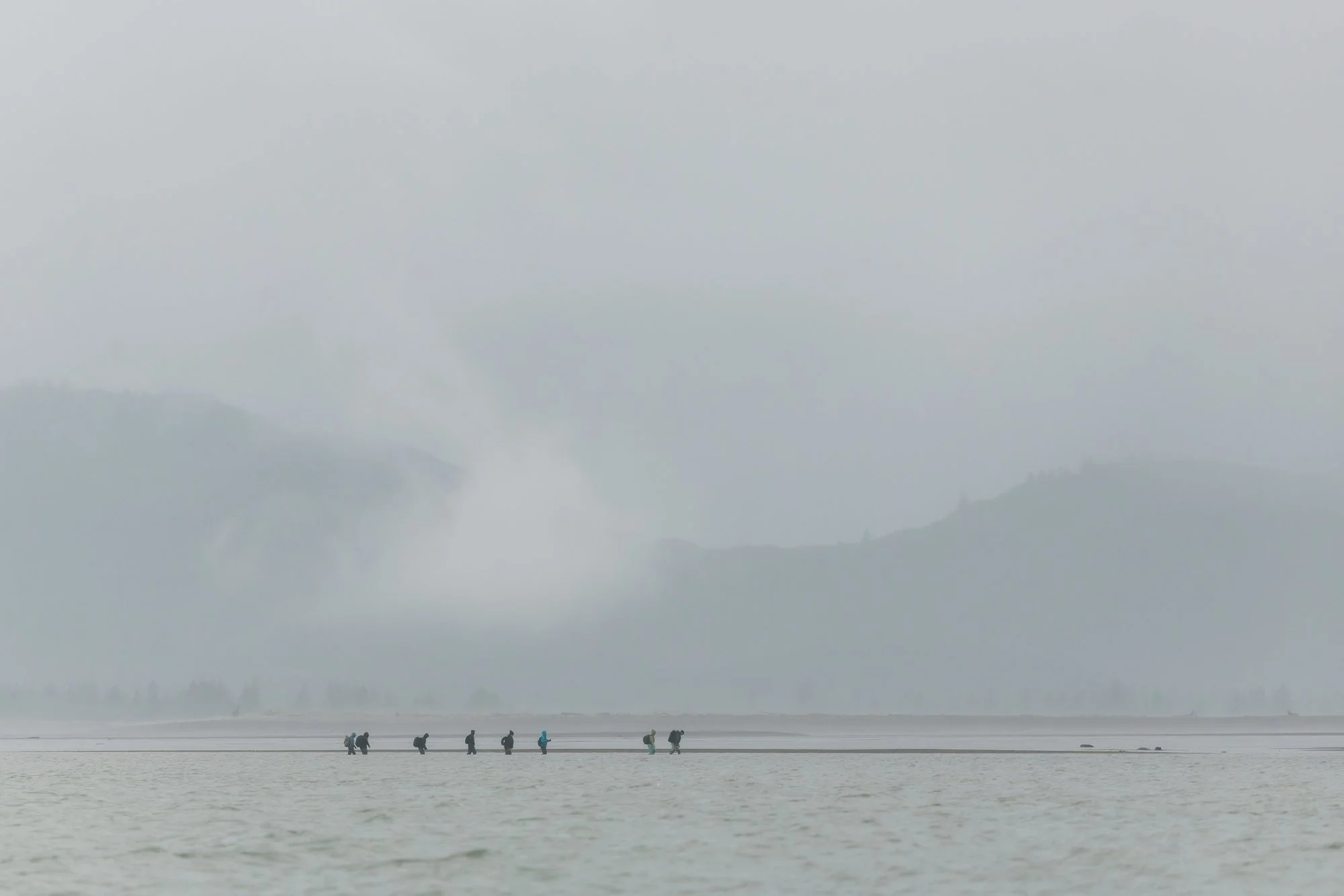
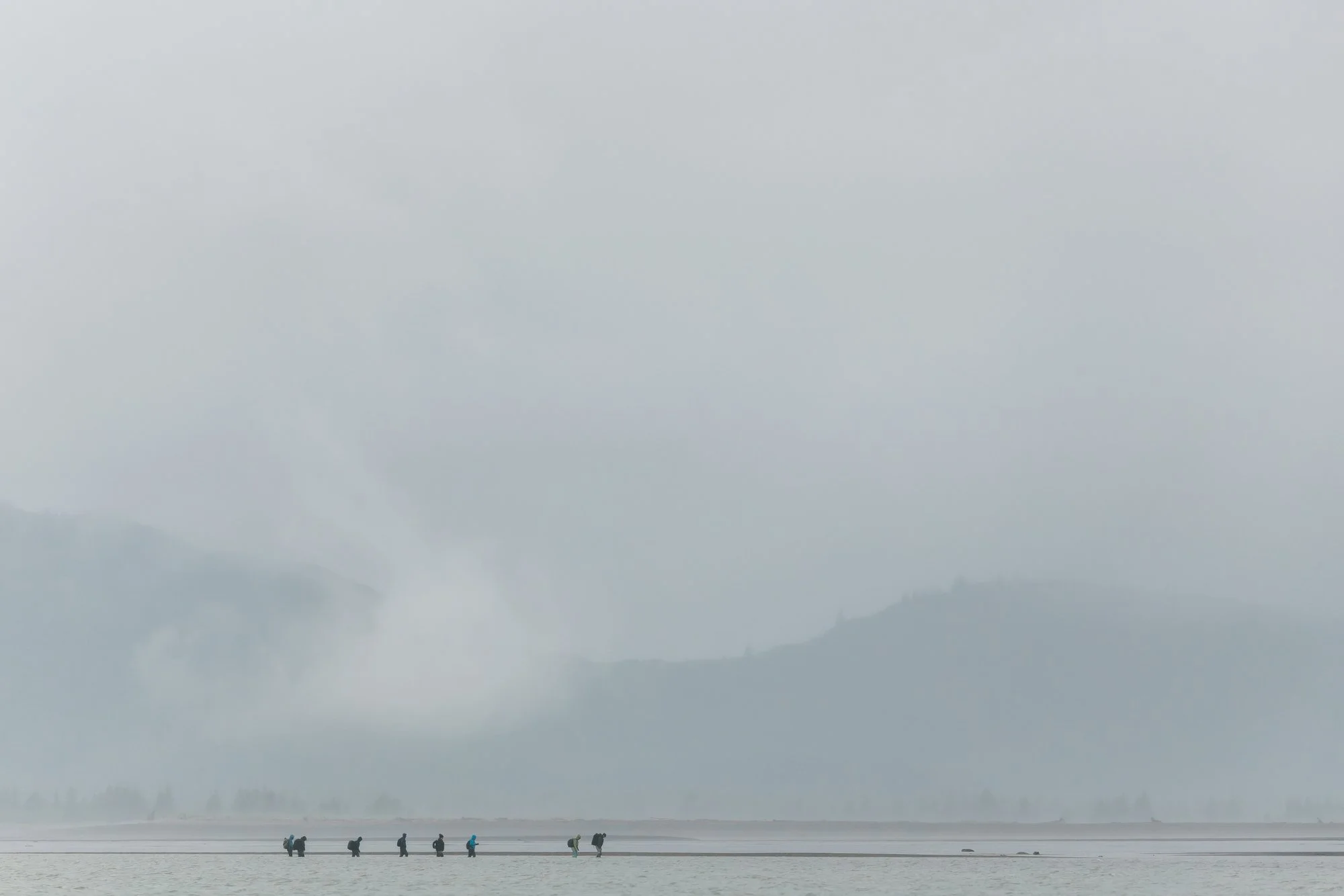
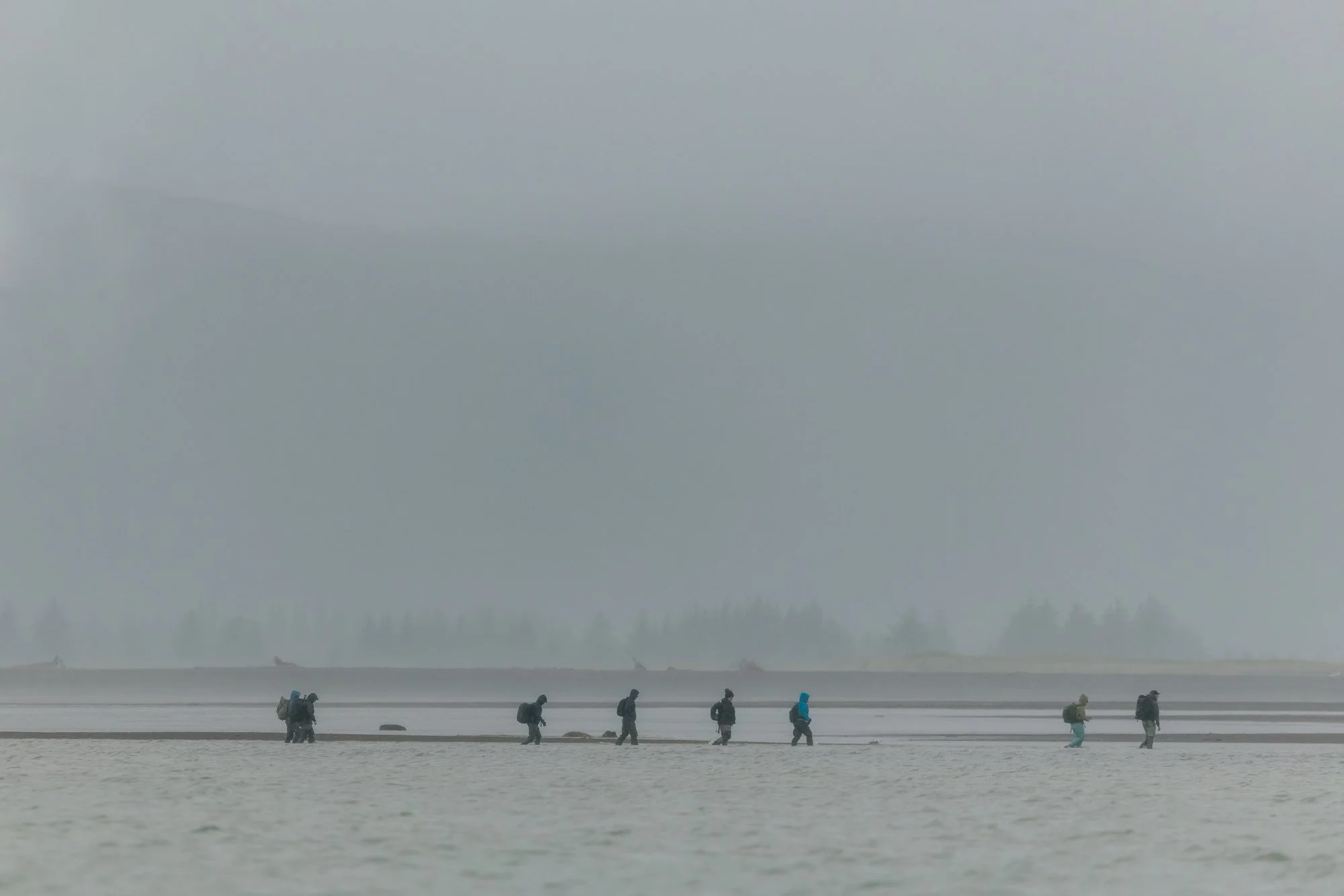
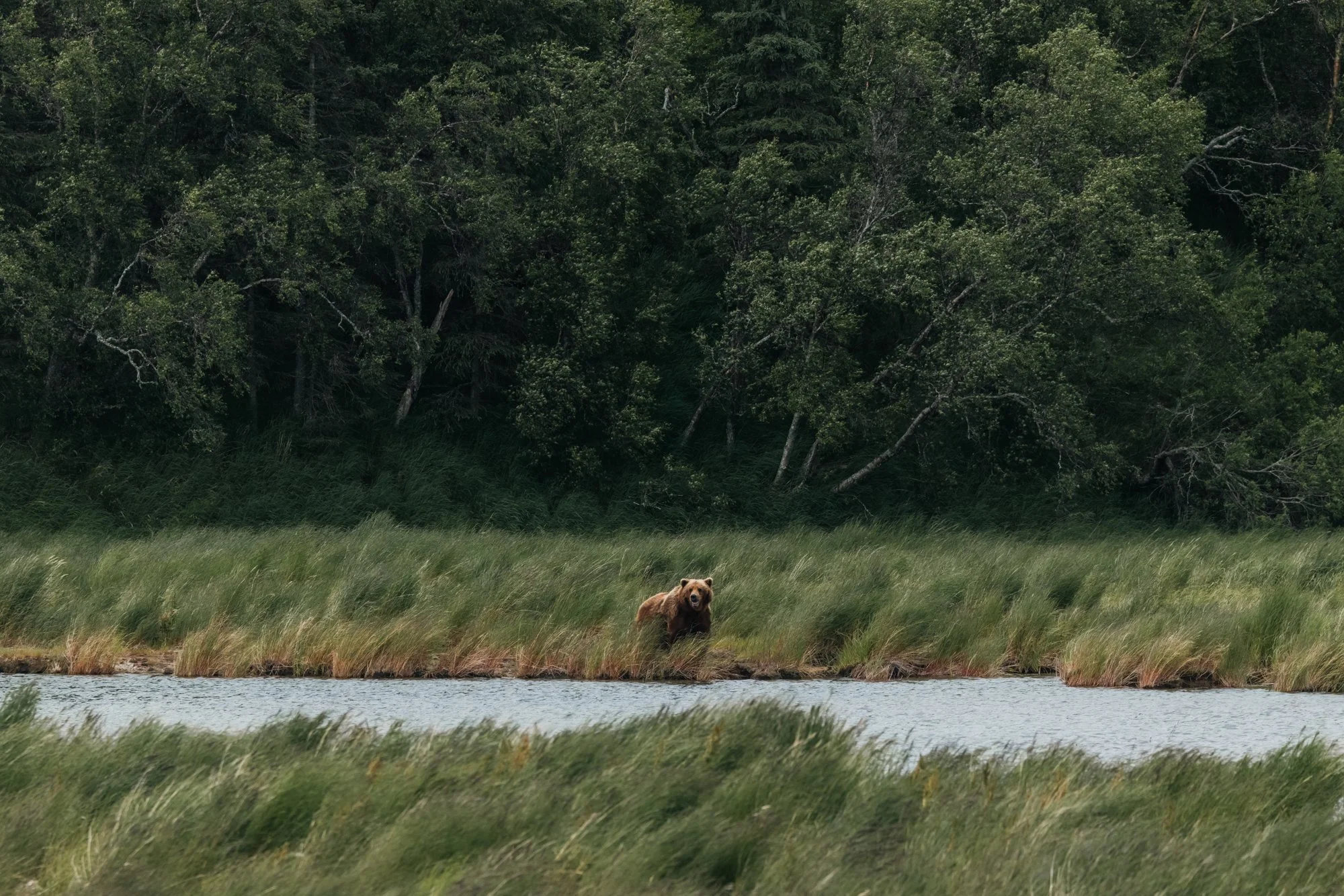
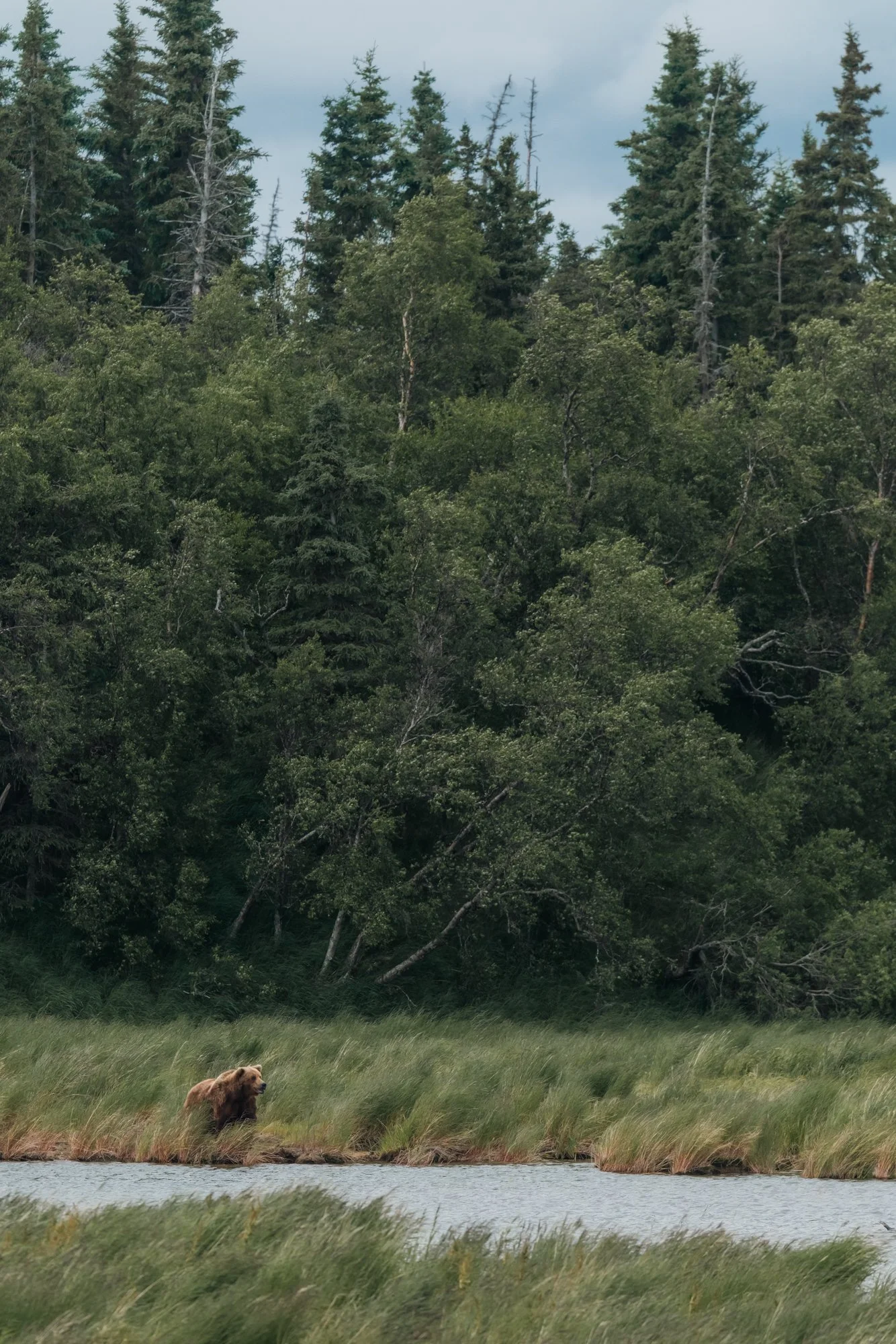
That first afternoon in Kukak Bay was no gentle introduction but a plunge straight into the raw pulse of the bear’s world. After lunch, we put on borrowed chest waders and boots, strapped on life jackets, adjusted belts to seal out the cold sea. Shawn carries bear spray and flares, but our real protection was respect: following his footprints, speaking only when invited, moving as one. From 2:45 until nearly dusk, we walked rivers that clutched greedily at our boots, crossed meadows alive with oyster catchers herding chicks, and watched an eagle slice the sky with a single wingbeat. Then, out of the grass, a bear appeared - thirty yards away, each motion is deliberate. Soon more emerge in the distance: four shapes grazing in the tall green. We sat as instructed, on our buckets, a silent cluster against the sweep of meadow, watching. My heart pounding gently in my ears.
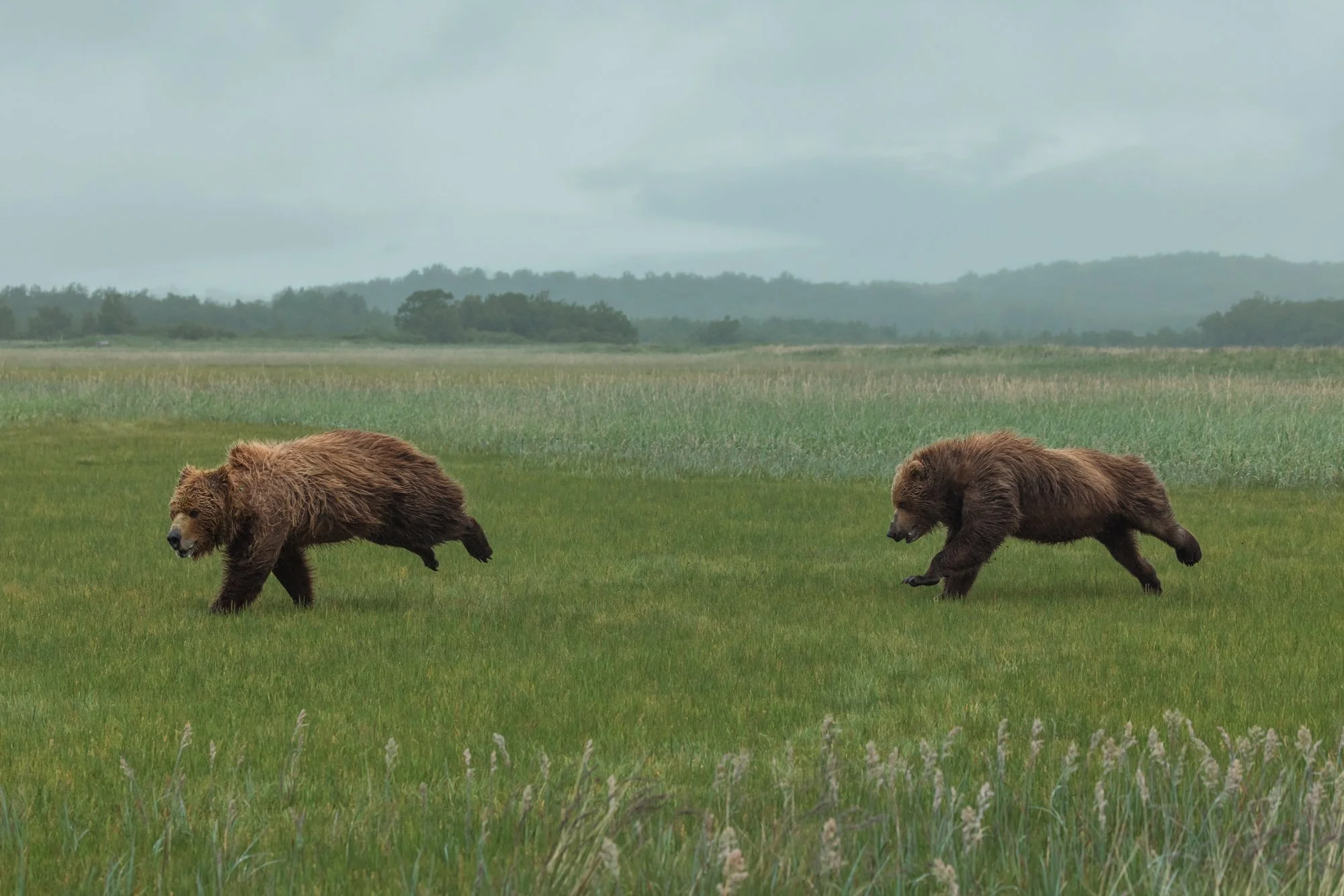
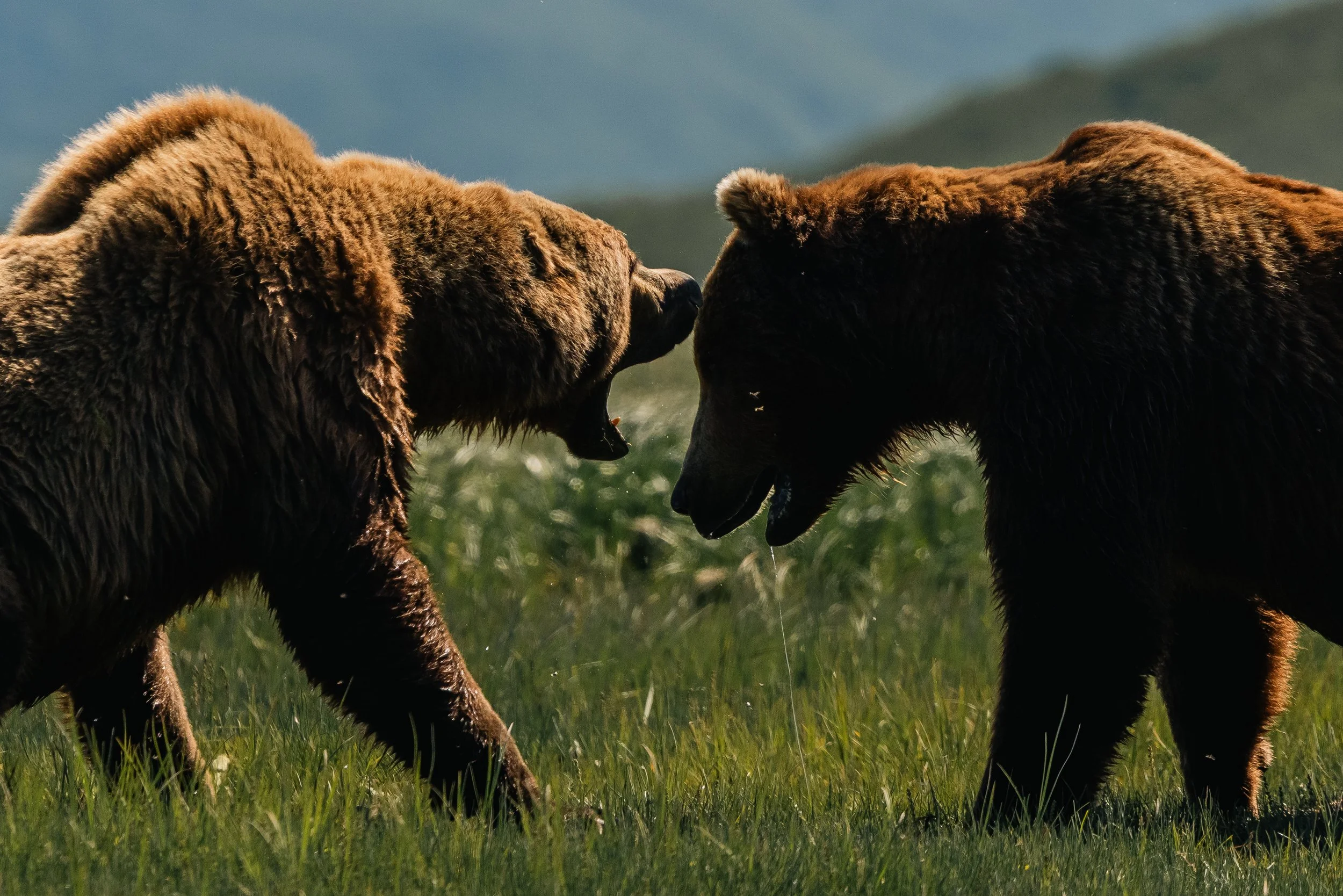
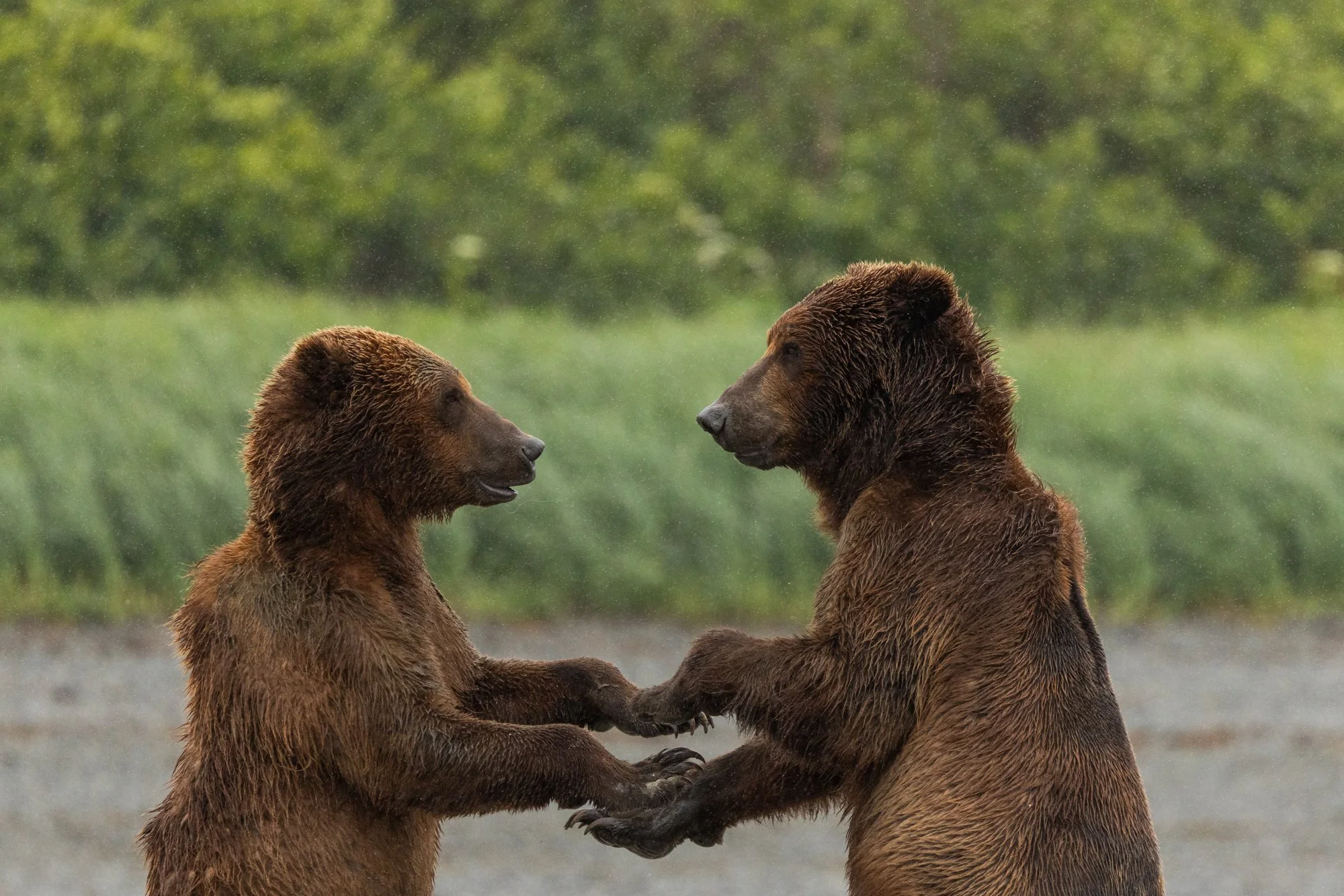
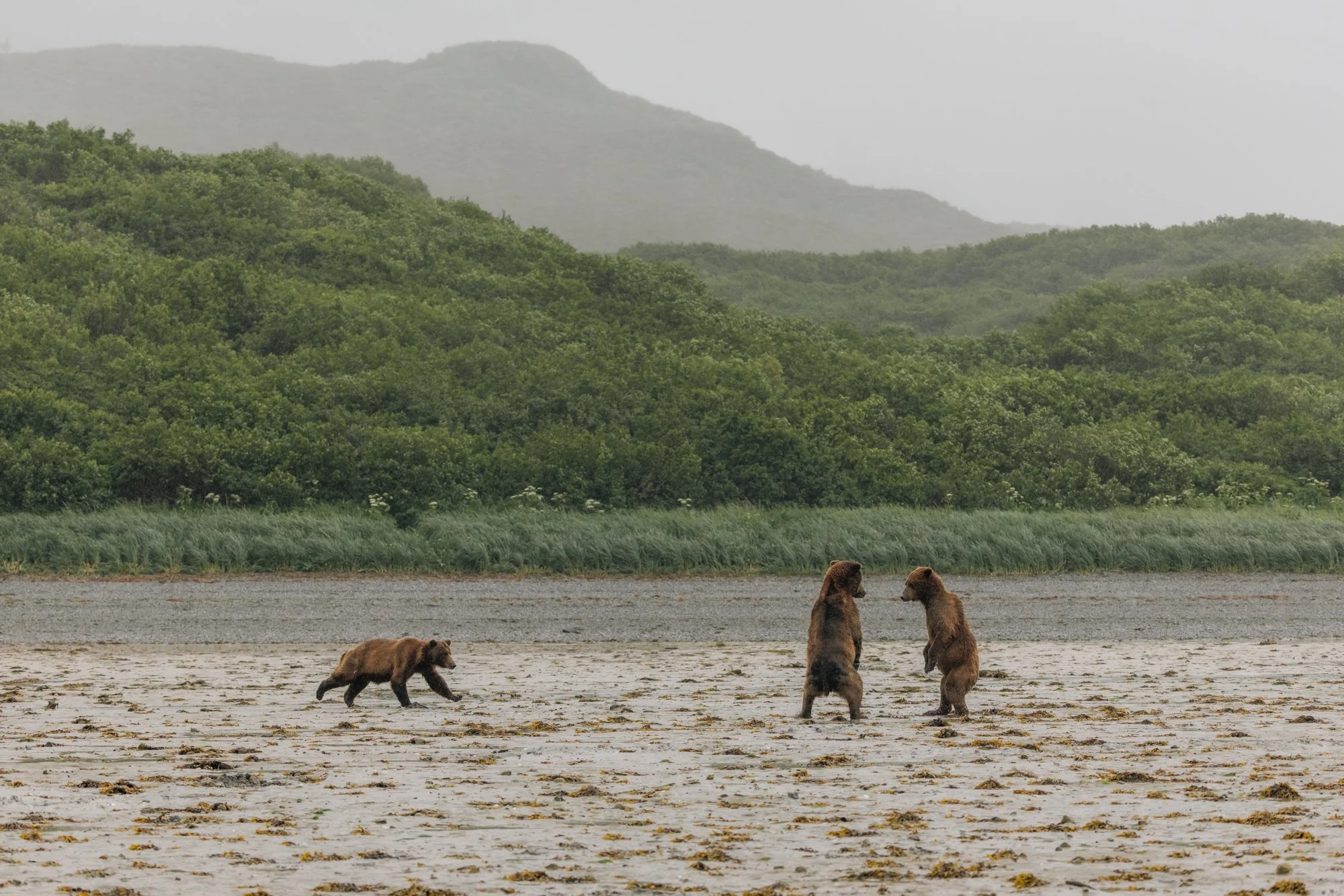
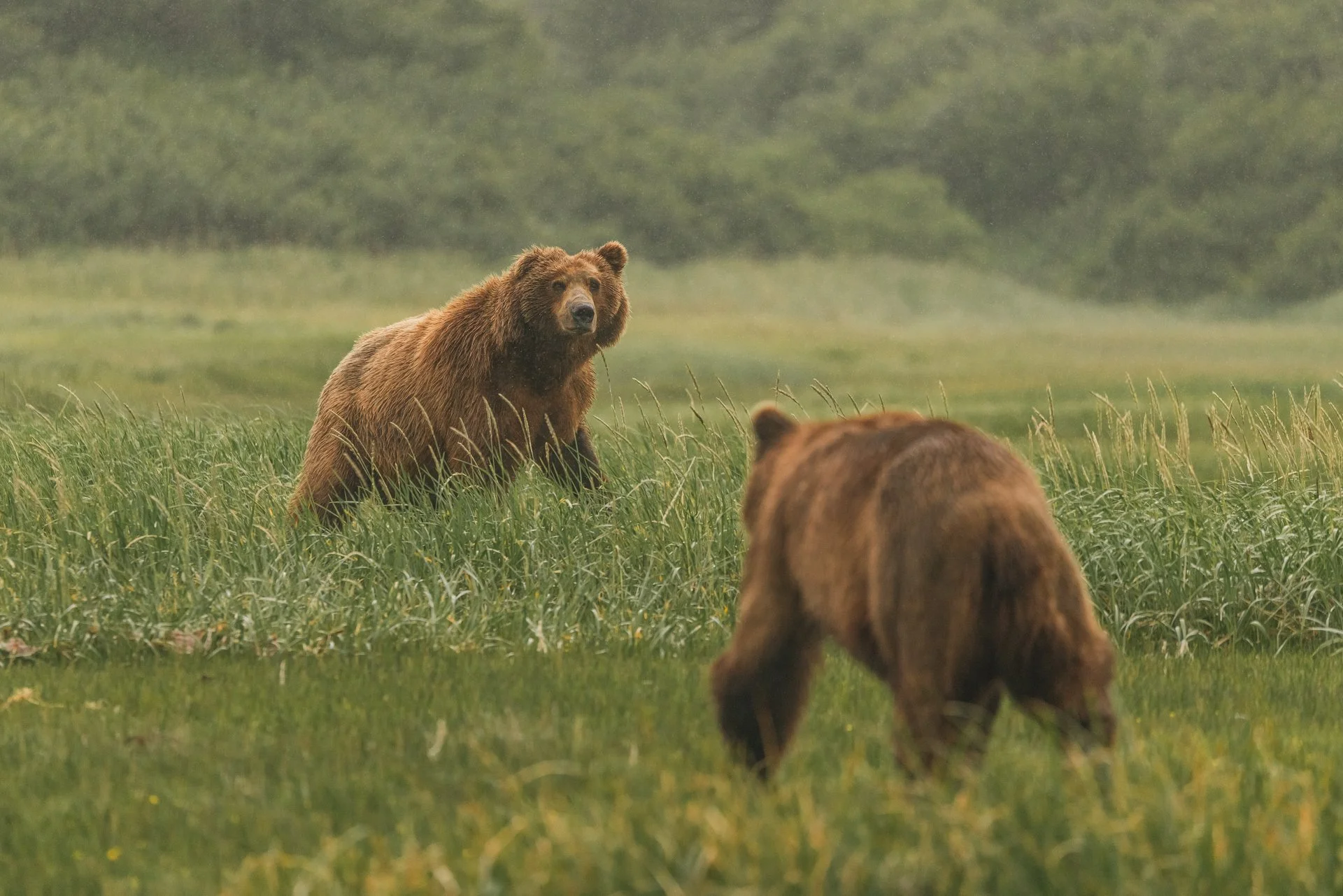
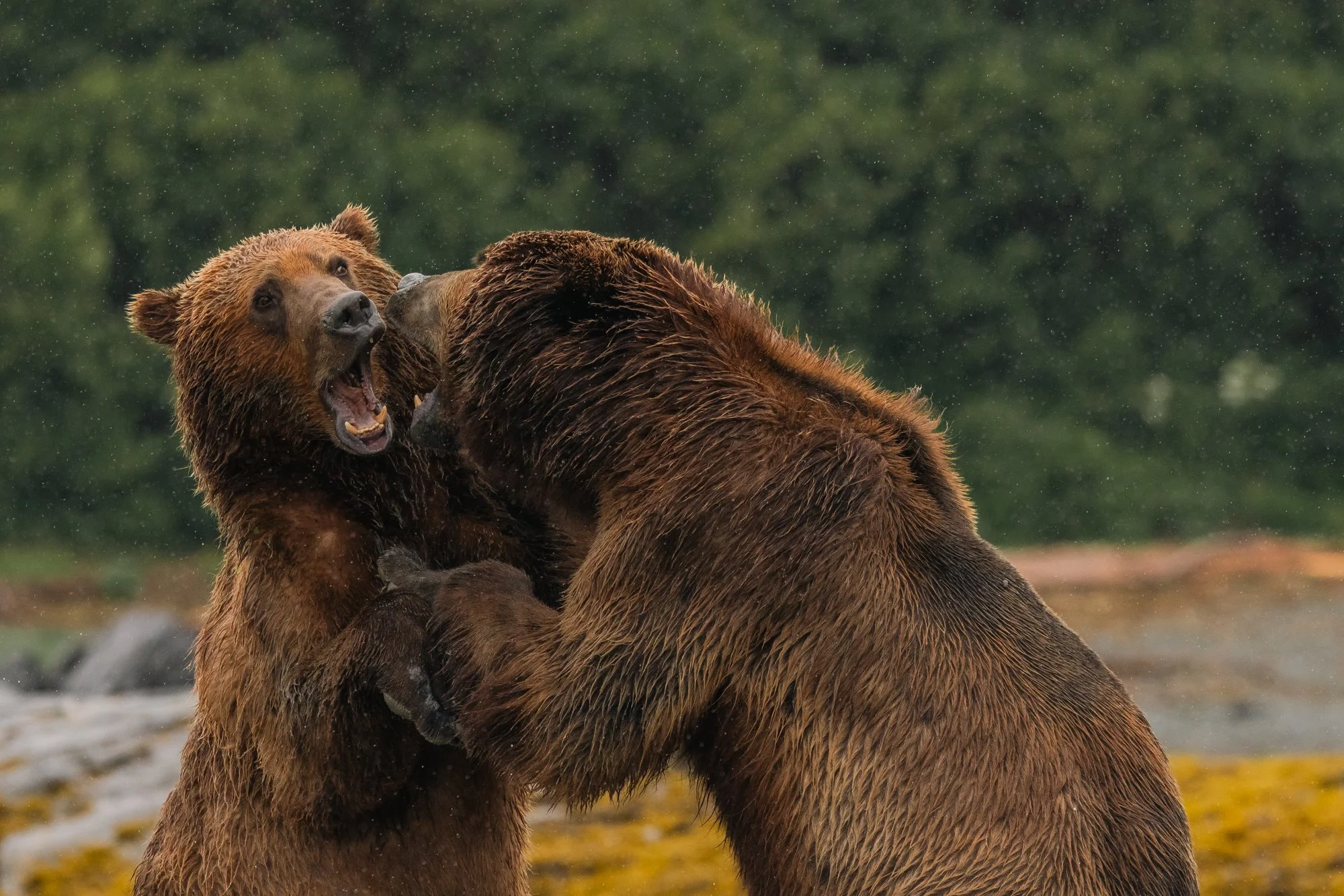
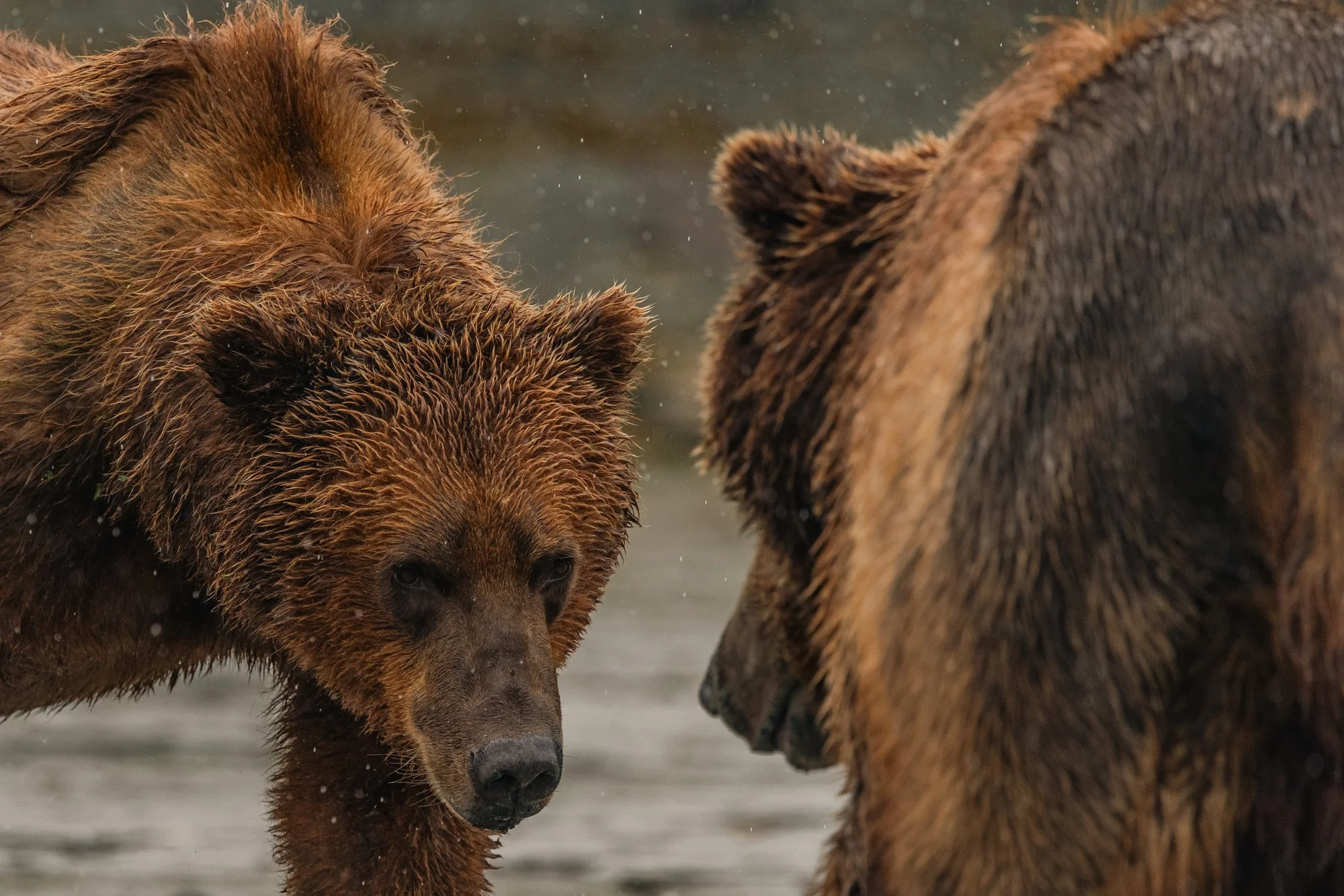
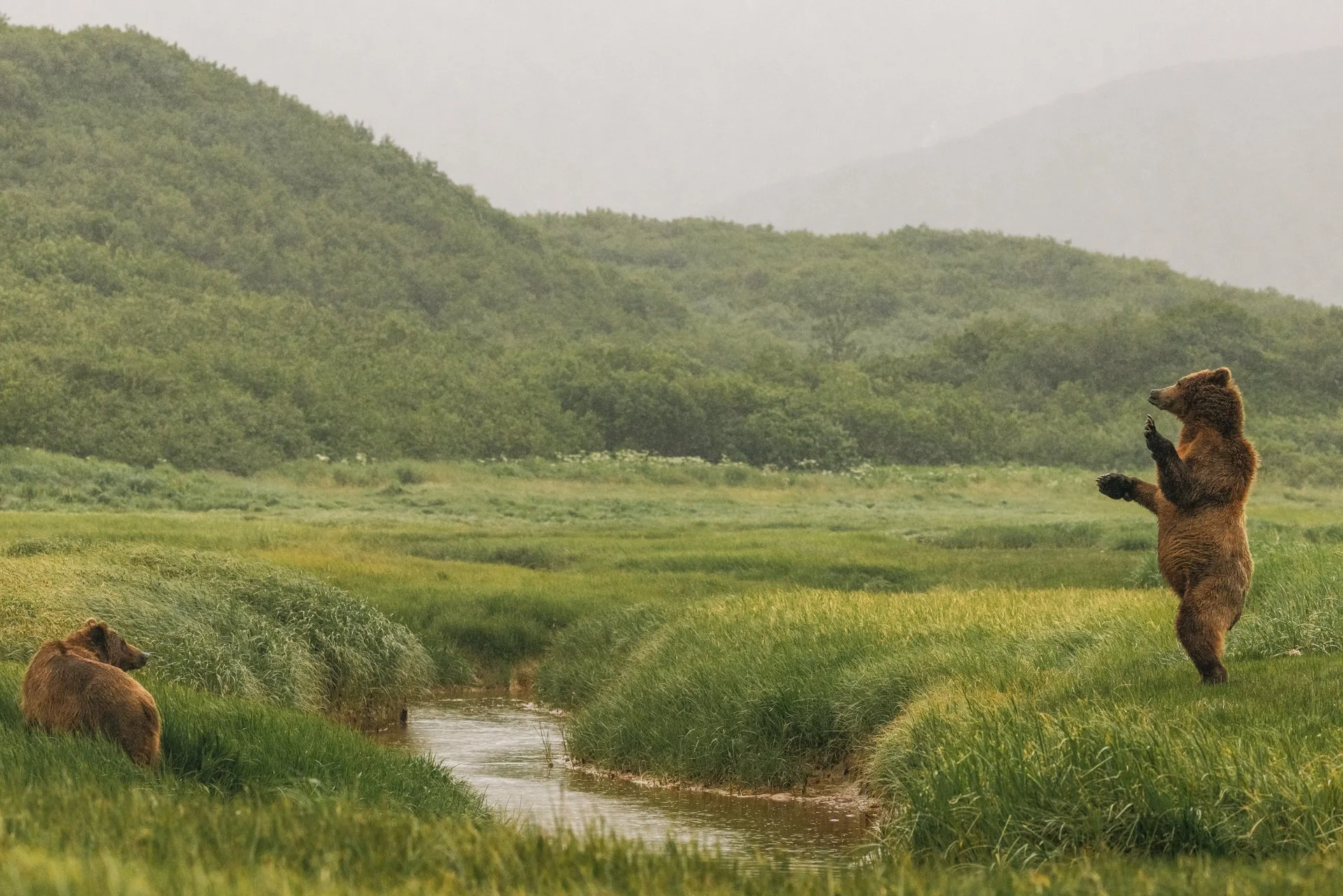
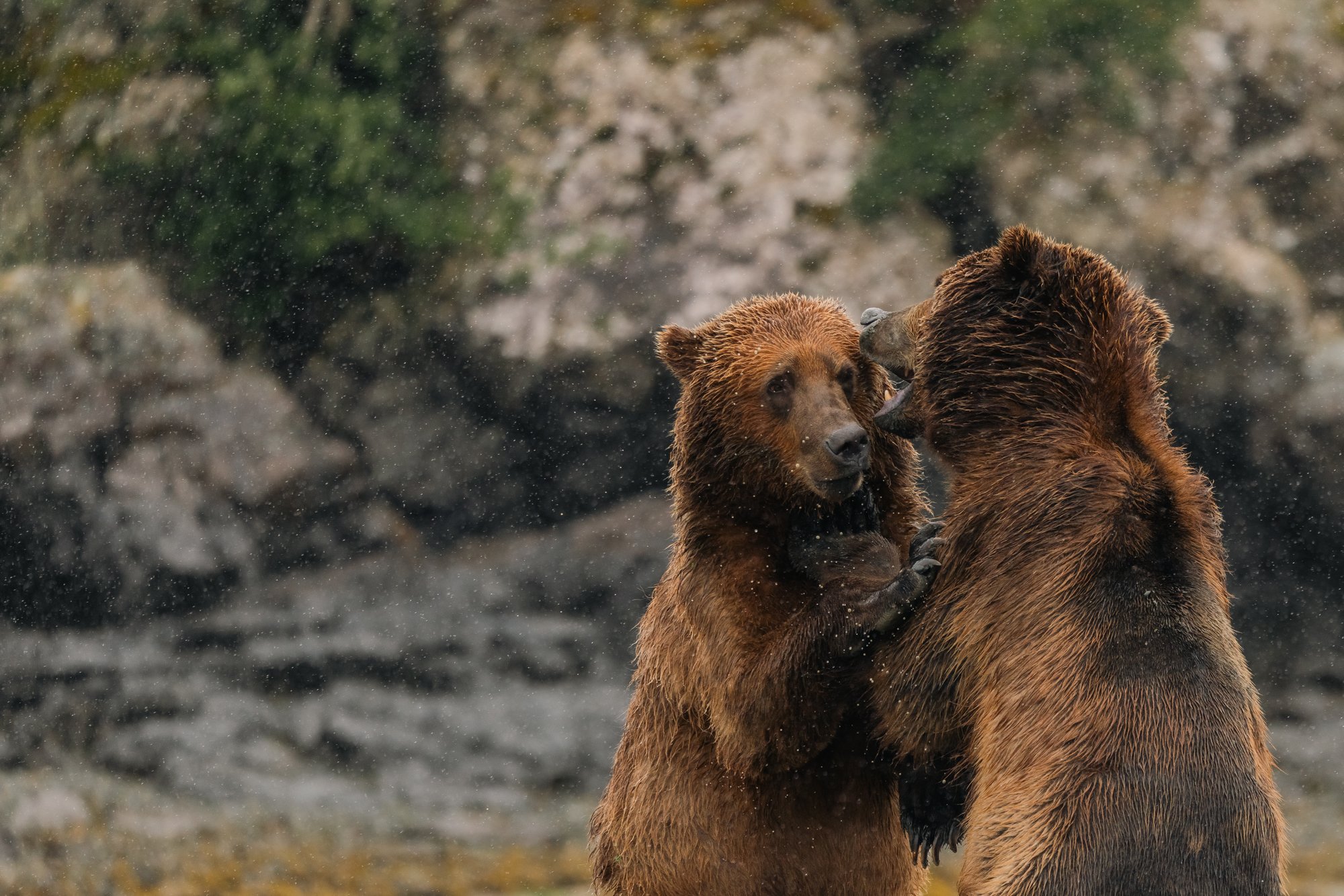
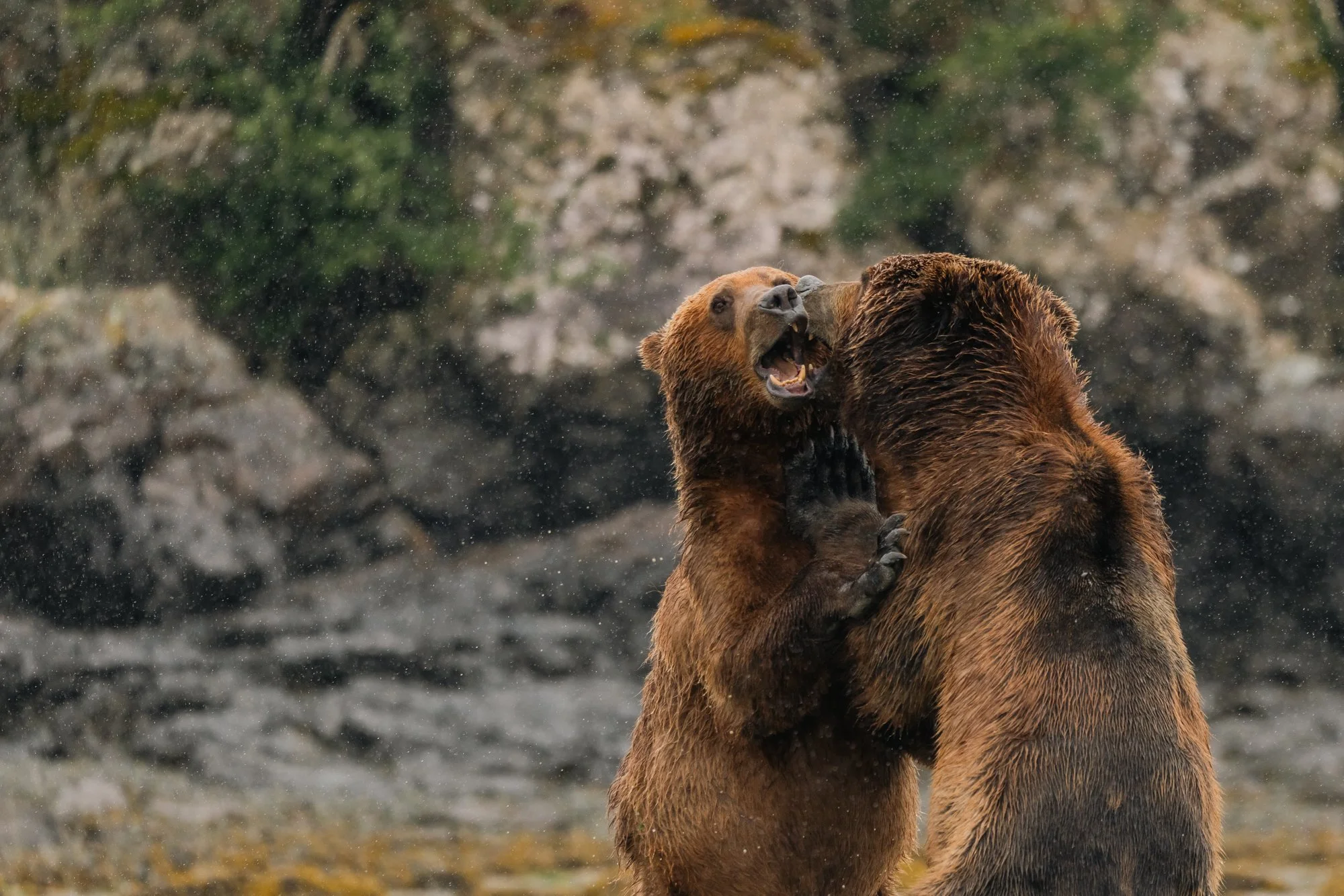
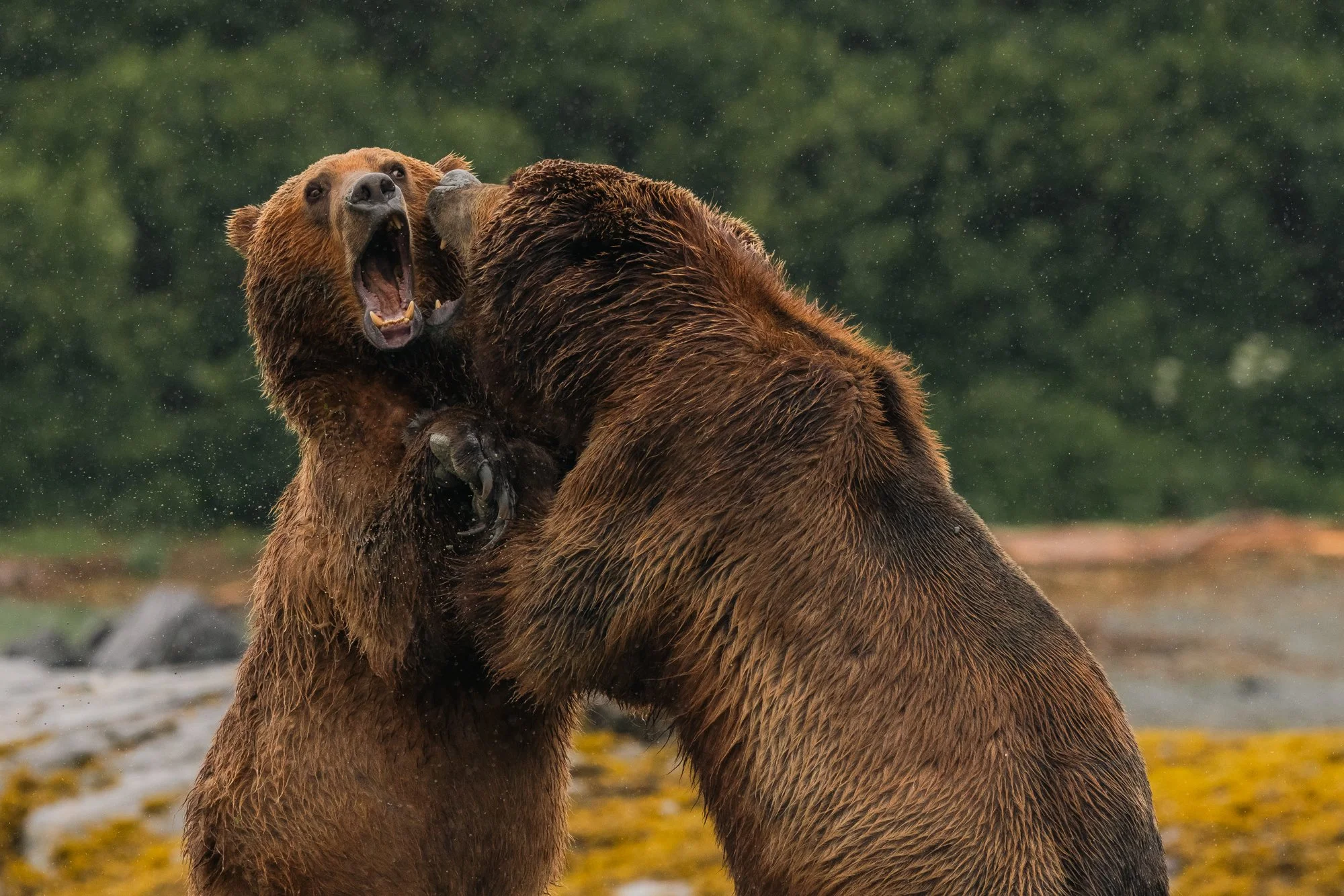
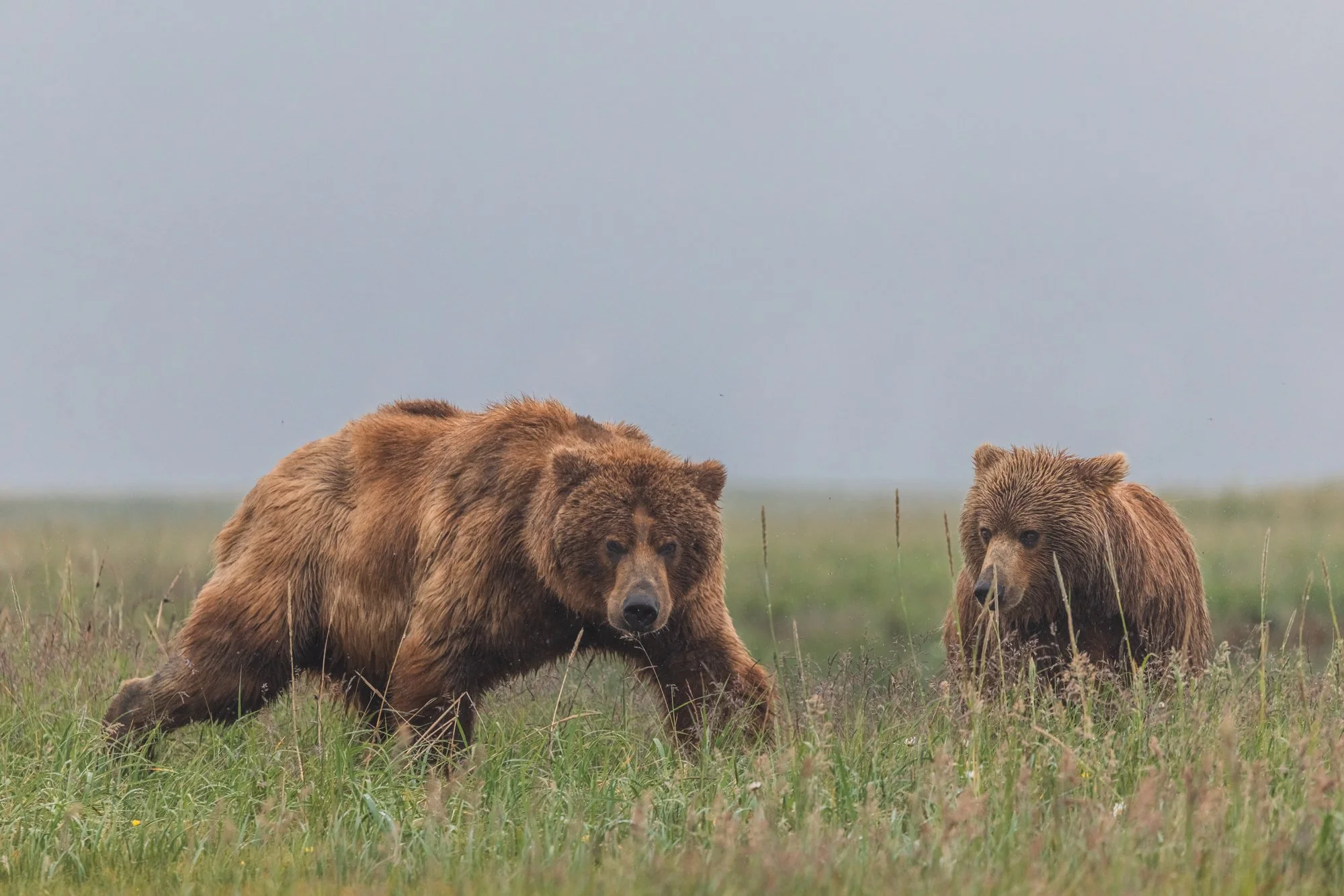
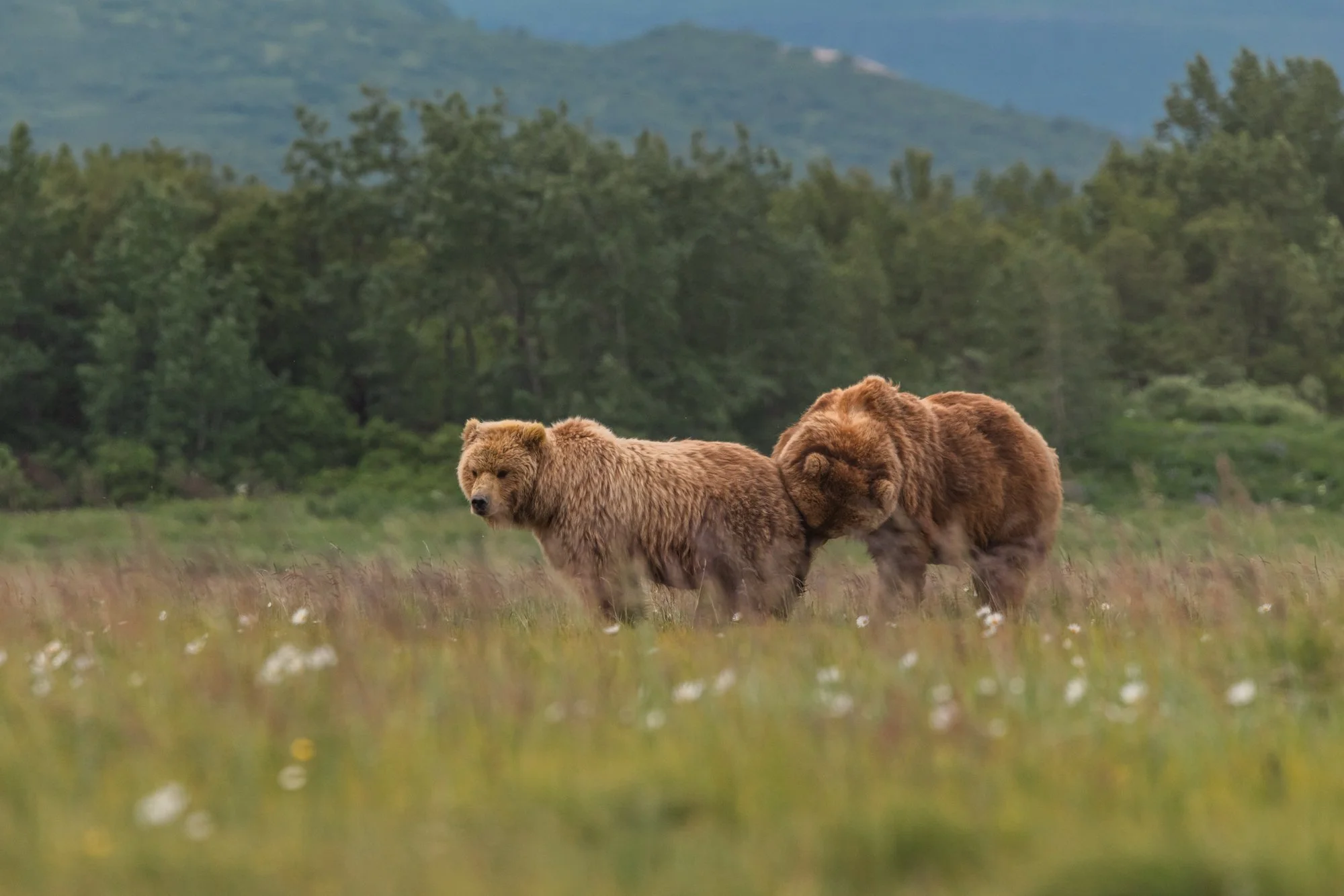
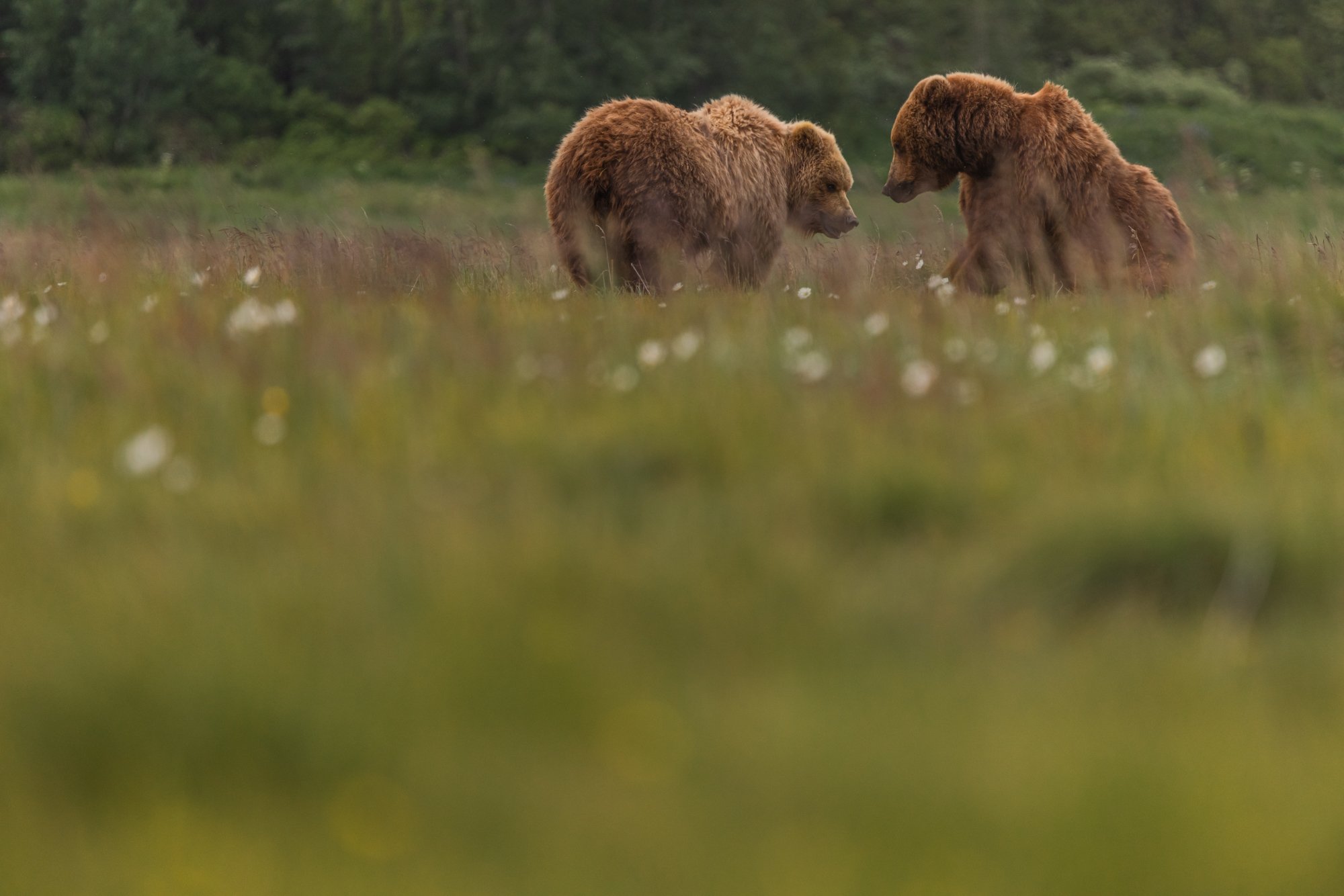
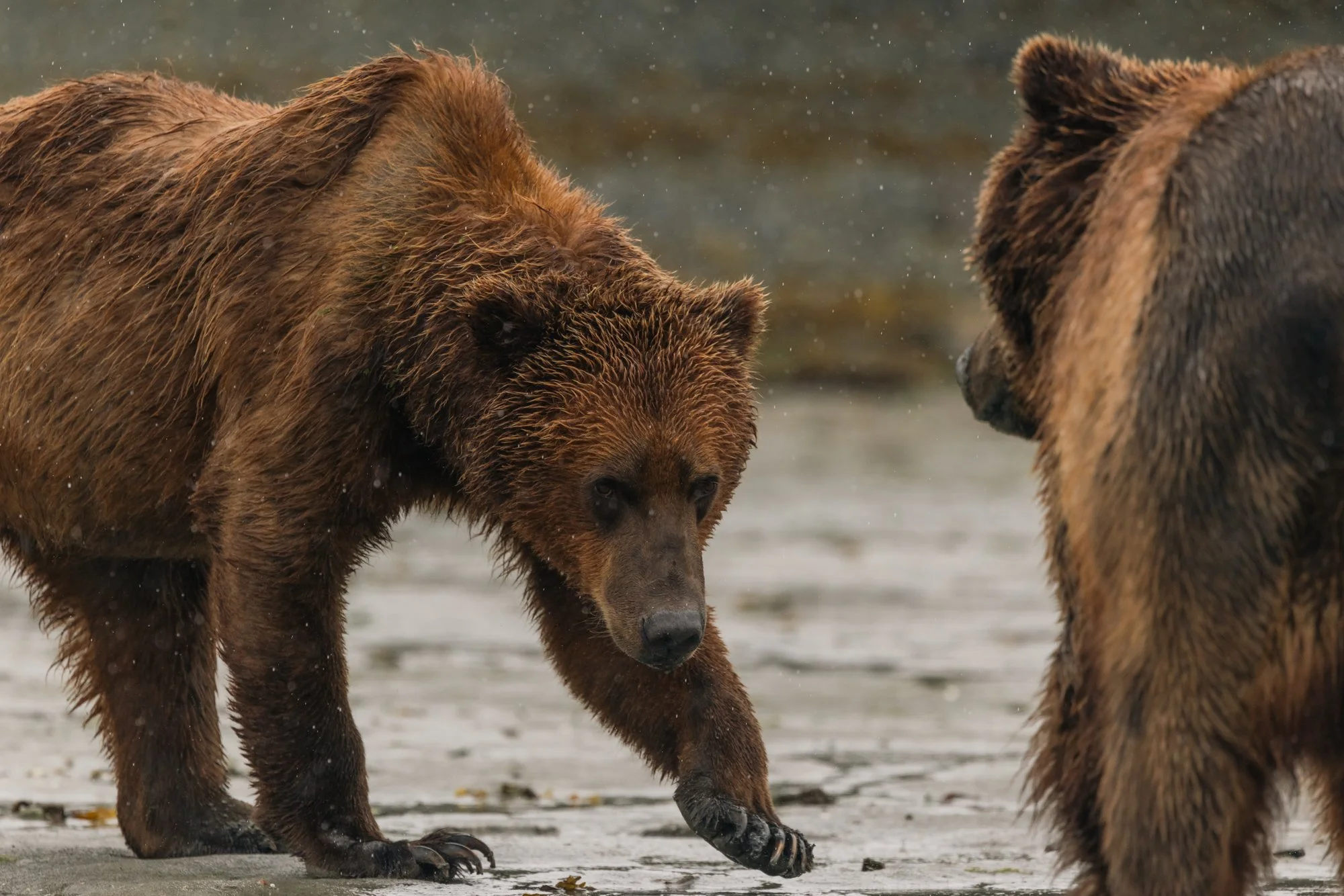
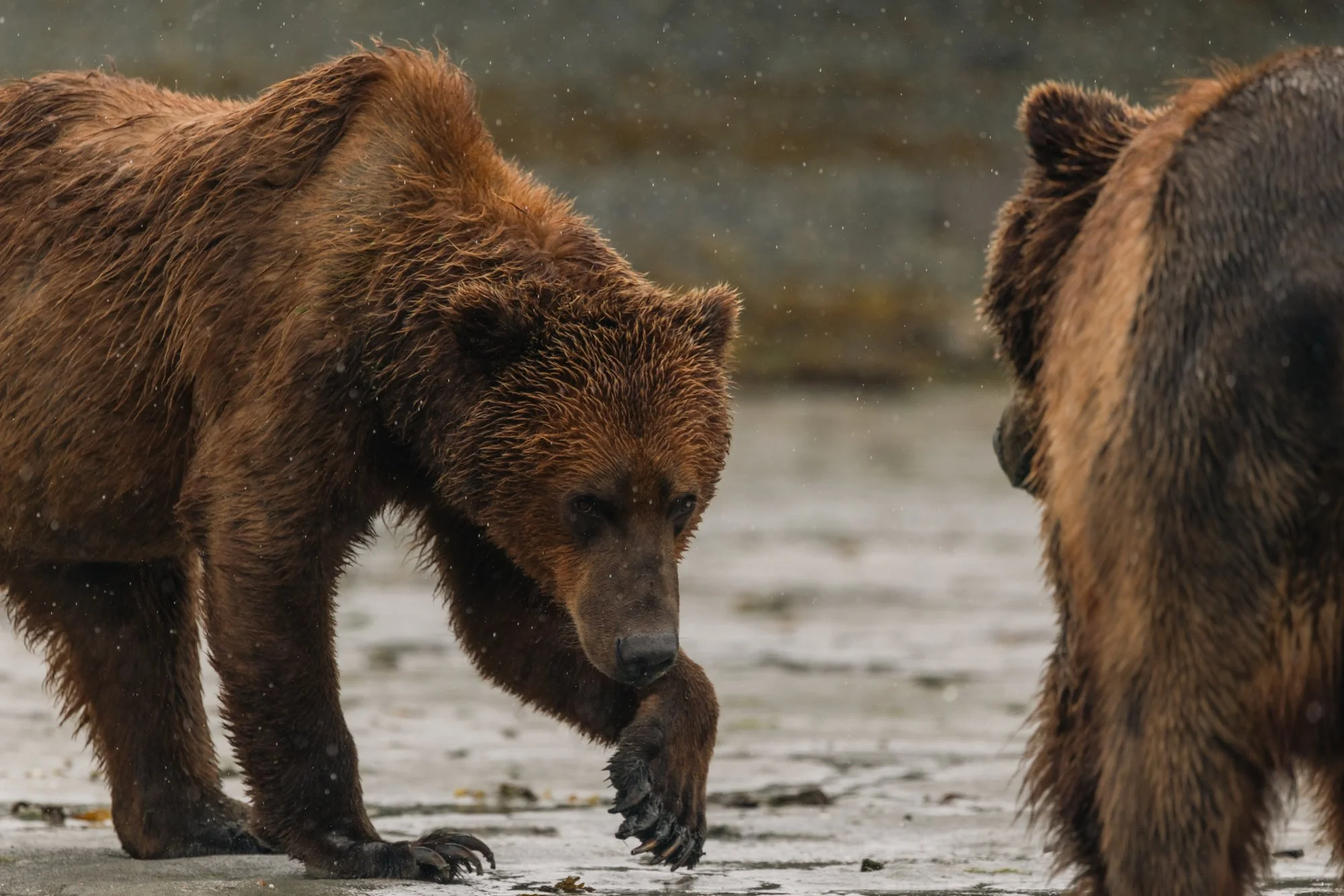
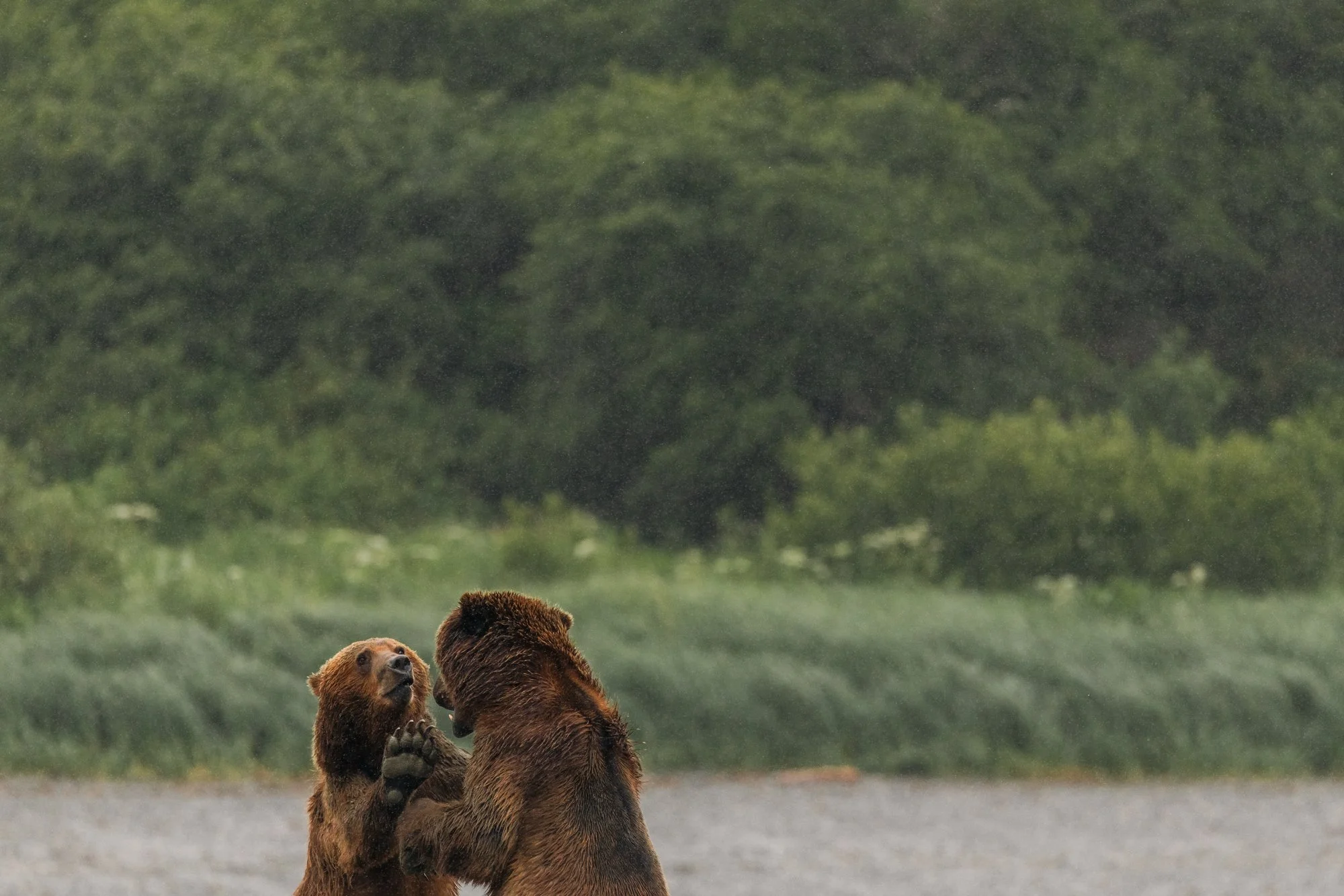
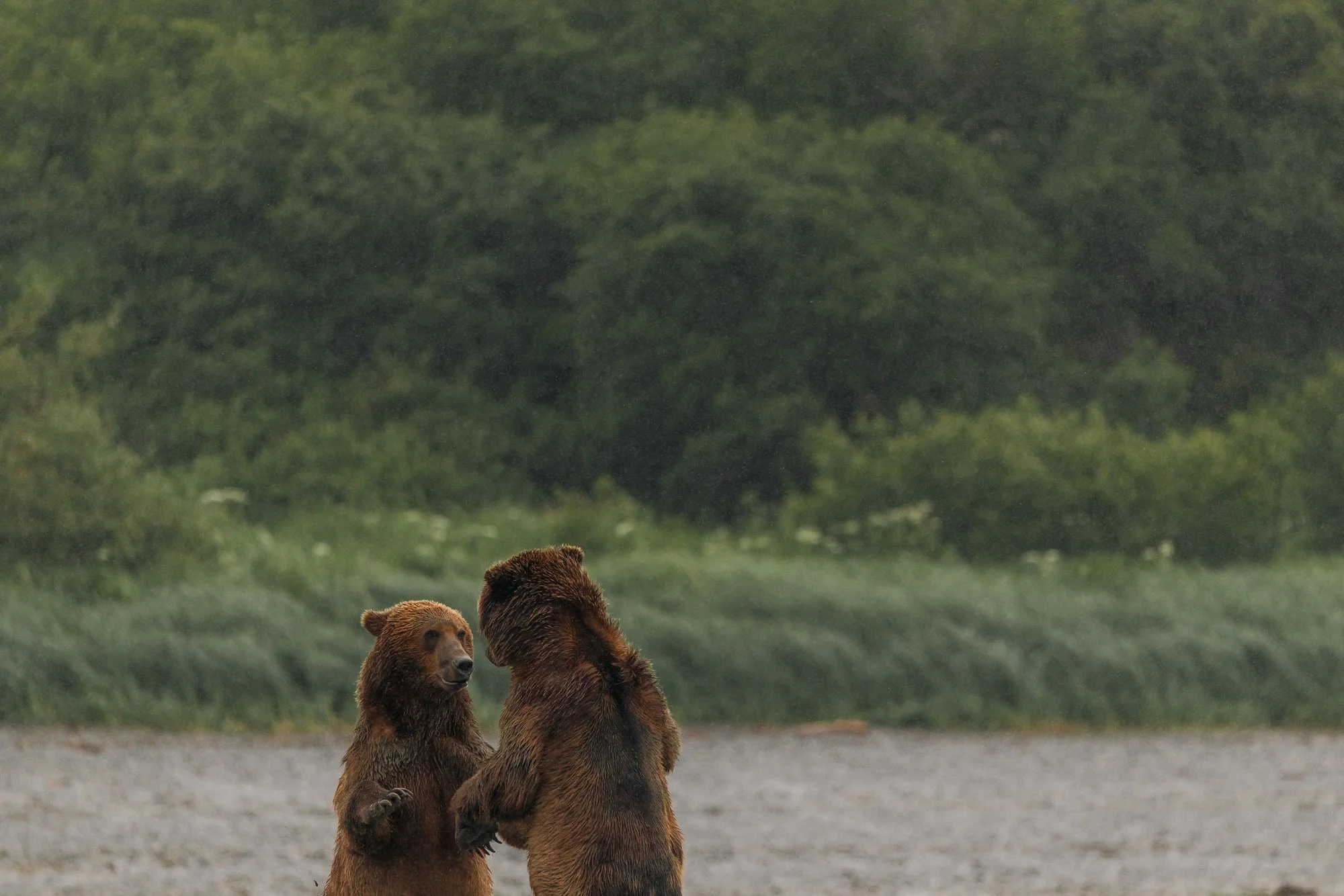
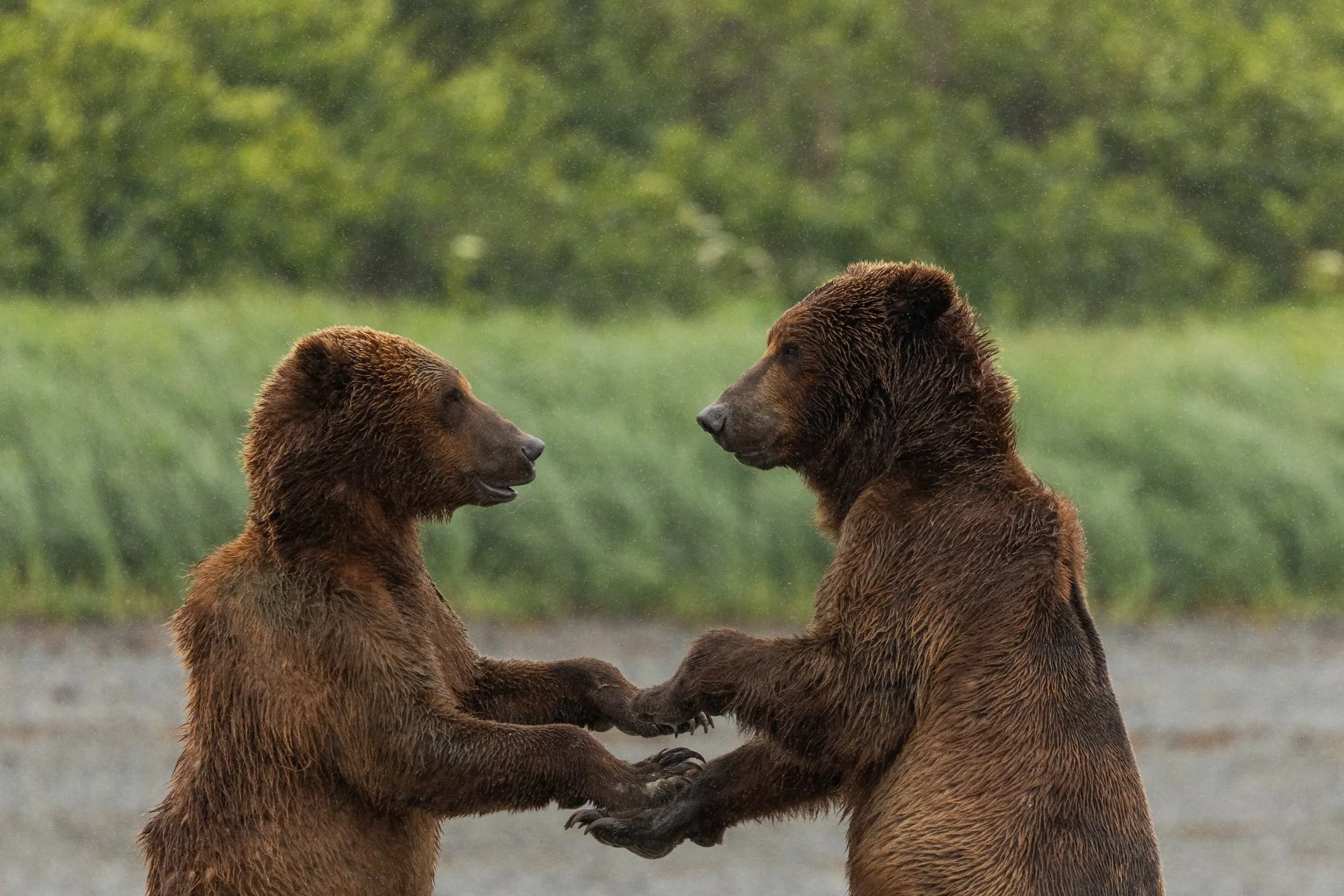
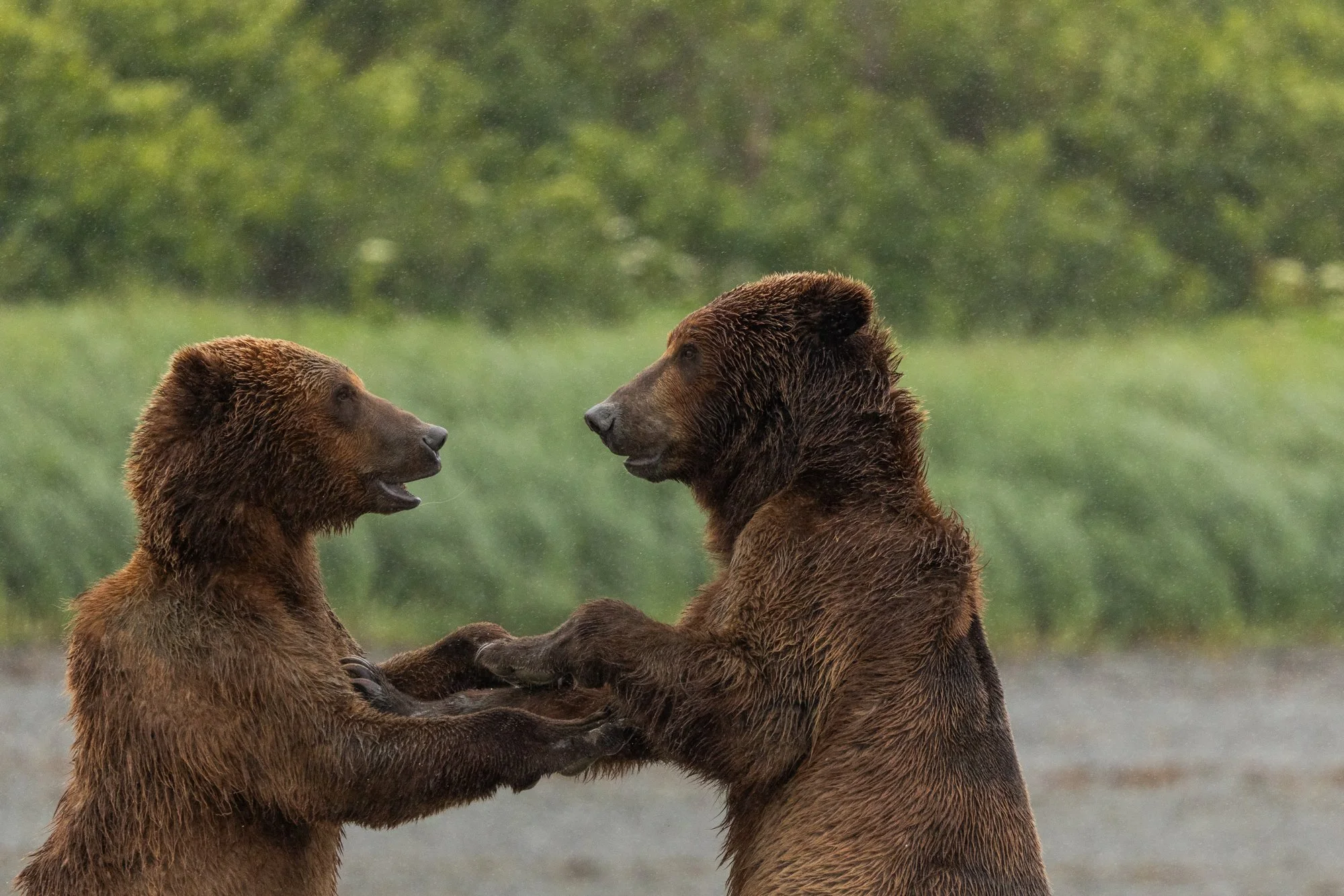
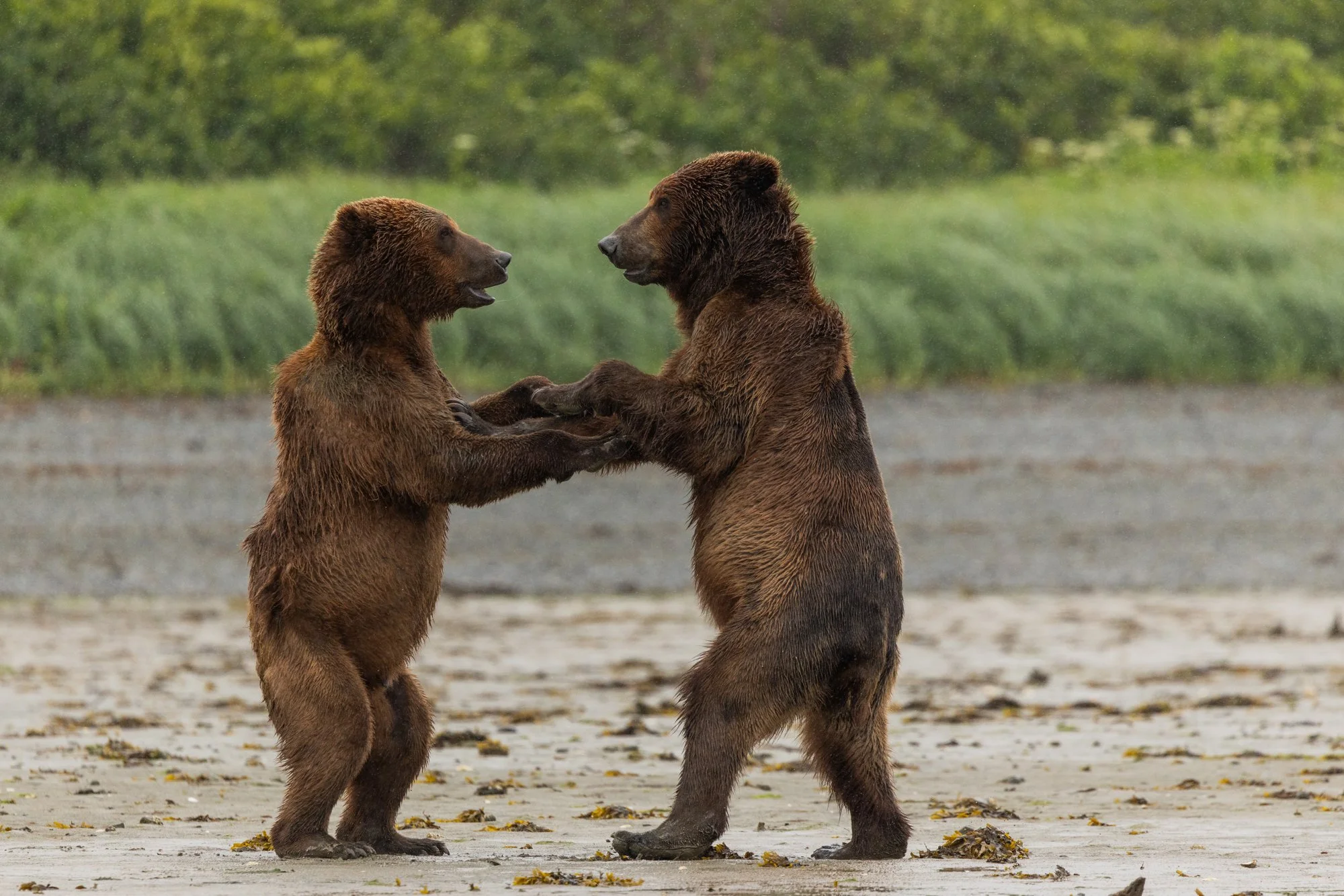
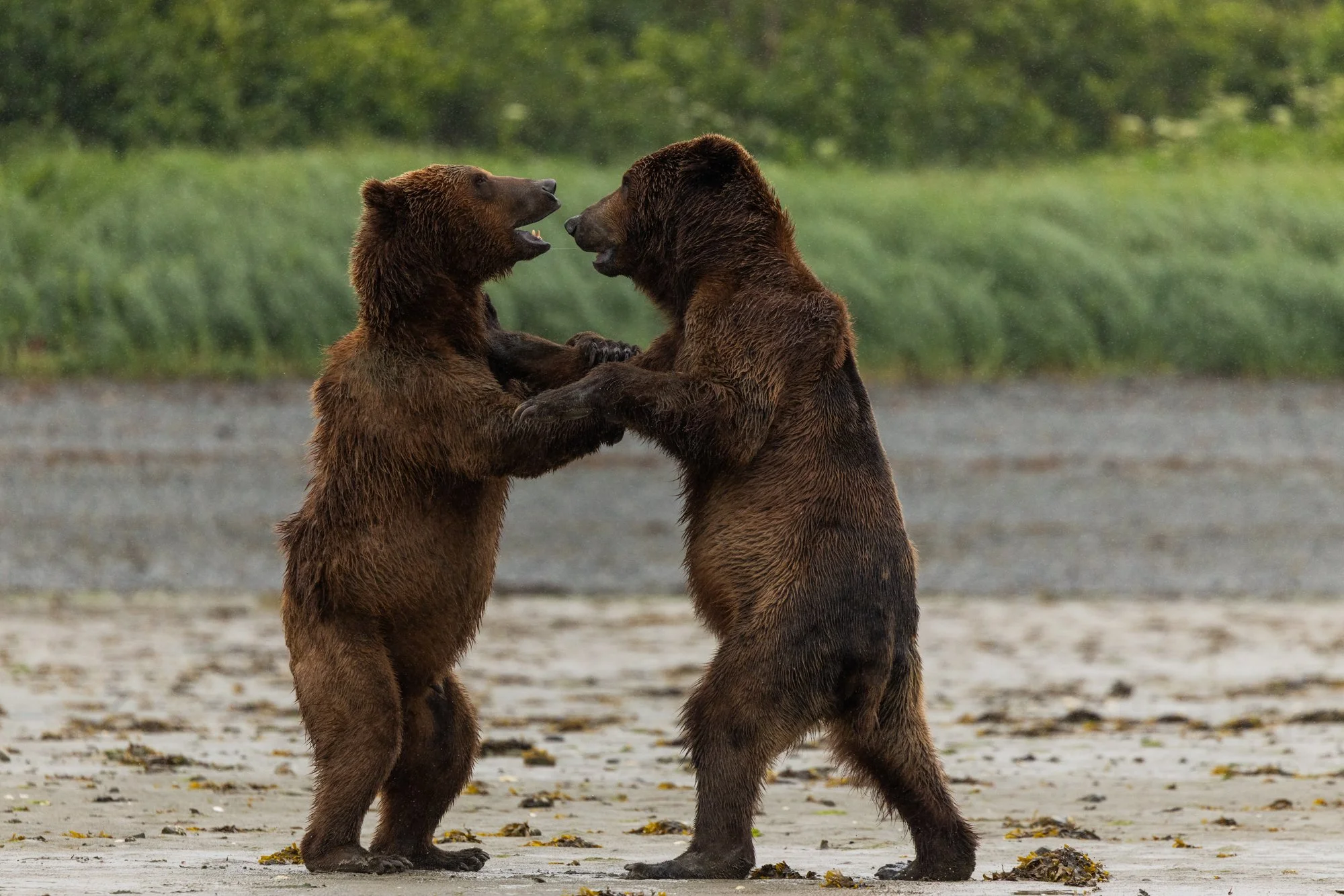
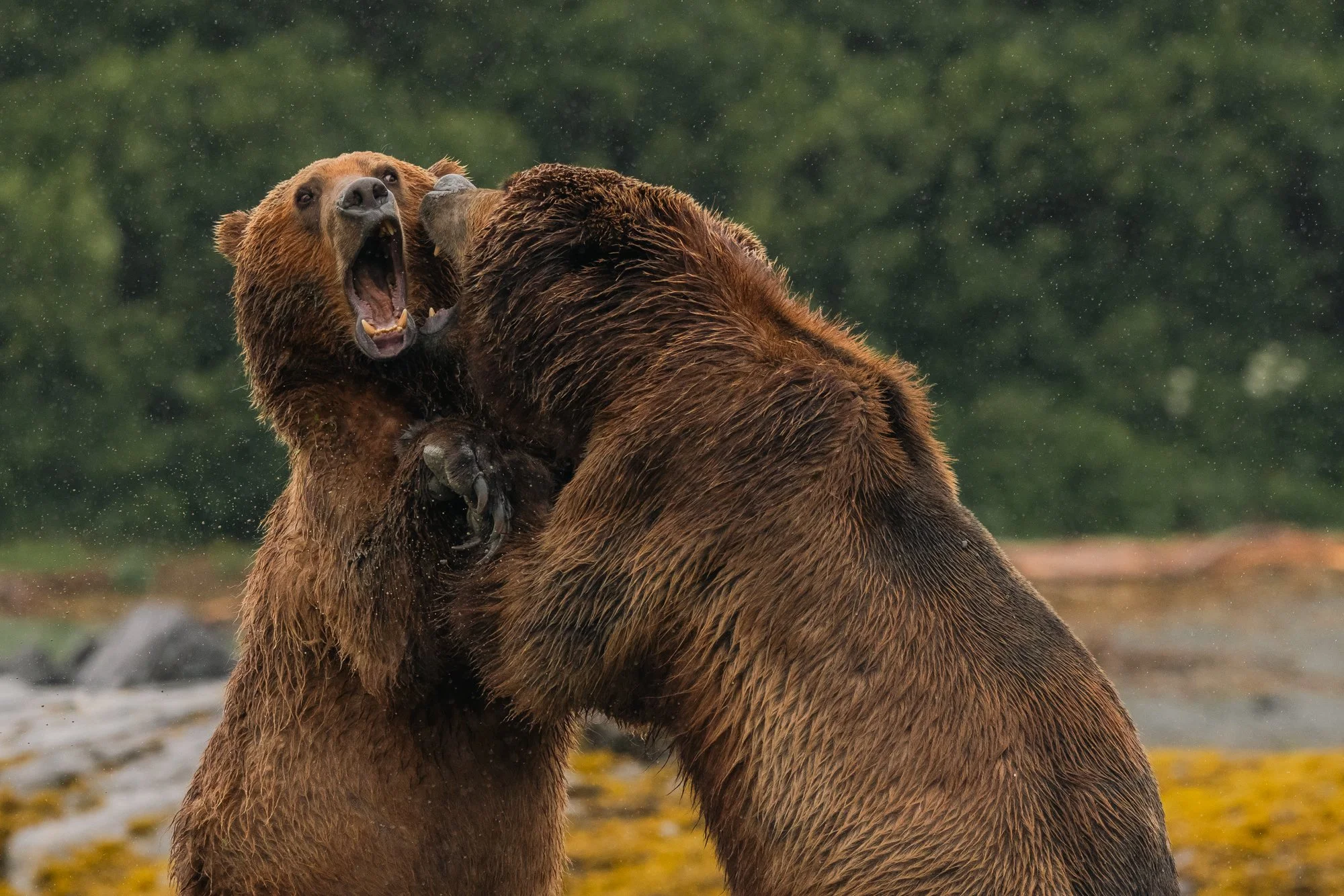
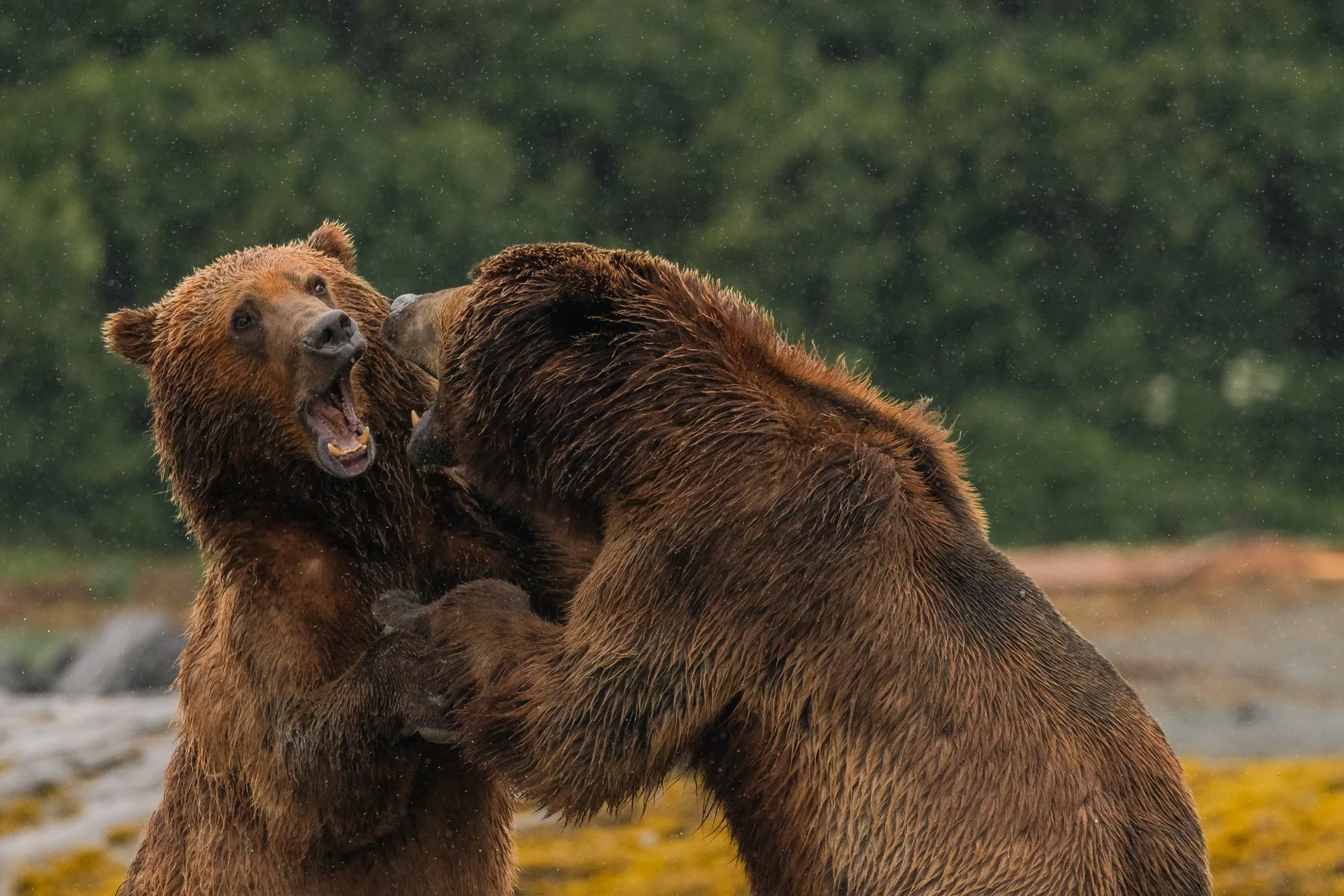
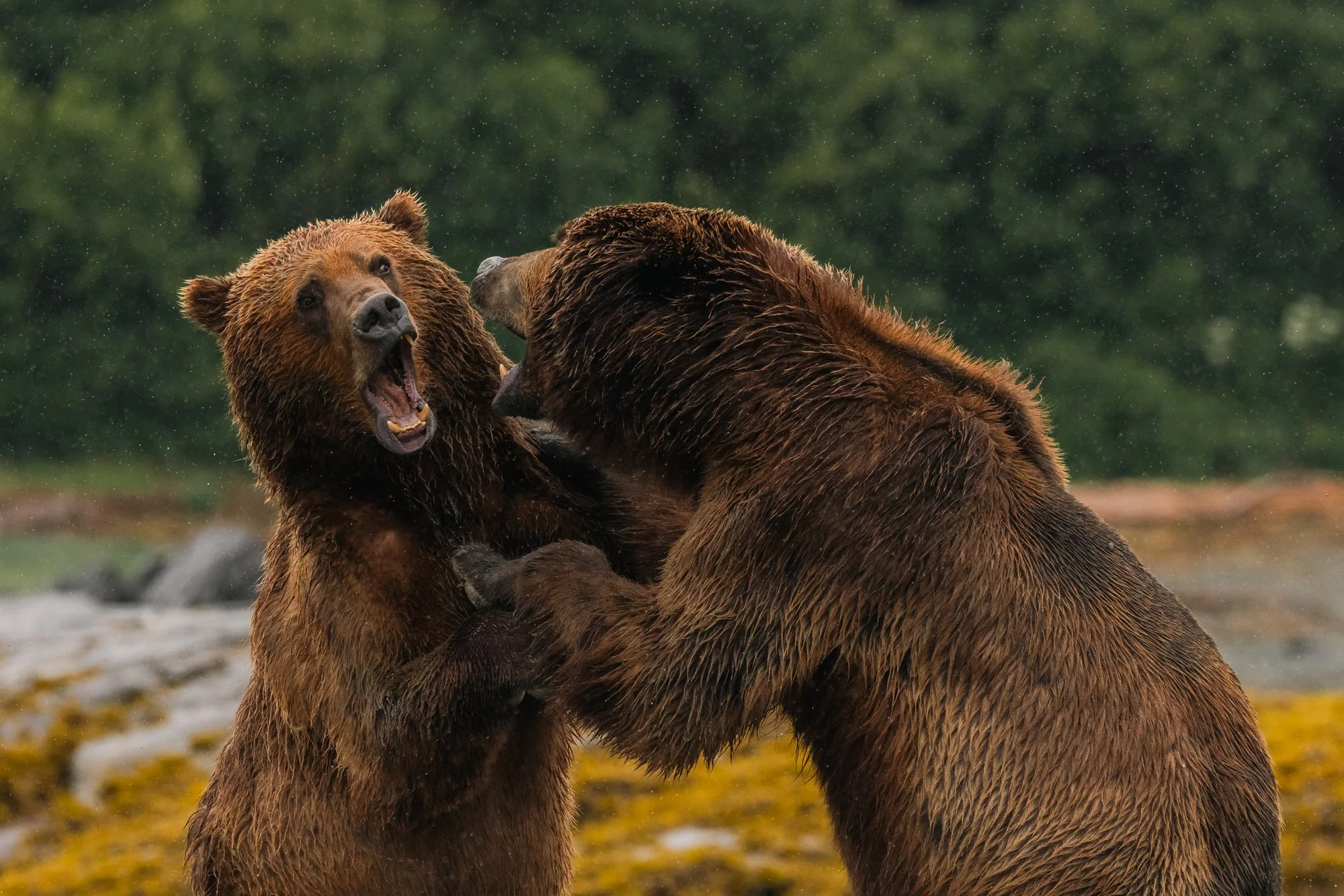
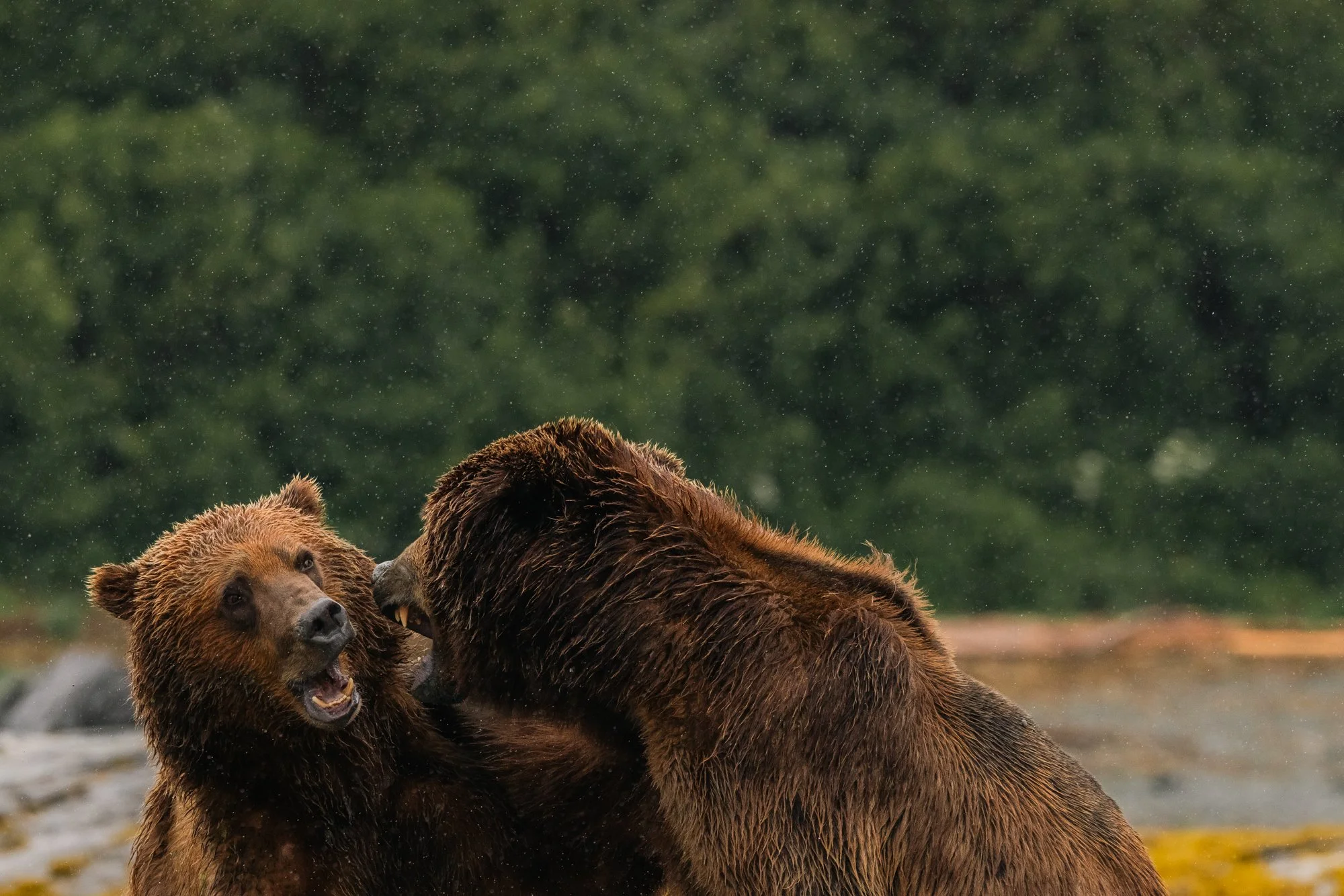
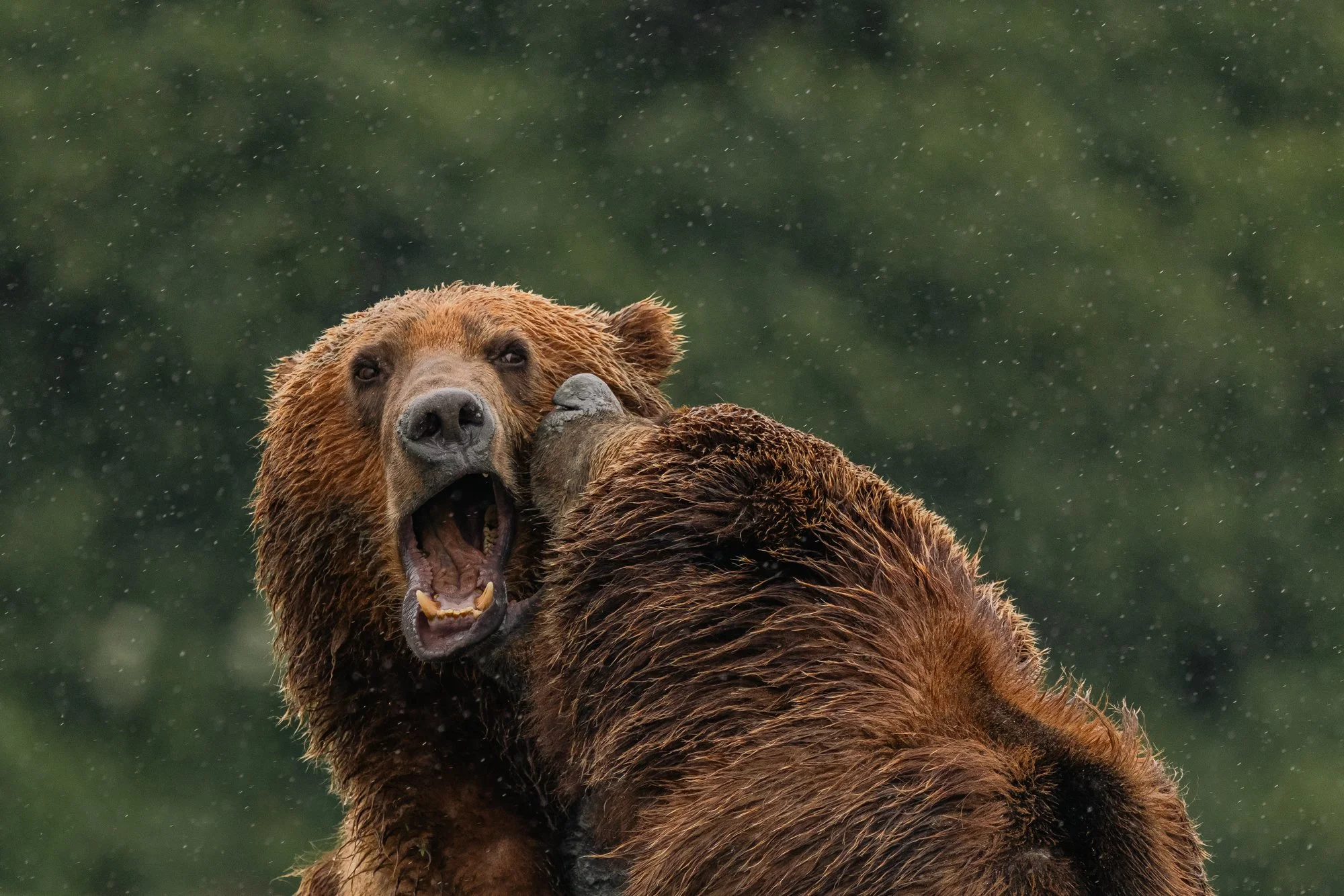
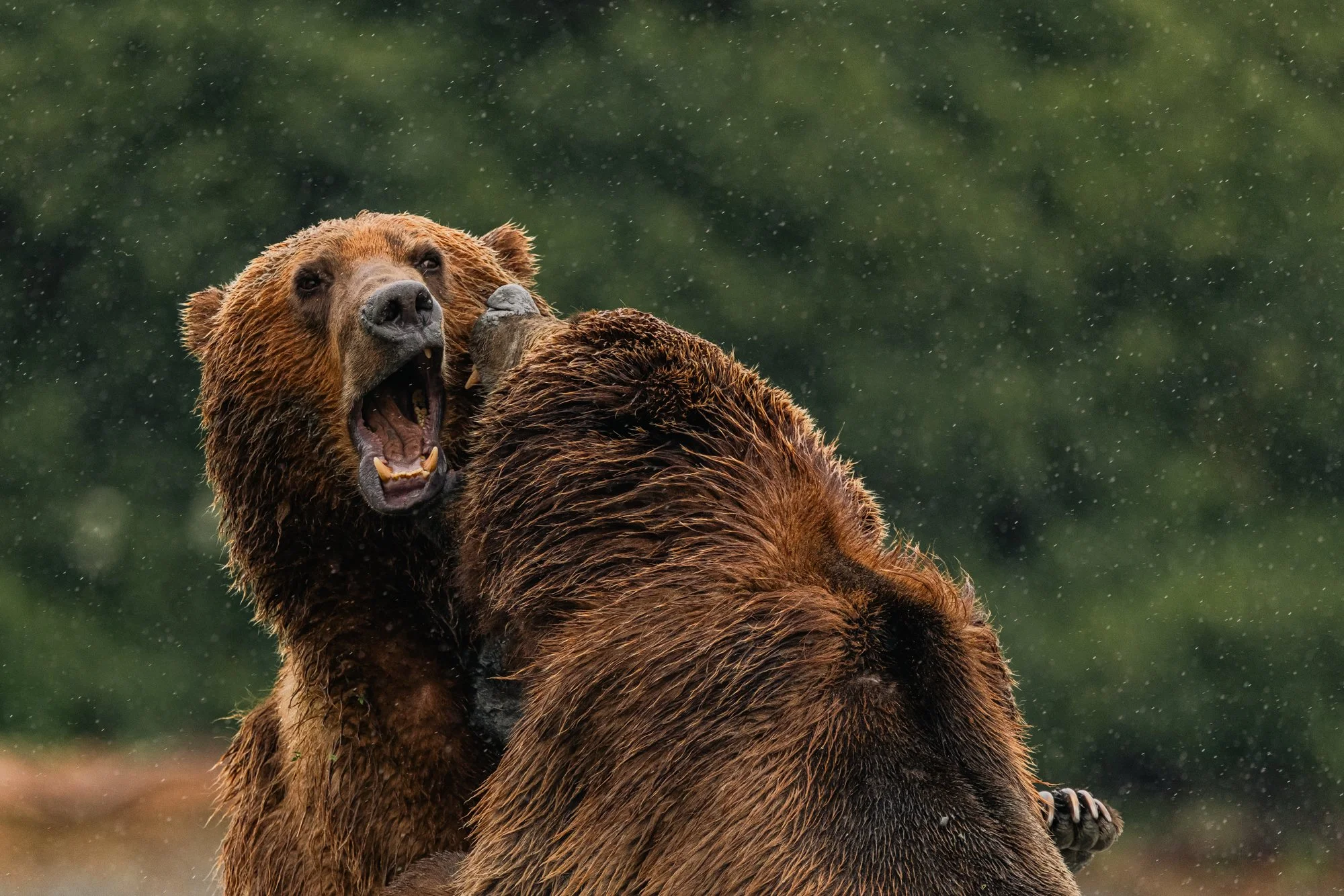
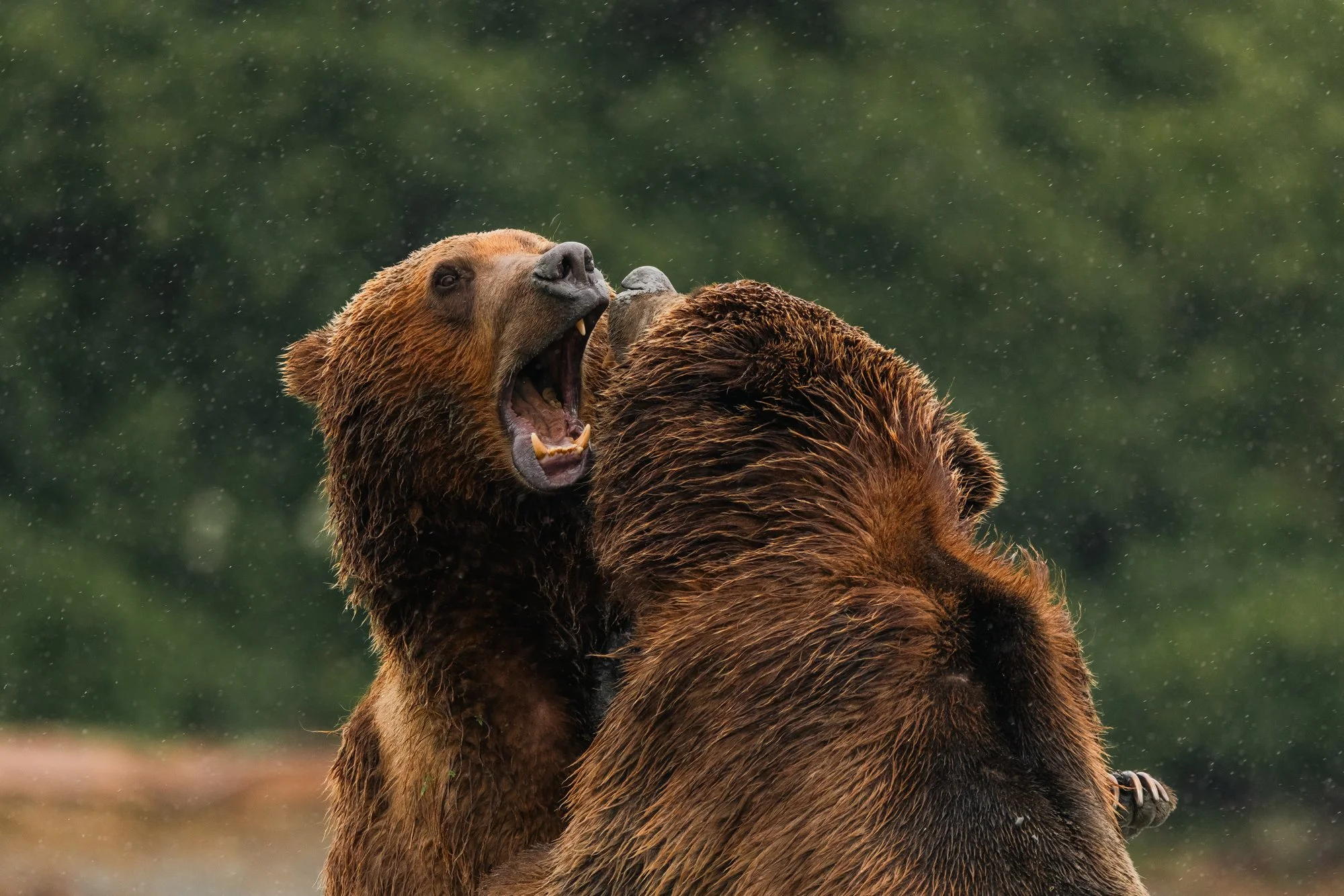
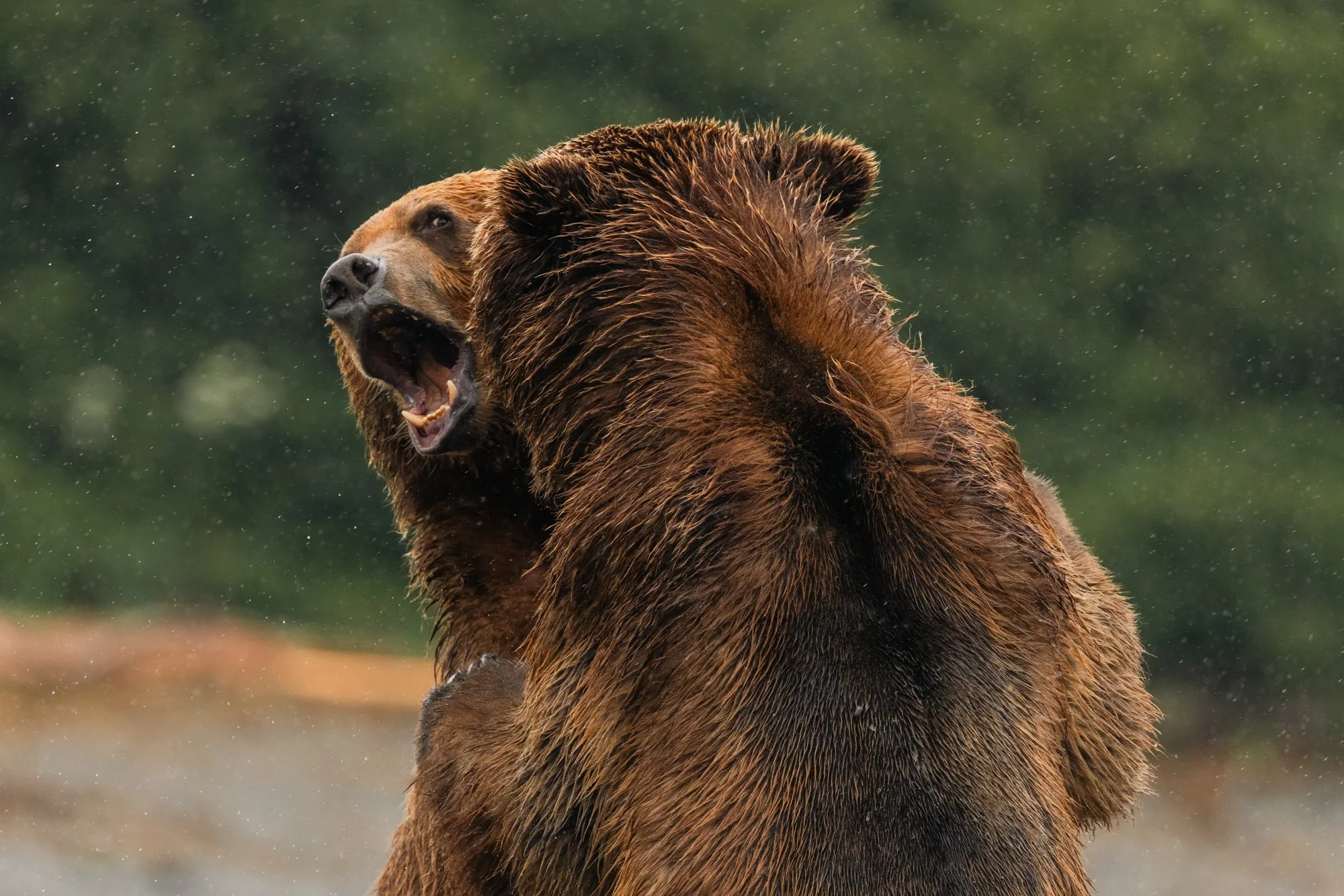
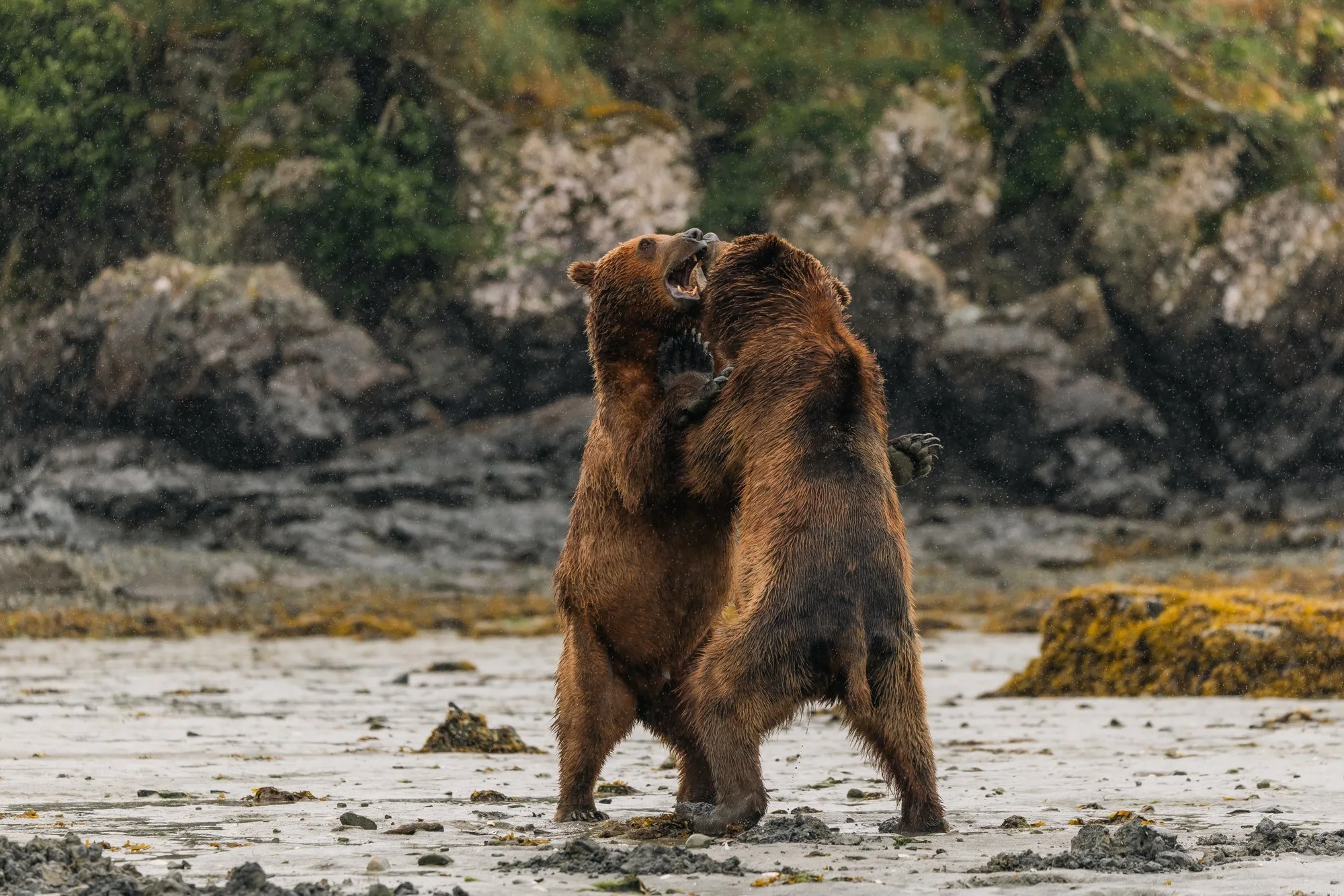
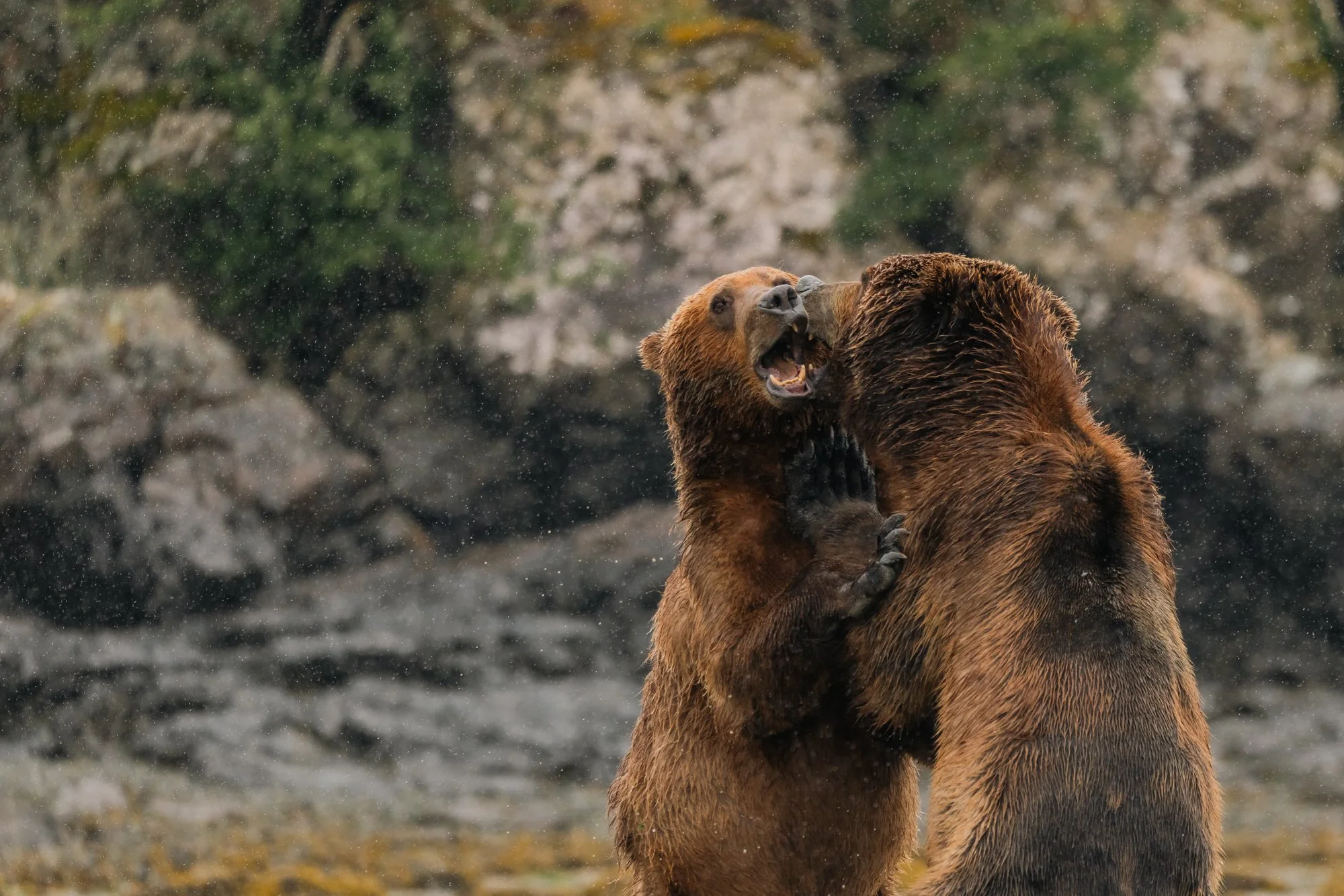
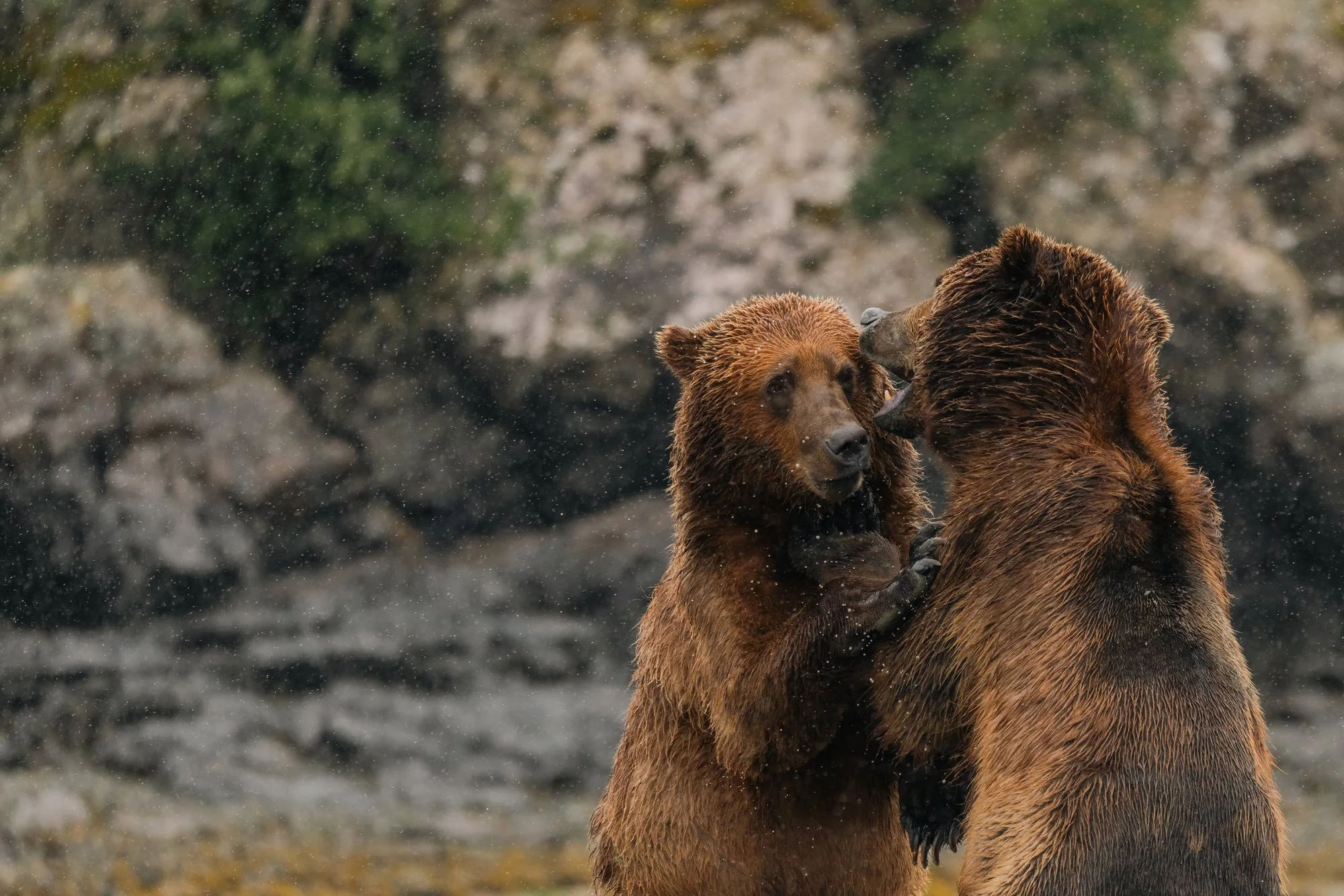
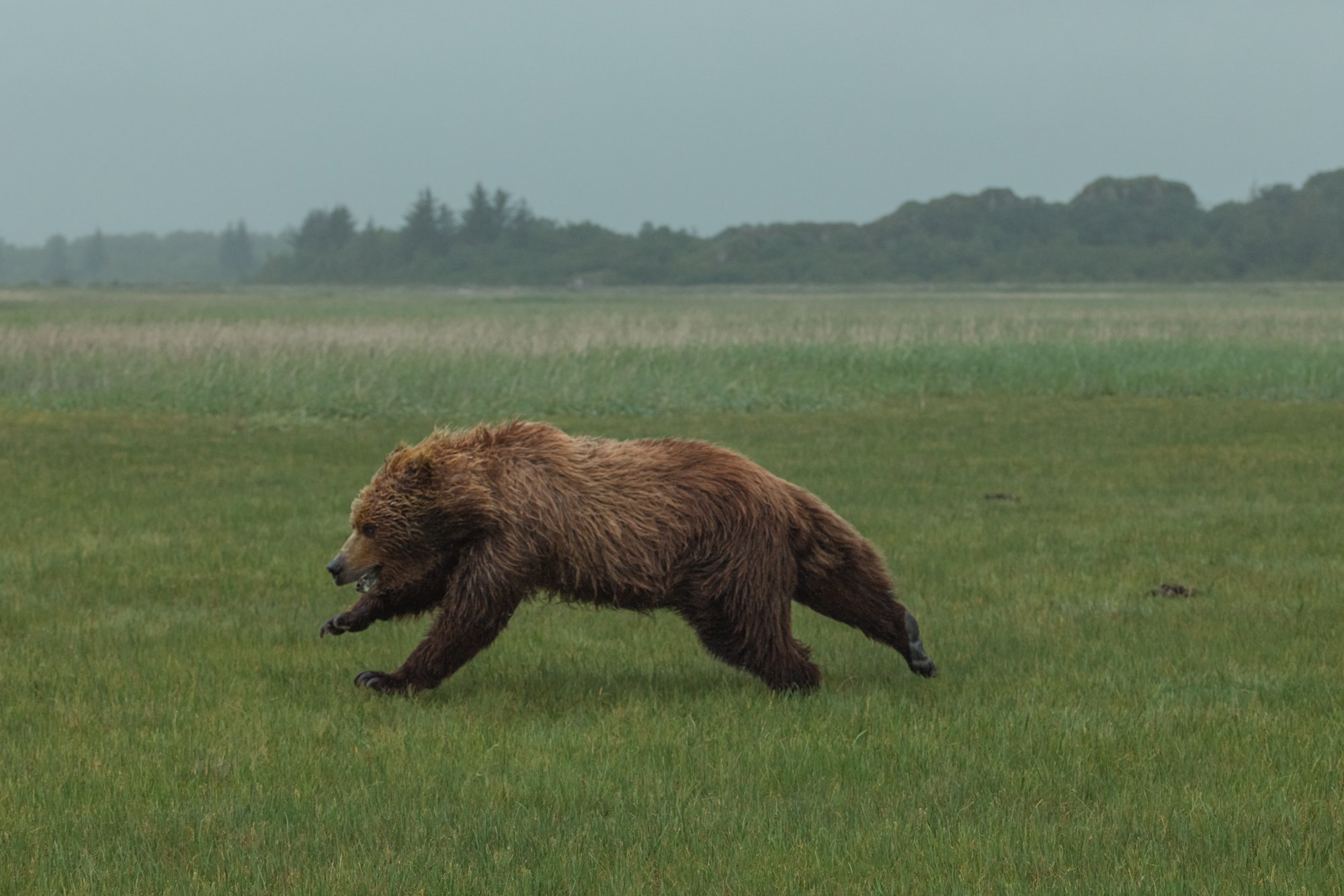
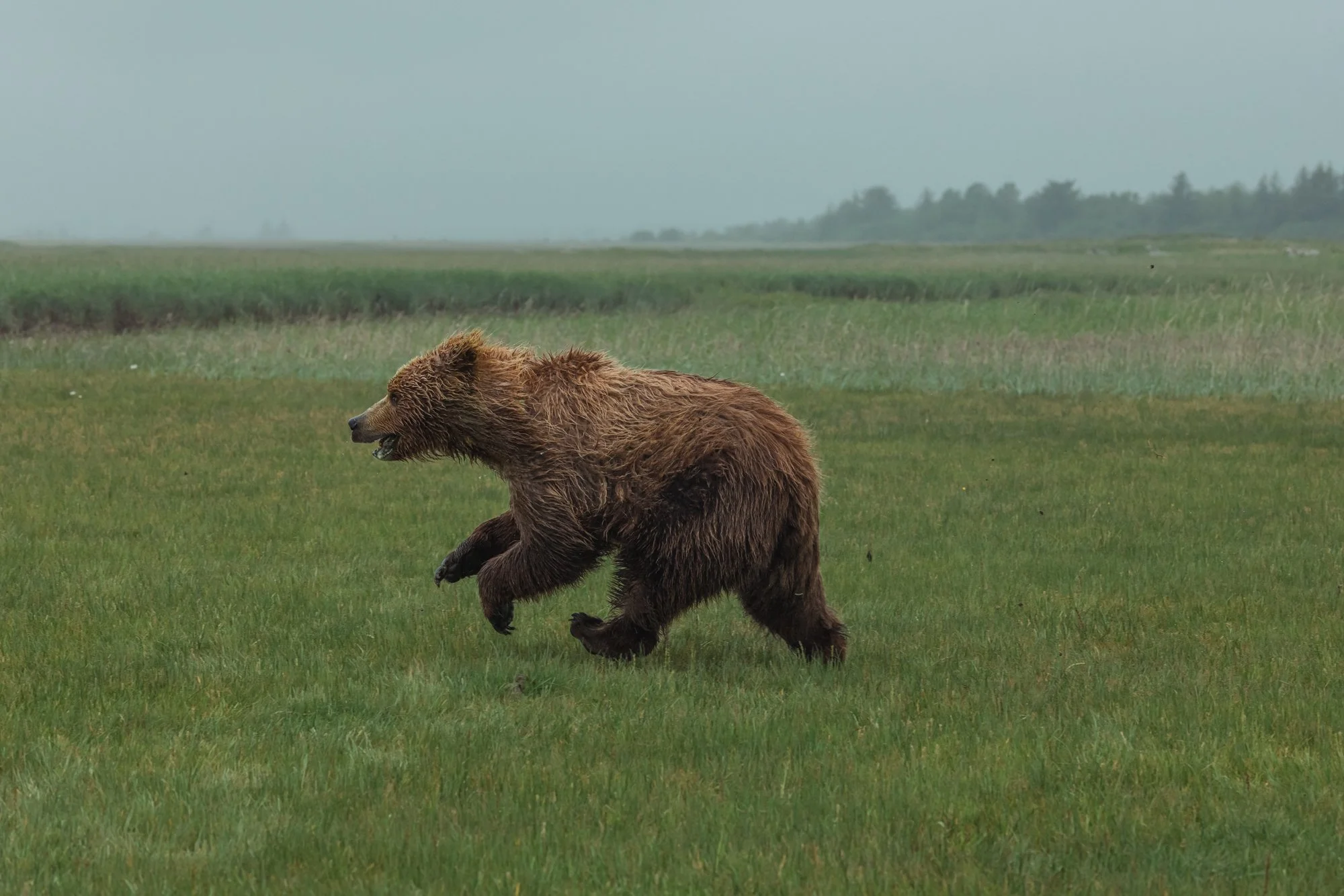
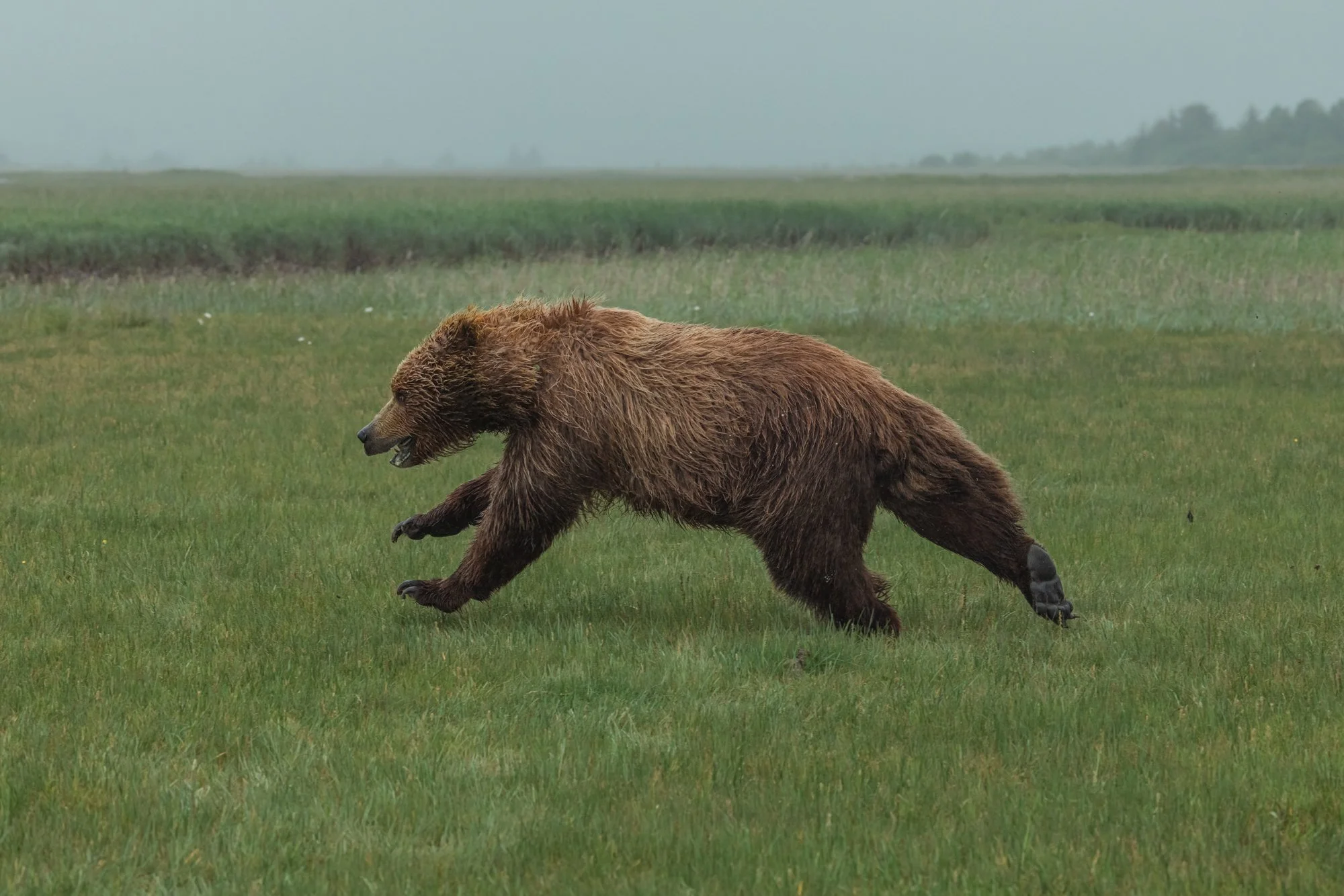
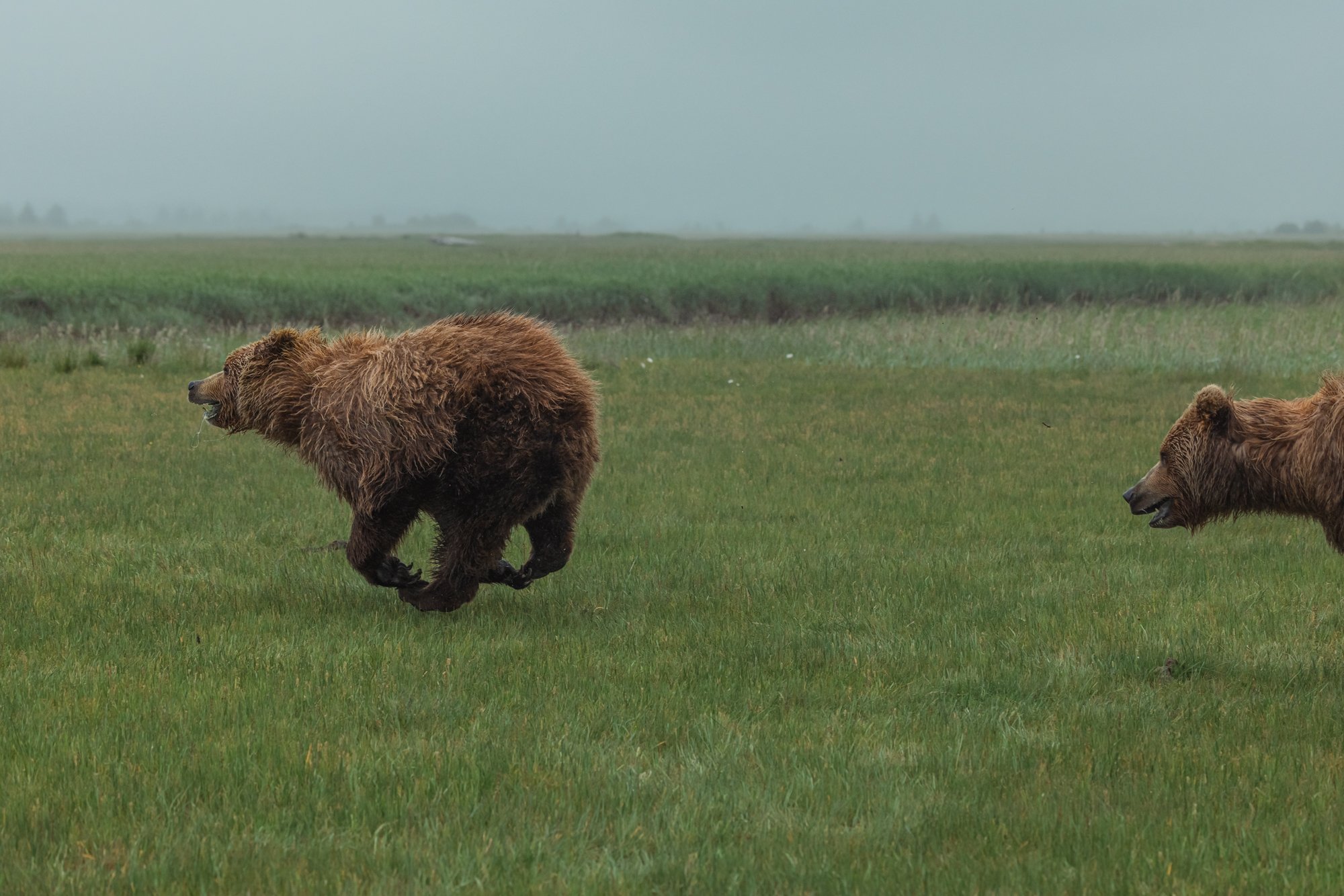
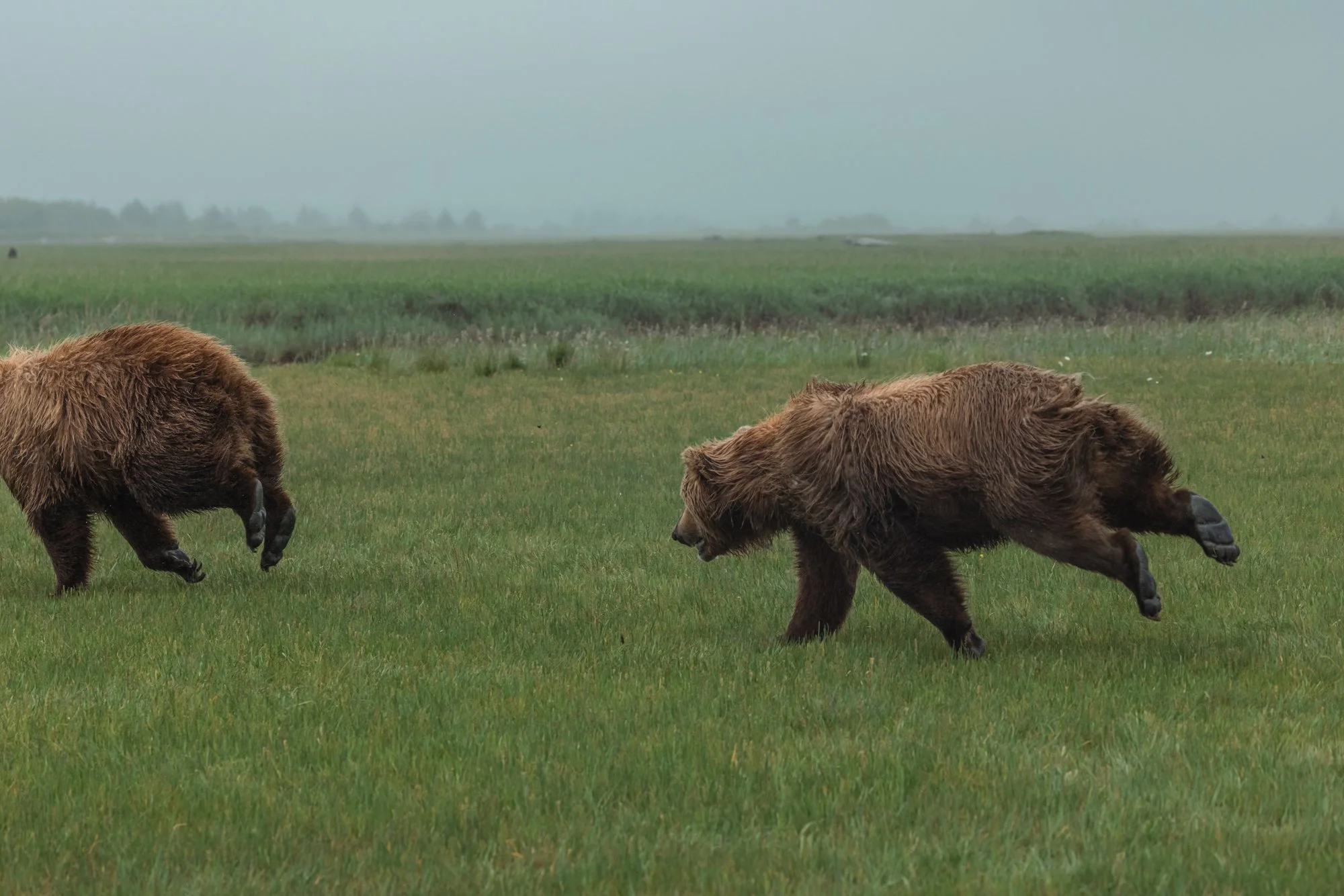
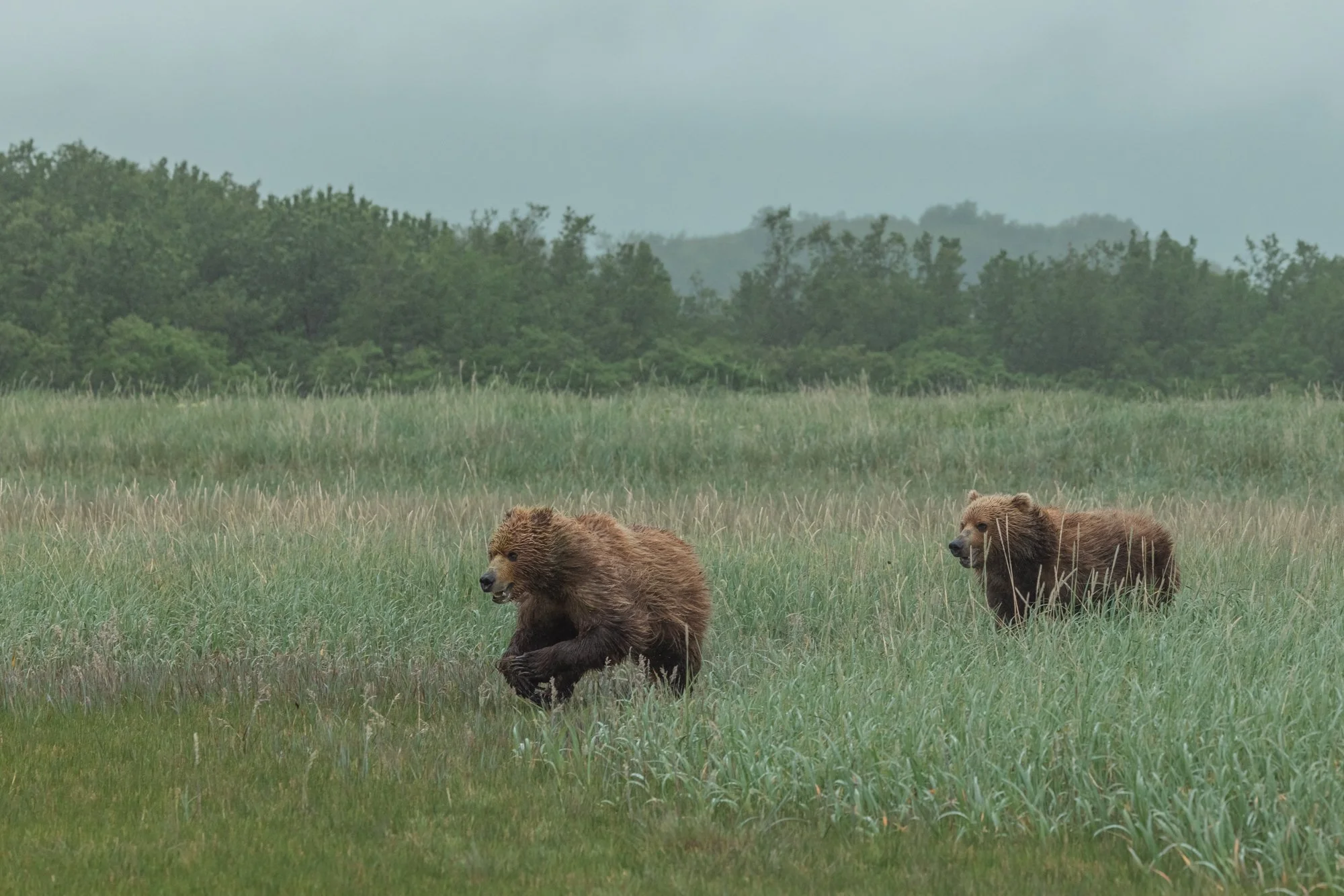
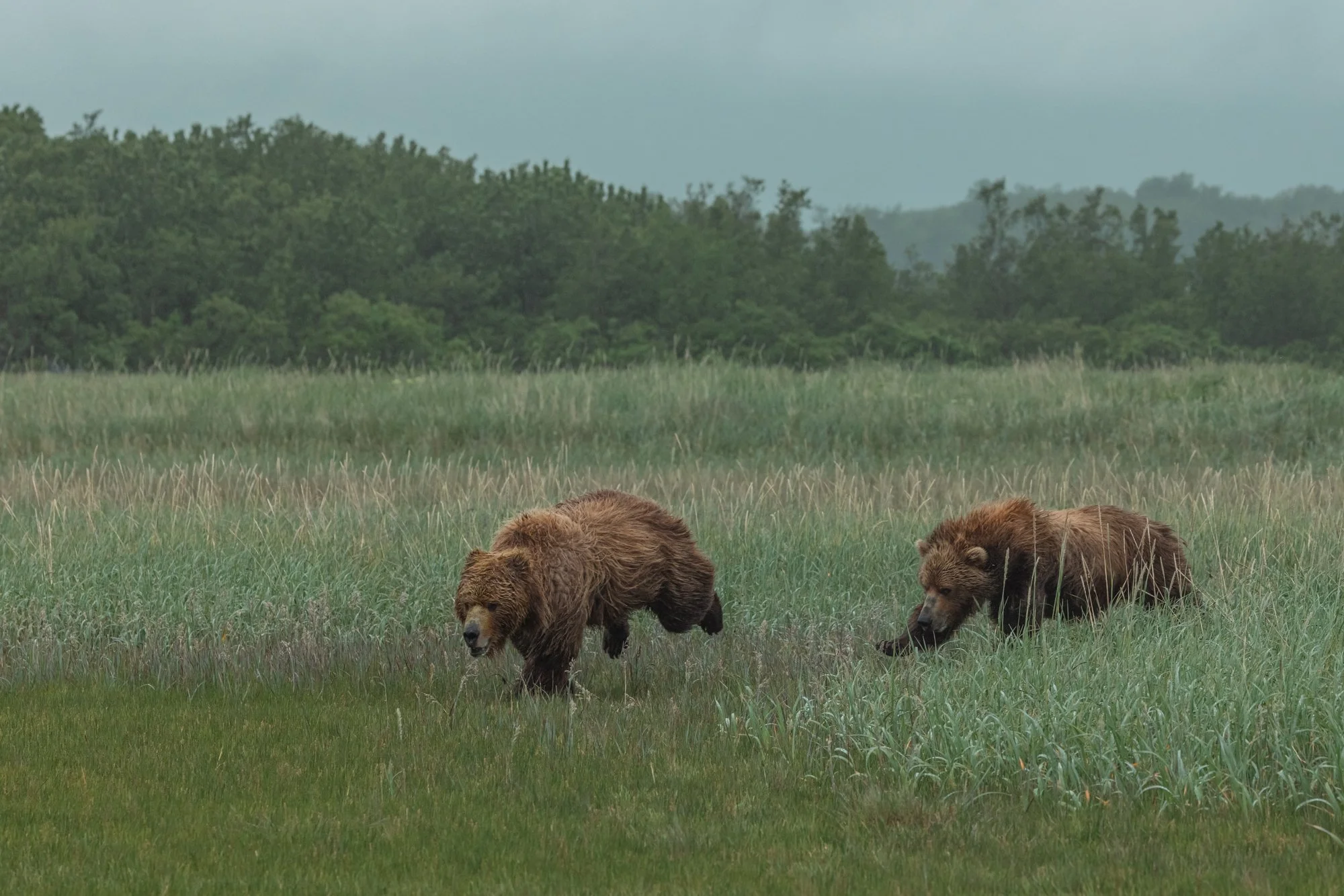
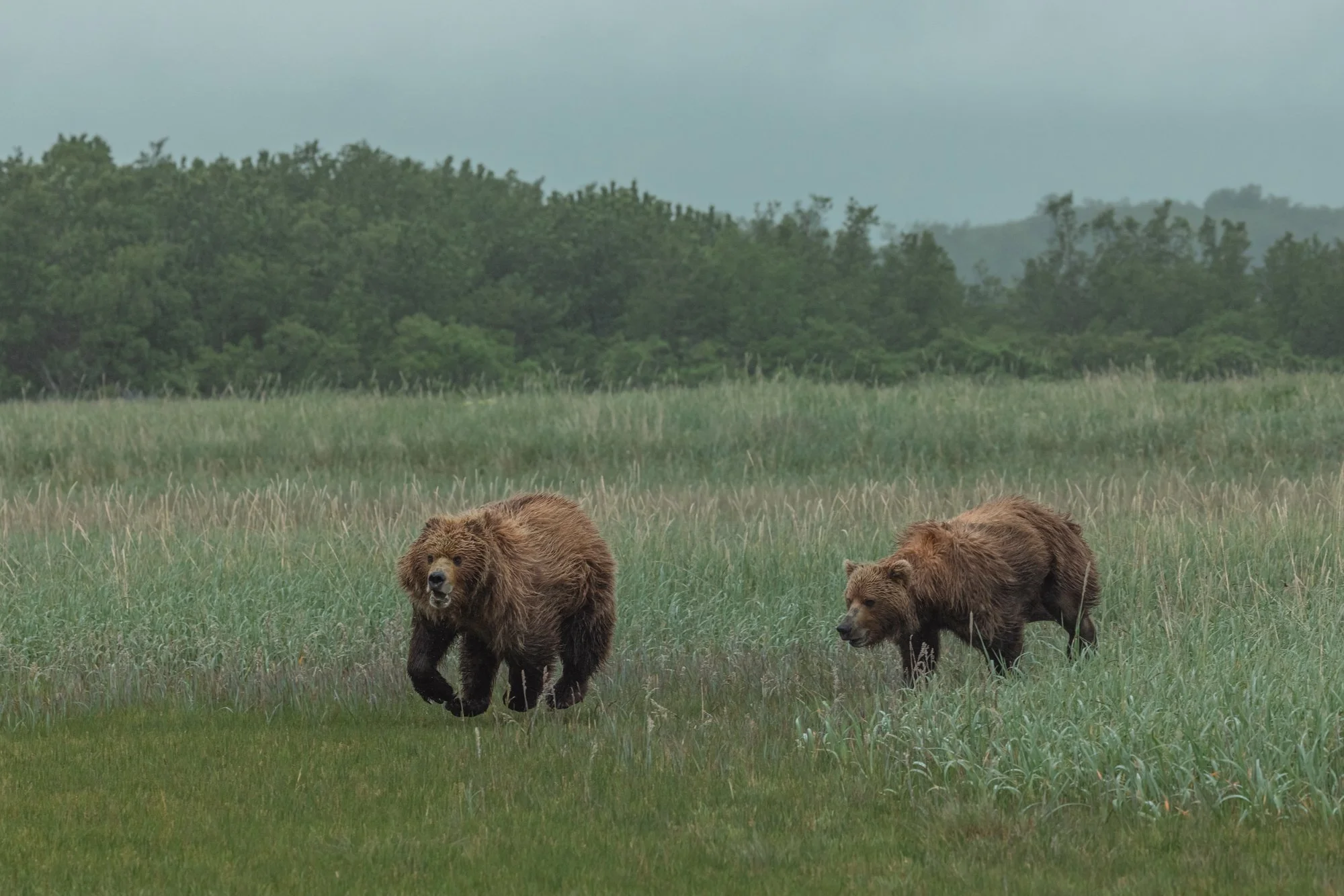
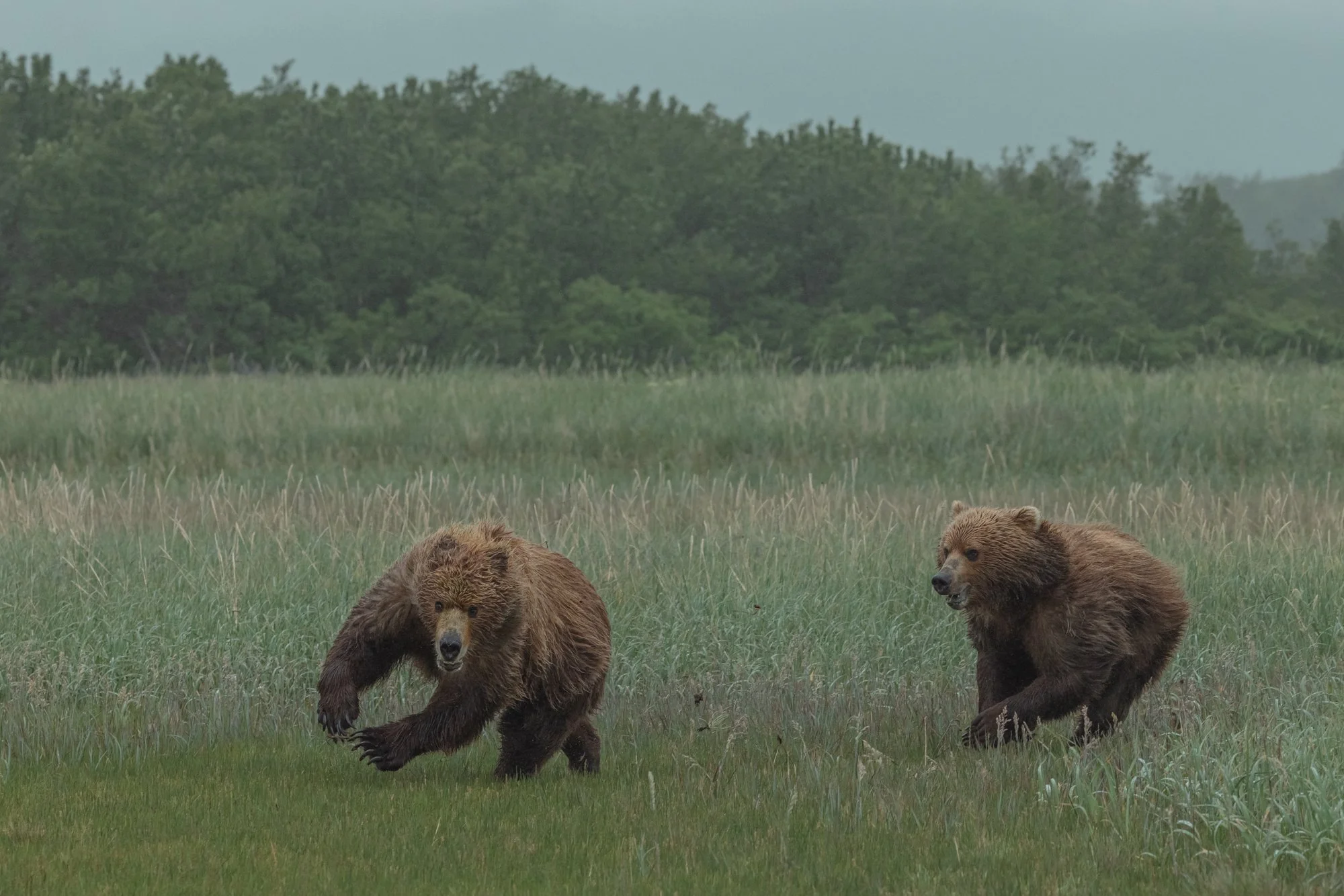
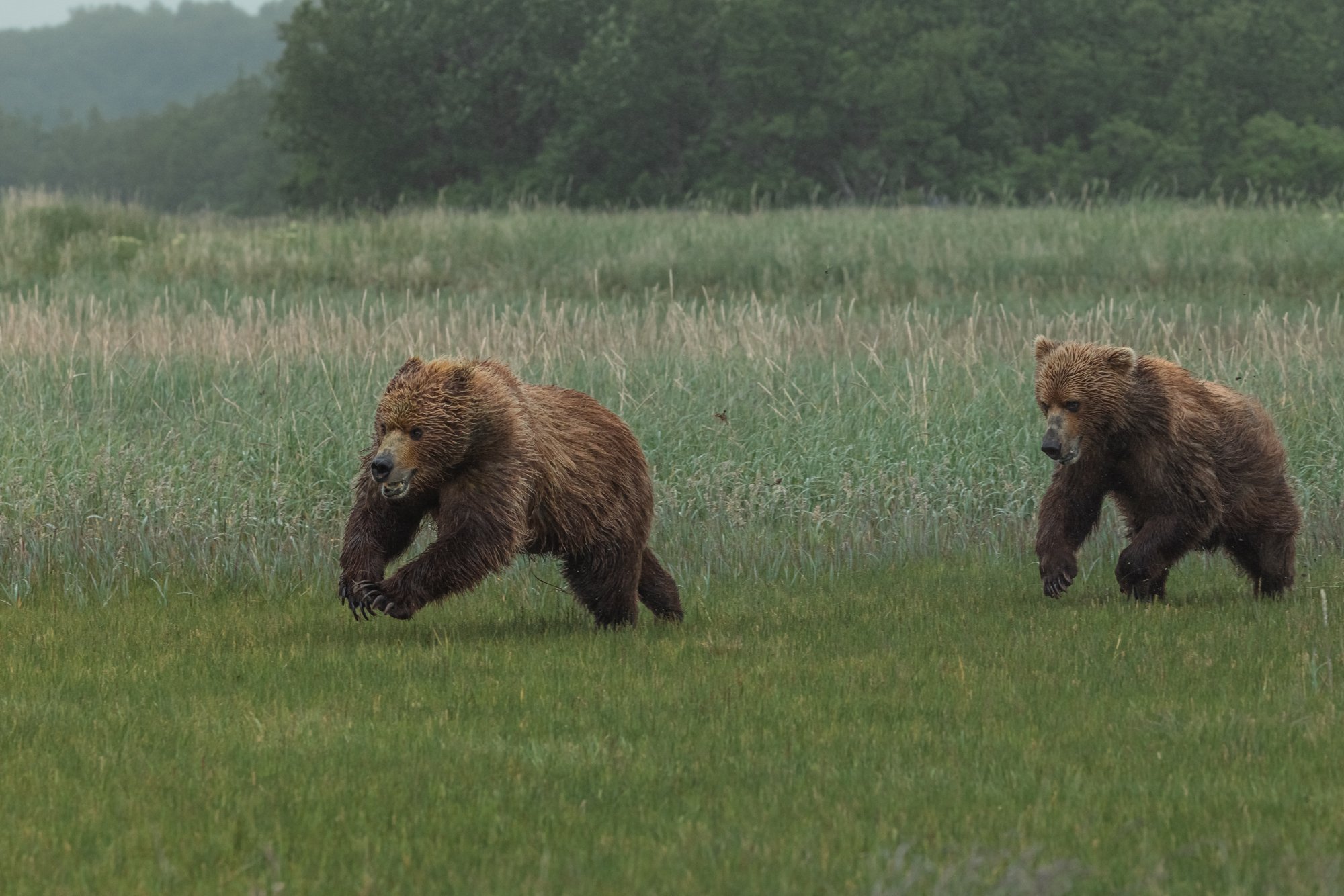
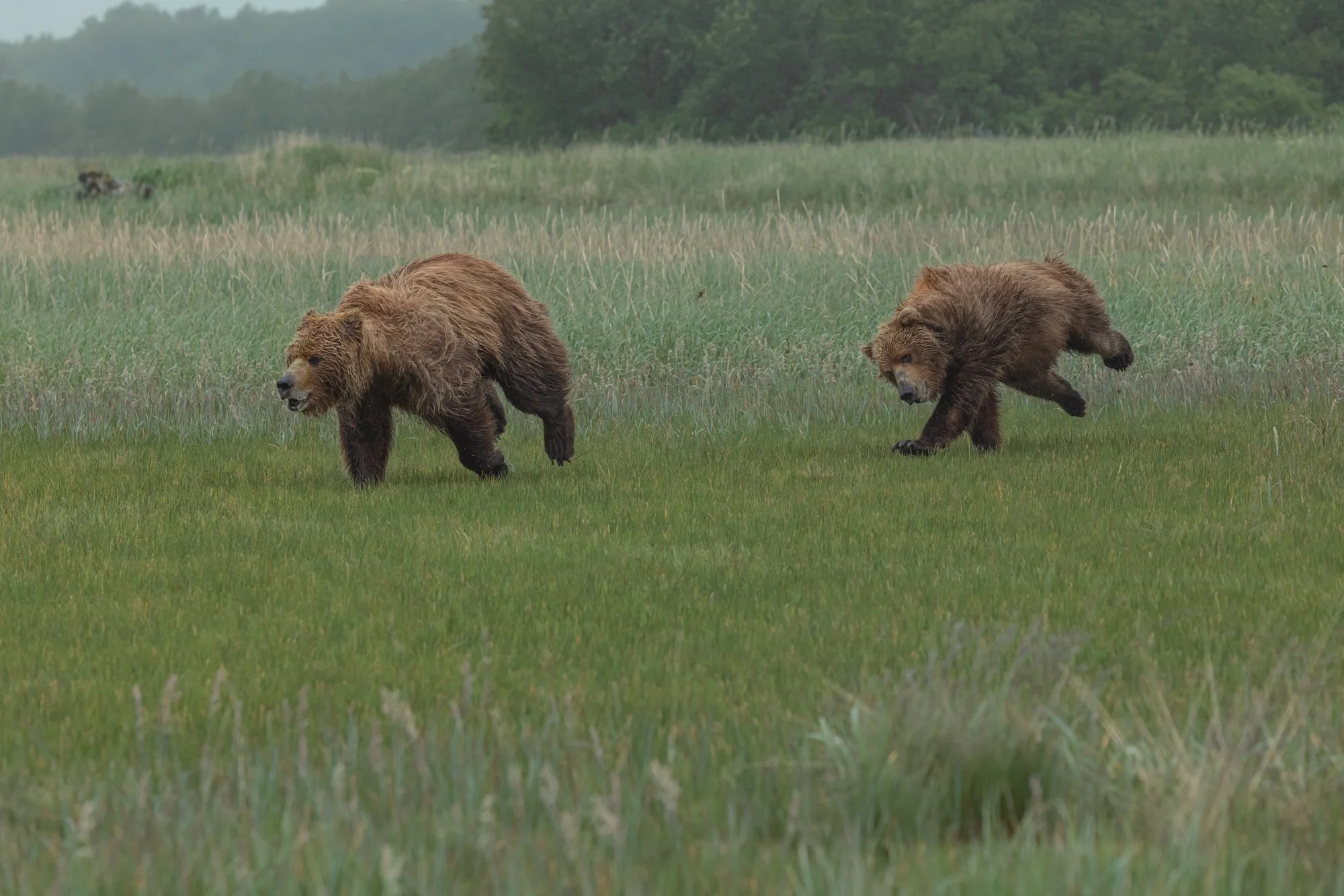
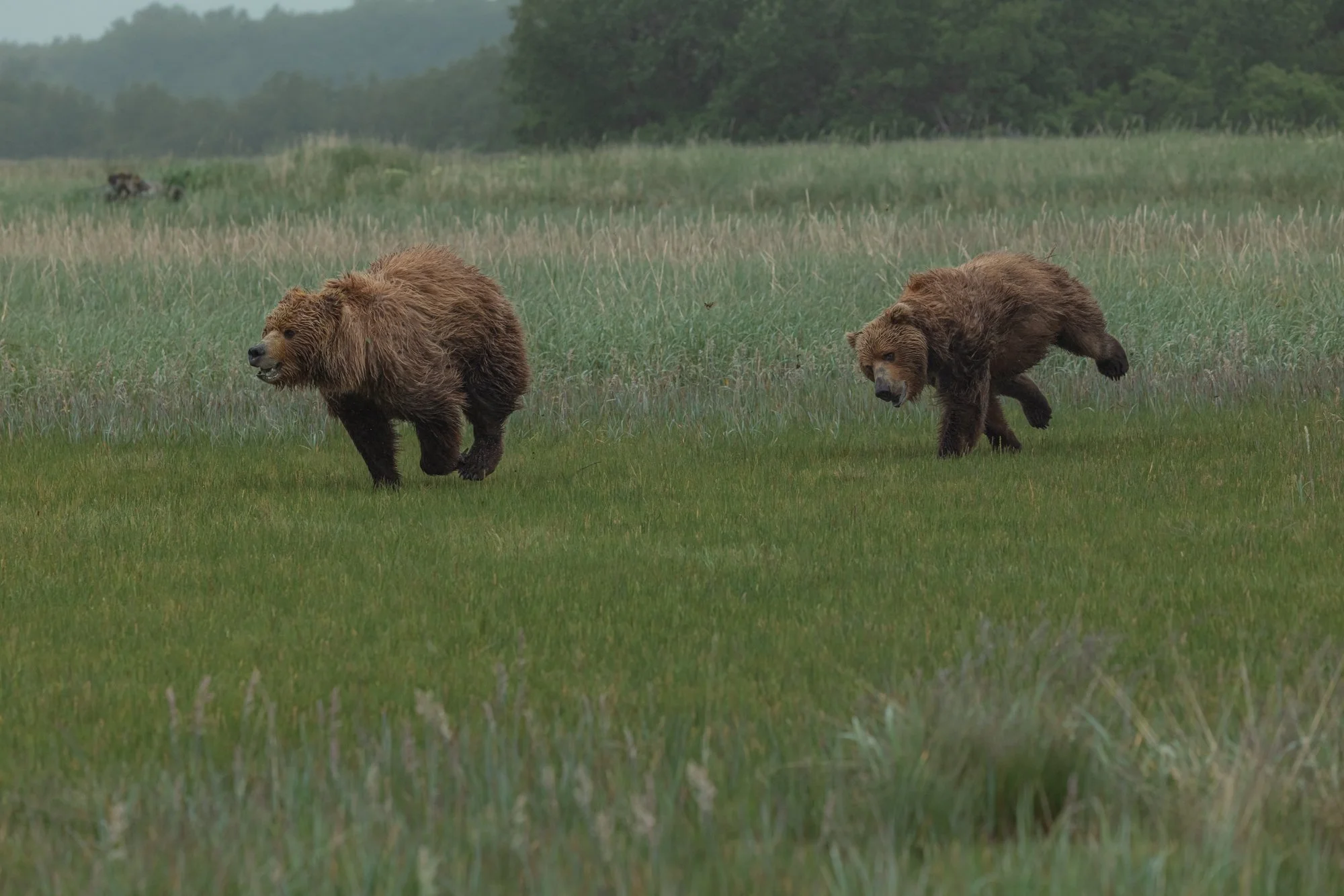
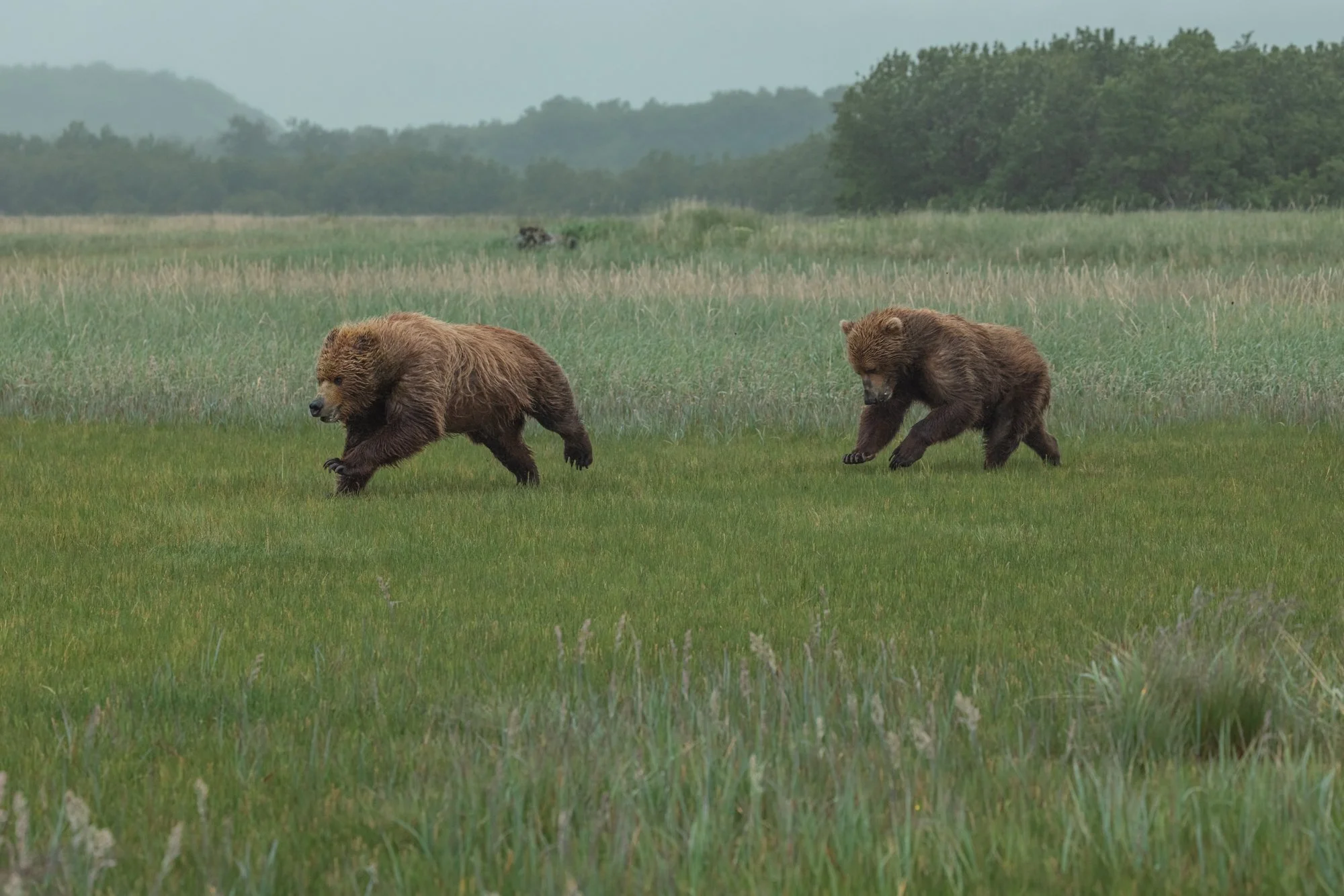
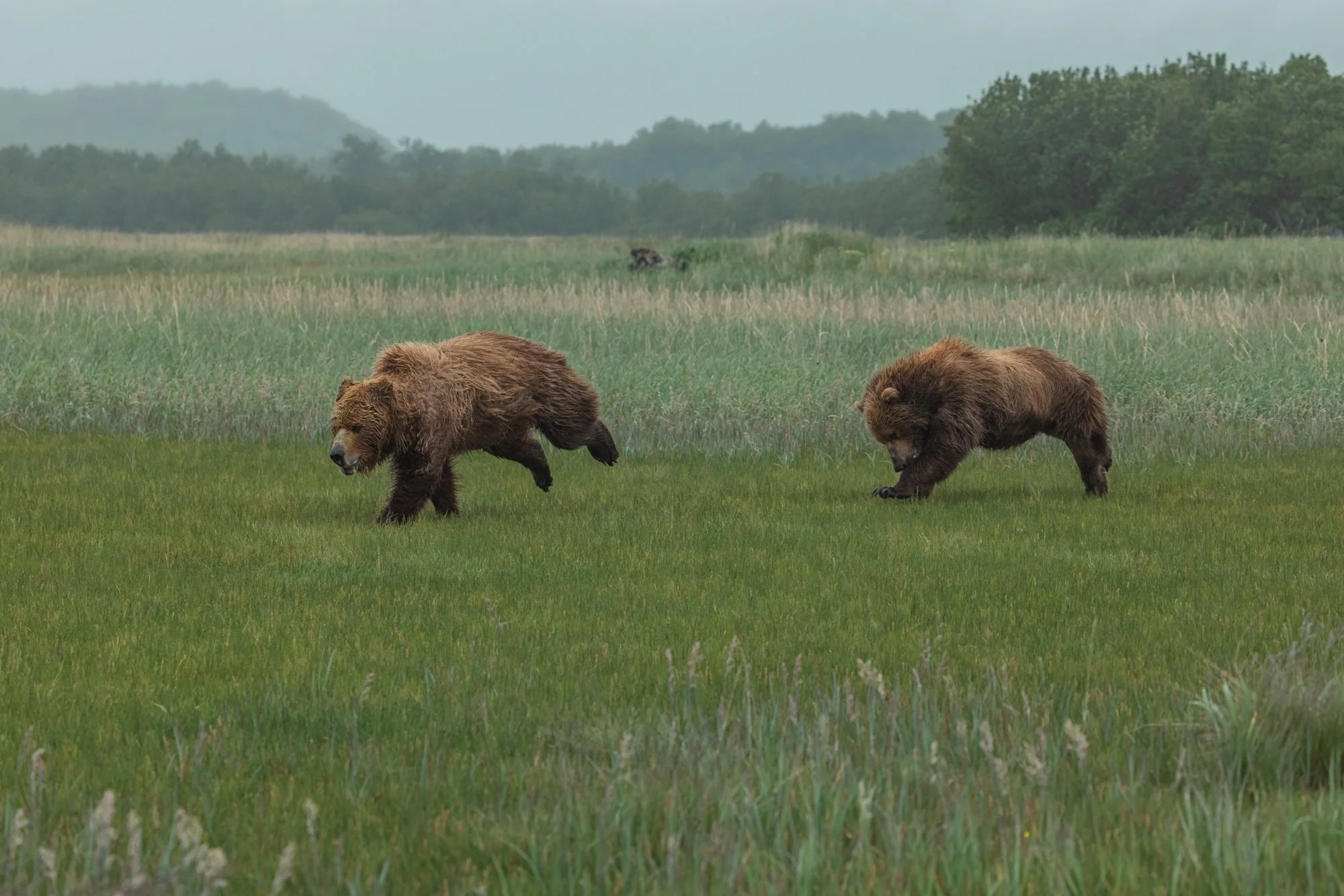
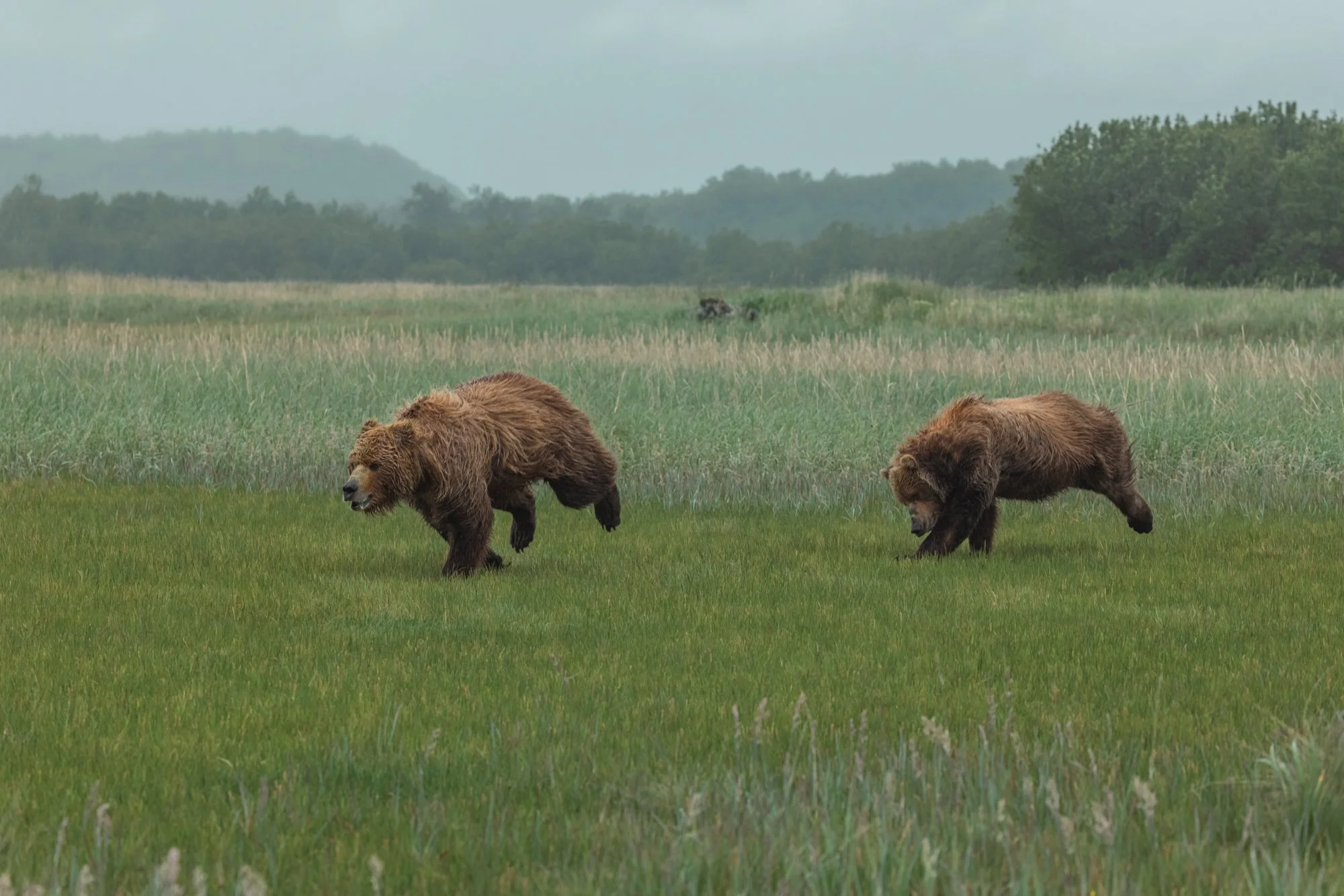
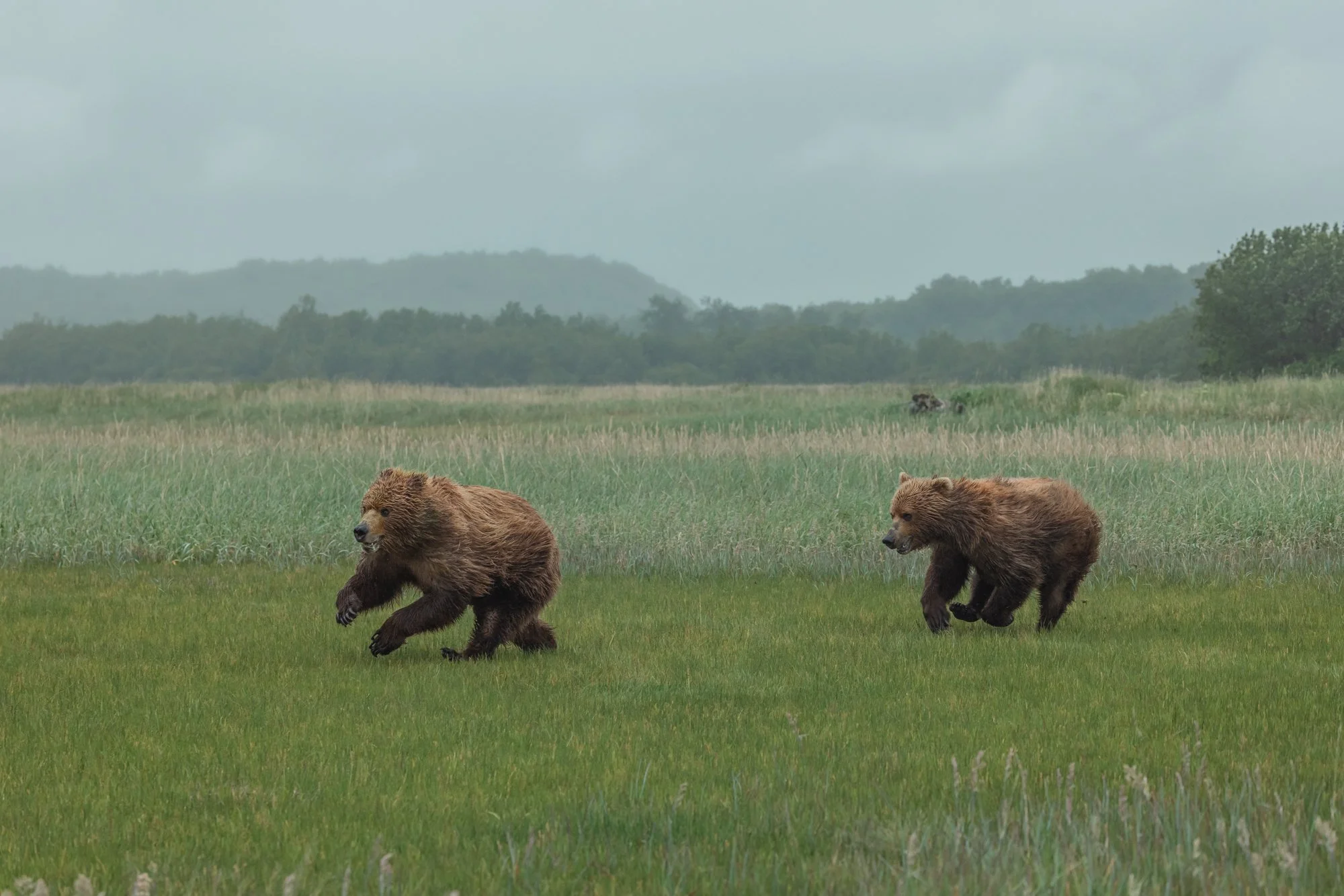
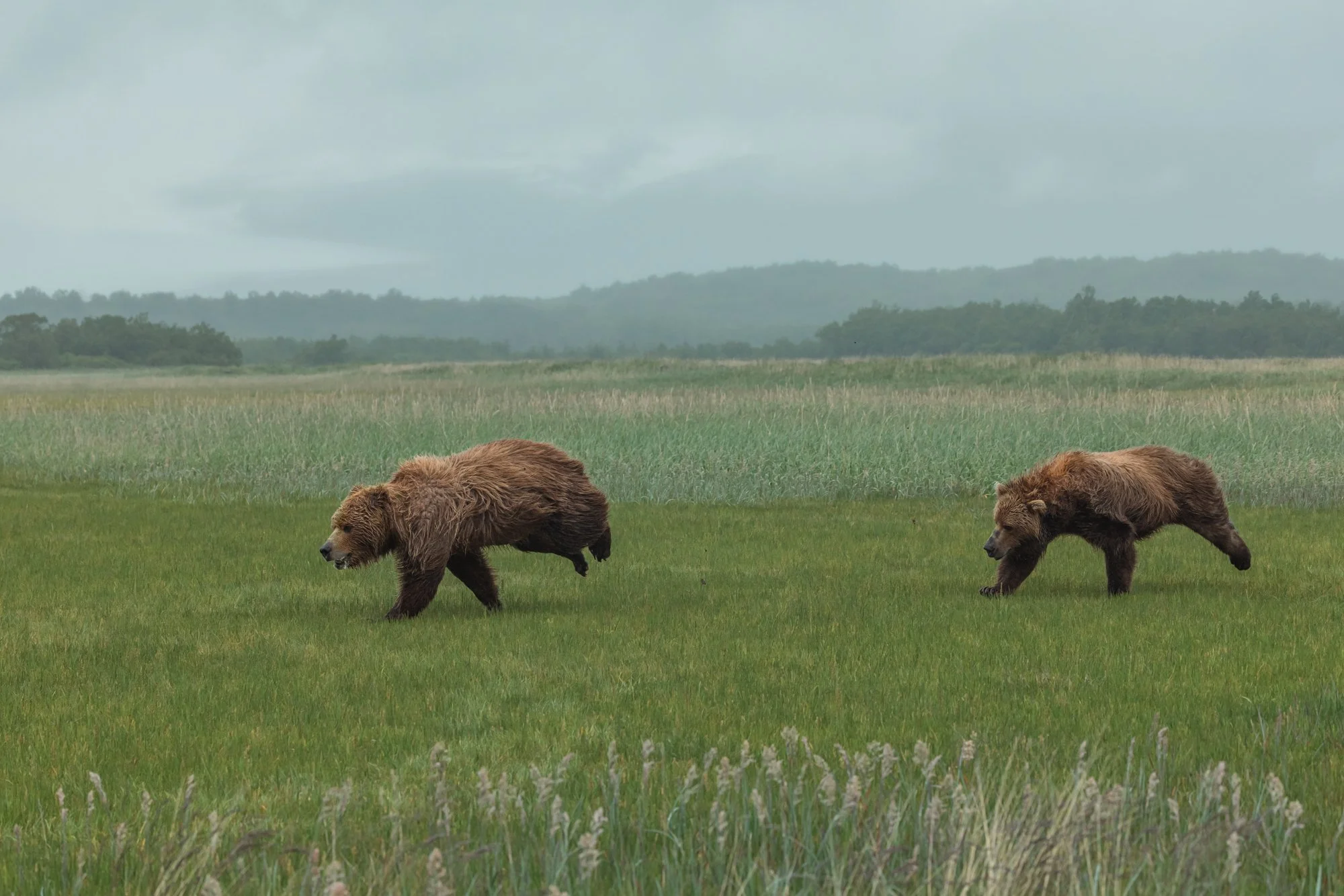
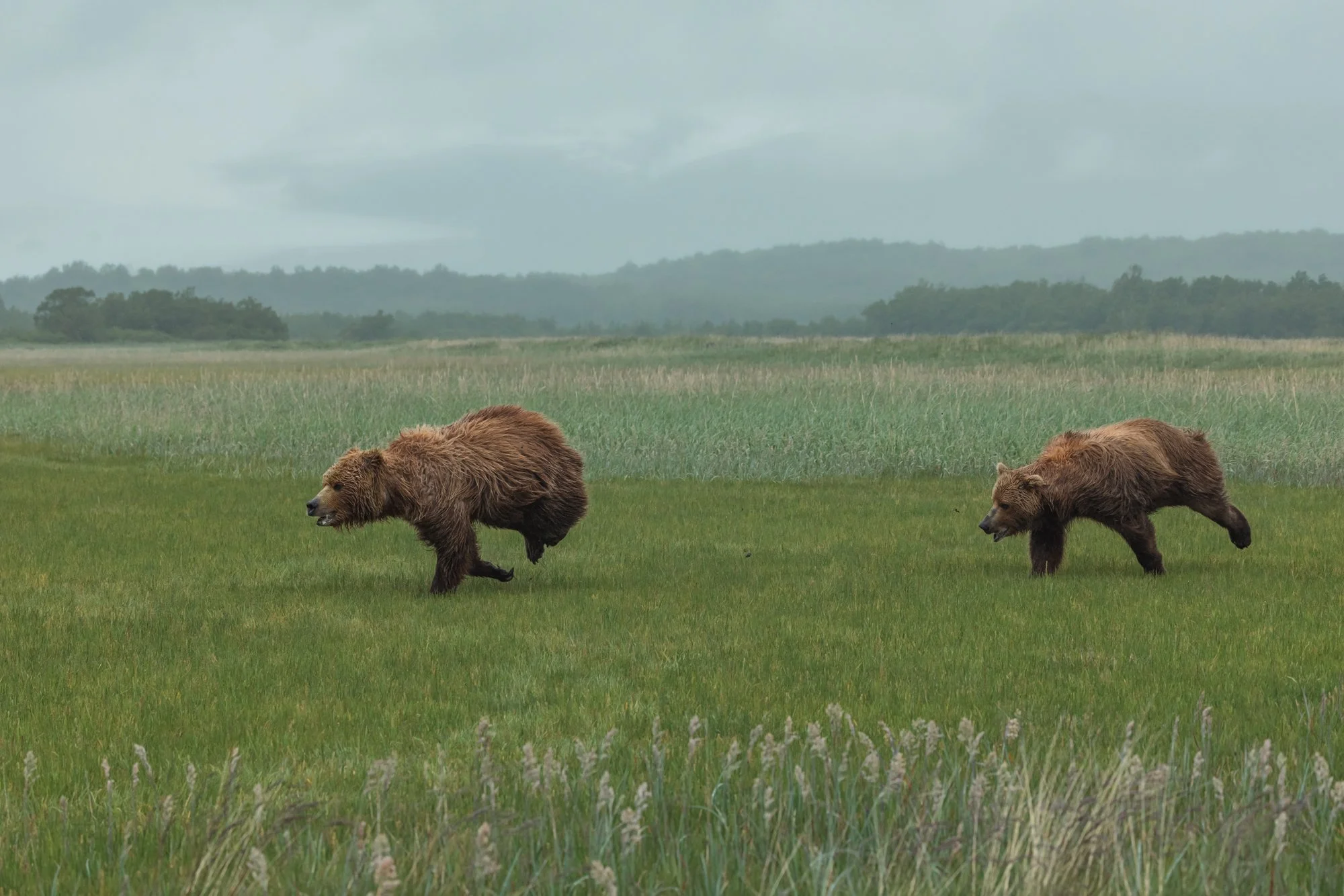
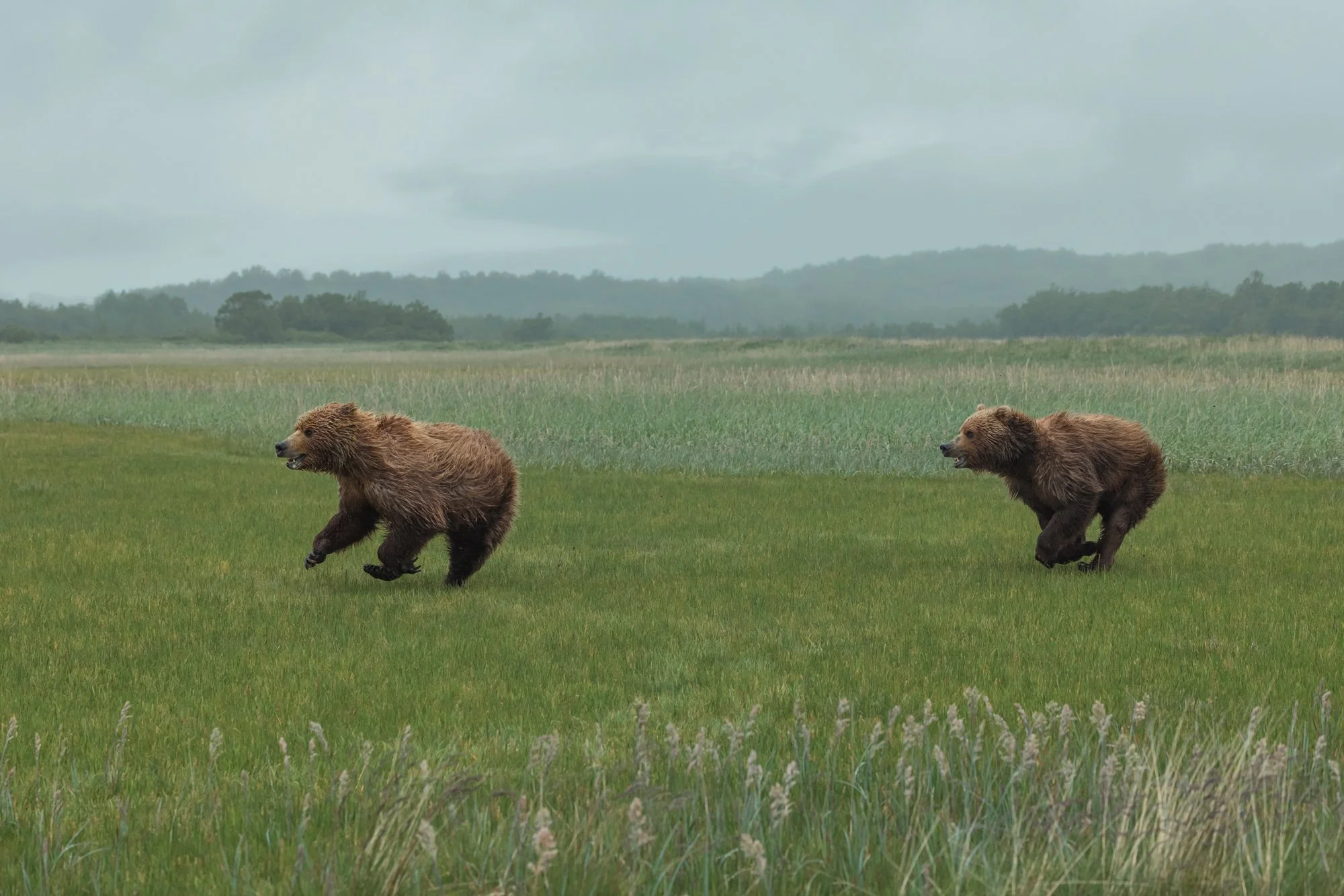
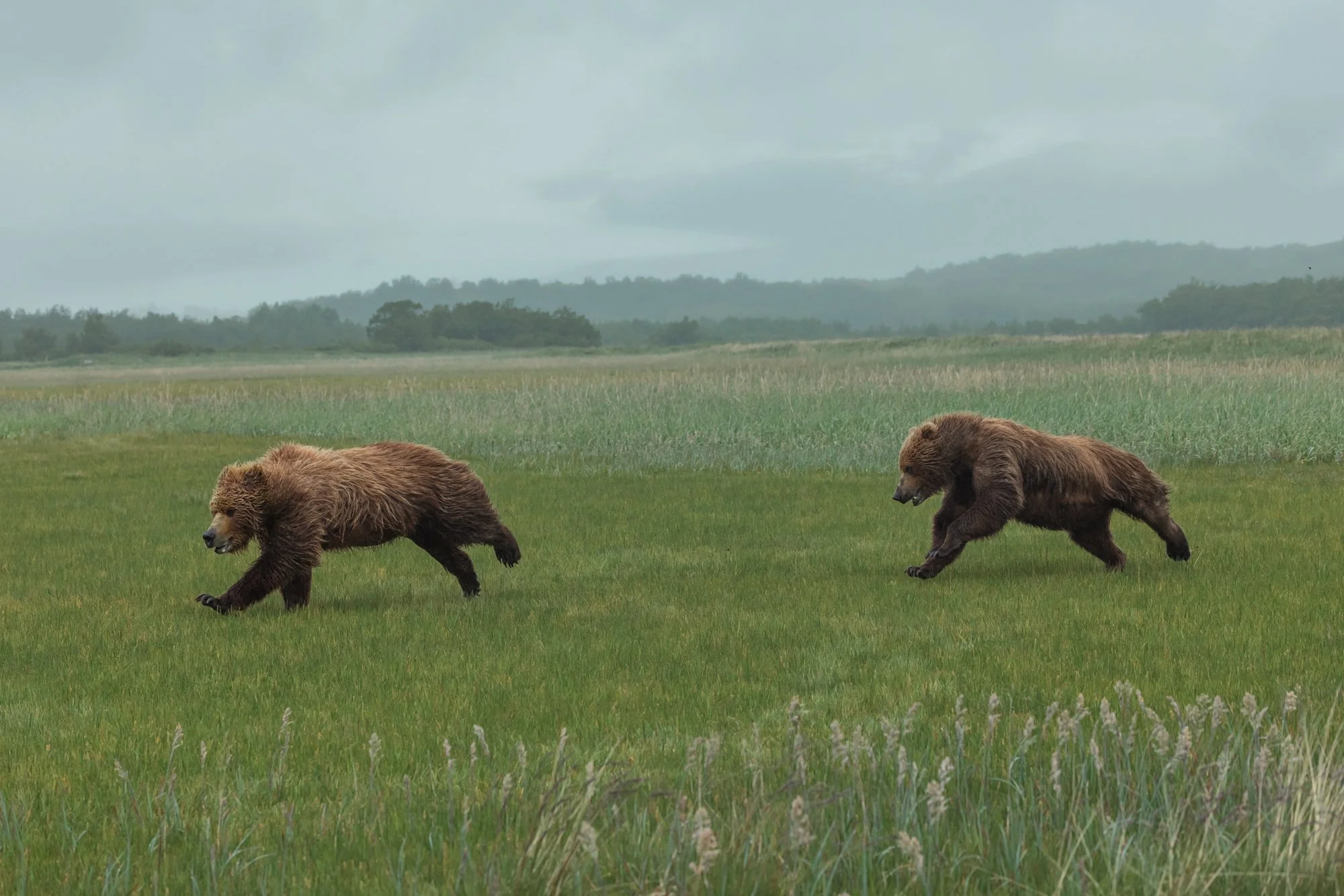
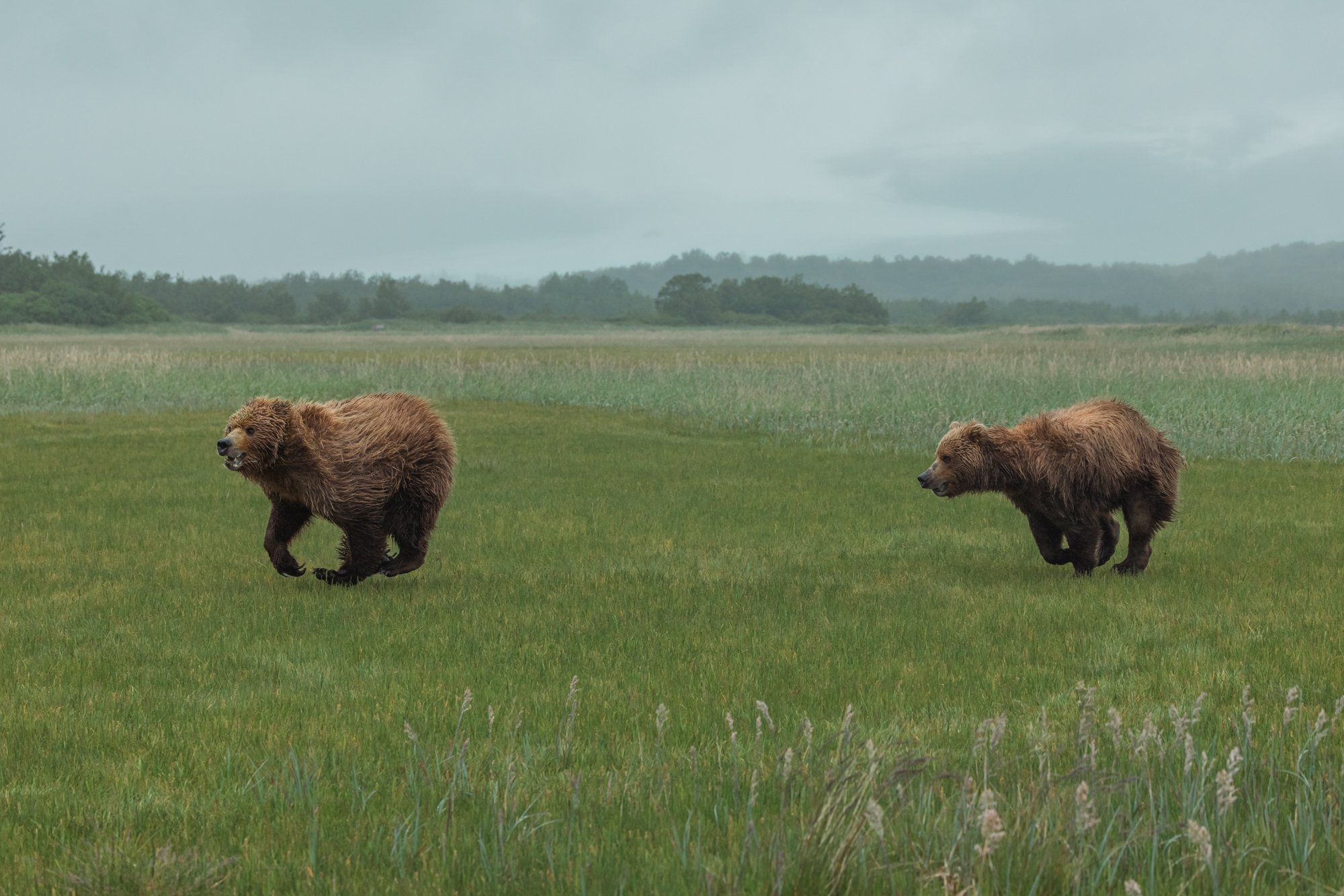
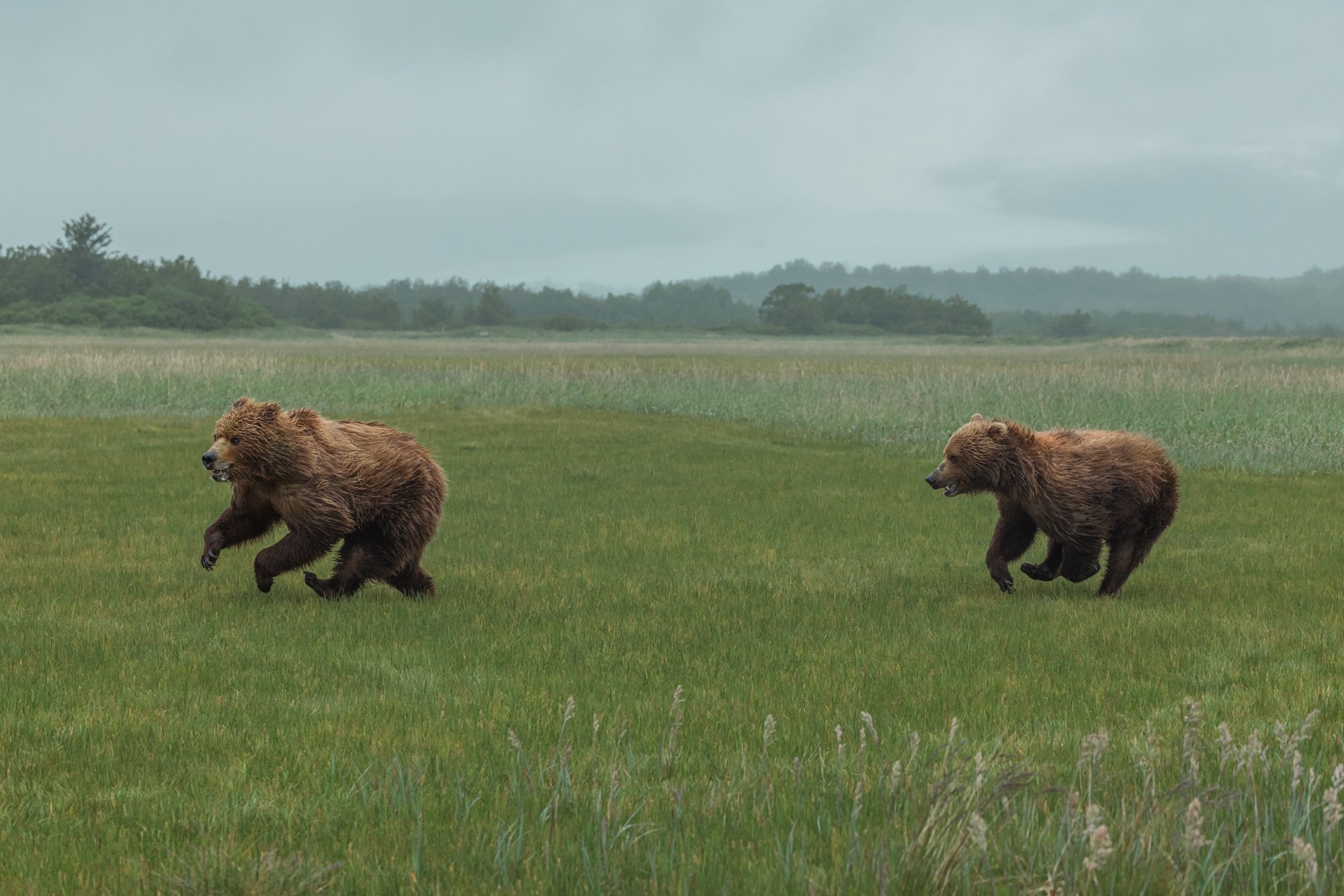
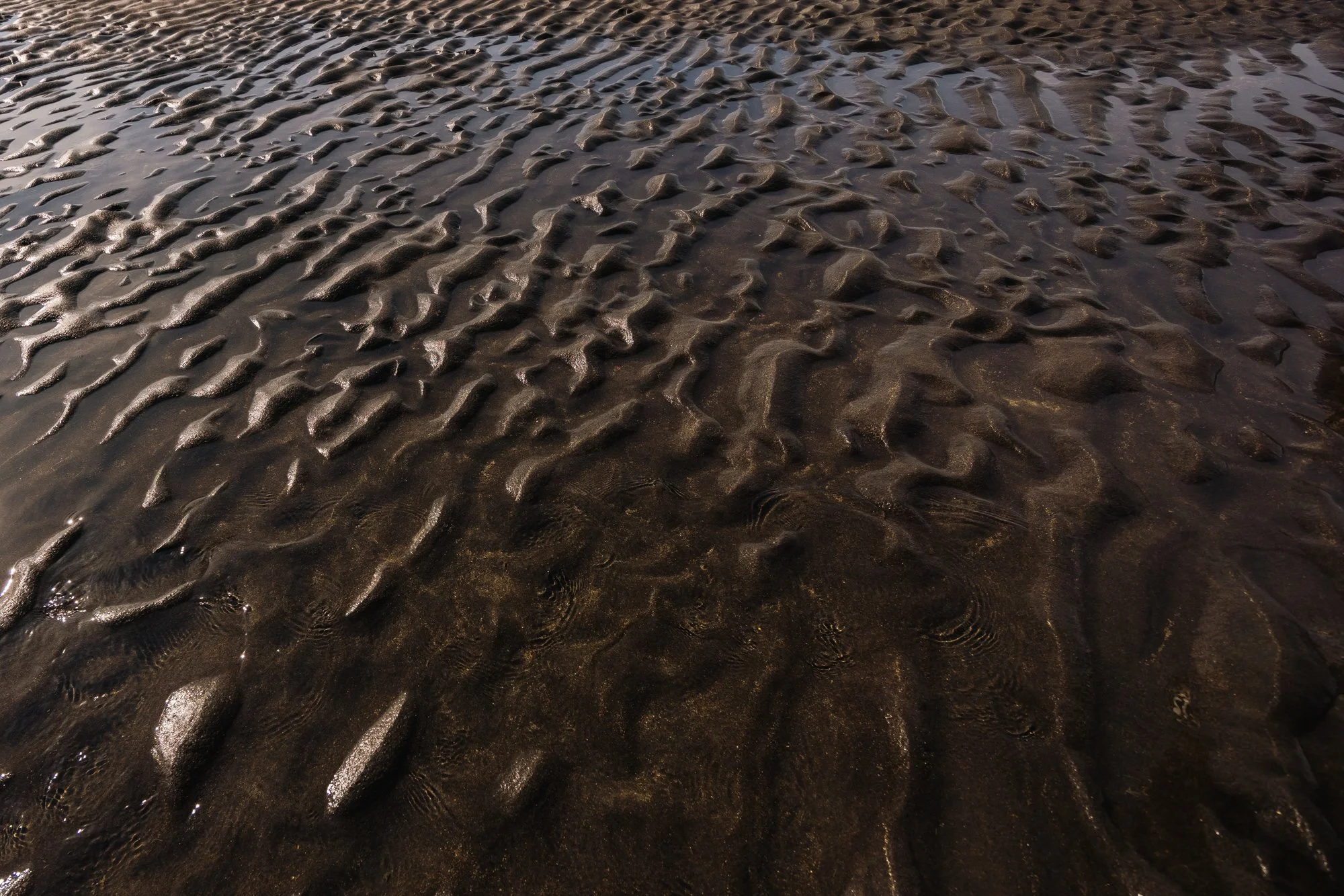
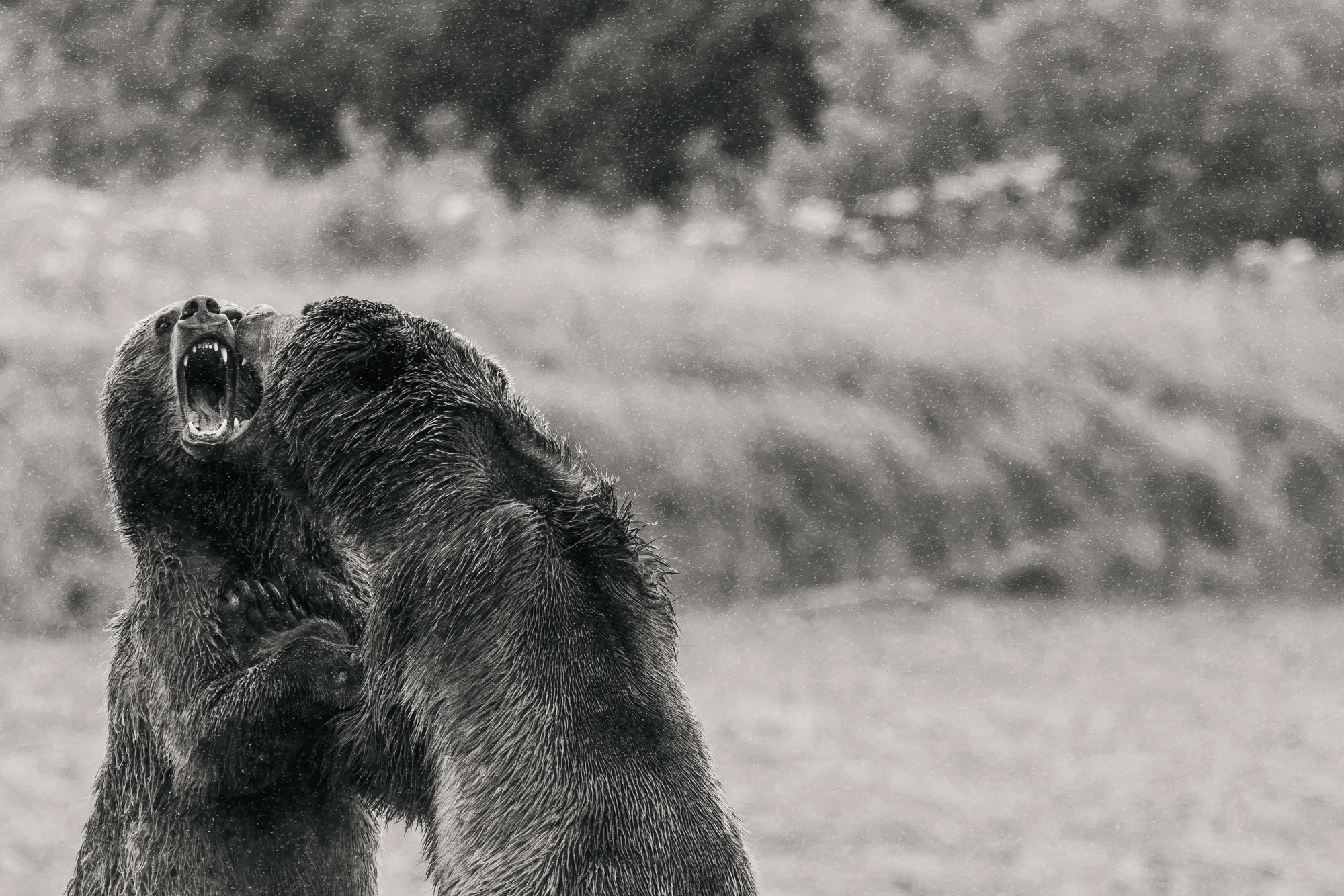
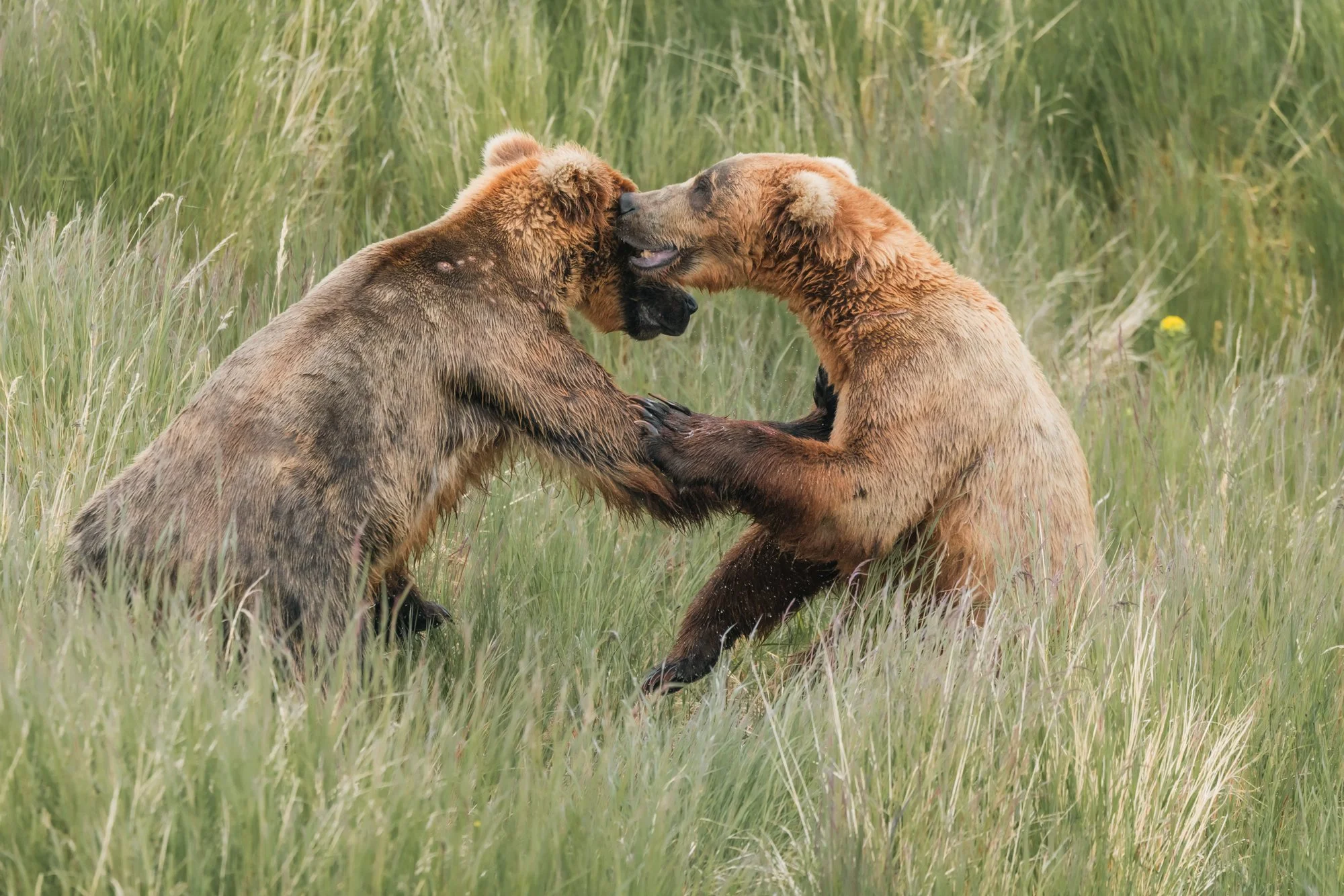
The peace fractured as another bear entered with unmistakable purpose, shoulders rolling in that cowboy gait. Suddenly the two collided - jaws snapping, water splashing, guttural roars tearing the air. It was energy embodied. For three minutes of muscle, saliva, and fury. My camera trembled against my face, breath caught in my throat, heart hammering. And then, as suddenly as it began, it ended. The bears pulled apart. The meadow stilled. Only the tide continued its patient work, reshaping the land beneath us. I hadn’t noticed the tide come in and was now sitting in 4 inches of water. We headed back to our homebase for a warm dinner and to share our excited first impressions.
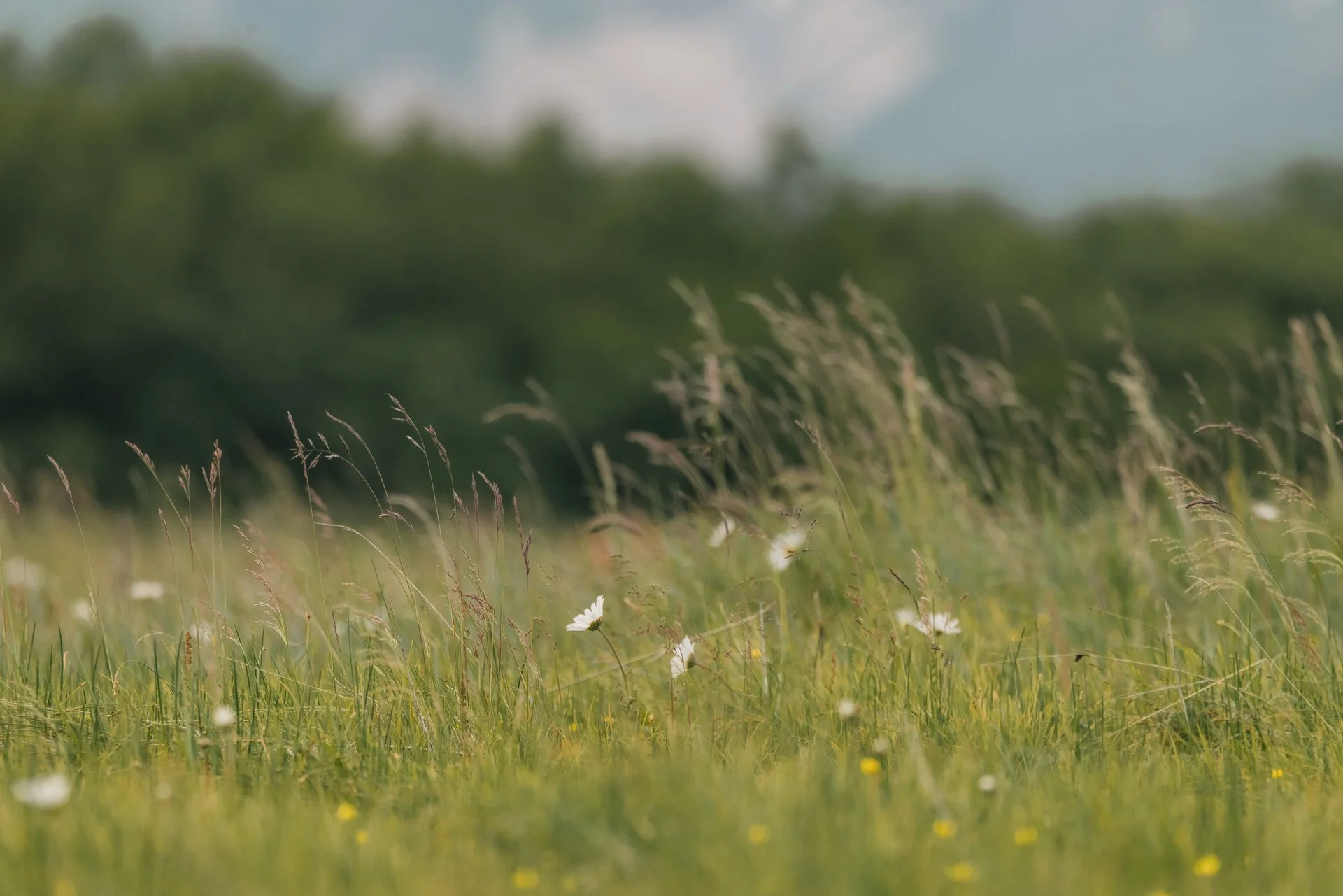
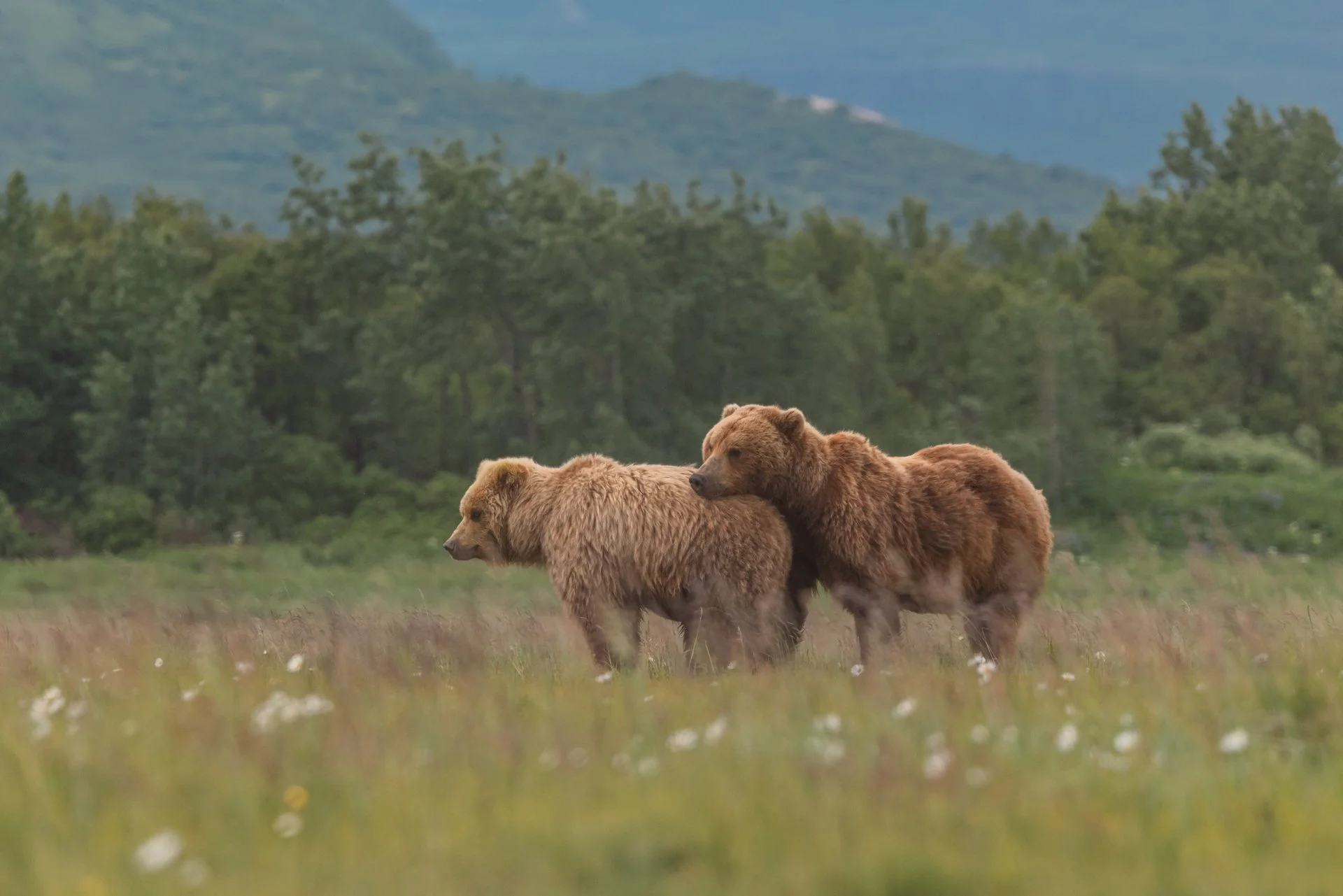
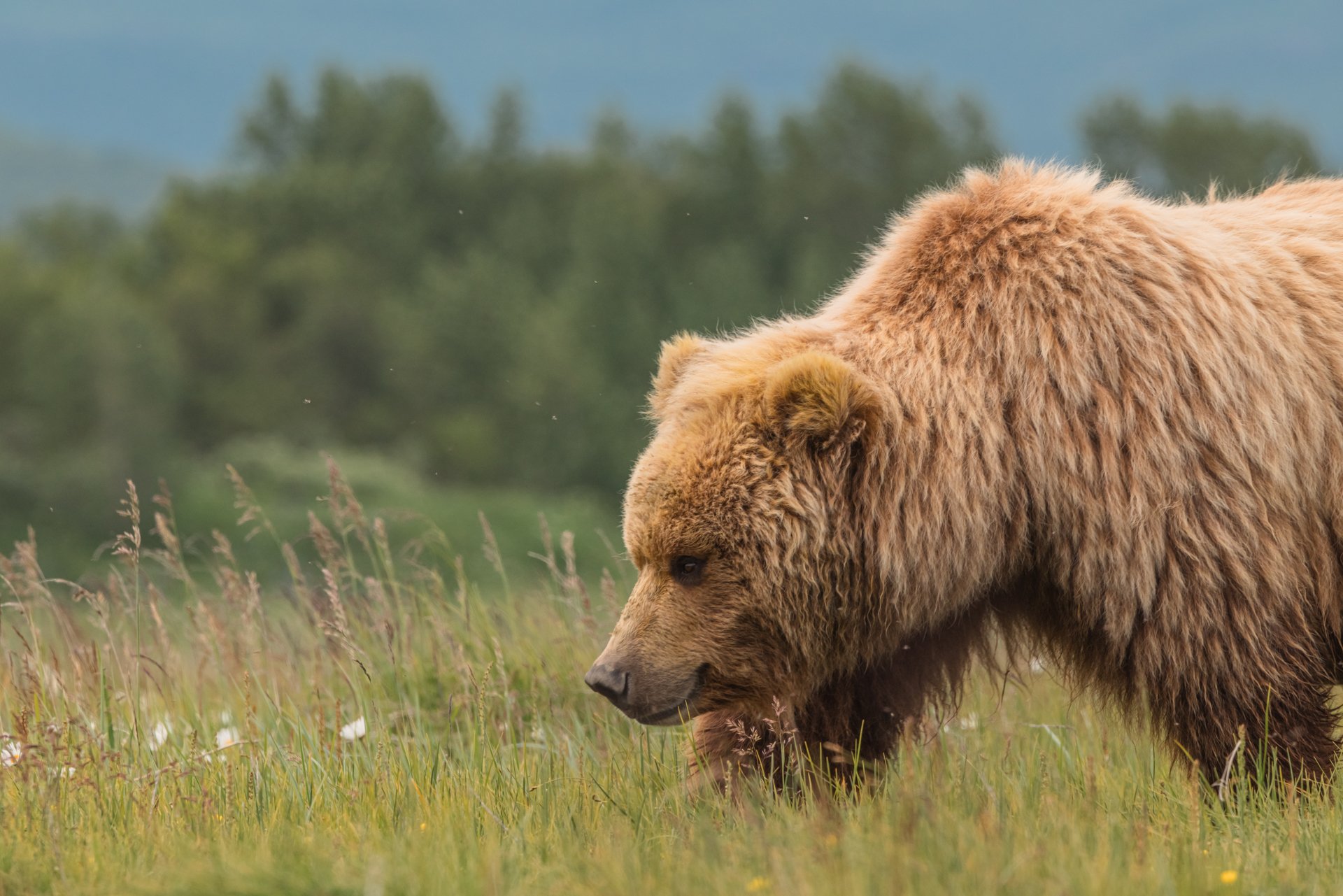
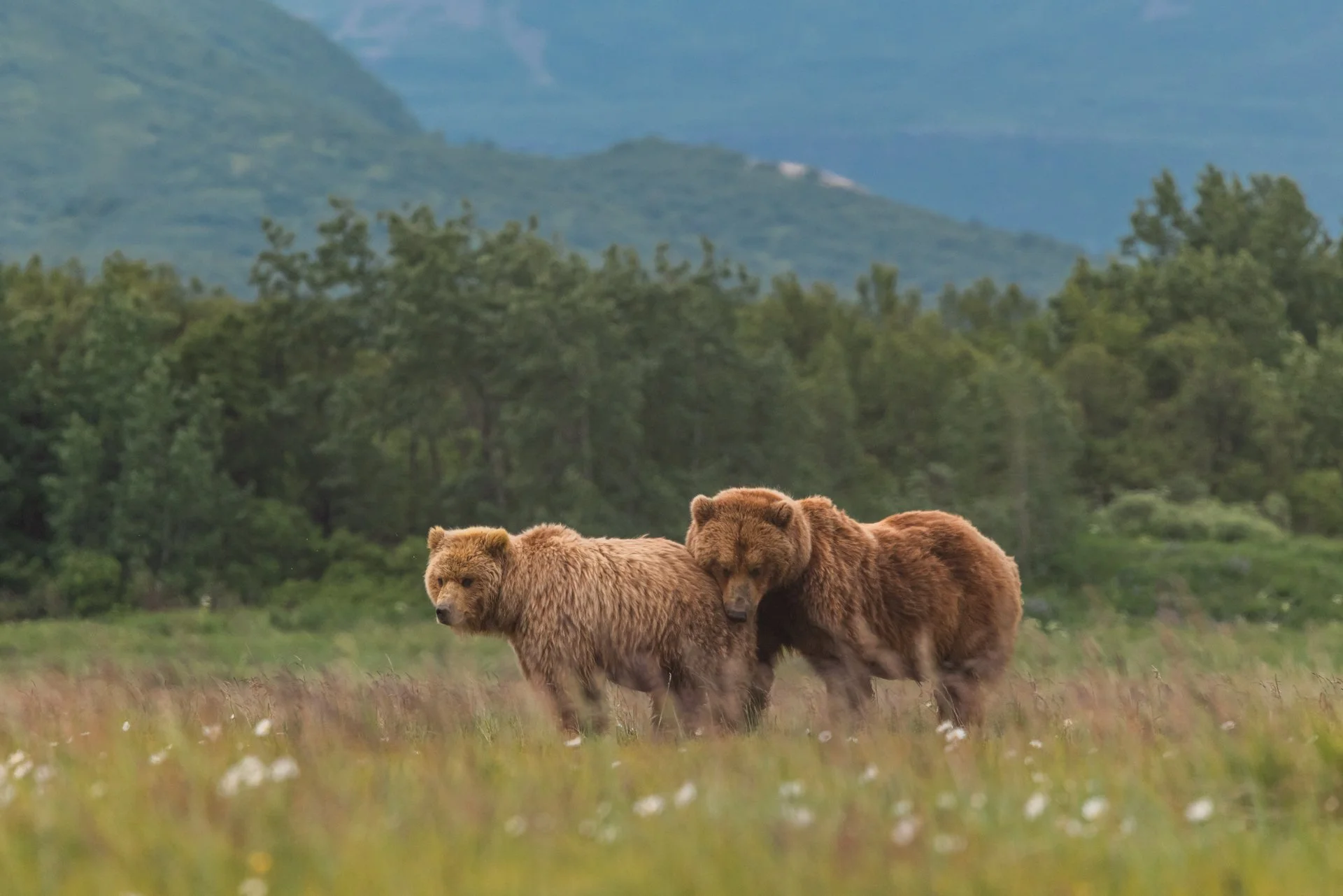
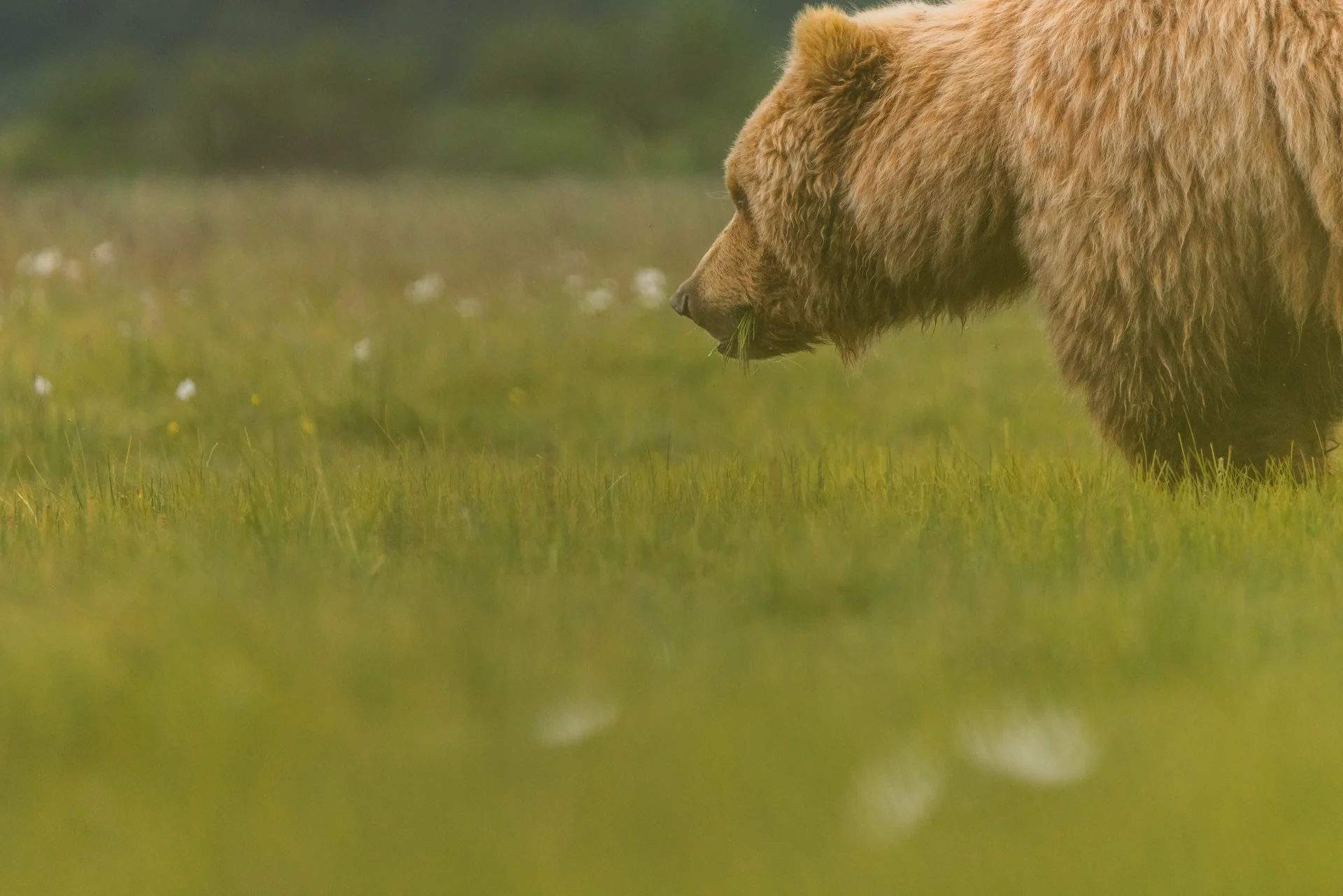
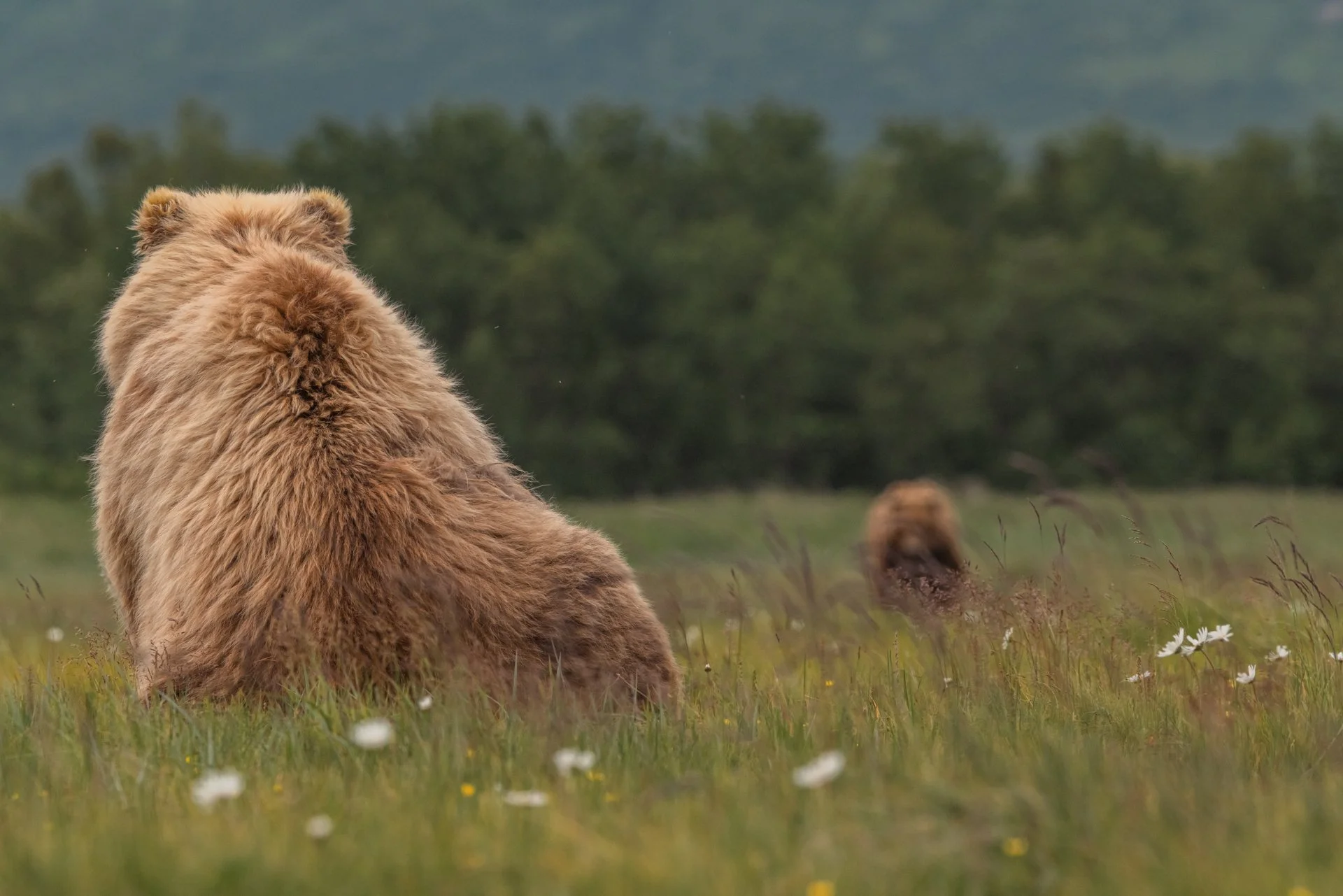
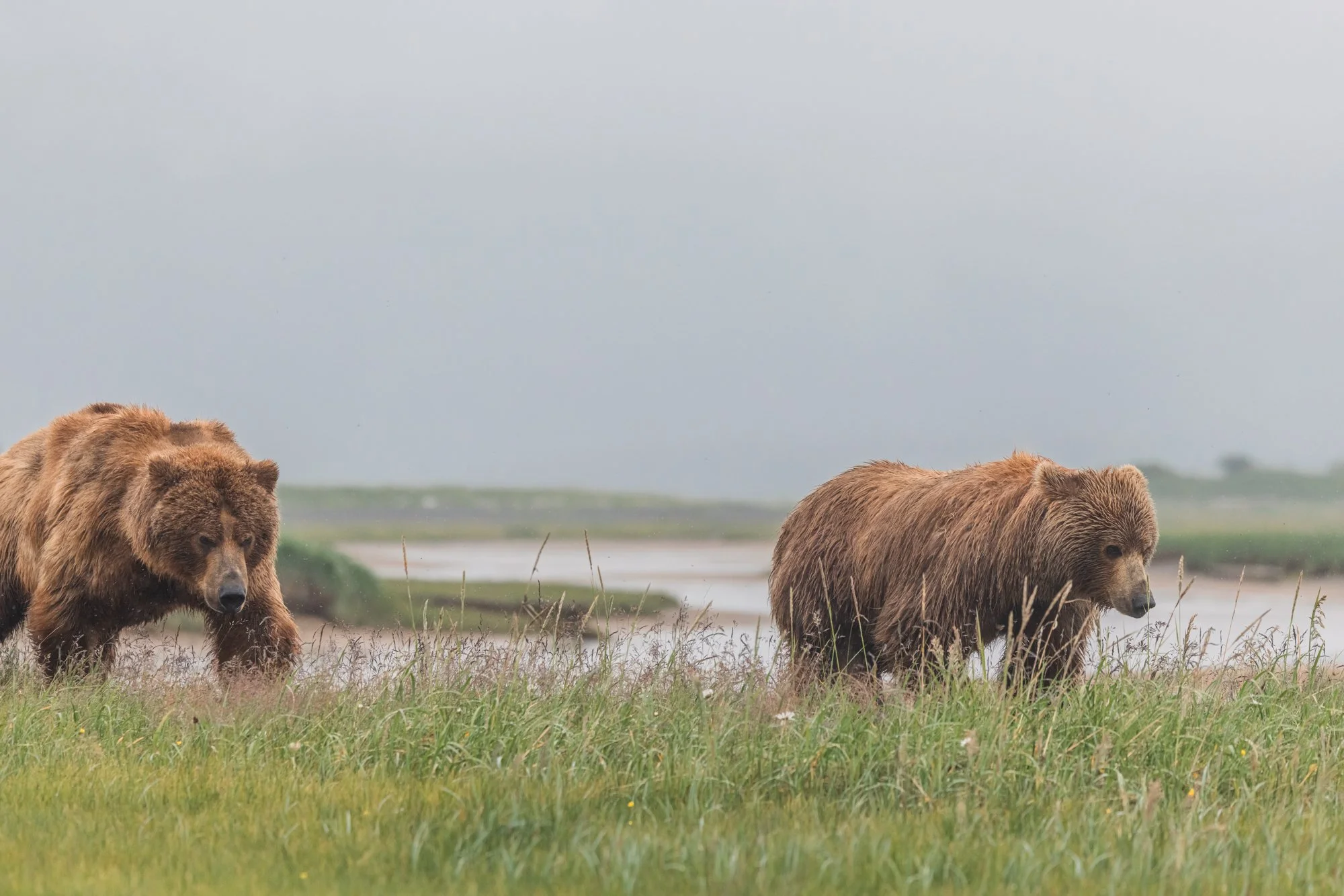
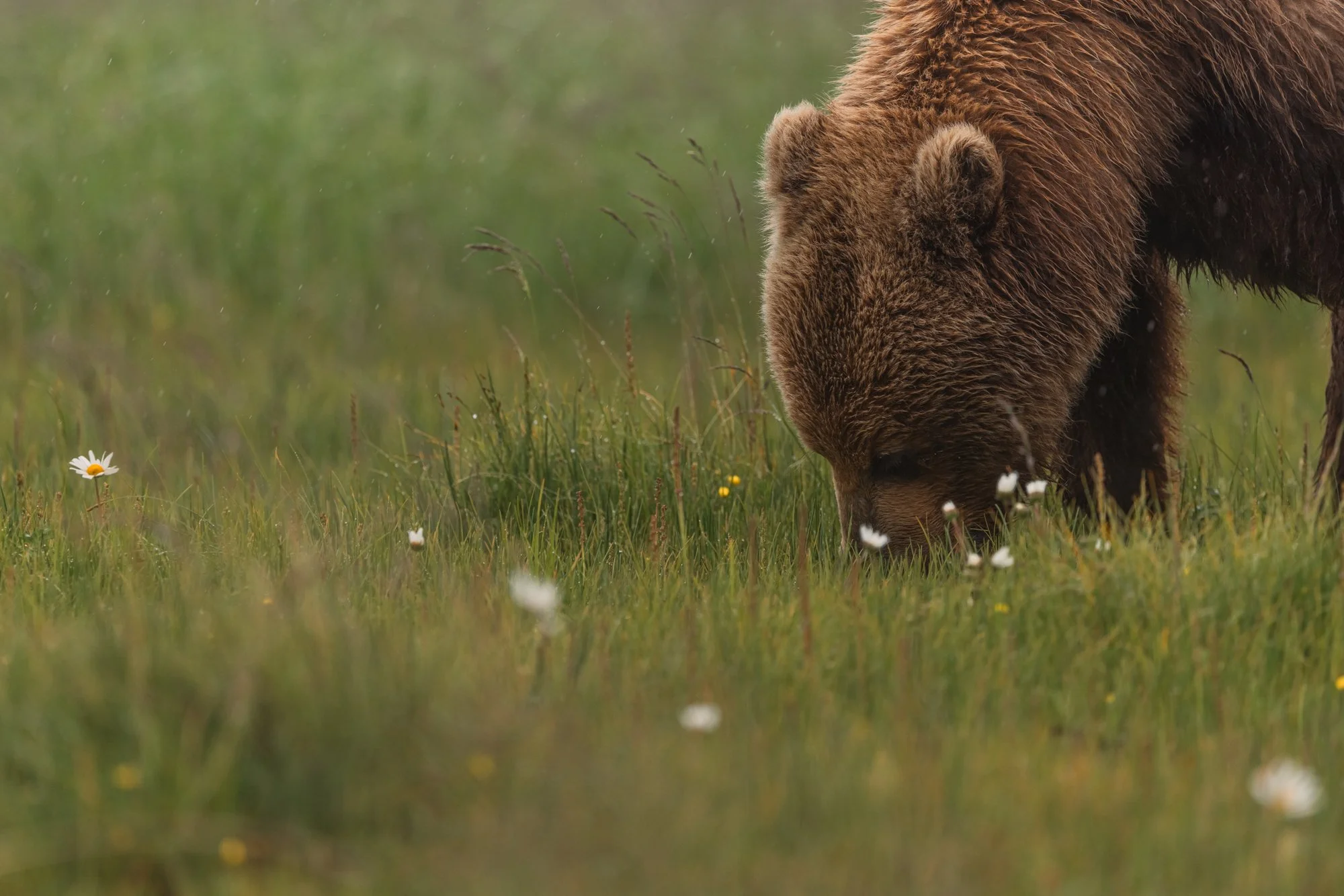
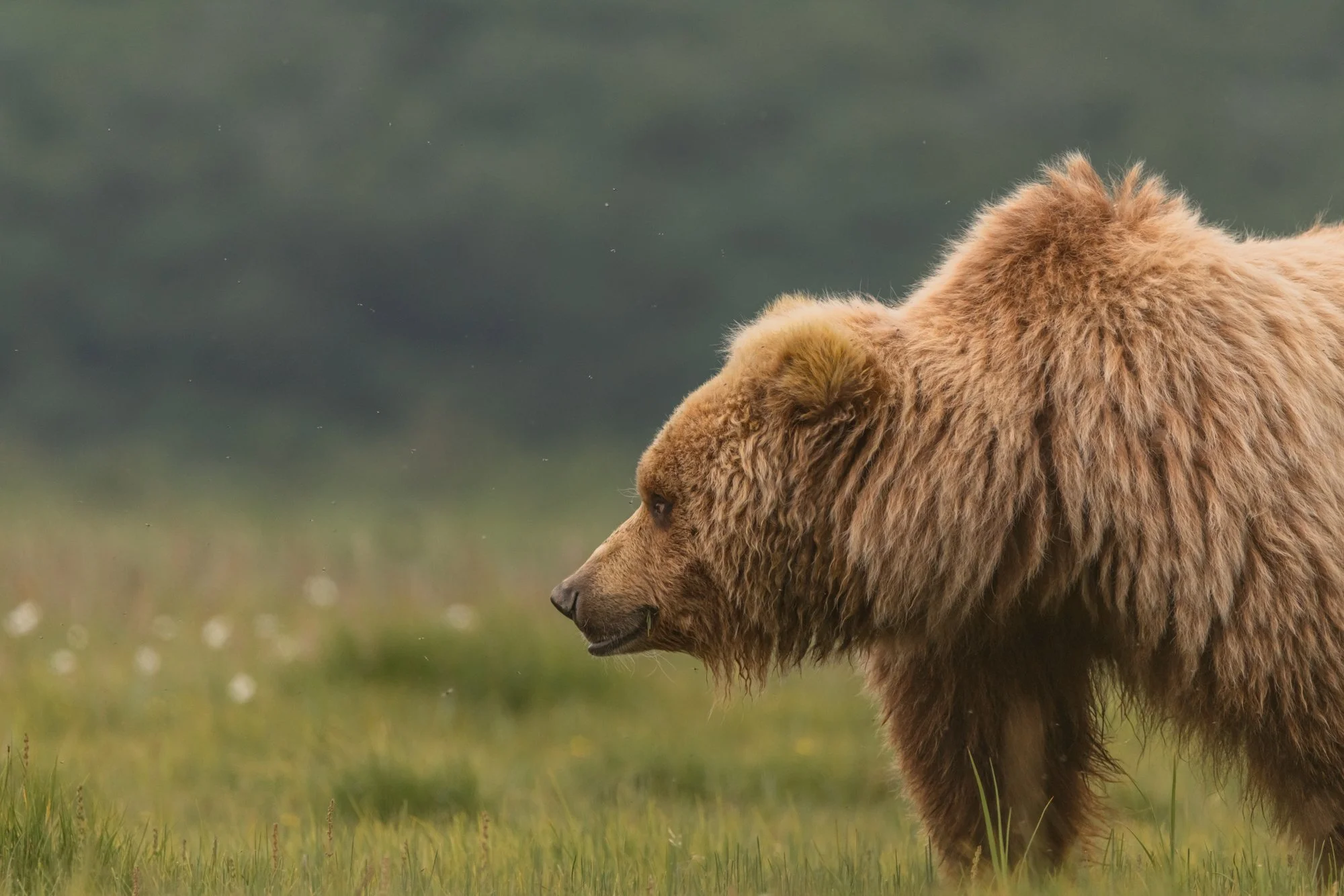
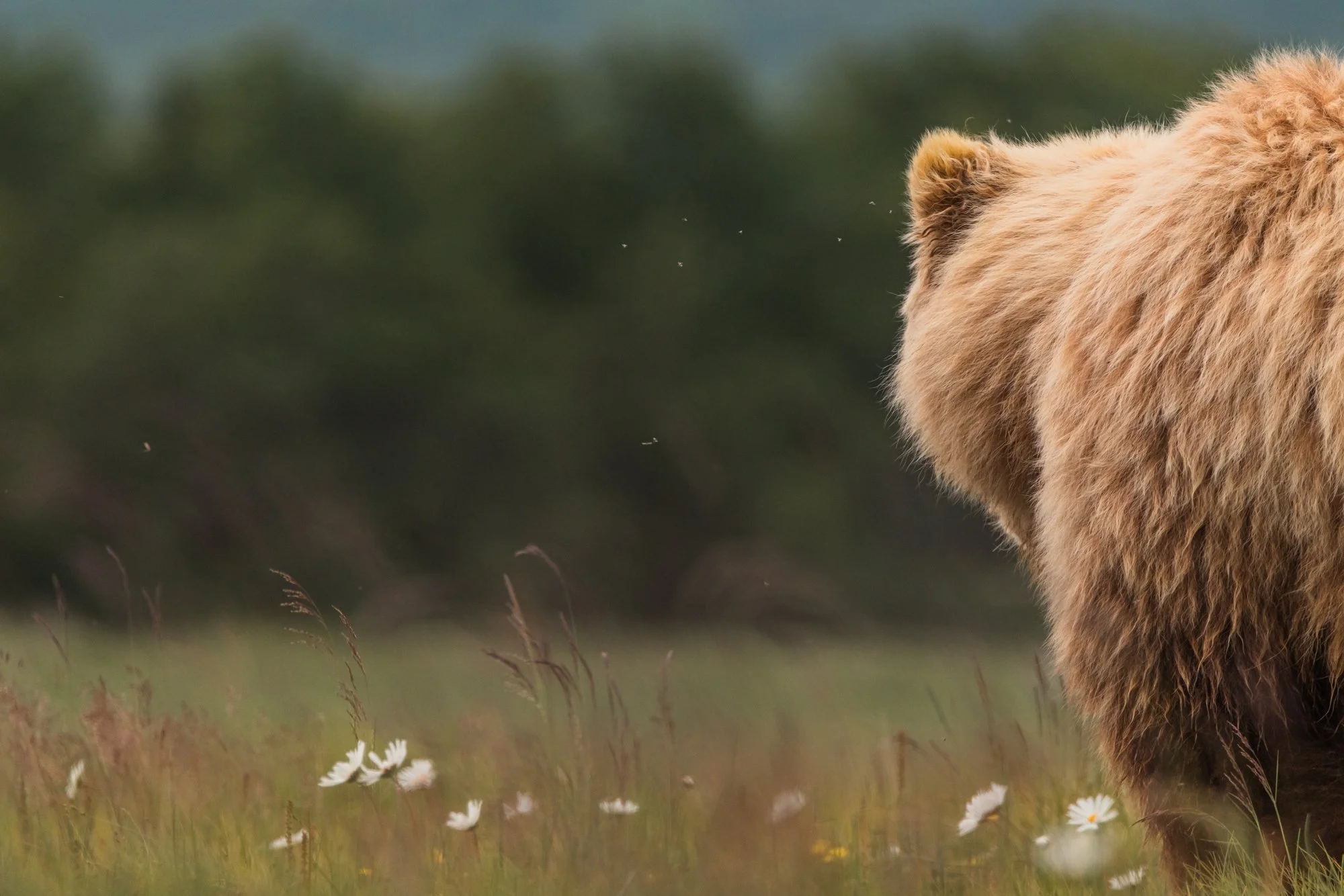
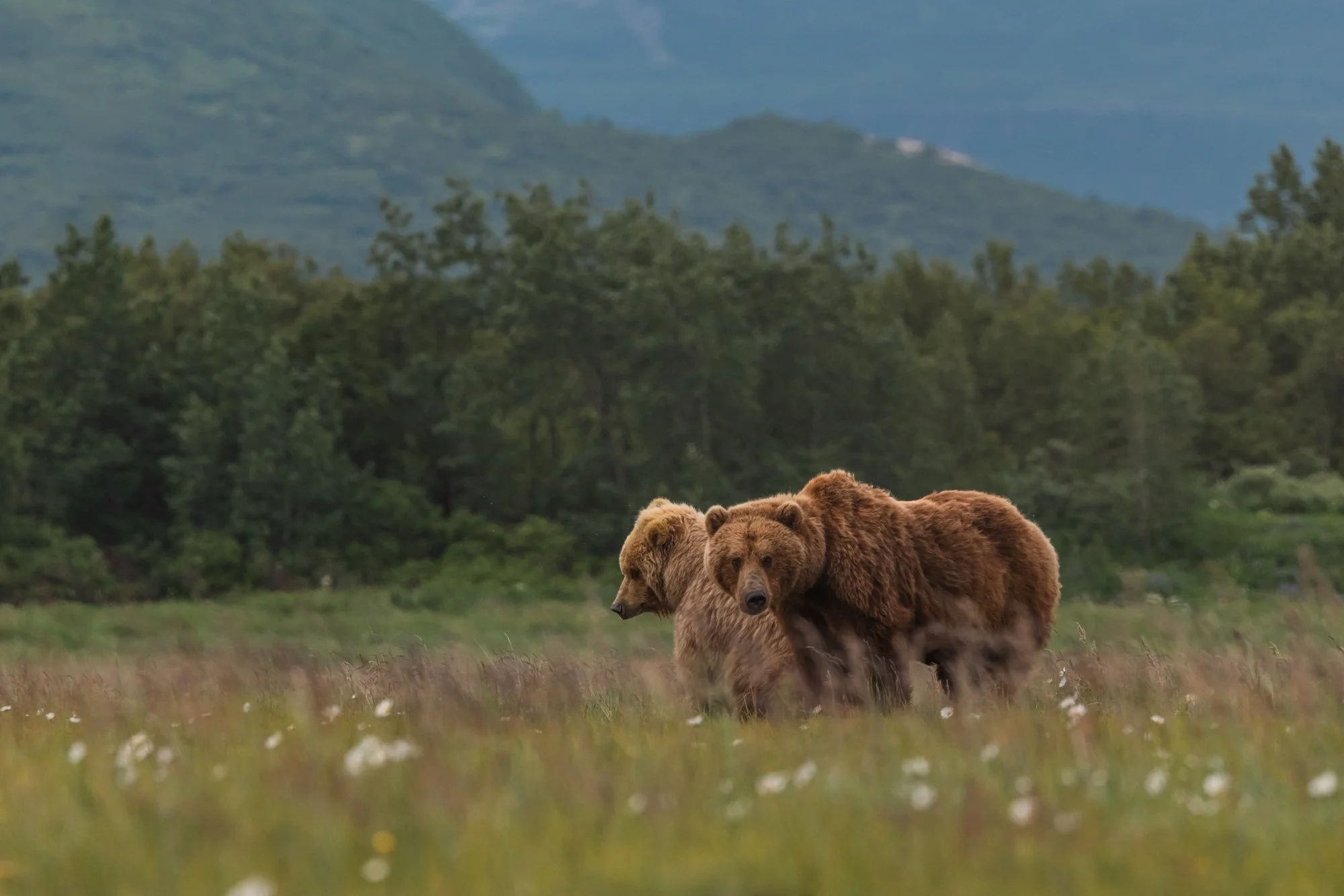
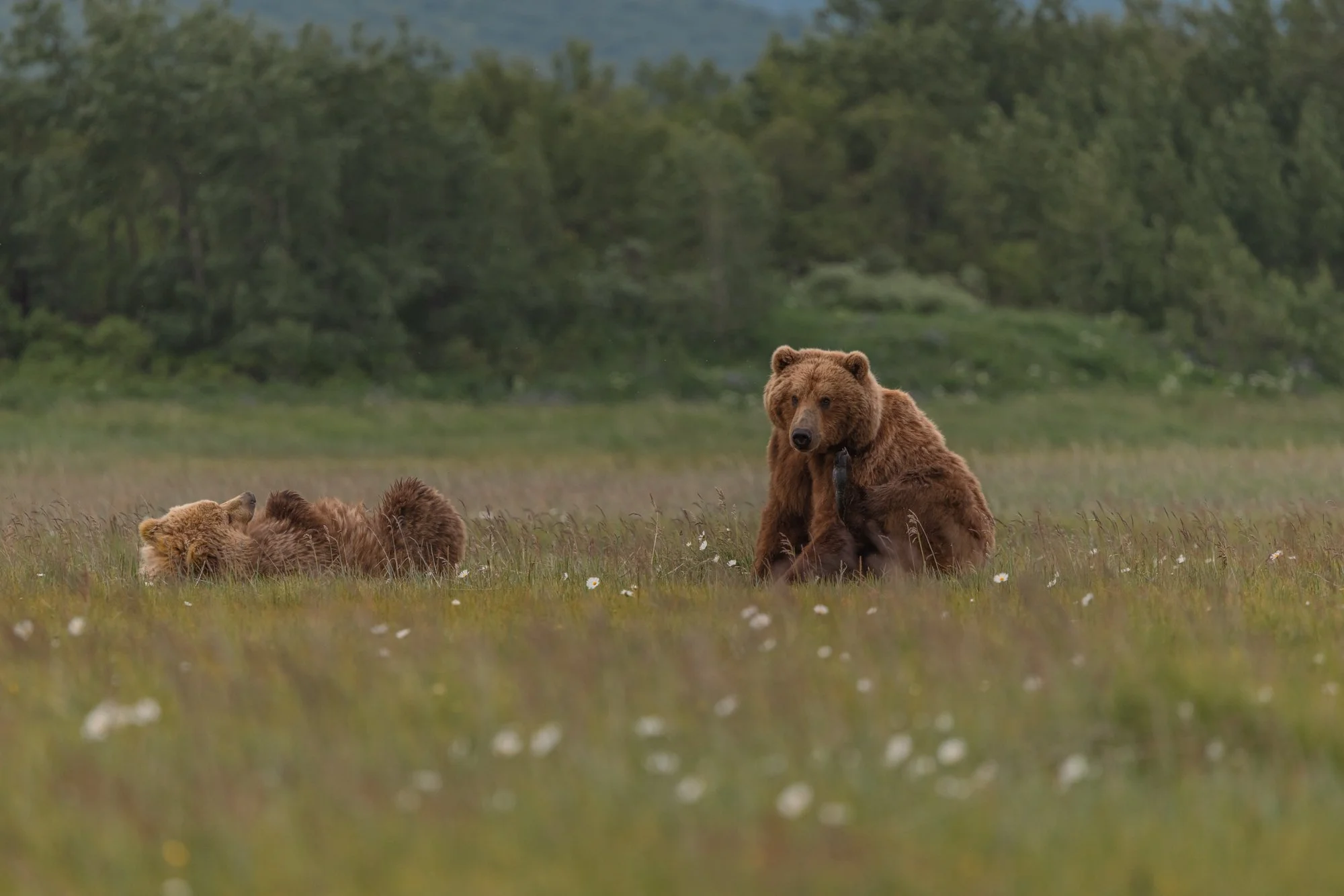
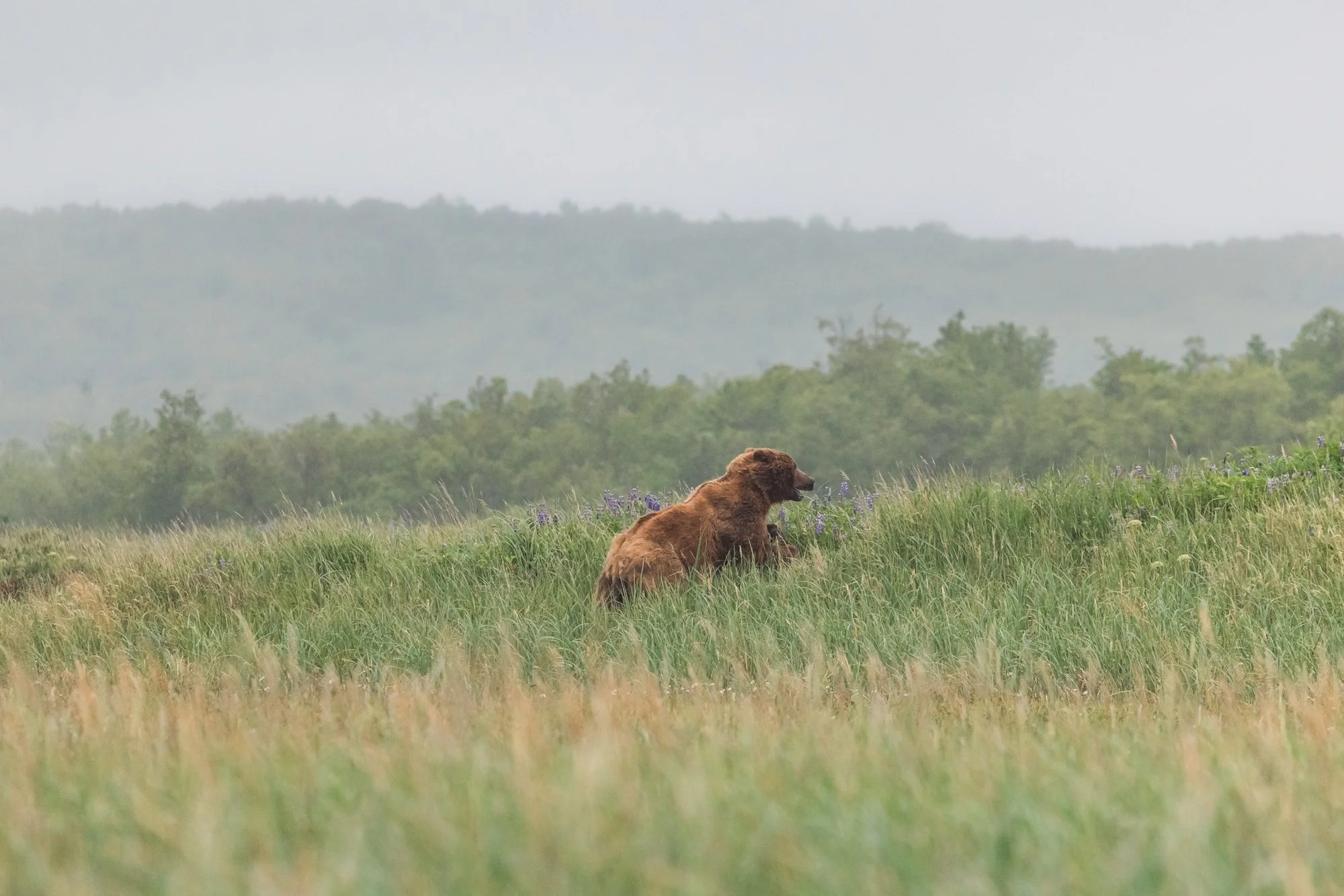
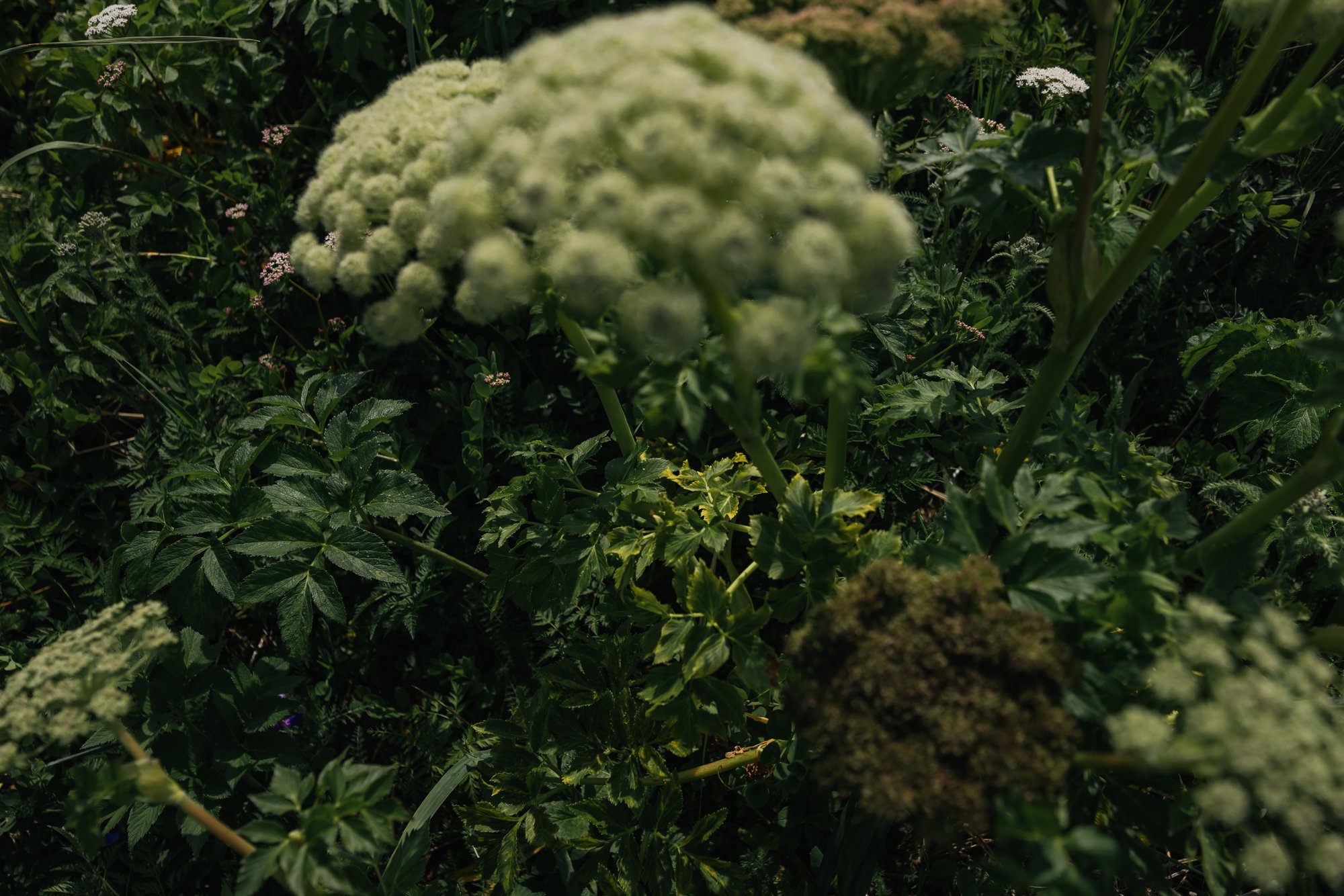
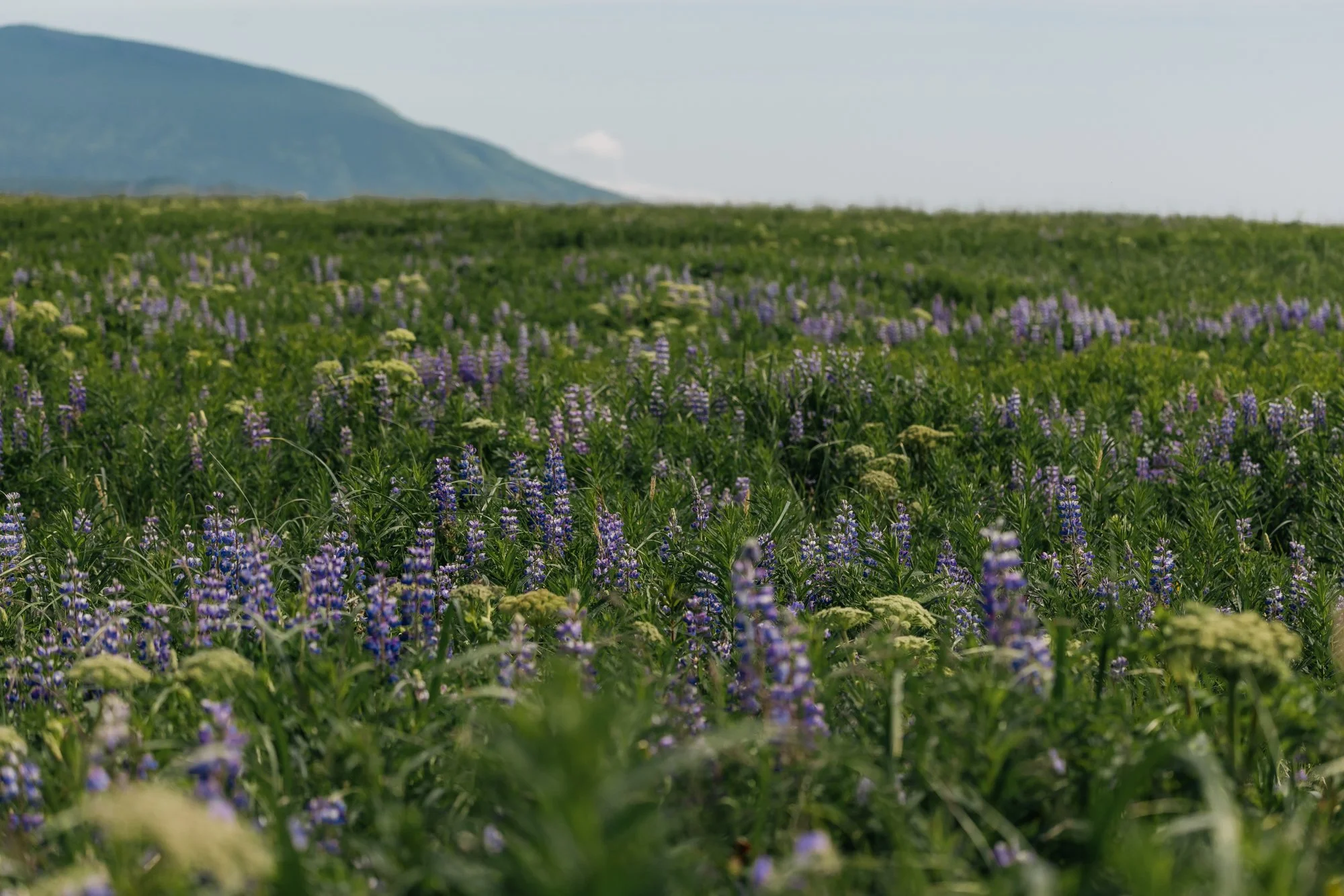
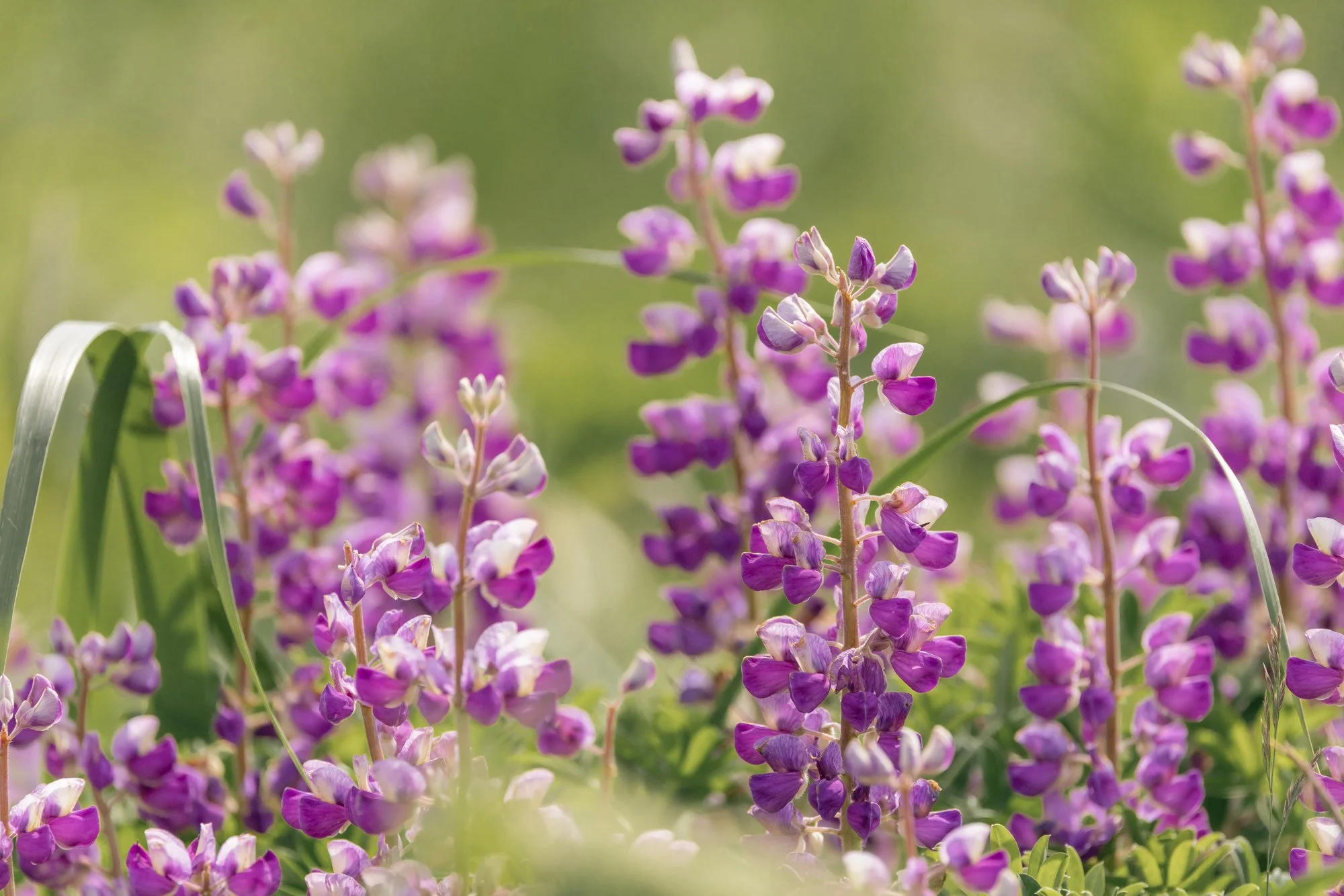
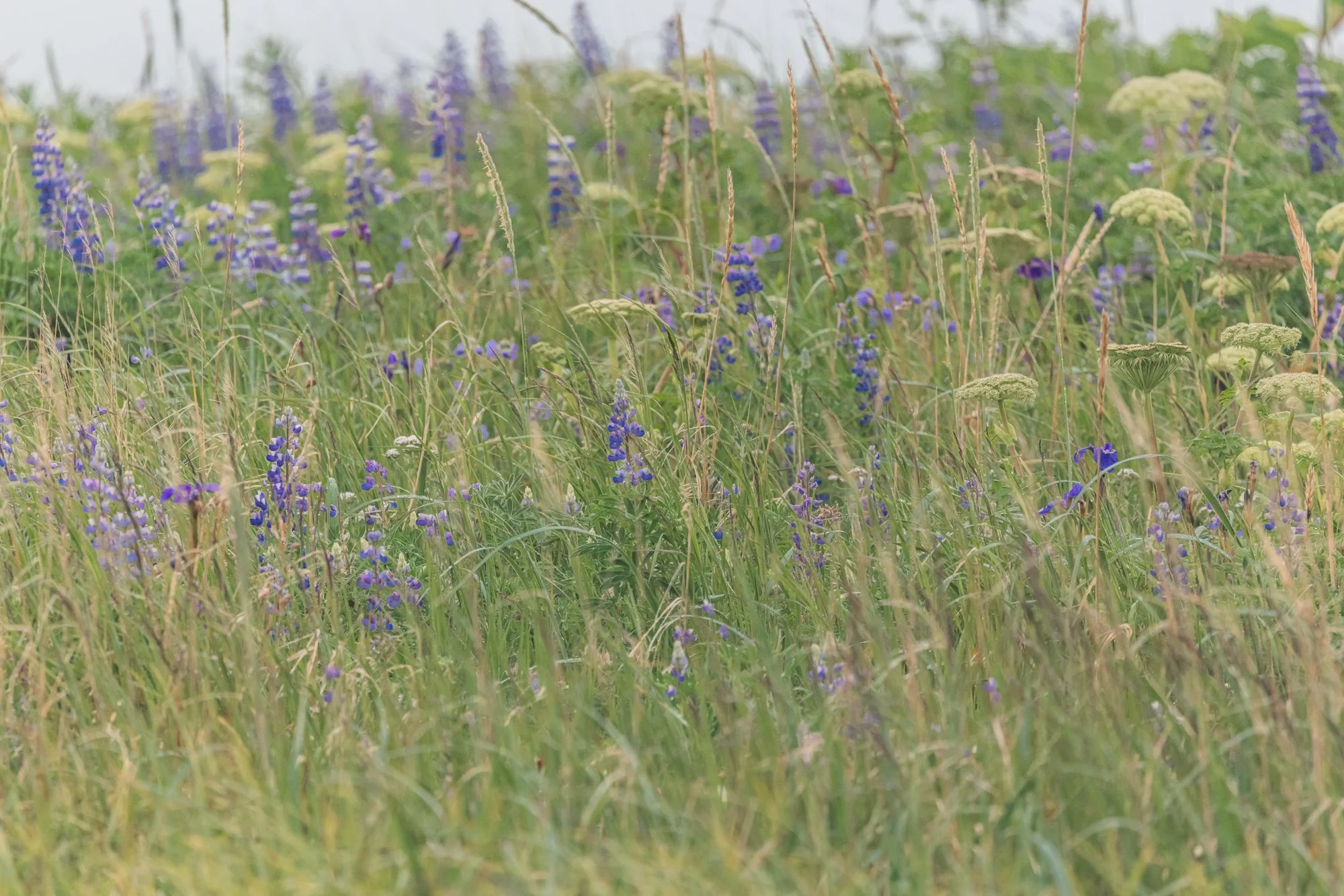
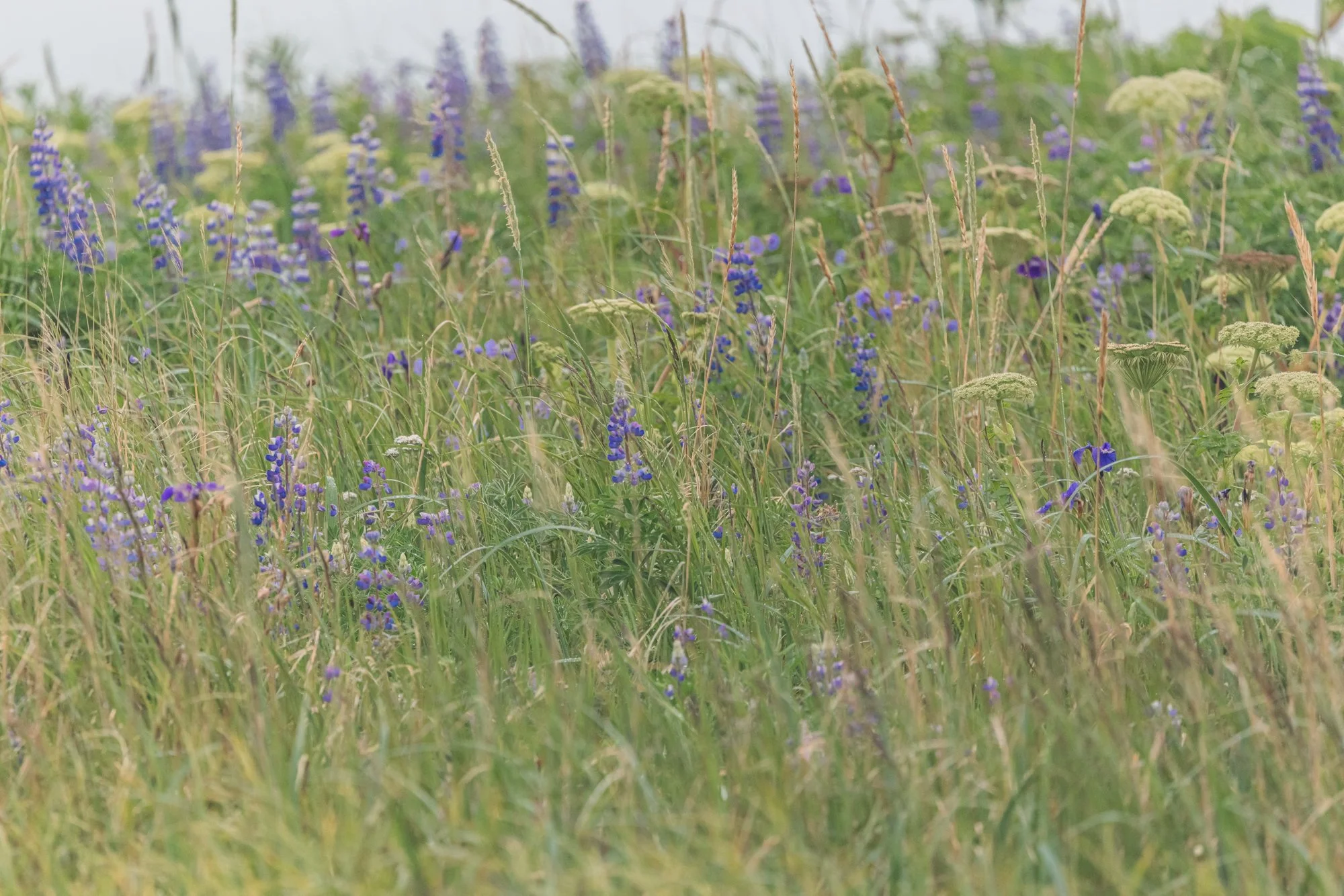
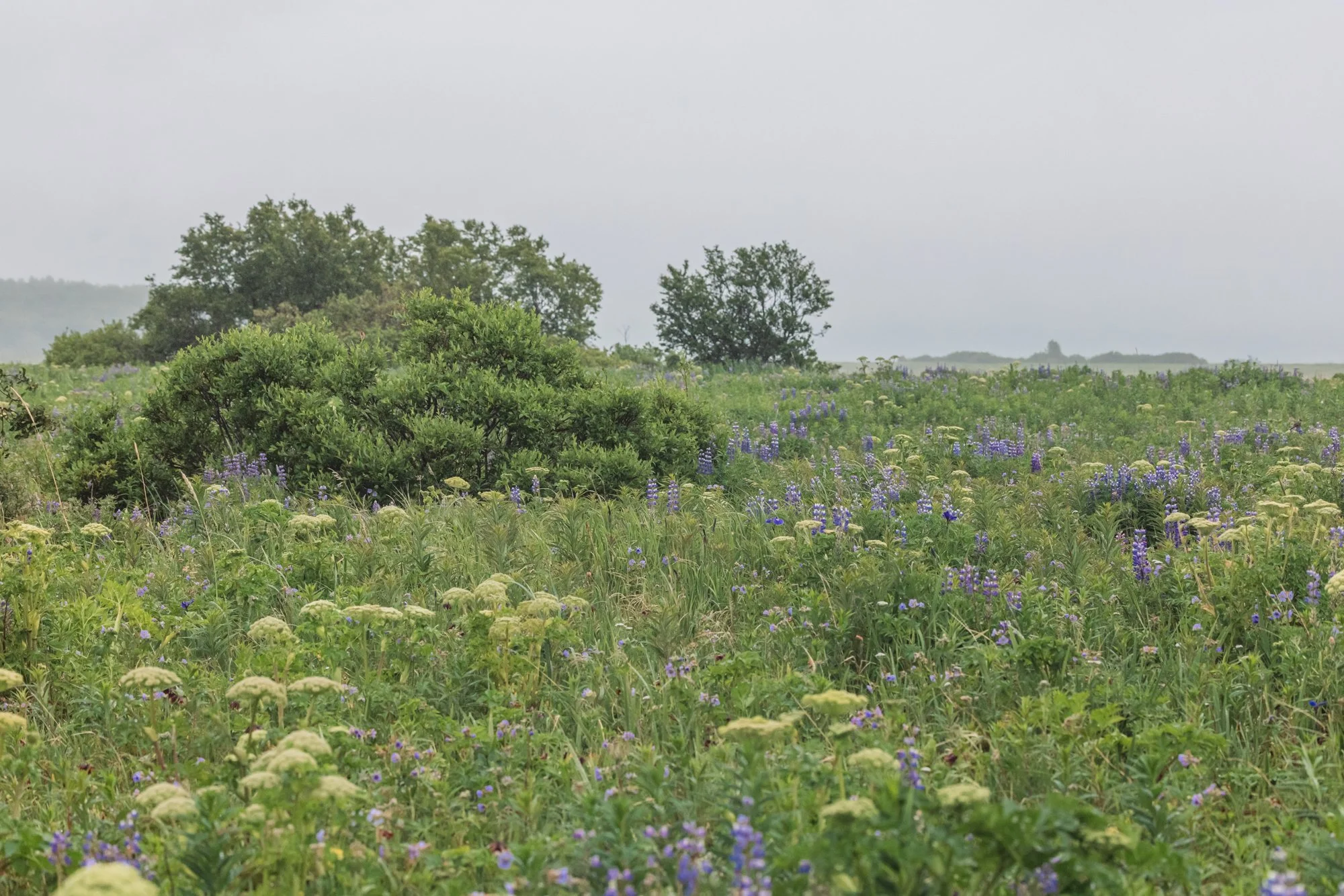
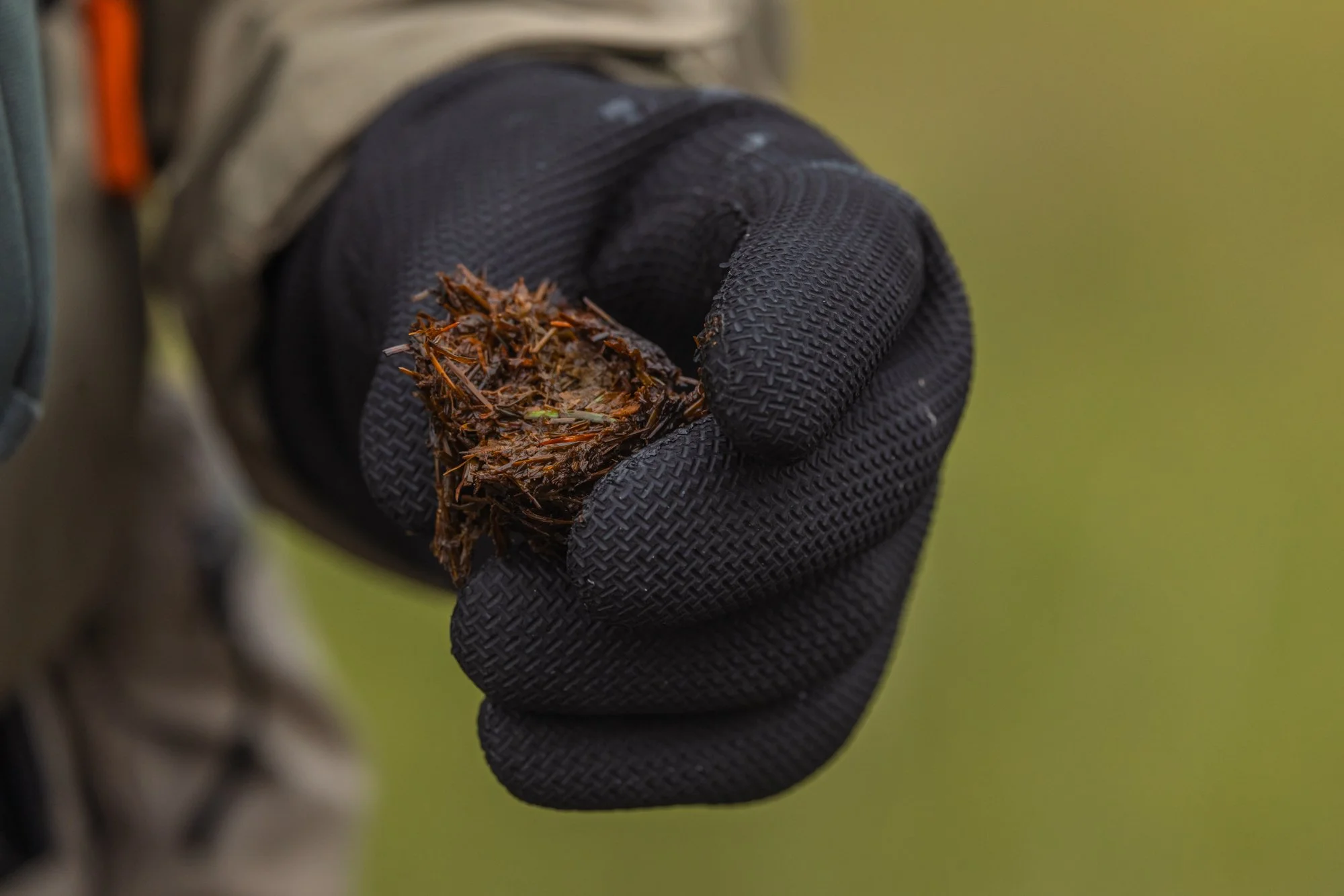
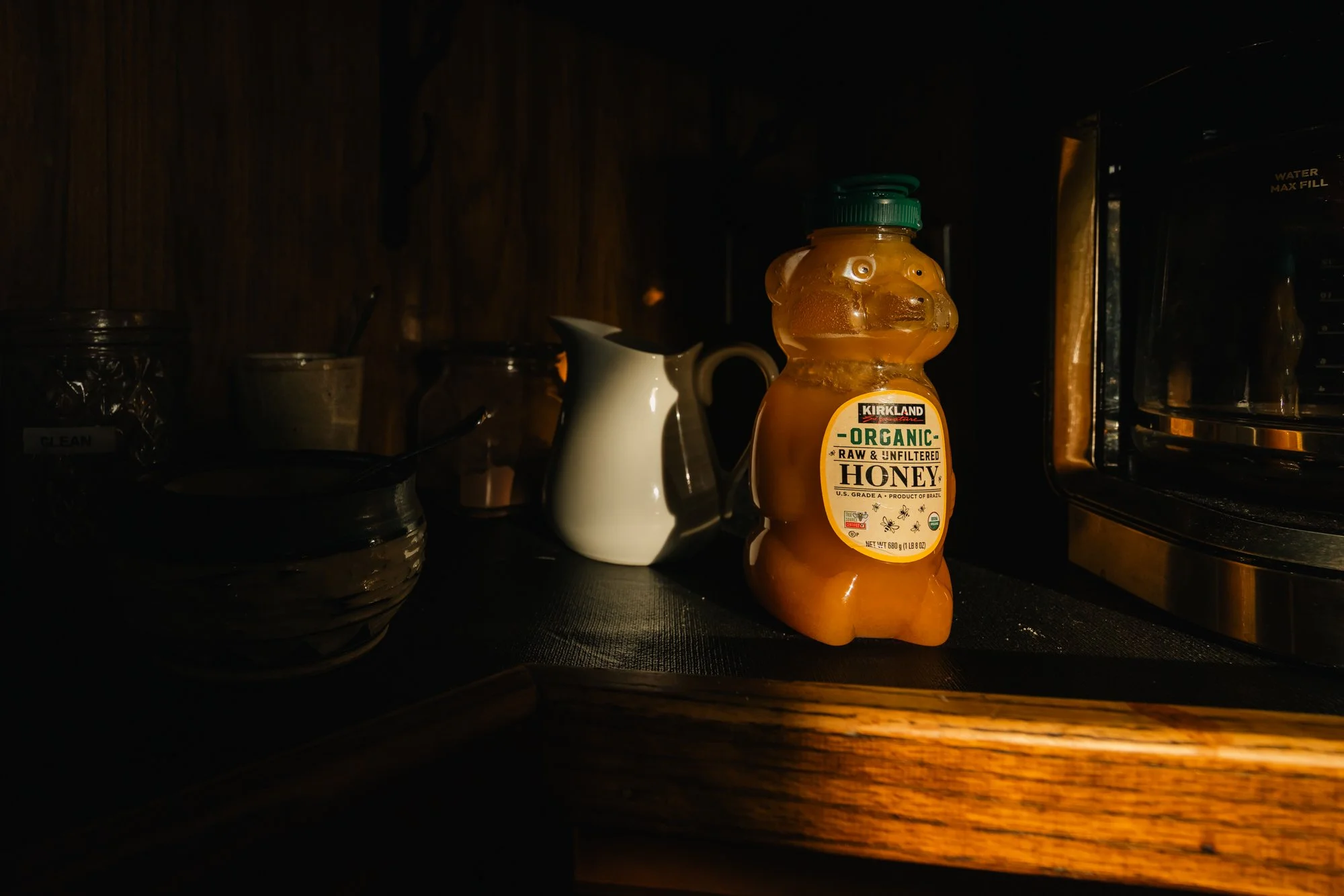
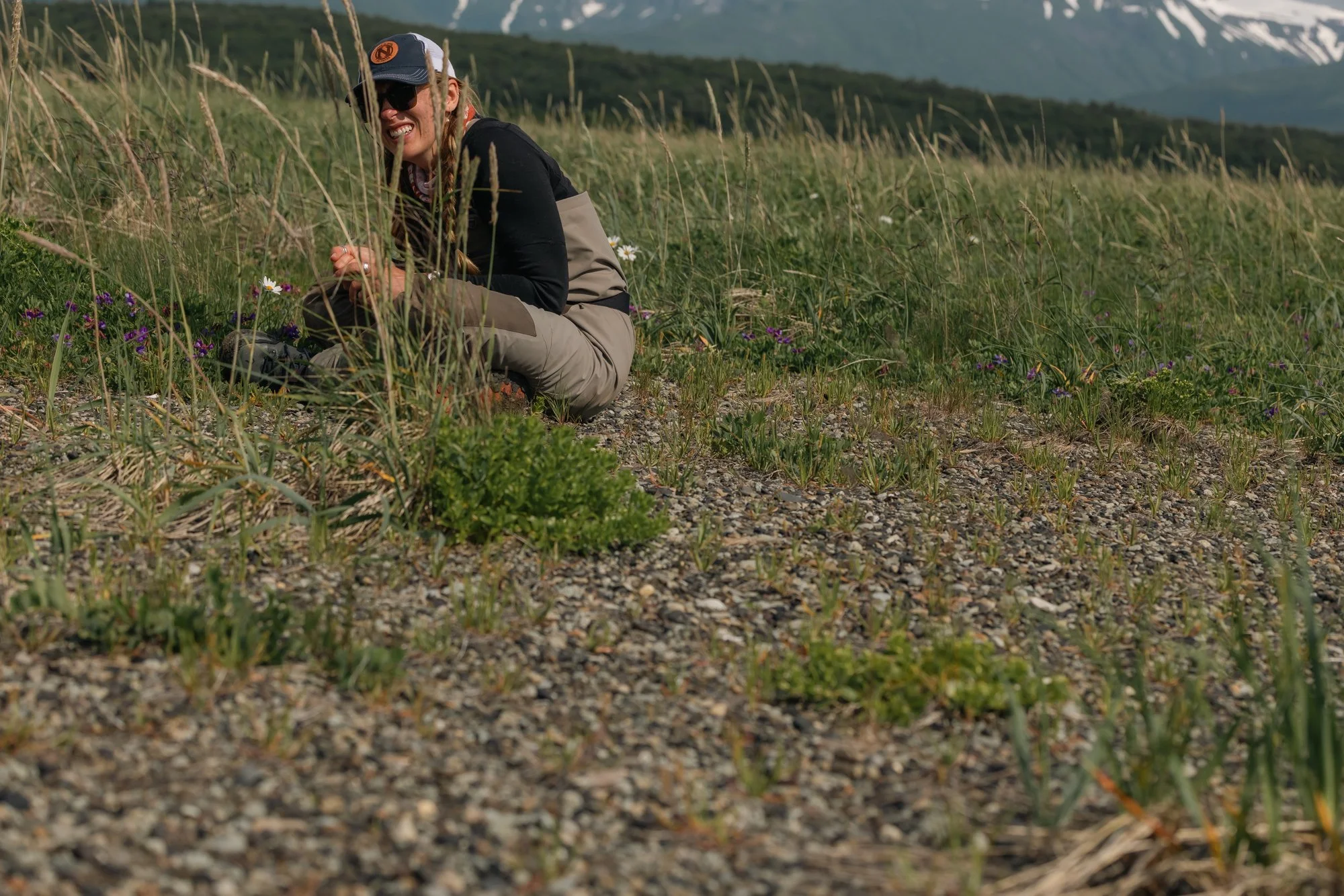
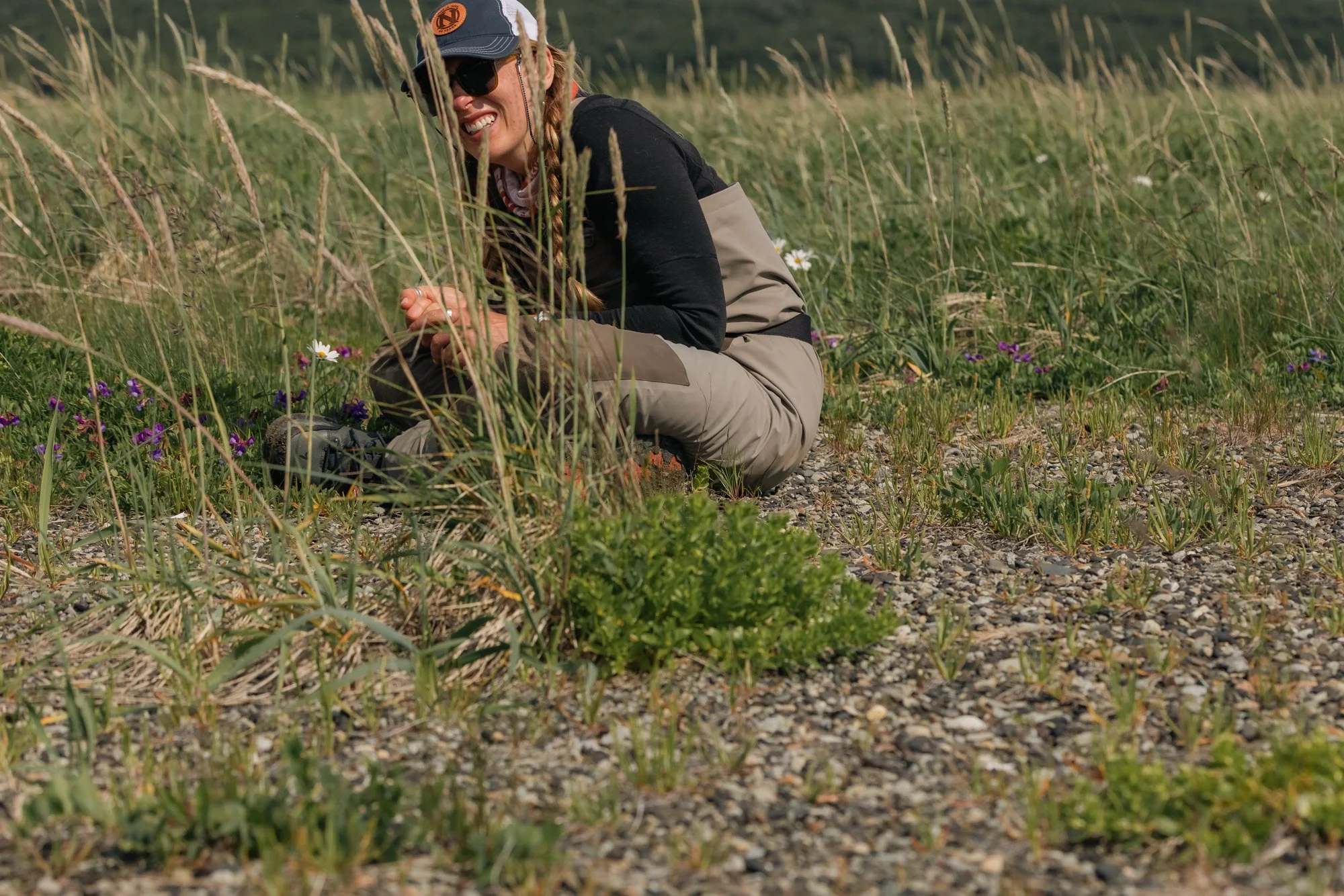
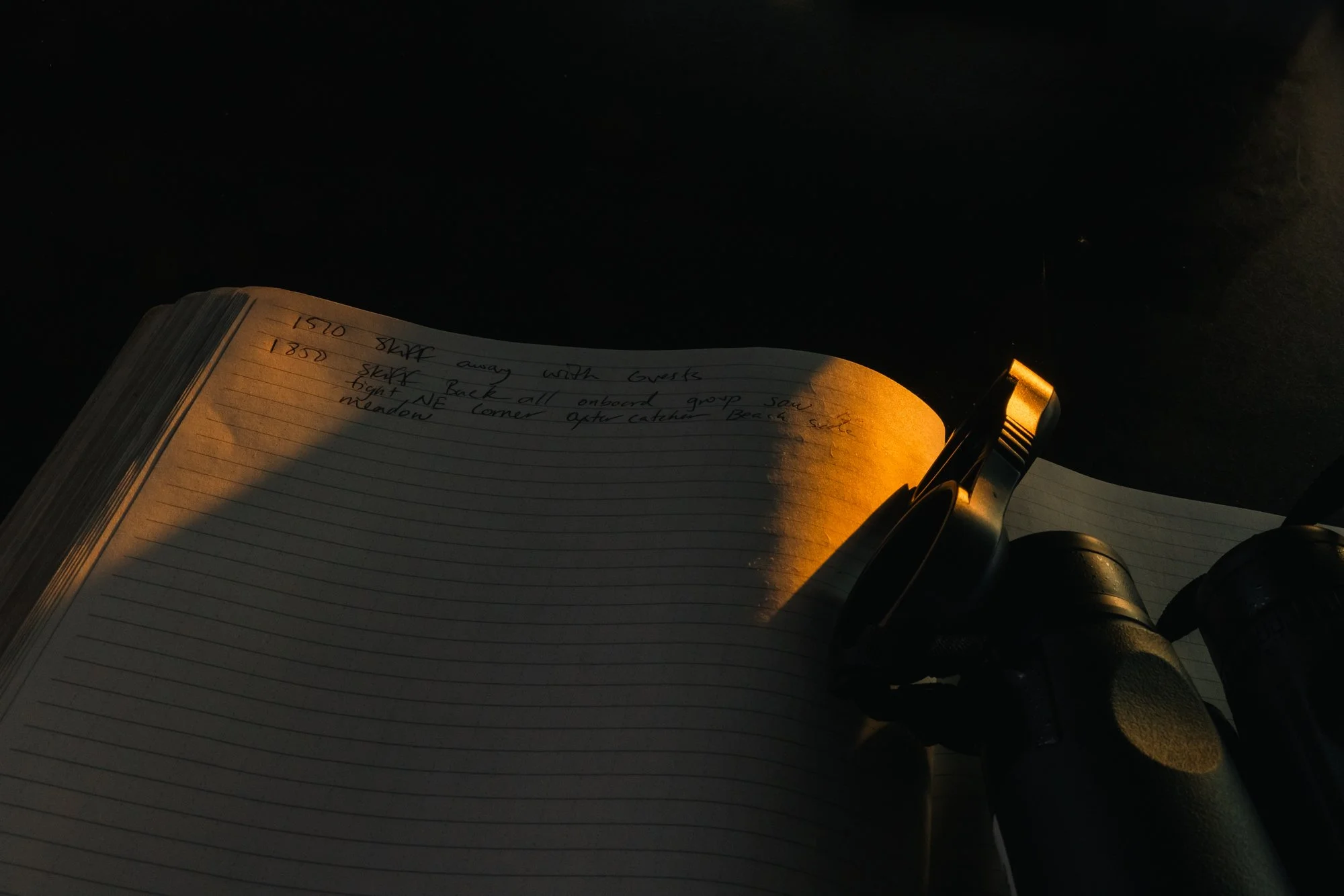
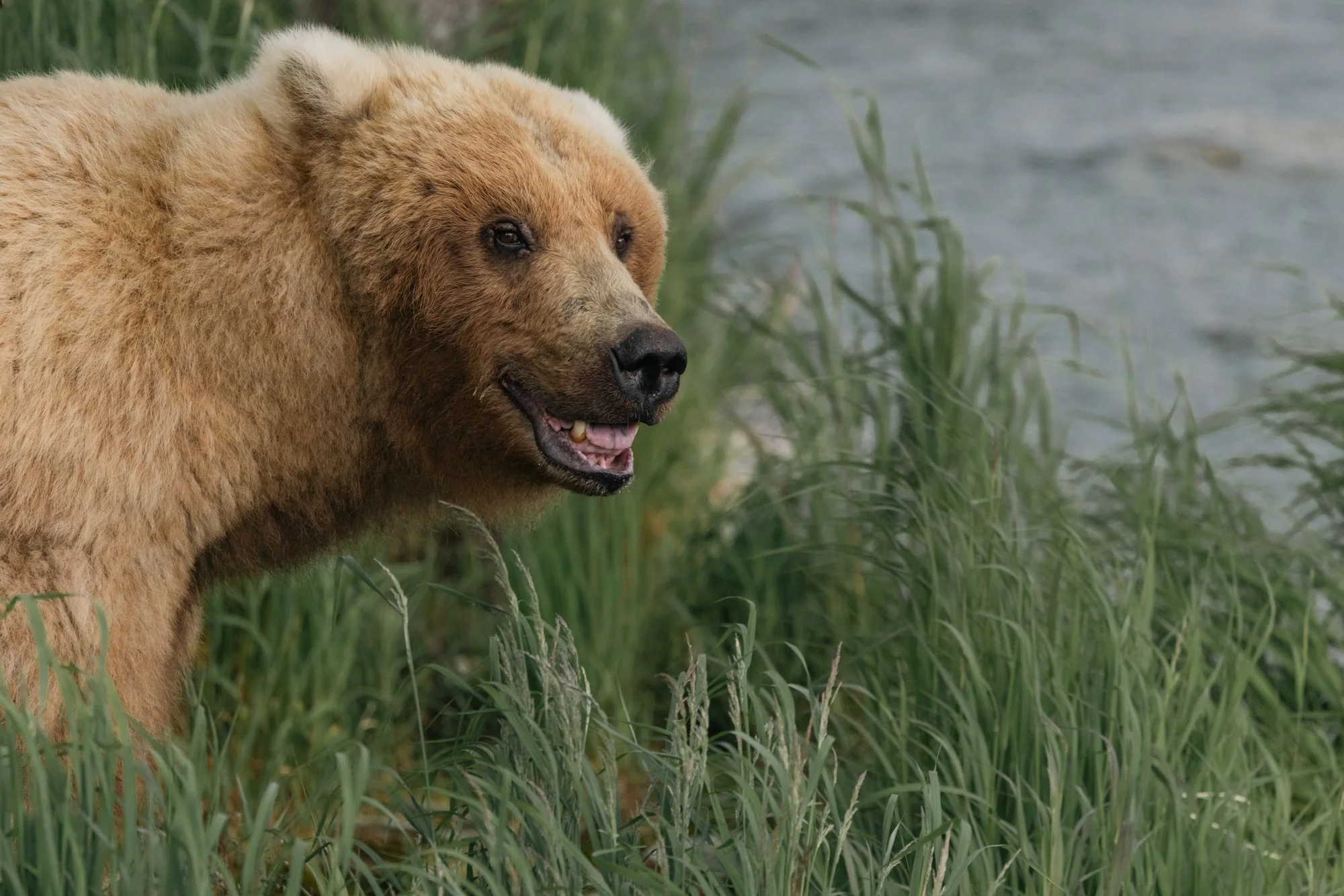
Morning came with calm seas and the promise of rain. Every clock on the Ursus told a different time, the microwave 1:17, the stove 3:50, the coffee maker 3:13, as though time itself unraveled here. By mid-morning we were in Hallow’s Bay, boots sinking into tidal mud, lupine blazing purples and pinks under a cloudless sky. We found a pale young female bear grazing sedges near daisies, her ears and nose stained green. A massive male later approached, and she rolled onto her back in a gesture of submission, pressing her body against his. For a breathless moment it seemed we might witness something primal and surprisingly tender. The romance fizzled; they were still young and unsure.
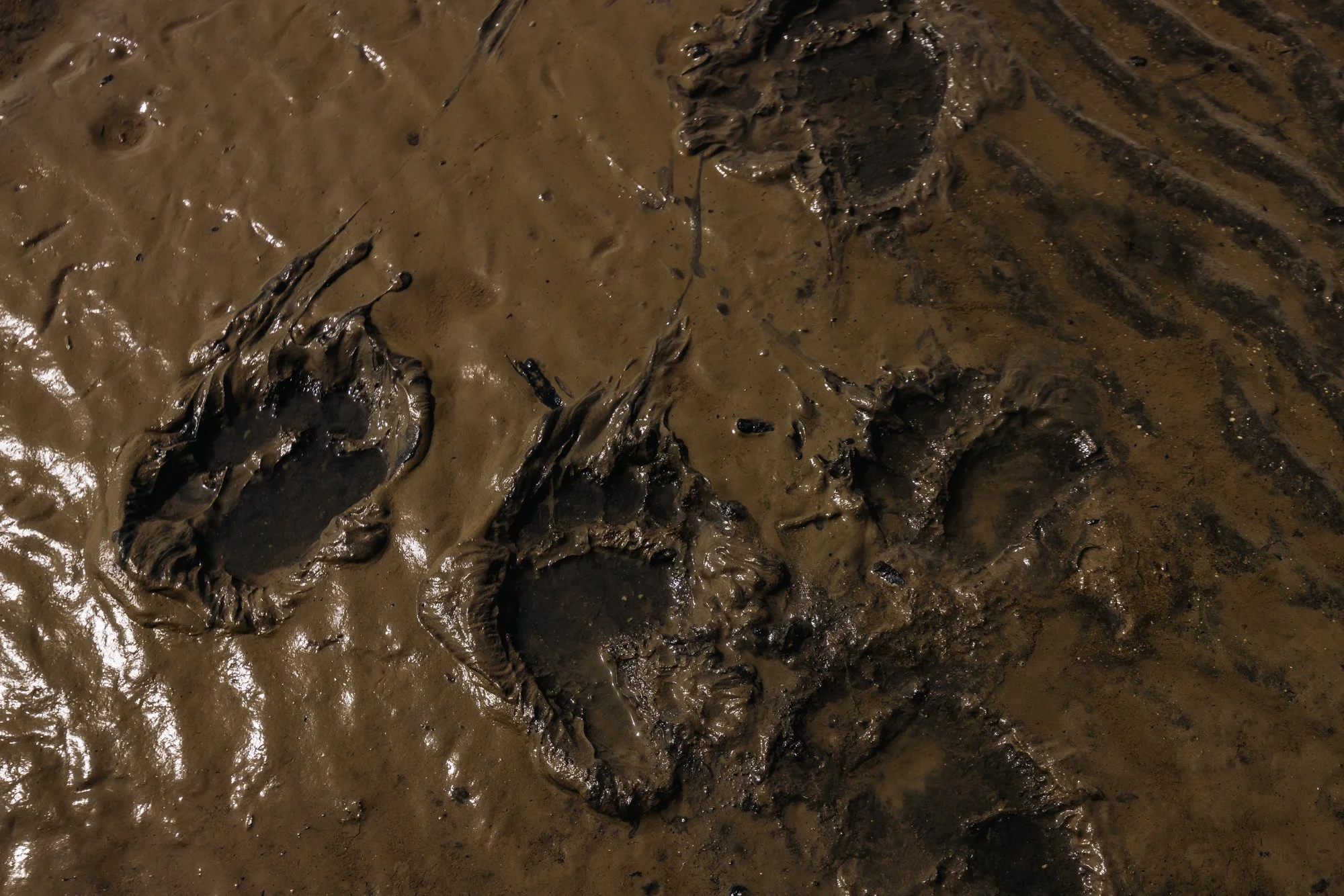
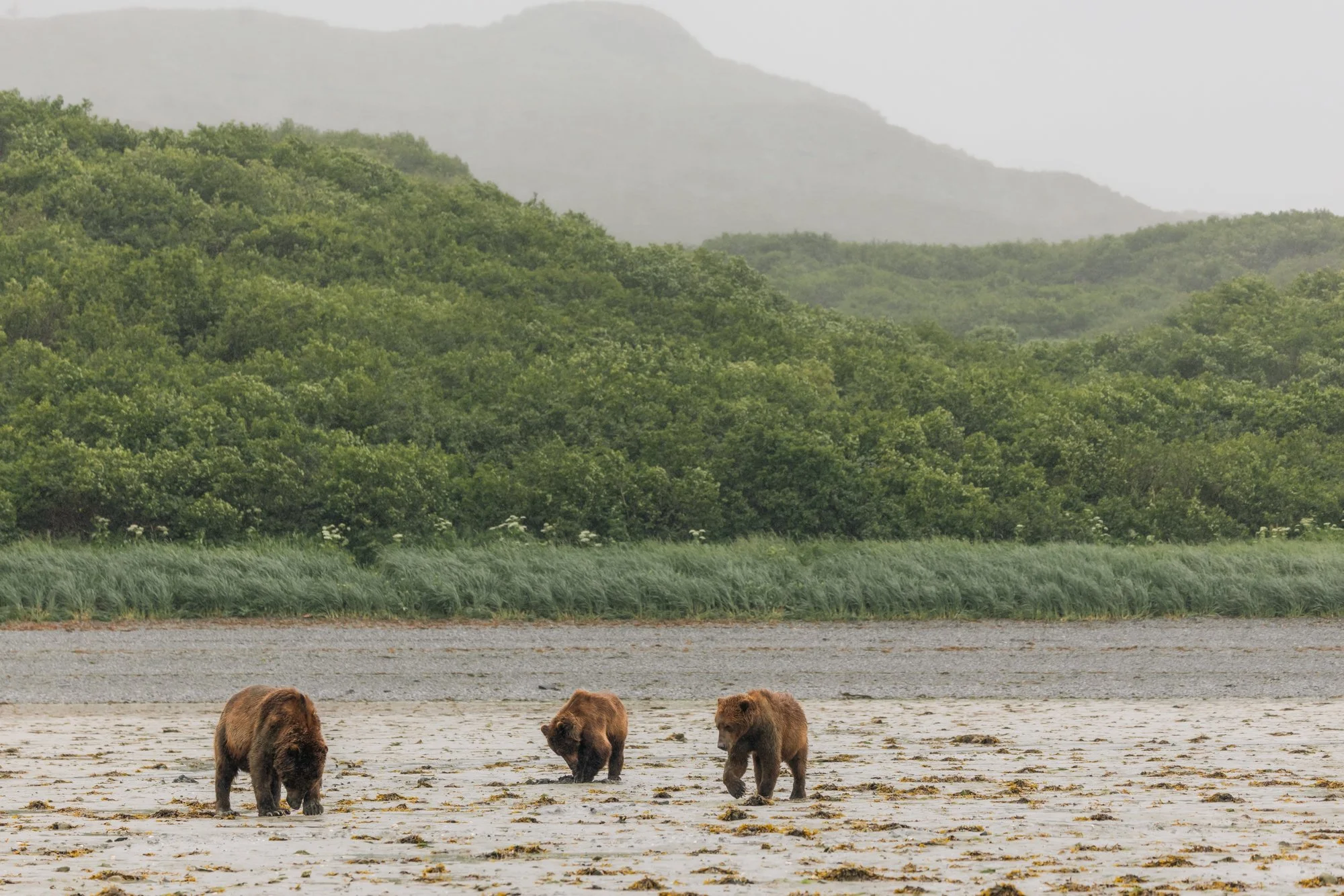
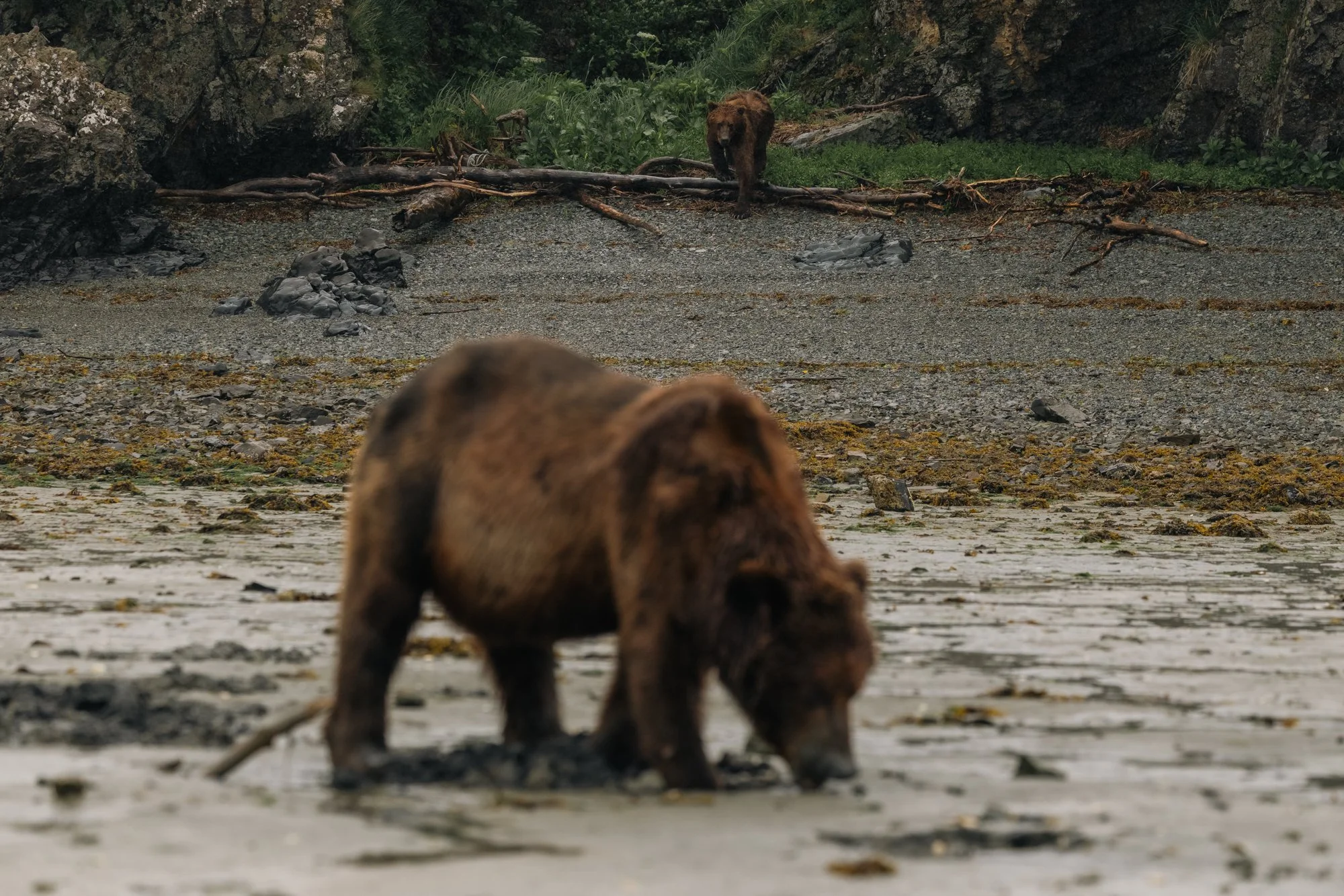
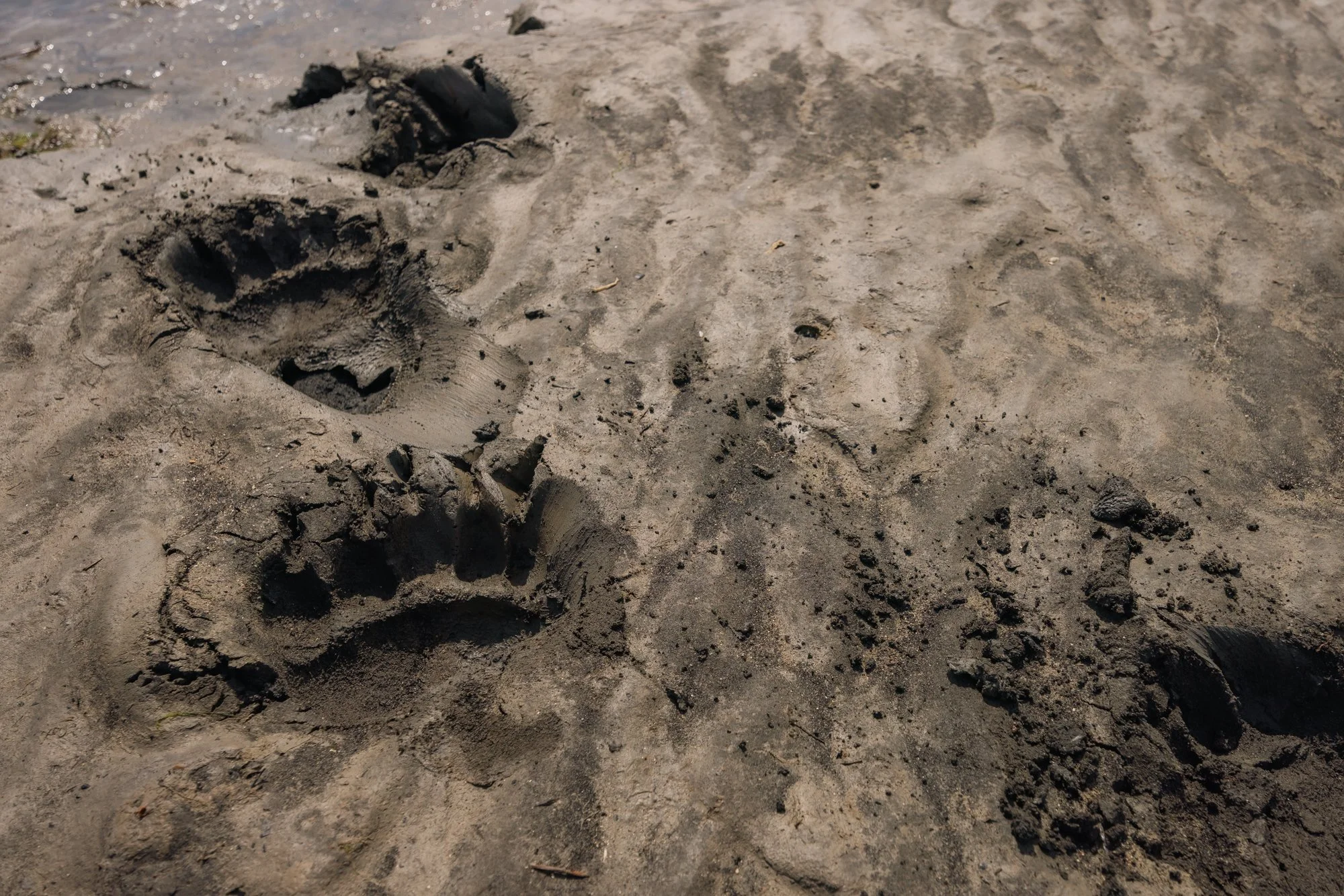
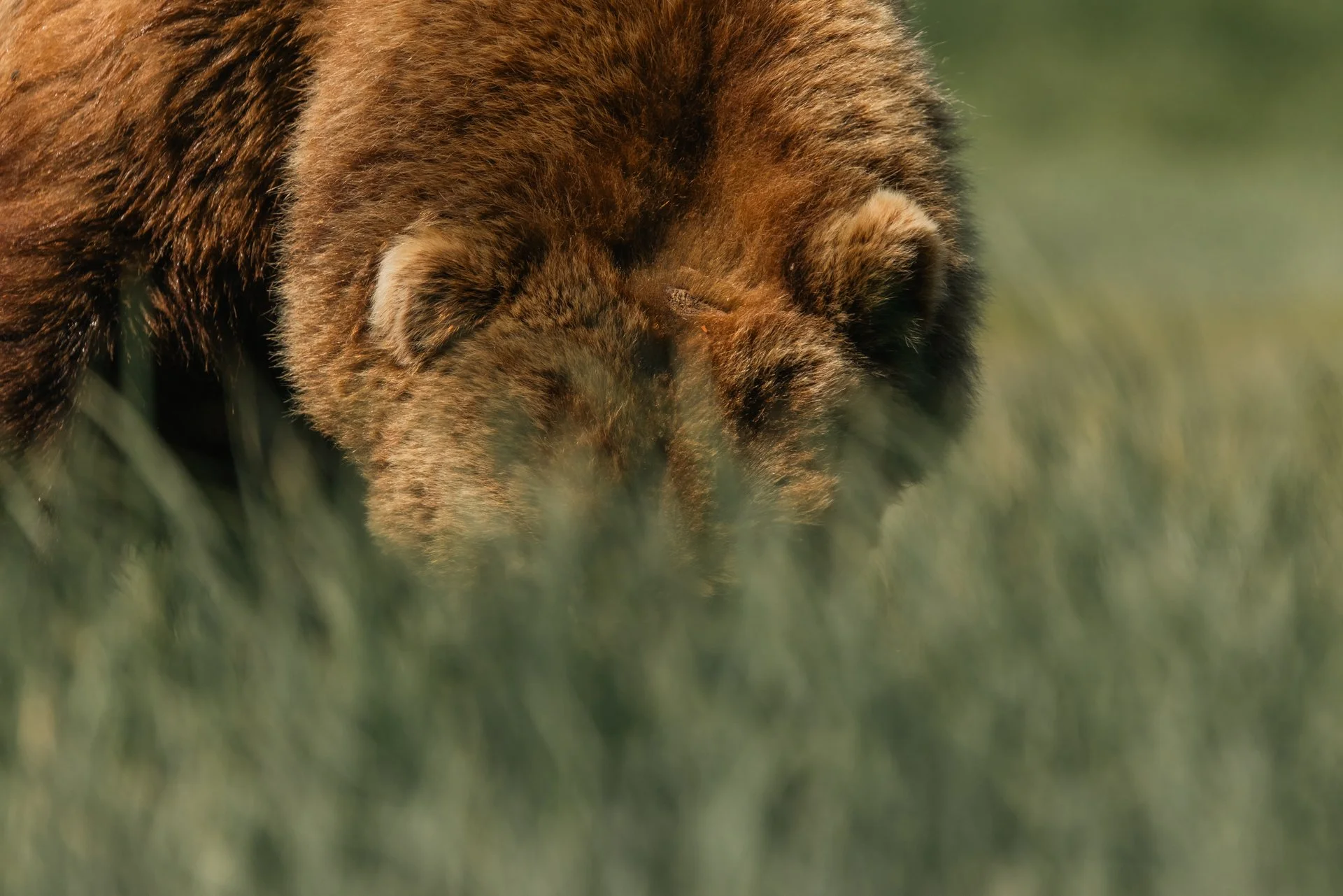
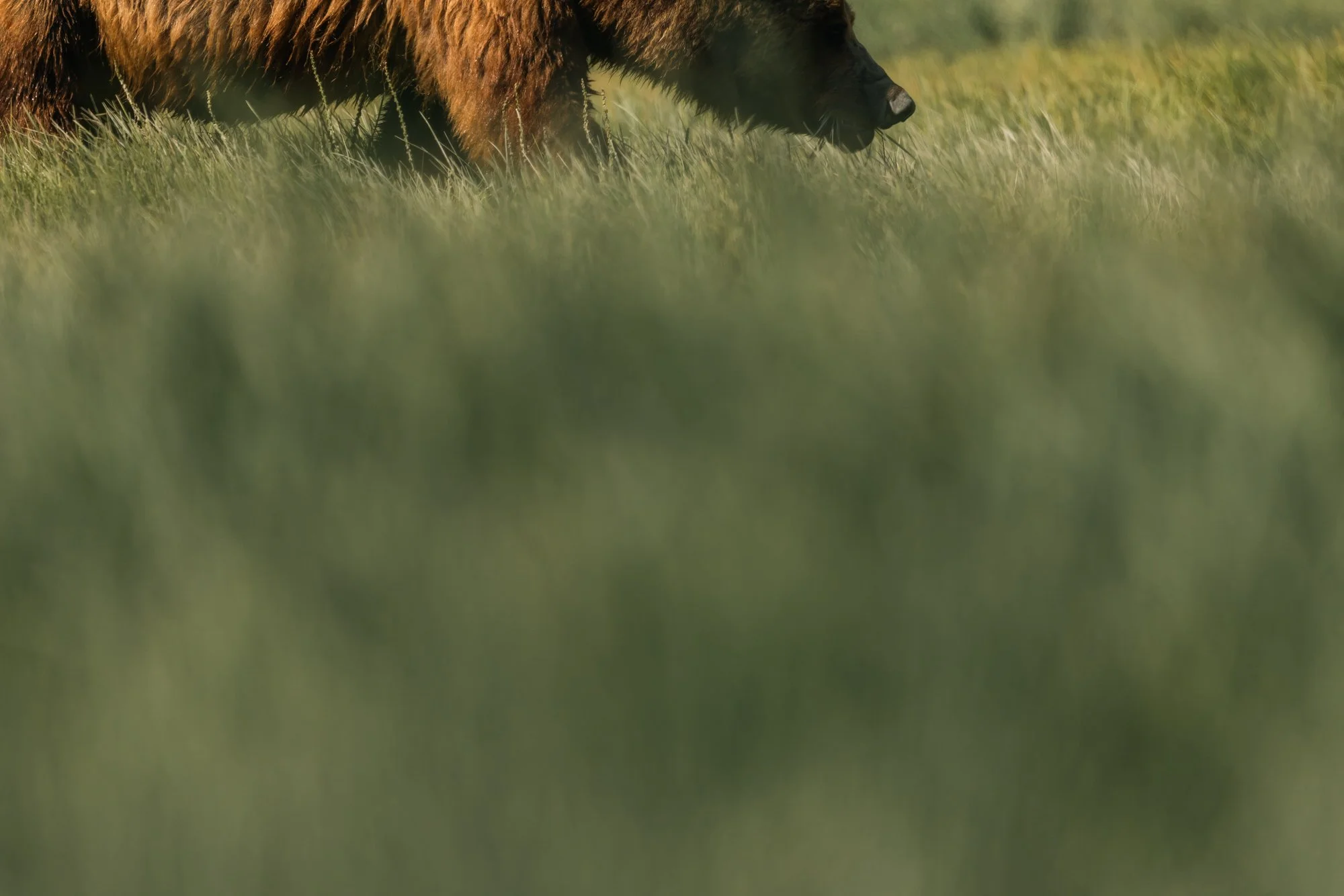
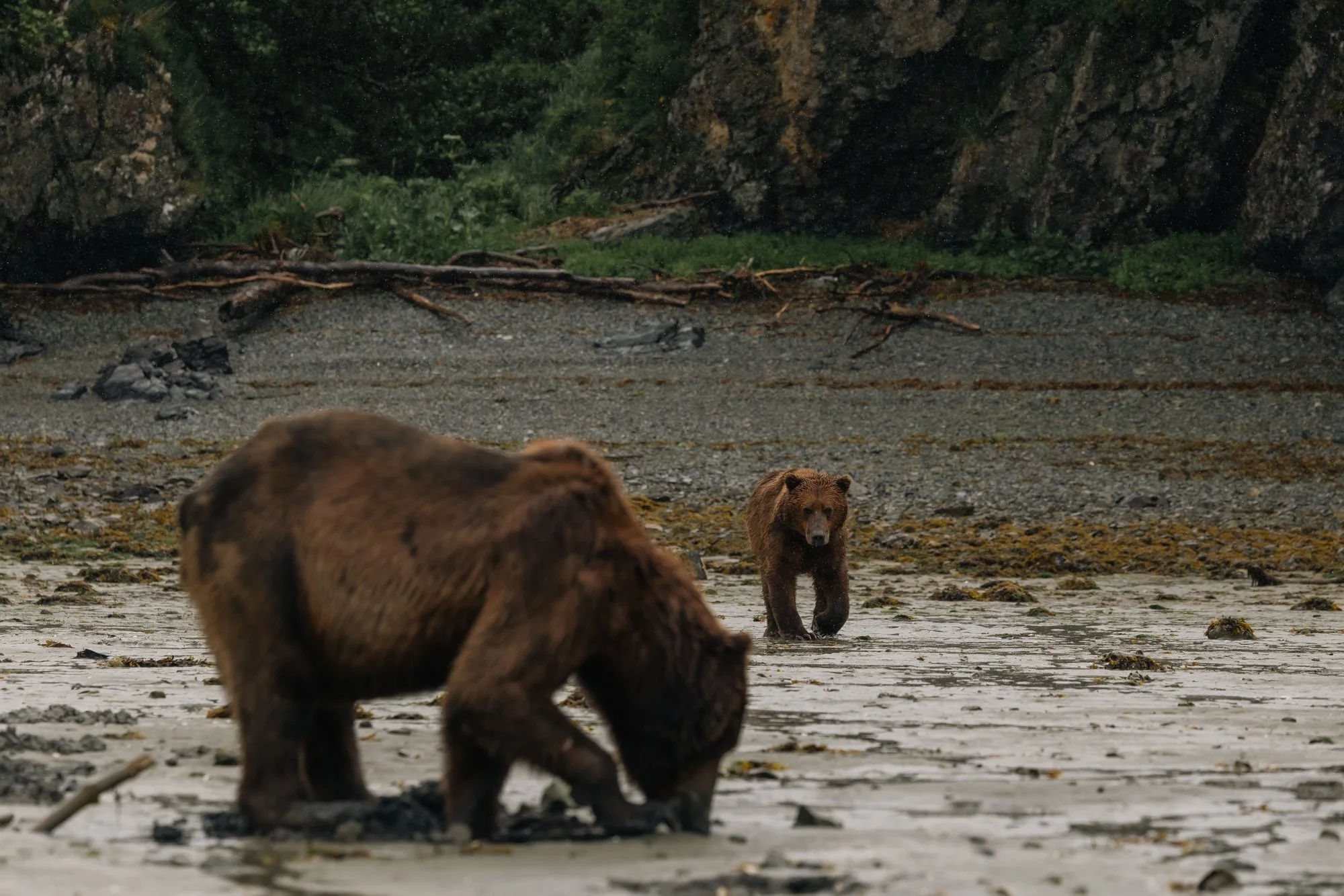
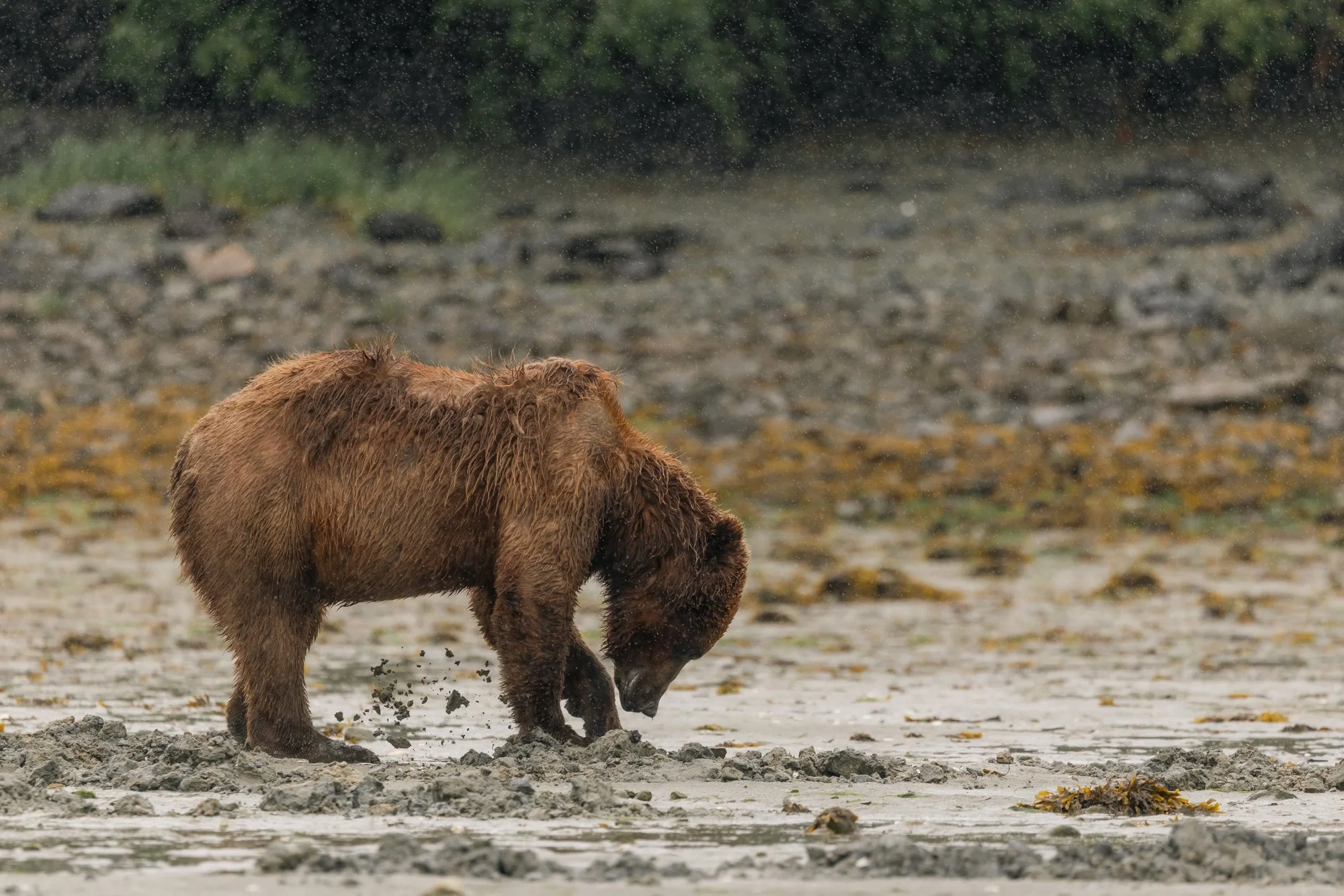
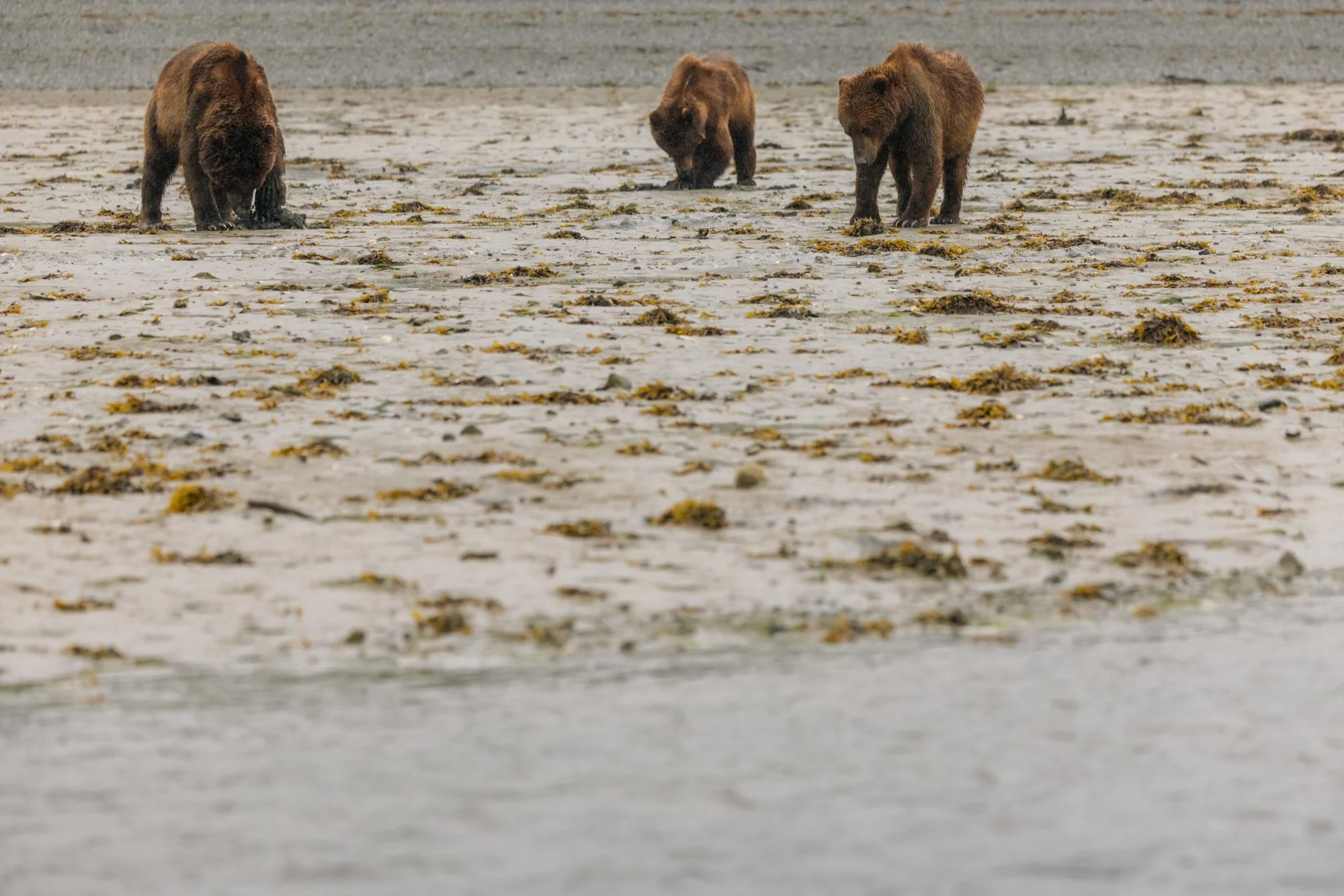
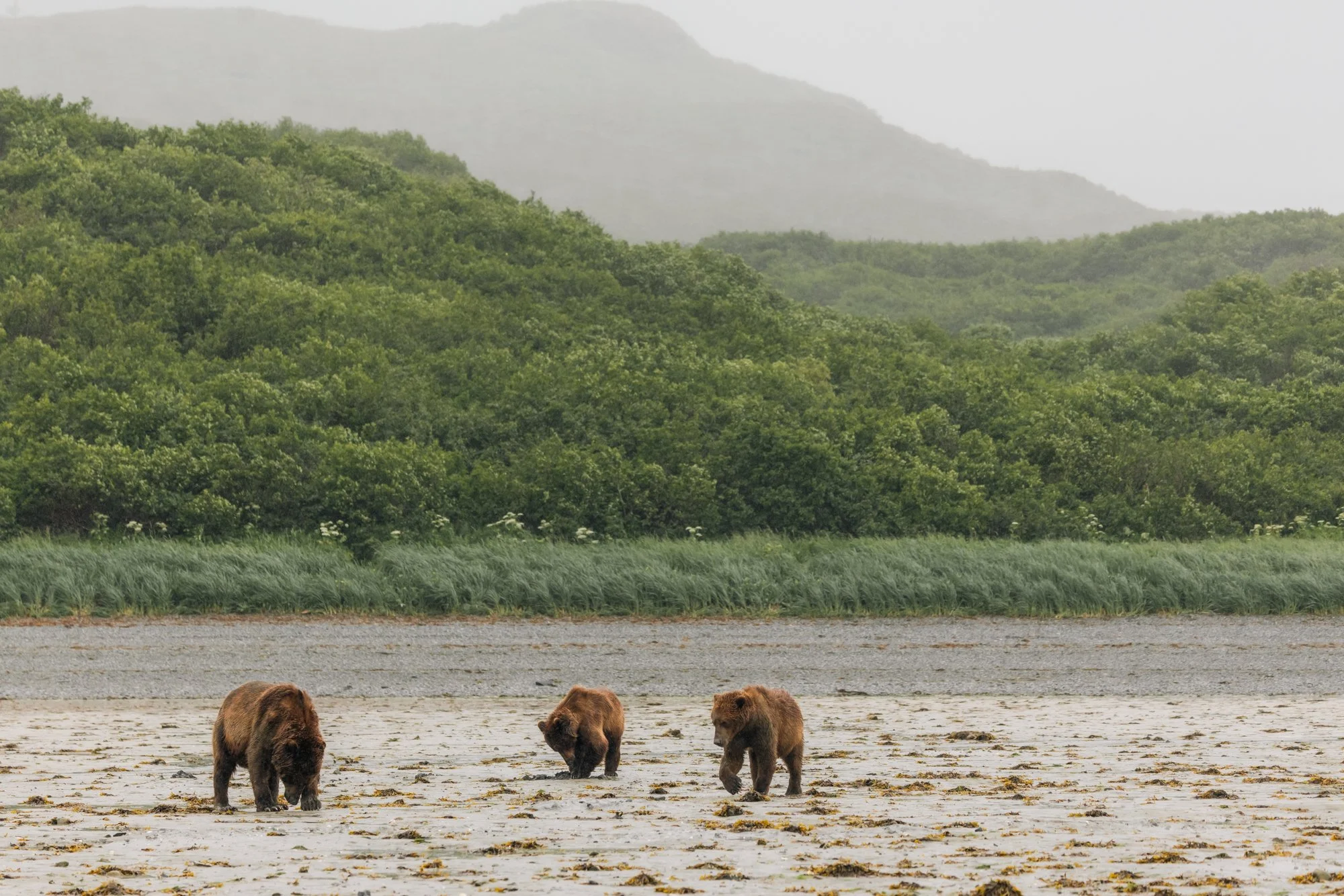
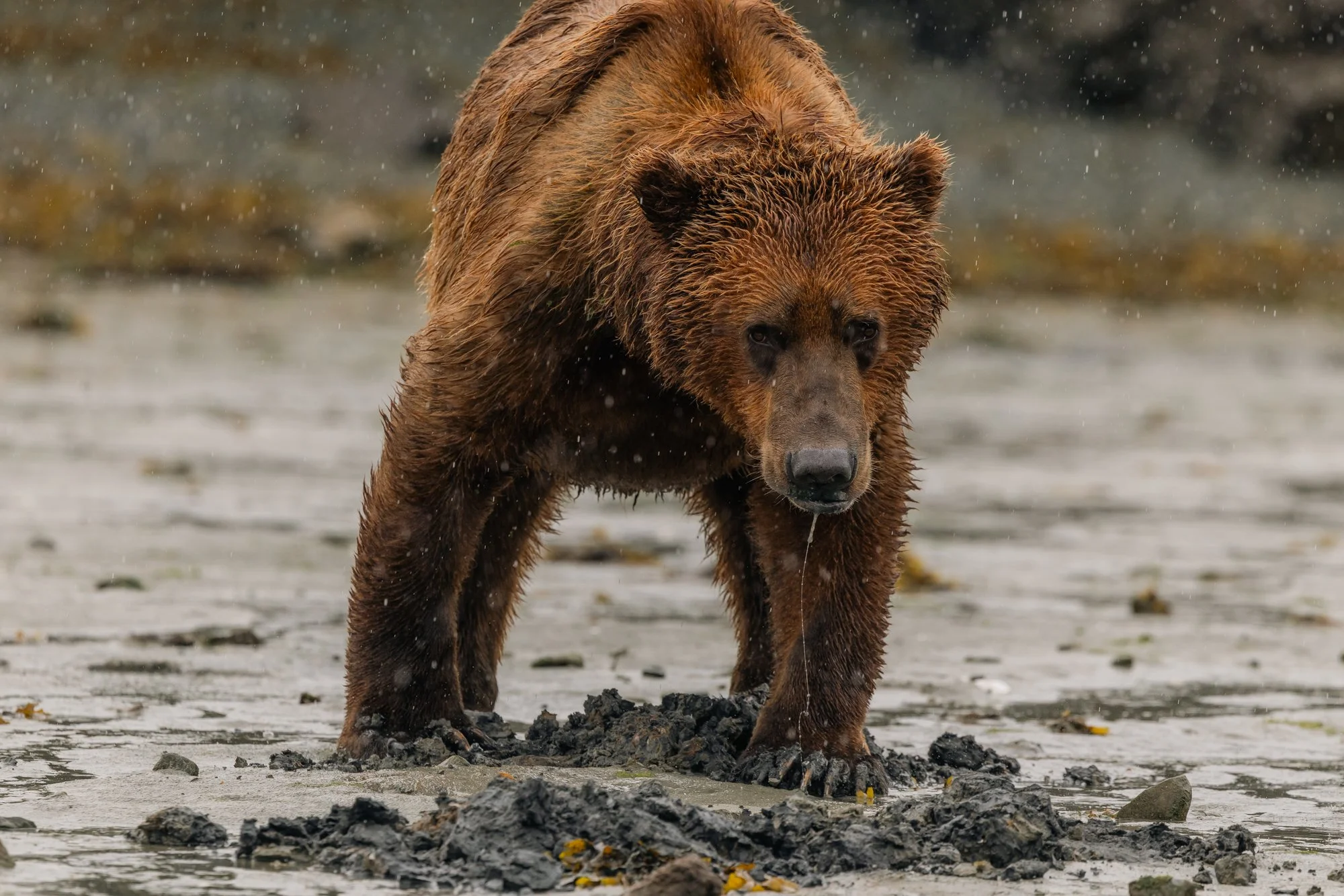
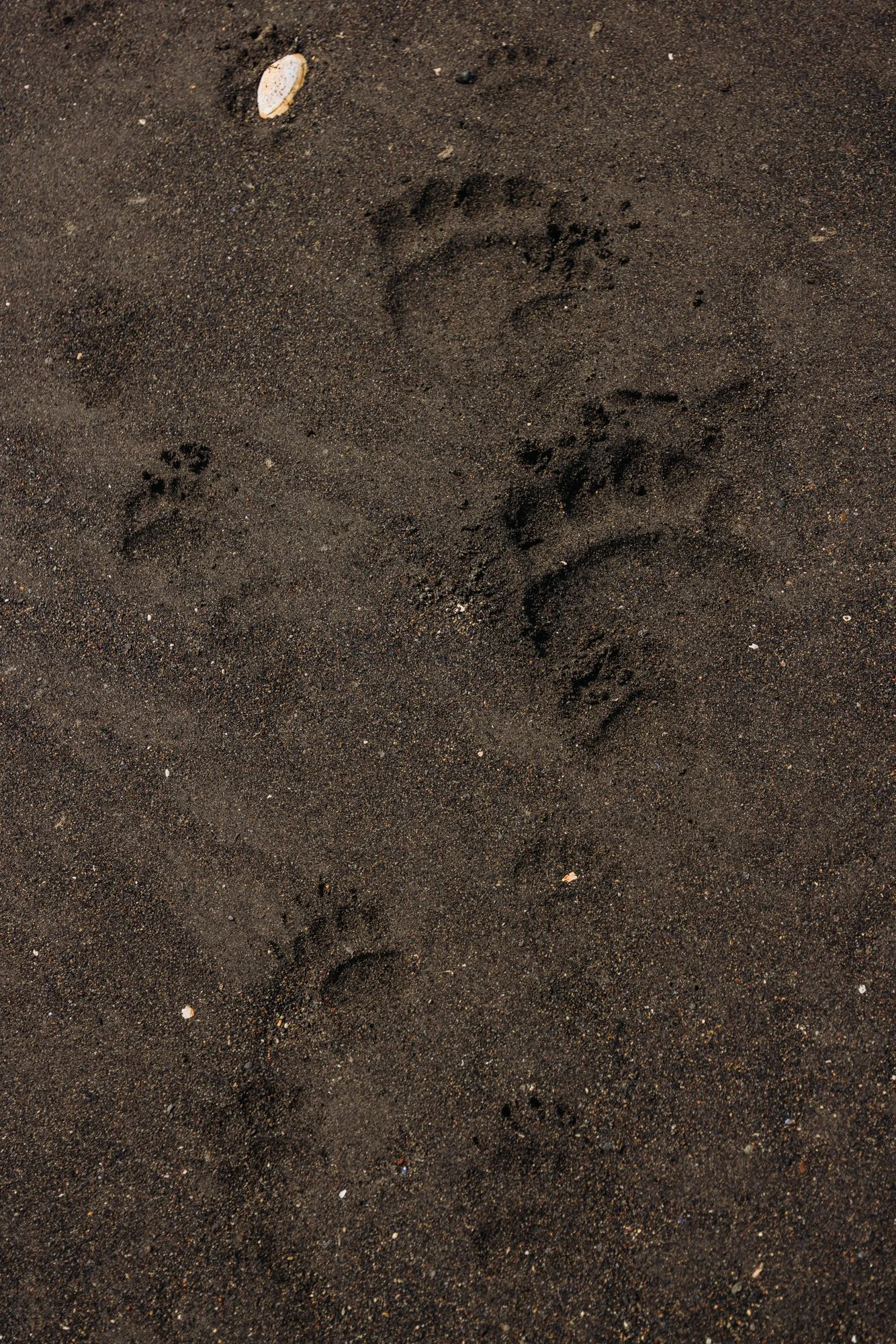
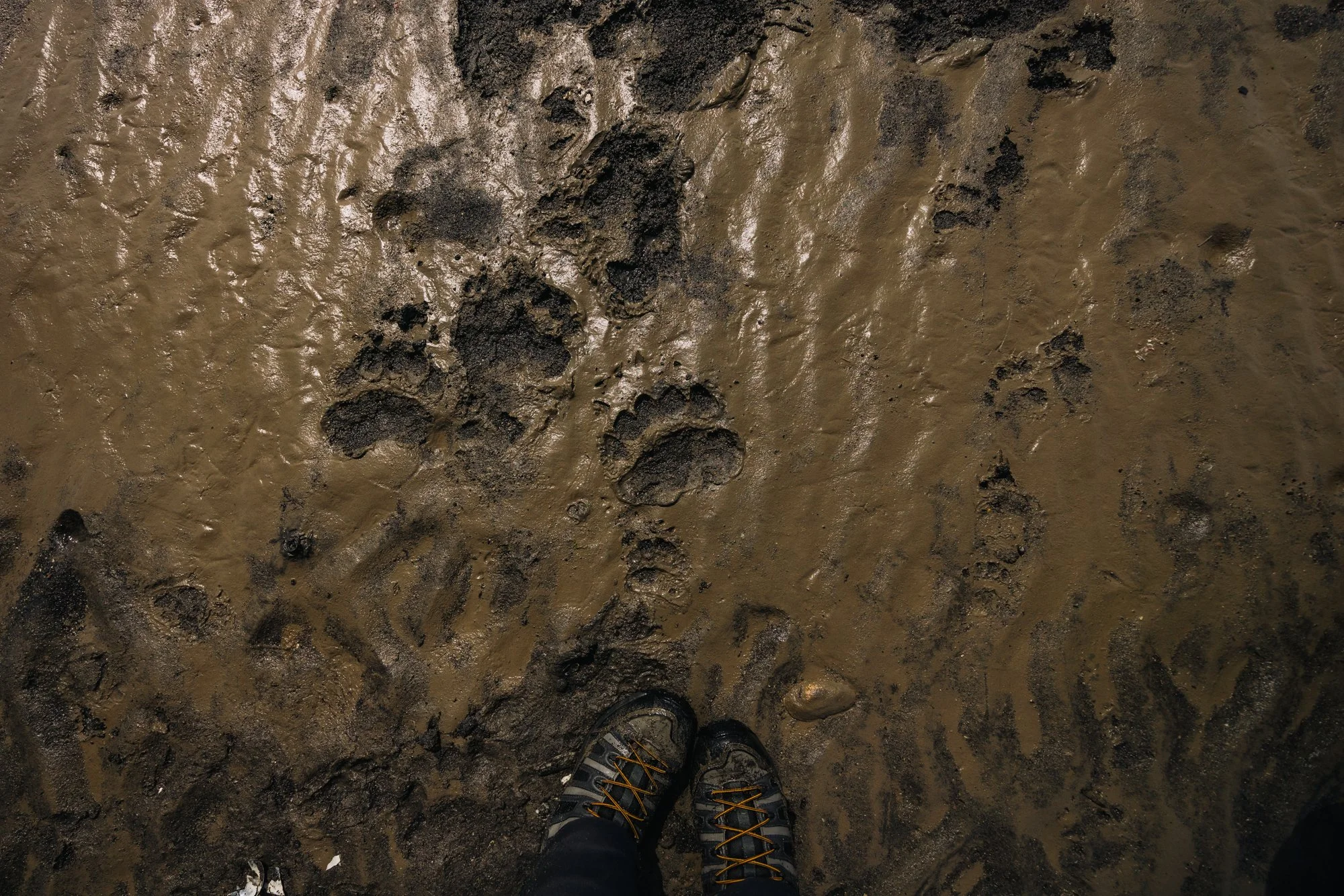
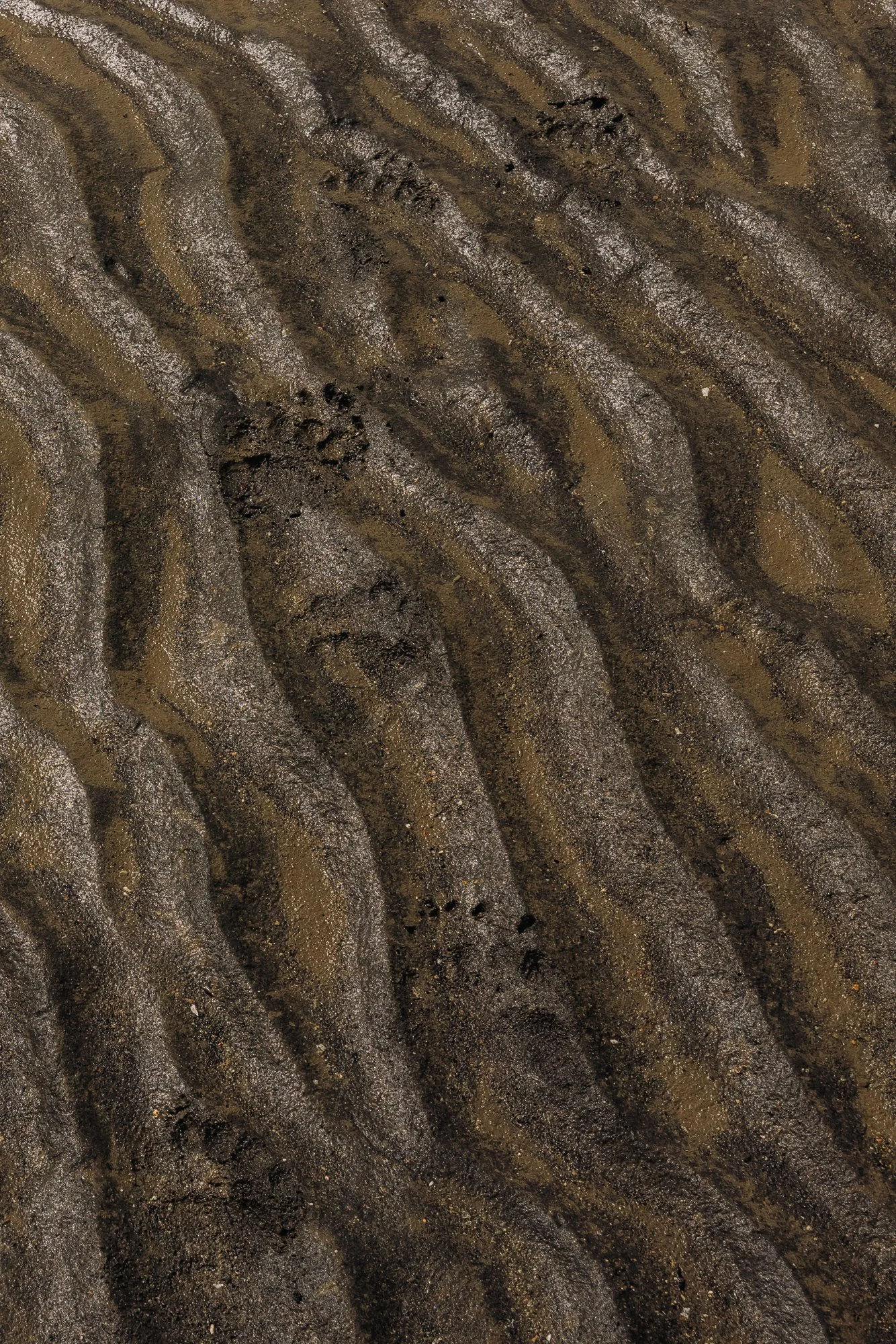
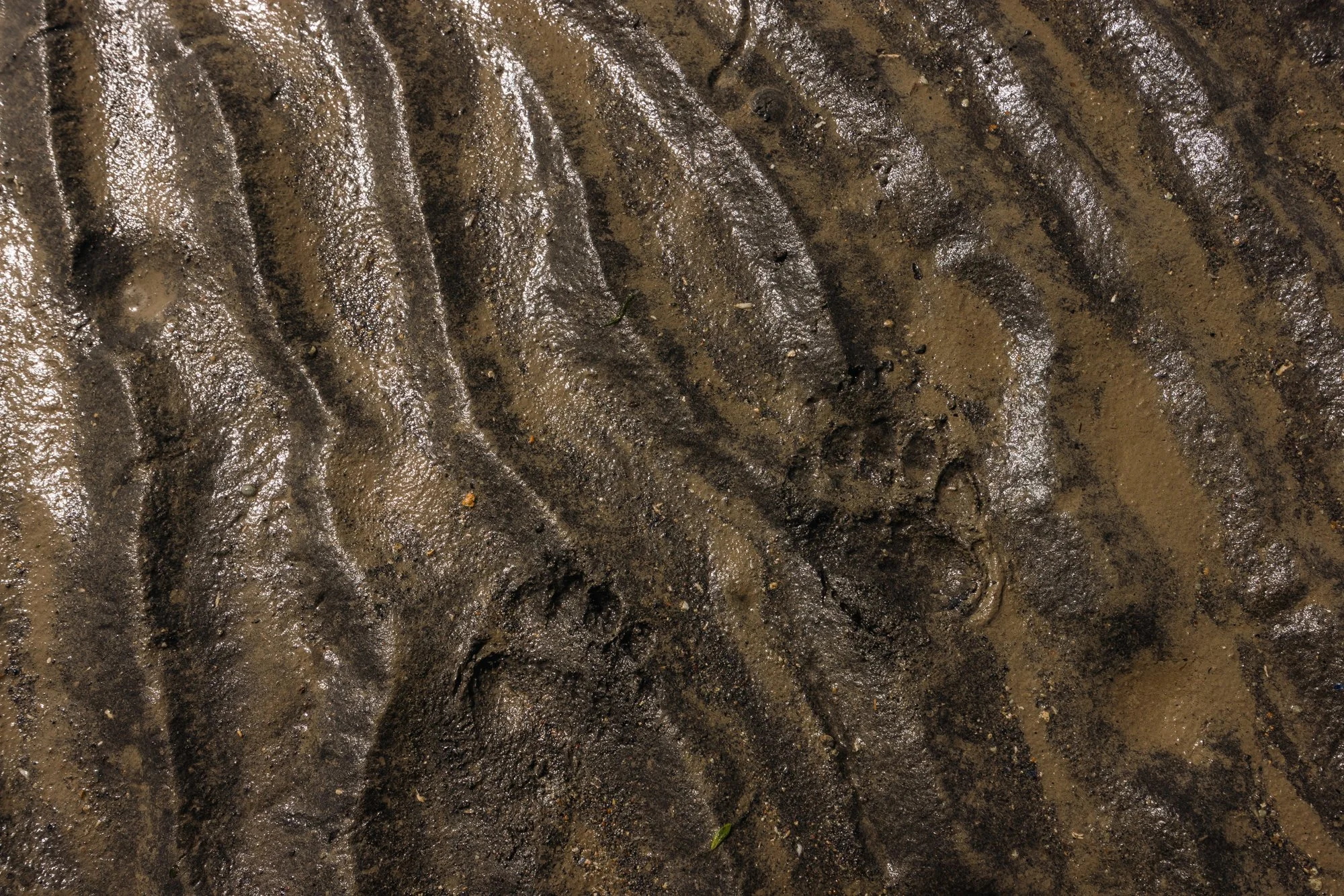
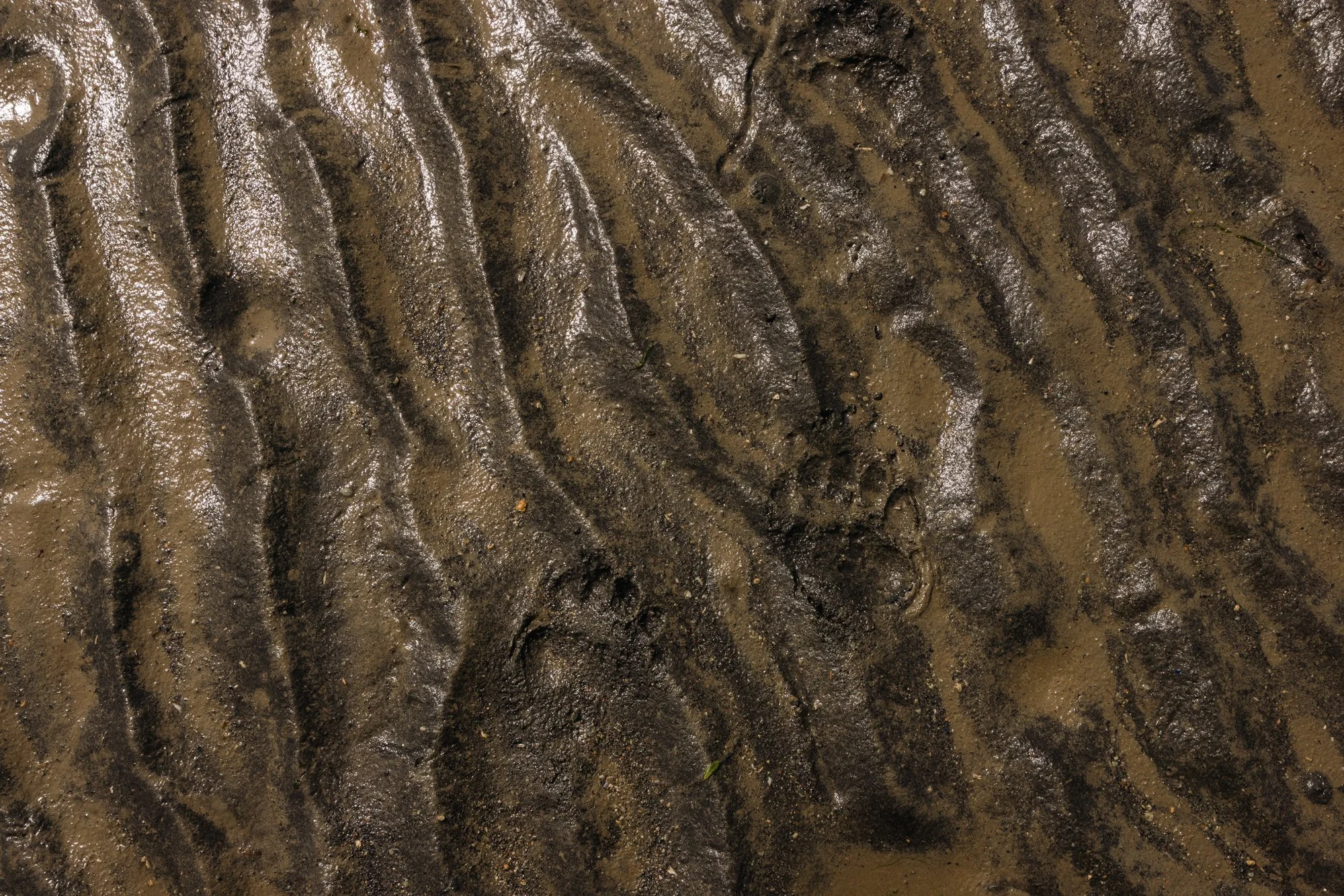
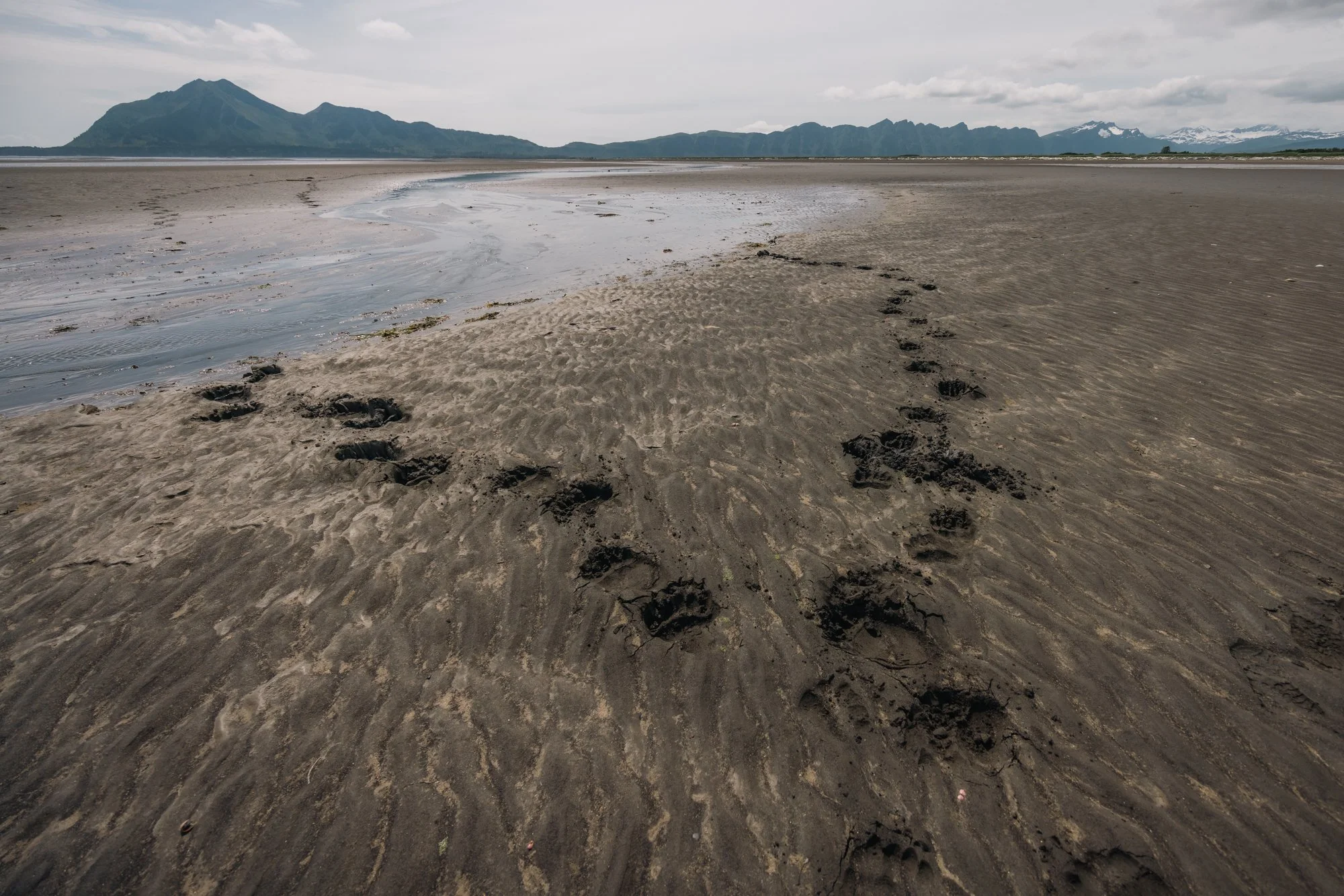
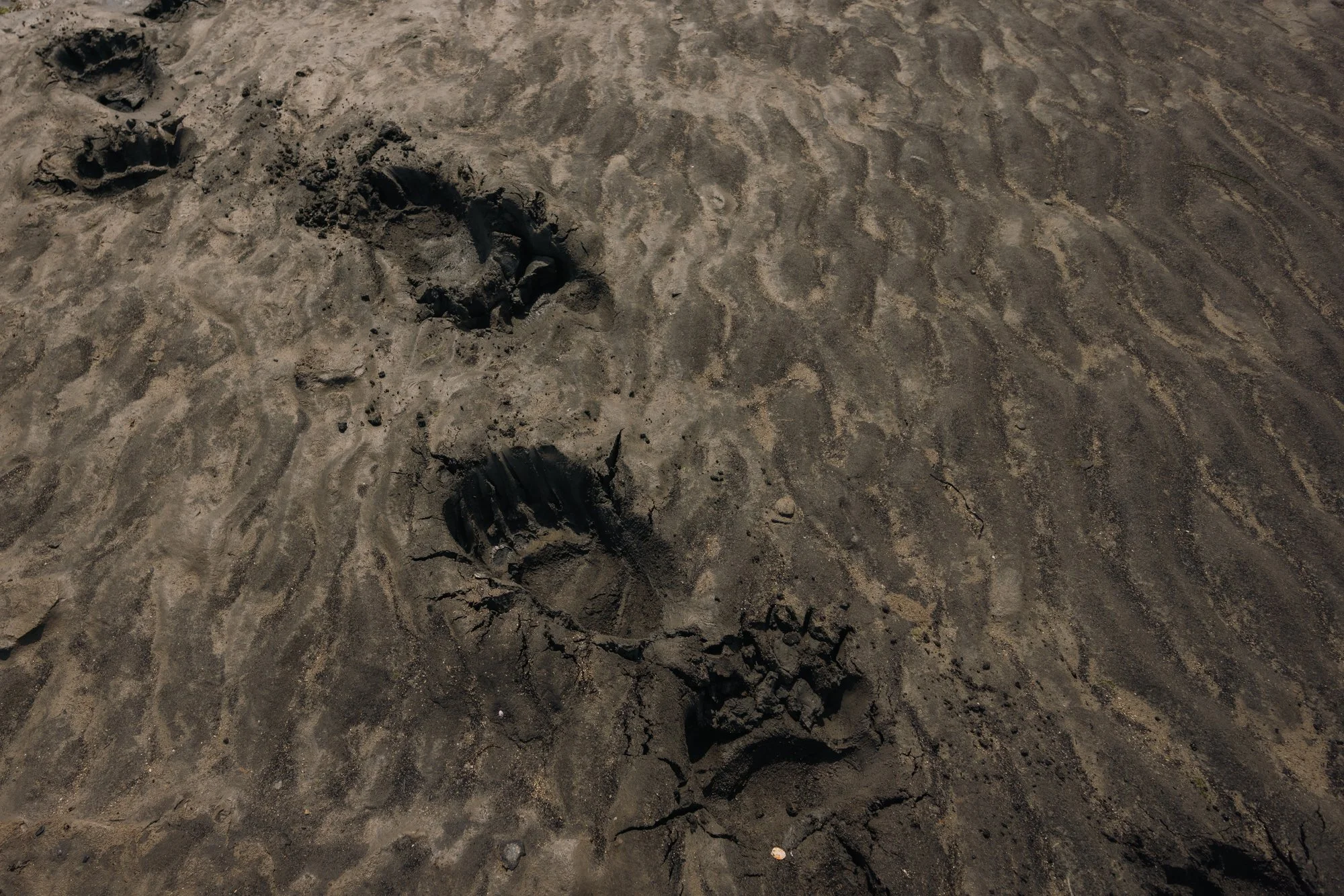
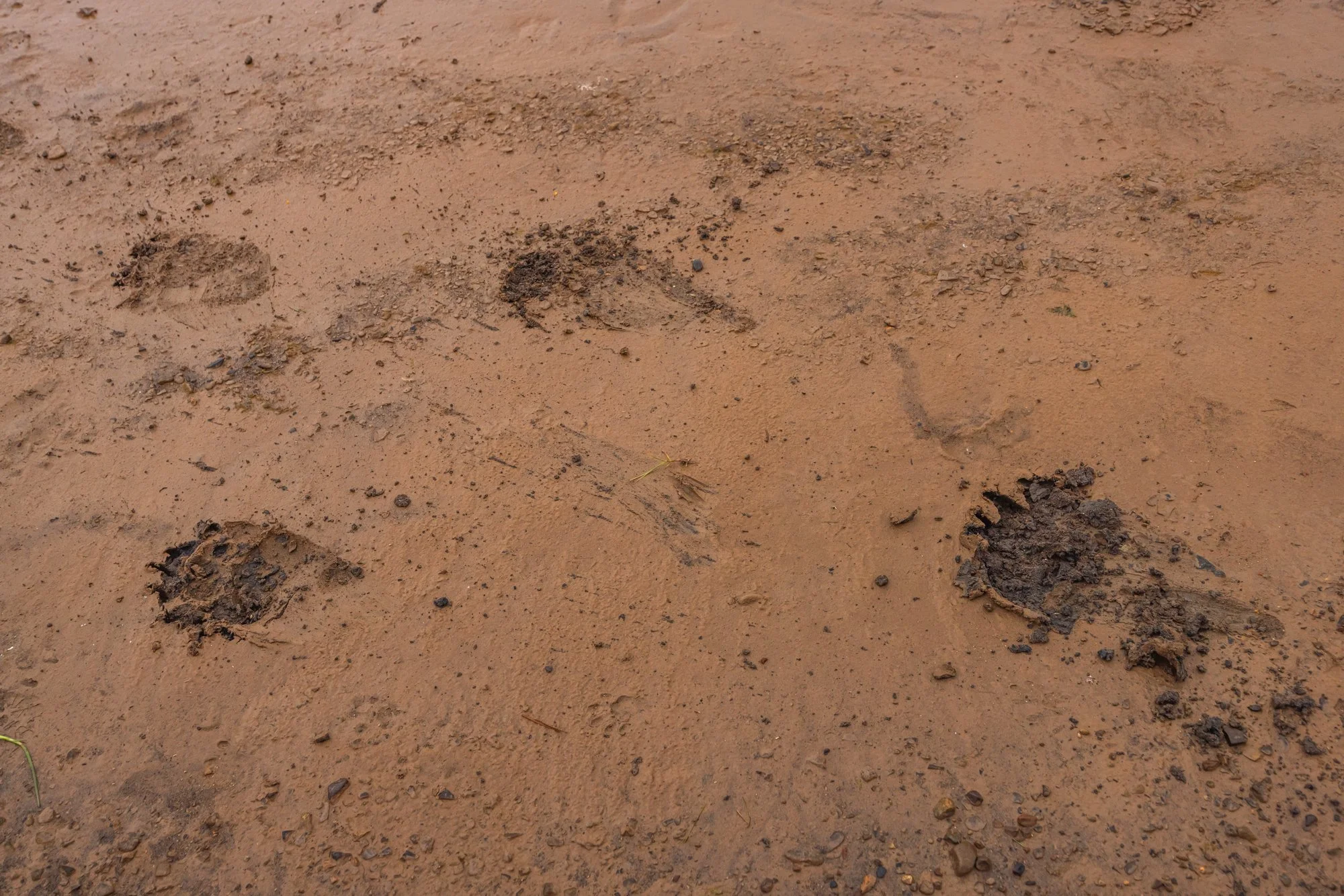
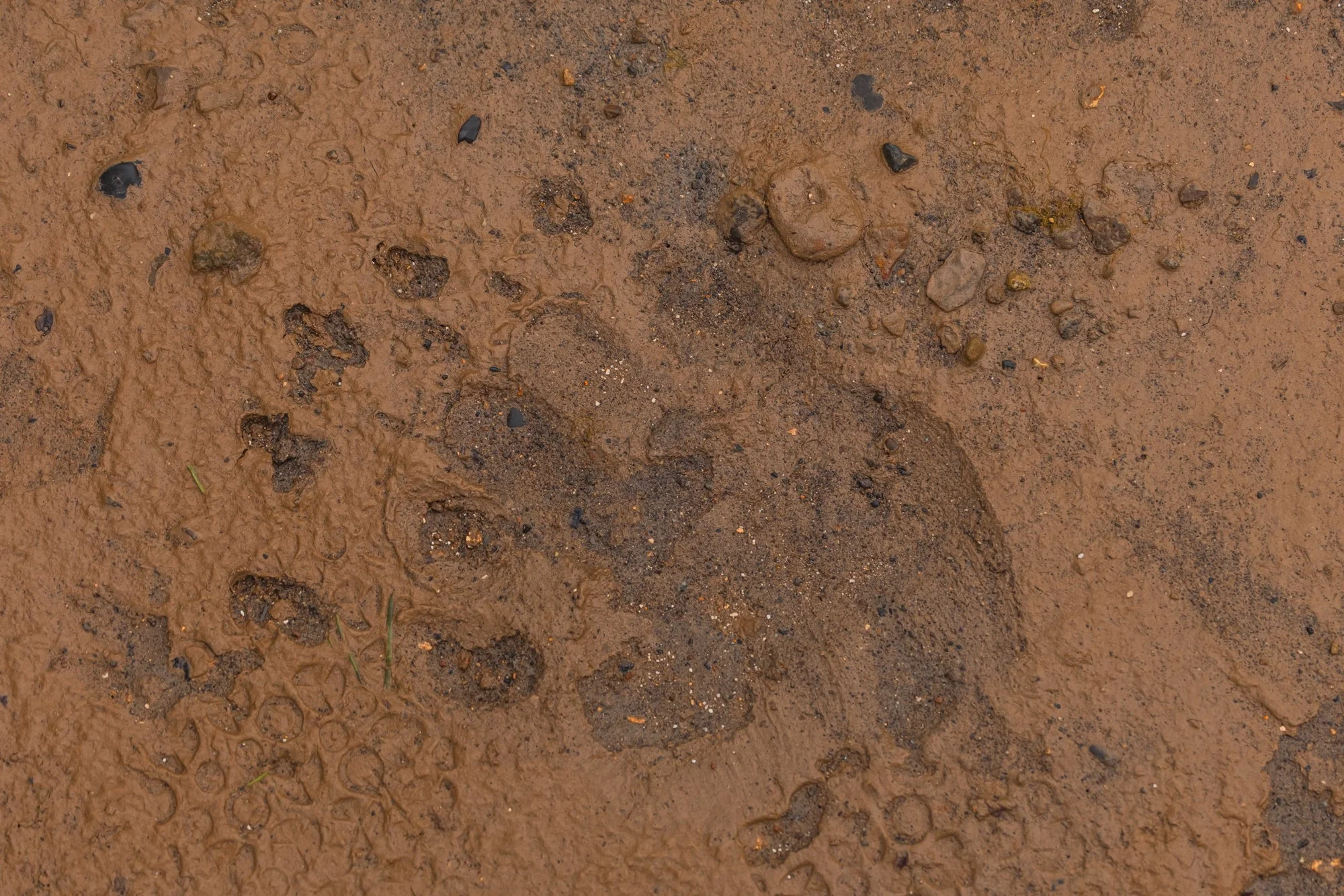
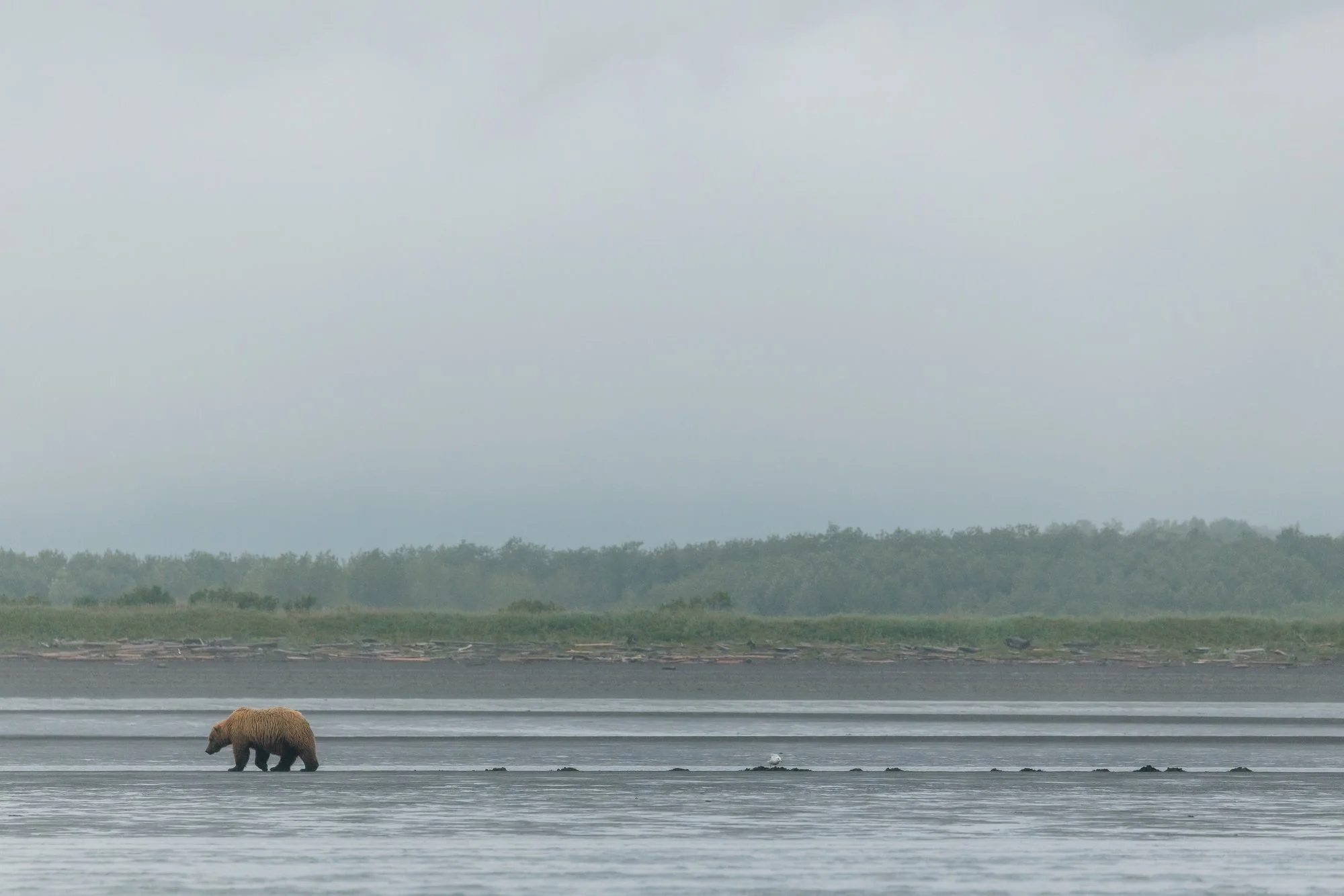
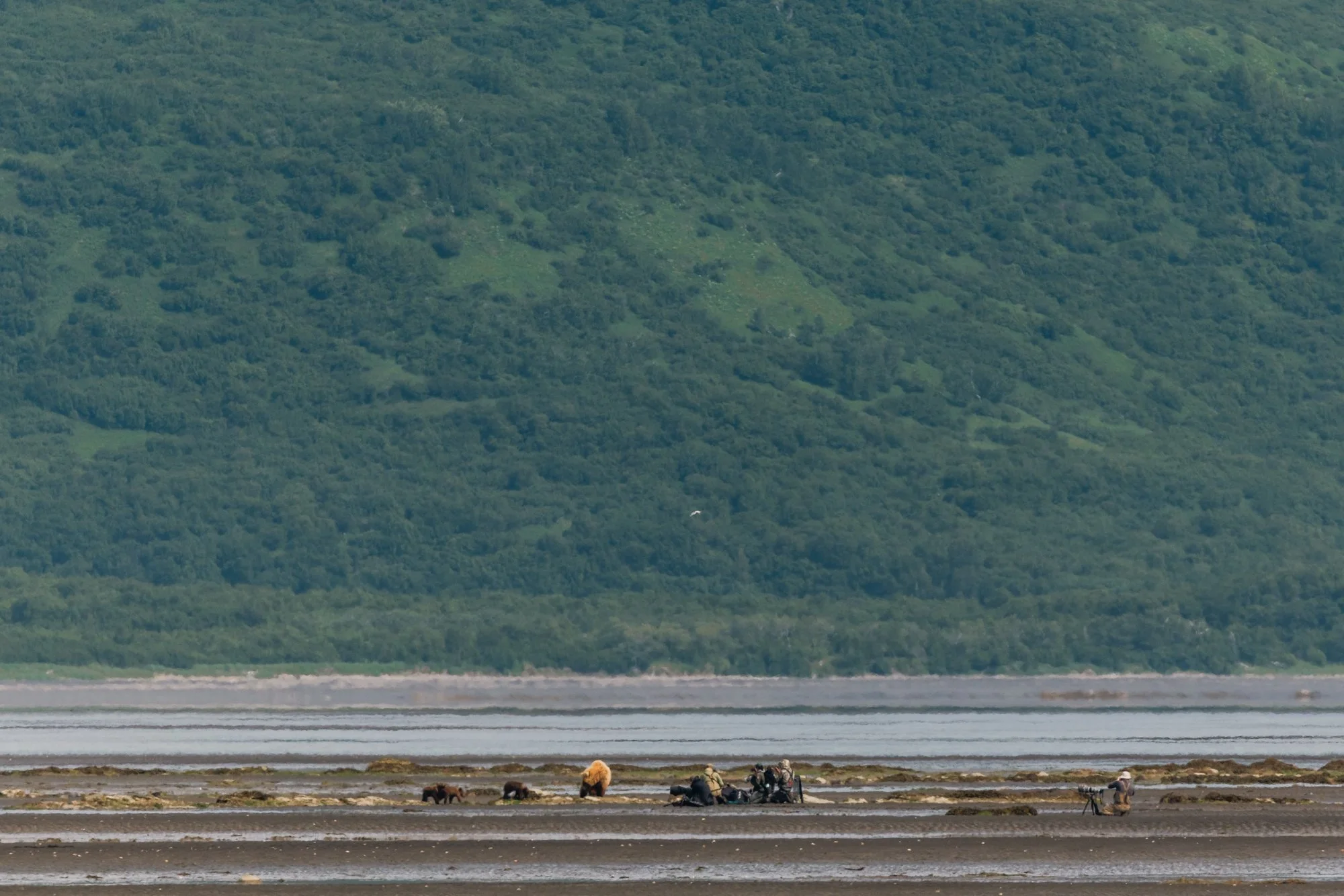
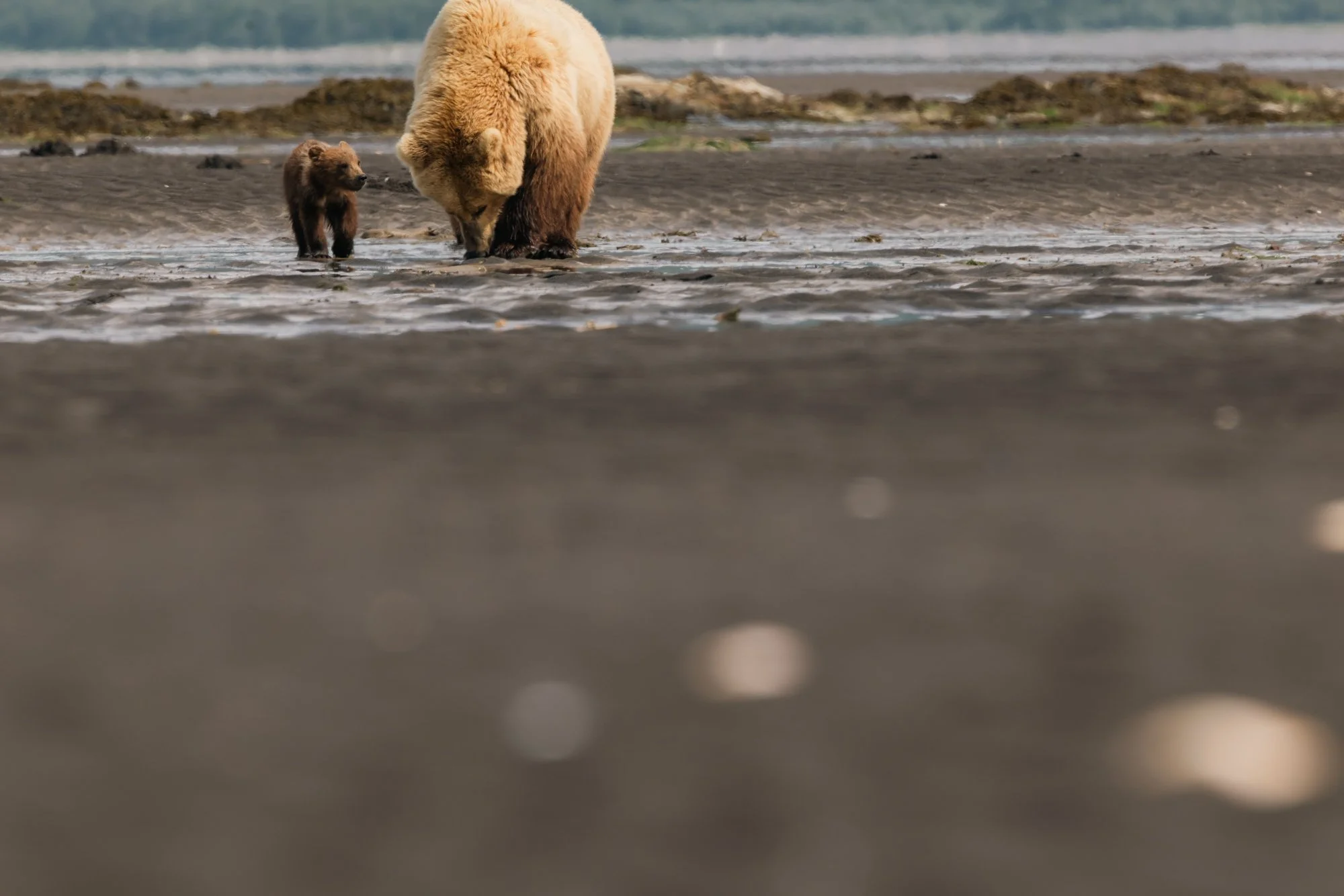
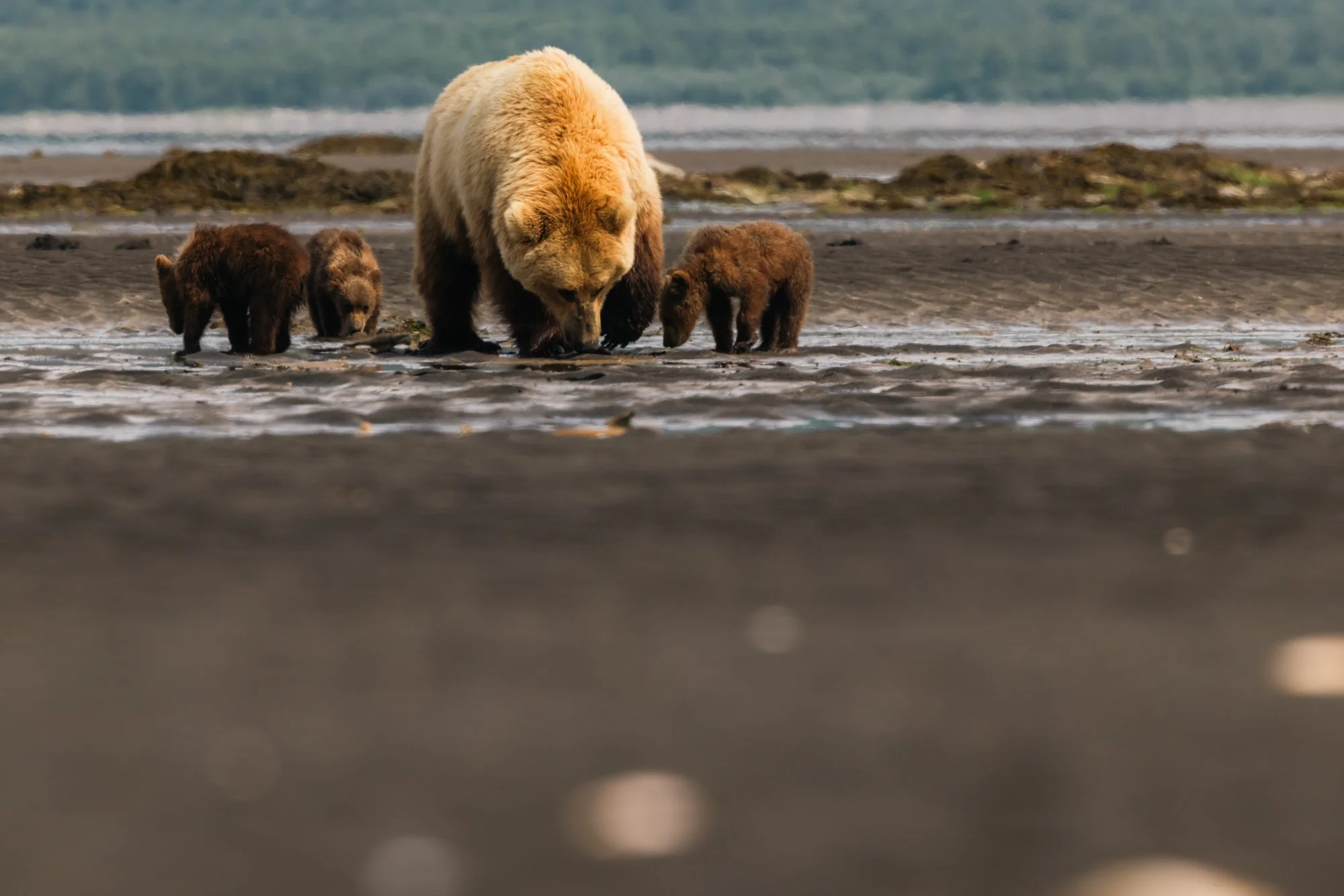
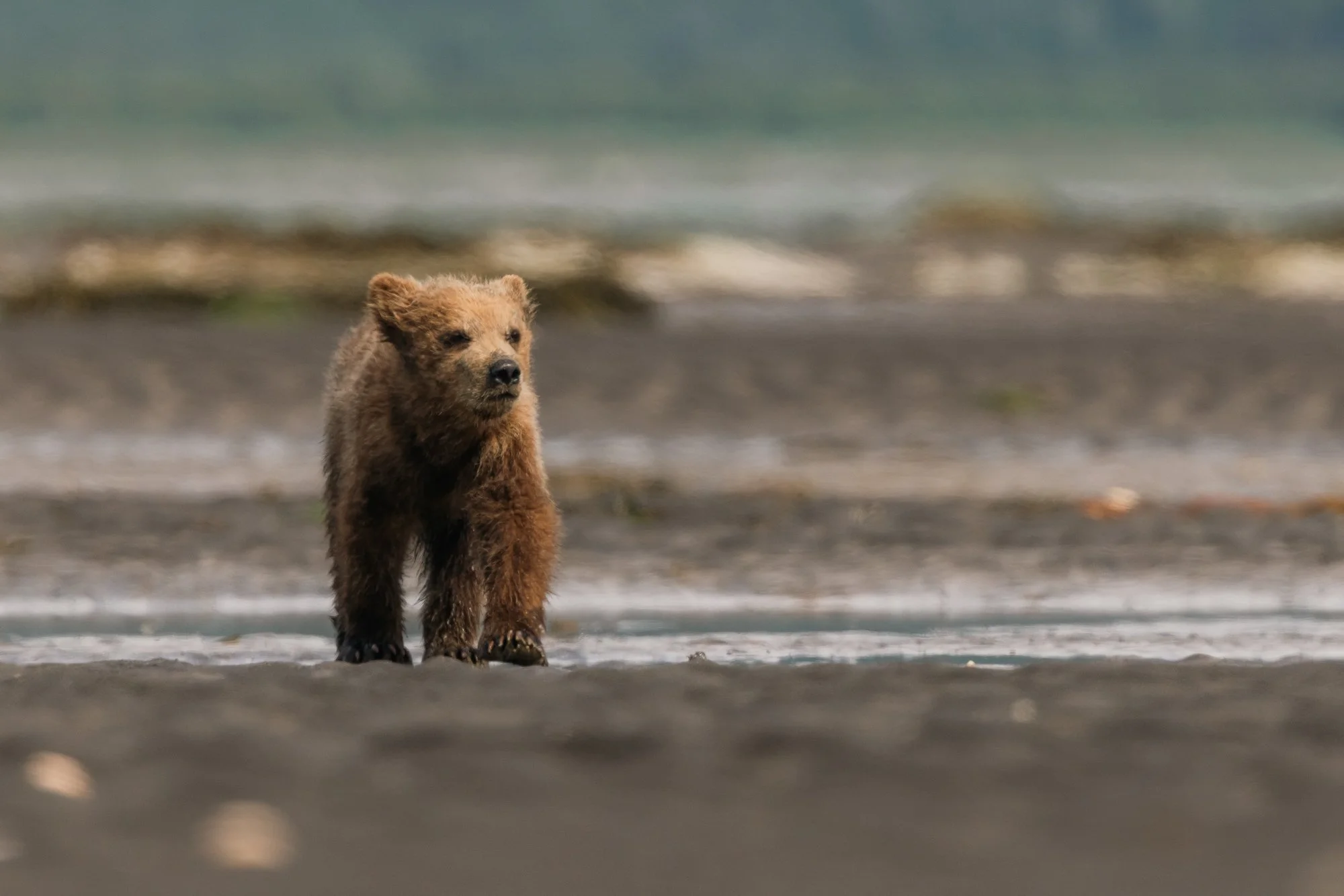
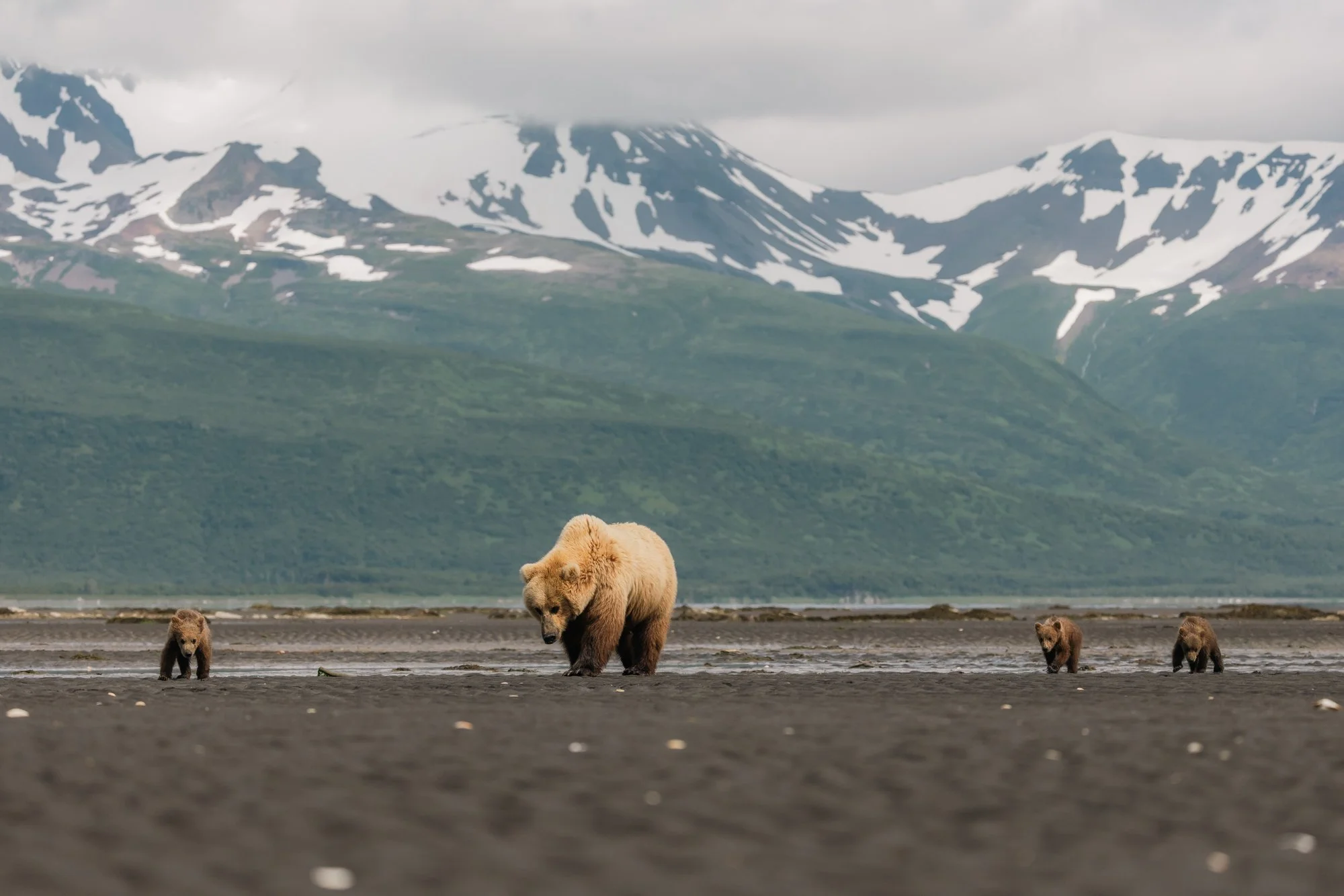
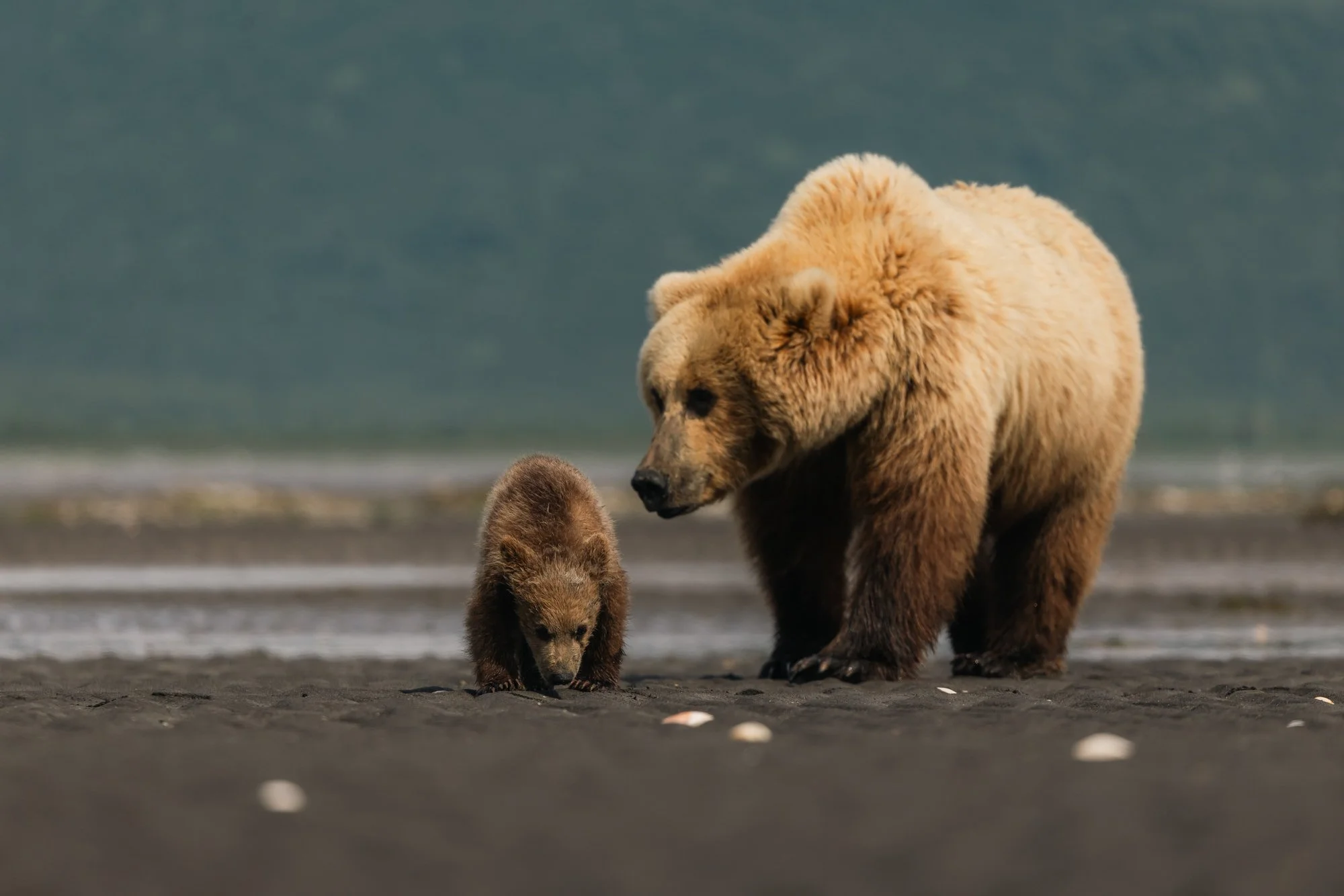
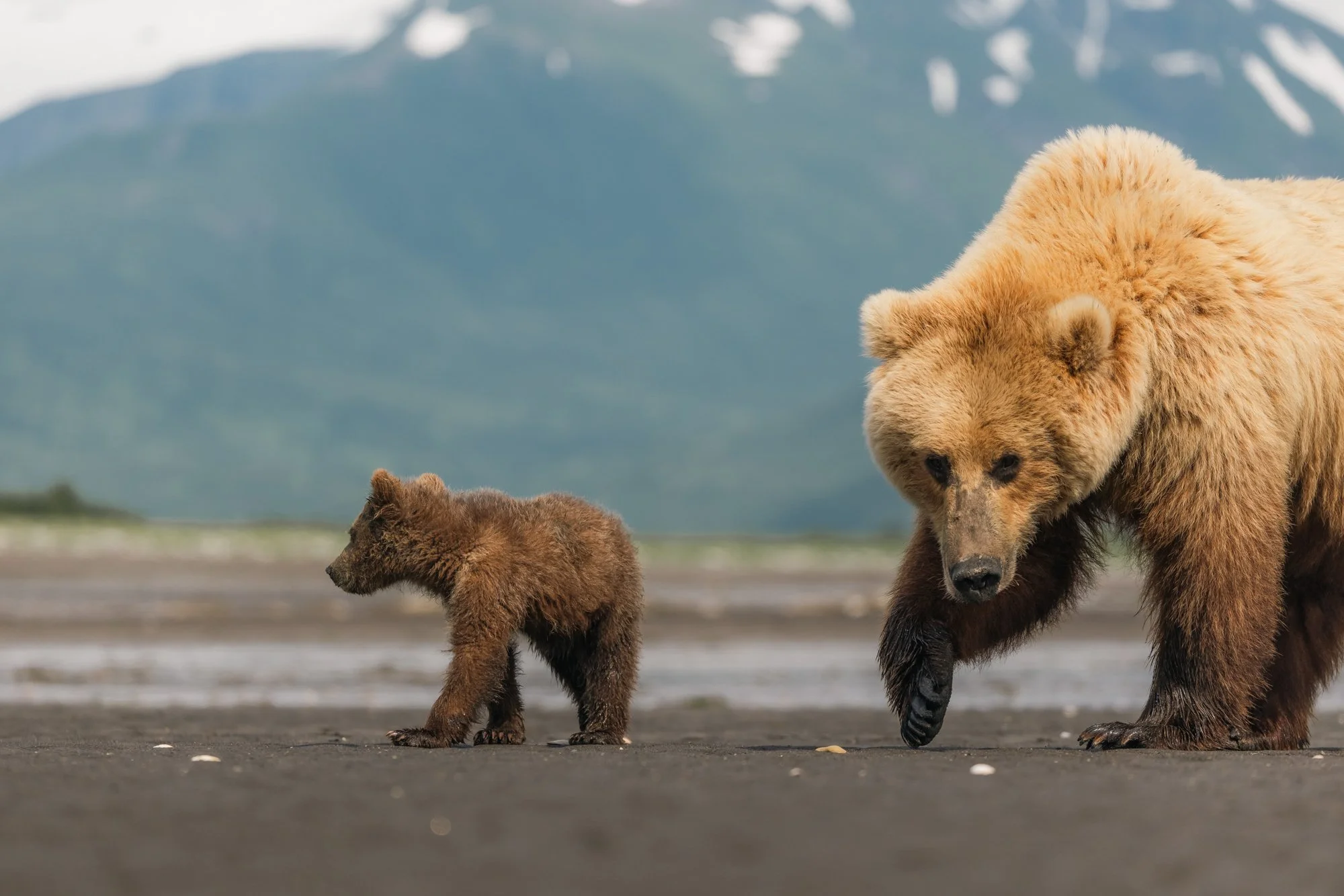
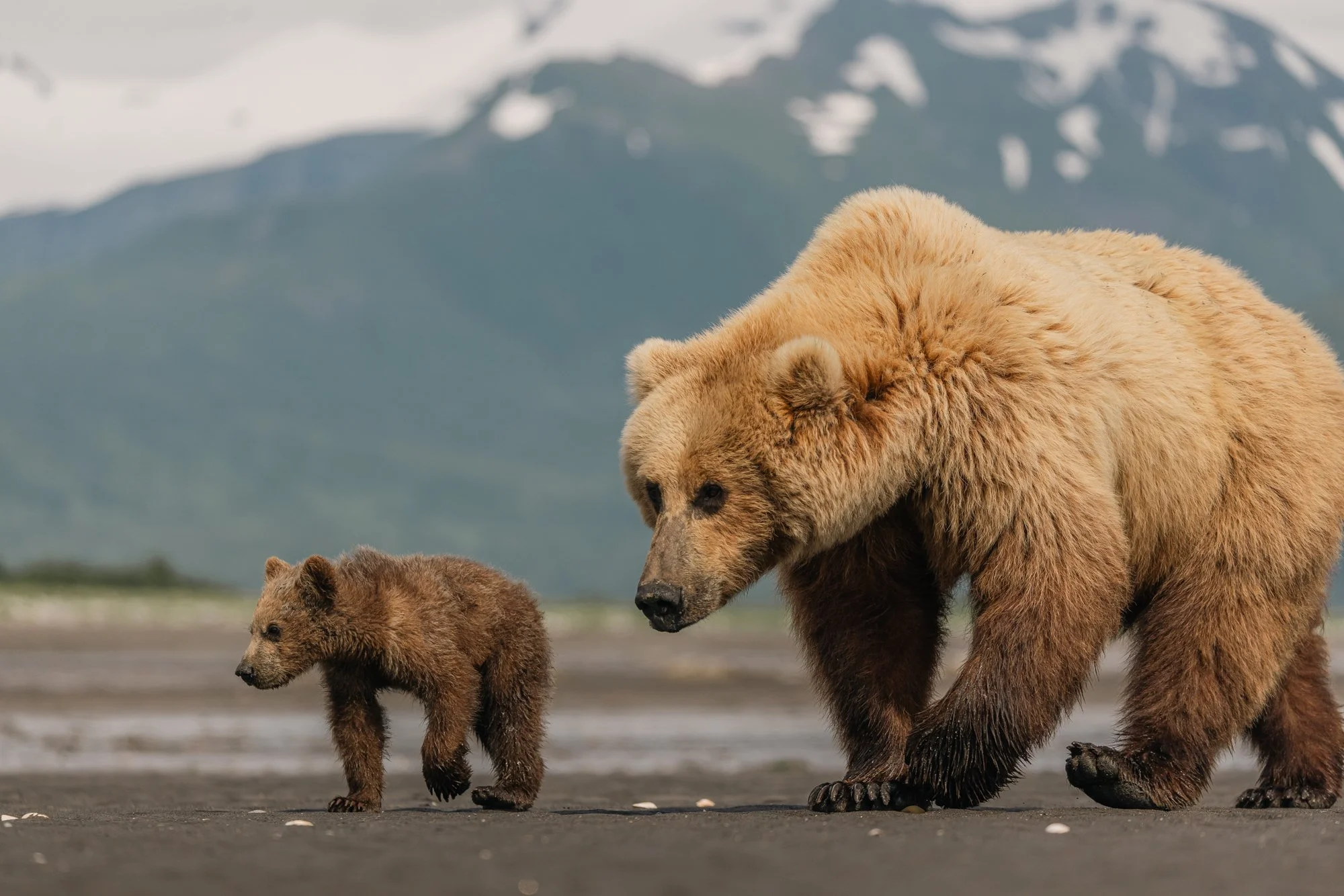
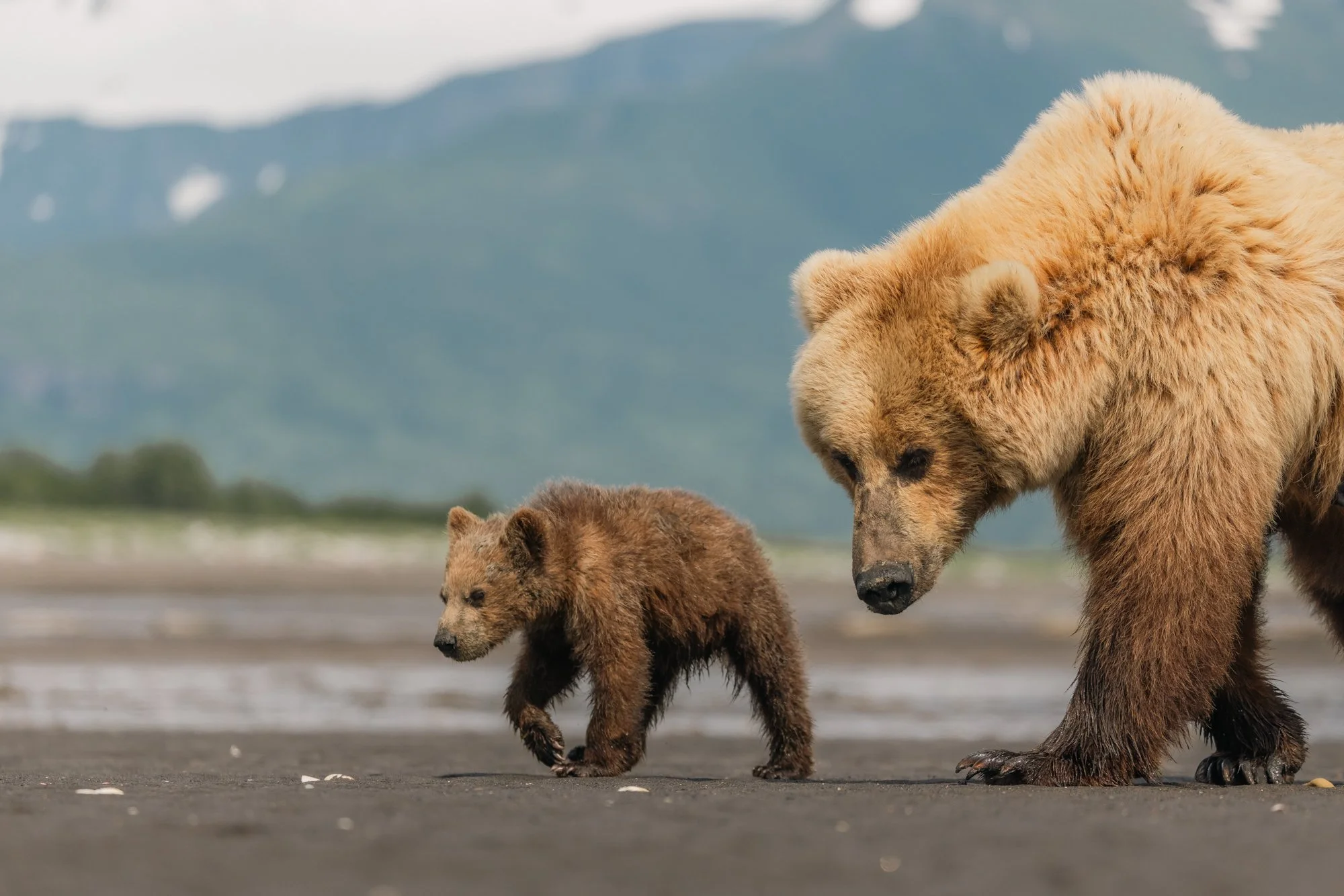
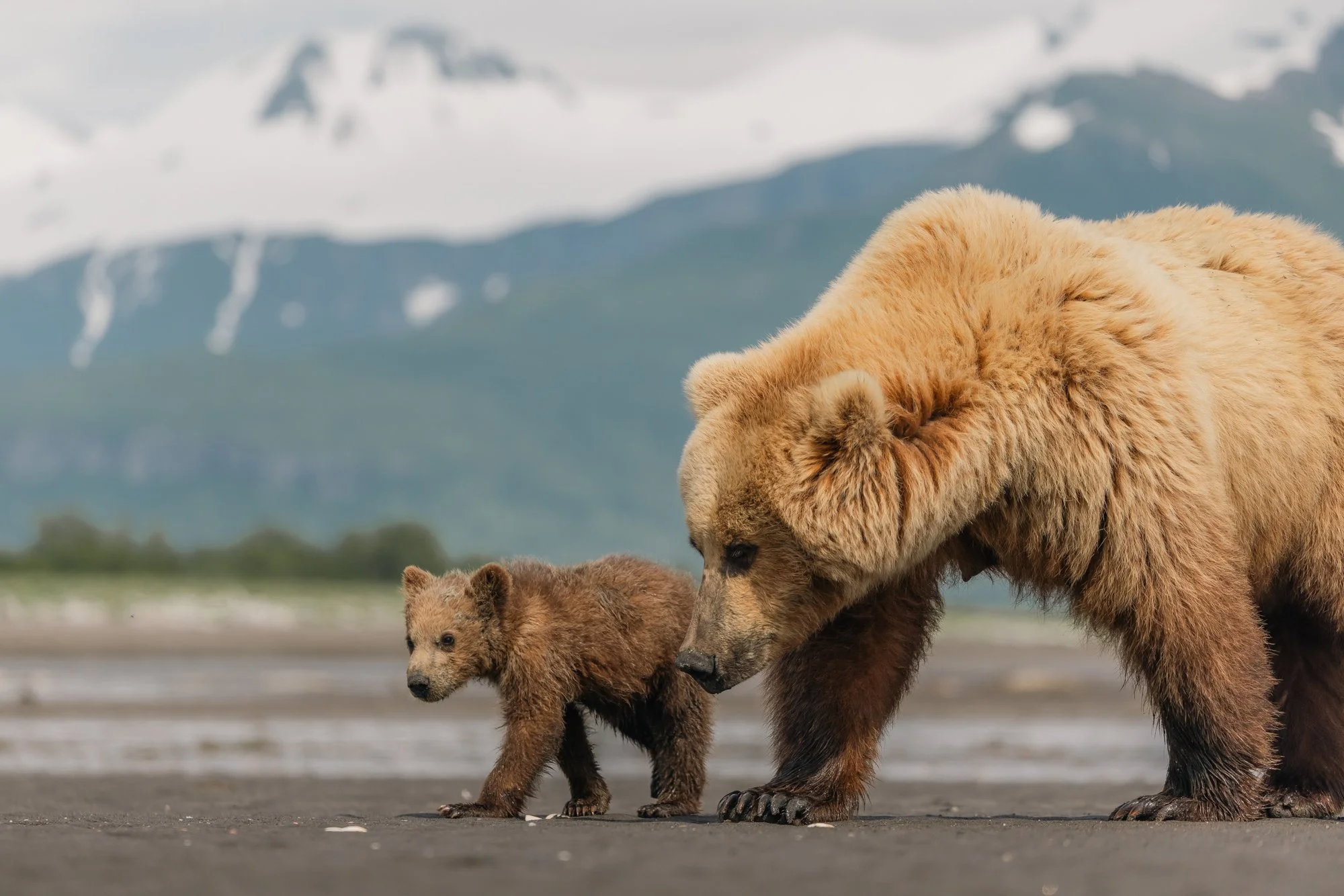
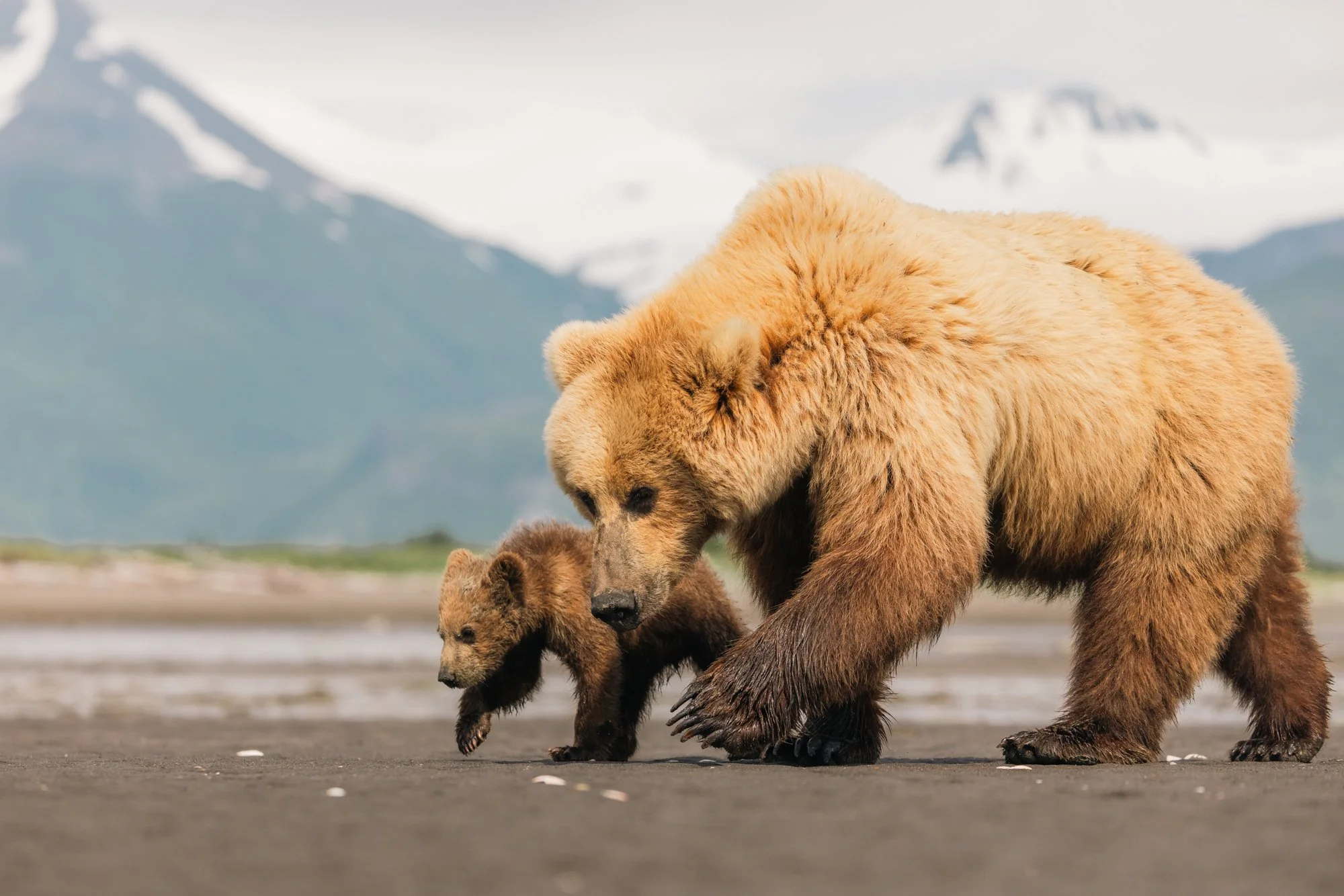
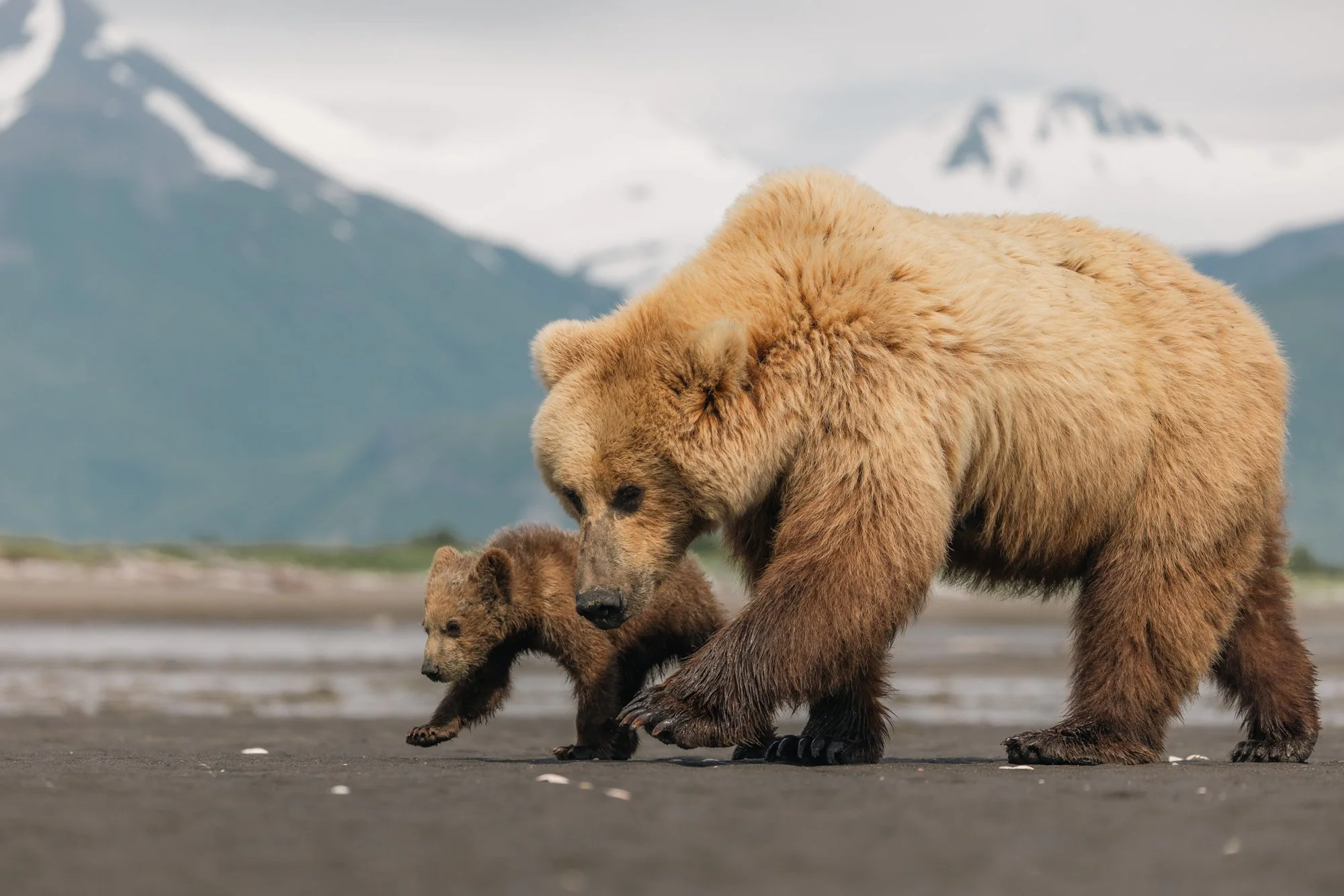
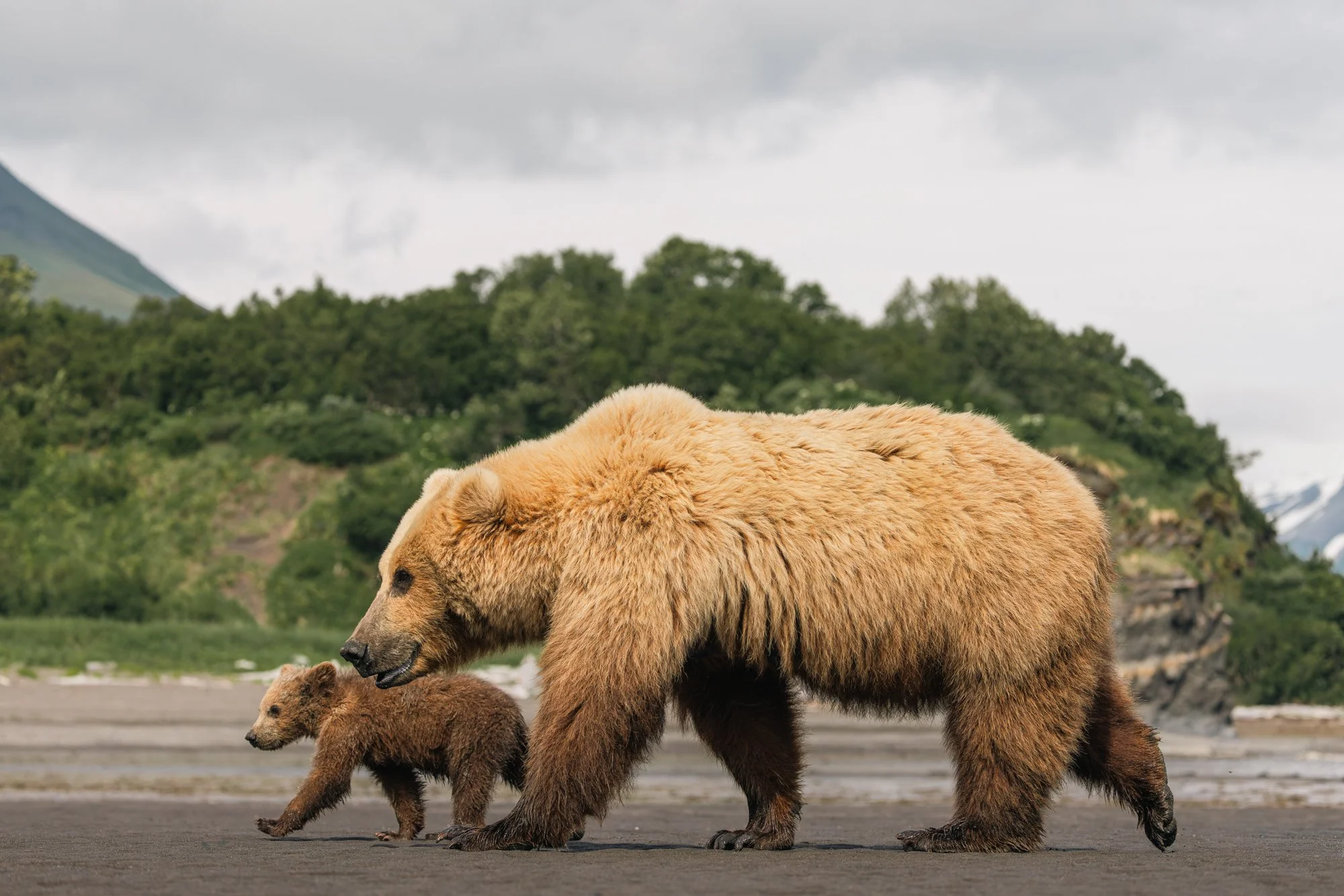
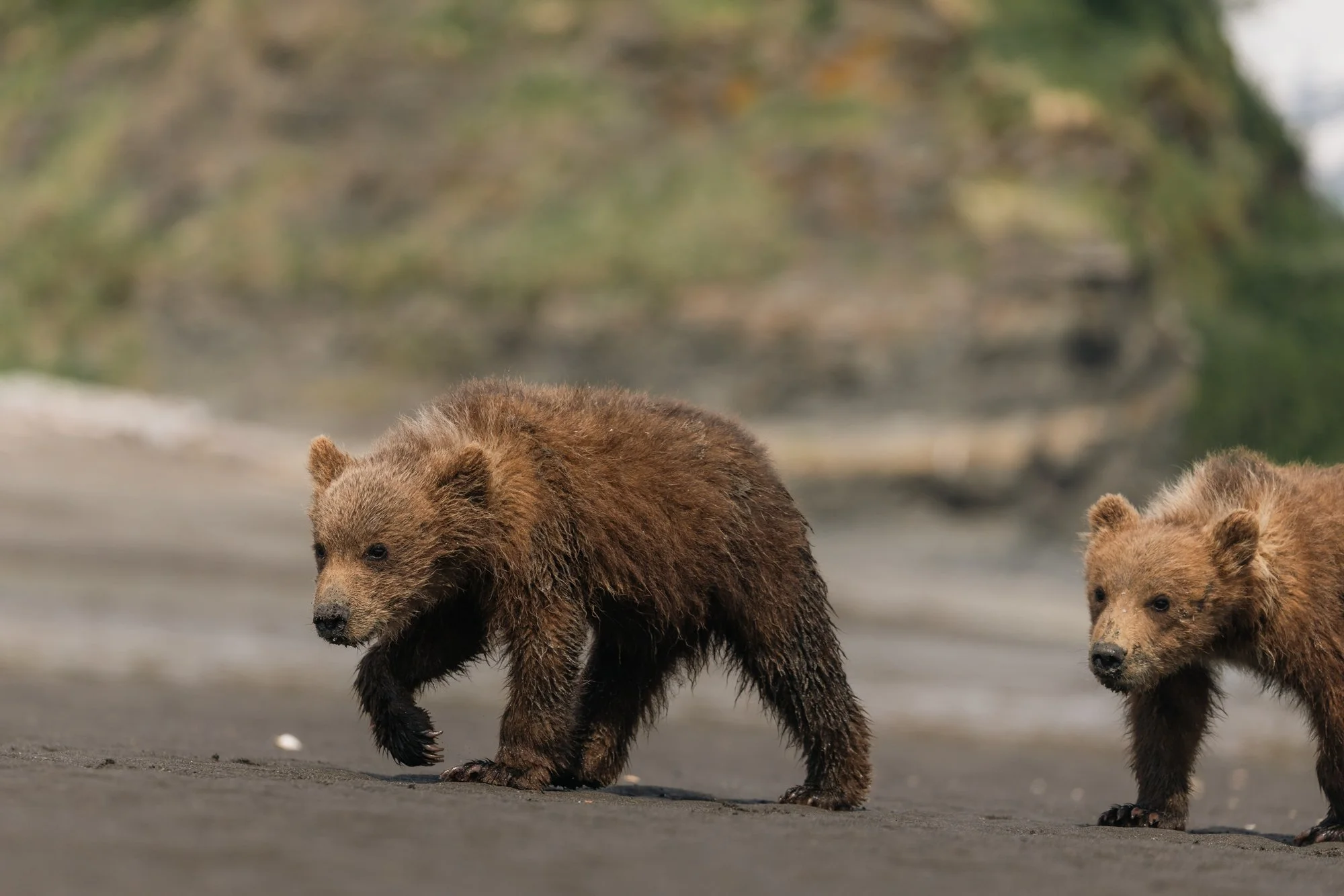
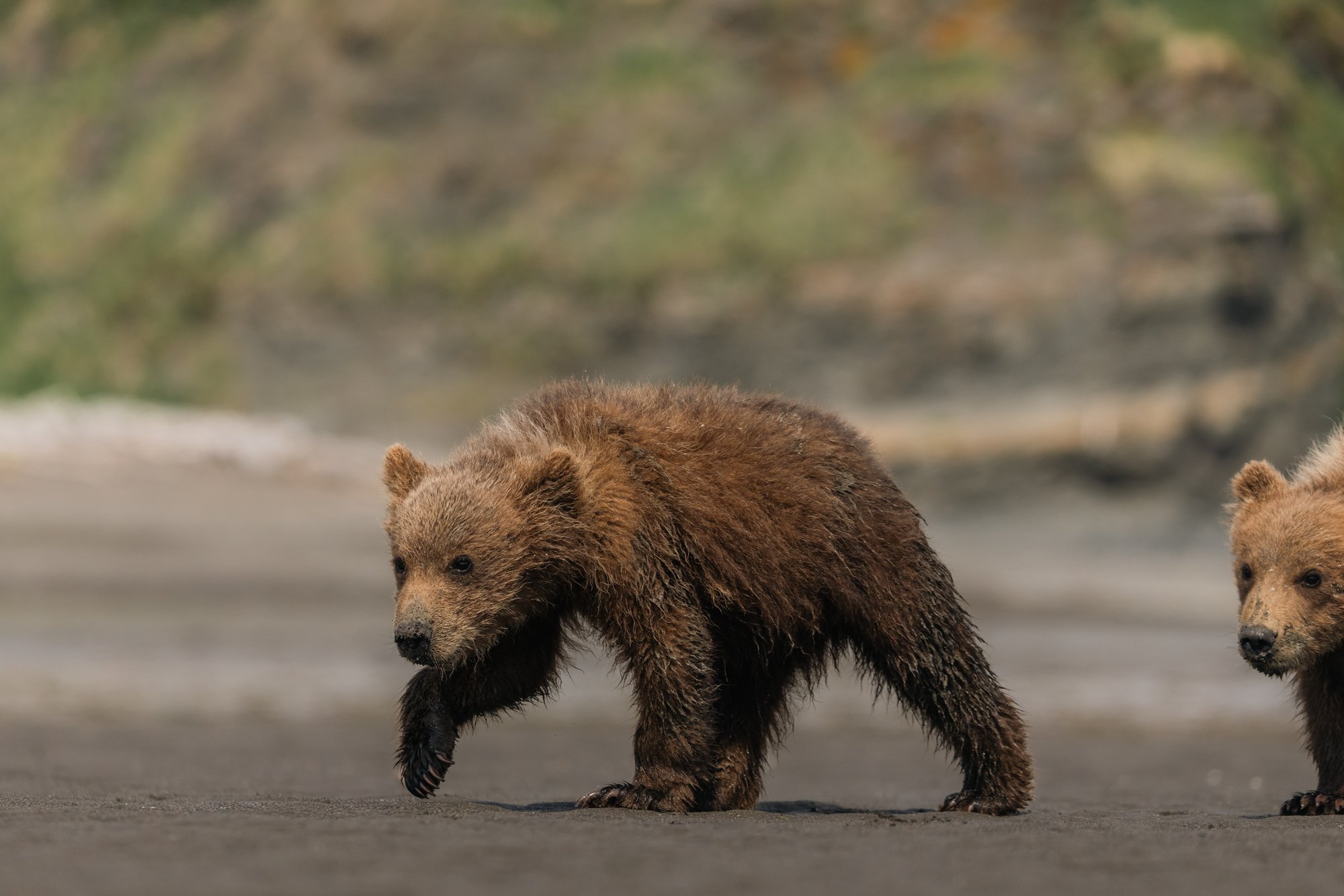
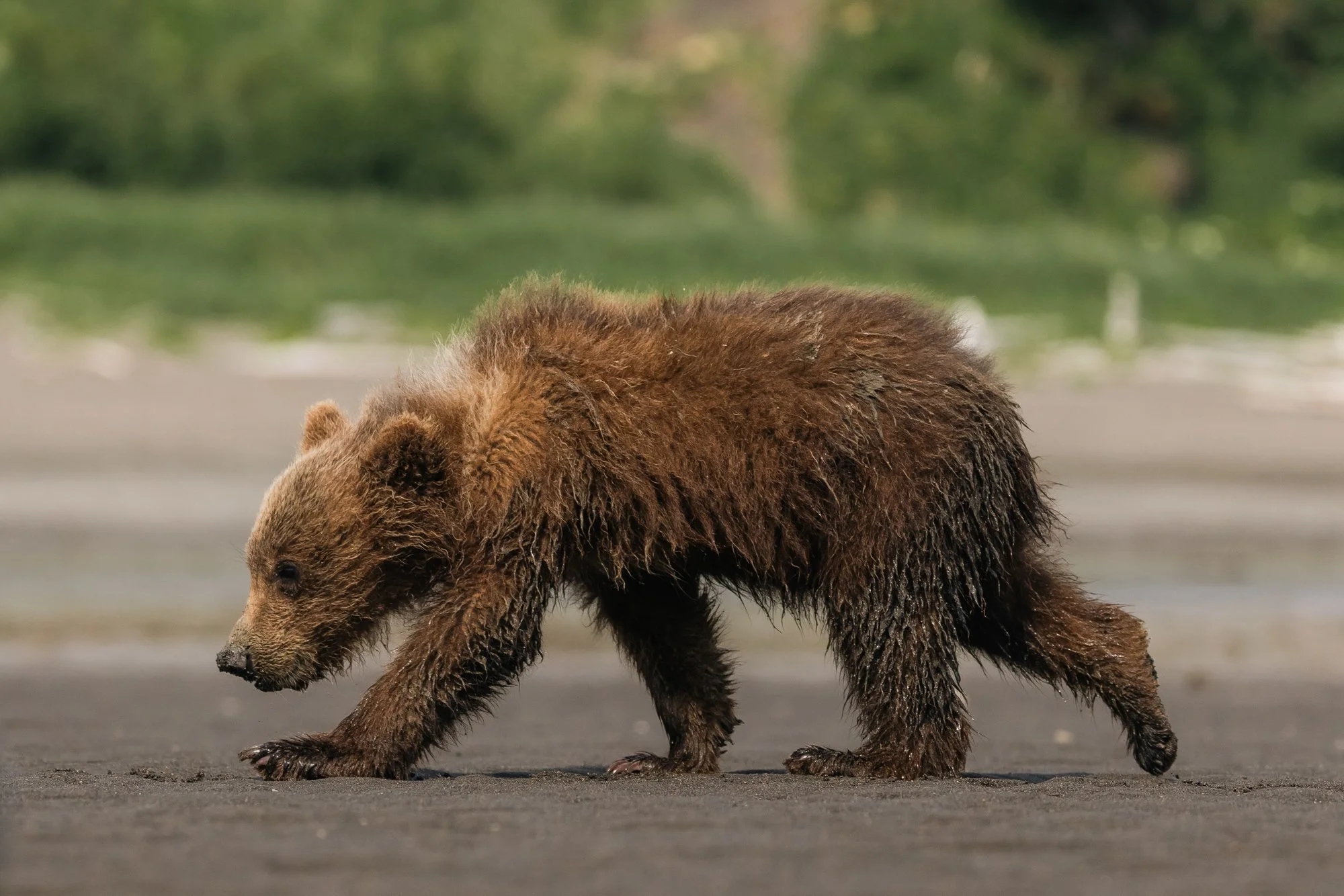
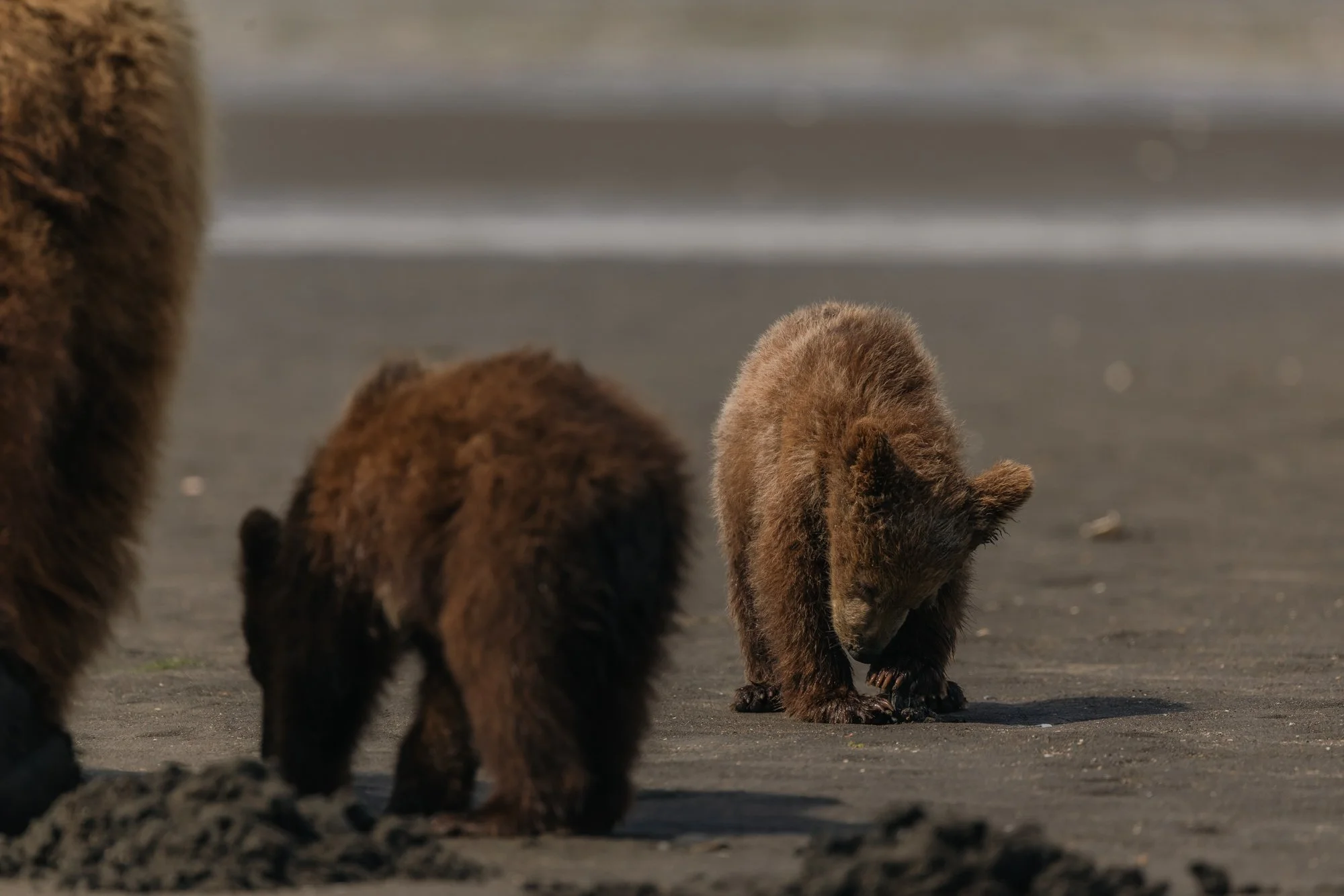
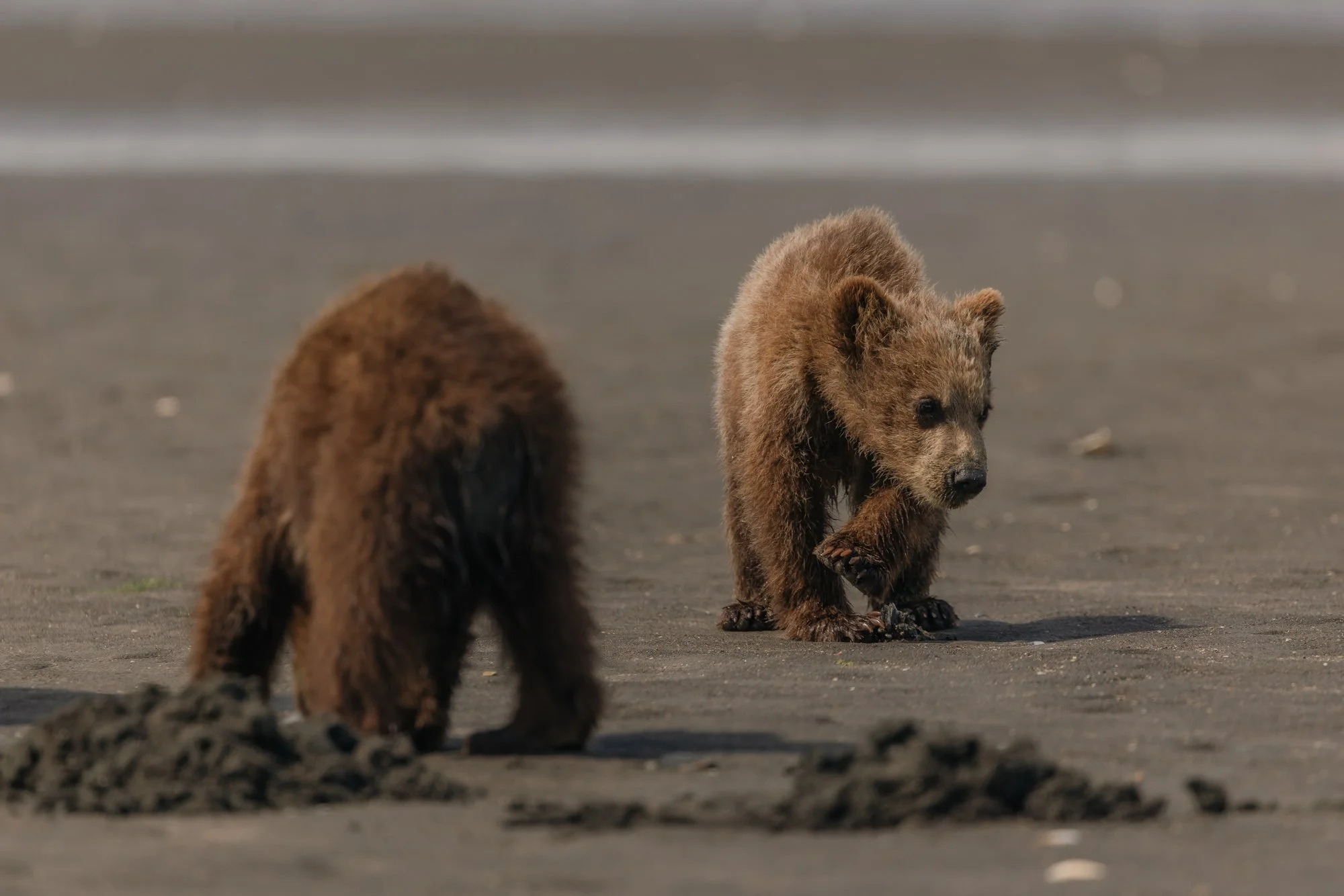
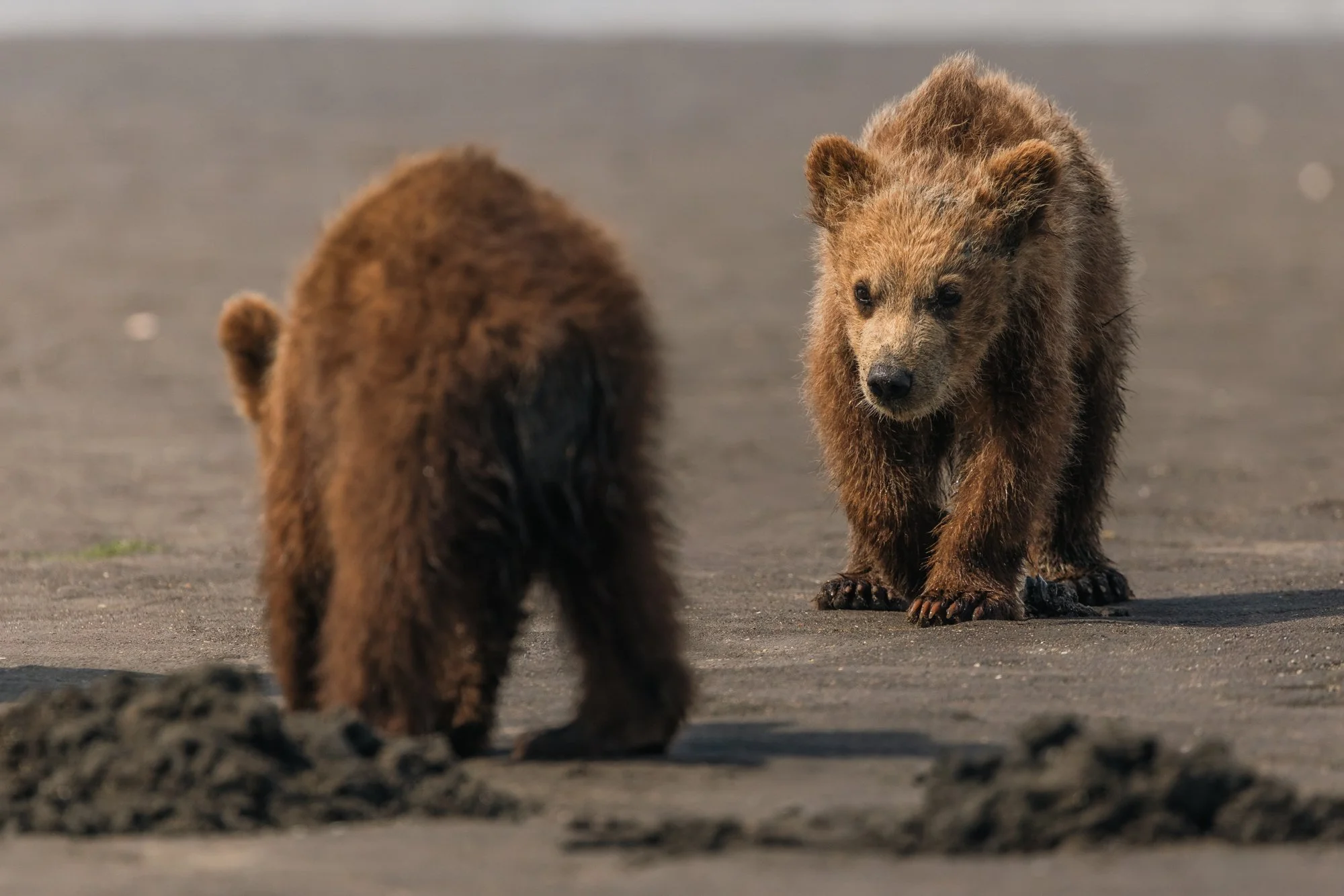
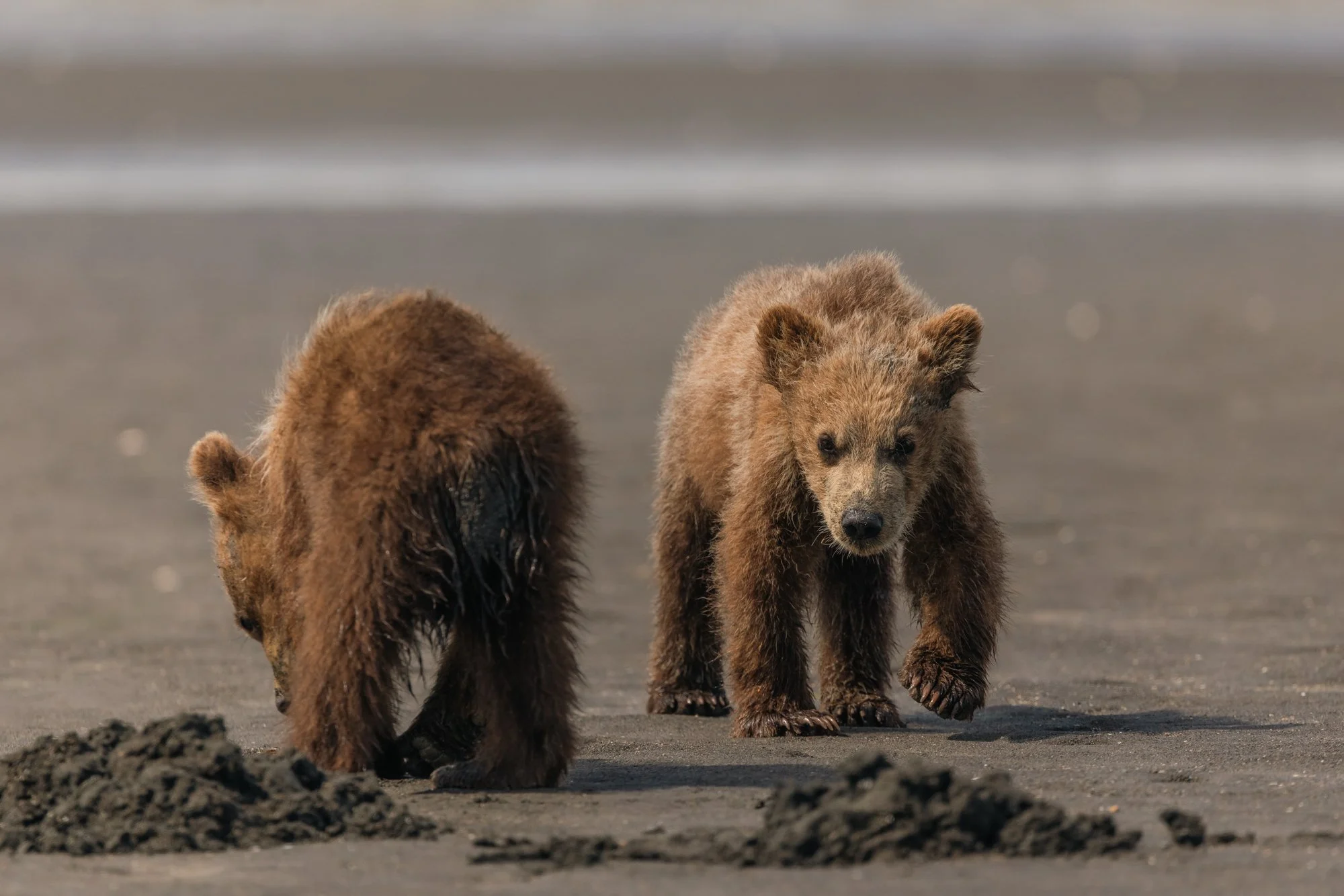
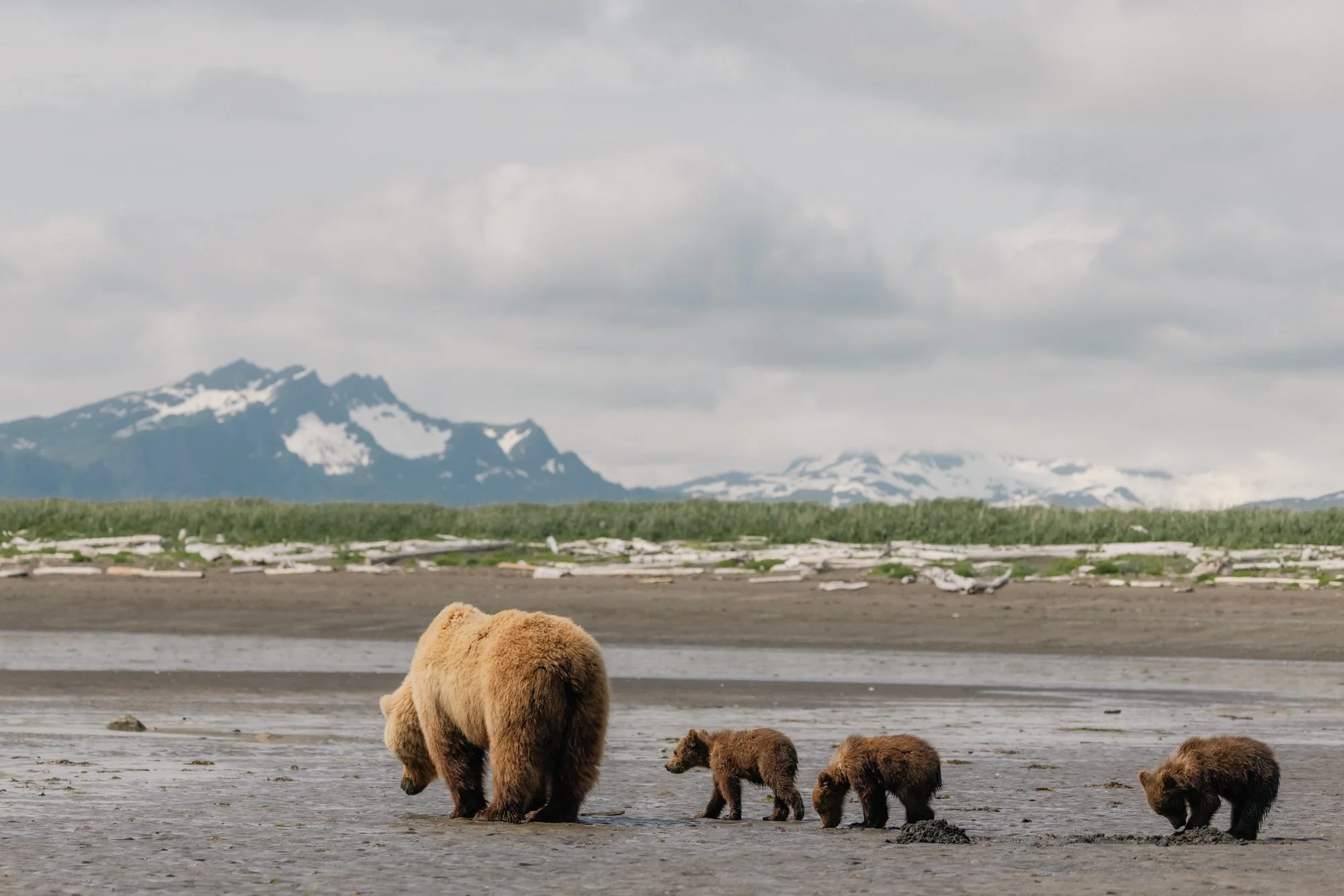
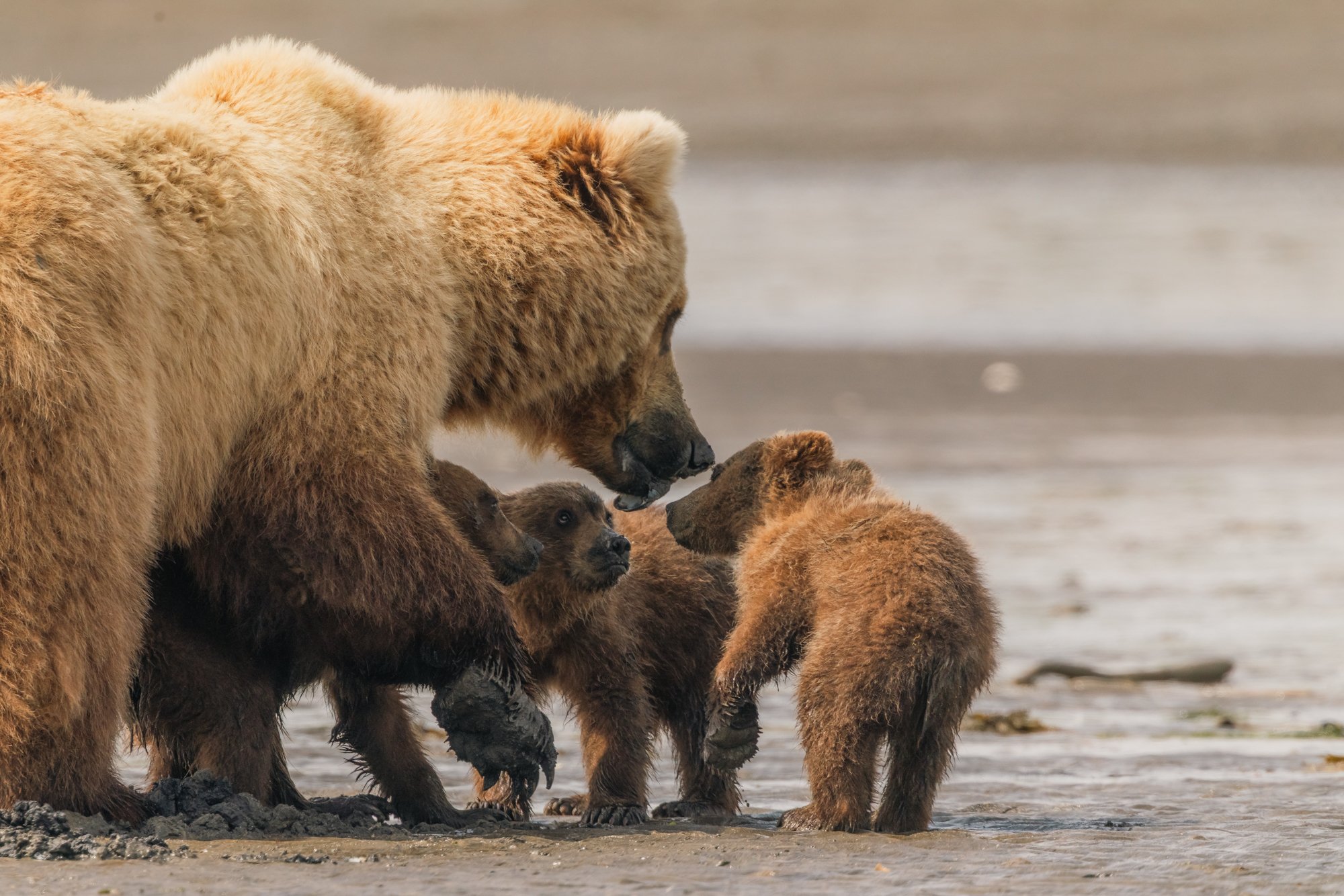
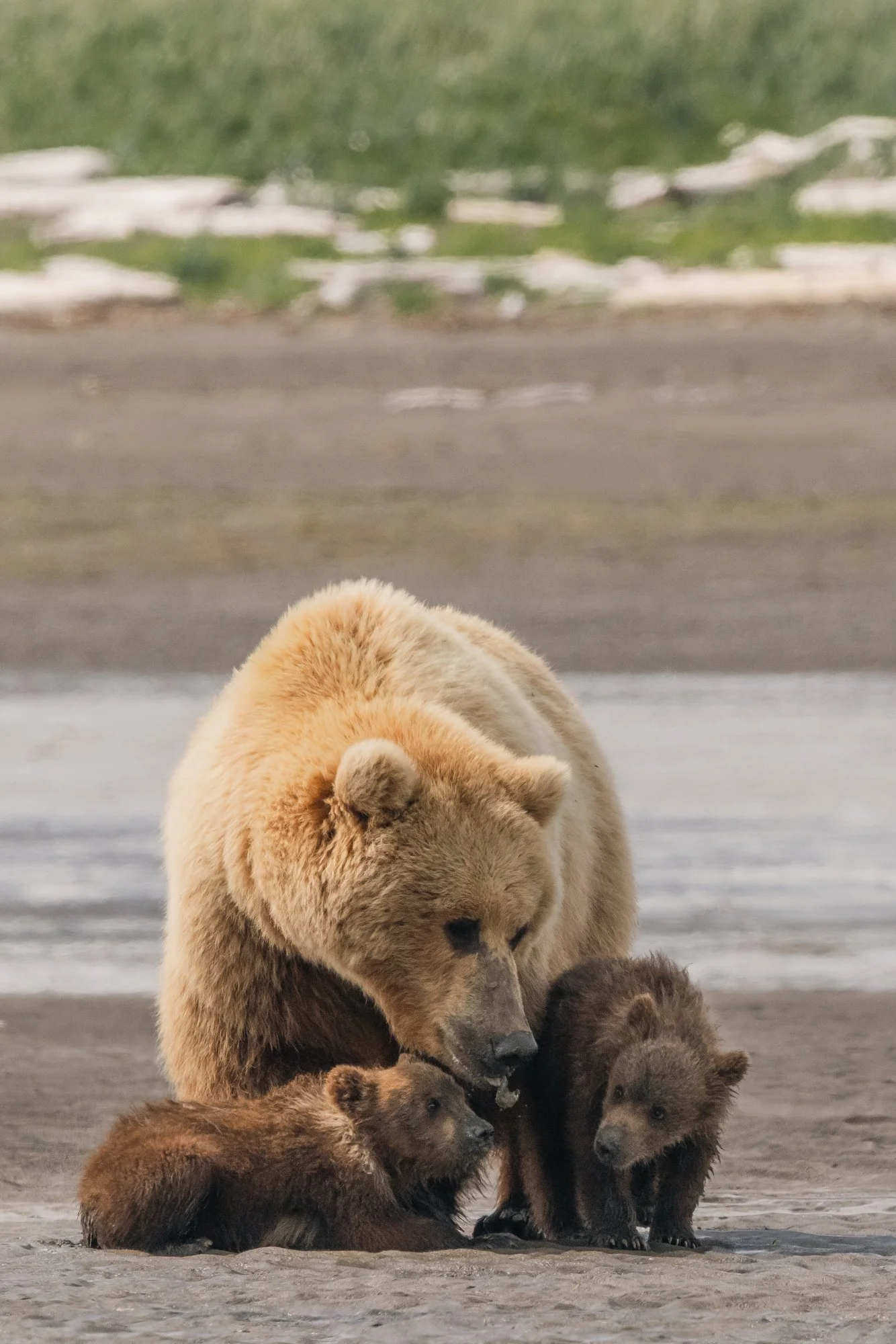
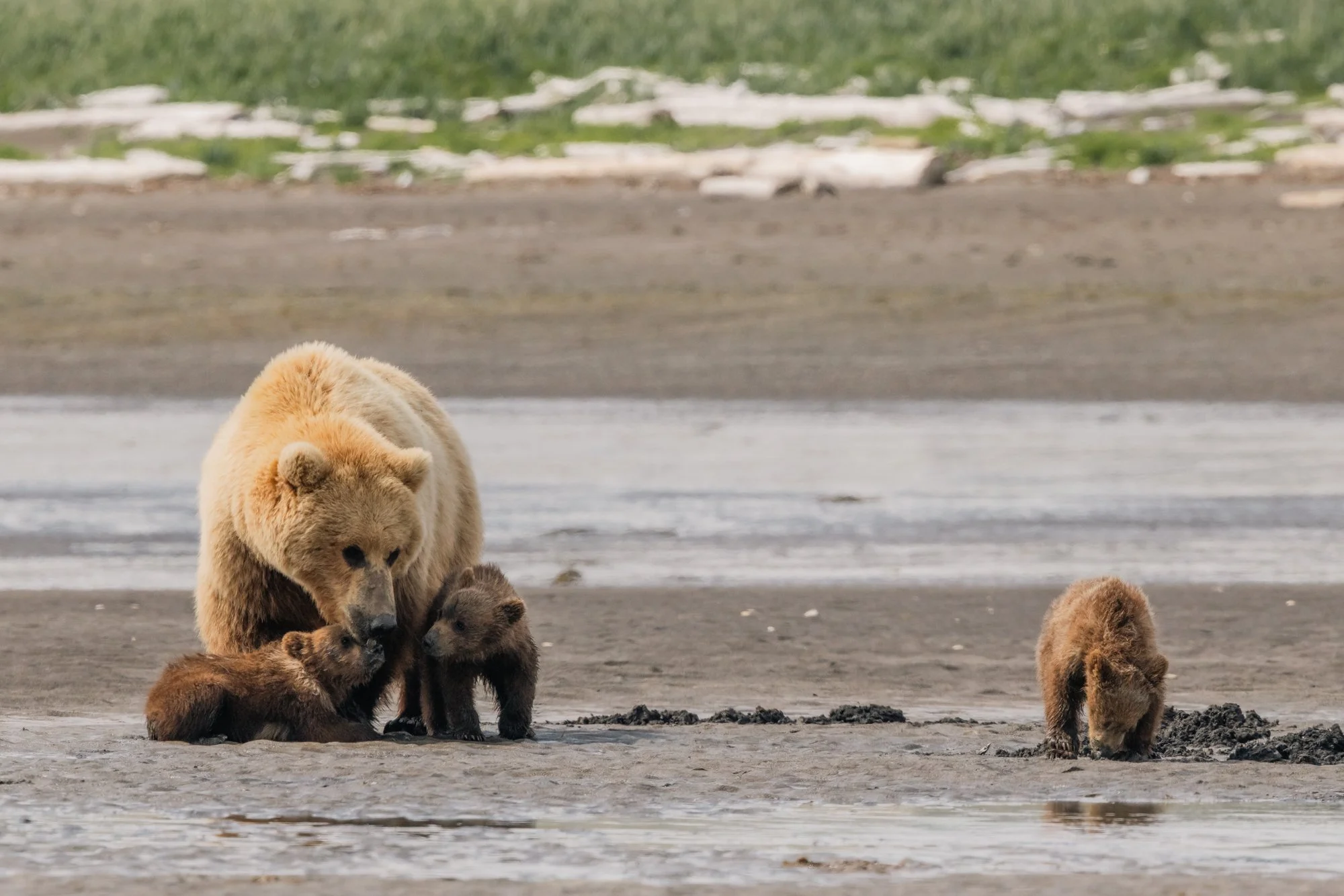
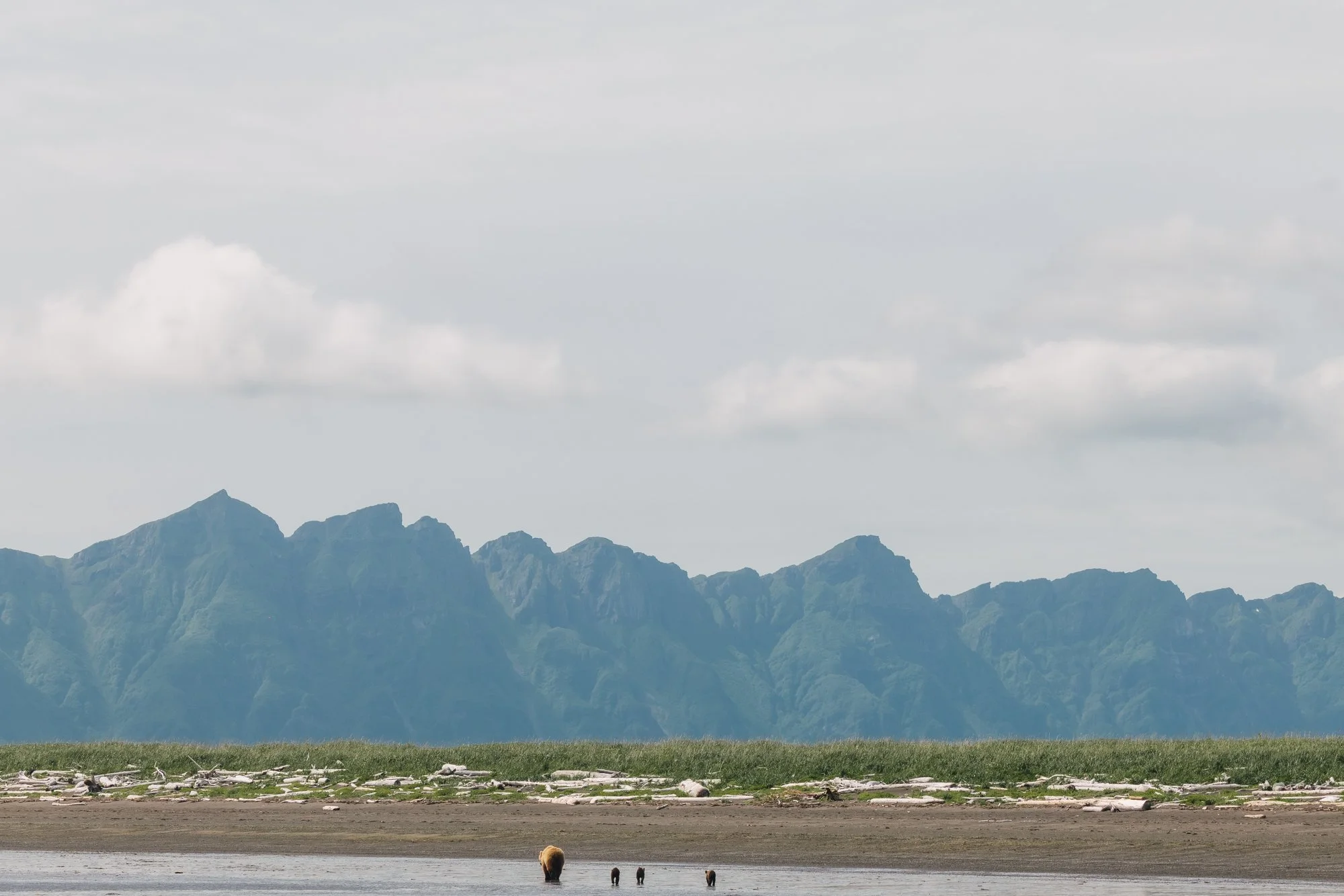
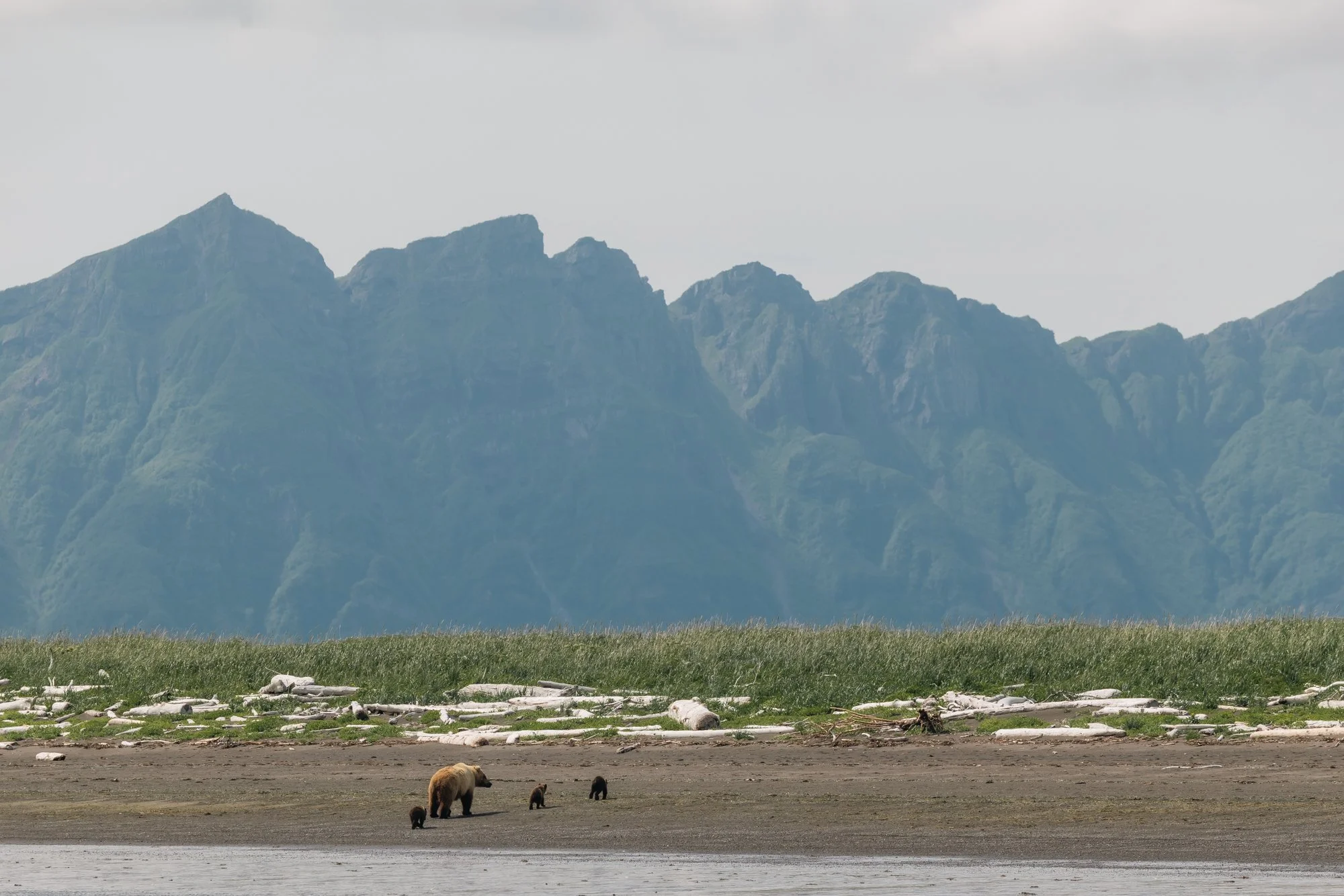
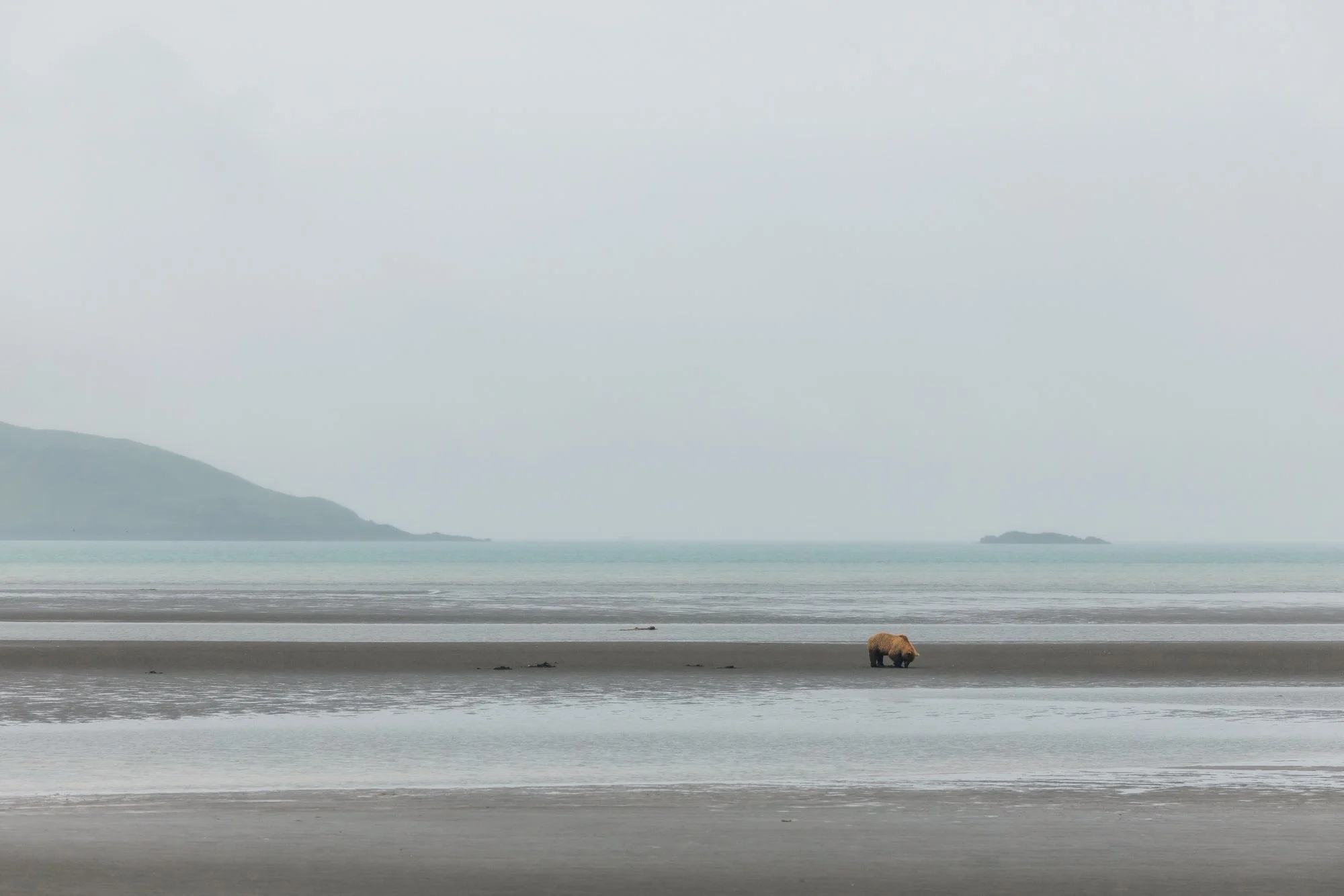
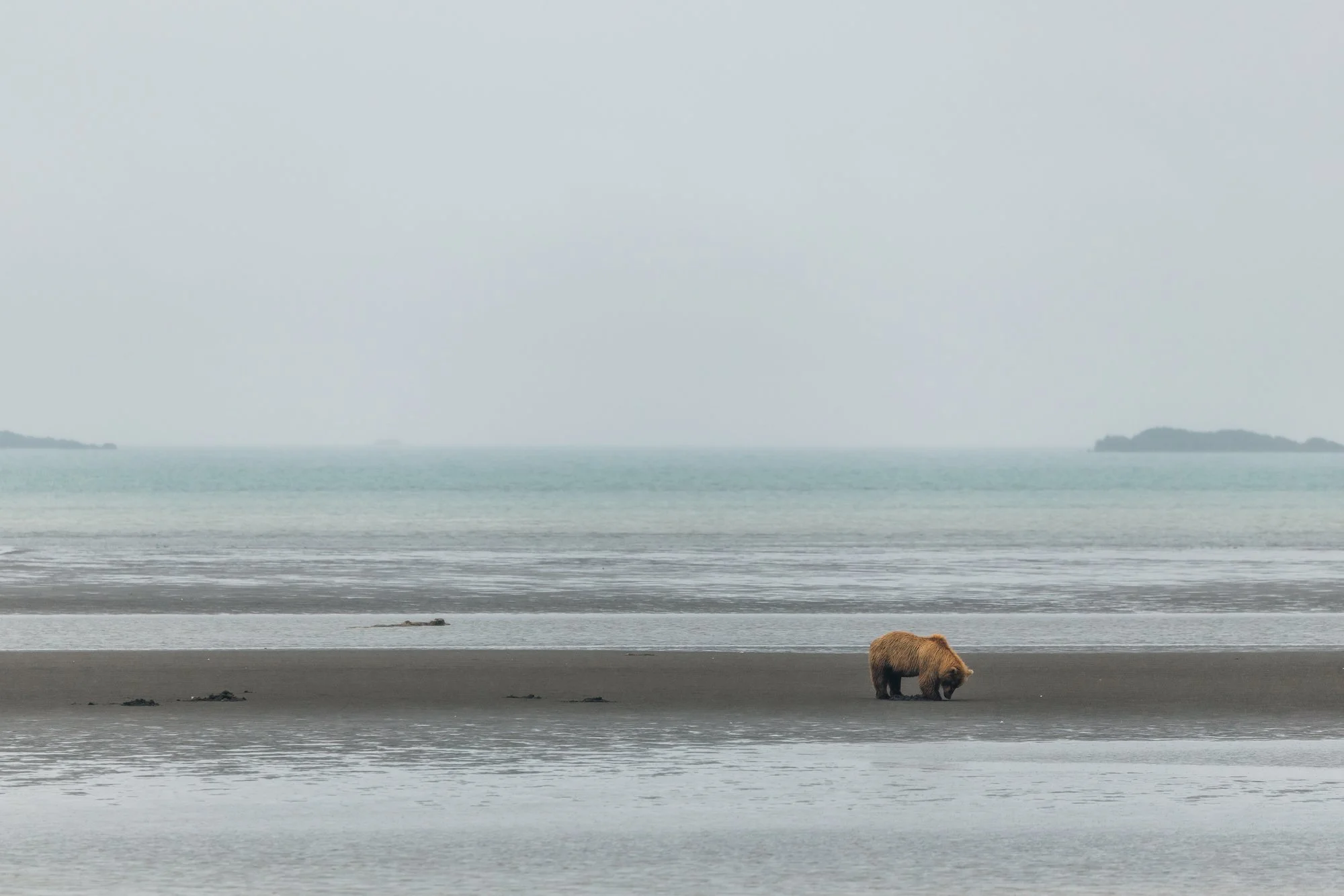
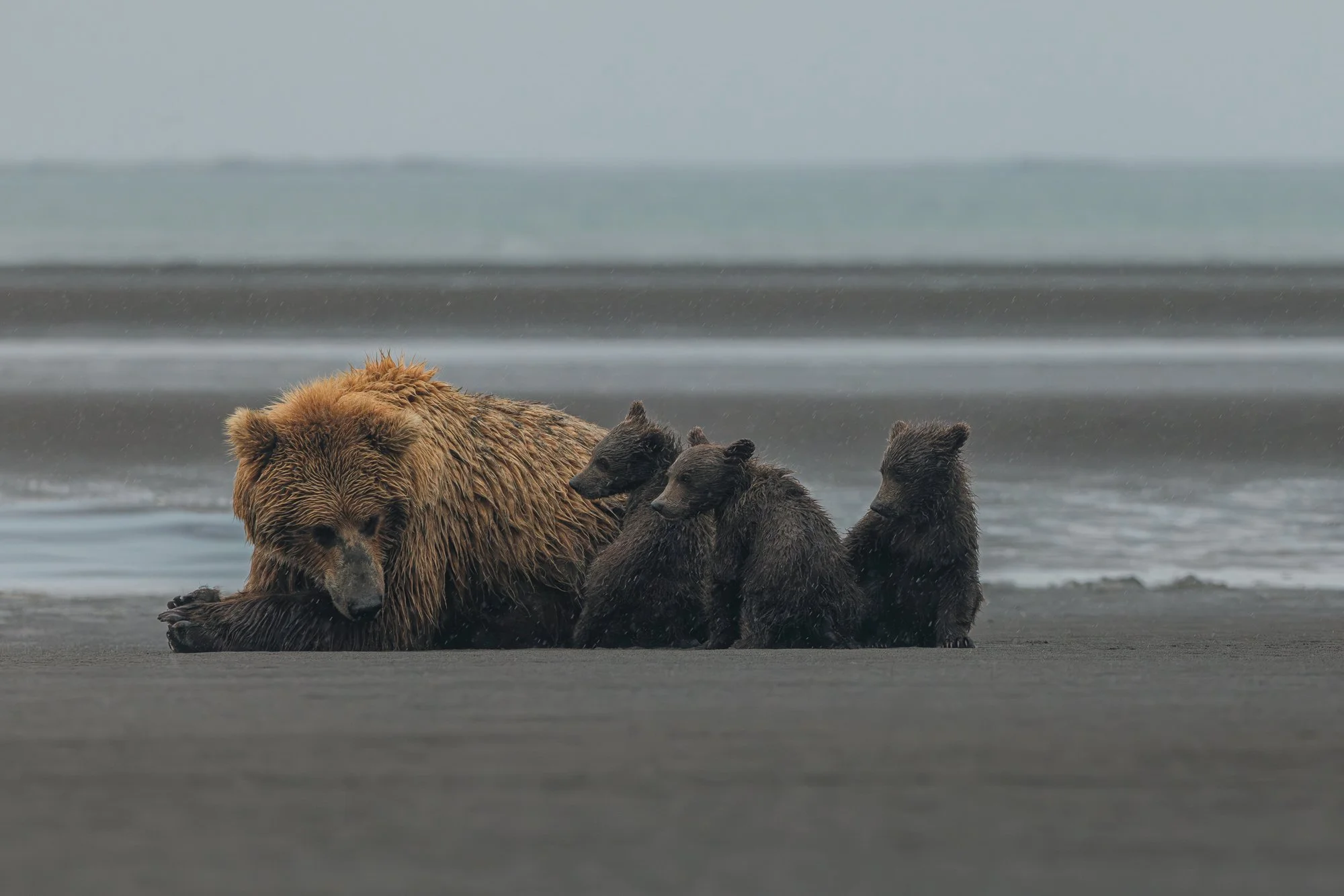
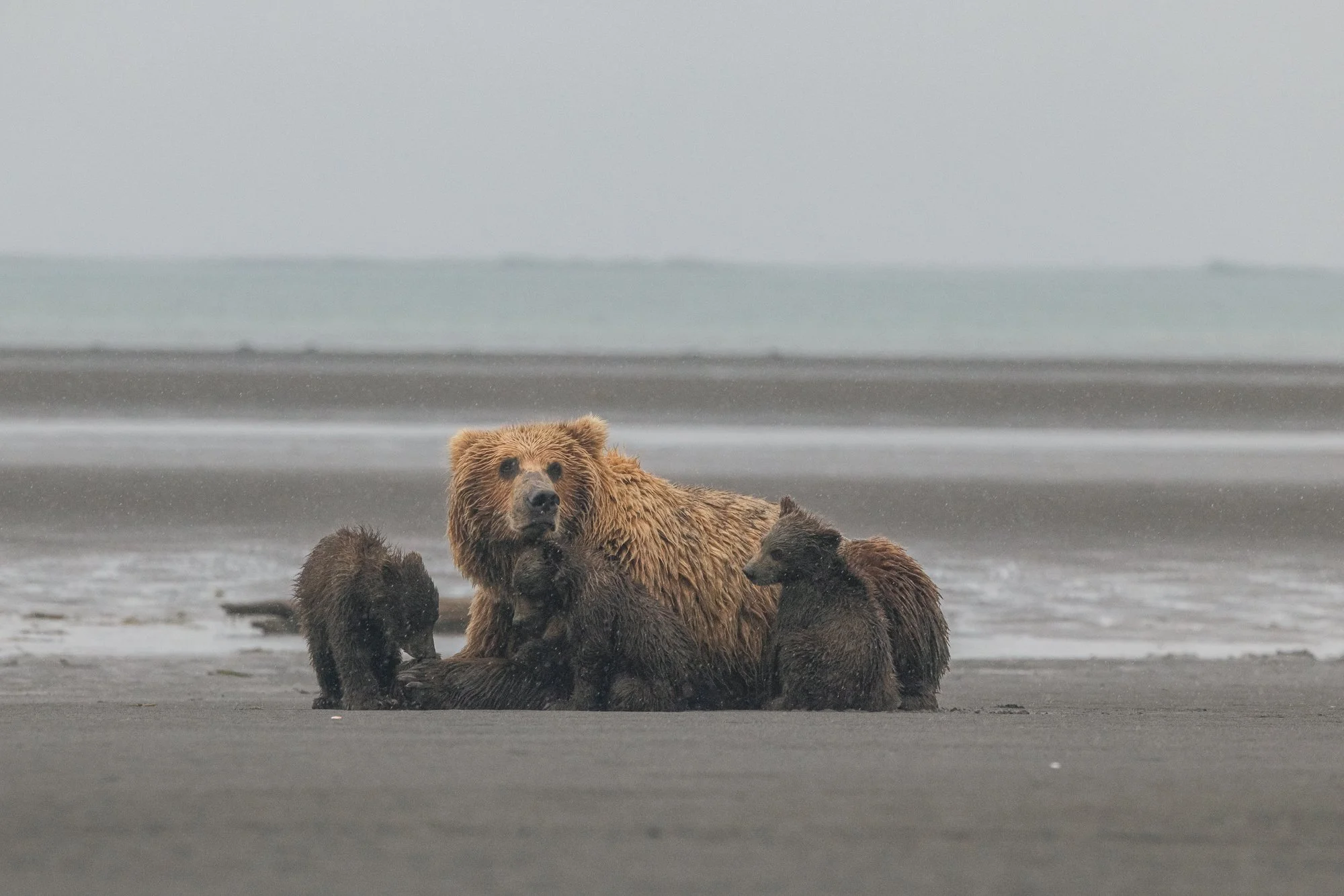
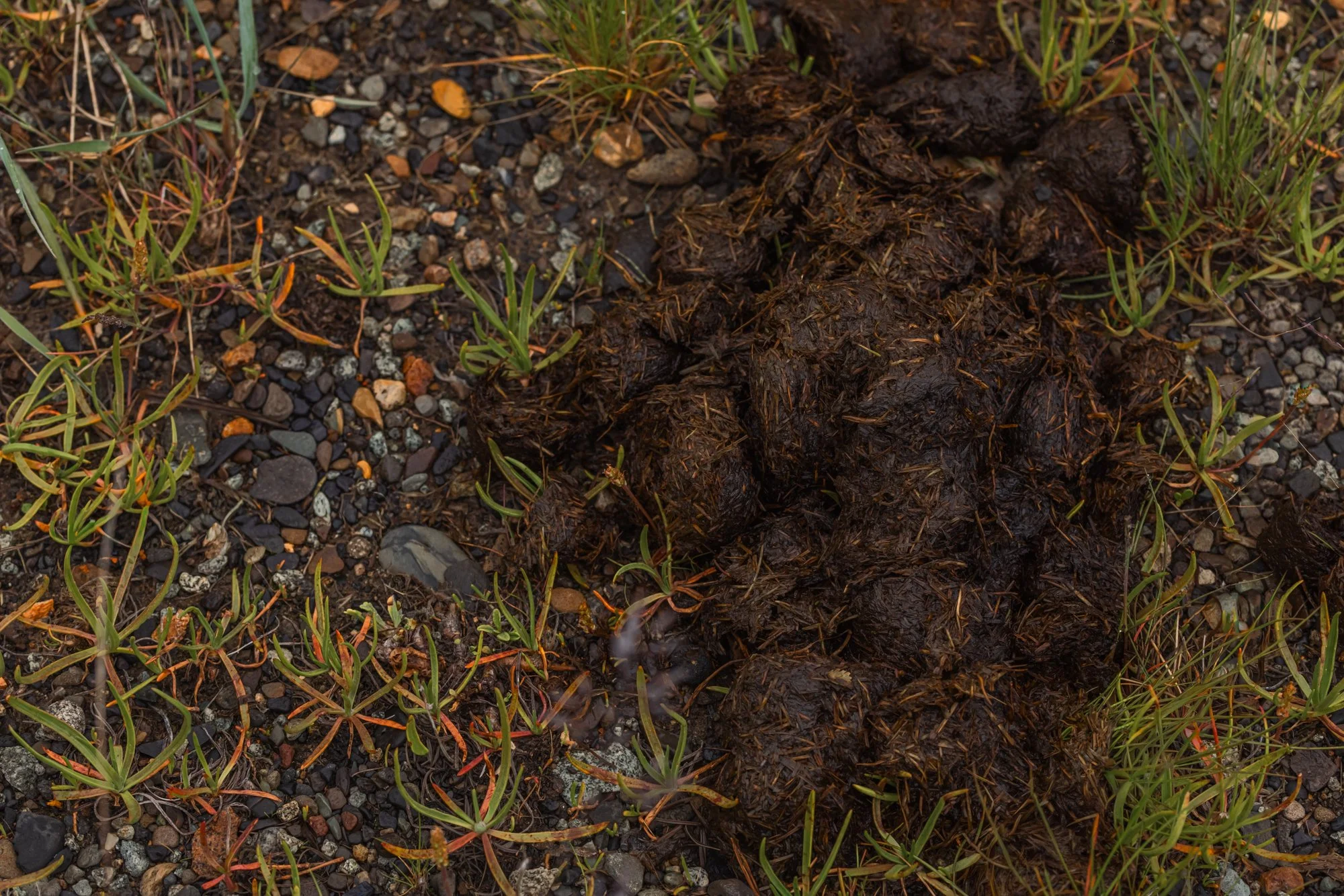
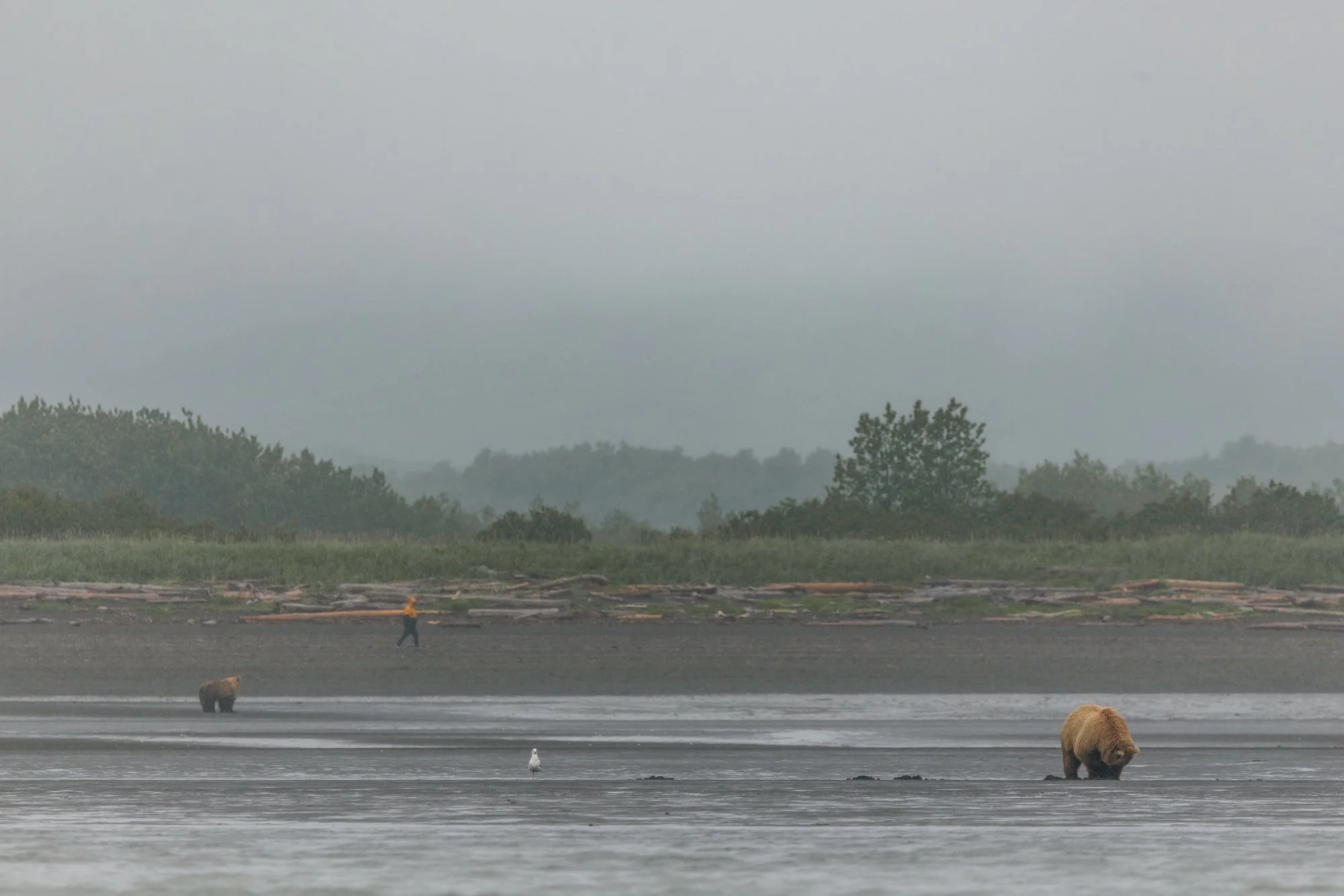
As we headed back towards the beach, I observe tiny paw prints in the sand. Further down the flats there was a mother bear clamming with her three small cubs. We approached gently giving her space and room. She dug with precision, using her front paws like shovels, feeling for movement beneath the sand before prying up a shell and cracking it with her teeth. The cubs tried to copy her, crouching low and swiping at the mud, and mostly came up empty handed. Every few minutes she paused to look up, scanning the beach before returning to her work. Cubs spend up to three years with their mothers, and in that time, they learn everything they need to survive. Watching her showed us just how much of bear life is taught, not instinct alone. Already I felt the ache of missing a place I hadn’t yet left.
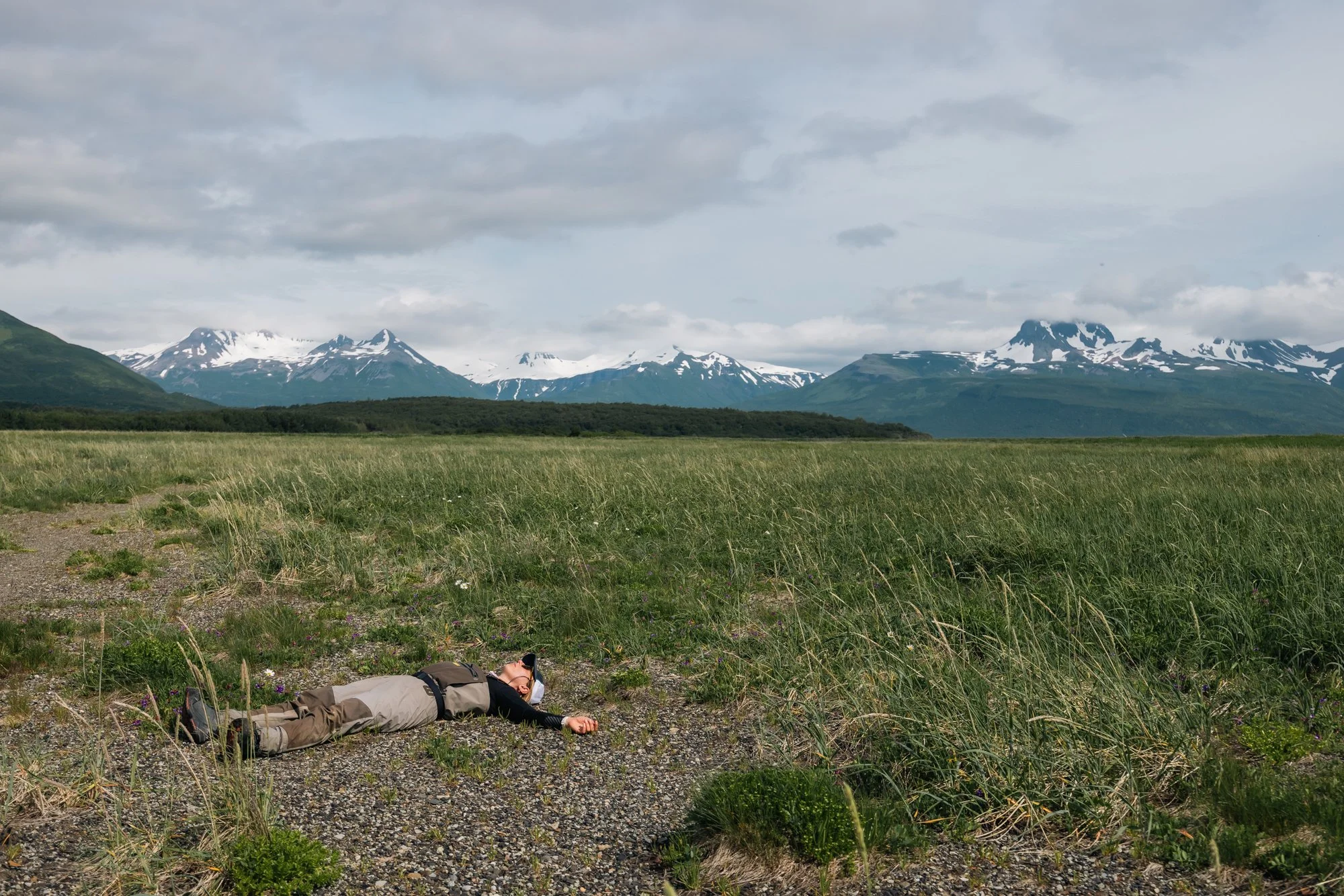
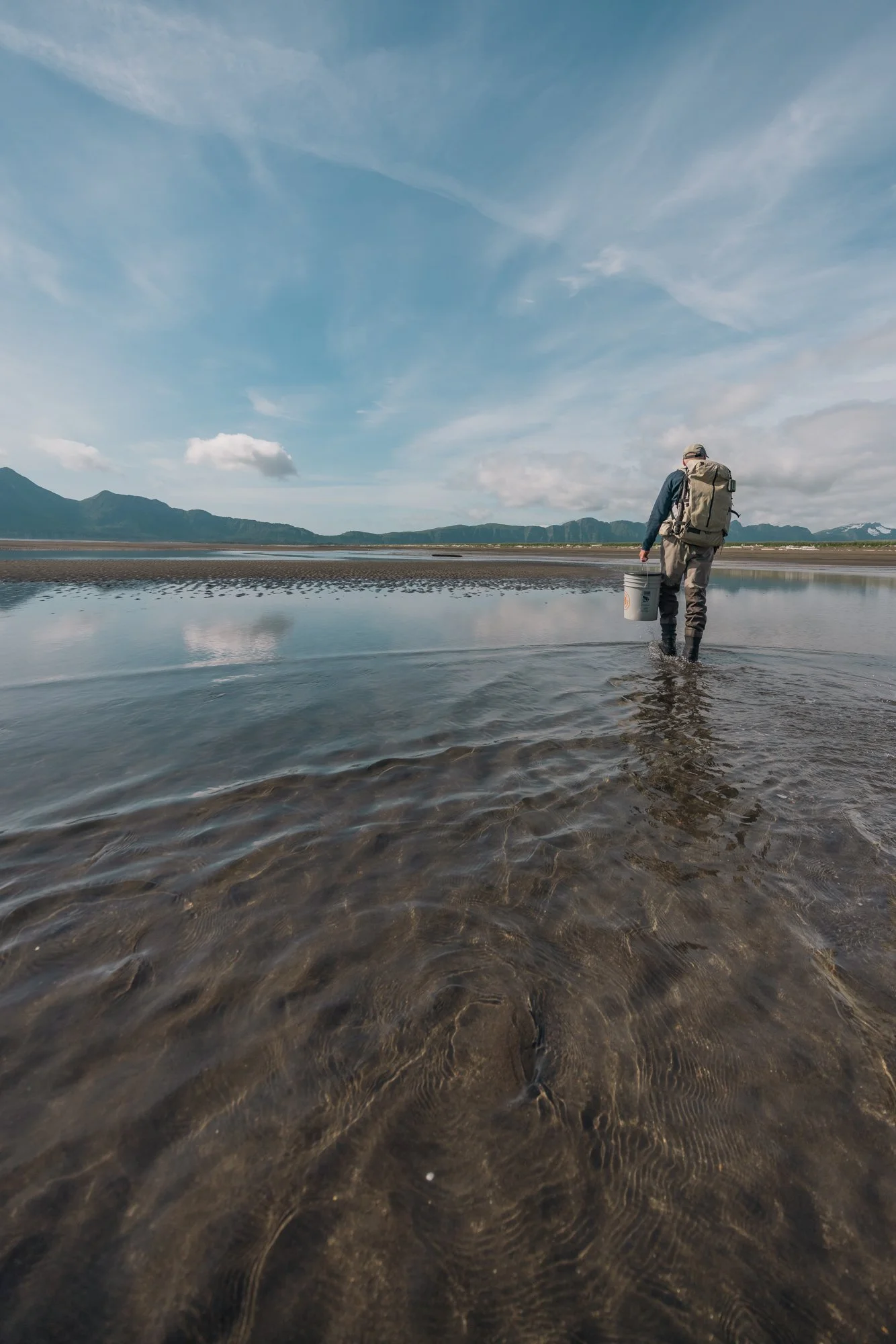
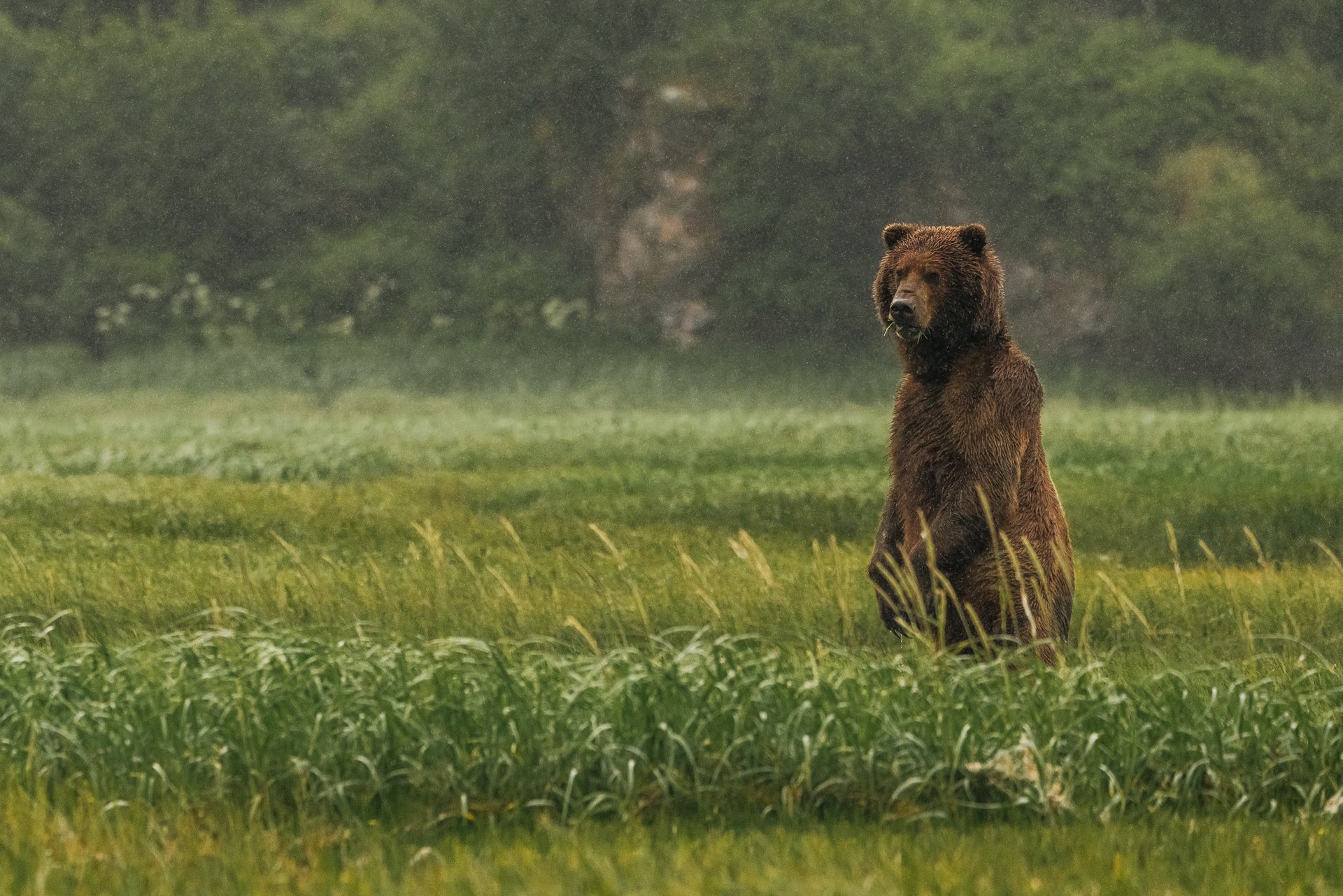
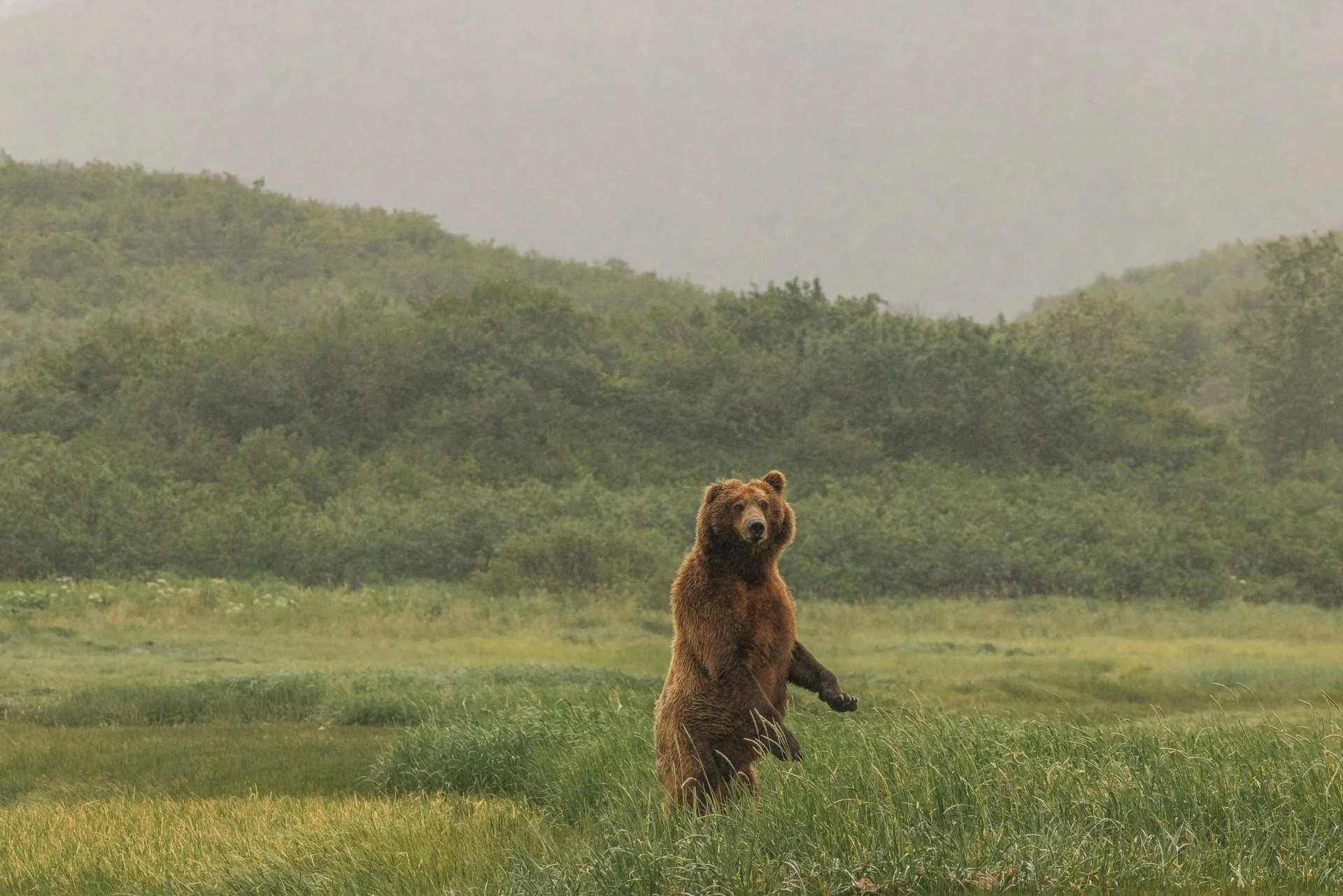
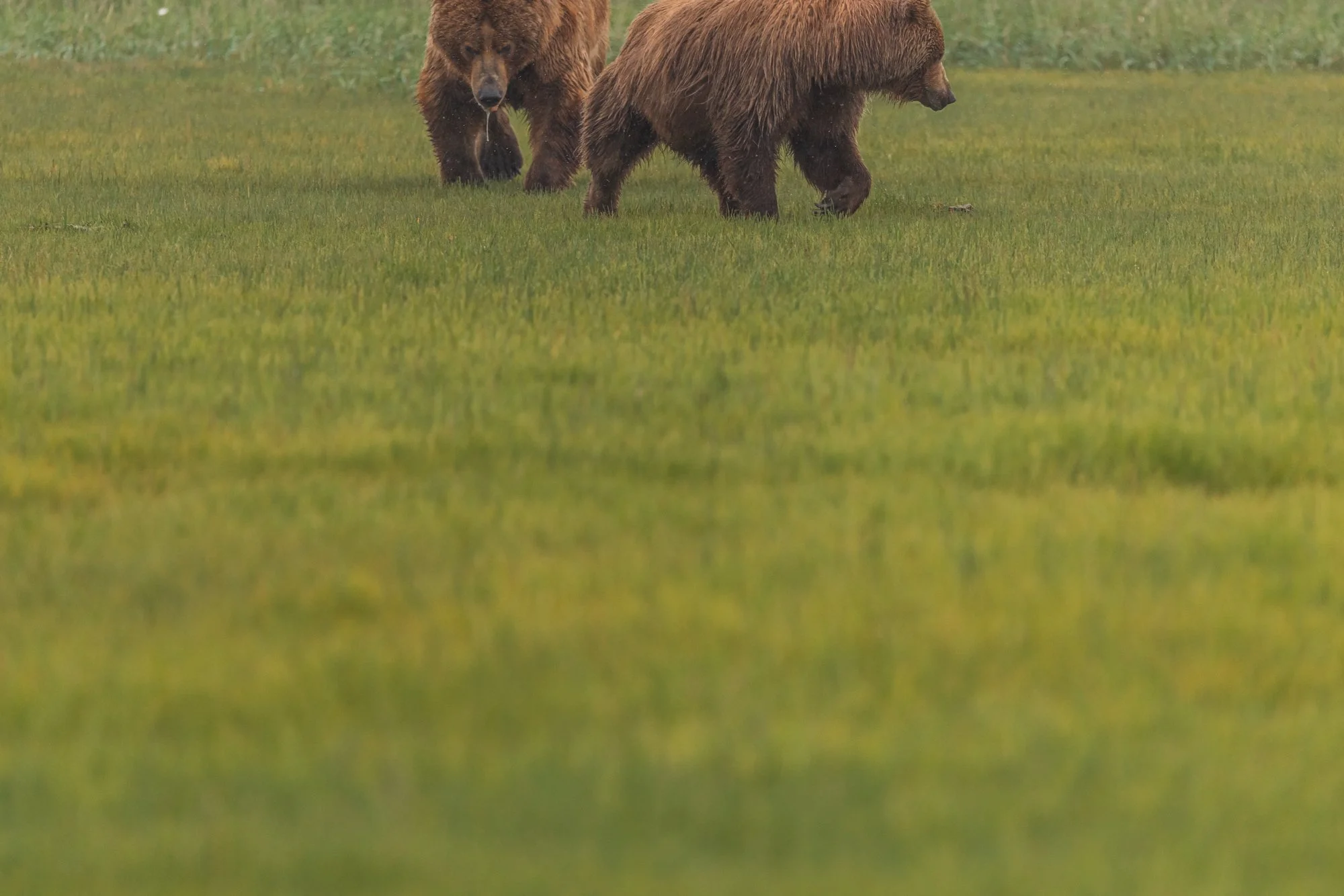
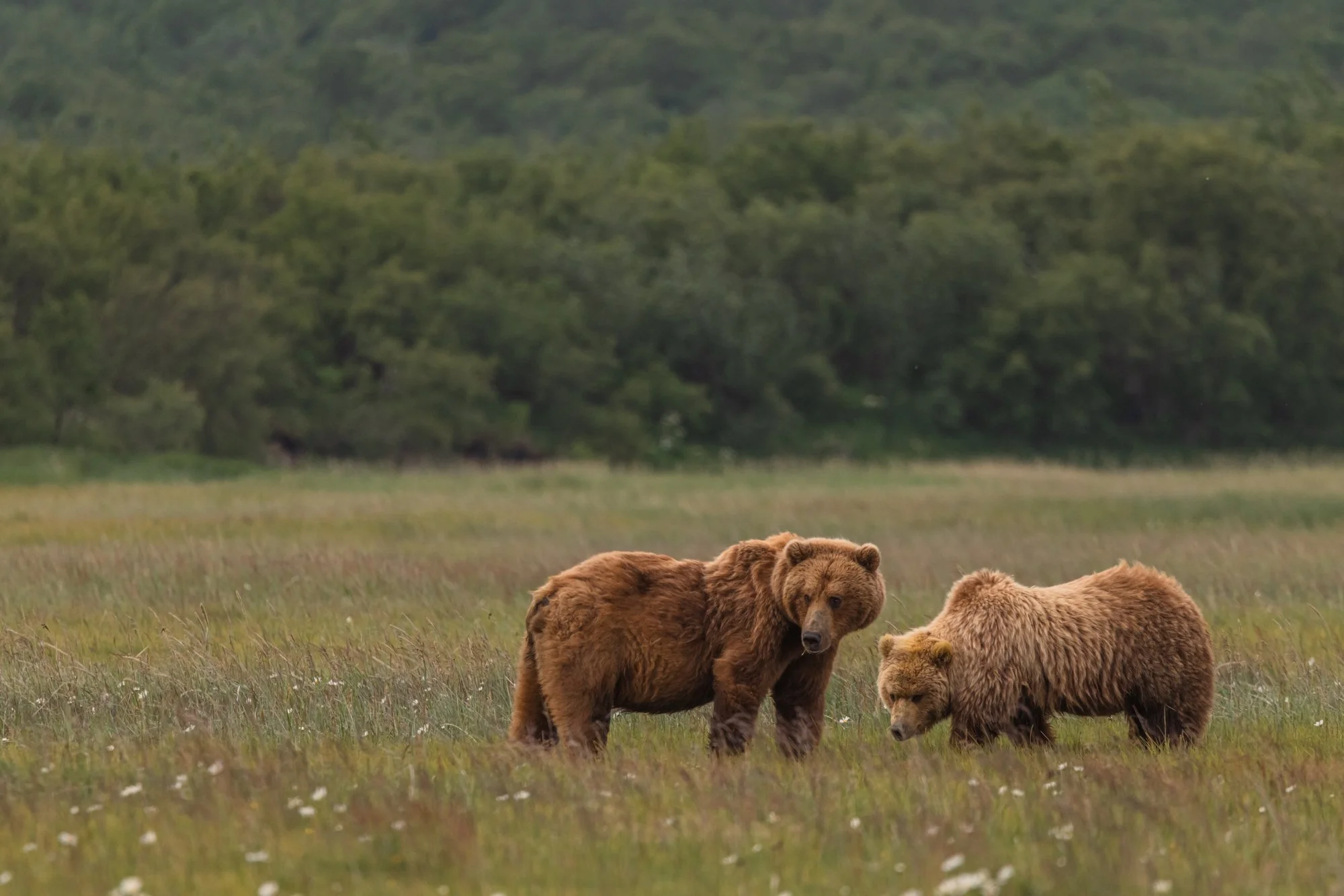
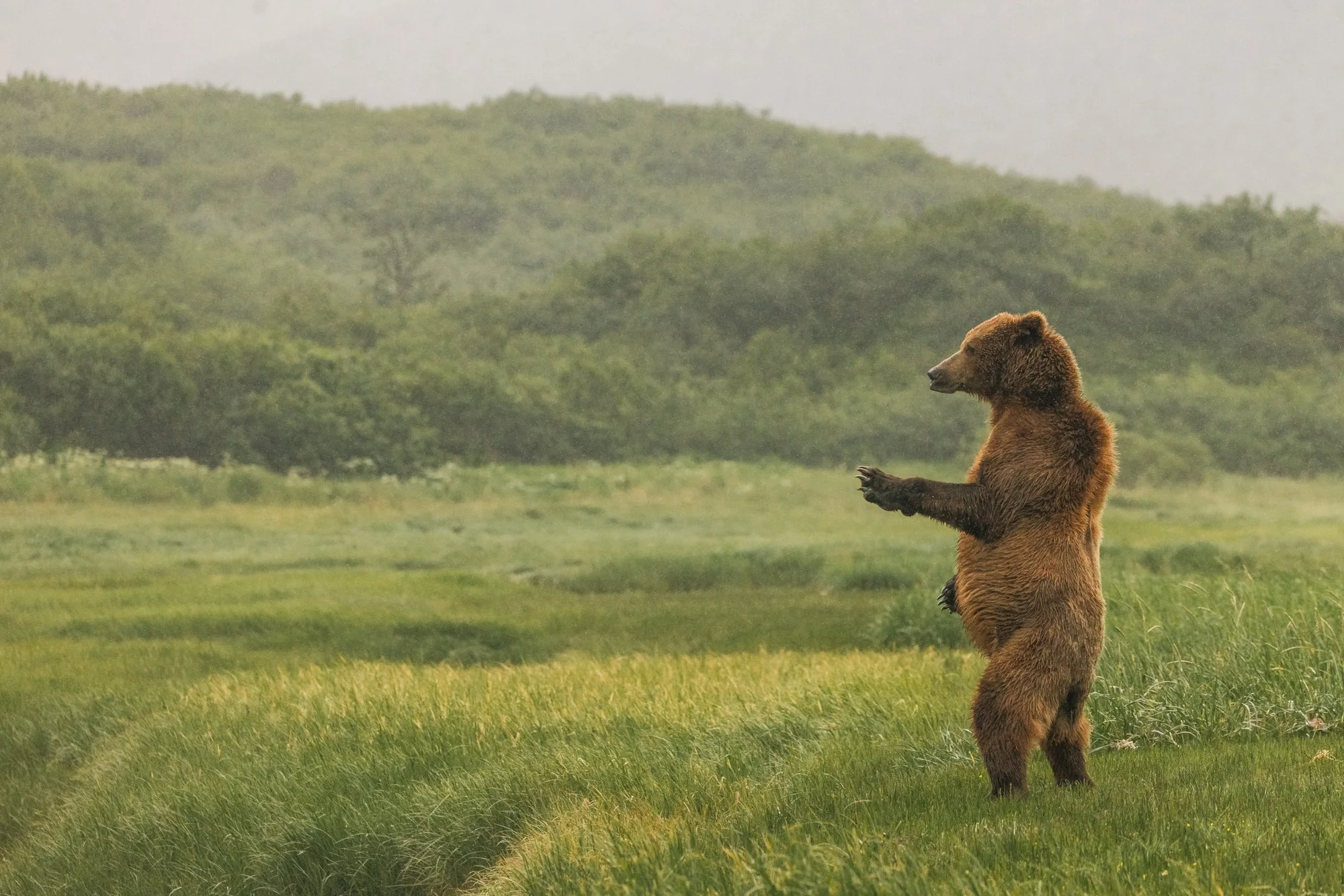
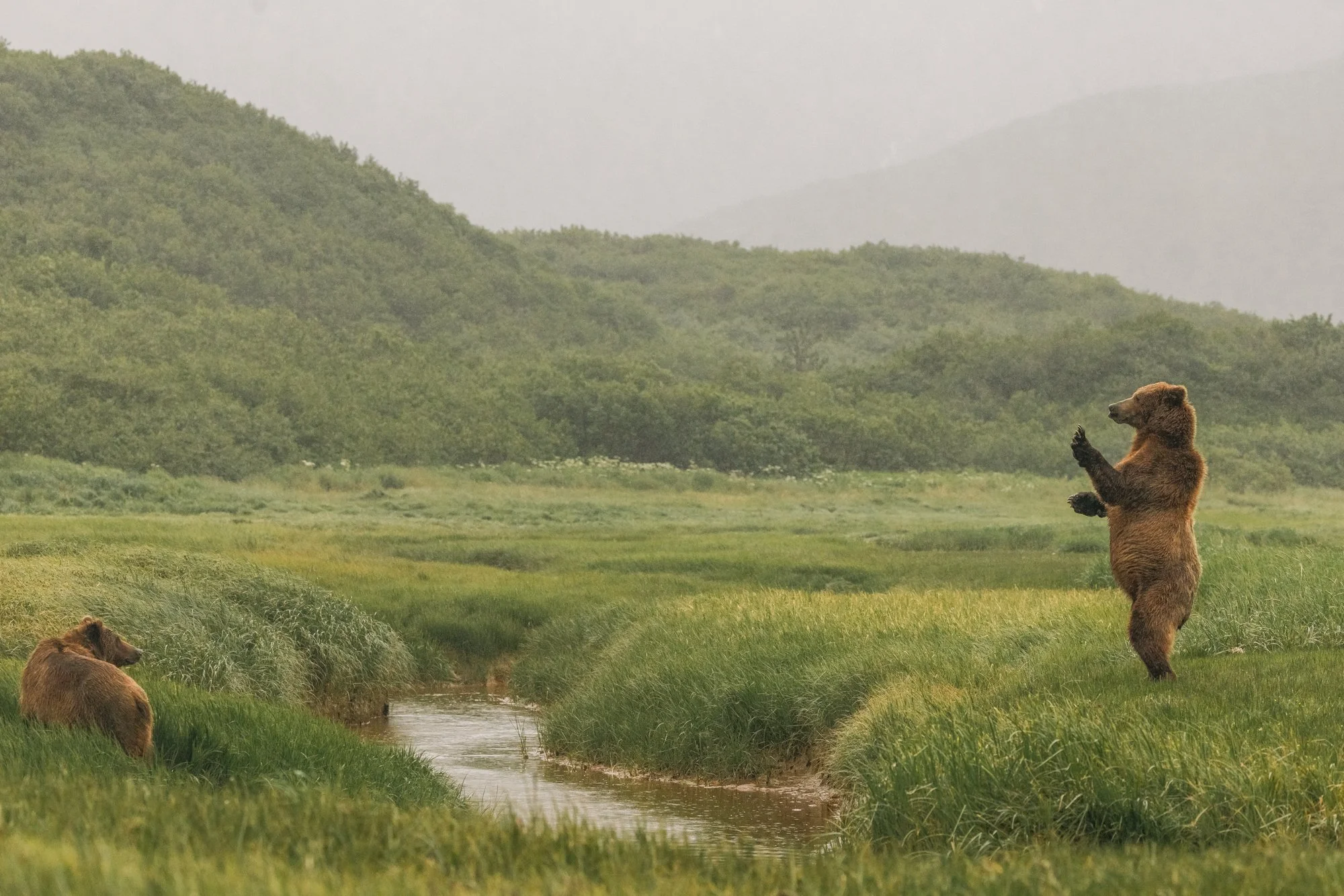
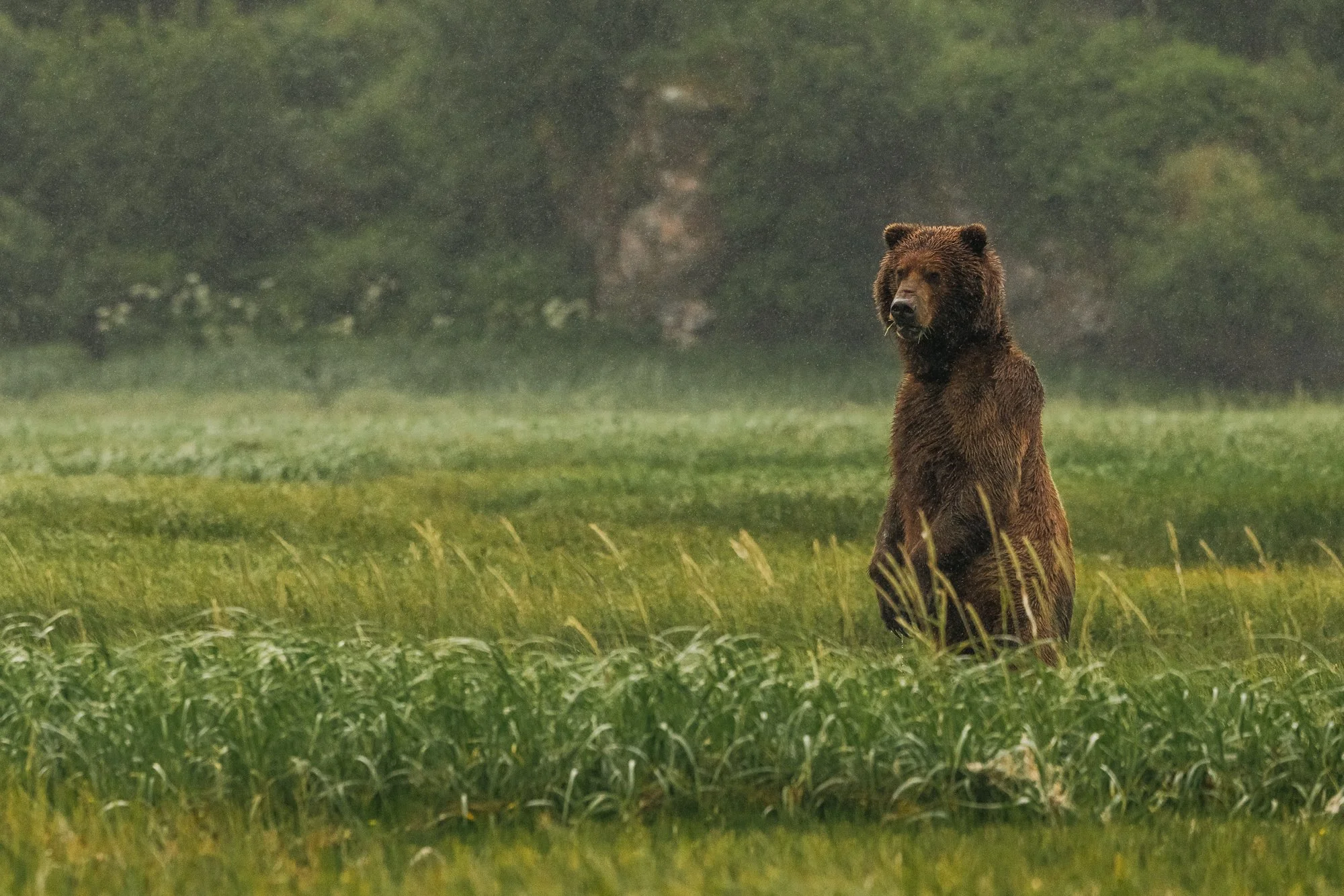
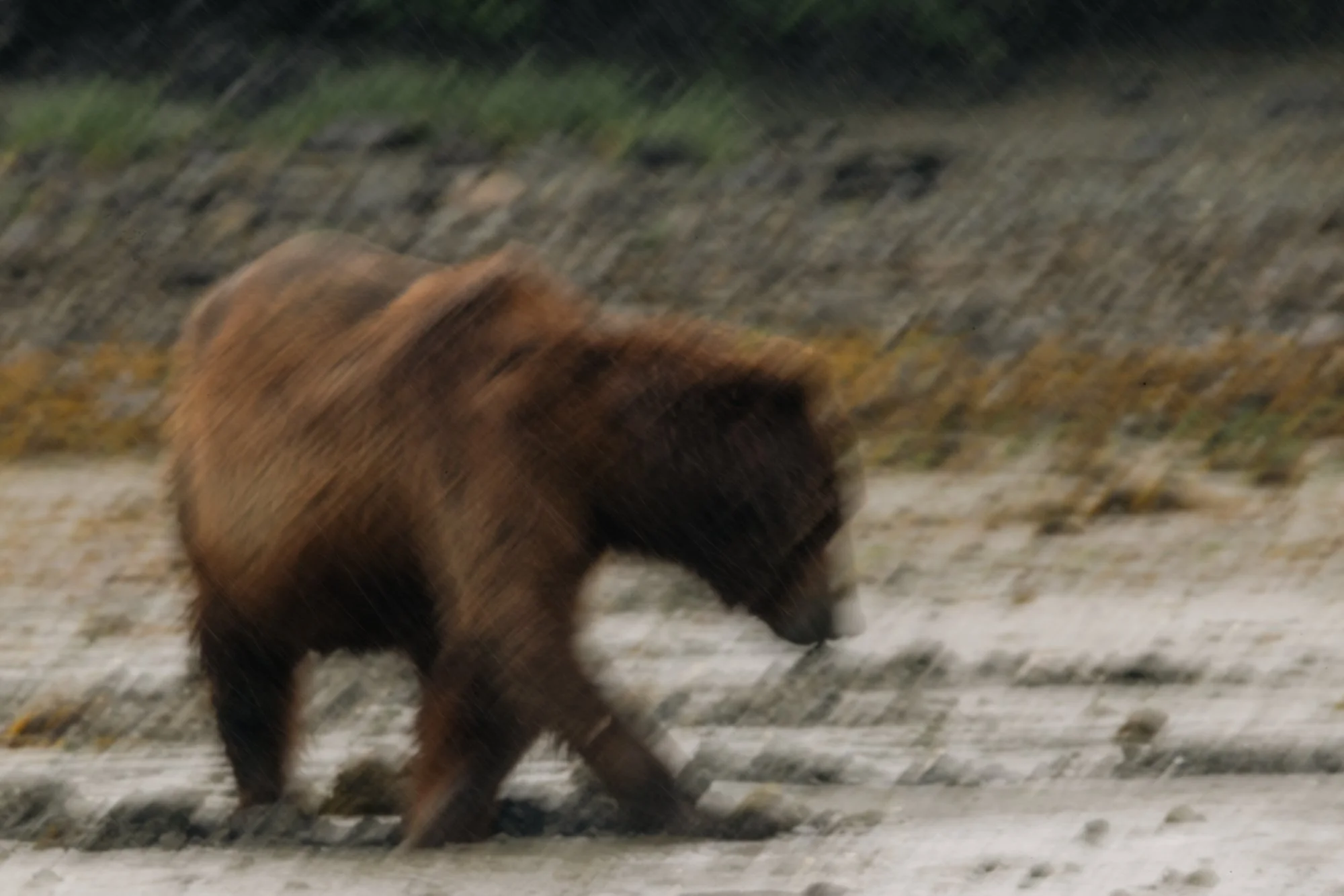
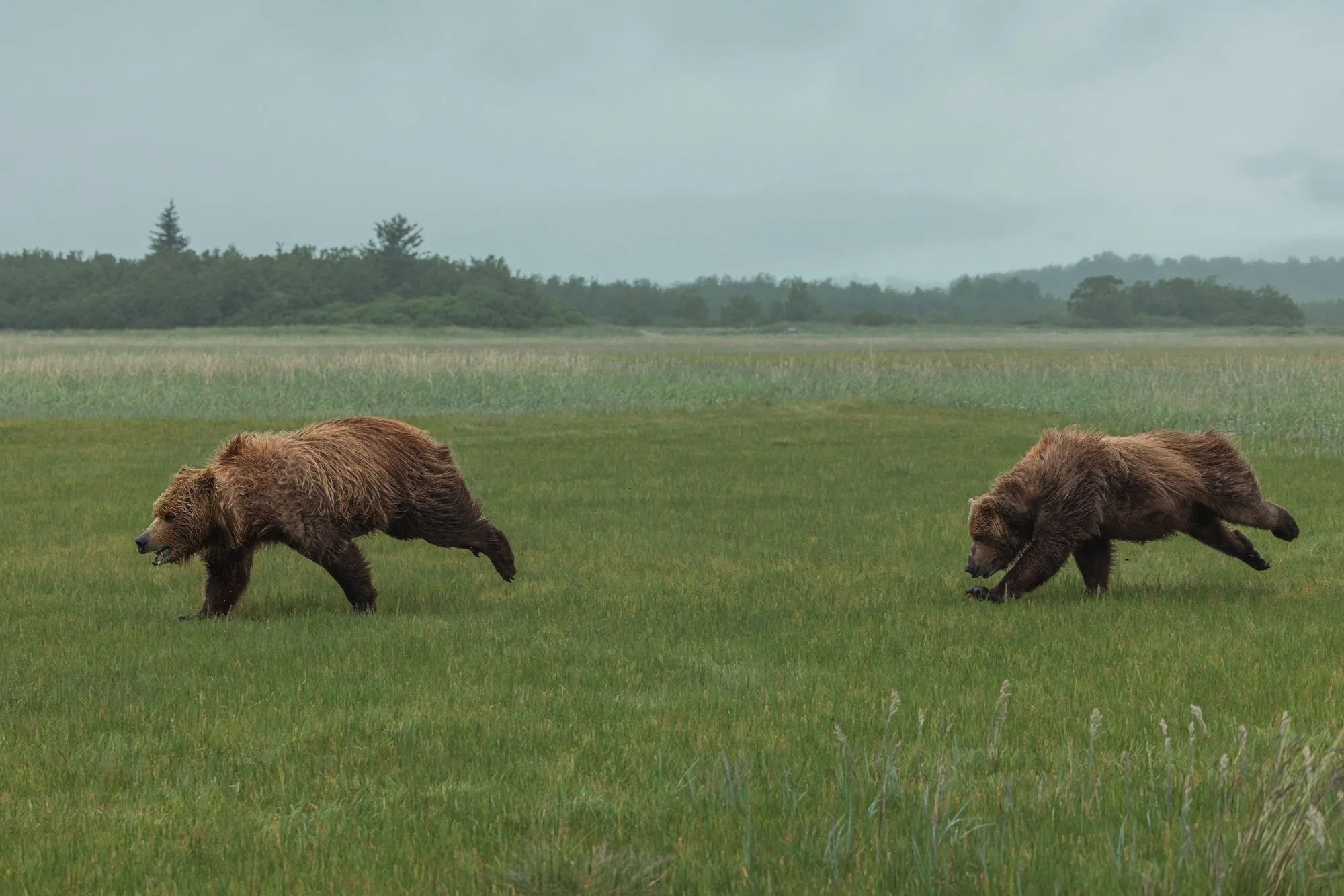
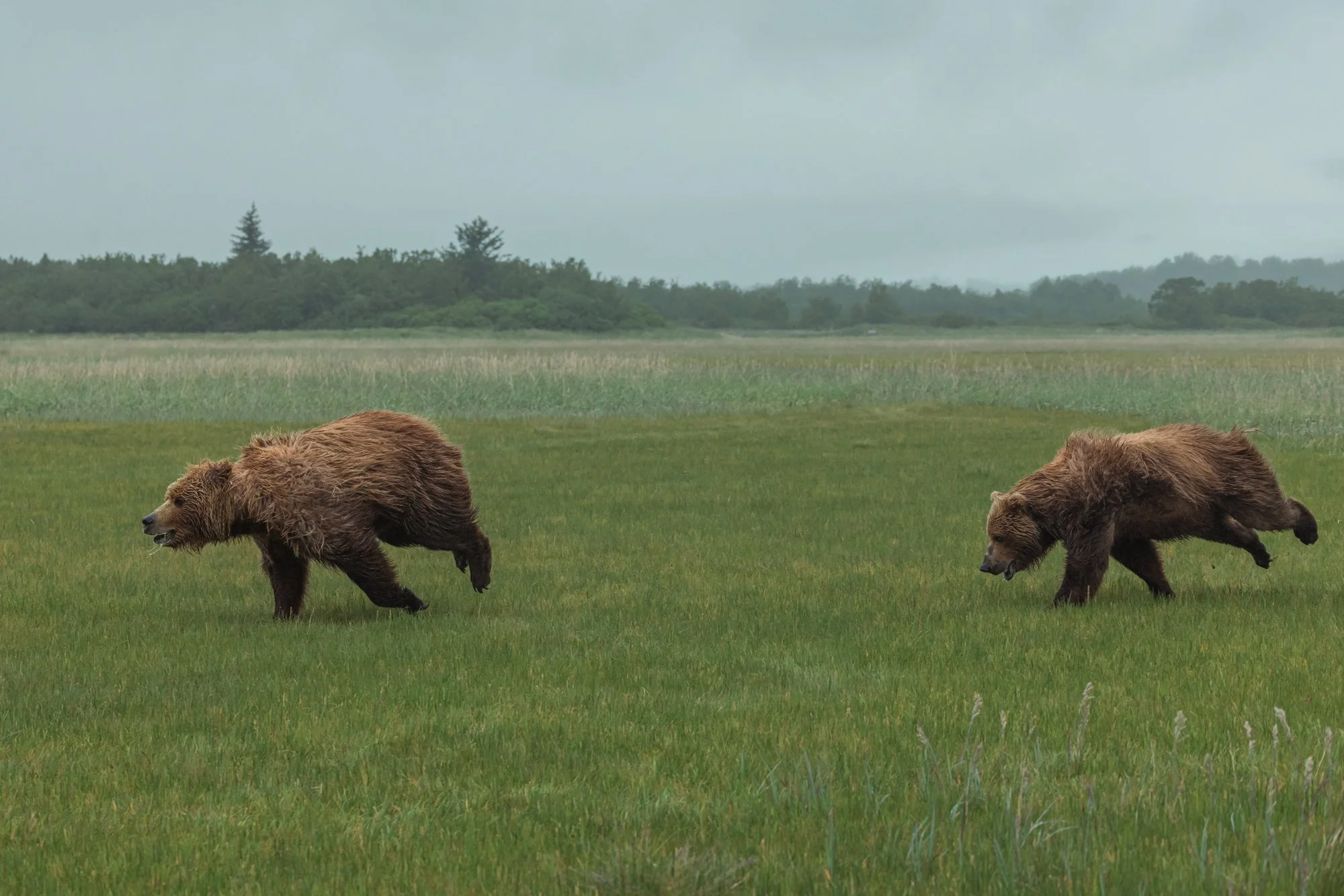
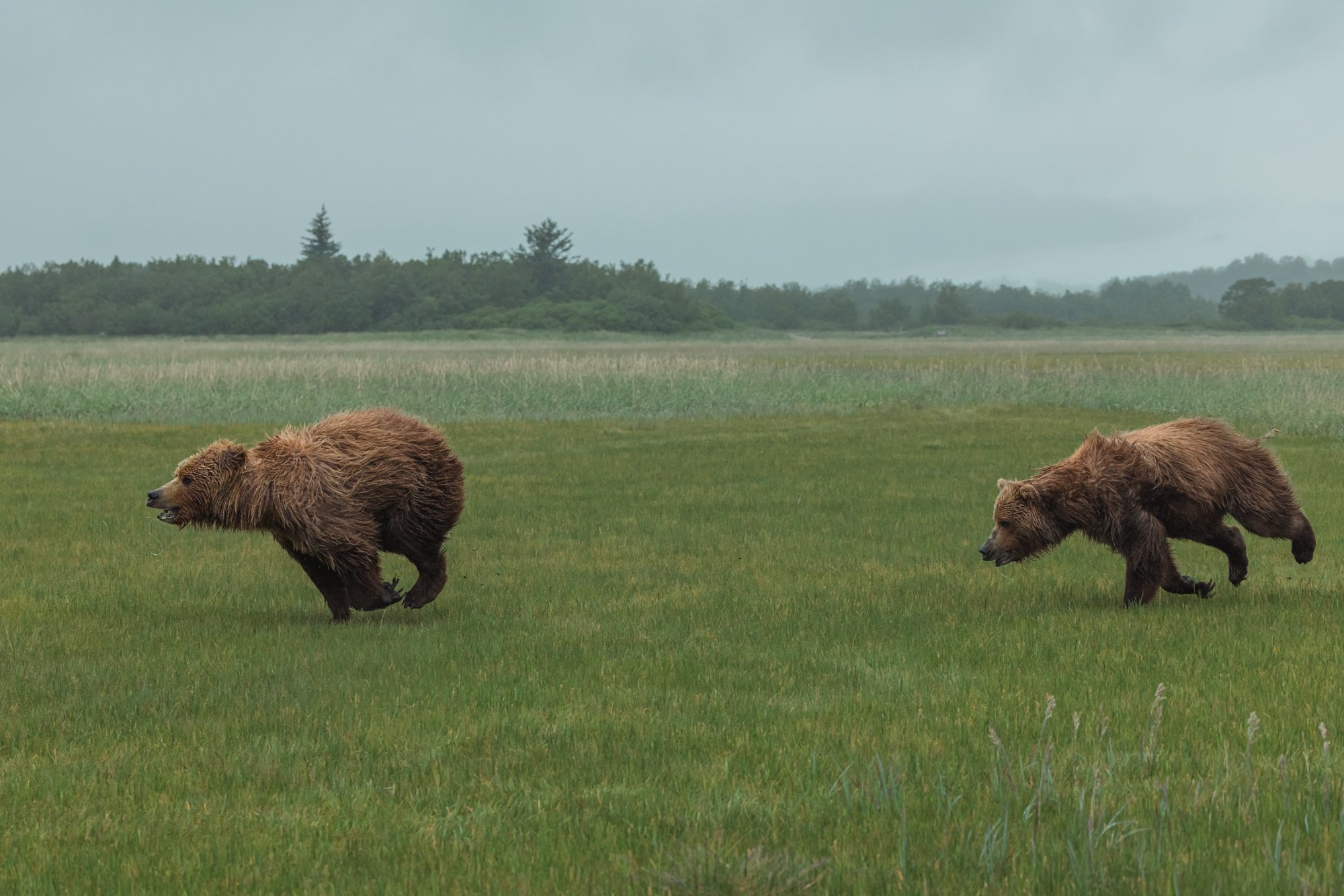
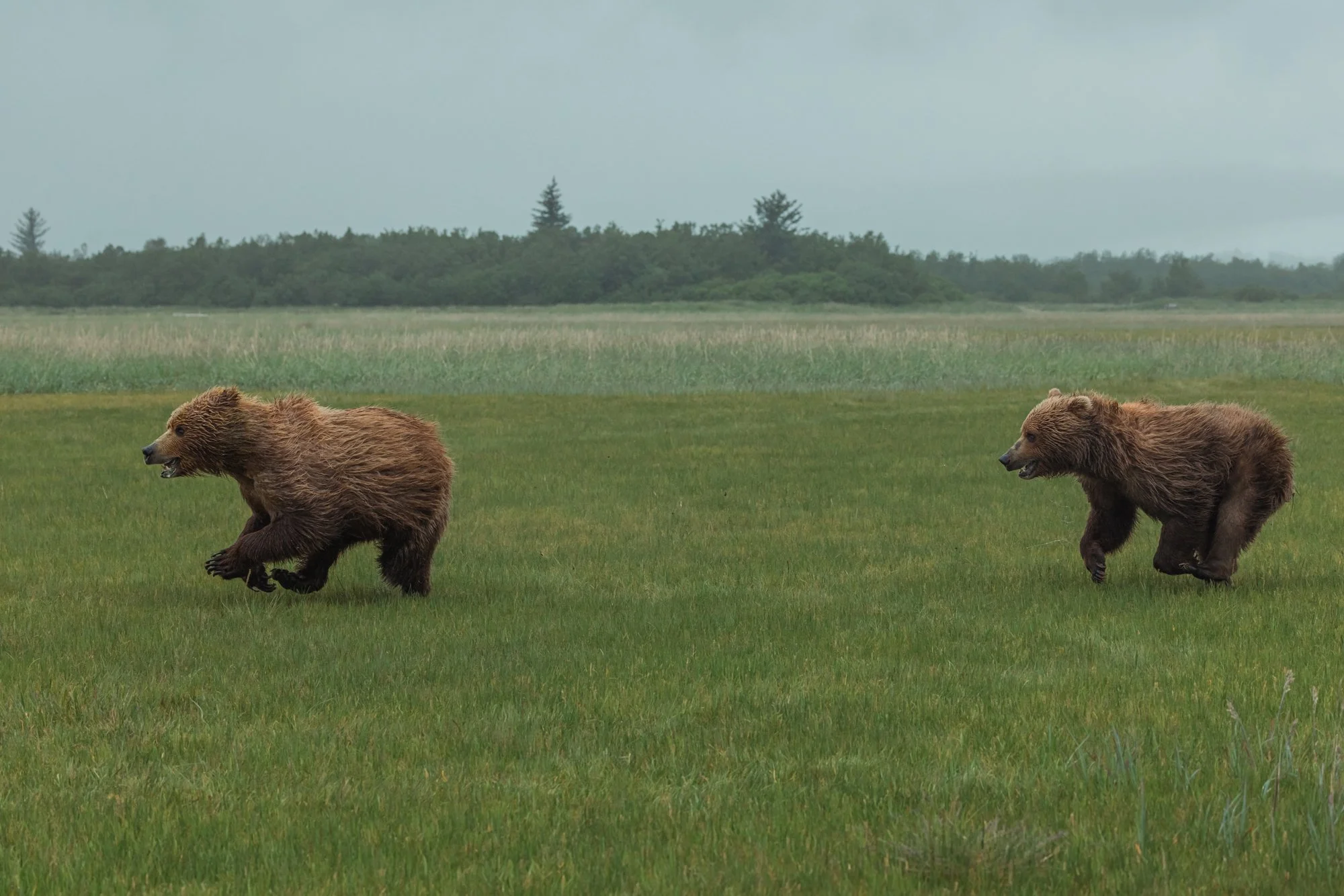
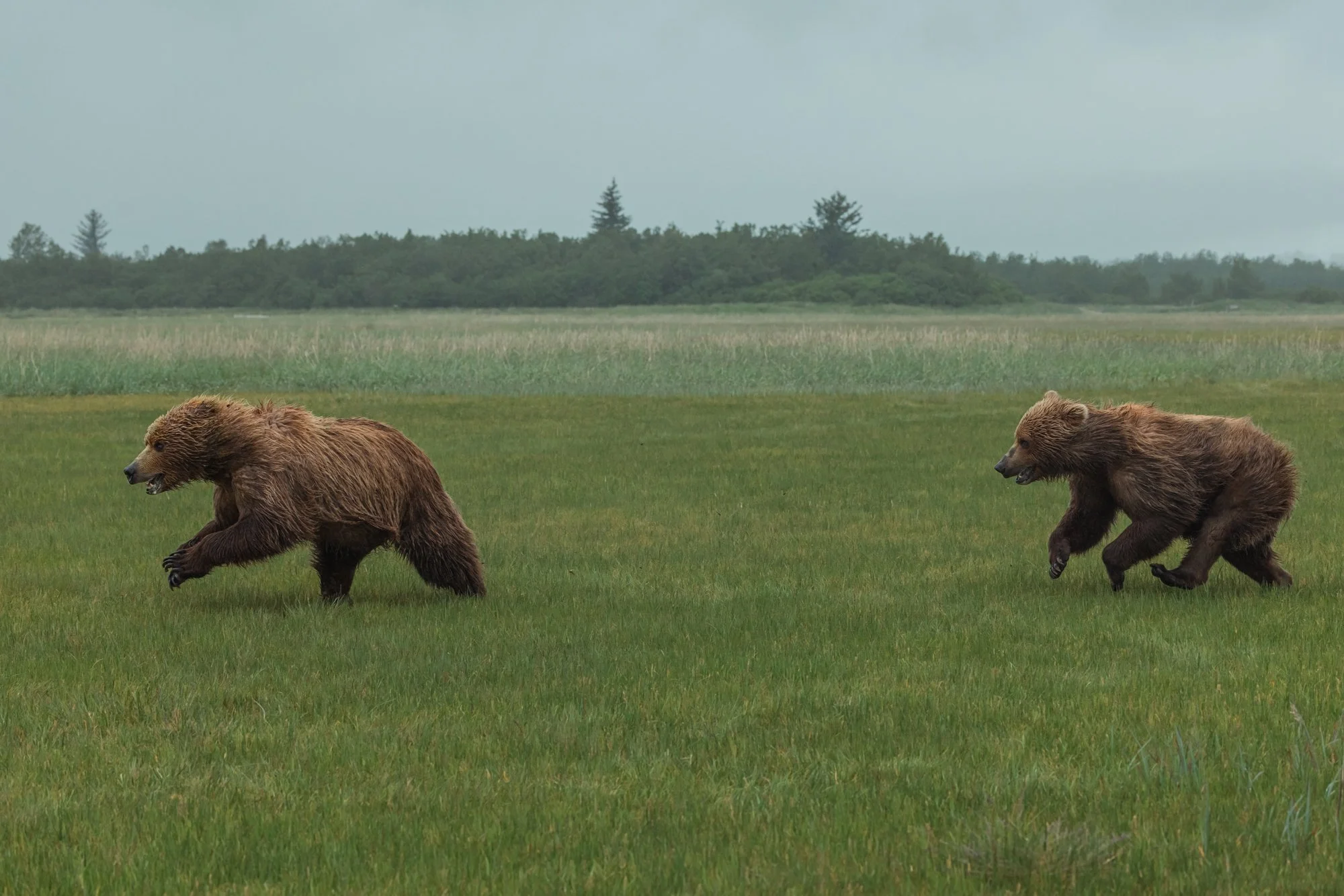
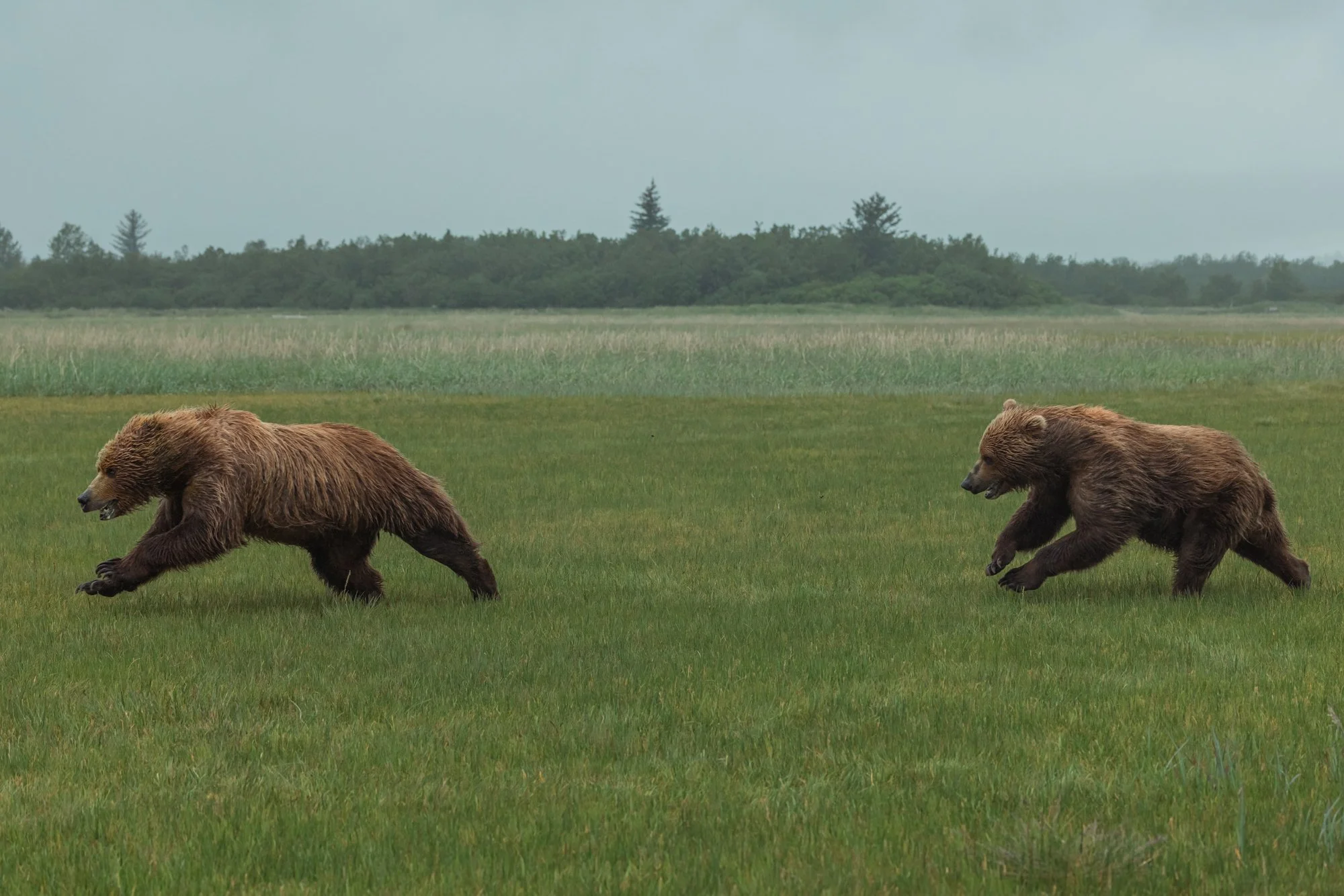
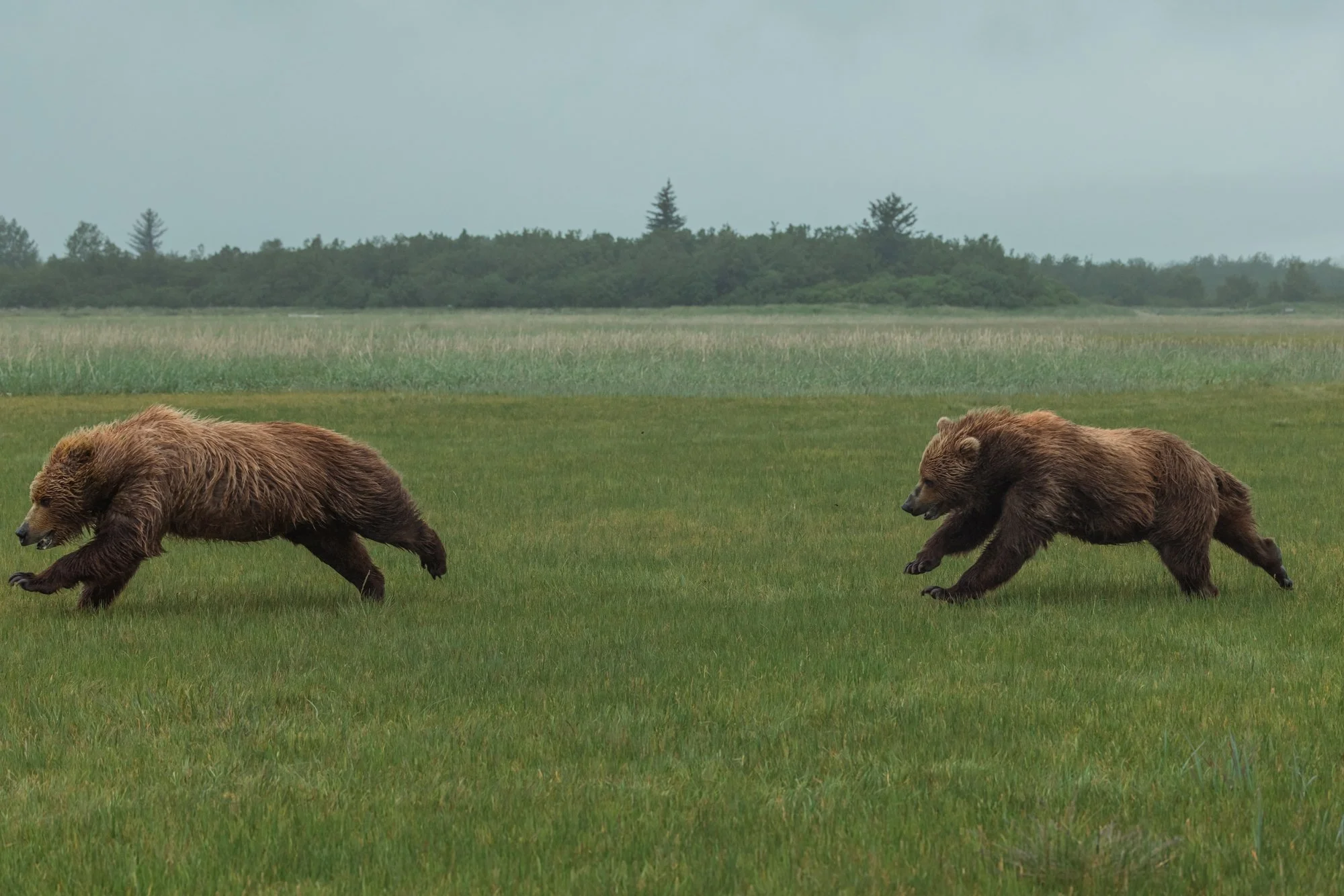
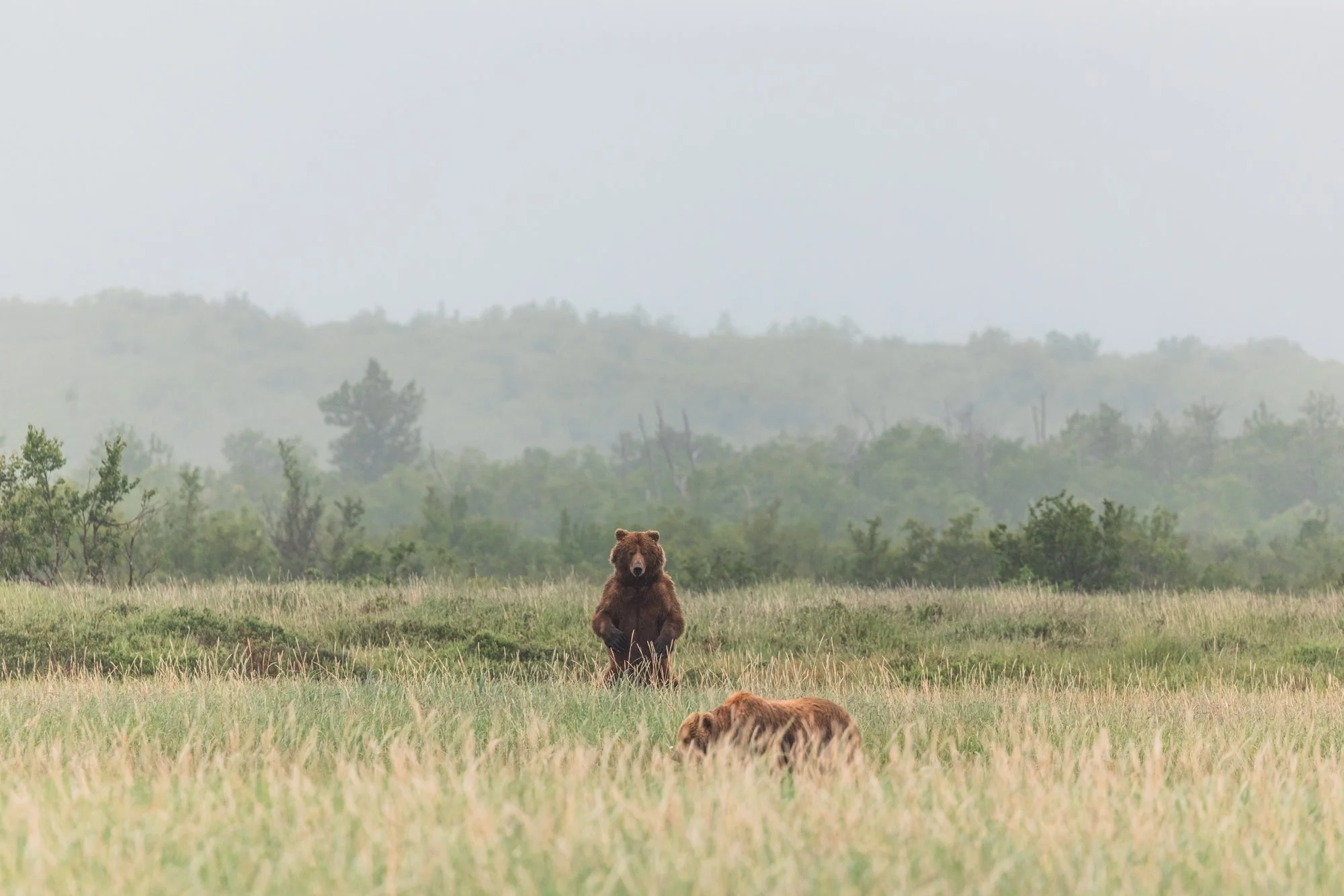
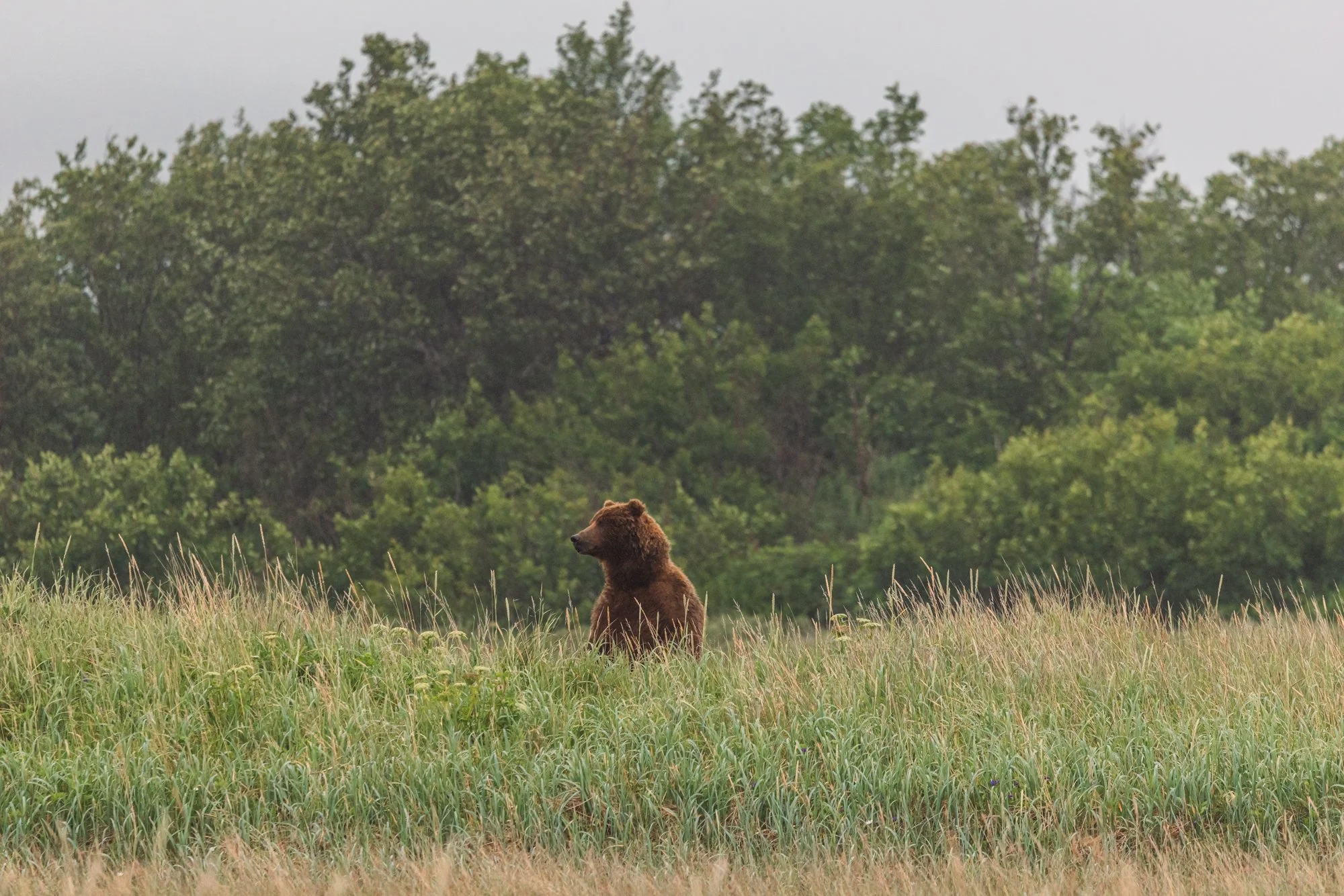
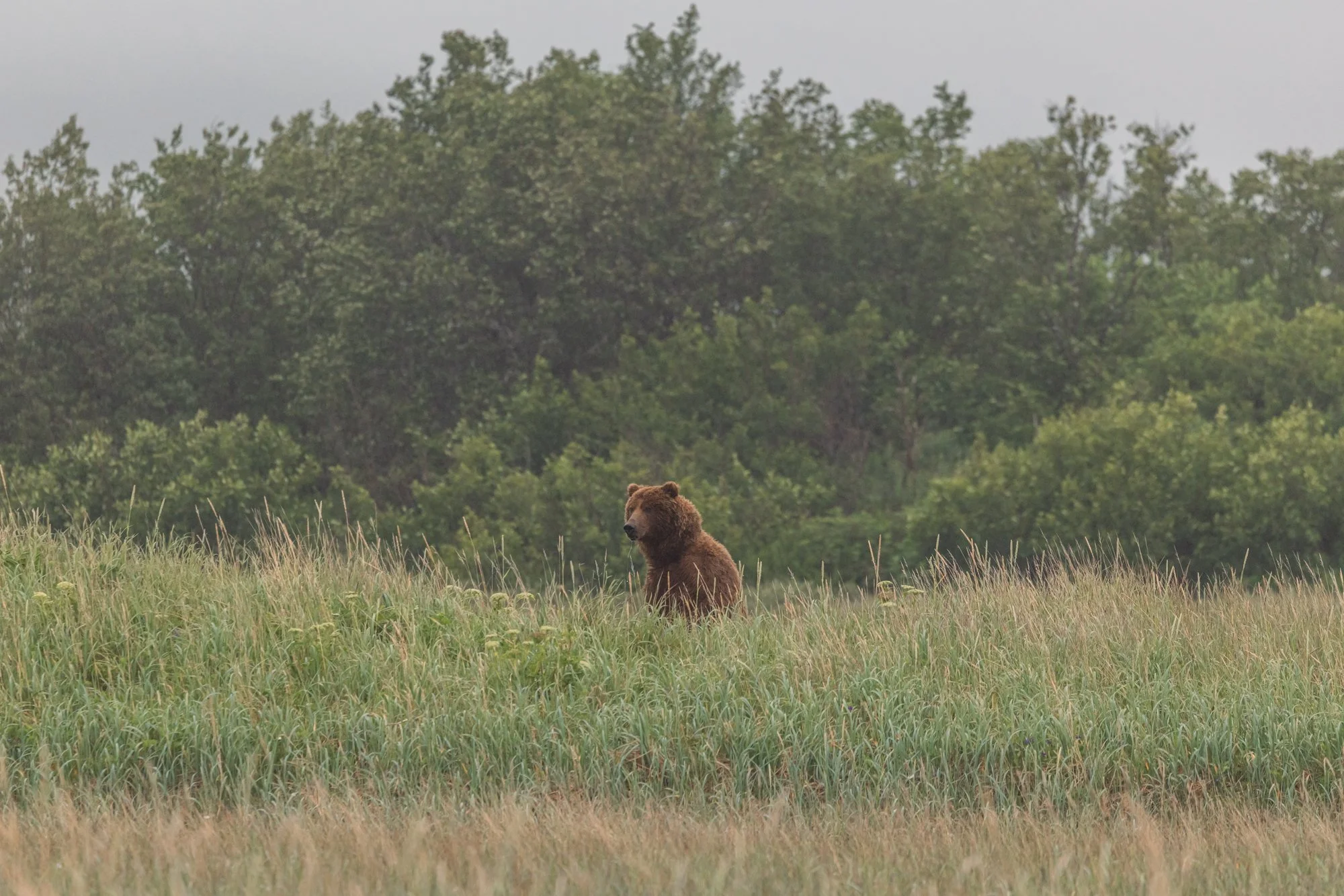
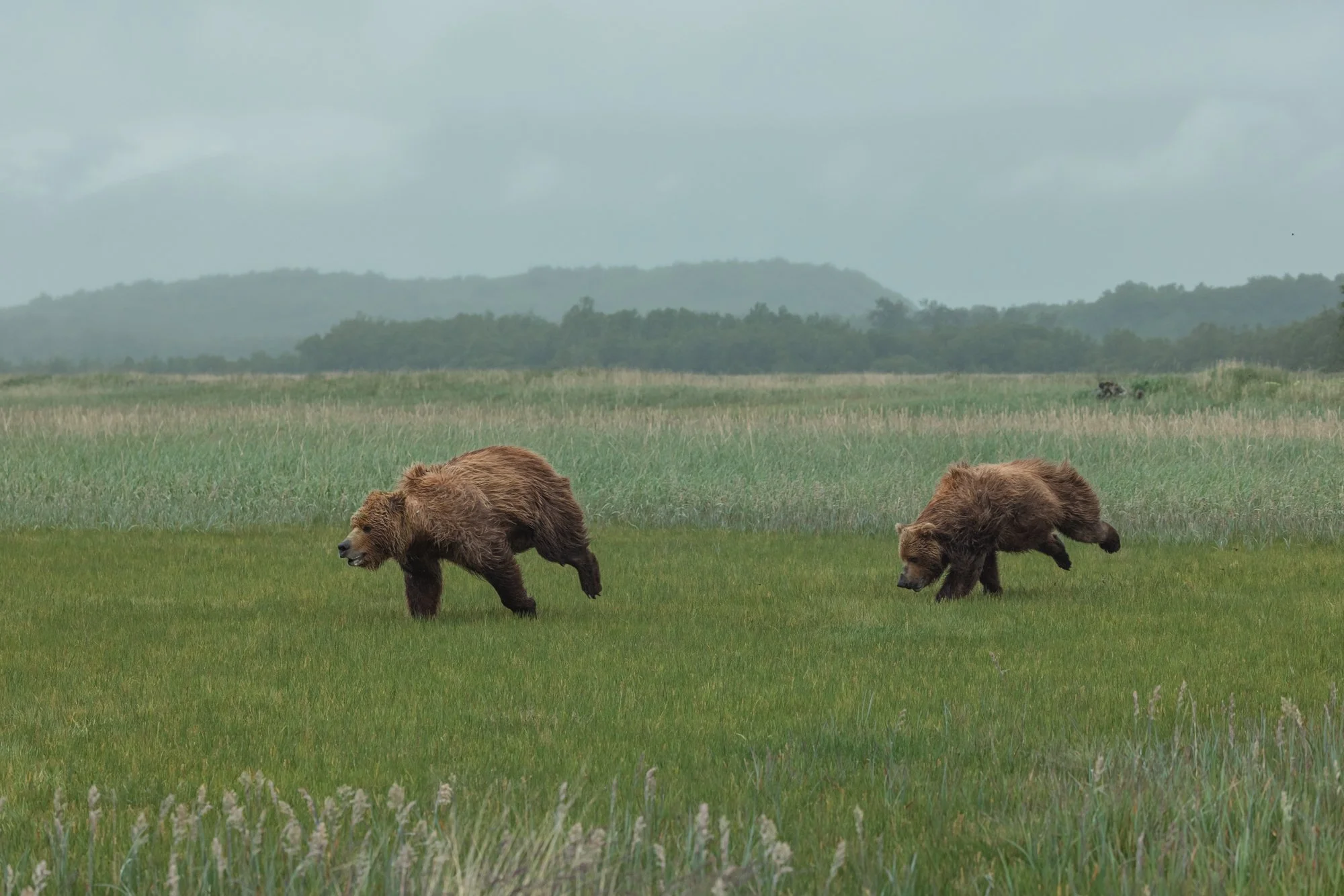
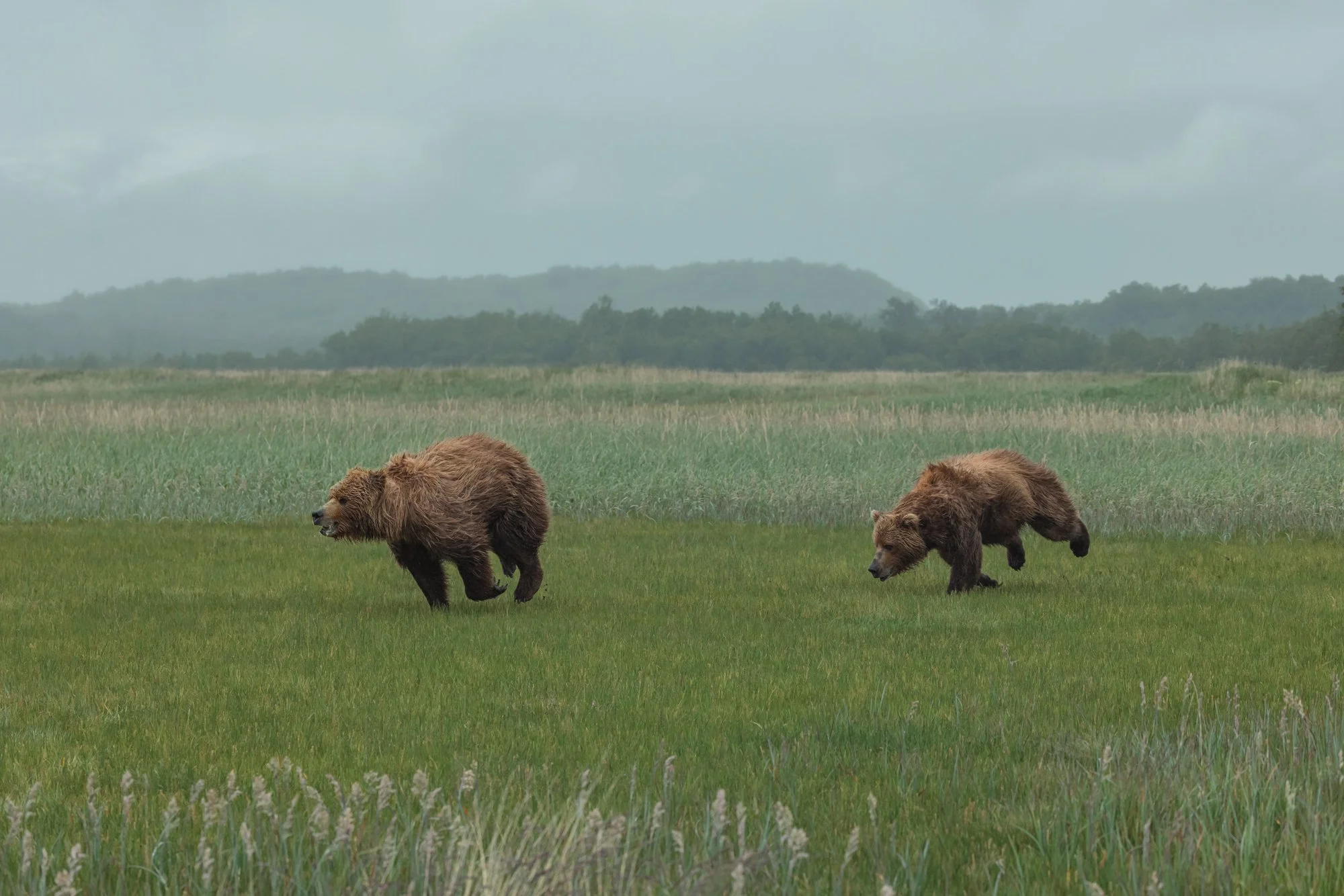
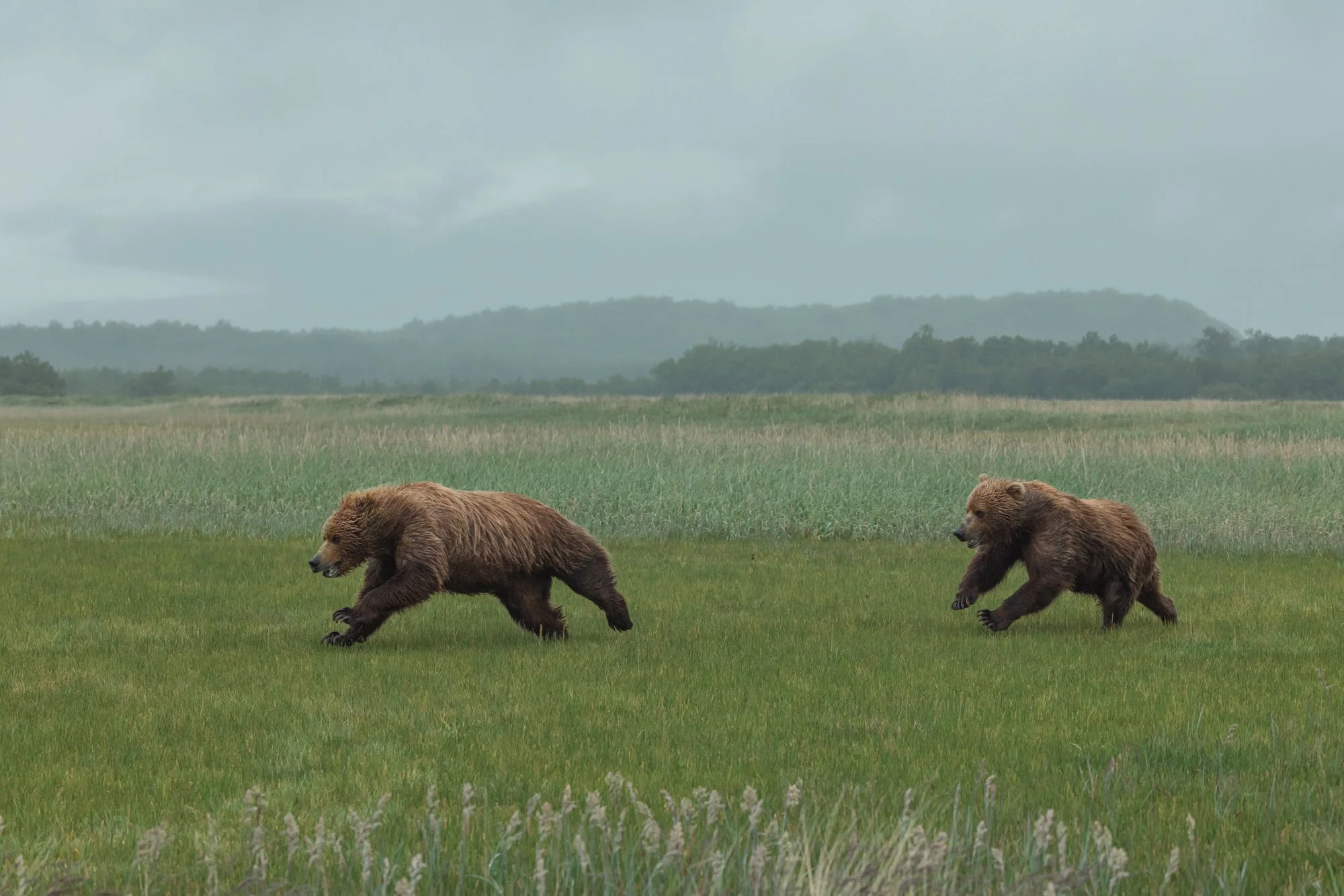
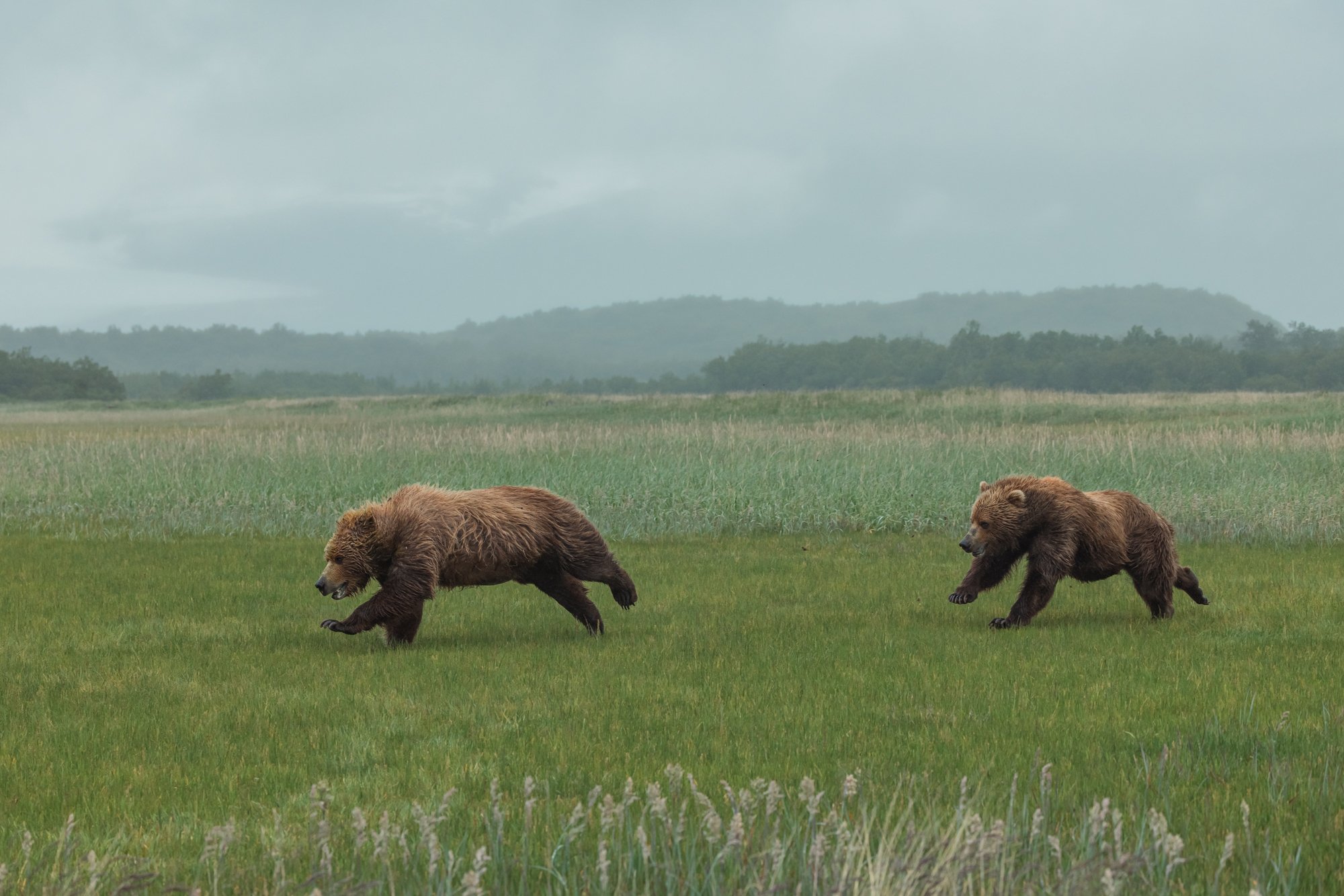
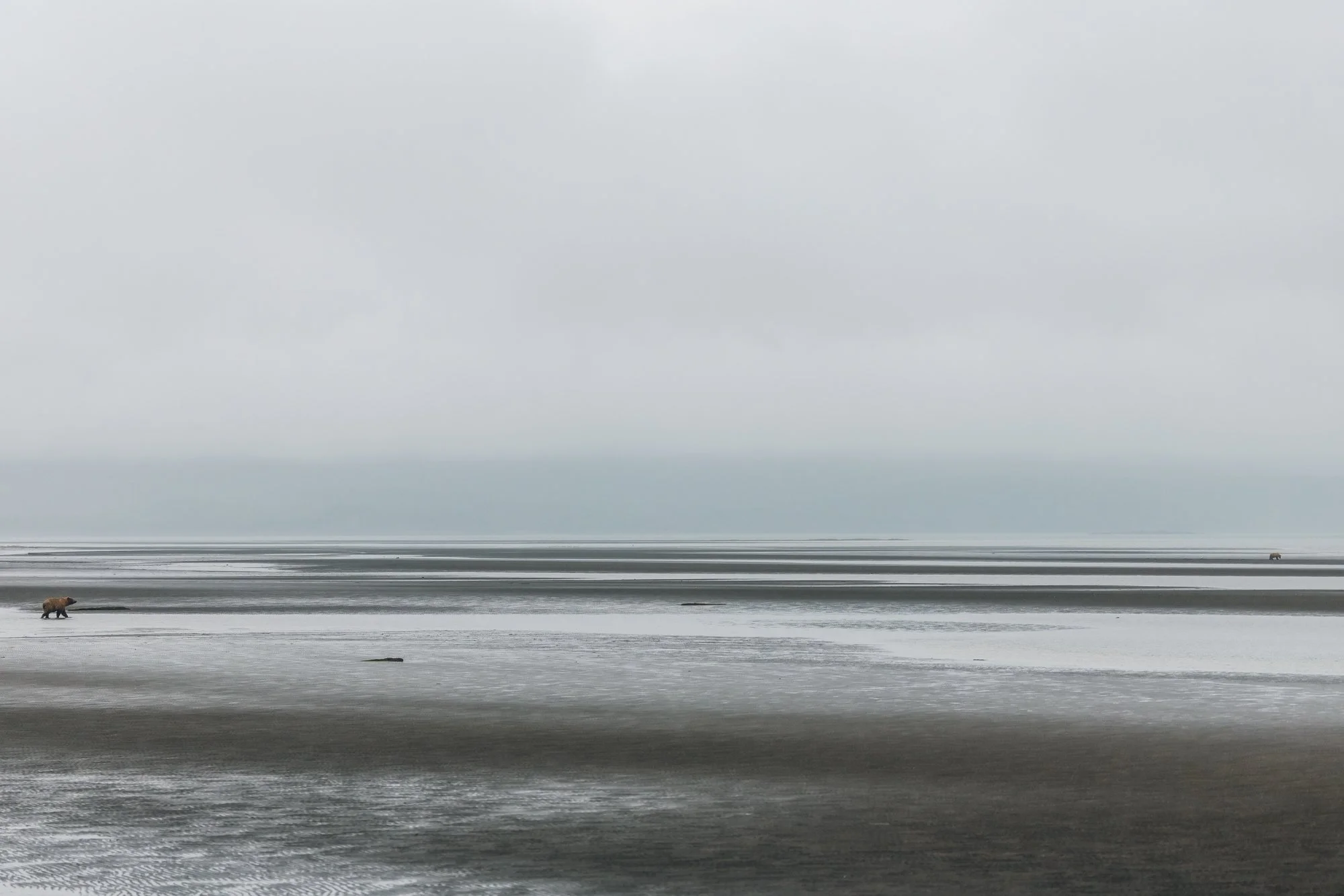
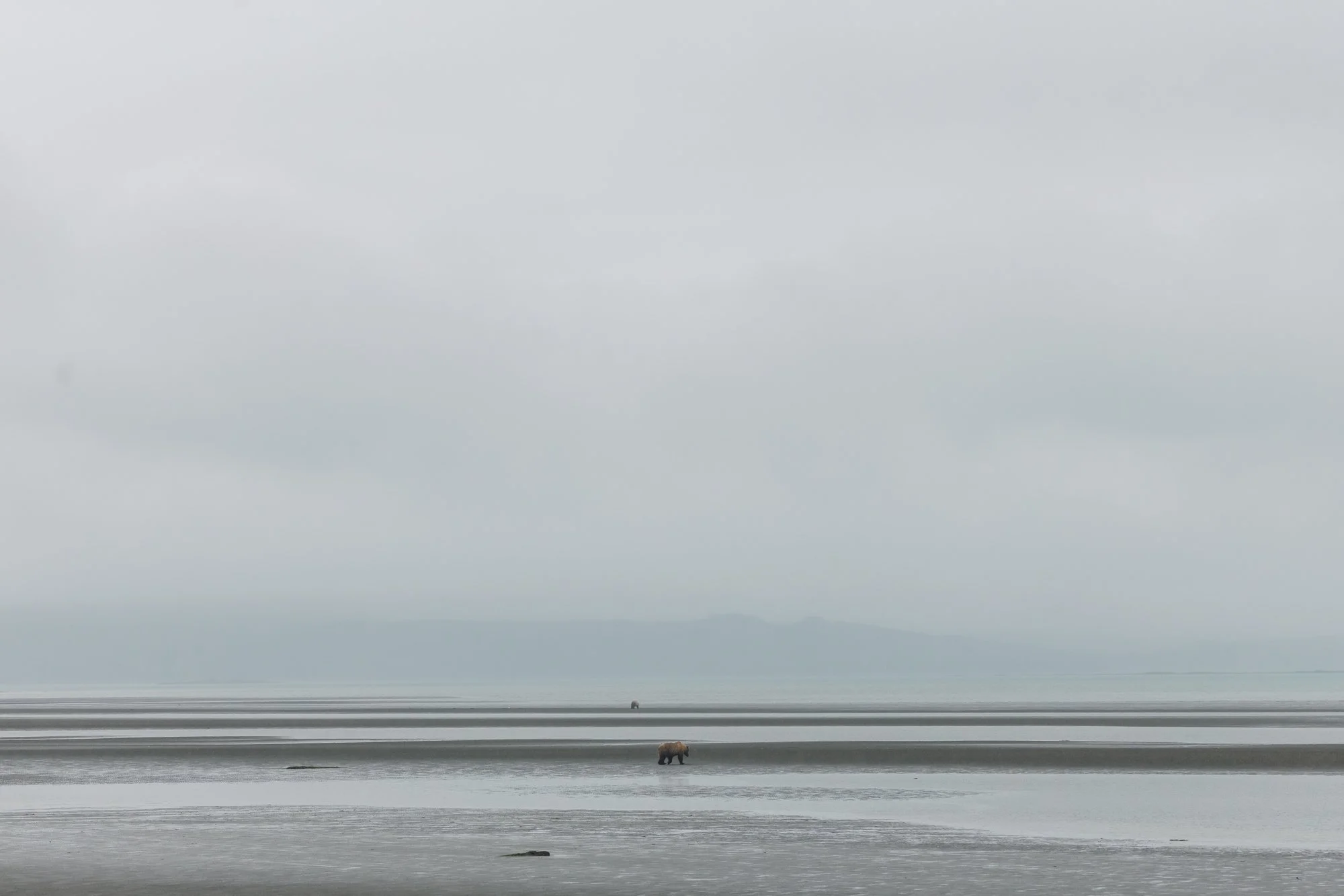
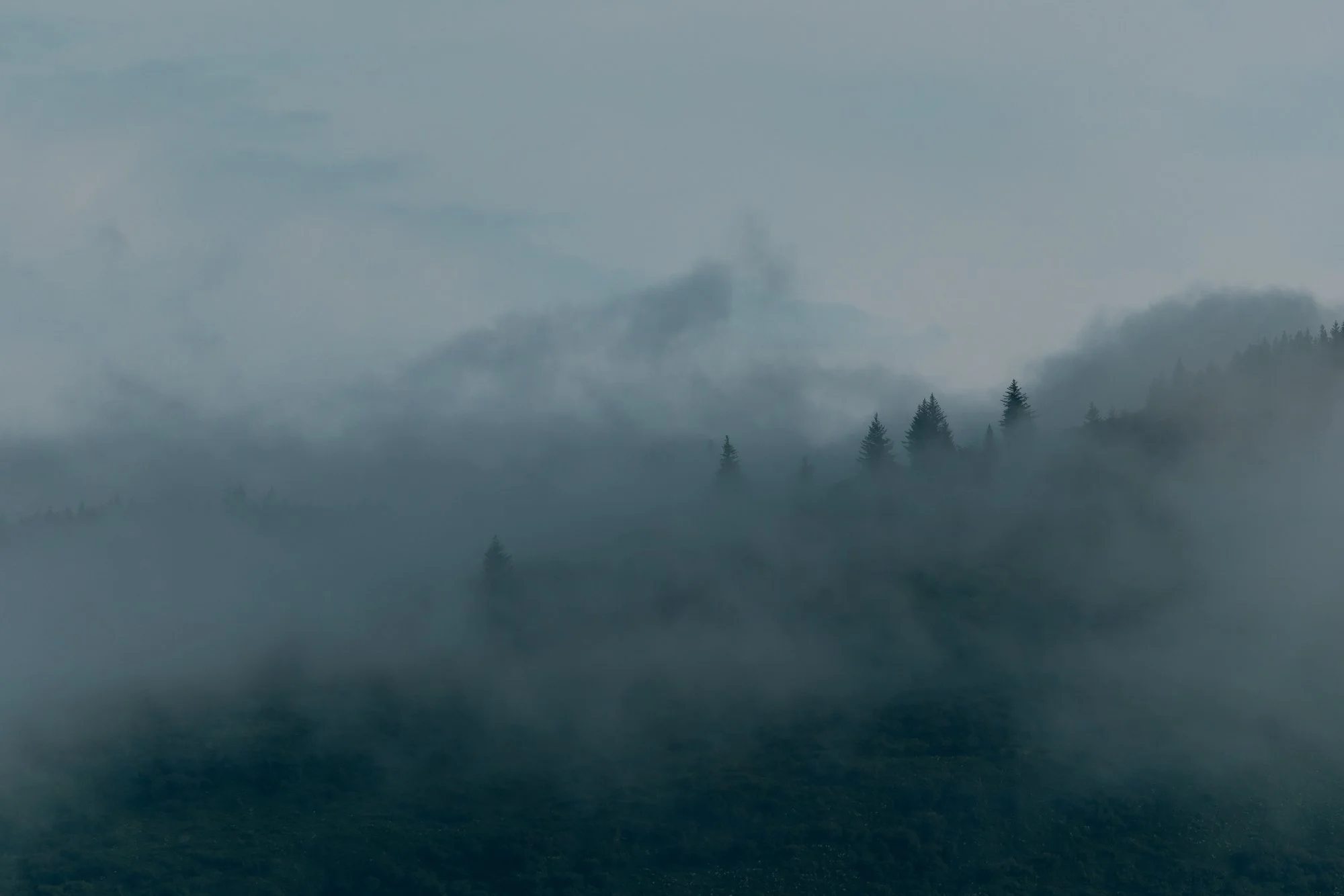
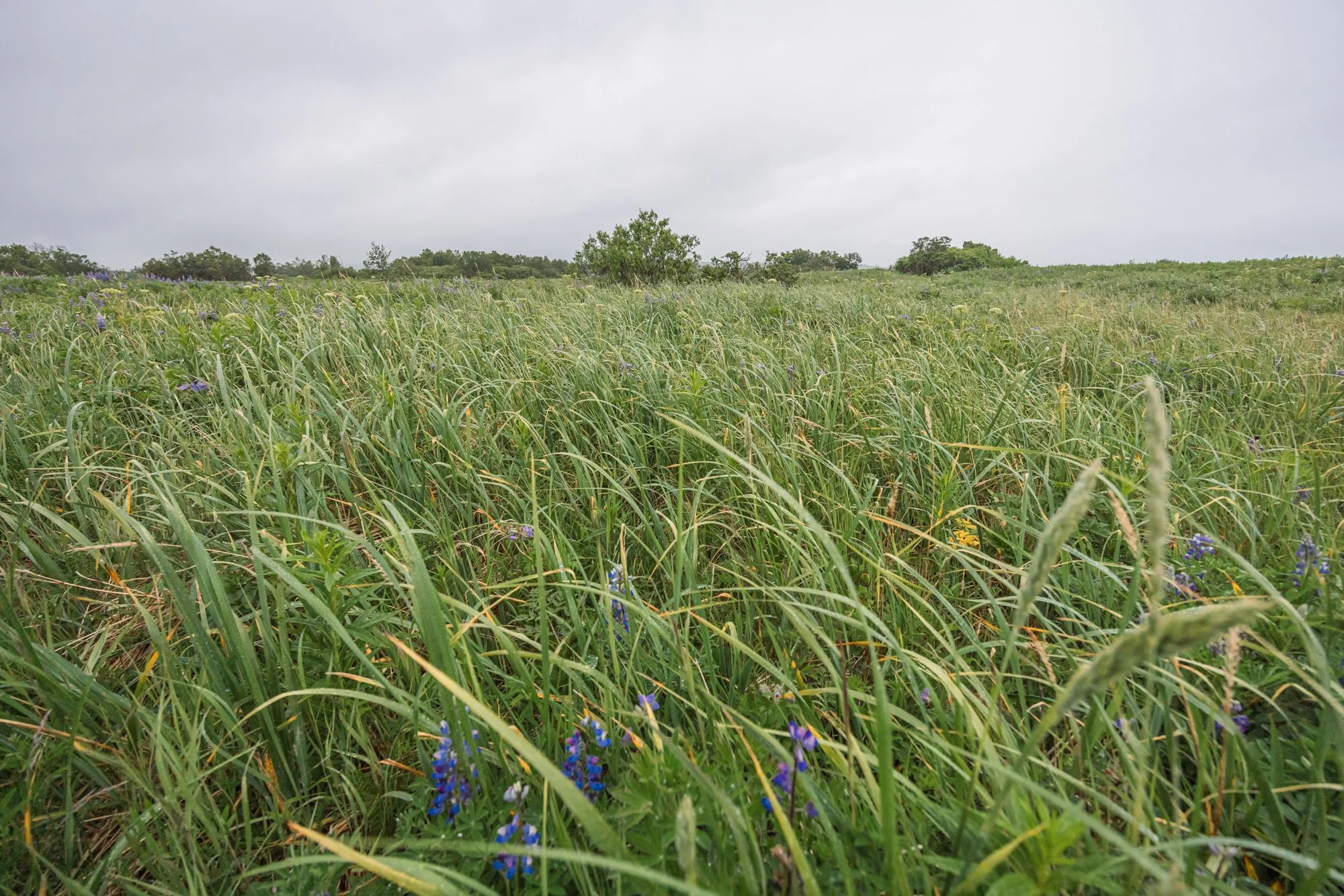
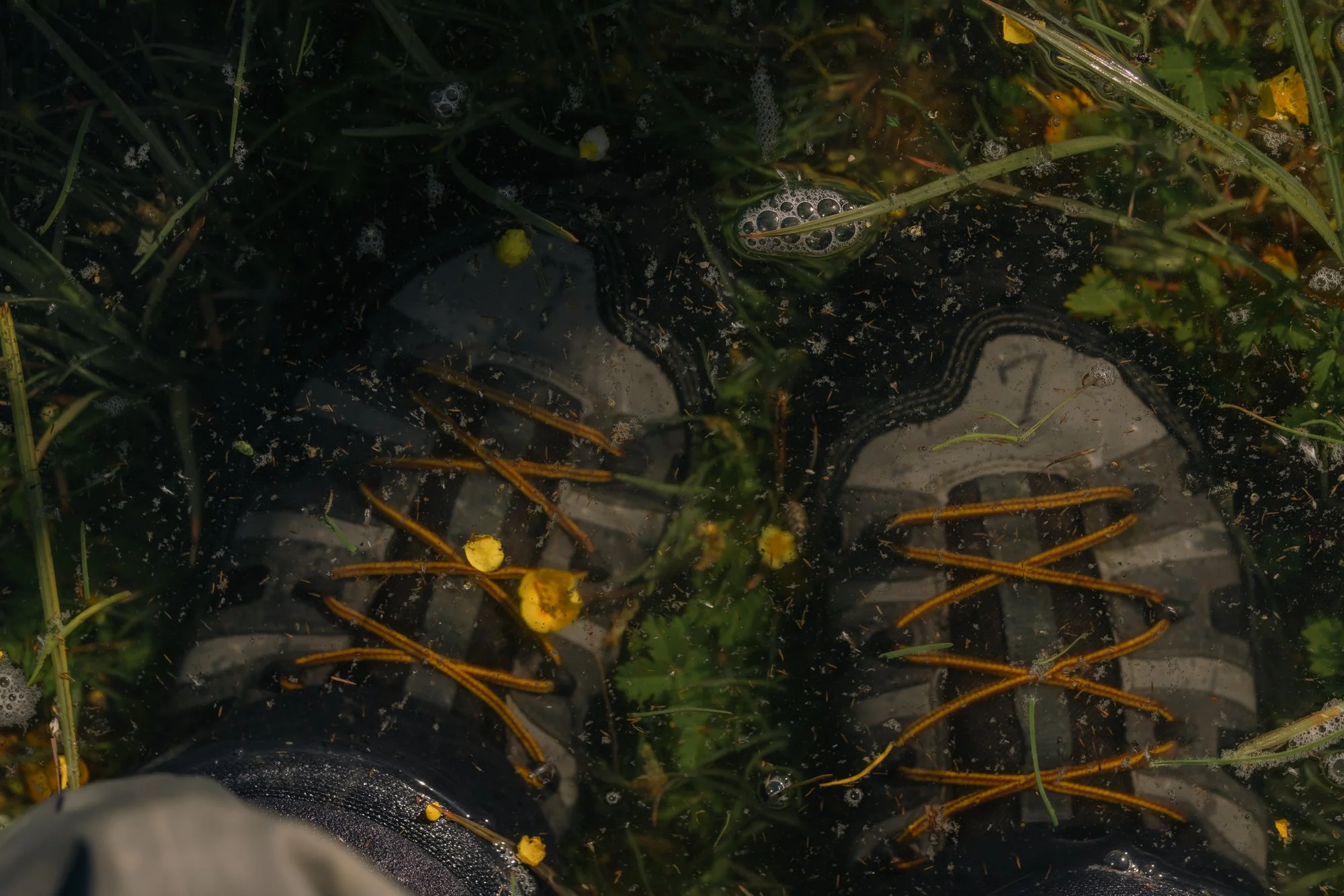
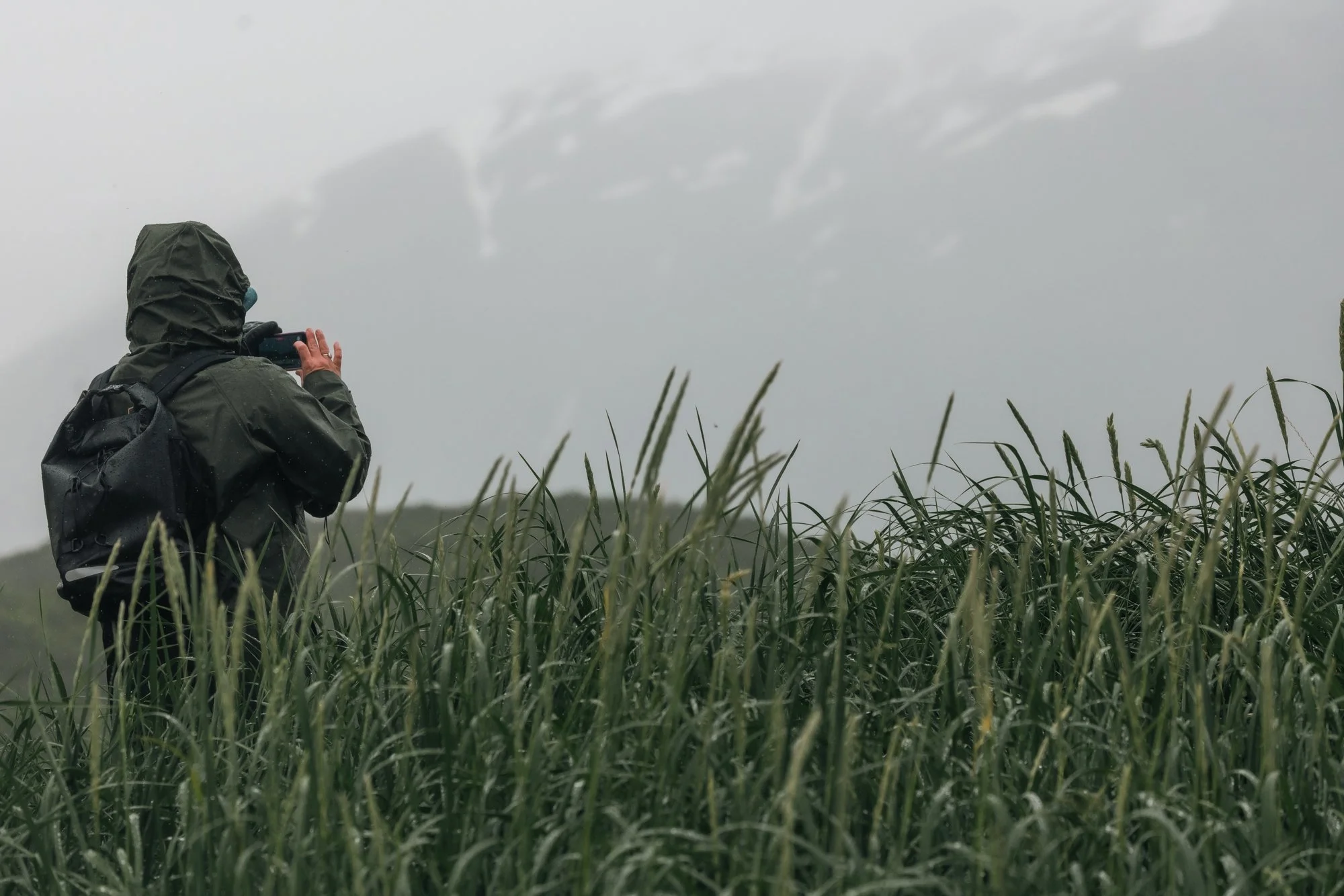
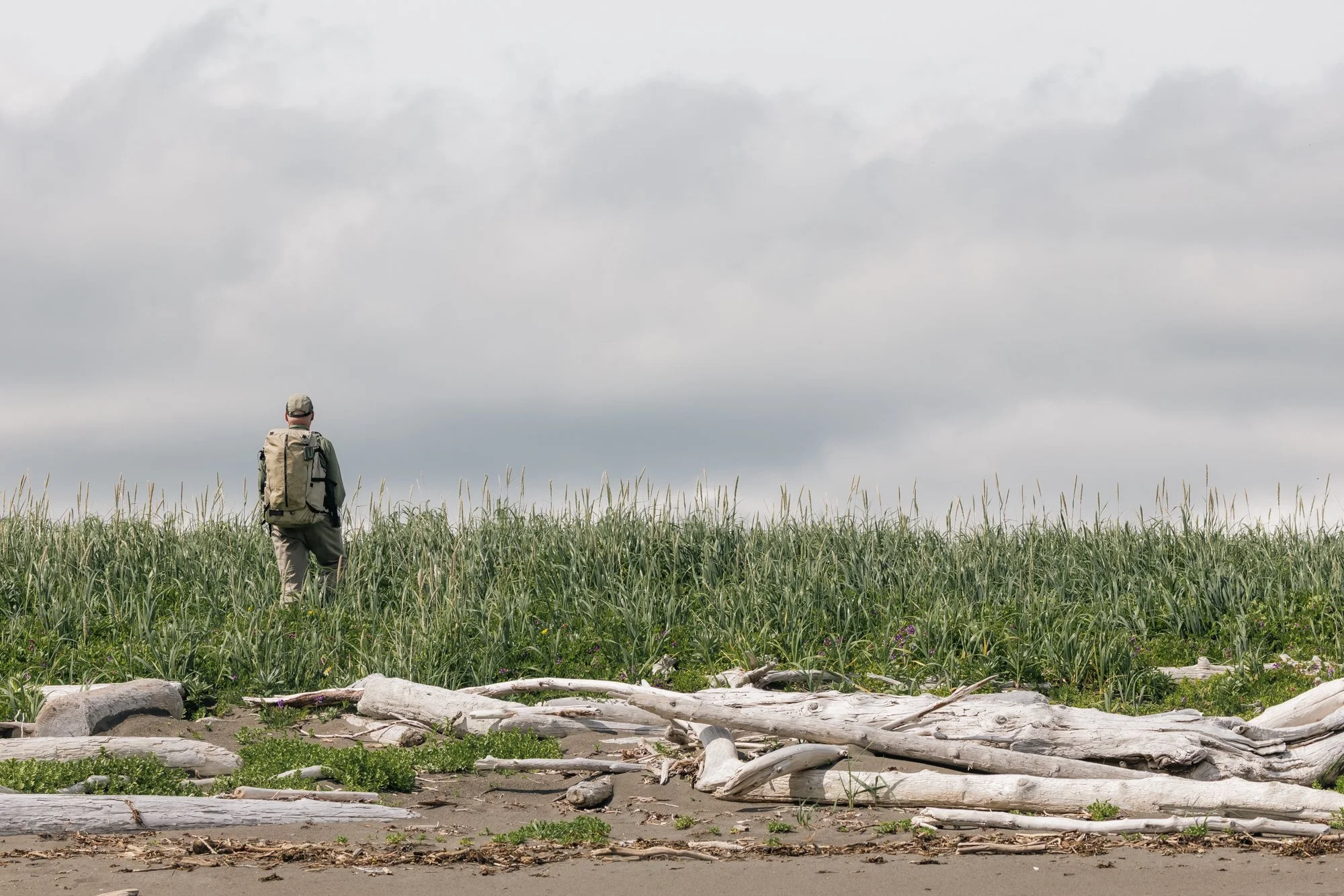
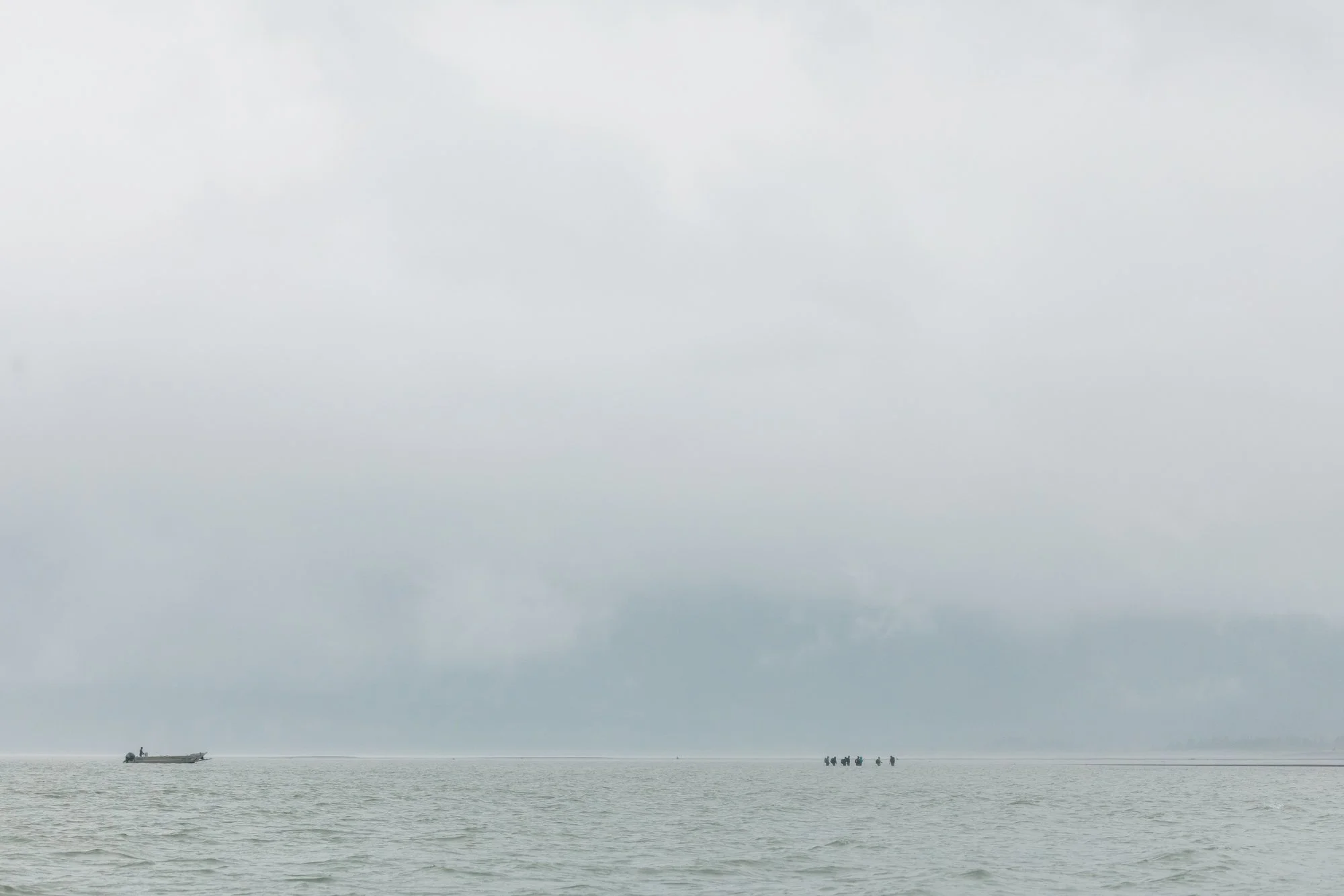
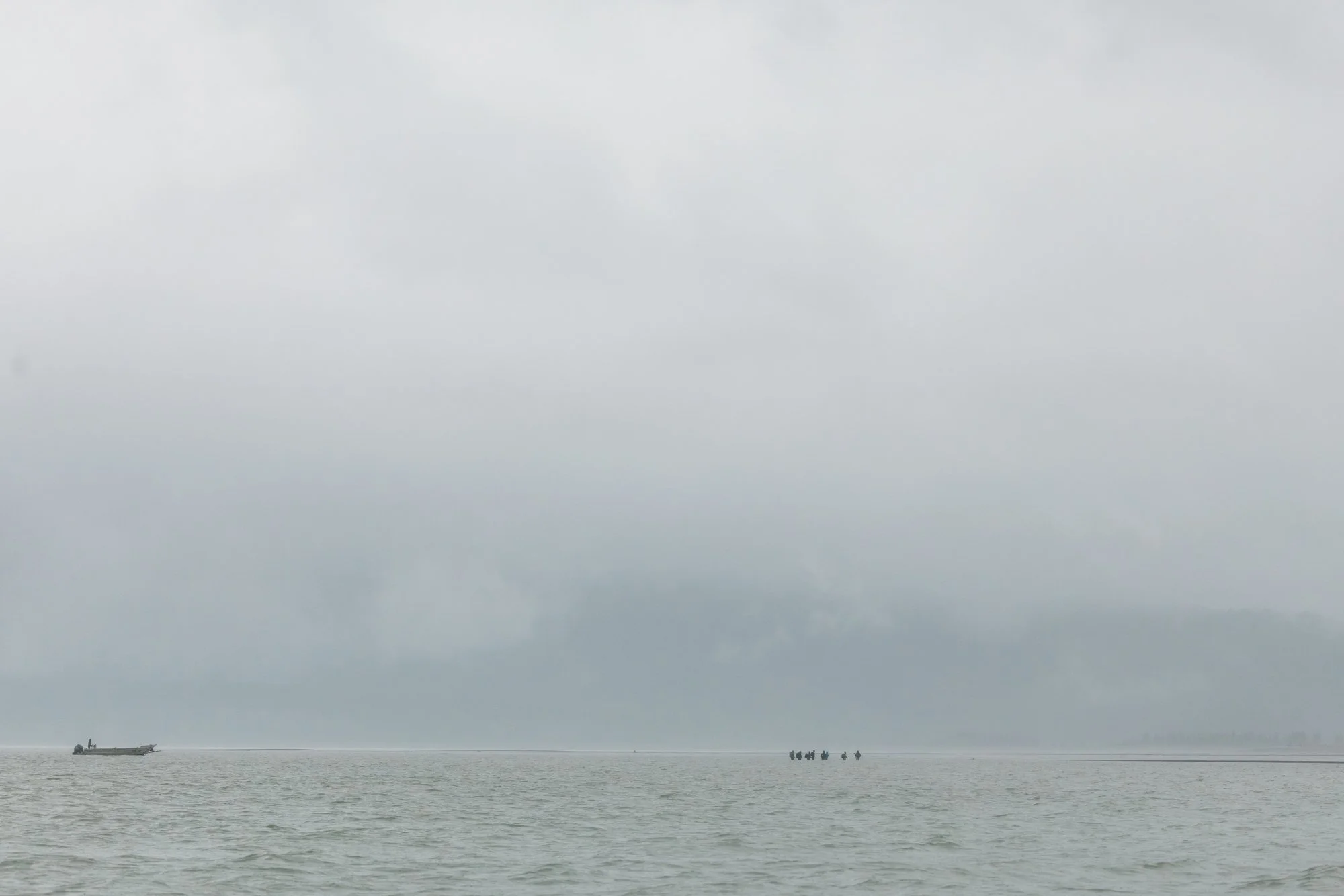
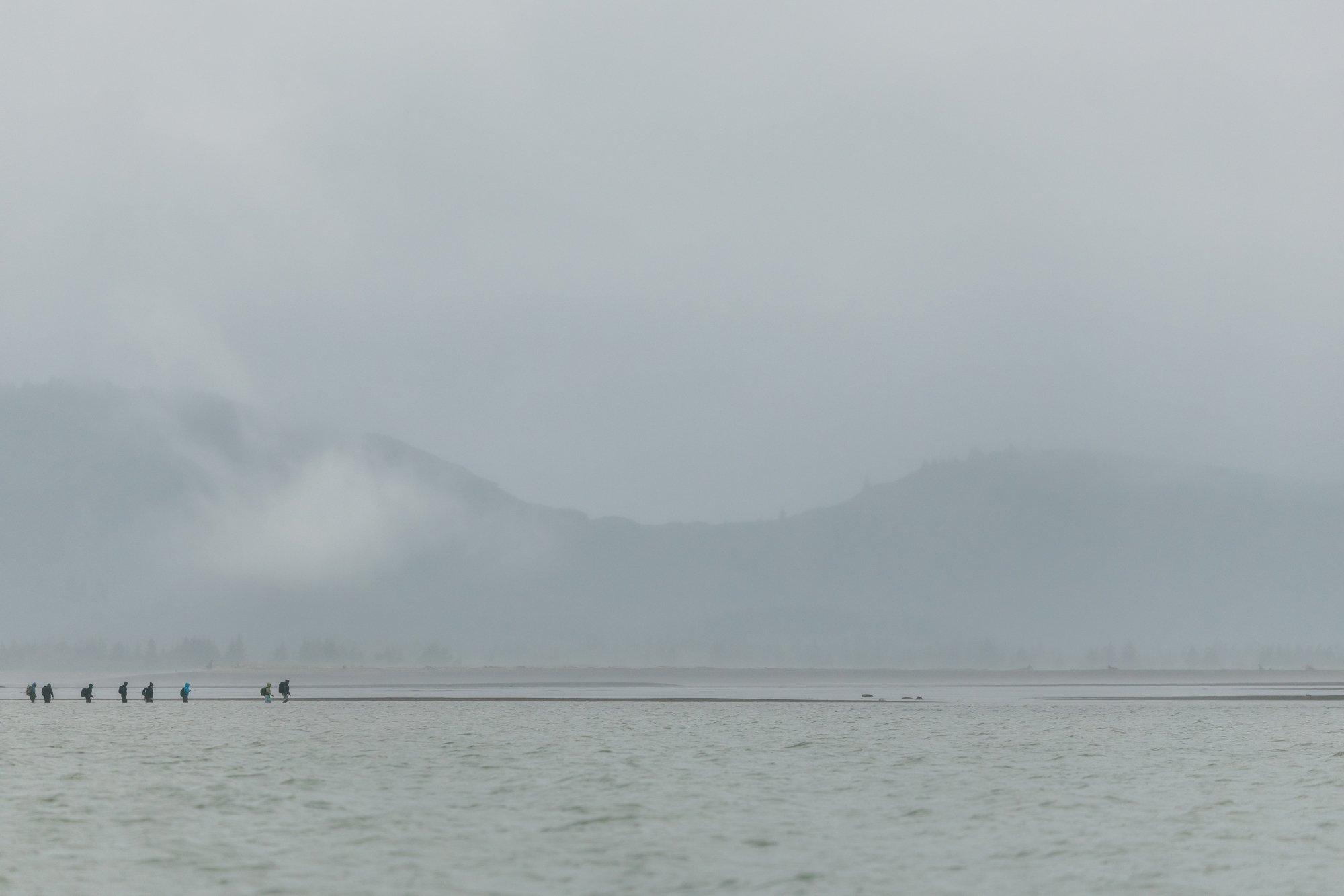
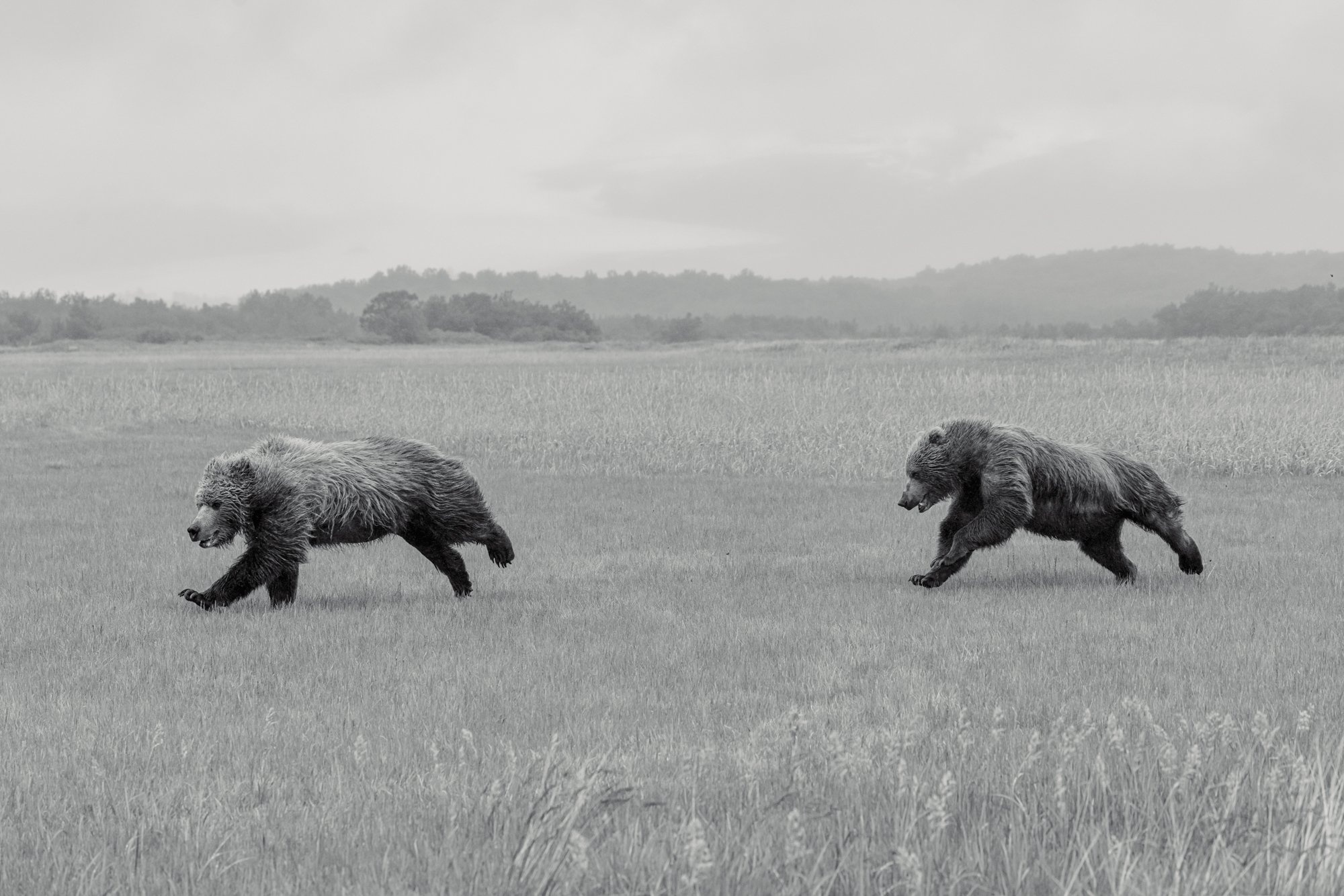
The next day brought drizzle and low cloud, the kind of chill that seeps into fingers when you stop moving. After breakfast, we crossed a deep river that demanded every ounce of our attention. I hoisted my camera bag high; each step is slow and deliberate. Against the current’s pull, I feel cool water pressing against the waders. On the far bank, the wild revealed itself in surprising stages. We entered a scene with five bears: two calm females grazing, two giant males occasionally standing, and a younger male in the distance. We had just settled in to observe when the two females suddenly barred past us in a blur speed, the earth shaking beneath them. “Did anyone get that on video?” By then we had walked six and a half kilometers, tracking bears from morning until afternoon, the hours measured not by clocks but by encounters. Each day stripped me further of the restless churn I’d carried from home - the urge to check, to hurry, to consume. Here, the world condensed to meadow, tide, and waiting. In that stillness, something in me slowed too.
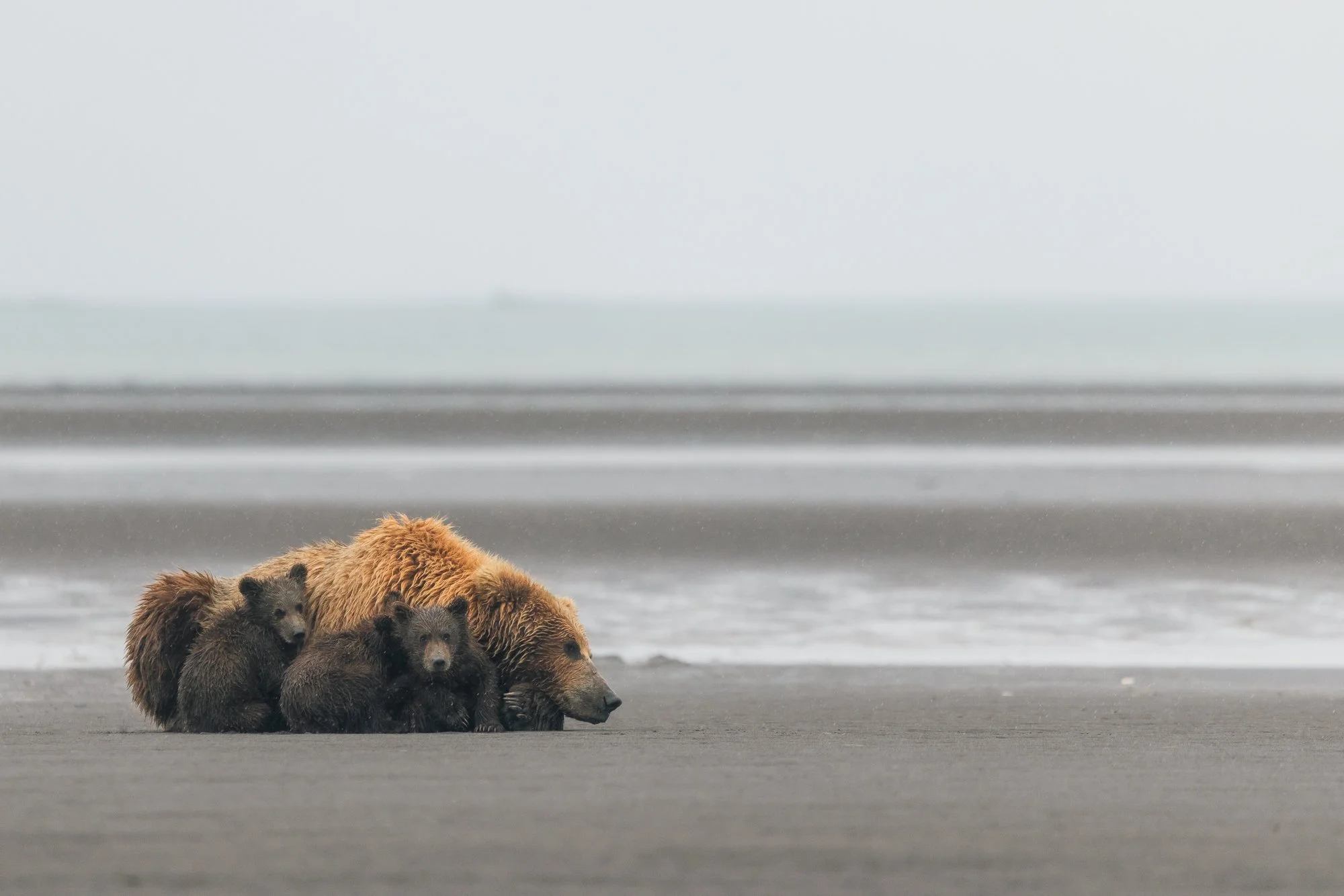
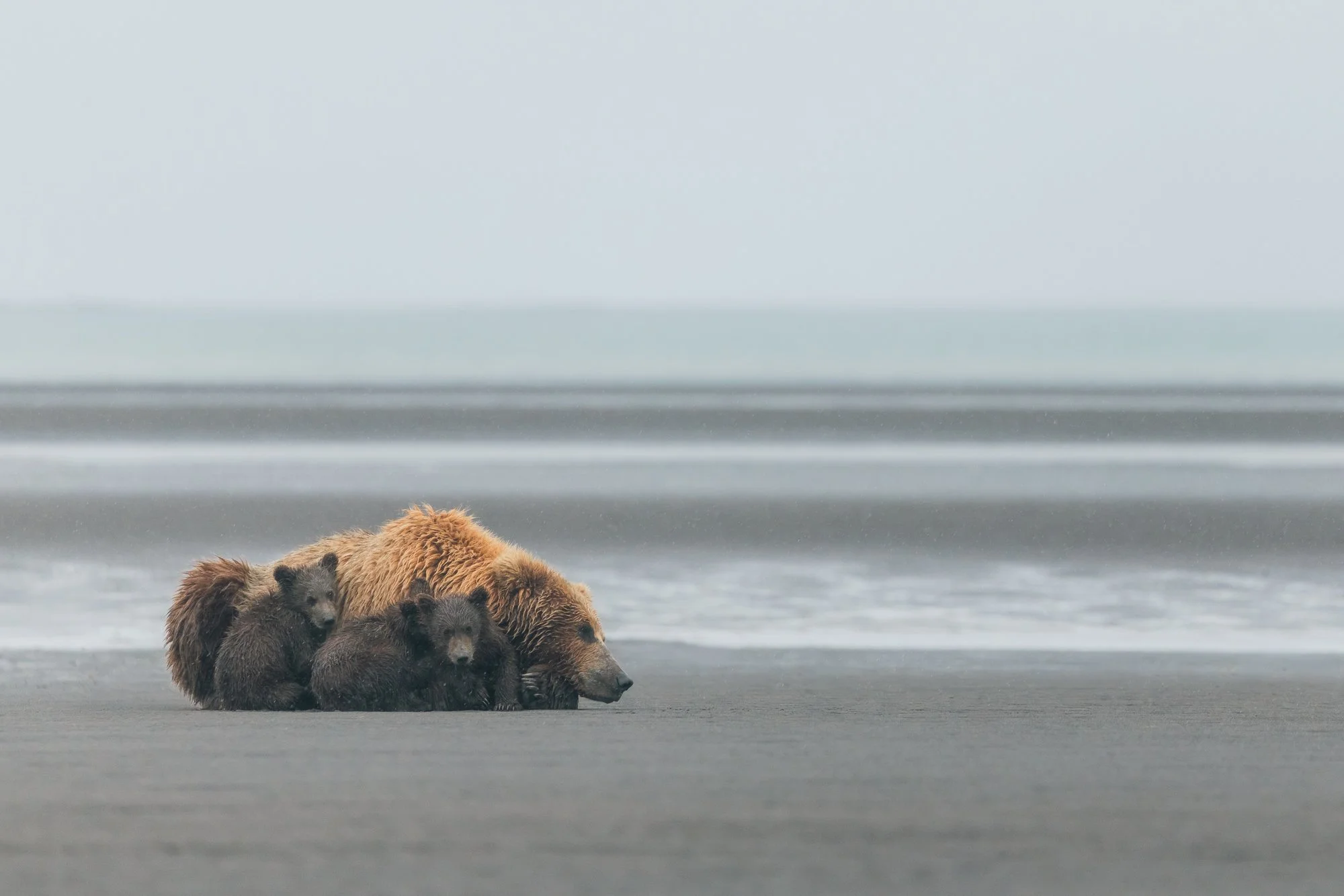
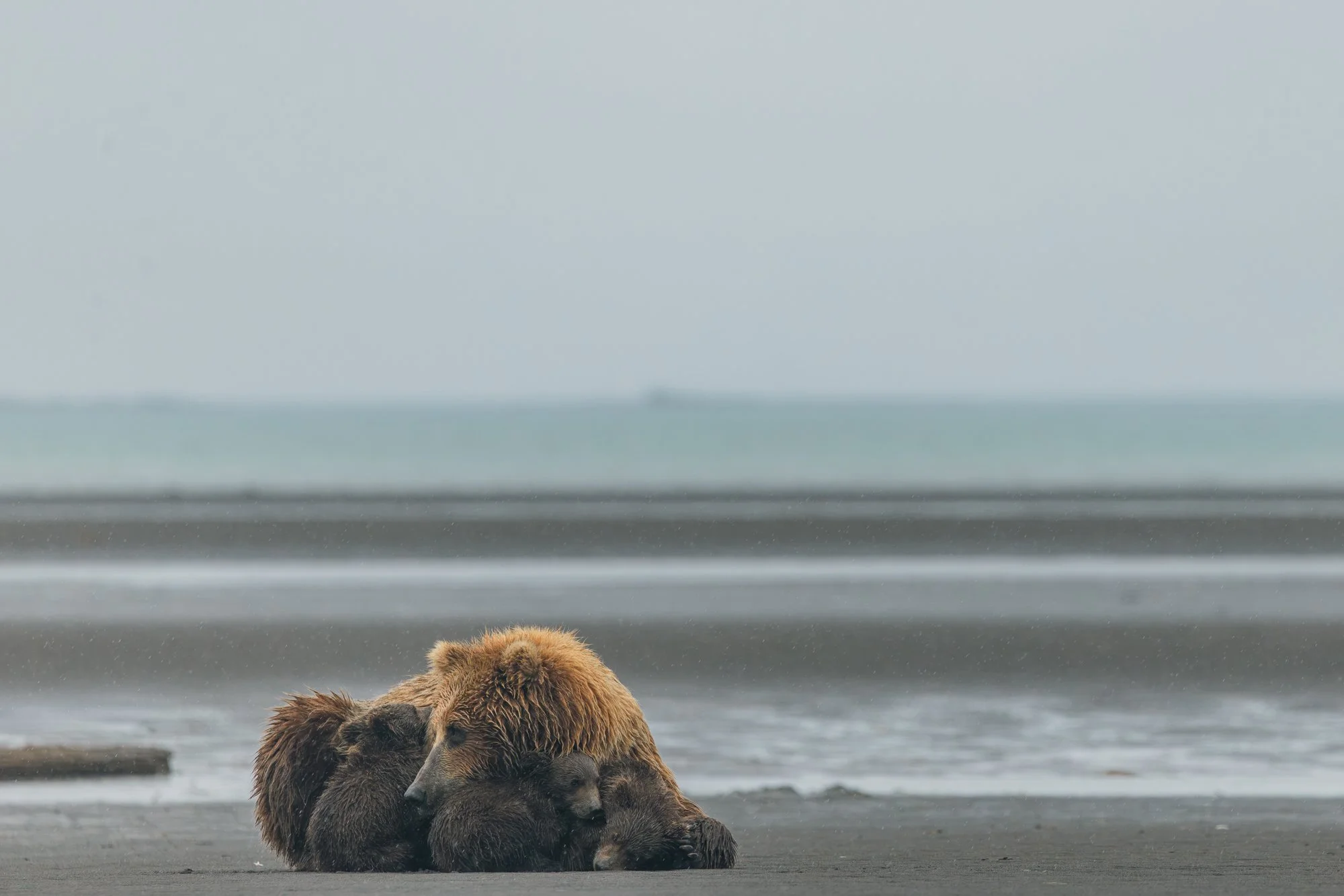
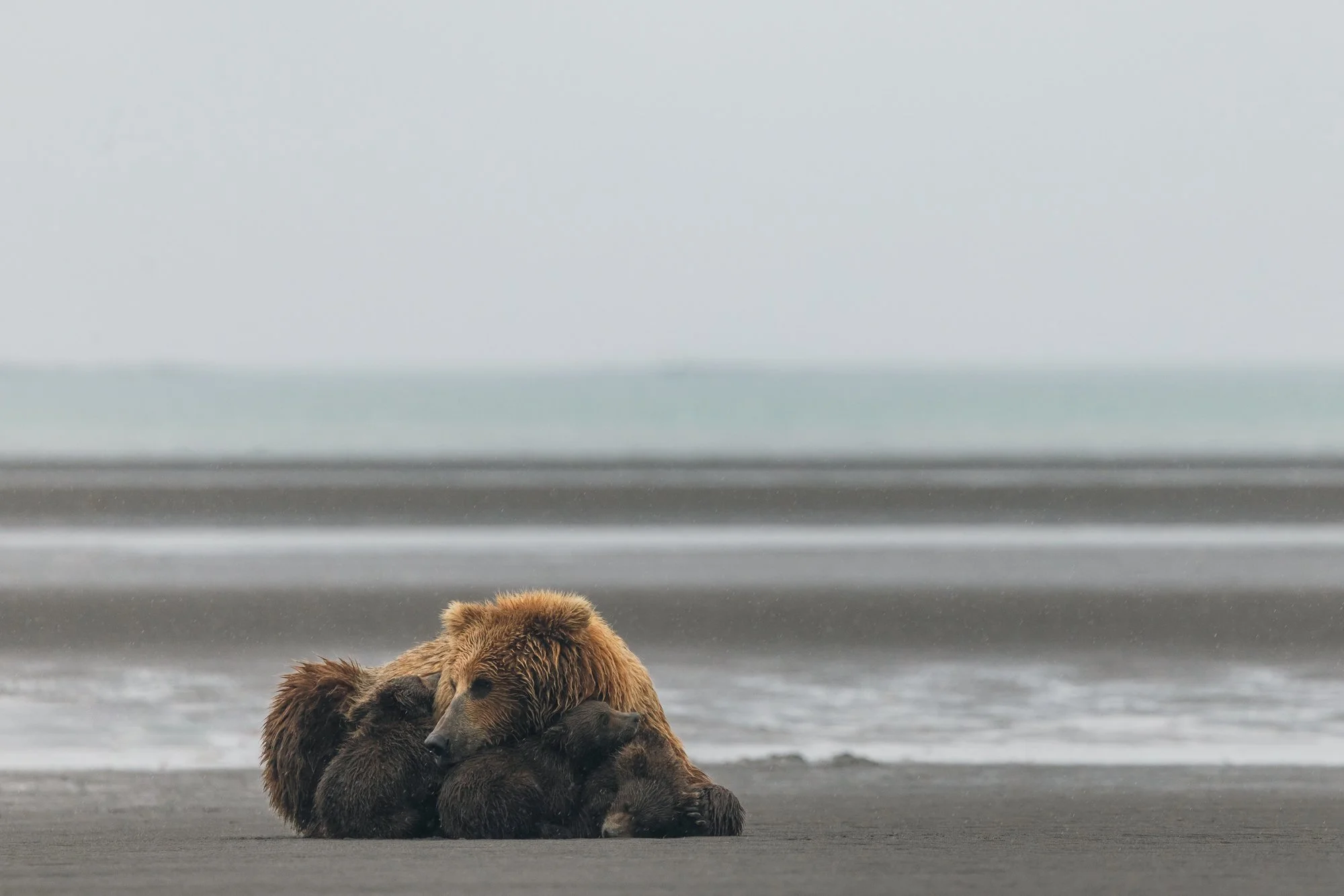
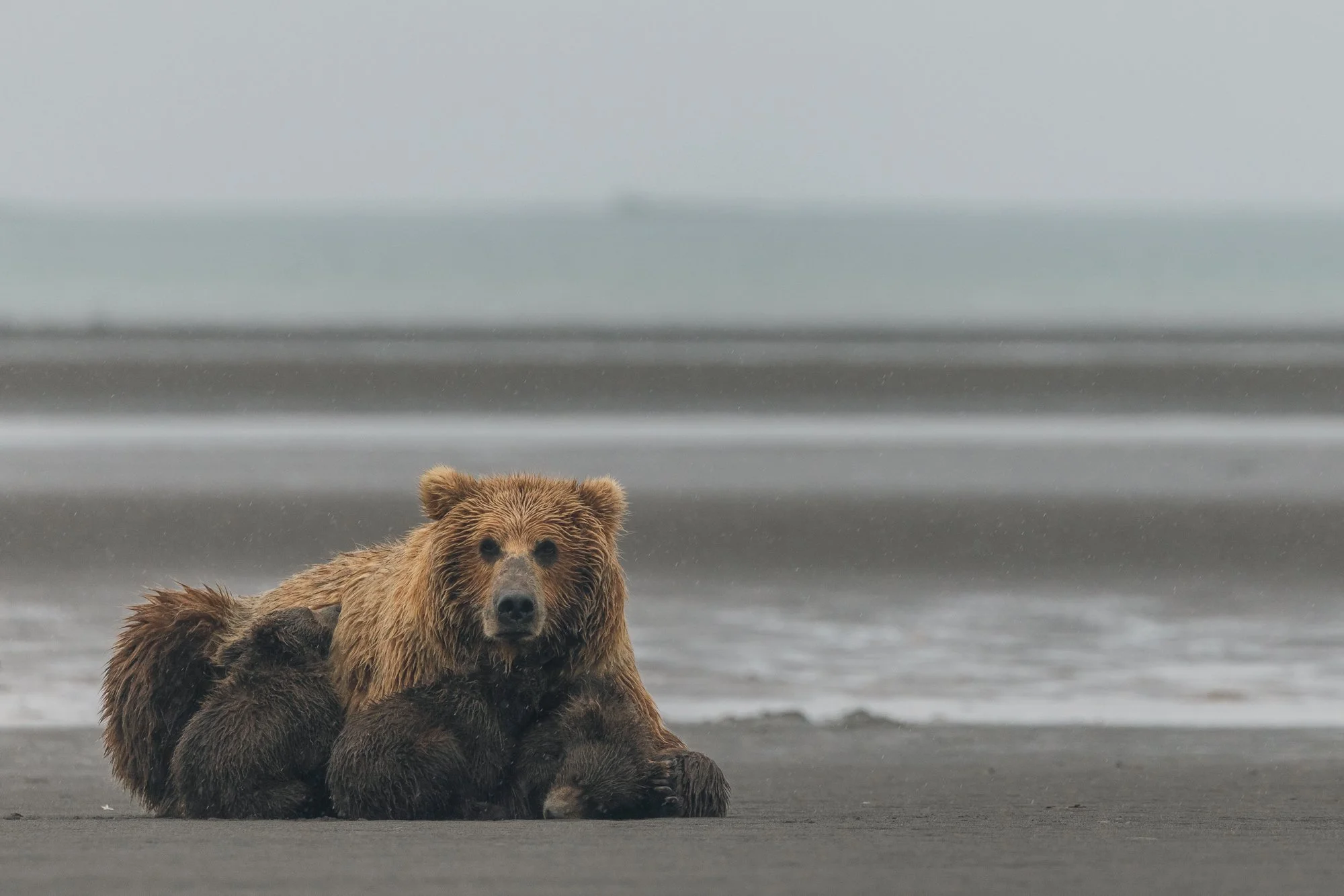
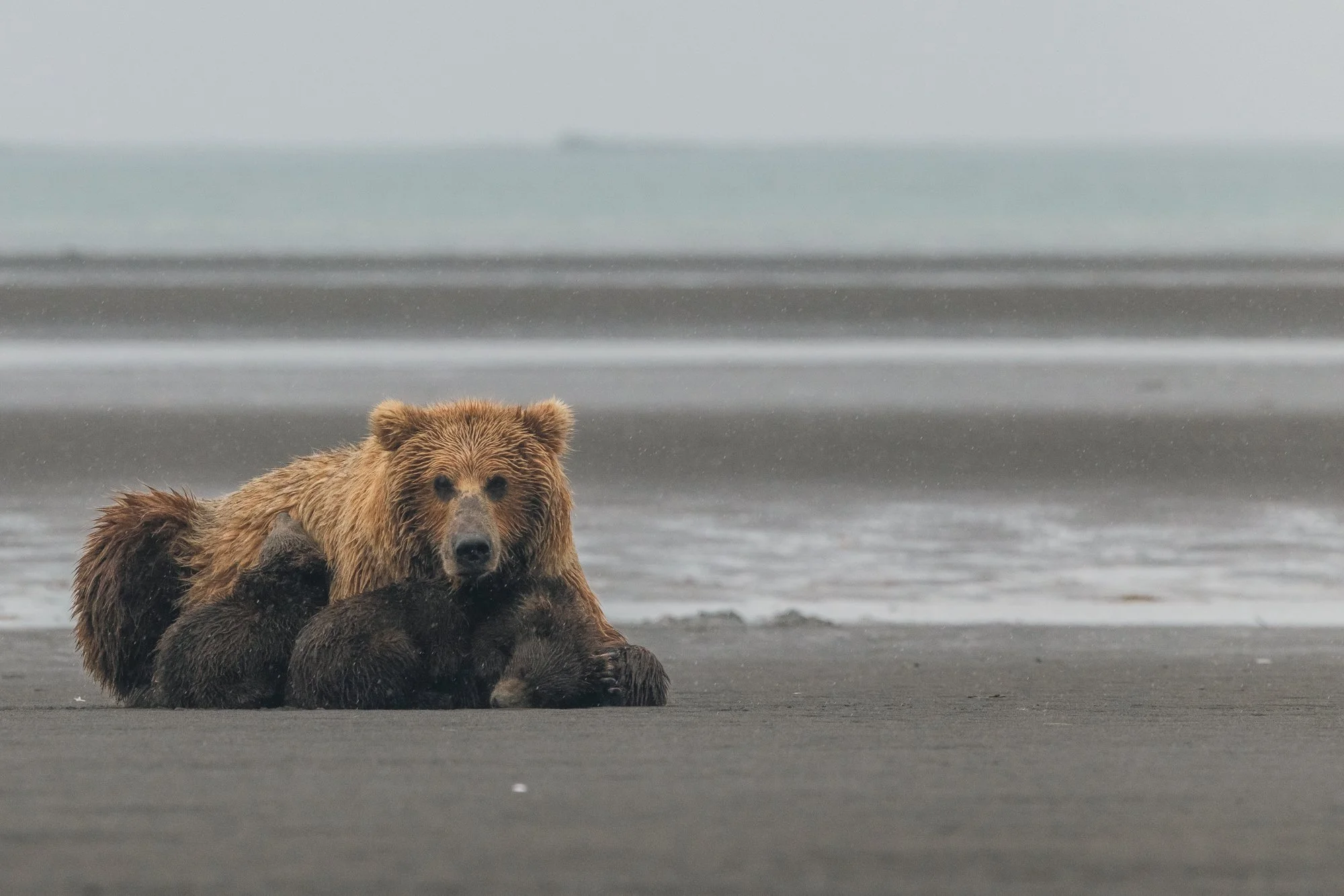
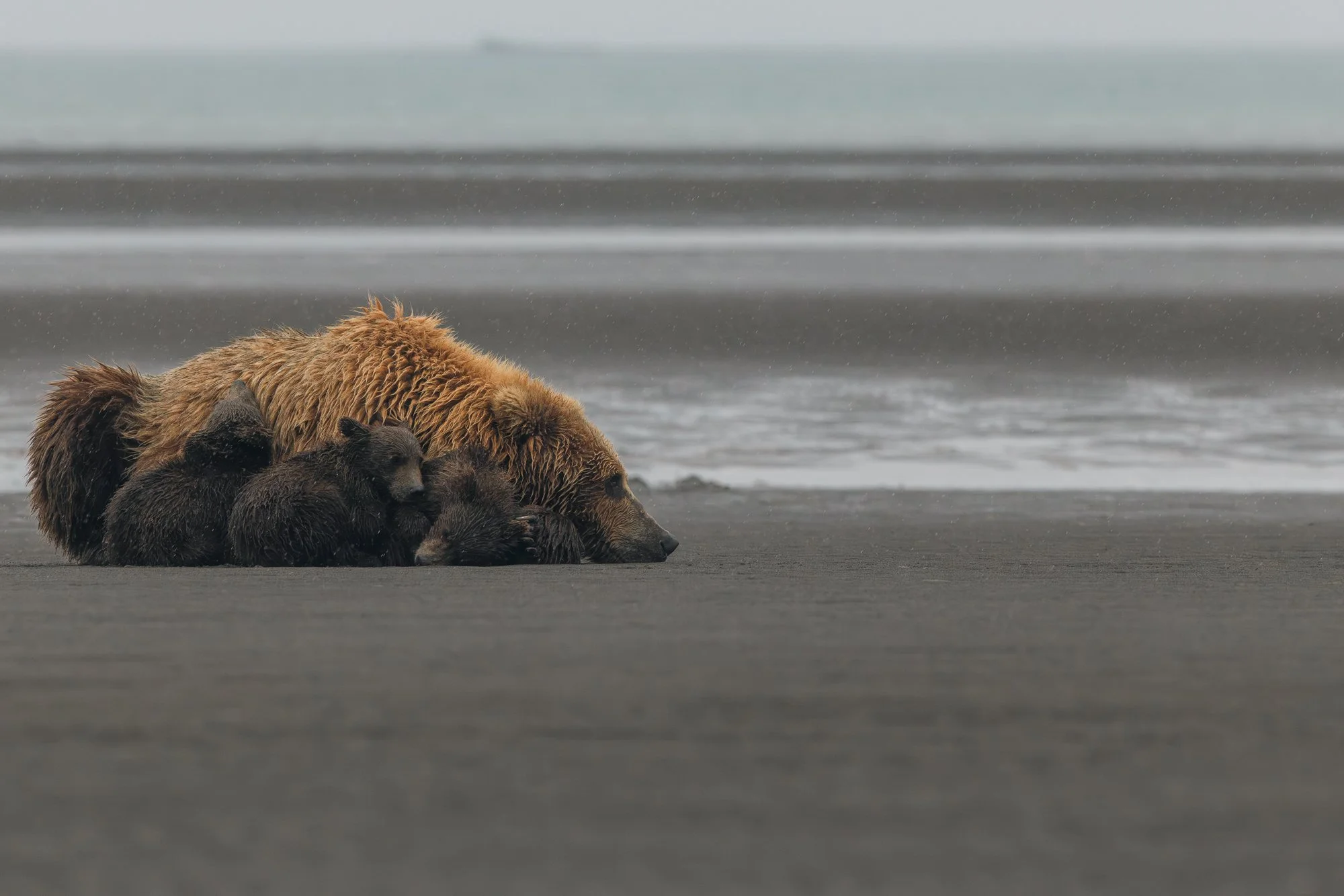
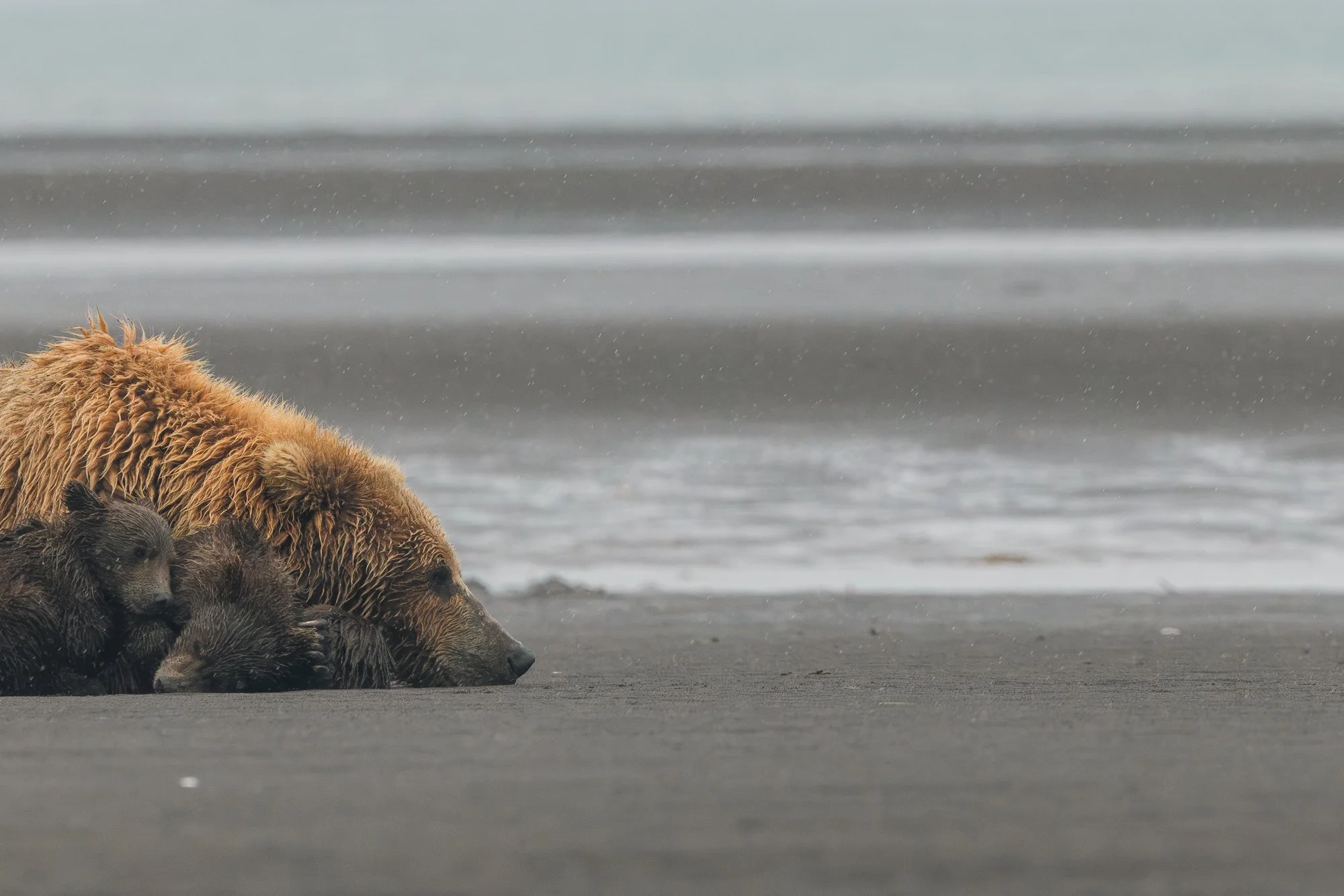
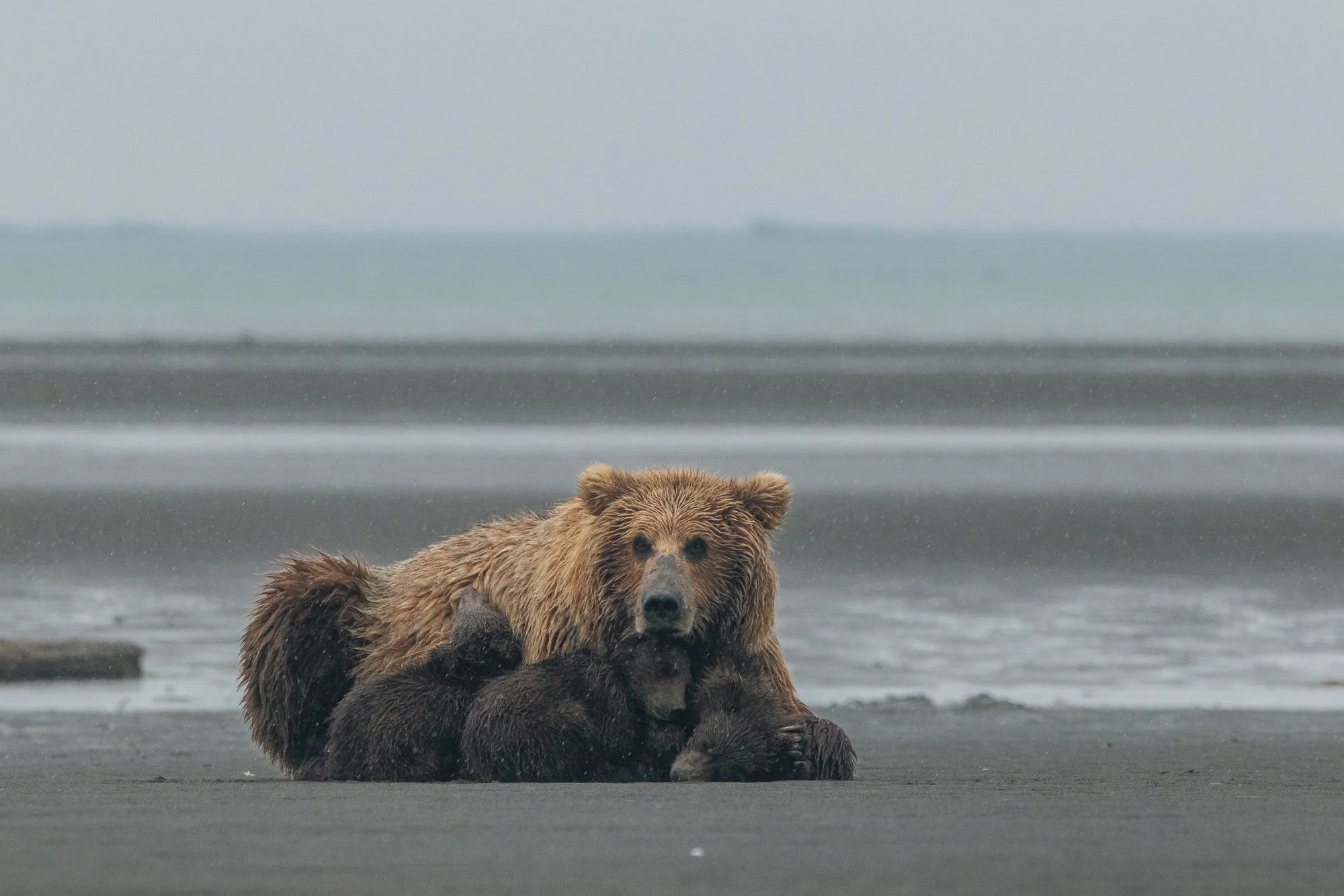
We headed back towards our meeting point along the beach and entered a tender scene. The mother we saw earlier was now nursing three tiny cubs. By the time we got closer, the four were cuddled up. The three tiny bodies of the cubs curled up in a knot of warmth on a cold rainy day. Fury and gentleness, storm and hush - the balance of the wild itself.
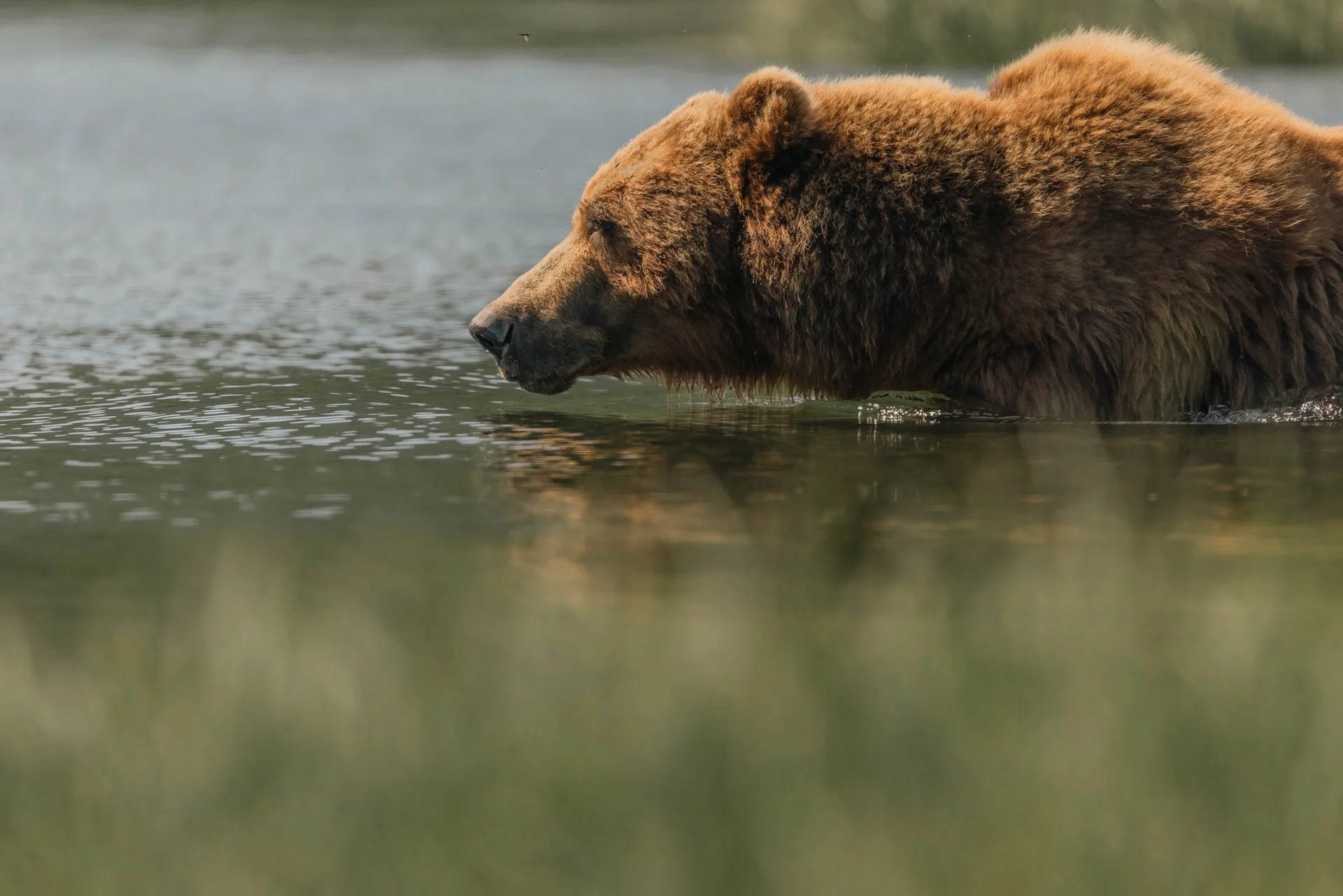
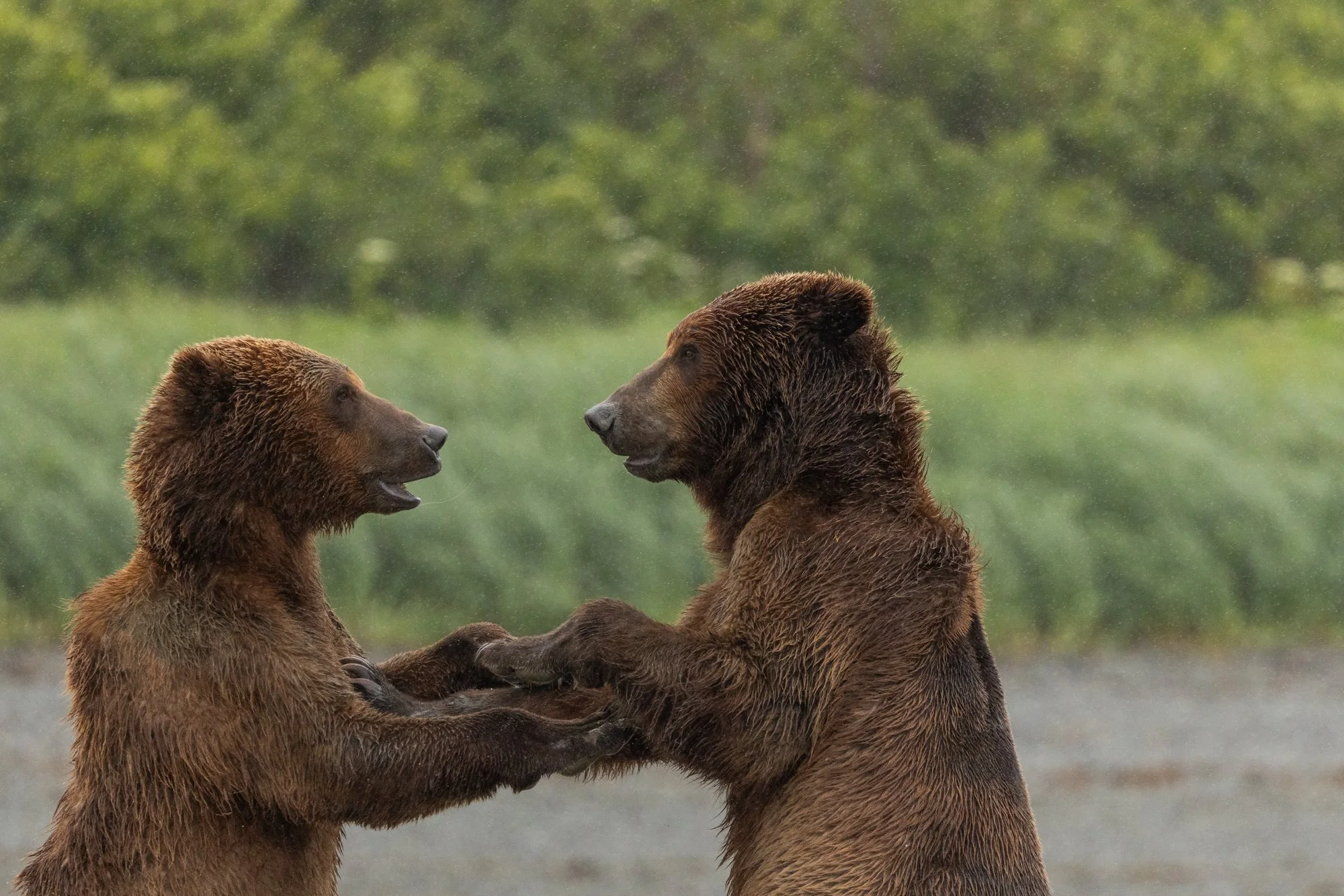
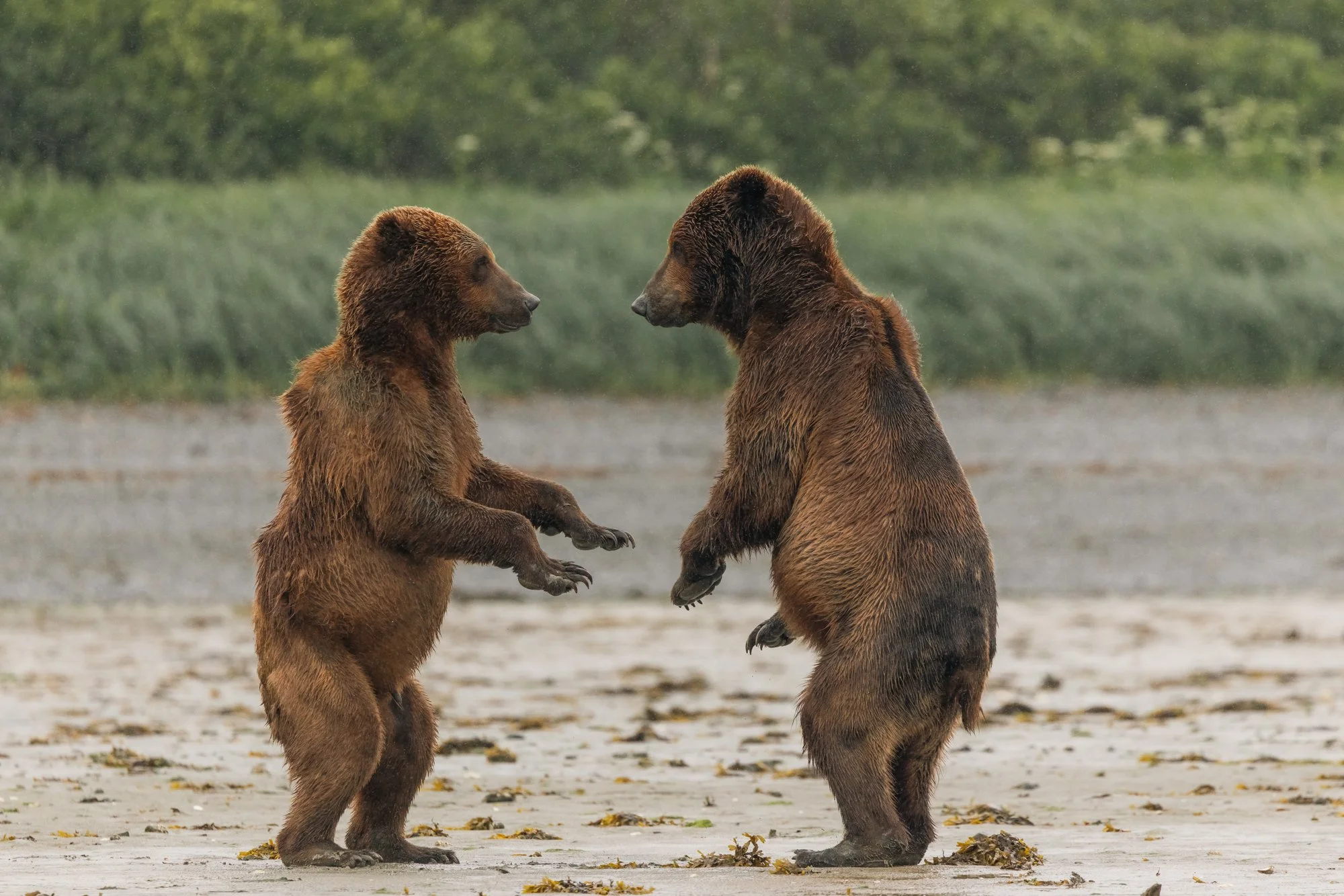
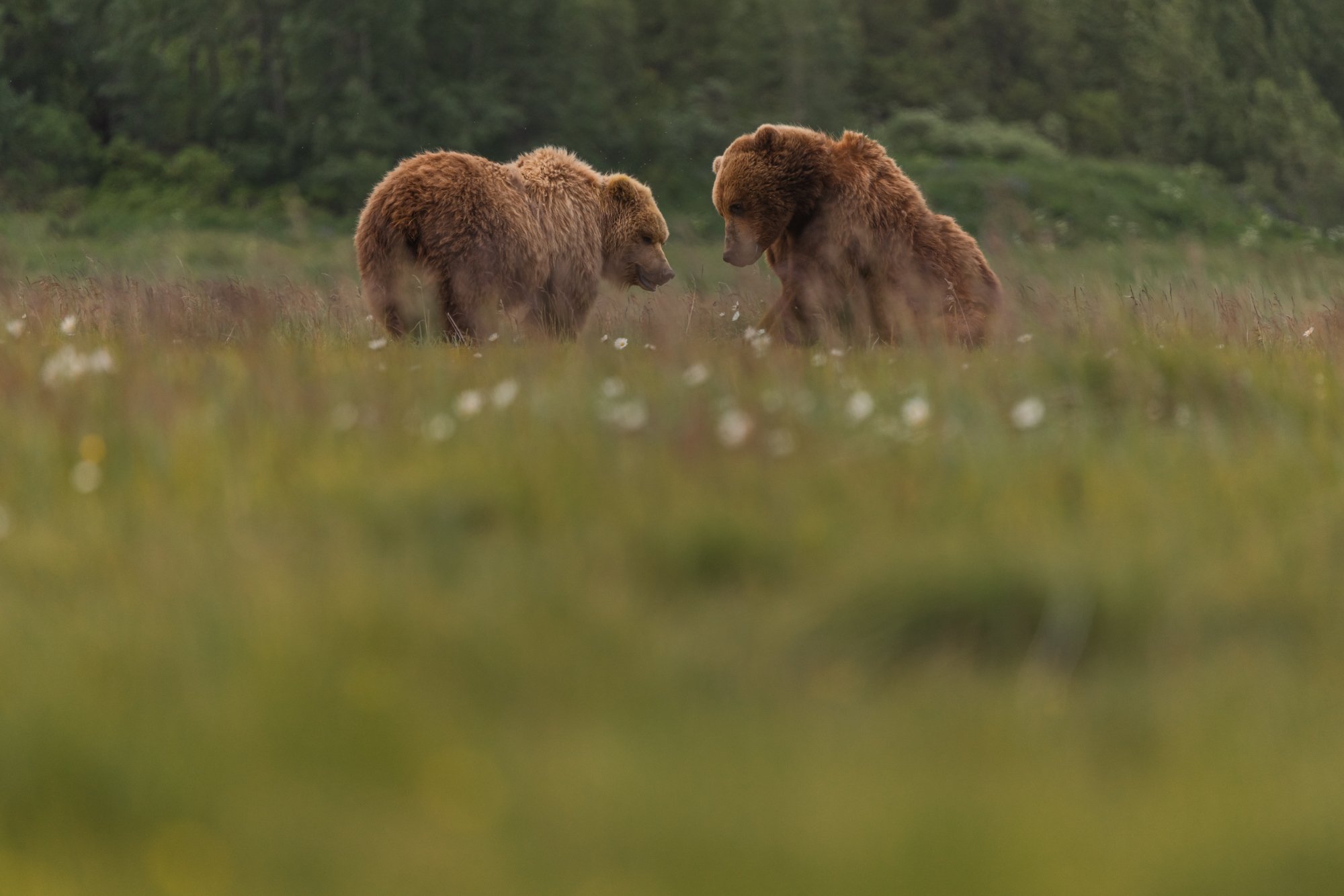
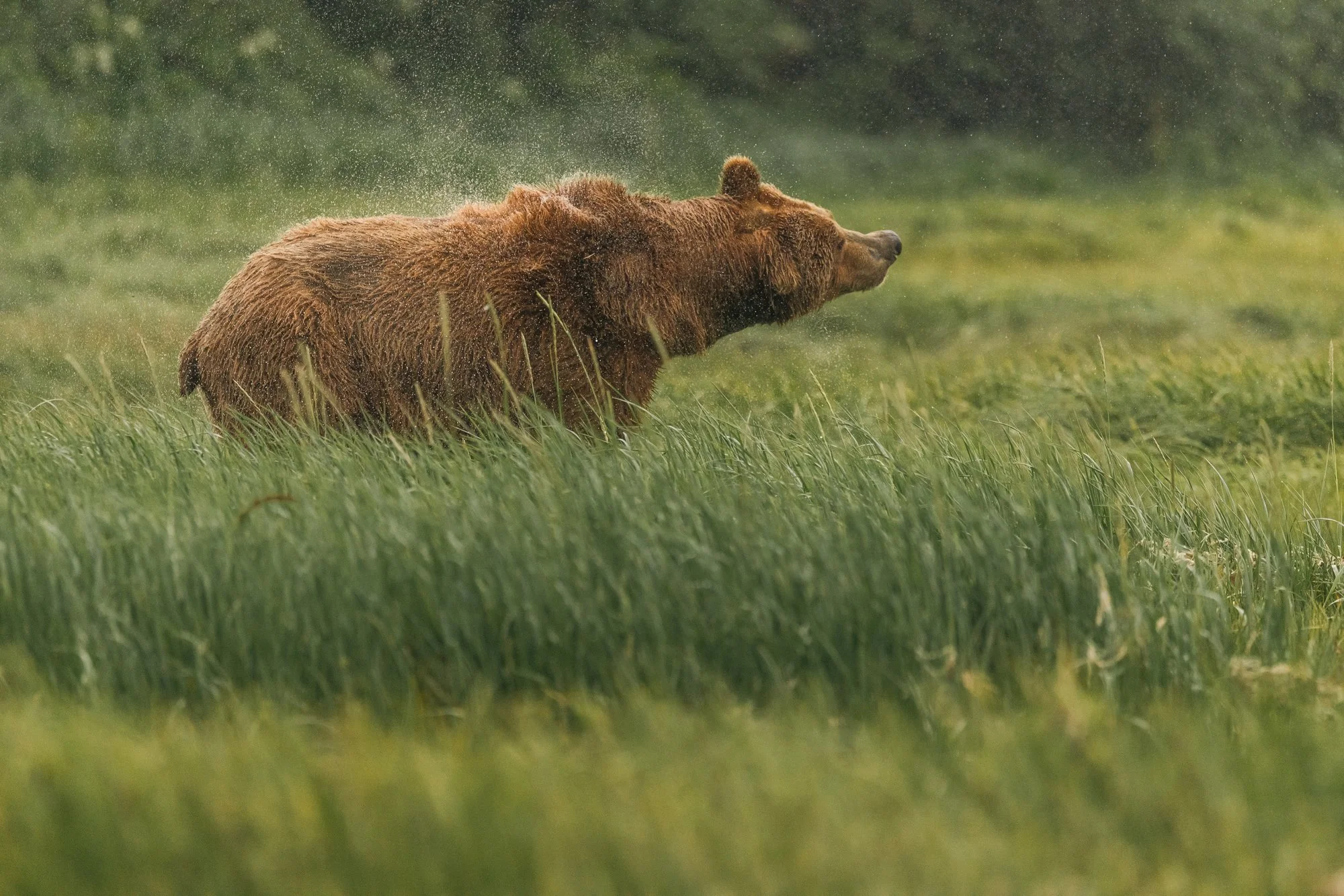
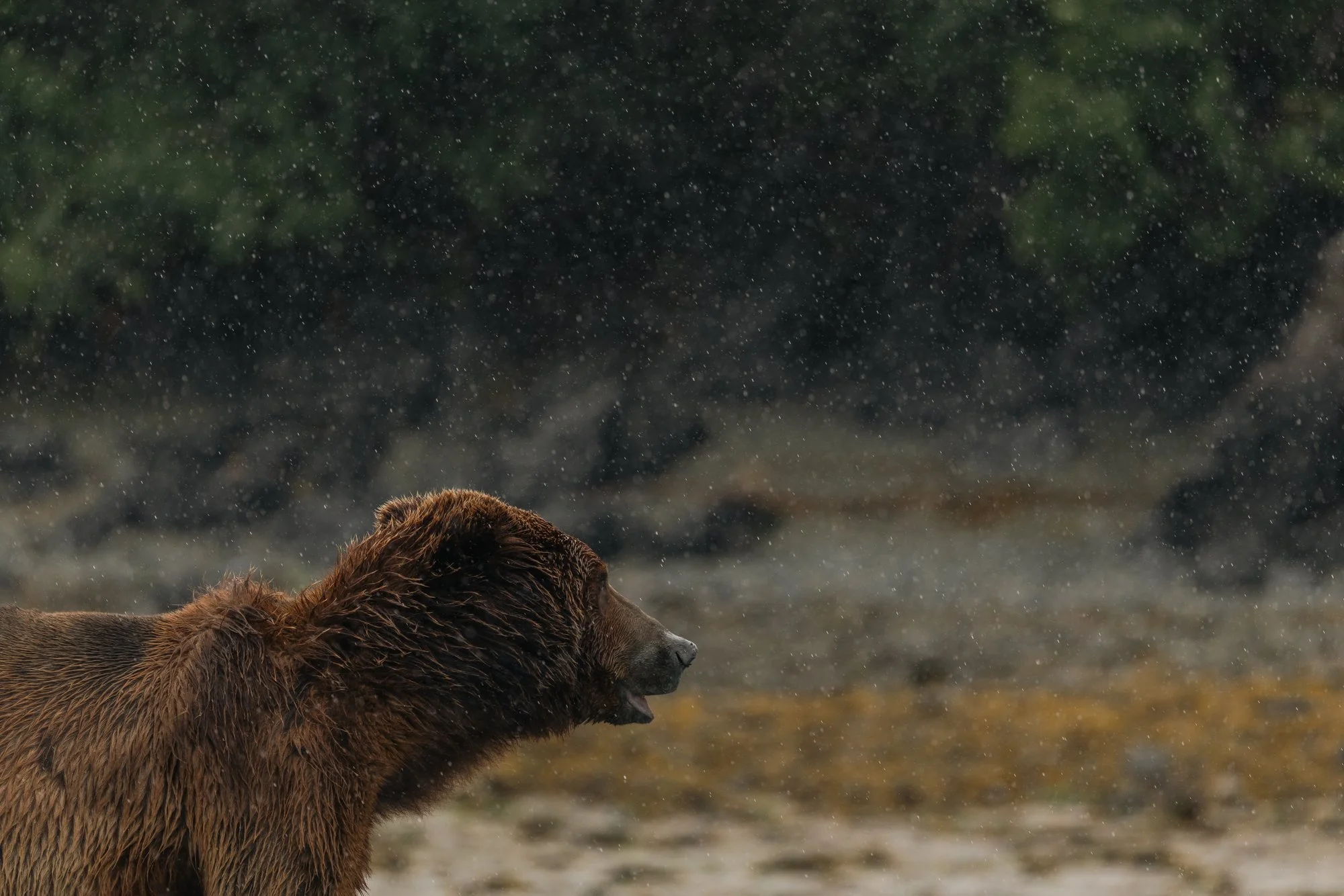
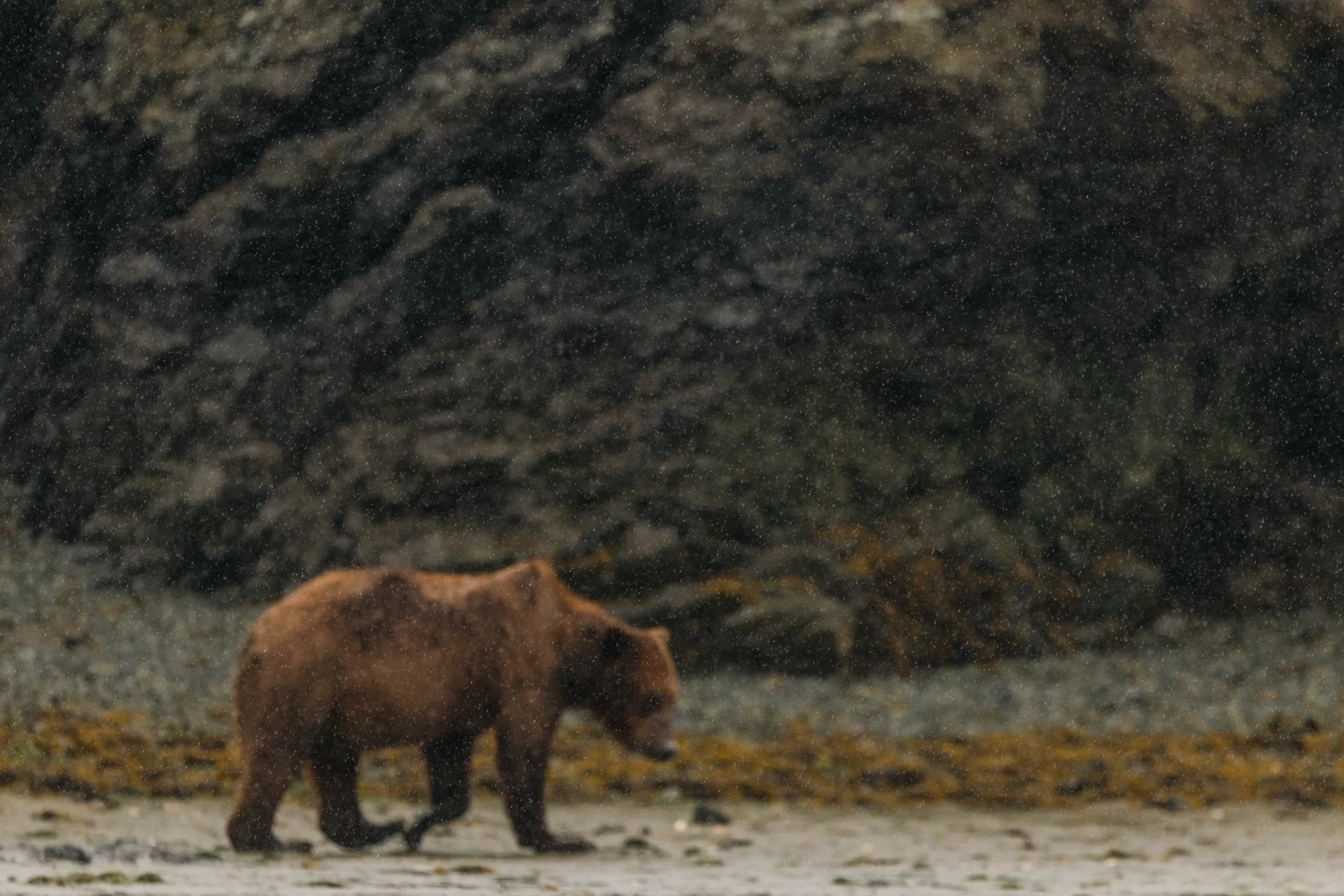
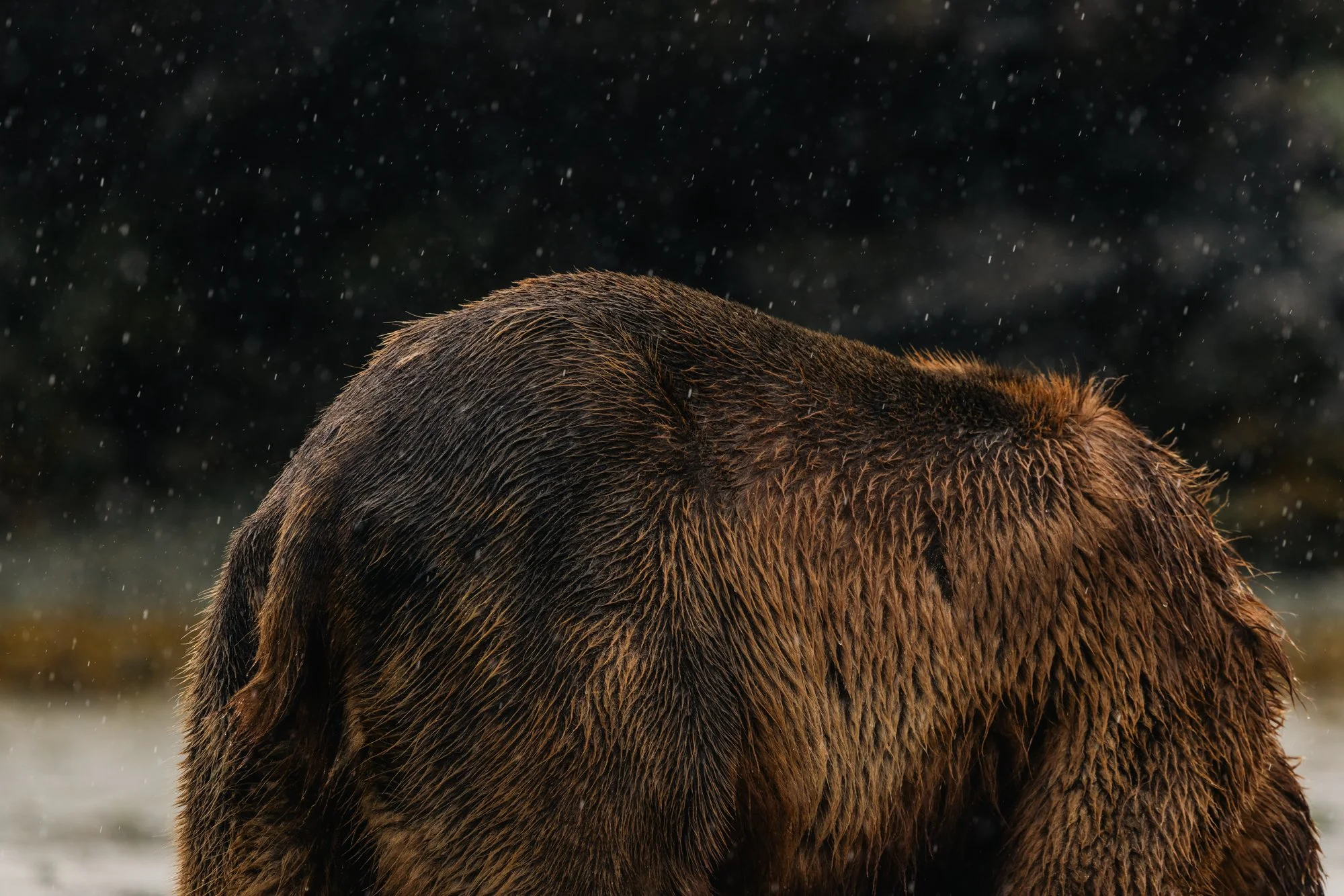
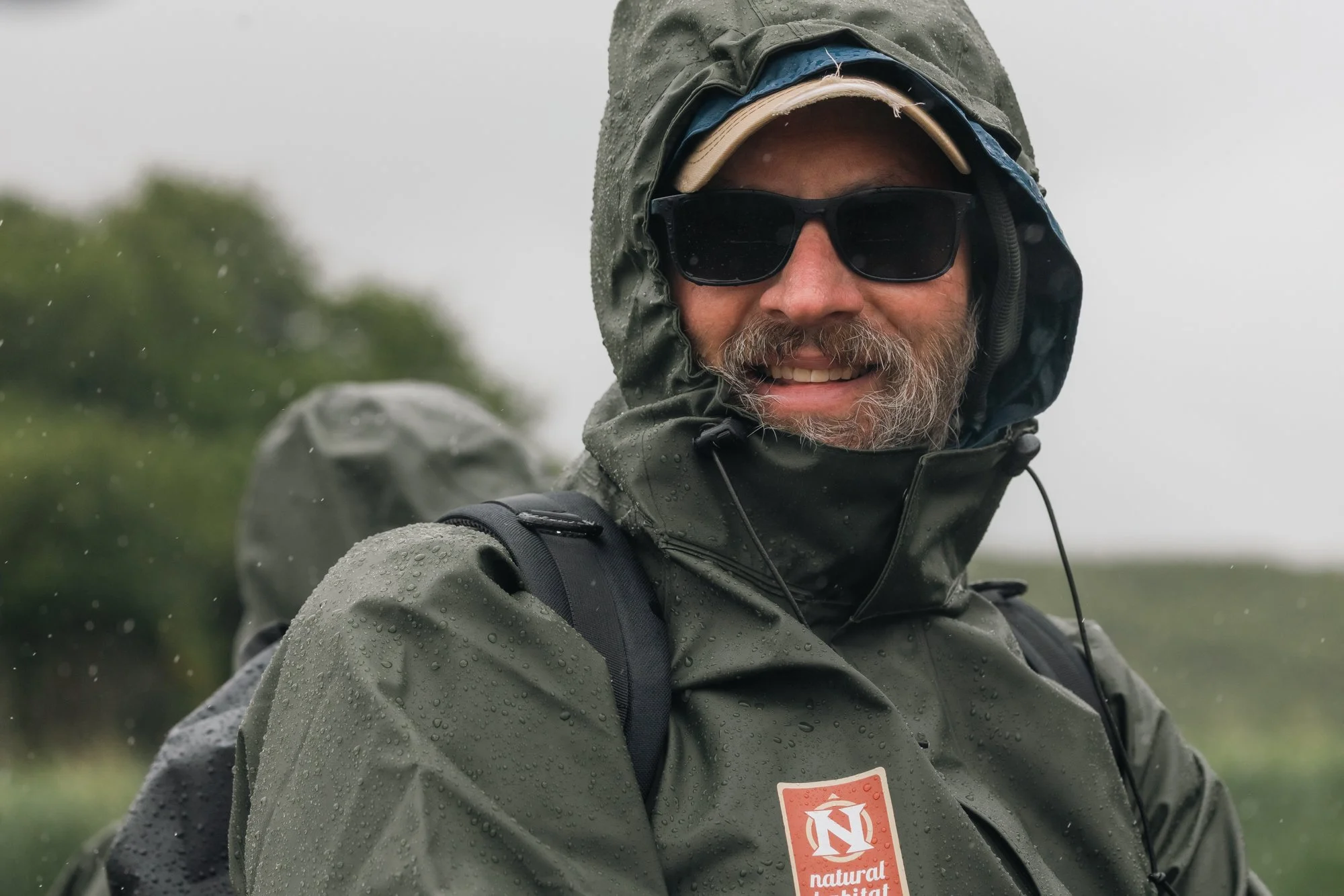
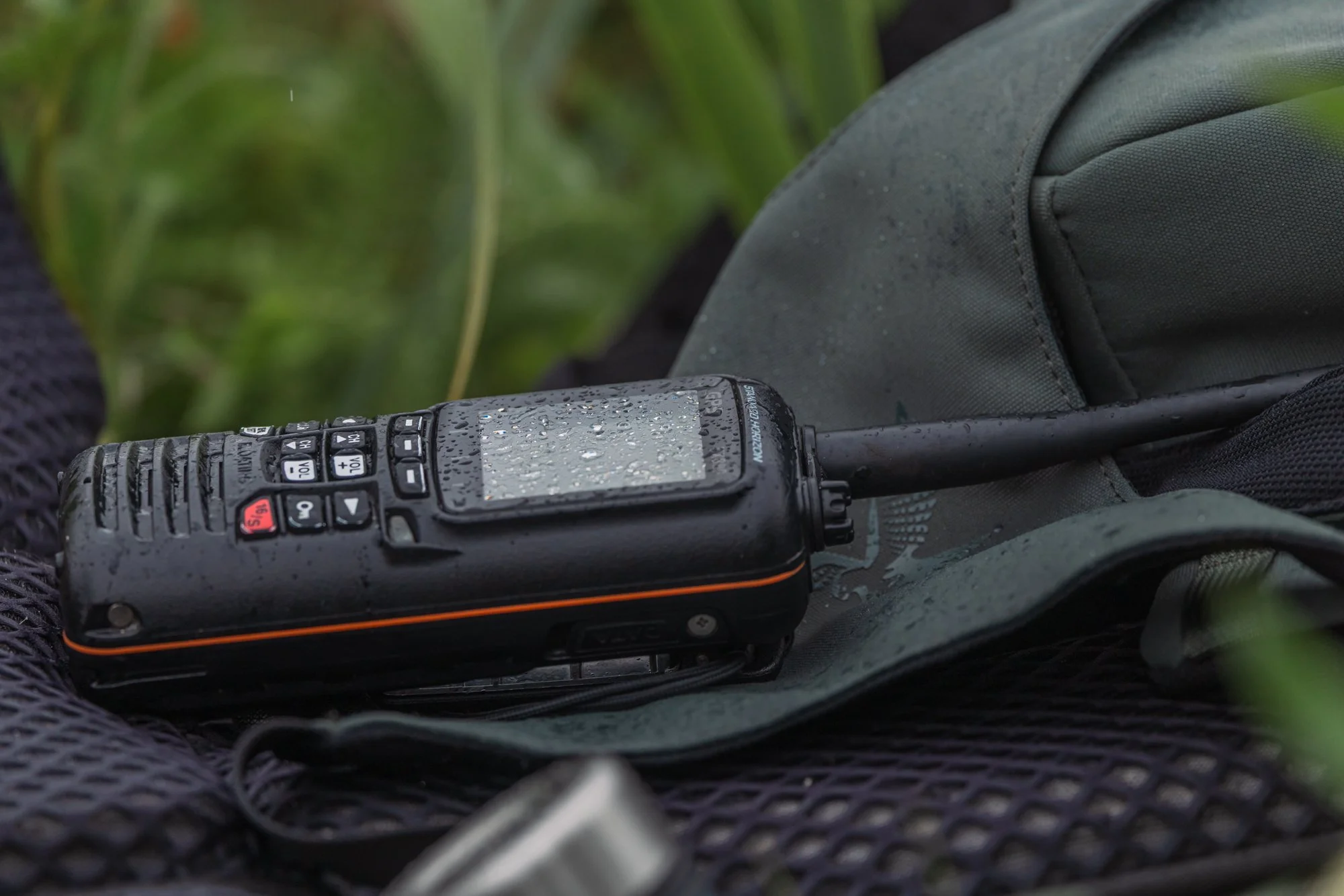
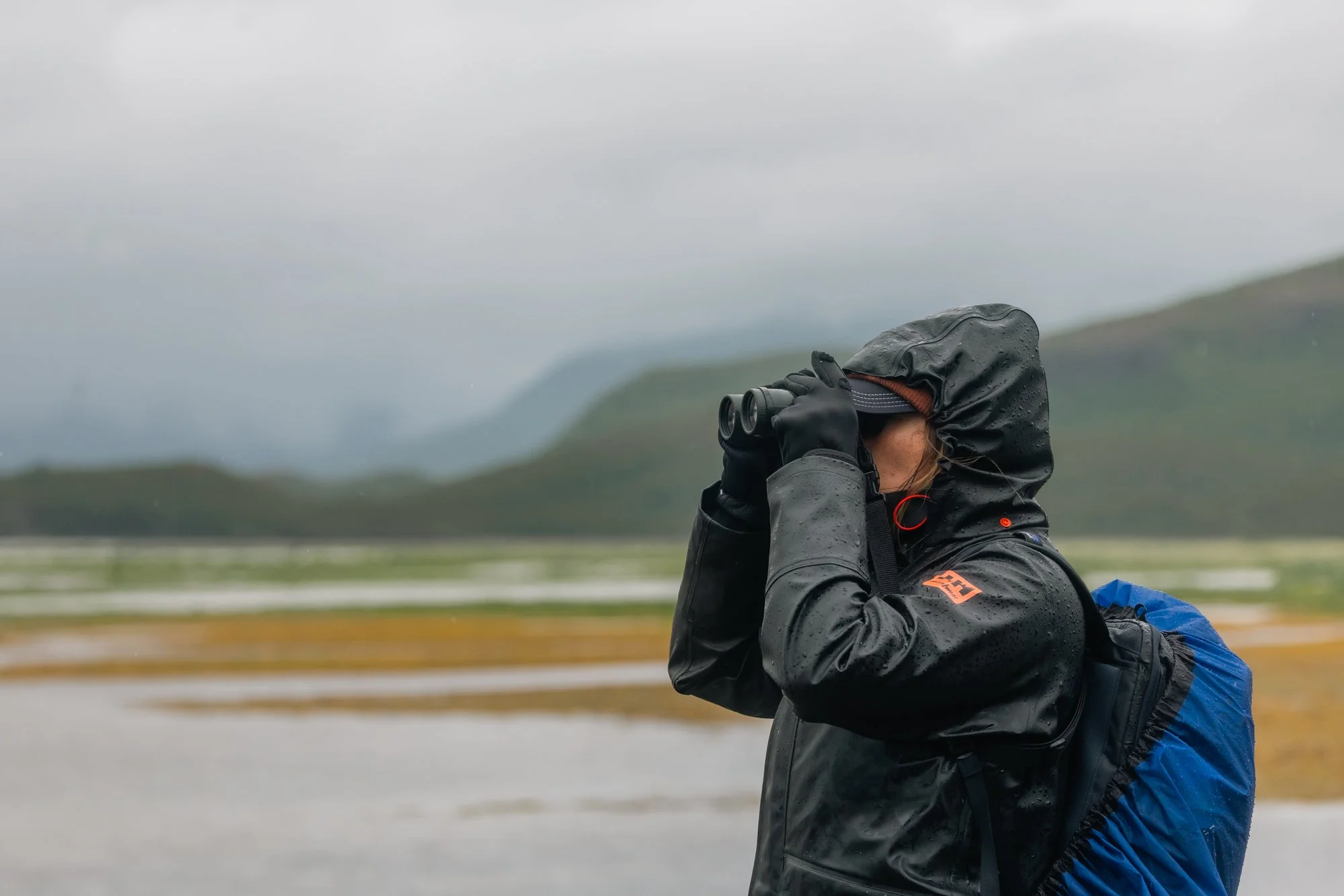
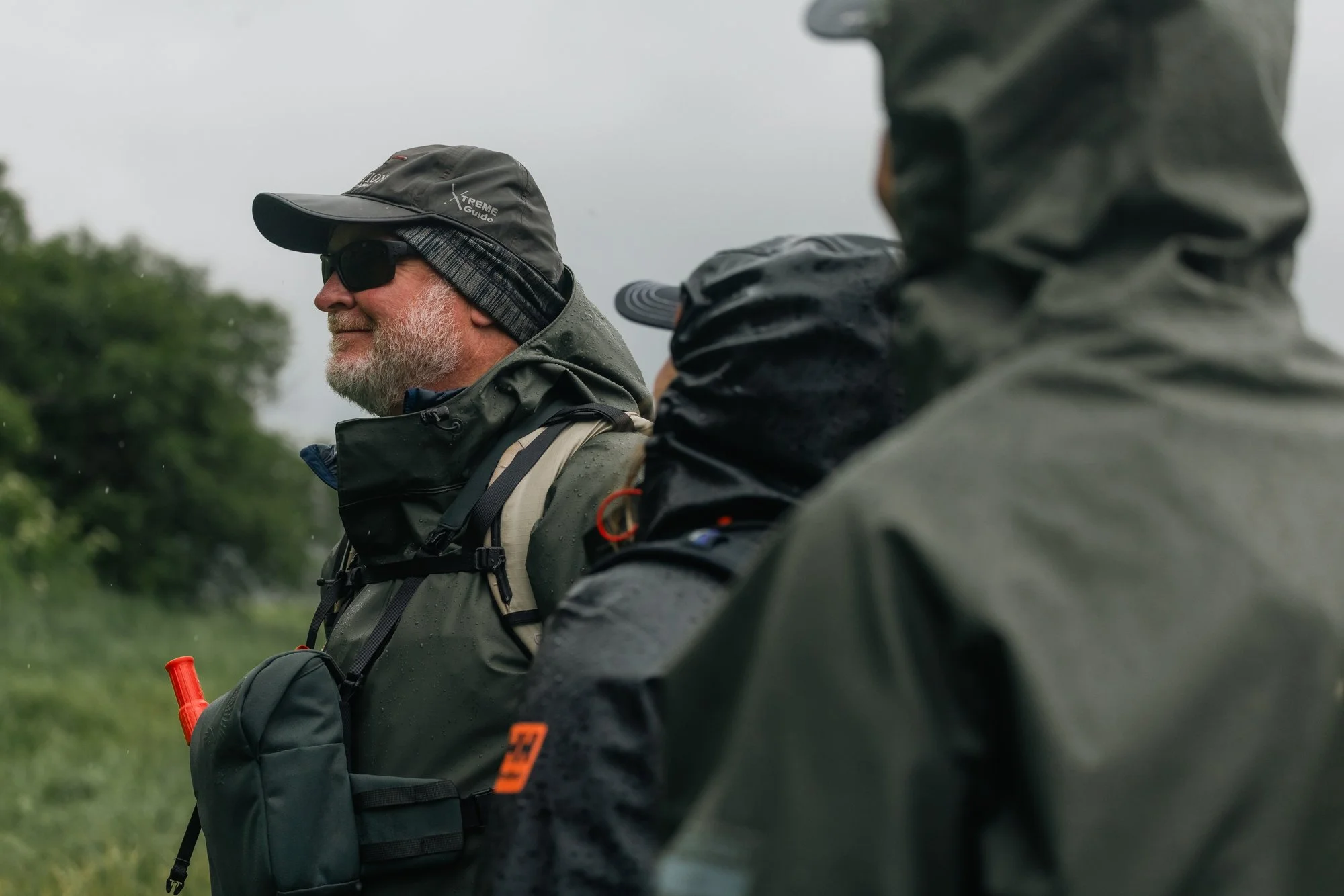
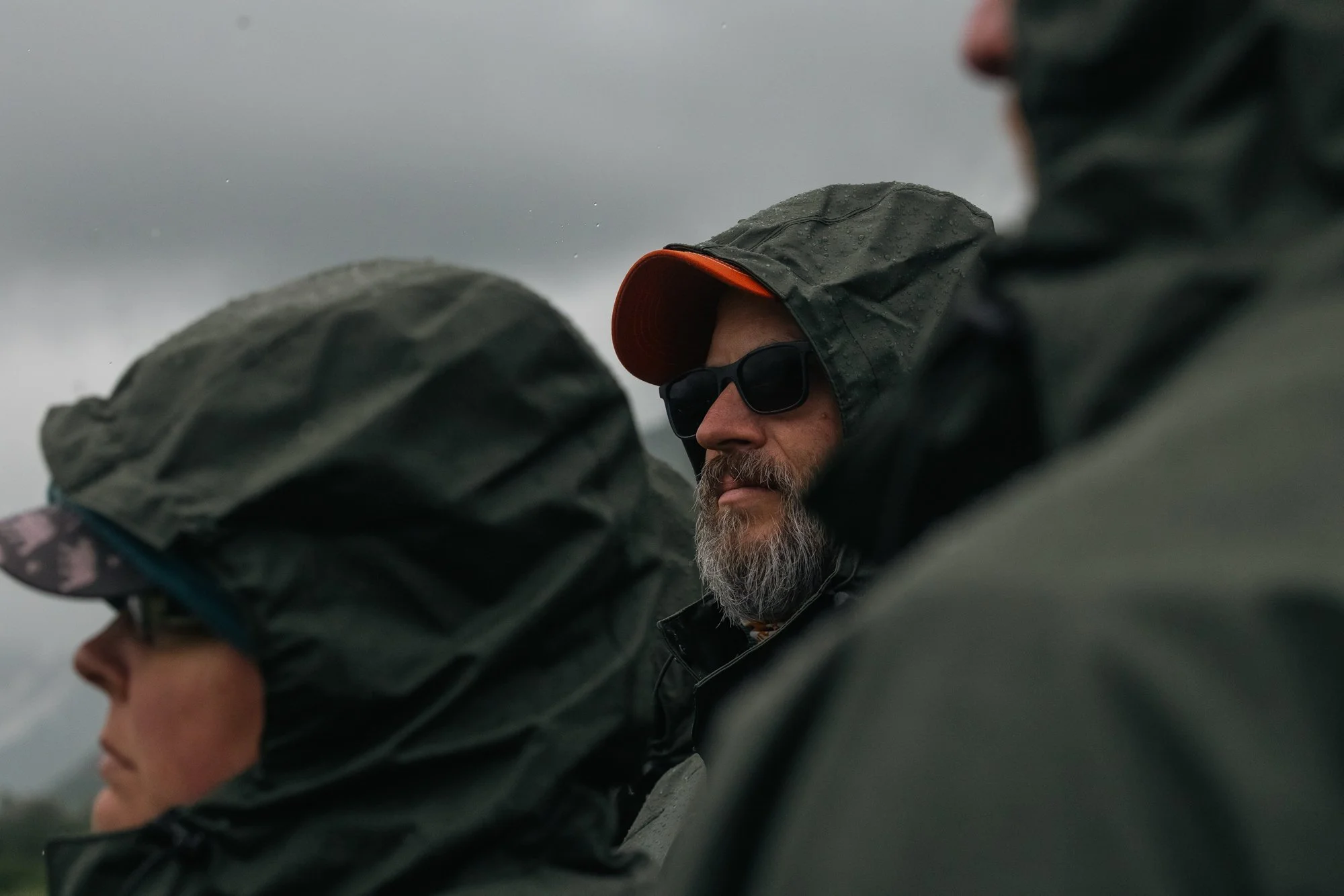
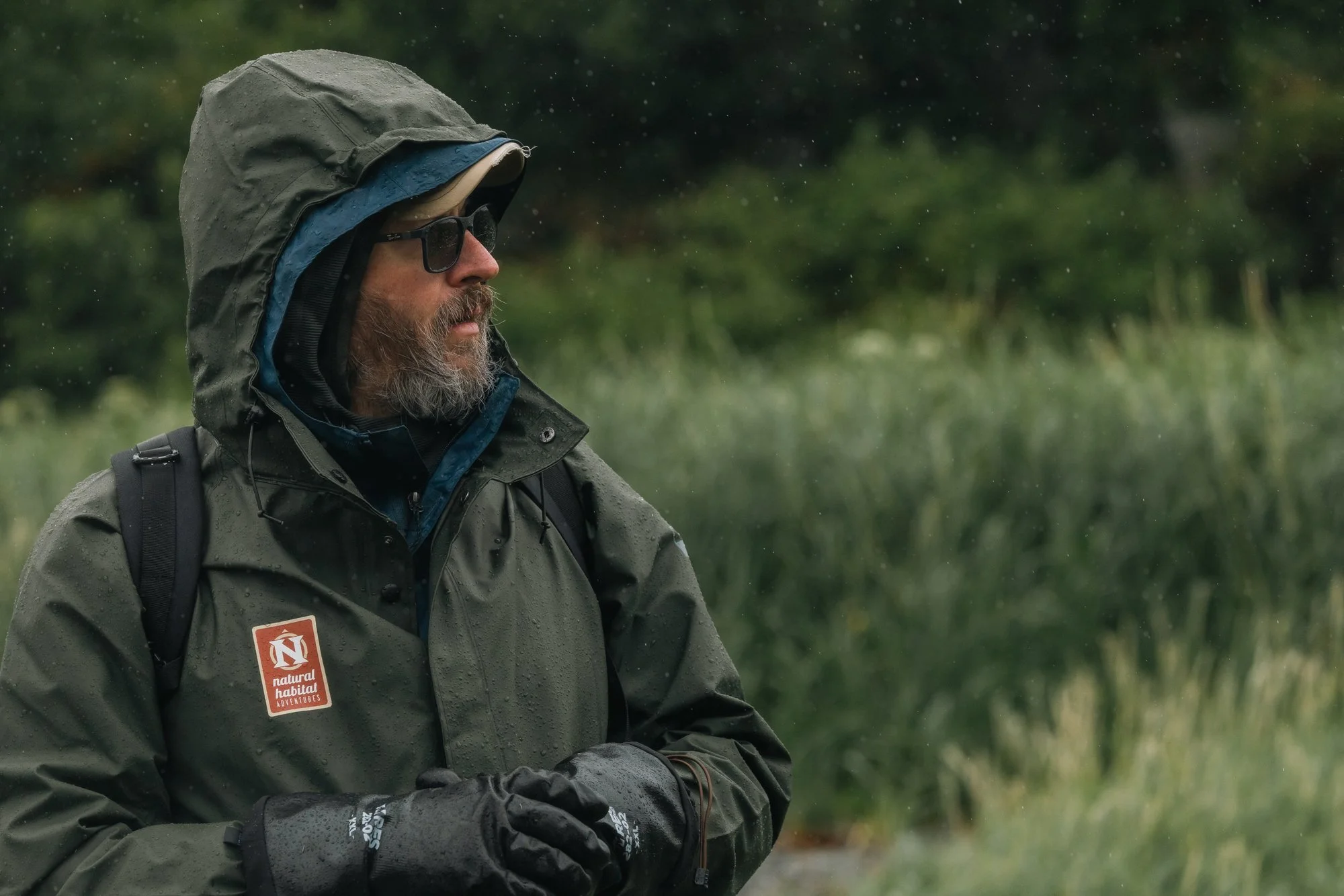
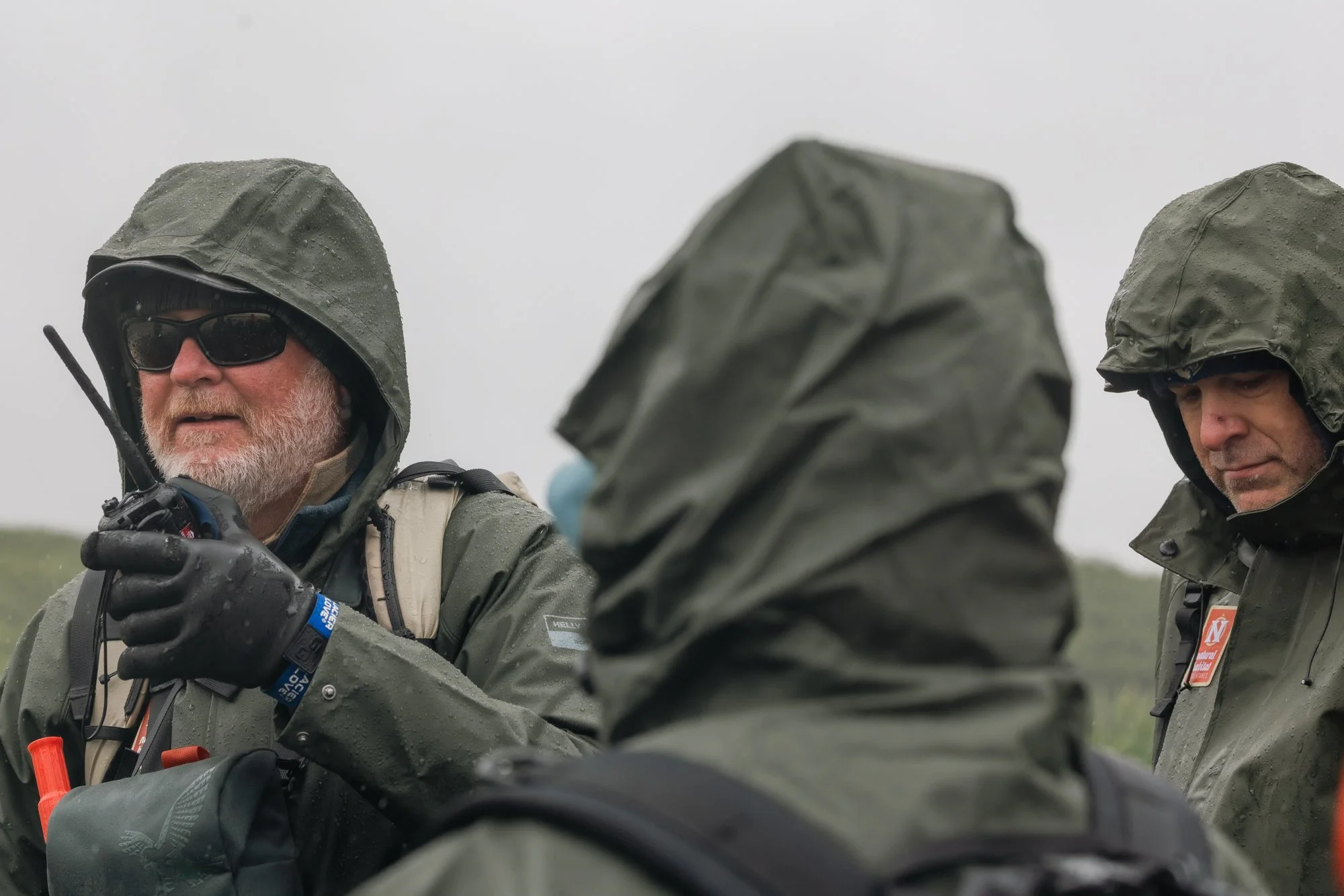
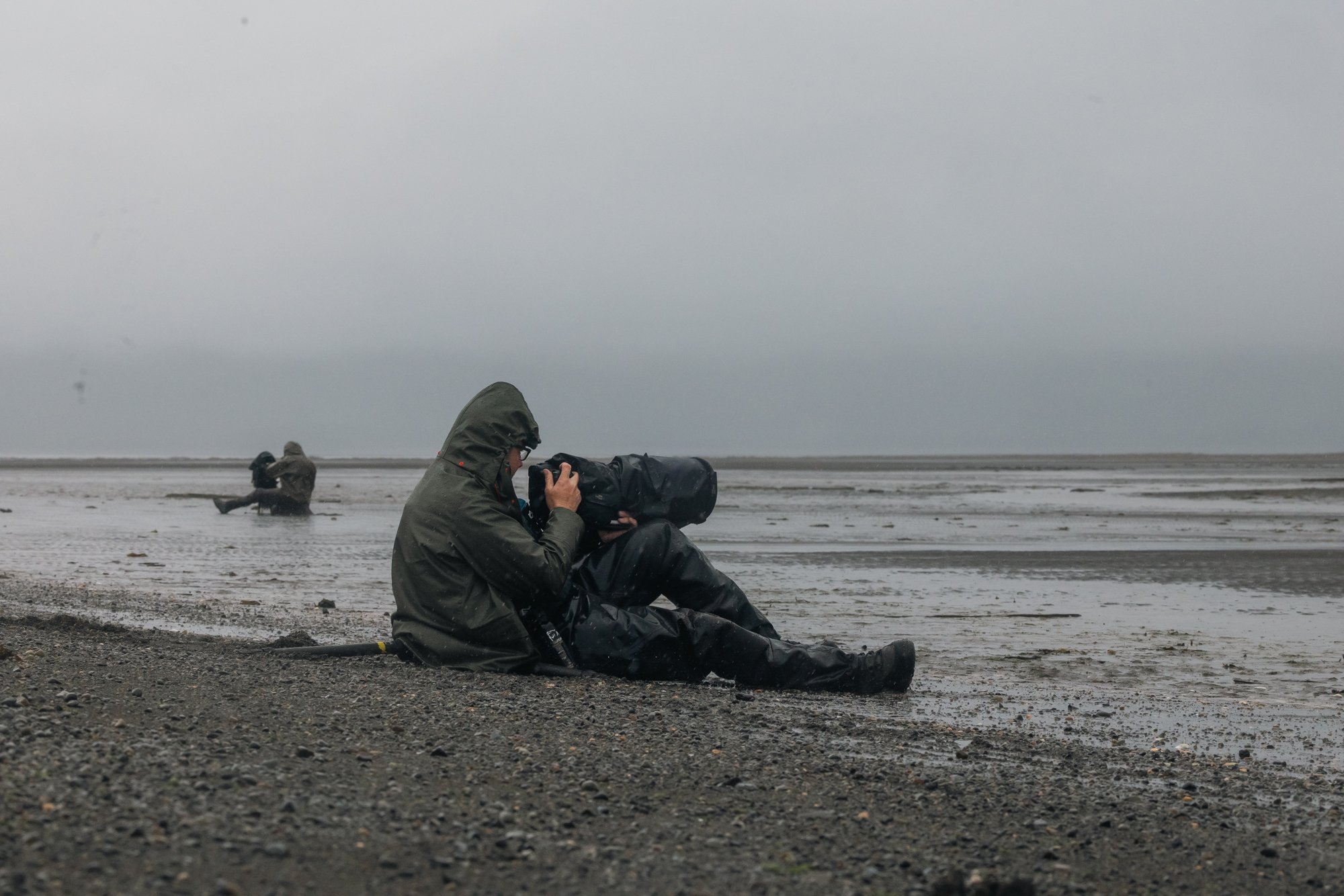
Our last day came soaked in rain. We borrowed rain jackets to put over our rain jackets, sealed cameras in dry sacks, put those dry sacks in waterproof camera bags and waded through knee-high surf. We spotted two bears clammed in the shallows, scooping rhythmically as rain pocked the bay. They were smaller bears with brilliant orange fur. Then, suddenly, they turned on each other in play-fight. I sat soaked through, grinning under dripping hoods, marveling at the sheer joy of their wildness when a third bear rain into the scene to join in. What would happen next?
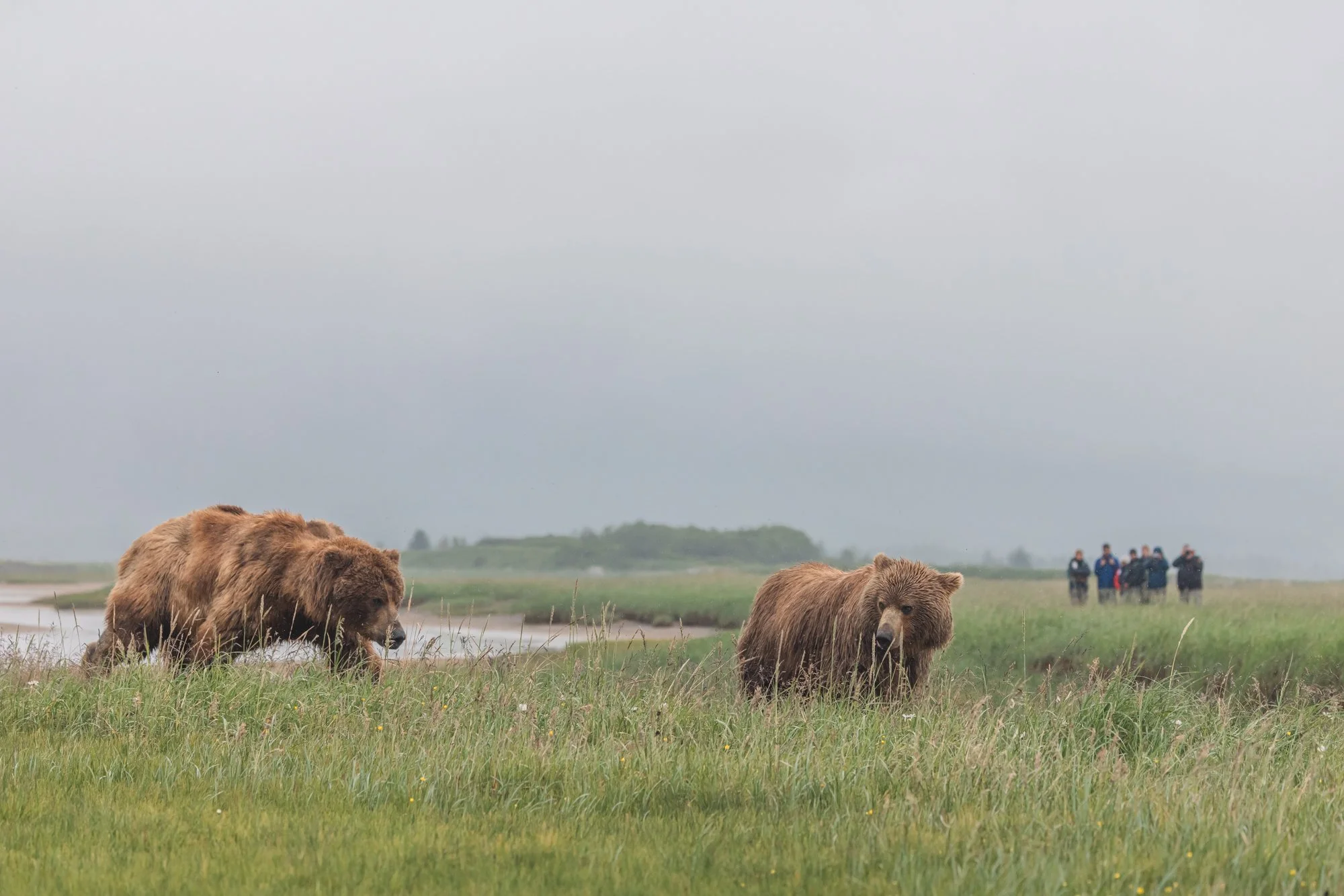
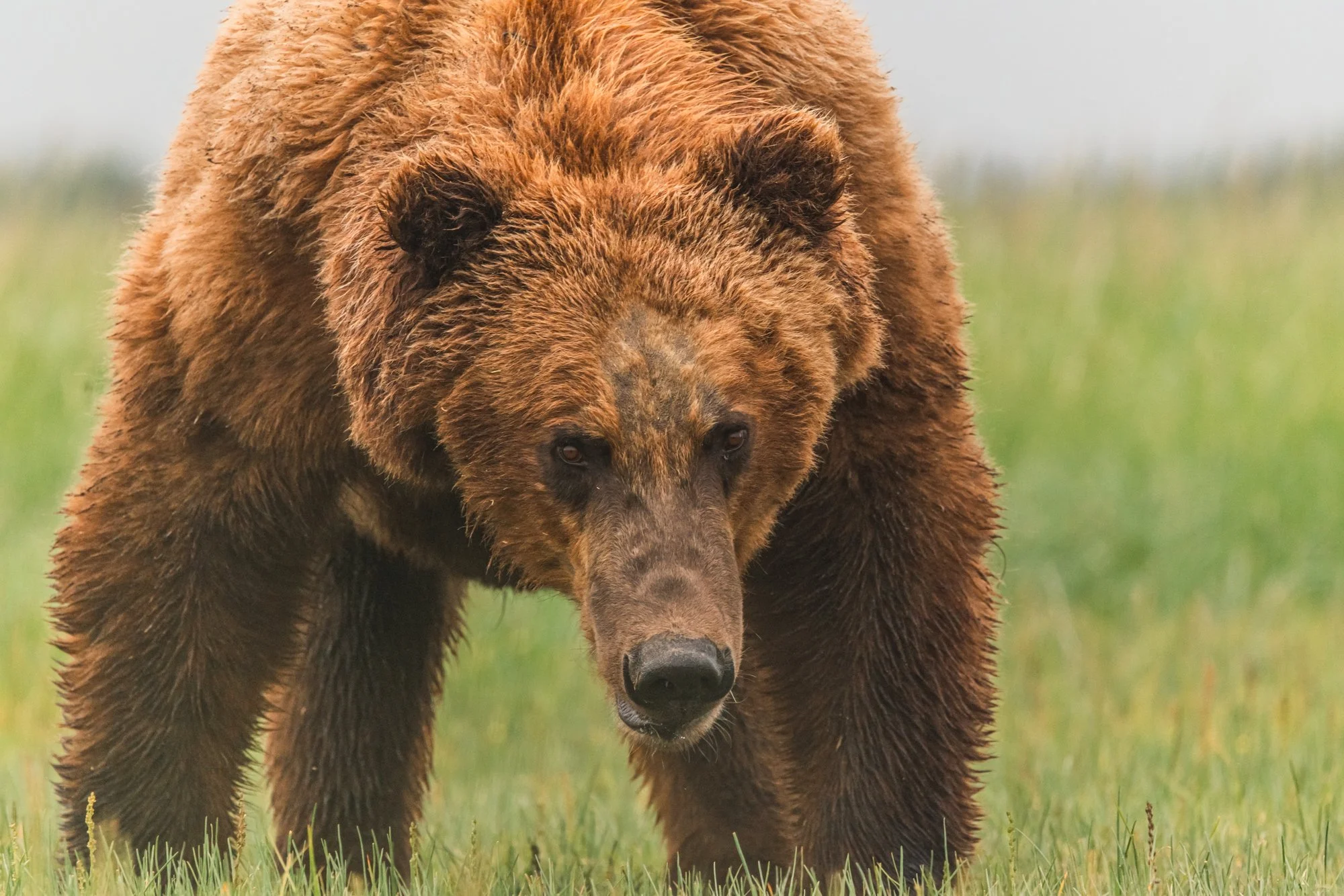
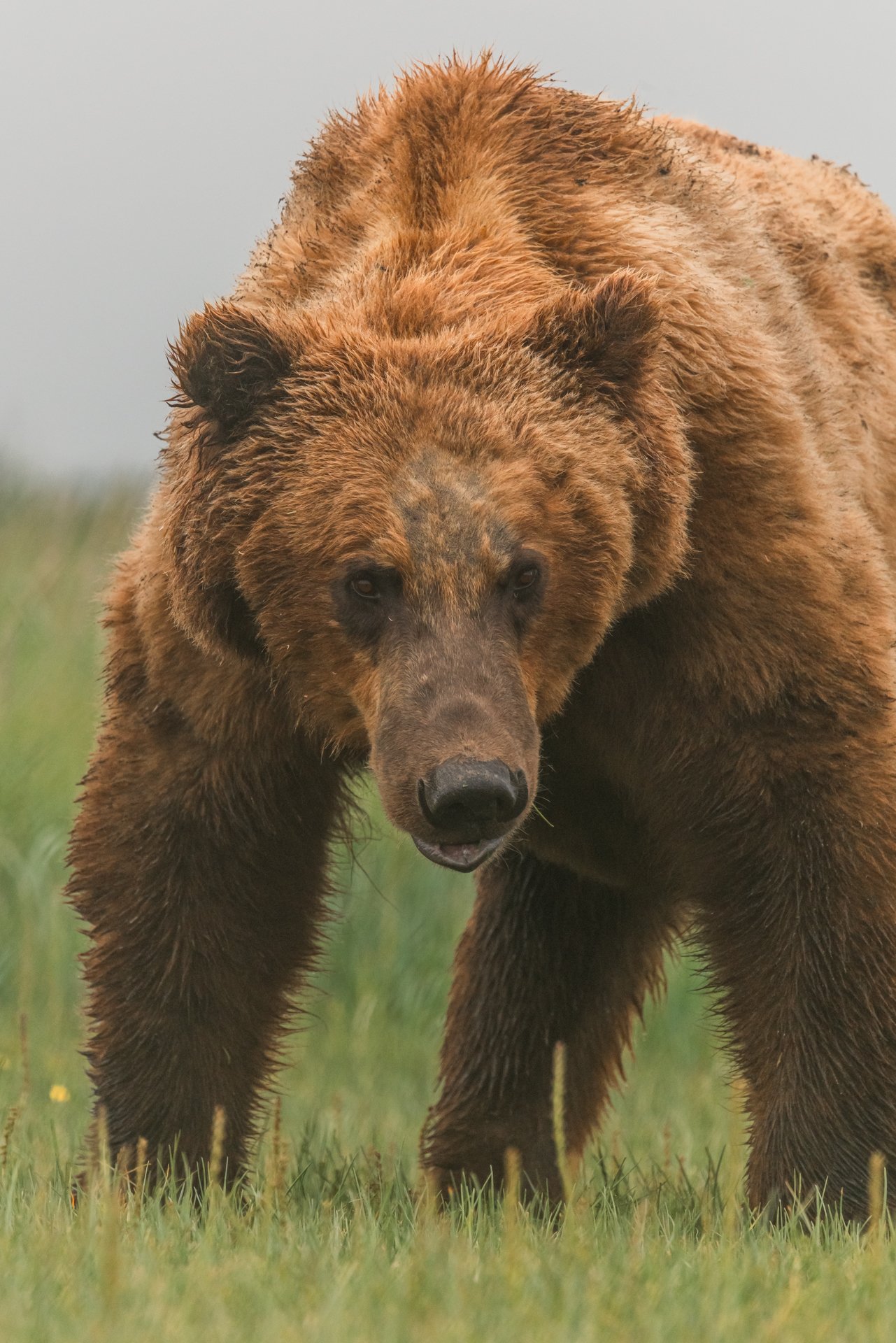
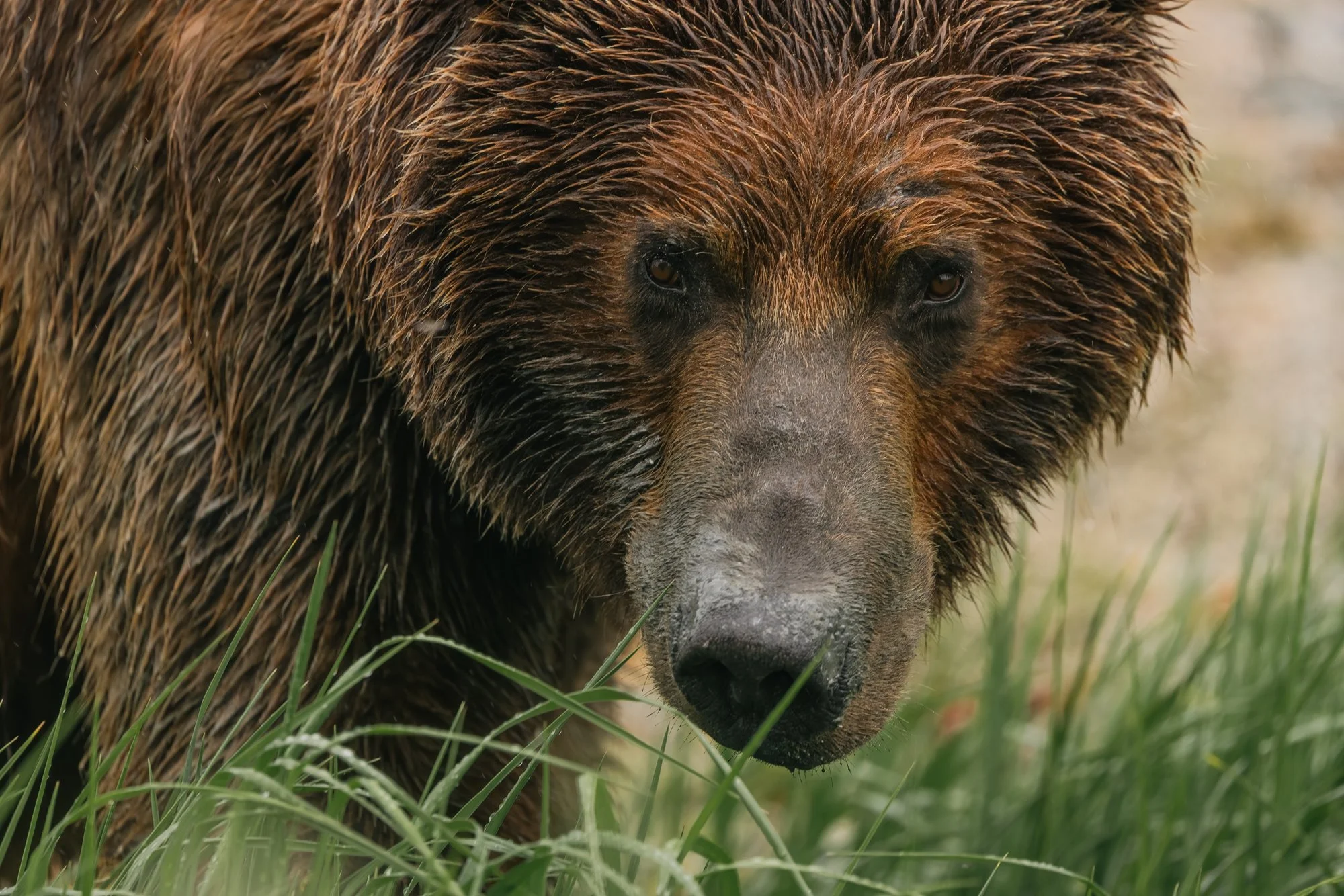
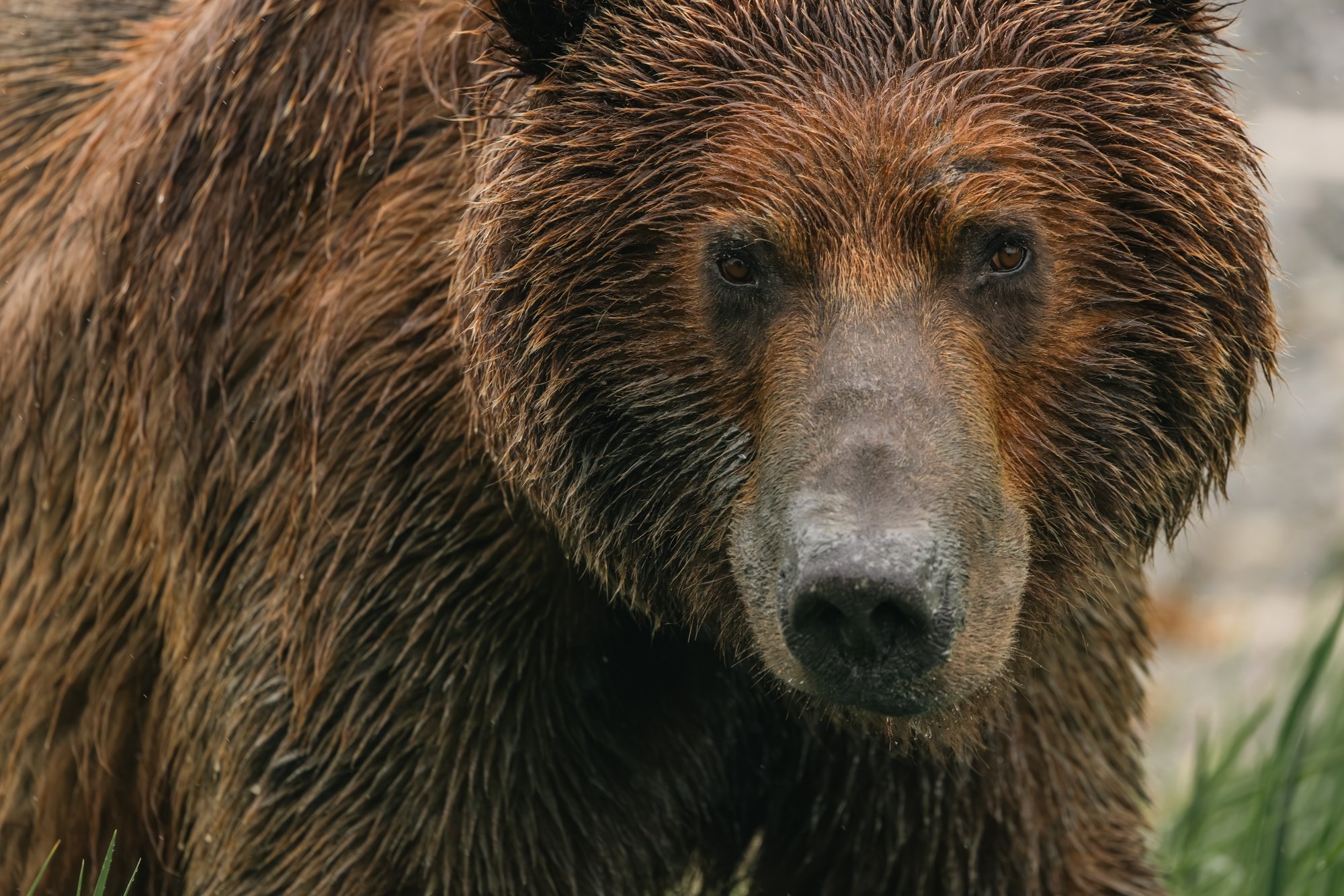
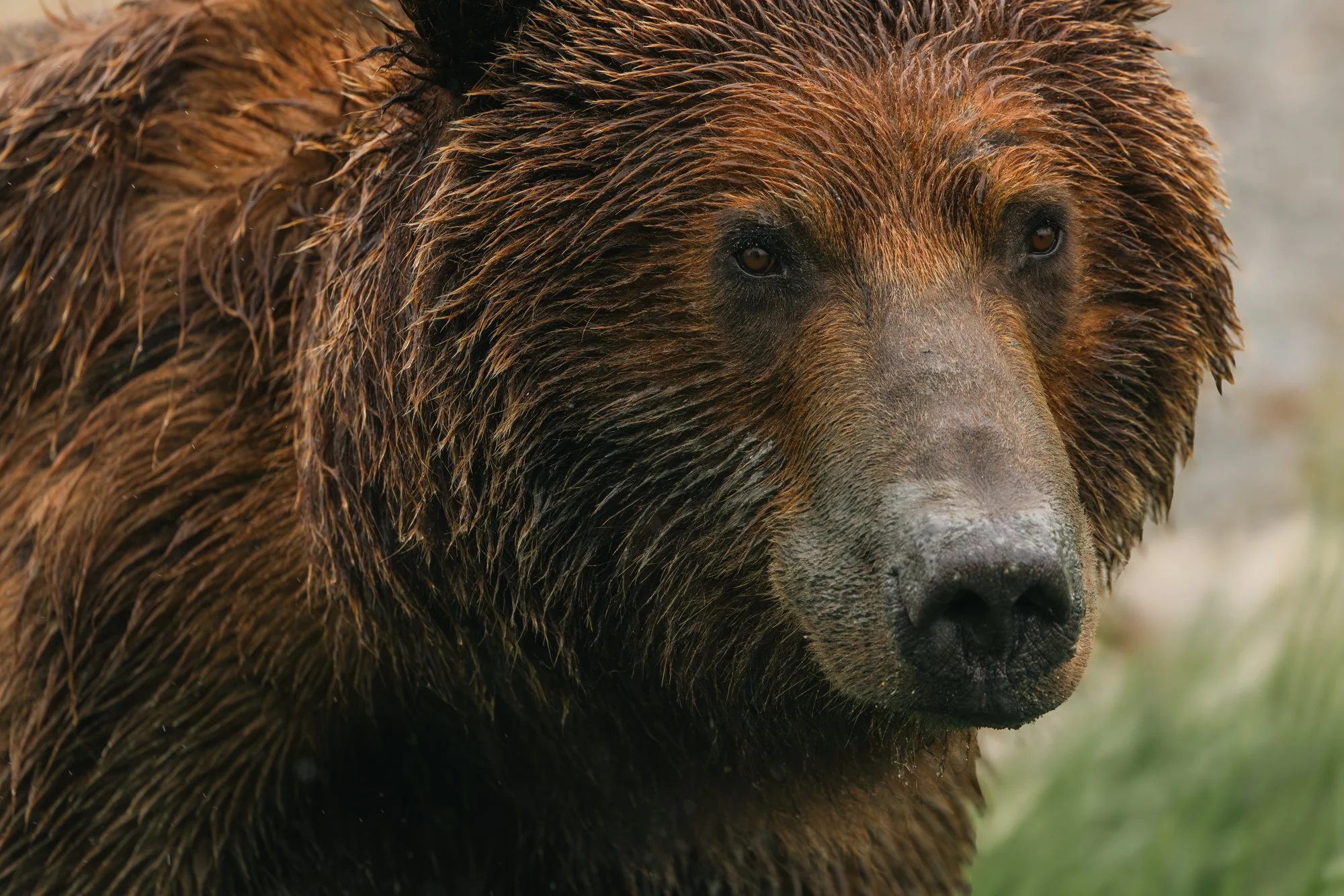
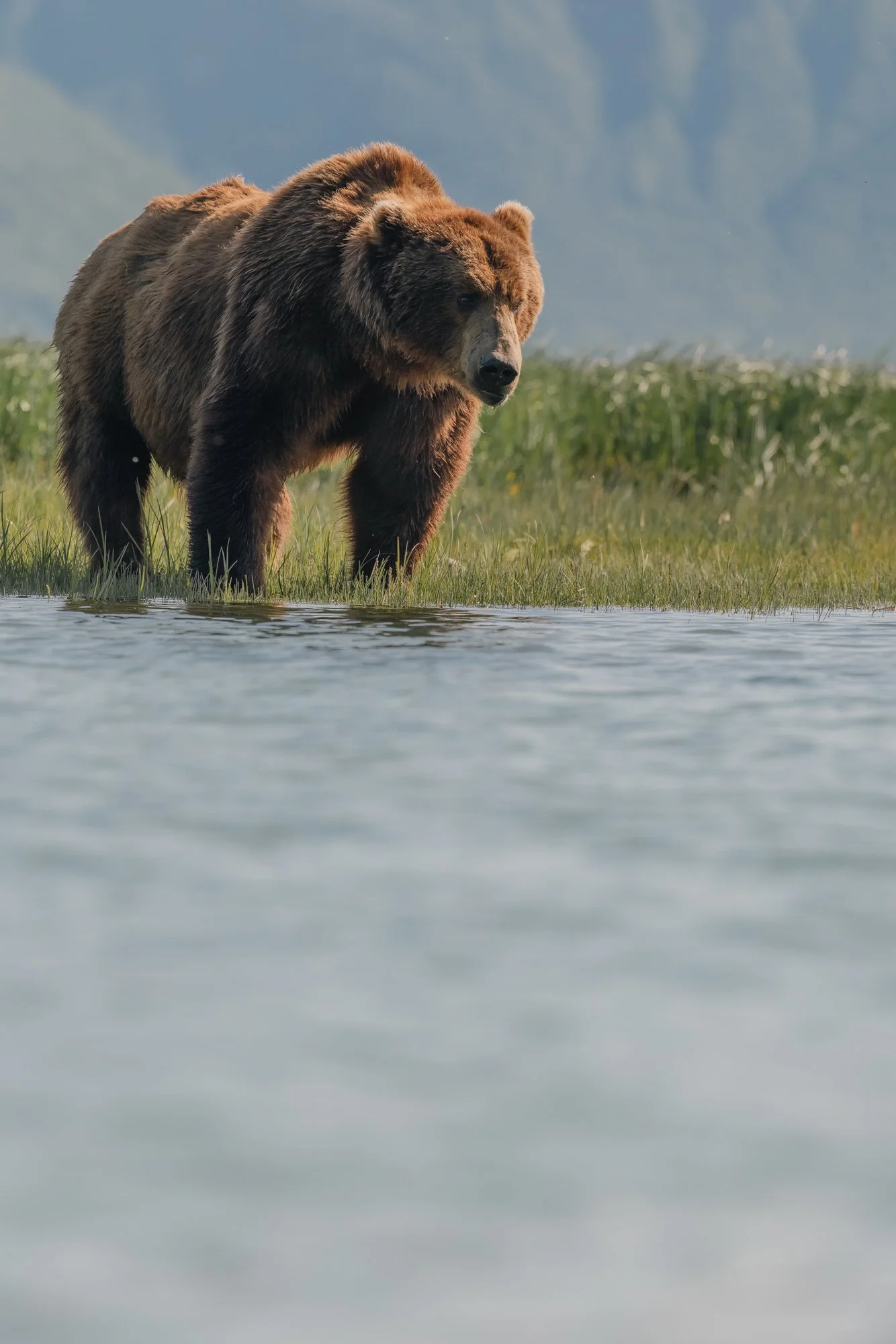
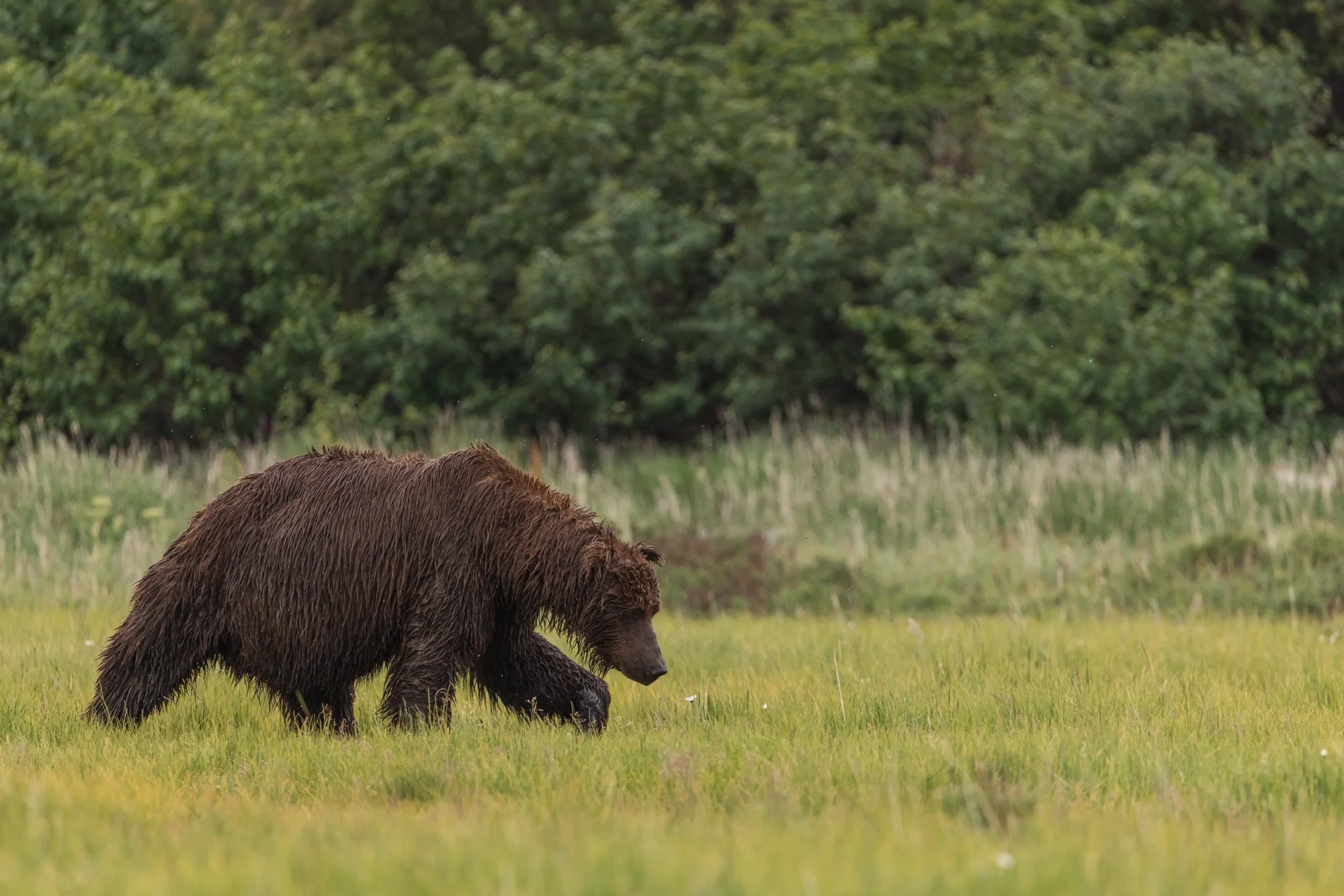
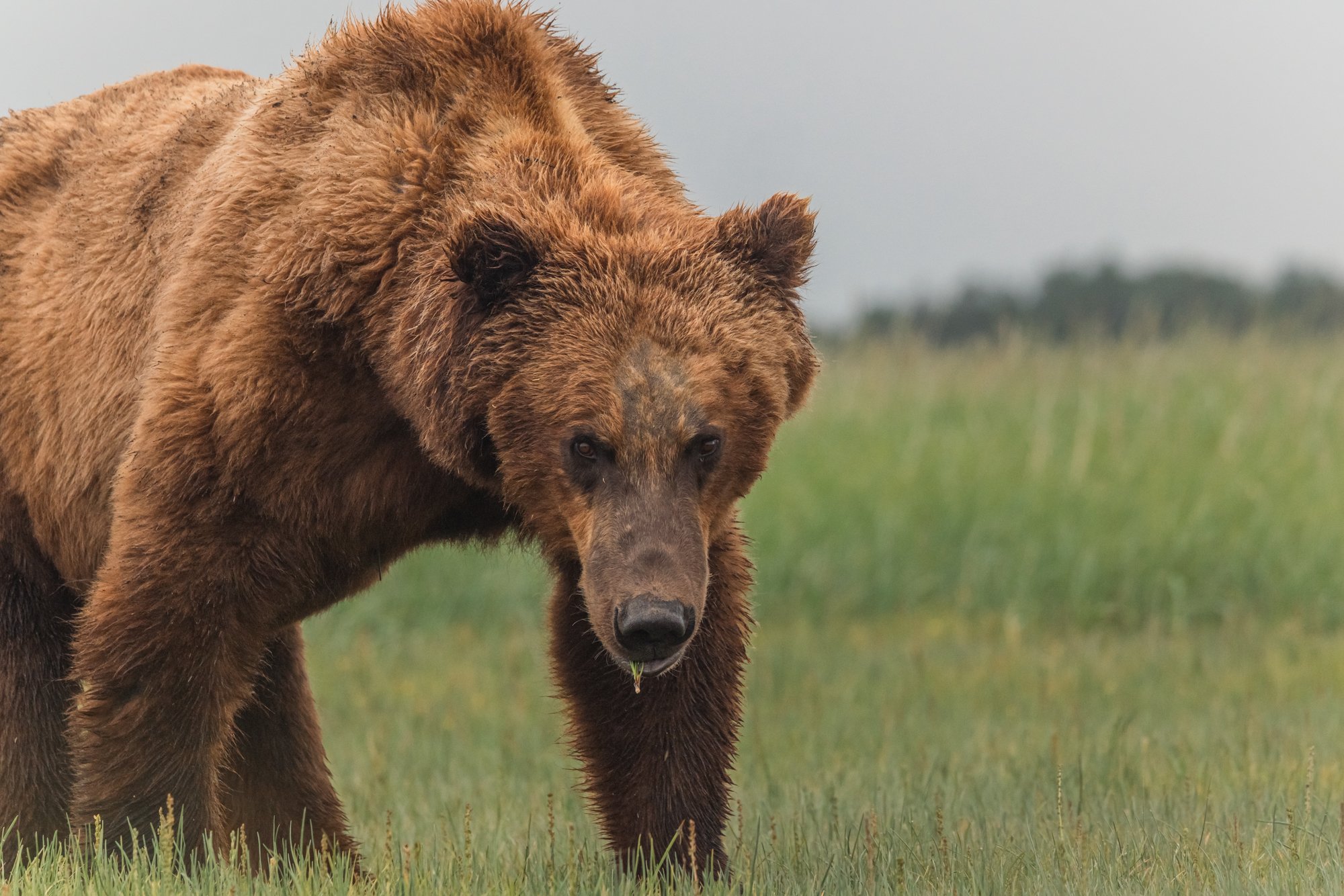
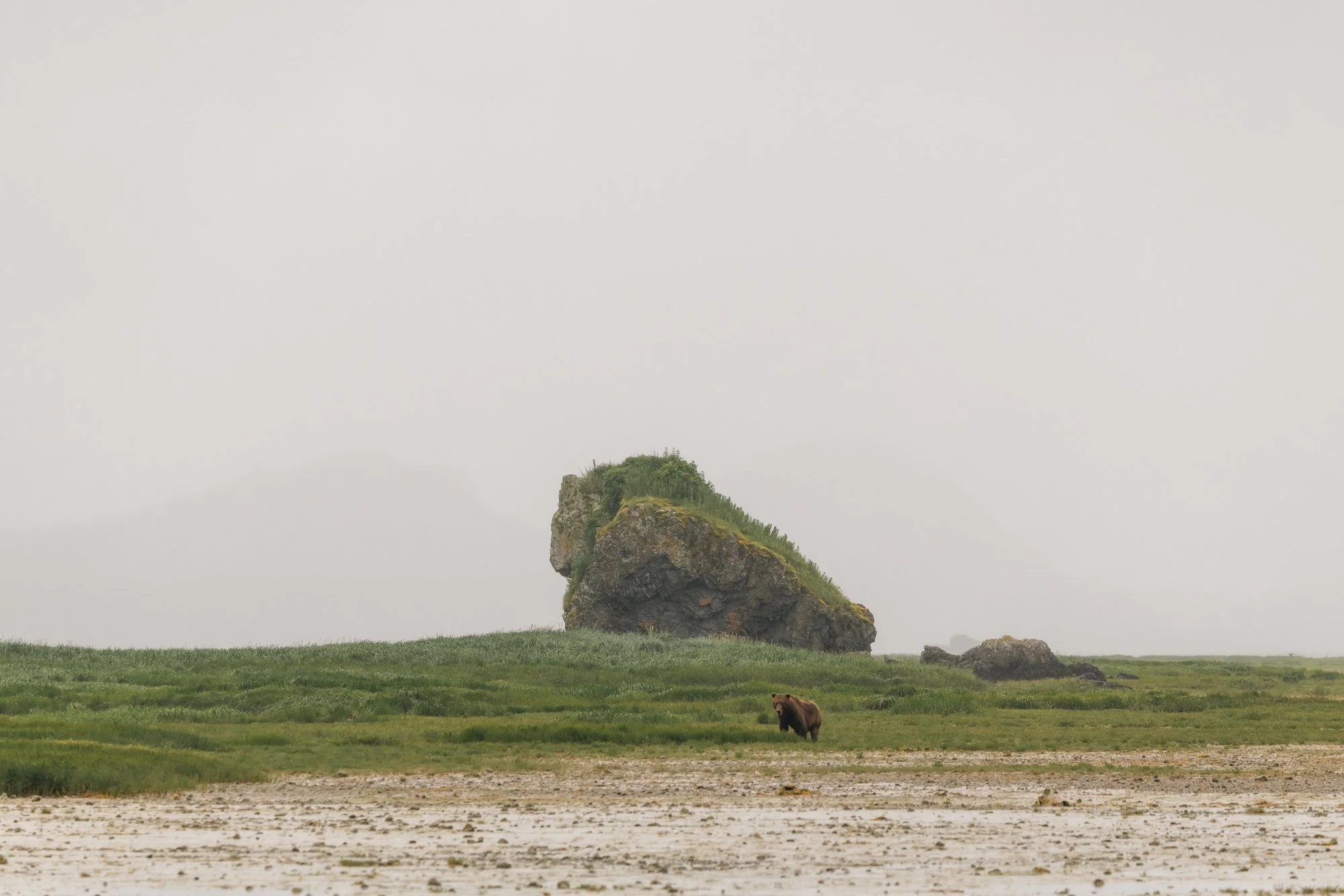
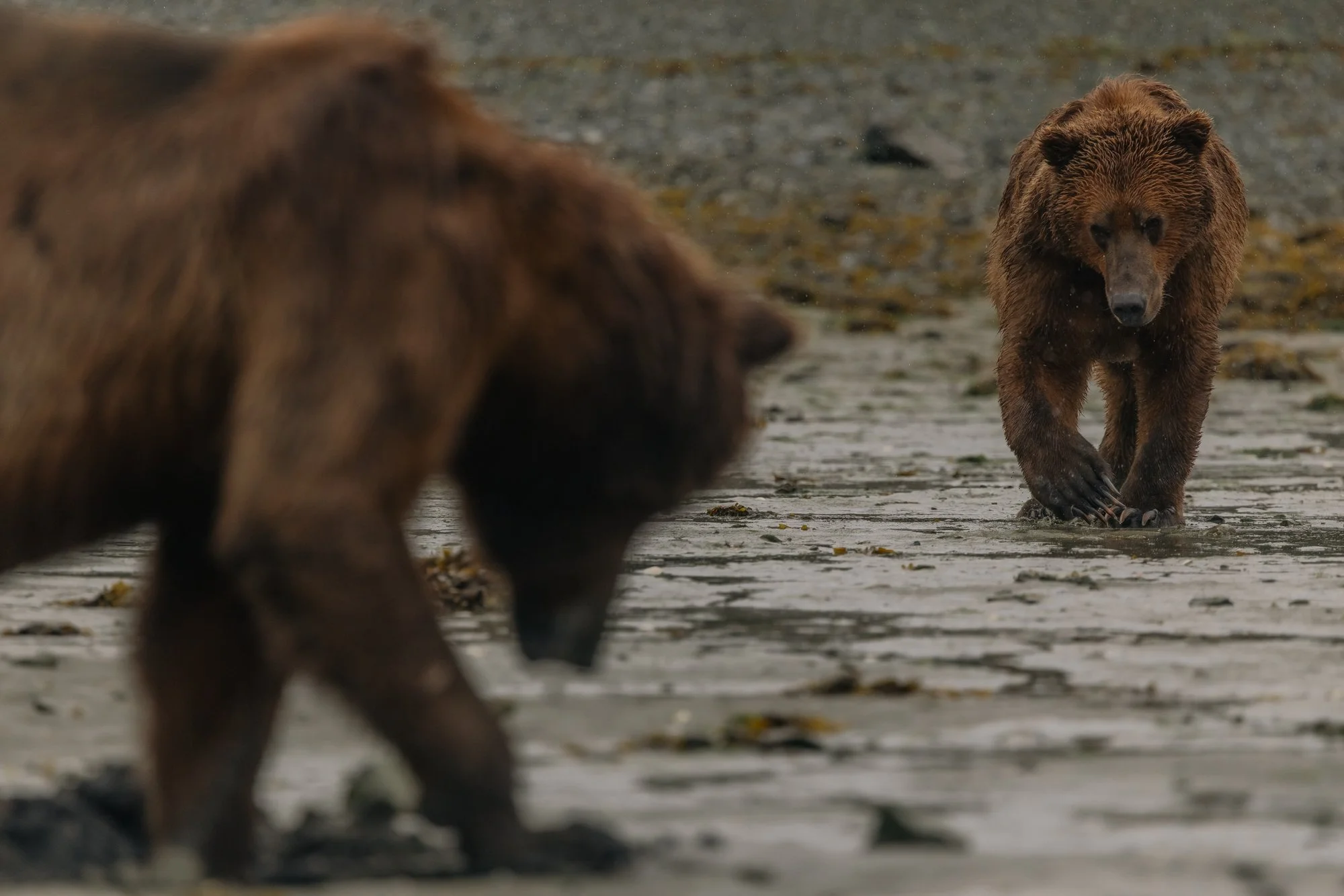
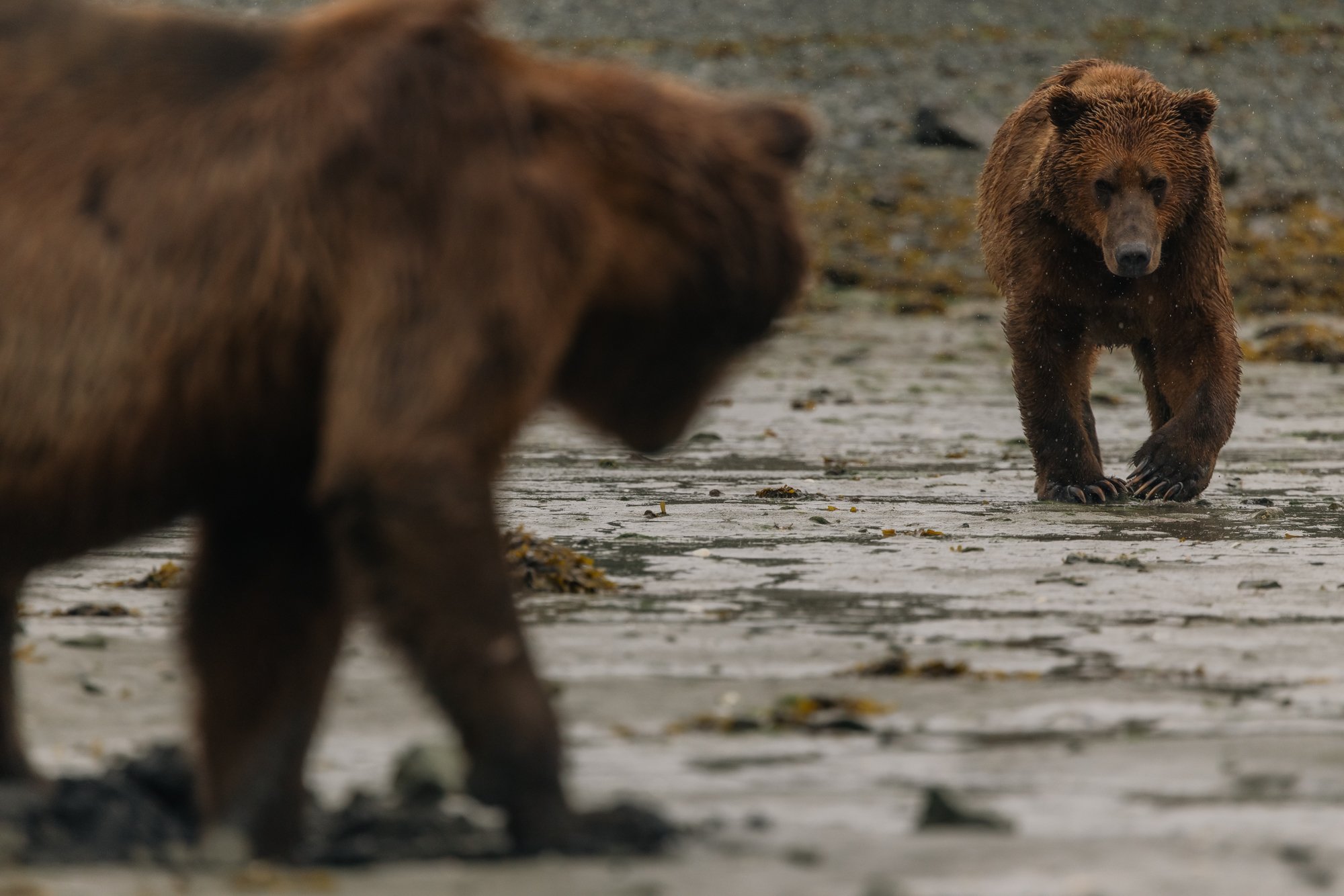
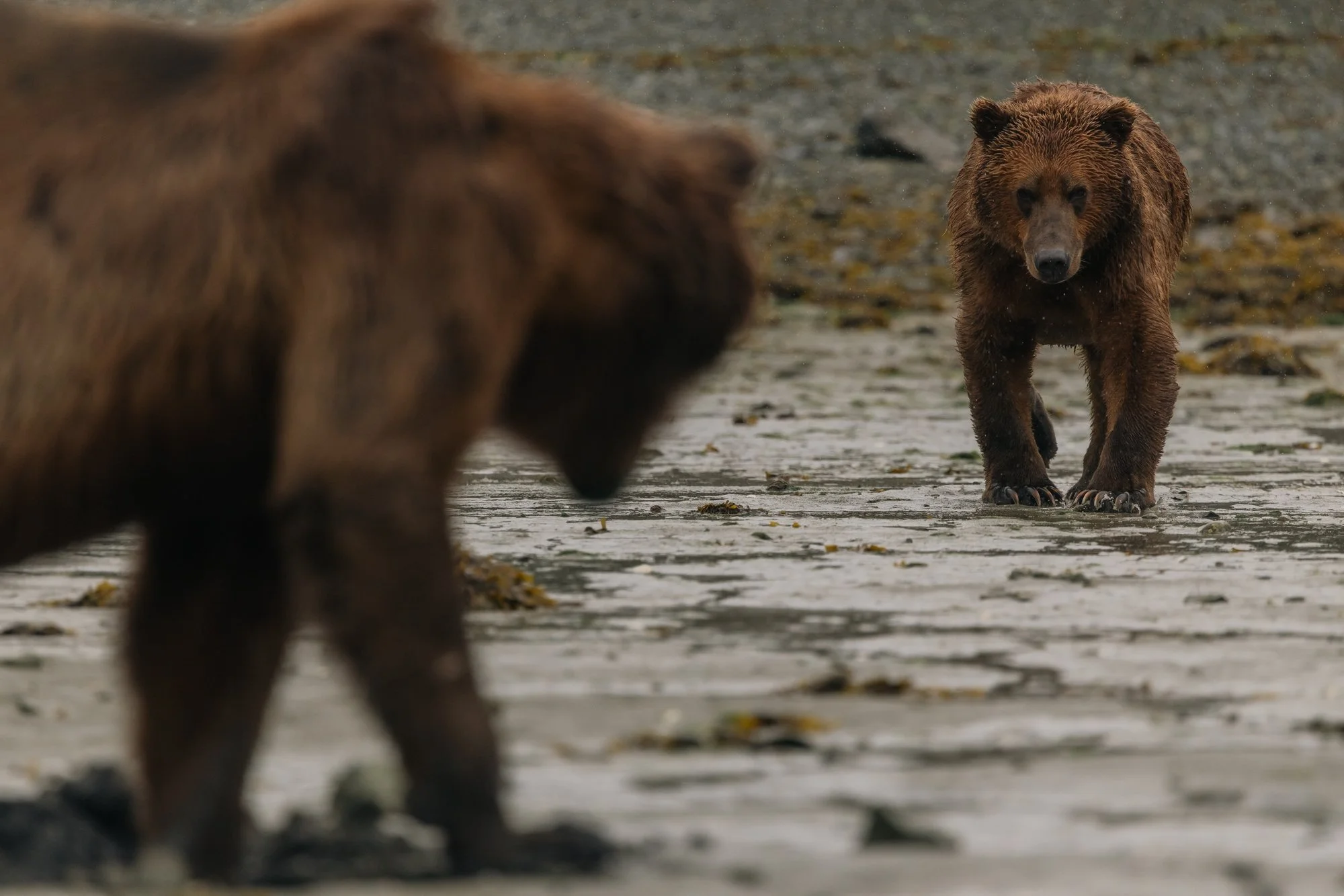
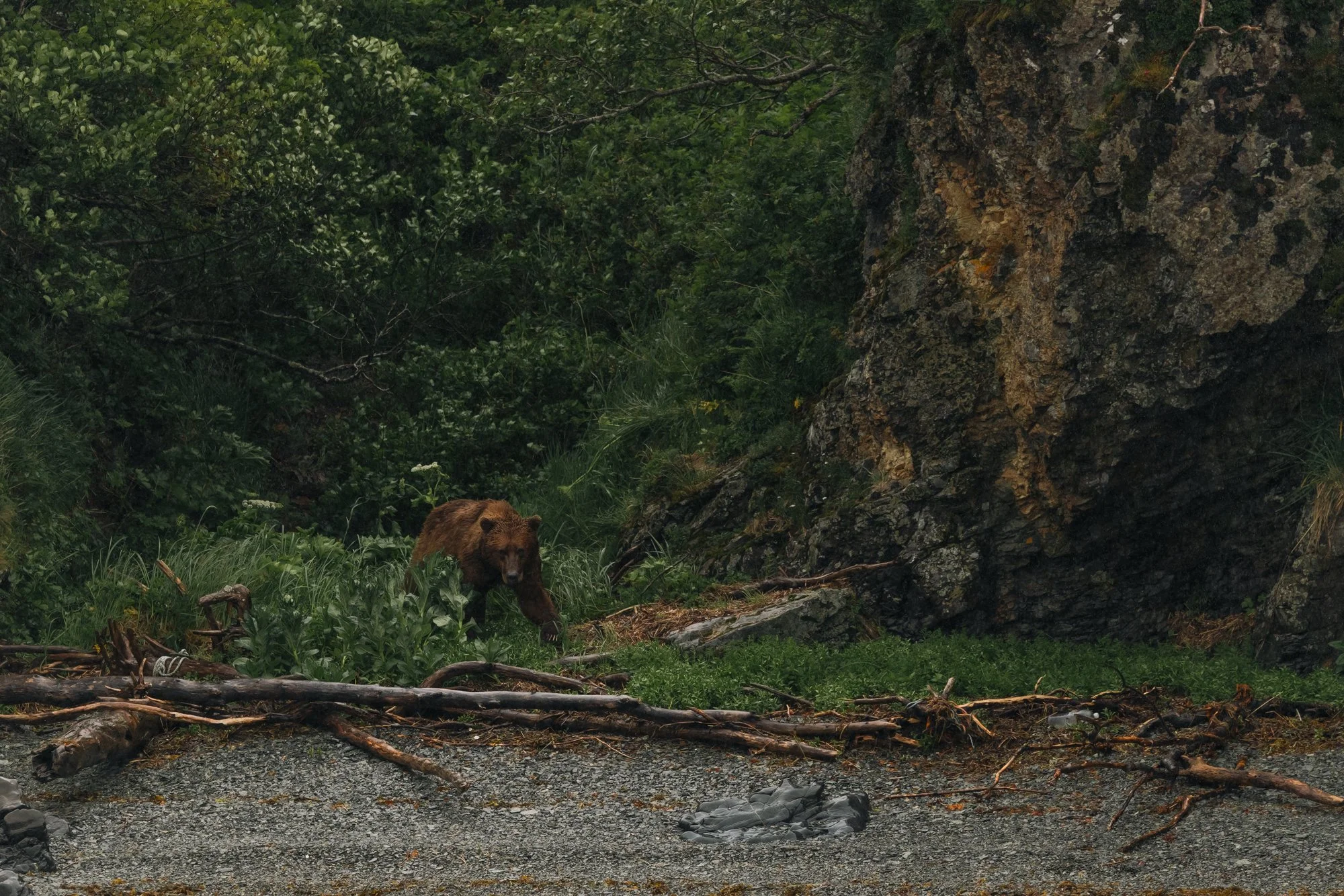
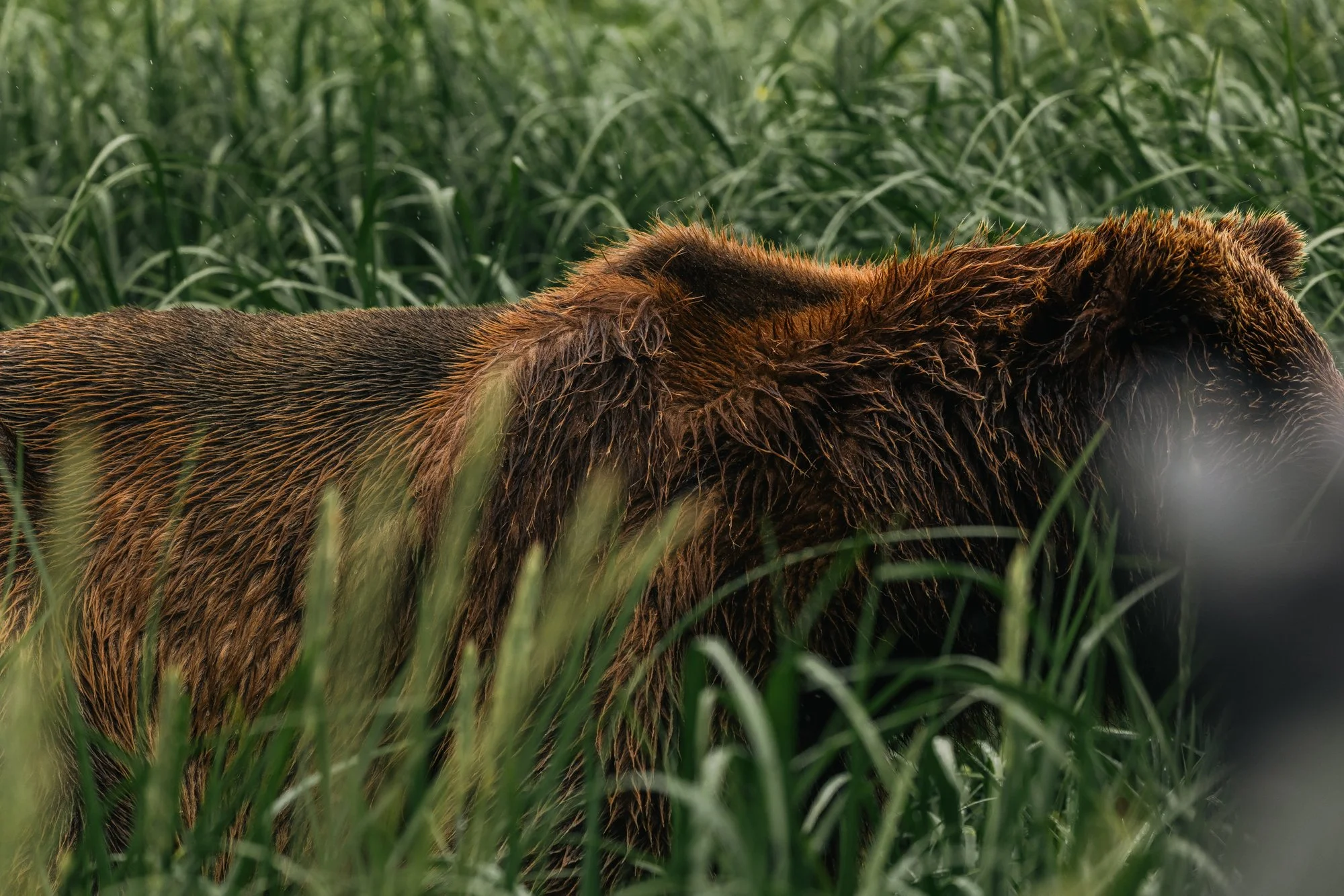
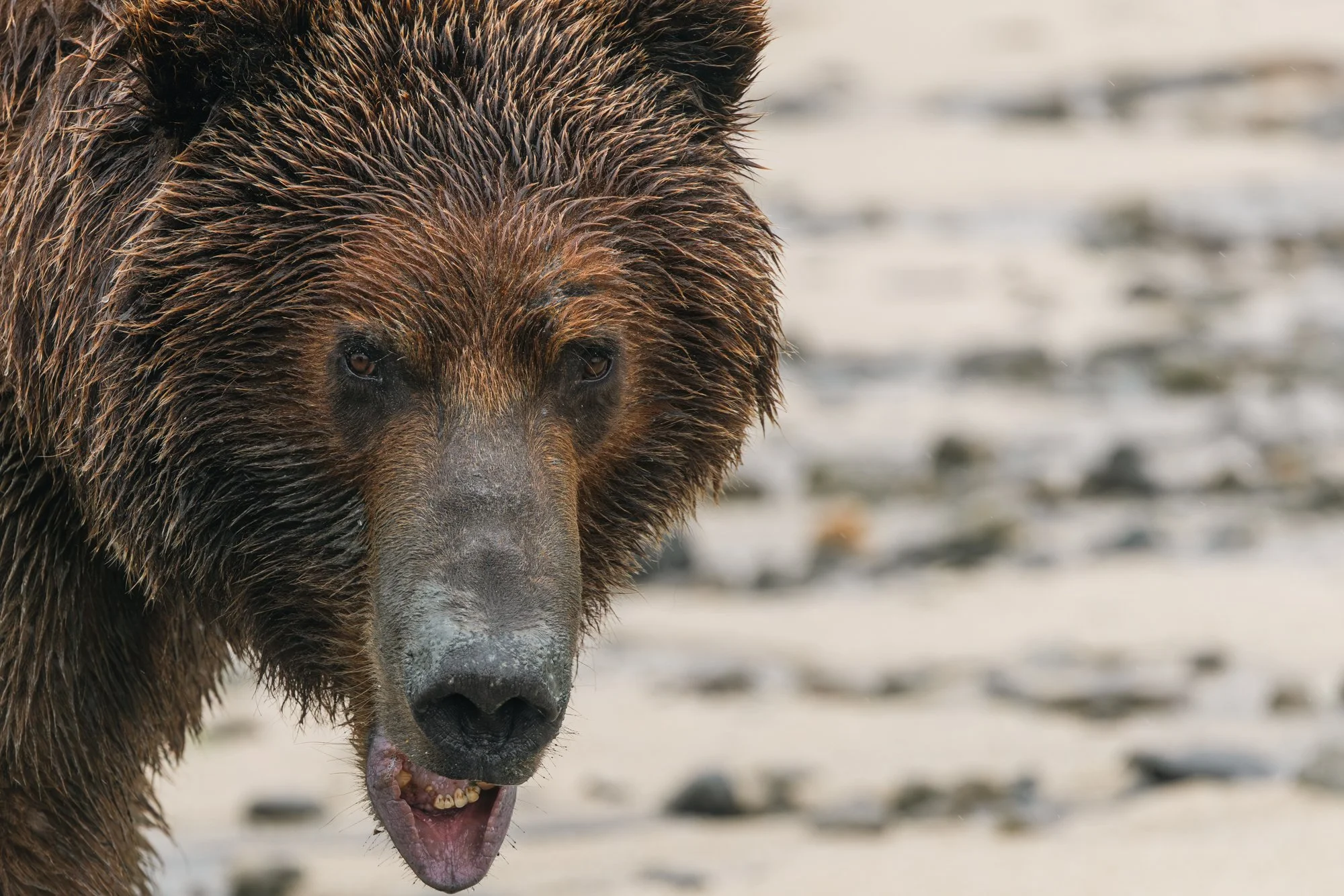
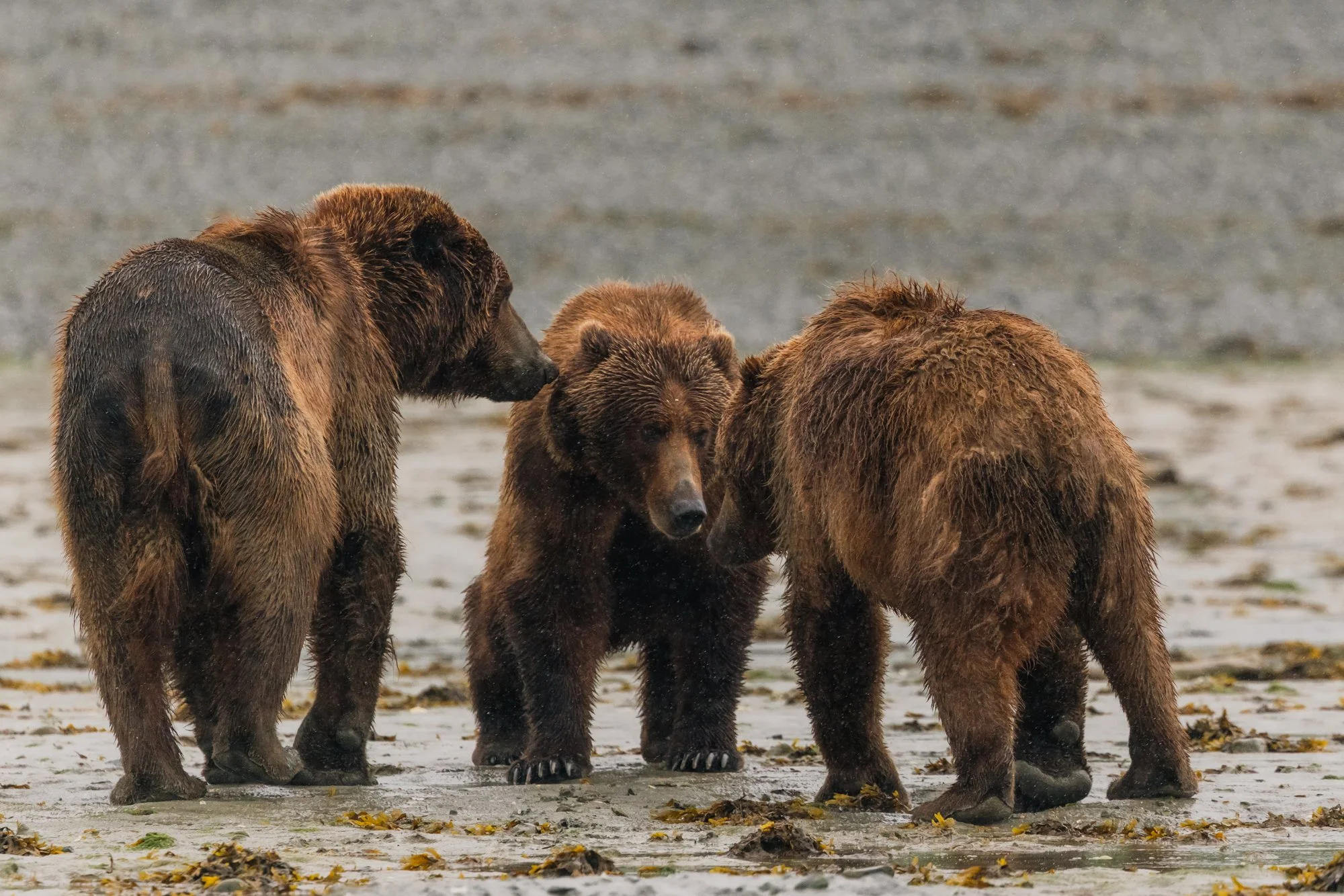
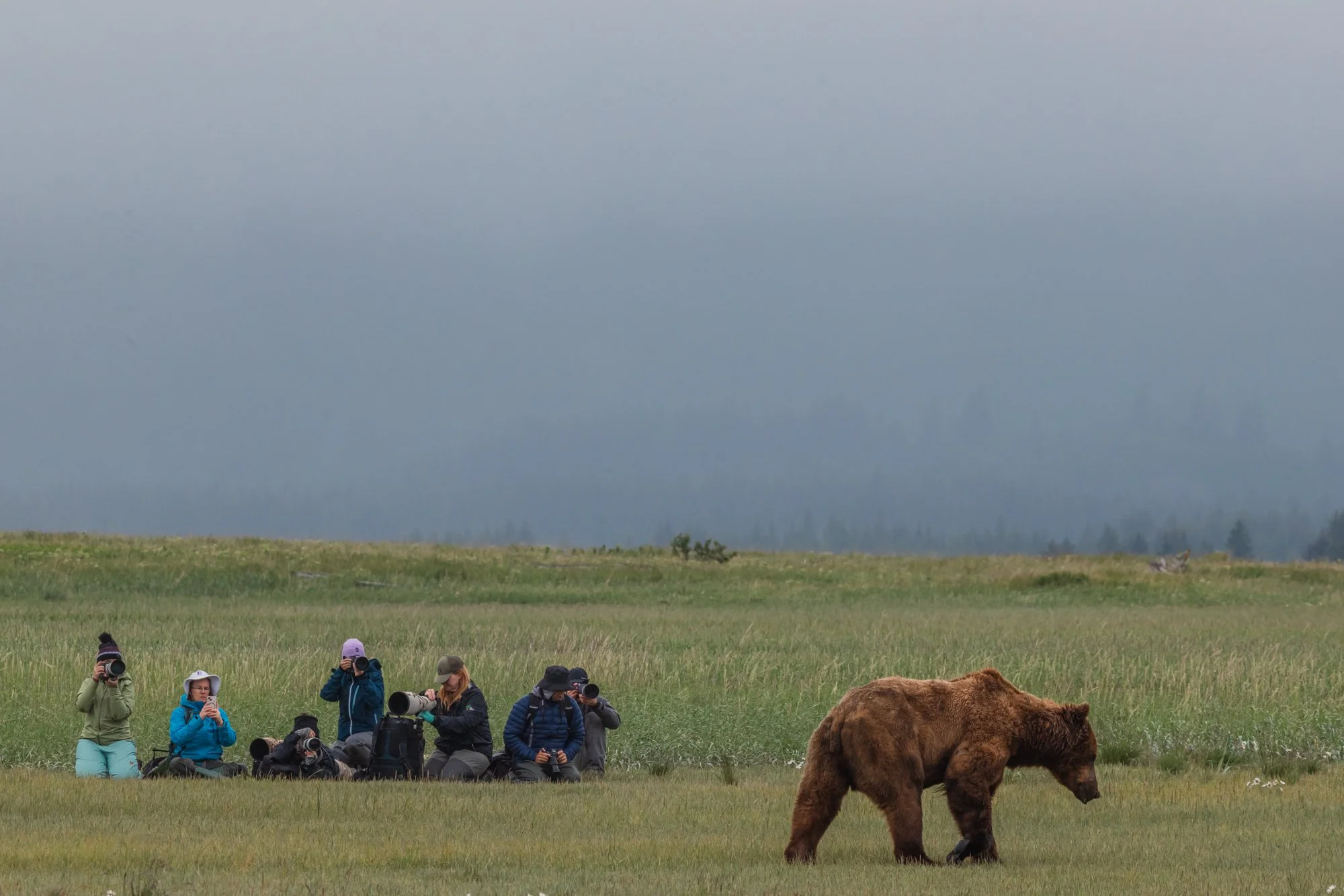
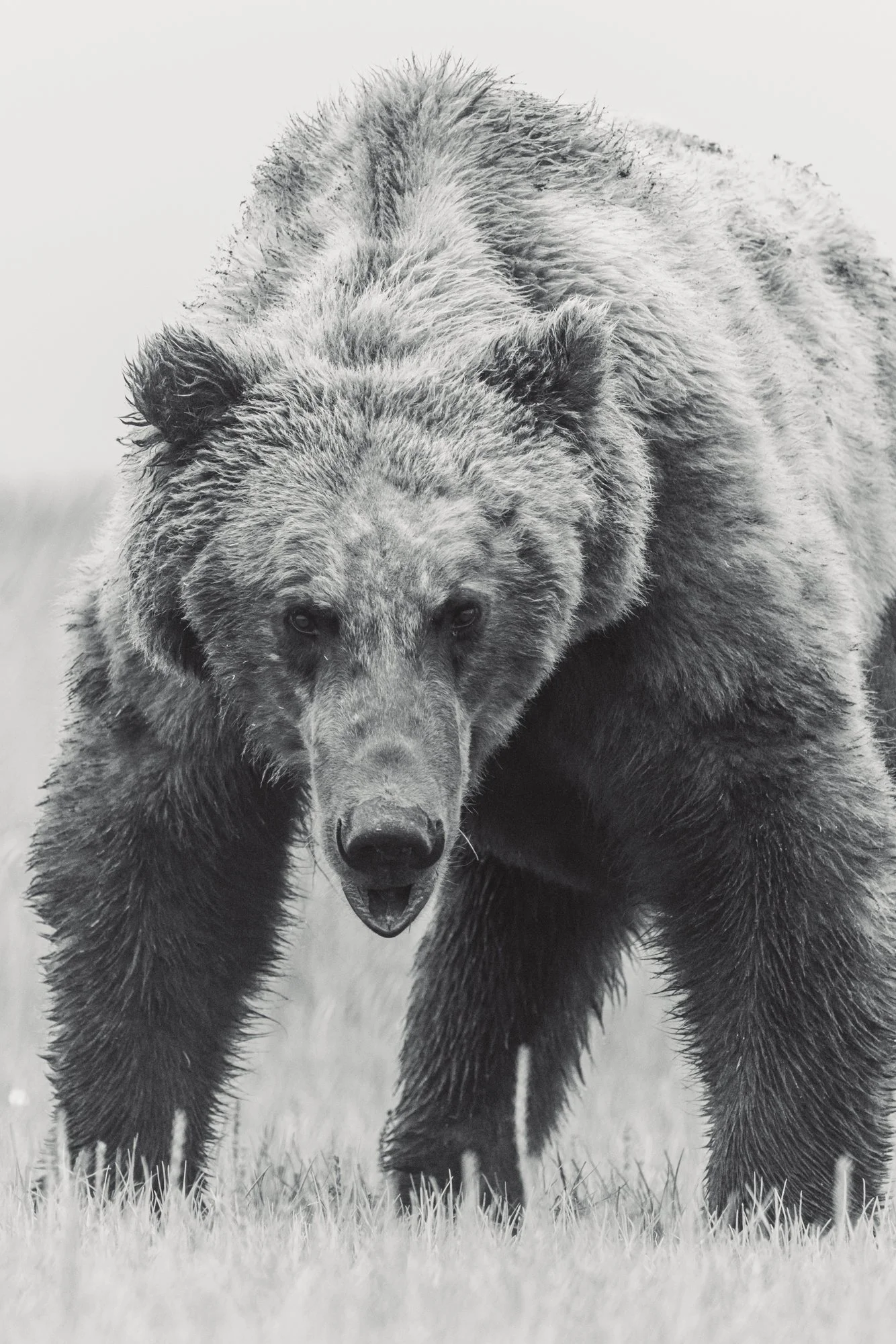
Our closest encounter only moments away, the third bear striding out of the grasses and walked so close we could hear the slow rhythm of his breath. He glanced at each of us in turn, deliberate and unhurried, before moving on. There was no menace in his passing, only the weight of wild authority - a reminder that here, we stand in the company of giants.
Back on the Ursus, we hung gear to dry, toweled our camera gear, laughed over delicious homemade meal, and measured cheesecake slice sizes by a face of a clock: “I’ll have one hour of cheesecake, please” Shawn said. Later, the first mate played guitar in the galley, the storm pressing against the hull.
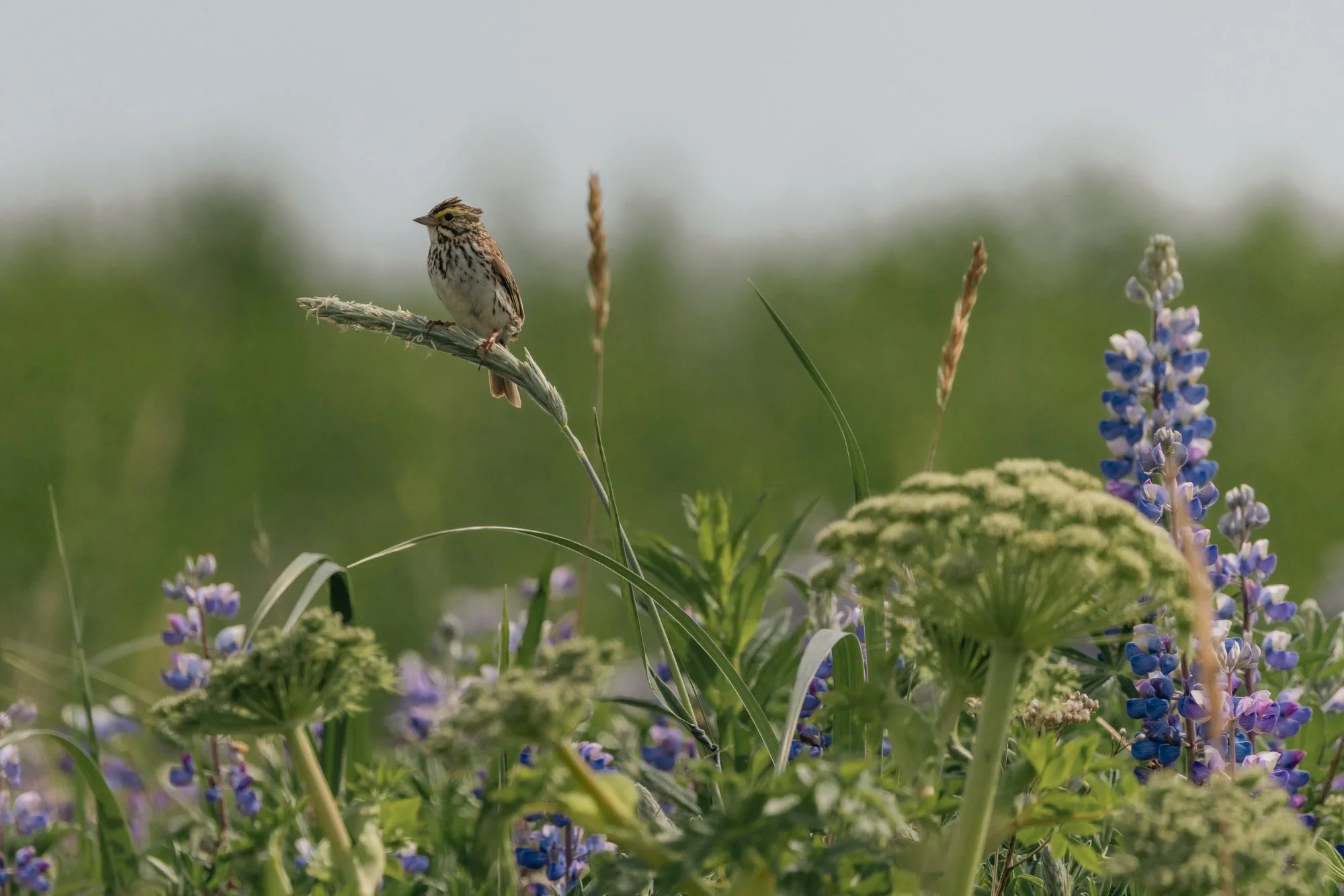
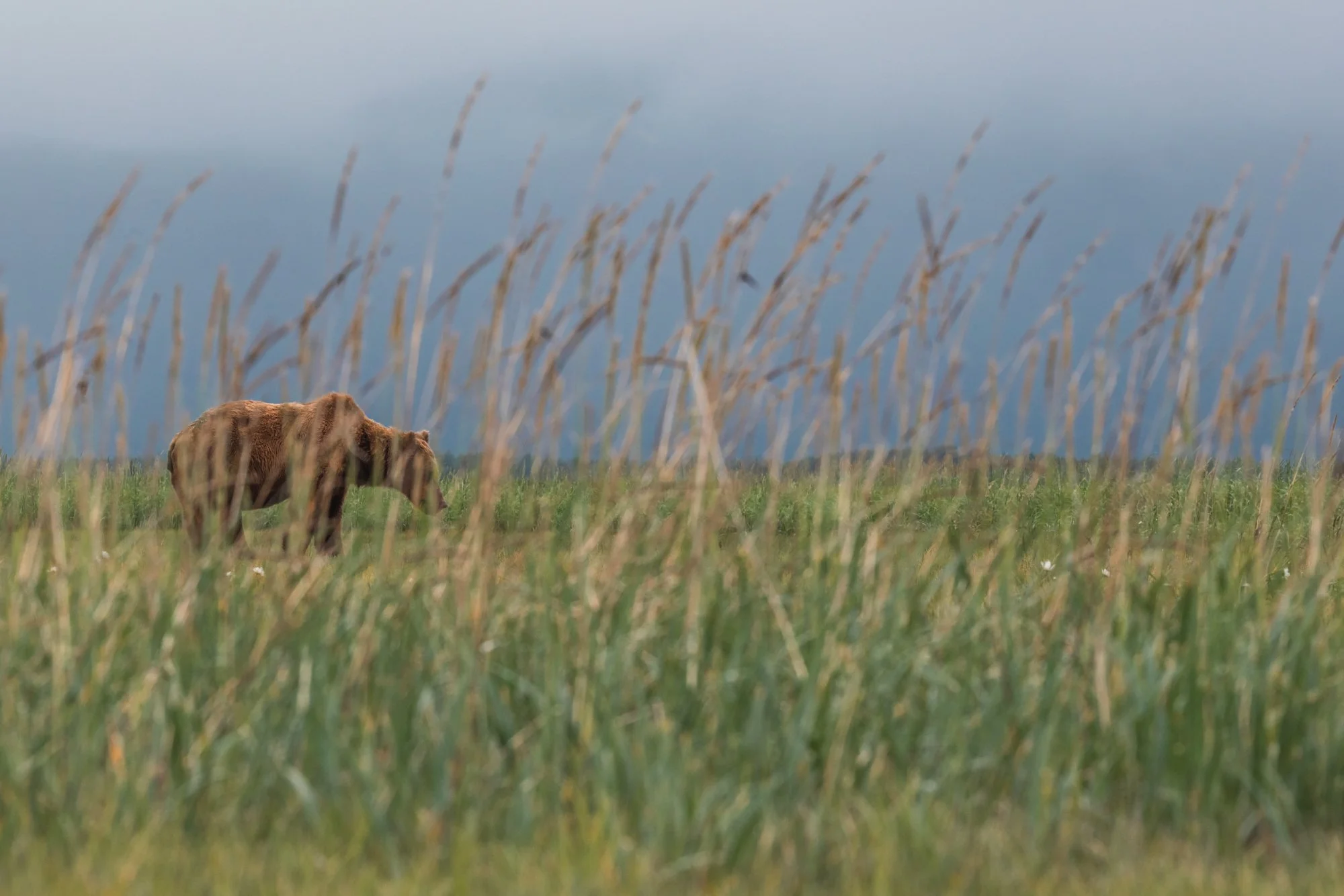
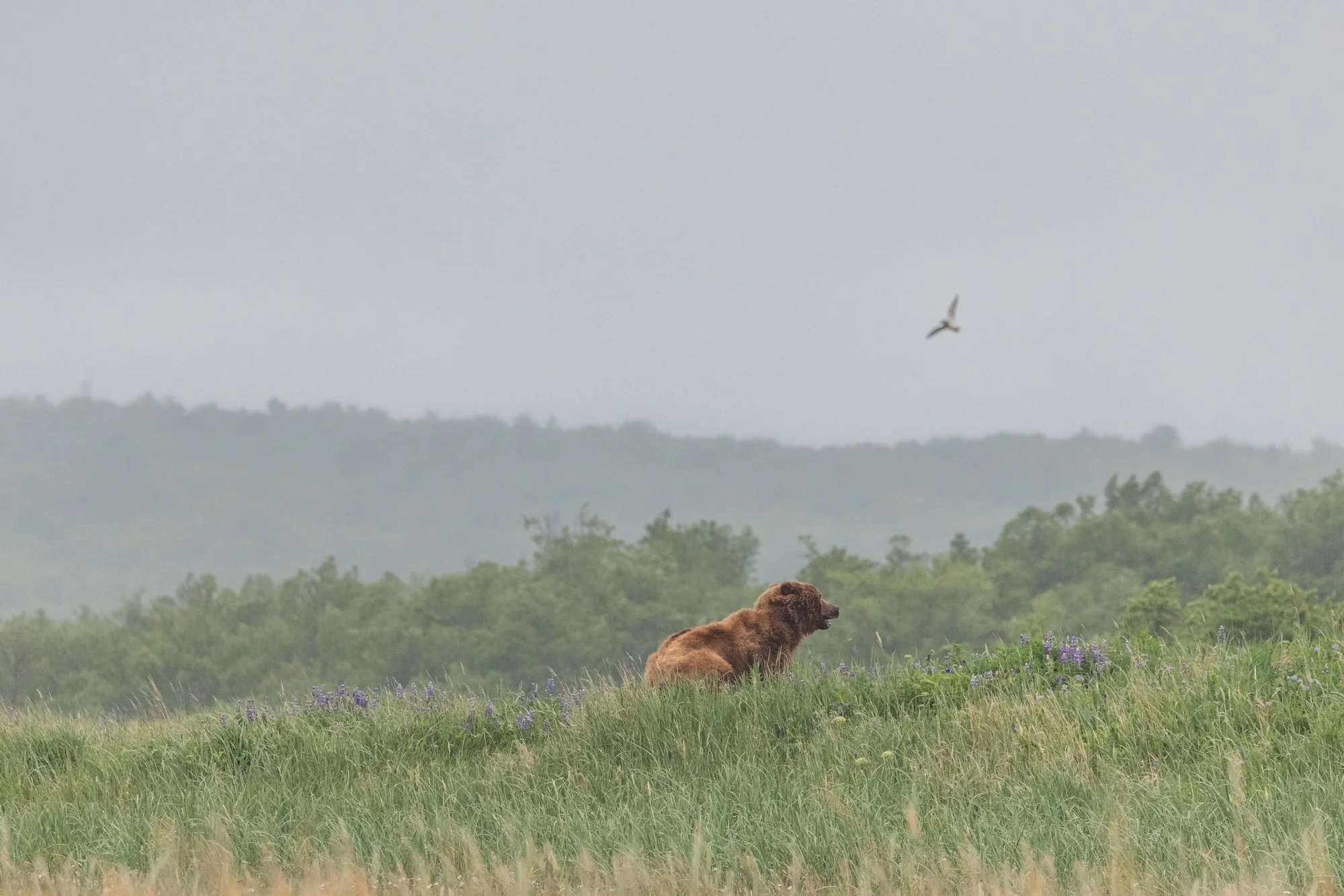
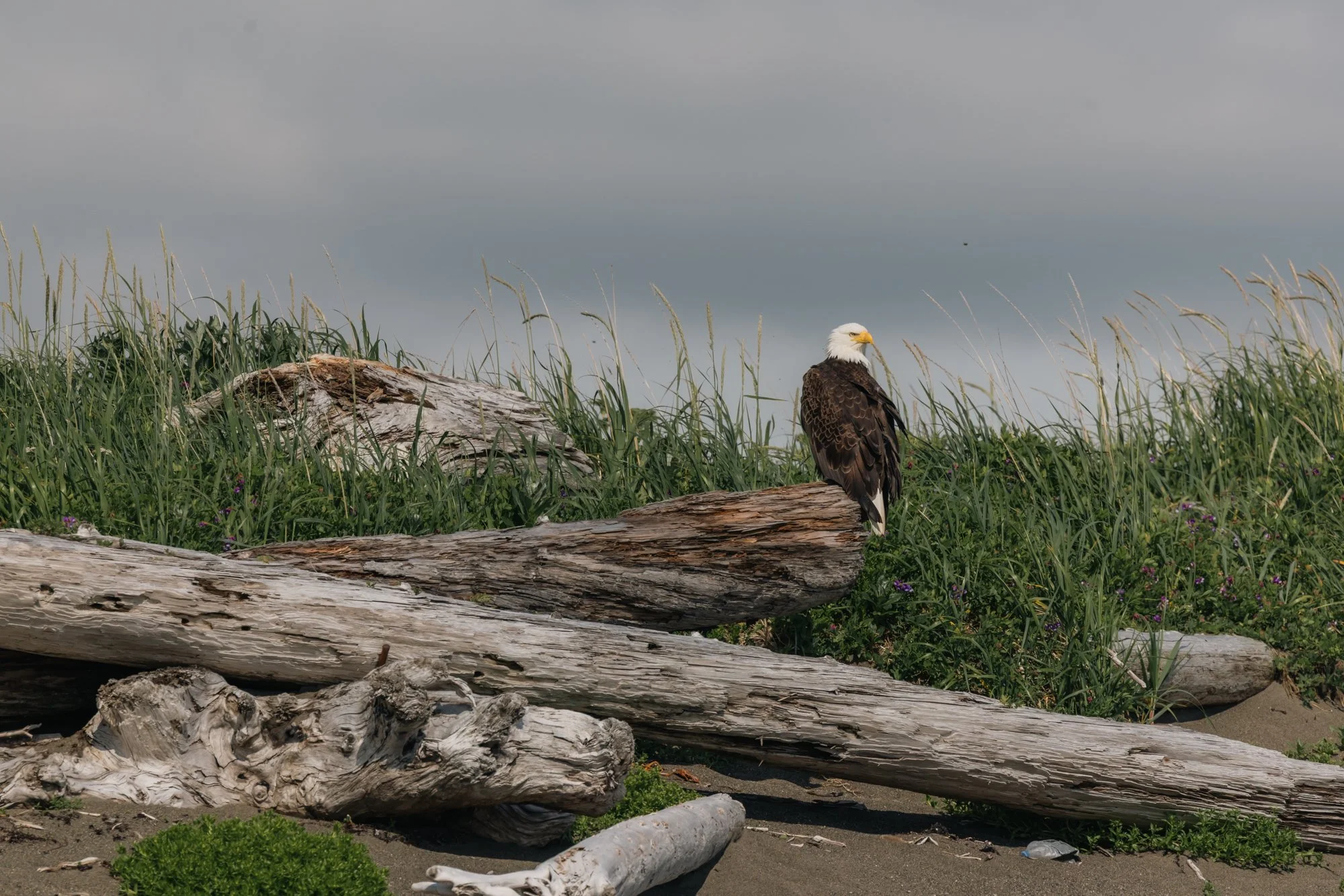
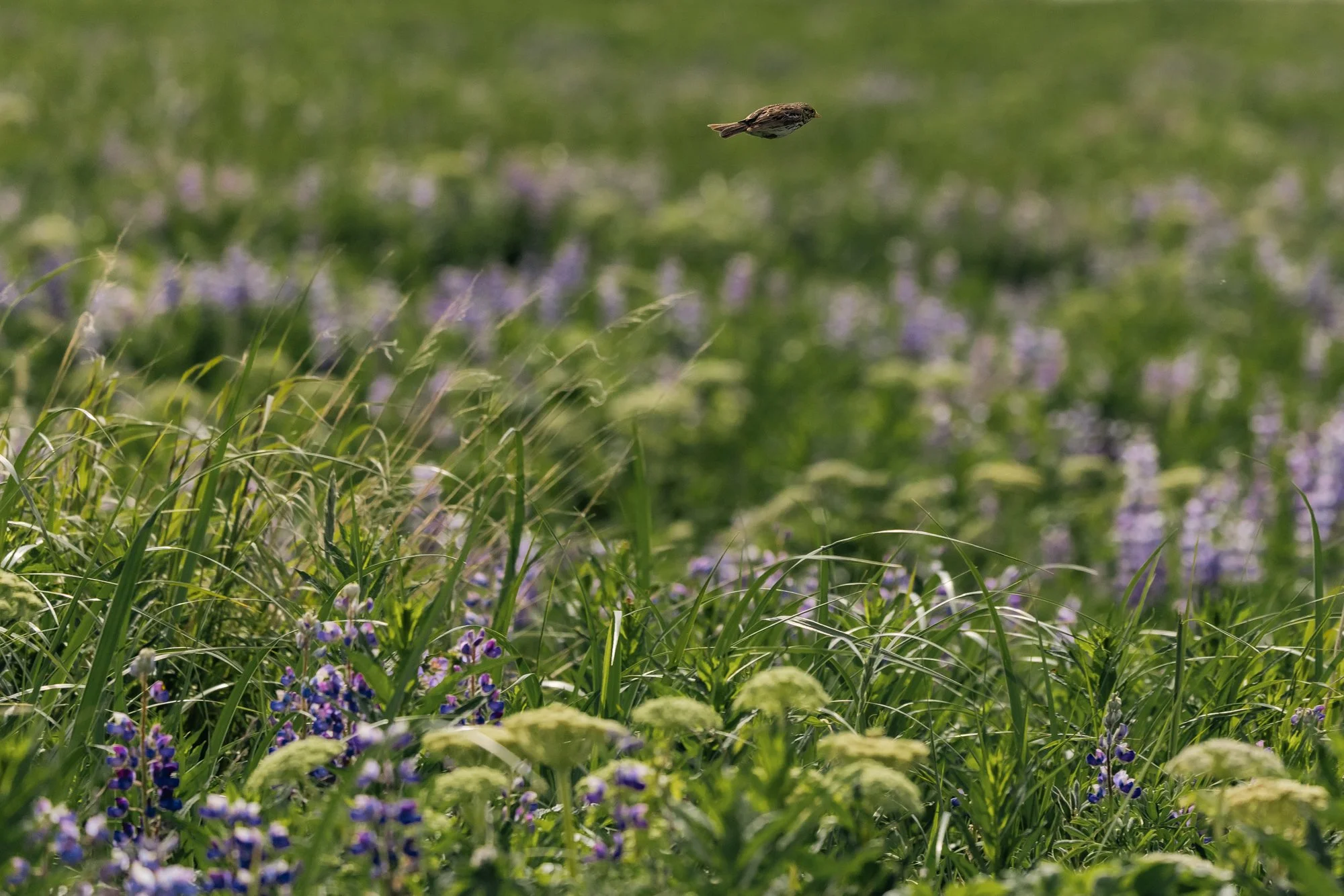
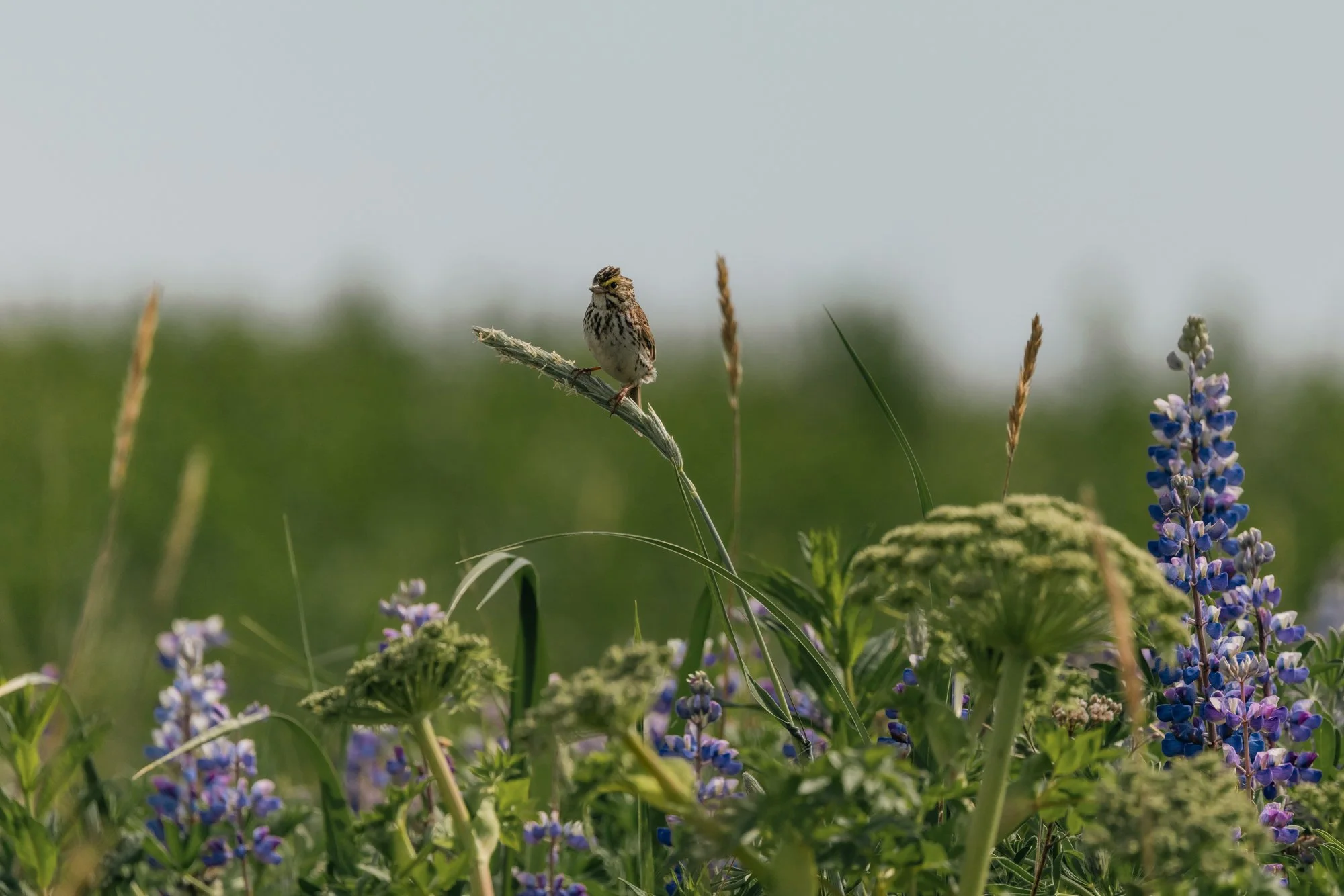
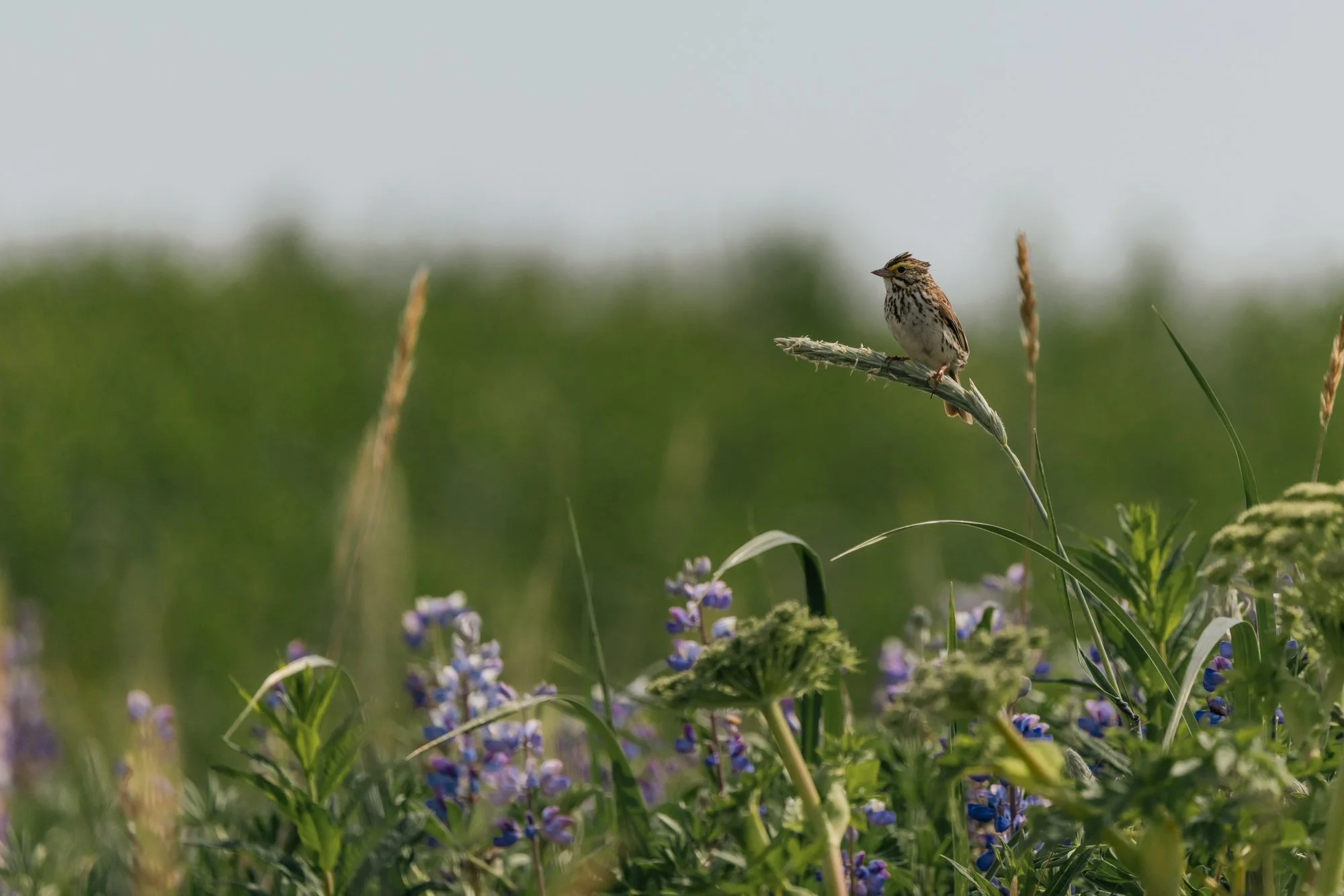
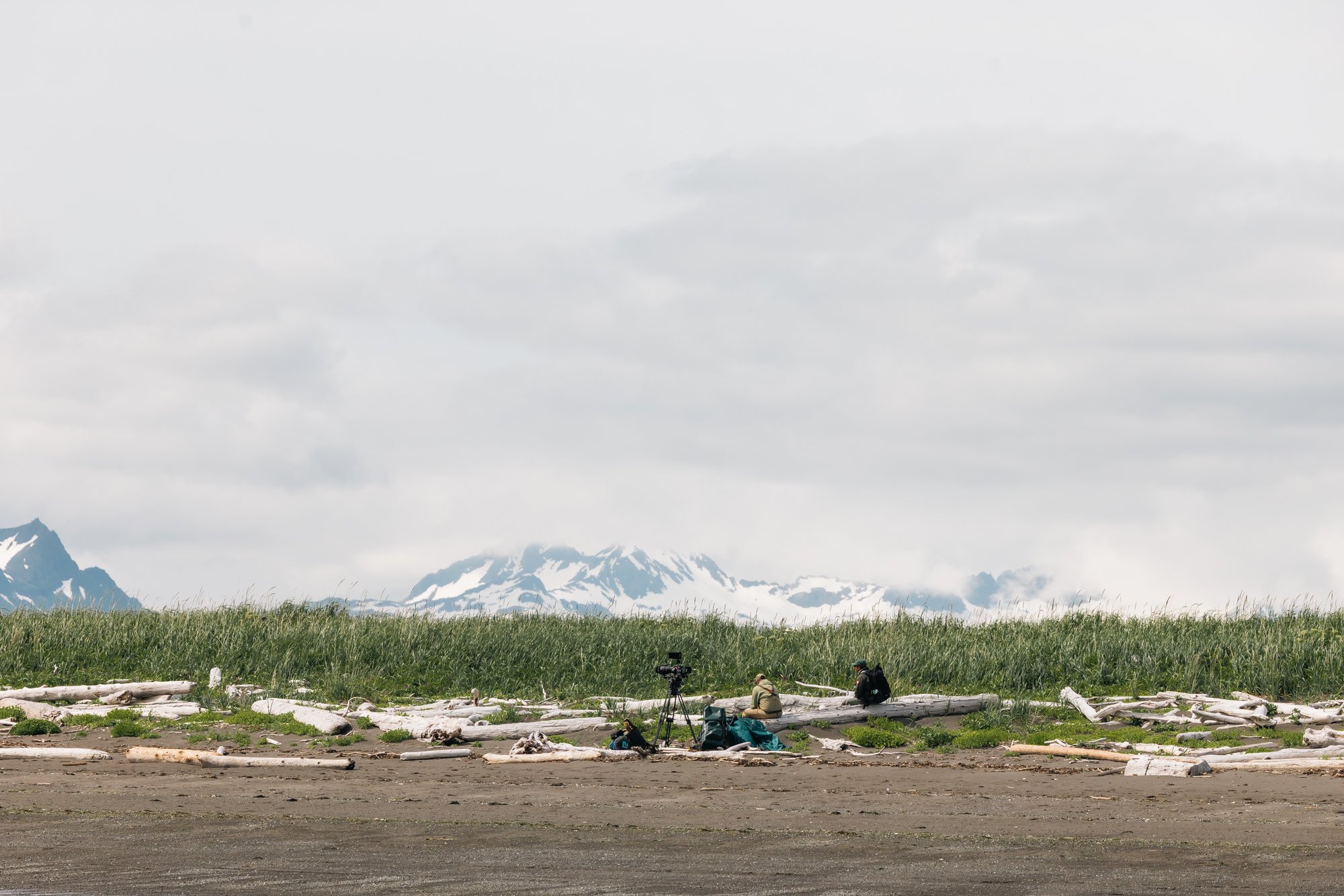
On our final morning, we come across a scarred old male and his entourage of swallows at Kukak Bay, where we started our journey. Weather delayed our floatplane, and we stayed longer than planned - but still it wasn’t enough. These days had been filled with ferocity and tenderness, with silence and storm, with a peace I hadn’t known I was missing. No phone, no internet, no endless and useless distractions but tides, rain, and the steady thrum of life. I wasn’t ready to leave. The natural world is a gift and to feel connected to it is to feel full. The calm of a bear digging clams, the awe of a giant looming on the flats, the song of sparrows in driftwood, the feel of sedge underfoot—these are not separate moments. They are layers of the same truth: everything here is connected. After big hugs, Shawn caught my gaze before we boarded the plane. “Go home,” he said. “Tell this story. Convey what you felt. You can always come back.”
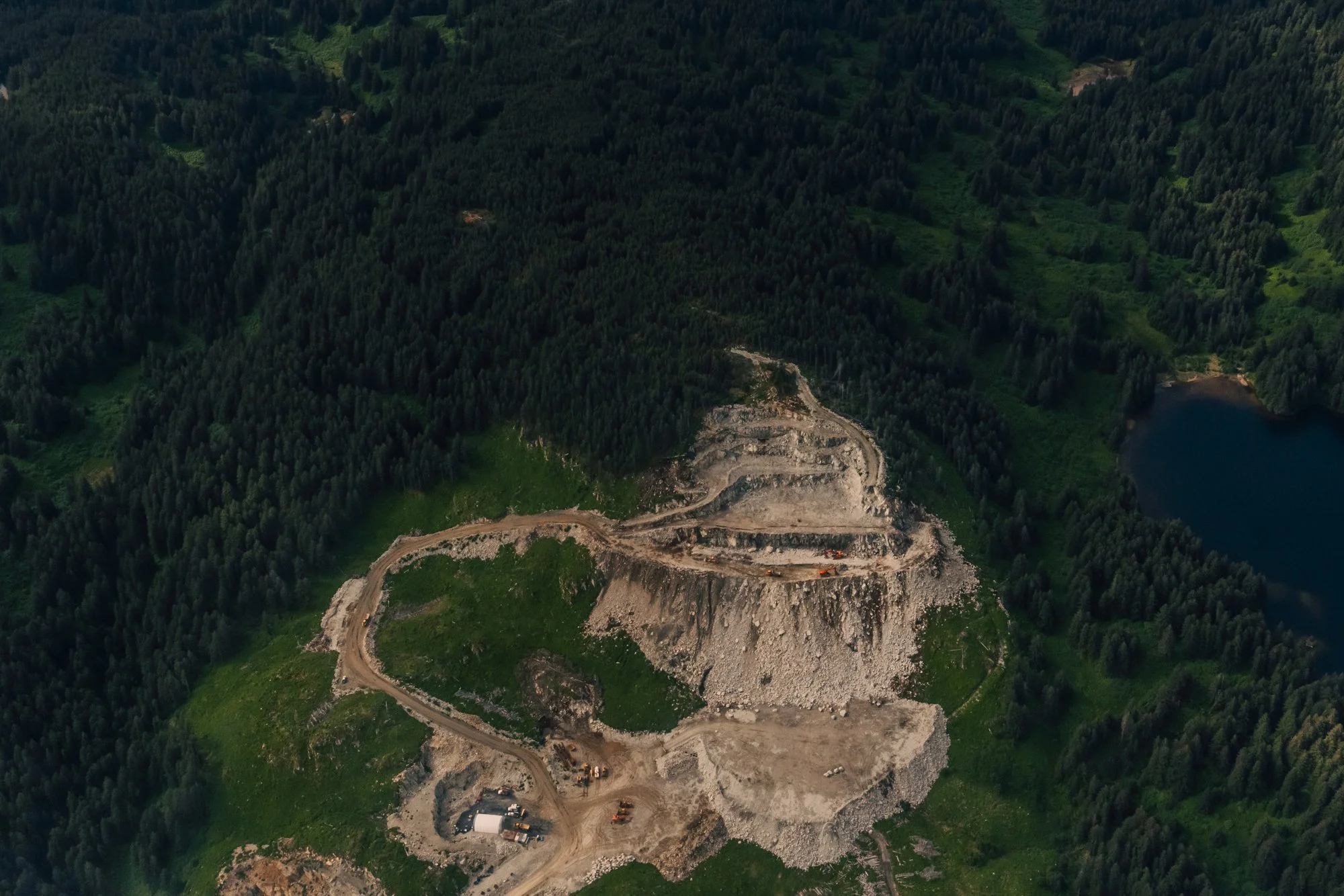
It is tempting to believe Katmai’s abundance is eternal. But across North America, brown bears now occupy less than two percent of their historic range. Logging, mining, roads, and development have fragmented their habitats. Hungry bears wander into garbage dumps and crop fields, resulting in conflict with humans. Climate change gnaws at the foundation of their survival - salmon. Warming rivers suffocate eggs before they hatch. Altered seasons disrupt migrations. Even minimal human disturbance can cut salmon numbers in half, leaving bears hungry. And always, the shadow of industrial projects - Pebble Mine among them - looms over fragile ecosystems, threatening to unravel what remains.
Katmai’s bears are buffered, for now, by remoteness and law. But neither geography nor legislation is permanent. Their fate, like ours, is precarious. And yet these bears remind us of what is possible. To protect them is to protect salmon, rivers, glaciers, forests - entire systems tying ocean to mountain, predator to prey, human to wild. They are sentinels of abundance, mirrors of resilience, teachers of belonging. Standing on the tide flats among them, I felt both small and profoundly connected, reminded that our fates are intertwined. Bear conservation is human conservation – we safeguard our own spirit when we safeguard theirs.
If we lose bears, we lose more than an apex predator. We lose a piece of ourselves, a living thread in the fabric of life. Katmai is sanctuary but also mirror. It shows us what remains, urging us to defend it. The true gift of this place is not just awe, but responsibility. To carry its lessons home. To fight for the wildness that makes us whole.
OTHER ARTICLES:
Trip Itinerary: Alaska Grizzly Tour Itineraries | Natural Habitat Adventures
Natural World
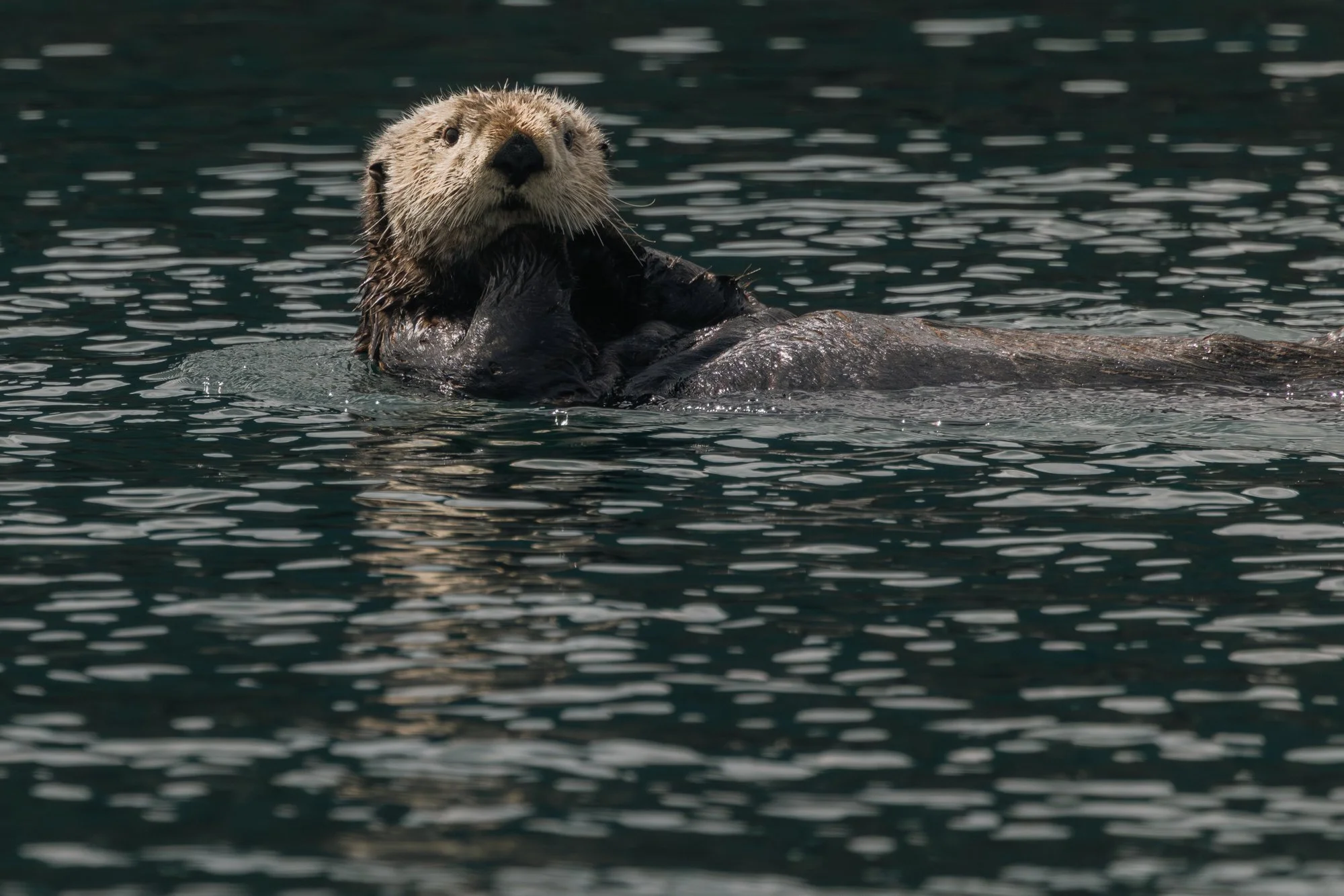
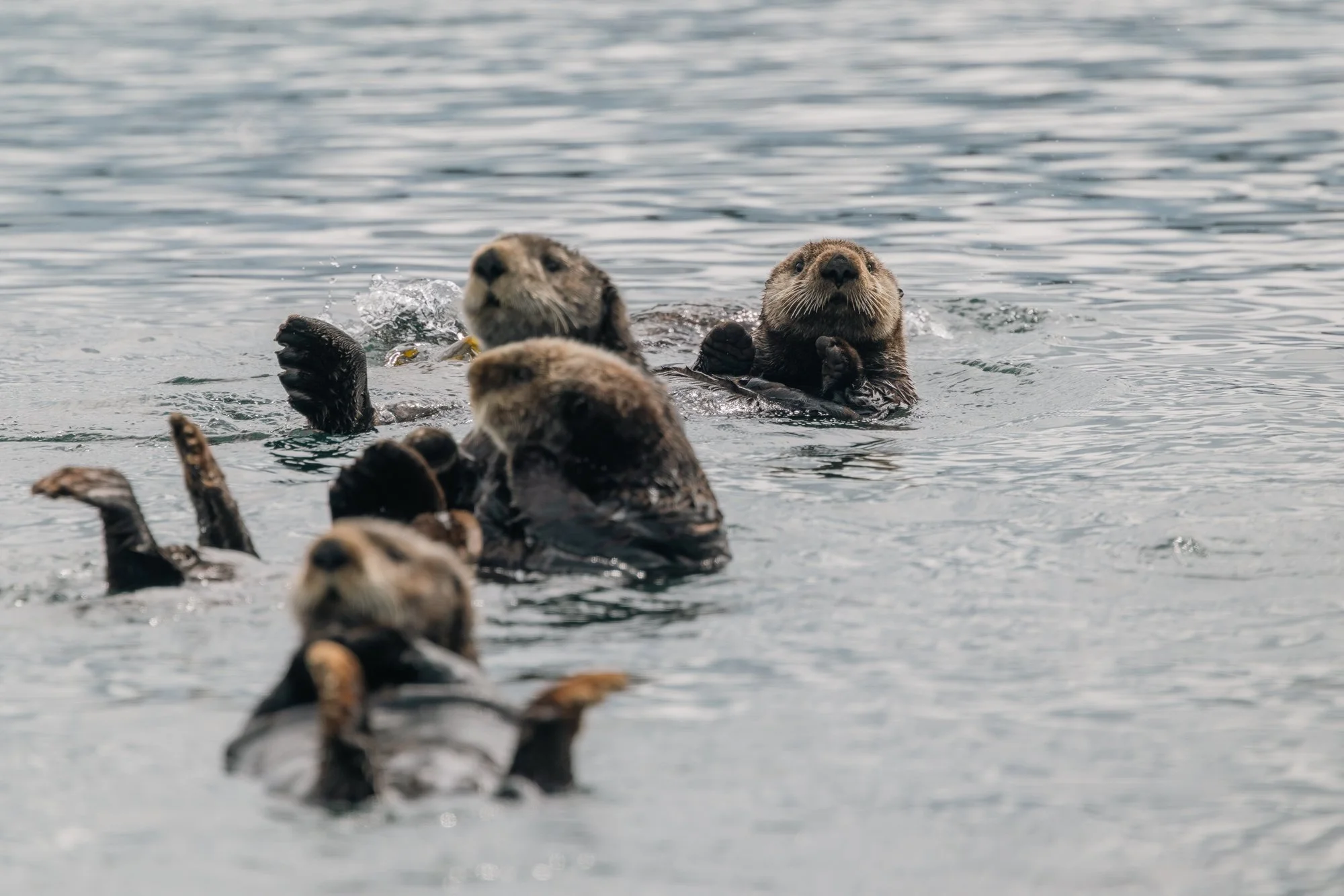
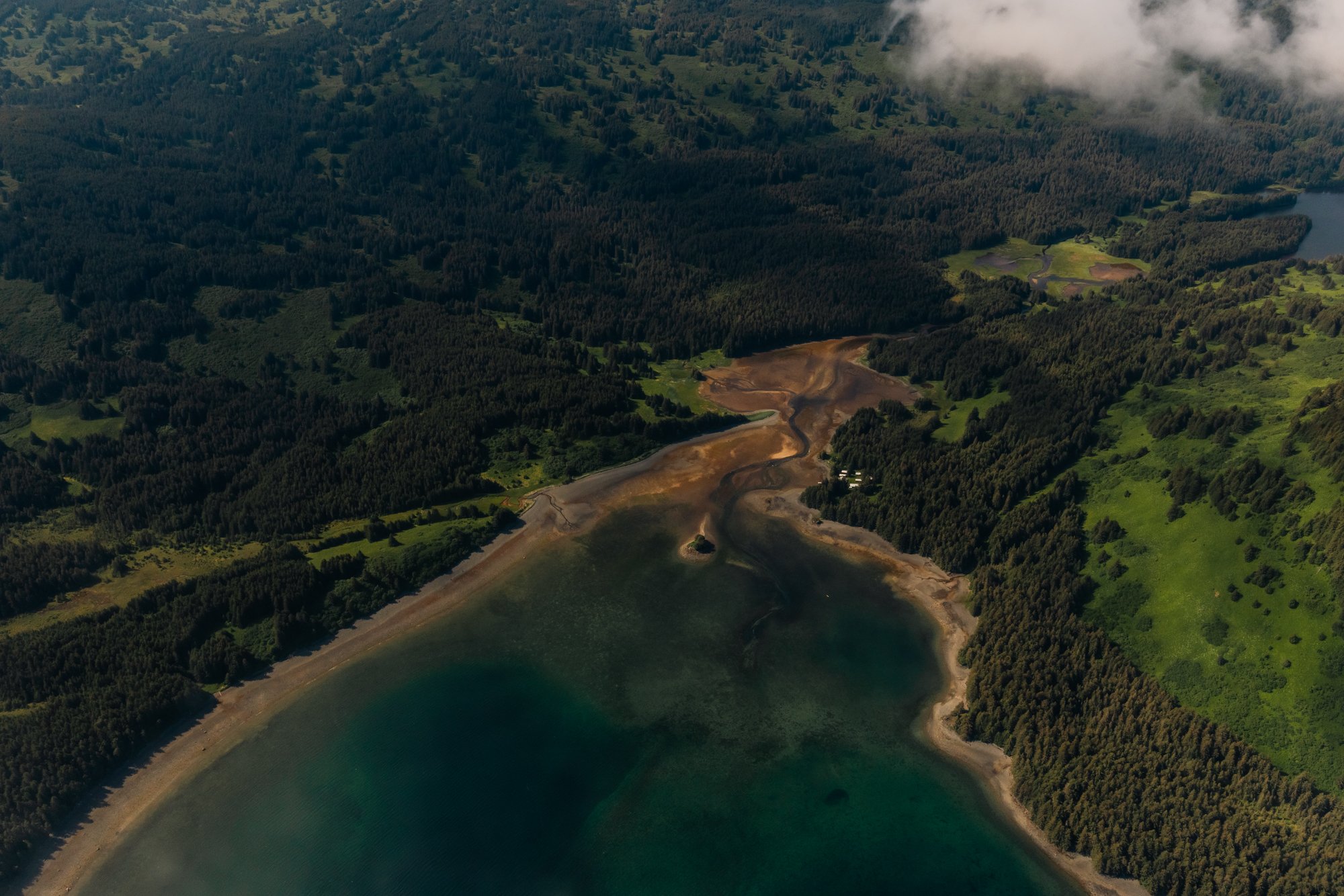
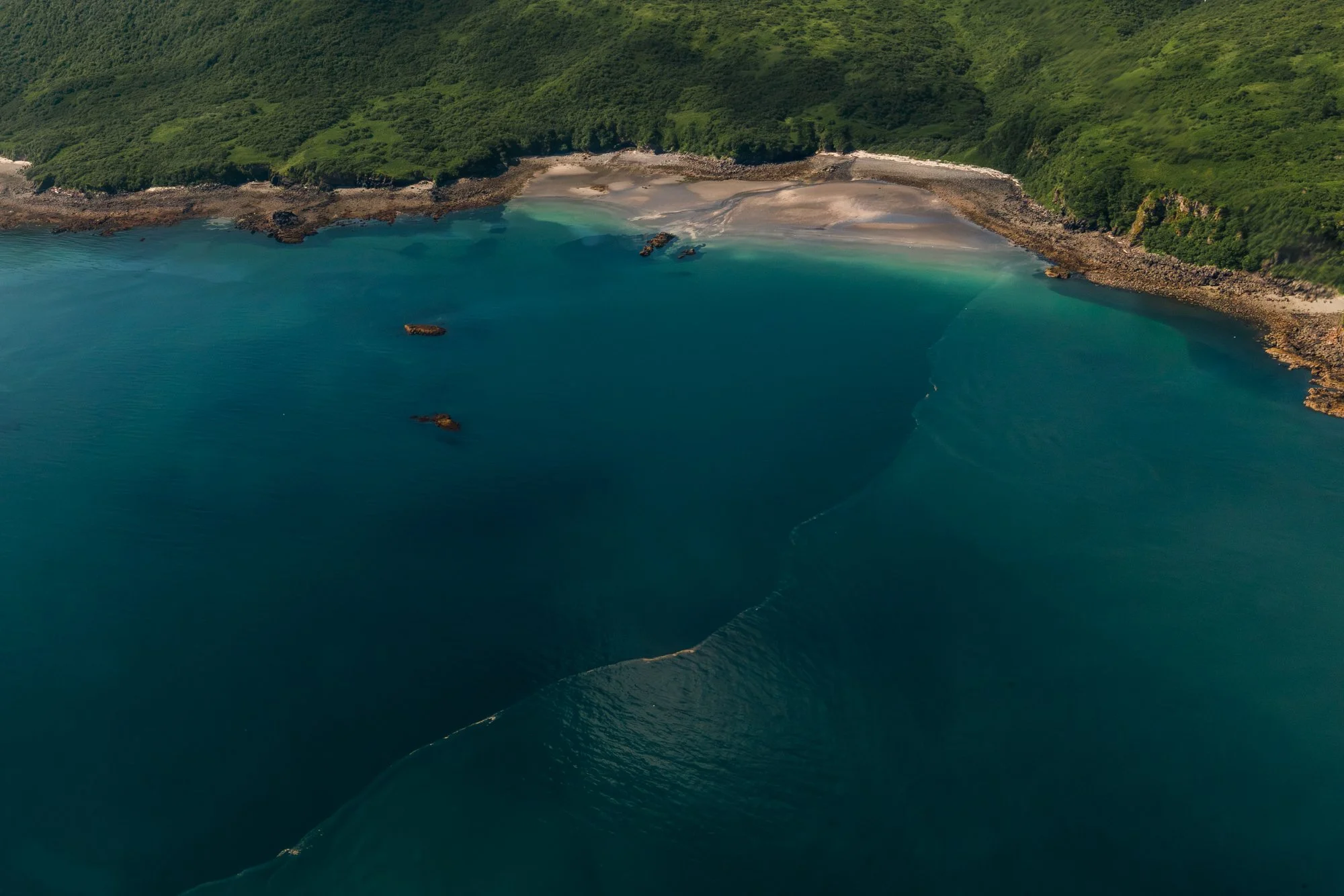
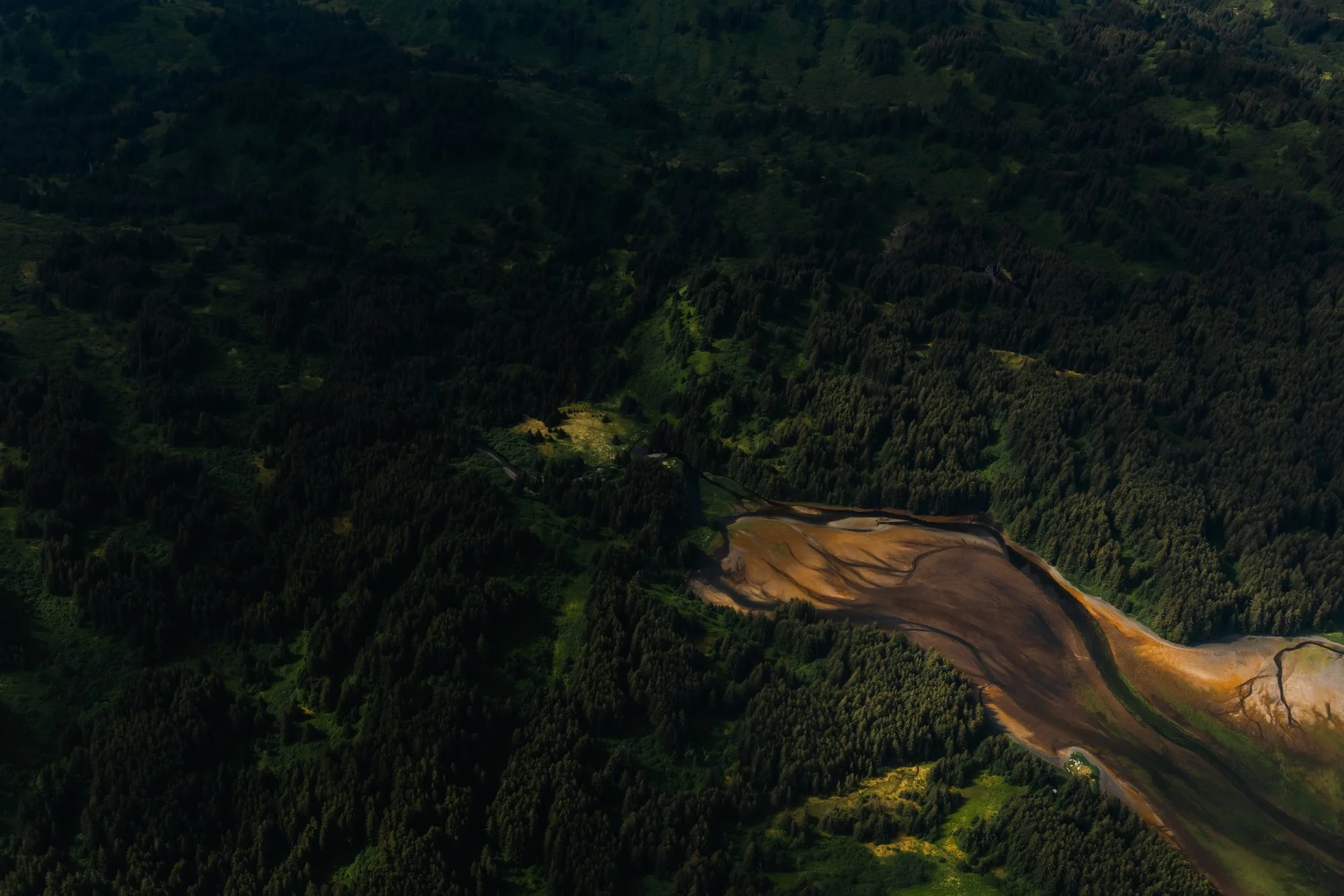
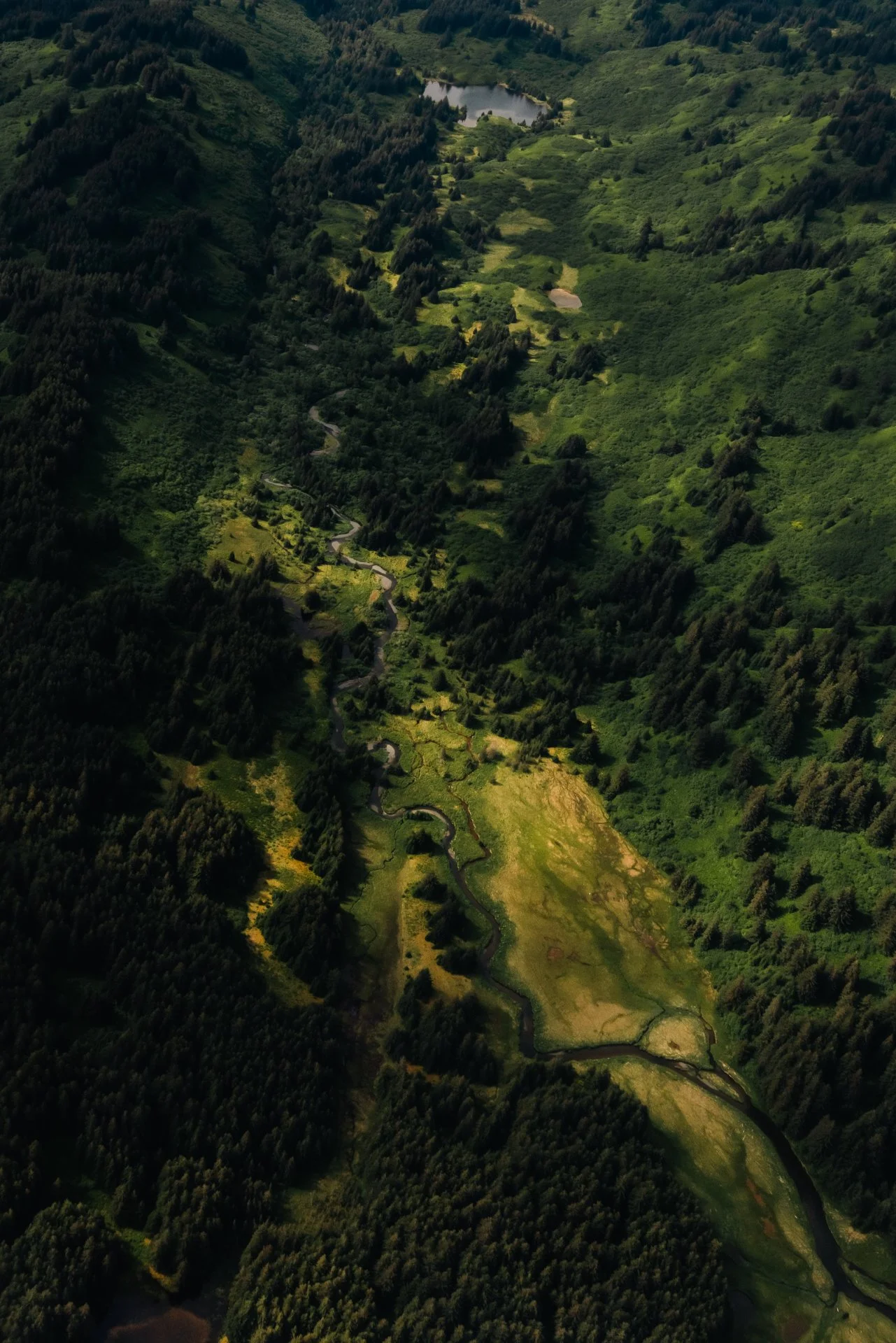
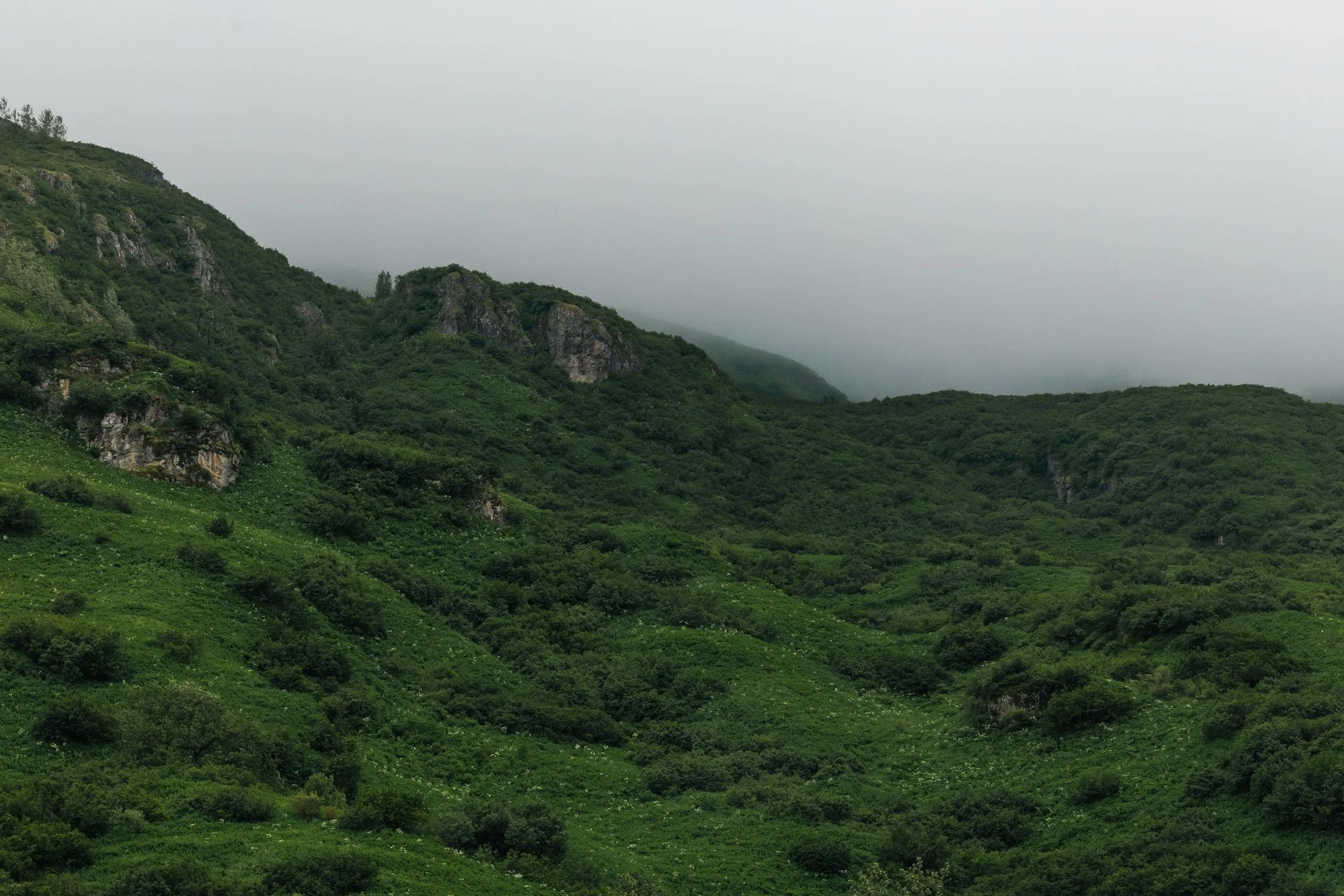
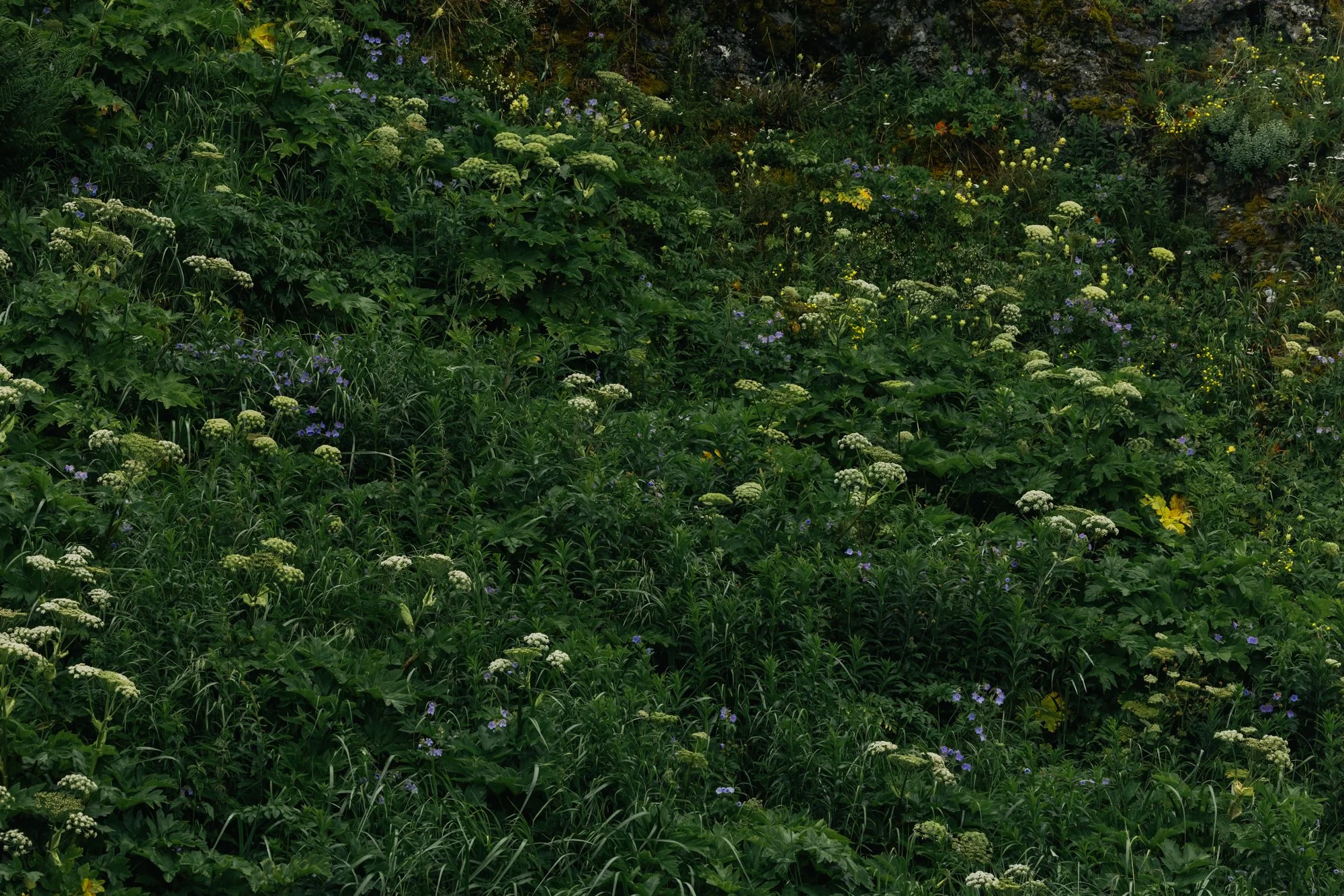
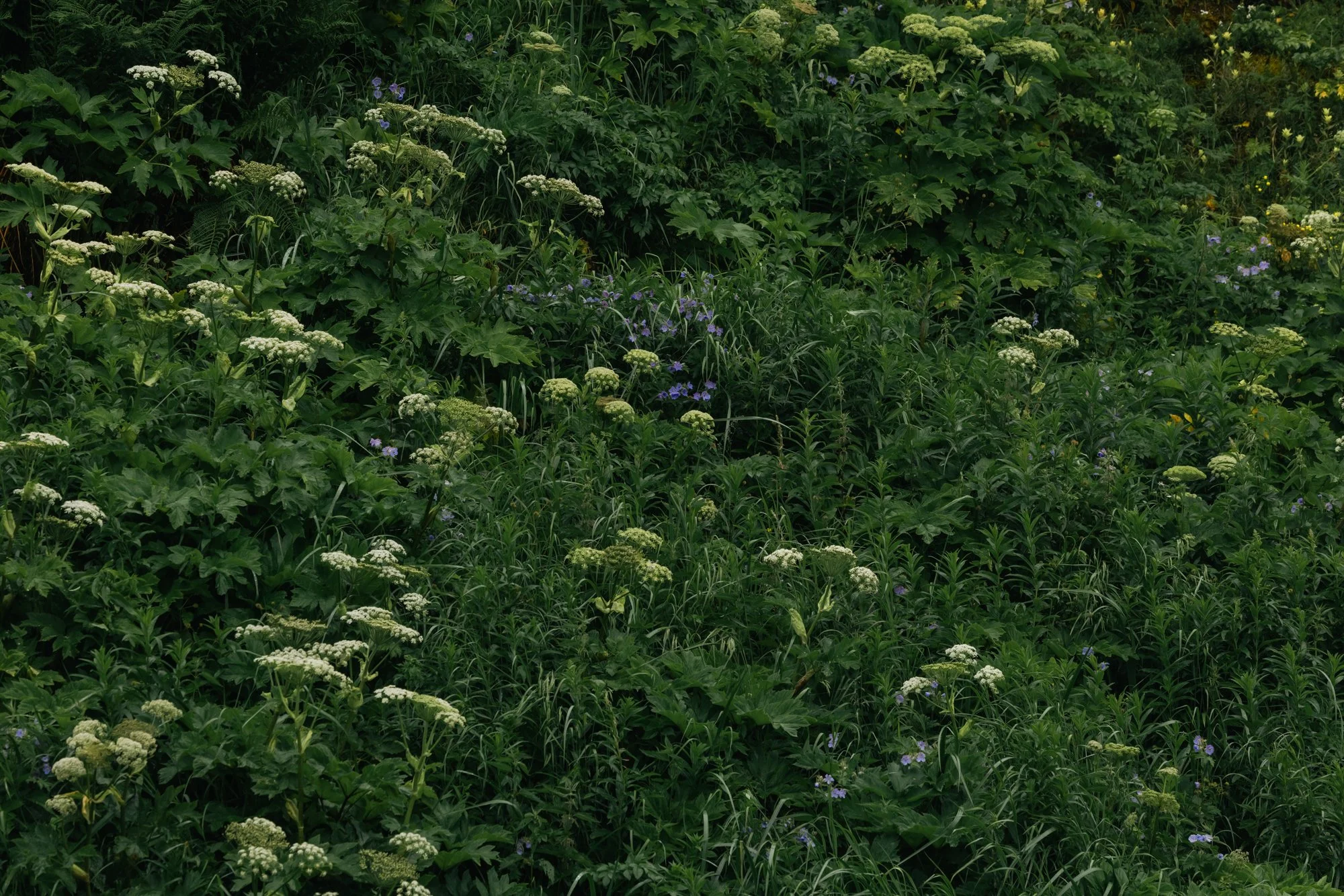
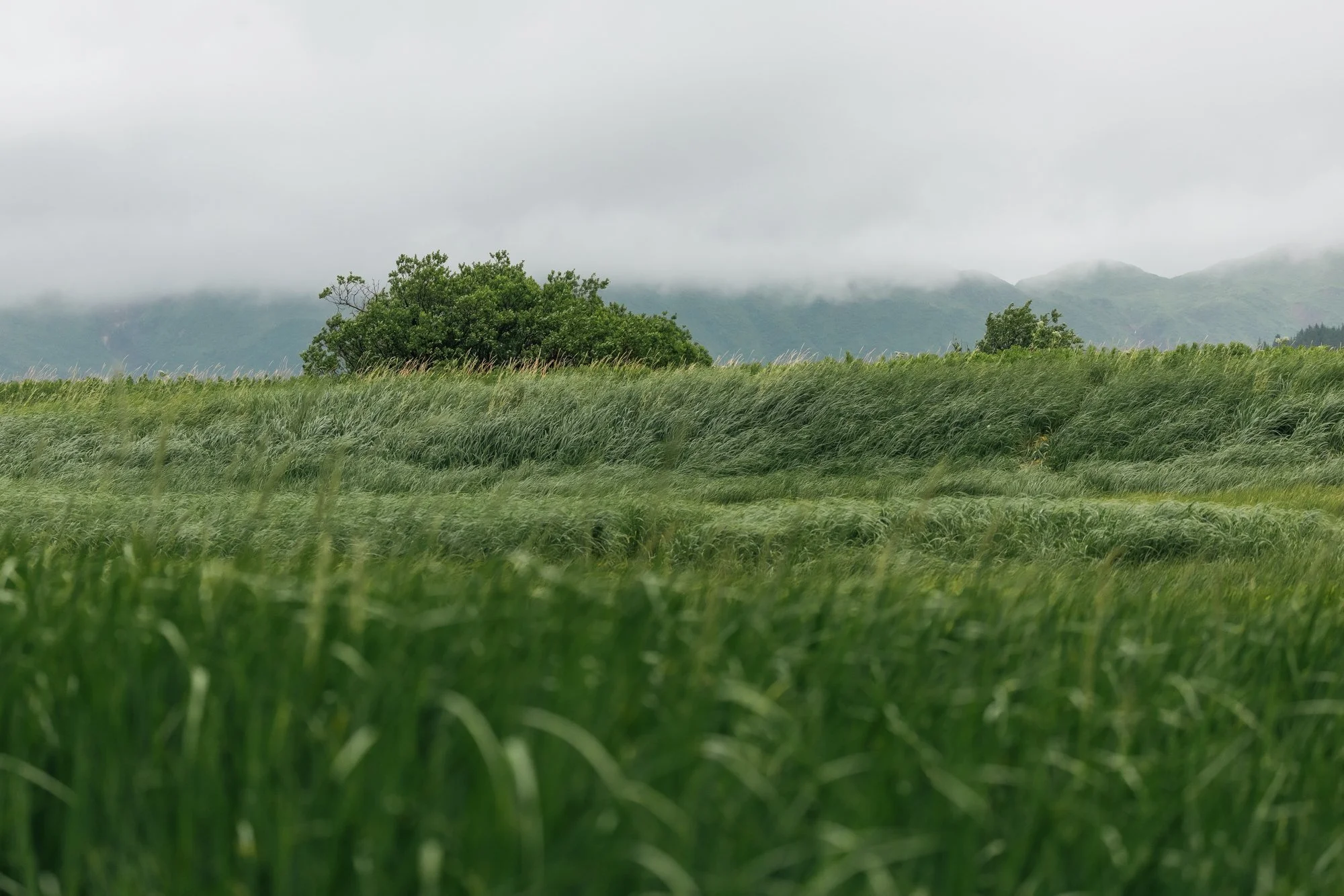
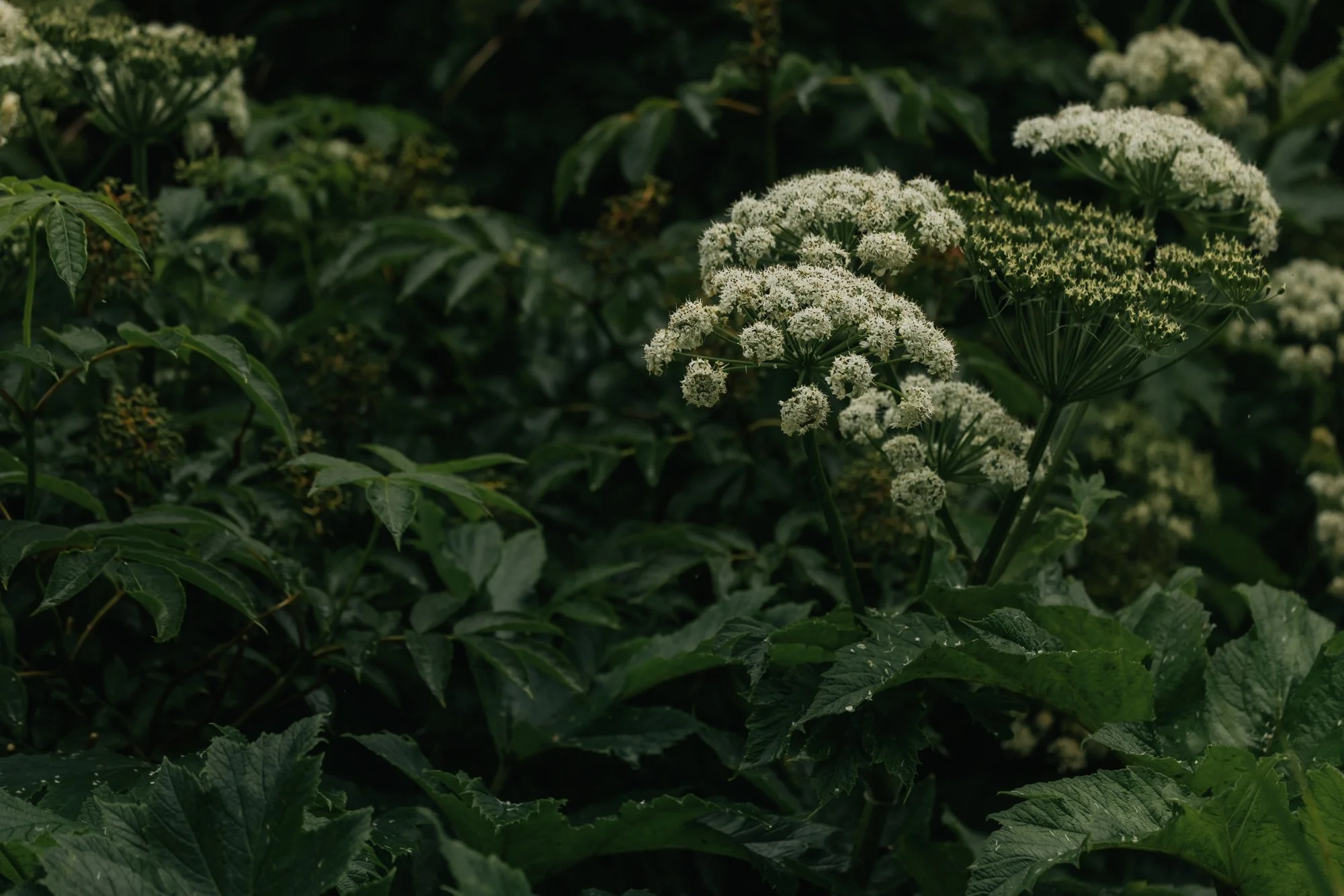
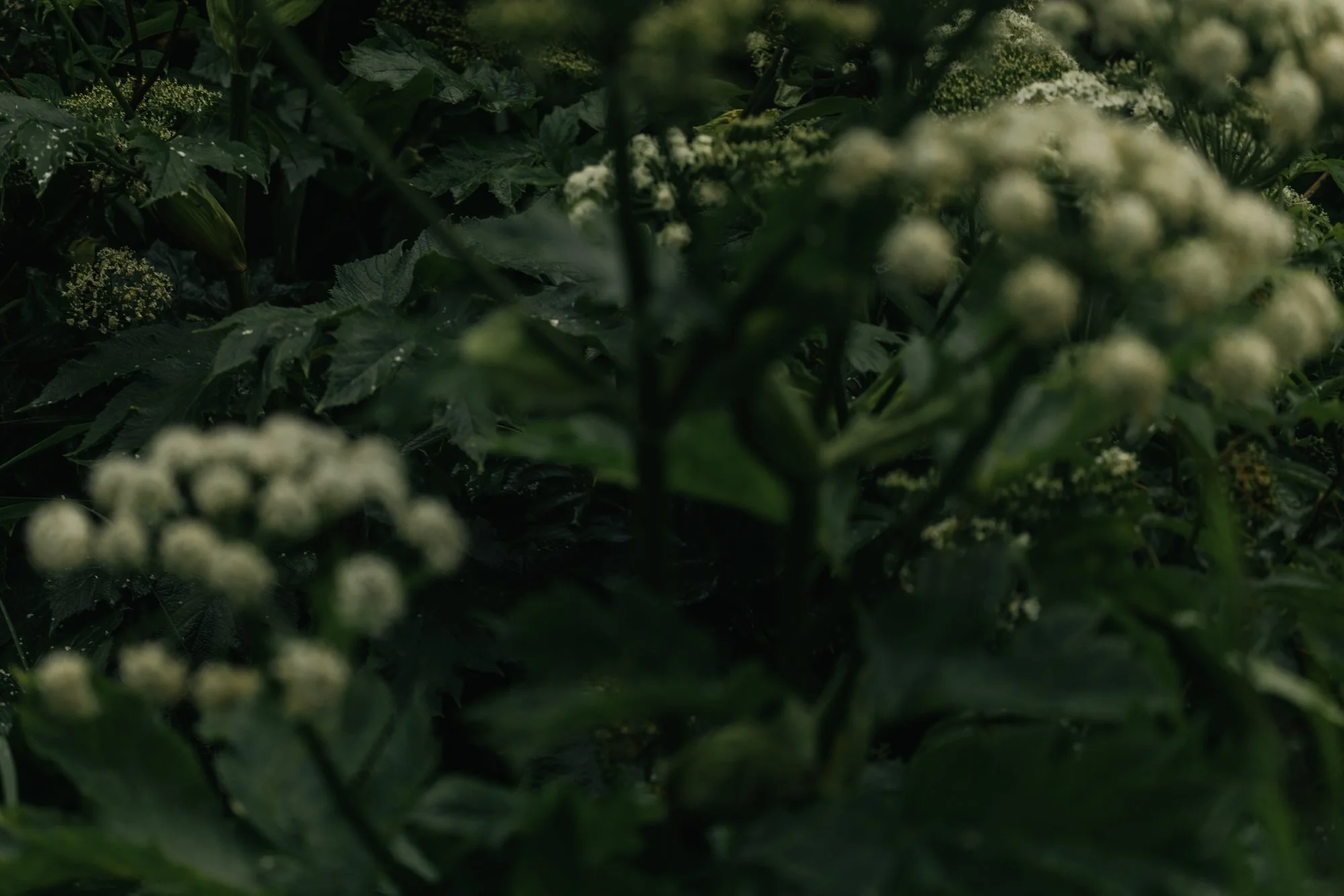
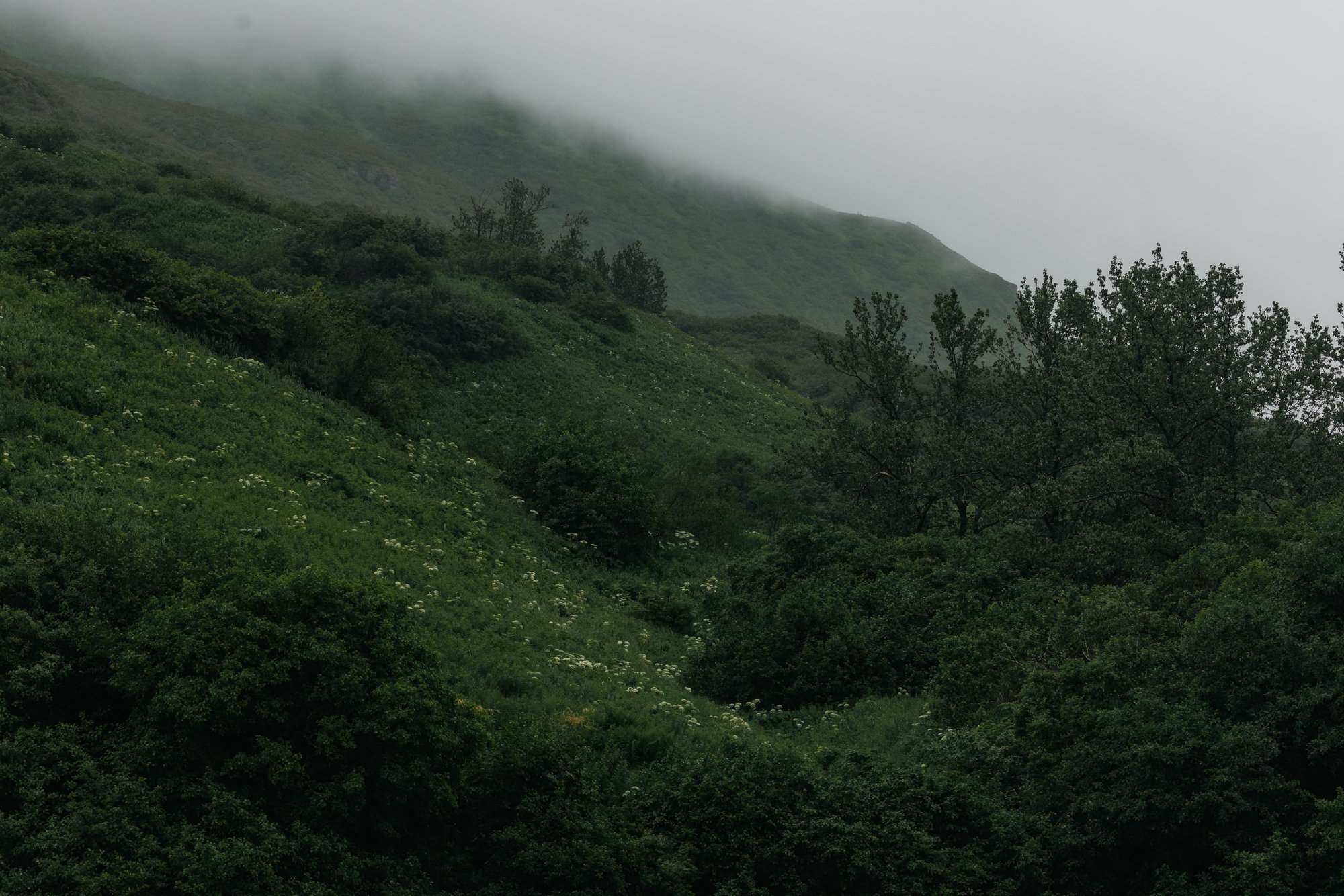
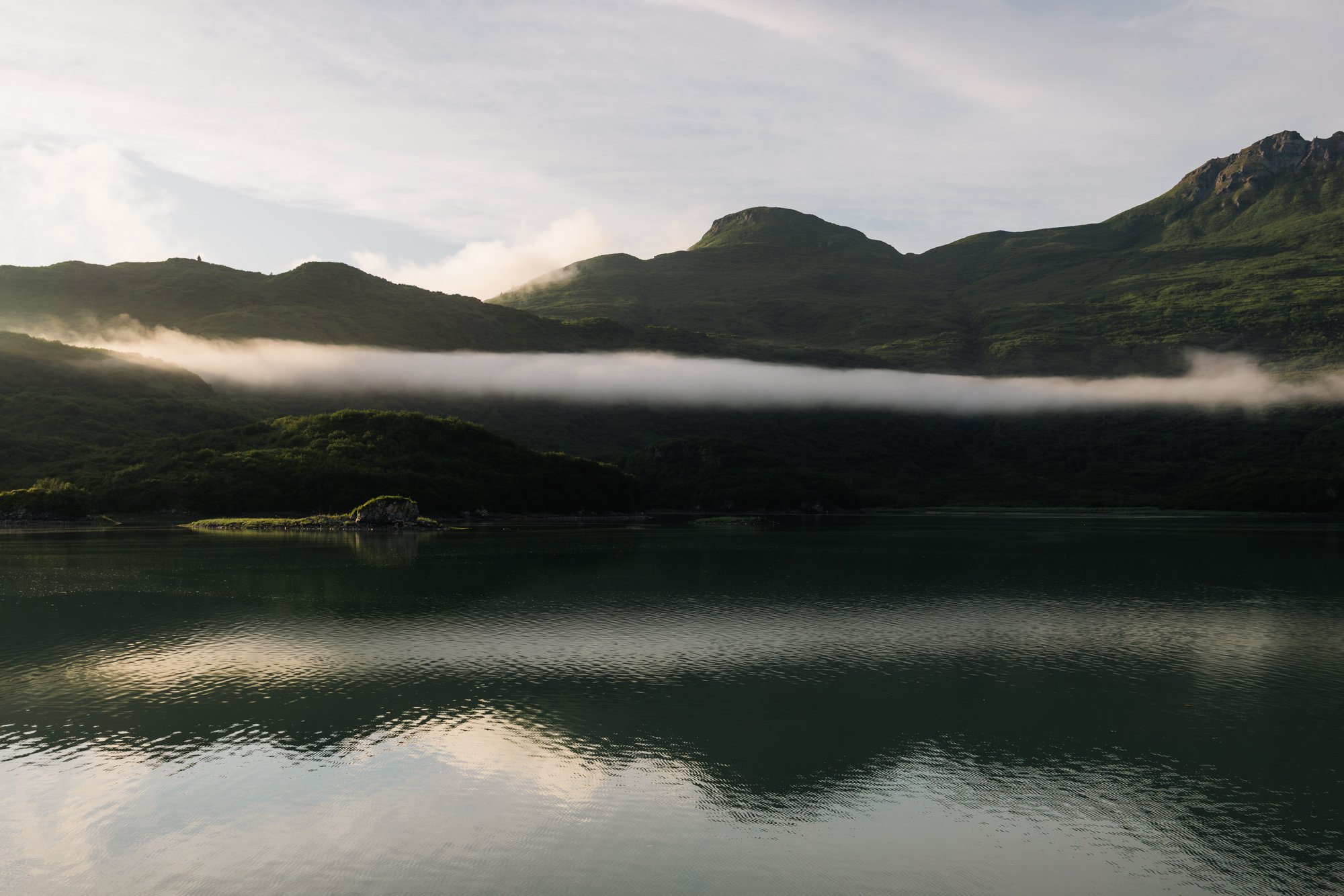
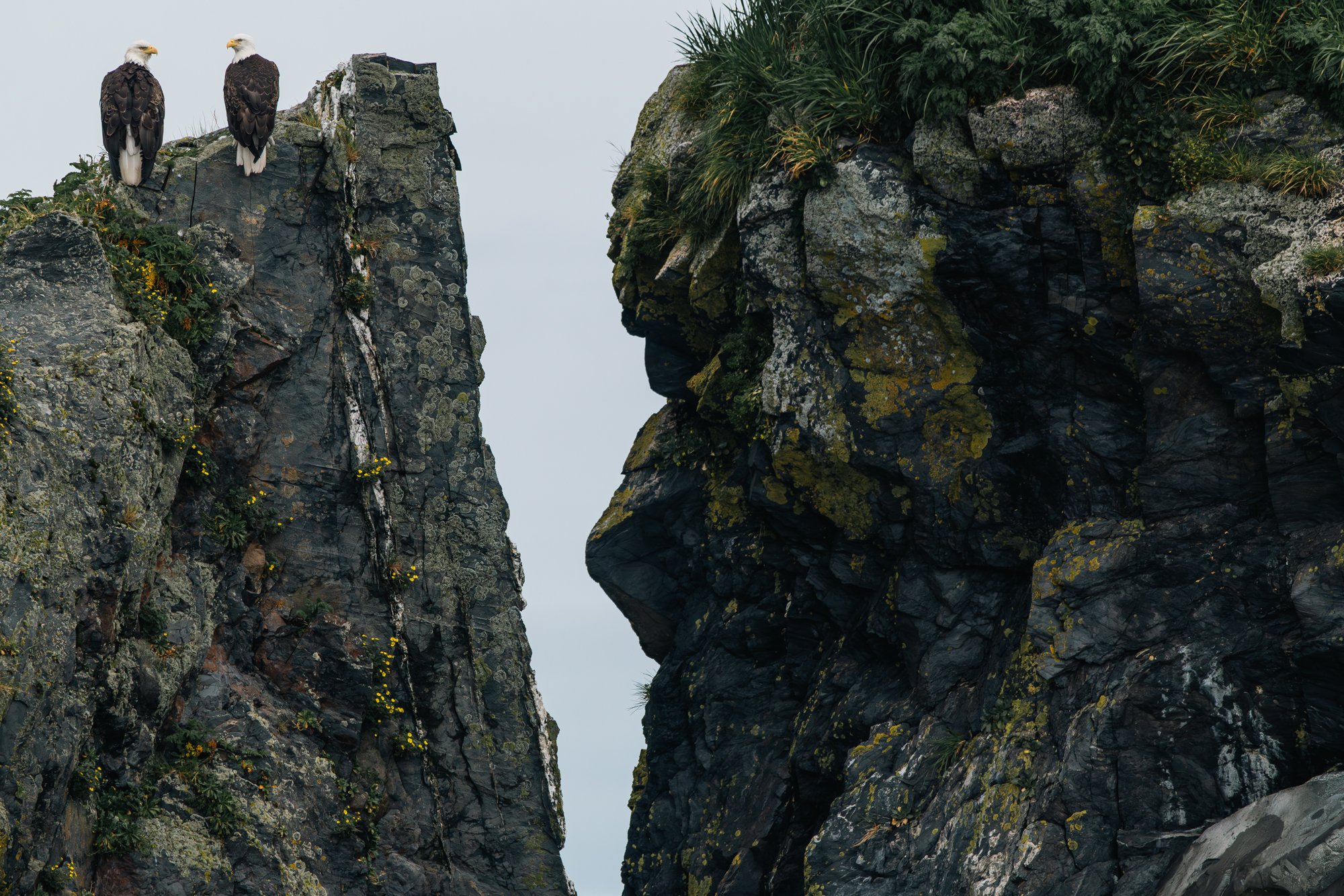
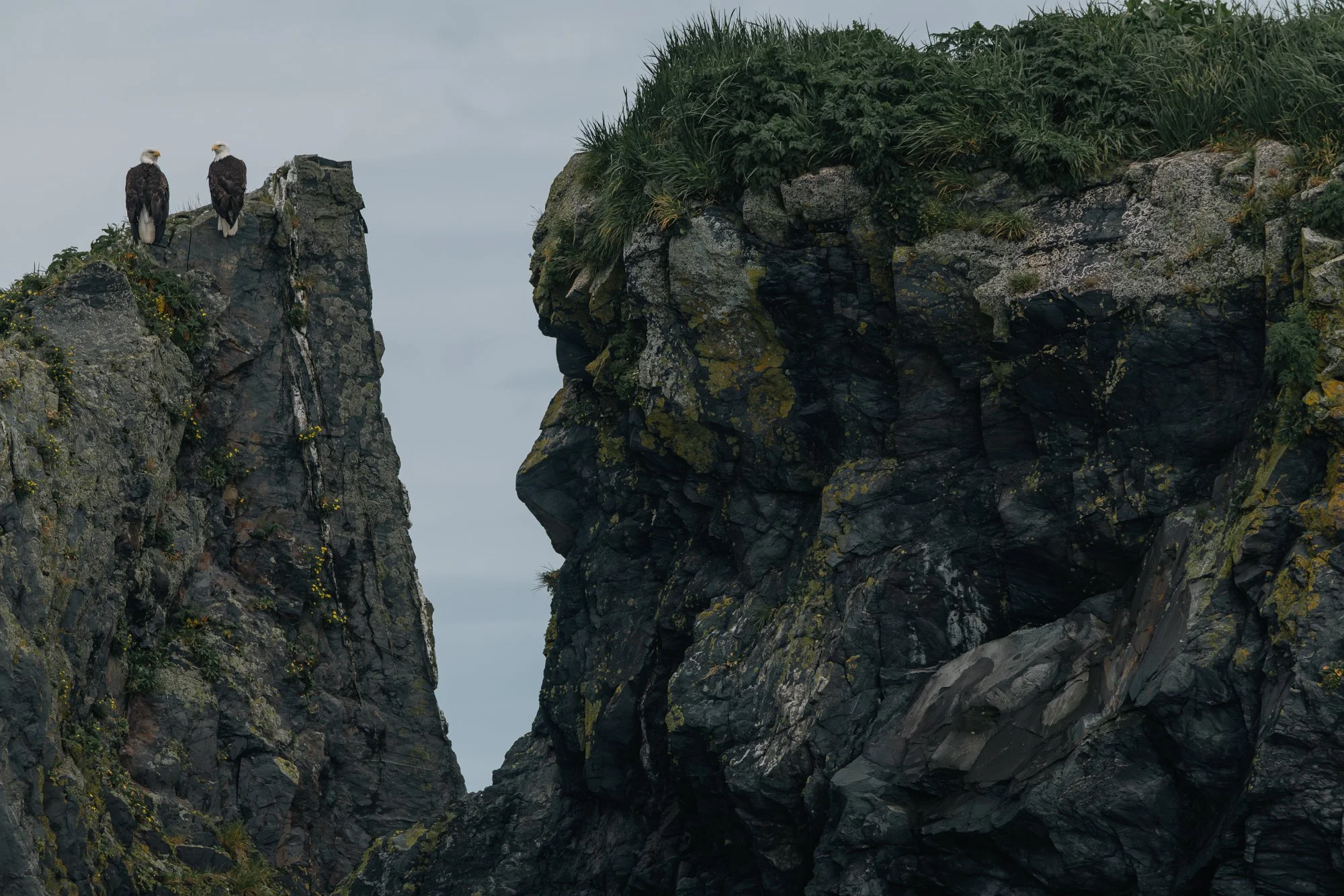
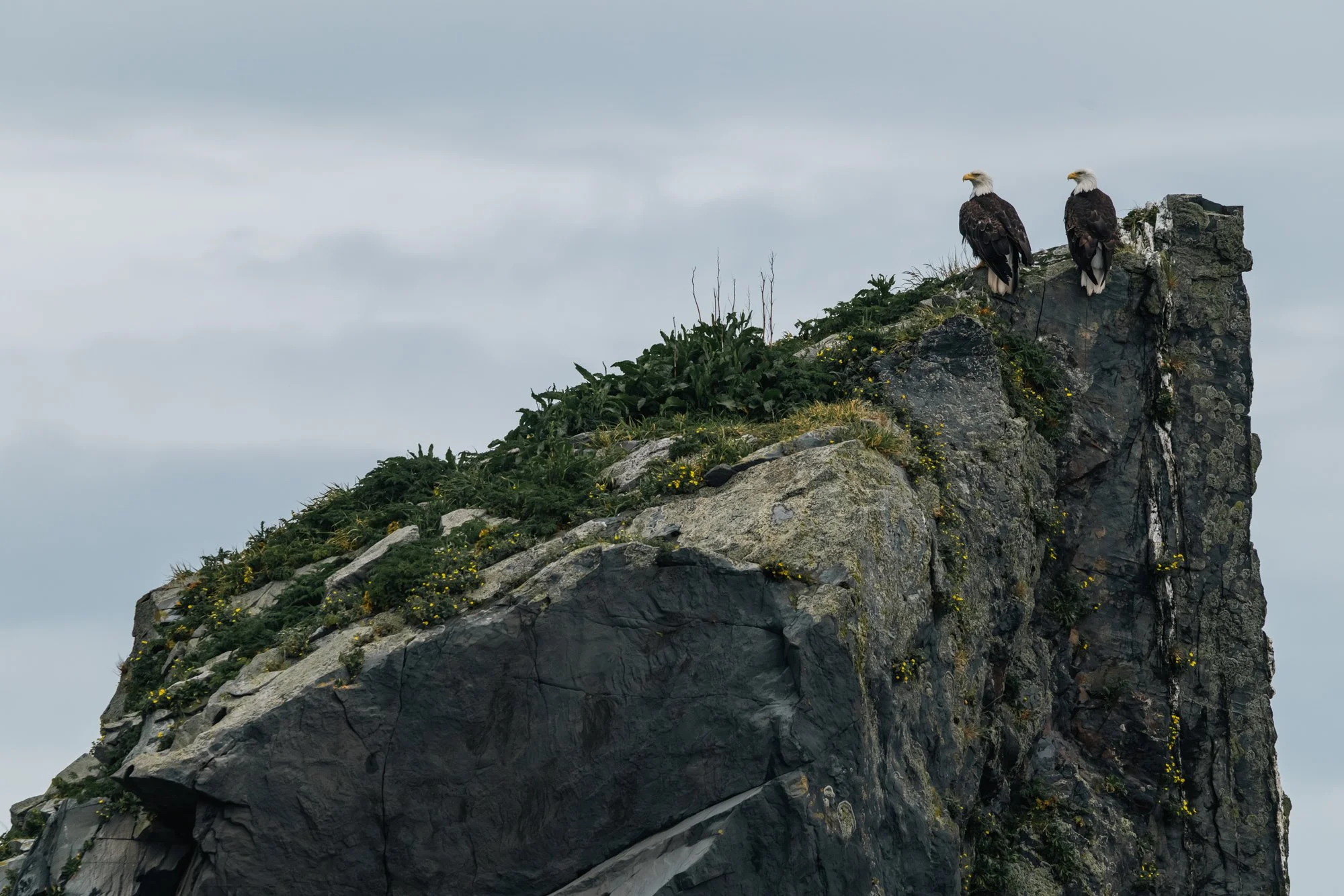
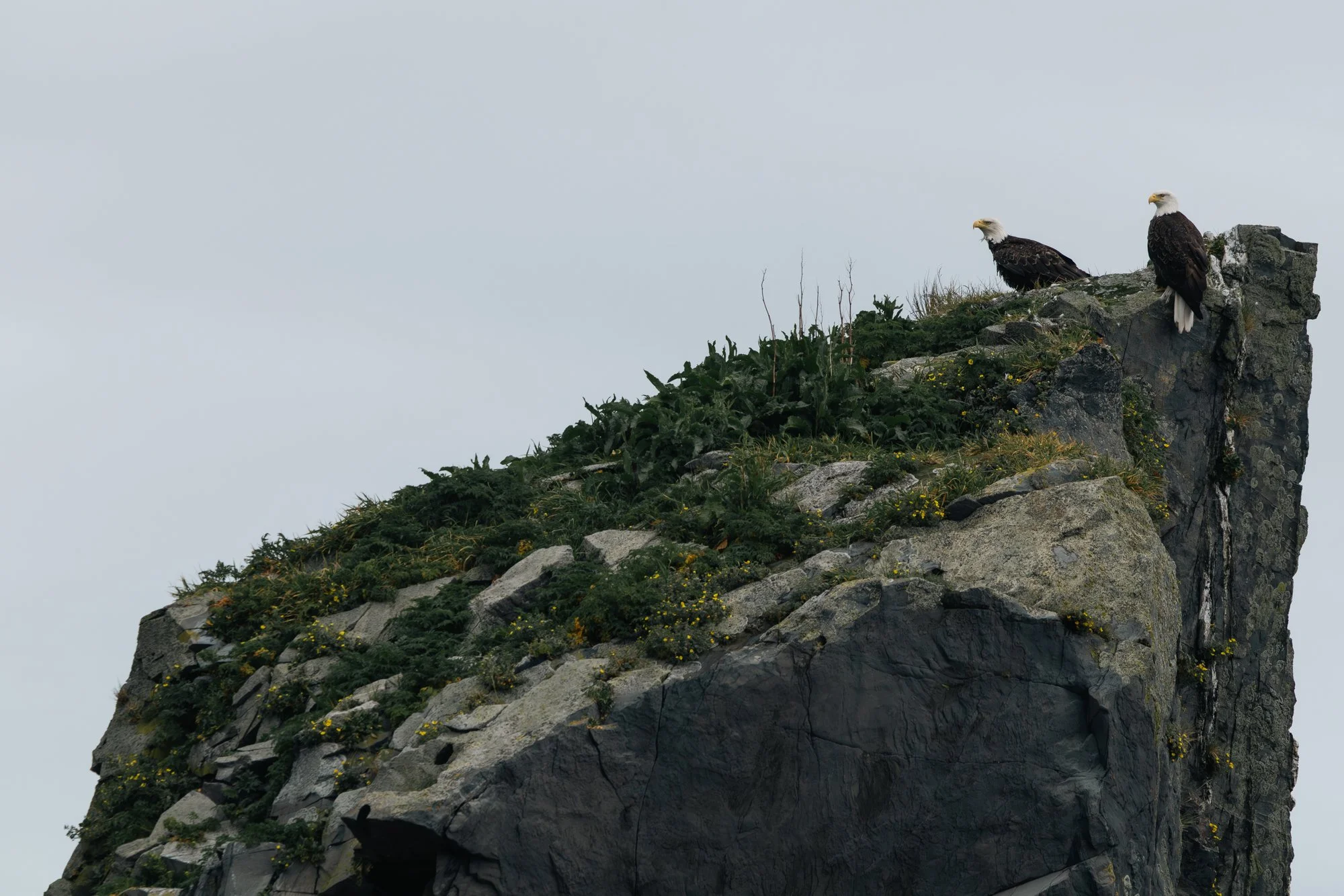
Our Journey
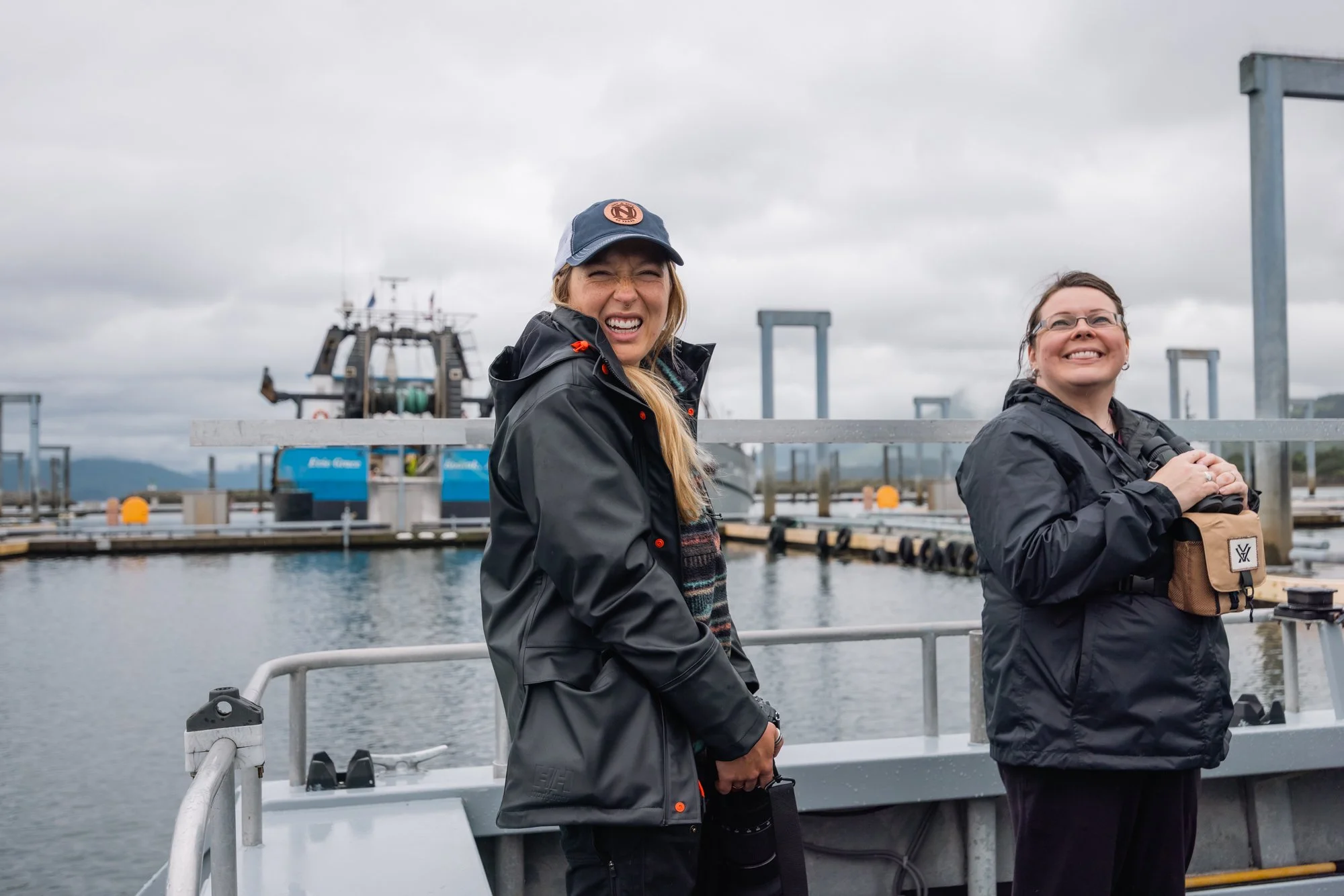
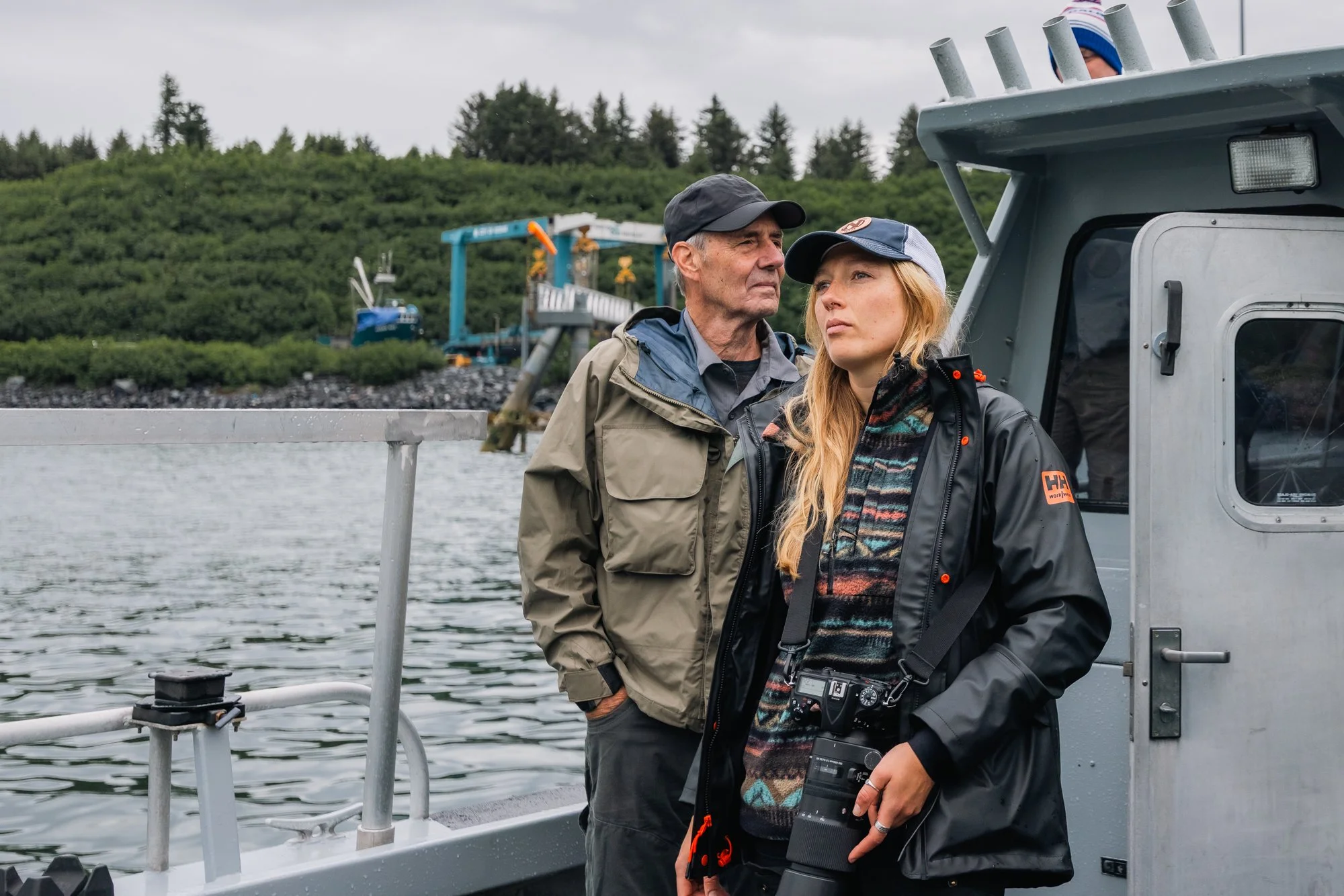
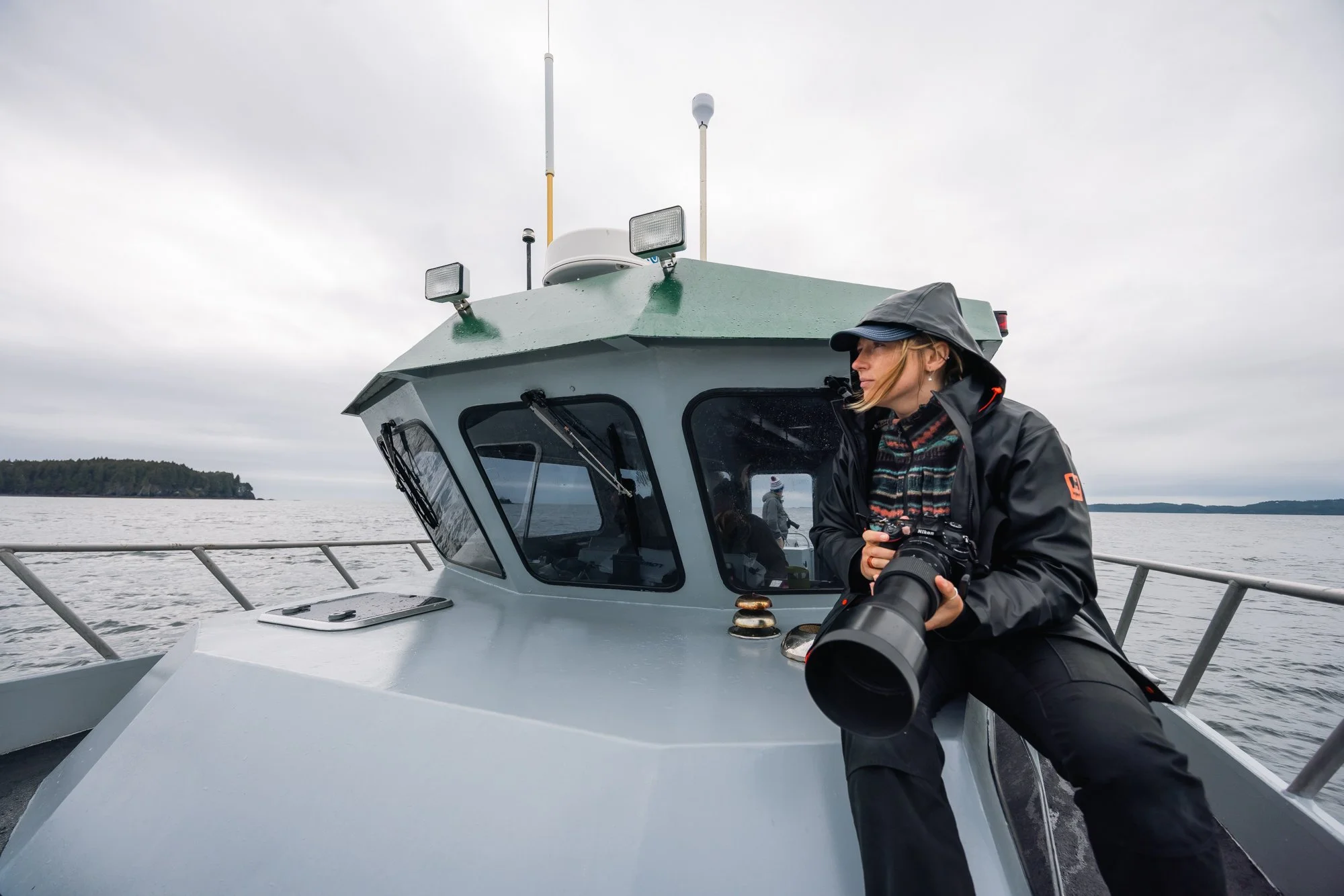
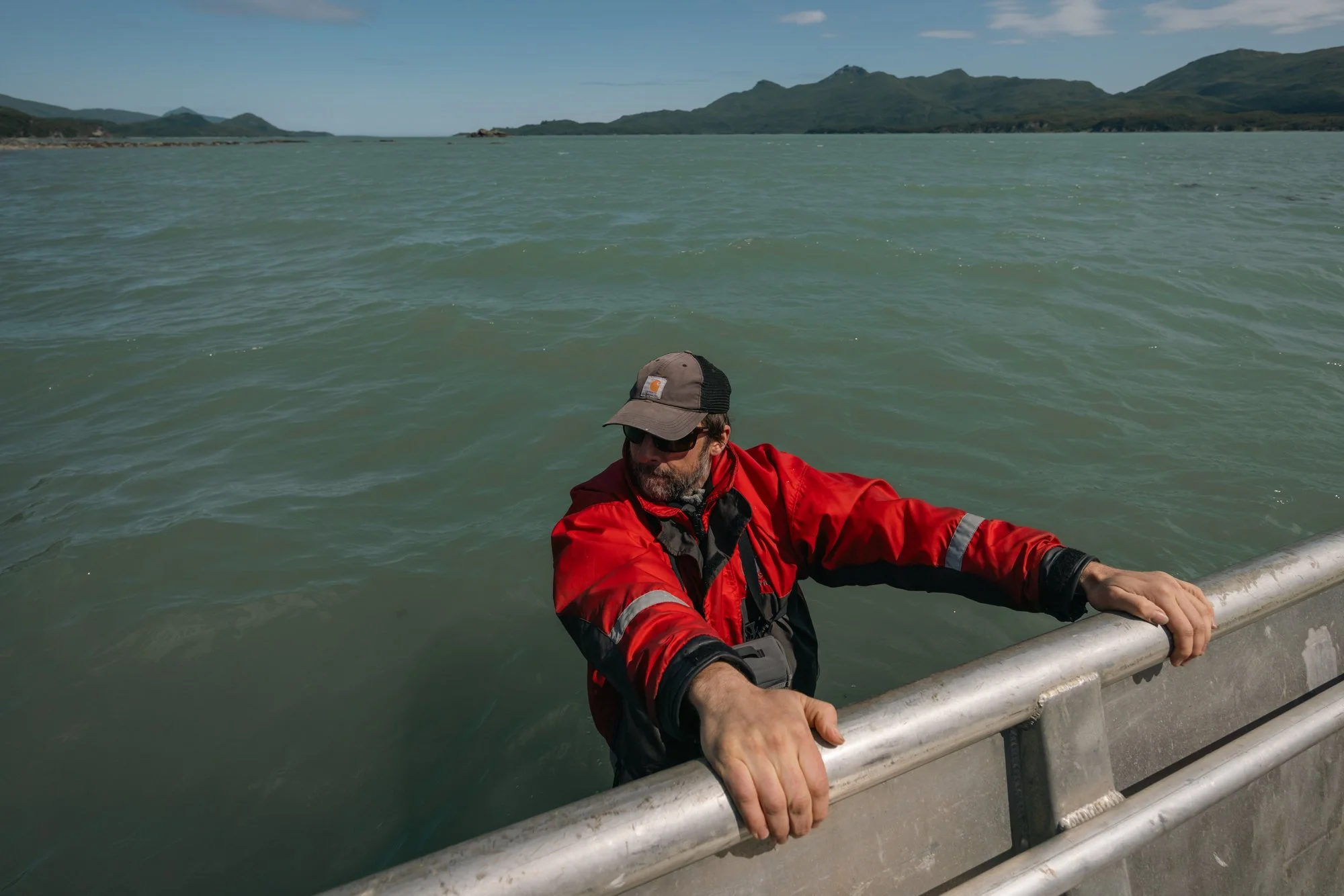
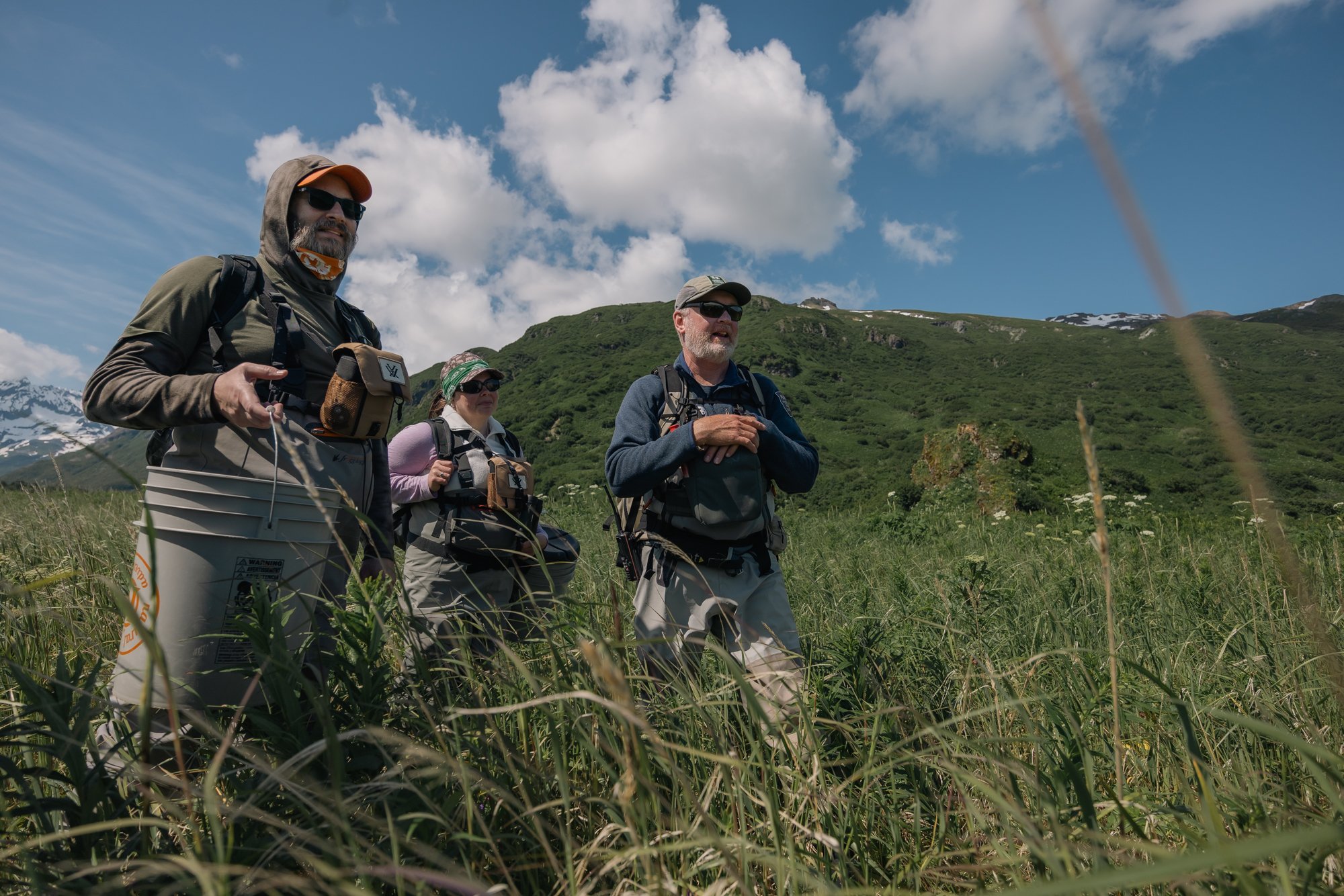
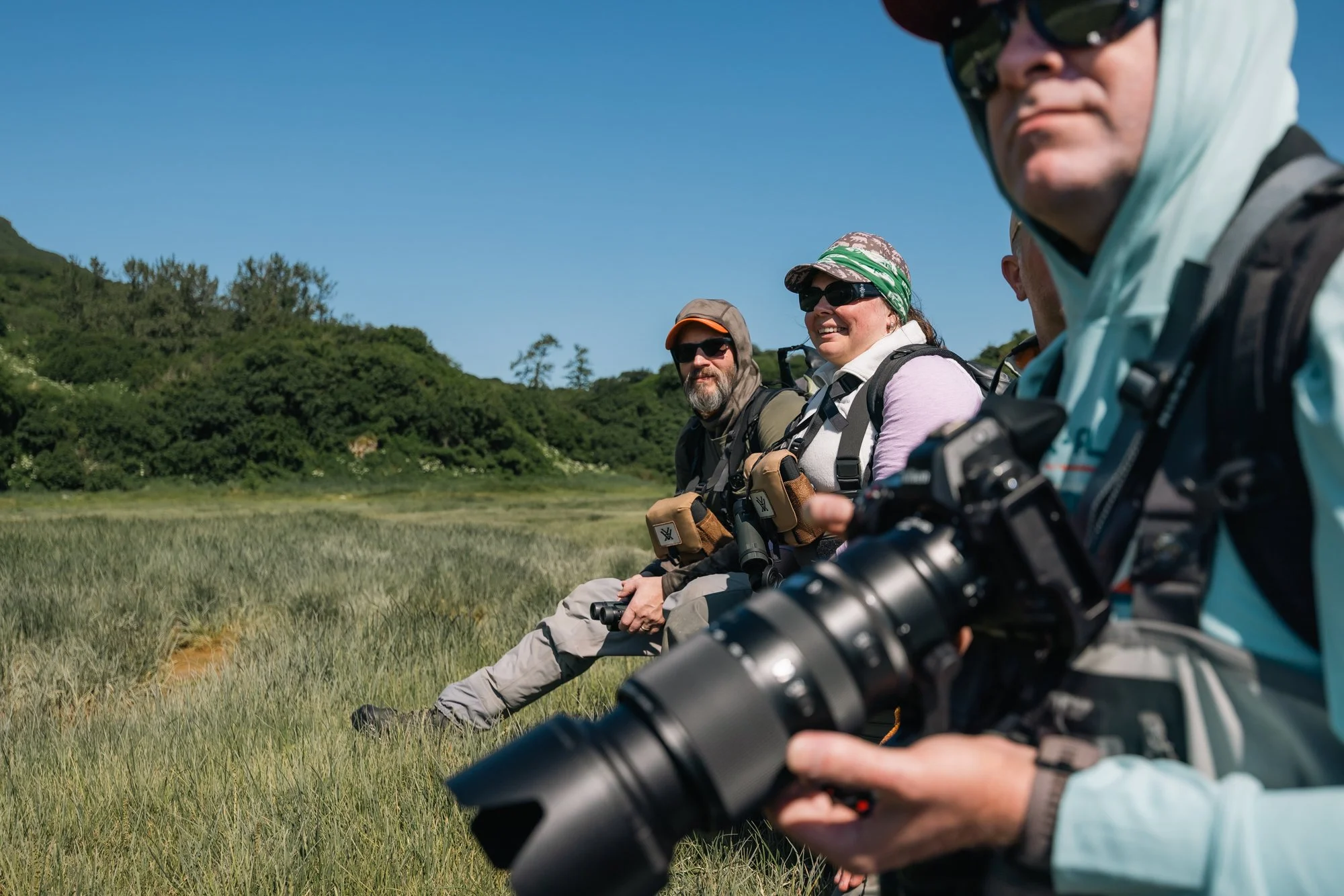
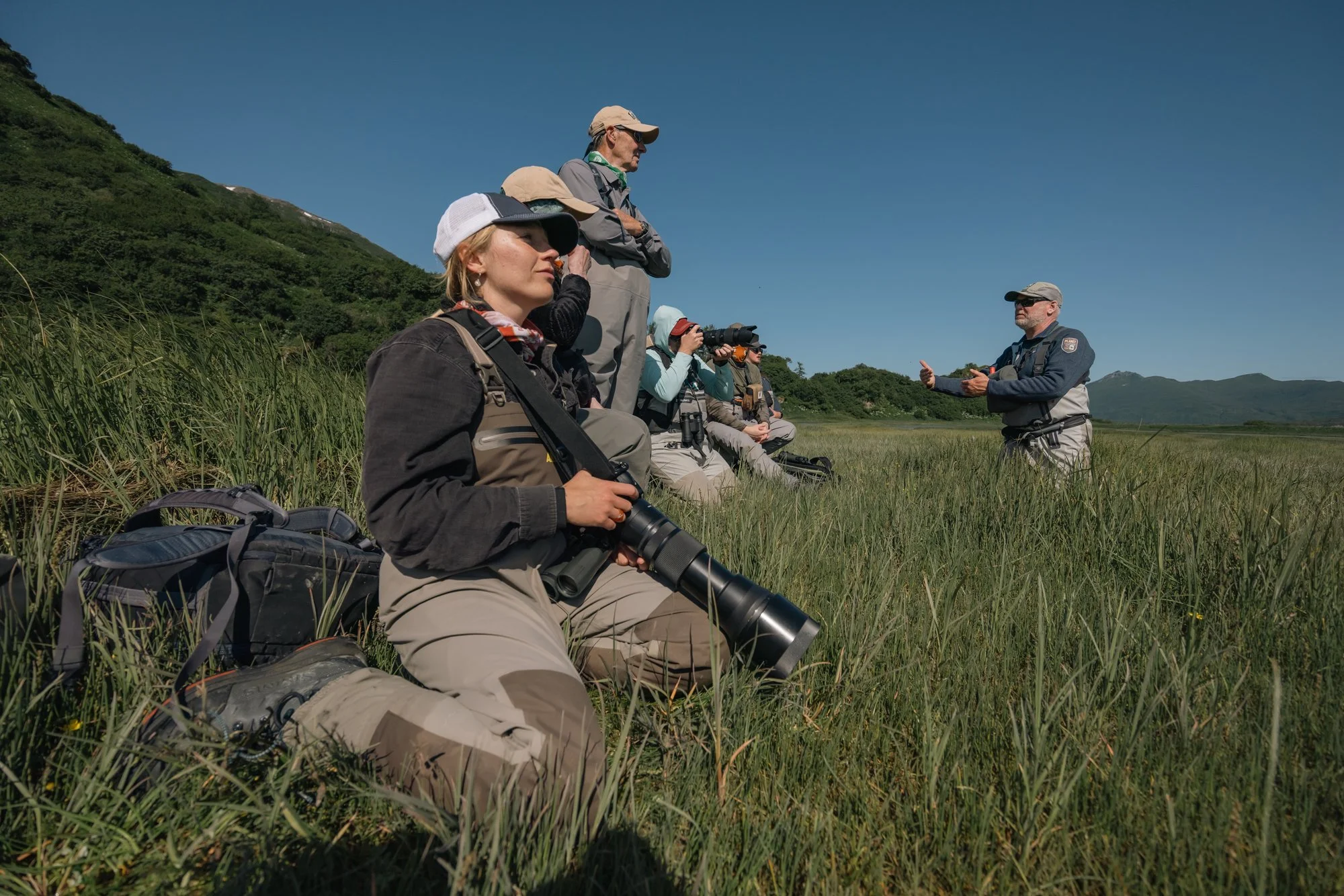
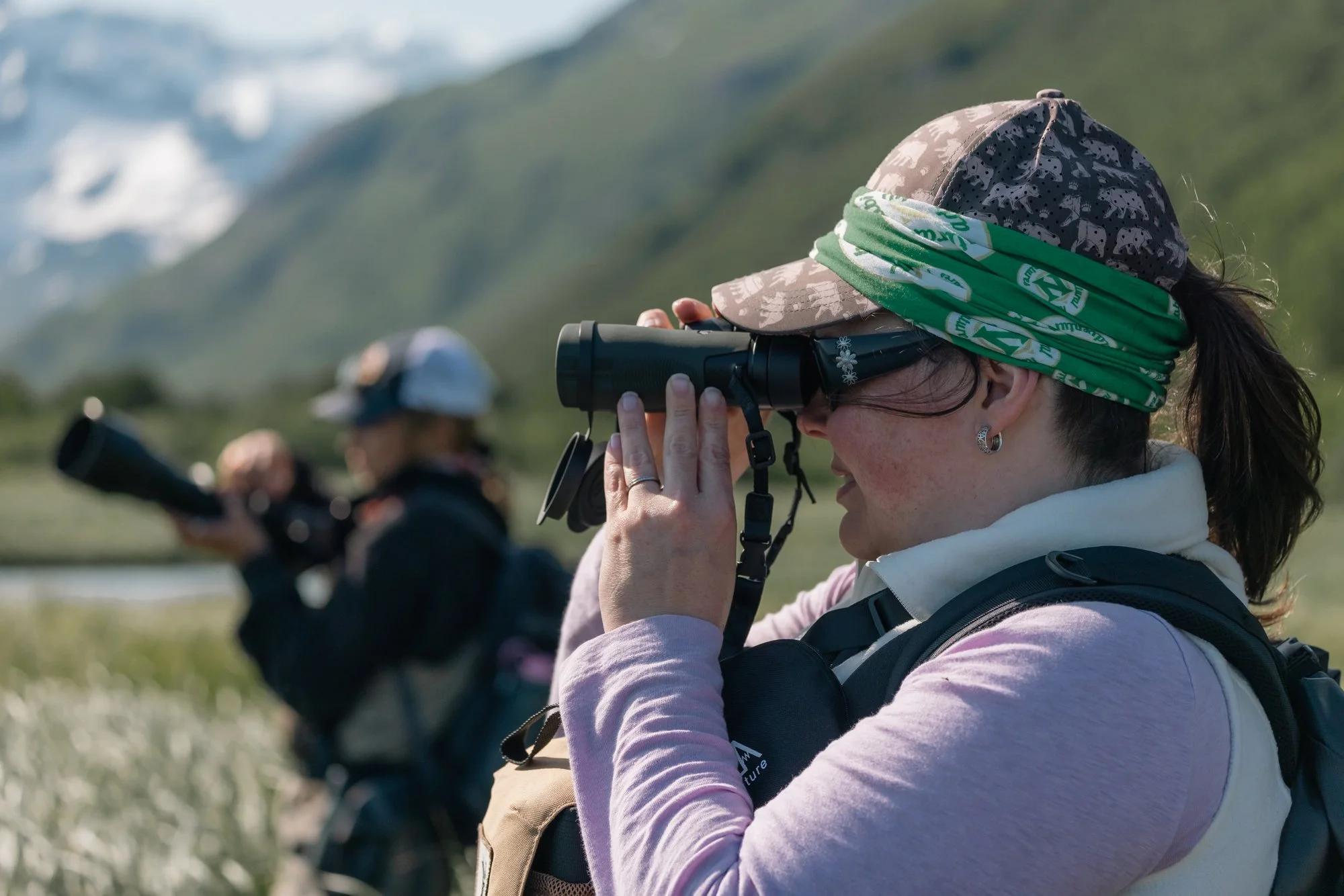
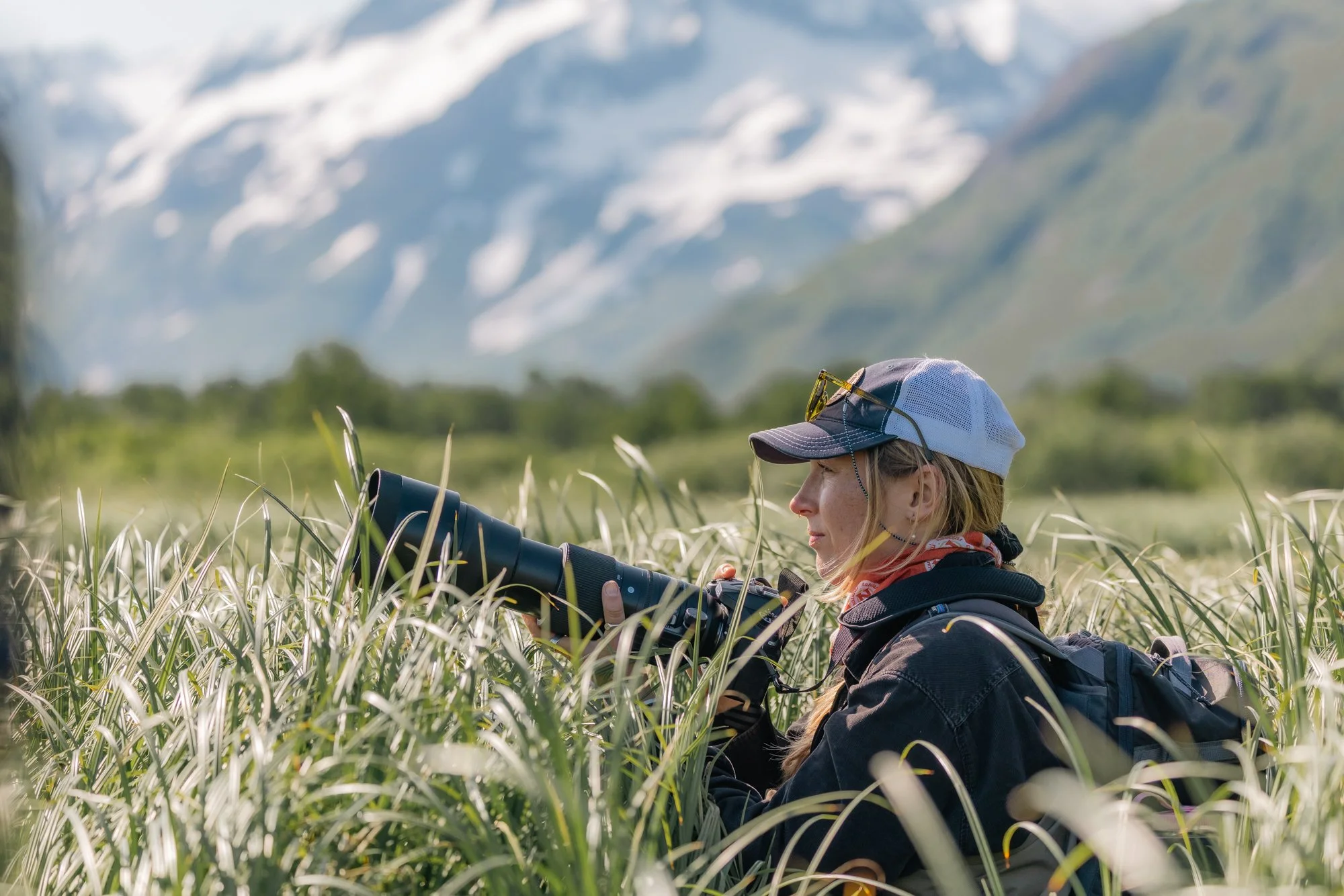
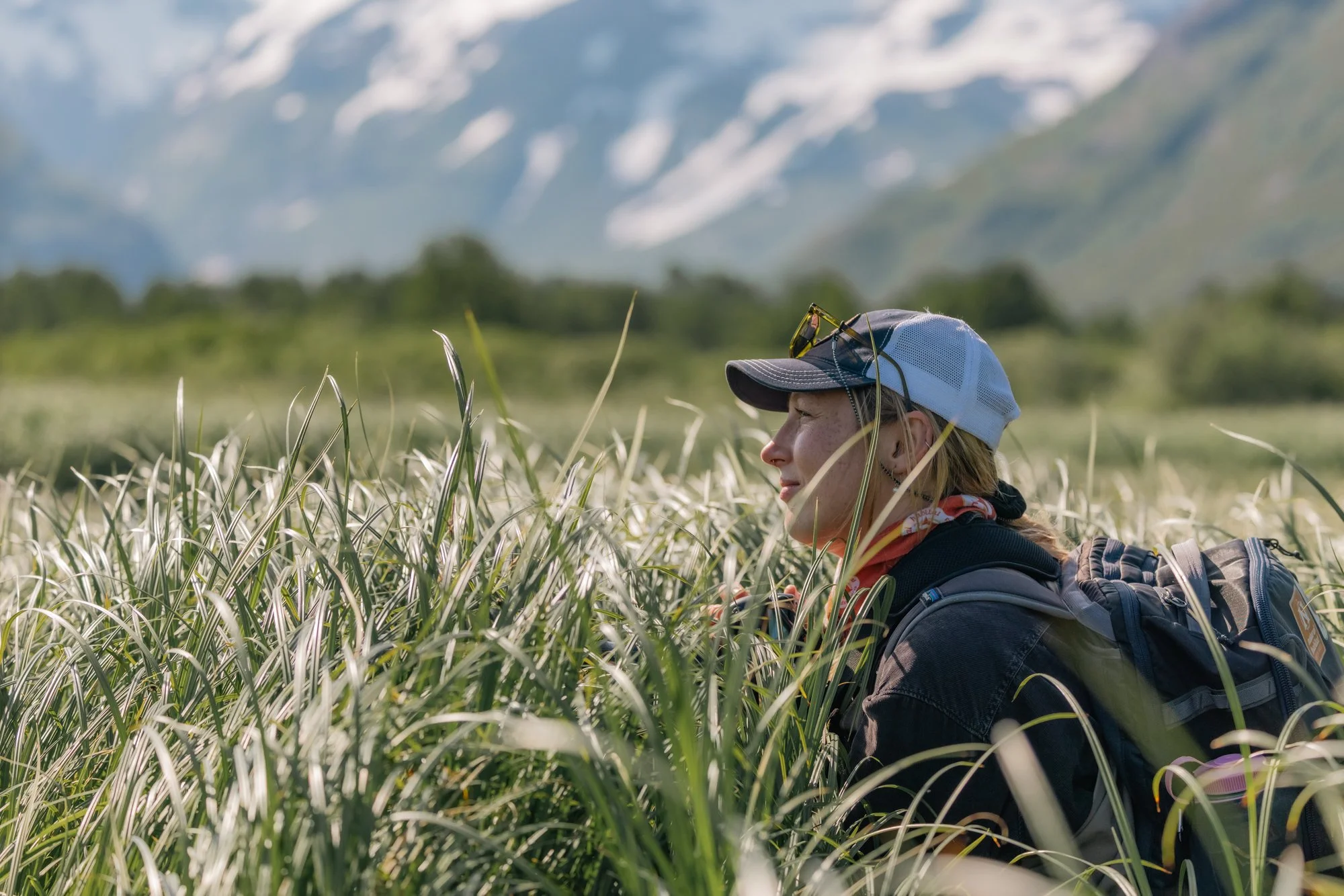
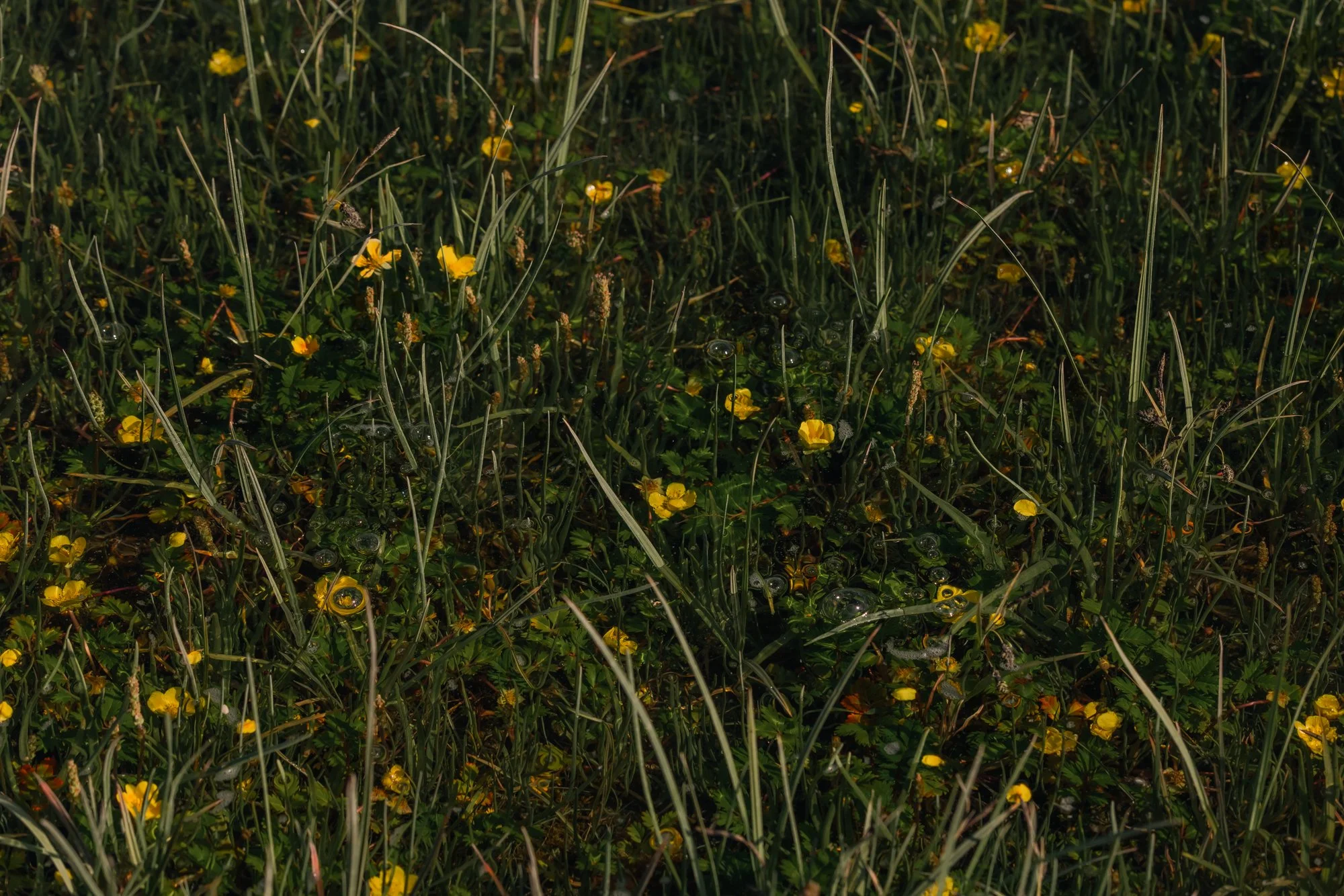
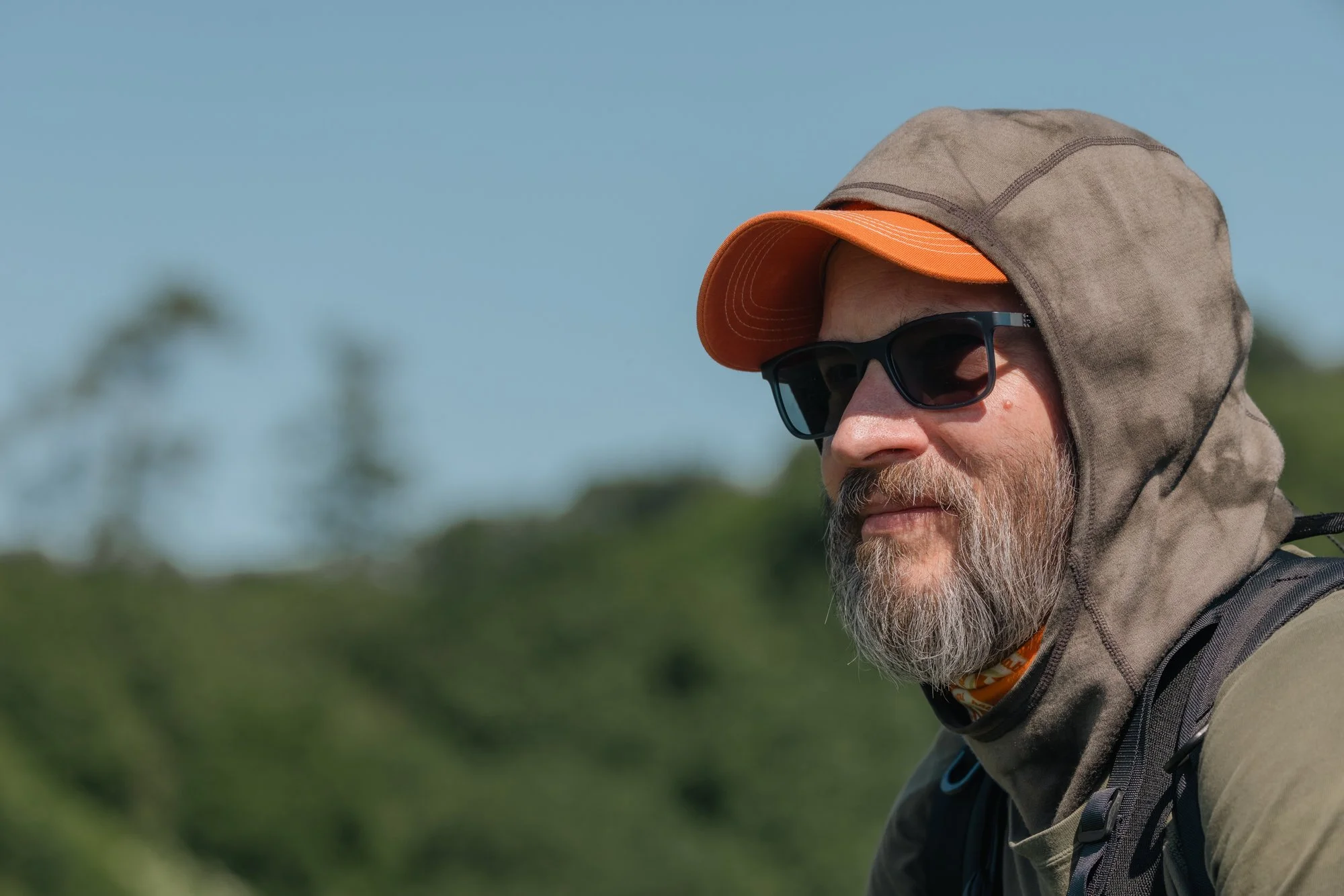
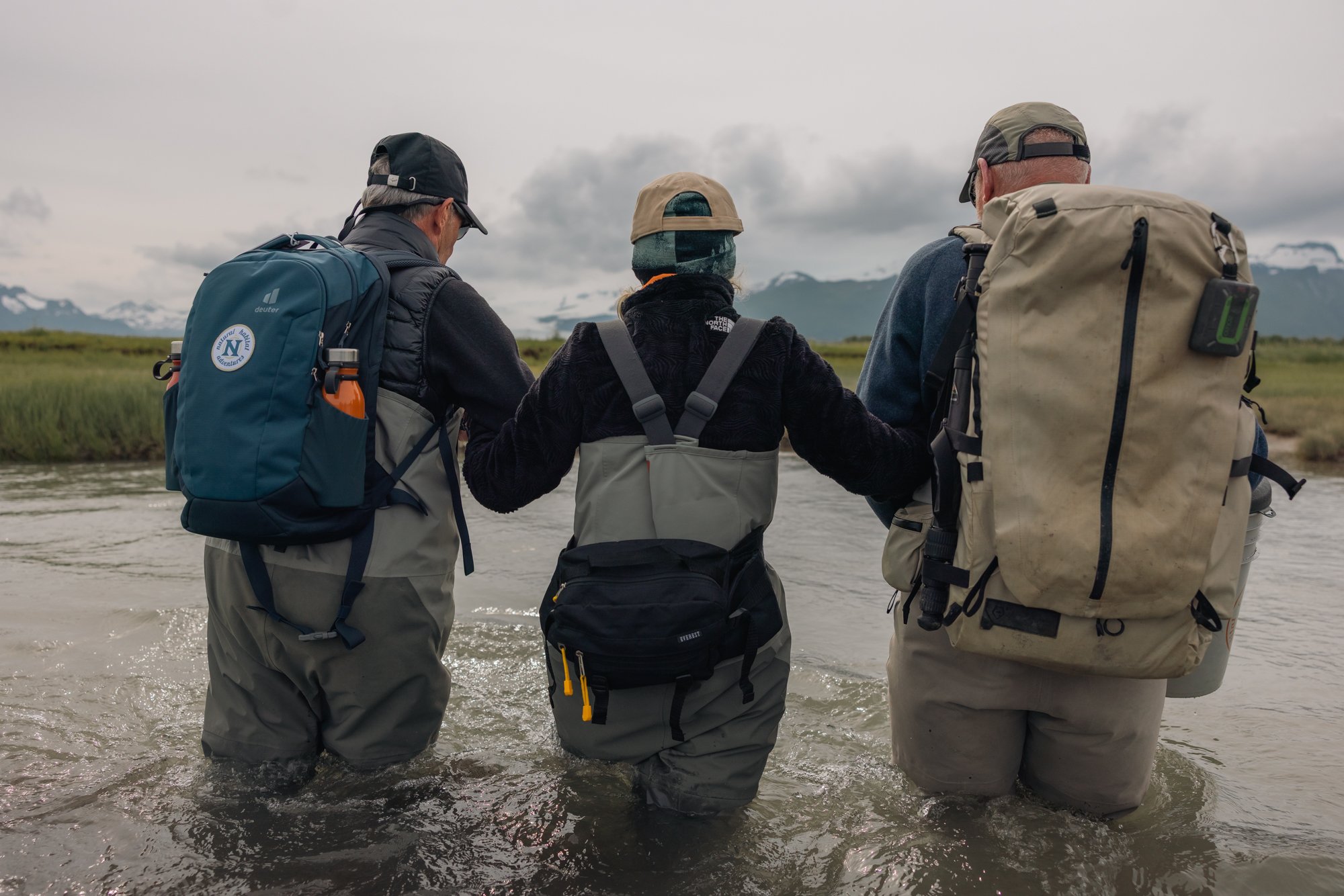
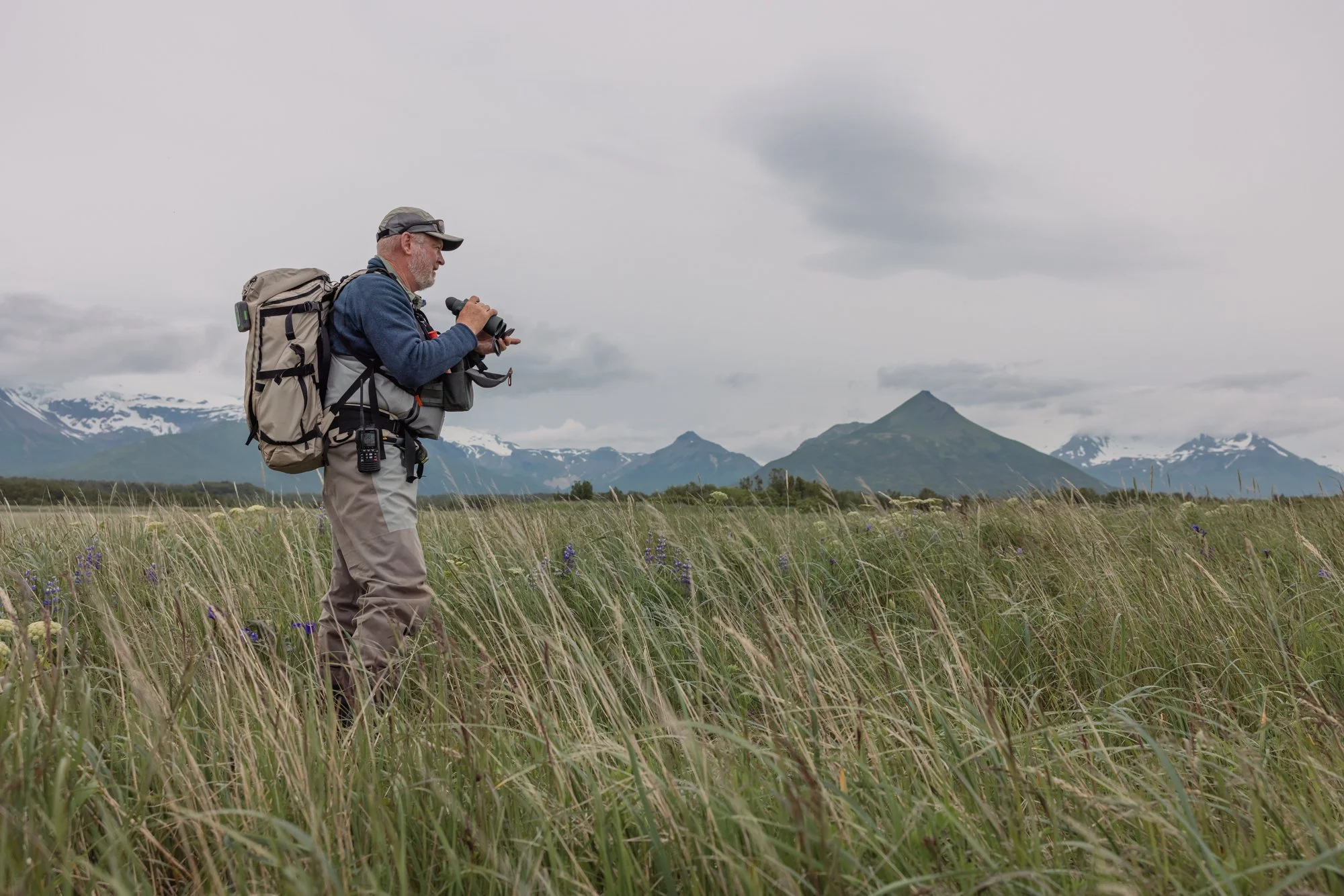
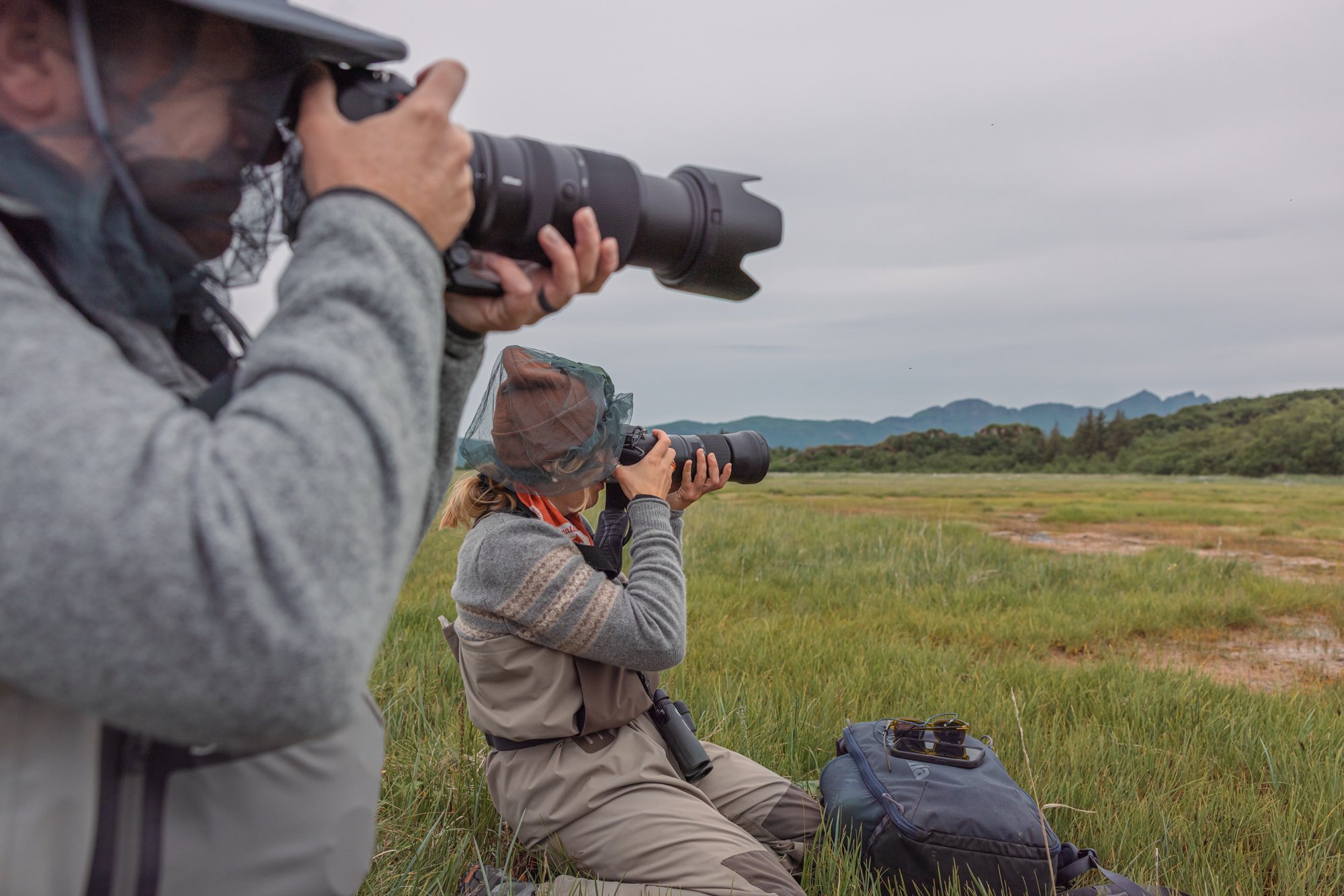
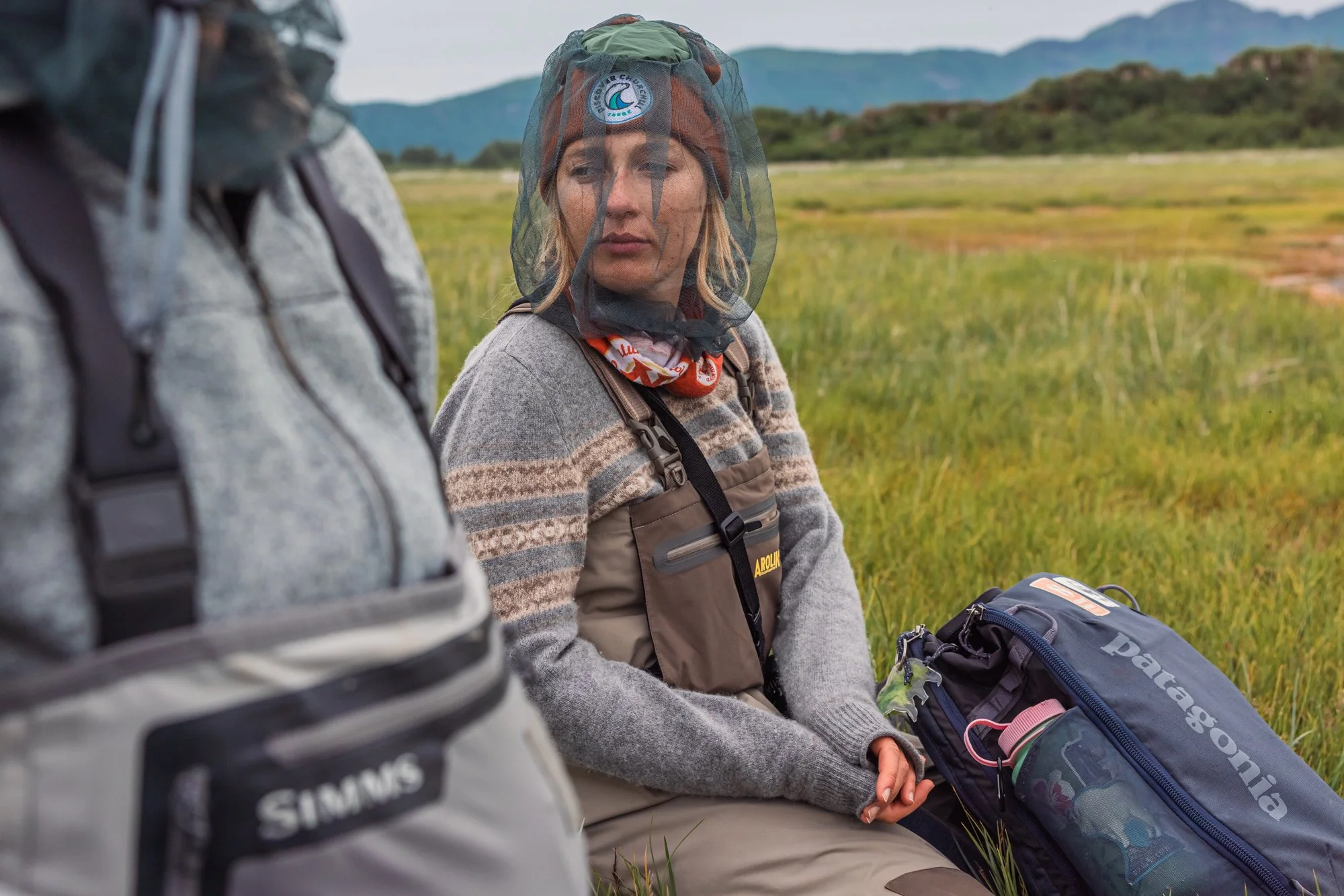
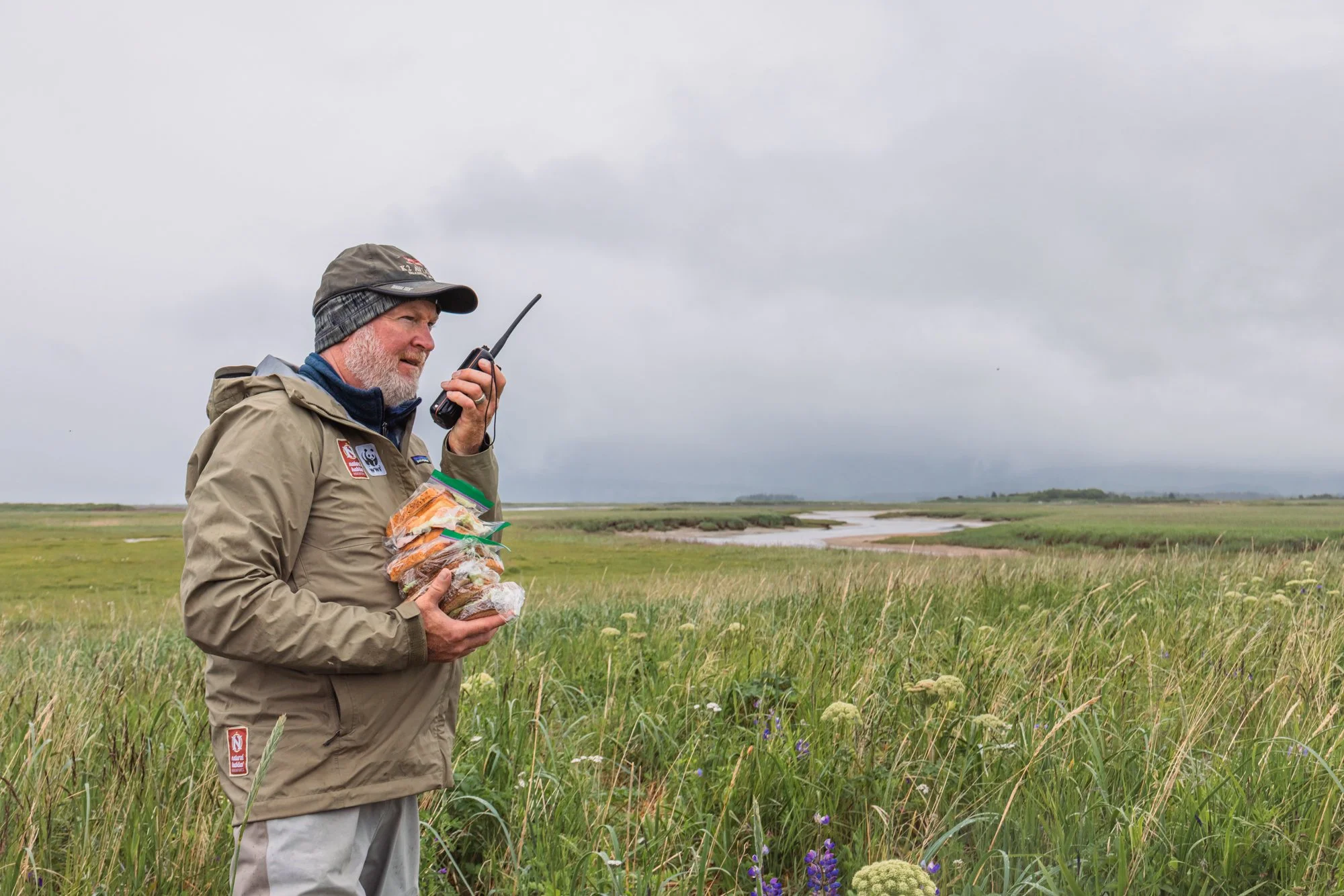
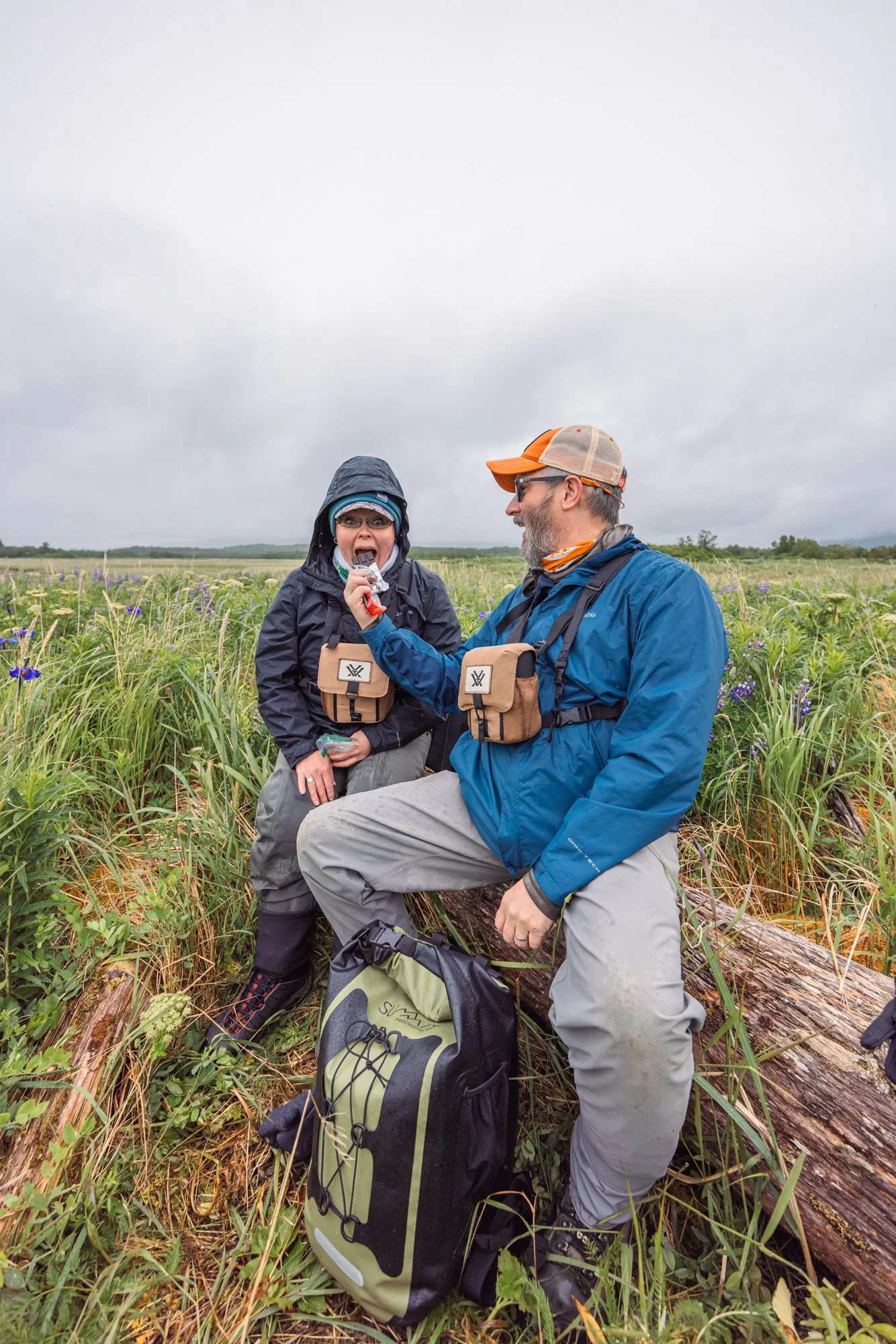
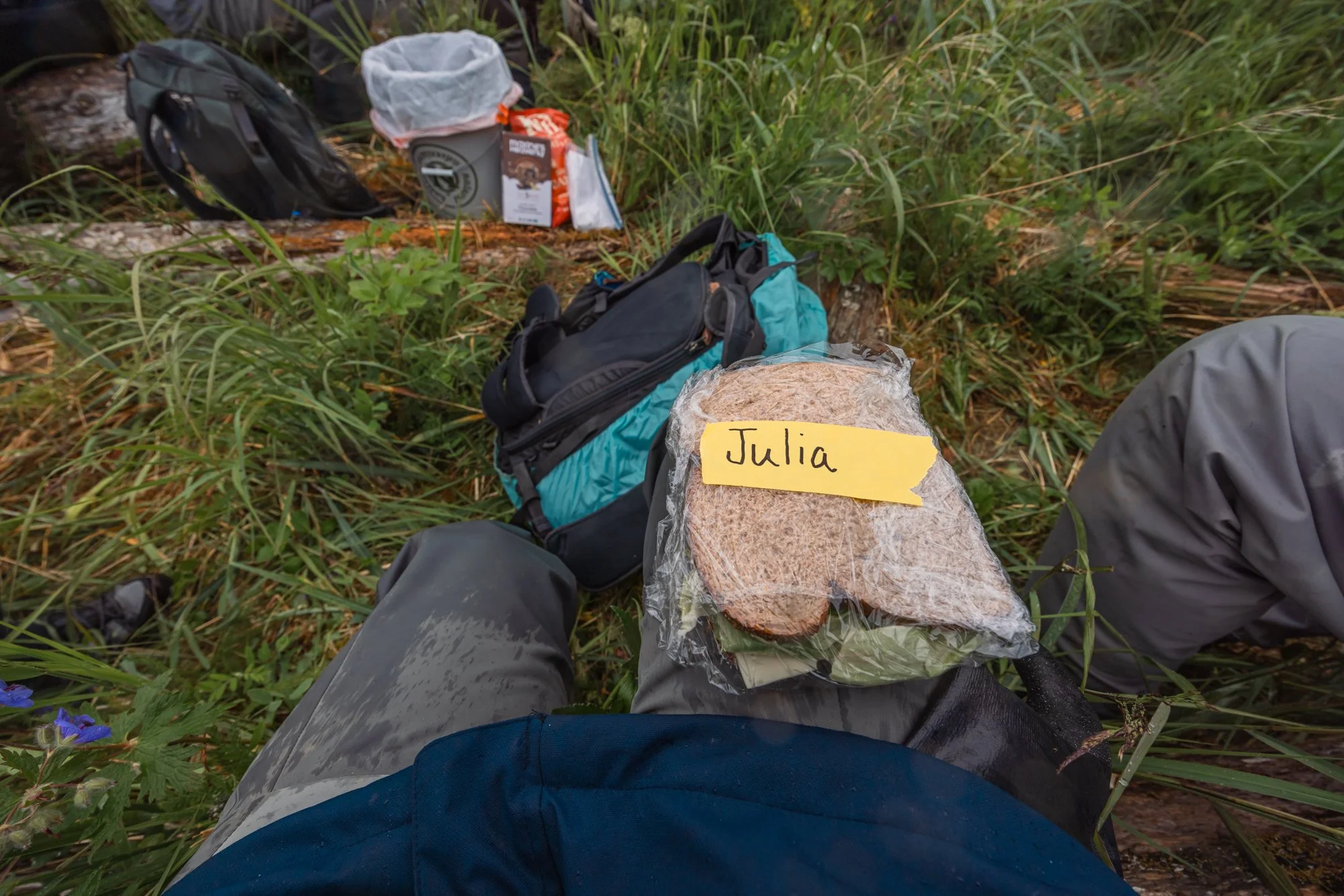
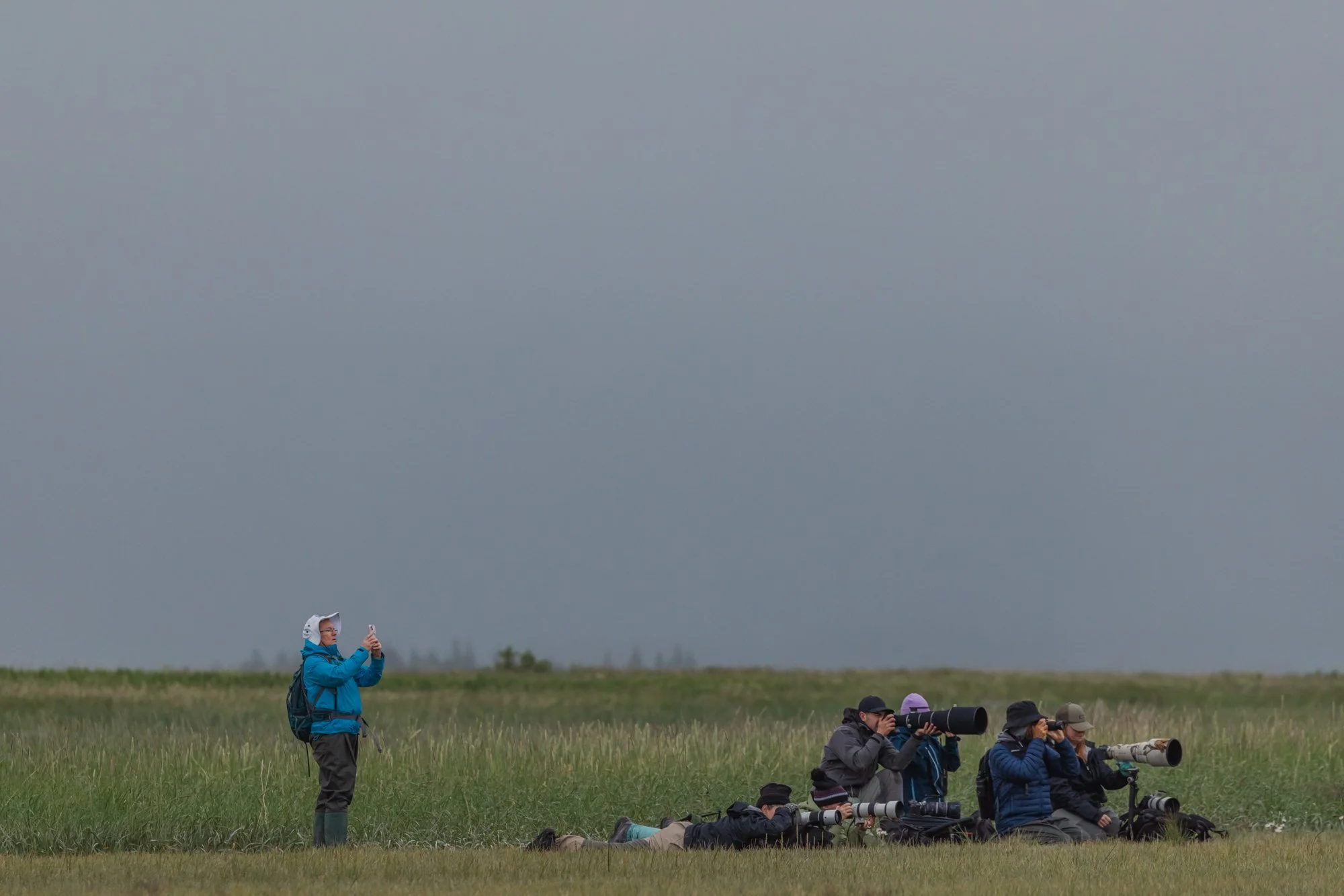
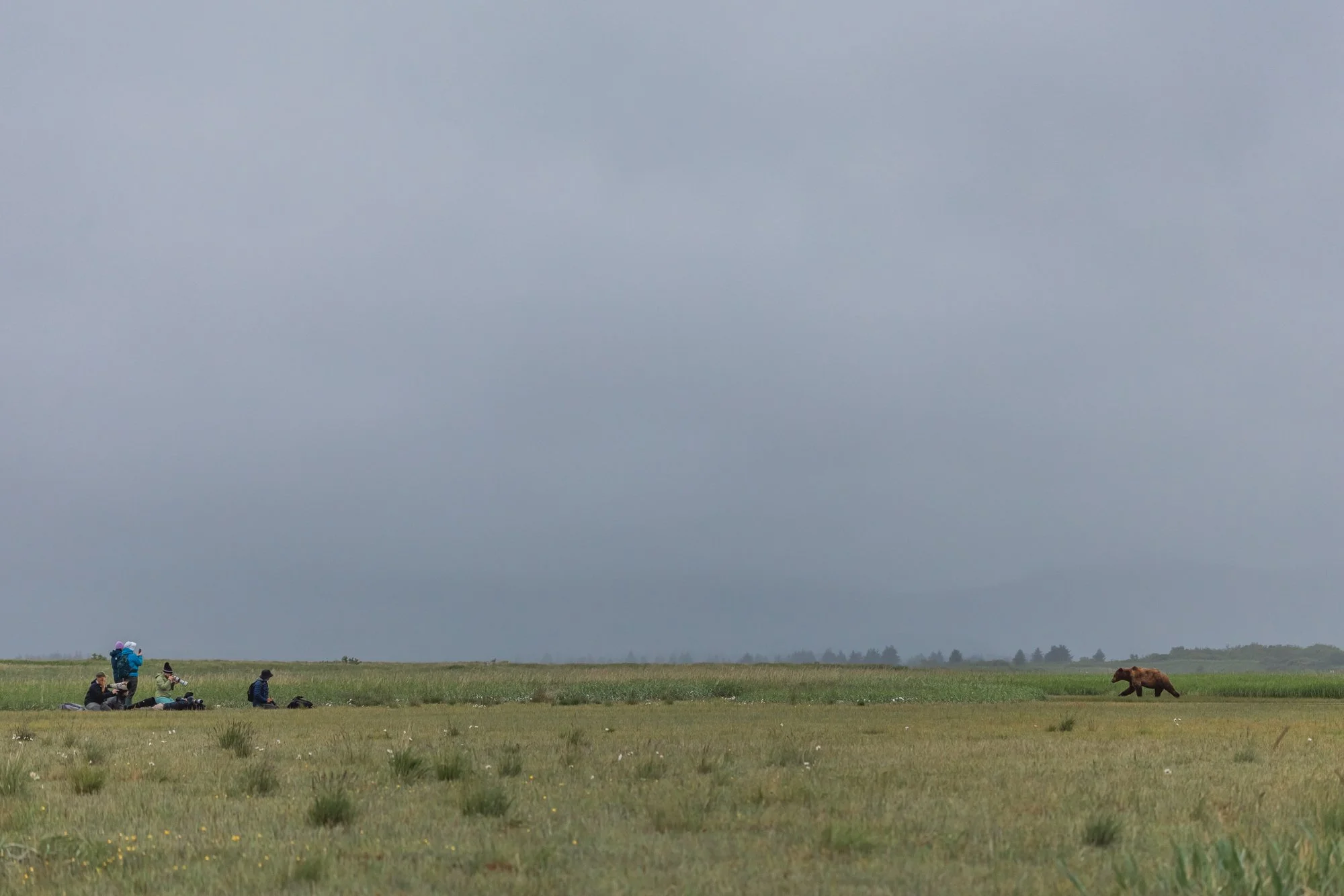
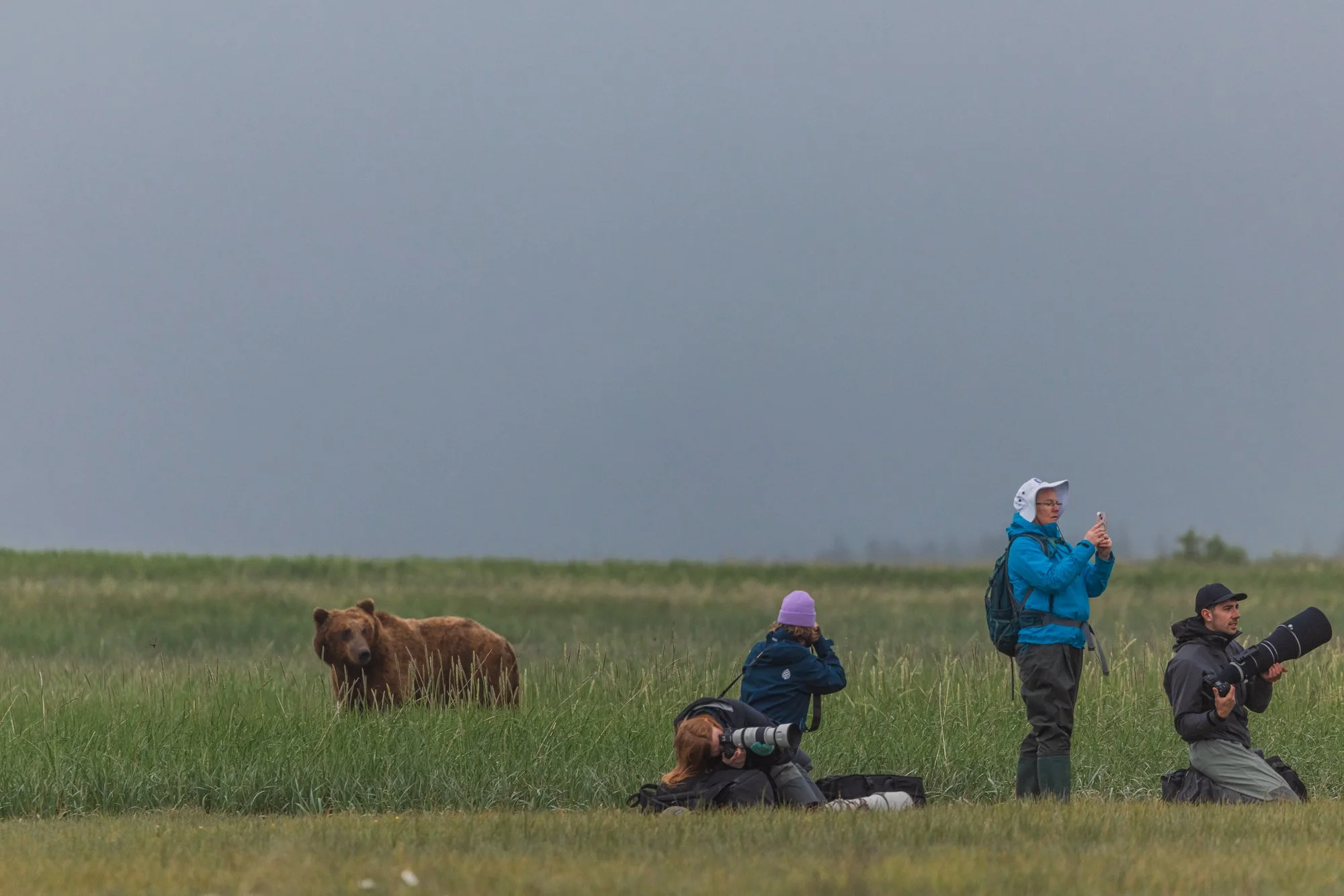
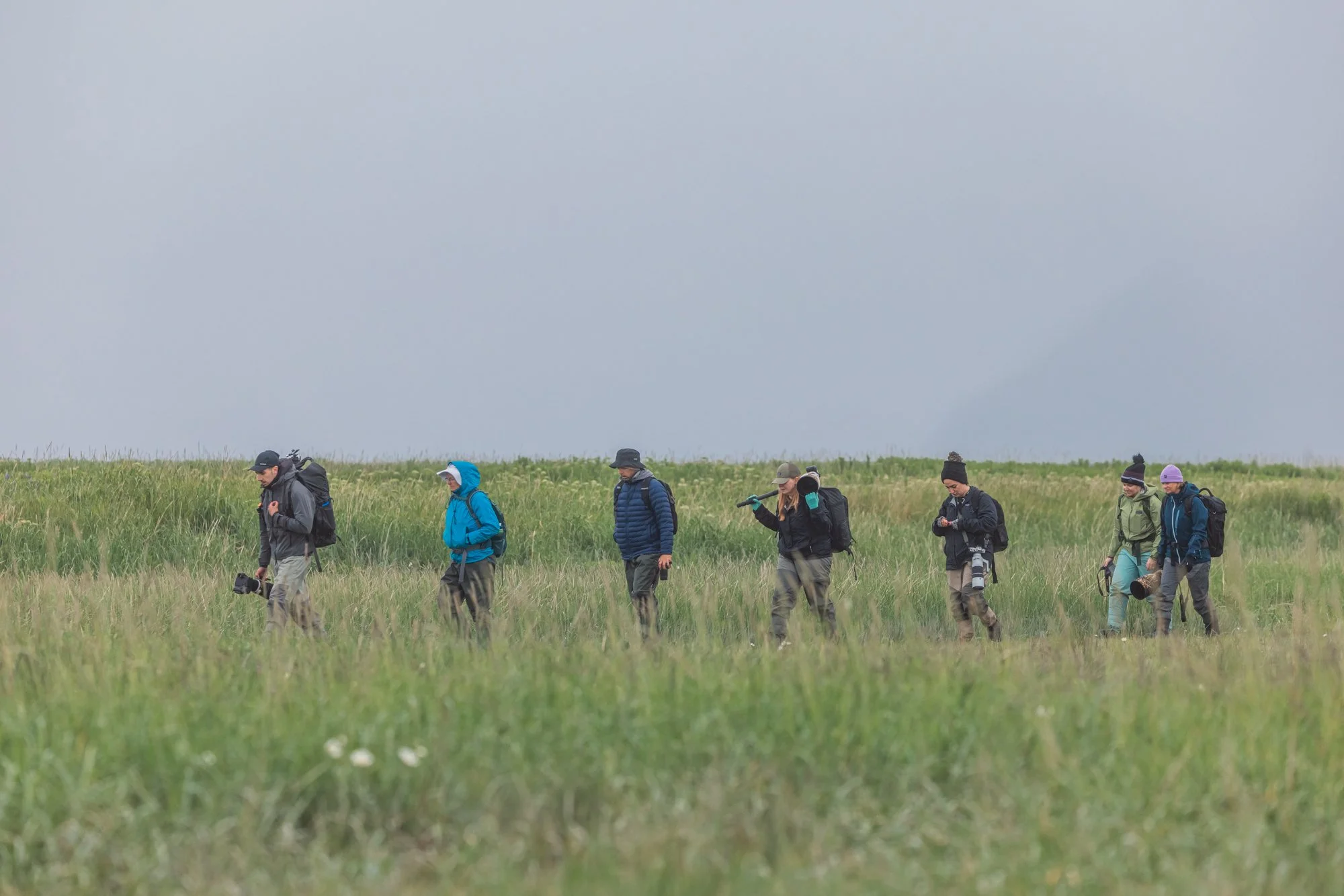
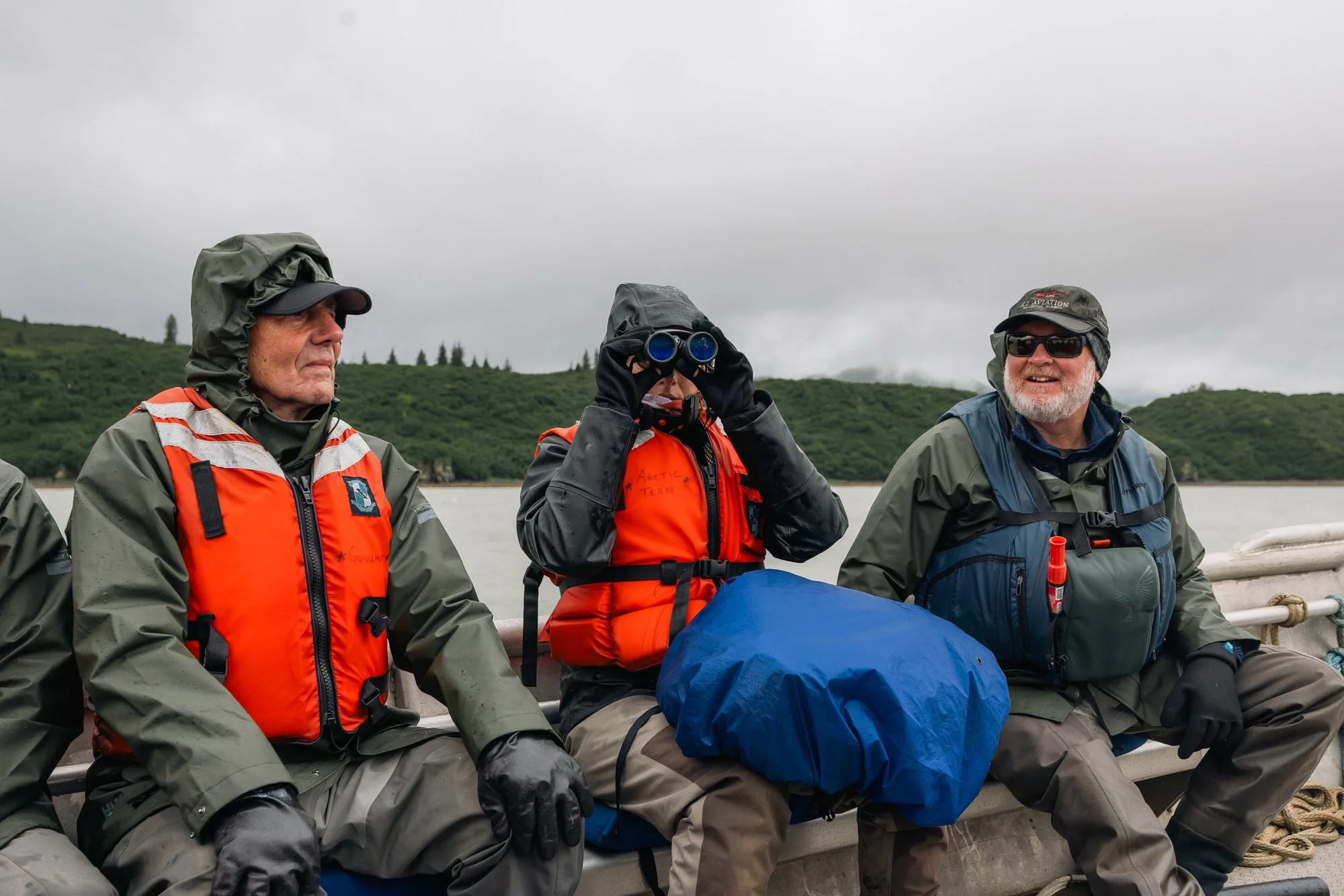
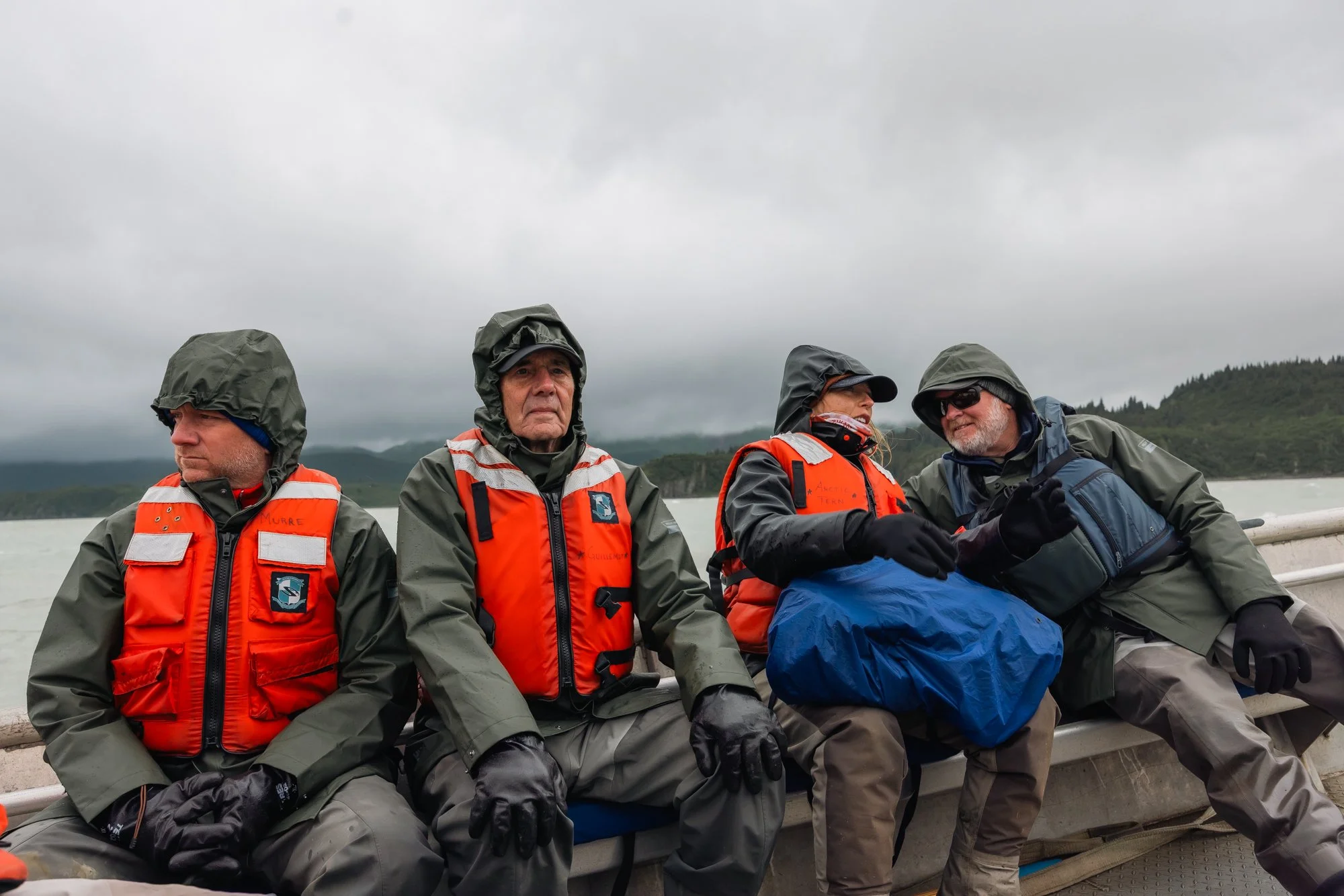
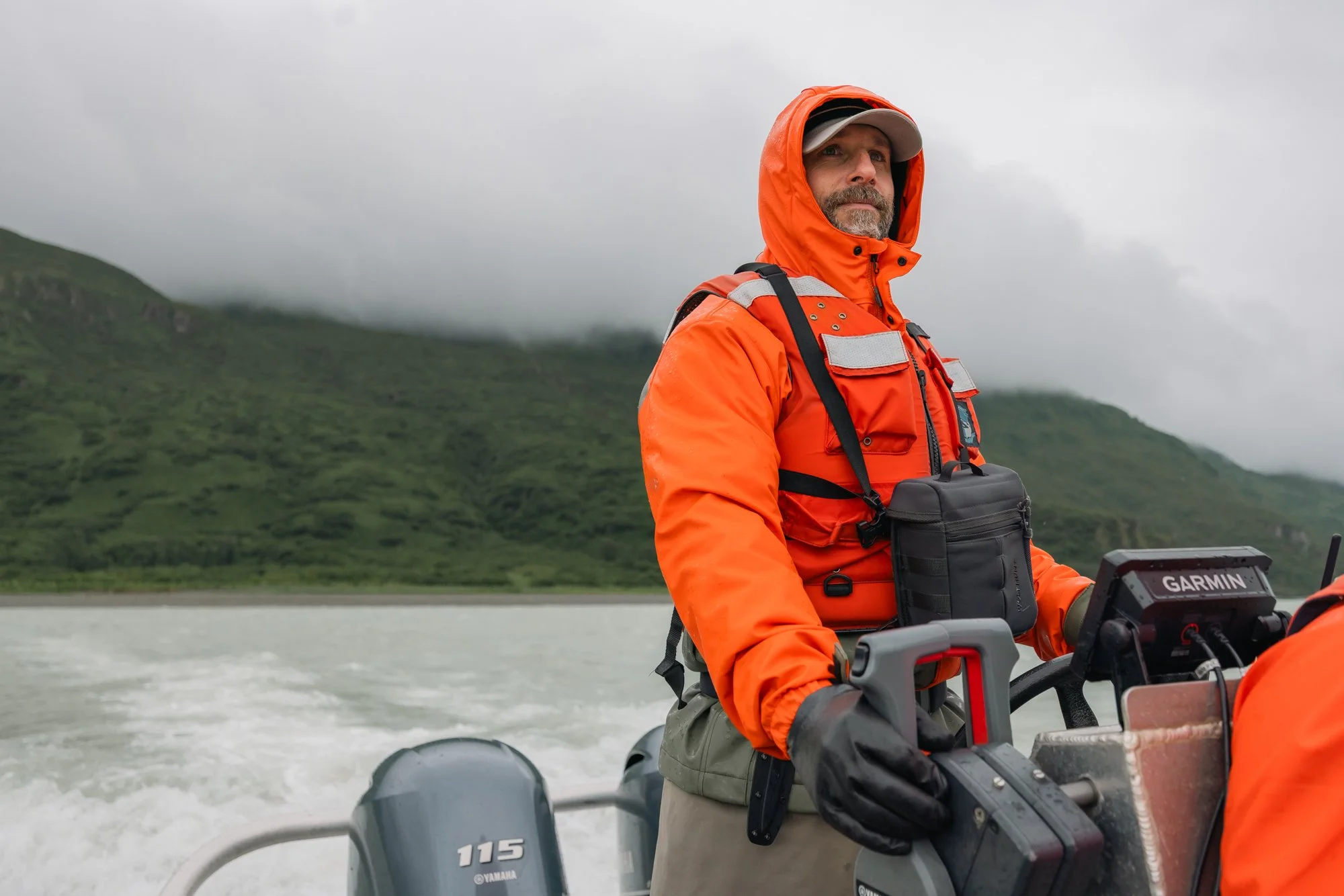
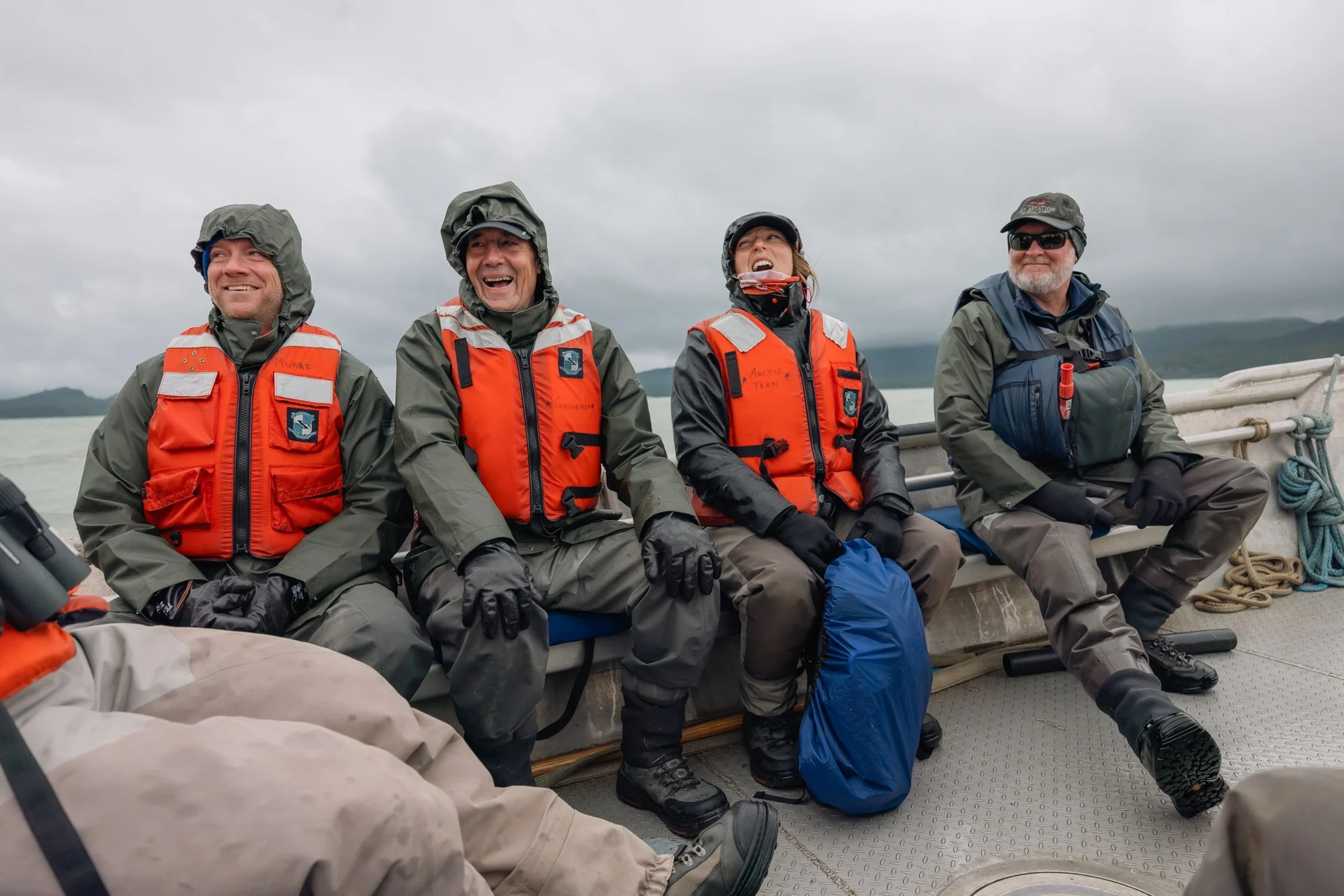
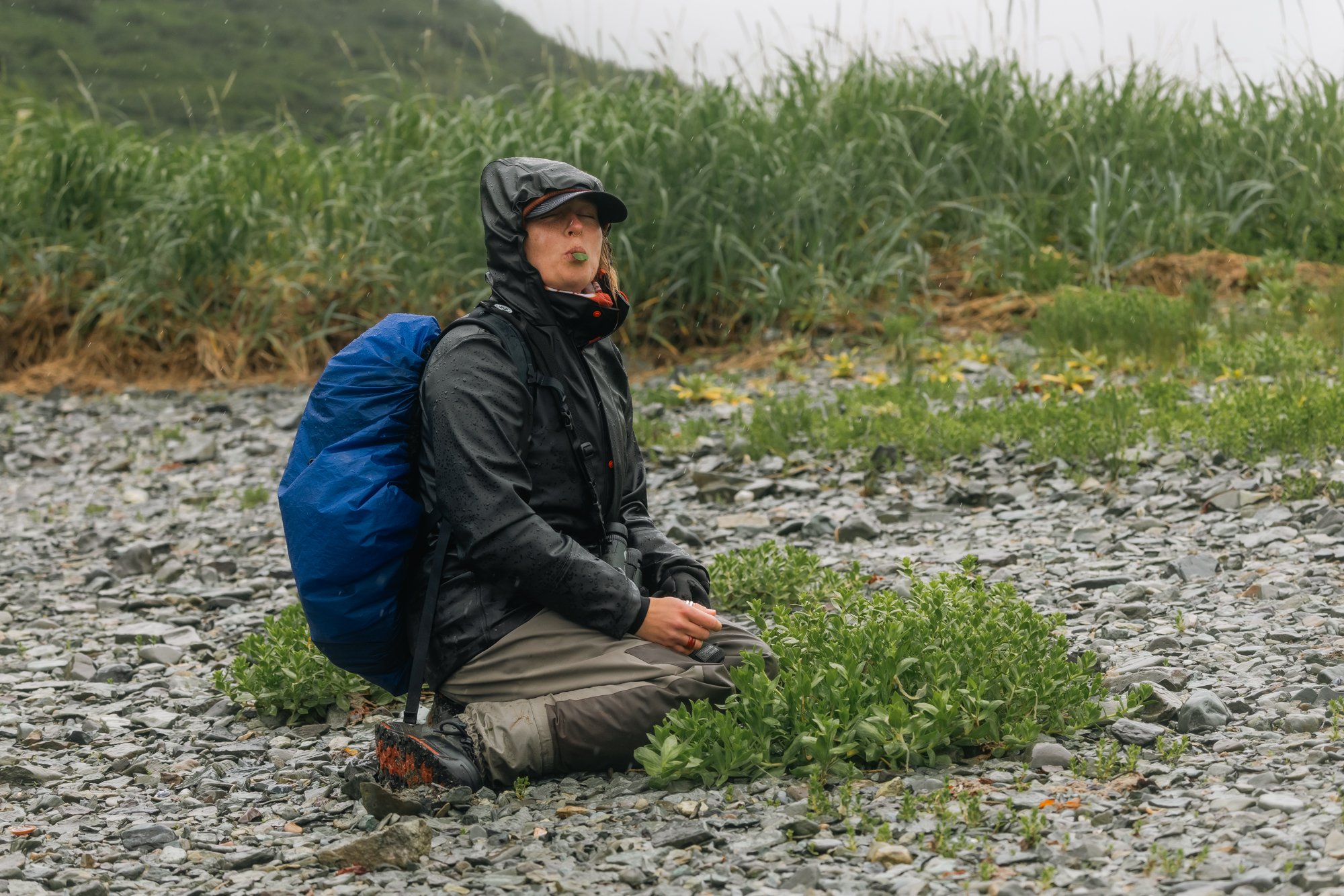
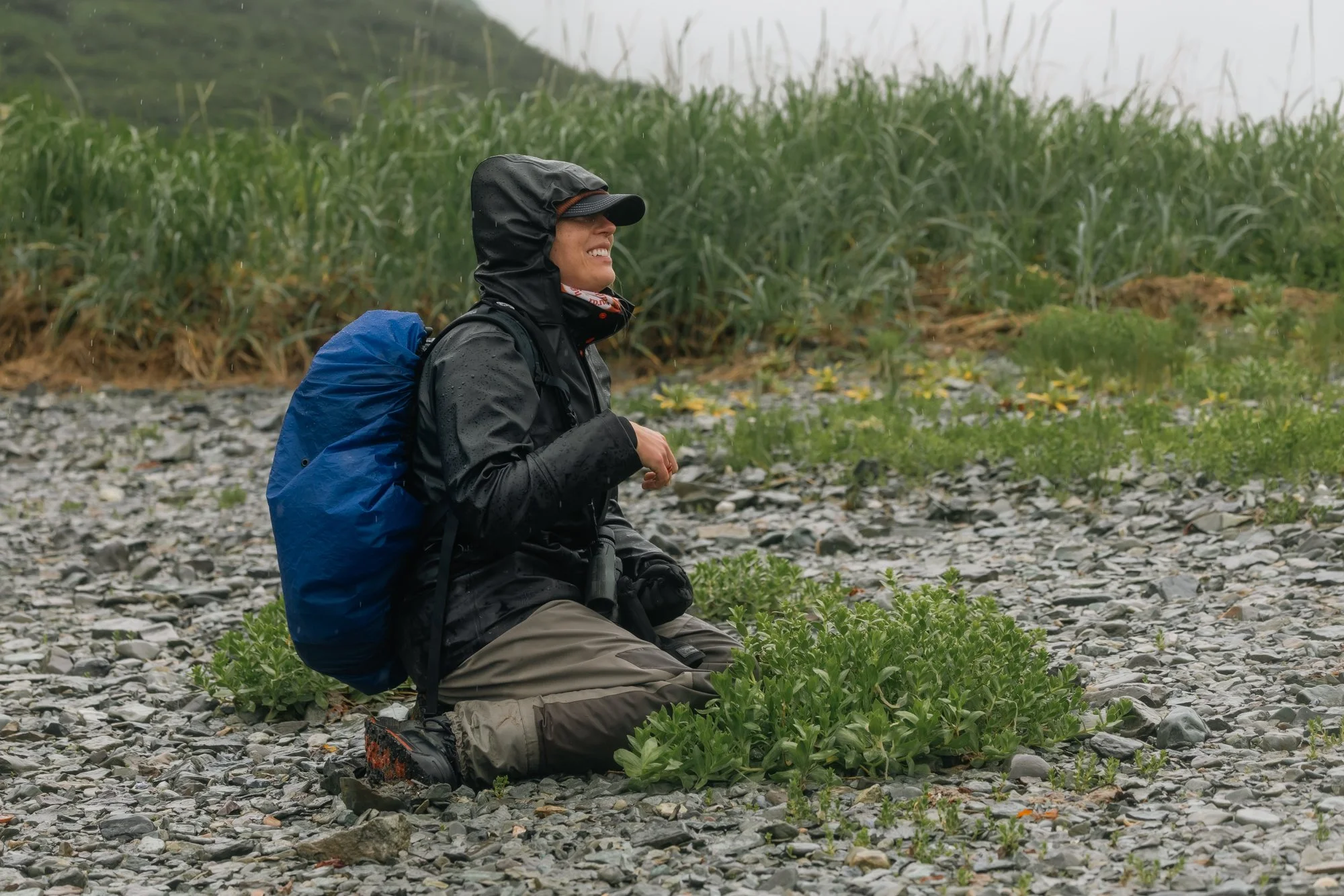
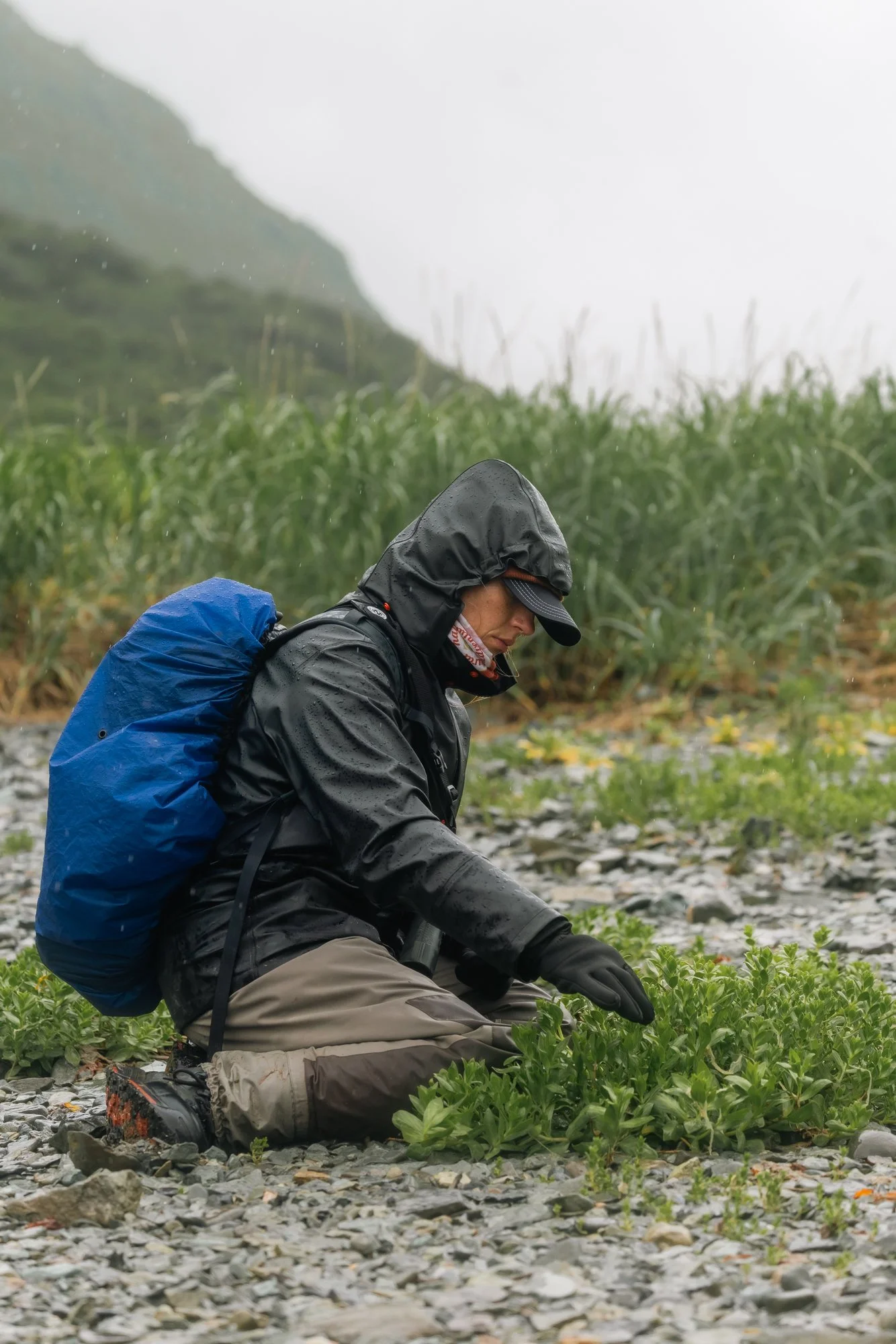
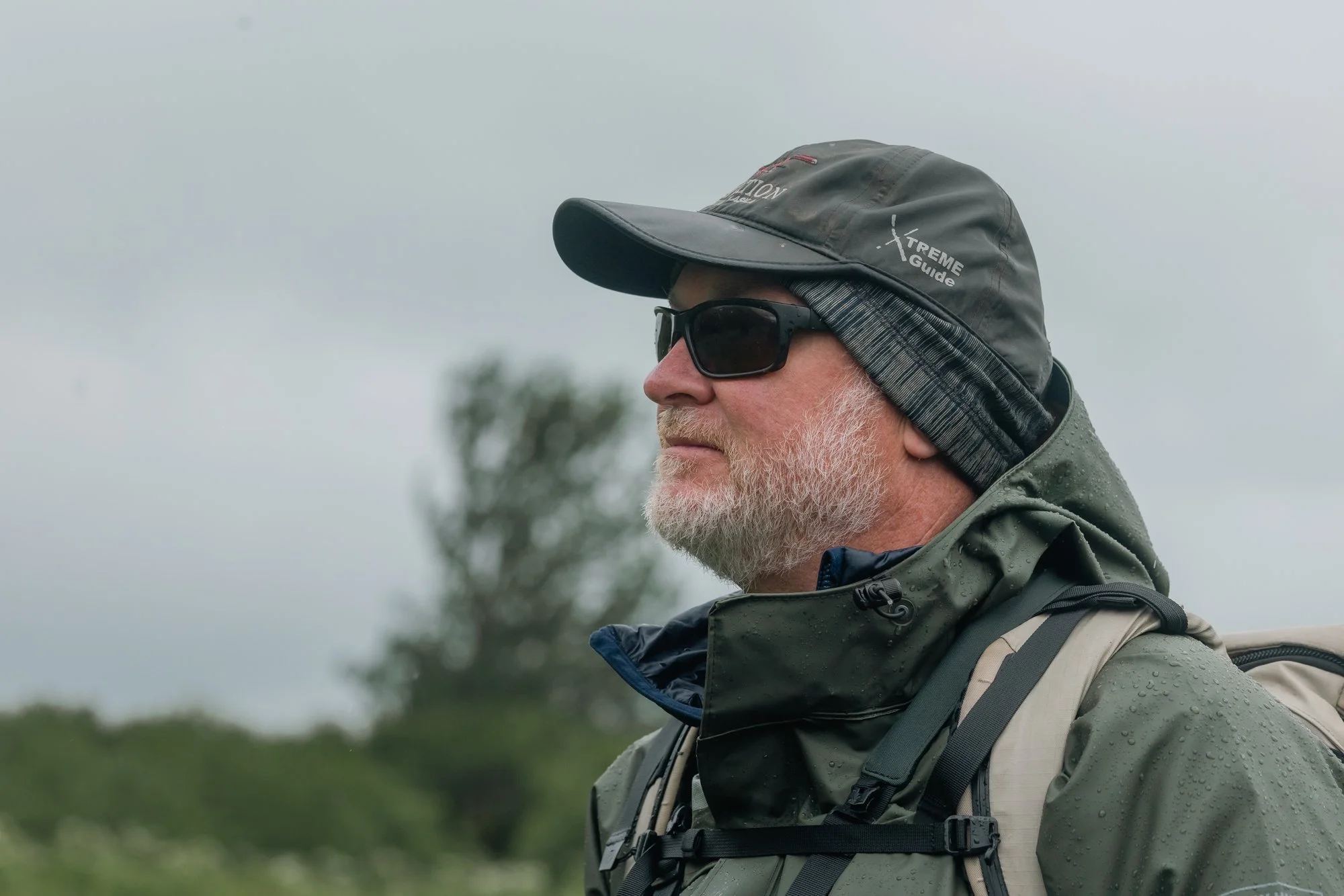
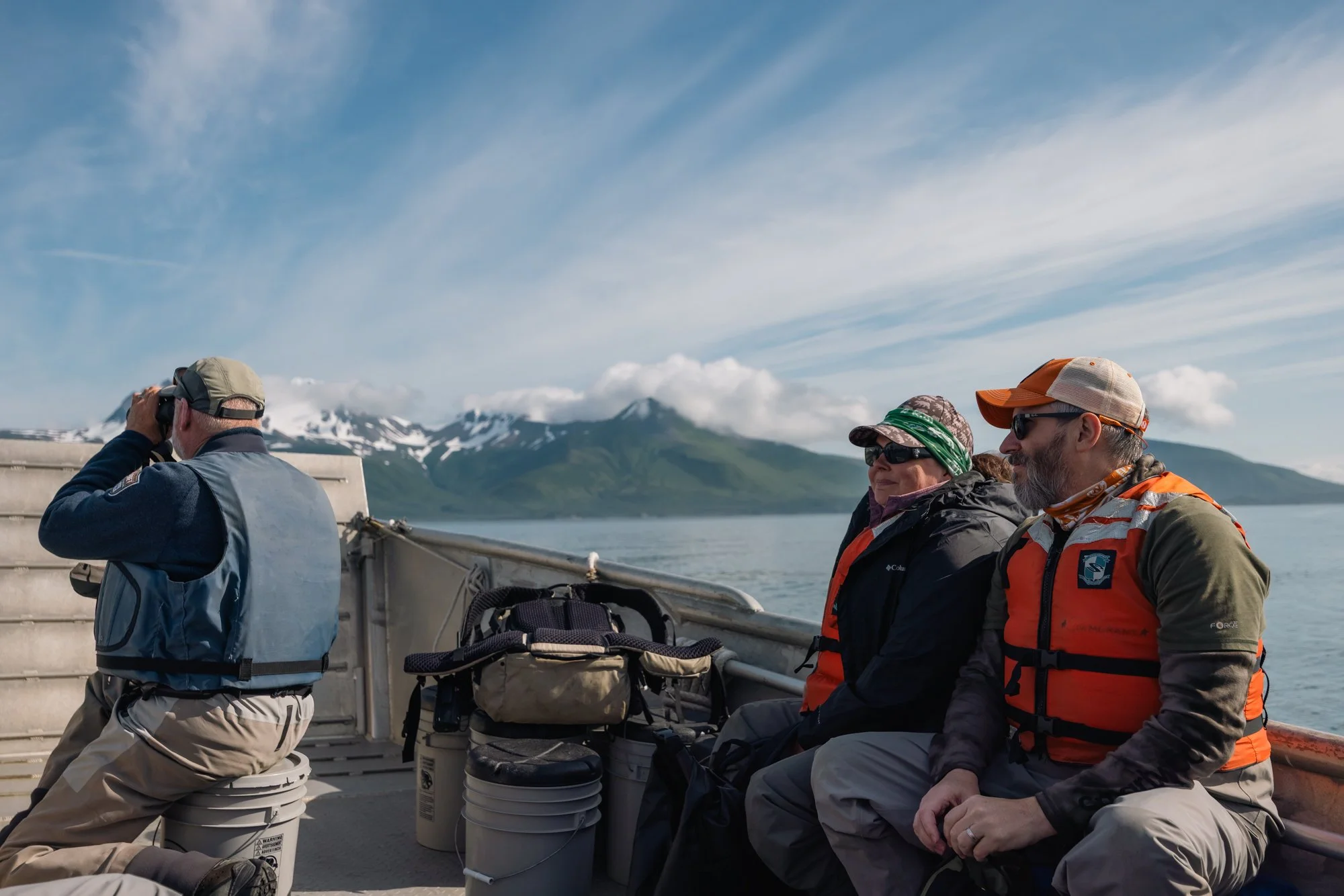
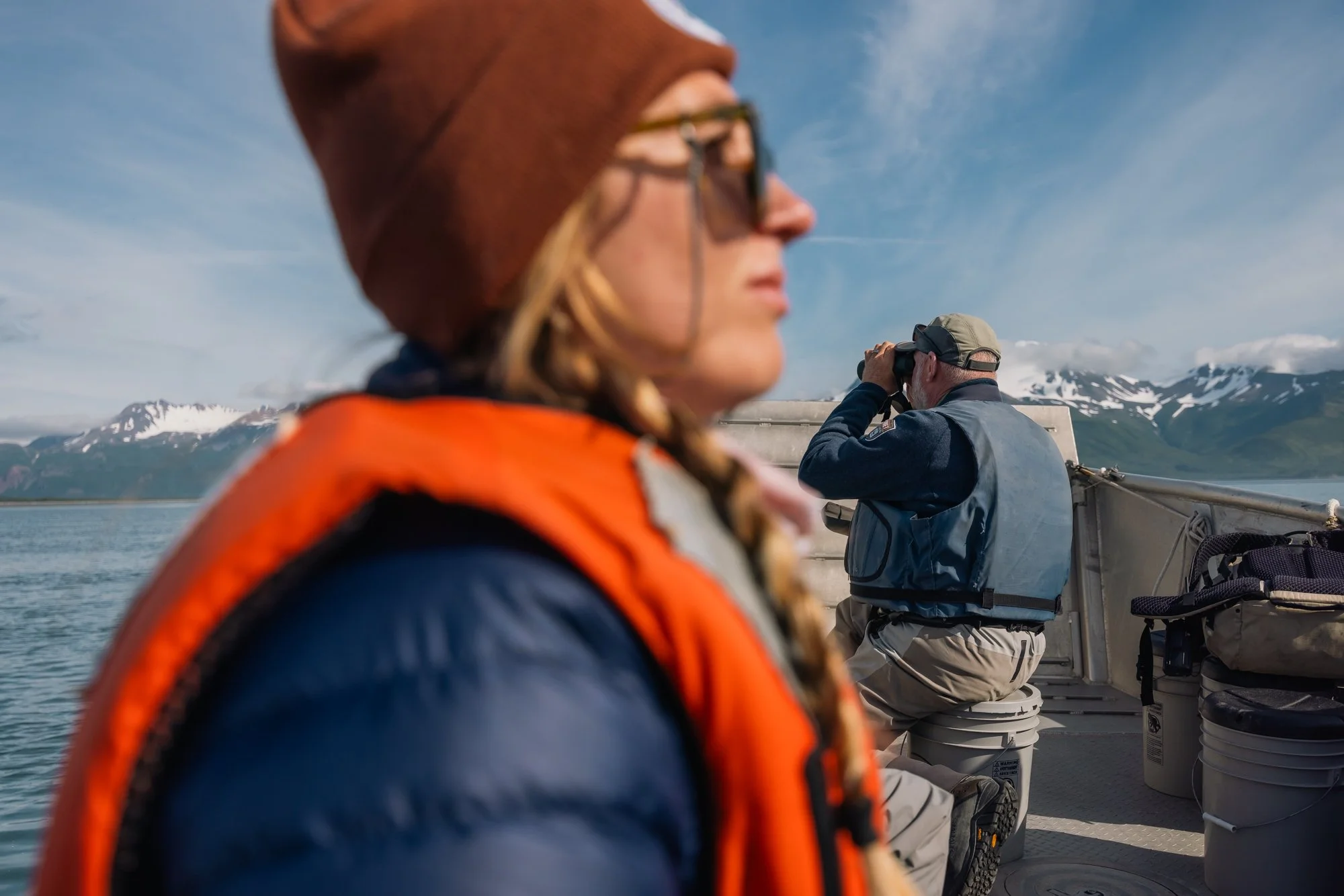
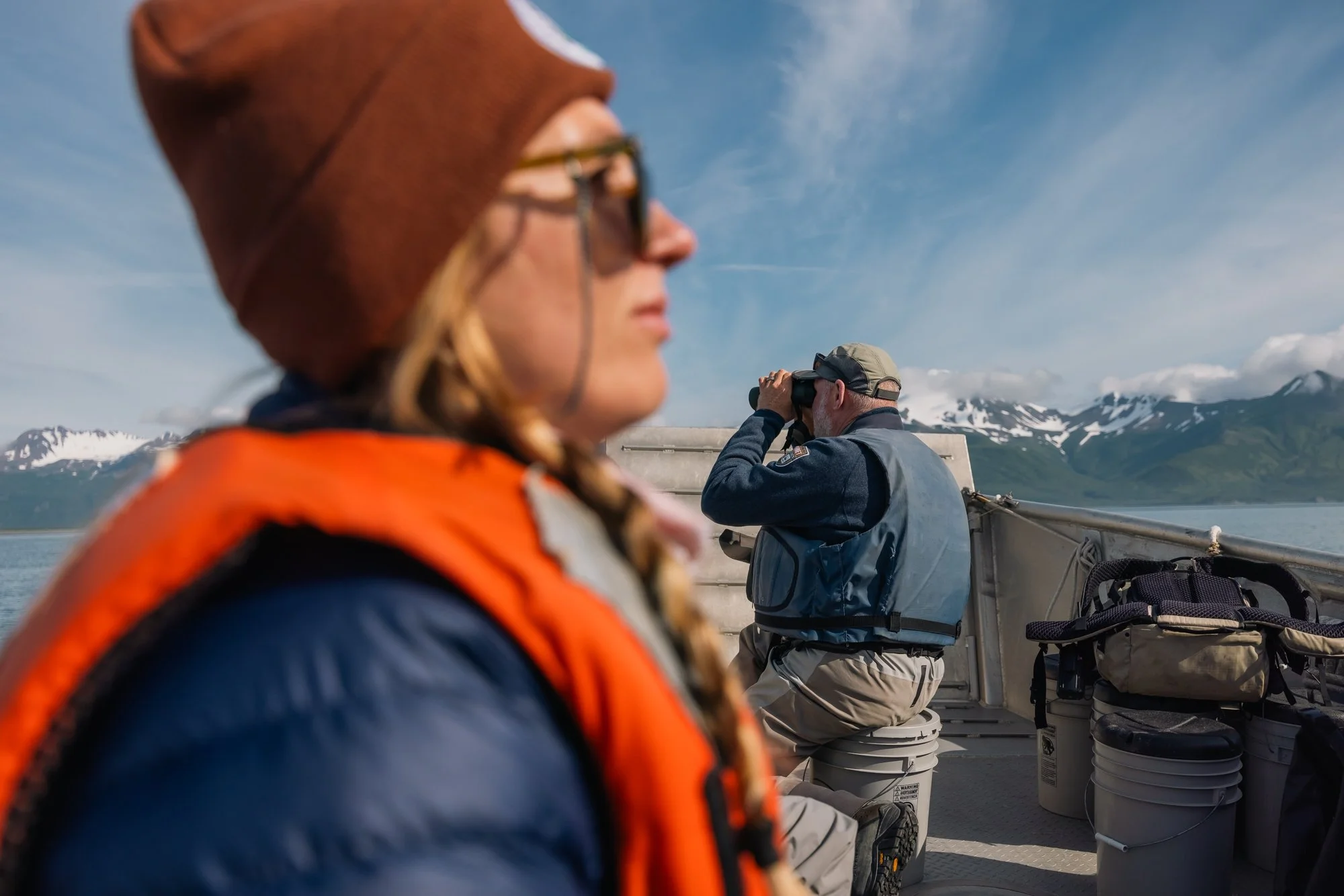
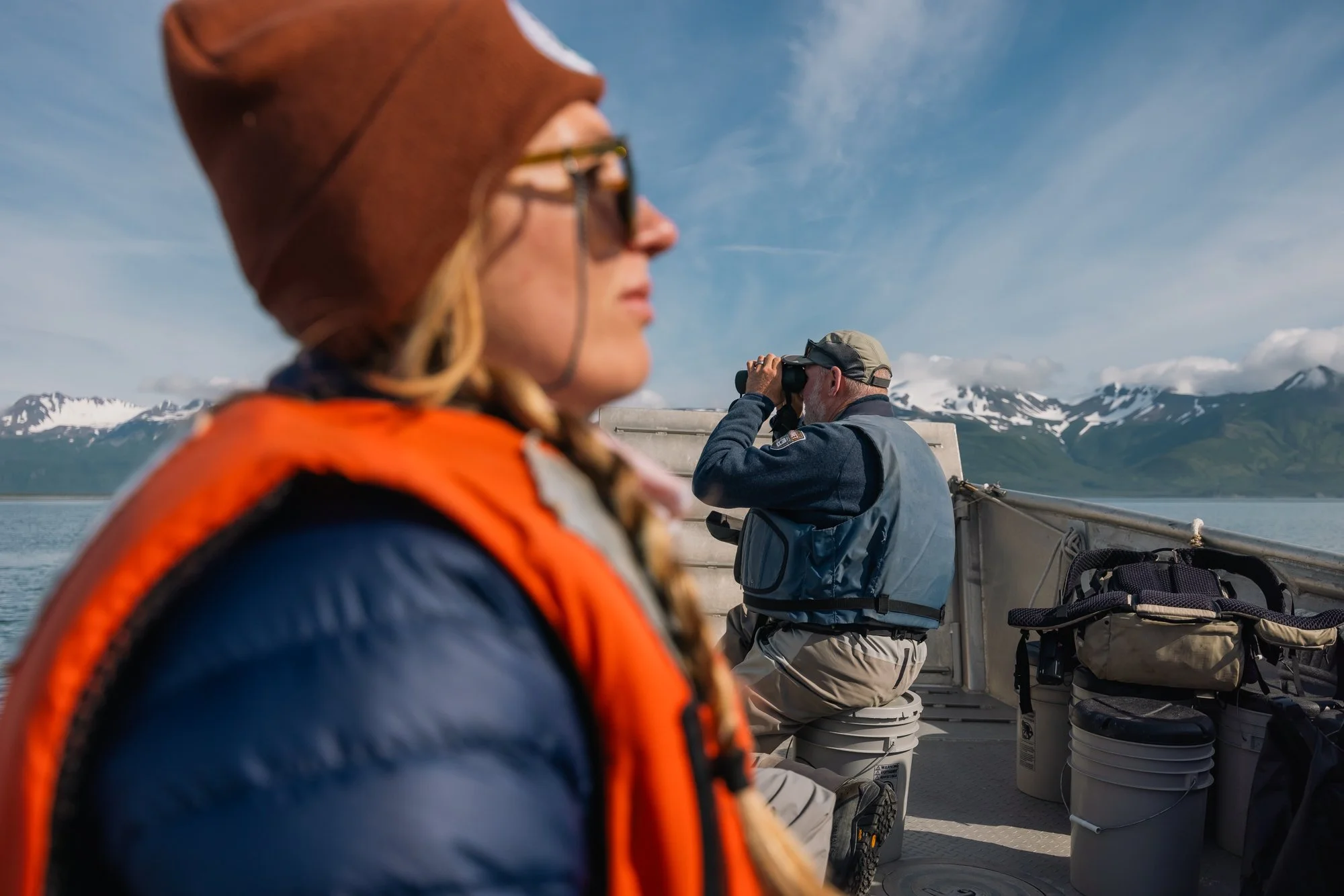
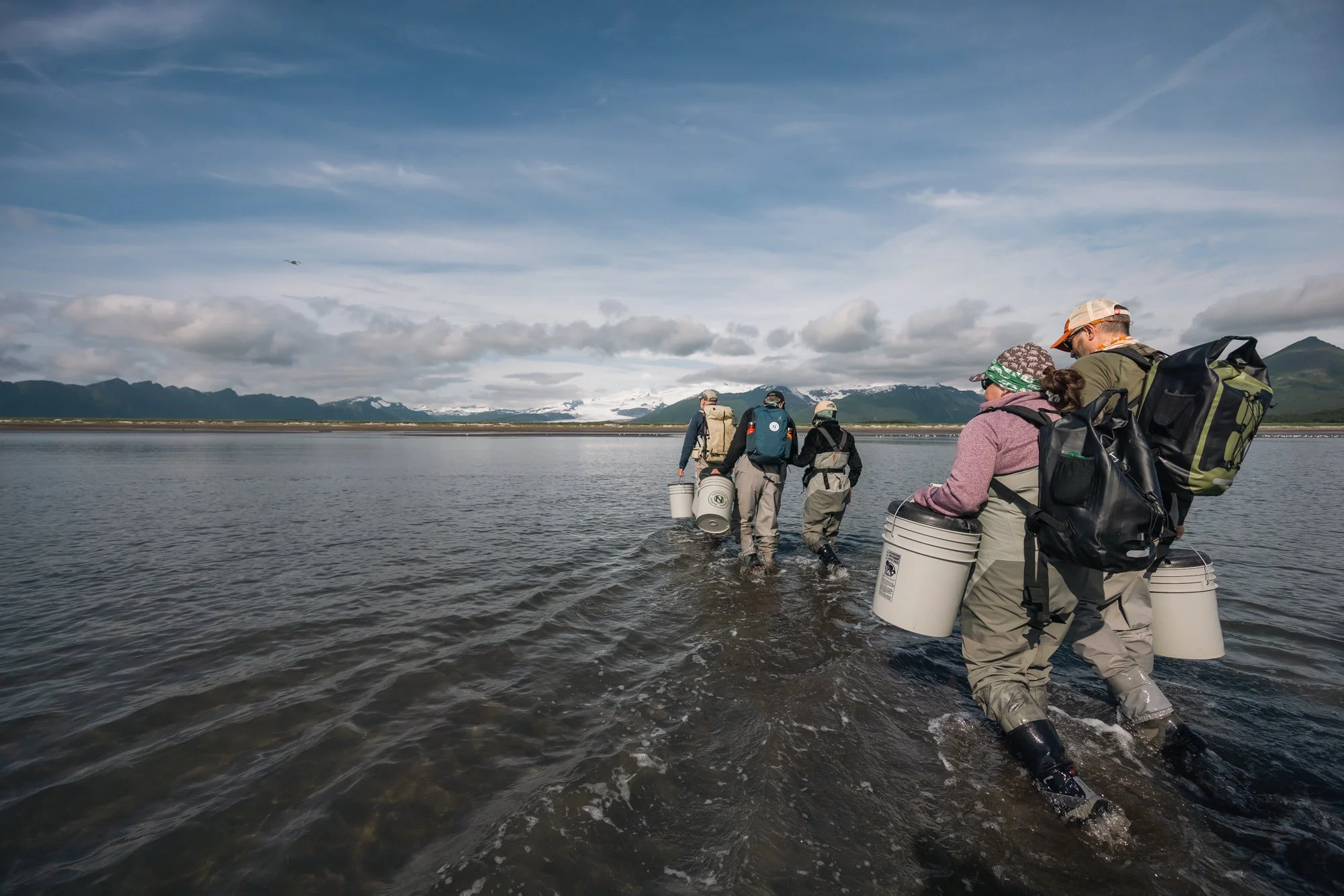
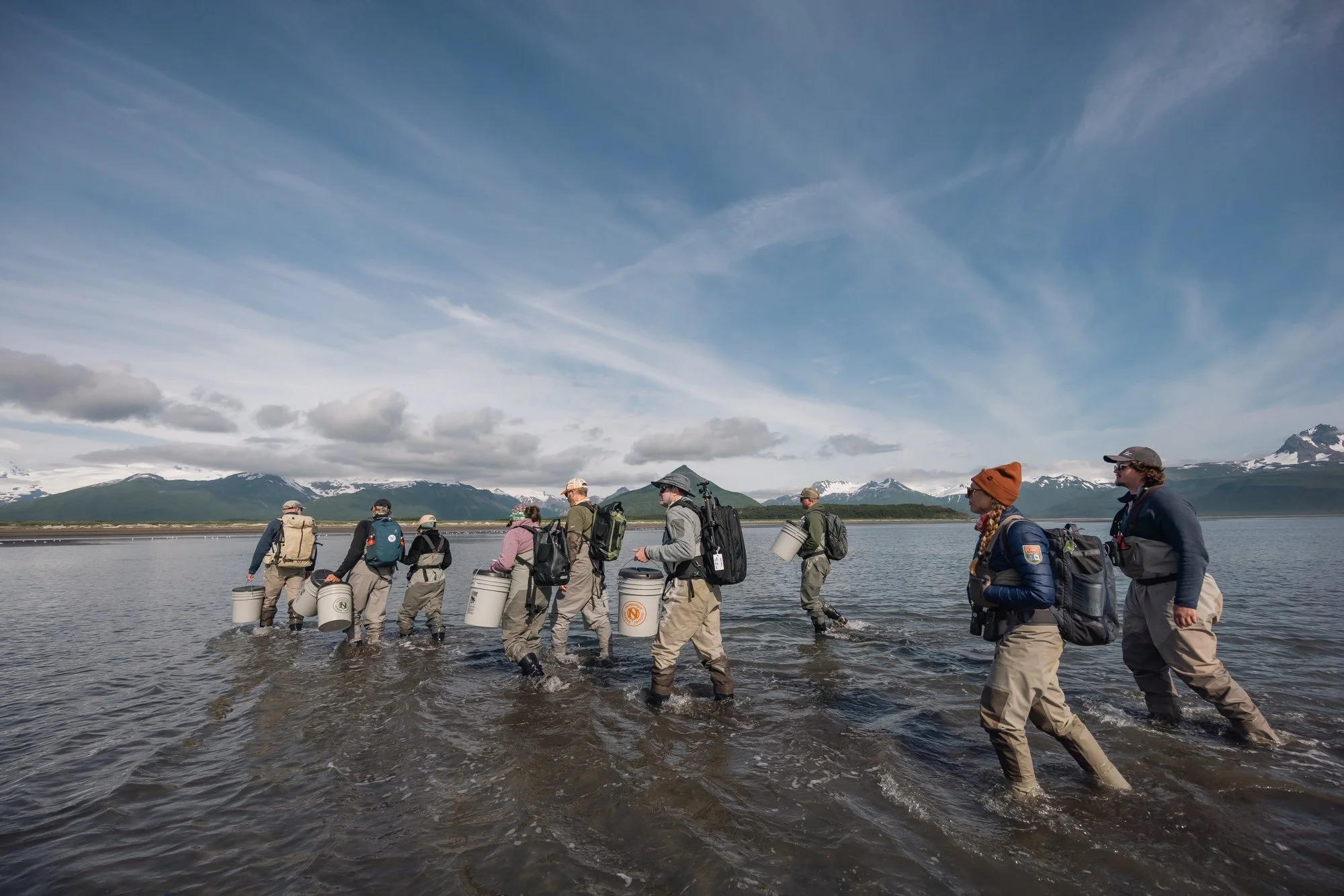
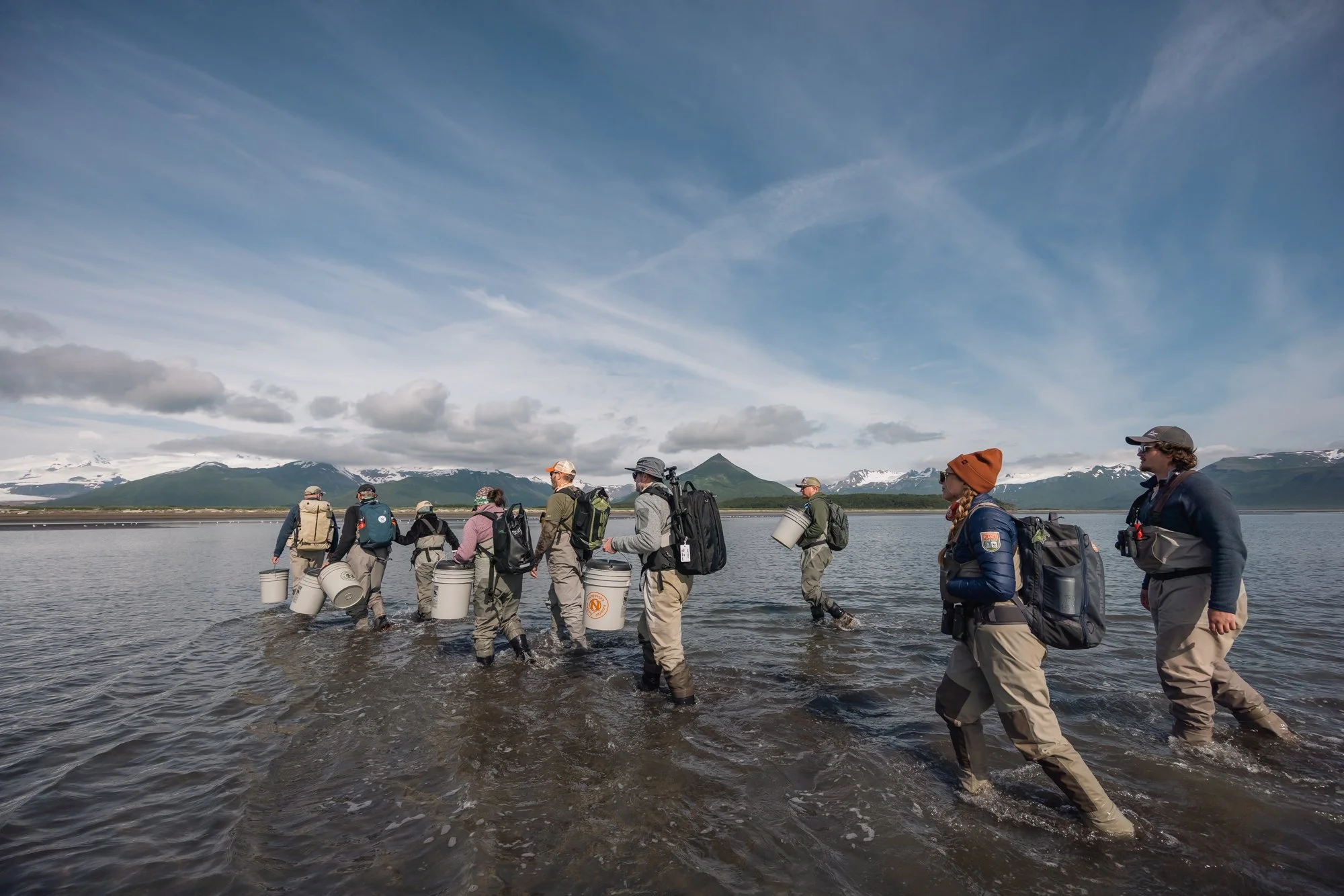
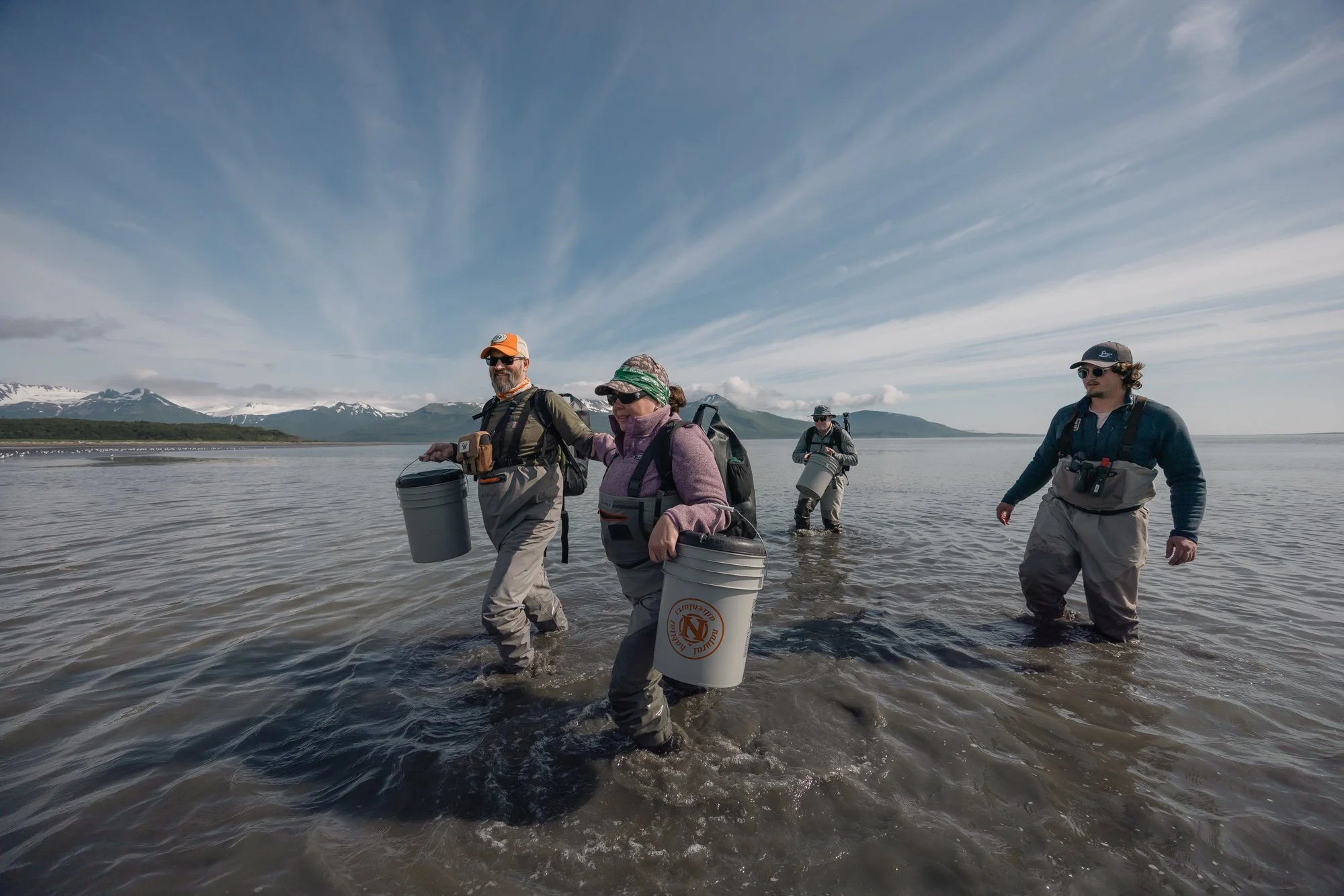
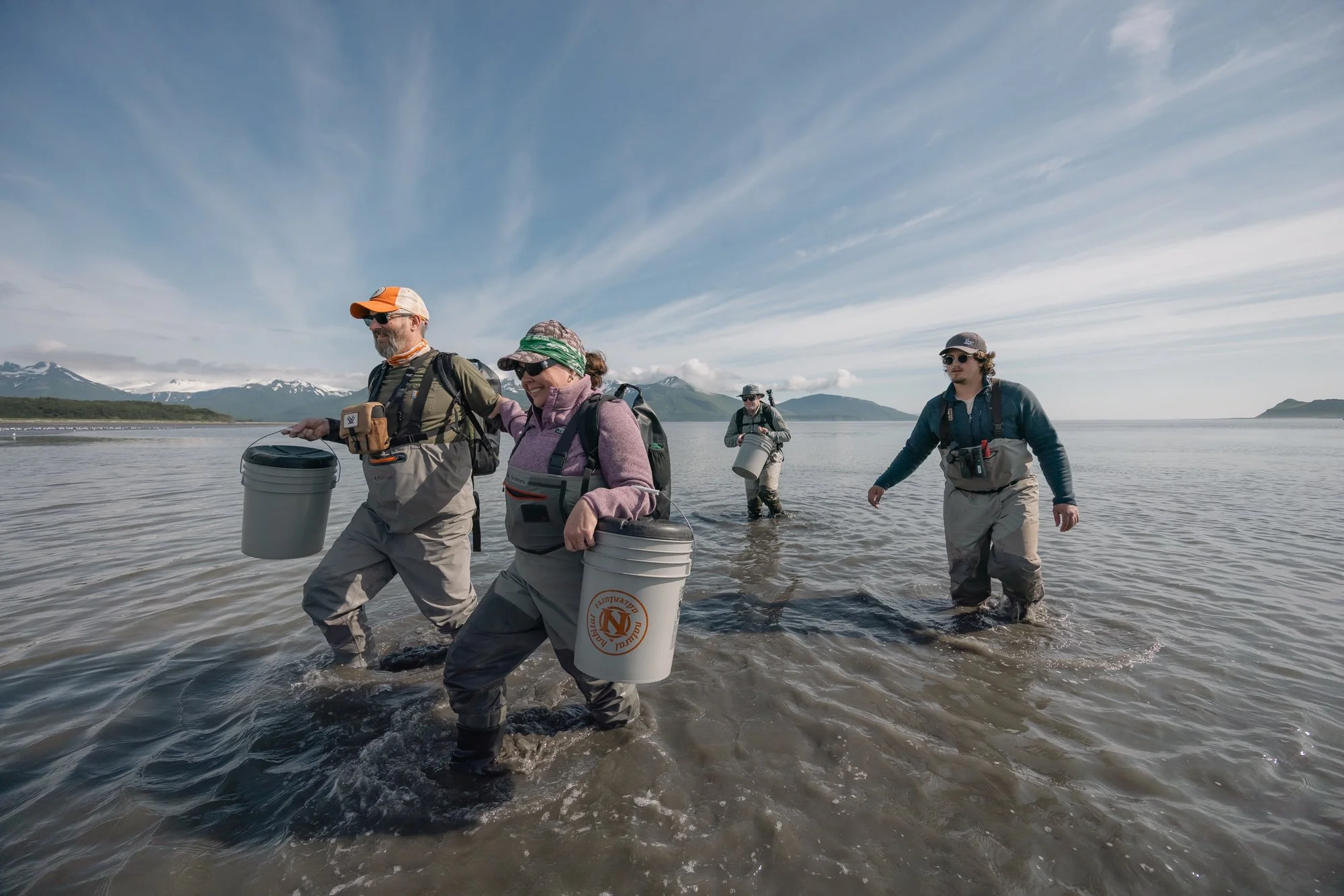
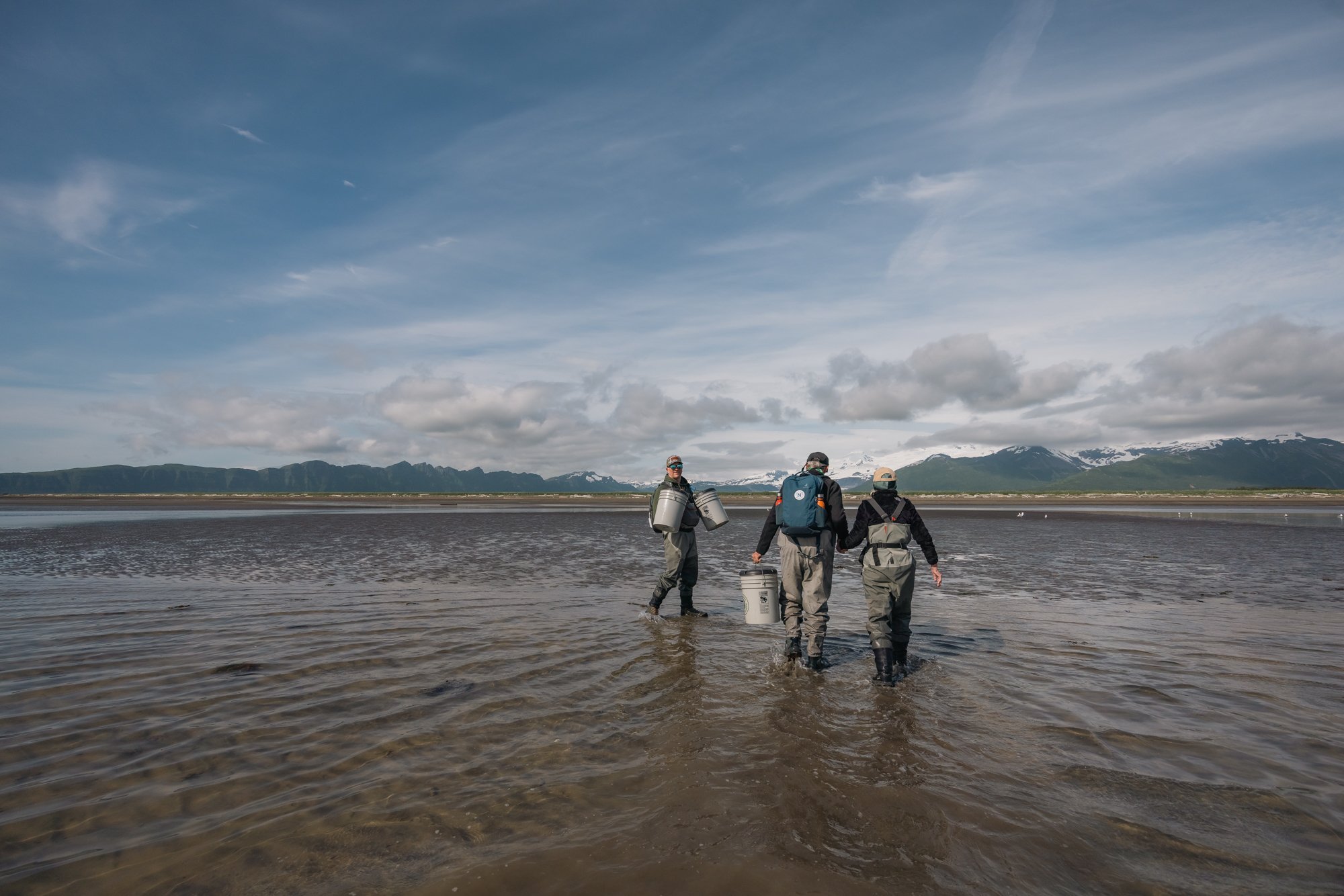
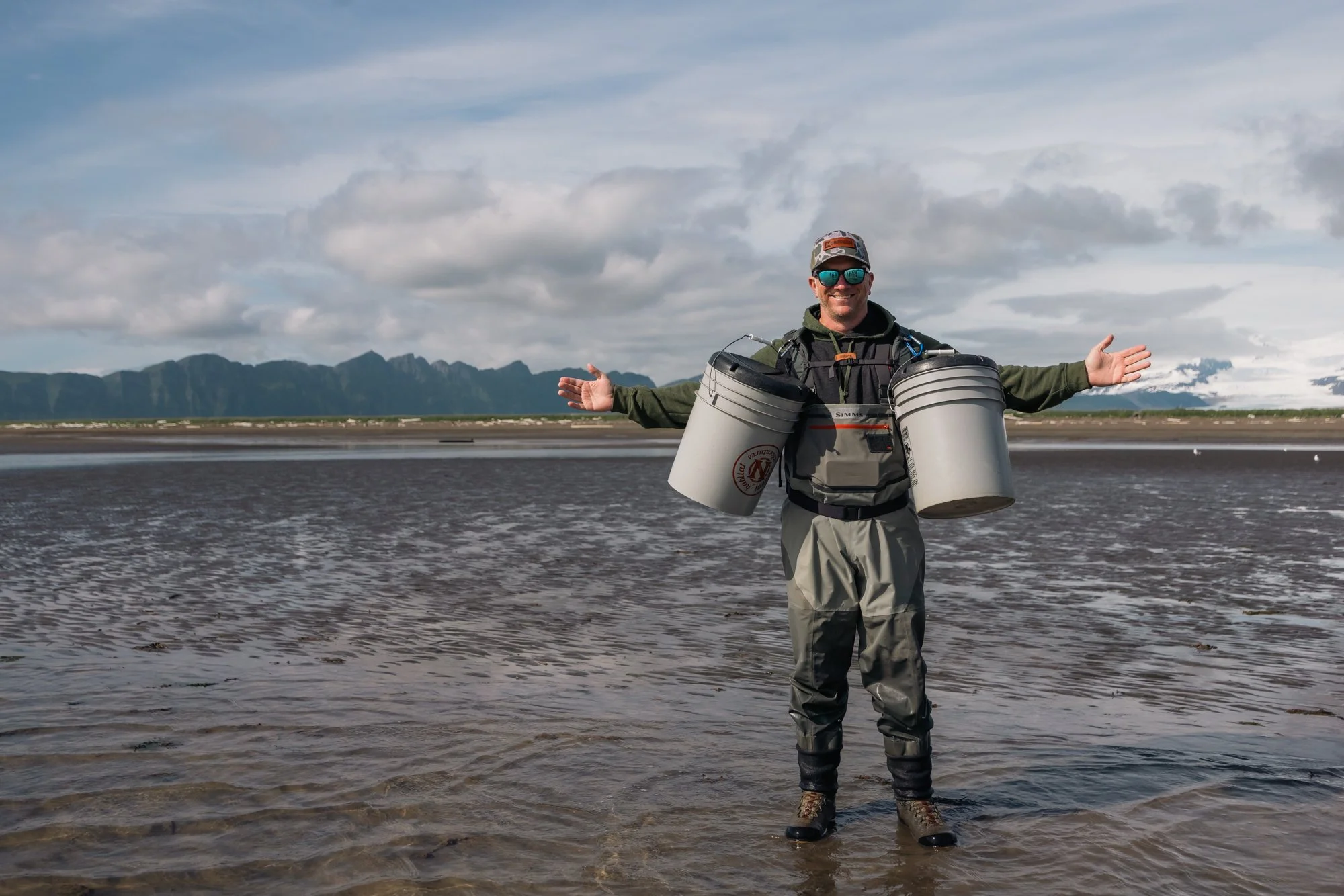
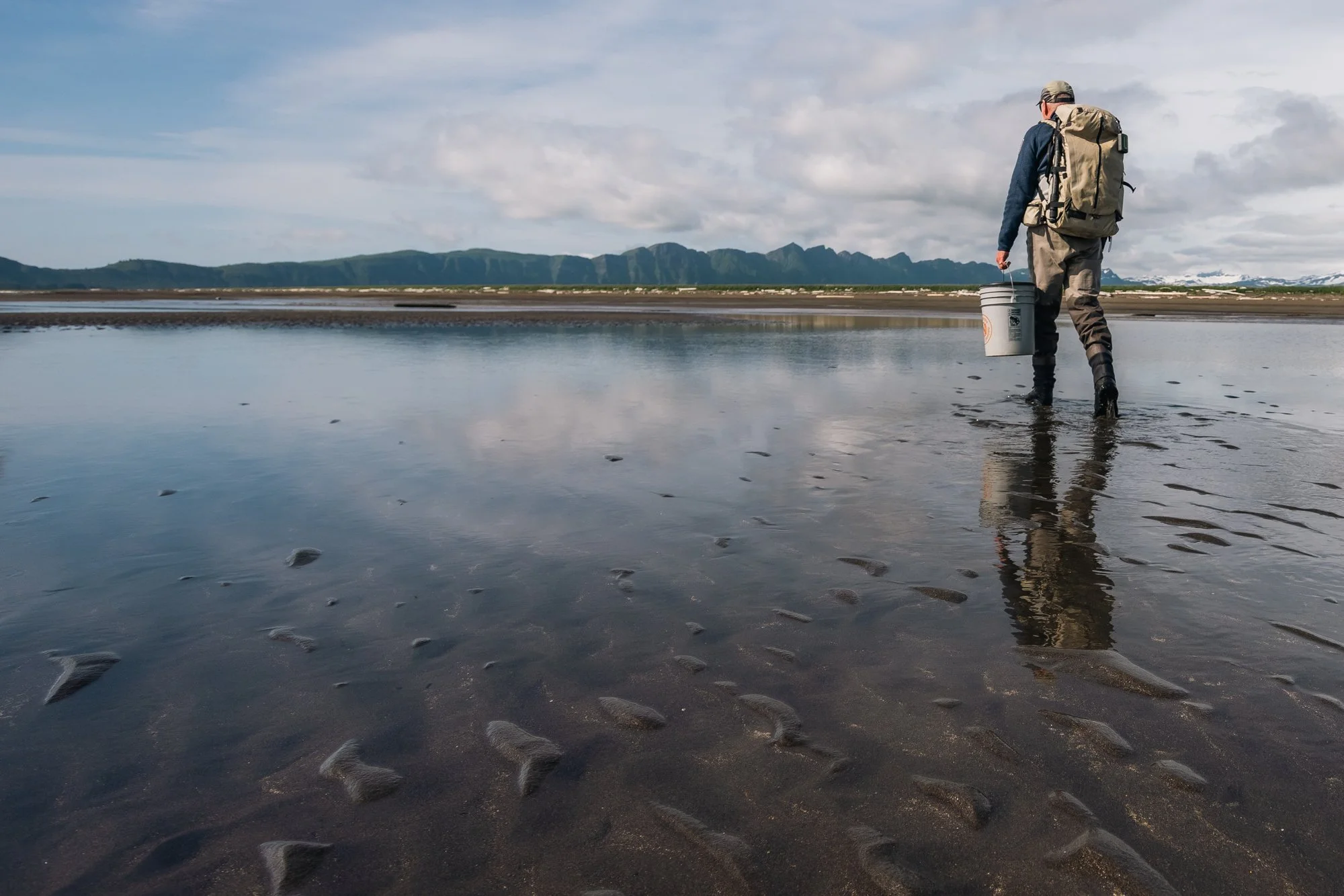
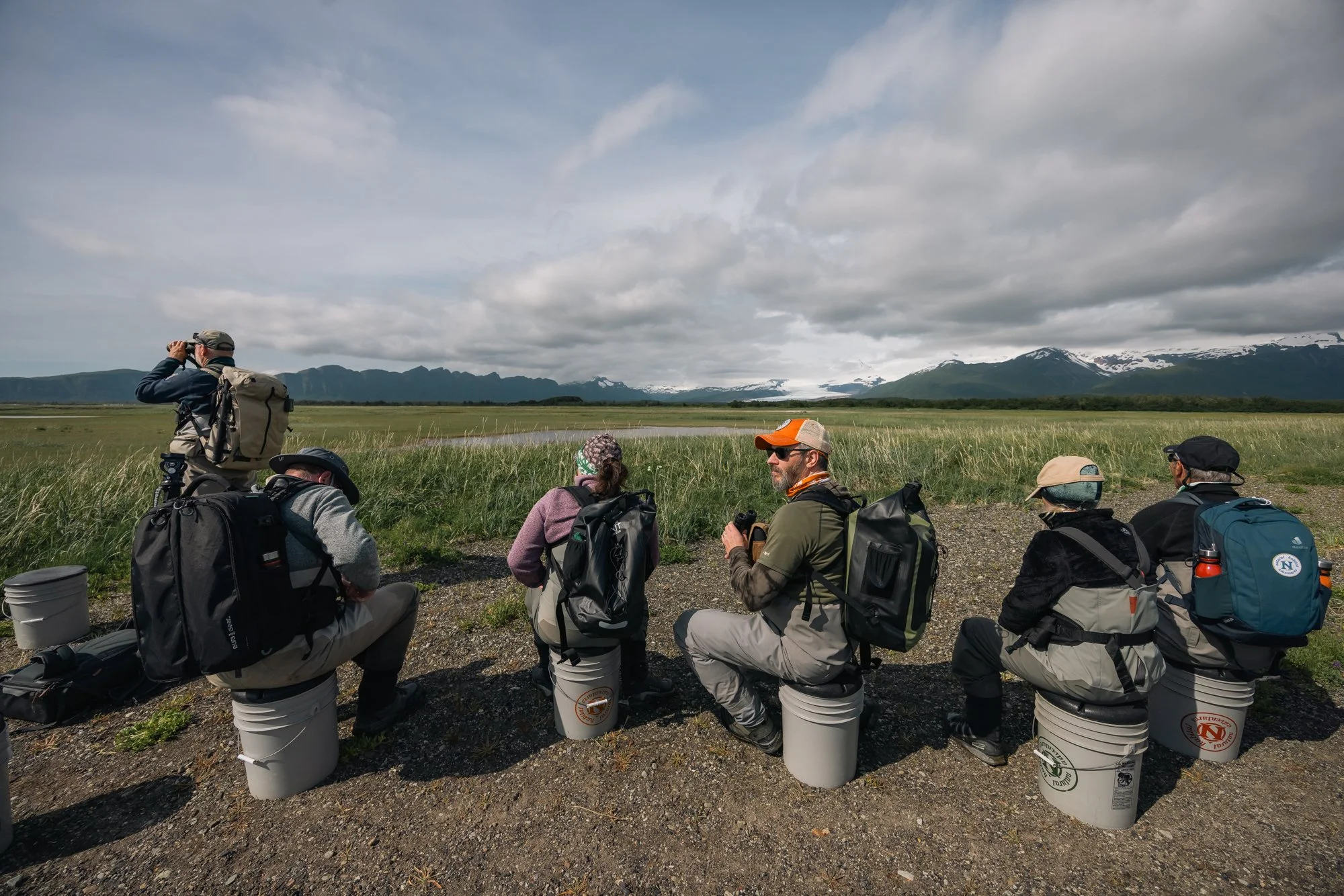
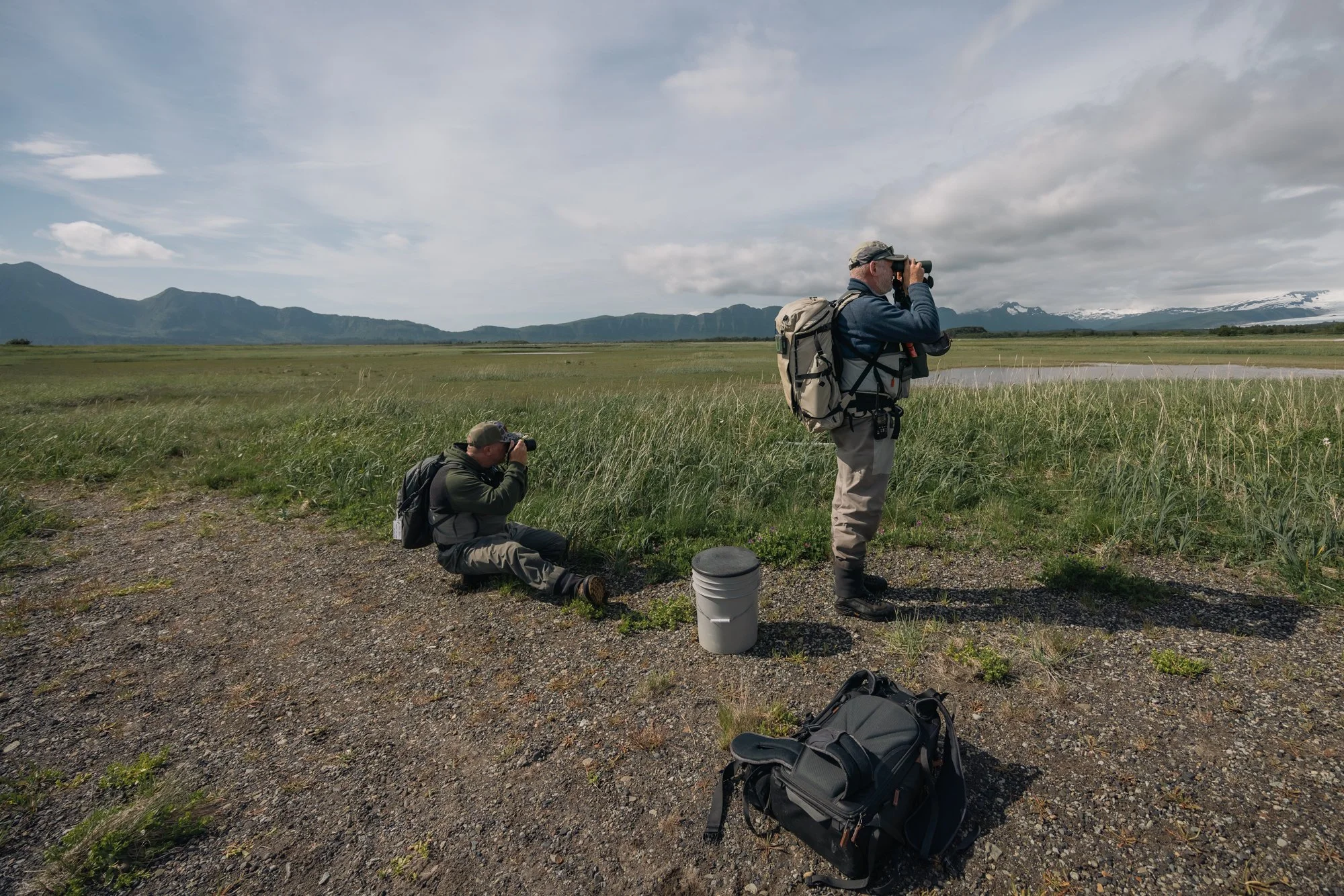
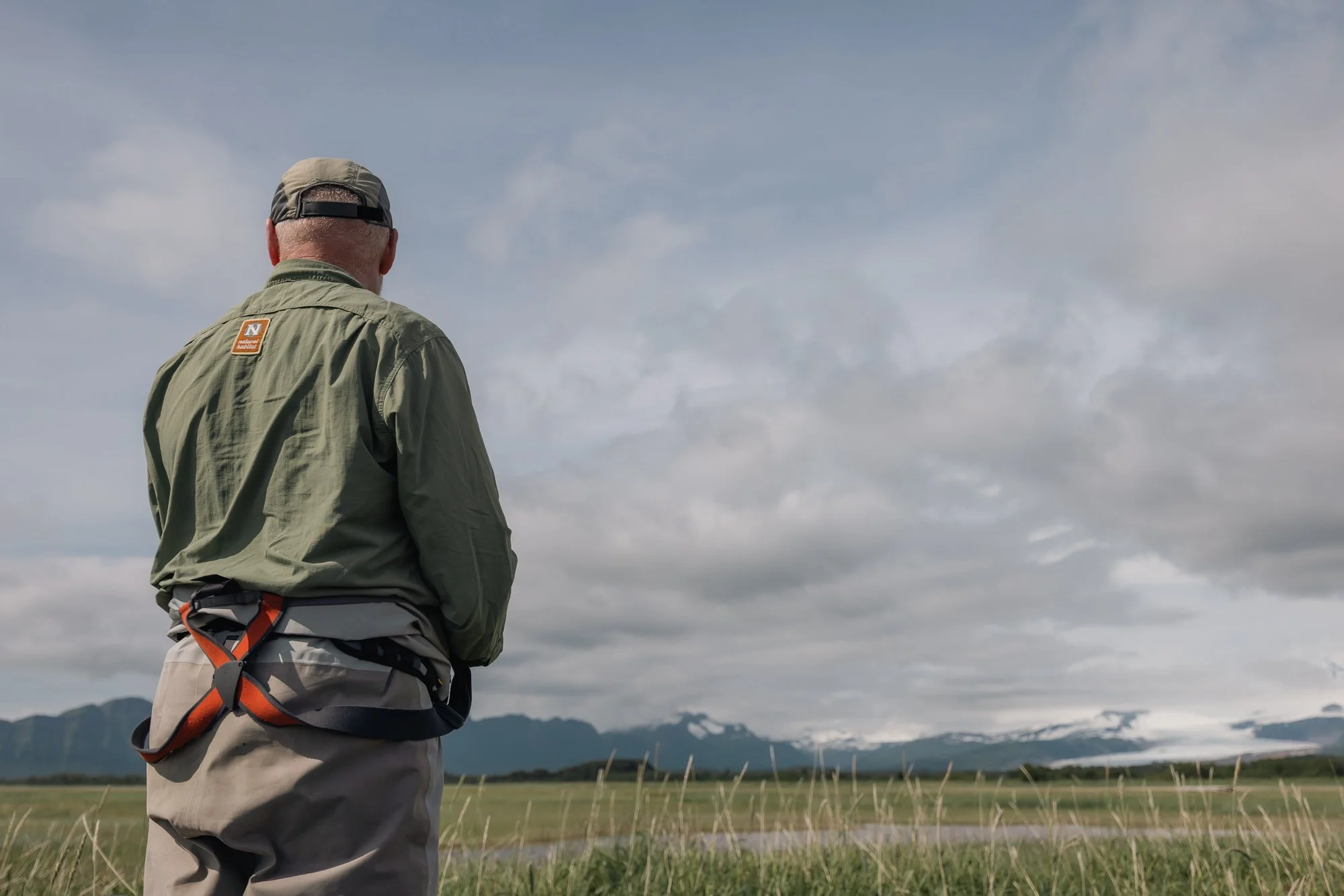
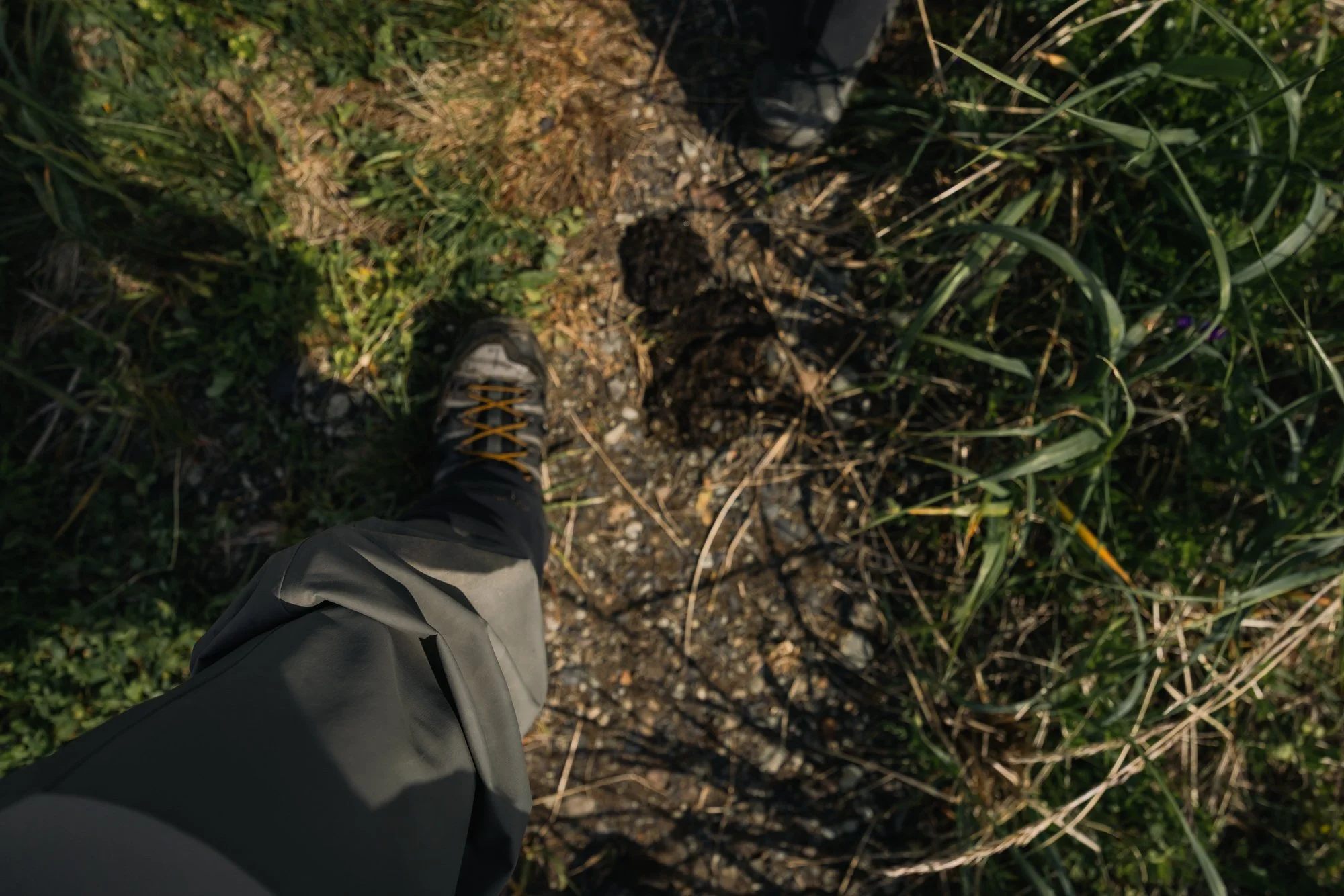
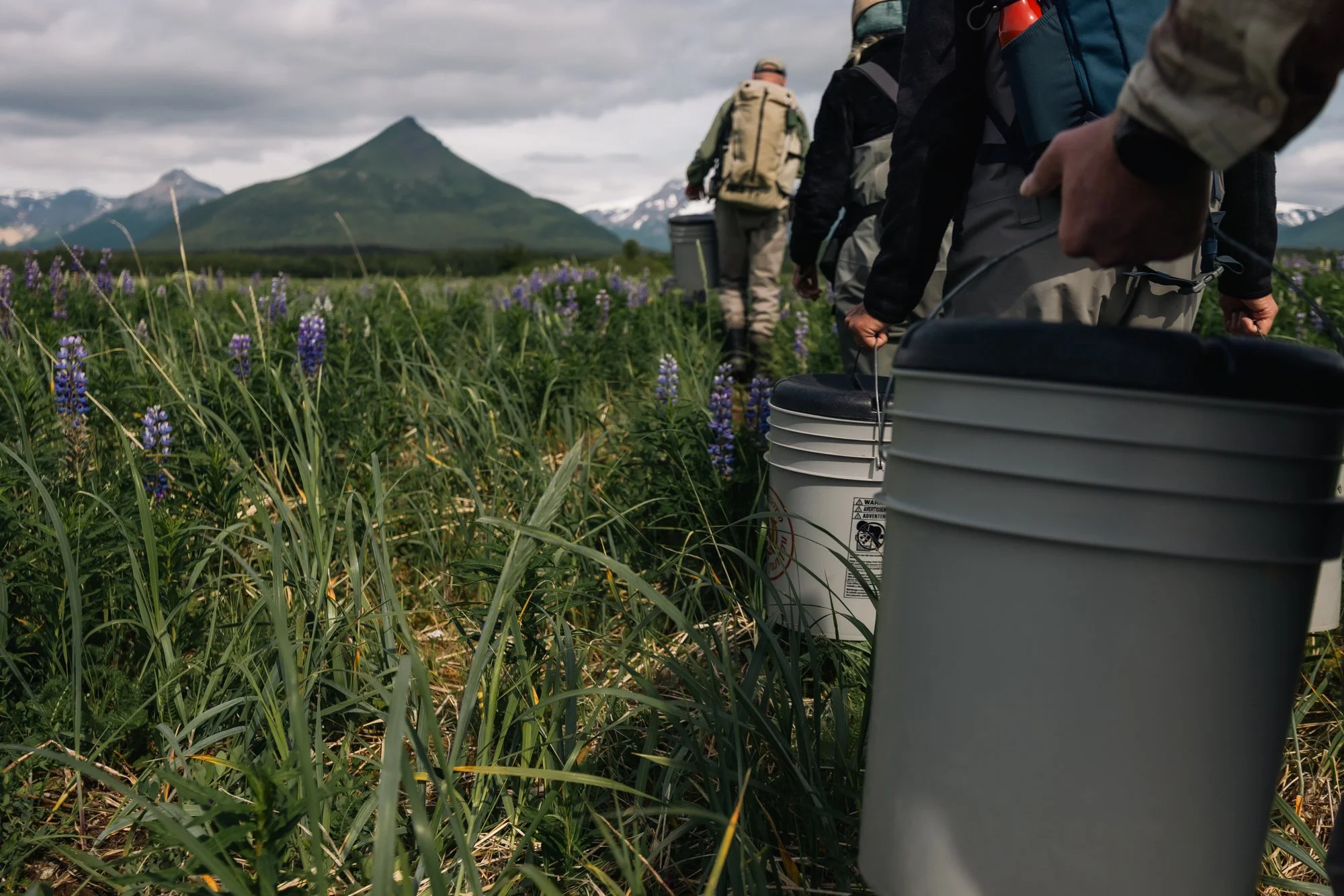
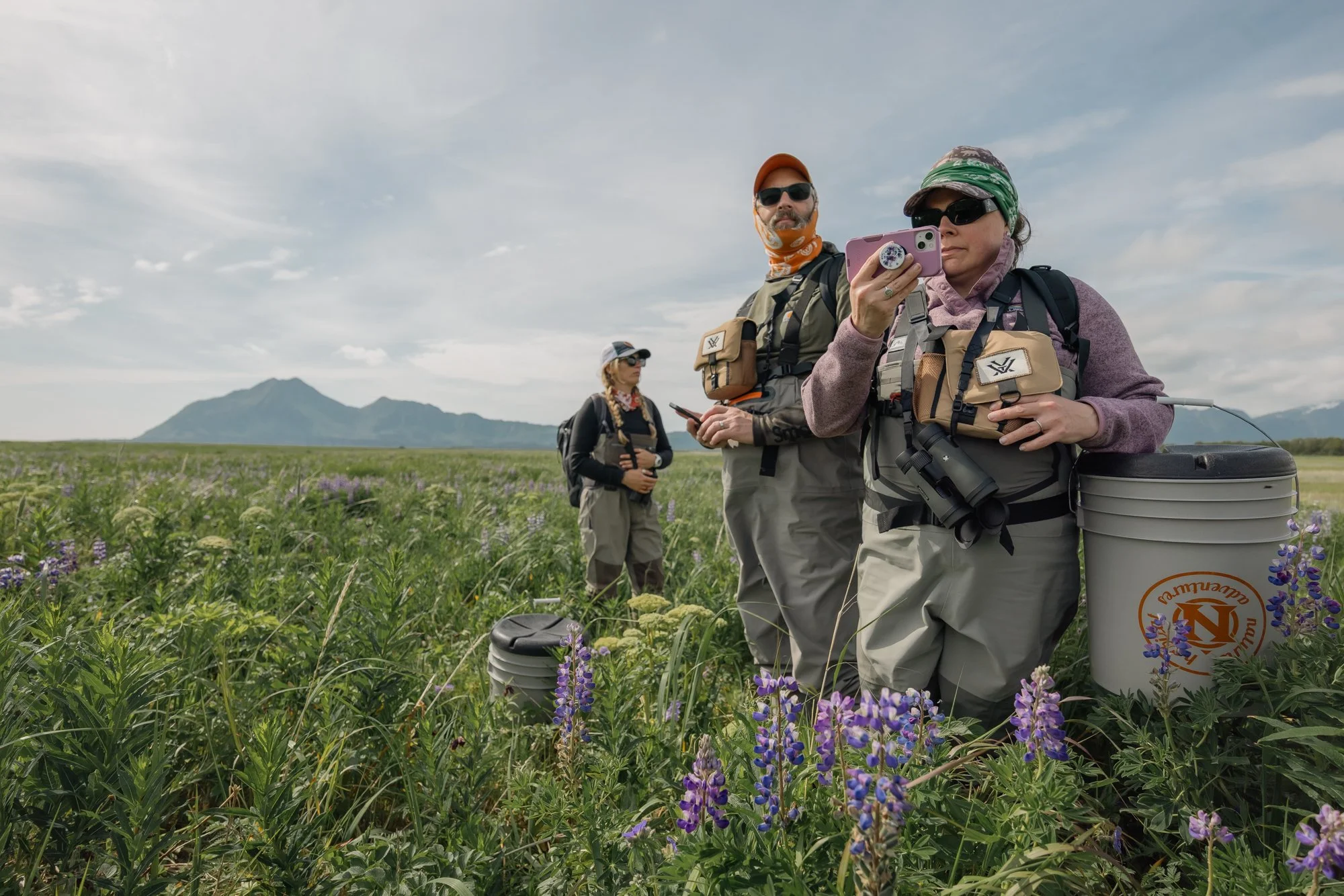
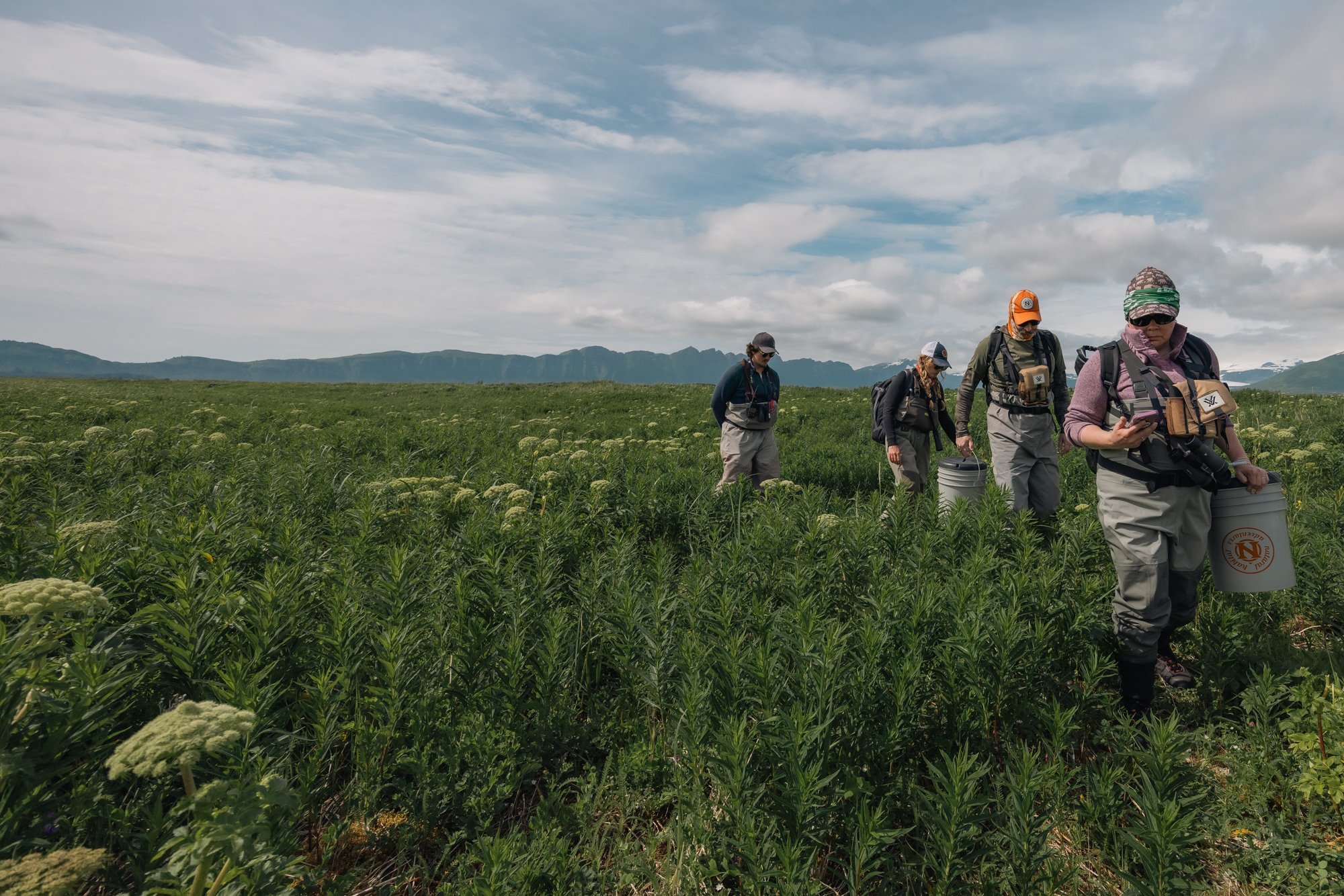
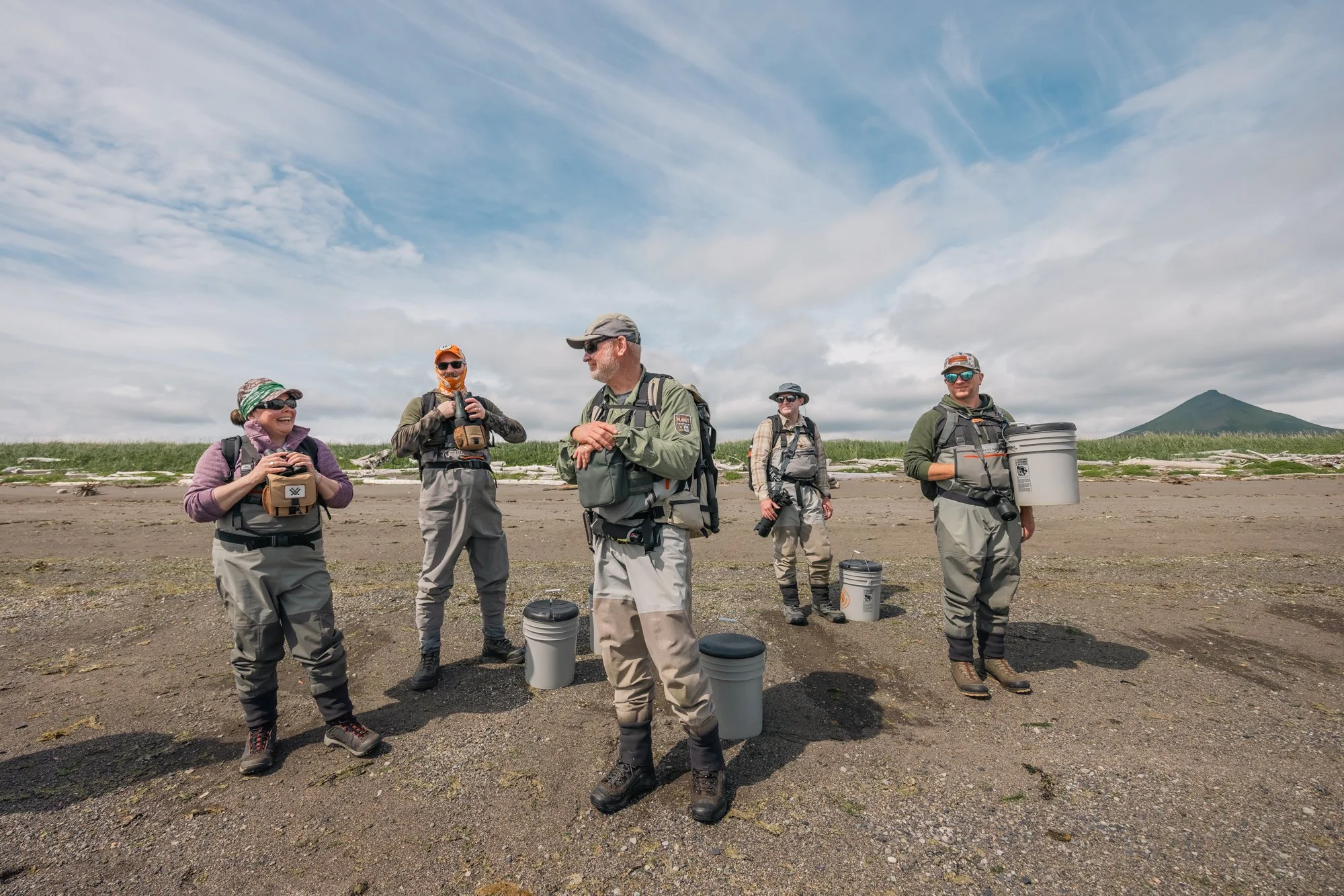
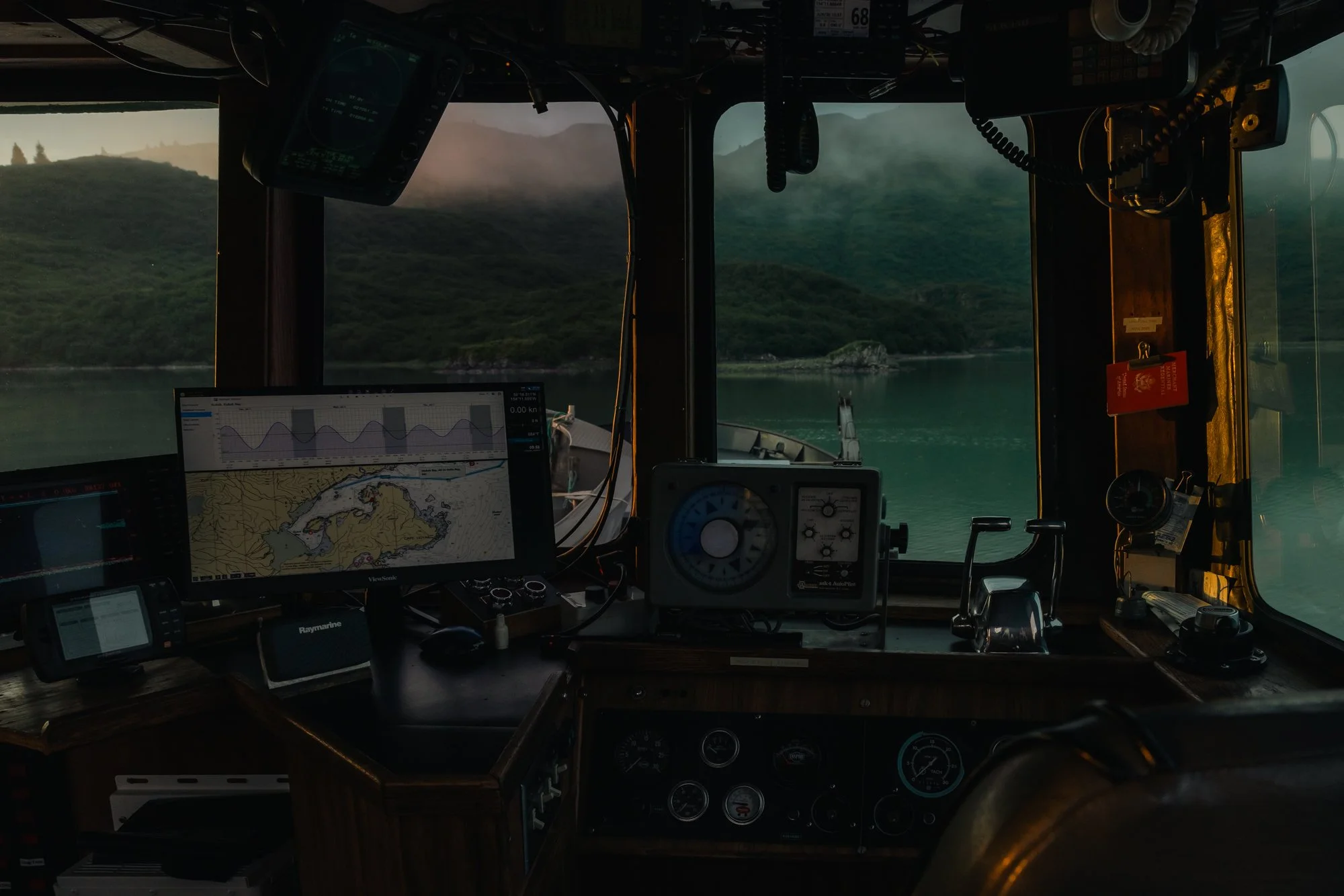
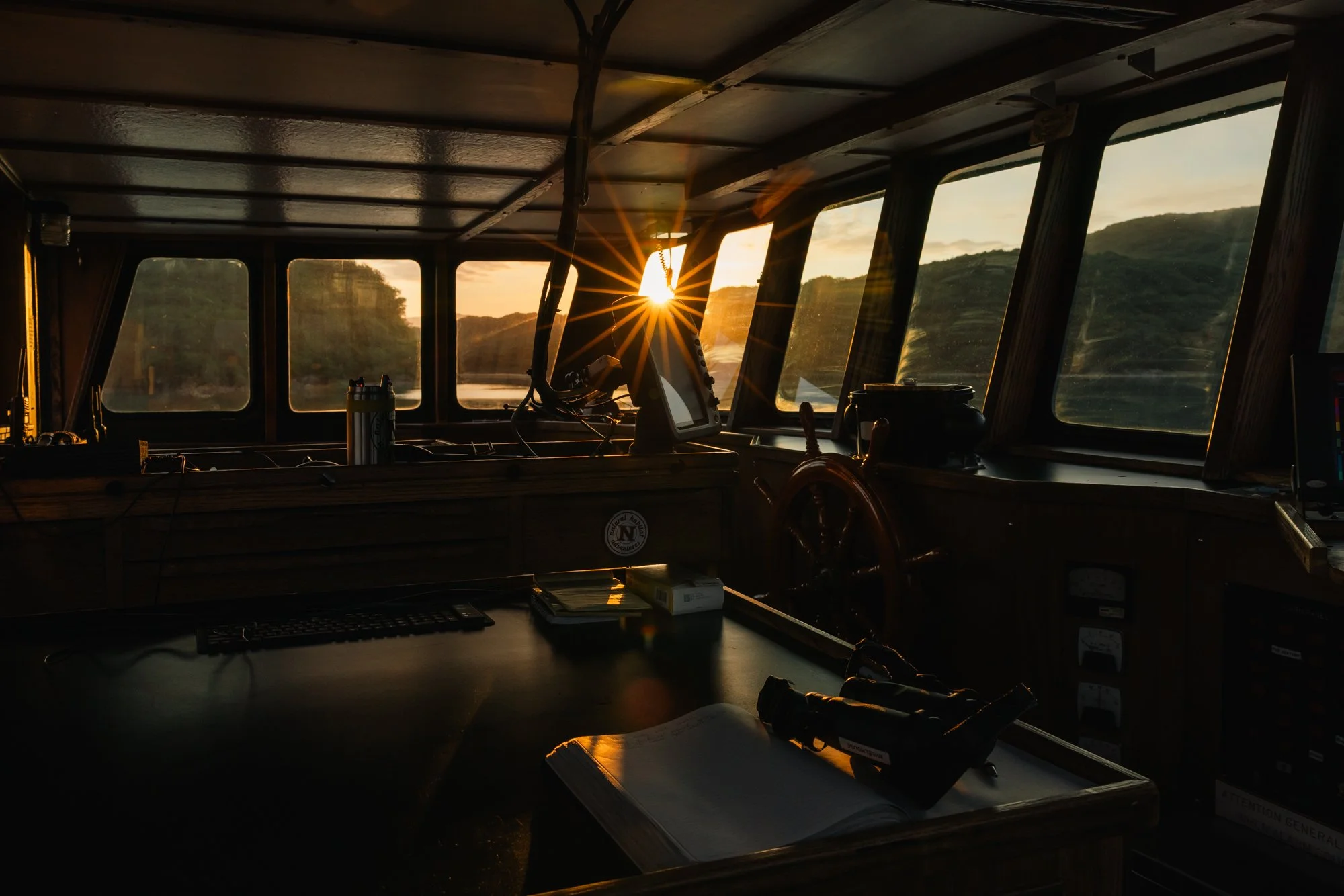
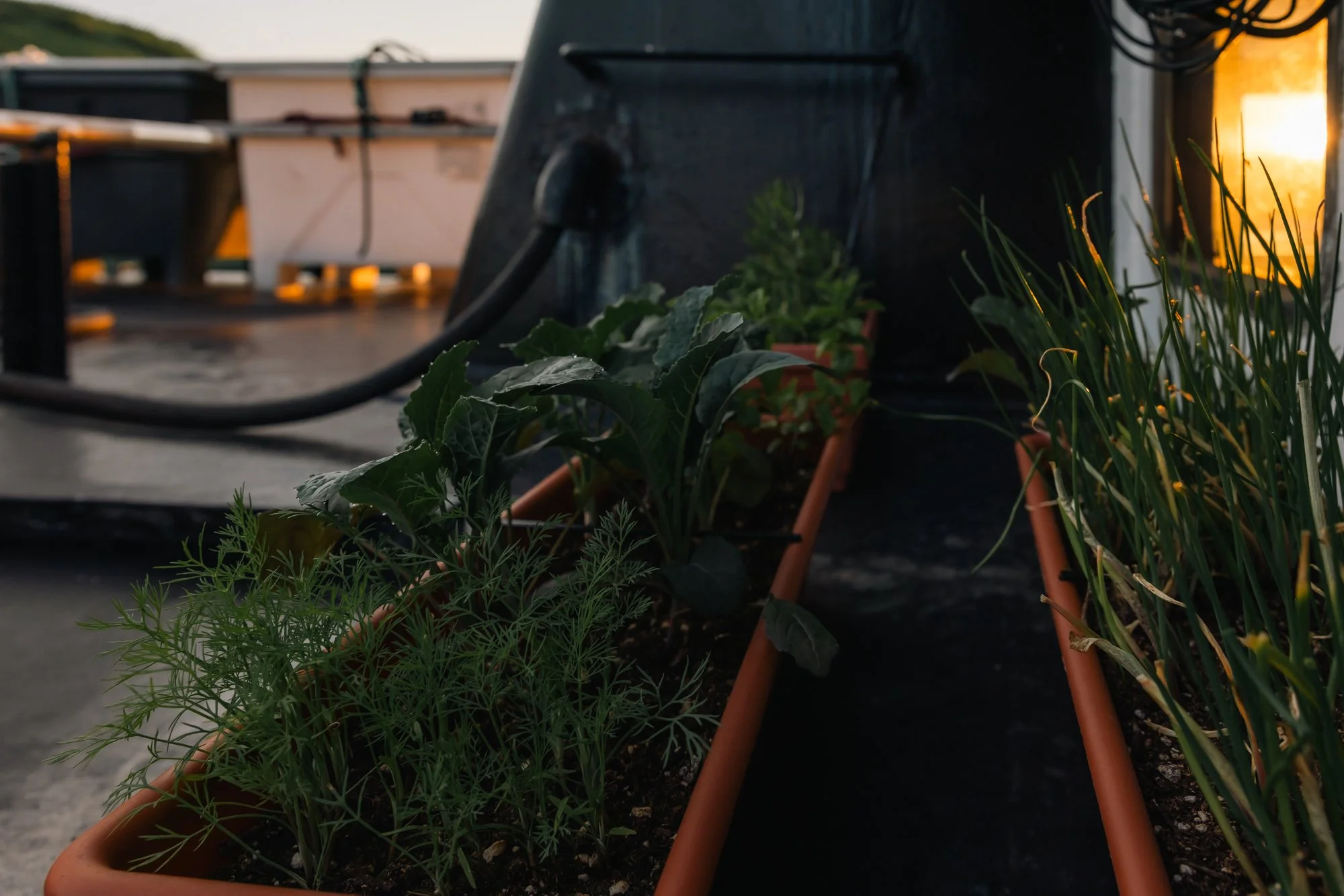
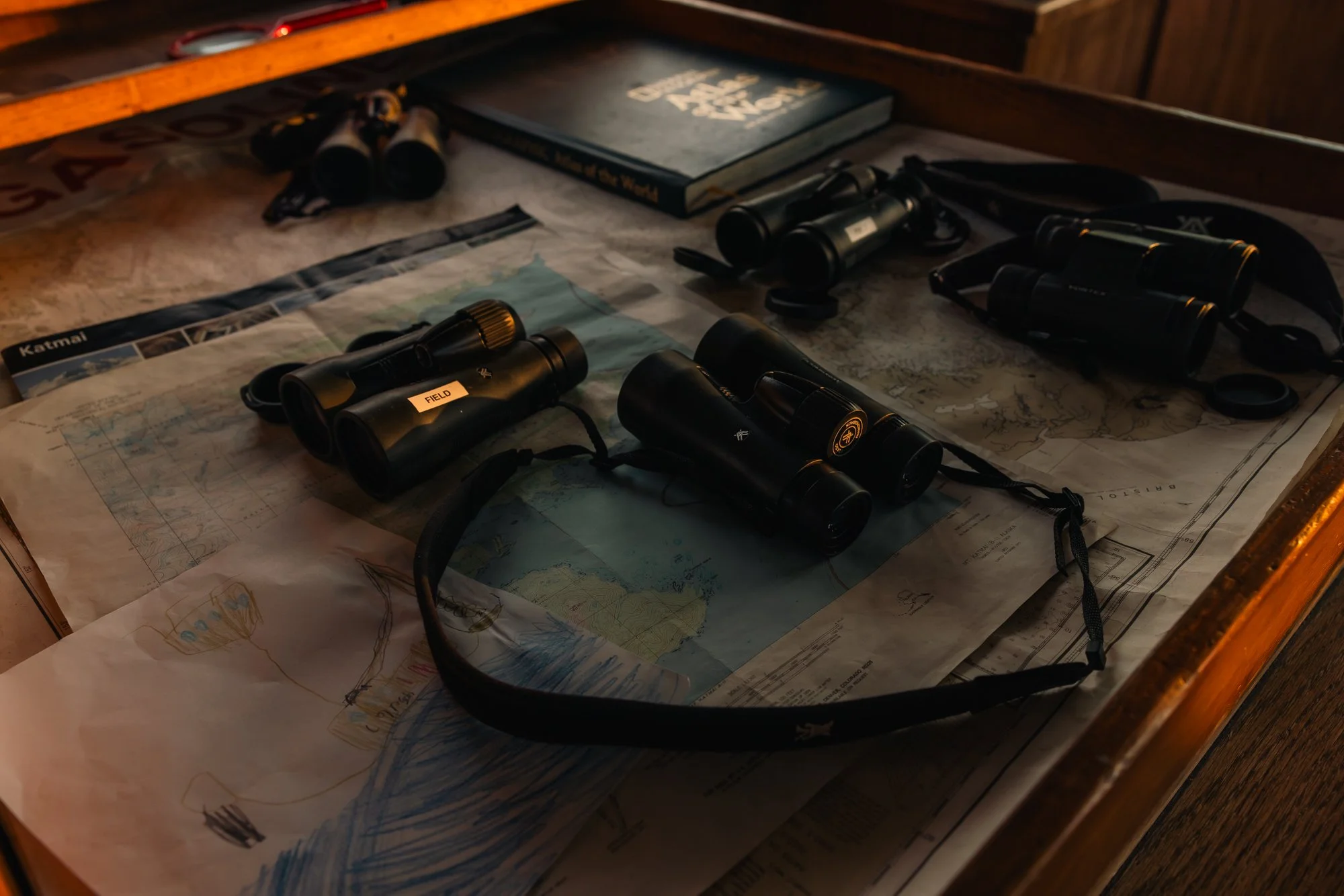
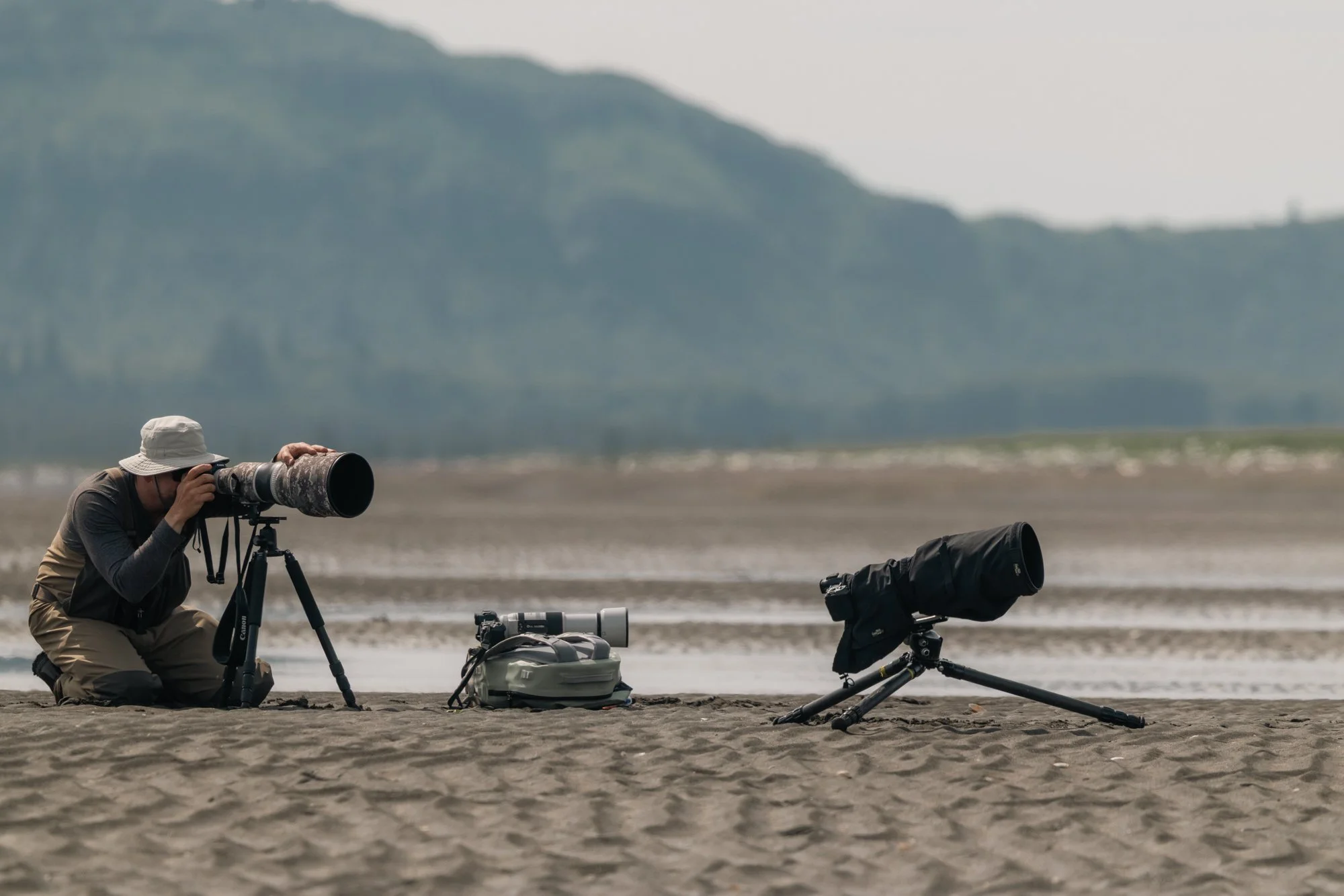
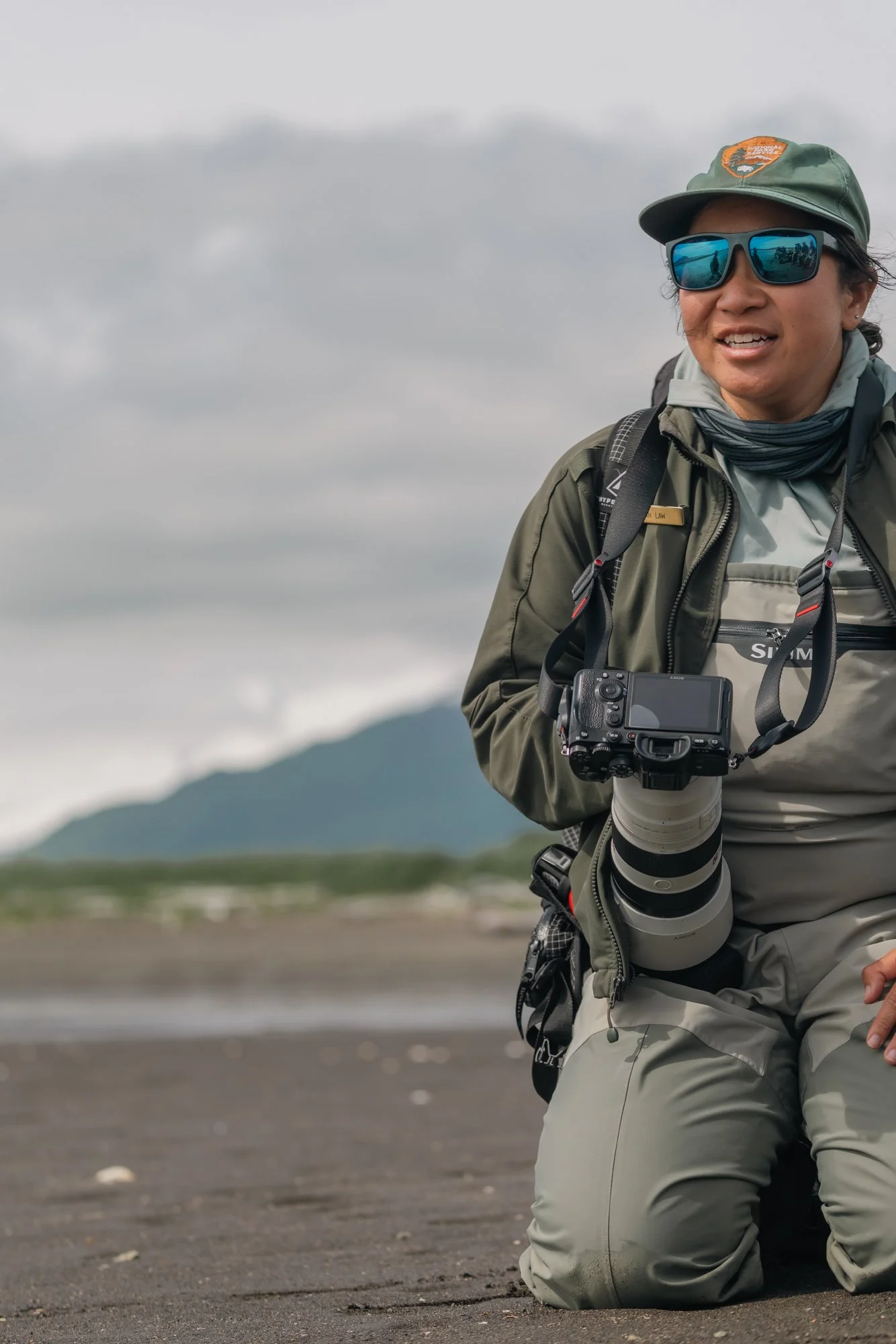
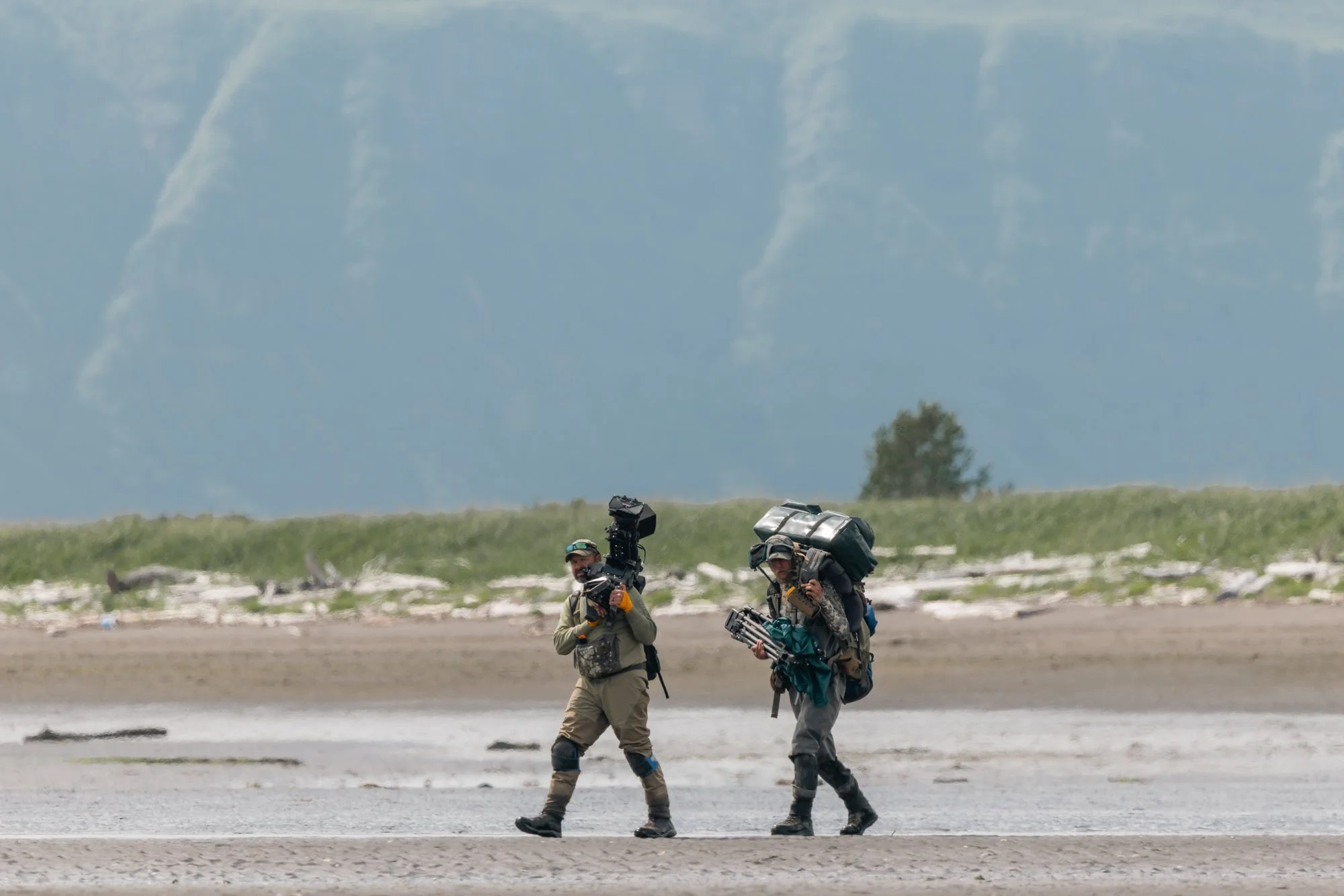
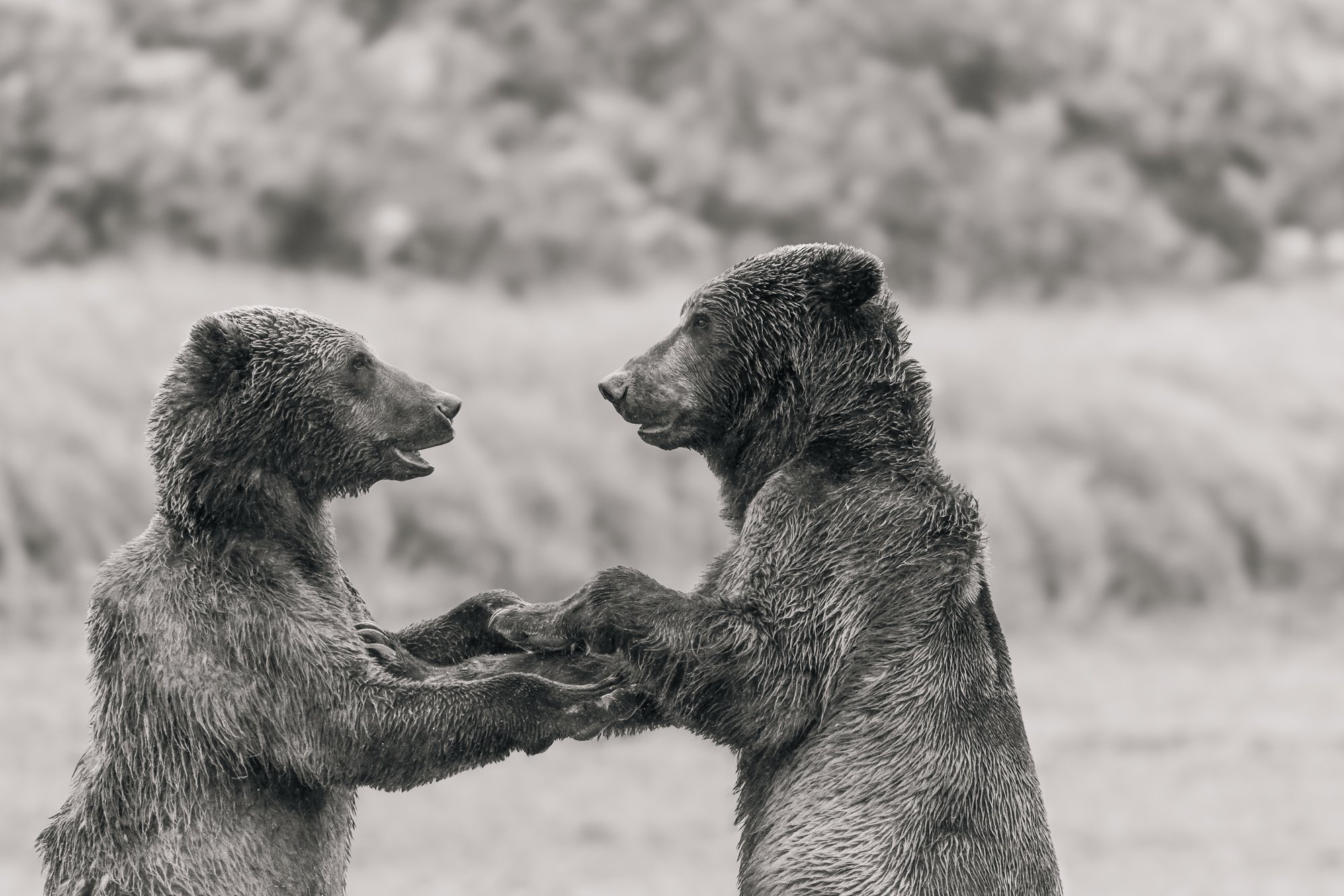
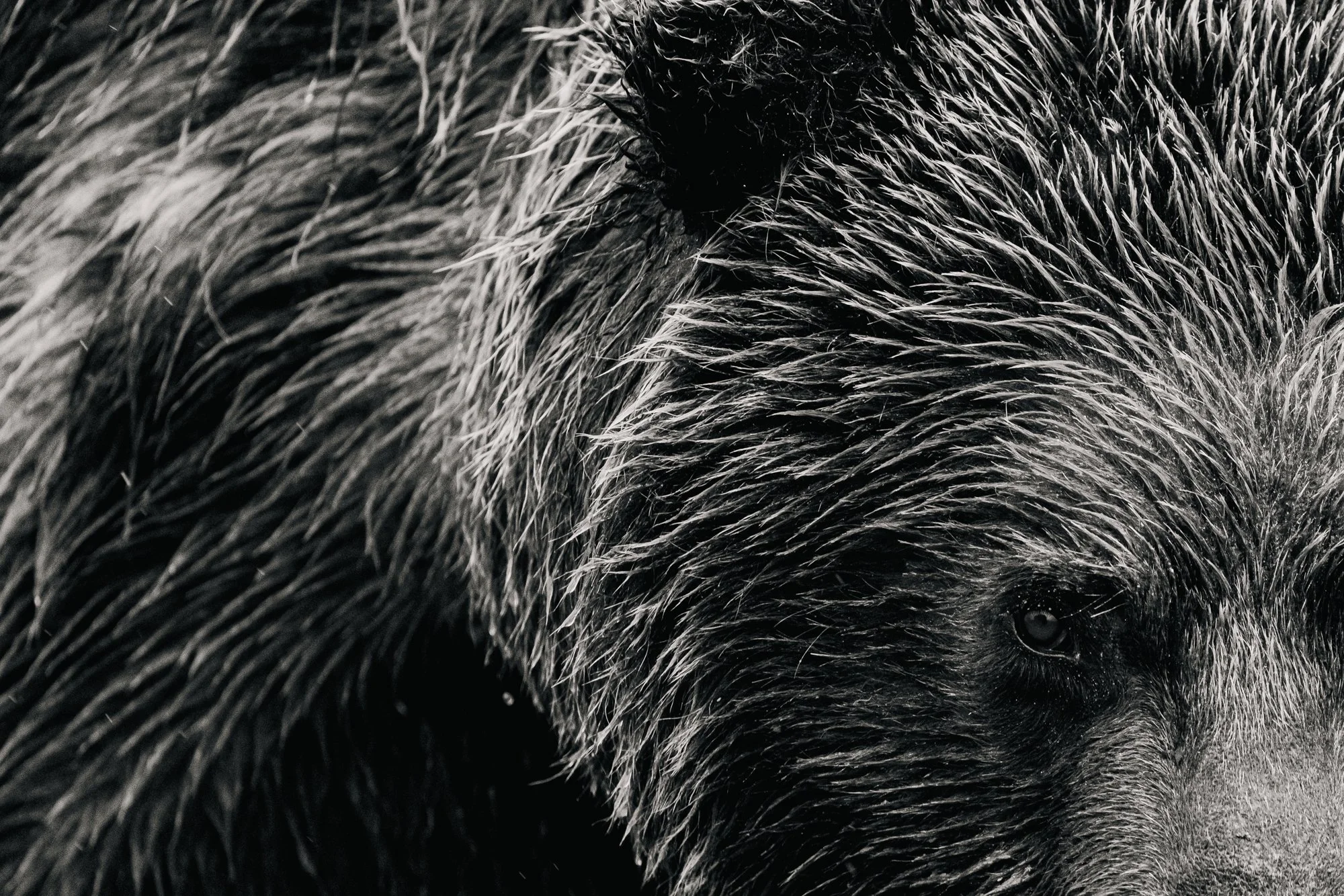
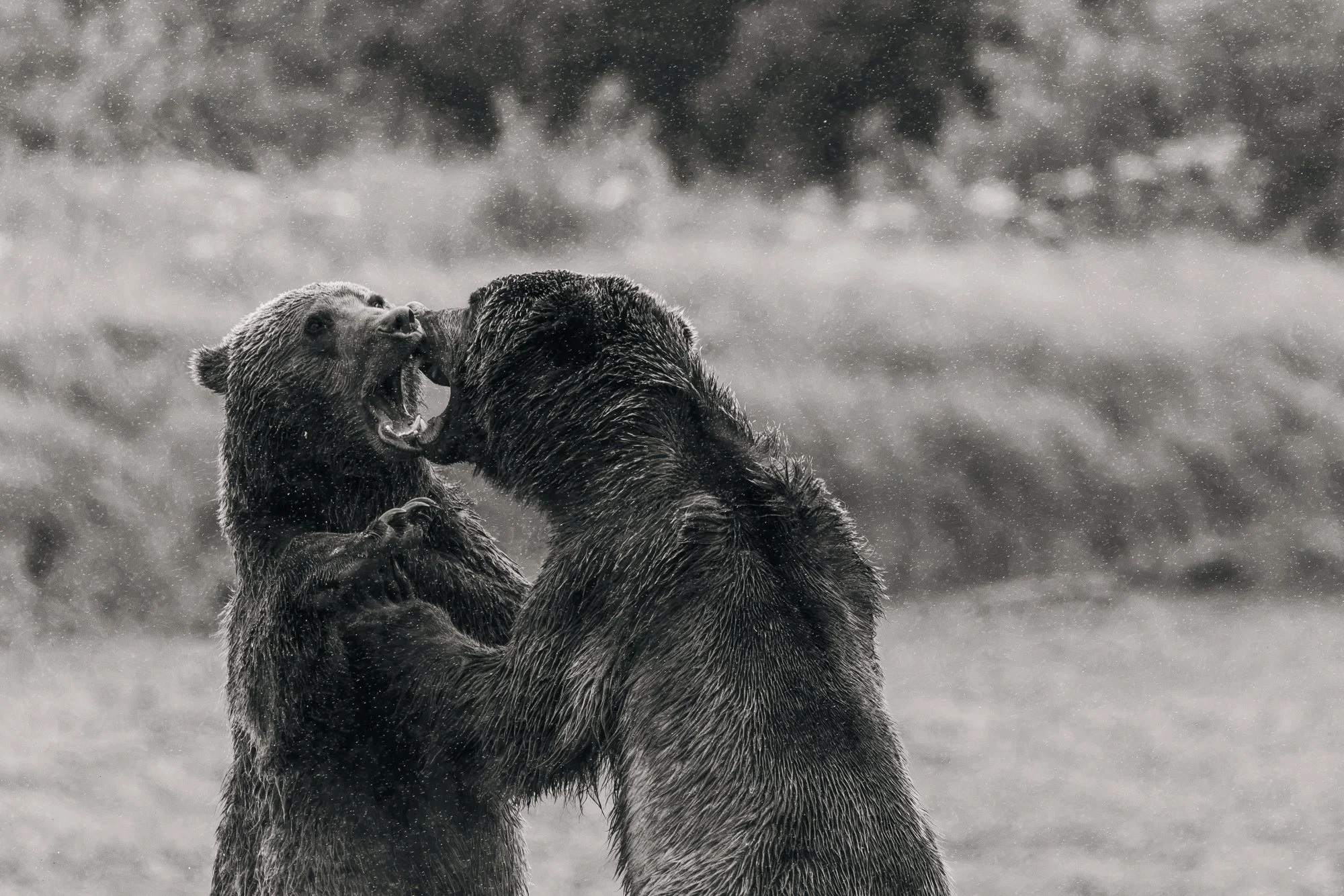
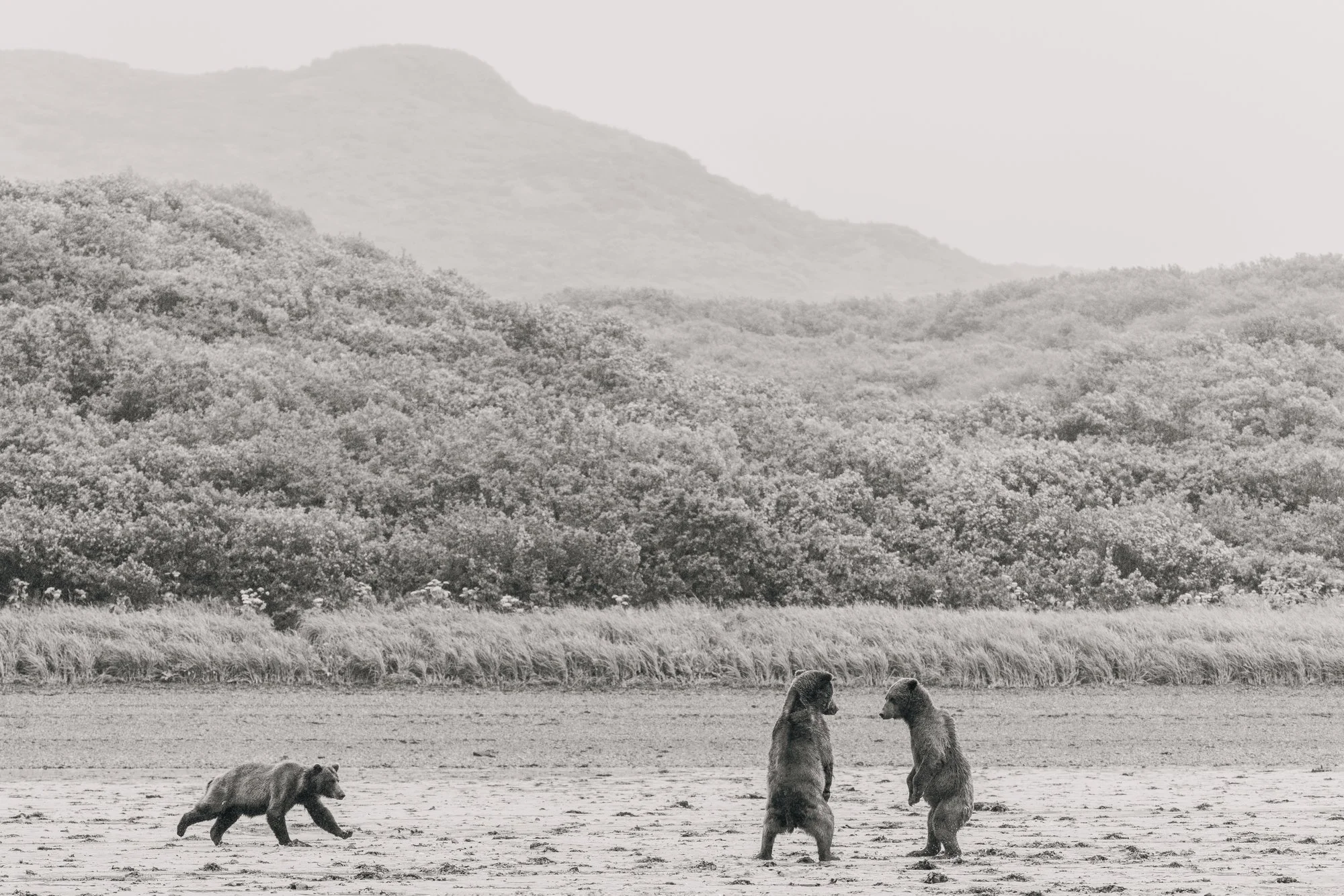
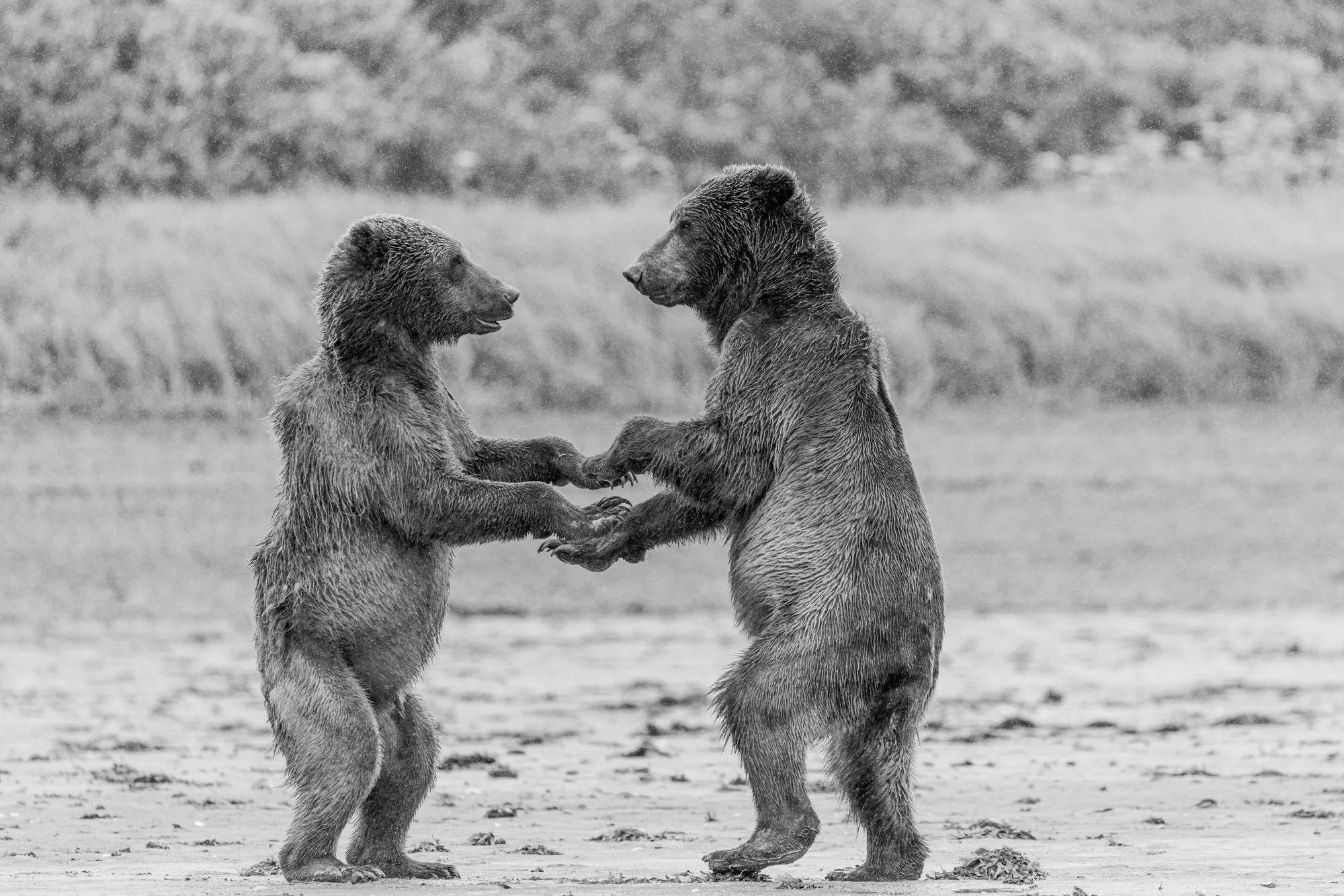
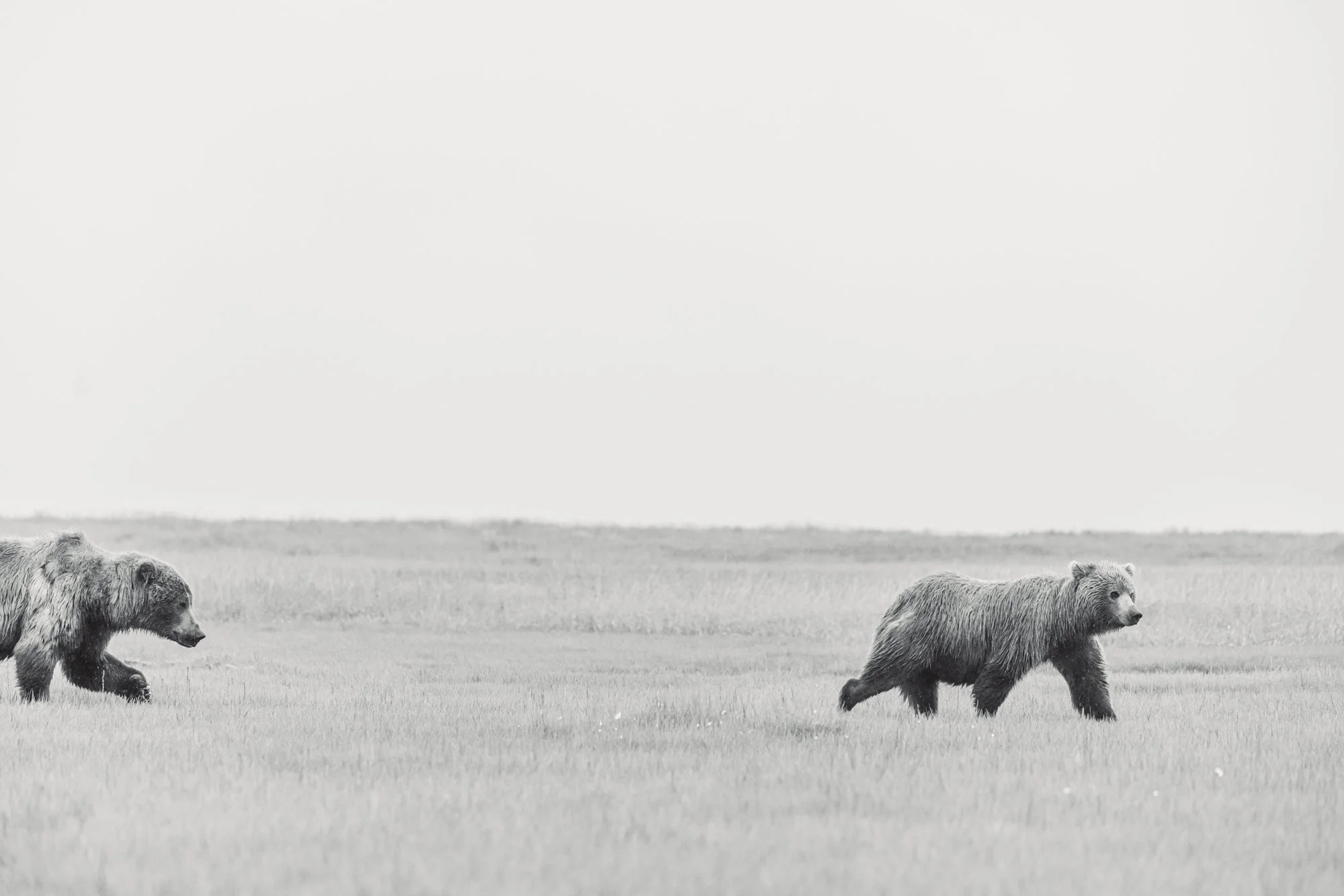
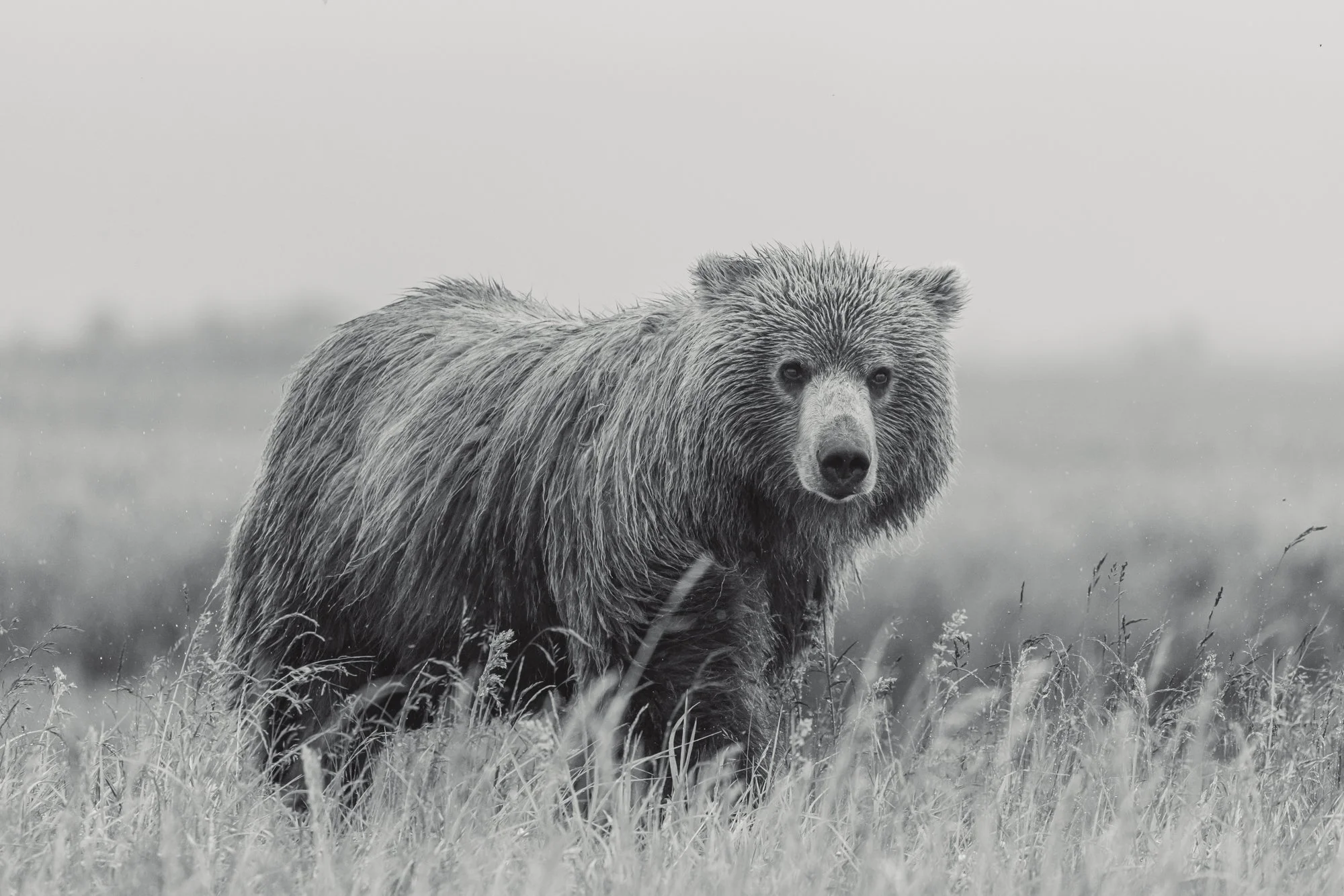
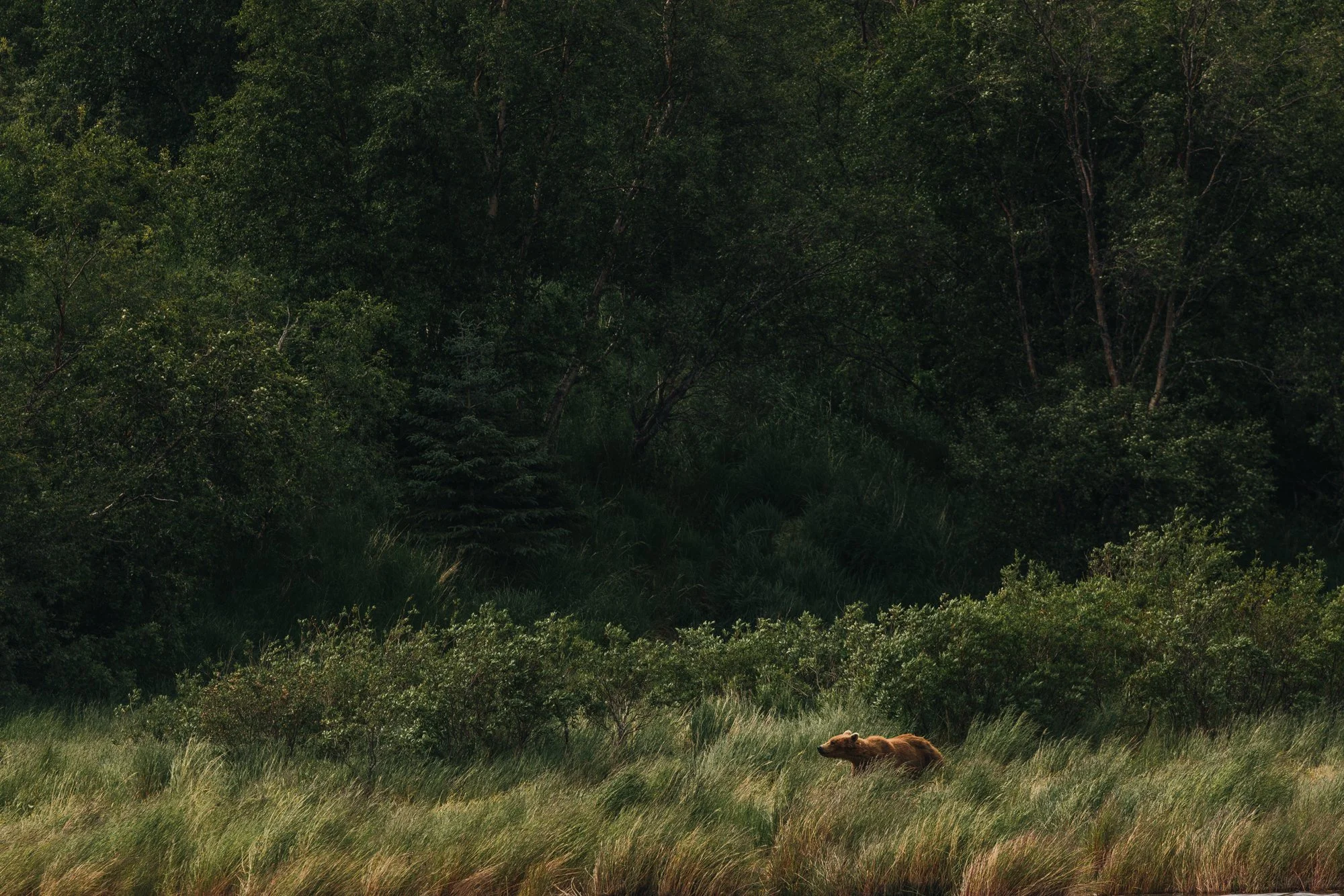
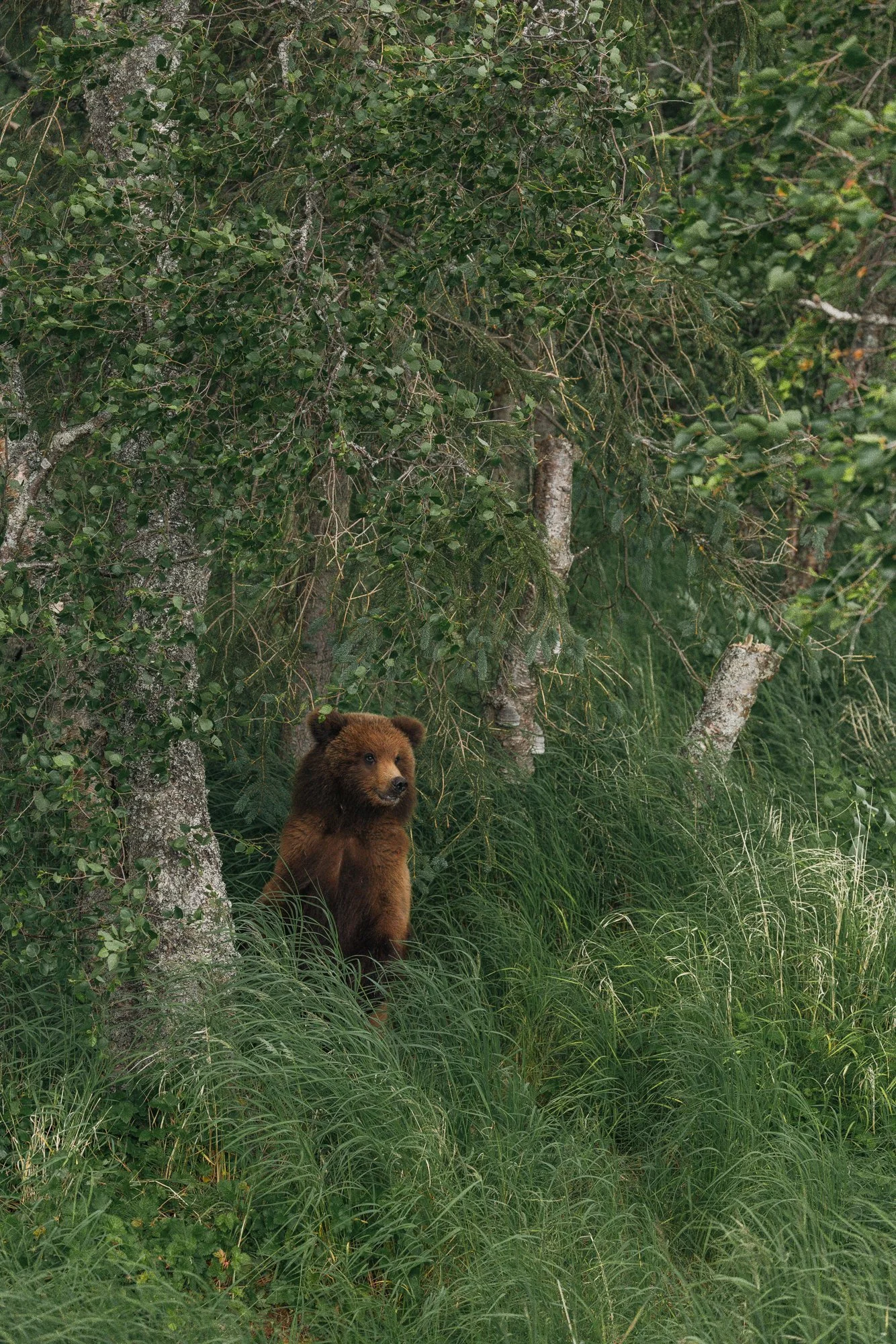
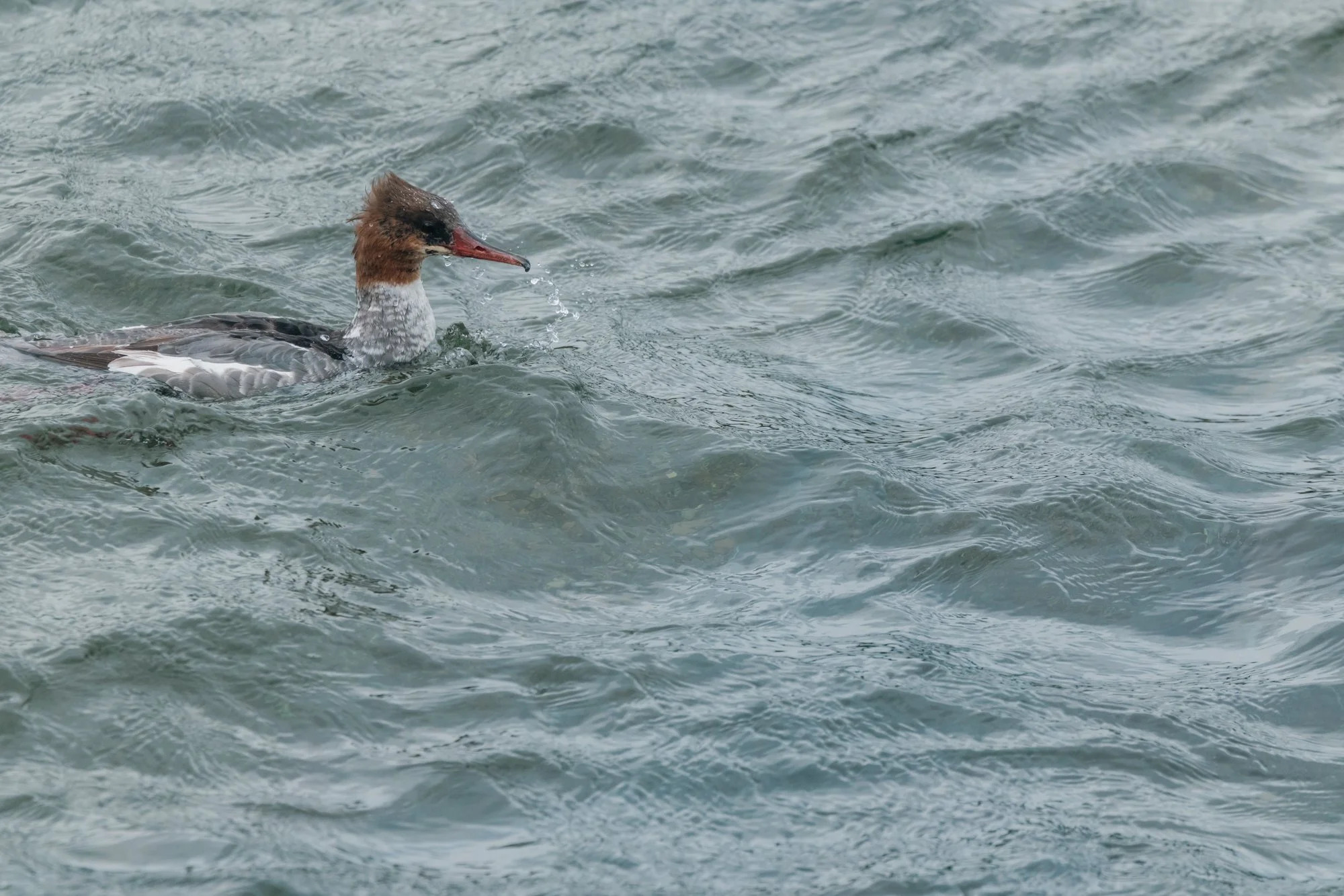
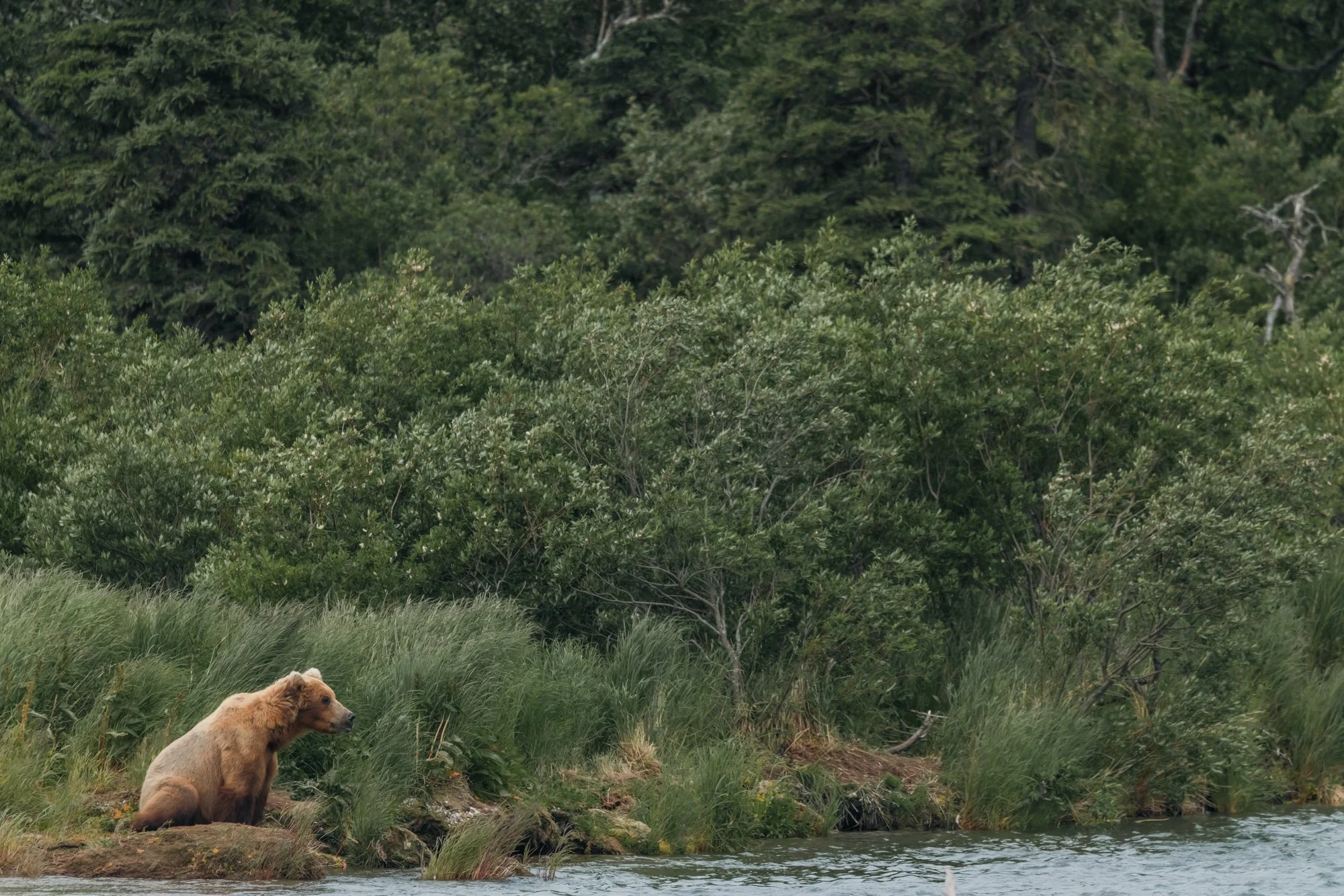
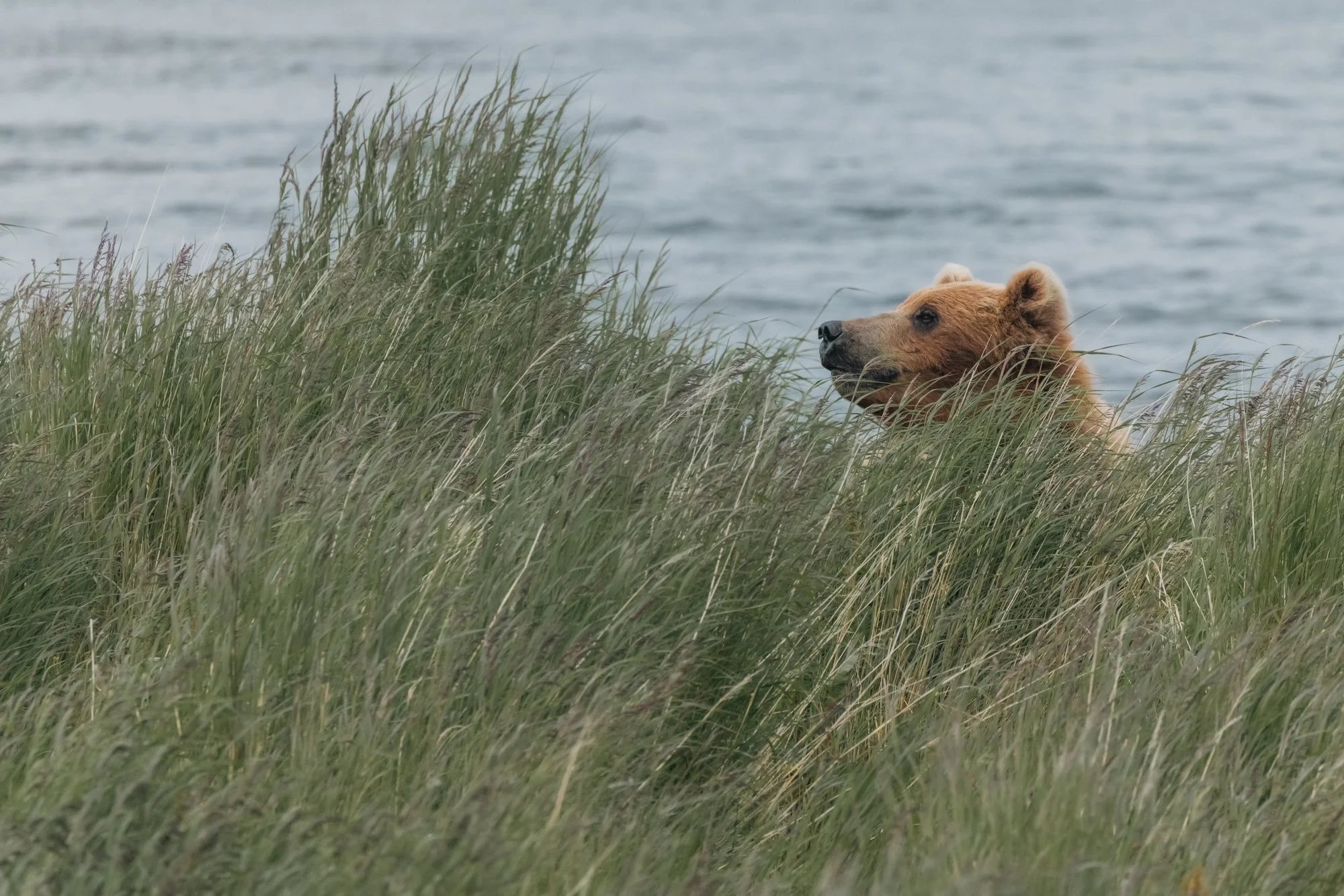
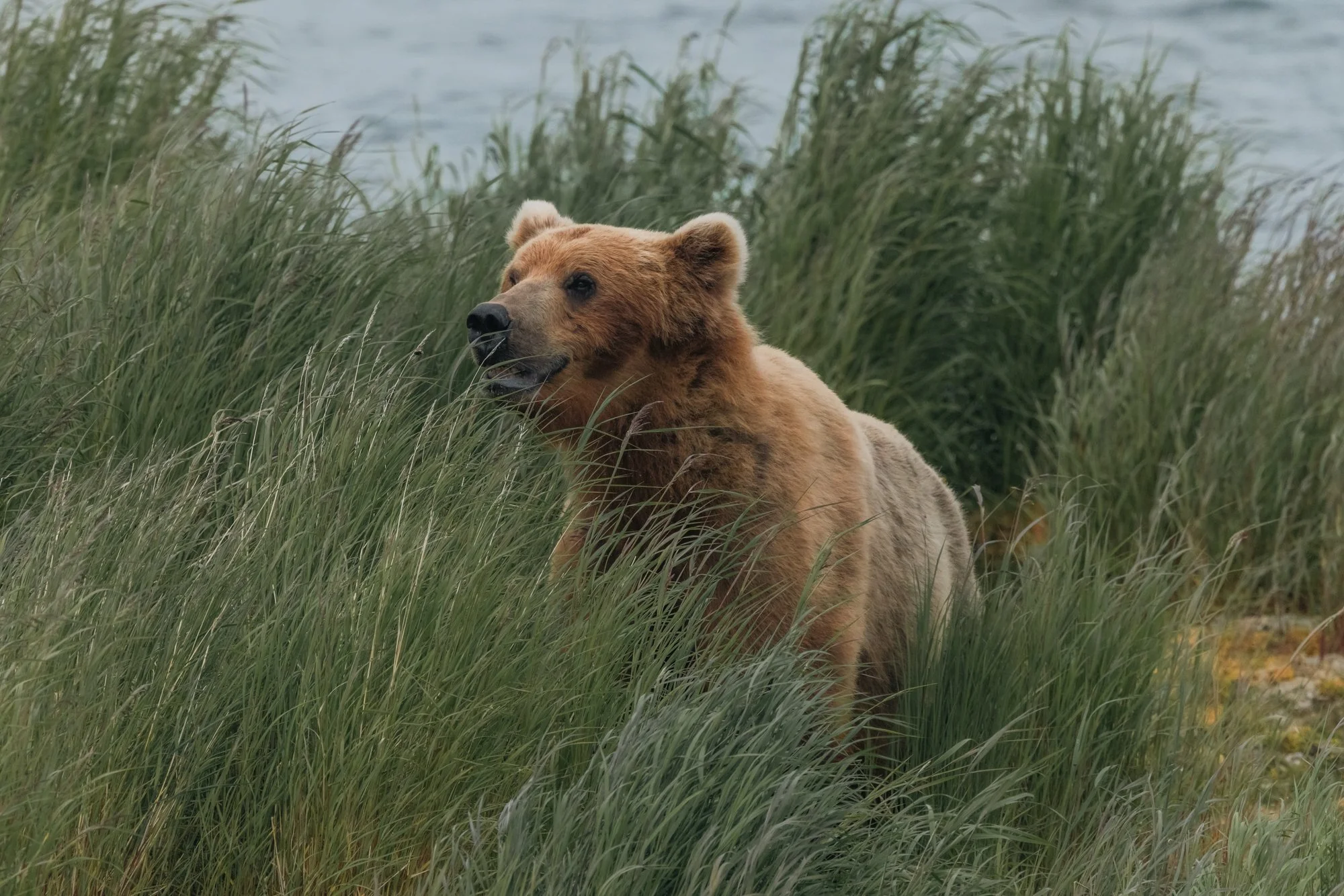
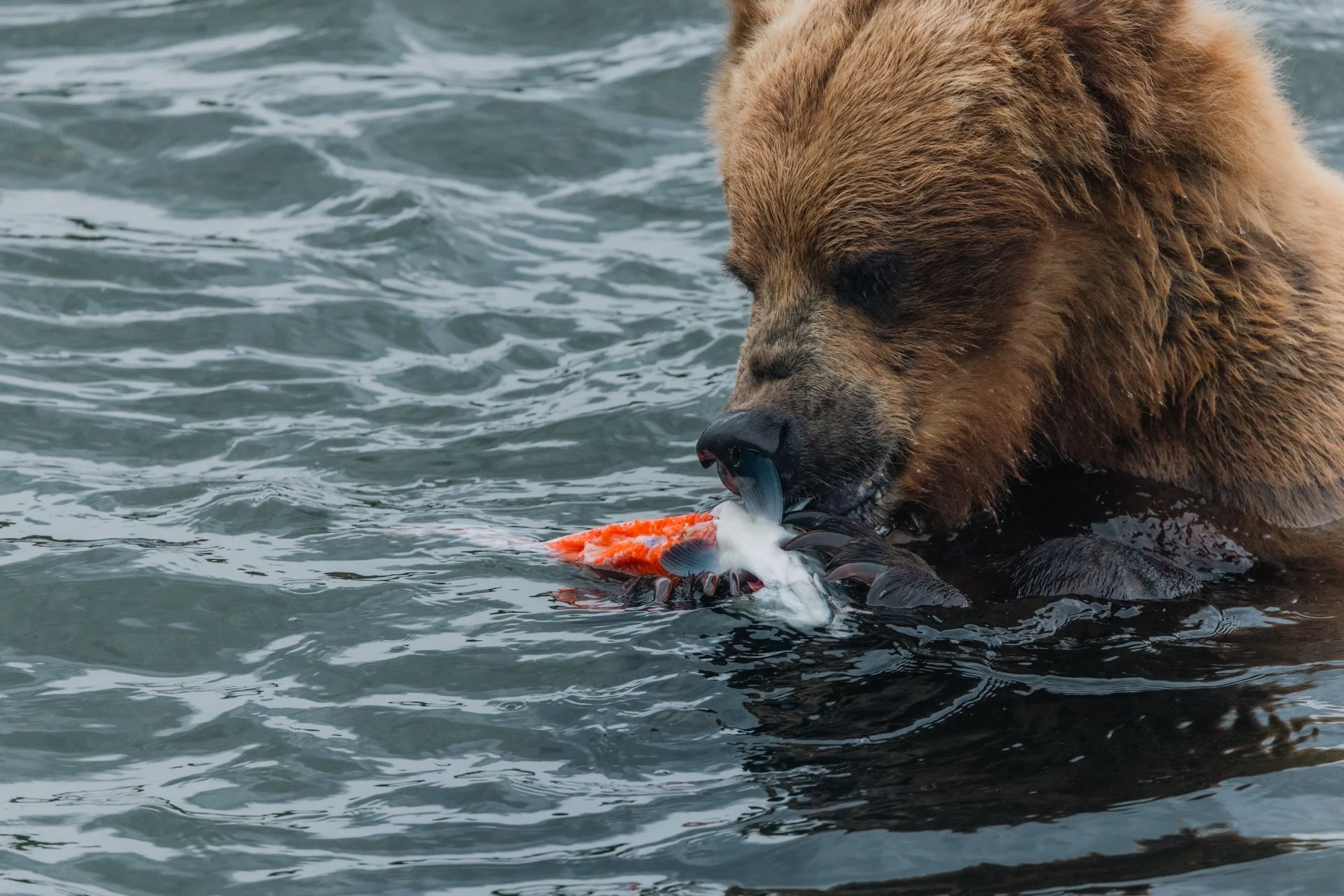
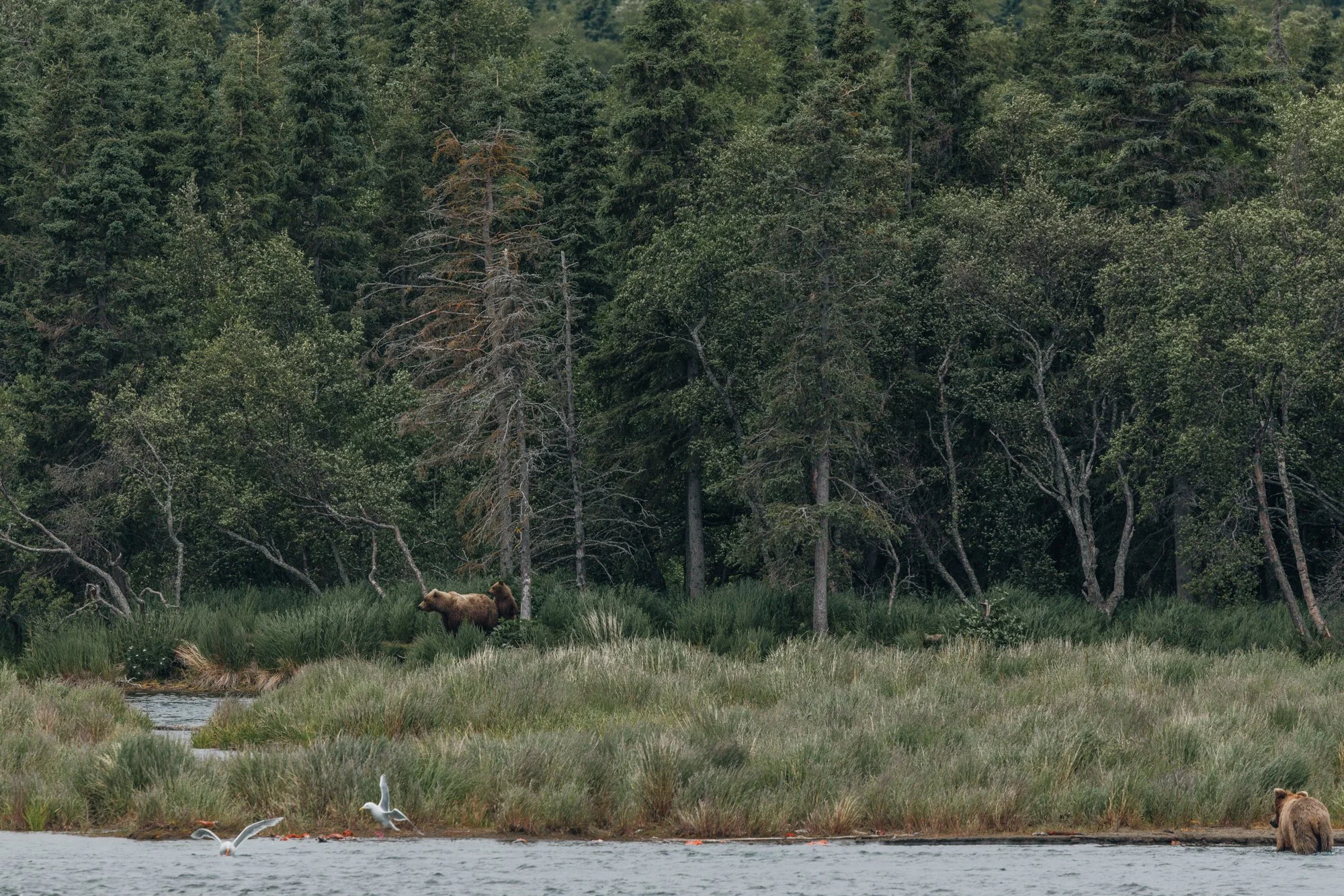
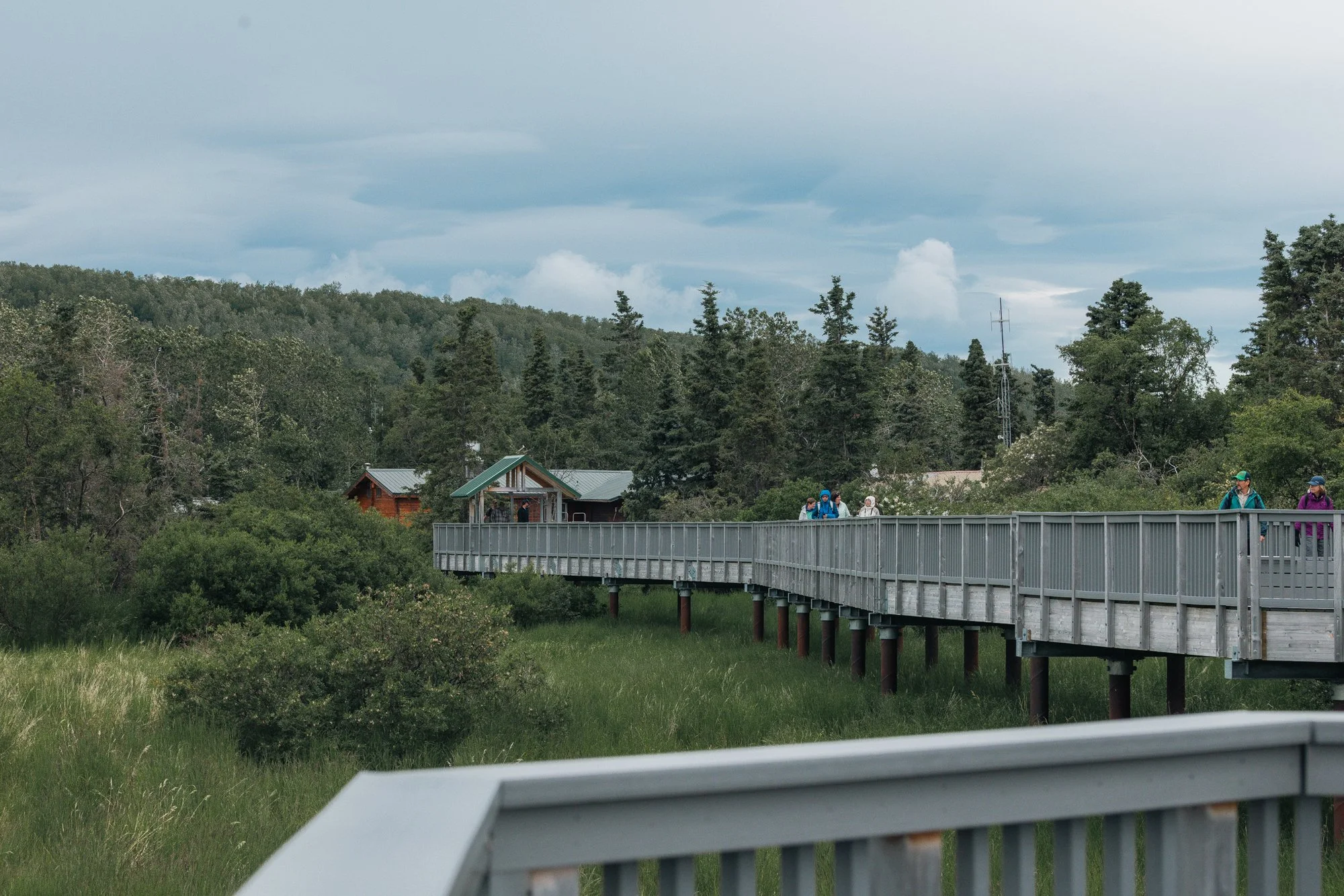
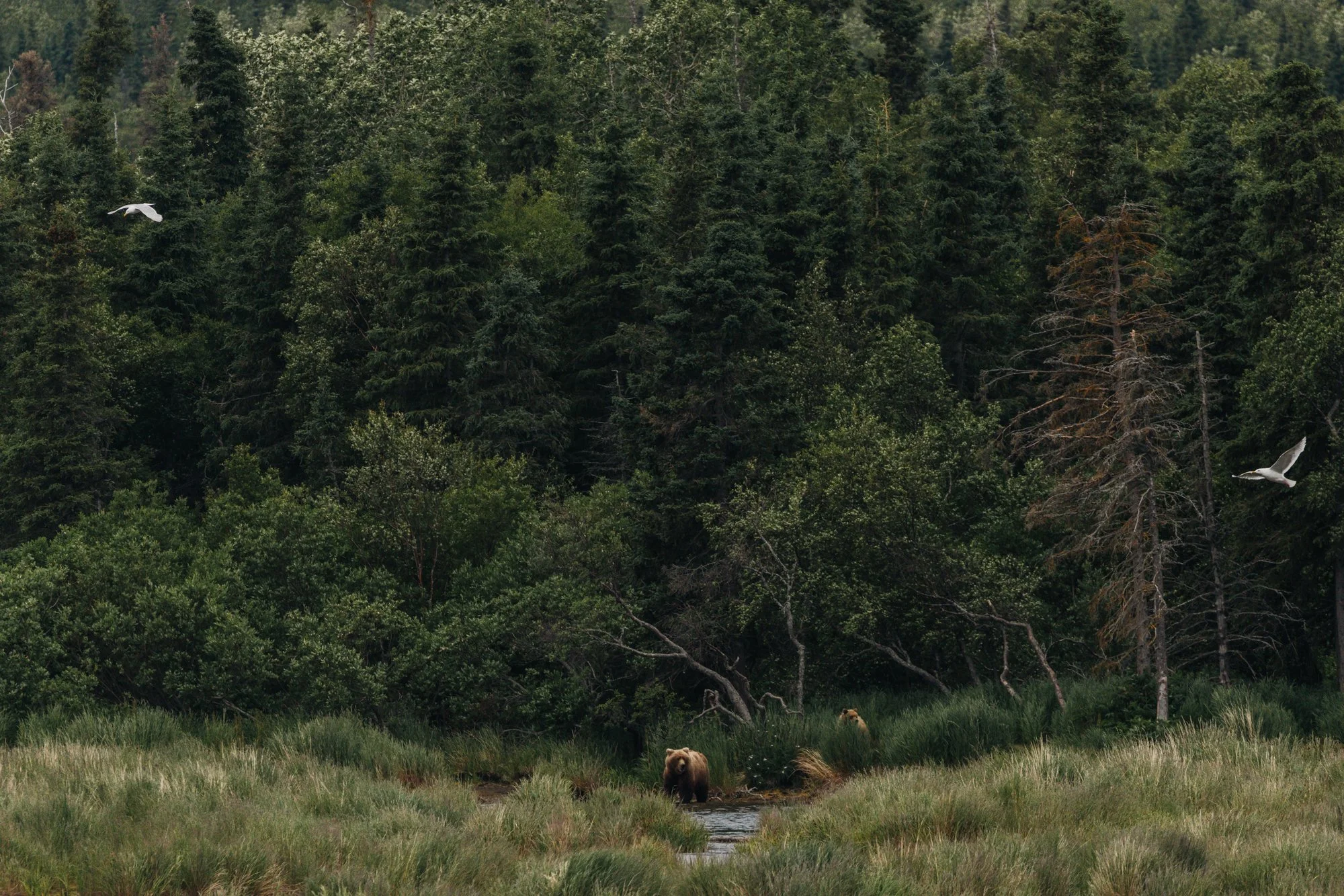
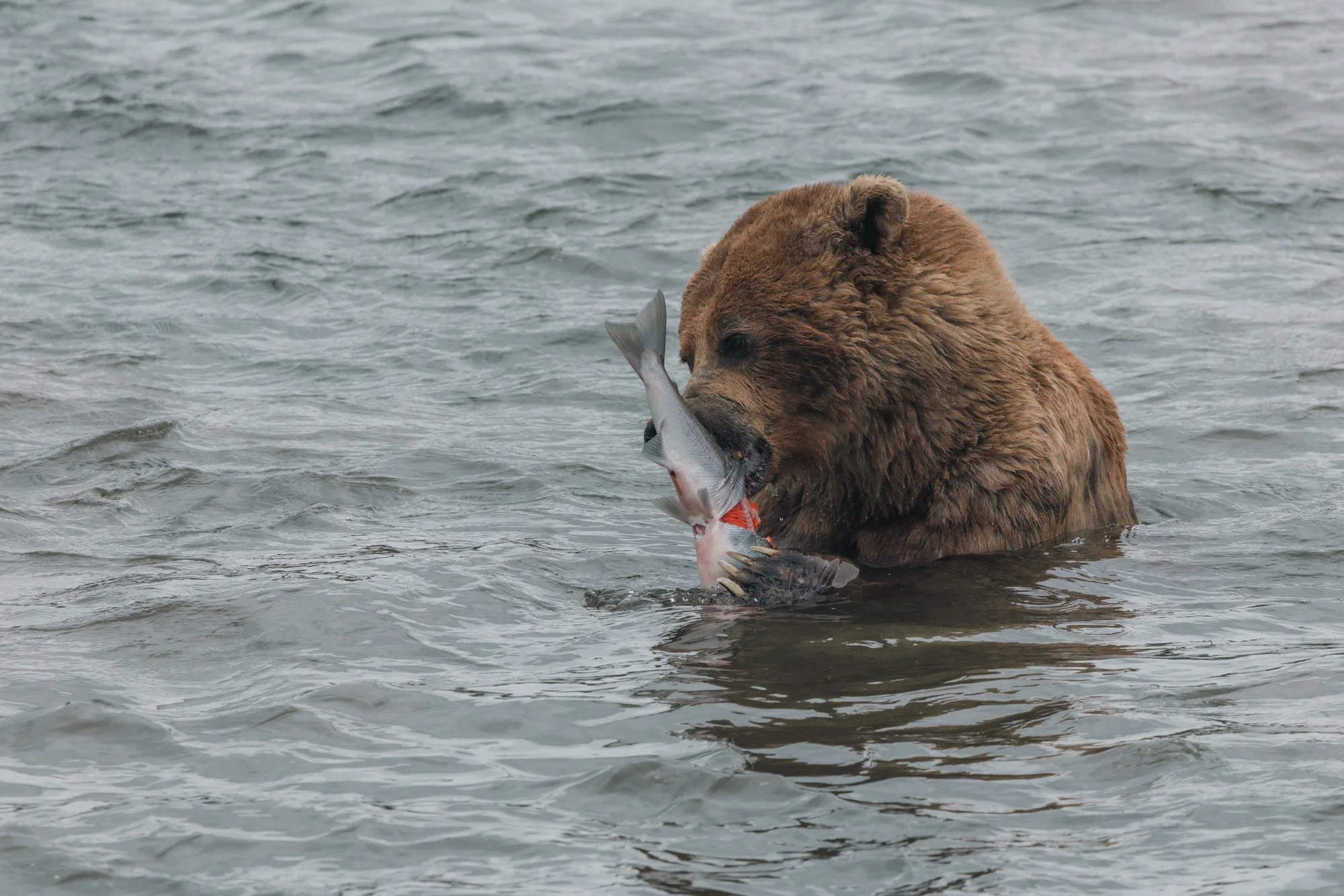
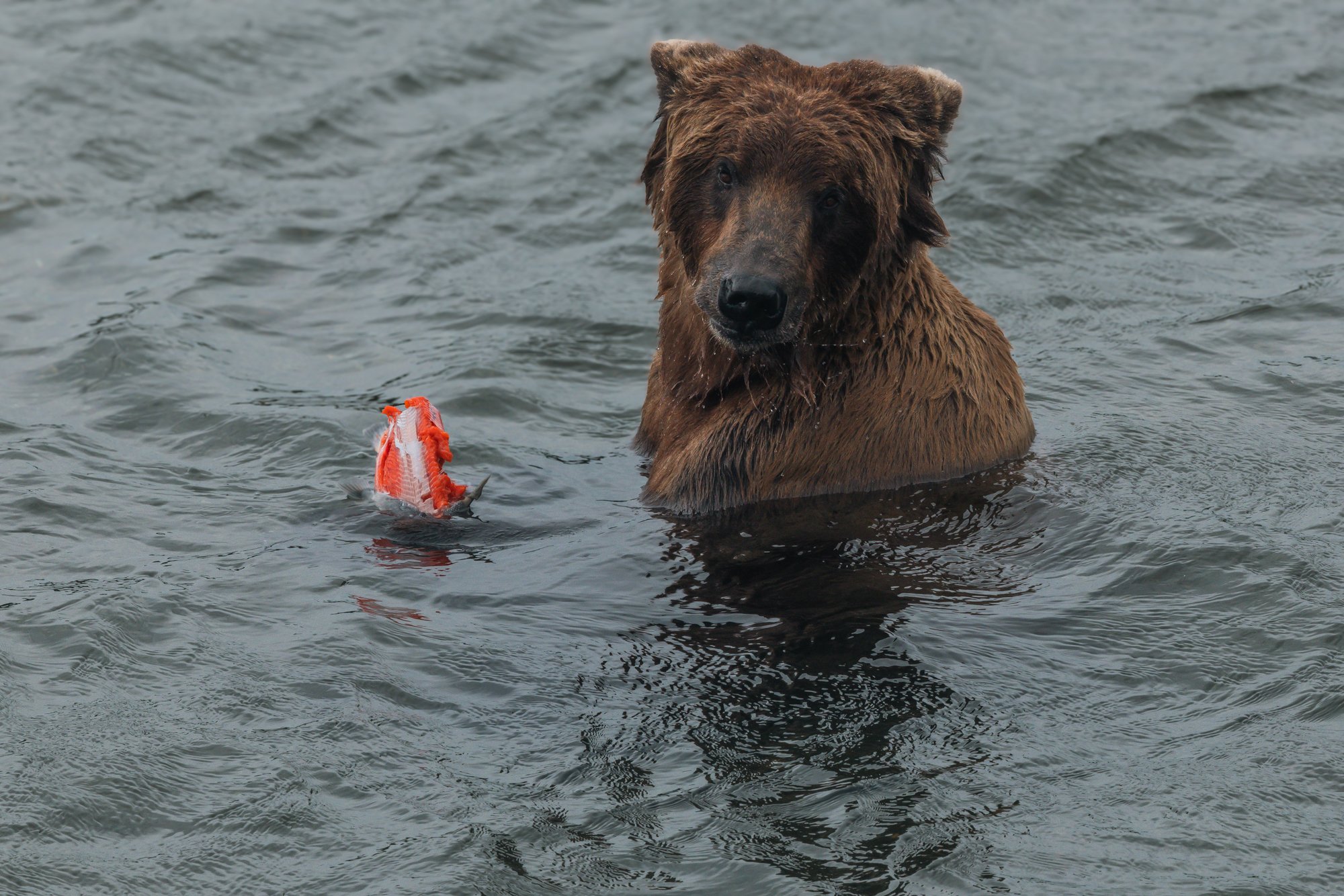
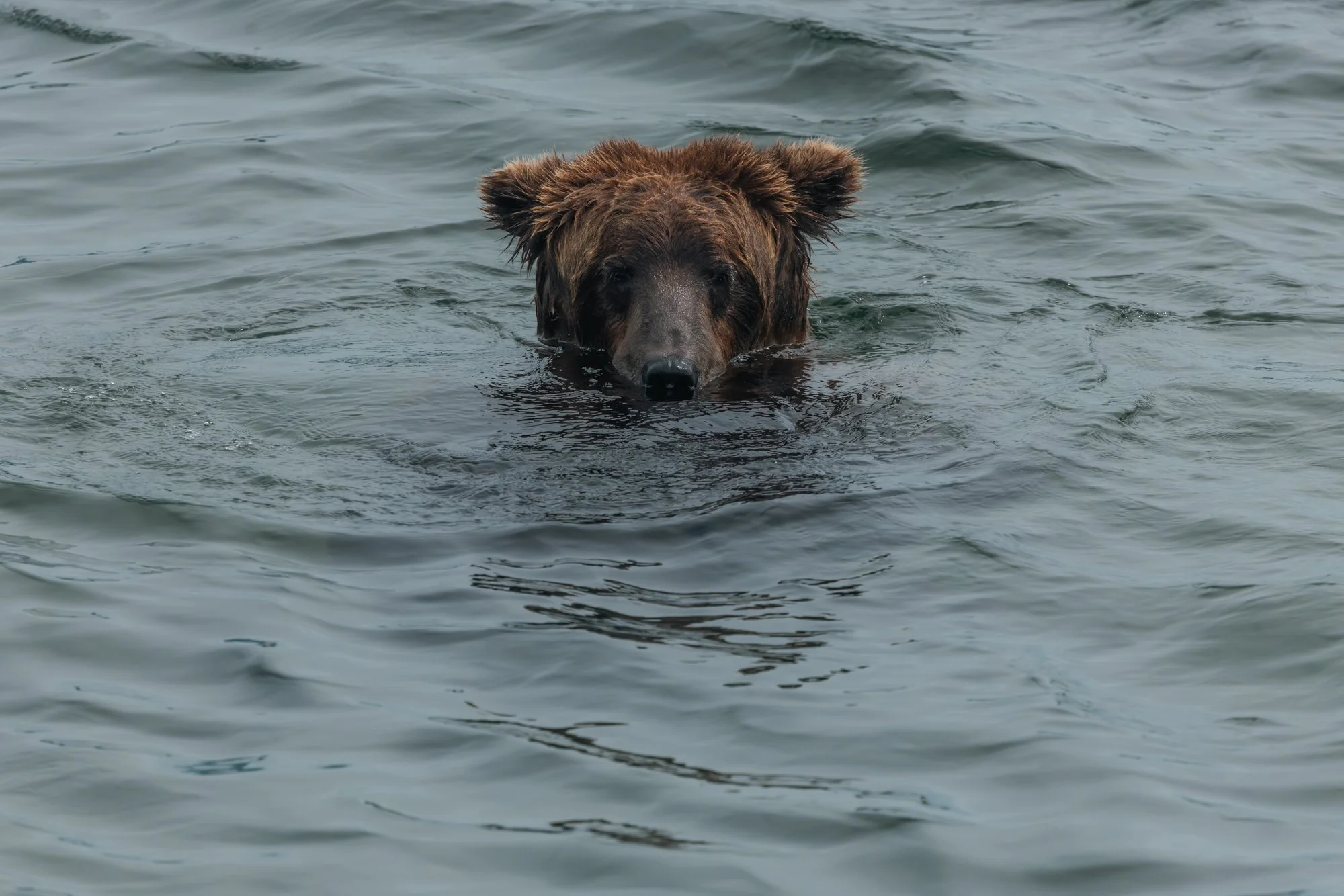
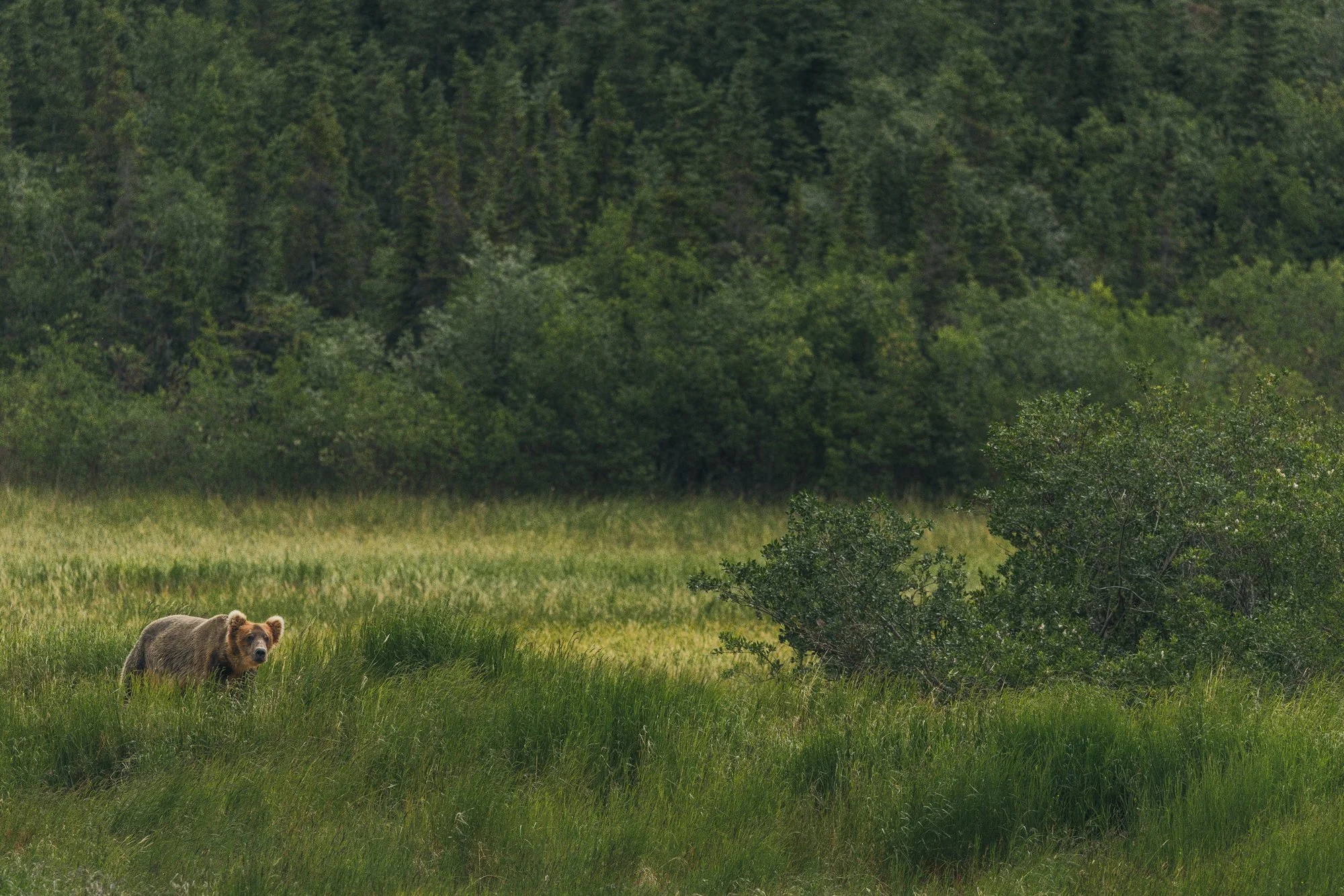
.Each summer, Alaska’s Katmai National Park hosts one of the greatest wildlife spectacles on Earth: coastal brown bears gathering for the salmon run. I propose a feature article, In the Presence of Giants: Katmai’s Coastal Brown Bears, blending personal narrative, conservation urgency, and visual storytelling. Through encounters with mothers and cubs, colossal males, and solitary wanderers, the piece explores the intertwined lives of bears, the value of wildness, and the lessons of presence they offer in an age of distraction. Woven with natural history and conservation context, the story examines Katmai as a sanctuary - and a mirror for our own longing to reconnect with the natural world.
2,000–2,500 words with original photographs