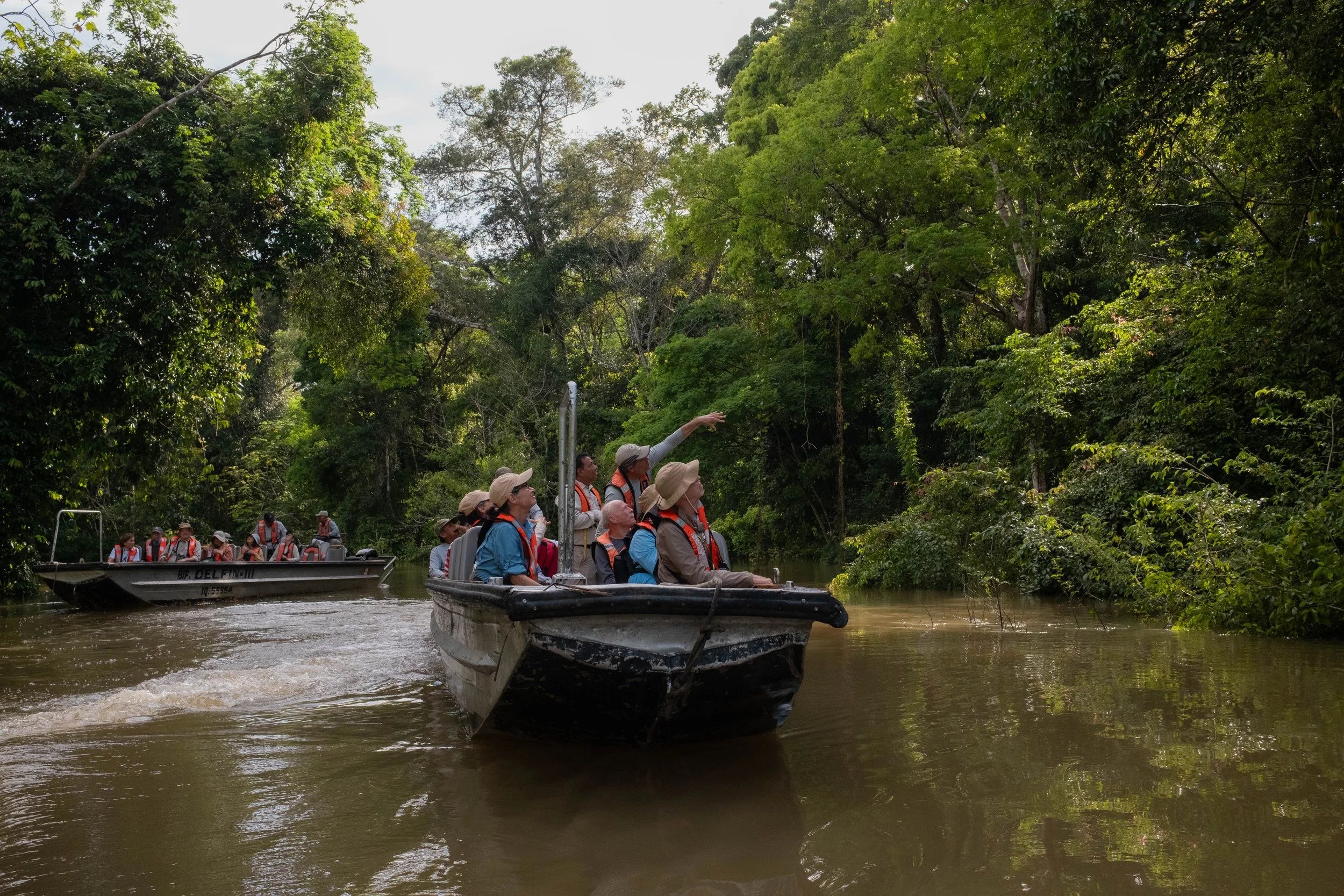
Pacaya Samiria National Reserve
Our StoryThis one reads quite differently. The Alaska edit feels like a feature story—a journey through a landscape. This feels much more like an essay with a clear argument. It's less about "what happened" and more about "what this place means."
I actually think it's narratively more ambitious.
What I read
The central question seems to be:
How do people and wildlife coexist in the Amazon—and what does captivity, conservation, and community look like there?
Rather than following a chronological expedition, it explores relationships.
I read the sequence as:
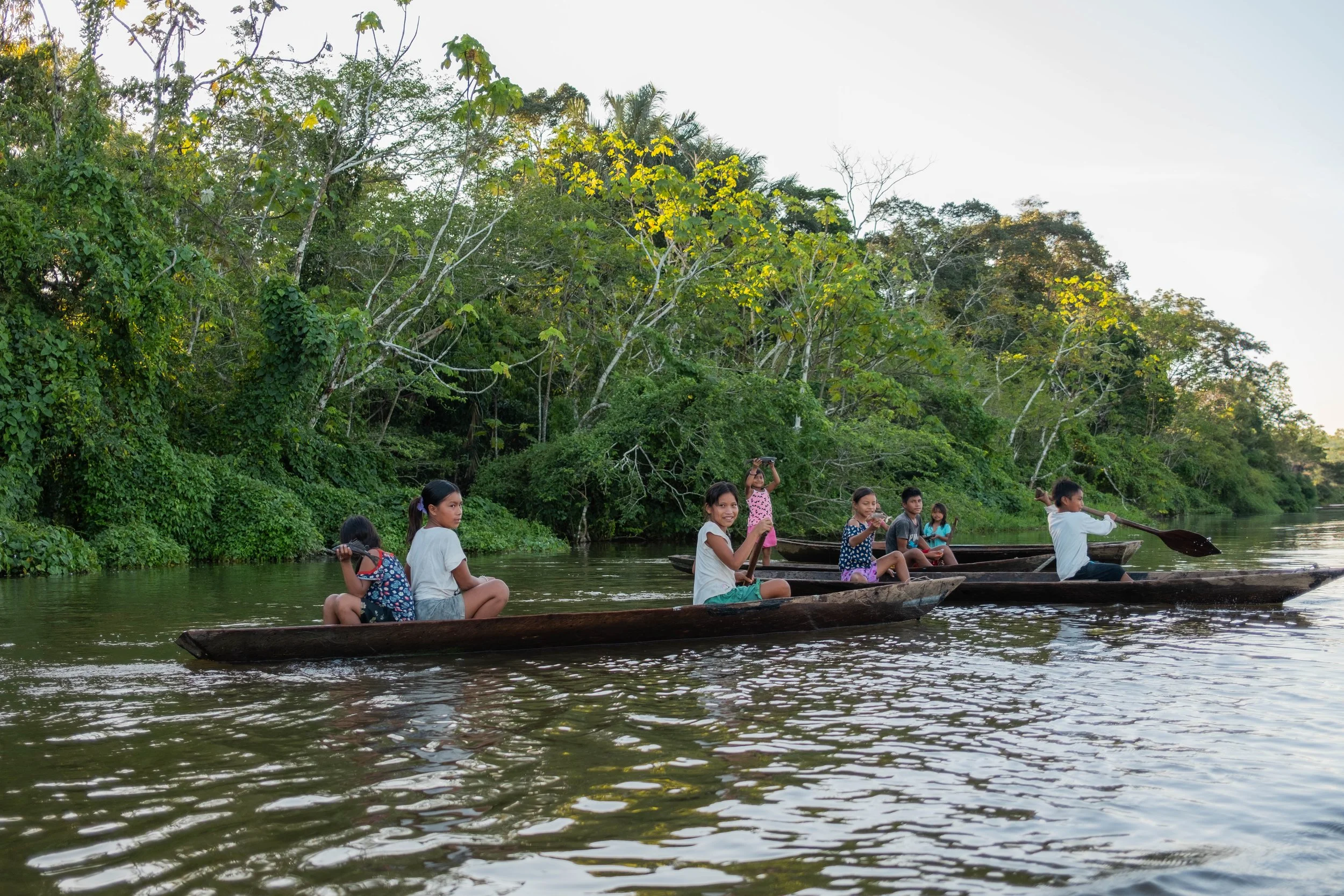
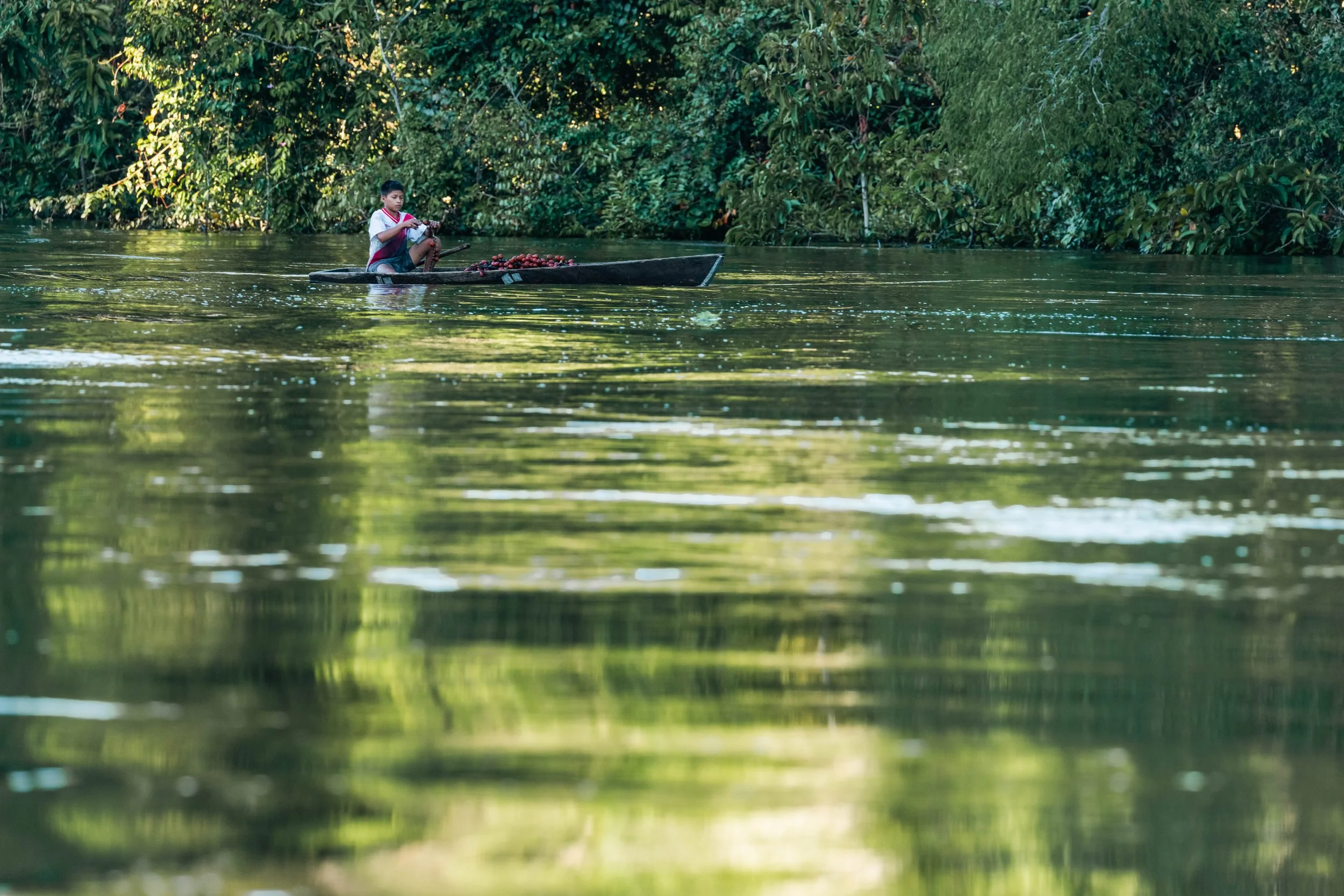
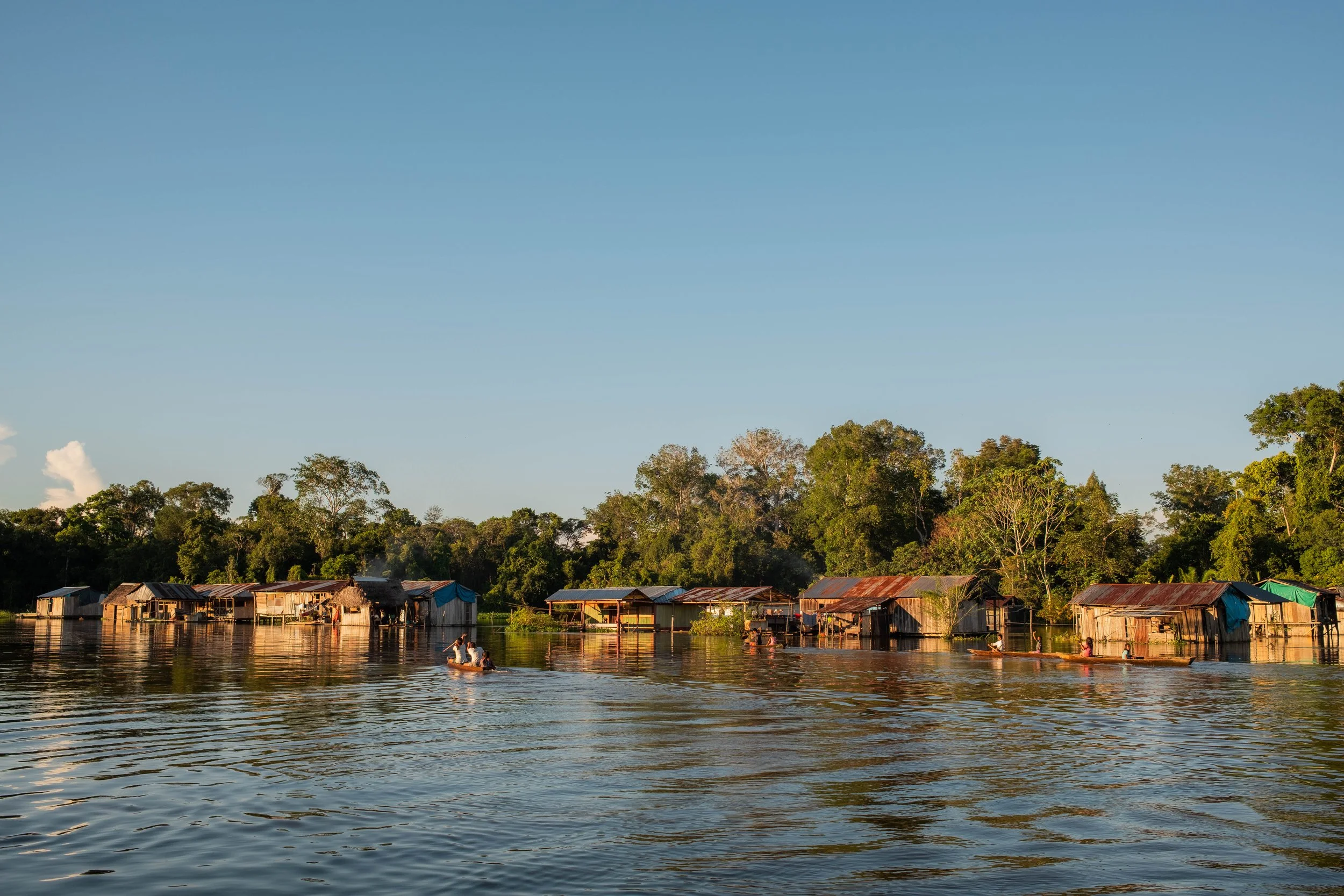
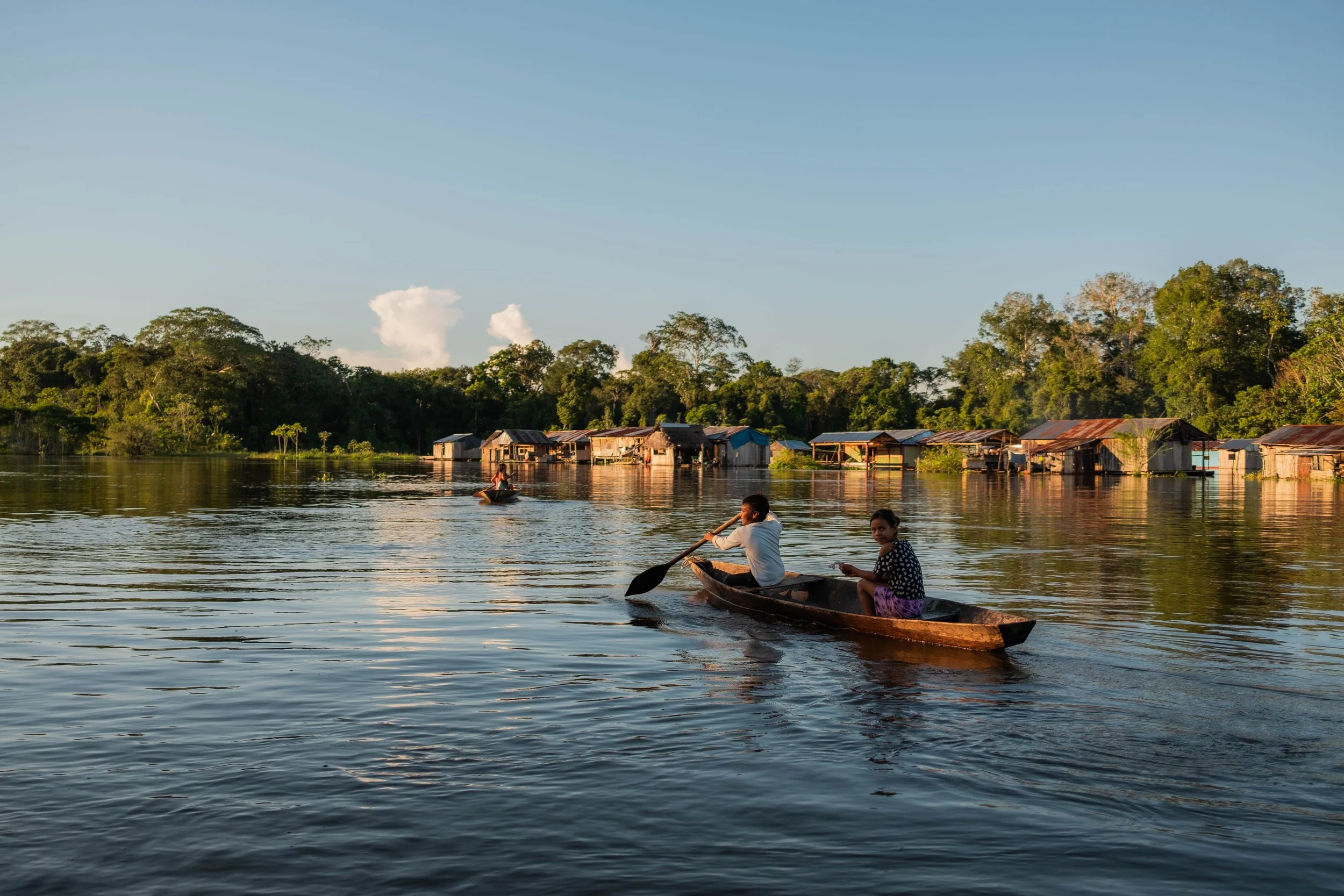
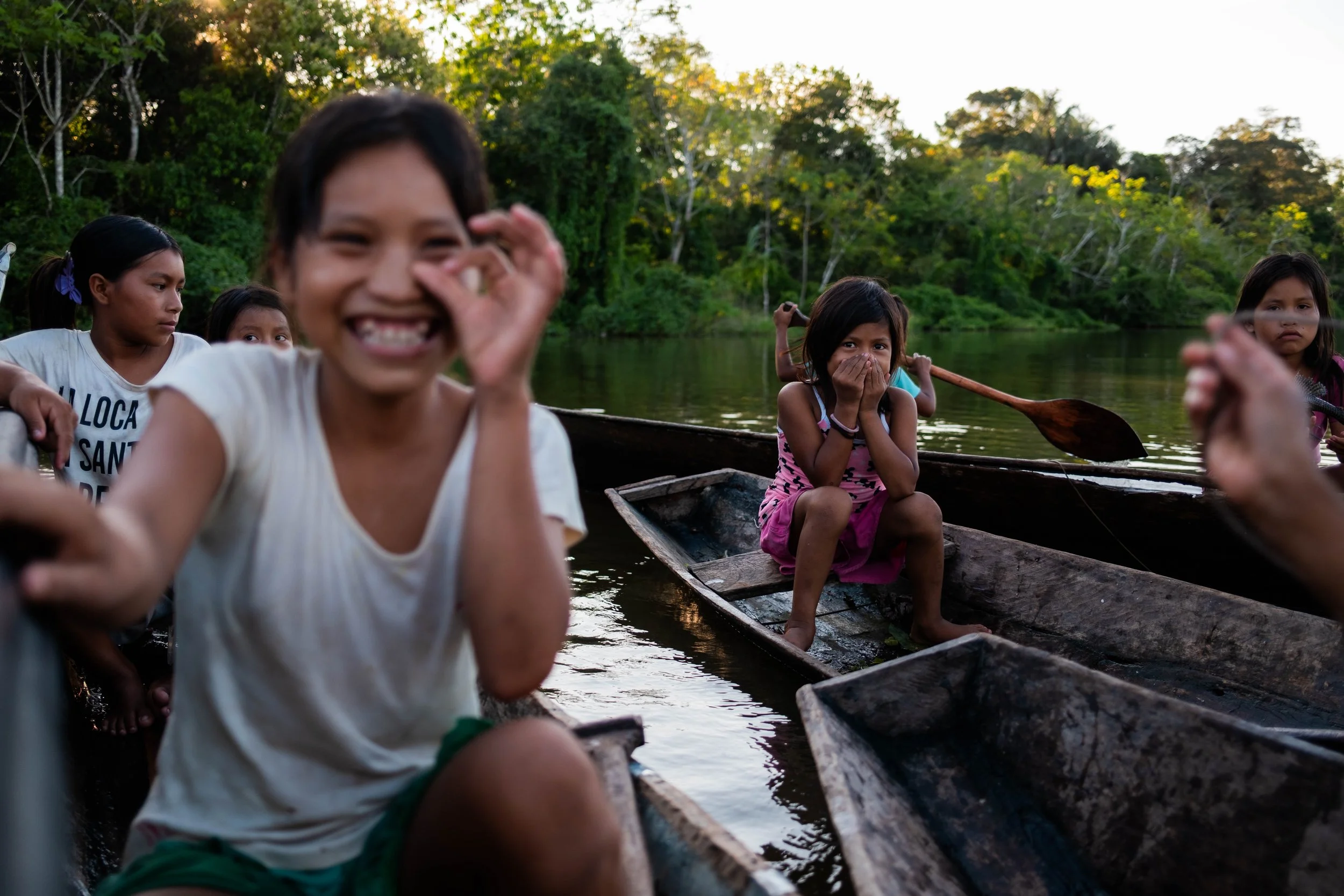
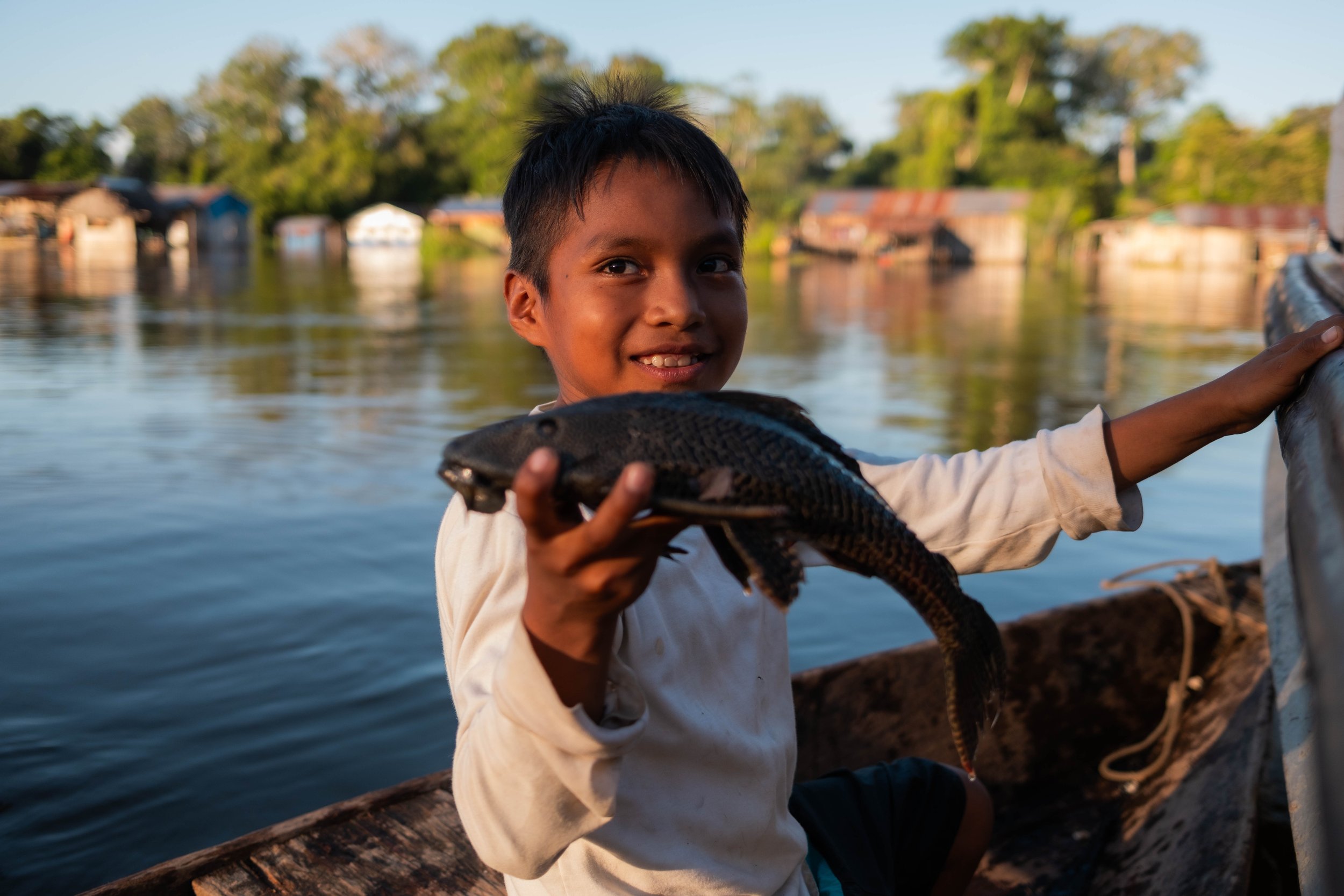
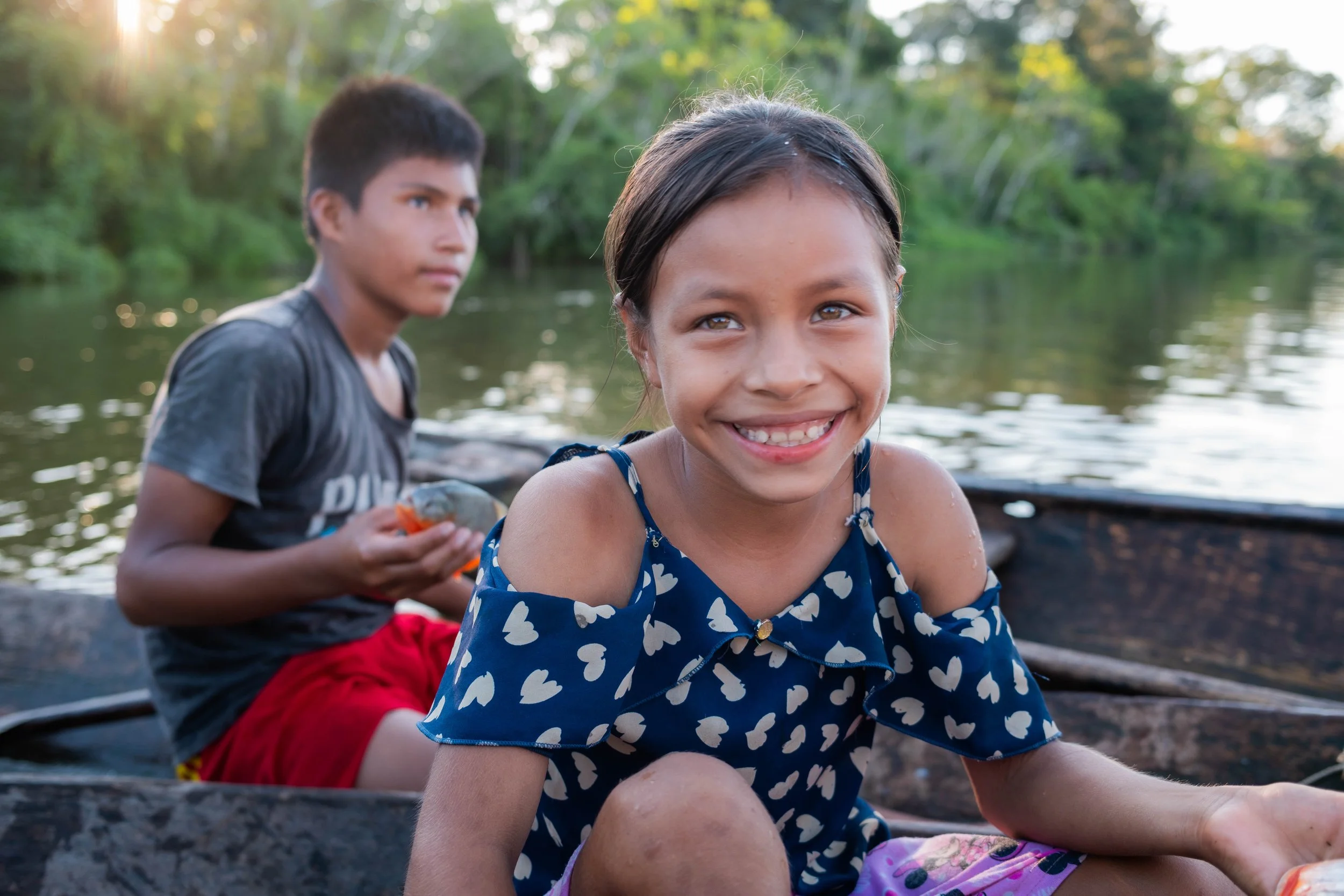
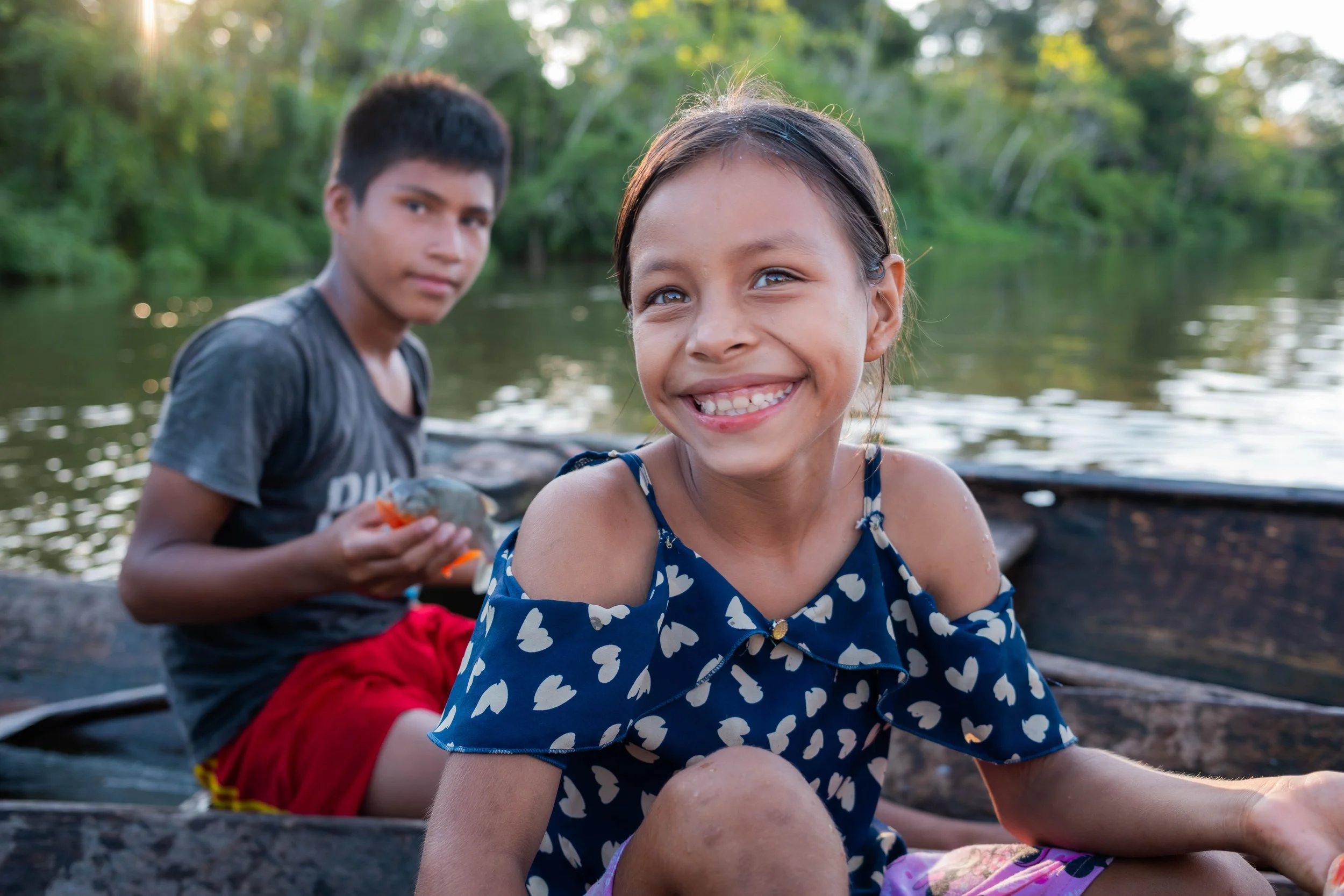
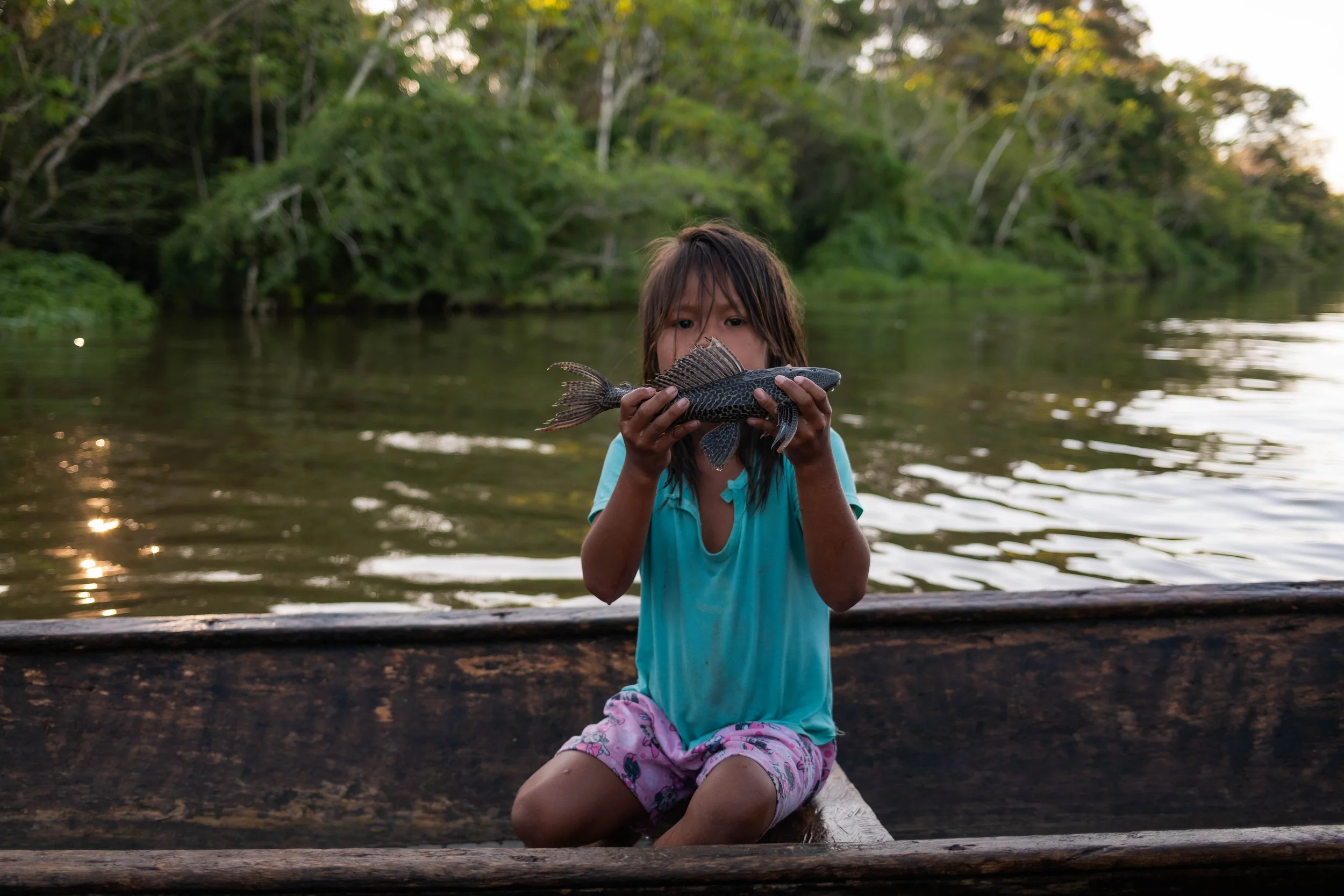
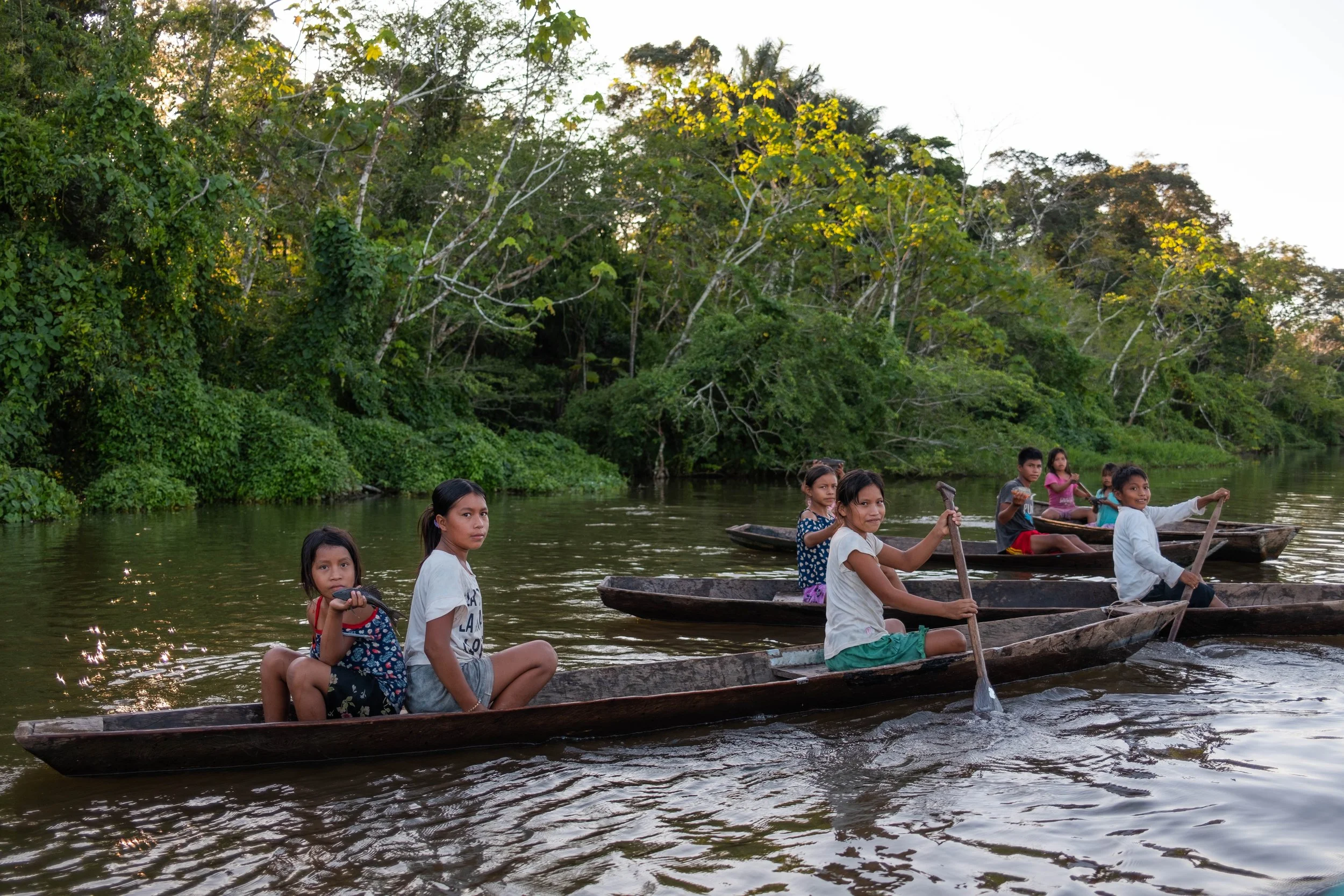
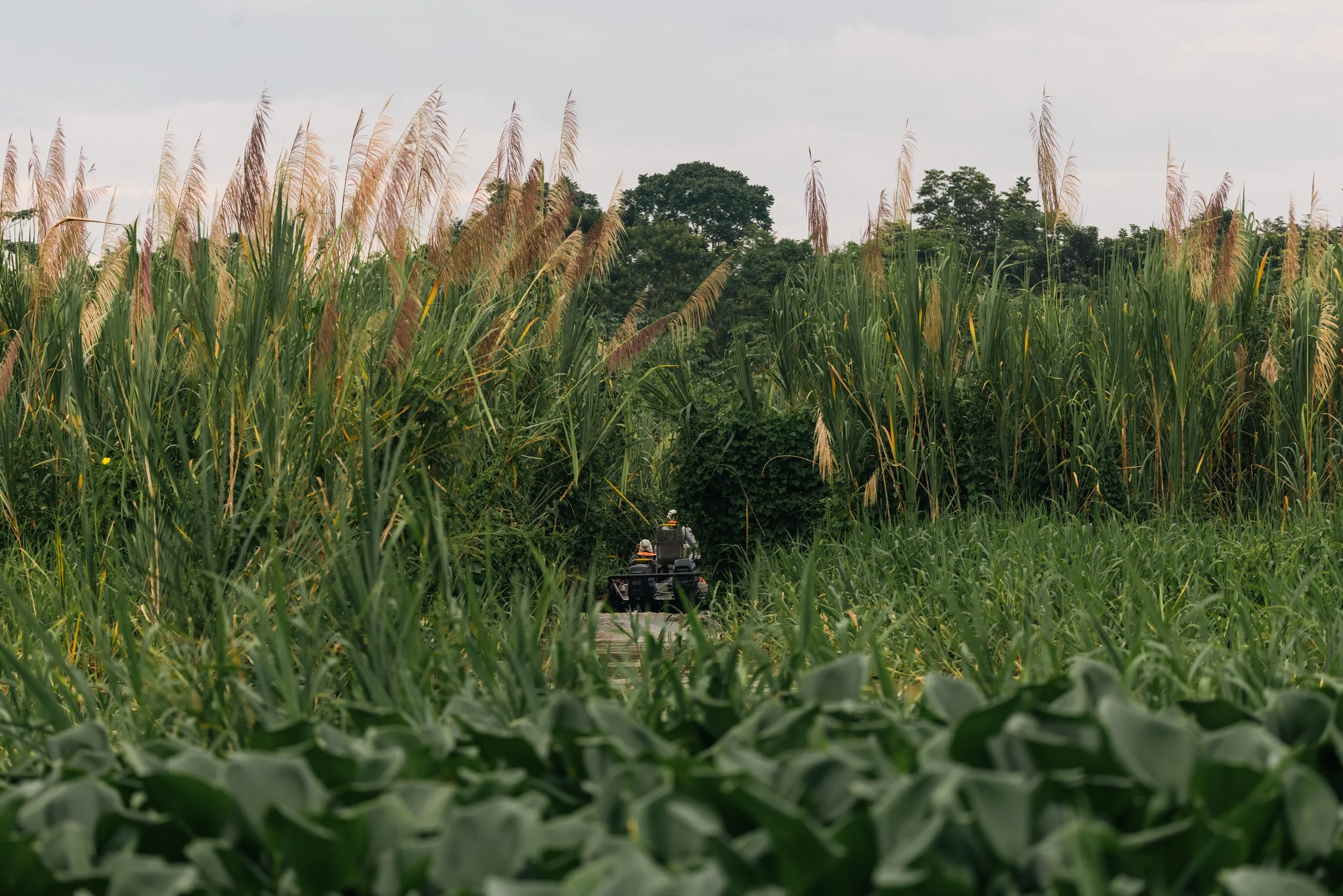
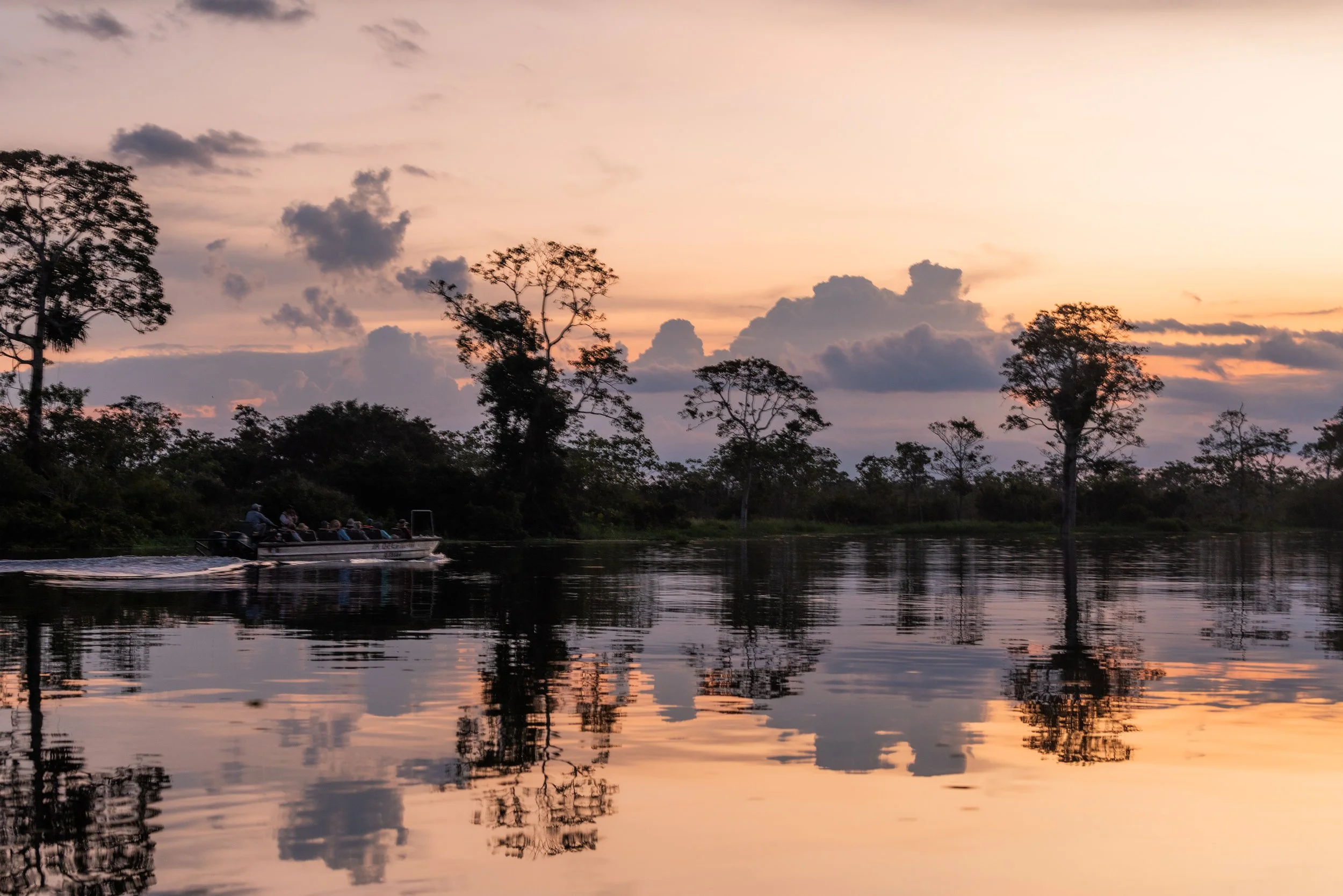
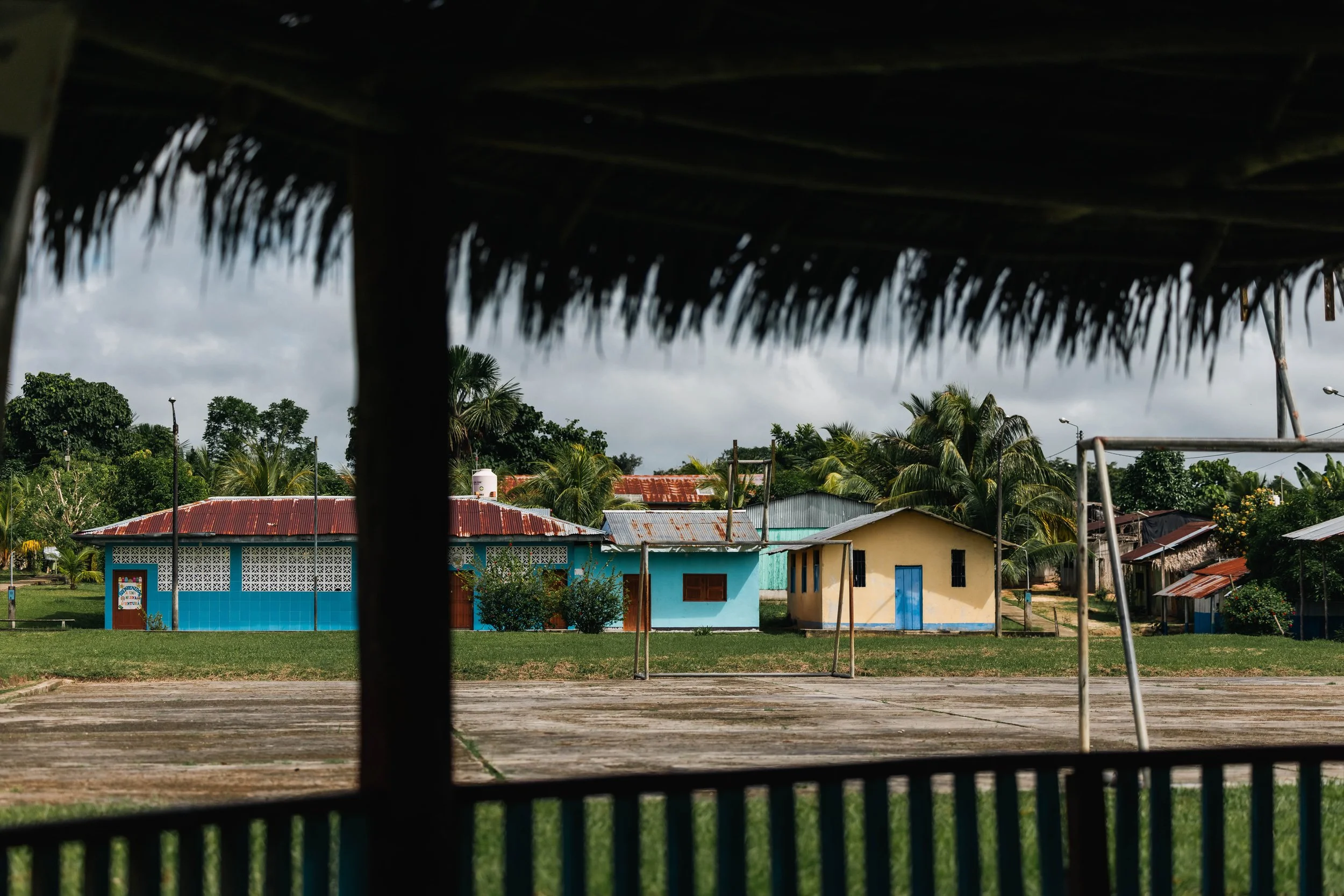
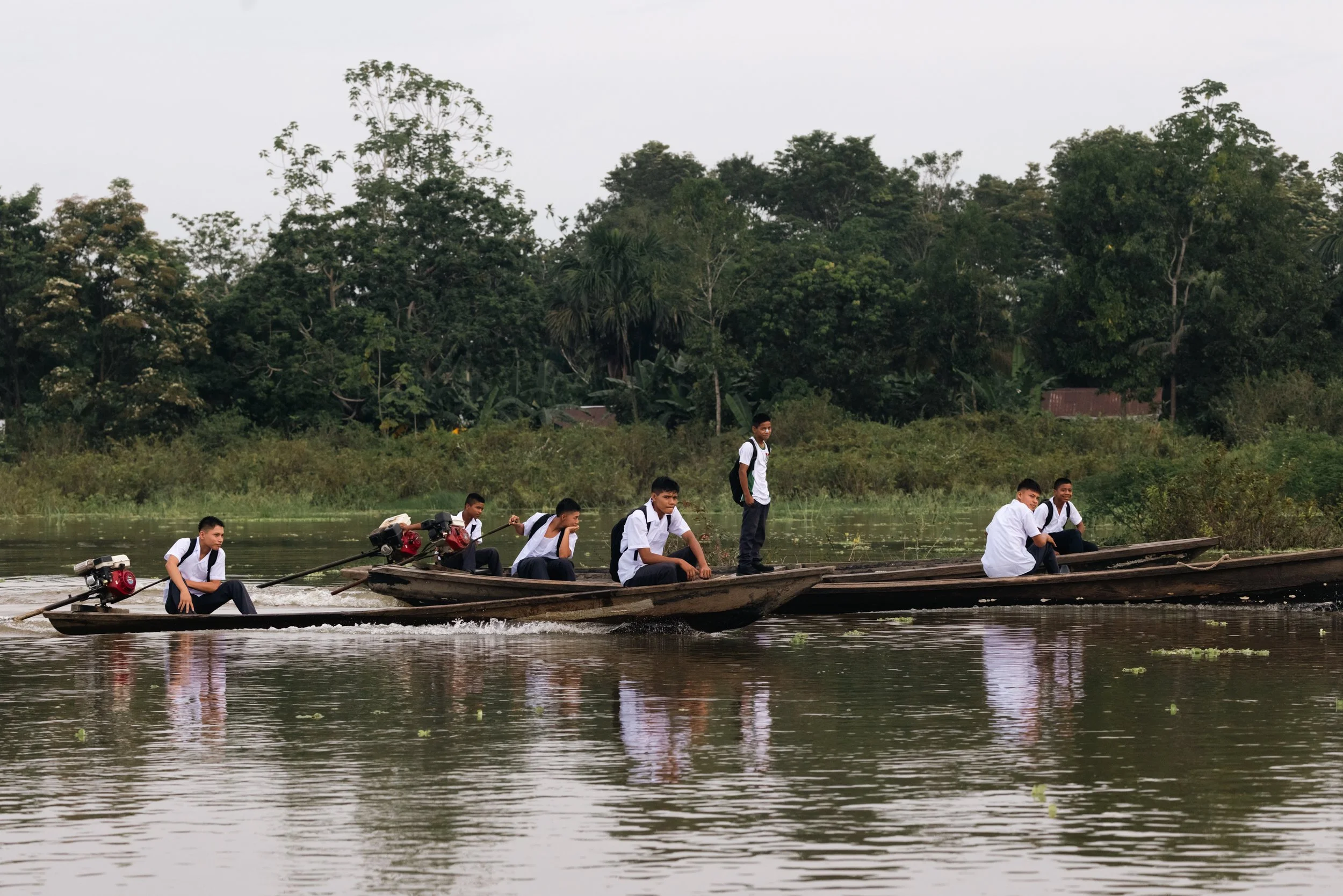
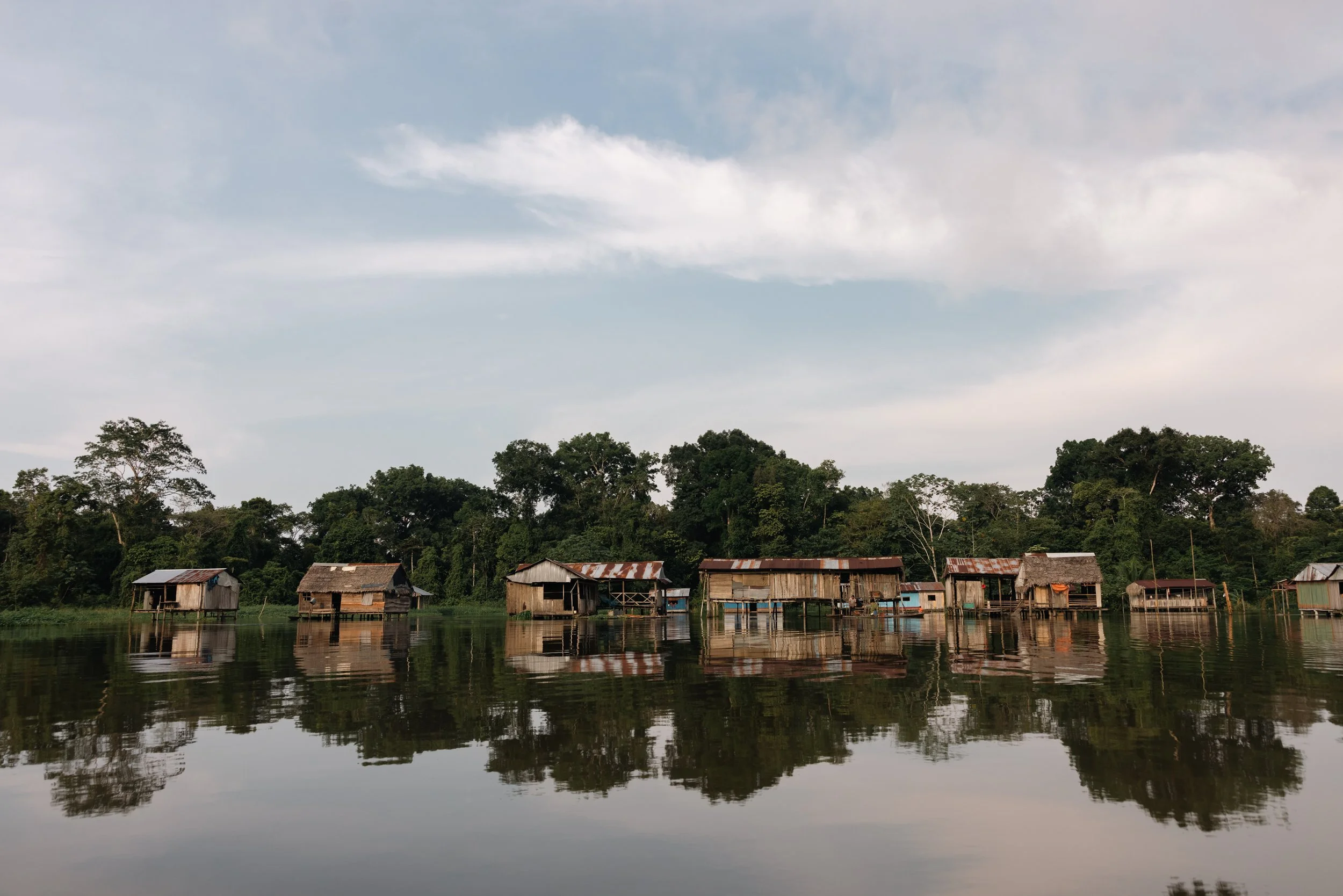
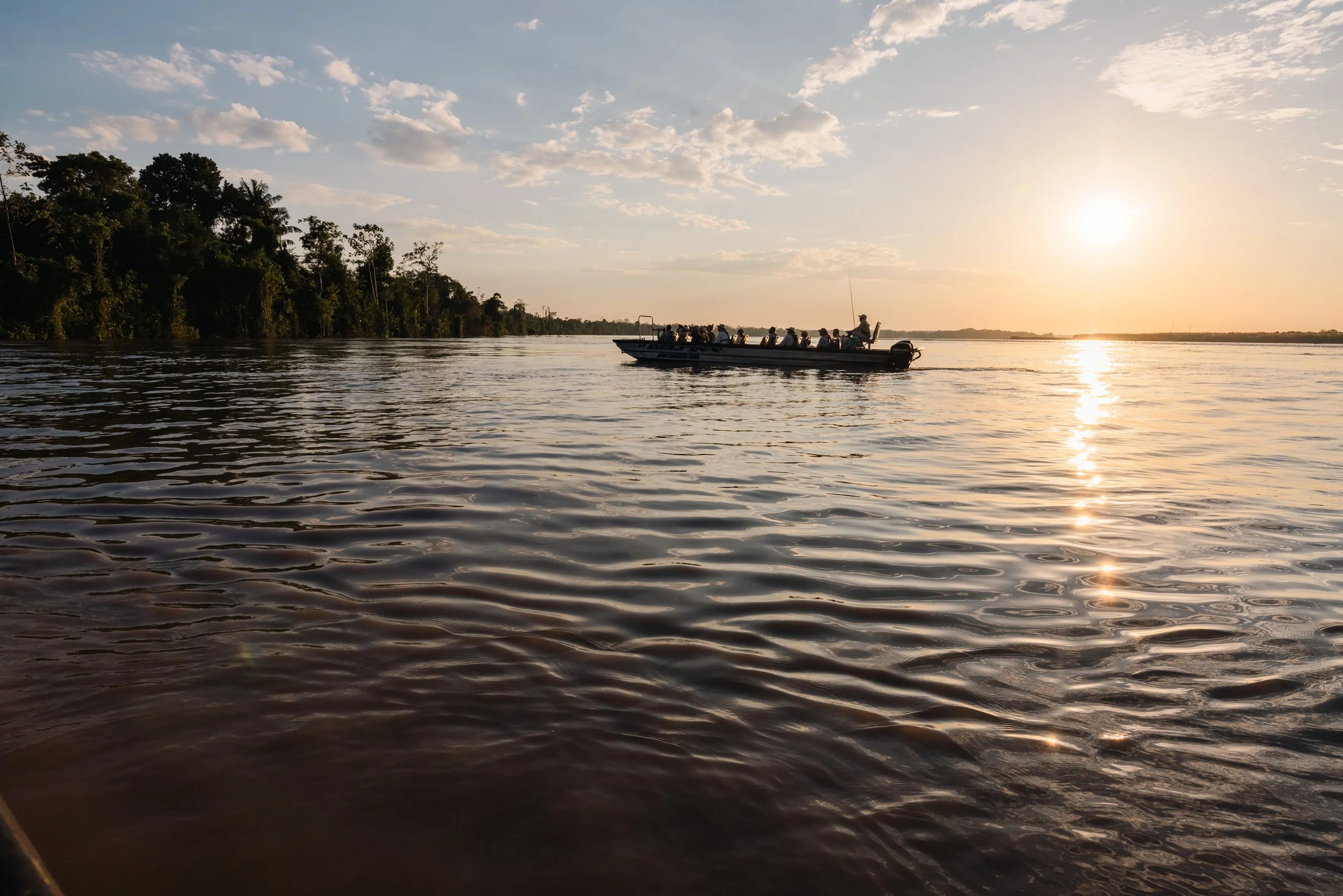
Life on the river
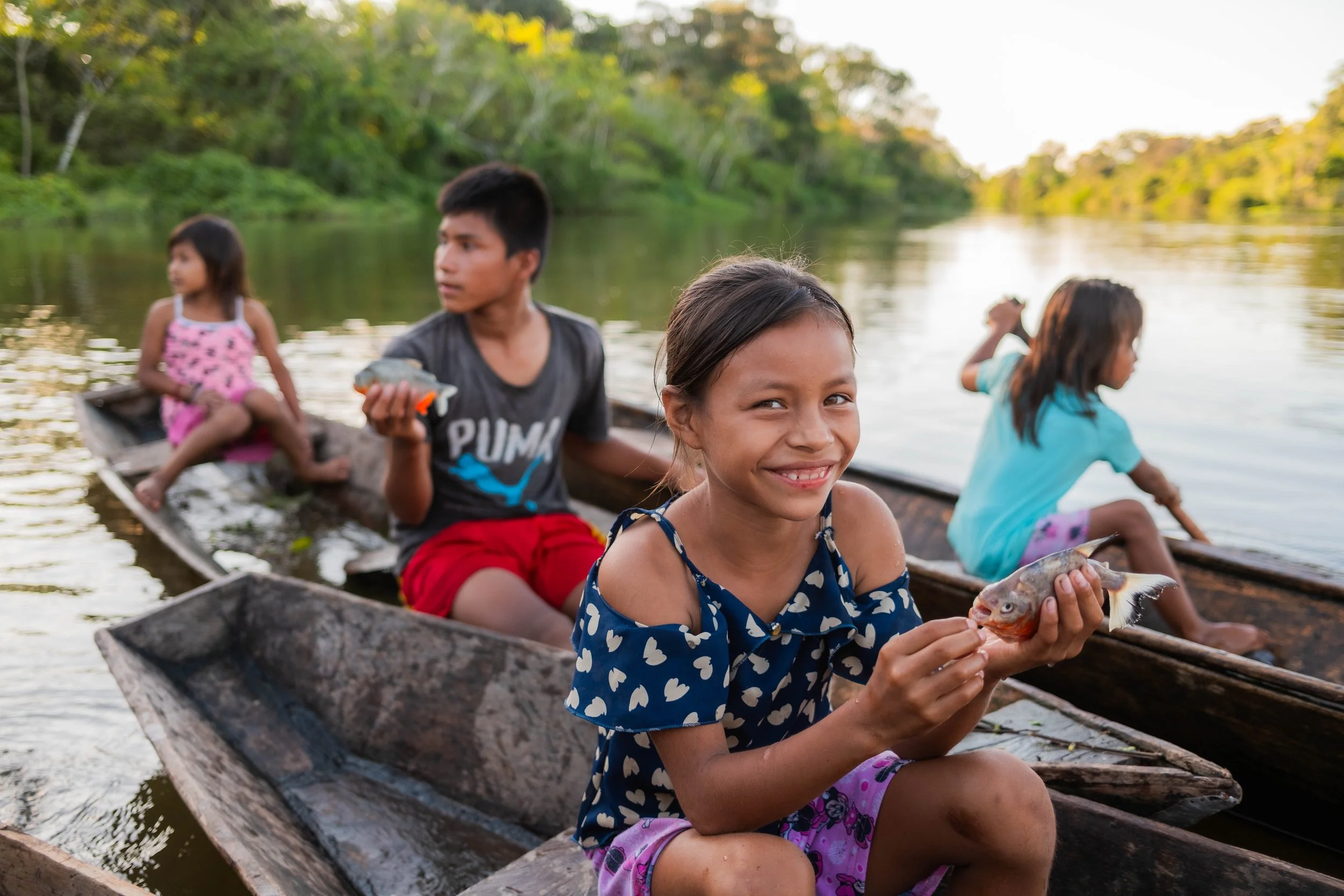
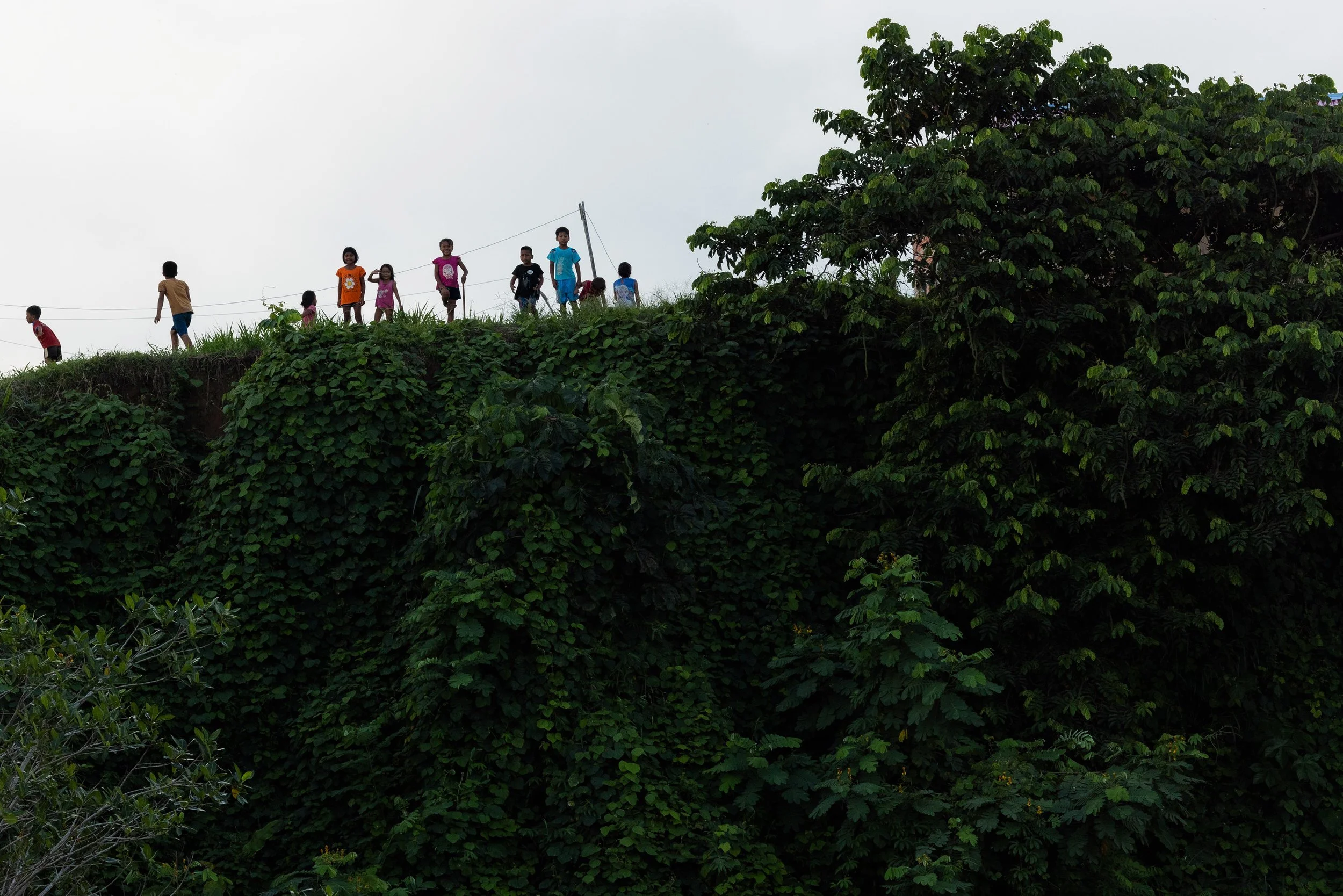
→ Children in boats
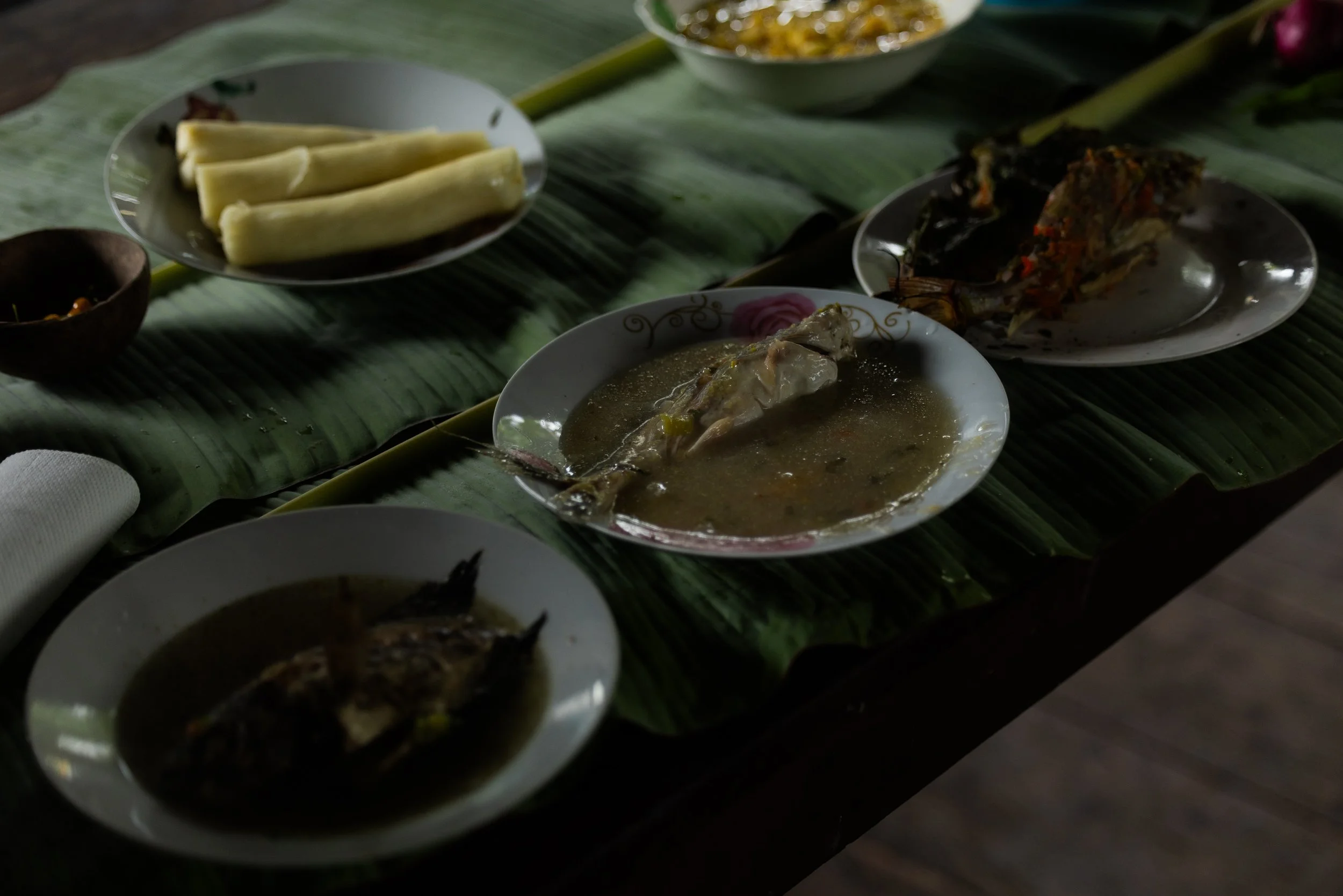
→ Daily life
↓
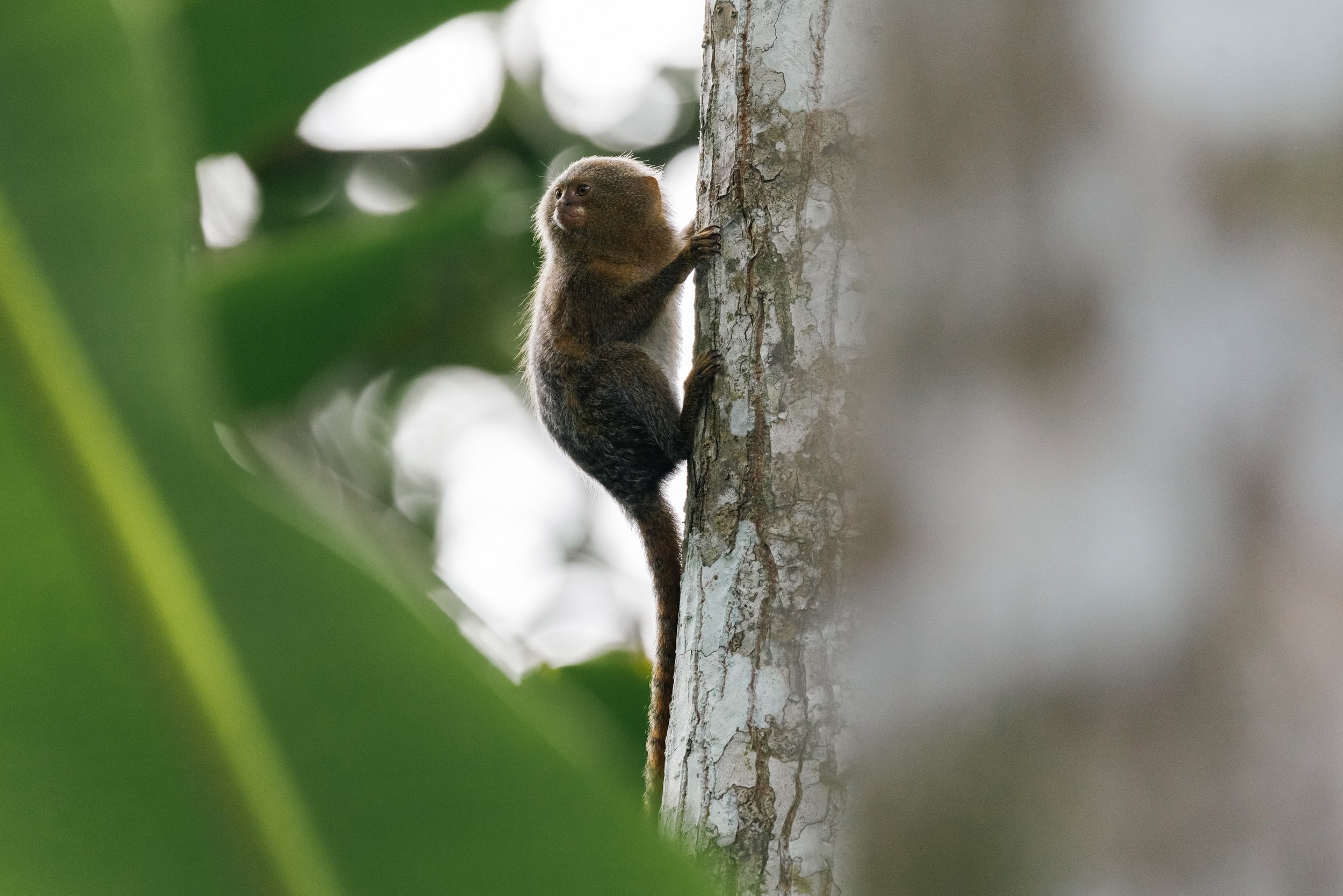
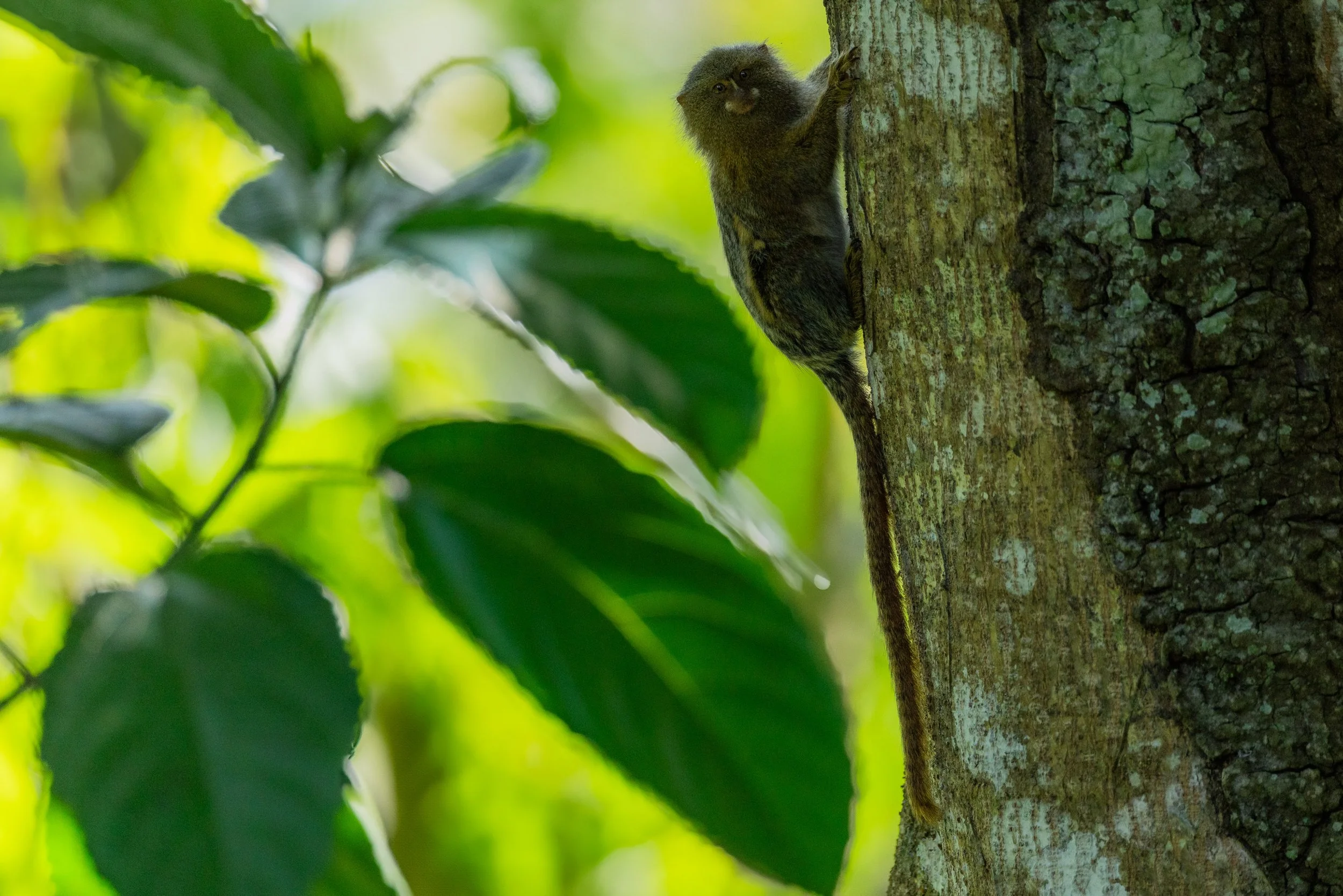
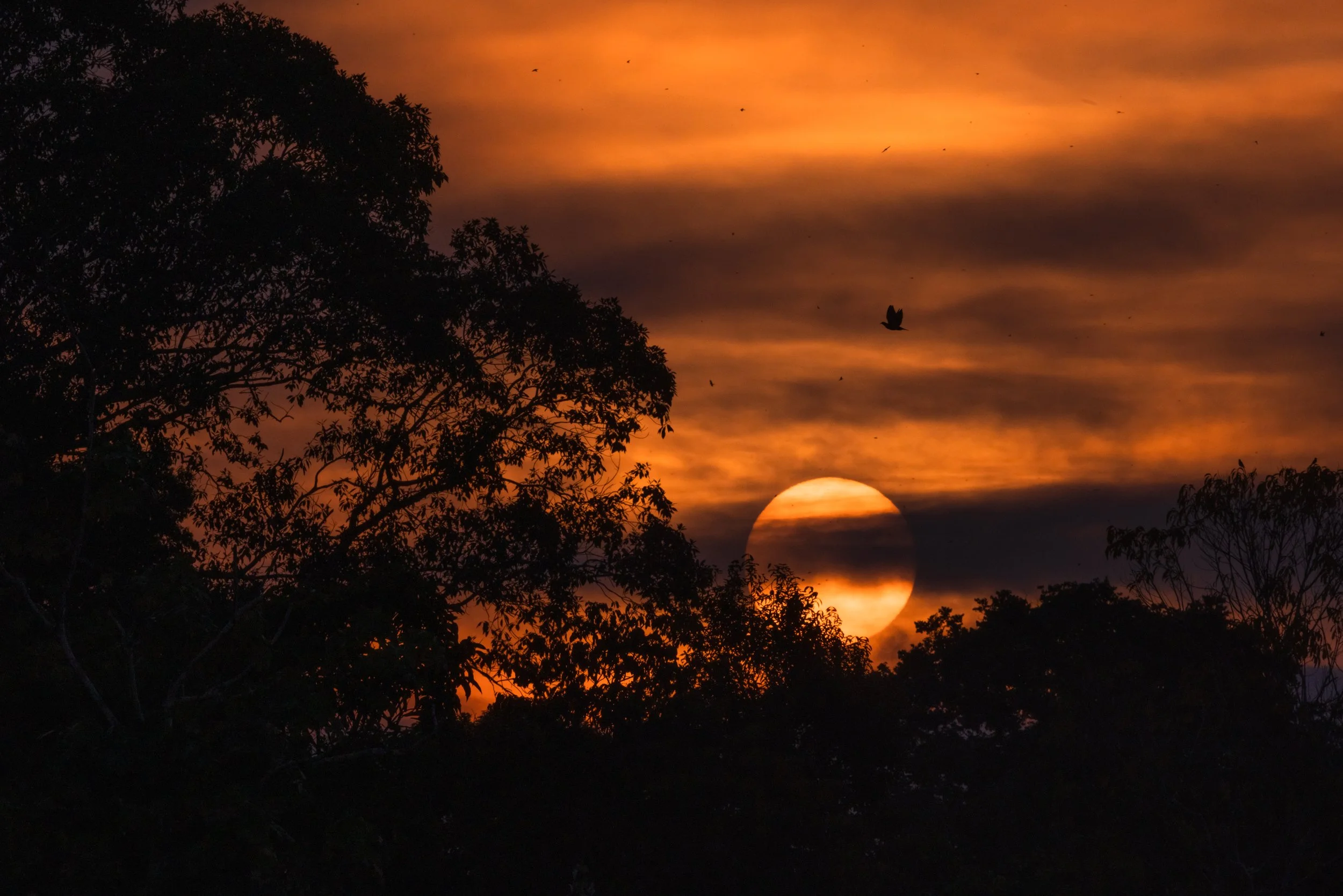
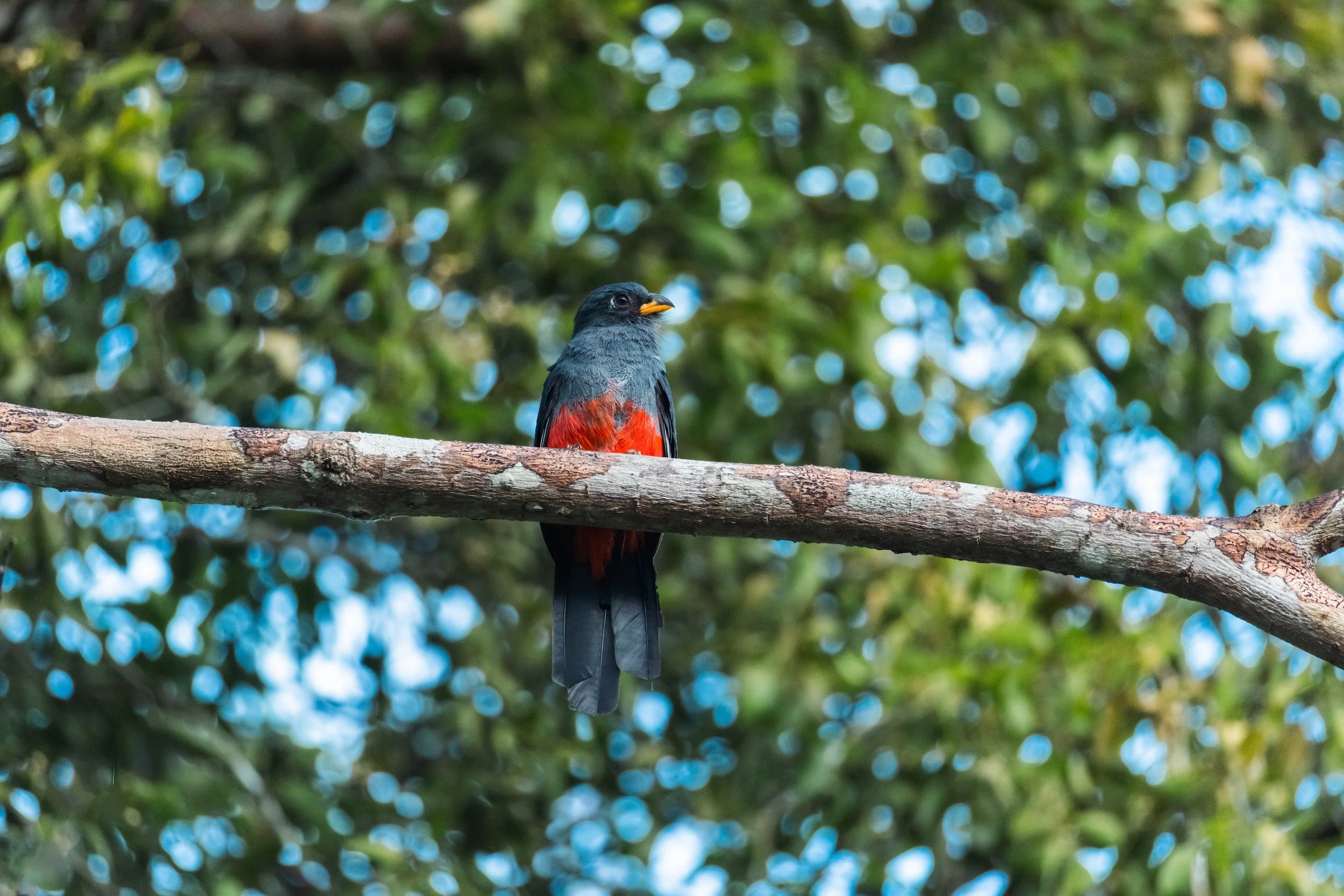
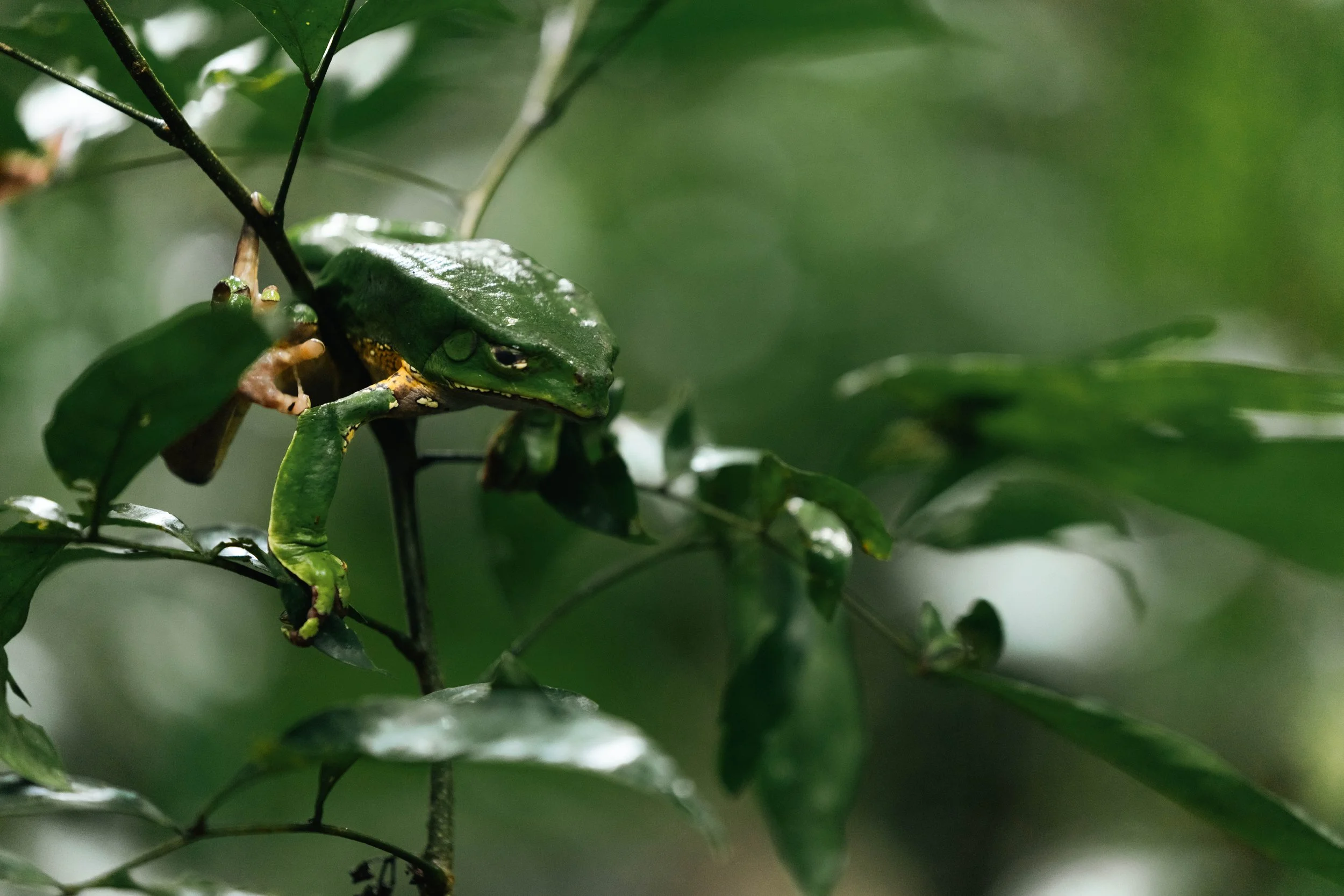
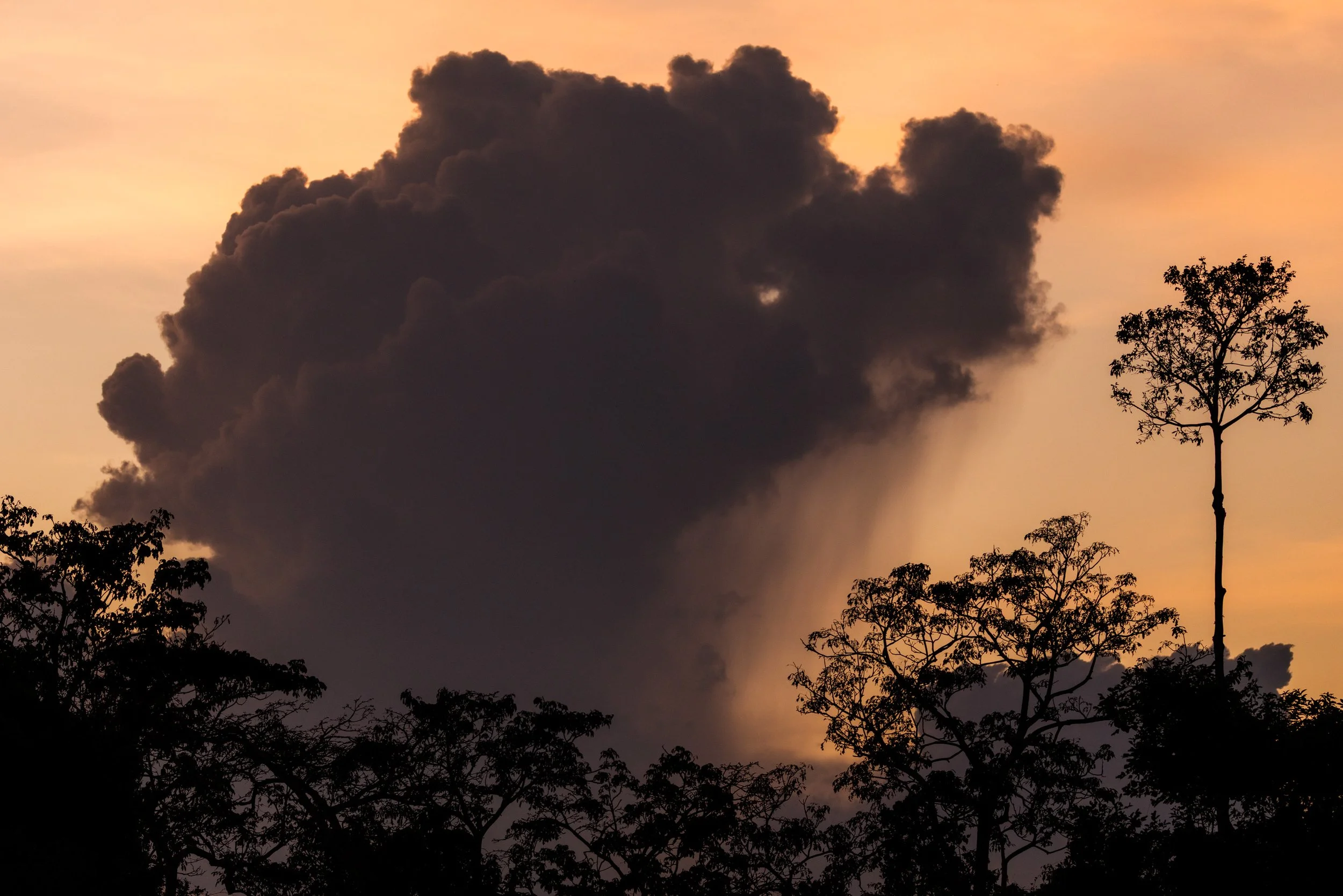
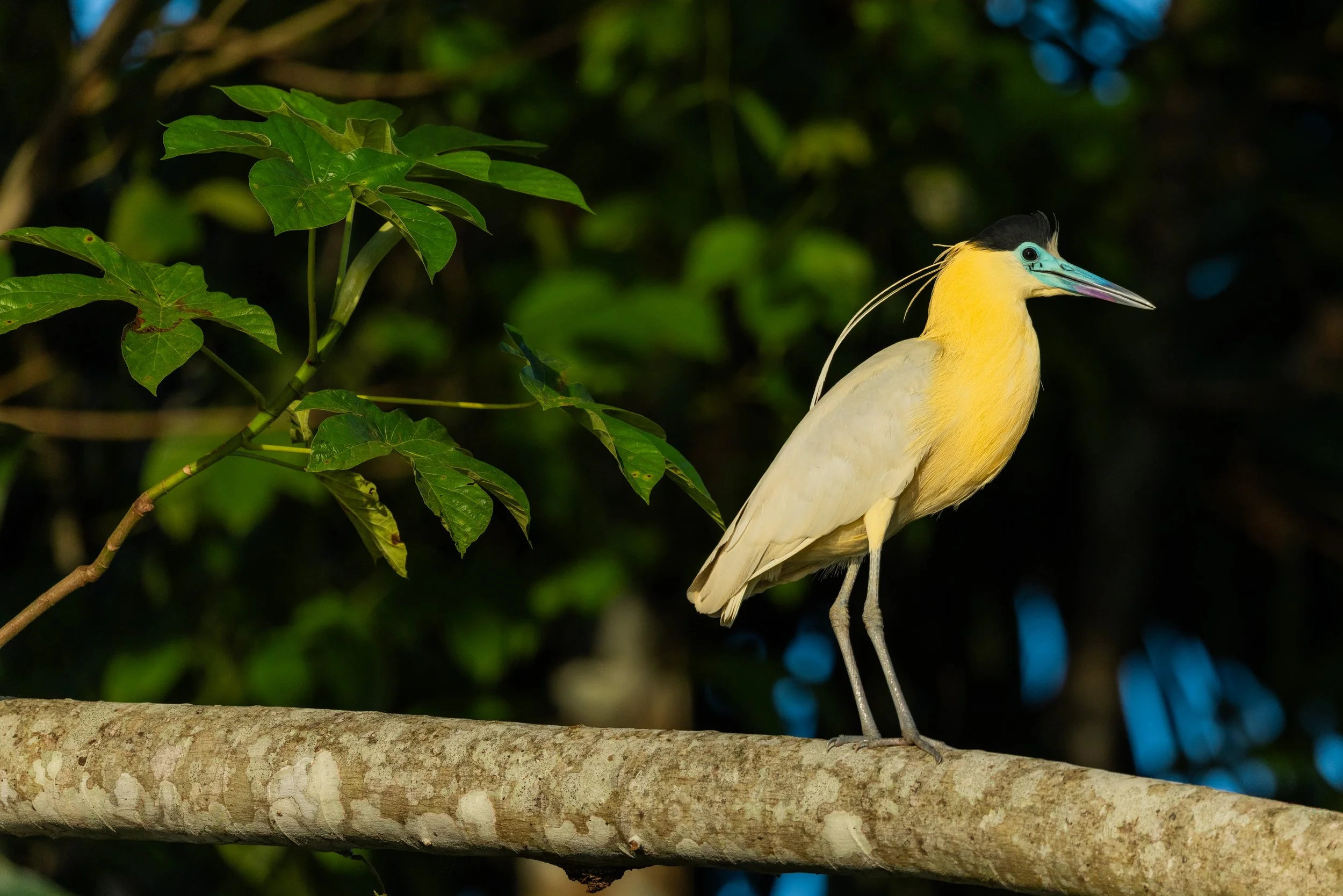
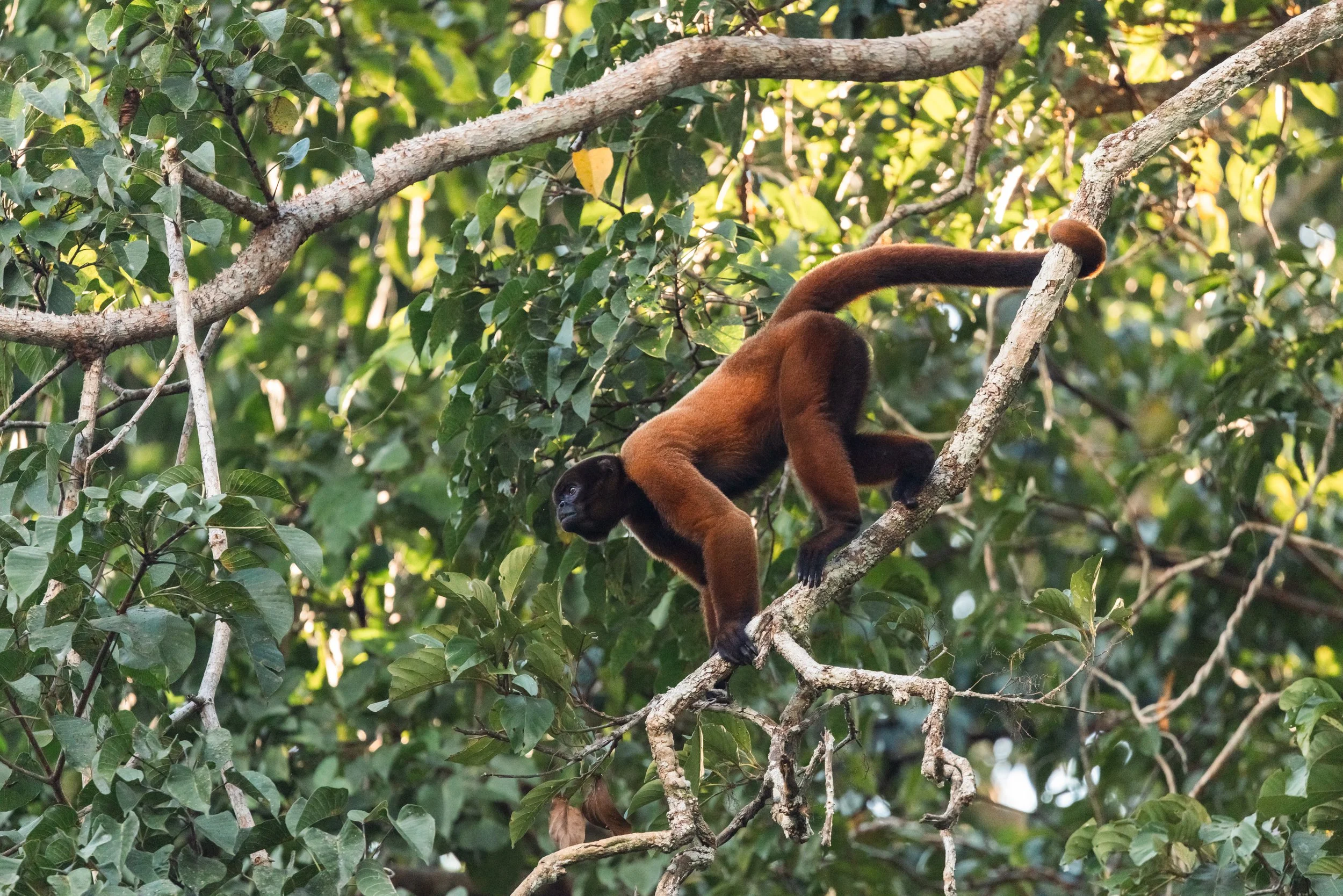
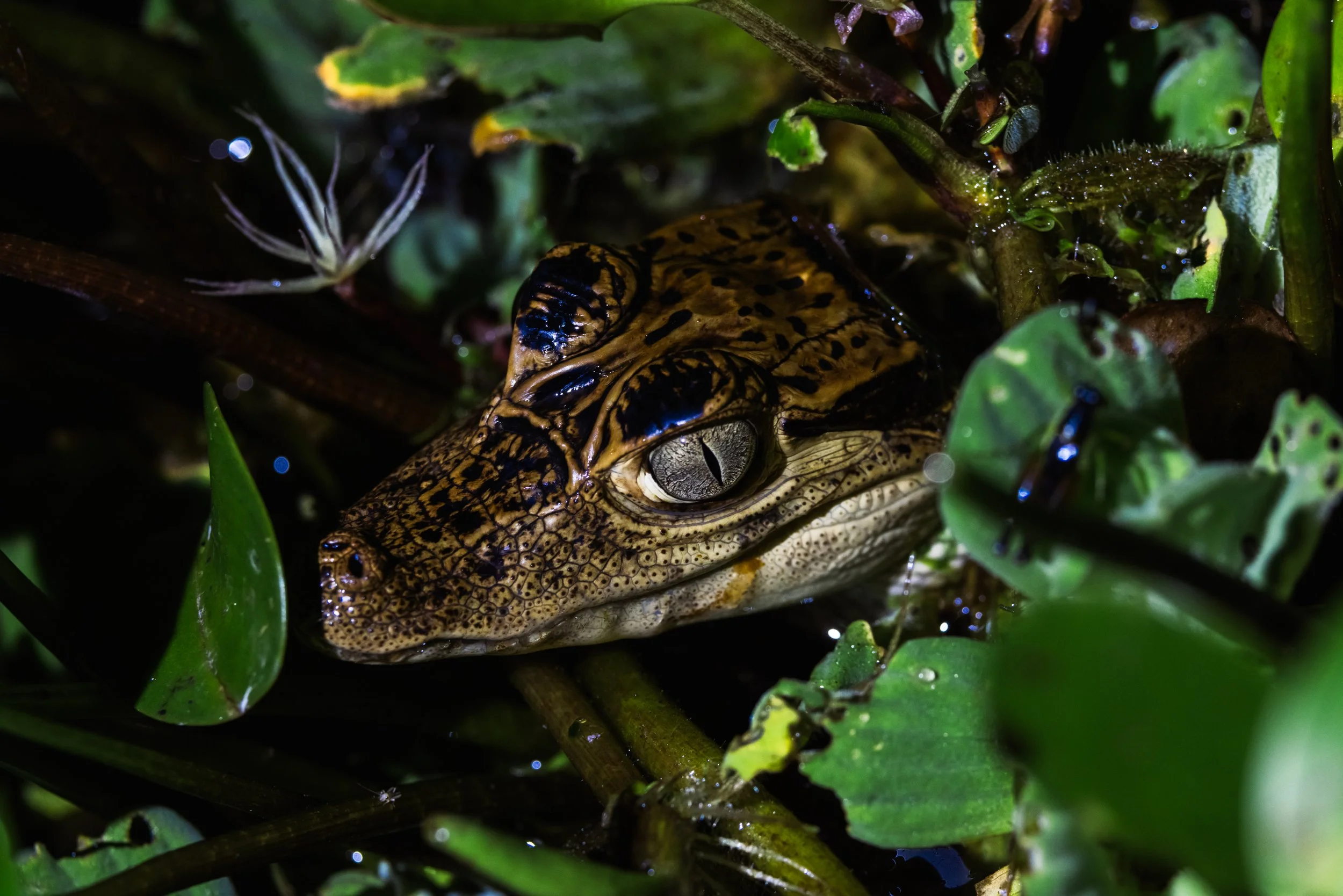
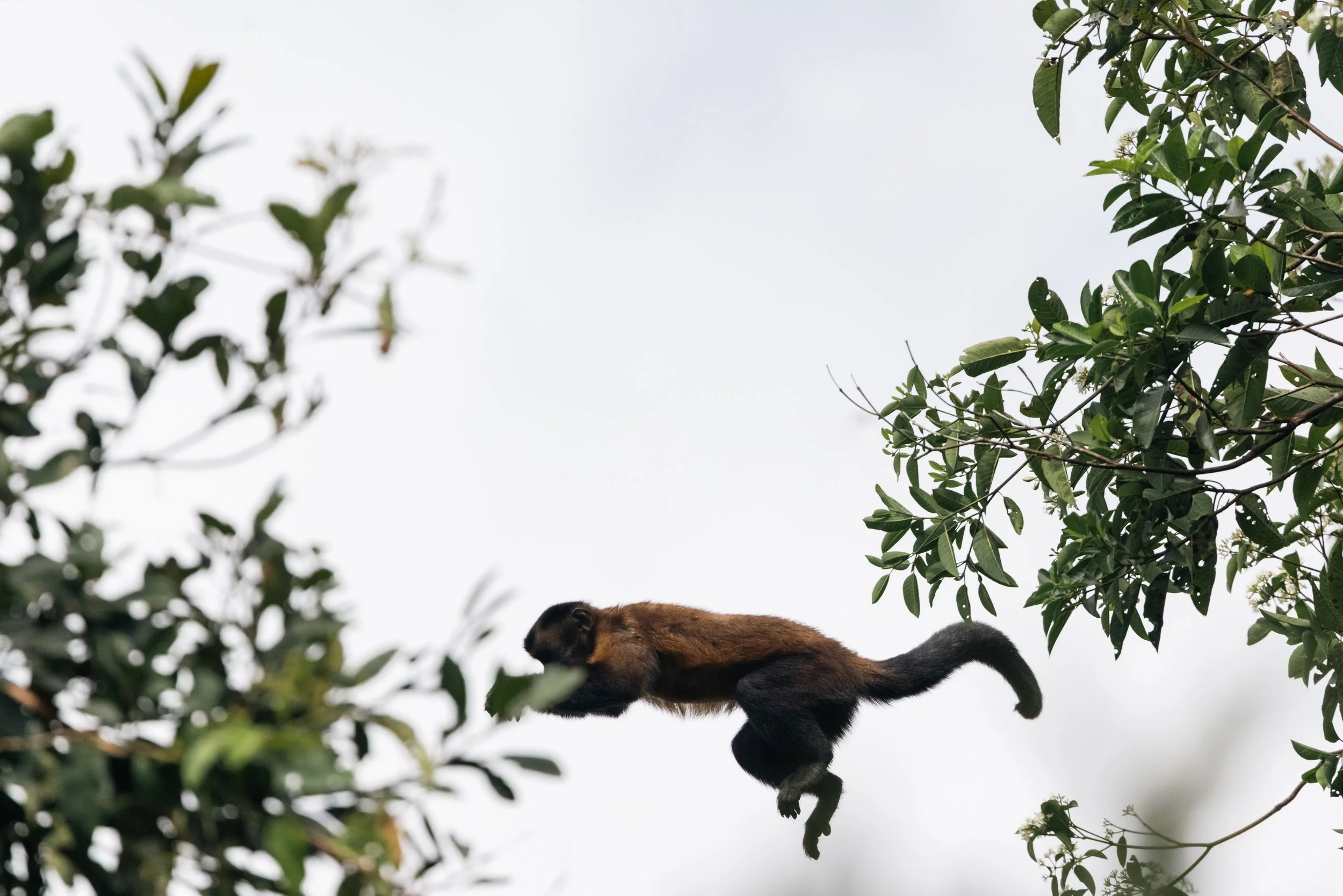
Wild nature
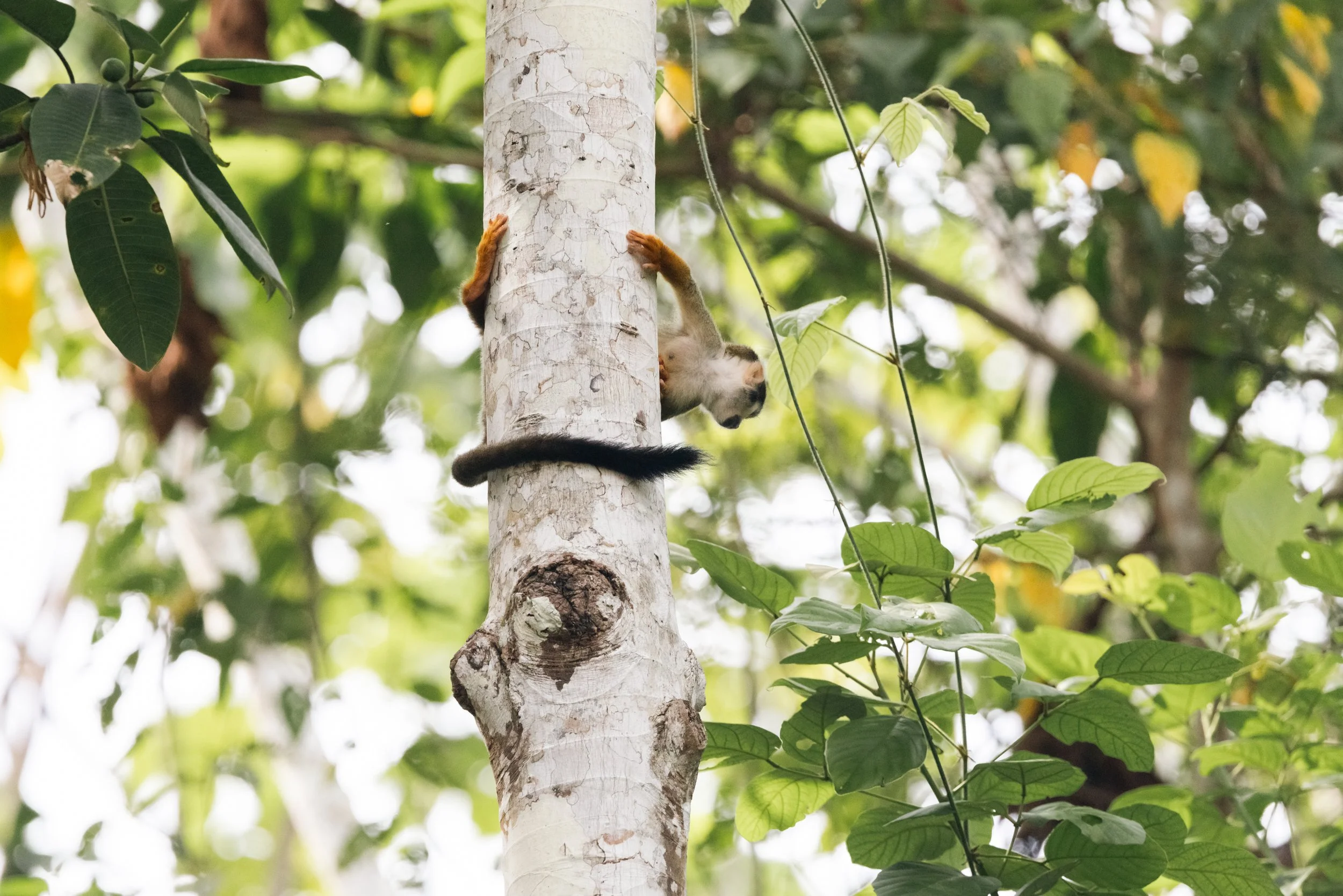
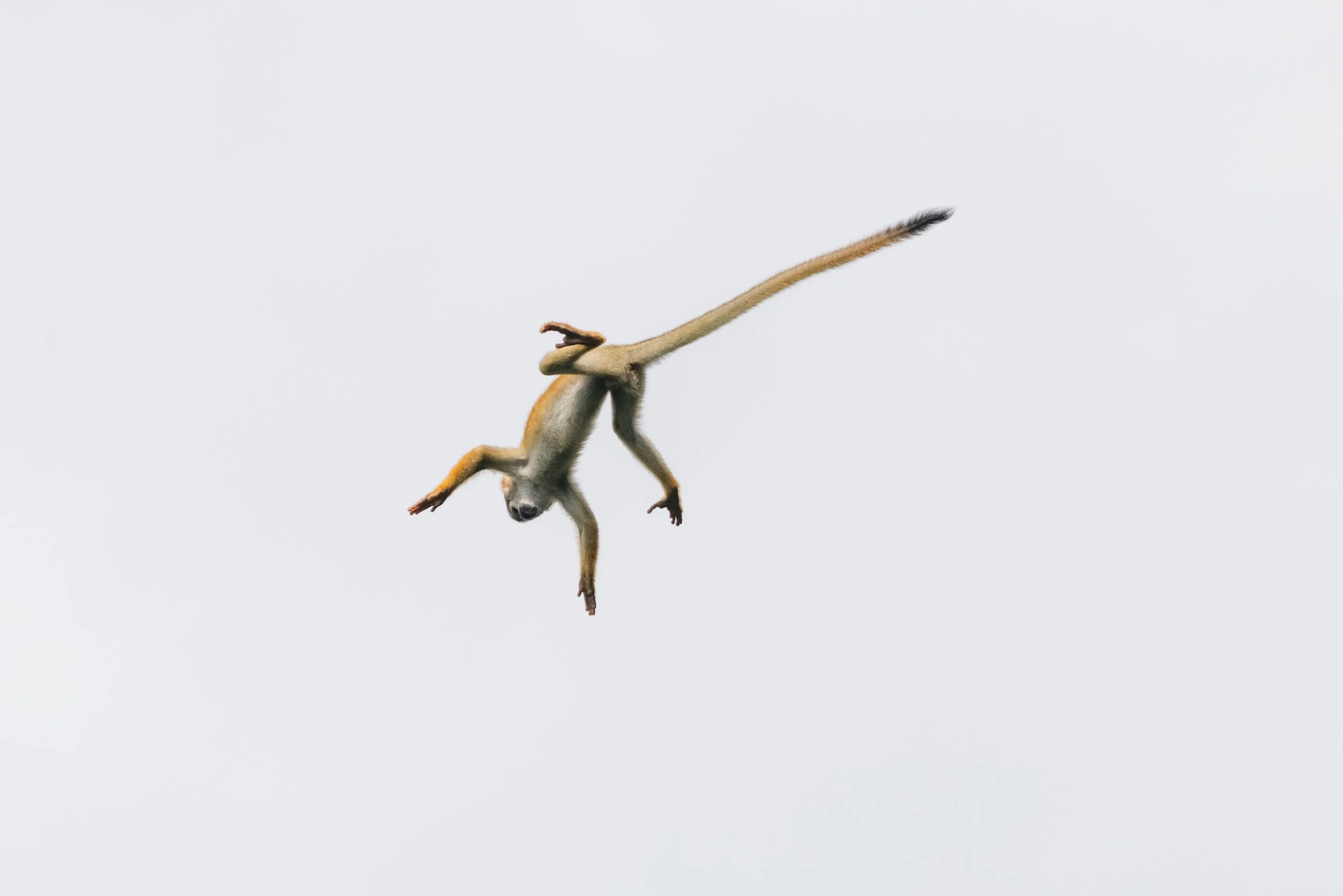
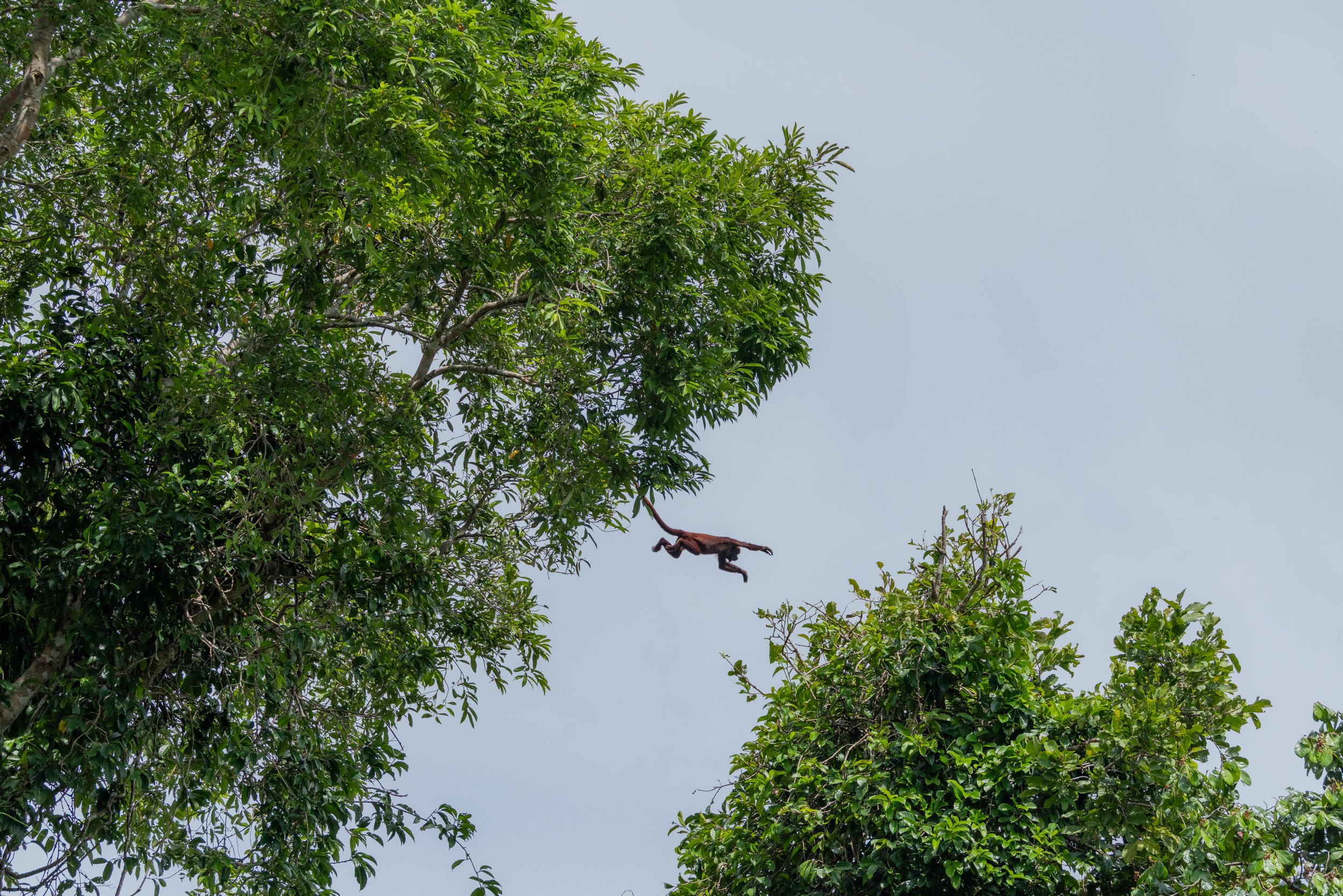
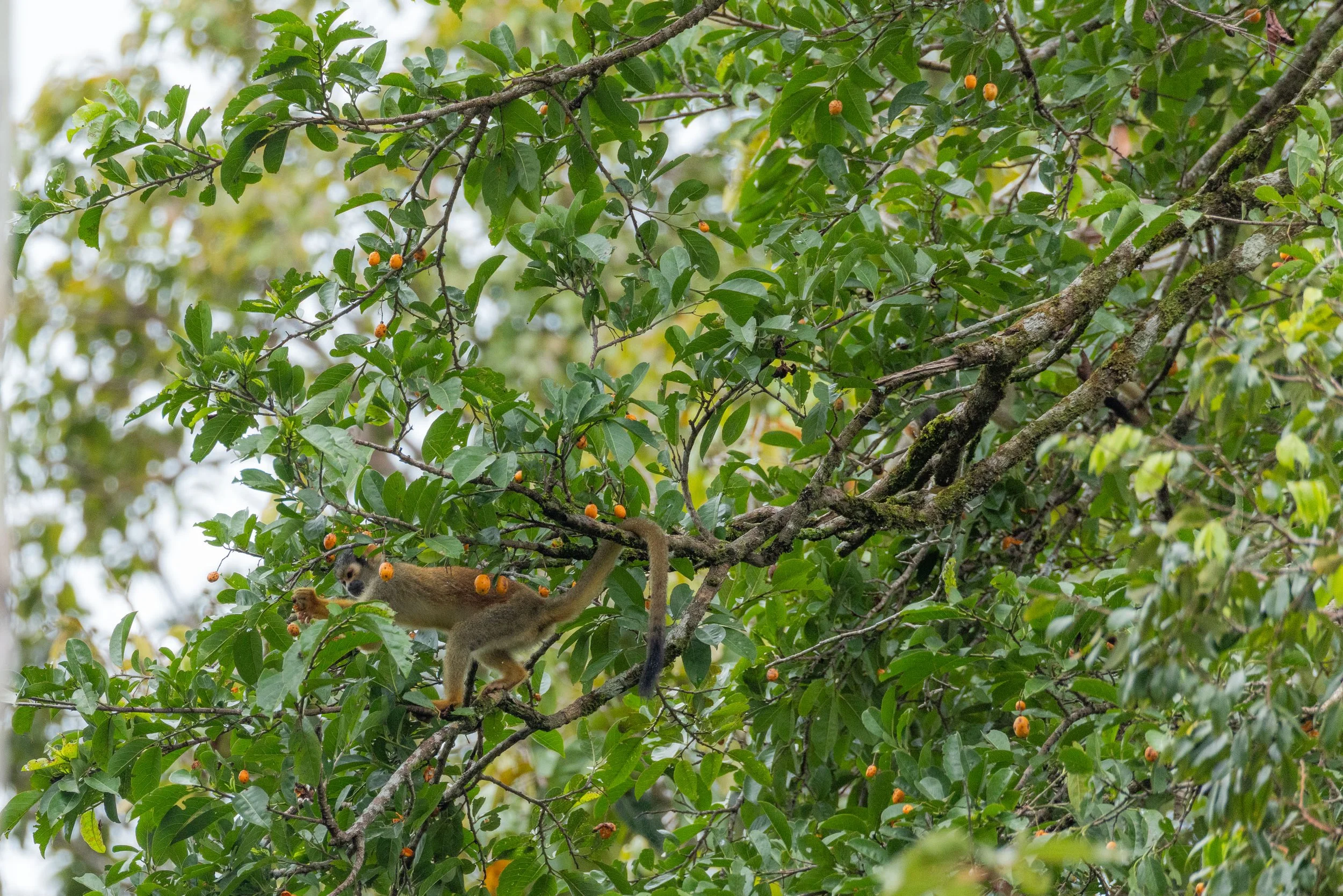
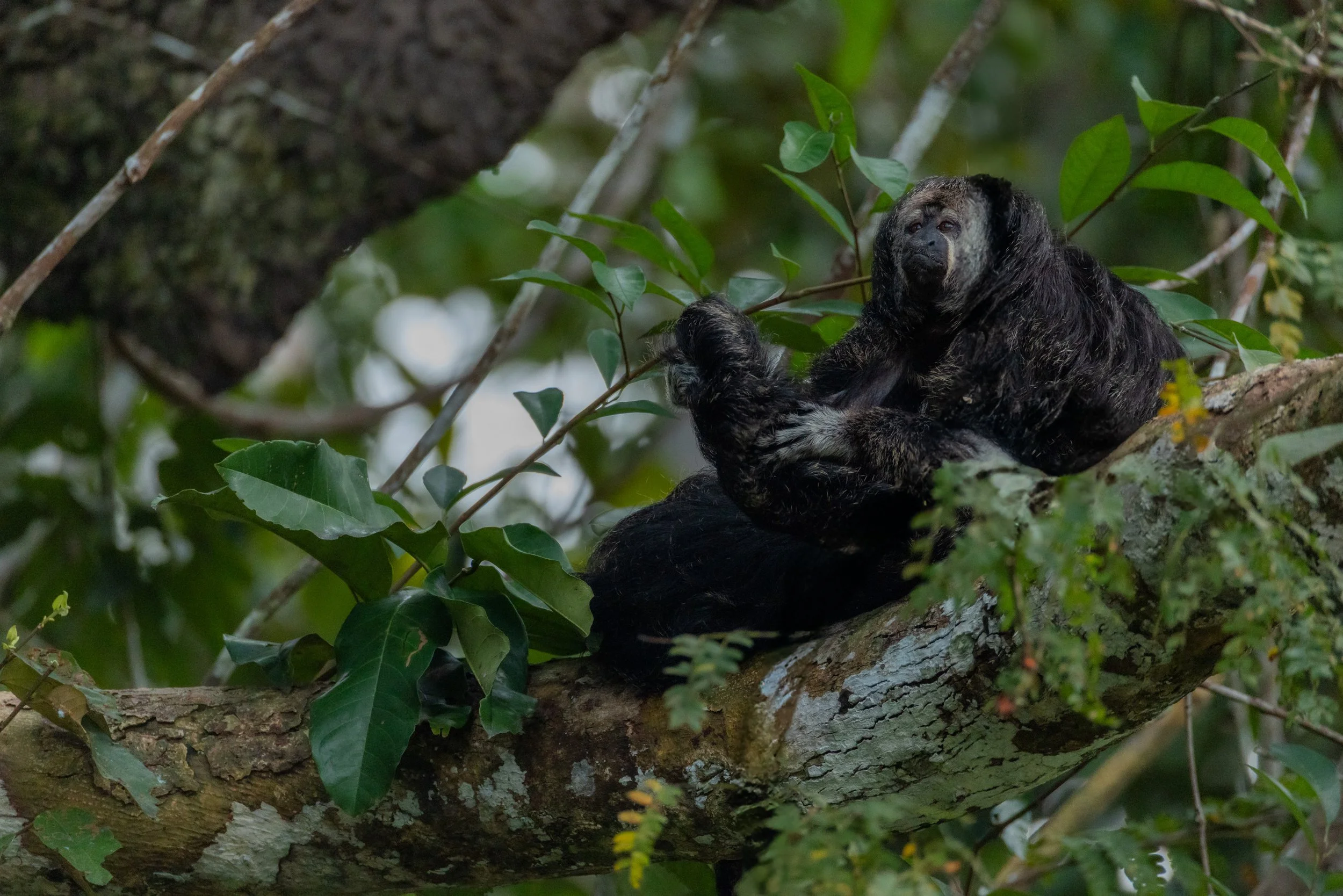
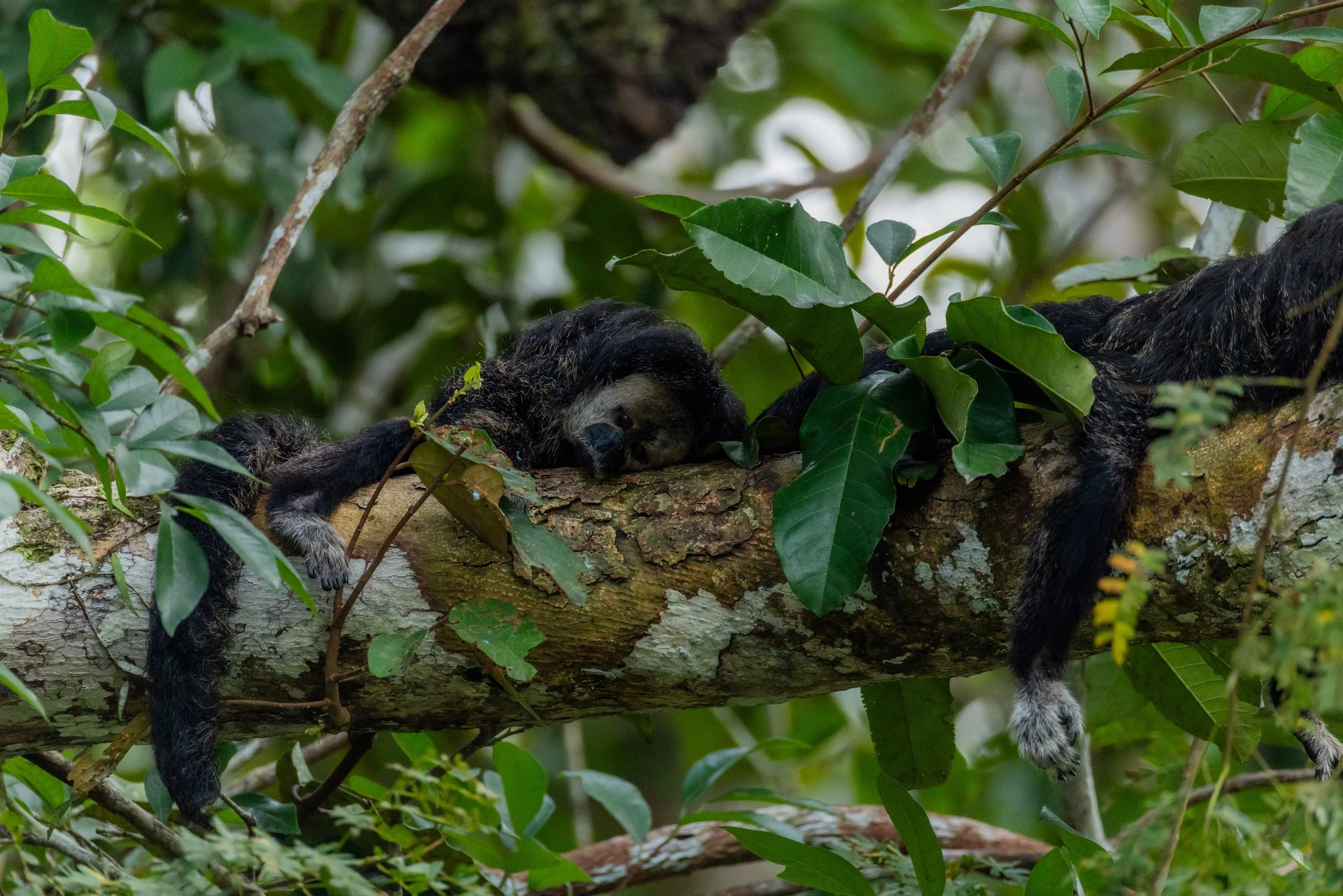
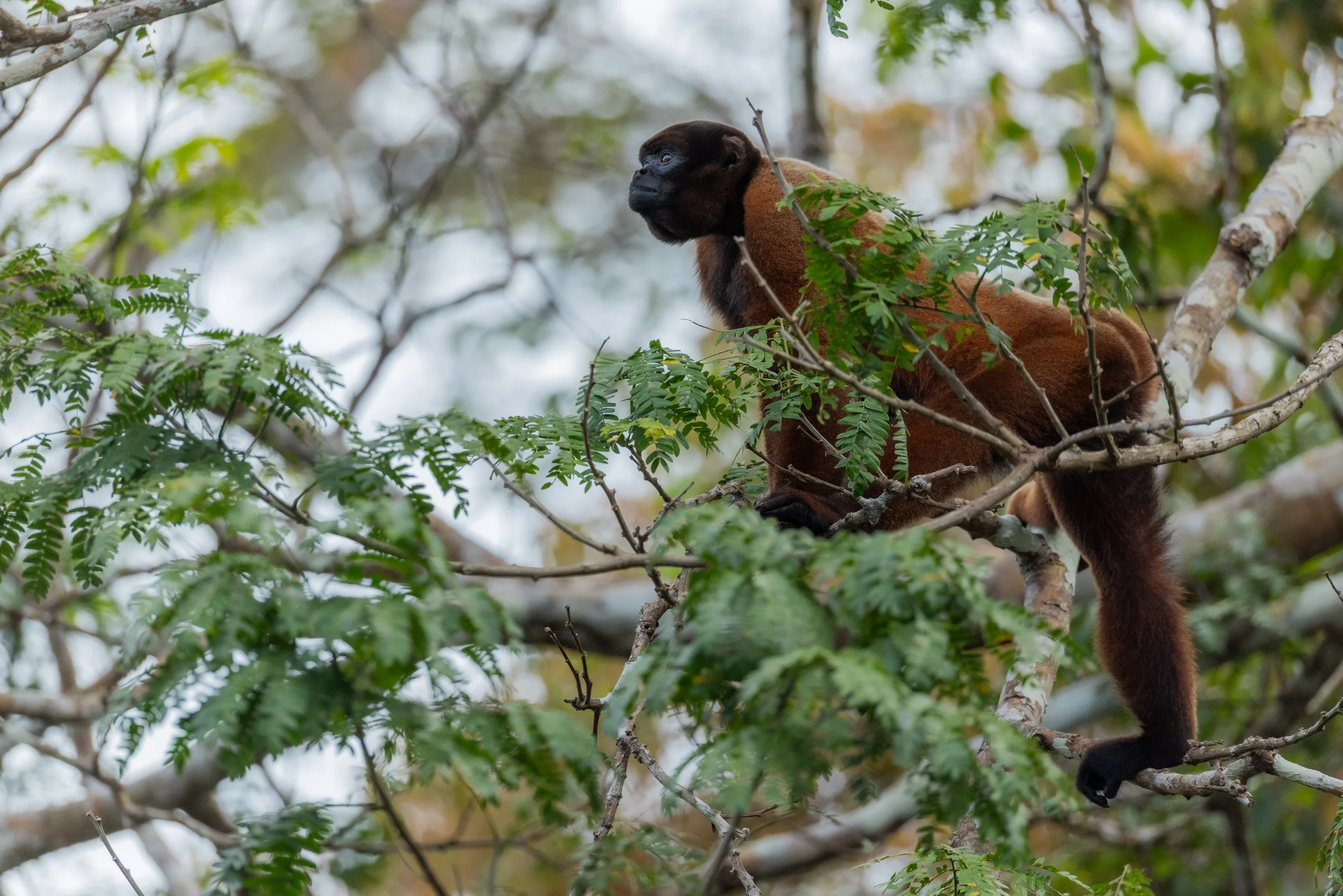
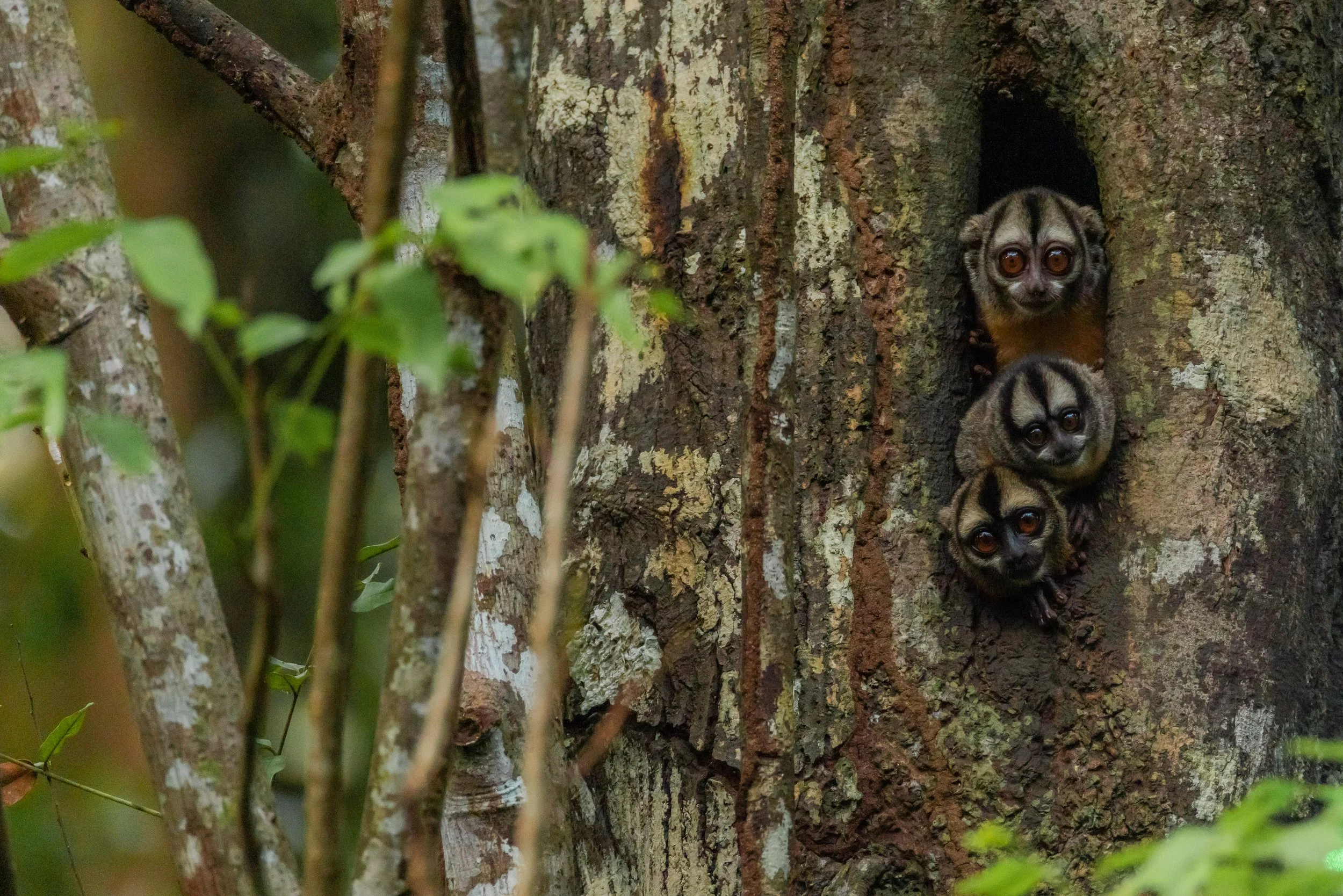
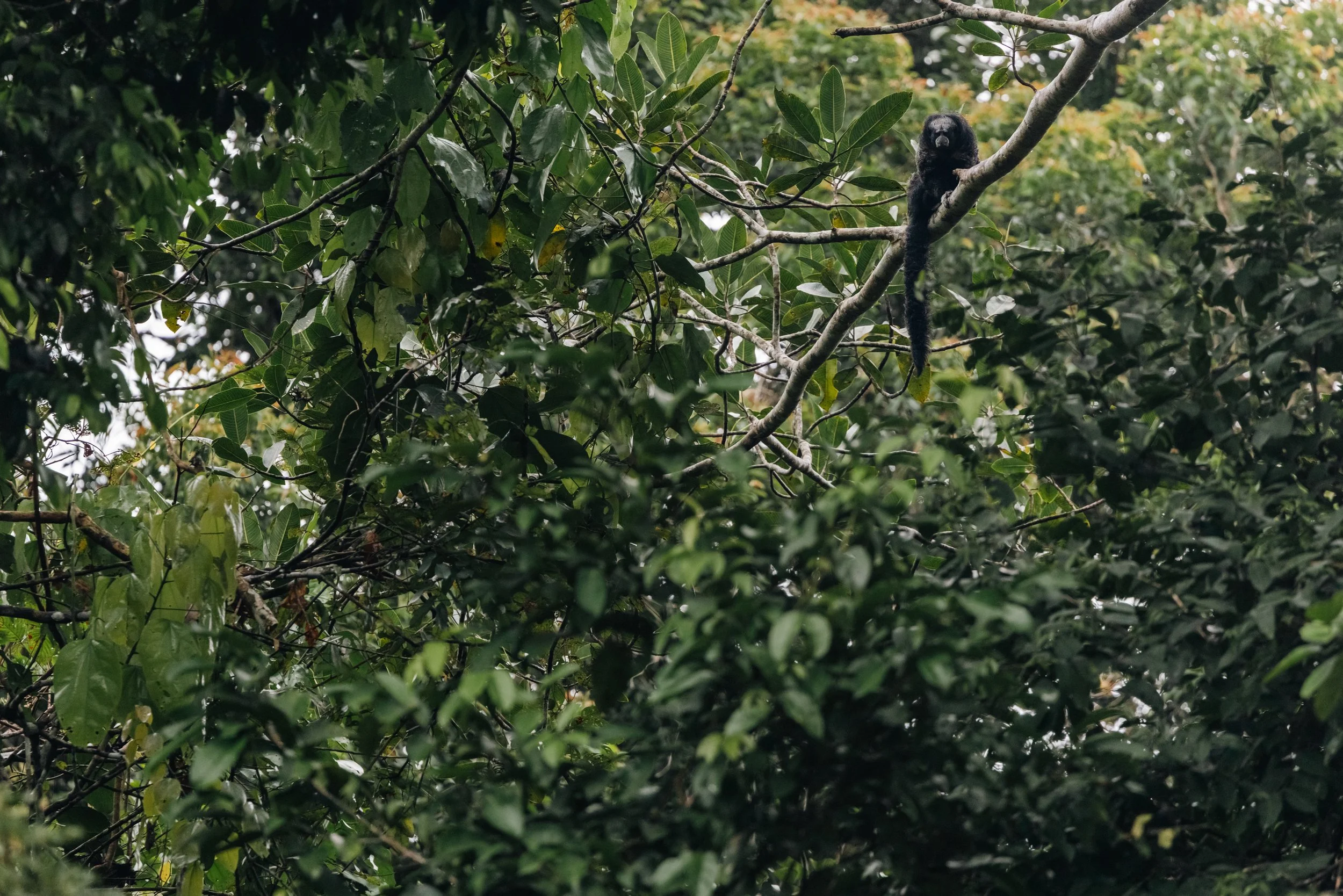
→ Wild monkeys
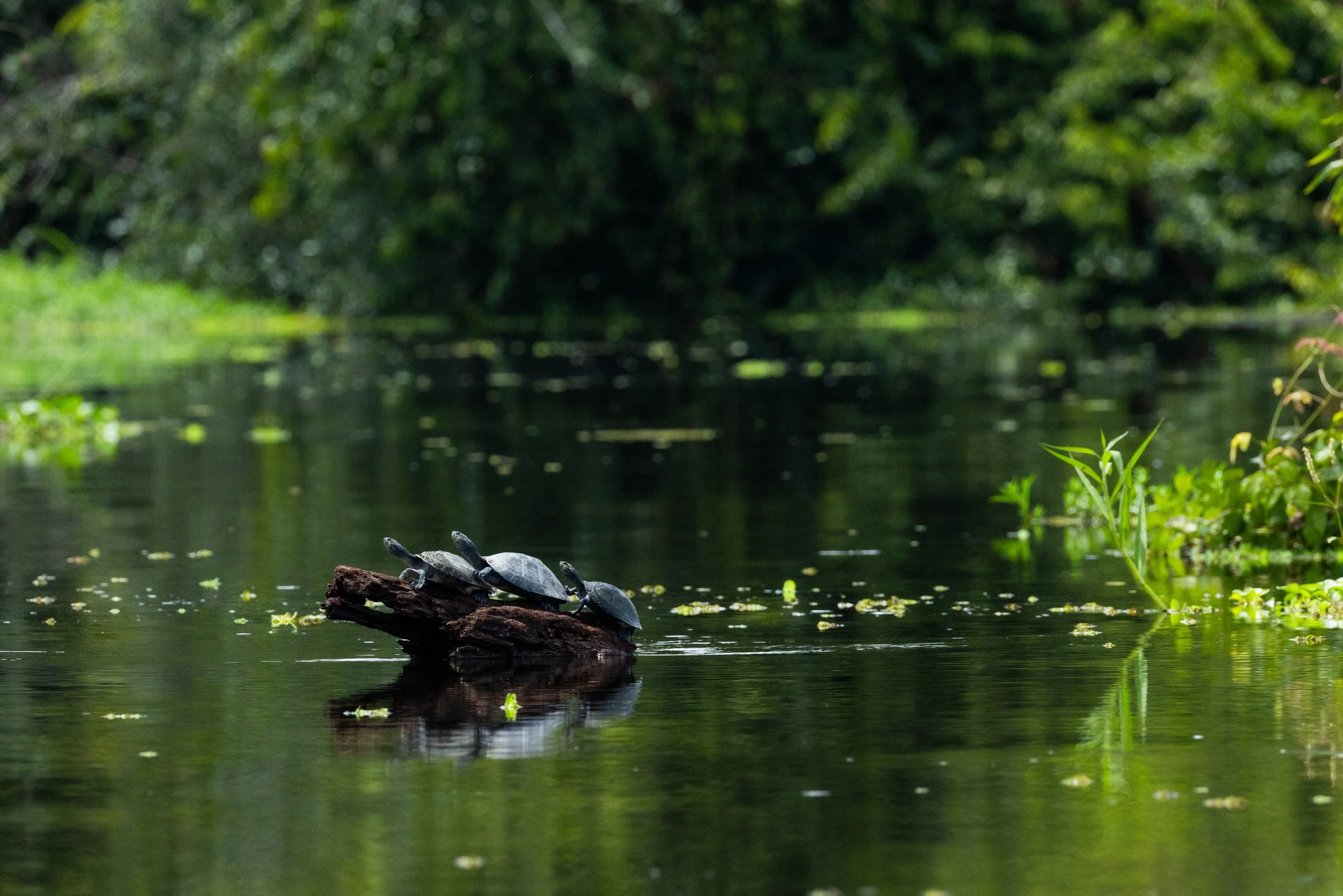
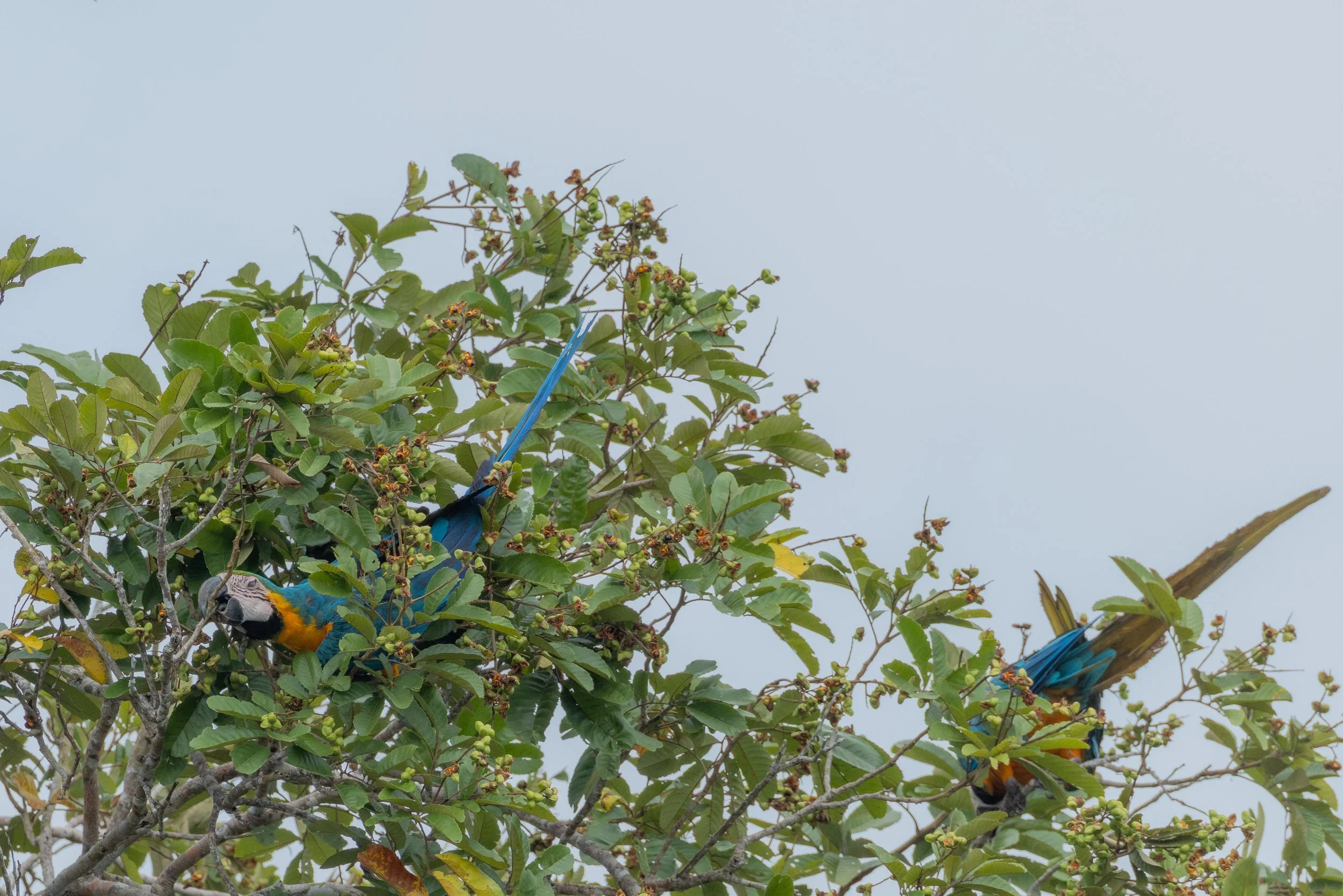
→ Forest
↓
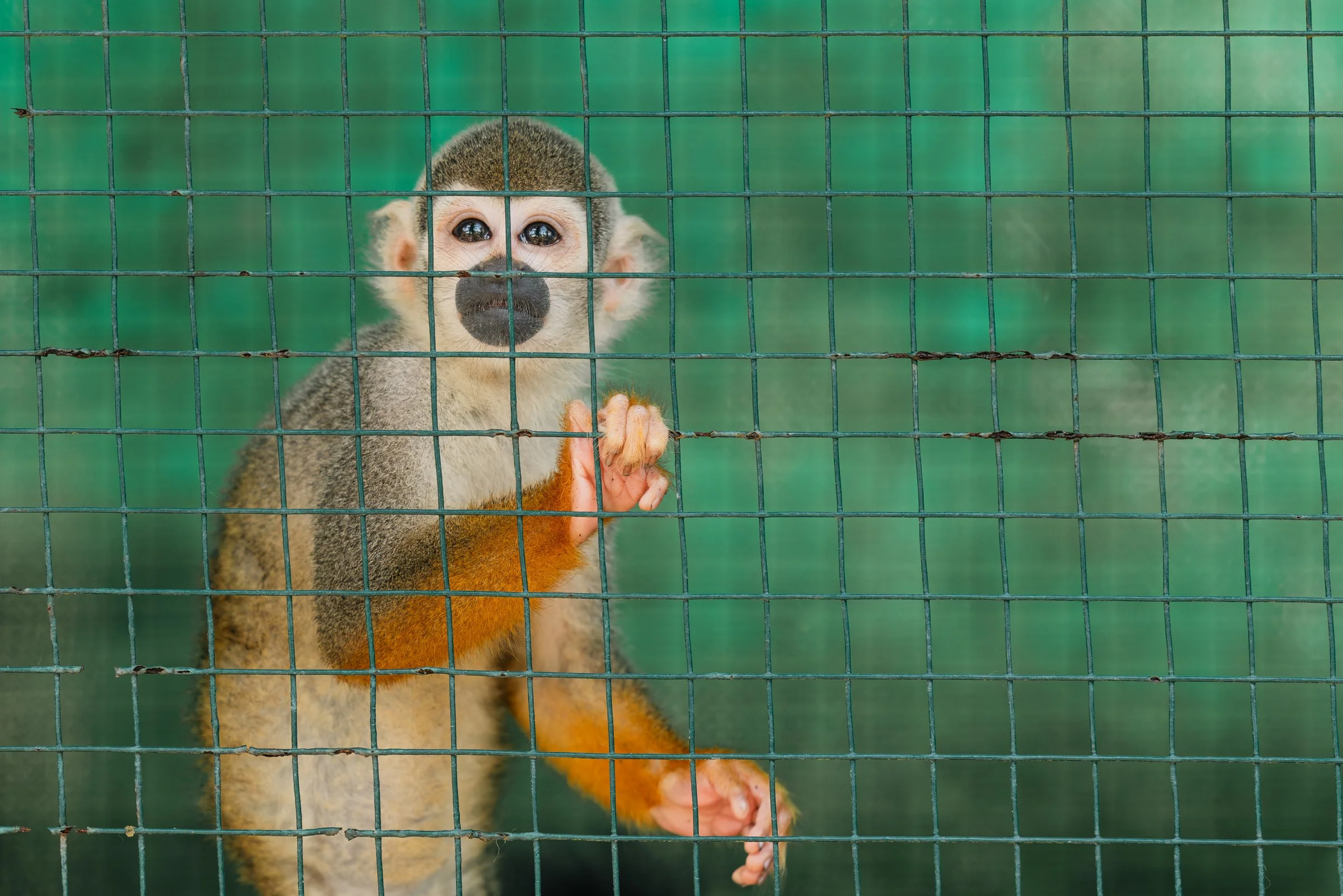
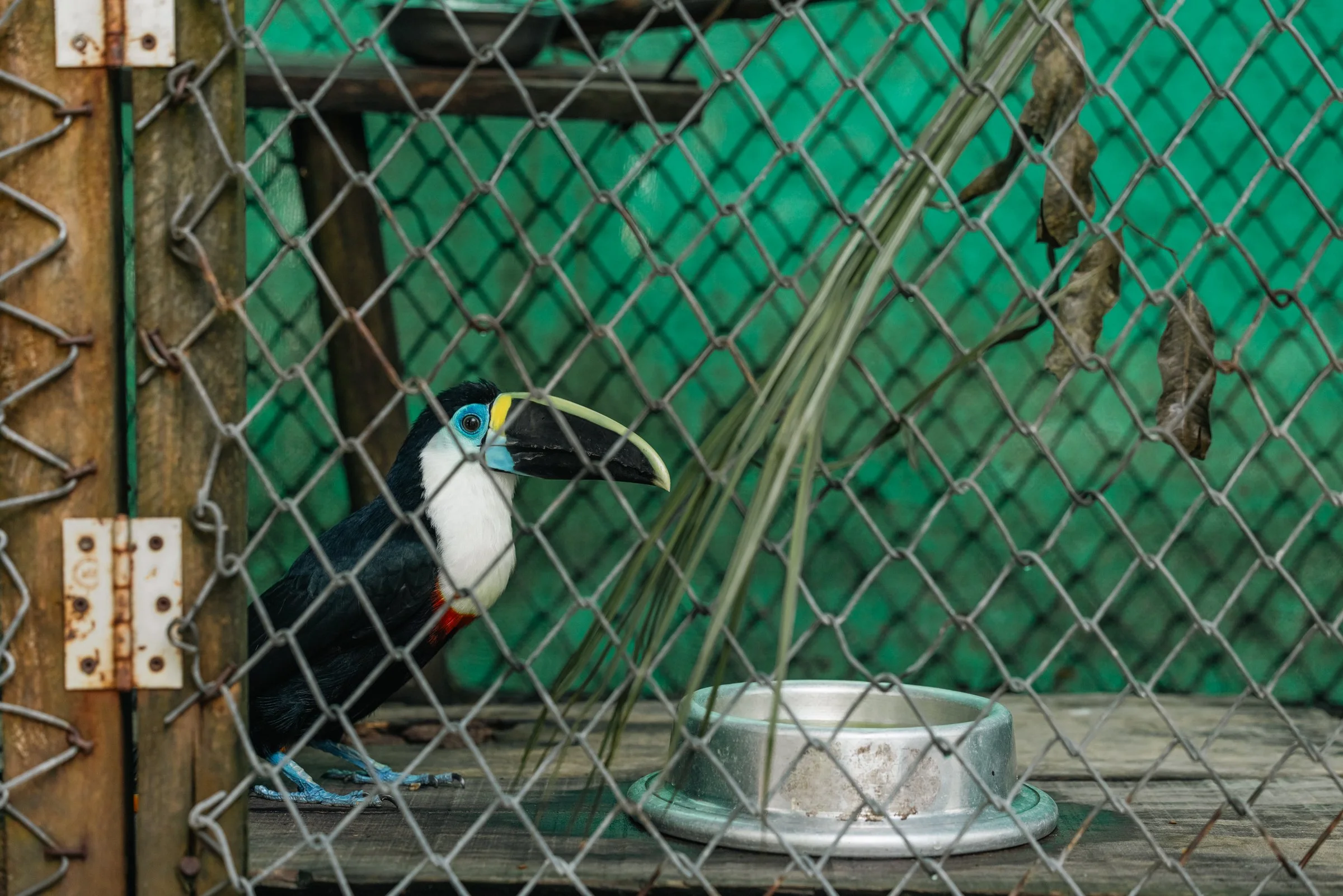
Captivity
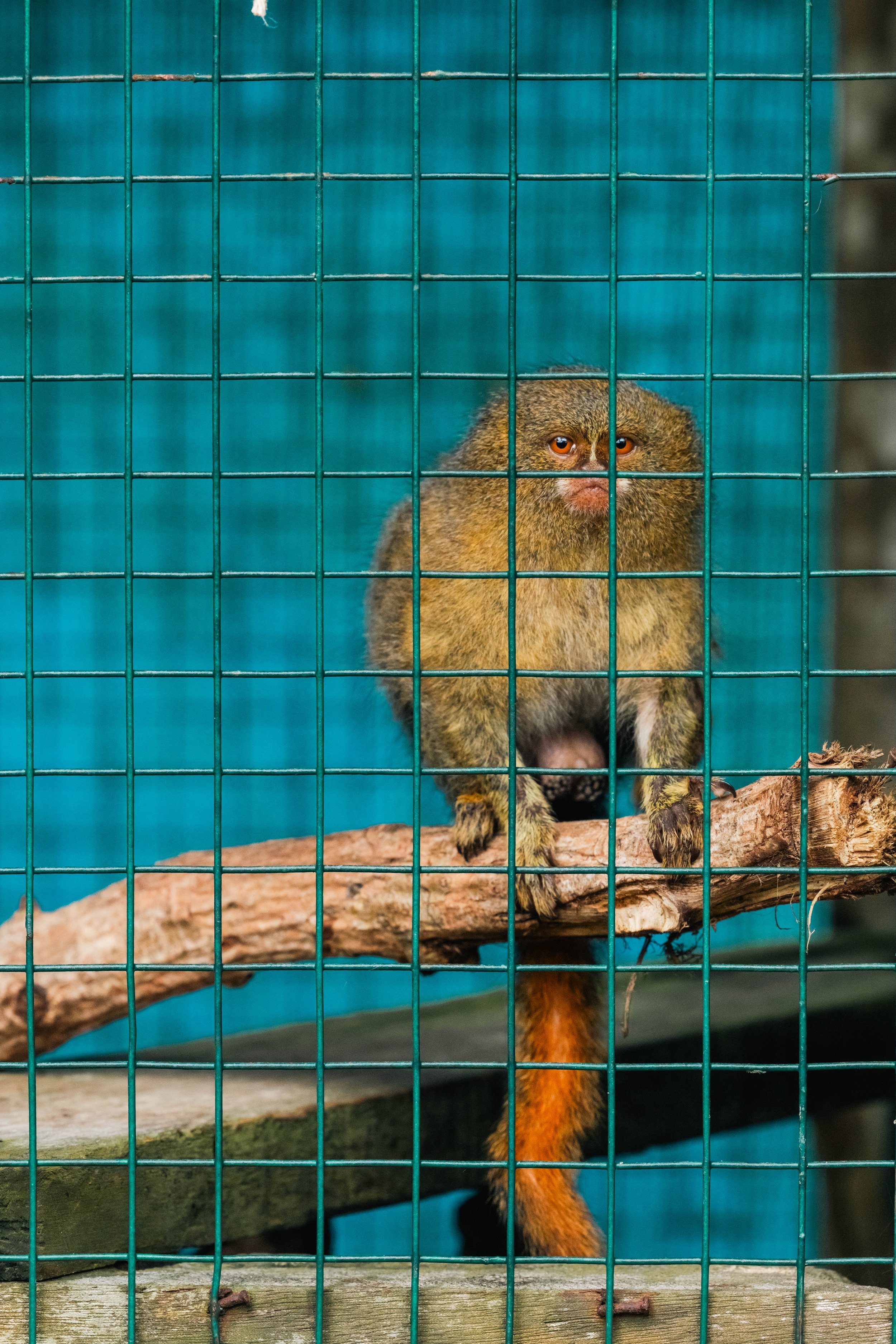
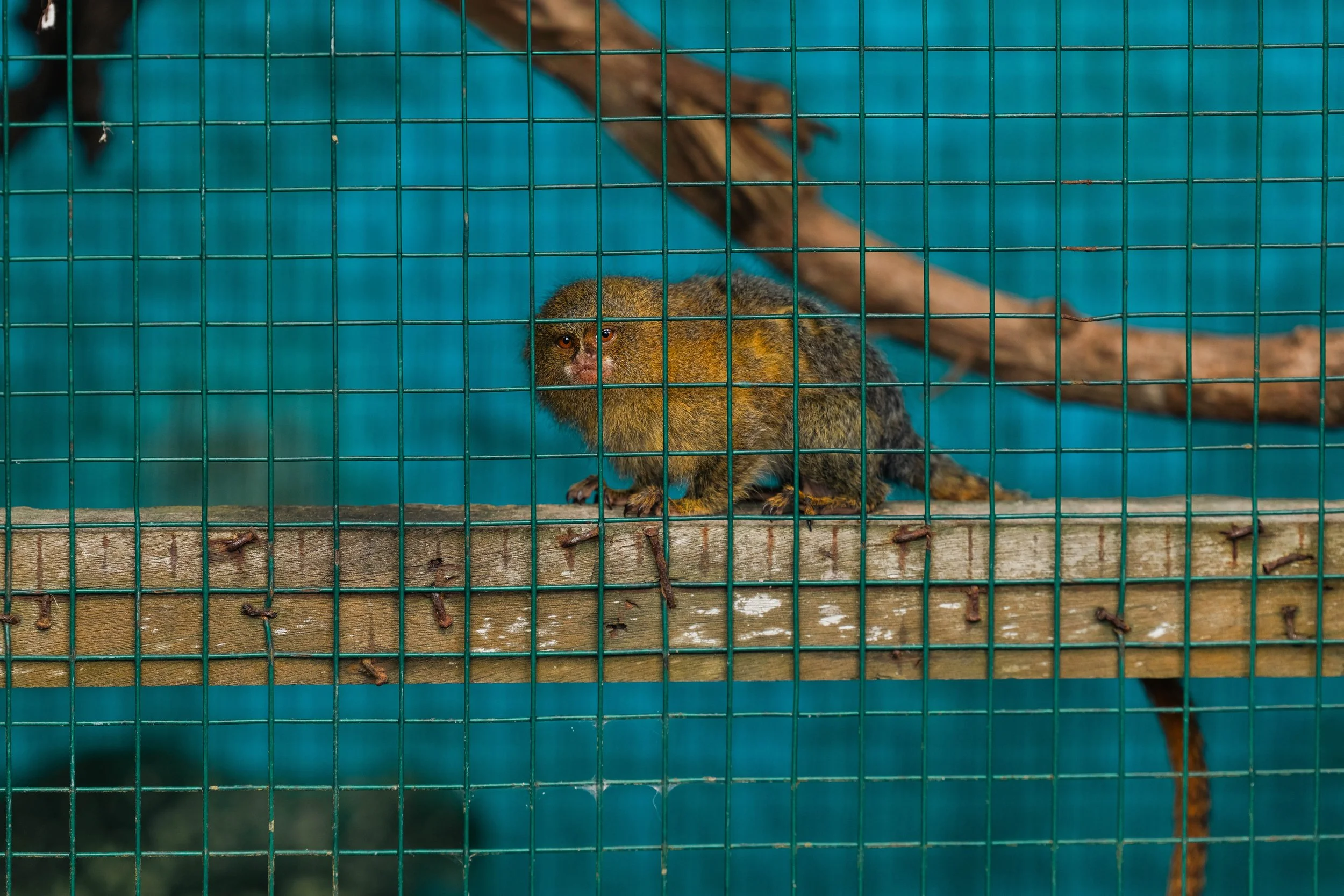
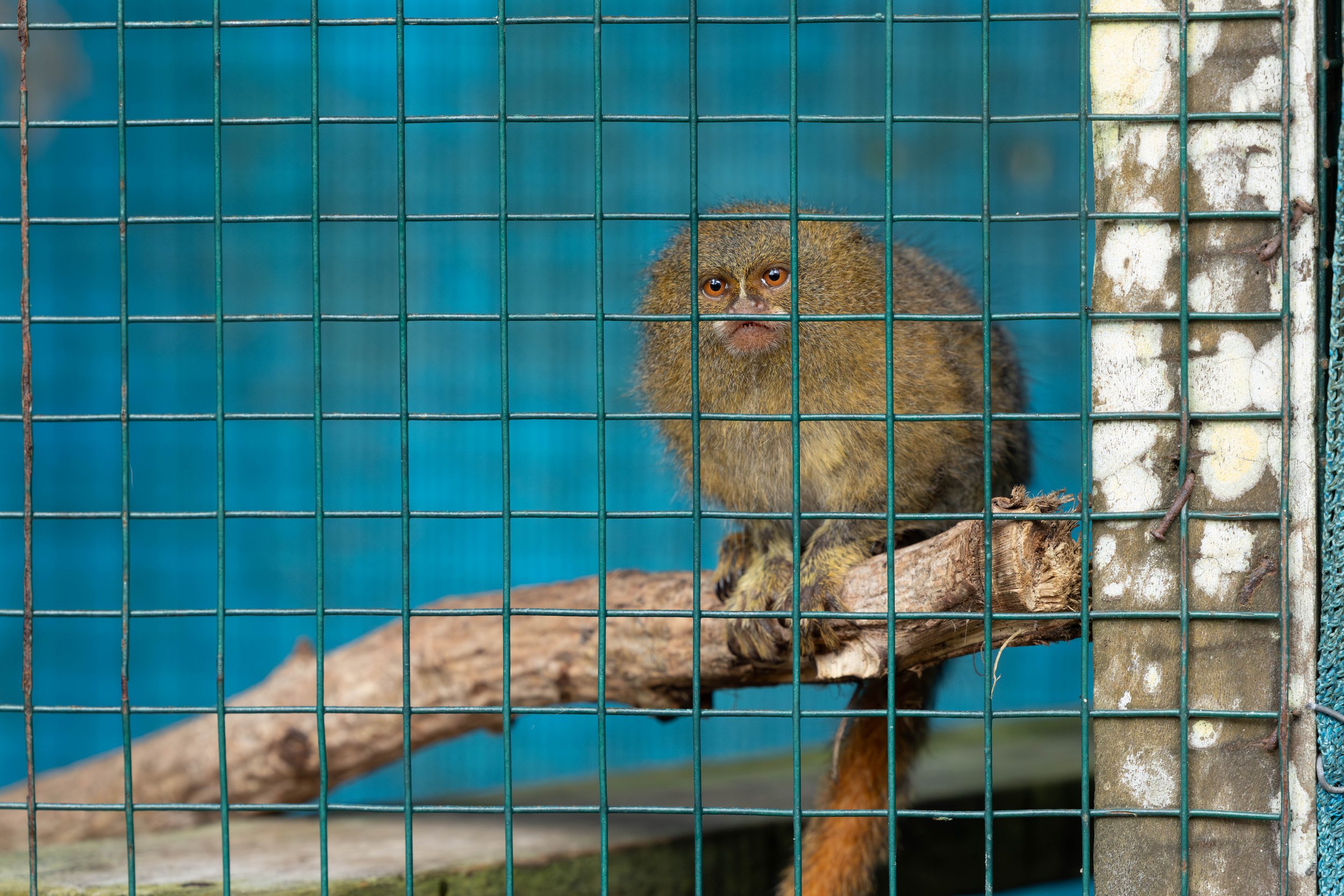
→ Monkeys behind mesh
→ Toucan in a cage
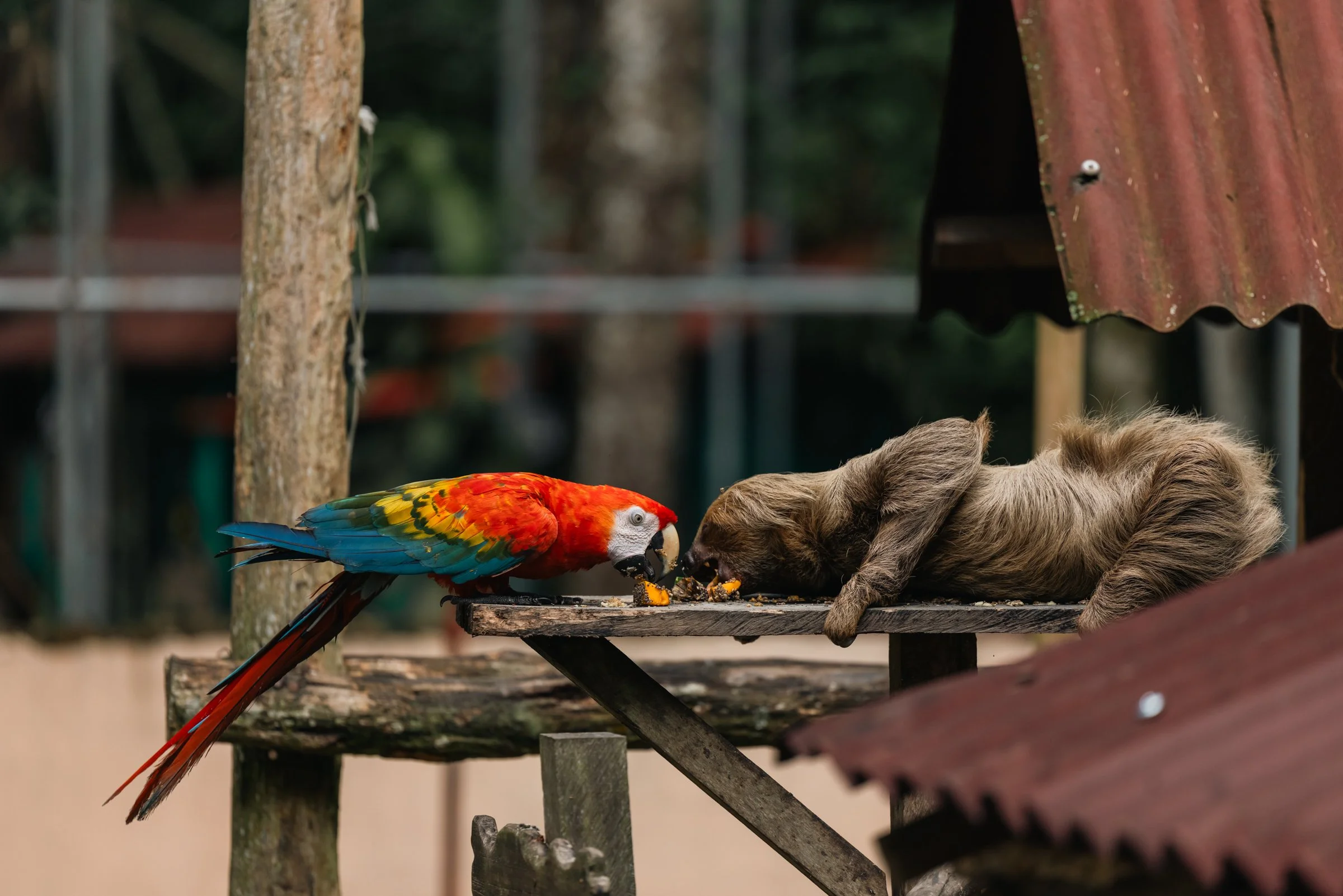
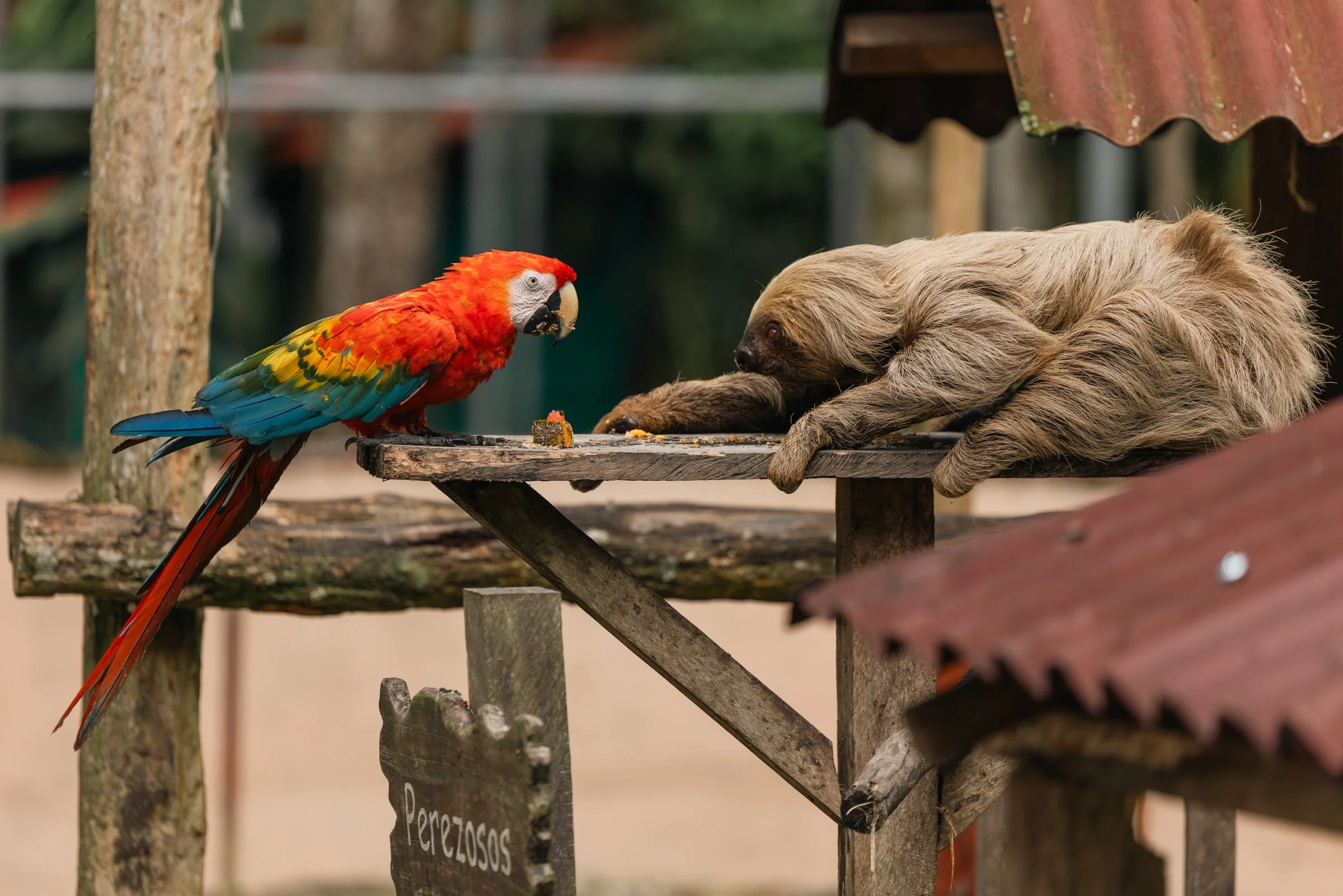
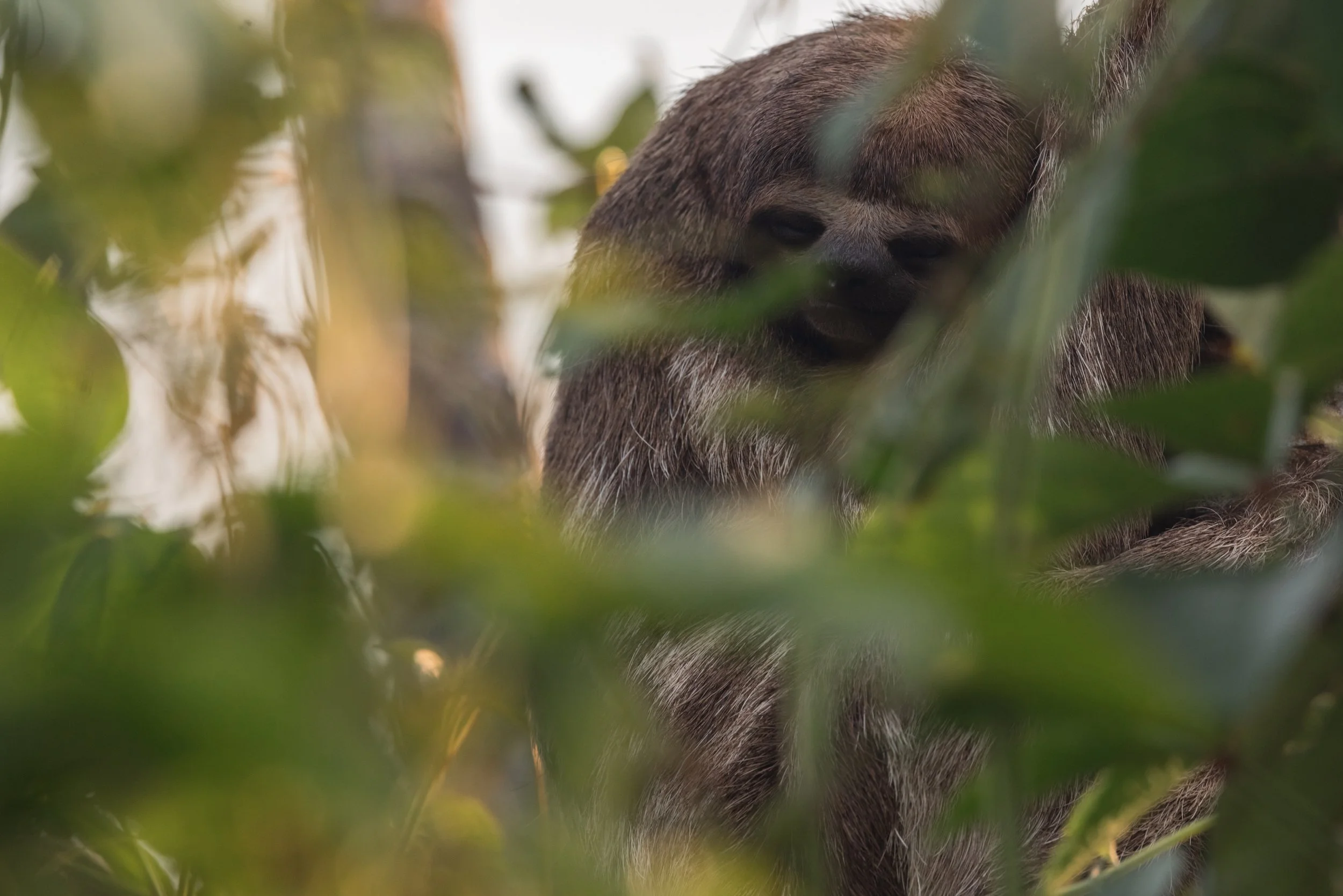
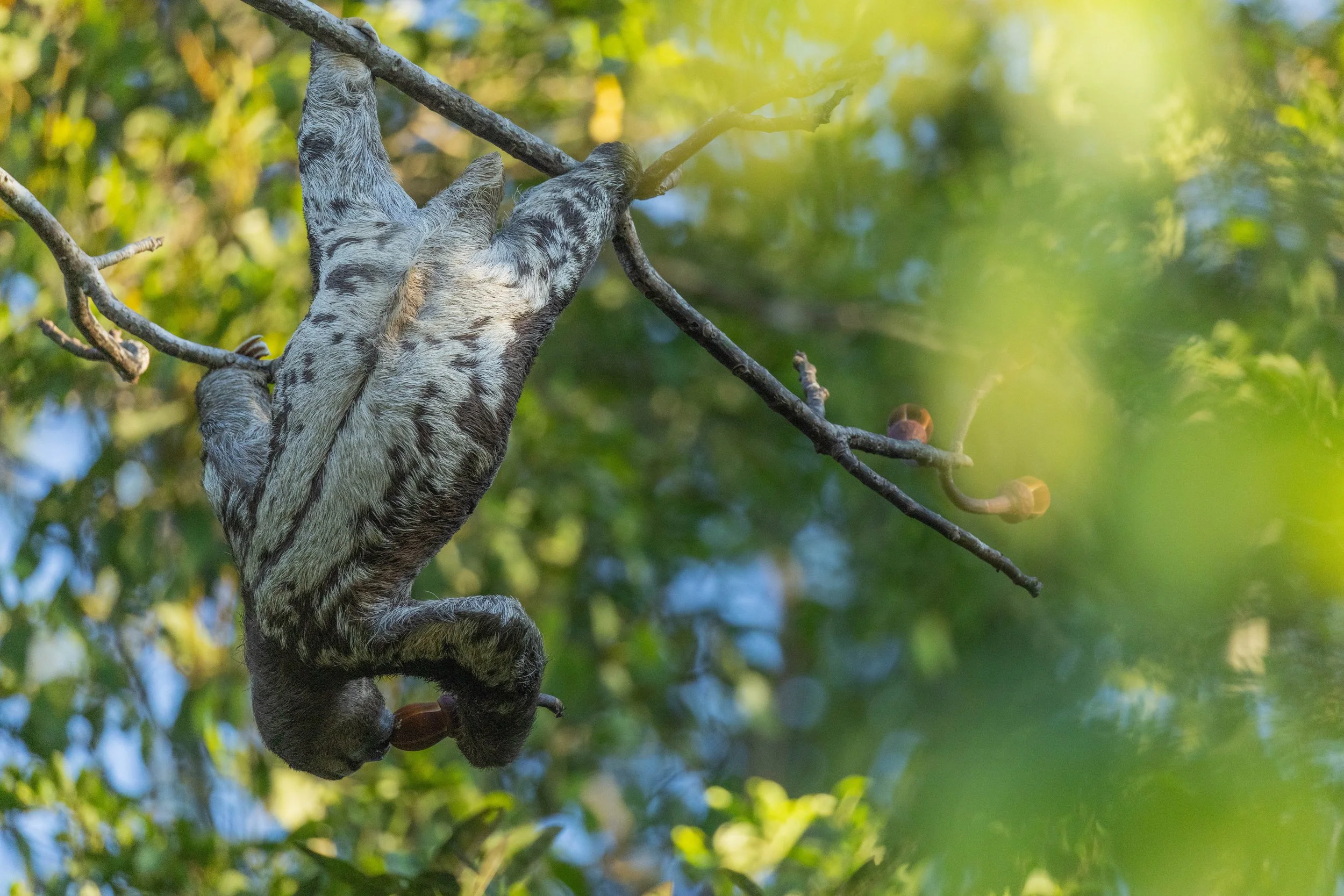
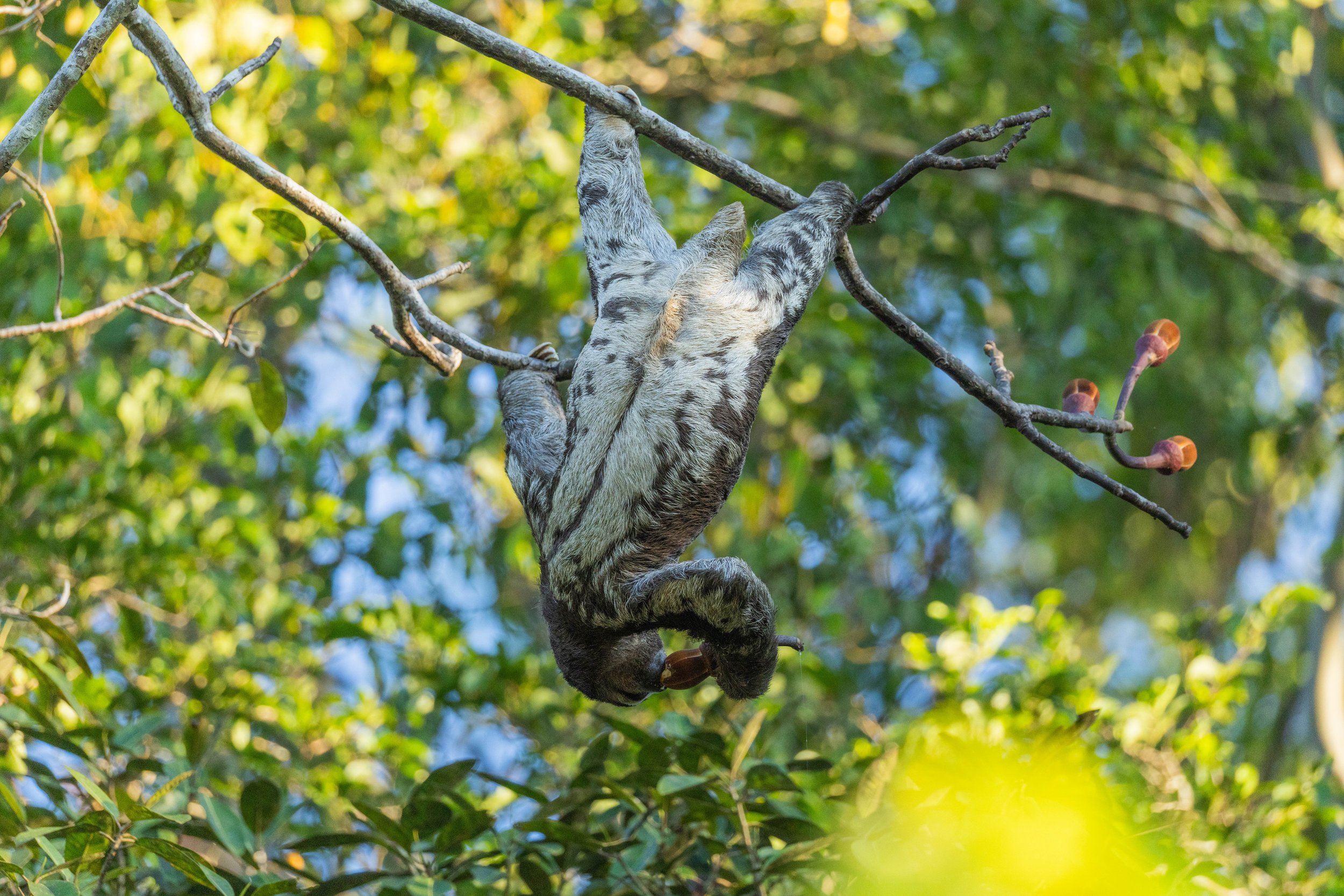
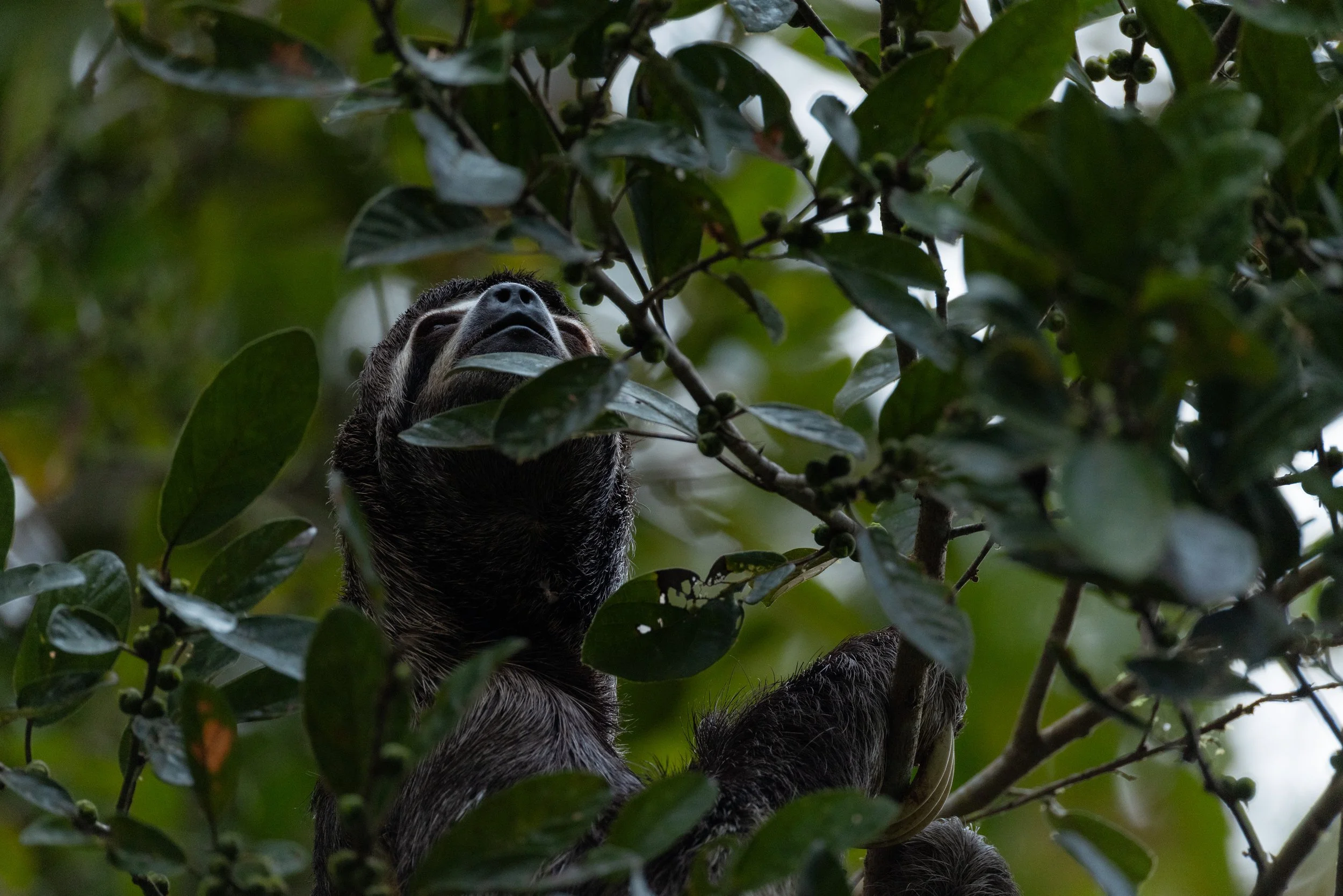
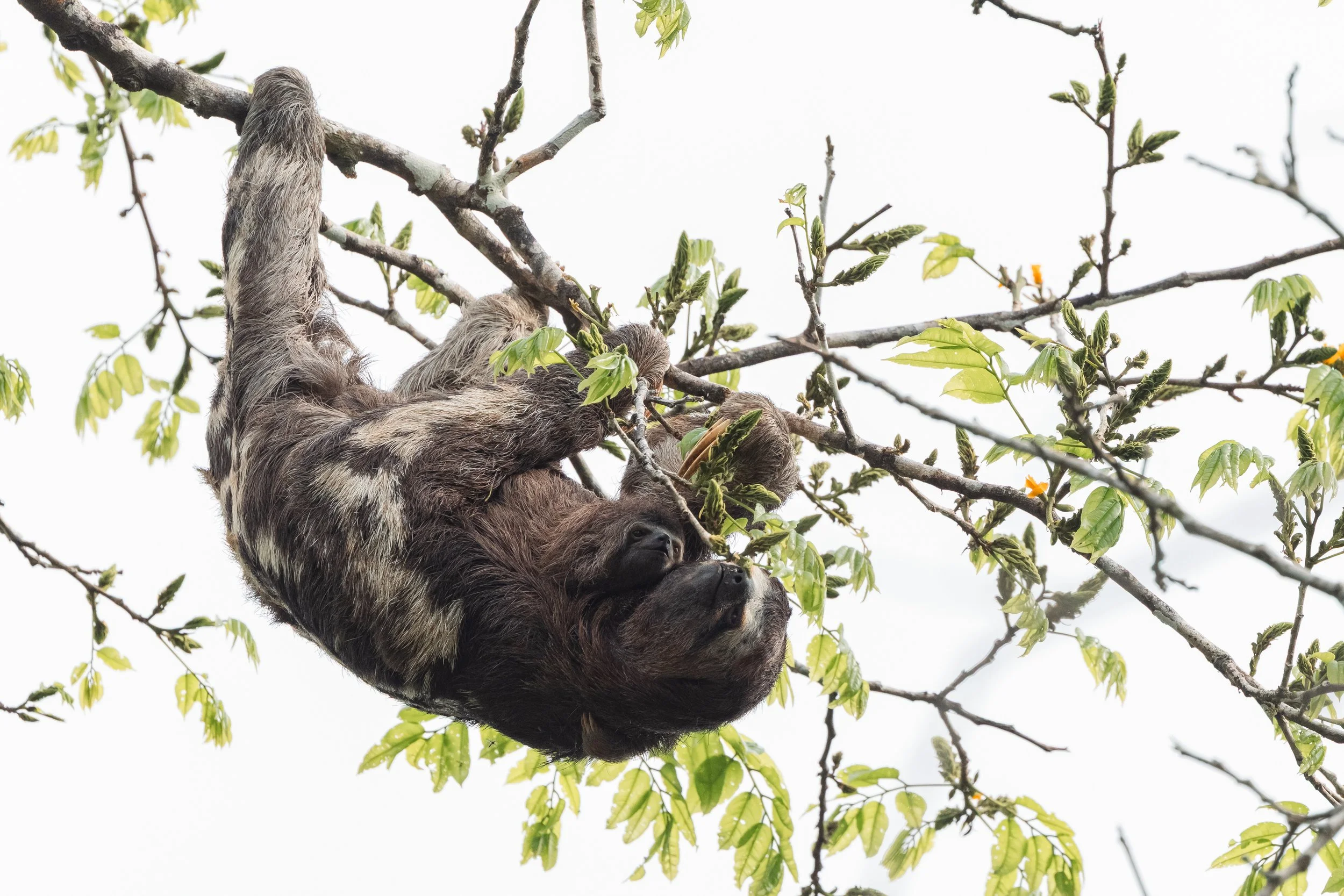
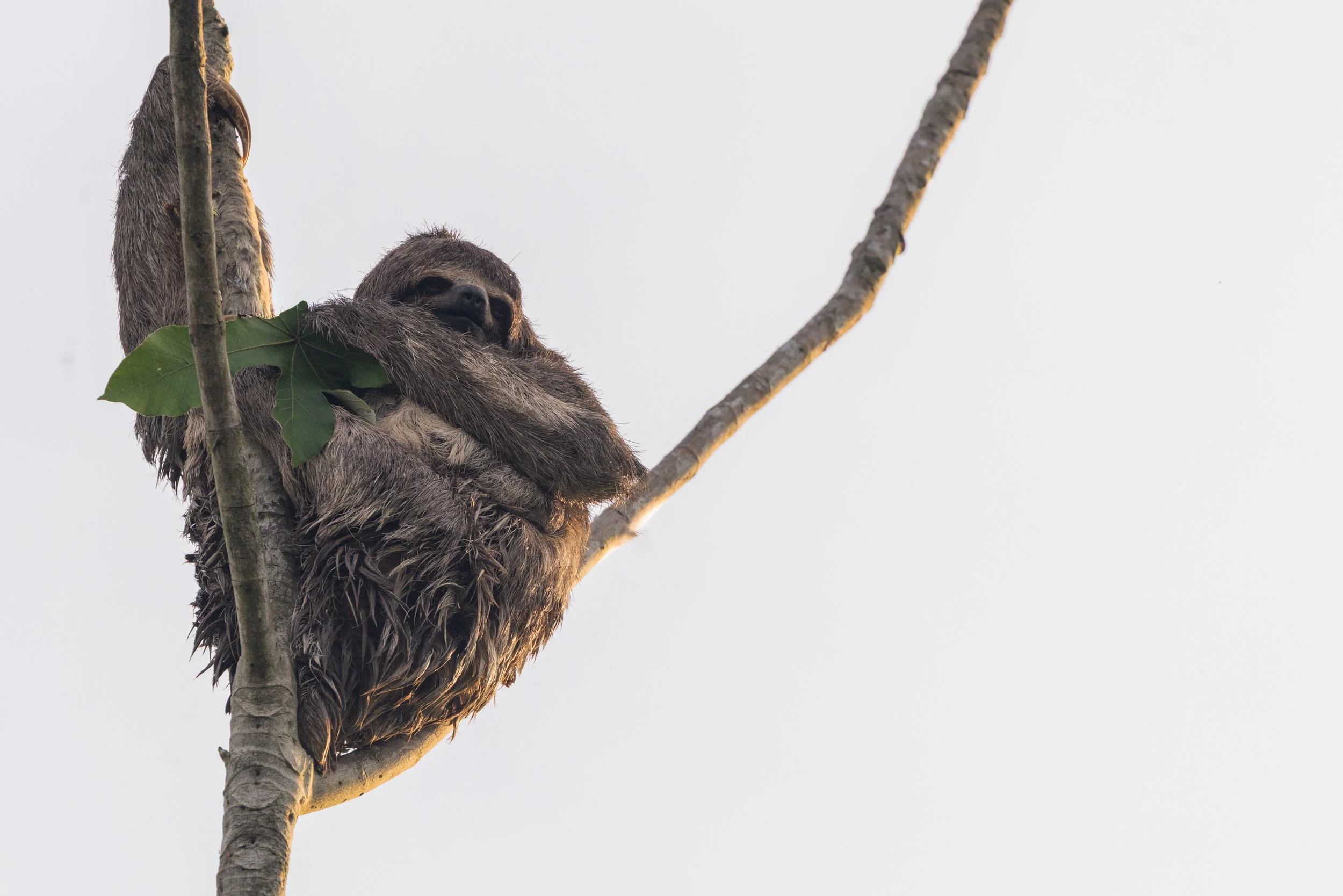
→ Sloth in captivity
↓
The people
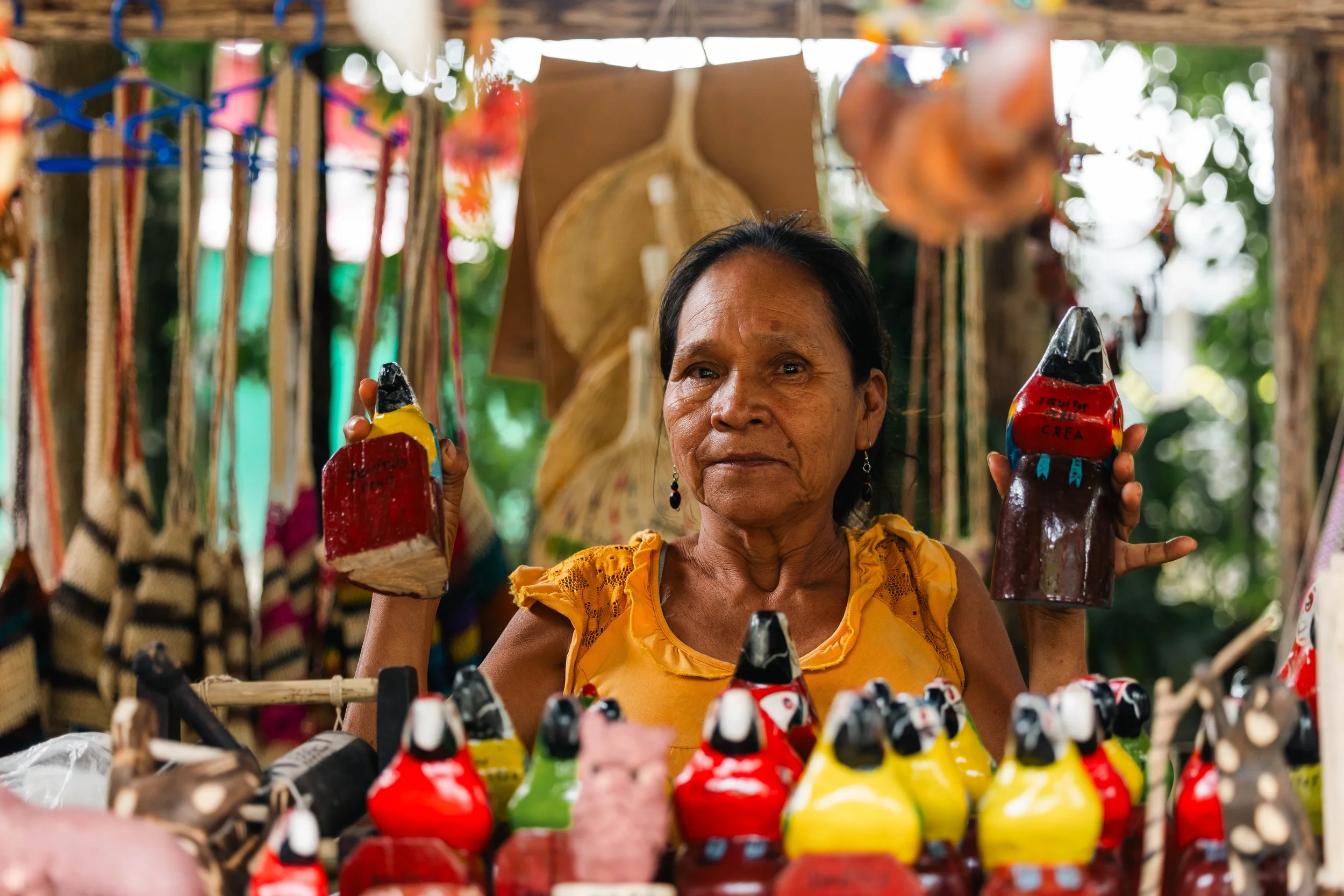
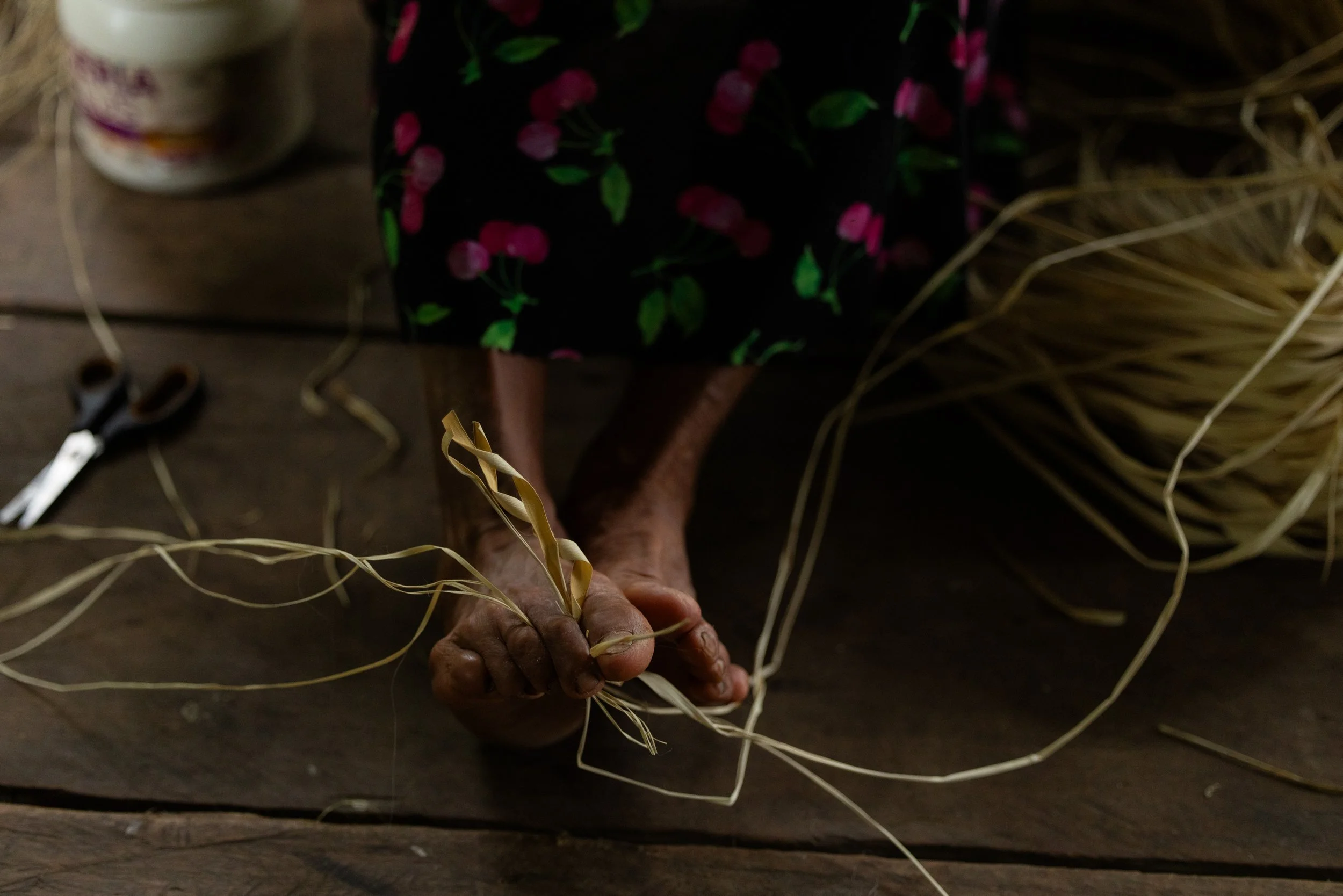
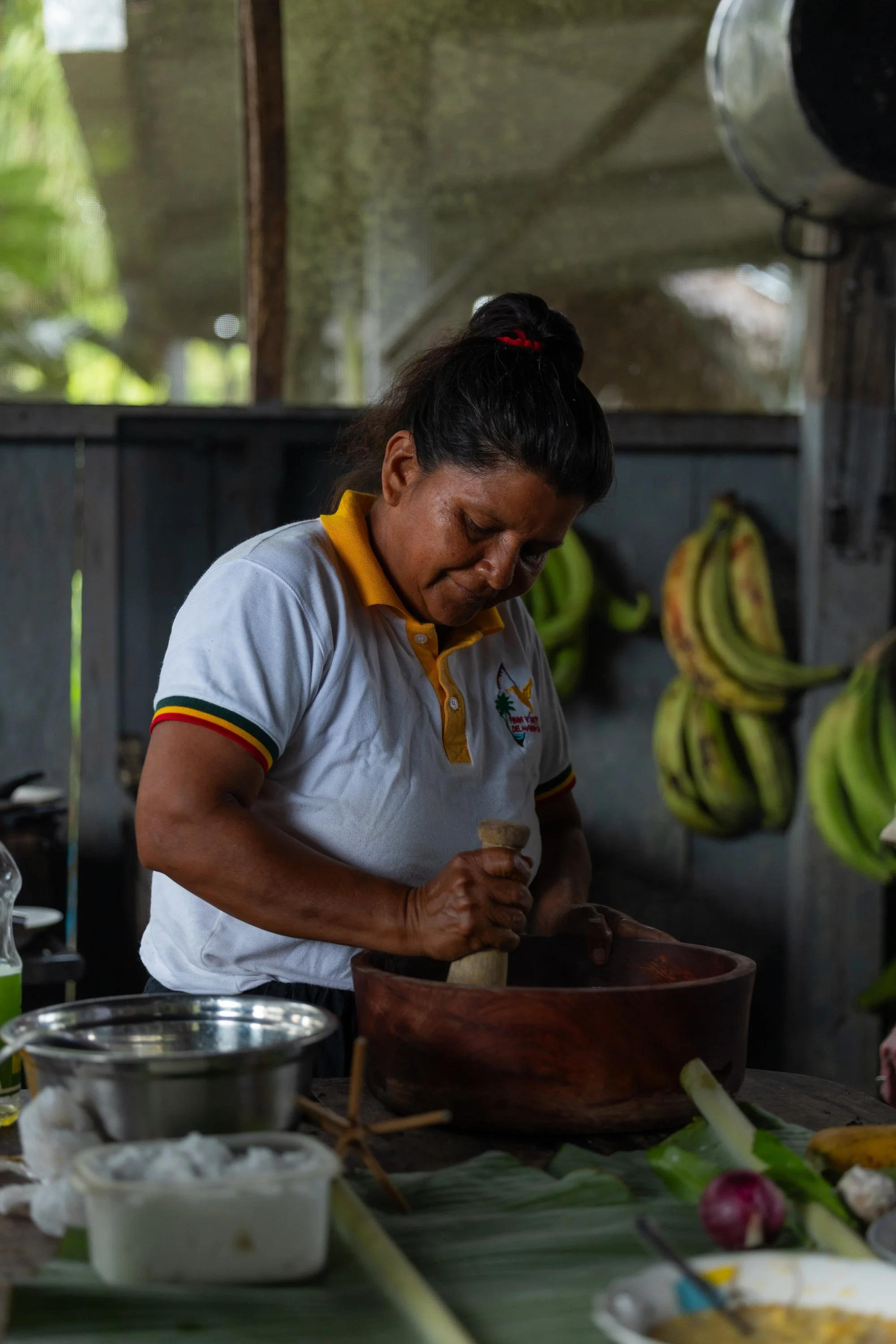
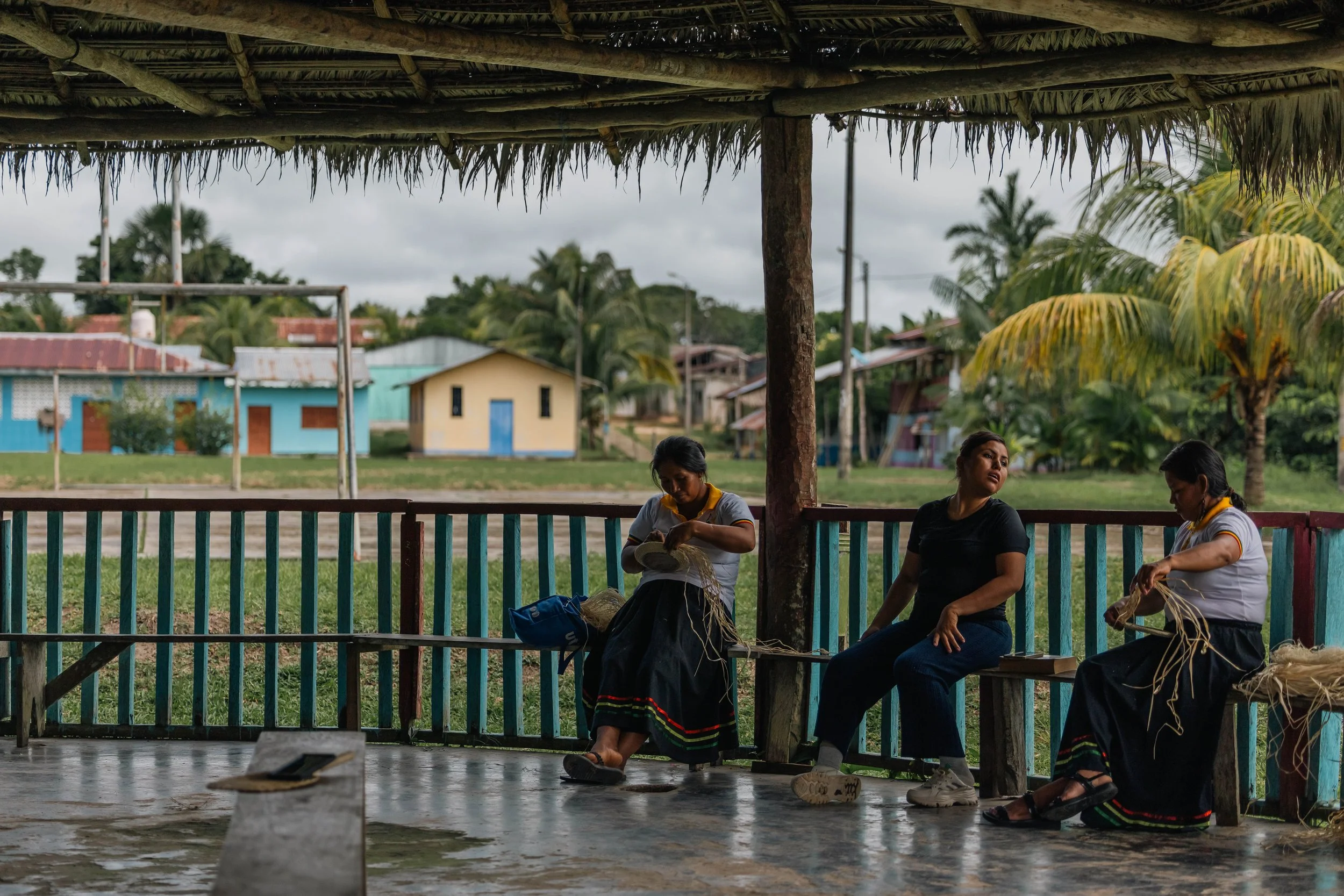
→ Artisan
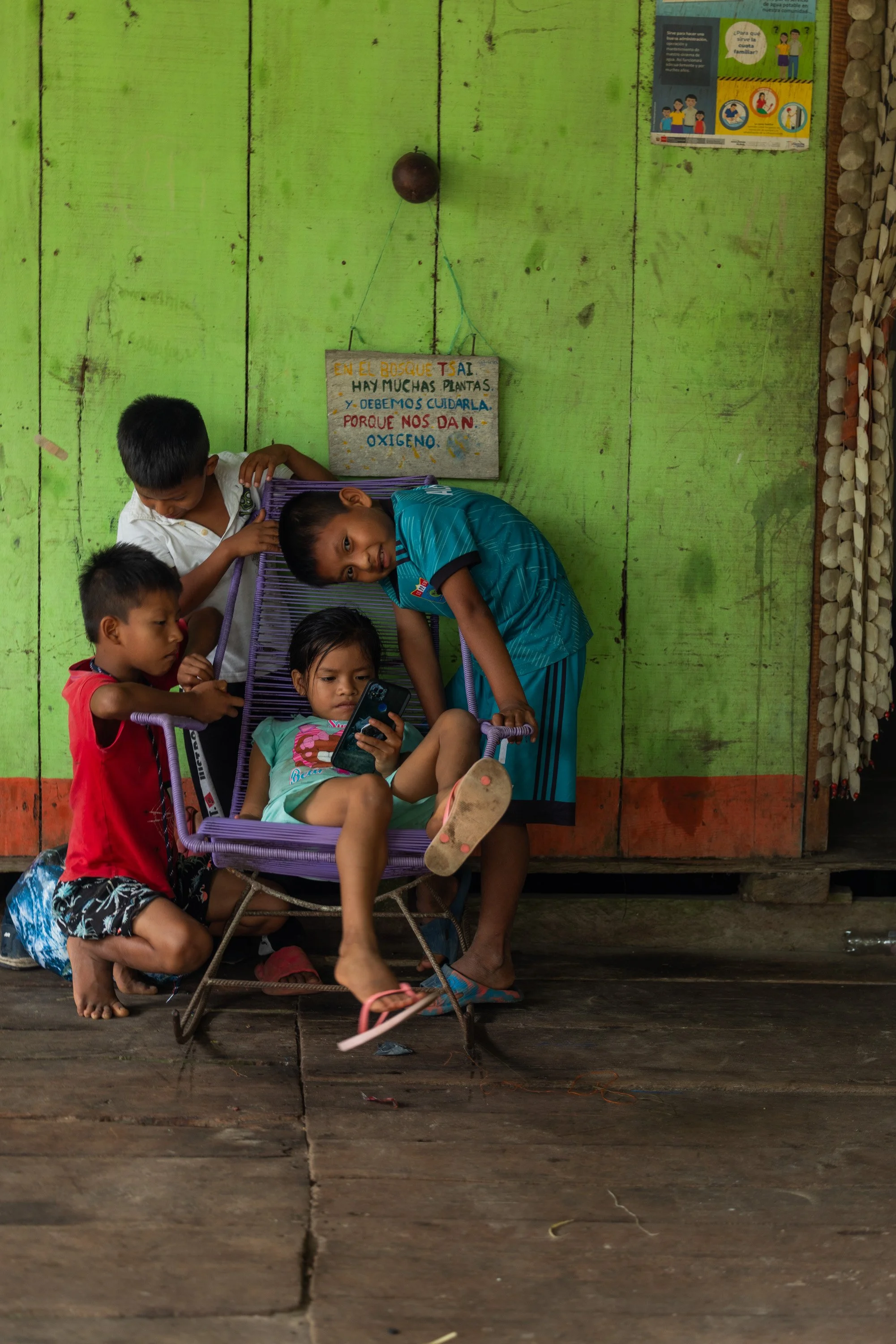
→ Family
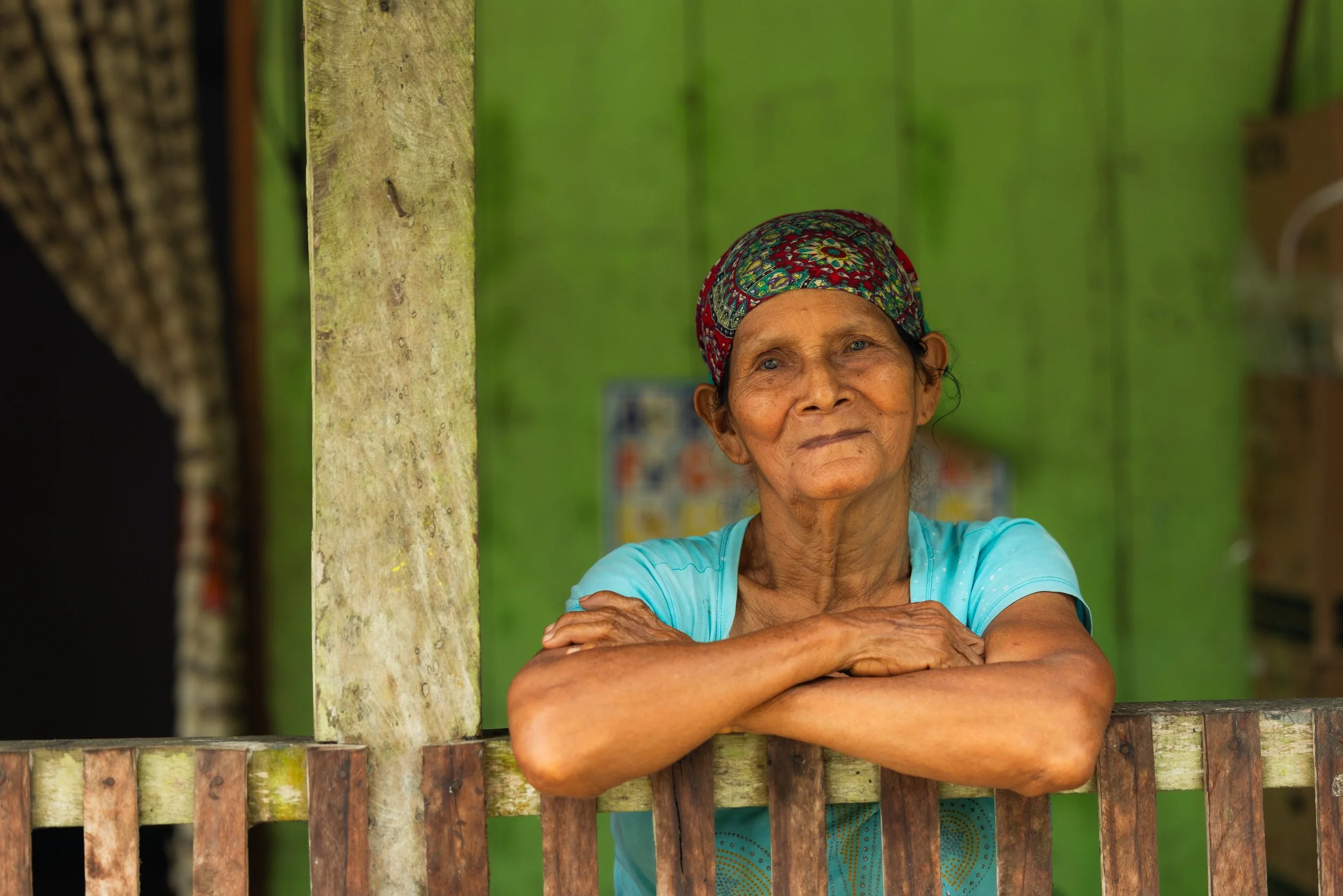
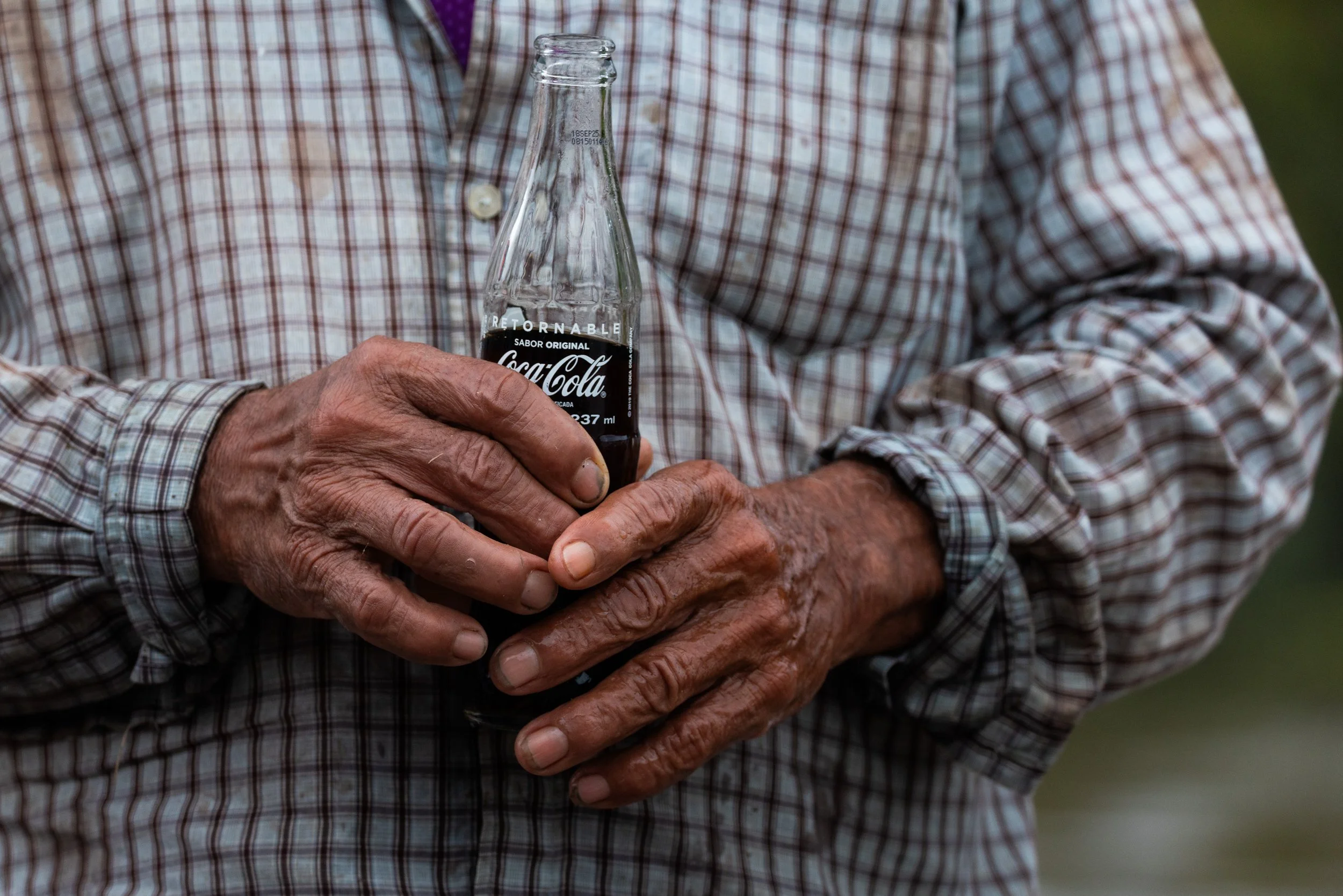
→ Elder
↓
Culture and education
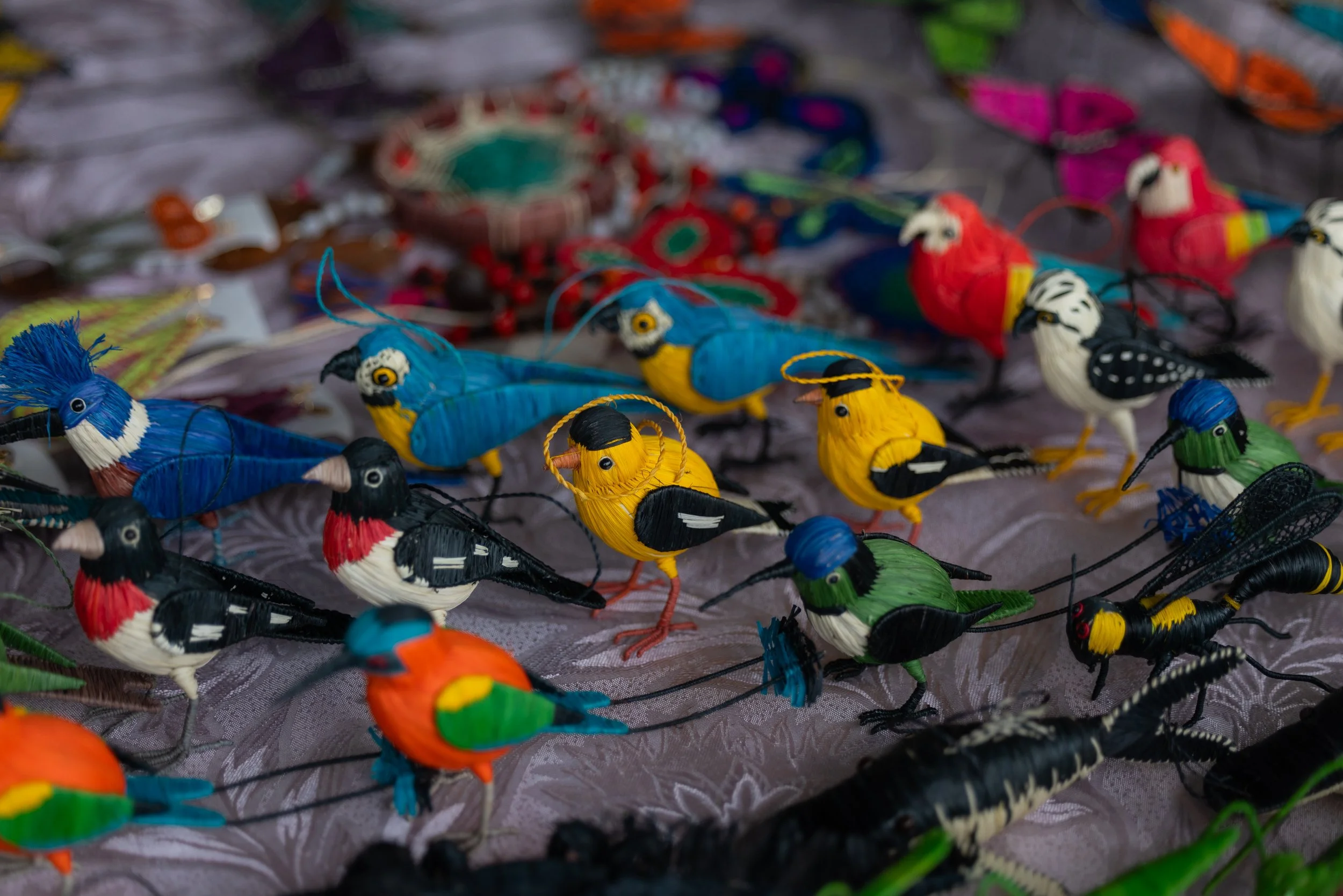
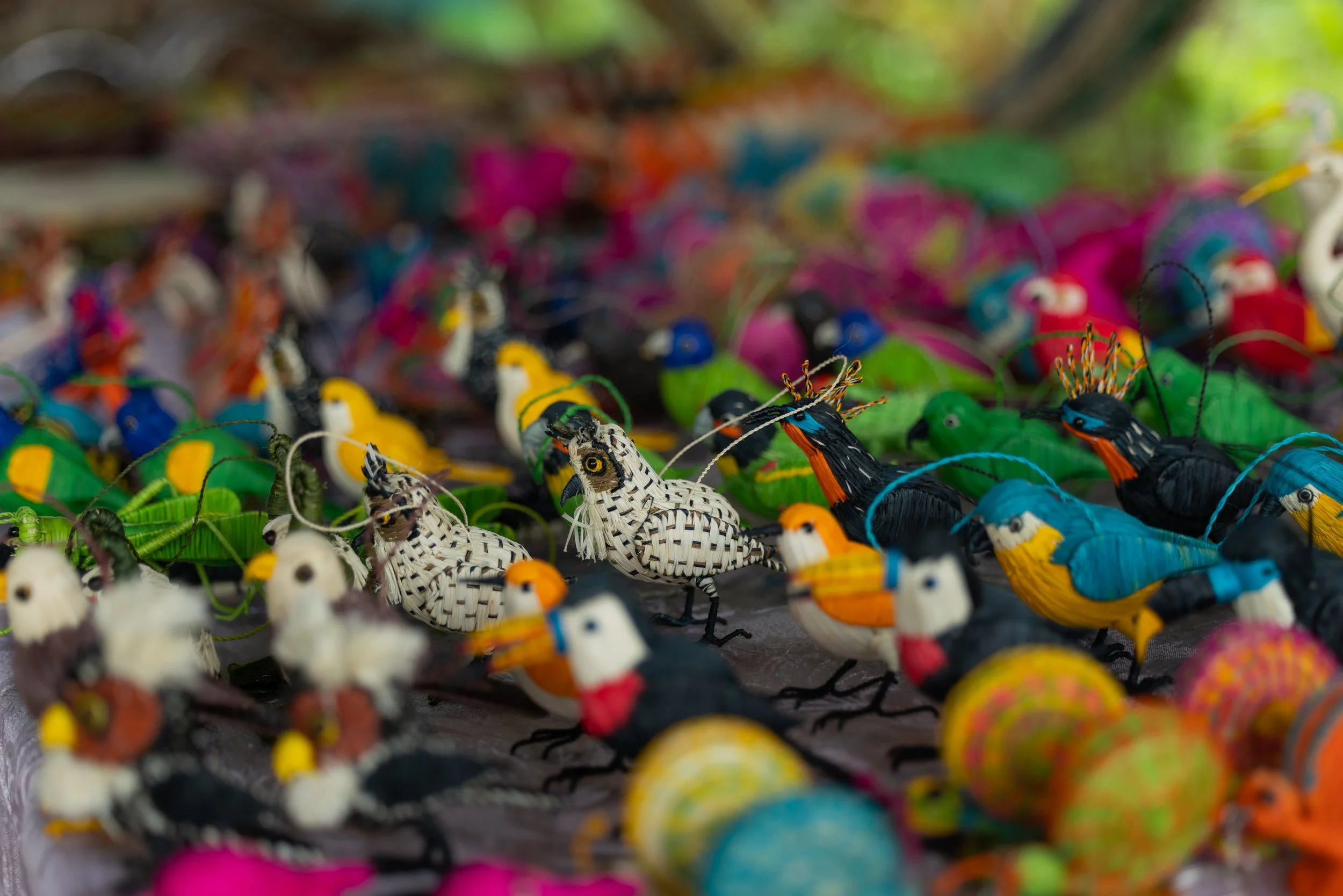
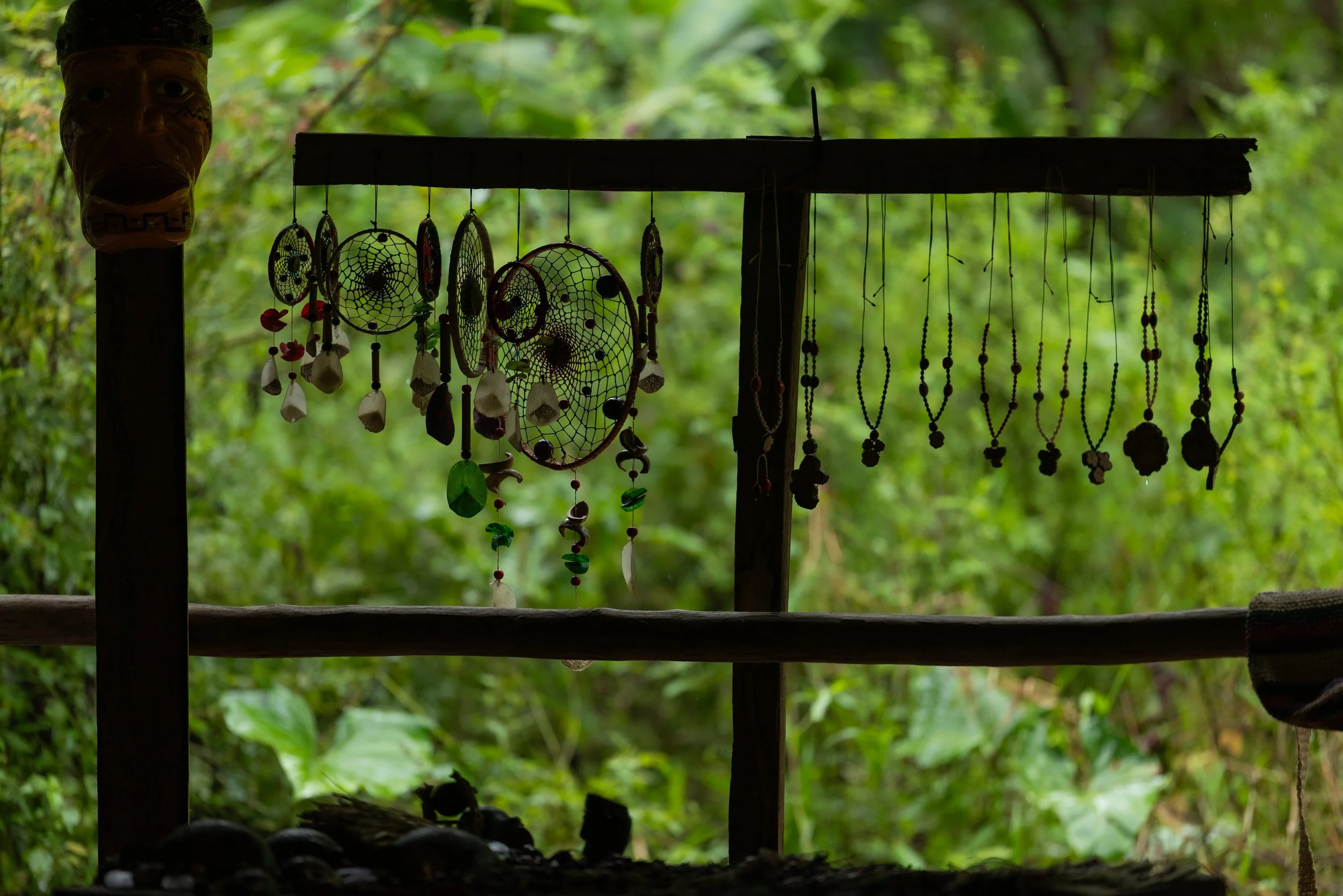
→ Crafts
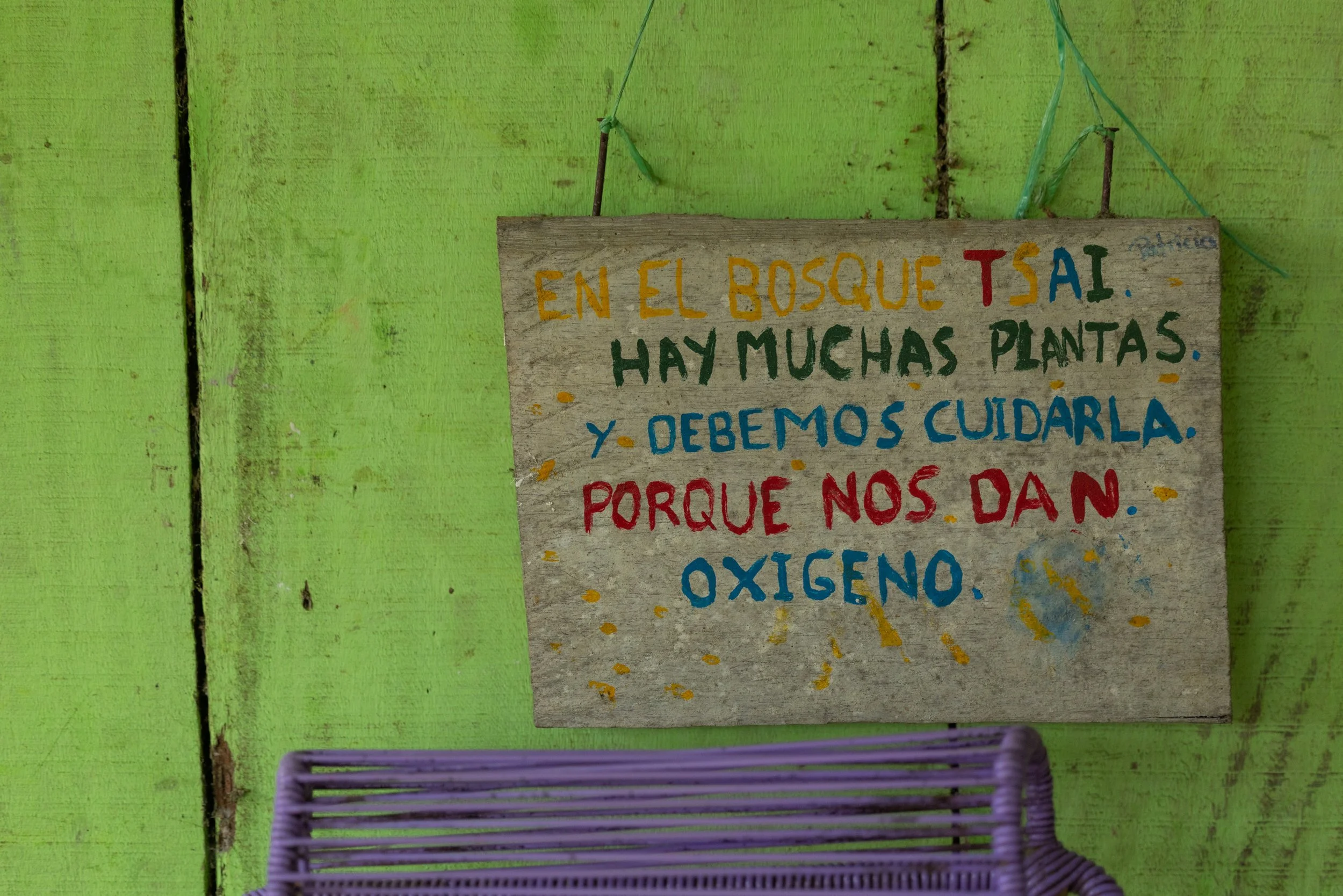
→ Conservation message
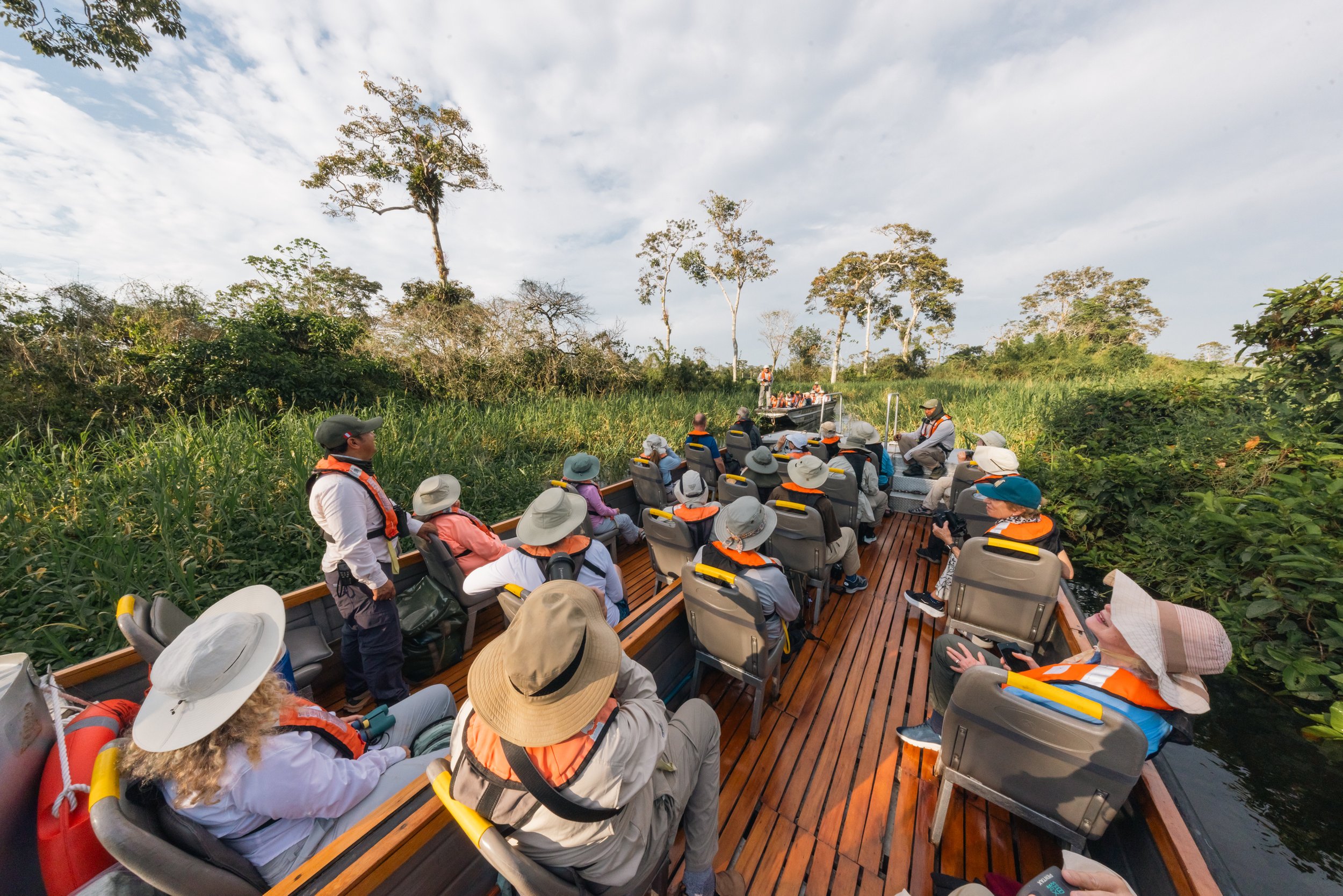
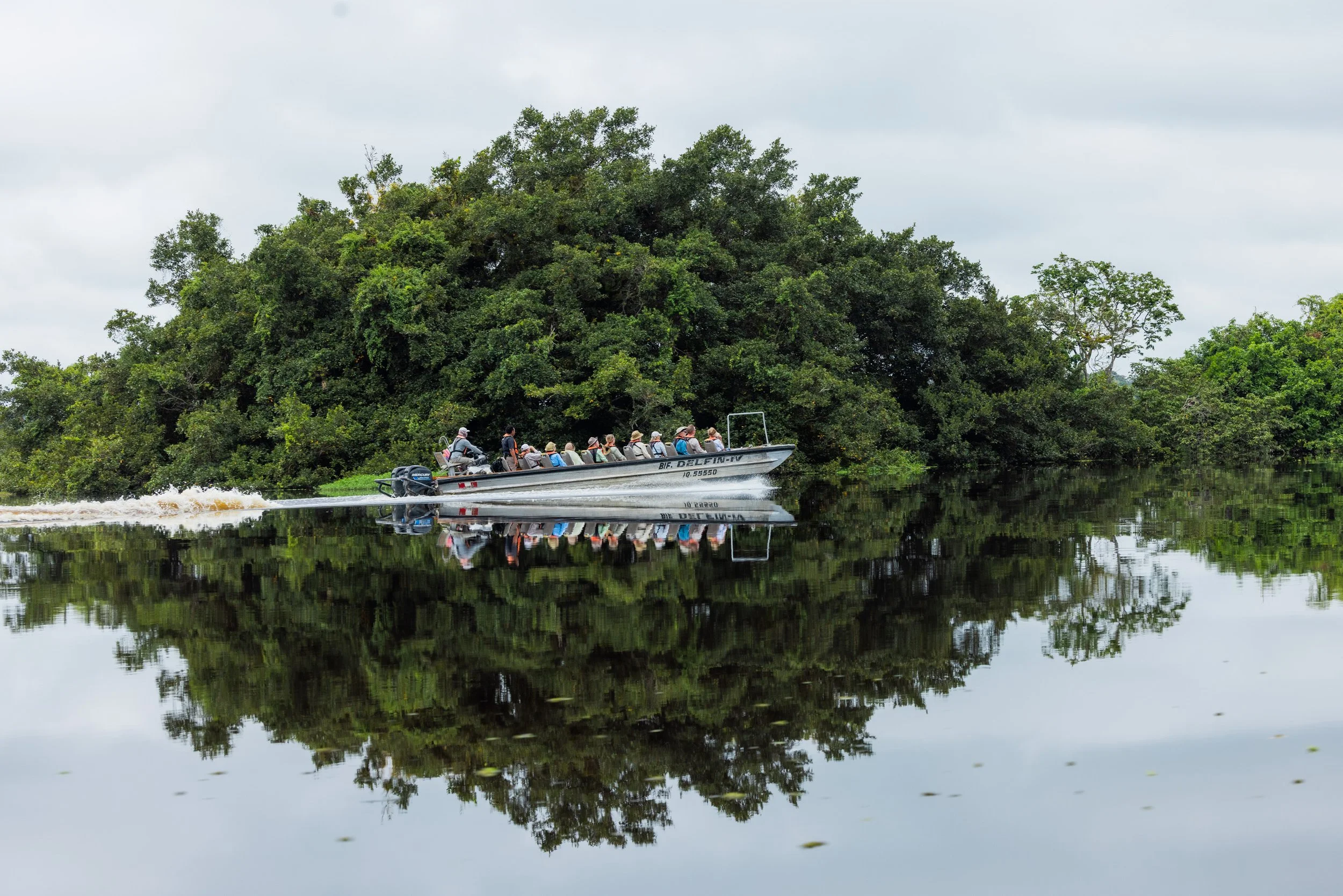
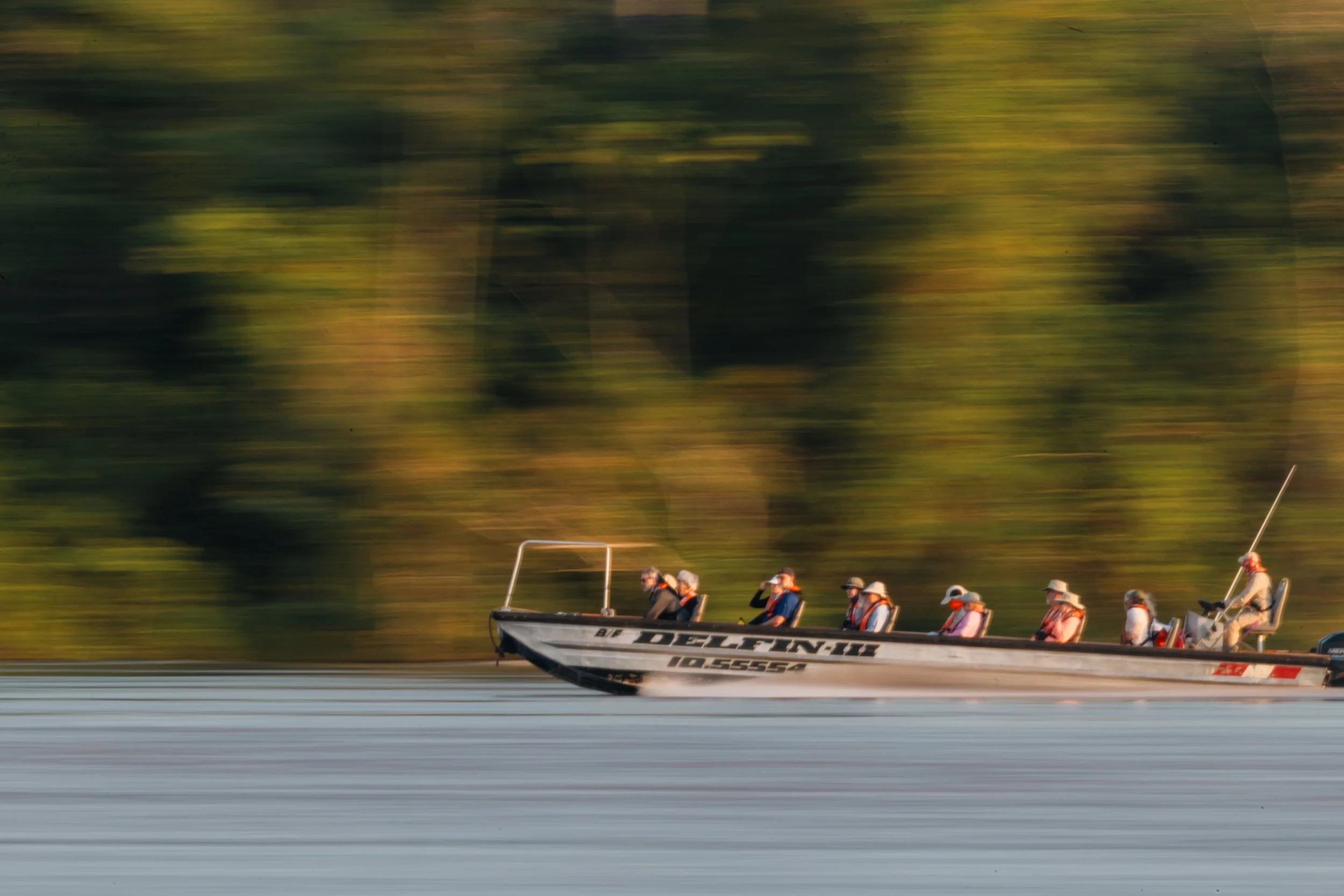
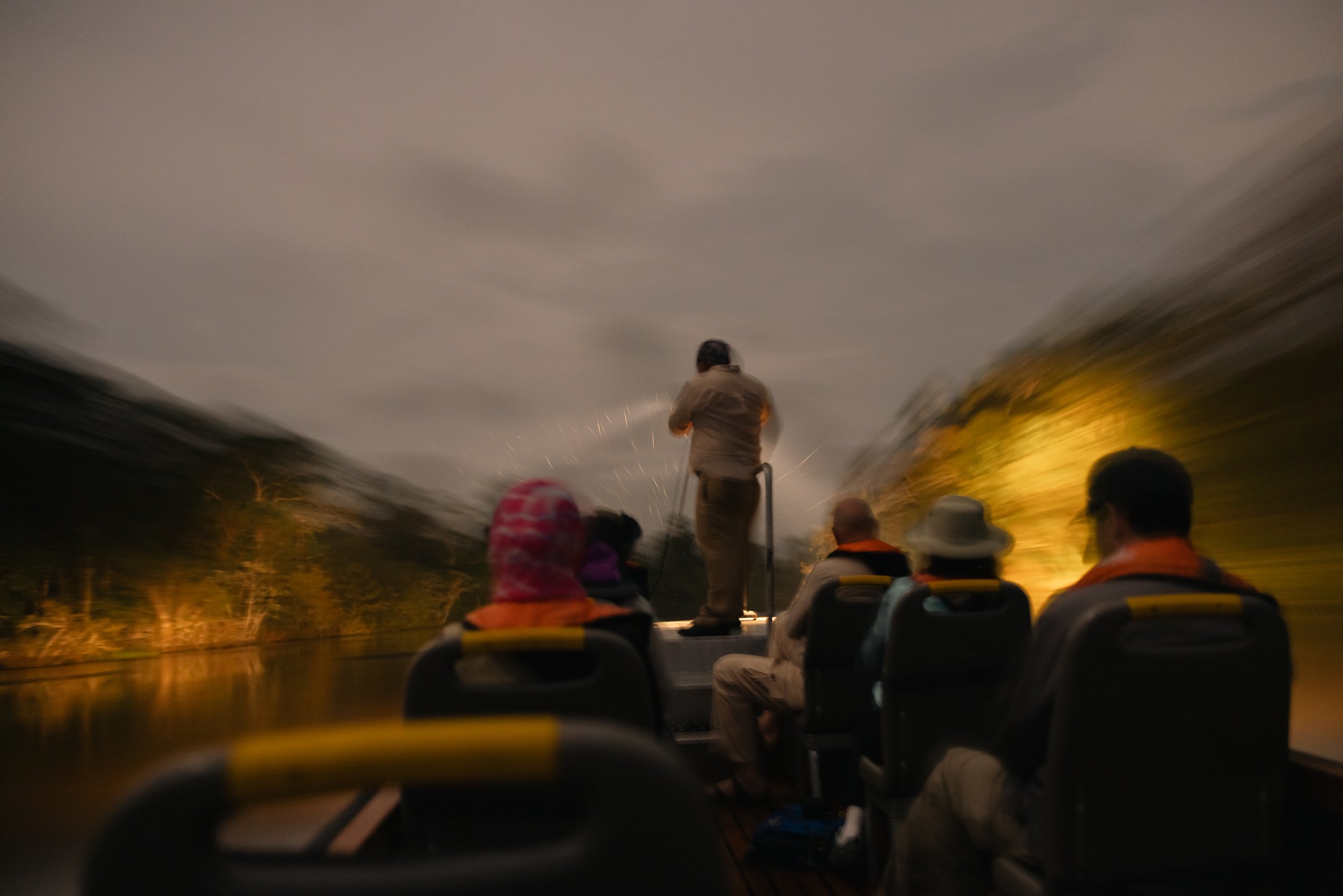
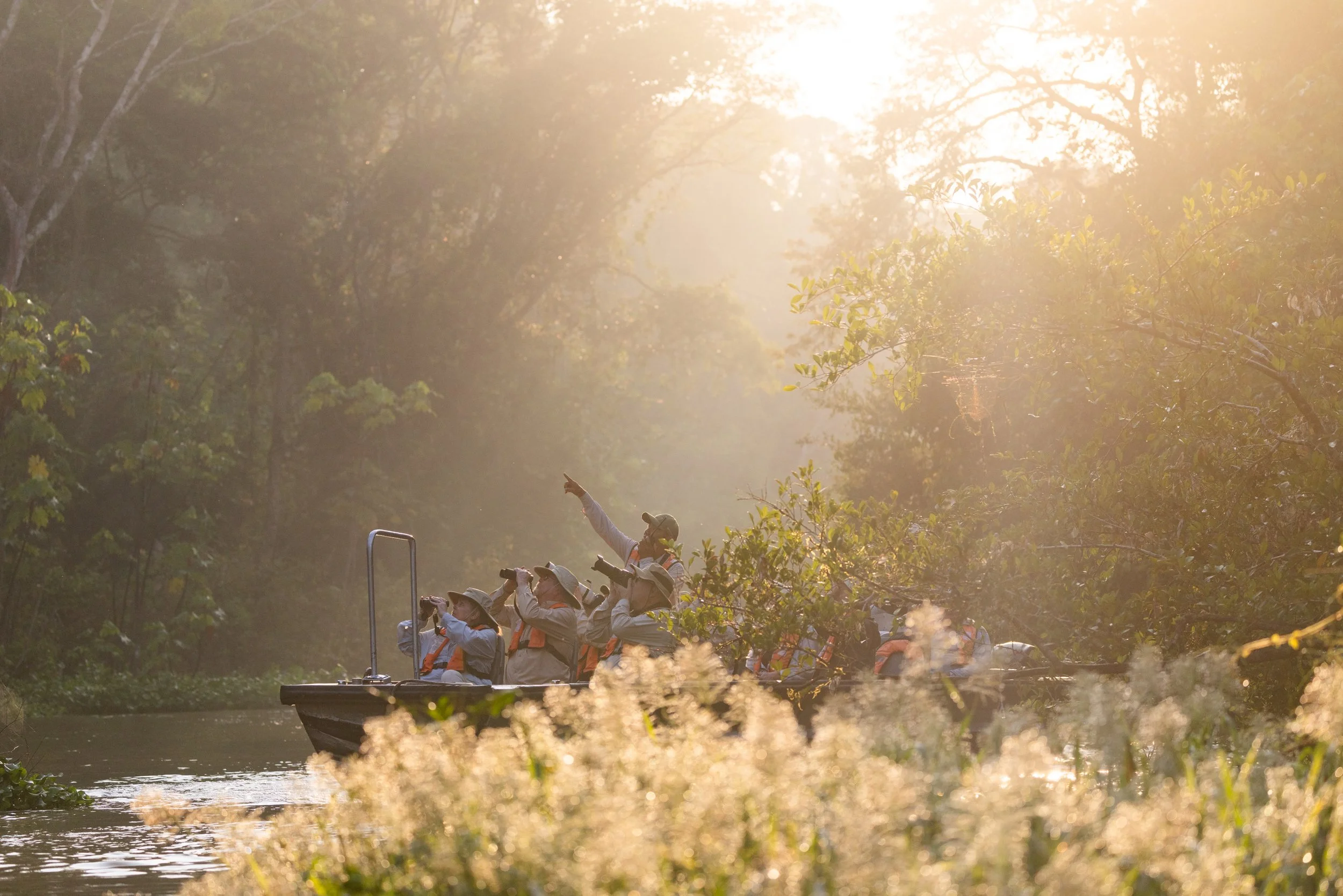
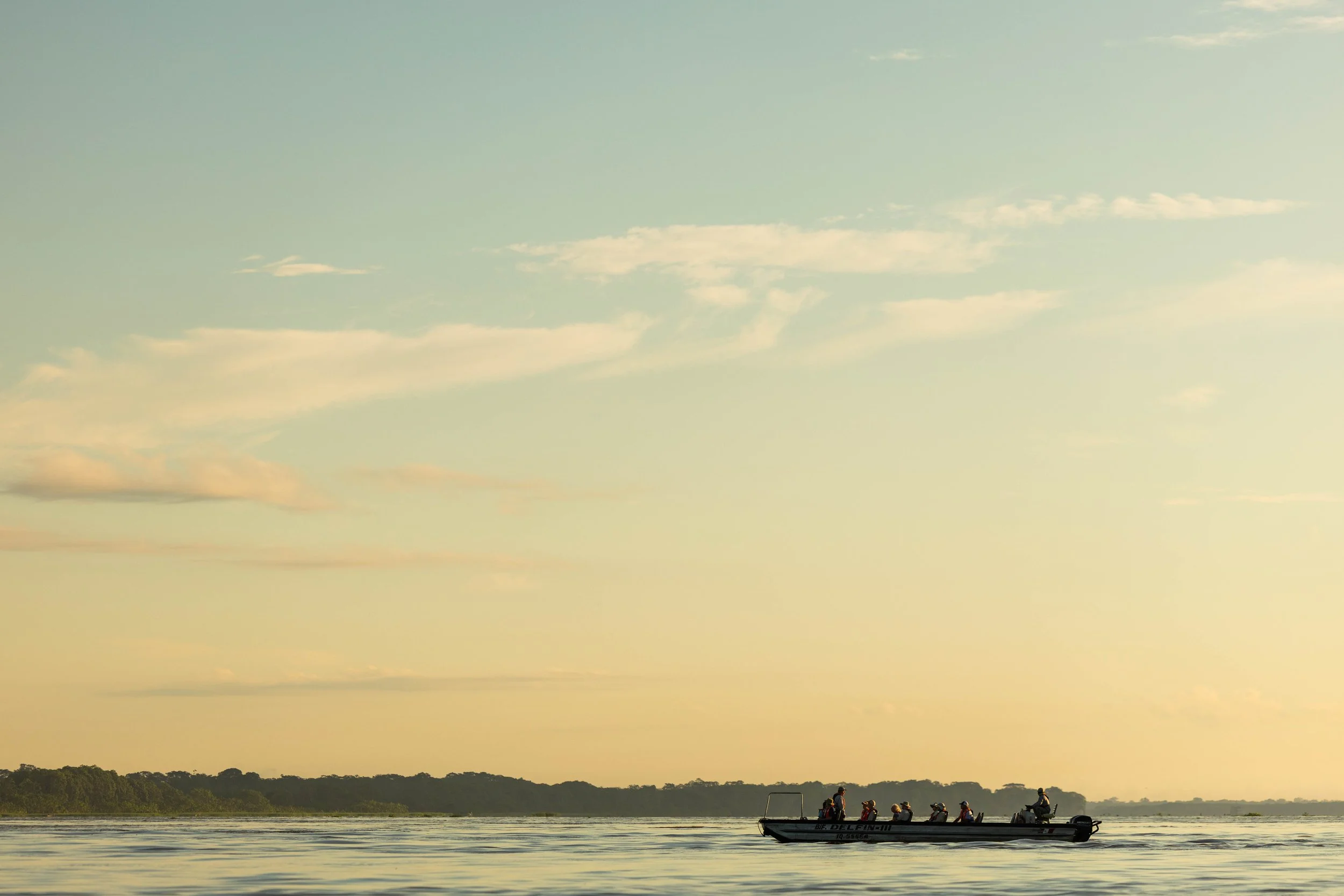
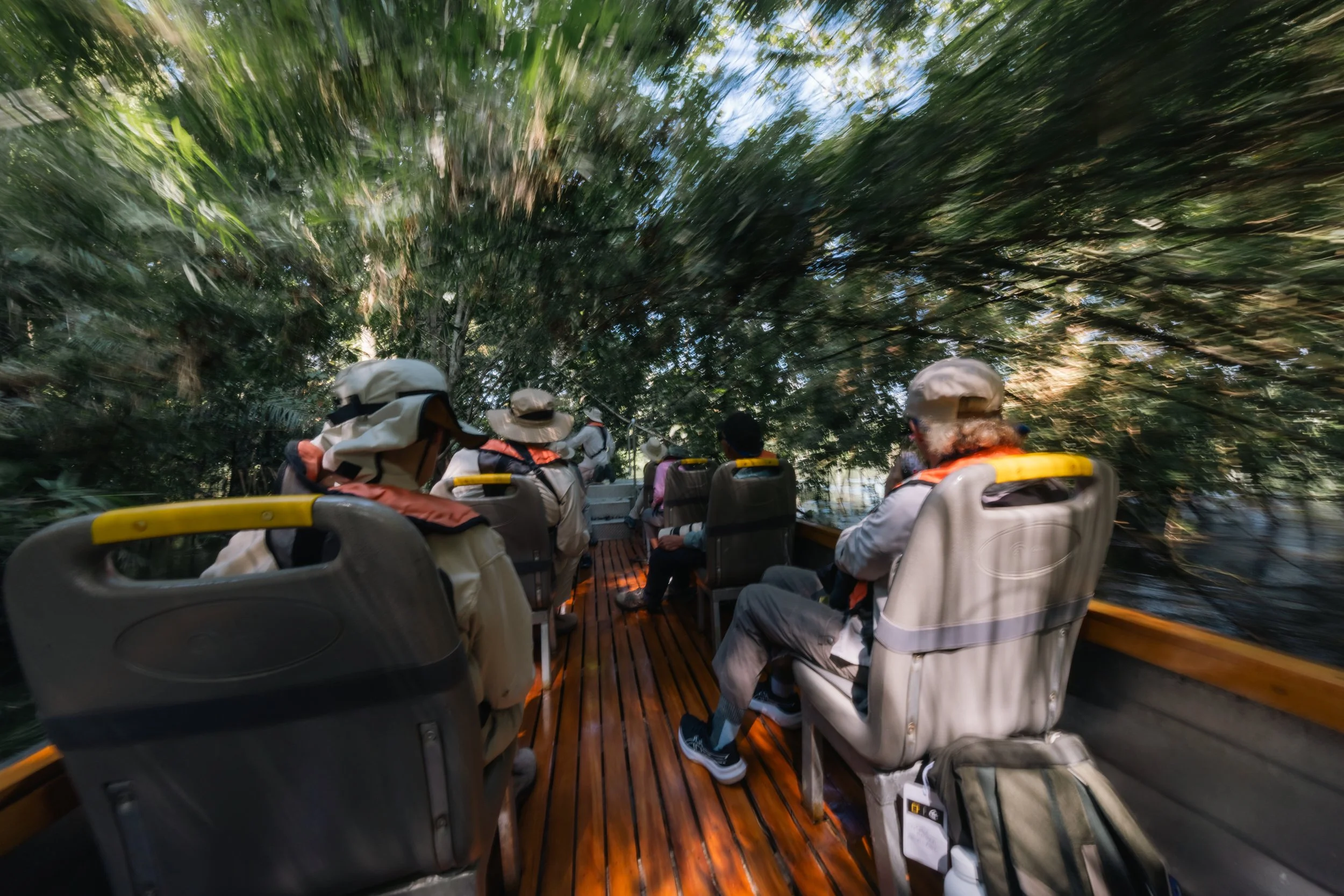
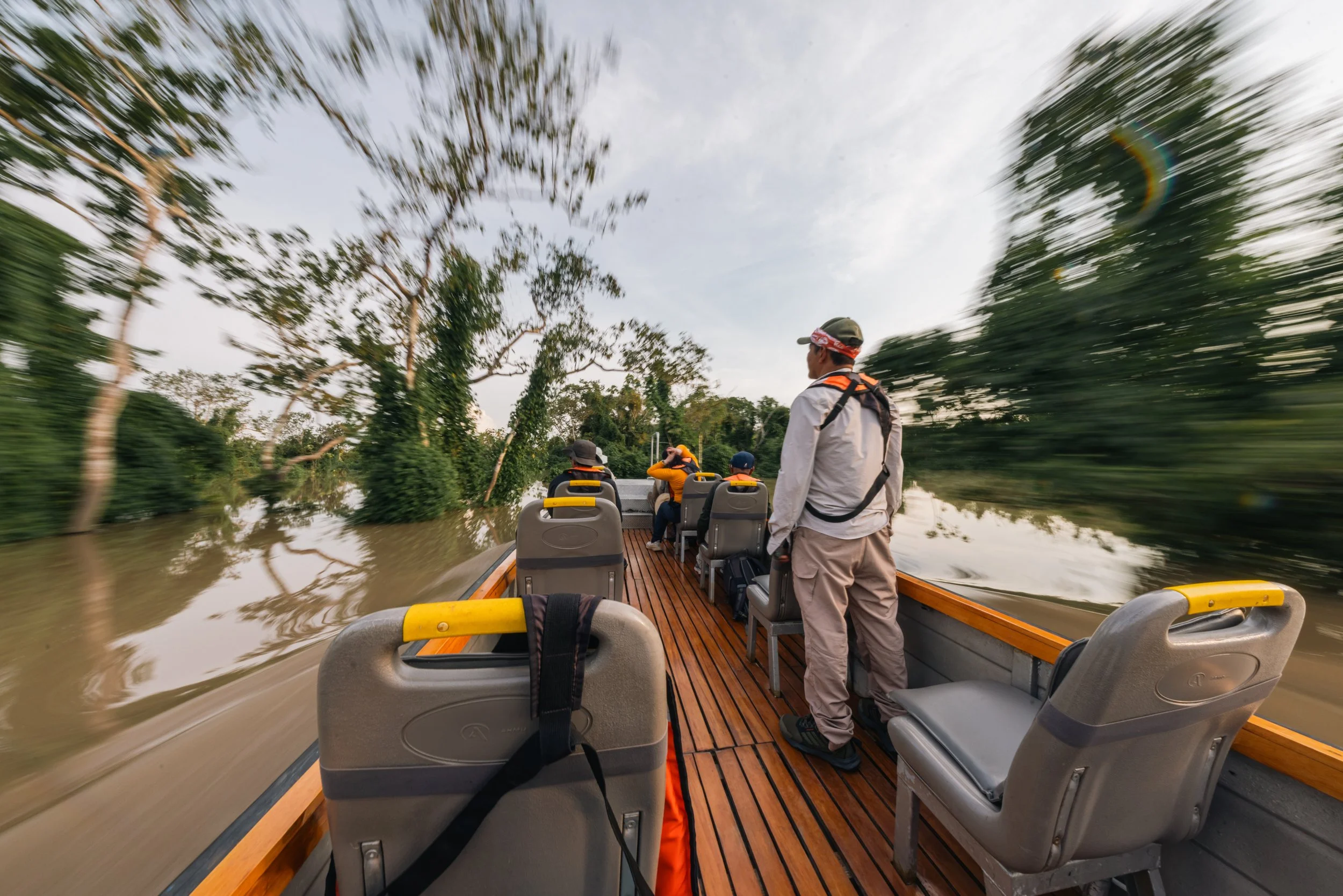
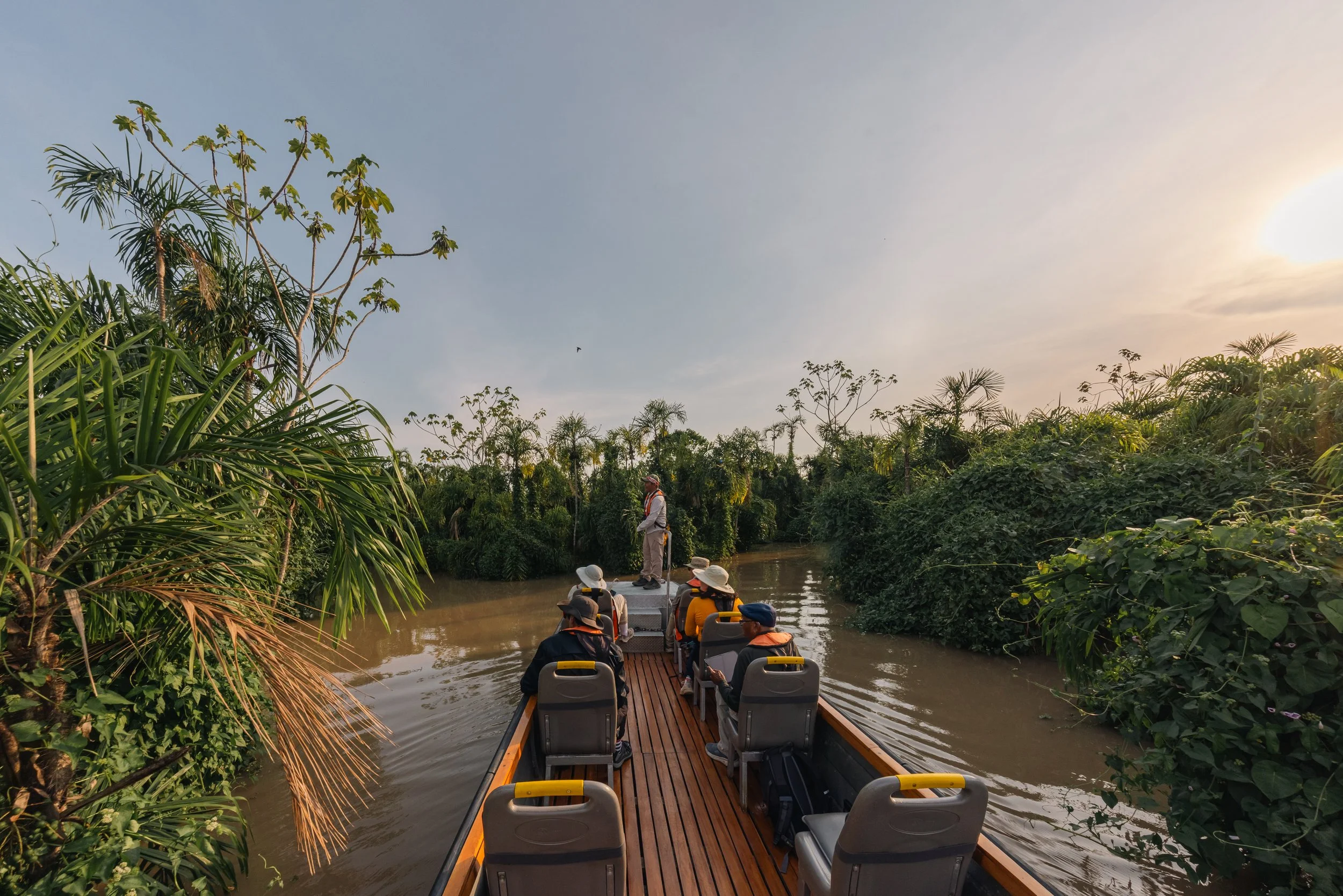
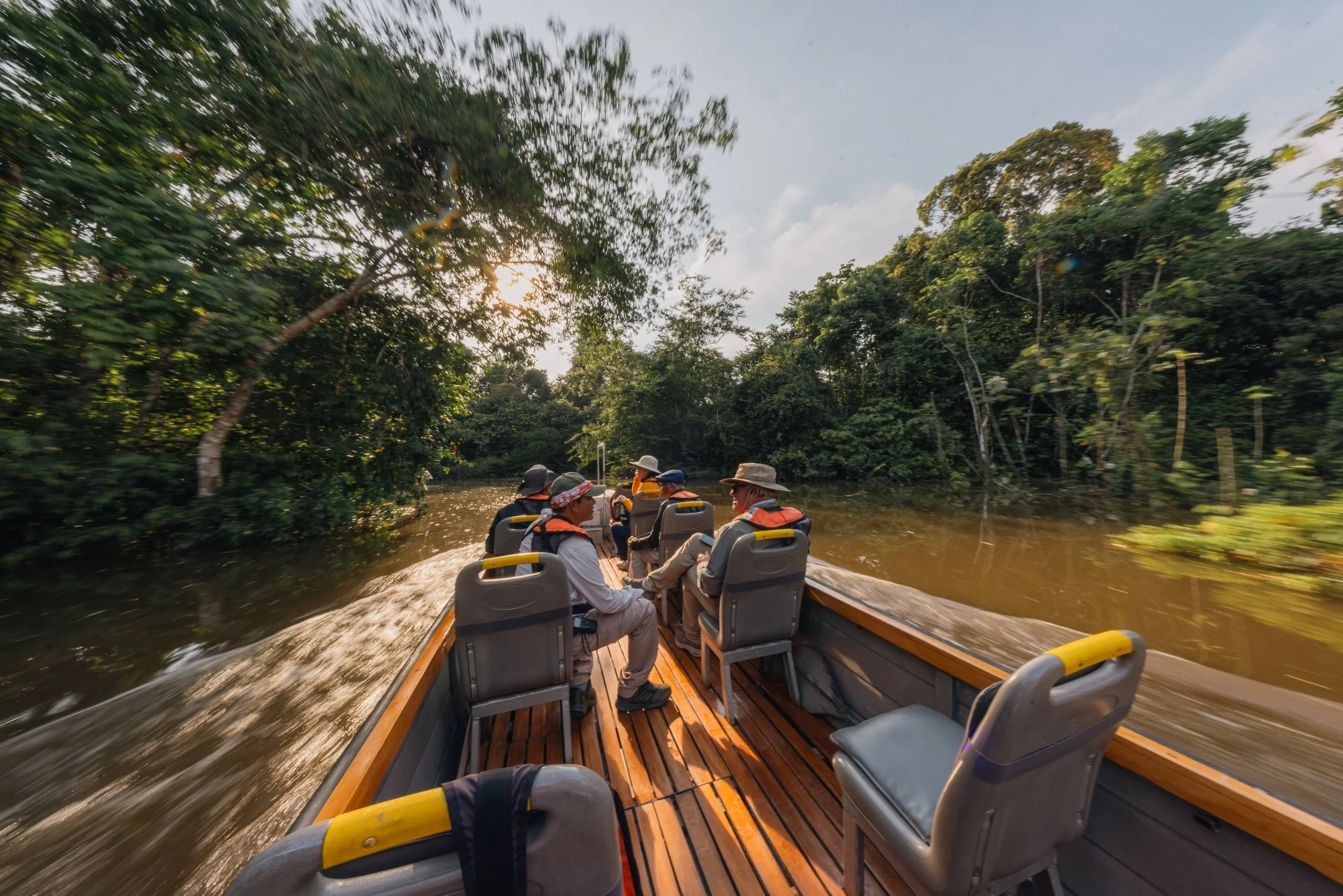
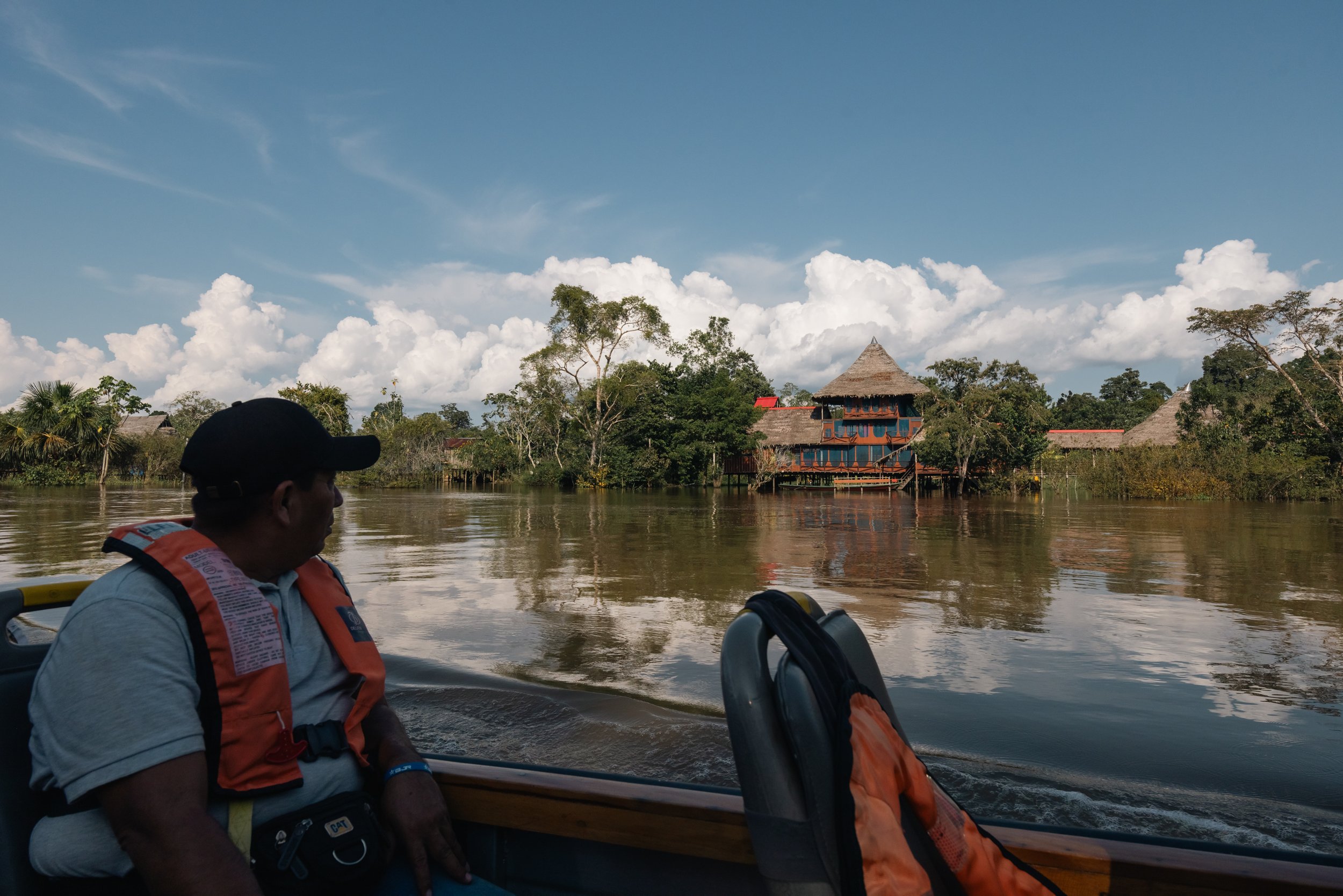
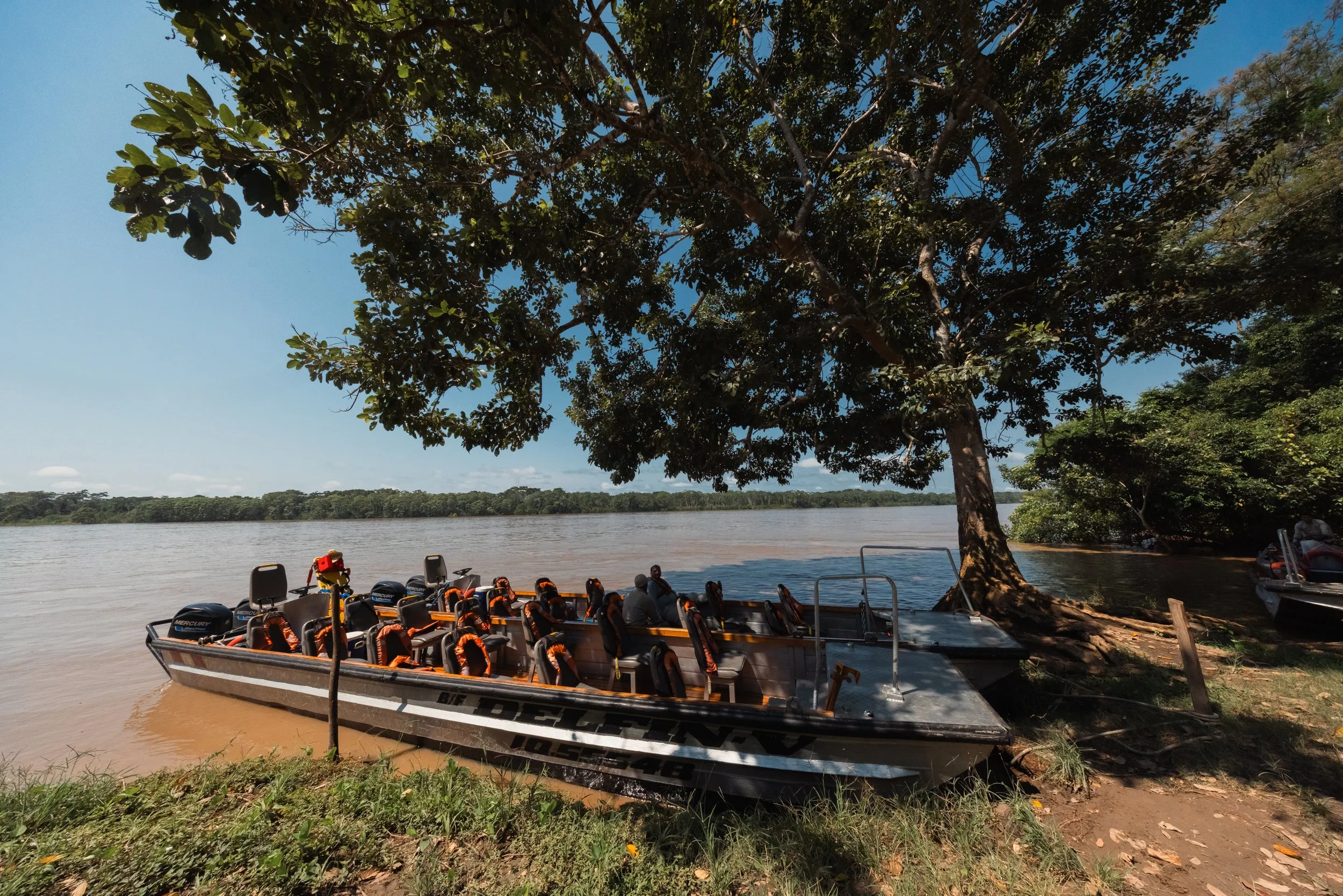
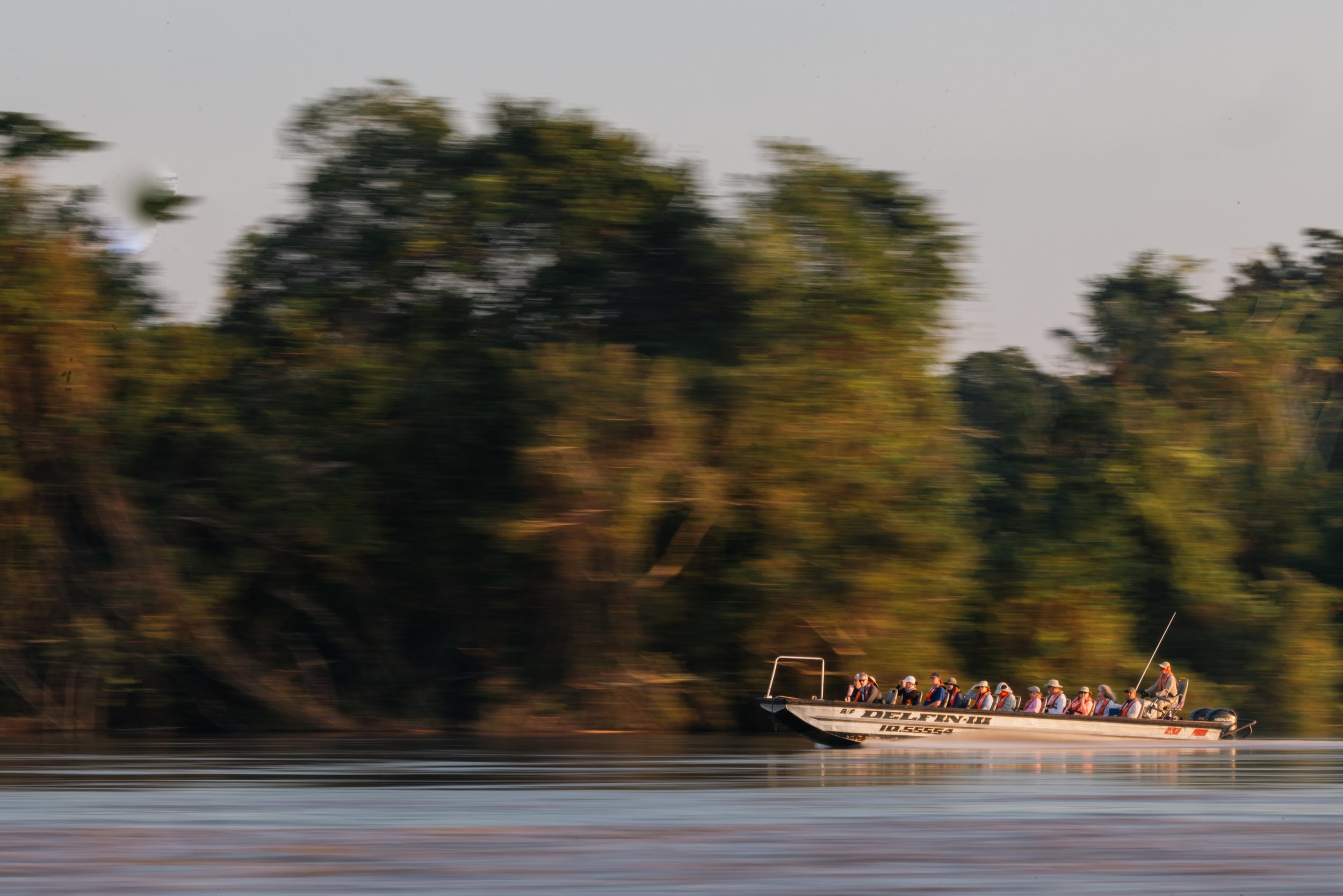
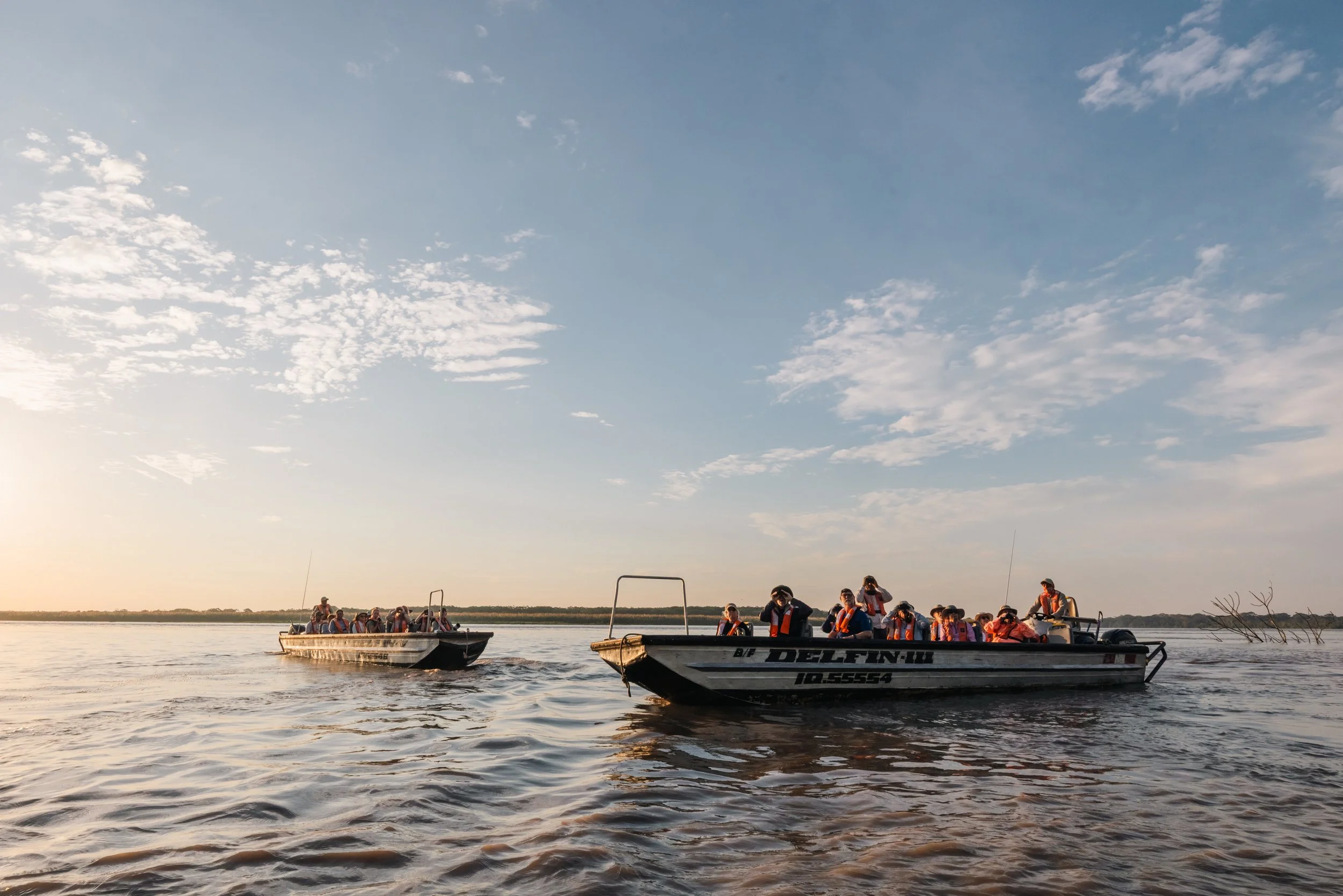
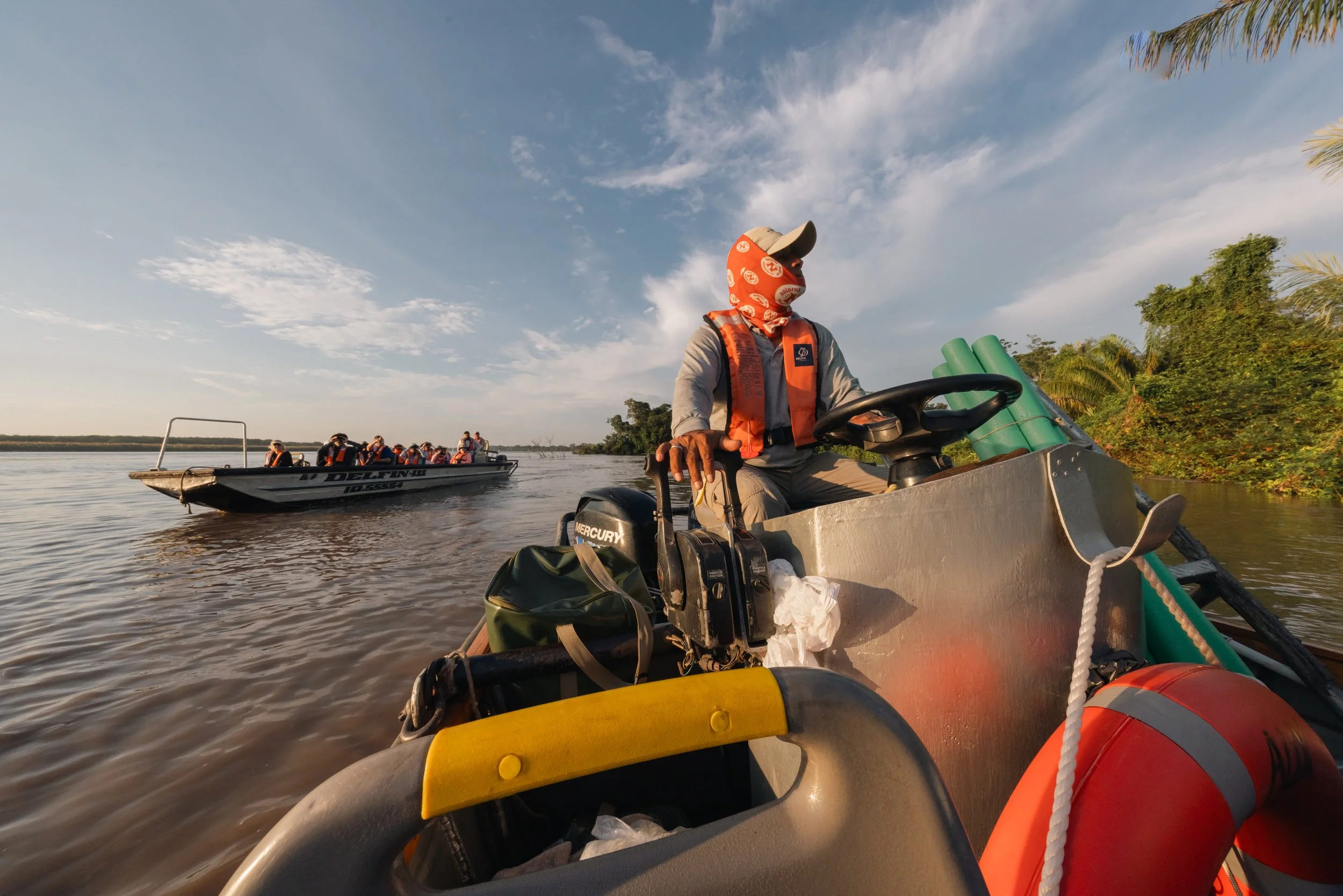
→ River travel
↓
Hope
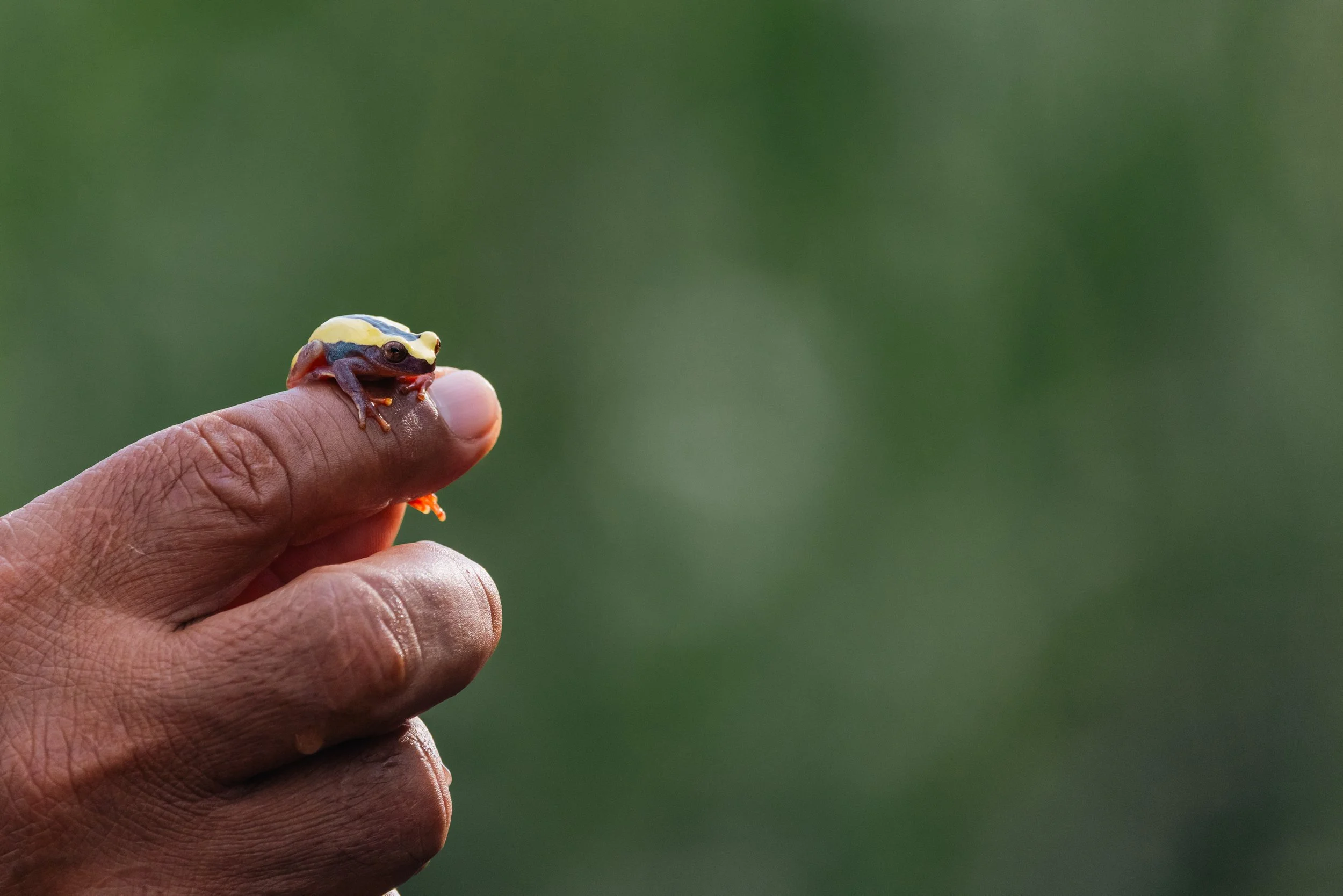
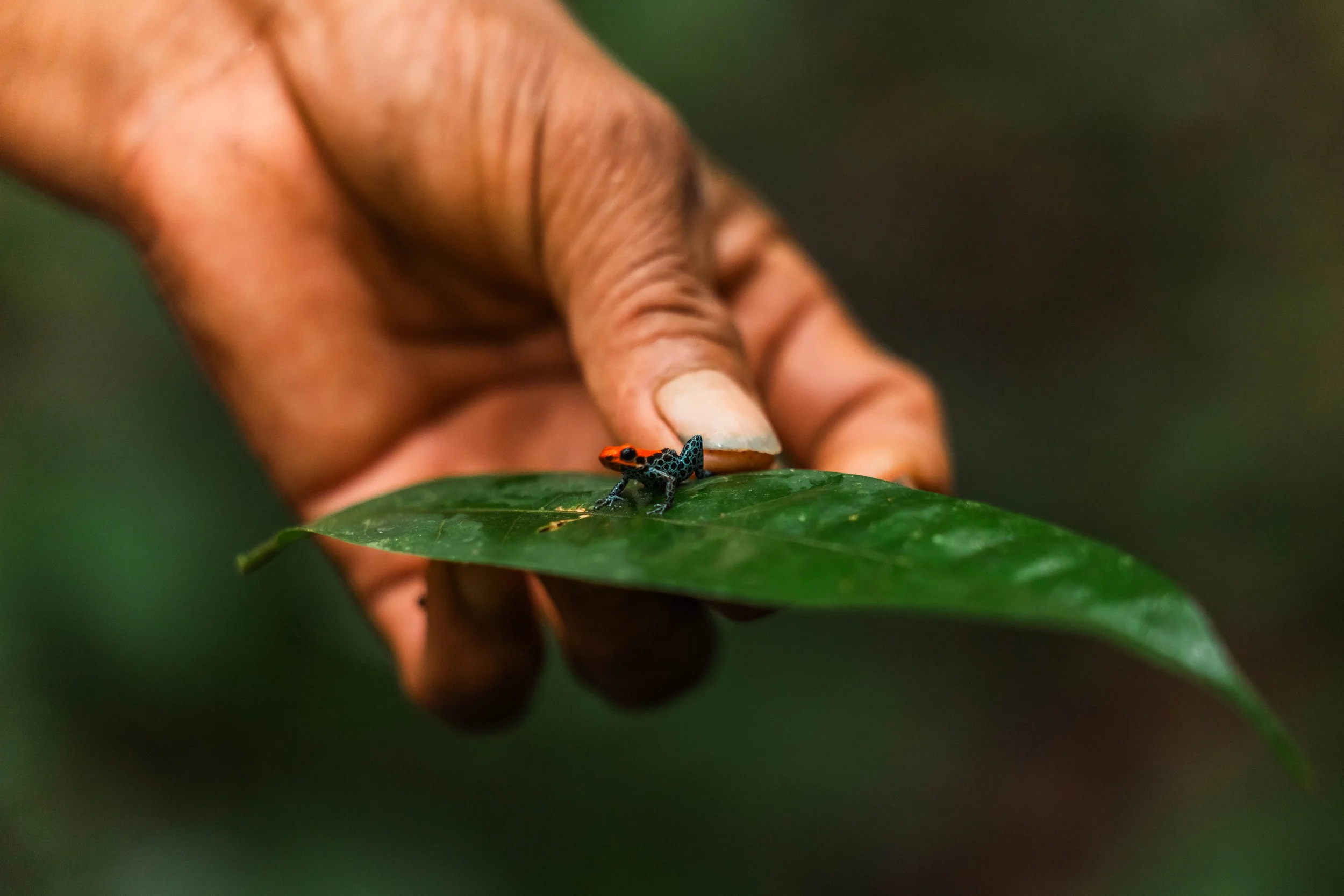
→ Child holding an insect
That ending is lovely because it's quiet rather than dramatic.
Strengths
1. Strong thematic cohesion
Everything points toward one idea:
People, animals, and the forest are inseparable.
That's a difficult thing to achieve.
Nothing feels completely out of place.
2. Excellent visual contrast
Unlike the Alaska essay, this has much more variation.
You alternate between
portraits
wildlife
environmental details
documentary moments
symbolic images
It breathes more.
3. The captivity images create tension
This is probably the strongest editorial decision.
You show
wild monkey
then
monkey behind bars
then
toucan behind bars
then
sloth in captivity.
Those comparisons make viewers ask questions without needing text.
That's good documentary storytelling.
4. Human portraits feel personal
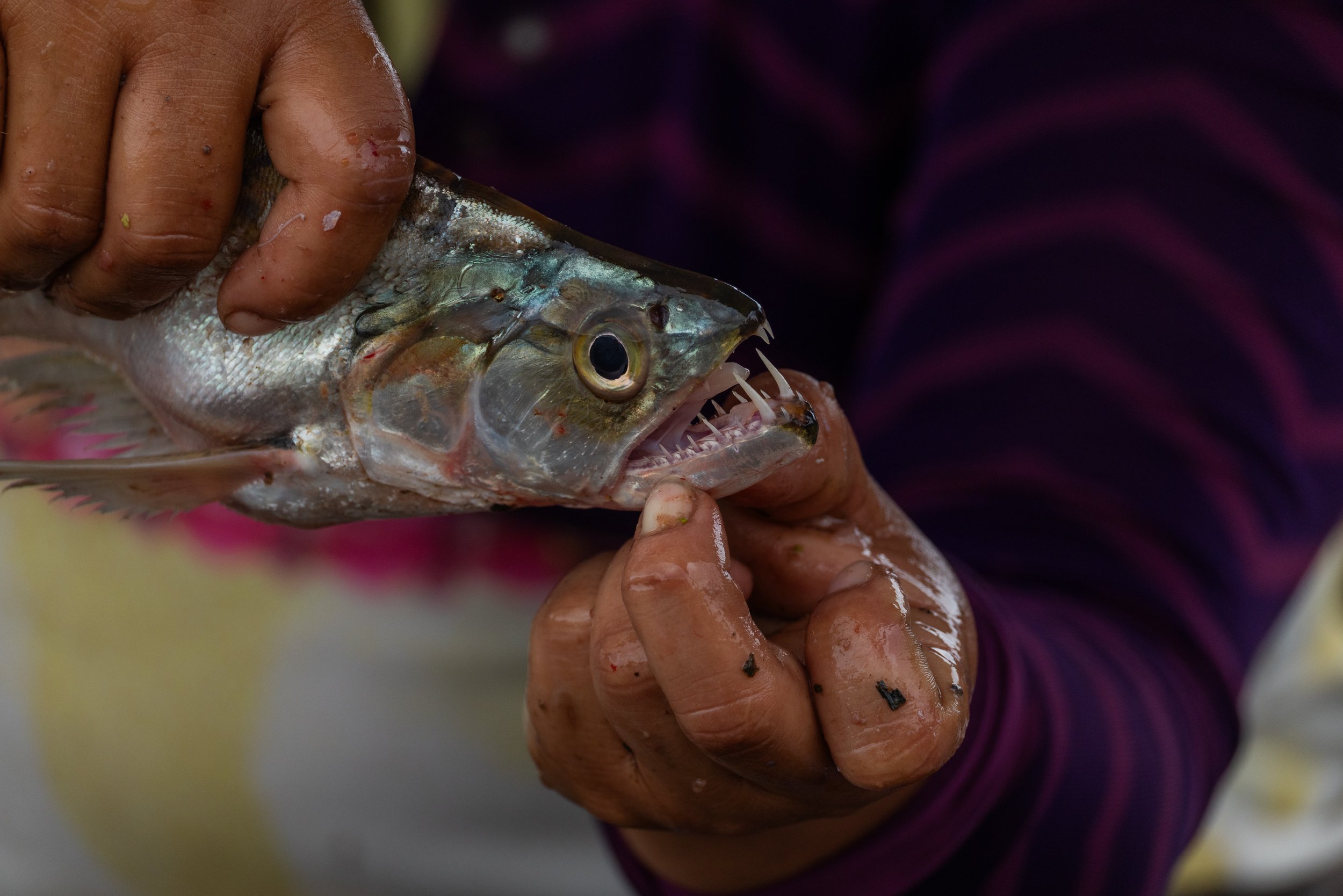
The older woman at the market.
The grandmother.
The children.
These don't simply identify "people."
They individualize the community.
The Alaska edit had people functioning more as researchers.
Here people have identities.
Right now there are actually two stories competing.
Story A:
Life in an Amazon community.
Story B:
Wildlife rescue/captivity/conservation.
They're related, but not identical.
The sequence occasionally oscillates between them.
If your written piece is primarily about a rescue center, I'd lean harder into the rescue narrative with more images of care, rehabilitation, or release.
If it's about a community living alongside the forest, I'd reduce the emphasis on cages and increase moments of interaction between people and the natural environment.
This Amazon sequence is stronger in human complexity. It asks more layered questions about coexistence, conservation, and culture, and the people feel like participants rather than observers.
Overall, I find the Amazon edit more intellectually engaging because it presents tensions without resolving them. The juxtaposition of wild animals and caged ones, community life and conservation messaging, tourism and local culture encourages viewers to ask questions rather than simply admire the imagery. With a slightly clearer opening and a more decisive ending, it could become an especially compelling documentary essay.